Source Jacquard Woven Throw Blanket for Travel, Hotel, Home
Find 30 options for Jacquard Woven Throw Blanket sourced from China. Compare features like waterproofing, anti-pilling, and custom designs across polyester and acrylic materials. View MOQs from 1 to 1000 pieces and request samples for travel, hotel, and home use.
Updated
Key considerations
Products List


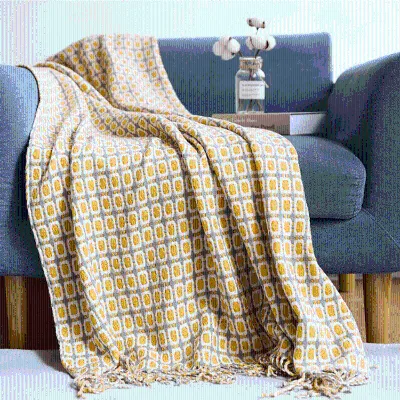
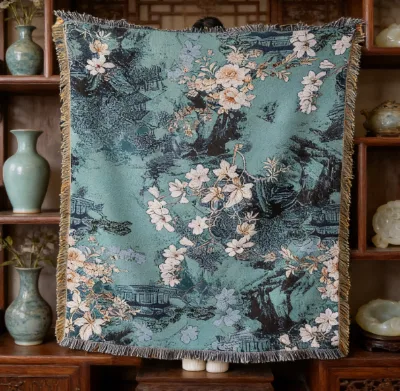
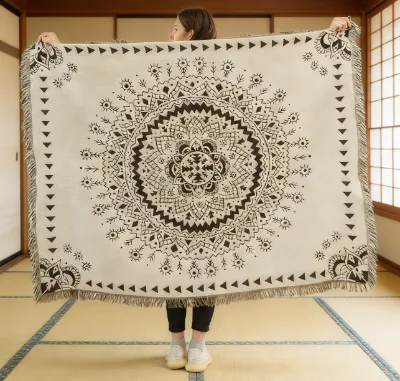
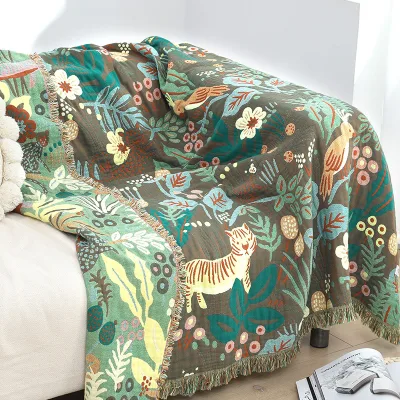
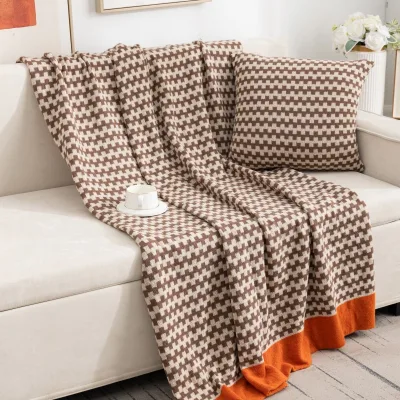
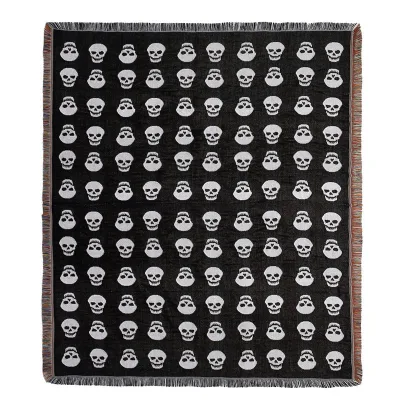


Versatile Customized Queen Size Fluffy Soft Throw Fleece Blanket for Bed
$8.00 - $8.40
MOQ: 1000 Pieces
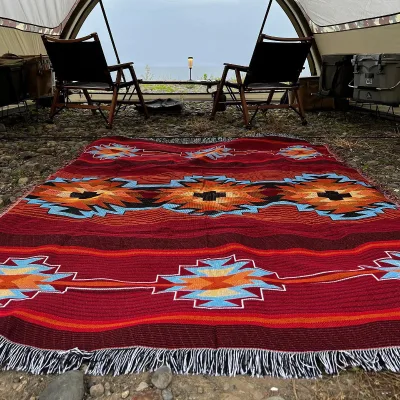


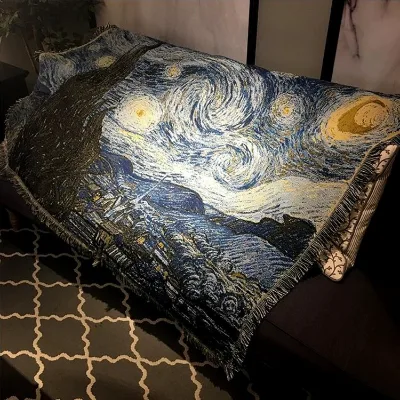
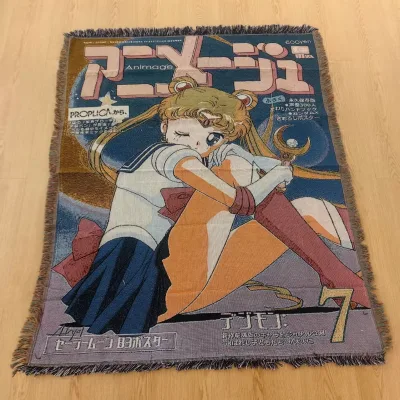
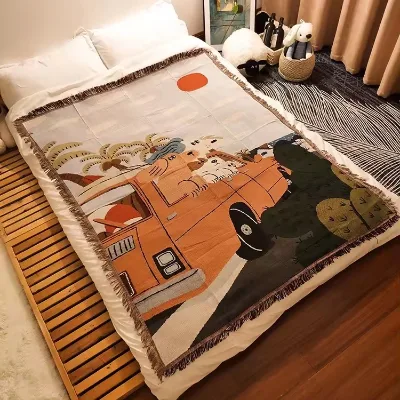


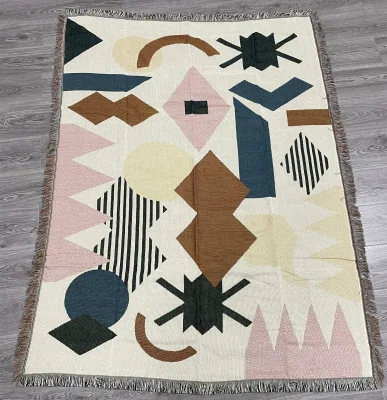
Comprehensive Sourcing Guide
Jacquard Woven Throw Blanket Sourcing Guide
Sourcing high-quality throw blankets requires a clear understanding of the specific textile construction and material properties that define the final product. While the core keyword suggests a jacquard woven structure, the available market data indicates a diverse range of manufacturing methods, including machine-woven, warp knitting, and chemical fiber constructions. Buyers must carefully distinguish between these production techniques, as they significantly impact the texture, durability, and visual depth of the blanket. A true jacquard weave creates intricate patterns by interlacing threads, whereas knitted or warp-knitted alternatives offer different stretch and drape characteristics. Understanding this distinction is critical for aligning supplier capabilities with your specific design requirements and end-use expectations.
The procurement landscape for throw blankets is characterized by significant variability in customization options, packaging standards, and minimum order quantities. Suppliers often provide plain color options alongside custom printing patterns, allowing for brand-specific differentiation. However, the lack of a uniform standard means that buyers must verify every technical detail individually. From the choice of polyester or acrylic materials to the specific dimensions and packing methods, each decision point affects the final unit cost and logistical efficiency. This guide provides a structured approach to navigating these variables, ensuring that procurement teams can make informed decisions based on verified product attributes rather than assumptions.
Product Scope and Observed Listing Signals
The observed market signals reveal a broad spectrum of product configurations, with materials ranging from polyester to 100% acrylic and chemical fiber blends. These materials are selected for their specific performance traits, such as anti-pilling properties and waterproof capabilities, which are essential for travel and hospitality applications. The target age group is consistently identified as adults, indicating that the primary use cases involve comfort and warmth in domestic or commercial settings. Buyers should note that while some listings emphasize plain colors, others offer printing patterns, suggesting that visual customization is a key differentiator in this segment. The shape is predominantly rectangular, with sizes varying from compact travel dimensions to full-sized covers.
Usage scenarios are diverse, encompassing travel, hospital stays, home use, airplane trips, hotel accommodations, and picnics. This versatility drives the demand for durable, easy-to-clean, and portable designs. Packaging methods vary significantly, with options including vacuum bags, OPP bags, PE bags, and zipper bags, each offering different levels of protection and space efficiency. The observed minimum order quantities (MOQ) range widely from a single piece to 1,000 units, with common thresholds at 100 or 200 pieces. This flexibility allows both small-scale retailers and large institutional buyers to find suitable suppliers, but it also requires careful evaluation of unit pricing and sample availability to ensure cost-effectiveness at the desired volume.
Technical Specifications to Verify
Verifying technical specifications is paramount to ensuring that the purchased blankets meet functional and aesthetic requirements. Key dimensions observed in the market include 100x150cm, 130x160cm, 150x200cm, and 127x180cm, with some suppliers offering custom sizing options. Buyers must confirm the exact size and weight specifications, as these directly impact shipping costs and storage requirements. The knitting method is another critical variable, with machine-woven and warp-knitted techniques producing distinct textures and durability profiles. It is essential to request physical samples to assess the hand feel, thickness, and weave density, as these attributes are not always accurately represented in digital listings.
Color options are frequently listed as numbered codes (1, 2, 3, etc.) or specific hues like blue and white, indicating a standardized palette that may be customized upon request. The standard product dimensions for packaging are often cited as 40x33x54cm or 40x33x5cm, which helps in planning logistics and warehouse storage. Additionally, the product model numbers, such as DR-2517, serve as unique identifiers for specific designs or batches. Buyers should verify these model numbers against the supplier’s catalog to ensure consistency in future orders. Confirming the seasonality of the product is also important, as some blankets are designed for four-season use while others are optimized for winter warmth, affecting their suitability for different climates and retail seasons.
Compliance and Safety Documentation
Compliance and safety documentation are essential for mitigating risk and ensuring that the blankets meet regulatory standards in target markets. While specific certification statuses are not uniformly provided in the observed data, buyers should proactively request evidence of compliance with relevant textile safety regulations. The mention of OEKO-TEX in background contexts suggests that such certifications may be available, but they must be verified directly with the supplier. Buyers should inquire about the presence of any chemical treatments, such as waterproofing agents, and request Material Safety Data Sheets (MSDS) if applicable. This is particularly important for products intended for use in hospitals or by children, where strict hygiene and safety standards apply.
Quality assurance processes should also be scrutinized to ensure that the blankets meet the claimed high-quality standards. Buyers should ask for details on the testing procedures used to verify anti-pilling and wearability claims. Understanding the supplier’s quality control protocols, including in-process inspections and final random inspections, can provide confidence in the consistency of the product. Additionally, verifying the origin of the materials, such as the source of the polyester or acrylic fibers, can help ensure ethical sourcing practices. By prioritizing compliance and safety documentation, buyers can protect their brand reputation and avoid potential legal issues associated with non-compliant products.
Cost Drivers and Commercial Terms
Cost drivers for throw blankets include material selection, customization complexity, packaging requirements, and order volume. Polyester and acrylic materials offer different price points based on quality and origin, while custom printing patterns and specific knitting methods can increase production costs. Packaging choices, such as vacuum sealing or zipper bags, also impact the final price due to additional labor and material expenses. Buyers should negotiate based on the total landed cost, including shipping and duties, rather than focusing solely on the unit price. Understanding the MOQ requirements is crucial, as higher volumes often lead to better pricing, but may require significant upfront investment.
Commercial terms such as sample time, payment terms, and lead times are critical components of the procurement process. Sample times typically range from 3 to 10 days, allowing buyers to evaluate product quality before committing to large orders. Payment terms should be negotiated to balance risk and cash flow, with options like letters of credit or partial payments being common in international trade. Lead times can vary based on production capacity and order size, so it is important to establish clear timelines with the supplier. Additionally, buyers should clarify any additional costs for customization, such as design fees or mold charges, to avoid unexpected expenses. Transparent communication about commercial terms helps build a strong partnership and ensures smooth transactions.
Supplier Qualification and Quality Control
Supplier qualification involves a thorough assessment of the manufacturer’s capabilities, reputation, and operational efficiency. Buyers should verify the supplier’s production capacity, equipment, and workforce to ensure they can meet order volumes and deadlines. Checking for relevant business licenses and export qualifications is essential to confirm legal compliance. Additionally, reviewing the supplier’s track record with similar clients can provide insights into their reliability and customer service quality. It is advisable to conduct factory audits, either in person or through third-party agencies, to assess working conditions, quality management systems, and environmental practices. This due diligence helps mitigate risks and ensures that the supplier aligns with your company’s values and standards.
Quality control measures should be integrated into the procurement process to maintain product consistency. Buyers should establish clear quality standards and inspection criteria, which should be communicated to the supplier before production begins. Implementing a pre-production sample approval process can help catch potential issues early. During production, regular in-process inspections can monitor progress and identify deviations from specifications. Final random inspections should be conducted before shipment to verify that the products meet all agreed-upon quality metrics. By maintaining rigorous quality control protocols, buyers can minimize defects, reduce returns, and enhance customer satisfaction.
Long-Term Procurement Checks
Long-term procurement checks focus on building sustainable relationships and ensuring continuous improvement in the supply chain. Regular performance reviews with suppliers can help identify areas for improvement and address any recurring issues promptly. Establishing key performance indicators (KPIs) such as on-time delivery rates, defect rates, and responsiveness can provide objective metrics for evaluation. Buyers should also monitor market trends and technological advancements to stay competitive and innovative. Engaging in open dialogue with suppliers about future needs and potential collaborations can foster loyalty and mutual growth. By prioritizing long-term partnerships, buyers can secure better pricing, priority production slots, and enhanced support.
Continuous monitoring of product quality and supplier compliance is essential for maintaining high standards over time. Periodic re-evaluation of supplier qualifications and quality control processes can help adapt to changing market conditions and regulatory requirements. Buyers should also consider diversifying their supplier base to reduce dependency on a single source and mitigate supply chain risks. Investing in relationship management and communication can lead to more flexible terms and collaborative problem-solving. By implementing these long-term procurement checks, buyers can create a resilient and efficient supply chain that supports their business objectives and drives value.
FAQs
What materials are used for jacquard woven throw blankets?
Jacquard woven throw blankets are typically crafted from polyester or 100% acrylic. These materials provide durability and softness suitable for winter use. The machine-woven construction ensures a consistent texture. Some options feature plain colors or printing patterns. Buyers can select based on preferred warmth and tactile feel for home or travel applications.
Can I customize the size of a Jacquard Woven Throw Blanket?
Yes, customization is available for many jacquard woven throw blankets. Standard sizes include 130x160cm, 150x200cm, and 127x180cm. Custom sizes are also supported to meet specific requirements. Buyers should confirm dimensions with the supplier before ordering. This flexibility ensures the blanket fits various furniture or travel needs perfectly.
What is the typical MOQ for jacquard woven throw blankets?
The minimum order quantity varies by supplier and product type. Some manufacturers require an MOQ of 200 pieces, while others accept orders as low as 1 piece. Bulk orders often benefit from lower unit prices. Buyers should verify the specific MOQ with their chosen vendor. This range accommodates both small trial orders and large commercial purchases.
How are jacquard woven throw blankets packaged for shipping?
Packaging methods include vacuum bags, OPP bags, and PE bags. Vacuum packing is common for space efficiency during transport. Some items use zipper bags for retail readiness. The standard packing dimensions are often around 40x33x54cm. Buyers should request specific packaging details to ensure product protection and compliance with their logistics requirements.
What features do jacquard woven throw blankets offer?
These blankets often feature anti-pilling and waterproof properties. They are designed to be wearable and durable for daily use. Suitable for travel, hospital, home, and hotel settings. The plain color or printing pattern options add aesthetic value. High-quality construction ensures longevity. Buyers can choose based on specific functional needs like warmth or ease of maintenance.
Where are jacquard woven throw blankets typically manufactured?
Most jacquard woven throw blankets are manufactured in China. This region offers extensive production capabilities for textile goods. Buyers can access a wide range of suppliers and factories. The origin influences lead times and shipping costs. Sourcing from China provides competitive pricing and diverse product options for global buyers seeking quality textiles.