Source Cooling Bamboo Woven Quilt for Hotels, Homes, and Hospitals
Explore 30 Cooling Bamboo Woven Quilt options from verified Chinese manufacturers. Compare features such as Arc-Chill fabric, reversible designs, and customizable sizes suitable for home, hotel, and hospital environments to find the best fit for your needs; compare the available evidence and request quotations based on your requirements.
Updated
Key considerations
Products List
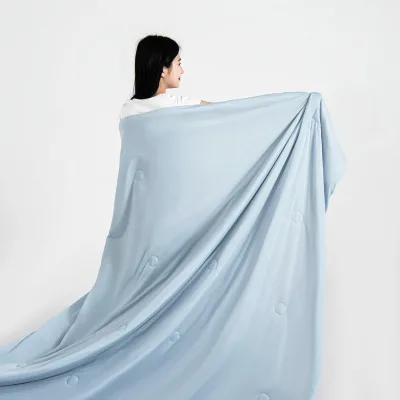
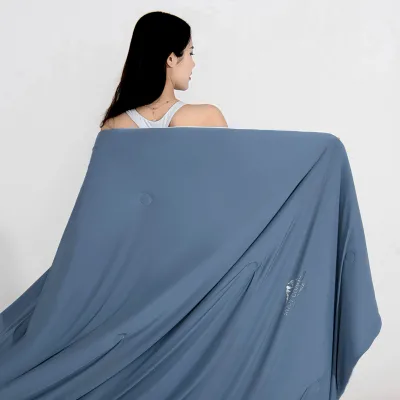
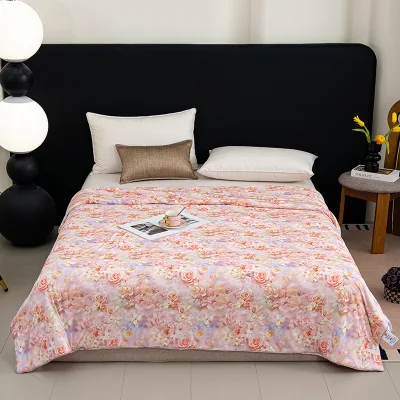
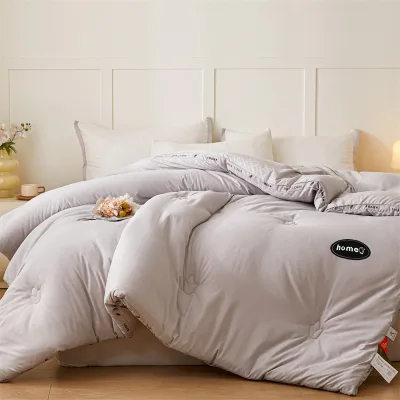
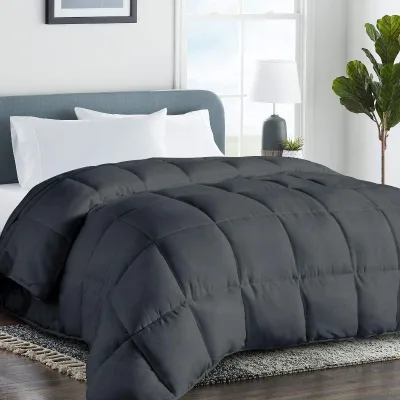
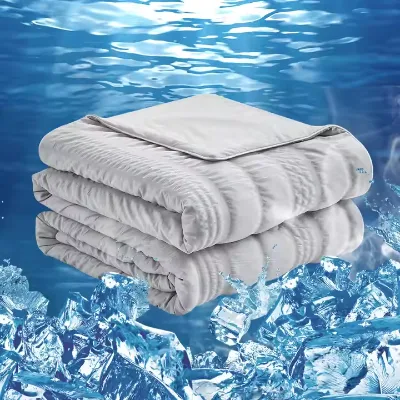


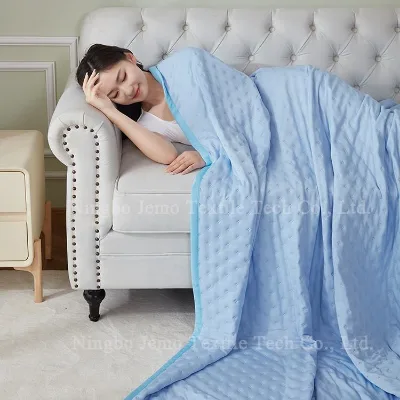
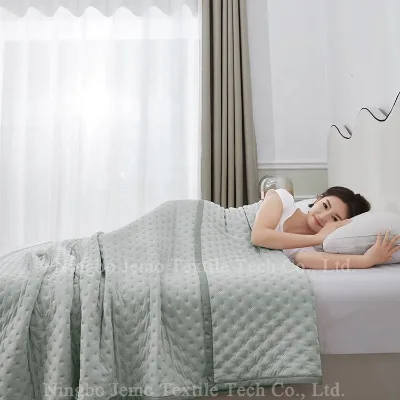
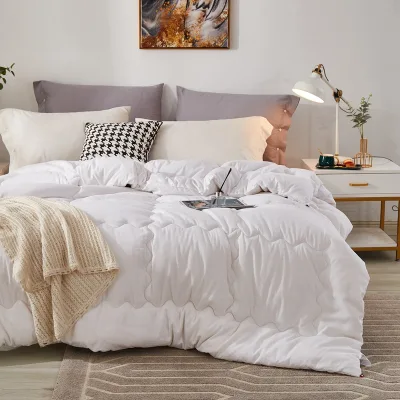
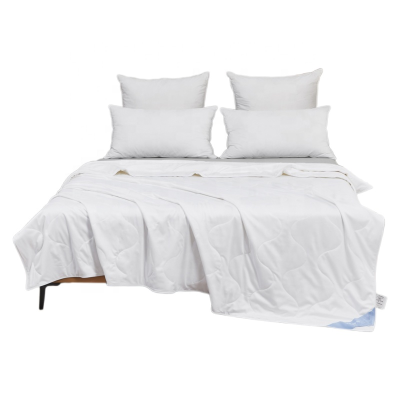
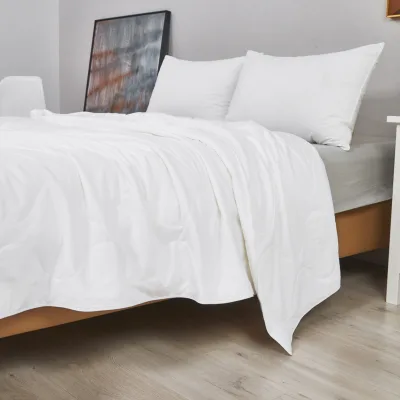
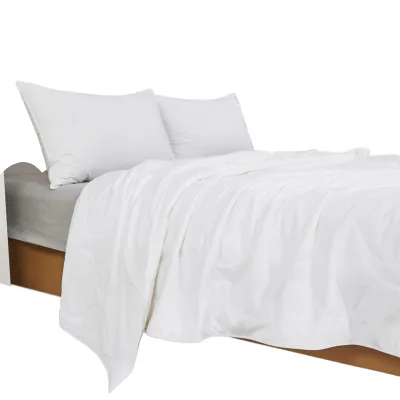
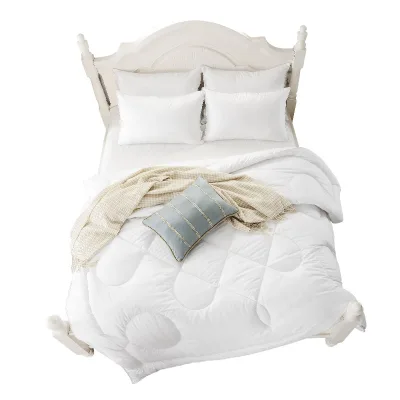
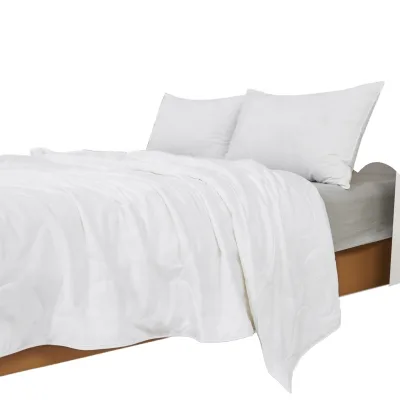
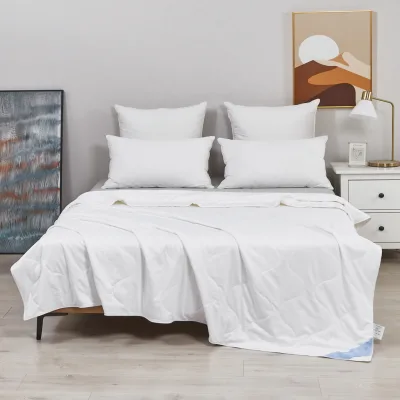
Home Textile Bedding Sleep Bamboo Cooling Thin Blanket for Hot Sleepers
$11.00 - $12.00
MOQ: 200 Pieces

High Quality Cooling Blanket Lightweight Cozy Cotton Blanket for Summer
$9.10 - $10.00
MOQ: 200 Pieces


Comprehensive Sourcing Guide
Cooling Bamboo Woven Quilt Sourcing Guide
Sourcing cooling bamboo woven quilts requires a nuanced understanding of material science and textile manufacturing capabilities. Buyers must distinguish between genuine bamboo-derived fibers and synthetic blends that merely mimic the tactile experience of natural fibers. The market offers various iterations, including those labeled as bamboo viscose, rayon, or blended microfibers, each presenting distinct performance characteristics regarding breathability, moisture-wicking, and thermal regulation. Understanding these material distinctions is critical for aligning product specifications with end-user expectations for summer comfort or all-season versatility.
Procurement teams should prioritize suppliers who provide transparent material composition details rather than relying solely on marketing terminology. The observed market includes products utilizing Arc-Chill cooling fabrics combined with bamboo fiber, as well as those using standard polyester or cotton fills. Verifying the exact fiber content through supplier documentation or third-party lab testing ensures that the cooling claims are substantiated by the fabric’s physical properties. This diligence prevents misalignment between procurement specifications and the actual thermal performance delivered to the end consumer.
Product Scope and Observed Listing Signals
The current market landscape for cooling quilts exhibits a diverse range of product attributes, with observed prices spanning from $2.50 to $38.90 USD. This wide variance reflects differences in material quality, construction techniques, and brand positioning. Minimum order quantities (MOQs) typically range from 10 to 300 units, offering flexibility for both small boutique hotels and large institutional buyers. Buyers should note that lower price points often correlate with synthetic fills like polyester or basic microfiber constructions, while higher tiers may feature specialized cooling fabrics or natural fiber blends.
Listing signals indicate a strong emphasis on functional features such as reversibility, hypoallergenic properties, and eco-friendly certifications. Products are frequently marketed for use in homes, hotels, hospitals, and even travel scenarios like camping or office naps. The observed styles range from modern and simple to classic designs, with patterns including quilting and prints. Buyers should carefully review product descriptions for specific weight indicators, as observed weights vary from 1-2 kg to 3.0 kg, directly impacting the perceived warmth and suitability for different seasonal conditions.
Technical Specifications to Verify
Technical verification must begin with the fabric composition, specifically confirming the presence and percentage of bamboo-derived fibers or specialized cooling technologies. Some listings specify materials like Arc-Chill cooling fabric and bamboo fiber, while others list 100% polyester or microfiber. Buyers should request detailed fabric weight (GSM) and weave density specifications to ensure the woven structure supports the claimed breathability and cooling effects. The construction method, whether woven or stitched, also influences the quilt’s durability and thermal retention properties.
Filling material and weight are critical technical parameters that determine the quilt’s performance across seasons. Observed fills include cotton, polyester, and unspecified "other" materials, with weights ranging from 1-2 kg to 2.5 kg. Buyers must verify if the filling is evenly distributed to prevent clumping and ensure consistent cooling performance. Additionally, size customization options should be confirmed, as many suppliers offer full, twin, king, and queen sizes, along with bespoke dimensions for specific hospitality or institutional requirements.
Compliance and Safety Documentation
Compliance with international safety standards is non-negotiable for bedding products intended for direct skin contact. Buyers should verify that suppliers adhere to OEKO-TEX standards, which certify that the textiles are free from harmful substances. Although specific certification status may vary by supplier, requesting valid OEKO-TEX certificates or equivalent regional safety approvals is essential for mitigating health risks and ensuring regulatory compliance in target markets. This documentation provides assurance that the bamboo fibers and any chemical treatments used in the cooling process are safe for consumers.
Environmental and sustainability claims also require robust documentation to avoid greenwashing accusations. Suppliers marketing products as eco-friendly or sustainable should provide evidence of responsible sourcing practices for bamboo fibers and ethical manufacturing processes. Buyers should inquire about the lifecycle of the materials, including biodegradability and recyclability, particularly for products claiming to be eco-friendly. Transparent supply chain documentation helps build trust with environmentally conscious consumers and aligns with corporate social responsibility goals.
Cost Drivers and Commercial Terms
Cost structures for cooling bamboo woven quilts are influenced by material sourcing, manufacturing complexity, and order volume. The use of specialized cooling fabrics or natural bamboo fibers typically commands a premium over standard polyester or cotton alternatives. Buyers should analyze the cost breakdown to understand how much of the price is attributed to raw materials versus labor and overhead. Negotiating volume discounts becomes more feasible as order quantities increase, particularly when MOQs are met or exceeded, allowing for better margin management.
Commercial terms such as lead times, payment conditions, and shipping logistics significantly impact the total cost of ownership. Suppliers located in regions like Jiangsu and Zhejiang, China, may offer competitive pricing due to established textile manufacturing ecosystems. However, buyers must account for potential variations in lead times based on customization requirements, such as logo printing or specific size adjustments. Clear communication regarding production schedules and quality assurance checkpoints helps prevent delays and ensures timely delivery for seasonal inventory needs.
Supplier Qualification and Quality Control
Supplier qualification involves assessing manufacturing capabilities, quality management systems, and past performance records. Buyers should prioritize suppliers with proven experience in producing cooling textiles and those who offer customization services for logos and sizes. Requesting product samples is a crucial step to evaluate the tactile feel, cooling performance, and overall build quality before committing to large orders. Suppliers who provide detailed product specifications and responsive customer service are often more reliable partners for long-term procurement.
Quality control protocols must be clearly defined and enforced throughout the production process. Buyers should establish acceptance criteria for defects, such as stitching errors, fabric inconsistencies, or color mismatches. Implementing pre-shipment inspections or hiring third-party quality assurance firms can help identify and rectify issues before goods are dispatched. Clear communication of quality expectations and regular feedback loops with suppliers ensure continuous improvement and maintain consistency in product quality across multiple orders.
Long-Term Procurement Checks
Long-term procurement success depends on continuous monitoring of supplier performance and market trends. Buyers should regularly review supplier reliability, including adherence to delivery schedules and consistency in product quality. Establishing key performance indicators (KPIs) for defect rates, response times, and issue resolution helps quantify supplier performance and identify areas for improvement. Regular audits or reassessments of supplier capabilities ensure that they remain aligned with evolving buyer requirements and industry standards.
Market dynamics and consumer preferences for cooling bedding products are subject to change, requiring proactive adaptation. Buyers should stay informed about emerging technologies in fabric cooling and sustainable material sourcing to maintain a competitive edge. Diversifying the supplier base can mitigate risks associated with single-source dependencies and provide flexibility in responding to market fluctuations. Continuous engagement with suppliers on innovation and product development fosters a collaborative relationship that drives value and ensures long-term procurement success.
FAQs
What materials are used in the Cooling Bamboo Woven Quilt?
The Cooling Bamboo Woven Quilt utilizes Arc-Chill cooling fabric and bamboo fiber for its material composition. This blend ensures a breathable and cooling experience suitable for summer use. Some variants also incorporate polyester fabric or microfiber to enhance durability and washability while maintaining the essential cooling properties required for home and hotel applications.
Can the Cooling Bamboo Woven Quilt be customized for specific sizes?
Yes, the Cooling Bamboo Woven Quilt offers customizable size options to meet diverse bedding needs. Buyers can select from standard dimensions including Full, Twin, King, and Queen sizes. Additionally, the product supports customized sizing to accommodate unique mattress dimensions, ensuring a perfect fit for various home, hotel, or hospital bedding setups.
What features make the Cooling Bamboo Woven Quilt suitable for hotels?
The Cooling Bamboo Woven Quilt is designed for use in hotels, homes, and hospitals due to its hypoallergenic and eco-friendly properties. It features a reversible design and is washable, making it practical for high-turnover environments. The quilted or printed patterns add aesthetic value, while the cooling fabric ensures guest comfort during warmer seasons.
How heavy is the Cooling Bamboo Woven Quilt for shipping purposes?
The Cooling Bamboo Woven Quilt typically weighs between 1-2 kg for the quilt itself, with some specific items weighing up to 3.0 kg. The single gross weight is recorded at 3.0 kg, and the single package size measures 44x36x10 cm. These dimensions facilitate efficient shipping and handling for bulk orders.
What is the minimum order quantity for the Cooling Bamboo Woven Quilt?
The minimum order quantity for the Cooling Bamboo Woven Quilt ranges from 10 to 300 units, depending on the specific supplier and customization requirements. Buyers can often negotiate MOQs based on their order volume and whether they require customized logos or specific fabric blends. This flexibility supports both small-scale trials and large commercial purchases.
Are the Cooling Bamboo Woven Quilt products eco-friendly and sustainable?
Yes, many Cooling Bamboo Woven Quilt products are marketed as eco-friendly and sustainable. Features include the use of bamboo fiber and cooling fabrics that reduce environmental impact. The products are also washable and durable, promoting longer usage cycles. These attributes align with modern sustainability standards, making them suitable for environmentally conscious buyers in the hospitality and home sectors.