Source Embroidered Plaid Woven Bathrobe for Home, Spa, and Hotel
Compare 30 Embroidered Plaid Woven Bathrobe options from verified suppliers. Explore variations in material, size, and customization to find the perfect robe for home, spa, or hotel use. These items feature soft warm comfort, available in spring, autumn, and winter seasons with custom designs and various sleeve styles to meet diverse needs.
Updated
Key considerations
Products List


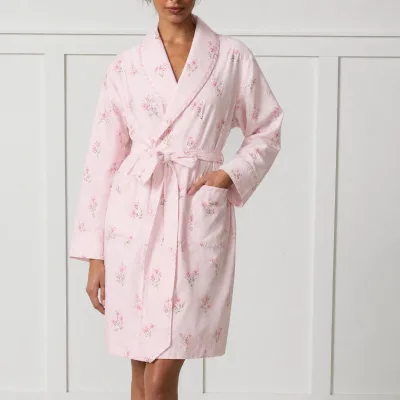
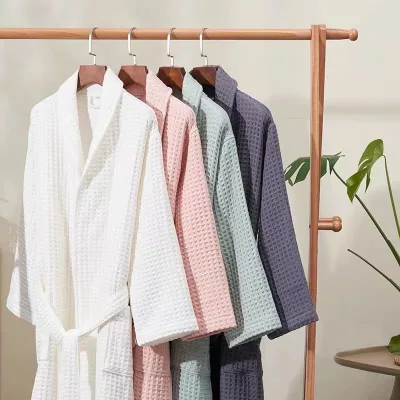
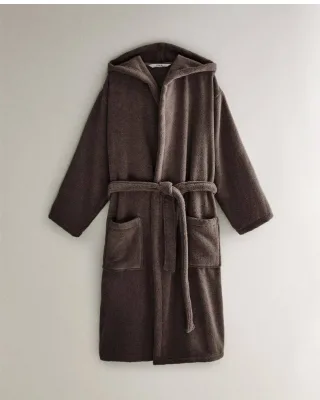
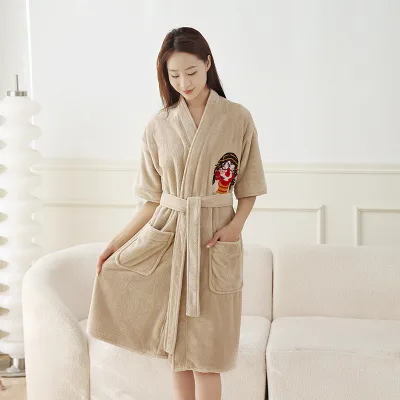
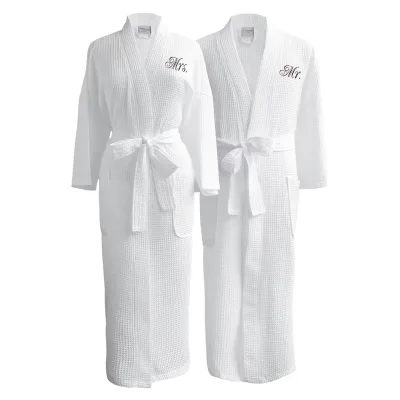
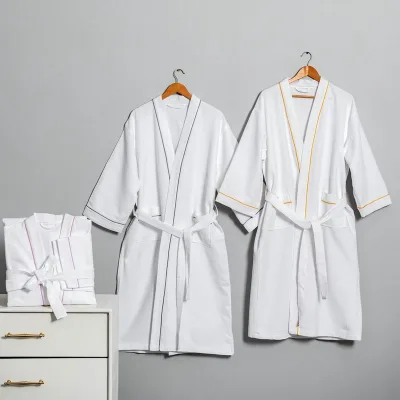


High Quality Custom Design Colorful Flannel Fleece Hoodie Women's Bathrobe
$4.50 - $7.80
MOQ: 100 Pieces




Comprehensive Sourcing Guide
Embroidered Plaid Woven Bathrobe Sourcing Guide
Sourcing embroidered plaid woven bathrobes requires a nuanced understanding of textile construction, decorative techniques, and commercial terms. Buyers must distinguish between standard off-the-shelf inventory and custom-manufactured items, as the latter involves specific design approvals and longer lead times. The market offers a wide variety of styles, from simple home wear to more elaborate designs featuring complex patterns and embellishments. Understanding these distinctions is critical for aligning procurement strategies with brand identity and budget constraints.
This guide focuses on verified product attributes and observable market signals to help buyers make informed decisions. It covers technical specifications, compliance requirements, cost structures, and supplier qualification processes. By adhering to evidence-based sourcing practices, buyers can mitigate risks associated with quality inconsistencies and supply chain disruptions. The following sections provide actionable insights for navigating the complexities of sourcing high-quality bathrobes with embroidered plaid designs.
Product Scope and Observed Listing Signals
The observed product landscape includes various robe types, with specific listings highlighting features such as polyester/cotton blends and pure cotton materials. Buyers should note that while some products are described as "bathrobes," others may be categorized differently, such as rompers or general home wear. The presence of "plaid" and "embroidered" attributes in some listings indicates a demand for decorative, patterned garments. However, not all listed items explicitly confirm these specific design elements, so careful verification of product images and descriptions is essential.
Seasonal variations also play a significant role in product selection, with listings covering spring, autumn, summer, and winter options. Materials like cotton are often associated with summer or lightweight wear, while heavier blends may be preferred for colder seasons. The "free size" attribute suggests a focus on comfort and versatility, appealing to a broad adult demographic. Buyers should consider these seasonal and sizing factors when determining the target market for their embroidered plaid woven bathrobes.
Technical Specifications to Verify
Technical verification begins with material composition, where polyester/cotton blends and pure cotton are common observations. Buyers must confirm the exact fabric weight and weave density to ensure durability and comfort, especially for embroidered sections which can add stiffness. Sleeve styles vary, with some listings specifying three-quarter sleeves or long sleeves, impacting the garment's suitability for different climates. The edge finishing, including binding, hemmed, or overlock styles, also affects the overall quality and longevity of the bathrobe.
Decorative techniques are another critical area for verification. Listings mention various printing and embroidery methods, such as laser printing, sublimation transfer, and hand embroidery. Buyers should request samples to assess the quality of embroidery, particularly for plaid patterns, ensuring that the design is precise and does not distort the fabric. Additionally, the "custom design" capability suggests that buyers can tailor patterns and logos, but this requires clear communication of technical specifications to avoid production errors.
Compliance and Safety Documentation
Compliance with safety standards is paramount, particularly for garments intended for home use. While specific certifications like BSCI are mentioned in background contexts, buyers must verify the actual compliance status of their chosen suppliers. This includes ensuring that materials are free from harmful substances and that the manufacturing process adheres to ethical labor practices. Documentation such as test reports for colorfastness, shrinkage, and flammability should be requested to confirm product safety and quality.
Labeling and care instructions are also part of compliance requirements. Buyers should ensure that products include accurate fiber content labels, country of origin, and care instructions in the target market's language. For embroidered items, additional care instructions may be necessary to maintain the integrity of the decorative elements. Verifying these documentation requirements helps prevent regulatory issues and ensures a positive customer experience.
Cost Drivers and Commercial Terms
Cost drivers for embroidered plaid woven bathrobes include material costs, labor intensity for embroidery, and customization complexity. The observed price range of $2.49 to $23 USD reflects significant variation based on these factors. Buyers should analyze the cost breakdown to understand the impact of material quality and design intricacy on the final price. Higher prices may correlate with superior fabric quality, more detailed embroidery, or additional customization options.
Minimum Order Quantities (MOQs) and lead times are also key commercial terms. Observed MOQs range from 10 to 1500 pieces, with some suppliers offering lower MOQs for sample orders. Lead times can vary, with some suppliers supporting seven-day sample orders. Buyers should negotiate terms that align with their inventory needs and cash flow, considering the trade-offs between lower MOQs and higher unit costs. Clear communication of these terms helps avoid misunderstandings and ensures smooth transaction processes.
Supplier Qualification and Quality Control
Supplier qualification involves assessing manufacturing capabilities, quality control processes, and past performance. Buyers should verify the supplier's experience in producing embroidered and woven garments, requesting references or case studies if available. Quality control measures, such as in-line inspections and final random inspections, should be clearly defined in the contract. Suppliers with robust QC systems are more likely to deliver consistent quality, reducing the risk of defects and returns.
Communication and responsiveness are also critical factors in supplier selection. Buyers should evaluate the supplier's ability to understand and implement custom designs, including plaid patterns and embroidery details. Clear communication channels and timely responses to inquiries indicate a supplier's commitment to customer satisfaction. Building a strong relationship with a reliable supplier can lead to better pricing, priority production, and improved collaboration on future projects.
Long-Term Procurement Checks
Long-term procurement success depends on continuous monitoring of supplier performance and market trends. Buyers should regularly review supplier quality metrics, such as defect rates and on-time delivery percentages, to ensure ongoing compliance with standards. Feedback loops with end-users can provide valuable insights into product performance and areas for improvement. Adapting to changing consumer preferences, such as new embroidery styles or sustainable materials, is essential for maintaining competitiveness.
Strategic partnerships with suppliers can also enhance long-term procurement outcomes. Collaborating on product development and innovation can lead to unique offerings that differentiate the brand in the market. Buyers should invest in building trust and mutual understanding with their suppliers, fostering a collaborative environment that supports continuous improvement. Regular audits and performance reviews help maintain high standards and ensure that the supply chain remains resilient and efficient.
FAQs
Can I get a custom Embroidered Plaid Woven Bathrobe?
Yes, custom designs are available for embroidered plaid woven bathrobes. Buyers can submit their own patterns or logos for printing and embroidery. The supplier accepts customer requests for design, allowing for personalized branding. This service supports ODM and OEM needs, ensuring the final product matches specific aesthetic requirements.
What materials are used for these bathrobes?
These bathrobes are typically made from Polyester/Cotton or Cotton blends. The fabric is selected for its soft, warm, and comfortable hand feel. This material choice ensures durability and comfort for home use. The specific material composition may vary based on the season and the buyer's customization request.
What is the minimum order quantity for these robes?
The minimum order quantity varies by product model. Some items require an MOQ of 1000 PCS, while others may start at 10 PCS. Buyers should check the specific model details for accurate MOQ requirements. This flexibility allows for both small trial orders and large bulk purchases.
How long does sample production take?
Sample orders are supported with a lead time of 7 days. Buyers can request samples to verify quality and design before placing bulk orders. This quick turnaround helps in evaluating the Embroidered Plaid Woven Bathrobe specifications. Samples are accepted to ensure customer satisfaction with the final product.
What packaging options are available for these robes?
Packaging options include Export Carton, OPP Bag, PE Bag, or custom requests. The standard packing size is often 53*65*48cm or 40*50*50CM. Buyers can choose packaging that suits their logistics needs. Custom packaging is available to meet specific branding or shipping requirements.
Where are these bathrobes manufactured?
These bathrobes are manufactured in China Mainland, with origins in Shanghai and Jiangsu. The production facilities support various customization and printing methods. Buyers can rely on established manufacturing hubs for quality control. The location ensures efficient logistics and supply chain management for global orders.