Source Jacquard Bedding for Hotels, Homes, and Travel
Find 30 Jacquard Bedding options featuring OEKO-TEX 100 certification and flame-retardant properties. Compare specifications like 40% cool fiber blends, 300GSM weight, and custom design capabilities for hotels, homes, and travel applications; compare the available evidence and request quotations based on your requirements.
Updated
Key considerations
Products List

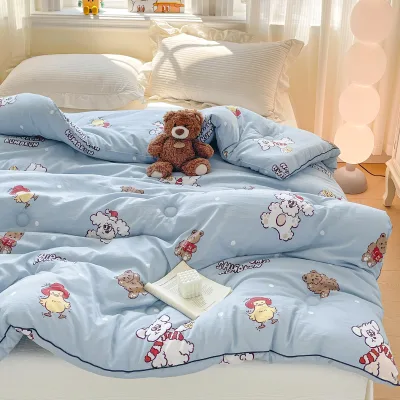


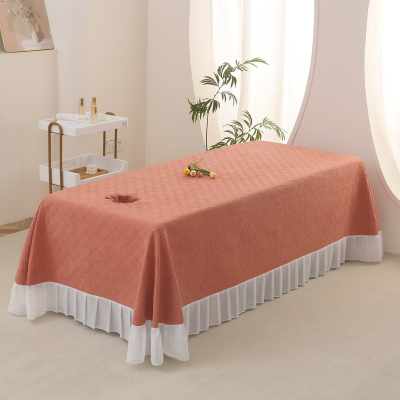
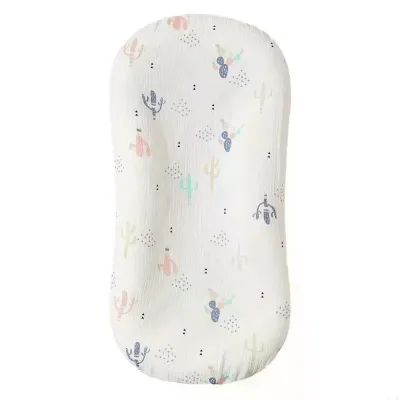


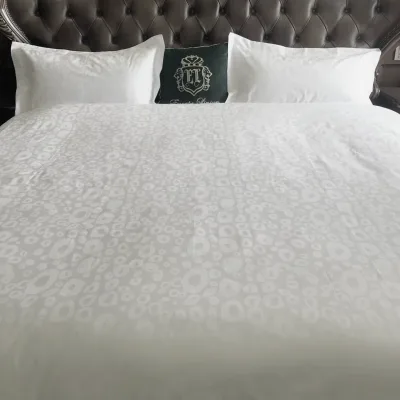
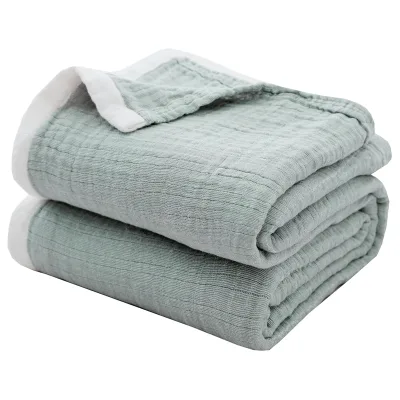

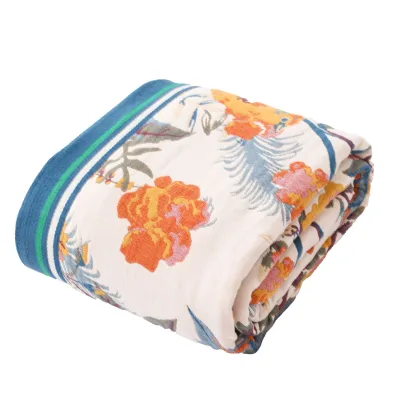


Comprehensive Sourcing Guide
Jacquard Bedding Sourcing Guide
Sourcing Jacquard Bedding requires a nuanced understanding of fabric construction, material composition, and supply chain logistics. Buyers must distinguish between true jacquard weaves and printed alternatives, as the structural integrity and aesthetic depth differ significantly. The provided data indicates a mix of product types, including knitted net fabrics and woven textiles, which impacts durability and end-use suitability. Procurement teams should prioritize verifying the actual knitting or weaving method to ensure the product meets specific performance expectations for home textiles or hospitality applications.
Commercial terms vary widely based on customization levels and order volume. Observed minimum order quantities range from small batches of 200 units to larger industrial orders of 500 meters, reflecting the flexibility of modern suppliers. Supply abilities can reach up to 40,000 meters per day, suggesting that lead times may be manageable for urgent replenishment orders. However, buyers must confirm whether the supplier operates on a make-to-order basis, which affects inventory planning and cash flow management for large-scale bedding projects.
Product Scope and Observed Listing Signals
The observed product listings reveal a diverse range of applications, from standard home bedding to specialized uses in hospitals, airplanes, and hotels. Materials cited include polyester blends and cool fiber mixes, indicating options for breathability and thermal regulation. Some products feature flame retardant and anti-bacterial properties, which are critical for institutional procurement. Buyers should carefully review the "Use" attributes to ensure alignment with their target market, whether it involves infant care, adult comfort, or commercial hospitality settings.
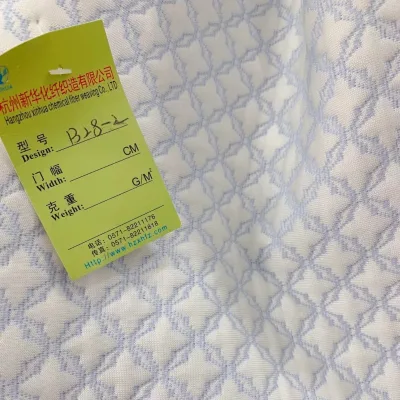
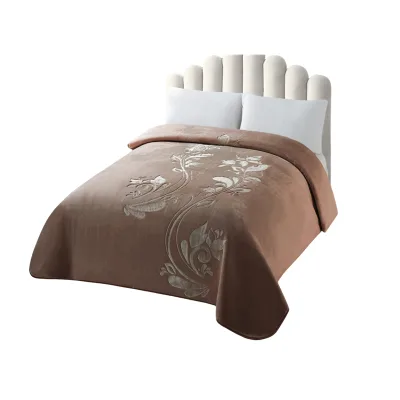
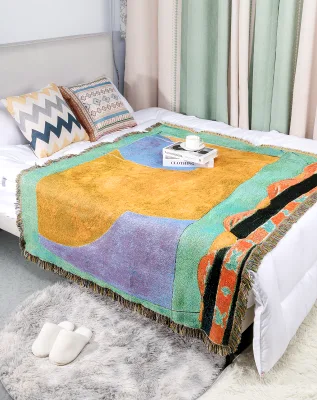
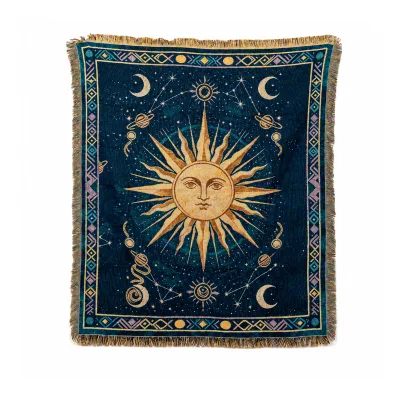
Visual and structural attributes also vary, with some items described as having a plain color while others feature plant patterns or embossed designs. The presence of OEKO-TEX STANDARD 100 certification in the data highlights a focus on safety and chemical compliance, a key selling point for eco-conscious consumers. However, not all listed items share this certification, so verification is essential. The width specifications, such as 220CM with adjustable ranges, provide flexibility for different mattress sizes, but buyers must confirm exact dimensions to avoid fit issues in finished goods.
Technical Specifications to Verify
Technical verification begins with confirming the fabric weight and thickness, as these factors influence the drape and warmth of the final bedding product. The data mentions weights like 300GSM and medium thickness, which are suitable for winter or all-season use. Buyers should request physical samples to assess the hand feel and structural integrity, particularly for items claiming to be knitted or machine-waved. The distinction between knitted net fabrics and traditional woven jacquards is crucial, as their performance characteristics differ significantly in terms of stretch and recovery.
Dimensional stability and packaging details are also critical technical considerations. Products are often rolled on paper tubes with protective plastic and knitted bags, which helps prevent creasing during transit. Buyers must verify the single package size and gross weight to calculate accurate shipping costs and storage requirements. Additionally, the availability of customer designs and customization options should be confirmed, as this impacts the production timeline and tooling costs. Ensuring that the pattern, whether yarn-dyed or printed, meets quality standards is vital for brand consistency.
Compliance and Safety Documentation
Safety compliance is a non-negotiable aspect of bedding procurement, especially for products intended for infants or sensitive skin. The presence of OEKO-TEX STANDARD 100 certification in the observed data provides a baseline for chemical safety, but buyers must verify that this certification applies to the specific batch or product line being ordered. It is essential to request valid certificates and cross-reference them with the issuing body to ensure authenticity. Products claiming flame retardant properties must also be backed by relevant test reports to substantiate these performance claims.
Beyond chemical safety, buyers should inquire about additional standards relevant to their target market, such as flammability standards for mattresses or pillows in the United States or Europe. The data mentions features like anti-static and shrink-resistant properties, which should be validated through independent testing. Documentation should also cover the origin of materials, particularly if the supply chain involves multiple countries. Ensuring that all safety claims are supported by up-to-date and verifiable documentation protects the buyer from liability and enhances brand trust.
Cost Drivers and Commercial Terms
Cost structures in Jacquard Bedding are influenced by material composition, customization complexity, and order volume. The observed price range of 0.4 to 60 USD per unit reflects significant variation based on product type and features. Buyers should analyze the cost breakdown to understand how much is attributed to raw materials versus labor and overhead. Customization options, such as specific patterns or embossed designs, may incur additional setup fees or higher per-unit costs due to the complexity of the production process.
Minimum order quantities (MOQs) play a significant role in pricing negotiations. Lower MOQs, such as 200 units, may come with a premium price, while larger orders of 500 meters or more can leverage economies of scale. Supply ability, reported at 40,000 meters per day, suggests that suppliers can handle large volumes efficiently, potentially reducing lead times. Buyers should also consider logistics costs, including packaging details and port of dispatch, which can impact the total landed cost. Clear communication regarding payment terms and delivery schedules is essential to avoid hidden costs.
Supplier Qualification and Quality Control
Supplier qualification requires a thorough assessment of manufacturing capabilities and quality control processes. Buyers should verify the supplier's production capacity, especially if they require high-volume output with consistent quality. The data indicates a supply ability of 40,000 meters per day, which is a strong indicator of robust production infrastructure. However, buyers must also assess the supplier's ability to maintain quality across different product lines, particularly when dealing with mixed materials like polyester and cool fiber blends.
Quality control measures should include pre-production sample approvals and in-line inspections during manufacturing. Buyers should establish clear acceptance criteria for defects, such as pattern misalignment, color variation, or fabric imperfections. The availability of customization and customer design workability suggests that suppliers are flexible, but this flexibility must be balanced with strict quality standards. Regular audits and performance reviews can help ensure that the supplier consistently meets the buyer's expectations for durability, safety, and aesthetic quality.
Long-Term Procurement Checks
Long-term procurement success depends on building a resilient and adaptable supply chain. Buyers should monitor supplier performance over time, tracking metrics such as on-time delivery, defect rates, and responsiveness to issues. The ability to handle customer designs and provide make-to-order services is valuable, but it requires strong communication and project management skills from the supplier. Establishing a partnership based on mutual trust and clear expectations can lead to better pricing and priority treatment during peak seasons.
Continuous improvement and innovation are also key factors in long-term sourcing. Buyers should encourage suppliers to stay updated on new materials and technologies, such as improved flame retardant treatments or more sustainable fabric options. Regular feedback loops and joint problem-solving sessions can help identify areas for improvement and drive efficiency. By maintaining a proactive approach to supplier management, buyers can mitigate risks and ensure a steady supply of high-quality Jacquard Bedding that meets evolving market demands.
FAQs
What certifications are available for Jacquard Bedding fabrics?
Jacquard Bedding fabrics are available with OEKO-TEX STANDARD 100 certification. This ensures the textile meets strict safety standards for harmful substances. Buyers can request this certification to verify product quality and safety compliance for international markets. The certification applies to the specific fabric models listed, providing assurance for home textile applications.
What is the minimum order quantity for Jacquard Bedding?
The minimum order quantity for Jacquard Bedding is typically 500 meters. Some specific items may have an MOQ of 200 units. Buyers should verify the exact MOQ for their chosen model, as it varies by product type. This threshold ensures efficient production runs while allowing flexibility for smaller initial orders in the home textile sector.
Can I customize the design for Jacquard Bedding orders?
Yes, customer designs are workable for Jacquard Bedding orders. The supply type is Make-To-Order, allowing for significant customization. Buyers can submit their own patterns or specifications for production. This service supports unique branding needs and specific design requirements for home textile projects, ensuring the final product matches the buyer's vision.
What materials are used in Jacquard Bedding fabrics?
Jacquard Bedding fabrics are made from polyester or a blend of 40% cool fiber and 60% polyester. These materials offer durability and comfort for bedding applications. The fabric is knitted and features a medium weight of 300 GSM. This composition ensures breathability and suitability for various seasonal uses in home textile products.
What features do Jacquard Bedding fabrics offer?
Jacquard Bedding fabrics offer features such as flame retardant, anti-static, and anti-bacterial properties. They are also breathable and shrink-resistant. These functional attributes enhance safety and comfort for users. The fabric is suitable for various applications including mattresses, pillows, and upholstery, providing practical benefits for home and travel use.
What is the supply capacity for Jacquard Bedding?
The supply ability for Jacquard Bedding is 40,000 meters per day. This high capacity ensures timely delivery for large orders. Buyers can rely on consistent production output to meet their project deadlines. The efficient manufacturing process supports bulk procurement needs for home textile suppliers and distributors in the global market.