Elasticated Washable Chair Seat Cover Suppliers and Manufacturers
Compare 20 suppliers offering elasticated washable chair seat covers with varying lead times, MOQs, and response speeds. Review product specs like material and warranty before contacting vendors for samples or bulk orders; review the available evidence before requesting comparable quotations from suitable candidates.
Updated
Suppliers List

MAC Chairs And Components Co., Ltd.
- Combined
- China Guangdong
- Lead time30 days
- Avg. response≤ 6h
Main productsOffice Chair, Office Chair Components, Laboratory Chair, Office Chair Parts, Chair Armrest, Chair Base, Chair Back, Mesh Chair, Chair Caster, Leather Chair
Main marketsSouth America,Africa,Domestic,Europe,Australia,North America

Hangzhou Winde Home Furnishing Co., Ltd.
- China Jiangsu
- Lead time0 days
- Avg. response≤ 4h
Main productsBedding, Bedding Set, Duvet Cover Set, Bed Sheet Set, Hotel Bedding, Crib Bedding, Baby Bedding, Blanket, Bedspread, Towel


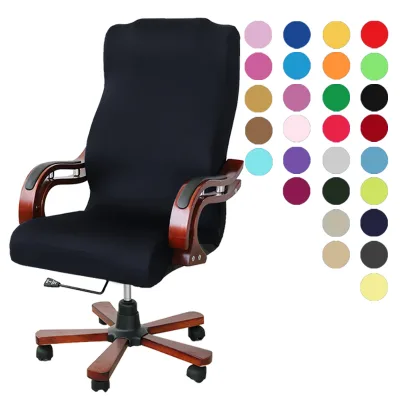
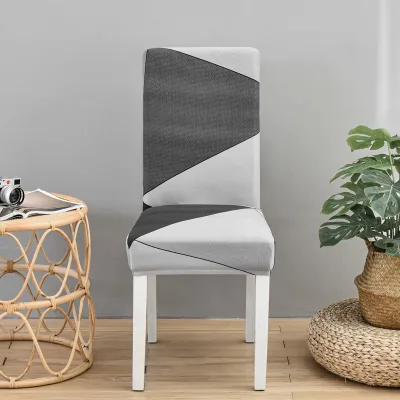
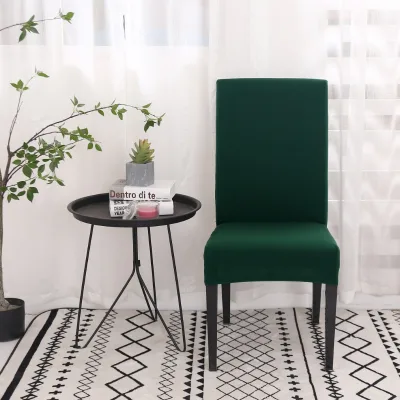
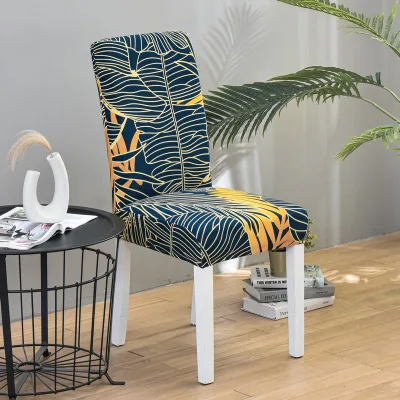
Removable Solid Color Chair Cover /Dining Room Washable Stretch Chair Seat Cover Slipcover
$1.35 - $1.47
MOQ: 100 Pieces

Stretch Spandex Dining Room Chair Covers Removable Washable Chair Seat Slipcovers Protector
$1.28 - $1.58
MOQ: 100 Pieces

Nantong Junxiu Textile Co., Ltd.
- Verified by Intertek
- Trading Company
- Lead time20 days
- Avg. response≤ 2h
Main productsTable Cloth, Chair Cover, Napkin, Towel, Bedding Linen
Main marketsNorth America(40%), Domestic Market(12%), Southeast Asia(10%)
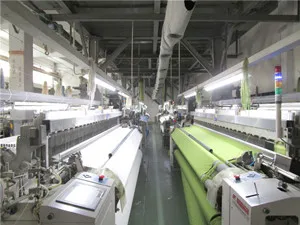
Haining Jinyonghe Household Textile Co., Ltd.
- Manufacturer, Trading Company
- Zhejiang, China
- Lead time30 days
- Avg. response≤ 24h
Main productsStretch Sofa Cover, Curtain Fabric, Curtain, Sofa Fabric, Yarn
Main marketsMid East(50.00%), Eastern Asia(25.00%), North America(5.00%), South America(5.00%), Western Europe(5.00%), Southern Europe(3.00%), Africa(3.00%), Eastern Europe(2.00%), South Asia(1.00%), Domestic Market(1.00%)

Shaoxing City Xinlan Textile CO., LTD.
- Verified by TUVRHEINLAND
- Combined
- China Zhejiang
- Lead time23 days
- Avg. response≤ 2h
Main productsHome Textile, Curtain, Cushion Cover, Shower Curtain, Macrame Handmade Products, Curtain Fabric, Tablecloth, Placemat, Blankets, Bedding
Main marketsNorth America
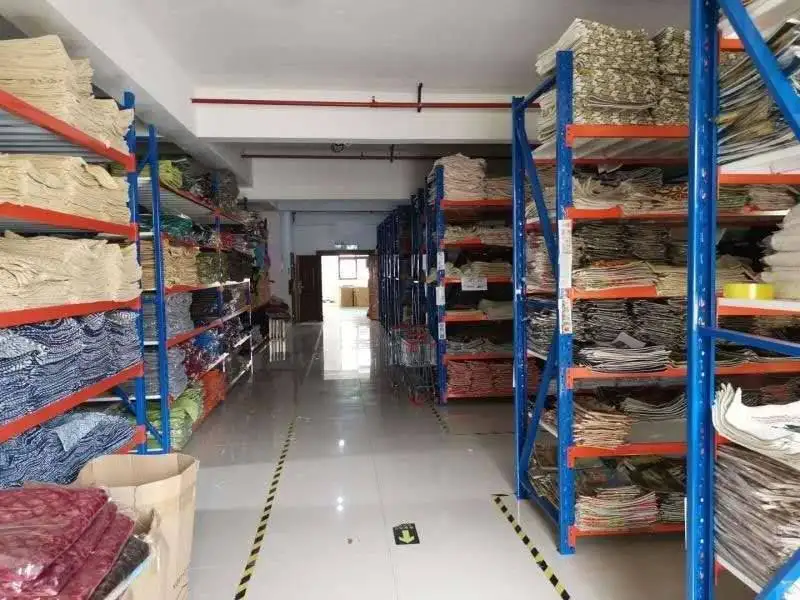
Shaoxing Bretton Textile Co., Ltd.
- Trading Company
- Zhejiang, China
- Lead time12 days
- Avg. response≤ 2h
Main productswedding backdrop,tablecloths,Customized cushion covers,home decor fabric,massage bed sheet
Main marketsNorth America(27.00%), Western Europe(16.00%), Northern Europe(10.00%), Eastern Europe(10.00%), Africa(7.00%), Southern Europe(5.00%), Mid East(5.00%), Southeast Asia(5.00%), Eastern Asia(3.00%), South Asia(3.00%), Central America(3.00%), South America(3.00%), Oceania(2.00%), Domestic Market(1.00%)

Nantong Henganxin Hotel & Event Supplies Manufacturer
- Manufacturer, Trading Company
- Jiangsu, China
- Lead time15 days
- Avg. response≤ 8h
Main productschair cover,table cloth,chair sash,towel,bathrobe
Main marketsSouth Asia(7.69%), Southern Europe(7.69%), Northern Europe(7.69%), Central America(7.69%), Western Europe(7.69%), Eastern Asia(7.69%), Mid East(7.69%), Oceania(7.69%), Africa(7.69%), Southeast Asia(7.69%), Eastern Europe(7.69%), South America(7.69%), North America(7.69%)

Ningbo General Union Co., Ltd.
- Verified by BV
- Trading Company
- China Zhejiang
- Lead time30 days
- Avg. response≤ 10h
Main productsChristmas Tree, Party Supply, Christmas Ball, LED Light Strip, Halloween Product, Holiday Decoration, Santa Claus, Valentine's Day Product, Balloon Decoration, Birthday Decoration
Main marketsSouth America,Southeast Asia/ Mideast,Europe,North America

Velvet Fabric Soft Washable Spandex Stretch Dining Chair Seat Covers for Chairs
$1.99 - $2.45
MOQ: 300 Pieces


Spandex Jacquard Chair Cover Dining Room Upholstered Solid Stretch Chair Seat Cover
$1.99 - $2.45
MOQ: 300 Pieces

Pujiang Damai Household Products Co., Ltd.
- Verified by SGS
- Combined
- China Zhejiang
- Lead time15 days
- Avg. response≤ 6h
Main marketsDomestic
Nantong Bianrui Textile Co., Ltd.
- Trading Company
- Jiangsu, China
- Lead time15 days
- Avg. response≤ 6h
Main productssofa cover,chair cover,duvet cover set,sheet set,bedding set
Main marketsNorth America(20.00%), Africa(10.00%), Eastern Europe(10.00%), Western Europe(10.00%), South America(5.00%), Mid East(5.00%)
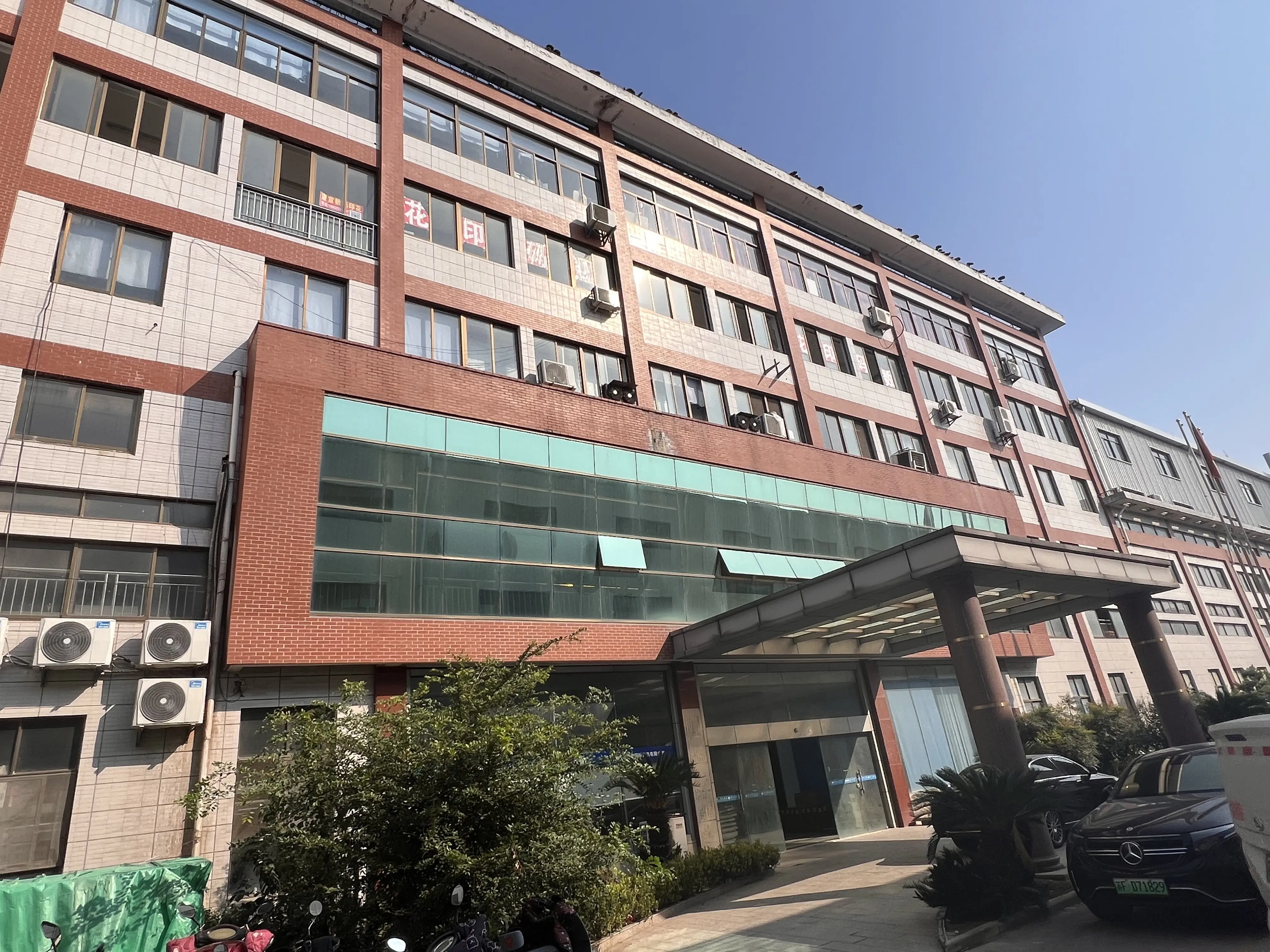
- Manufacturer, Trading Company
- Jiangsu, China
- Lead time30 days
- Avg. response≤ 10h
Main productsTable linens,Blankets,Bed linens,Sofa cover chair Cover,Christmas series
Main marketsOceania(20.00%), North America(20.00%), Domestic Market(5.00%), South Asia(5.00%), Southern Europe(5.00%), Northern Europe(5.00%), Central America(5.00%), Western Europe(5.00%), Eastern Asia(5.00%), Mid East(5.00%), South America(5.00%), Africa(5.00%), Southeast Asia(5.00%), Eastern Europe(5.00%)
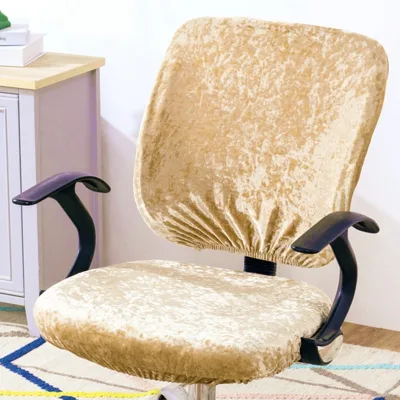
$1.8565 - $2.5776
MOQ: 200 pieces
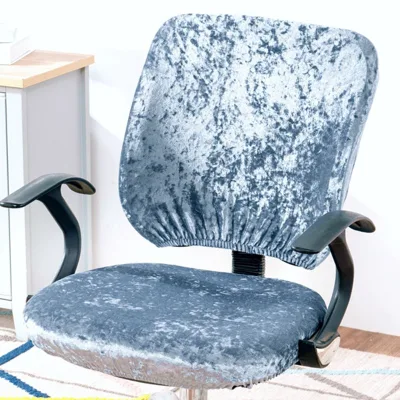
$1.8565 - $2.5776
MOQ: 200 pieces
Guangzhou Jue Yue Auto Supplies Co., Ltd.
- Manufacturer, Trading Company, Distributor/Wholesaler
- Guangdong, China
- Lead time0 days
- Avg. response≤ 11h
Main productsAuto Accessories,Avoid light mat,Car steering wheel cover
Taizhou Sunjoy Car Accessories Co., Ltd.
- Manufacturer, Trading Company
- Zhejiang, China
- Lead time30 days
- Avg. response≤ 7h
Main productsPillow, Lumbar Cushion, Seat Cushion, Memory Foam Seat Cushion
Main marketsDomestic Market(35.00%), North America(30.00%), Western Europe(15.00%), Southeast Asia(10.00%), South America(5.00%), Eastern Europe(5.00%)
Ningbo Easy-Lifting Import & Export Co., Ltd.
- Trading Company
- Zhejiang, China
- Lead time60 days
- Avg. response≤ 1h
Main productsCar Seat Cover,Car Cover,Car Emergency Kit,Booster Cable,Ratchet Straps
Main marketsWestern Europe(60.00%), North America(27.00%), Domestic Market(7.00%), South America(6.00%)
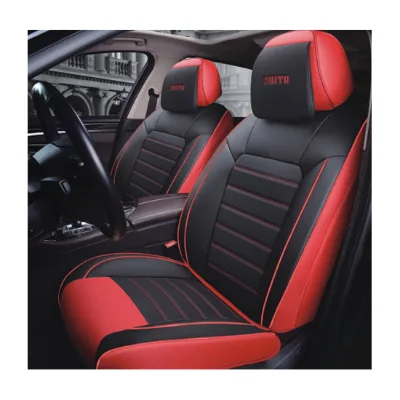
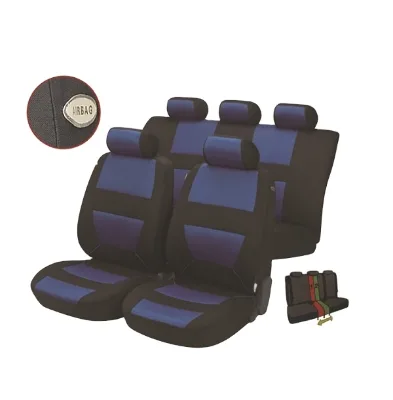
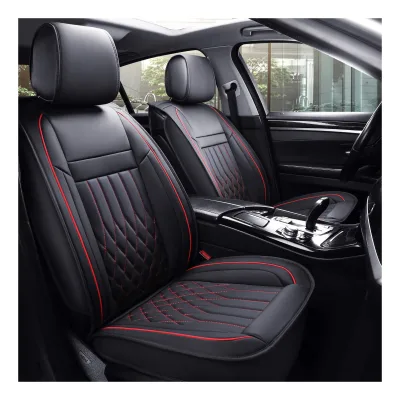
$59.2685 - $89.9246
MOQ: 500 sets

Fujian Angel Nonwoven Fabric Tech Co., Ltd.
- Verified by SGS
- Manufacturer
- China Fujian
- Lead time15 days
- Avg. response≤ 7h
Main productsNonwoven Fabric, Disposable Bed Sheet, Meltblown, Nonwoven Bag, Mattress Cover, Earloop/Nose Wire for Mask, PLA/Pet Nonwoven Fabric, Landscape Cover, Weed Control, TNT Table Cloth
Main marketsSoutheast Asia/ Mideast,Europe

Disposable Biodegradable Seat Covers Two Seat Covers/Four Armrest Covers
$0.35 - $0.55
MOQ: 1000 Pieces


Guangzhou Hongbao Automobile Accessories Co., Ltd.
- Verified by TüVRheinland
- Manufacturer, Trading Company
- Lead time10 days
- Avg. response≤ 2h
Main productsSteering Wheel Cover, Car Mats, Car Sunshade, Neck Pillow And Square Pillow, Car Seat Cover
Main marketsMid East(30%), North America(20%), South America(10%)
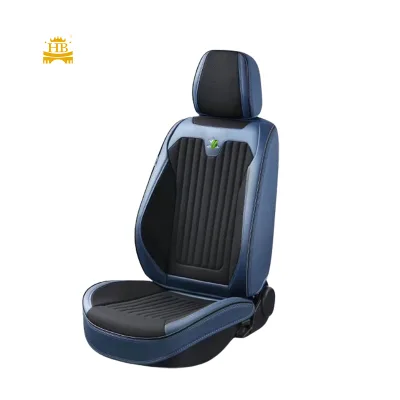
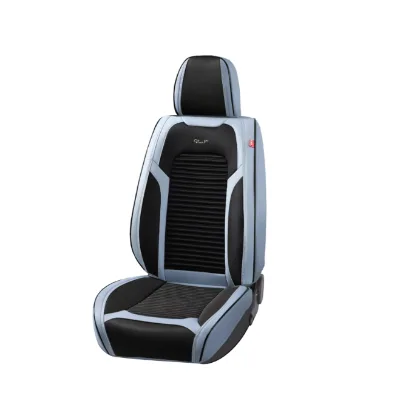
Black and Blue Car Seat Cover Protector Universal Breathable Comfy Stylish Car Seat Cover
$36.3109 - $36.6221
MOQ: 10 sets
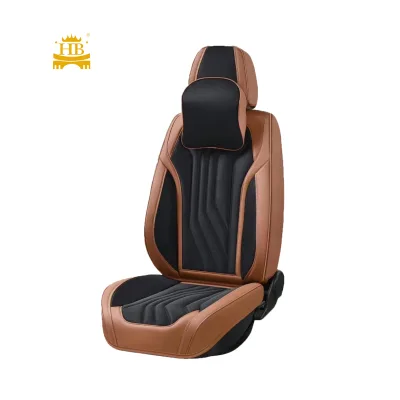
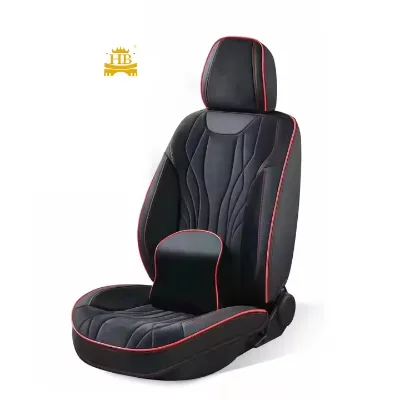
Sport Car Seat Covers High Quality Soft Car Seat Covers Design Leather Car Seat Cover with Pillow
$31.17 - $32.28
MOQ: 50 pieces
Henan Xingxiang Intelligence Technology Co., Ltd.
- Trading Company
- Henan, China
- Lead time7 days
- Avg. response≤ 2h
Main productsCar Floor Mats, Car Covers
Main marketsSoutheast Asia(16.00%), South Asia(10.00%), North America(10.00%), Southern Europe(10.00%), Eastern Asia(10.00%), Africa(10.00%), Mid East(10.00%), Northern Europe(8.00%), South America(5.00%), Western Europe(5.00%), Eastern Europe(4.00%), Oceania(2.00%)
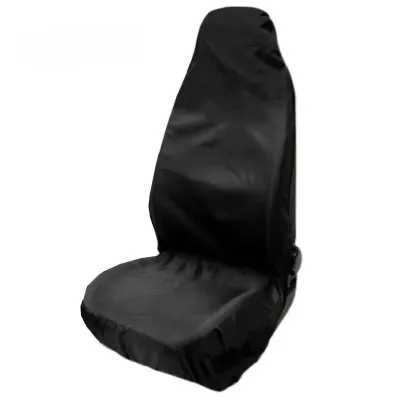
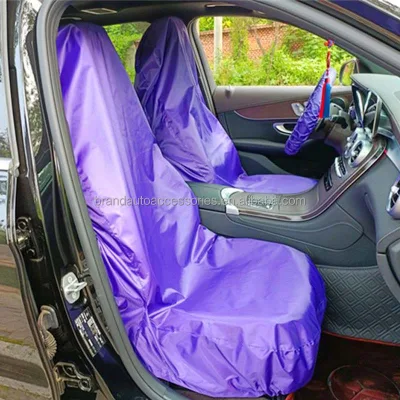
Wholesale Washable Reusable Nylon Car Seat Cover Kit for Car Maintenance
$2.20 - $2.90
MOQ: 25000 pieces
Jiaxing Haiyuan Trading Co., Ltd.
- Manufacturer, Trading Company
- Zhejiang, China
- Lead time45 days
- Avg. response≤ 5h
Main productsAuto Parts
Main marketsMid East(60.00%), South Asia(10.00%), South America(10.00%), Southeast Asia(5.00%), Western Europe(5.00%), North America(5.00%), Africa(5.00%)
Ganzhou Fengshang Automobile Accessories Co., Ltd.
- Verified by TüVRheinland
- Trading Company
- Lead time30 days
- Avg. response≤ 3h
Main productsCar Seat Covers, Car Mats, Car Freshener, Car Ornaments, Automotive Audio And Video
Main marketsNorth America(35%), South America(15%), Southeast Asia(15%)
Yiwu Xieqian Auto Accessories Co., Ltd.
- Verified by TüVRheinland
- Trading Company
- Lead time14 days
- Avg. response≤ 6h
Main productsCar Floor Mats, Car Steering Wheel Covers, Car Wiper Blades, Car Seat Covers, Car Accessories
Main marketsAfrica(30%), Mid East(25%), Southeast Asia(20%)


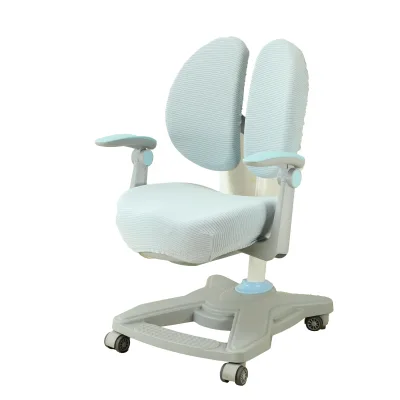


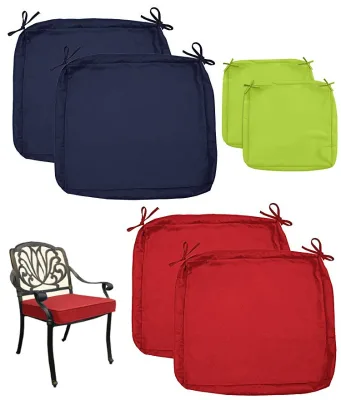
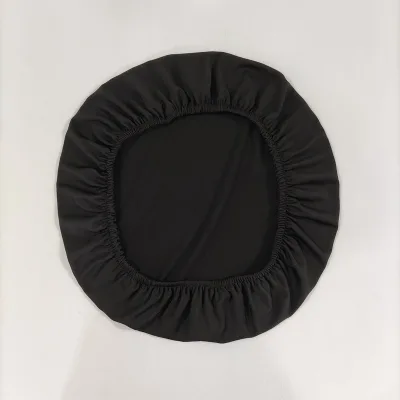
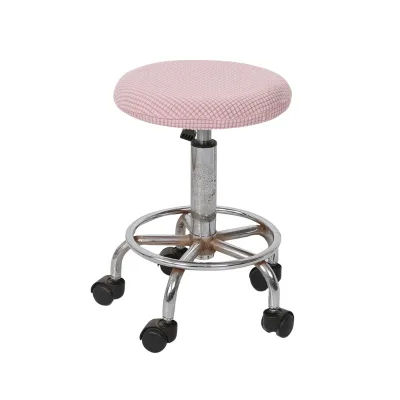


Comprehensive Sourcing Guide
Elasticated Washable Chair Seat Cover Supplier Concentration and Factory Types
The current supplier landscape for elasticated washable chair seat covers reveals a distinct split between manufacturing capabilities and trading operations, primarily concentrated in specific Chinese provinces. Data indicates that suppliers are located in Guangdong and Jiangsu, with Guangdong often associated with hardware and component manufacturing while Jiangsu shows strong presence in textile and bedding products. This geographic distribution suggests that buyers seeking durable, structural chair covers with specific material compositions like PP or spandex blends may find specialized factories in Guangdong, whereas those prioritizing soft, stretchable fabrics for dining or banquet use might encounter more options in Jiangsu. The company types listed include both Combined entities and Trading Companies, indicating that the market supports both direct factory sourcing and intermediary procurement. Combined companies often offer broader service scopes, potentially including OEM and ODM capabilities, which is crucial for buyers requiring custom branding or specific design modifications. Trading companies, on the other hand, may provide a wider variety of styles and faster access to existing stock, though they might not control the manufacturing process directly. Understanding this distinction is vital for aligning your sourcing strategy with your operational needs, whether you prioritize direct factory relationships for cost efficiency or the flexibility of a trading partner for diverse product ranges.
Furthermore, the main products listed by these suppliers provide insight into their core competencies and potential quality focus. Many suppliers list Office Chair Components, Laboratory Chairs, and various Chair Parts alongside their seat covers, suggesting a technical understanding of chair mechanics and fit. This is particularly relevant for elasticated covers that must accommodate specific chair dimensions and mechanisms, such as fixed armrests or particular base types. Other suppliers focus heavily on Bedding, Duvet Covers, and Table Linens, indicating a specialization in textile aesthetics and fabric handling rather than structural hardware. This divergence means that a supplier’s primary product line can serve as a proxy for their expertise; a factory specializing in chair parts may produce covers with better attention to fit and durability, while a textile-focused supplier might excel in fabric quality and pattern variety. Buyers should carefully review the main products to ensure the supplier’s expertise aligns with their specific requirements for elasticity, washability, and aesthetic finish. The presence of customization options in product attributes further supports the idea that many suppliers are equipped to handle bespoke orders, allowing for tailored solutions that meet specific commercial or residential standards.
How to Verify Elasticated Washable Chair Seat Cover Suppliers
Verifying the legitimacy and capability of suppliers requires a multi-layered approach that goes beyond surface-level product listings. One critical step is to check for third-party verification badges, such as Intertek, which can provide an additional layer of trust regarding the supplier’s business practices and product quality. While not all suppliers display such certifications, those that do often undergo more rigorous audits, reducing the risk of dealing with fraudulent entities. Buyers should also scrutinize the supplier’s response time, as a faster response often correlates with better customer service and operational efficiency. For instance, some suppliers show response times as low as two hours, while others may take significantly longer, which can impact the speed of negotiation and order processing. Additionally, examining the company type is essential; distinguishing between a Trading Company and a Combined manufacturer helps in understanding who you are dealing with and who holds the actual production control. This distinction affects communication channels, pricing structures, and the ability to request factory audits or sample evaluations.
Another vital aspect of verification is assessing the supplier’s capacity for customization and production flexibility. Look for explicit mentions of OEM, ODM, or sample processing capabilities in their profile or product attributes. Suppliers that offer customization options are generally more adaptable to your specific needs, whether you require unique sizes, colors, or packaging solutions. It is also important to verify the origin of the products, ensuring they are manufactured in China as stated, and to check for any specific product standards or models listed, such as ST-01 or CC003, which can help in tracking consistency across orders. Buyers should request detailed product specifications, including material composition, warranty terms, and packing methods, to ensure they align with their quality expectations. Furthermore, checking the payment terms offered, such as T/T, PayPal, L/C, or Trade Assurance, can provide insight into the supplier’s financial stability and willingness to protect buyer interests. By combining these verification steps, buyers can build a more accurate picture of each supplier’s reliability and suitability for their sourcing needs.
What to Compare Across Elasticated Washable Chair Seat Cover Suppliers
When evaluating multiple suppliers, it is crucial to compare key operational metrics to determine the best fit for your business. Lead time is a significant factor, with some suppliers indicating a lead time of zero, which may suggest ready-to-ship stock, while others list lead times of 20 or 30 days, indicating production-based orders. This difference can impact your inventory planning and ability to meet urgent demand. Minimum Order Quantity (MOQ) is another critical comparison point, ranging from as low as two pieces to as high as 100 pieces. Suppliers with lower MOQs are ideal for testing new markets or fulfilling small-scale orders, whereas those with higher MOQs may offer better unit economics for bulk purchases. Response time also varies, with some suppliers responding within hours, which facilitates quicker decision-making and issue resolution. Comparing these metrics side-by-side allows you to balance speed, cost, and volume requirements effectively.
Price and product attributes are equally important in the comparison process. Unit prices can vary significantly, with some products listed as low as $0.72 and others up to $2.38, depending on material, size, and customization level. Buyers should analyze the price range in conjunction with the product specifications, such as material type (e.g., PP, spandex, PU leather) and features like washability and elasticity. Additionally, comparing the warranty terms, such as a three-year warranty, can indicate the supplier’s confidence in their product’s durability. Packing methods also differ, with options ranging from plastic bags to cartons, which can affect shipping costs and product protection. By systematically comparing these attributes, buyers can identify suppliers that offer the best value proposition for their specific needs. It is also advisable to look for suppliers who provide comprehensive product keywords and descriptions, as this often reflects a higher level of professionalism and attention to detail in their operations.
Common Elasticated Washable Chair Seat Cover Sourcing Risks
One of the primary risks in sourcing elasticated washable chair seat covers is the discrepancy between sample quality and bulk production. Suppliers may provide high-quality samples that do not reflect the consistency of mass-produced items, leading to customer dissatisfaction and returns. This risk is heightened when dealing with trading companies that may not have direct control over the manufacturing process. To mitigate this, buyers should insist on pre-shipment inspections or third-party quality control services to ensure that the bulk order meets the agreed-upon standards. Another significant risk is the variability in material composition, particularly regarding elasticity and washability. Products described as "stretch" or "elasticated" may use different grades of spandex or other elastic fibers, which can affect the cover’s longevity and fit after multiple washes. Buyers should request detailed material specifications and test reports to verify the durability and performance of the fabrics.
Packaging and shipping damage is another common risk, especially for products packed in simple plastic bags. Improper packaging can lead to wrinkling, tearing, or contamination of the covers during transit, resulting in additional costs for replacement or rework. Buyers should evaluate the supplier’s packing methods and consider requesting reinforced packaging options if necessary. Additionally, there is a risk of intellectual property infringement if suppliers use copyrighted designs or logos without authorization. Buyers should ensure that all custom designs are properly protected and that suppliers adhere to strict confidentiality agreements. Communication barriers can also pose a risk, particularly when dealing with suppliers in different time zones or with limited English proficiency. Misunderstandings regarding specifications, delivery dates, or payment terms can lead to costly errors. Establishing clear communication channels and using detailed written confirmations can help minimize these risks. Finally, relying on a single supplier can create vulnerability to supply chain disruptions, so diversifying your supplier base is a prudent strategy.
Elasticated Washable Chair Seat Cover Regional Sourcing and Logistics
Sourcing from China offers access to a robust manufacturing ecosystem, but logistics and regional differences can impact your supply chain efficiency. Suppliers in Guangdong and Jiangsu represent two distinct manufacturing hubs, each with its own logistical advantages. Guangdong, known for its hardware and electronics industry, may offer faster access to components and materials for chair covers that require specific structural elements. Jiangsu, with its strong textile industry, may provide better access to high-quality fabrics and more competitive pricing for purely textile-based covers. Buyers should consider the proximity of the supplier to major ports, such as Shanghai or Shenzhen, as this can influence shipping costs and transit times. Additionally, the supplier’s location can affect the availability of local logistics partners and customs clearance services, which can streamline the export process.
Logistics planning should also account for the product’s dimensions and weight, as these factors directly impact shipping costs. Elasticated chair covers are generally lightweight and compact, making them suitable for air freight for urgent orders or sea freight for bulk shipments. However, buyers should verify the supplier’s packing dimensions to ensure efficient container utilization. For example, products packed in cartons may stack more efficiently than those in plastic bags, reducing per-unit shipping costs. Buyers should also consider the impact of seasonal demand on logistics, as peak seasons can lead to capacity constraints and higher freight rates. Establishing relationships with reliable freight forwarders can help mitigate these risks and ensure timely delivery. Furthermore, understanding the import regulations and duties in your target market is essential for accurate cost calculation and compliance. By carefully planning logistics and leveraging regional advantages, buyers can optimize their supply chain and reduce overall sourcing costs.
Elasticated Washable Chair Seat Cover Commercial Terms and Order Planning
Commercial terms and order planning are critical for ensuring a smooth transaction and successful long-term partnership. Payment terms vary among suppliers, with options including T/T, PayPal, L/C, and Trade Assurance. Trade Assurance is particularly beneficial as it provides a layer of protection for your payment, ensuring that funds are released only upon satisfactory delivery. Buyers should negotiate payment terms that align with their cash flow needs and risk tolerance, such as requesting a smaller deposit for initial orders. Lead time management is also crucial, with some suppliers offering zero lead time for stock items and others requiring 20-30 days for production. Buyers should plan their orders well in advance to avoid stockouts and ensure timely delivery to customers. Clear communication regarding delivery schedules and any potential delays is essential for maintaining trust and operational efficiency.
Order planning should also consider the supplier’s capacity for customization and scalability. Suppliers that offer OEM and ODM services can accommodate unique requirements, but buyers should verify their production capacity to ensure they can handle large orders without compromising quality. It is advisable to start with smaller trial orders to test the supplier’s reliability and product quality before committing to larger volumes. Additionally, buyers should establish clear quality acceptance criteria and return policies to handle any discrepancies. Regular performance reviews of suppliers based on metrics such as response time, lead time adherence, and product quality can help identify areas for improvement and strengthen the partnership. By carefully managing commercial terms and order planning, buyers can build a resilient and efficient supply chain for elasticated washable chair seat covers, ensuring consistent quality and customer satisfaction.
FAQs
What is the price range for elasticated washable chair seat covers?
Prices for elasticated washable chair seat covers typically range from $0.72 to $2.38 per unit. The lowest cost options are around $0.72, while premium stretch spandex or seersucker materials can reach up to $2.38. Buyers should expect variations based on fabric type, customization needs, and order volume.
What is the minimum order quantity for these covers?
Minimum order quantities vary significantly by supplier and product type. Some manufacturers require a minimum of 10 units for plastic seat covers, while others accept orders as low as 2 units. For fabric slipcovers, MOQs often start at 100 units. Buyers must verify specific requirements with each supplier before ordering.
How long does production take for these items?
Lead times for elasticated washable chair seat covers generally range from 0 to 30 days. Some suppliers offer immediate availability with zero lead time, while others require up to 30 days for production. Standard processing times often fall around 20 days. Buyers should confirm current production schedules directly with suppliers to ensure timely delivery.
Are these chair covers customizable for specific sizes?
Yes, customization is widely available for elasticated washable chair seat covers. Suppliers offer custom sizes, colors, and patterns to fit specific chair dimensions. Options include plain dyed styles, stretch spandex, and seersucker materials. Buyers can request tailored dimensions and designs to match their interior requirements or branding needs effectively.
What materials are used for these seat covers?
Common materials include stretch spandex, seersucker, PU leather, and elasticated fabrics. These materials are chosen for their durability, breathability, and skin-friendly properties. Some covers feature waterproof and dustproof PU leather, while others use plain dyed cotton blends. Buyers can select materials based on their specific usage needs, such as dining or banquet settings.
Where are these chair covers manufactured?
These chair covers are primarily manufactured in China, with production hubs in Guangdong and Jiangsu provinces. Suppliers in these regions offer a wide range of office and dining chair accessories. Buyers can source products directly from these locations, ensuring access to established manufacturing capabilities and competitive pricing for bulk orders.
What is the typical response time from suppliers?
Supplier response times for these inquiries typically range from 2 to 5.64 hours. Some trading companies respond within 2 hours, while others may take up to 5.64 hours. Faster response times are often associated with trading companies specializing in home textiles. Buyers should expect prompt communication when inquiring about stock availability and pricing.