Source Kitchen Storage Trolley for Bedroom, Bathroom, Kitchen
Compare 30 Kitchen Storage Trolley options featuring metal, stainless steel, and plastic materials with 2 to 4 tiers. Buyers can evaluate customization, certifications like BSCI and ISO, and specific dimensions for home or commercial use; compare the available evidence and request quotations based on your requirements.
Updated
Key considerations
Products List


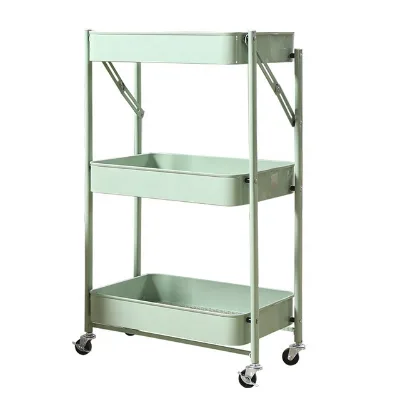
Northern European Style Kitchen Storage Trolley 3 Layers Movable Wheels
$16.60 - $16.80
MOQ: 200 Pieces


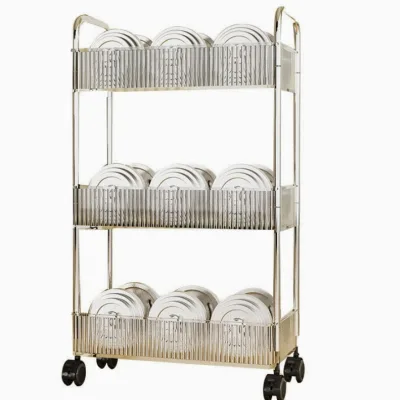
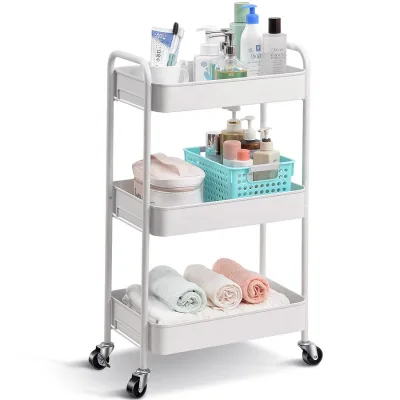
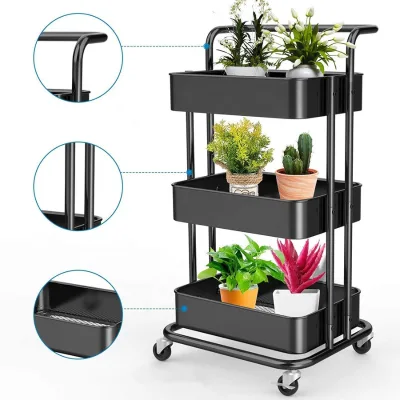


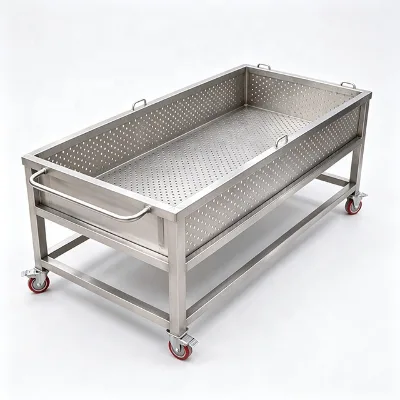
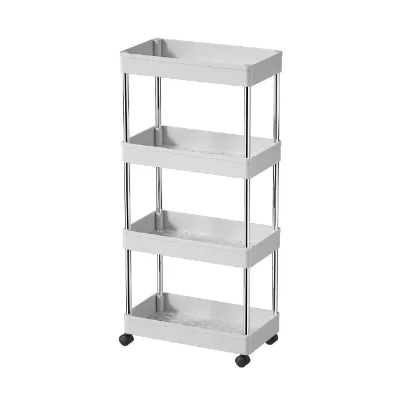
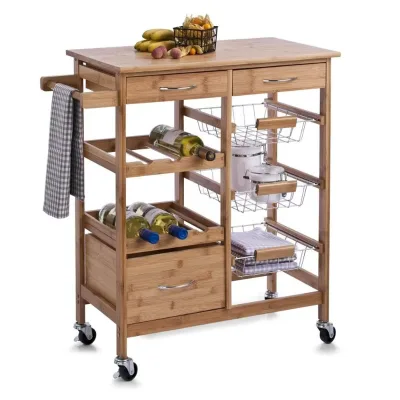
Manufacturer Bamboo Kitchen Trolley Cart Kitchen Storage Rack Serving Trolley with Drawer
$25.6329 - $26.6582
MOQ: 200 pieces


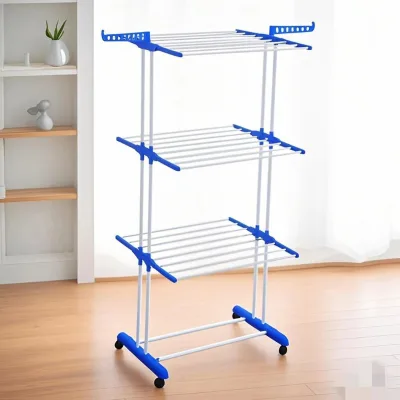
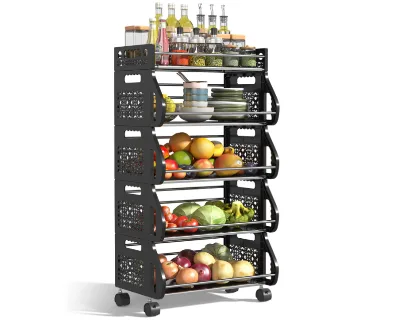
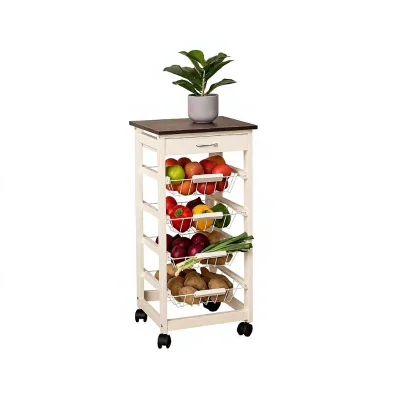
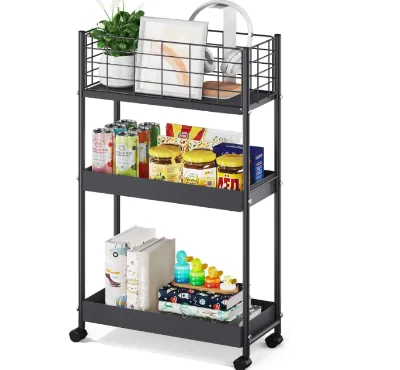
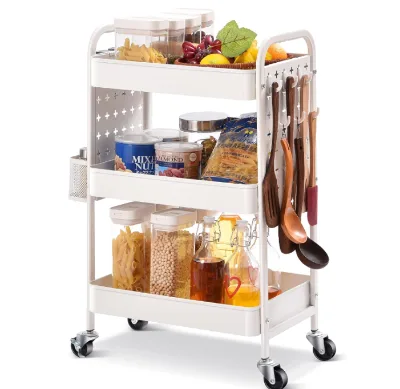
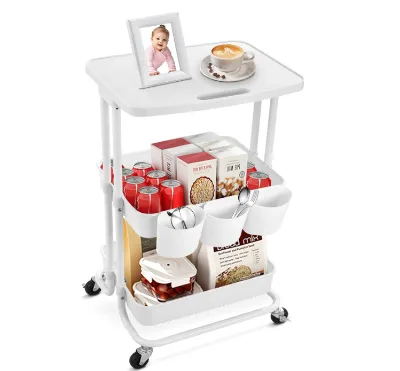
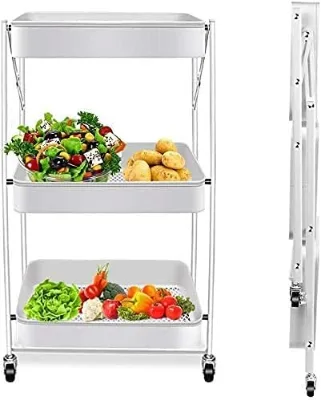

Convenience Steel Kitchen Cart Steel Kitchen Trolley with Wheels Steel Kitchen Bin
$290.00 - $320.00
MOQ: 10 Pieces

Comprehensive Sourcing Guide
Kitchen Storage Trolley Sourcing Guide
Sourcing a Kitchen Storage Trolley requires balancing mobility, capacity, and material durability to meet specific operational needs. Buyers must first define the primary use case, whether for heavy-duty commercial kitchens or light residential organization, as this dictates the necessary structural integrity and finish quality. The market offers a diverse range of options, from simple plastic units to robust stainless steel designs, each serving distinct functional roles in space optimization.
Procurement teams should evaluate the trolley’s footprint and tier configuration against available floor space and storage requirements. Key decision points include the presence of wheels for mobility, drawer mechanisms for secure item retention, and the overall material composition to ensure resistance to moisture and wear. Understanding these core attributes helps in filtering suppliers and aligning product selections with long-term utility and aesthetic goals.
Product Scope and Observed Listing Signals
Current market listings reveal a wide spectrum of kitchen storage solutions, with observed prices ranging from $3.2 to $320 USD. This variance reflects differences in material quality, such as plastic versus stainless steel, and structural complexity, including the number of layers and additional features like drawers or armrests. Buyers should note that minimum order quantities (MOQ) typically range from 1 to 1000 units, allowing for flexibility in both sample testing and bulk procurement strategies.
Product attributes vary significantly across suppliers, with some offering folded designs for efficient shipping and others providing unfolded, ready-to-use units. Common styles include European, Northern European, and simple functional designs, often available in colors like white or black. Applications extend beyond the kitchen to include bedrooms, bathrooms, and general household use, indicating the versatility of these storage trolleys in multi-purpose environments.
Technical Specifications to Verify
Verifying technical specifications is critical to ensuring the trolley meets spatial and functional requirements. Buyers should confirm dimensions, such as the observed standard of 402290cm or 585837cm, to ensure compatibility with kitchen layouts. The number of tiers, often ranging from two to four layers, directly impacts storage capacity, while the presence of wheels and armrests affects maneuverability and user comfort during daily use.
Material selection is another vital technical consideration, with options including metal, stainless steel, and plastic. Stainless steel units often feature a European style and are suited for heavy-duty applications, whereas plastic models may offer simpler, cost-effective solutions. Additionally, buyers should verify the packing details, such as white box or brown box packaging, which can influence shipping costs and product protection during transit.
Compliance and Safety Documentation
Compliance with international standards is essential for ensuring product safety and ethical manufacturing practices. Many suppliers provide certifications such as BSCI and ISO, which indicate adherence to social responsibility and quality management systems. Buyers should request these documents to verify that the manufacturing process meets recognized ethical and operational benchmarks, reducing risks associated with supply chain transparency and labor practices.
For products intended for food-related applications, additional safety certifications may be required to ensure material non-toxicity and durability. While specific food-grade certifications are not explicitly listed in all observations, buyers should inquire about SGS or similar testing reports to confirm material safety. Ensuring that the trolley meets relevant safety standards helps in maintaining a safe working environment and protecting end-users from potential hazards.
Cost Drivers and Commercial Terms
Several factors influence the final cost of kitchen storage trolleys, including material choice, design complexity, and order volume. Stainless steel models tend to be more expensive due to higher material costs and manufacturing intricacies, while plastic options offer a more budget-friendly alternative. Buyers should also consider the impact of customization options, such as specific colors or structural modifications, which may incur additional charges and affect lead times.
Commercial terms, including sample times and payment conditions, play a significant role in the procurement process. Sample times typically range from 7 to 14 days, allowing buyers to evaluate product quality before committing to larger orders. Understanding these terms helps in planning inventory levels and managing cash flow, ensuring that procurement activities align with broader business objectives and operational timelines.
Supplier Qualification and Quality Control
Evaluating supplier qualifications is crucial for establishing a reliable supply chain. Buyers should assess suppliers based on their certification status, production capacity, and historical performance in delivering consistent quality. Suppliers with BSCI and ISO certifications often demonstrate a commitment to quality management and ethical practices, which can be indicative of their overall reliability and professionalism in handling orders.
Quality control measures should be integrated into the procurement process to ensure that delivered products meet specified standards. Buyers may implement pre-shipment inspections to verify dimensions, material integrity, and functional components such as wheels and drawers. Establishing clear quality benchmarks and communication channels with suppliers helps in addressing any discrepancies promptly and maintaining high standards of product quality.
Long-Term Procurement Checks
Long-term procurement success depends on continuous monitoring of supplier performance and product durability. Buyers should establish regular review cycles to assess supplier reliability, delivery consistency, and product quality over time. This proactive approach helps in identifying potential issues early and fostering a collaborative relationship with suppliers, ensuring that procurement activities remain aligned with evolving business needs.
Additionally, buyers should stay informed about market trends and technological advancements in storage solutions. Regularly updating product specifications and exploring new supplier options can help in maintaining a competitive edge and optimizing costs. By maintaining a flexible and informed procurement strategy, buyers can effectively manage risks and capitalize on opportunities in the dynamic kitchen storage market.
FAQs
What materials are used for kitchen storage trolleys?
Kitchen storage trolleys are commonly made from metal, stainless steel, or plastic. Some models feature a rectangular shape with four tiers, while others offer two layers. Buyers can choose between white or black finishes depending on their specific storage needs and aesthetic preferences.
Can I find storage trolleys with wheels and drawers?
Yes, many kitchen storage trolleys come equipped with wheels and drawers for enhanced mobility and organization. Specific models include four wheels and a design with a drawer, allowing easy movement around the kitchen or bedroom. These units often feature a European or Northern European style.
Which certifications do these storage trolleys hold?
These storage trolleys typically hold BSCI and ISO certifications, ensuring compliance with international standards. Some products also carry BSCI or SGS certificates to verify quality and ethical manufacturing practices. Buyers should verify specific certification details for each model before placing large orders.
How many layers do these storage units usually have?
Storage units typically feature three or four layers to maximize vertical space. Some models are explicitly described as having four tiers, while others offer a two-layer structure. The capacity varies, with some units designed for sundries, food, or tools, fitting various household applications.
What is the standard size for these trolleys?
Standard sizes vary by model, with common dimensions around 40 by 22 by 90 centimeters or 58 by 58 by 37 centimeters. Other specifications include 43 by 36 by 85 centimeters. Buyers should check the specific product standard to ensure the unit fits their intended space.
Are customization options available for these trolleys?
Customization is available for many Kitchen Storage Trolley models, allowing buyers to tailor features to their needs. Options may include specific colors, layer configurations, or packaging types like white boxes or brown boxes. This flexibility helps meet diverse commercial and residential requirements effectively.
Where are these storage trolleys manufactured?
These storage trolleys are primarily manufactured in China, with specific origins noted in Guangdong. The products are exported globally and often come with a sample time of 7 to 14 days. Buyers can expect consistent production quality from these established manufacturing regions.