Kitchen Window Groove Cleaning Brush Suppliers and Manufacturers
Compare 18 verified suppliers offering Kitchen Window Groove Cleaning Brush options with varying lead times, MOQs, and certifications. Review product specs like material and size, then request samples to verify quality before placing orders; review the available evidence before requesting comparable quotations from suitable candidates.
Updated
Suppliers List
Shenzhen Dexin Cleaning Products Co., LTD
- Verified by TüVRheinland
- Trading Company
- Lead time0 days
- Avg. response≤ 3h
Main productsDiaper Pail Refill Bag, Bottle Brush Set, Broom, Mop, Pet Products
Main marketsNorth America(31%), Western Europe(16%), Southern Europe(15%)

Jinhua Hengyang Cross-Border Trade Limited Liability Company
- Verified by SGS
- Trading Company
- China Zhejiang
- Lead time15 days
- Avg. response≤ 10h
Main productsCoffee Maker Air Fryer Storage Box Knife Set, Silicone Baking Mold Robot Vacuum Cleaning Table, Shower Head Non-Slip Shower Curtain Vacuum Stora, Collapsible Laundry Basket Bohemian Wall Tapestr, Fringe Pillow Cover Bedding Set Memory Foam Pill, Bamboo Tissue Biodegradable Trash Bags LED Fair, Smart Plug Fairy Lights Pet Food Bowl, Household Daily Necessities Kitchen Cleaning, Bathroom Storage and Care Fabric Home Decor, Bedding Daily Chemical Paper Products
Main marketsEurope

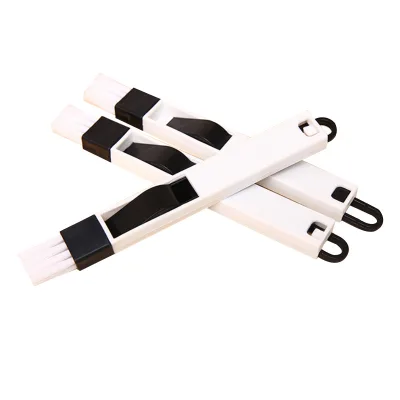
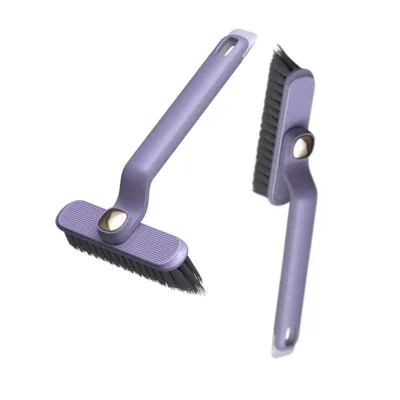
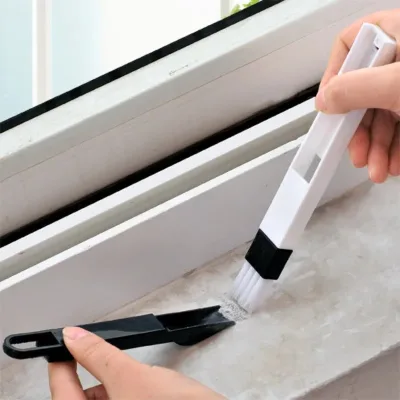
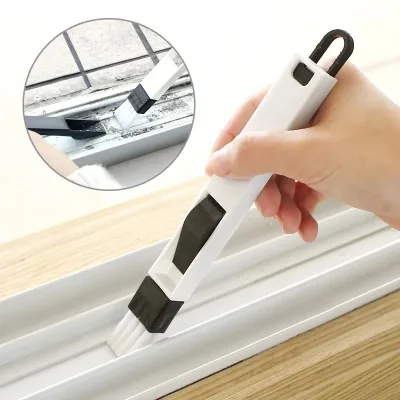
Window and Door Gap Brush Groove Cleaning Brush Kitchen Stove Cleaning Tools
$2.87 - $3.59
MOQ: 85 Pieces

Henan Chengbai Network Technology Co., Ltd.
- Trading Company
- Henan, China
- Lead time7 days
- Avg. response≤ 4h
Main productsKitchen supplies,Toy,Arts and Crafts,Home textiles,Consumer electronics
Main marketsNorth America(19.00%), South America(14.80%), Eastern Europe(12.10%), Northern Europe(8.30%), Southern Europe(7.30%), Western Europe(7.20%), Africa(6.00%), Central America(5.30%), Eastern Asia(5.30%), Southeast Asia(4.80%), Domestic Market(4.20%), Oceania(2.10%), South Asia(1.90%), Mid East(1.70%)
$0.0309 - $0.0514
MOQ: 100 pieces
$0.5127 - $0.6161
MOQ: 100 pieces
Xiamen Boming Industrial & Trading Co.,ltd.
- Verified by SGS Group
- Manufacturer, Trading Company
- Lead time25 days
- Avg. response≤ 3h
Main productsPlastic Injection Parts, Metal Stamping Parts, Folding Mop, Disposable Plastic Flatware, Plastic Food Colander
Main marketsSouthern Europe(56%), North America(13%), Mid East(10%)
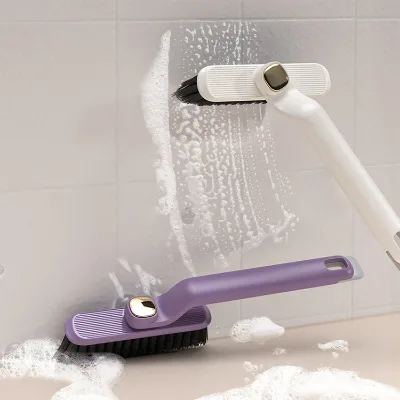
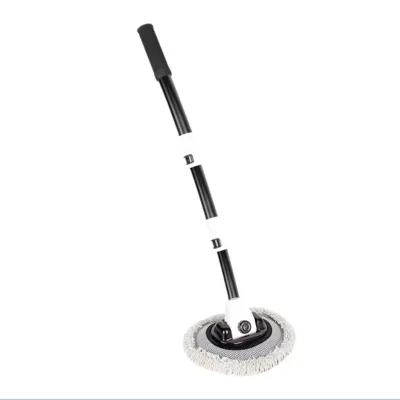
Kitchen Cleaning Brush Rotating Window Cleaning Brush Bending Handle Cleaning Brush
$0.99 - $1.59
MOQ: 100 pieces

Henan Hanke Shengshi Import And Export Trade Co., Ltd.
- Trading Company
- Lead time旺季: "1 - 50":7,"51 - 2000":20,"> 2000":"To be negotiated", 淡季: "1 - 50":7,"51 - 2000":20,"> 2000":"To be negotiated"
- Avg. response≤ 5h
Main productsCap, Clothing, Garden Hose, Kitchen Tools, Storage Box
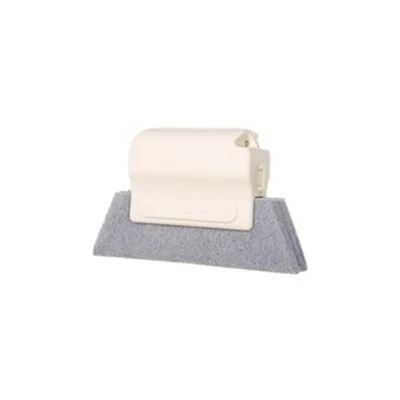
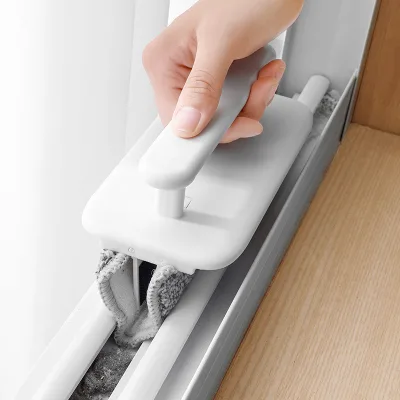
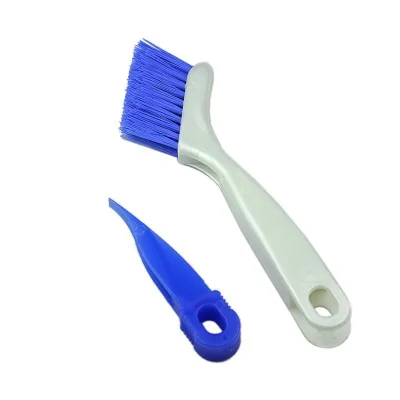
Brush Clean Window Repeated Use Kitchen Cleaning Brushes Tools Window Groove Cleaning Brushes L0478
$0.1438 - $0.2054
MOQ: 100 pieces

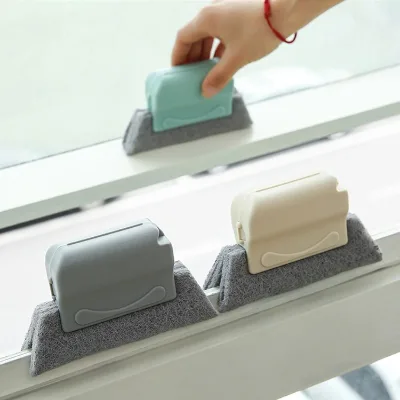
$0.113 - $0.1544
MOQ: 20 pieces

Henan Jielun Import And Export Co., Ltd.
- Trading Company
- Henan Province, China
- Lead time7 days
- Avg. response≤ 2h
Main productsWomen's clothing,Men's clothing,Sexy lingerie,women underwear/panty,Men's bag & Women's bag
Main marketsNorth America(23.00%), South America(21.00%), Eastern Europe(11.00%), Southeast Asia(10.00%), Africa(6.00%), Oceania(5.00%), Domestic Market(3.00%), South Asia(3.00%), Southern Europe(3.00%), Northern Europe(3.00%), Central America(3.00%), Western Europe(3.00%), Eastern Asia(3.00%), Mid East(3.00%)
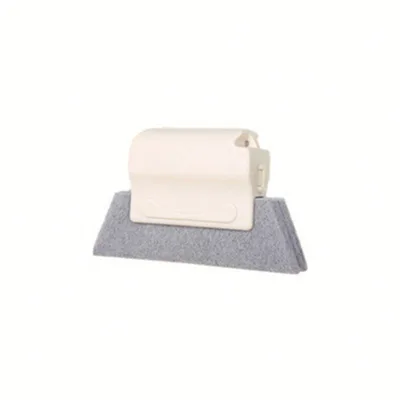
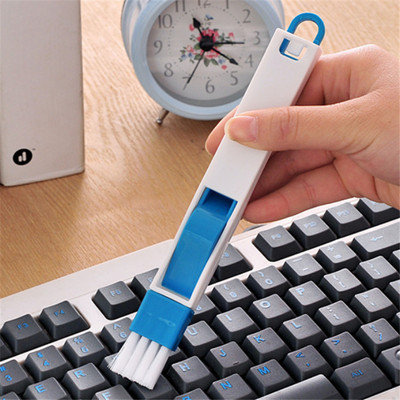
$0.05 - $0.07
MOQ: 100 pieces
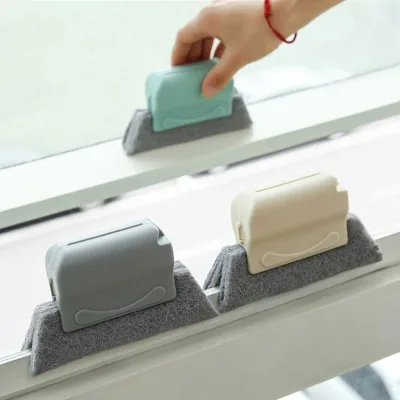
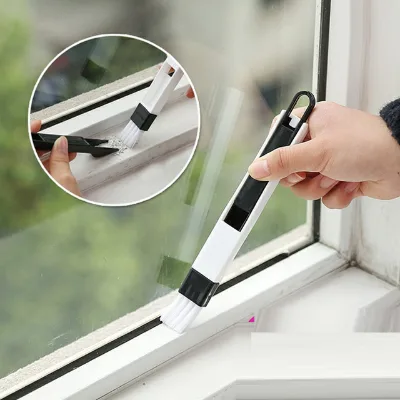
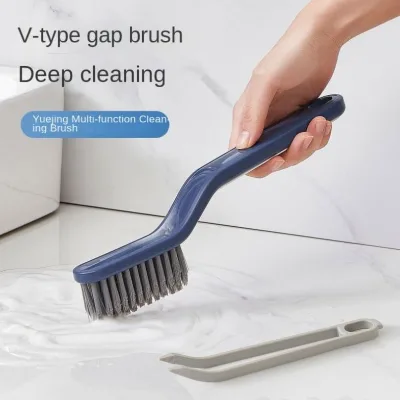
Ningbo Dongsu Plastic Industry Co., Ltd.
- Verified by SGS Group
- Manufacturer, Trading Company
- Lead time30 days
- Avg. response≤ 3h
Main productsMop, Window Wiper, Clean Duster, Dust Pan, Brush
Main marketsNorth America(25%), Western Europe(20%), Southeast Asia(15%)

NINGBO FTZ WINLY TRADING SERVICE CO., LTD.
- Verified by BV
- Trading Company
- China Zhejiang
- Lead time30 days
- Avg. response≤ 4h
Main productsHair Brushes, Personal Care Items, Beauty Cosmetic Items, Wet Wipes, Car Wheel Brushes, Disposable Protective Products, Compact Mirrors, Cotton Buds/Pads, Cleaning Brushes, Hair Beauty Tools
Main marketsSoutheast Asia/ Mideast,Europe
Shenzhen Fengyuan Foreign Trade Co., Ltd.
- Trading Company
- Guangdong, China
- Lead time7 days
- Avg. response≤ 8h
Main productsHousehold goods,Kitchen tools,Pet clothing,Pet bowl,Pet food
Main marketsSouth America(20.00%), Eastern Europe(20.00%), North America(15.00%), Central America(10.00%), Mid East(10.00%), Southeast Asia(5.00%), Northern Europe(3.00%), Southern Europe(3.00%), Western Europe(3.00%), Eastern Asia(3.00%), Domestic Market(3.00%), South Asia(2.00%), Africa(2.00%), Oceania(1.00%)
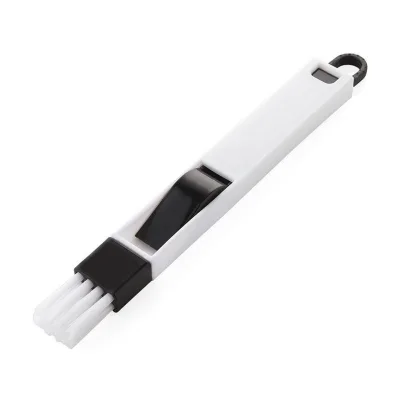
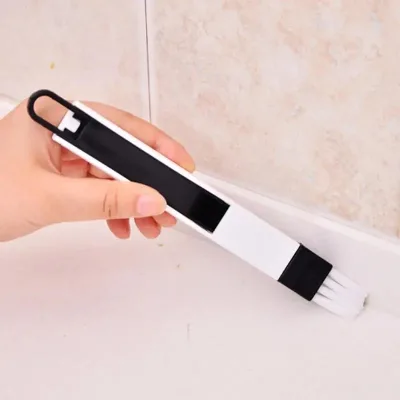
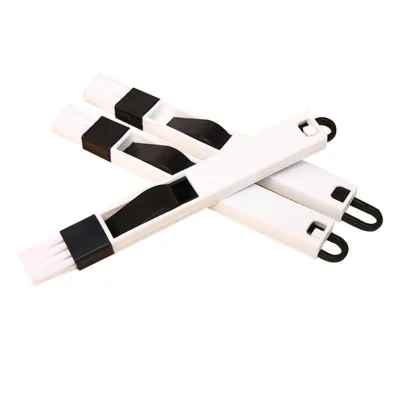
Multi-purpose Kitchen Door and Window groove Cleaning Brush with Dustpan Gap Brush
$0.1245 - $0.1559
MOQ: 20 pieces

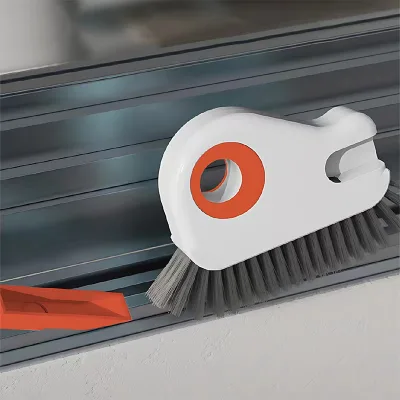
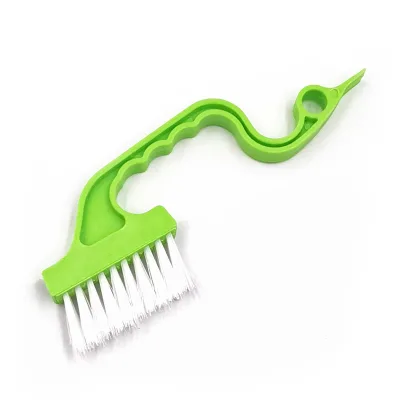
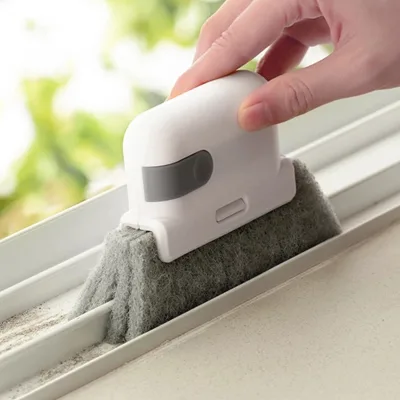
Window Sill groove Cleaning Tool Window groove Household Cleaning Slot Cleaning Brush
$0.28 - $0.43
MOQ: 100 pieces

Ningbo Le Prosperity Import & Export Co., Ltd.
- Trading Company
- zhengjiang, China
- Lead time30 days
- Avg. response≤ 3h
Main productsCleaning Brush,Chimney Brush,Electric Cleaning Brush,Mops,Window Cleaner
Main marketsEastern Europe(30.00%), Western Europe(30.00%), North America(15.00%), Eastern Asia(5.00%), Northern Europe(5.00%), Mid East(4.00%), Southeast Asia(3.00%), South Asia(3.00%), Oceania(2.00%), Central America(1.00%), Southern Europe(1.00%), Africa(1.00%)

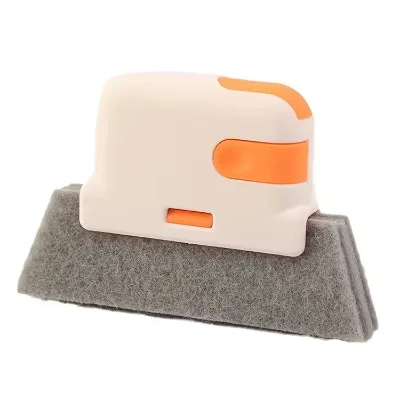
$0.5741 - $0.709
MOQ: 500 pieces
Wenzhou Fante Commodity Co., Ltd.
- Verified by TüVRheinland
- Manufacturer, Trading Company
- Lead time30 days
- Avg. response≤ 3h
Main productsKitchenware, Bathroom Sets, Food Container, Cleaning Brush, Storage Racks
Main marketsEastern Asia(80%), North America(10%), South America(1%)
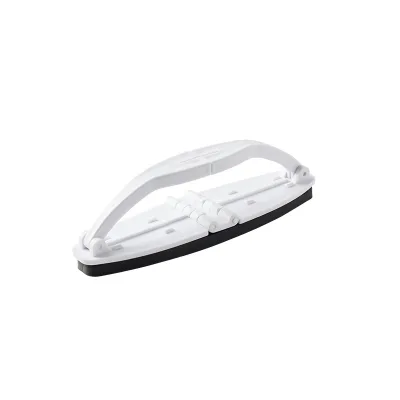
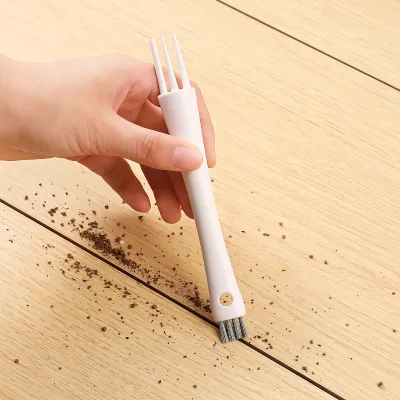
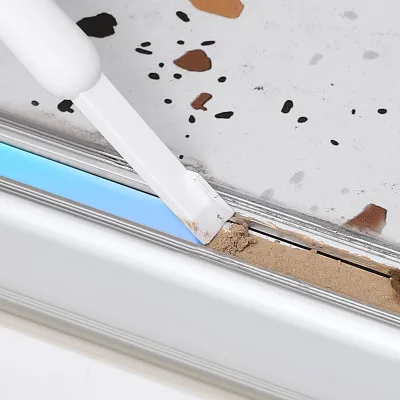
$0.3328 - $0.3628
MOQ: 160 pieces
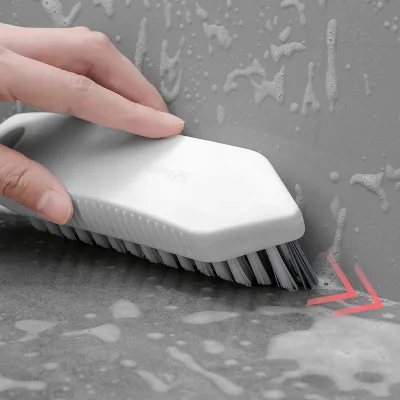
$0.3118 - $0.3433
MOQ: 160 pieces
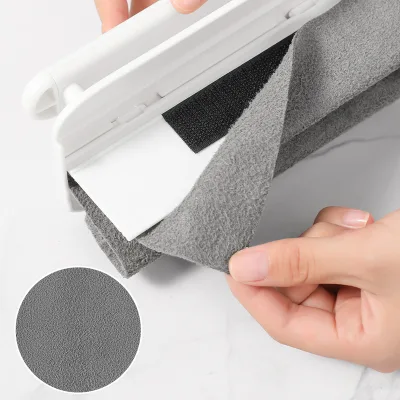
$0.40 - $0.81
MOQ: 108 Minimum

- Verified by BV
- Trading Company
- China Zhejiang
- Lead time30 days
- Avg. response≤ 13h
Main productsLunch Box
Main marketsSouth America,Africa,Southeast Asia/ Mideast,East Asia(Japan/ South Korea),Europe,Australia,North America

Bathroom Kitchen Non-Scratch Cleaning Scrub Brush with Plastic Ergonomic Handle
$0.39
MOQ: 3000 pieces

Ma'anshan Jiuyan Trading Co., Ltd.
- Trading Company
- Anhui, China
- Lead time0 days
- Avg. response≤ 1h
Main productsCar supplies & accessories,Household goods,Car decoration,kitchenware,Daily necessities
Main marketsDomestic Market(10.00%), South Asia(10.00%), Northern Europe(10.00%), Central America(10.00%), Eastern Asia(10.00%), Mid East(10.00%), Africa(10.00%), Southeast Asia(10.00%), South America(10.00%), North America(10.00%)
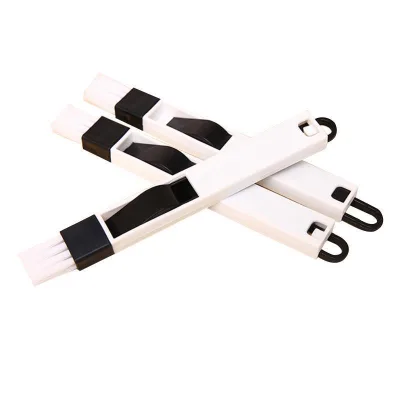
$0.1241 - $0.1559
MOQ: 100 pieces

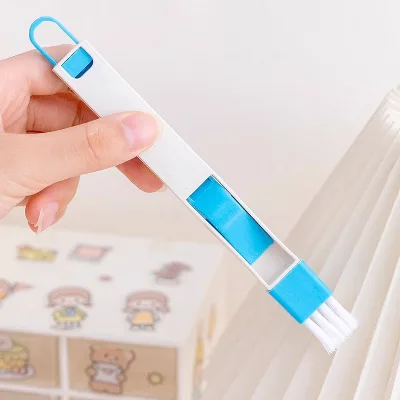
Anhui Lijie Brush Industry Co., Ltd.
- Verified by SGS Group
- Manufacturer, Trading Company
- Lead time0 days
- Avg. response≤ 2h
Main productsCrevice Cleaning Brush, Drill Brush, Household Cleaning Brush, Car Cleaning Brush, Industrial Brush
Guangzhou Lucky Electronic Trade Co., Ltd.
- Manufacturer, Trading Company, Distributor/Wholesaler
- Guangdong, China
- Lead time10 days
- Avg. response≤ 5h
Main productsHydrogen water generator,Heating kettle,small kitchen electrical appliances,household appliances,home and office tools
Main marketsNorth America(20.00%), South Asia(10.00%), Southern Europe(10.00%), Northern Europe(10.00%), Central America(10.00%), Western Europe(10.00%), Eastern Europe(10.00%), South America(10.00%), Eastern Asia(2.00%), Mid East(2.00%), Oceania(2.00%), Africa(2.00%), Southeast Asia(2.00%)

Maanshan Yidianma Import And Export Trade Co., Ltd.
- Trading Company
- Anhui, China
- Lead time7 days
- Avg. response≤ 3h
Main productswig,Kitchen supplies,Personal care,Oral care,Comb
Main marketsSouth America(20.00%), North America(20.00%), Eastern Asia(10.00%), Mid East(10.00%), Eastern Europe(10.00%), Southeast Asia(8.00%), Western Europe(5.00%), Southern Europe(5.00%), Africa(3.00%), Domestic Market(2.00%), Oceania(2.00%), Northern Europe(2.00%), Central America(2.00%), South Asia(1.00%)

Shanghai Huixi Brush Co., Ltd.
- Verified by BV
- Trading Company,Manufacturer/Factory
- China Shanghai
- Lead time23 days
- Avg. response≤ 6h
Main productsStrip Brush, Spiral Brush, Roller Brush, Wheel Brush, Disc Brush, End Brush, Scratch Brush, Tube Brush, Cleaning Brush, Industrial Brush
Main marketsSouth America,Eastern Europe,Mid East,North America,Southeast Asia,Eastern Asia,Western Europe

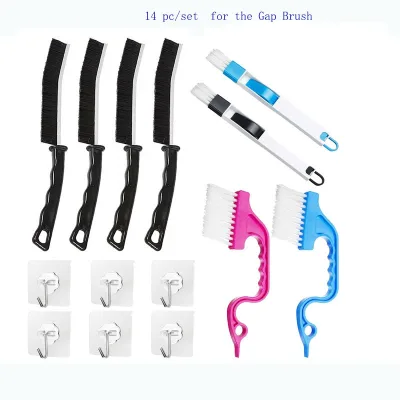
Gap Brush Cleaning Brush Hard Bristle Toilet Bathroom Kitchen Groove Dead Corner Alloy Strip
$0.68 - $0.98
MOQ: 100 Pieces

$0.68 - $0.98
MOQ: 100 Pieces

- Verified by BV
- Trading Company
- China Jiangsu
- Lead time30 days
- Avg. response≤ 19h
Main productsPaint Brush, Paint Roller, Roller Brush, Paint Set, Brush, Roller, Scraper, Artist Brush, Extension Pole, Paint Tools
Main marketsSouth America,Africa,Others(foreignTradeCapacity.exportBusinessCapacityMarketOther),Southeast Asia/ Mideast,Europe,North America
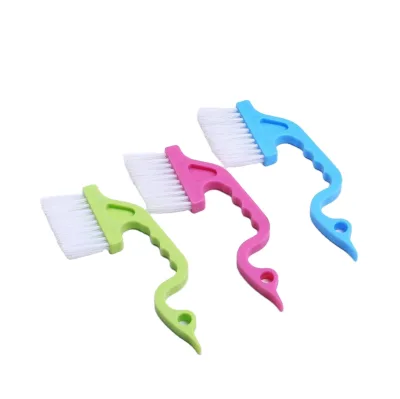
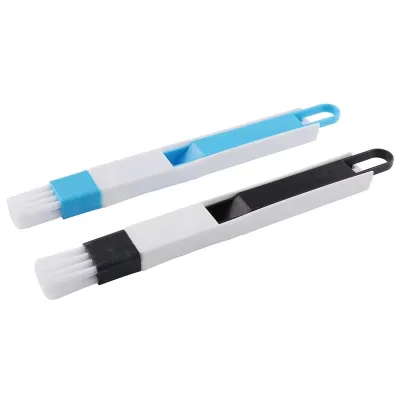
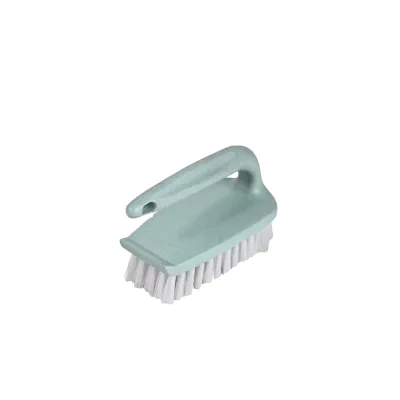


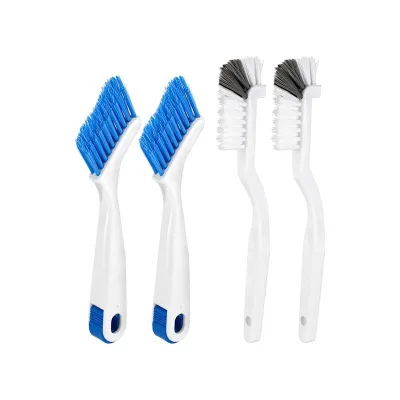





Comprehensive Sourcing Guide
Kitchen Window Groove Cleaning Brush Supplier Concentration and Factory Types
The current supplier landscape for kitchen window groove cleaning brushes is characterized by a mix of trading companies and specialized manufacturers, with a notable concentration in specific Chinese provinces. Data indicates that suppliers are located in regions such as Guangdong and Zhejiang, which are well-known industrial hubs for household cleaning tools and plastic goods. Guangdong, in particular, appears frequently in product origin fields, suggesting a robust local supply chain for items like the Window Groove Cleaning Brush and Window Track Cleaning Brush. These regions benefit from established manufacturing ecosystems that support the production of plastic handles, nylon bristles, and other components essential for these cleaning tools. Buyers should recognize that while some suppliers list their location as Zhejiang or Henan, the broader manufacturing cluster for these specific plastic-based cleaning implements often centers around the Pearl River Delta in Guangdong. This geographic concentration allows for efficient sourcing of raw materials like polypropylene and nylon, which are critical for the durability and functionality of the brushes. Understanding this geographic distribution helps buyers anticipate potential logistics advantages and supplier capabilities.
Company types vary significantly among the available suppliers, with trading companies playing a prominent role in the current results. These entities often act as intermediaries, aggregating products from various factories to offer a wider selection to international buyers. For instance, some suppliers list main products that extend beyond cleaning brushes to include items like diaper pail refills, bottle brush sets, and even pet products, indicating a broad catalog approach typical of trading firms. In contrast, other suppliers may focus more narrowly on household cleaning tools, offering deeper specialization in areas like silicone baking molds or robot vacuum accessories. This diversity in company structure means that buyers must carefully assess whether they are dealing with a direct manufacturer or a trading company, as this distinction can impact pricing, customization options, and communication efficiency. Trading companies may offer more flexible minimum order quantities and faster response times, while direct factories might provide better pricing for large volumes and more control over production quality. Recognizing these differences is crucial for aligning supplier selection with specific business needs, whether prioritizing speed, cost, or product variety.
How to Verify Kitchen Window Groove Cleaning Brush Suppliers
Verifying the credibility and capabilities of suppliers requires a multi-layered approach that goes beyond simple product listings. One critical step is to check for third-party verification badges, which serve as independent validations of a supplier’s business legitimacy and operational standards. In the current results, some suppliers display verification from TüV Rheinland, while others show SGS certification. These badges indicate that the supplier has undergone rigorous audits covering aspects such as business licenses, factory inspections, and quality management systems. Buyers should prioritize suppliers with these verifications, as they provide a higher degree of confidence in the supplier’s reliability. Additionally, examining the supplier’s response time can offer insights into their operational efficiency and customer service quality. A response time of three hours, for example, suggests a highly responsive team capable of addressing inquiries and resolving issues promptly, which is essential for maintaining smooth communication throughout the sourcing process. Conversely, longer response times may indicate potential delays in communication, which could impact order fulfillment and problem resolution.
Another important aspect of verification is assessing the supplier’s certifications and compliance with international standards. Some suppliers list certifications such as FDA 21 CFR 177, RoHS, (EC) 1907/2006, and CE, which are relevant for products that may come into contact with food or require specific safety standards. These certifications demonstrate that the supplier’s products meet stringent regulatory requirements, reducing the risk of compliance issues in the buyer’s target market. Buyers should request copies of these certificates to verify their authenticity and ensure they cover the specific products being sourced. Furthermore, evaluating the supplier’s production capabilities, such as sample processing and graphic processing, can provide valuable insights into their ability to customize products according to specific requirements. Suppliers that offer customized options, such as branded packaging or unique design features, can add significant value to a buyer’s product line. By combining verification of business credentials, response times, certifications, and production capabilities, buyers can make more informed decisions and mitigate risks associated with supplier selection.
What to Compare Across Kitchen Window Groove Cleaning Brush Suppliers
When evaluating multiple suppliers, it is essential to compare key operational metrics such as minimum order quantities (MOQ), lead times, and pricing structures to determine the best fit for your business needs. MOQs can vary significantly, with some suppliers requiring as few as 80 pieces, while others may demand 1000 pieces or more. This variation allows buyers to choose suppliers that align with their inventory capacity and sales volume expectations. For instance, a supplier with an MOQ of 500 pieces might be suitable for smaller businesses or those testing new markets, whereas a supplier with a higher MOQ may offer better unit pricing for larger orders. Lead times are another critical factor, as they impact inventory management and customer satisfaction. Some suppliers report lead times of 15 days, while others may have shorter or longer production cycles. Buyers should consider their own supply chain timelines and choose suppliers whose lead times can be reliably met to avoid stockouts or delays.
Pricing is a decisive factor in supplier selection, but it should be evaluated in conjunction with other metrics to ensure overall value. Current data shows price ranges for similar products, such as the Window Groove Cleaning Brush, varying from $0.09 to $0.22 per unit, depending on factors like material quality, customization, and order volume. Buyers should request detailed quotes that include all costs, such as shipping and taxes, to make accurate comparisons. Additionally, comparing the supplier’s main products can provide insights into their specialization and expertise. Suppliers that focus primarily on cleaning tools may offer higher quality and more innovative designs compared to those with a broad, diversified catalog. Response times also play a role in the overall evaluation, as faster responses can indicate better customer service and operational efficiency. By systematically comparing MOQs, lead times, pricing, main products, and response times, buyers can identify suppliers that offer the best balance of cost, quality, and service for their specific requirements.
Common Kitchen Window Groove Cleaning Brush Sourcing Risks
Sourcing kitchen window groove cleaning brushes from international suppliers involves several potential risks that buyers must proactively manage to ensure a successful procurement process. One significant risk is the variability in product quality, which can arise from differences in manufacturing standards and material sourcing. For example, while some suppliers specify the use of high-quality nylon bristles and durable plastic handles, others may use inferior materials that compromise the brush’s effectiveness and longevity. Buyers should request product samples to physically inspect the quality of materials, such as the brush head material and handle construction, before placing large orders. Additionally, verifying the supplier’s production capabilities, such as their ability to handle sample processing and graphic processing, can help ensure that the final products meet the specified quality standards. Inconsistent quality can lead to customer dissatisfaction and returns, which can damage the buyer’s brand reputation and result in financial losses.
Another common risk is the potential for delays in production and shipping, which can disrupt supply chain operations and impact customer satisfaction. Lead times can vary widely among suppliers, and unexpected delays may occur due to factors such as raw material shortages, production bottlenecks, or logistical issues. Buyers should establish clear communication channels with suppliers to monitor production progress and address any potential issues promptly. Furthermore, buyers should be aware of the risks associated with non-compliance with international standards and regulations. While some suppliers display certifications such as FDA 21 CFR 177 and RoHS, others may not, increasing the risk of regulatory issues in the buyer’s target market. Buyers should verify the authenticity of these certifications and ensure that the products meet all relevant safety and quality standards. By identifying and mitigating these risks through thorough due diligence, sample testing, and clear communication, buyers can protect their interests and ensure a smoother sourcing experience.
Kitchen Window Groove Cleaning Brush Regional Sourcing and Logistics
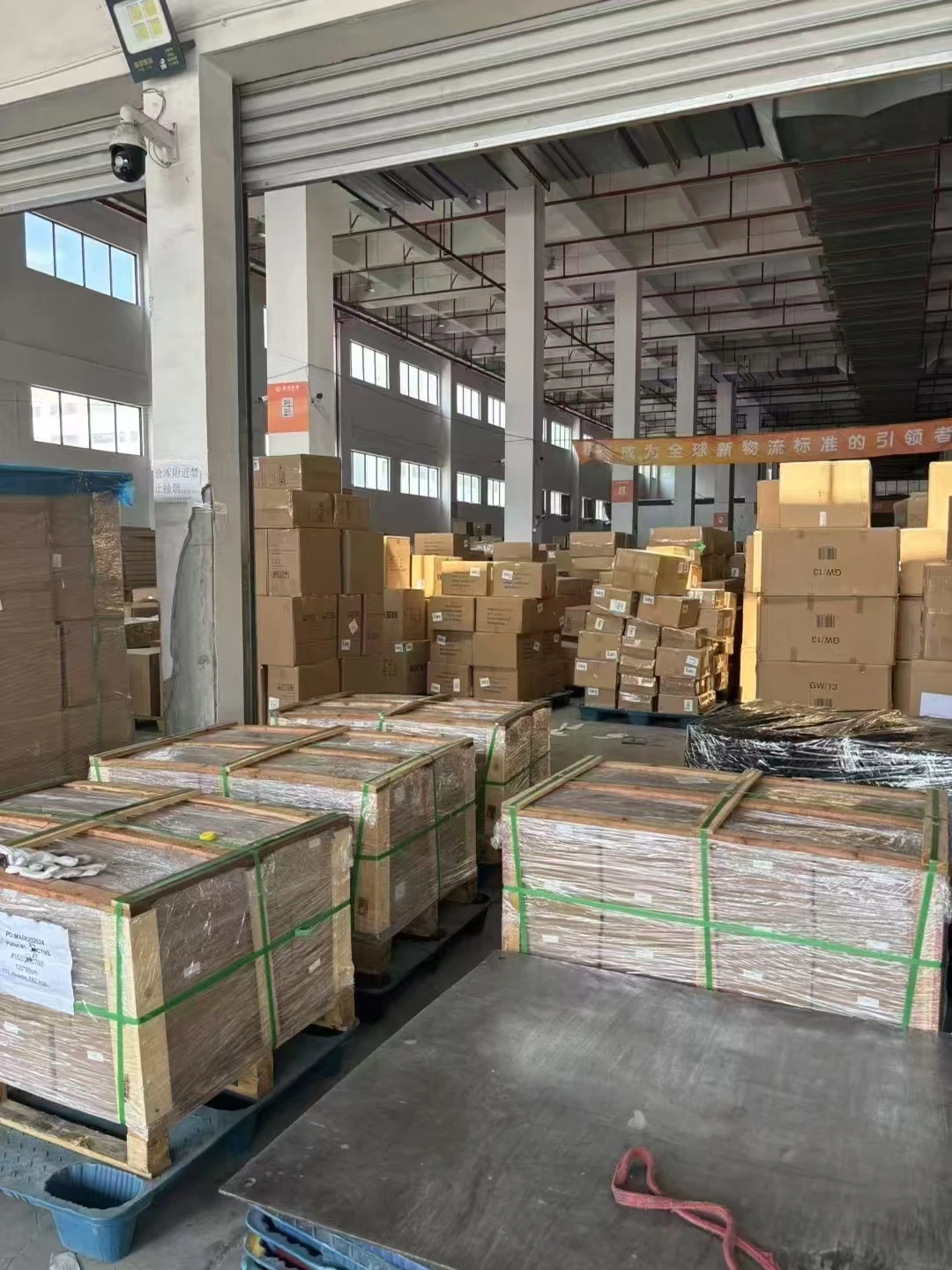
The geographic location of suppliers plays a crucial role in determining logistics costs, shipping times, and overall supply chain efficiency. Current data indicates that many suppliers for kitchen window groove cleaning brushes are located in China, with specific concentrations in provinces such as Guangdong, Zhejiang, and Henan. Guangdong, in particular, is a major manufacturing hub for household cleaning tools, offering advantages in terms of proximity to ports and established logistics networks. Suppliers in this region may benefit from faster shipping times to international destinations, particularly for markets in Asia, Europe, and North America. Buyers should consider the location of suppliers when evaluating logistics options, as proximity to major shipping routes can reduce transit times and costs. Additionally, understanding the regional infrastructure and logistics capabilities can help buyers anticipate potential challenges and plan their supply chain accordingly.
Logistics planning also involves considering the packaging and shipping requirements of the products. Suppliers often provide details on single package sizes and weights, which are essential for calculating shipping costs and optimizing container space. For example, some products have a single gross weight of 0.5 kg and a package size of 15x30x30 cm, while others may have different dimensions. Buyers should work with suppliers to determine the most efficient packaging and shipping methods to minimize costs and ensure product safety during transit. Furthermore, buyers should be aware of any regional trade regulations or tariffs that may impact the cost of importing these products. Understanding these factors allows buyers to make informed decisions about supplier selection and logistics planning, ensuring that the overall sourcing process is cost-effective and efficient. By leveraging the advantages of specific regions and optimizing logistics strategies, buyers can enhance their supply chain performance and competitiveness.
Kitchen Window Groove Cleaning Brush Commercial Terms and Order Planning
Effective order planning and negotiation of commercial terms are essential for successful sourcing of kitchen window groove cleaning brushes. Buyers should carefully review the supplier’s terms regarding payment methods, shipping responsibilities, and return policies to ensure they align with their business practices. Some suppliers may offer flexible payment terms, such as partial payments or escrow services, which can provide additional security for both parties. Buyers should also consider the supplier’s sample policies, as obtaining samples is a critical step in verifying product quality before committing to large orders. Suppliers that offer available samples allow buyers to assess the product’s features, such as its cleaning ability and eco-friendly attributes, before making a final decision. Additionally, buyers should negotiate clear terms regarding customization options, such as branded packaging or unique design features, to ensure that the final products meet their specific requirements.
Order planning also involves forecasting demand and managing inventory levels to avoid stockouts or excess inventory. Buyers should analyze historical sales data and market trends to estimate future demand for kitchen window groove cleaning brushes and adjust their orders accordingly. Working closely with suppliers to establish realistic lead times and production schedules can help ensure that products are available when needed. Buyers should also consider the supplier’s capacity for handling large orders and their ability to scale production in response to increased demand. By developing a comprehensive order plan that includes clear commercial terms, sample verification, and demand forecasting, buyers can optimize their sourcing process and achieve better business outcomes. This proactive approach helps mitigate risks, improve supply chain efficiency, and enhance customer satisfaction, ultimately contributing to the long-term success of the buyer’s business.
FAQs
What is the typical price range for window groove cleaning brushes?
Prices generally range from $0.09 to $3.59 per unit depending on material and customization. Basic plastic models start near $0.09, while specialized nylon-bristle tools cost more. Buyers should verify specific quotes based on order volume and feature requirements.
What are the common minimum order quantities for these brushes?
MOQs vary significantly, typically ranging from 80 to 1000 pieces. Some suppliers require 500 or 1000 units for standard items, while others accept orders as low as 80 or 85 pieces. Check individual listings for exact thresholds.
Which certifications are available for these cleaning products?
Suppliers often hold FDA 21 CFR 177, RoHS, (EC) 1907/2006, and CE certifications. These ensure compliance with food contact and environmental standards. Verify specific certificates with the supplier before placing bulk orders for international markets.
How long does sample processing usually take?
Sample times typically range from 5 to 7 days for production. Some suppliers offer immediate sample processing capabilities. Confirm availability and shipping costs with the supplier to ensure timely evaluation of product quality before committing to large orders.
What materials are used for the brush heads and handles?
Brush heads commonly use nylon bristles for durability, while handles are made of plastic or PP. Some models feature eco-friendly materials. Check product specifications for exact material compositions to ensure suitability for your specific cleaning applications and environmental goals.
Where are these cleaning brushes typically manufactured?
Manufacturing locations include Guangdong, Zhejiang, and Henan in China. These regions are known for household cleaning tool production. Buyers should verify the exact place of origin on product listings to assess logistics and supply chain reliability.