Kitchen Tweezers Suppliers and Manufacturers in China
Compare 21 verified suppliers of Kitchen Tweezers by location, lead time, and certification. Review product specs like material and MOQ before contacting factories in Fujian and Guangdong for quotes; review the available evidence before requesting comparable quotations from suitable candidates.
Updated
Suppliers List

Jinjiang Jiaxing Import and Export Co., Ltd.
- Verified by CTI
- Manufacturer/Factory
- China Fujian
- Lead time120 days
- Avg. response≤ 2h
Main productsShoes, Slipper, Clothes, Promotion Gifts, Silicone Products, Outdoor Sports Products, Bags, Fashion Accessories, Consumer Electronics
Main marketsSouth America,Eastern Europe,Mid East,North America,Southeast Asia,Eastern Asia,Oceania,Western Europe,Africa

Eagle Catering Equipment Co., Ltd.
- Manufacturer/Factory
- China Guangdong
- Lead time30 days
- Avg. response≤ 11h
Main productsTrolleys, Gastronorm Containers, Table, Shelves, Sink, Barrier Post, Cookware, Buffetware, Barware, Kitchen Utensils
Main marketsSouth America,Eastern Europe,Mid East,North America,Southeast Asia,Eastern Asia,Oceania,Western Europe,Africa
- Verified by SGS Group
- Trading Company
- Lead time20 days
- Avg. response≤ 10h
Main productsKitchenware, Coffee French Maker, Plastic Bento Box, Bamboo Wooden Kitchen Items, Ceramic & Glass Products
Main marketsNorthern Europe(20%), South Asia(20%), North America(10%)
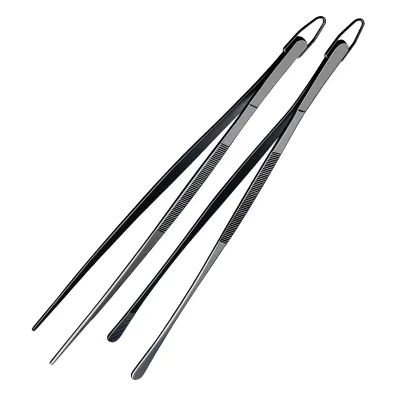
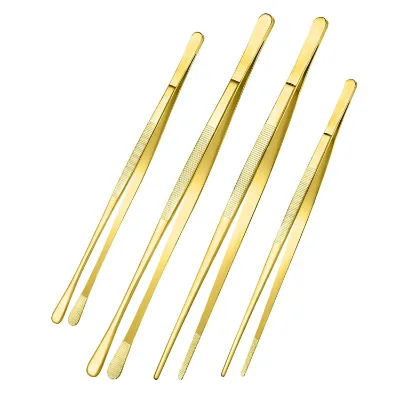
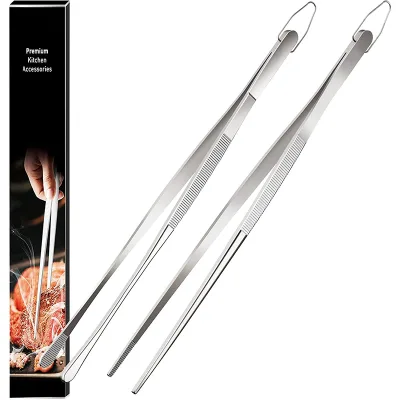
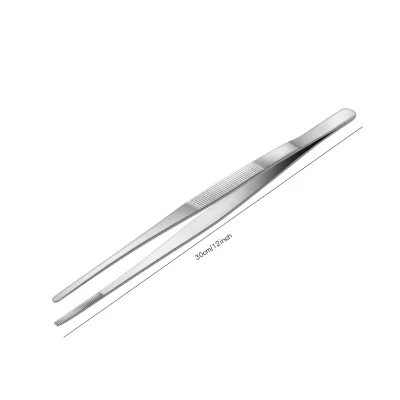
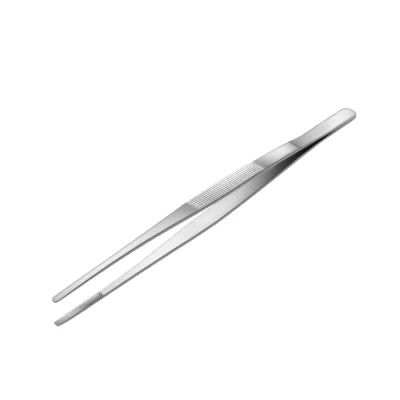
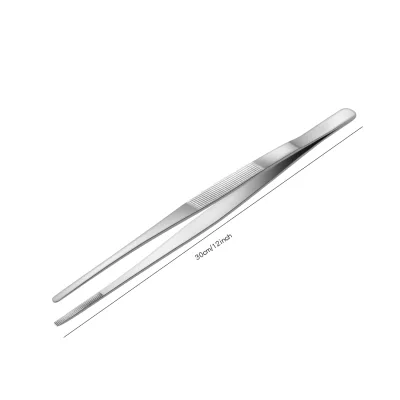
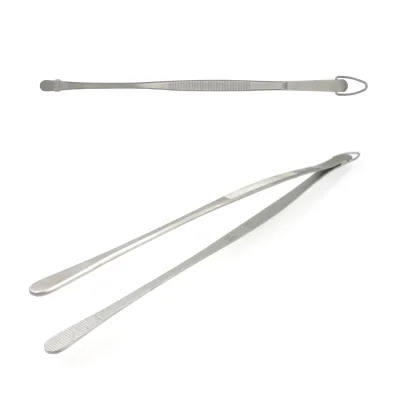
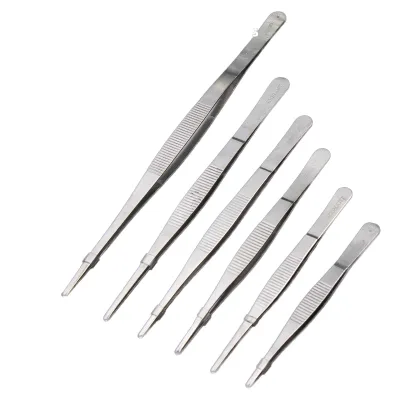
OEM 2 Pcs 12 Inch Food Tweezer Tongs Stainless Steel Kitchen Tweezer Cooking Tweezers
$0.50 - $3.00
MOQ: 2000 Minimum
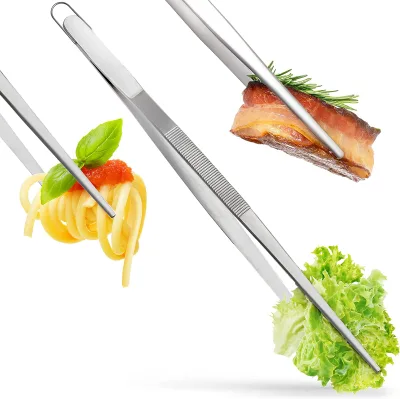
$2.00 - $6.00
MOQ: 1000 Minimum
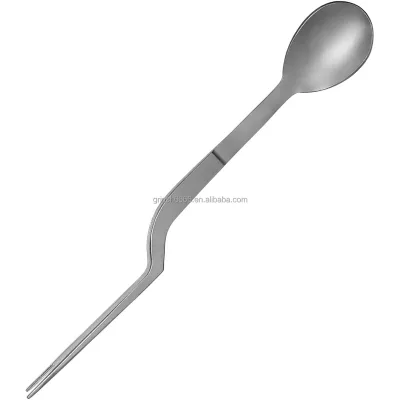
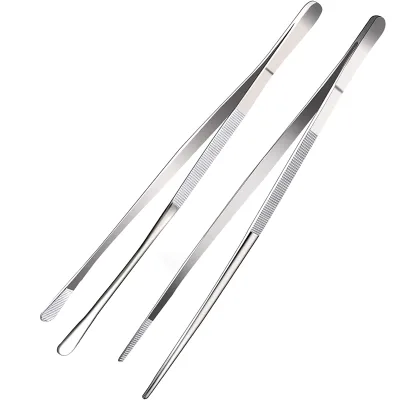
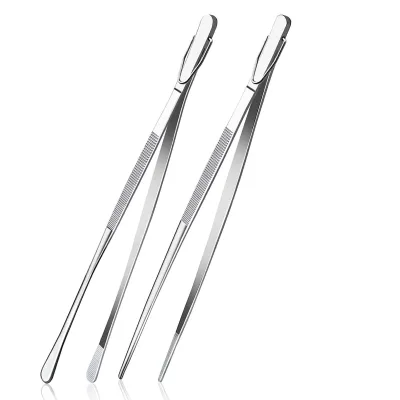
2 Pcs High Quality 12 Inch Fine Tweezer Tongs Extra-Long Stainless Steel Chef Tweezers Tongs
$0.50 - $3.00
MOQ: 2000 Minimum

Yangjiang C&B Consumer Product Limited
- Verified by CTI
- Trading Company
- China Guangdong
- Lead time15 days
- Avg. response≤ 7h
Main productsBarbecue Tongs, Grilling Brushes, Outdoor Shovel, Grilling Tools, Kitchen Ware, Outdoor Products, Pizza Tools, Knife Set
Main marketsSouth America,Africa,Southeast Asia/ Mideast,Europe,Australia,North America


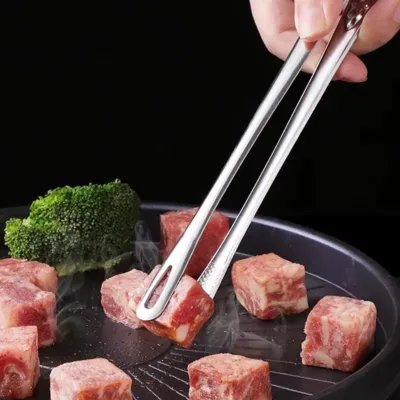
25cm Stainless Steel Kitchenware: Chef Plating, Tea Set & BBQ Grilling Tweezers
$1.28 - $1.33
MOQ: 1000 Pieces


Eagle Catering Equipment Co., Ltd.
- Verified by SGS Group
- Trading Company
- Lead time45 days
- Avg. response≤ 2h
Main productsTrolley, GN Pan, Stock Pot, Utensils, Kitchen Tools
Main marketsWestern Europe(35%), Eastern Europe(20%), North America(10%)

Changsha Jinwang Enterprises Co., Ltd.
- Trading Company
- Hunan, China
- Lead time45 days
- Avg. response≤ 10h
Main productsstainless steel kitchenware products,silicone kitchenware,silicone products,Kid's DIY products
Main marketsNorth America(36.00%), South America(20.00%), Western Europe(18.00%), Northern Europe(15.00%), Oceania(11.20%), Southeast Asia(10.70%), Central America(9.40%)
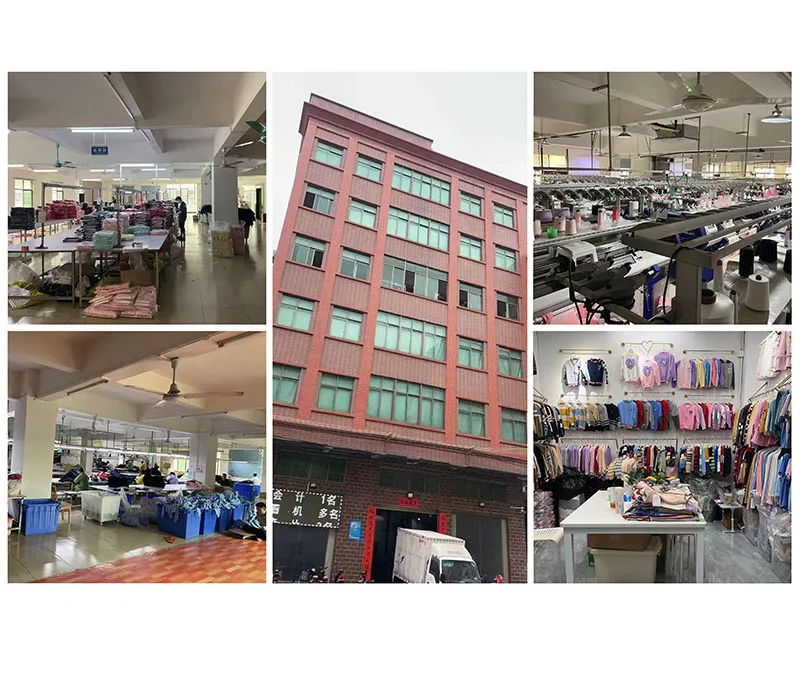
Yichun Chongqi Technology Co., Ltd.
- Trading Company
- Jiangxi, China
- Lead time15 days
- Avg. response≤ 3h
Main productsDrinkware & Accessories,Garden Supplies,Kitchenware,Household Supplies,Home Storage & Organization
Main marketsNorth America(40.00%), South America(30.00%), Eastern Europe(20.00%), Northern Europe(3.00%), Oceania(3.00%), Southeast Asia(2.00%), Africa(1.00%), Mid East(1.00%)
Chaozhou Yidu Technology Co., Ltd.
- Manufacturer, Trading Company
- Guangdong, China
- Lead time30 days
- Avg. response≤ 21h
Main productsKitchen supplies,Daily necessities
Main marketsEastern Asia(40.00%), Domestic Market(20.00%), North America(15.00%), Southeast Asia(10.00%), Eastern Europe(5.00%), Southern Europe(5.00%), Western Europe(5.00%)
Yangjiang Yangdong Creative Trade Co., Ltd.
- Trading Company
- Guangdong, China
- Lead time3 days
- Avg. response≤ 5h
Main productsAluminum Name Card Case,Travel Chess Game,Manicure Set,Promotion Gift,Luggage Tags
Main marketsAfrica(10.00%), South America(10.00%), North America(10.00%), South Asia(5.00%), Northern Europe(5.00%), Central America(5.00%), Western Europe(5.00%), Eastern Asia(5.00%), Mid East(5.00%), Oceania(5.00%), Eastern Europe(5.00%), Southeast Asia(5.00%), Southern Europe(3.00%), Domestic Market(1.00%)
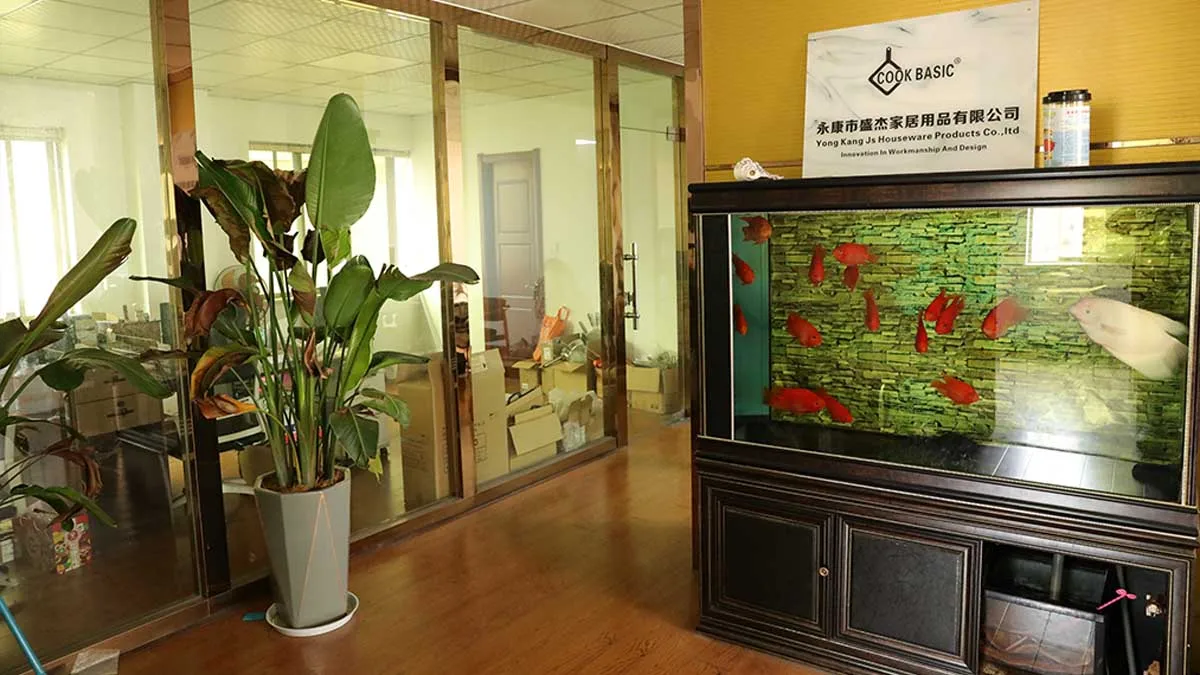
Yongkang Js Houseware Products Co., Ltd.
- Trading Company
- Zhejiang, China
- Lead time35 days
- Avg. response≤ 5h
Main productsStainless steel mesh strainer,stainless steel mesh basket,stainless steel baking tools,stainless steel cream whipper,stainless steel kitchen tools
Main marketsWestern Europe(30.00%), North America(20.00%), Domestic Market(20.00%), Southern Europe(15.00%), Northern Europe(7.00%), Eastern Europe(6.00%), South Asia(2.00%)
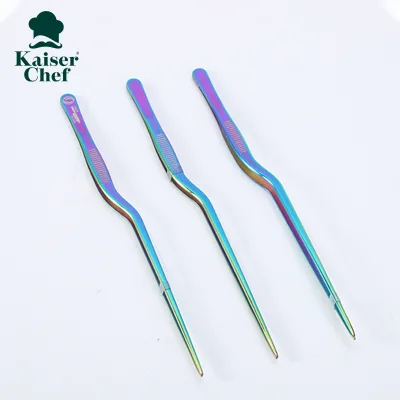
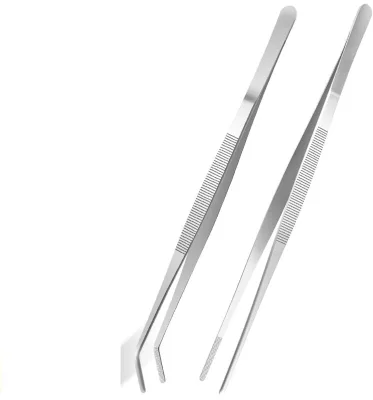
Professional Chef Stainless Steel Tongs Tweezers Set of 2, Food Plating Kitchen Tools
$2.50 - $3.30
MOQ: 500 pieces
Jieyang Rongcheng District Shunyuanfeng Hardware Products Factory
- Trading Company
- Guangdong, China
- Lead time0 days
- Avg. response≤ 3h
Main productsstainless steel straw,barware,stainless steel flatware,kitchware,tableware
Main marketsSouth America(20.00%), North America(20.00%), Domestic Market(5.00%), South Asia(5.00%), Southern Europe(5.00%), Northern Europe(5.00%), Central America(5.00%), Western Europe(5.00%), Eastern Asia(5.00%), Mid East(5.00%), Oceania(5.00%), Africa(5.00%), Southeast Asia(5.00%), Eastern Europe(5.00%)
Yangjiang Jiayang Industry And Trade Co., Ltd.
- Manufacturer, Trading Company
- Guangdong, China
- Lead time30 days
- Avg. response≤ 2h
Main productskitchen tool,kitchen knife,utensil and gadget,chef tool,bar ware
Main marketsNorth America(25.00%), Eastern Europe(20.00%), Southeast Asia(15.00%), Northern Europe(10.00%), Central America(10.00%), Western Europe(10.00%), Eastern Asia(10.00%)
Yangjiang Jiangcheng District Jinhongbang Trading Co., Ltd.
- Trading Company
- Duangdong, China
- Lead time35 days
- Avg. response≤ 1h
Main productspocket knife,can opener,Camping Tools,Outdoor Tools
Main marketsNorth America(80.00%), Eastern Europe(10.00%), Western Europe(5.00%), Mid East(5.00%)
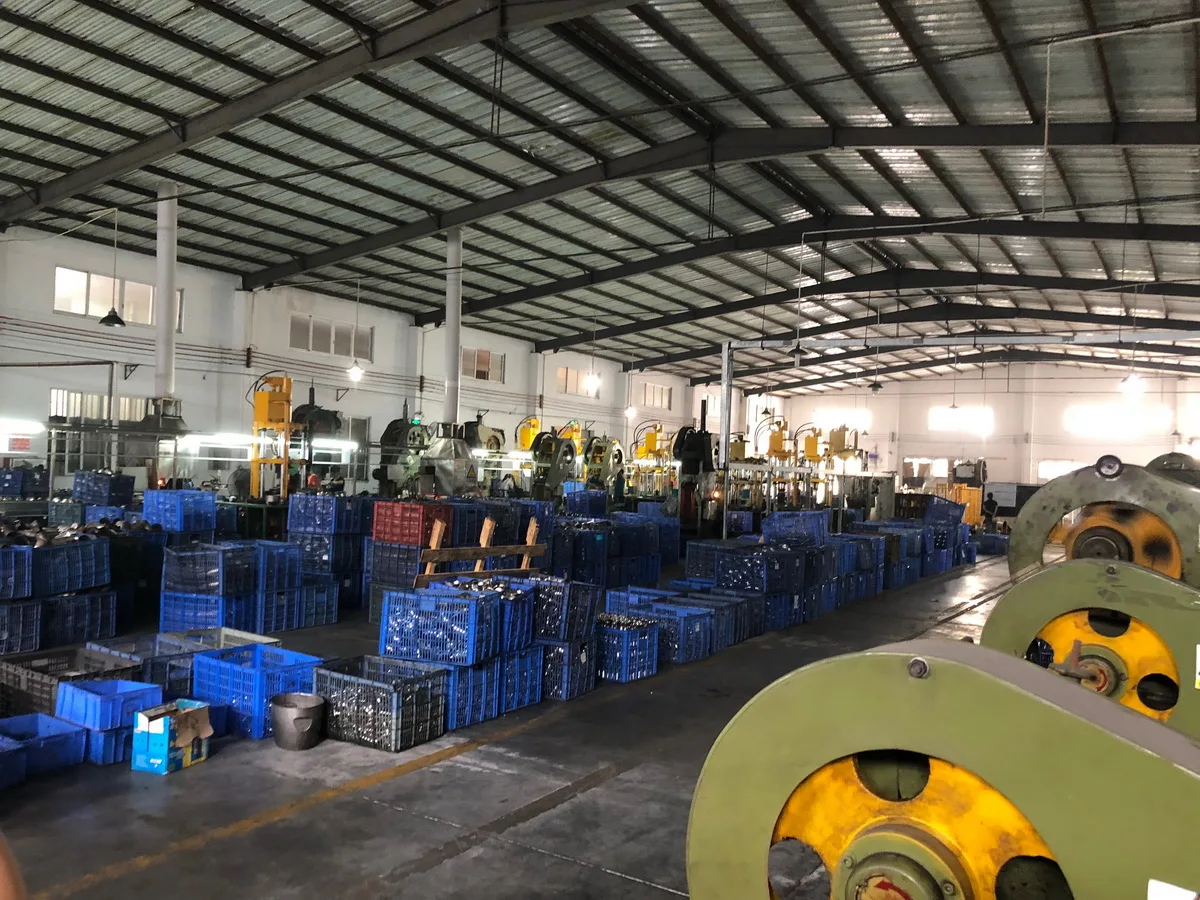
Jiangmen Hoffee Houseware Company Ltd.
- Manufacturer
- Guangdong, China
- Lead time35 days
- Avg. response≤ 3h
Main productsCoffee Accessories, Bar Tools, Kitchenware
Main marketsNorth America(30.00%), South America(15.00%), Oceania(10.00%), Northern Europe(10.00%), Domestic Market(9.00%), Western Europe(8.00%), Eastern Europe(5.00%), Mid East(5.00%), Southeast Asia(5.00%), Eastern Asia(3.00%)
Jieyang Kangxin(KONGSON)Stainless Steel Produce Co., Ltd
- Manufacturer
- Guangdong, China
- Lead time20 days
- Avg. response≤ 10h
Main productsKitchen tools,kitchen utensils,stainless steel cutlery,tableware,stainless steel flatware
Main marketsSouthern Europe(10.00%), Northern Europe(10.00%), Western Europe(10.00%), Eastern Asia(10.00%), Mid East(10.00%), Africa(10.00%), Southeast Asia(10.00%), Eastern Europe(10.00%), South America(10.00%), North America(10.00%)
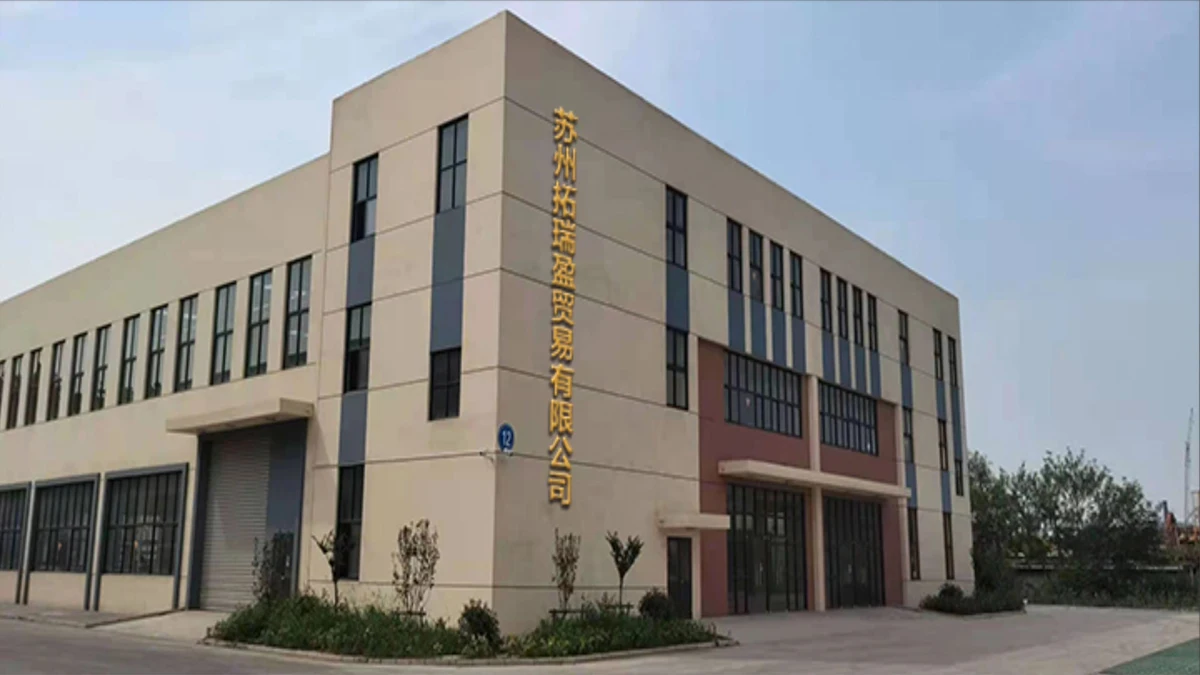
Suzhou Toryin Trading Co., Ltd.
- Trading Company
- Jiangsu, China
- Lead time30 days
- Avg. response≤ 4h
Main productsHand Tools,Car Tools,Outdoor Tools,Garden Tools,Kitchen Tools
Main marketsSouth America(21.00%), North America(18.00%), Western Europe(8.00%), Eastern Europe(8.00%), Southern Europe(7.00%), Domestic Market(7.00%), Central America(5.00%), Southeast Asia(5.00%), Northern Europe(5.00%), Africa(5.00%), South Asia(3.00%), Eastern Asia(3.00%), Mid East(3.00%), Oceania(2.00%)
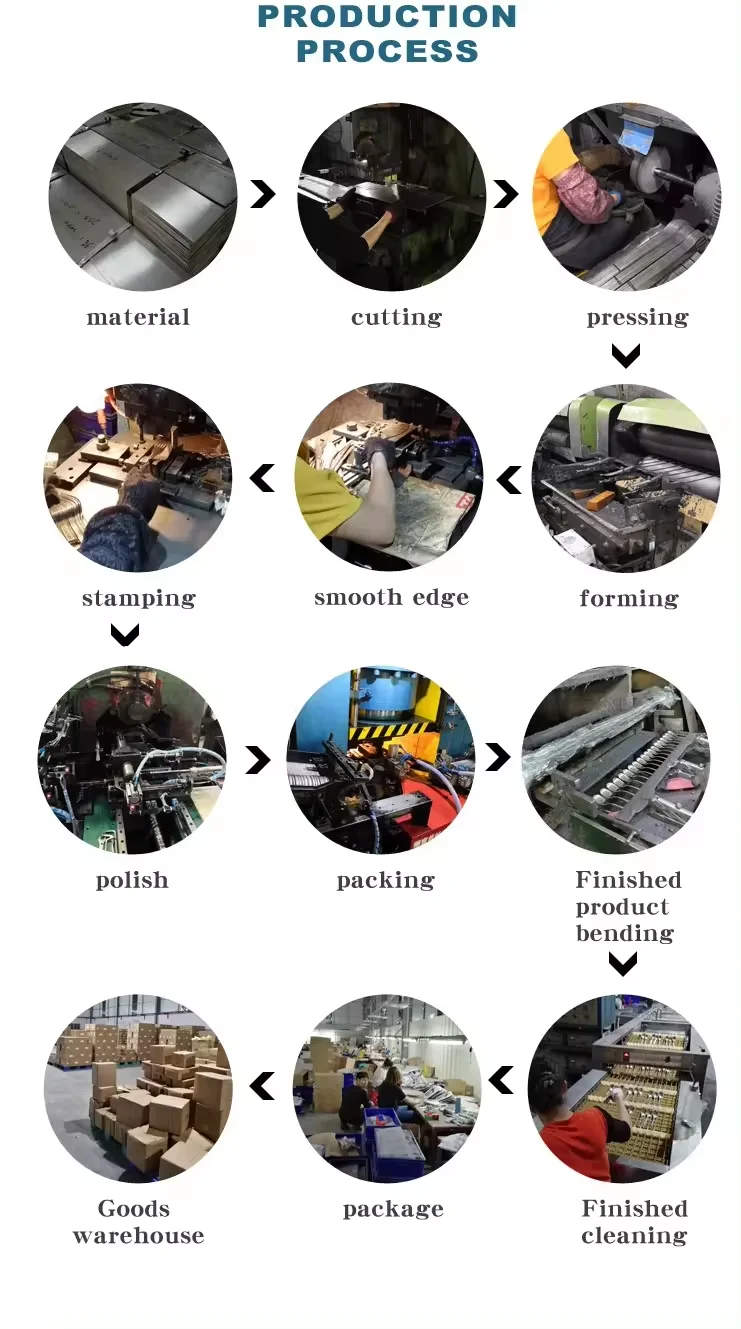
Jieyang City Rongcheng Chujugui Stainless Steel Products Factory
- Manufacturer, Trading Company
- Guangdong, China
- Lead time15 days
- Avg. response≤ 3h
Main productsDinnerware,tableware,flatware,cutlery set,tongs
Main marketsNorthern Europe(50.00%), North America(40.00%), South America(30.00%), Africa(20.00%), Southeast Asia(20.00%), Domestic Market(10.00%), South Asia(10.00%), Southern Europe(10.00%), Eastern Europe(10.00%), Central America(10.00%), Western Europe(10.00%), Eastern Asia(10.00%), Mid East(10.00%)

NINGBO HOBA INTERNATIONAL TRADING CO., LTD.
- Verified by BV
- Trading Company
- China Zhejiang
- Lead time30 days
- Avg. response≤ 3h
Main productsThread, Button, Lace Tape, Zipper, Hot Fix Stone, Crystal, Rope, Jewelry Accessory, Ribbon, Reflecting Material
Main marketsSouth America,Africa,Southeast Asia/ Mideast,East Asia(Japan/ South Korea),Europe,Australia,North America

- Trading Company
- China Jiangsu
- Lead time23 days
- Avg. response≤ 4h
Main productsSilicone Nose Pads; Anti-Slip Pads, Lens Blocking Pads/Adhesive Pads, Screws; Screwdrivers, Pliers; Plier Stand, Lens Cleaners, Cutting Tools, Measuring Tools, Job Tray / Storage Box, Optical Accessories, Optometry Machines
Main marketsSouth America,Southeast Asia/ Mideast,East Asia(Japan/ South Korea),Domestic,Europe,Australia,North America
Yiwu Kaituo Hardware Co., Ltd.
- Trading Company
- Zhejiang, China
- Lead time28 days
- Avg. response≤ 5h
Main productsAuto repair tools,Manuel tools,Lithium battery tools,Wrench,Pliers
Main marketsAfrica(100.00%), Central America(100.00%), Oceania(100.00%), Southern Europe(100.00%), Mid East(100.00%), Eastern Europe(22.00%), Eastern Asia(16.00%), Southeast Asia(12.00%), Western Europe(12.00%), North America(12.00%), South America(8.00%), Domestic Market(7.00%), South Asia(6.00%), Northern Europe(5.00%)

Foshan Nanhai Xiqiao Zhengrong Nail Clipper Factory
- Verified by SGS
- Combined
- China Guangdong
- Lead time30 days
- Avg. response≤ 14h
Main productsNail Clipper
Main marketsDomestic,Europe,North America


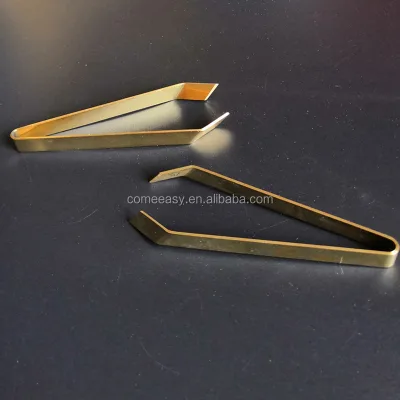
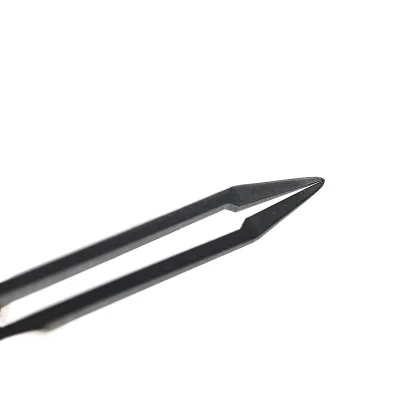
Mini Size 2.5 Inch Black with Stainless Steel Point Slant Tip Eyebrow Tweezers
Negotiable
MOQ: 10000 Pieces

Mini Size 2.75 Inch Black with Stainless Steel Slant Tip Eyebrow Tweezers
Negotiable
MOQ: 10000 Pieces


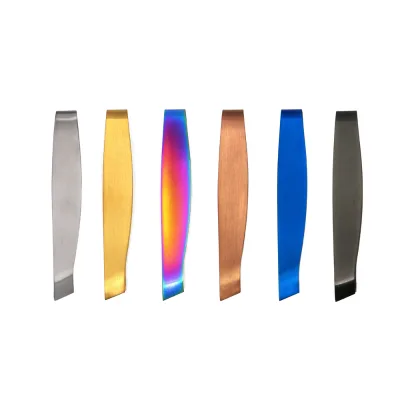
High Quality Applicator Stainless Steel Colorful Slant Tip Eyebrow Tweezer
Negotiable
MOQ: 10000 Pieces


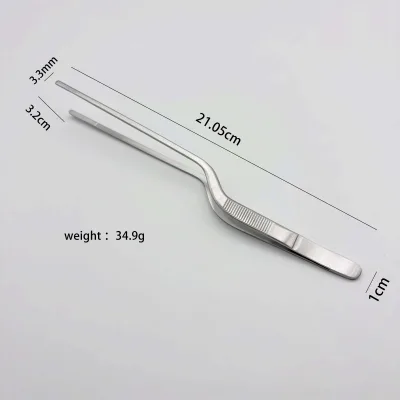
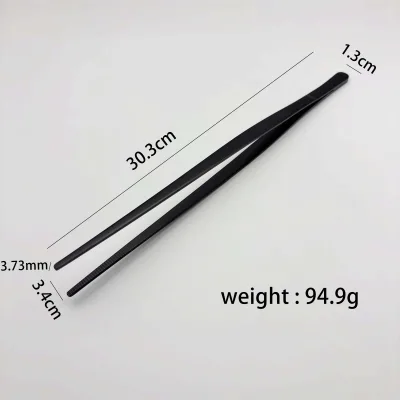
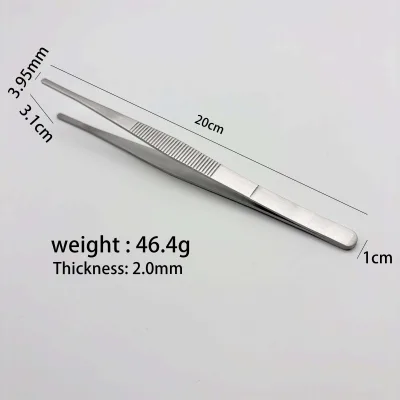
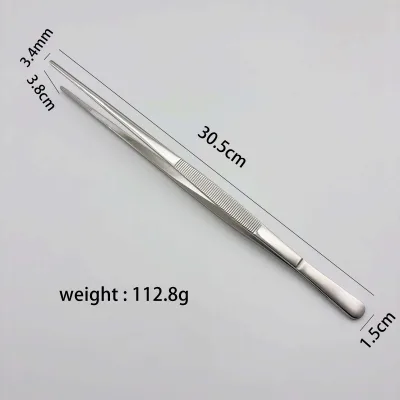
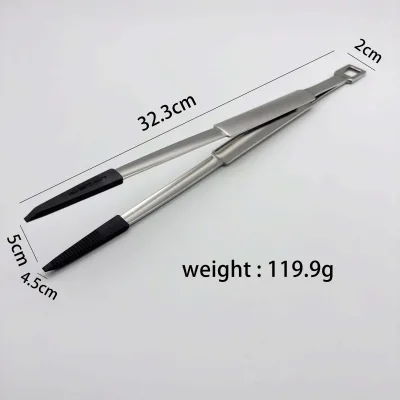
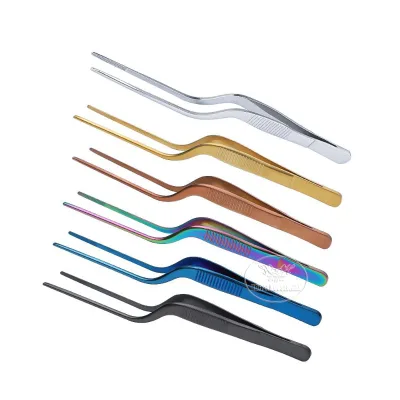
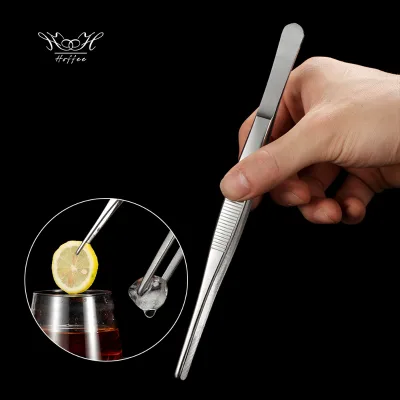
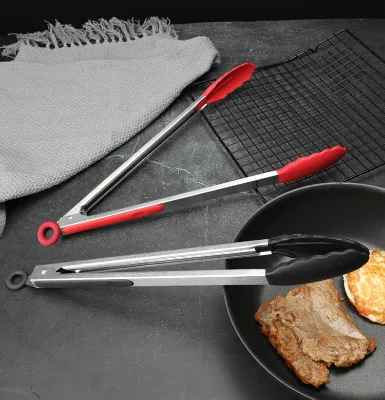

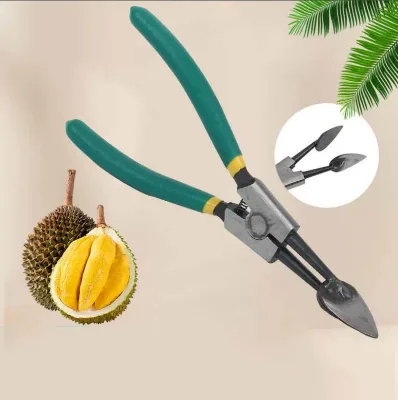
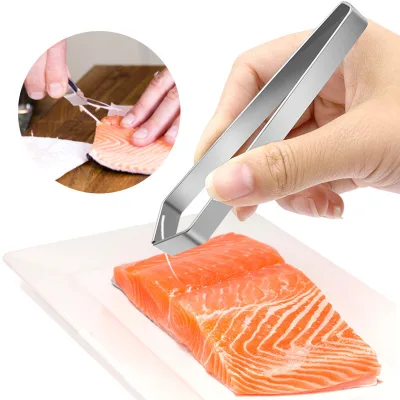
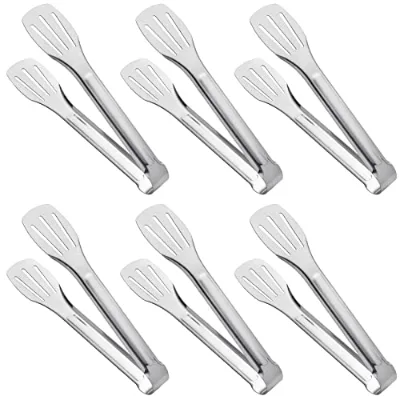

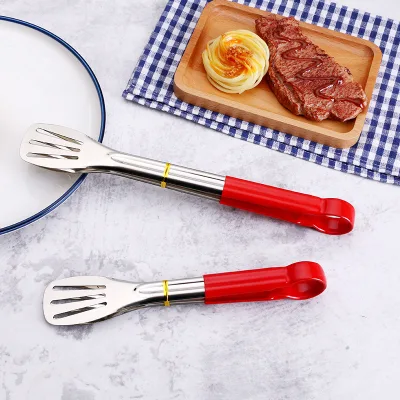


Comprehensive Sourcing Guide
Kitchen Tweezers Supplier Concentration and Factory Types
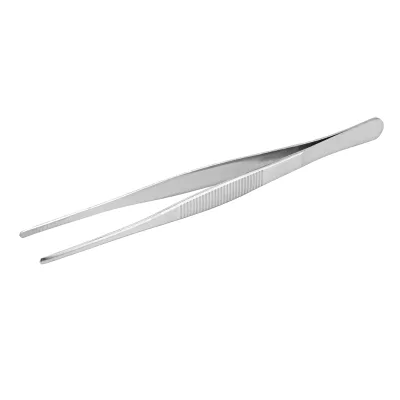
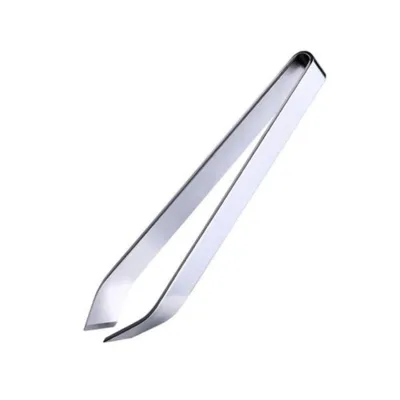
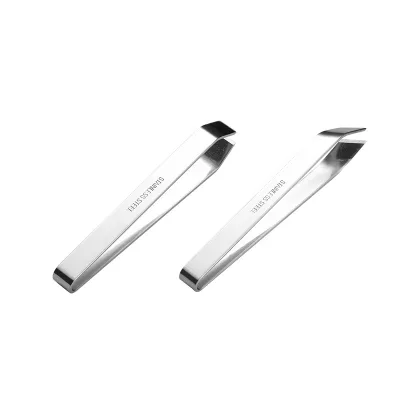
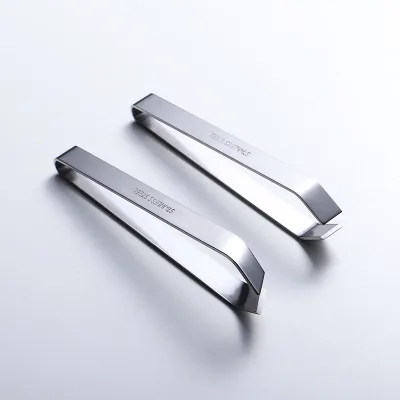
The current supplier landscape for Kitchen Tweezers reveals a distinct geographic concentration in China, specifically within the provinces of Fujian and Guangdong. These regions serve as primary manufacturing hubs for a wide array of kitchenware, including the specific stainless steel and silicone tools required for culinary applications. Suppliers located in these areas often benefit from established supply chains for raw materials like stainless steel and silicone, which are critical for producing durable and heat-resistant tweezers. The presence of manufacturers in Fujian suggests a strong capability for OEM and ODM services, allowing buyers to customize product models and packaging to meet specific brand requirements. Meanwhile, suppliers in Guangdong often focus on high-volume production of commercial-grade utensils, catering to the needs of restaurants and buffet operations. This regional clustering facilitates efficient logistics and reduces shipping costs, making these locations attractive for bulk procurement. Buyers should prioritize suppliers from these verified locations to ensure access to established manufacturing infrastructure and reliable production capabilities.
Beyond geography, the types of entities supplying Kitchen Tweezers vary significantly, ranging from direct manufacturers to trading companies. Manufacturer/factory entities typically offer greater control over the production process, enabling them to provide customizations such as specific material grades or unique serrated tip designs. These suppliers often hold system certifications like ISO 9001, indicating a commitment to quality management standards. In contrast, trading companies may offer a broader portfolio of related items, such as coffee makers or bamboo kitchen items, providing one-stop shopping convenience. While trading companies might have slightly longer response times or different lead times compared to factories, they can simplify the sourcing process for buyers looking to consolidate orders. Understanding the distinction between these supplier types is crucial for determining whether the priority is direct manufacturing control or diversified product availability. Buyers must evaluate which model aligns best with their specific operational needs and customization requirements.
How to Verify Kitchen Tweezers Suppliers
Verifying the credibility of Kitchen Tweezers suppliers requires a careful examination of their verification status and certification records. Buyers should look for suppliers that have undergone third-party verification processes, such as those conducted by CTI or SGS Group. These verifications provide an additional layer of confidence regarding the supplier's business legitimacy and operational stability. Additionally, checking for system certifications like ISO 9001 is essential, as it demonstrates that the supplier adheres to internationally recognized quality management standards. For product-specific verification, buyers should inspect the product evidence for certifications such as CE, which indicates compliance with European health, safety, and environmental protection standards. This is particularly important for kitchenware that comes into direct contact with food. Suppliers who openly display these credentials are generally more transparent and reliable, reducing the risk of encountering fraudulent or substandard operations. Buyers should request copies of these certificates to ensure they are current and valid.
Beyond certifications, buyers should assess the supplier's response time and communication efficiency as indicators of their operational professionalism. A quick response time, such as under two hours, suggests that the supplier has dedicated customer service teams and efficient internal processes. This responsiveness is crucial for resolving queries about product specifications, customization options, and order tracking. Suppliers with slower response times, such as those taking over ten hours, may indicate larger organizational structures or less dedicated support, which could lead to delays in communication. Buyers should also verify the supplier's main products to ensure they specialize in kitchenware rather than offering a disparate range of unrelated items. A focused product portfolio often correlates with deeper expertise and better quality control. By combining verification checks with an assessment of communication efficiency, buyers can build a more accurate picture of a supplier's reliability and suitability for their sourcing needs.
What to Compare Across Kitchen Tweezers Suppliers
When evaluating multiple suppliers, buyers must compare key operational metrics such as lead times, minimum order quantities (MOQs), and pricing structures. Lead times can vary significantly, with some suppliers offering production cycles as short as thirty days, while others may require up to one hundred and twenty days. This variance is often influenced by the supplier's location, production capacity, and current order backlog. Buyers should align their procurement timelines with these lead times to avoid stockouts or delays in product launches. Similarly, MOQs can range from as low as one hundred units to five hundred or more, depending on the supplier's business model and the complexity of the product. Suppliers with lower MOQs may be more suitable for startups or small businesses, while those with higher MOQs might offer better economies of scale for larger enterprises. Understanding these thresholds helps buyers determine which suppliers can accommodate their order volumes without incurring excessive costs or requiring unrealistic minimum purchases.
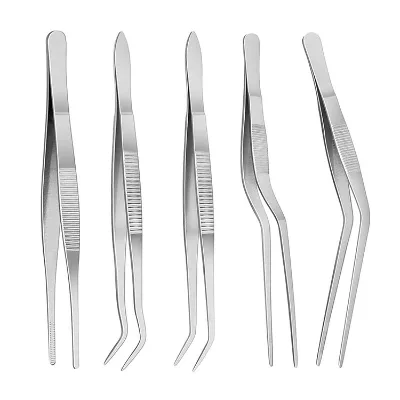
In addition to operational metrics, buyers should compare product specifications and customization capabilities to ensure they meet their specific requirements. Key attributes to evaluate include the material composition, such as stainless steel or silicone, and the presence of features like serrated tips for better grip. Suppliers may offer different product models, each with unique dimensions and weights, so buyers must select the option that best fits their intended use, whether for home cooking or commercial kitchen environments. Customization options, such as logo printing or custom packaging, are also critical for brand differentiation. Buyers should inquire about the availability of OEM and ODM services and any associated costs or minimums for customization. Furthermore, comparing the response times of different suppliers can provide insight into their customer service quality. A supplier with a faster response time may be more responsive to changes or issues during the production process. By systematically comparing these factors, buyers can make informed decisions that balance cost, quality, and service.
Common Kitchen Tweezers Sourcing Risks
One of the primary risks in sourcing Kitchen Tweezers is the potential discrepancy between the specified material and the actual product received. Buyers must ensure that the stainless steel used meets the required grade for food safety and durability. Substandard materials may lead to rusting, breakage, or contamination, which can damage the buyer's brand reputation. To mitigate this risk, buyers should request detailed material specifications and, if possible, conduct third-party testing to verify the composition. Additionally, buyers should be cautious of suppliers who do not provide clear information about their manufacturing processes or quality control measures. Lack of transparency in these areas can indicate poor production standards and a higher likelihood of defects. Buyers should also verify the supplier's ability to maintain consistent quality across large production runs, as variations in quality can lead to customer dissatisfaction and returns. Establishing clear quality expectations and conducting regular inspections can help minimize these risks.
Another significant risk is the potential for delays in delivery due to inaccurate lead time estimates or logistical issues. Suppliers may quote optimistic lead times that do not account for production bottlenecks or shipping delays. Buyers should factor in buffer time when planning their inventory and marketing campaigns to accommodate potential delays. Additionally, buyers should be aware of the risks associated with international shipping, such as customs clearance issues or damage during transit. Proper packaging, such as export cartons or polybags, is essential to protect the products during shipping. Buyers should verify that the supplier uses appropriate packaging methods and consider purchasing insurance for high-value orders. Furthermore, buyers should be cautious of suppliers who do not offer clear return or refund policies in case of non-conforming products. Establishing a clear agreement on dispute resolution and quality guarantees can provide protection against these risks. By proactively addressing these potential issues, buyers can reduce the likelihood of costly disruptions and ensure a smoother sourcing experience.
Kitchen Tweezers Regional Sourcing and Logistics
Sourcing Kitchen Tweezers from China offers significant advantages in terms of cost efficiency and manufacturing expertise, but it also presents logistical challenges that buyers must navigate. The concentration of suppliers in Fujian and Guangdong provides access to a robust ecosystem of manufacturers and suppliers, but buyers must consider the implications of international shipping on their supply chain. Shipping times can vary depending on the mode of transport, with sea freight being more cost-effective but slower, and air freight being faster but more expensive. Buyers should evaluate the total landed cost, including shipping, insurance, and customs duties, to determine the true cost of sourcing from these regions. Additionally, buyers should be aware of potential delays due to port congestion or regulatory changes, which can impact delivery schedules. Planning for these variables is essential to maintain a reliable supply chain and avoid disruptions in product availability.
Logistics also involve considerations related to packaging and handling. Suppliers often use export cartons or polybags to protect the products during transit, but buyers should verify that the packaging is sufficient to prevent damage. Proper labeling and documentation are also crucial for smooth customs clearance. Buyers should ensure that all necessary paperwork, such as commercial invoices and packing lists, are accurate and complete. Additionally, buyers should consider the environmental impact of their sourcing decisions, as many suppliers now offer eco-friendly products and packaging options. Choosing suppliers who prioritize sustainability can enhance the buyer's brand image and appeal to environmentally conscious consumers. By carefully managing the logistical aspects of sourcing from China, buyers can optimize their supply chain efficiency and reduce the overall cost of procurement. Understanding the nuances of international logistics is key to successful sourcing in this category.
Kitchen Tweezers Commercial Terms and Order Planning
Effective order planning for Kitchen Tweezers requires a thorough understanding of commercial terms, including pricing, payment methods, and warranty policies. Buyers should negotiate clear pricing structures that account for volume discounts and customization costs. It is important to clarify whether the quoted prices include packaging, shipping, and taxes, as hidden fees can significantly impact the final cost. Payment terms should be agreed upon in advance, with options such as letters of credit or escrow services providing security for both parties. Buyers should also inquire about the supplier's warranty policy and after-sales support, as these factors can affect the long-term viability of the partnership. Understanding these commercial terms helps buyers manage their cash flow and mitigate financial risks associated with international trade.
In addition to commercial terms, buyers should plan their orders based on seasonal demand and market trends. Kitchen Tweezers may experience fluctuations in demand depending on holidays, promotional events, or new product launches. Buyers should analyze historical sales data and market forecasts to determine optimal order quantities and timing. Collaborating with suppliers to develop a production schedule that aligns with these demand patterns can help prevent stockouts and overstock situations. Buyers should also consider the supplier's capacity to handle rush orders or changes in specifications, as flexibility is crucial in a dynamic market. By integrating commercial terms with strategic order planning, buyers can create a resilient supply chain that responds effectively to market changes. This holistic approach ensures that sourcing activities support broader business objectives and contribute to long-term success.
FAQs
What is the price range for stainless steel Kitchen Tweezers?
Prices for stainless steel Kitchen Tweezers typically range from $0.12 to $5.00 per unit. The final cost depends on the specific model, material grade, and customization requirements. Buyers should check the minimum order quantity to determine the exact per-unit price for their order volume.
What is the minimum order quantity for Kitchen Tweezers?
The minimum order quantity varies by supplier and product model. Some suppliers require a minimum of 100 units, while others may set the threshold at 200, 300, or 500 pieces. Buyers must verify the specific MOQ for the desired product model before placing an order.
Where are Kitchen Tweezers mainly manufactured?
Kitchen Tweezers are primarily manufactured in China, with significant production hubs located in Fujian and Guangdong provinces. These regions offer established supply chains for stainless steel and silicone kitchenware. Buyers can source products directly from these locations to ensure quality and competitive pricing.
How long does it take to produce Kitchen Tweezers?
Production lead times for Kitchen Tweezers generally range from 20 to 120 days. The duration depends on the supplier's current workload, the complexity of customization, and the order volume. Buyers should confirm the specific lead time with the supplier before finalizing the purchase agreement.
Do suppliers offer customization for Kitchen Tweezers?
Yes, many suppliers offer customization options for Kitchen Tweezers, including OEM and ODM services. Buyers can request custom packaging, logos, or specific product models. Customization availability should be confirmed with the supplier to ensure it meets the buyer's branding and design requirements.
What certifications are available for Kitchen Tweezers?
Kitchen Tweezers may come with CE certification for product safety and ISO 9001 for quality management systems. Some suppliers are verified by third-party inspection agencies like CTI or SGS. Buyers should request certification documents to ensure the products meet international safety and quality standards.