Kitchen Dish Drying Rack with Mat Suppliers and Manufacturers
Source 36 verified suppliers for Kitchen Dish Drying Rack with Mat options. Compare key dimensions including Zhejiang and Guangdong locations, carbon steel and diatomaceous materials, BSCI certification, and pricing from $3.78 to $17.58. Review lead times and MOQs to identify the right partner for your procurement needs.
Updated
Suppliers List

Ningbo Homecrest Imp.& Exp. Co., Ltd.
- Trading Company
- Zhejiang, China
- Lead time20 days
- Avg. response≤ 6h
Main productsKitchen Organizer, Home Organizer, Bathroom Organizer, Home Decor
Main marketsNorth America(40.00%), Northern Europe(40.00%), Oceania(10.00%), Eastern Asia(10.00%)
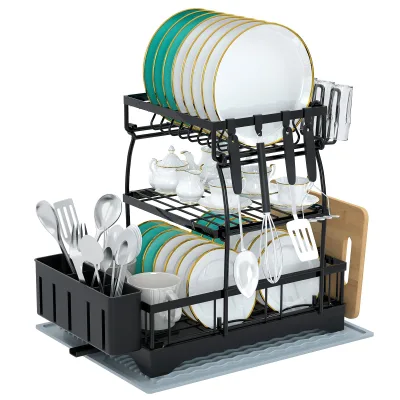
$3.7819 - $3.9868
MOQ: 300 pieces
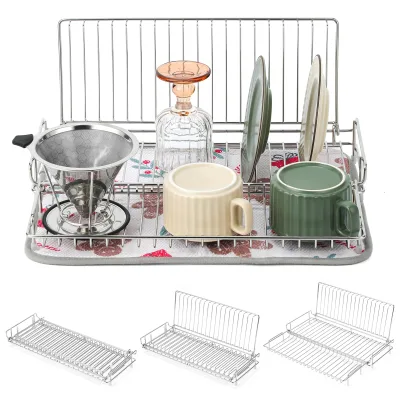
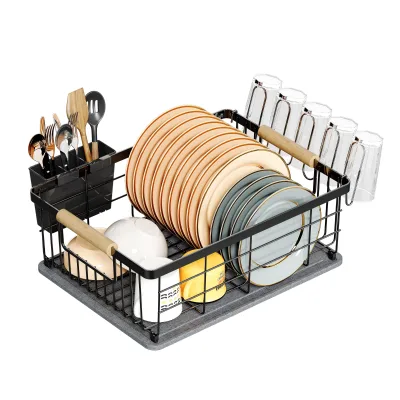

Qingyuan Xingxiang Hardware Products Co., Ltd
- Verified by SGS
- Combined
- China Guangdong
- Lead time30 days
- Avg. response≤ 5h
Main productsShower Caddy Shelves, Hanging Hook, Coffee Pod Holder, Tissue Paper Towel Holder, Wire Storage Basket, Mutifunction Storage Rack, Cup Holder, Dish Drying Rack, Office Accessories, Watering Can
Main marketsEurope,North America

Dish Storage Rack Drying Drainer Kitchen Two Tier Dish Drying Rack with Tray
$16.50 - $17.58
MOQ: 500 Pieces

Kitchen Accessories Dish Drying Rack Stainless Steel Dish Drainer Rack with Drain Board
$12.35 - $14.41
MOQ: 200 Pieces

Fashion 2 Tier Dish Rack Kitchen Dish Drying Rack on The Cabinets Dish Drainer Drying Rack Kitchen
$8.40 - $8.80
MOQ: 200 Pieces

Kitchen Plate Dish Drainer Drying Rack Large Capacity 3 Tier Drying Dishes Rack
$5.40 - $6.09
MOQ: 500 Pieces


$7.13 - $8.26
MOQ: 200 Pieces
Meizhou Meta San Metal Product Industries Co., Ltd.
- Verified by SGS Group
- Trading Company
- Lead time20 days
- Avg. response≤ 3h
Main productsKitchen Storage Rack, Bathroom Accessories, Metal Bracket, Buffet Stove, Garden Bicycle Shed
Main marketsNorth America(20%), Southeast Asia(15%), Eastern Europe(10%)

Xuzhou Risen Industry and Supply Co., Ltd
- Verified by TUVRHEINLAND
- Trading Company
- China Jiangsu
- Lead time30 days
- Avg. response≤ 4h
Main productsHousehold Adornment, Household Supplies, Home Decoration, Compressed Sofa, Dining Furniture, Bothroom Organizer, Kitchen Storage, Glass Ornaments, Ceramic Tableware, Home Fragrance
Main marketsSouth America

- Verified by TUVRHEINLAND
- Manufacturer/Factory
- China Zhejiang
- Lead time45 days
- Avg. response≤ 4h
Main productsIce Bucket, Toys, Kitchen Products, Hip Flask, Shaker, Bar Caddy, Menu Board, Bottle Opener, Barwares, Wine Glasses
Main marketsSouth America,Eastern Europe,Mid East,North America,Southeast Asia,Eastern Asia,Oceania,Western Europe,Africa

Hangzhou Qiyu Technology Co., Ltd.
- Trading Company
- Zhejiang, China
- Lead time10 days
- Avg. response≤ 5h
Main productsKitchenware,Kitchen Storage,Bakeware,Outdoor Camping,Drinkware
Main marketsNorth America(70.00%), Northern Europe(10.00%), Southern Europe(5.00%), Eastern Europe(5.00%), Western Europe(5.00%), Africa(5.00%)

Taizhou Shangyi Plastic Co., Ltd.
- Verified by TUVRHEINLAND
- Trading Company
- China Zhejiang
- Lead time23 days
- Avg. response≤ 19h
Main productsFood Container, Storage Container, Lunch Box, Bento Box, Plastic Laundry Basket, Plastic Storage Container, Plastic Cutting Board
Main marketsSouth America,Southeast Asia/ Mideast


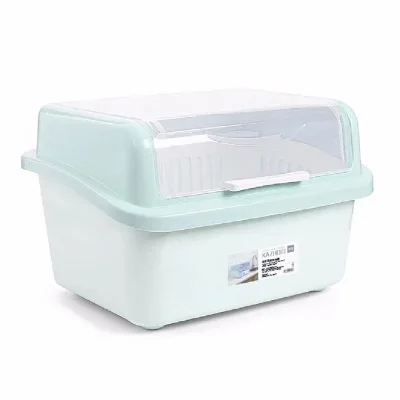
Creative Plastic Drying Rack Dish Draining Organizer with Dustproof Cover for Kitchen Use
$2.80 - $2.90
MOQ: 3000 Pieces

Kitchen Dish Drainer Drying Rack with Drip Tray and Full-Mesh Silverware Storage Basket
$0.95 - $1.02
MOQ: 3000 Pieces

- Verified by TUVRHEINLAND
- Trading Company
- China Zhejiang
- Lead time15 days
- Avg. response≤ 13h
Main productsWooden Toy, Outdoor Product, Kitchen Item, Personal Care Tool, Painting Set, Disk Rack, Yoga, Garden
Main marketsSouth America,Europe,North America

Ningbo General Union Co., Ltd.
- Verified by BV
- Trading Company
- China Zhejiang
- Lead time30 days
- Avg. response≤ 9h
Main productsCleaning Brush, Bottle, Kitchenware, Storage Box, Outdoor, Pet, Fitness Equipment, Digital Devices, Camping, Pet Bottle
Main marketsSouth America,Africa,Southeast Asia/ Mideast,East Asia(Japan/ South Korea),Europe,Australia,North America

Kitchen Roll up Folding Retractable Stainless Steel Dish Drying Rack with Tray
$5.15 - $5.60
MOQ: 200 Pieces


Foshan Broadjoy Household Building Material Co., Ltd.
- Manufacturer/Factory
- China Guangdong
- Lead time23 days
- Avg. response≤ 13h
Main productsPull out Basket, Kitchen Cabinet Organization, Storage Basket, Dish Rack, PVC Trunking, PVC Conduit, PVC Corrugated Conduit, PVC Fittings
Main marketsSouth America,Eastern Europe,Mid East,North America,Southeast Asia,Eastern Asia,Oceania,Western Europe,Africa

Zhangjiagang Geyon Material Co., Ltd.
- Trading Company
- Jiangsu, China
- Lead time20 days
- Avg. response≤ 5h
Main productsDiatomite mat,Bathroom mat,Bathroom products,Kitchen products,Door mat
Main marketsNorth America(60.00%), Eastern Asia(20.00%), Western Europe(10.00%), Northern Europe(5.00%), South Asia(5.00%)

Dongguan Simply Metal Products Co., Ltd.
- Trading Company
- China Guangdong
- Lead time23 days
- Avg. response≤ 7h
Main productsWire Shelving, Wire Shelving Units, Shelving, Shelf, Wire Wall Shelf, Wire Rack Shelving, Wire Storage Racks, Wire Racks, Metal Wire Shelving, Wire Storage Shelves
Main marketsSouth America,Africa,Southeast Asia/ Mideast,Europe,Australia,North America
Shantou Hongxing Commodity Co., Ltd.
- Verified by Intertek
- Manufacturer, Trading Company
- Lead time25 days
- Avg. response≤ 4h
Main productsPlastic Daily-Used Household Products
Main marketsSouth Asia(20%), South America(19%), Mid East(18%)

Guangzhou Welldo Hardware Manufacturing Co.,Ltd.
- Trading Company,Manufacturer/Factory
- China Guangdong
- Lead time45 days
- Avg. response≤ 6h
Main productsKitchen Pull-out Basket, Kitchen Wire Basket, Pull out Basket, Kitchen Cabinet Organiser, Wardrobe Accessories, Kitchen Rack, Storage Basket, Kitchen Accessories, Pantry Unit, Tall Unit
Main marketsSouth America,Eastern Europe,Mid East,North America,Western Europe,Africa

Tianjin Shining International Trade Co., Ltd.
- Verified by SGS
- Trading Company,Manufacturer/Factory
- China Tianjin
- Lead time30 days
- Avg. response≤ 5h
Main productsStorage Rack&Shelving, Drying Rack, Utility Cart, Dish Rack, Coffee Table, Hotel Chairs&Tables, Church Chairs, Office Chairs
Main marketsSouth America,Eastern Europe,Mid East,Southeast Asia,Eastern Asia,Oceania,Western Europe,Africa

Dish Drying Rack Stainless Steel 3-Tier Kitchen Dish Rack with Utensil Holder
$3.50 - $6.90
MOQ: 50 pieces


Guangdong Victory Industry Limited
- Trading Company
- China Guangdong
- Lead time15 days
- Avg. response≤ 2h
Main productsTrash Can, Dustbin, Waste Bin, Toilet Brush, Paper Holder, Compost Bin, Kitchen Paper Towel Holder, Makeup Mirror, Towel Rack, Bathroom Accessories
Main marketsEurope,North America
Ningbo Aggpo Import And Export Co., Ltd.
- Verified by SGS Group
- Trading Company
- Lead time5 days
- Avg. response≤ 5h
Main productsHousehold daily goods, Consumer goods, Pet goods, Sports goods, Hardware goods
Main marketsNorth America(30%), South America(30%), Western Europe(25%)
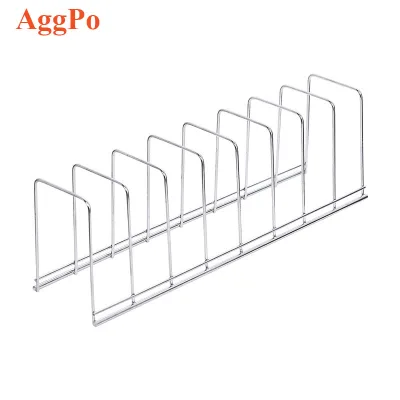
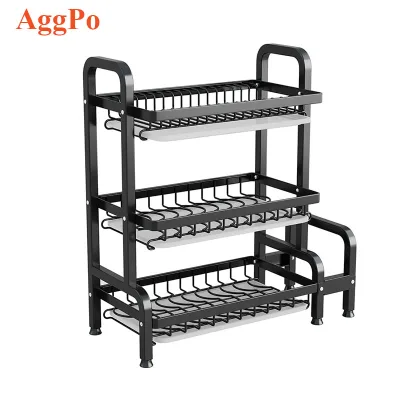
Dish Drying Rack, Draining Bowl Rack for Kitchen Counter, Sink Dish Rack on Counter
$0.579 - $0.7136
MOQ: 100 pieces

Jiangmen Goodman Cleaning Supplies Co., Ltd.
- Verified by TUVRHEINLAND
- Combined
- China Guangdong
- Lead time15 days
- Avg. response≤ 9h
Main productsFood Pan, Food Basket Tray, Storage Box, Cleaning Bucket, Trash Can
Main marketsEurope,North America

Restaurant Service Kitchen Dish Storage Plates Rack Plastic Dish Drying Rack
$4.50 - $4.90
MOQ: 300 pieces

64 Grid Commercial Dishwasher Basket Storage Rack Customized Color Kitchen Plastic Dish Drying Rack
$4.72 - $5.71
MOQ: 300 pieces

Zhongshan Manhe Kitchen Ware Co., Ltd.
- Verified by SGS
- Combined
- China Guangdong
- Lead time30 days
- Avg. response≤ 5h
Main productsSink
Main marketsDomestic,Australia

- Combined
- China Guangdong
- Lead time23 days
- Avg. response≤ 2h
Main productsSofa Leg, Tube, Gas Spring, Handle, Furniture Hardware
Main marketsSouth America,Africa,Southeast Asia/ Mideast,East Asia(Japan/ South Korea),Domestic,Europe,Australia,North America

2-Tier Kitchen Dish Drying Racks Dish Rack Organizer Kitchen Plate Rack
$2.813 - $6.721
MOQ: 100 Pieces


- Verified by SGS Group
- Trading Company
- Lead time20 days
- Avg. response≤ 10h
Main productsKitchenware, Coffee French Maker, Plastic Bento Box, Bamboo Wooden Kitchen Items, Ceramic & Glass Products
Main marketsNorthern Europe(20%), South Asia(20%), North America(10%)
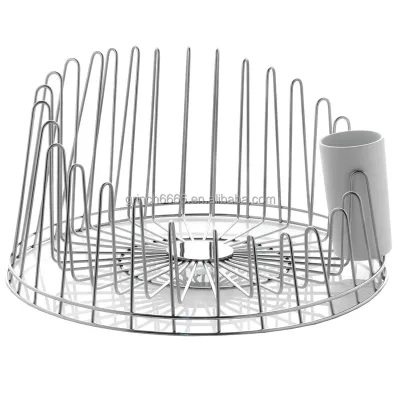
Kitchen Dish Rack Stainless Steel Dish Drying Rack Dish Drainer for Kitchen Counter
$6.89 - $9.88
MOQ: 1000
Xiamen Eco Go Industry Co., Ltd.
- Verified by Intertek
- Trading Company
- Lead time0 days
- Avg. response≤ 4h
Main productsBamboo and Wooden Kitchenware, Bamboo and Wooden Office Items, Bamboo and Wooden Bathroom Items, Bamboo and Wooden Household Items
Main marketsNorth America(50%), Western Europe(38%), Northern Europe(5%)

- Verified by SGS
- Manufacturer/Factory
- China Shandong
- Lead time30 days
- Avg. response≤ 9h
Main productsStainless Steel Sink, Sink, Water Tap, Kitchen Sink, Sink Accessory, Faucet, Commercial Restaurant Equipment, Portable Sink, Stainless Steel Niche
Main marketsSouth America,Eastern Europe,Mid East,North America,Southeast Asia,Eastern Asia,Oceania,Western Europe,Africa

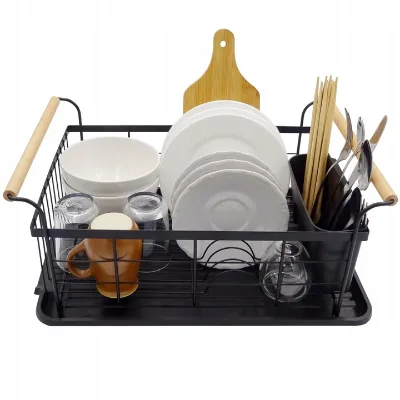
Brazil Popular Kitchen Draining Dish Drying Rack Dish Rack with Black Drain Board
$25.00 - $35.00
MOQ: 20 Pieces

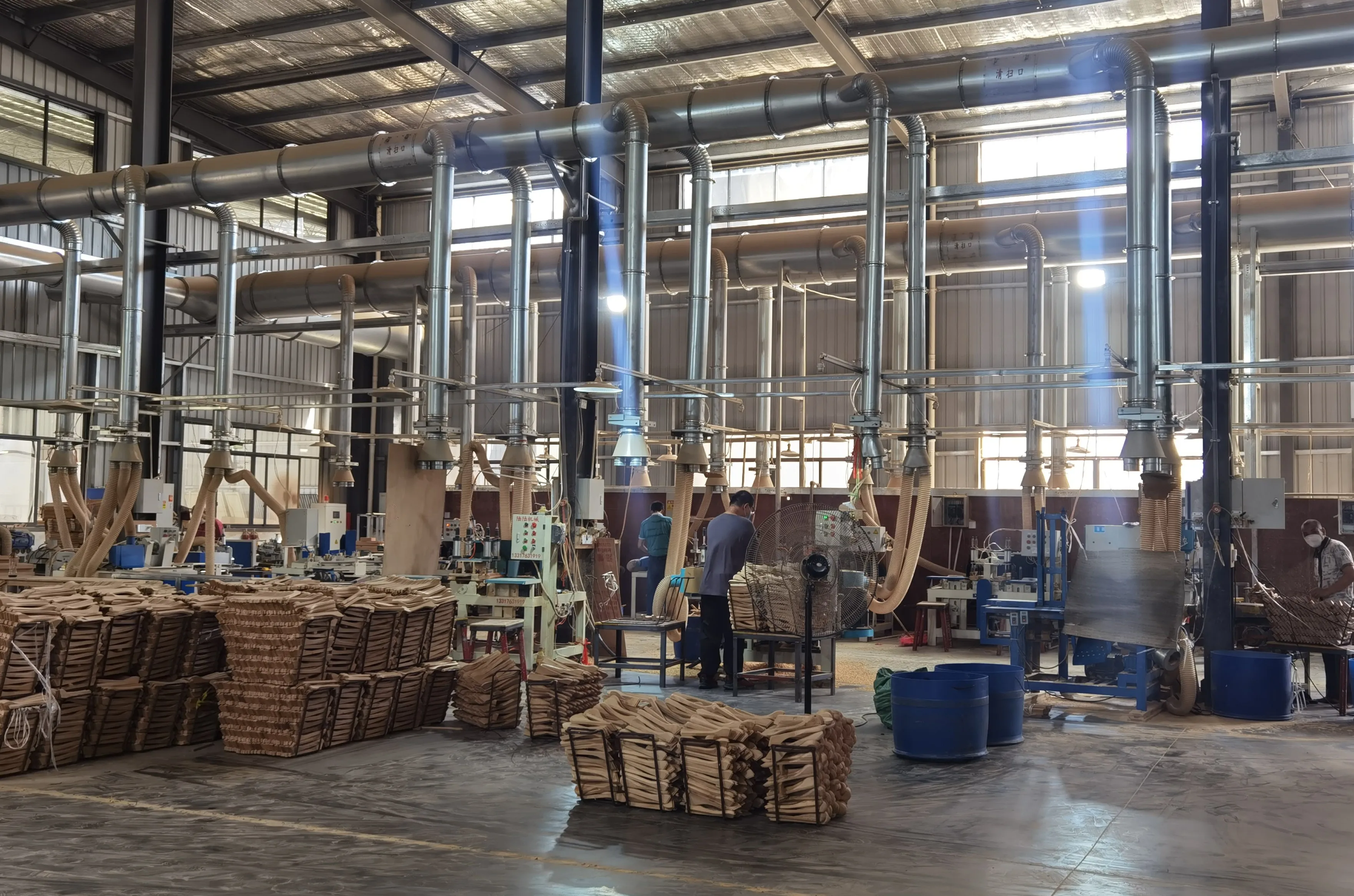
- Manufacturer, Trading Company
- Guangxi, China
- Lead time15 days
- Avg. response≤ 3h
Main productsWooden hanger,metal hanger,plastic hanger,velvet hangers,Storage organization
Main marketsNorth America(22.00%), Western Europe(18.00%), Southeast Asia(15.00%), South America(10.00%), Southern Europe(5.00%), Africa(5.00%), Eastern Asia(5.00%), Eastern Europe(4.00%), Northern Europe(3.00%), Mid East(3.00%), South Asia(3.00%), Oceania(3.00%), Central America(2.00%), Domestic Market(2.00%)

Dongguan Baishengda Trading Co., Ltd.
- Trading Company
- Guangdong, China
- Lead time7 days
- Avg. response≤ 2h
Main productsHome Organizers/Kitchen Organizers/Kitchen Accessories/Storage Box Organizers/Home And Kitchen Utensils,Home & Garden,Home and kitchen,Homeware,kitchenware
Main marketsNorth America(30.00%), Eastern Europe(20.00%), South America(20.00%), Oceania(10.00%), Africa(10.00%), Southeast Asia(10.00%)
Shenzhen Lanqiaoying Technology Co., Ltd.
- Manufacturer
- Guangdong, China
- Lead time20 days
- Avg. response≤ 15h
Main productsGrill mesh,cooling rack,baking rack,fruit basket,vegetable basket
Main marketsNorth America(50.00%), Central America(10.00%), Southern Europe(10.00%), Eastern Europe(8.00%), Northern Europe(8.00%), Western Europe(8.00%), Domestic Market(5.00%), South Asia(0.40%), Southeast Asia(0.30%), Eastern Asia(0.30%)
Ningbo Bright Commodity Co., Ltd.
- Trading Company
- Zhengjiang, China
- Lead time30 days
- Avg. response≤ 8h
Main productsfood container,Refrigerator Organizer
Main marketsNorth America(50.00%), Northern Europe(20.00%), Western Europe(20.00%), Eastern Asia(5.00%), South America(5.00%)
Hebei Haosi Furniture Sales Co., Ltd.
- Verified by TüVRheinland
- Manufacturer, Trading Company
- Lead time15 days
- Avg. response≤ 1h
Main productsLiving/Dinning Chair, Office Chair, Restaurant Chairs, Weddings Chairs, Bar Stool/Chair
Main marketsWestern Europe(39%), Eastern Europe(29%), North America(12%)

Shengzhou Cadia Electric Co., Ltd
- Verified by SGS
- Trading Company
- China Zhejiang
- Lead time30 days
- Avg. response≤ 17h
Main productsKitchen Ware
Main marketsNorth America

Golden Color Stainless Steel Rolling Dish Rack for Efficient Dish Drying Foldable Dish Drying Mat
$9.00 - $15.00
MOQ: 500 Pieces


- Trading Company,Manufacturer/Factory
- China Guangdong
- Lead time45 days
- Avg. response≤ 7h
Main productsStainless Steel Trolley, Mobile Trolley, Flatform Trolley, Bakery Trolley, Trash Bag Holder, Insulated Container, Stock Pot, Worktable, Kitchen Sink, Buffet
Main marketsSouth America,Eastern Europe,Mid East,North America,Southeast Asia,Eastern Asia,Oceania,Western Europe,Africa

Jiangmen Yako Hardware Manufacturer Co.,Ltd
- Verified by TUVRHEINLAND
- Manufacturer/Factory
- China Guangdong
- Lead time45 days
- Avg. response≤ 3h
Main productsDoor Hinge, Door Handle, Door Stopper, Door Lock, Shower Door Hinge, Glass Clamp, Furniture Handle, Mailbox, Railing Bracket, Pull Handle
Main marketsSouth America,Eastern Europe,Mid East,North America,Southeast Asia,Eastern Asia,Oceania,Western Europe,Africa

Home Kitchen Stainless Steel Kitchenware Draining Double Tier Dish Drying Rack
$15.00 - $20.00
MOQ: 100 Pieces

Yichang Heartkey International Trade Co., Ltd.
- Manufacturer, Trading Company
- Hubei, China
- Lead time15 days
- Avg. response≤ 4h
Main productsHousehold Products,Kitchen Utensils,Bakeware,Cookware,Barware
Main marketsNorth America(50.00%), South America(20.00%), Southeast Asia(10.00%), Eastern Europe(10.00%), Domestic Market(1.00%), South Asia(1.00%), Southern Europe(1.00%), Northern Europe(1.00%), Central America(1.00%), Western Europe(1.00%), Eastern Asia(1.00%), Mid East(1.00%), Oceania(1.00%), Africa(1.00%)

Guangzhou Wannyu Trading Co., Ltd.
- Verified by SGS
- Trading Company,Manufacturer/Factory
- China Guangdong
- Lead time23 days
- Avg. response≤ 22h
Main productsCosmetics, Hairdressing Products, OEM Hair Care and Personal Care Products, Laundry Products and Household Cleaning Products, OEM Laundry Products, OEM Household Cleaning Products, Hair Shampoo Hair Conditioner Hair Mask, Hair Color Hair Dye Hair Bleaching Powder, Hair Perm and Hair Wax and Hair Gel, Laundry Detergent Sheet and Laundry Pods
Main marketsSouth America,Eastern Europe,Mid East,North America,Southeast Asia,Eastern Asia,Oceania,Western Europe,Africa

with Drip Tray Wholesale Collapsible Dish Drying Rack Foldable Dish Plate Cup Drying Storage Rack
$6.78 - $8.80
MOQ: 4 Pieces

New Material Sink Kitchen Plate Rack Organizer Tableware Drainer Dish Drying Rack
$7.00 - $9.00
MOQ: 4 Pieces


Guangdong Justtop Hardware Product Co., Ltd.
- Verified by SGS Group
- Manufacturer, Trading Company
- Lead time15 days
- Avg. response≤ 2h
Main productsHinge, Leveling Spacer, Chair Caster, Tandem Box, Drawer Slide
Main marketsMid East(40%), North America(10%), Eastern Europe(10%)
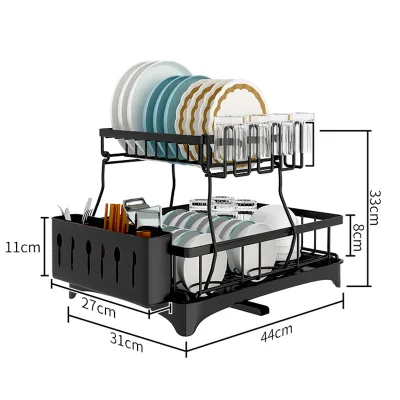
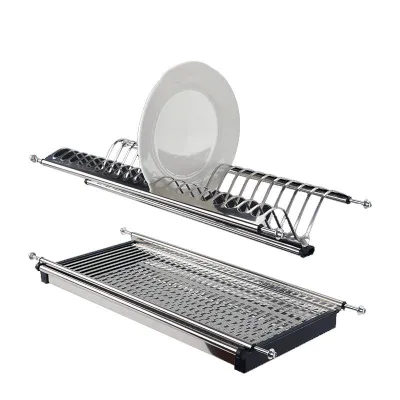
2 Tier Kitchen Metal Stainless Steel Dish Rack Drainer Over the Sink Dish Drying Rack
$209.20 - $270.70
MOQ: 50
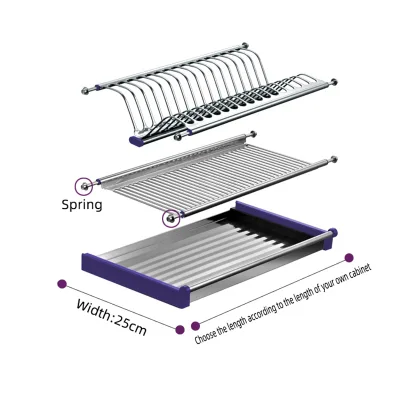

- Verified by BV
- Trading Company,Manufacturer/Factory
- China Zhejiang
- Lead time15 days
- Avg. response≤ 8h
Main productsCeramic Mug, Kitchen Storage, Water Bottle, Cookware Set, Charger Plates, Shaker Set, Storage Rack, Food Container, Kitchen Accessories, Yiwu Agent
Main marketsSouth America,Eastern Europe,Mid East,North America,Southeast Asia,Eastern Asia,Oceania,Western Europe,Africa


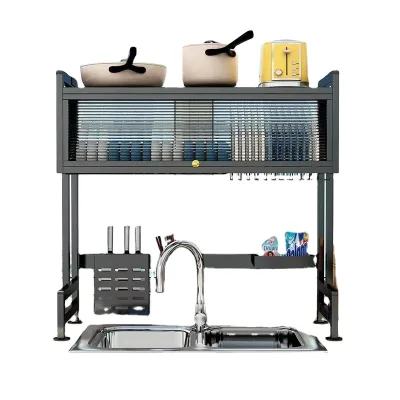
Dish Drying Rack Over The Sink Drainer for Kitchen Organization Space Saver Shelf
$9.00 - $29.40
MOQ: 100 Pieces

CAO COUNTY DAWANG ARTS AND CRAFTS CO., LTD.
- Verified by TUVRHEINLAND
- Manufacturer/Factory
- China Shandong
- Lead time23 days
- Avg. response≤ 19h
Main productsWooden Cabinet, Iron Furniture, Wall Shelf
Main marketsEastern Europe,North America,Western Europe


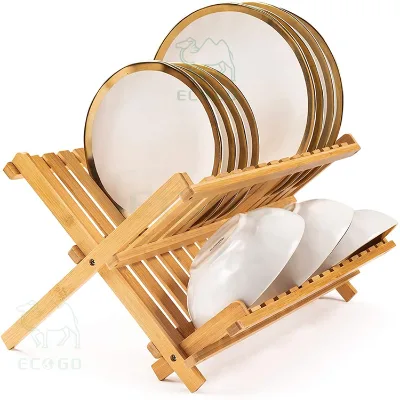
Bamboo Dish Drying Rack Dish Rack Bamboo for Kitchen Bamboo Dish Rack
$10.00 - $13.00
MOQ: 1500 Pieces

Bamboo Dish Drying Rack Dish Rack Bamboo for Kitchen Bamboo Dish Rack
$10.00 - $13.00
MOQ: 1500 Pieces
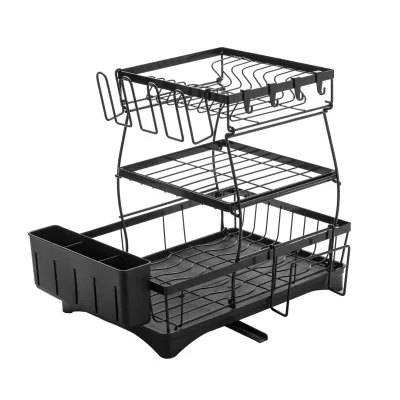
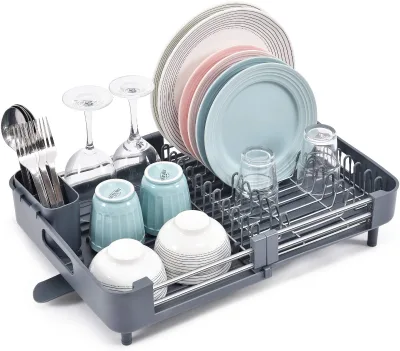



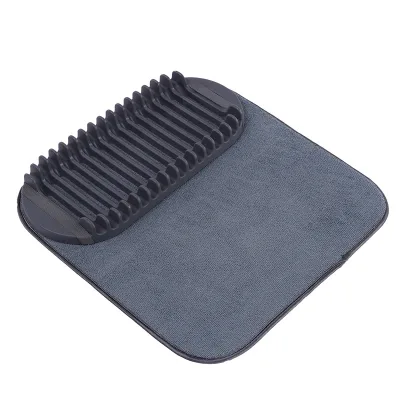
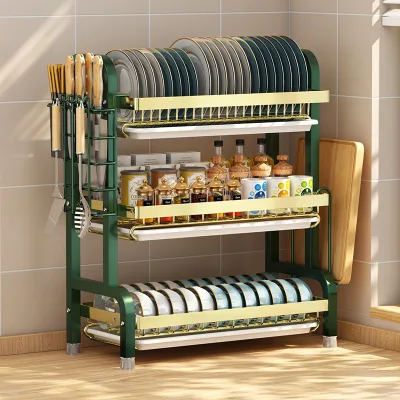


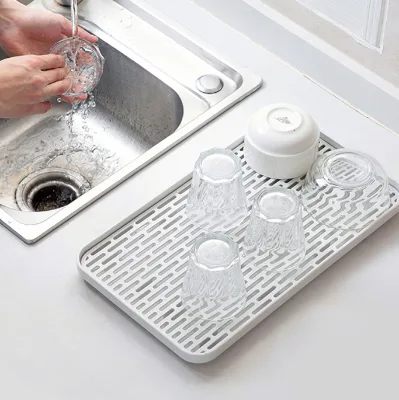
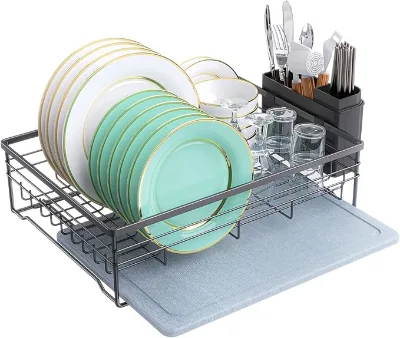


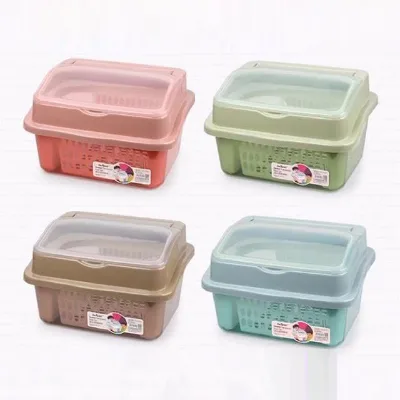



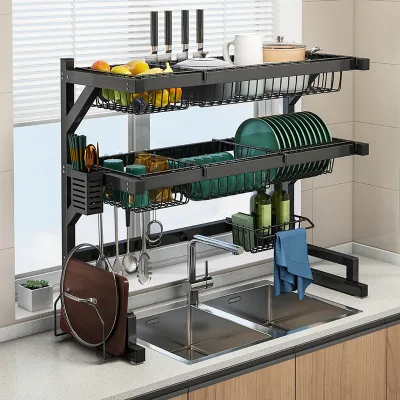
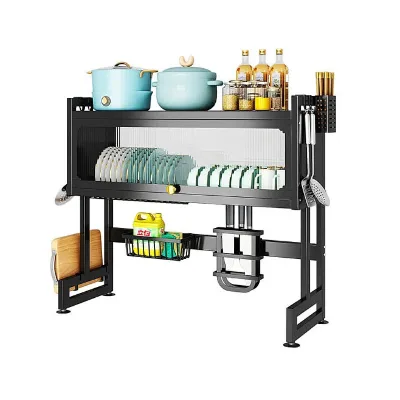
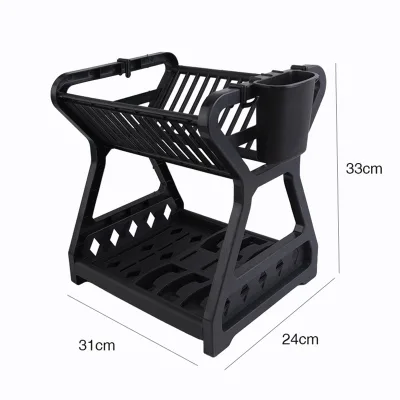
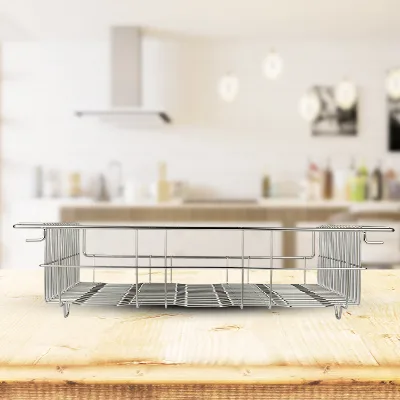
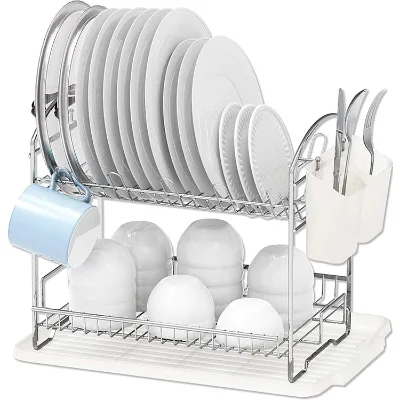
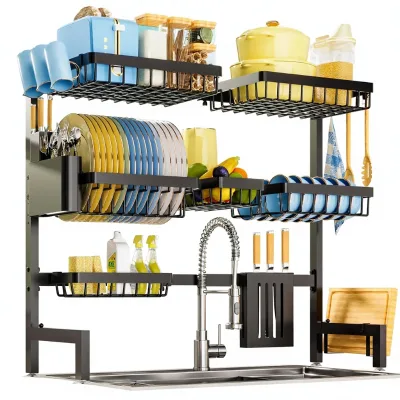
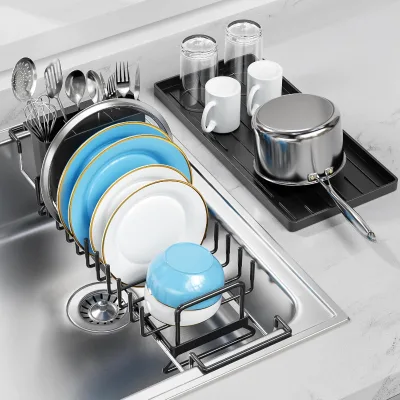


Comprehensive Sourcing Guide
Kitchen Dish Drying Rack with Mat Supplier Concentration and Factory Types
When sourcing a Kitchen Dish Drying Rack with Mat, the first structural question is who actually makes the product. Suppliers in this category generally fall into three types: dedicated metal-fabrication factories that produce wire and carbon steel racks in-house, trading companies that consolidate racks from multiple workshops and pair them with purchased silicone or diatomaceous earth mats, and combined manufacturers that both produce storage hardware and trade complementary home organization lines. Each type changes what you should audit. A factory should be asked about its own wire-forming, welding, and powder-coating capacity; a trading company should be probed on how it controls mat quality from a second supplier; a combined operation should clarify which product lines it manufactures versus resells.
Geographic concentration matters because metal rack production requires tooling, coating lines, and mat sourcing to sit reasonably close together. Some supplier results in this category list Zhejiang as the origin of dish drying rack products, while others list Guangdong, so buyers should treat both provinces as plausible cluster candidates rather than assuming a single dominant base. When location data is not displayed on a supplier profile, ask directly for the production address, not just the registered office, and request photos or a live video walk-through of the coating and assembly floor. A supplier whose main products span kitchen organizers, bathroom organizers, and home decor is more likely a broadline trader than a rack specialist, which is not disqualifying but changes how you verify capability.
How to Verify Kitchen Dish Drying Rack with Mat Suppliers
Verification starts with separating claimed attributes from confirmed ones. Some profiles in this category display third-party verification marks, such as SGS verification, while others show no system certification at all, which is exactly the gap a buyer must close independently. Ask for the business license and cross-check the registered scope against metal products or household goods trading. For any claimed certification, request the actual certificate with the certifying body's report number and confirm validity directly with that body rather than accepting a PDF at face value. If a product listing cites BSCI as a certification, ask whether the audit covered the specific factory producing your racks or only a head office.
Product-level verification is just as important. Listings in this category display material claims such as carbon steel, stainless steel, and diatomaceous earth, along with attributes like eco-friendly status and coating type. Require material declarations and, for anything food-contact adjacent or repeatedly wet, ask what rust-resistance or coating adhesion tests the supplier can document. Confirm the product matches the listing: model numbers, package dimensions, and single-unit weights shown on profiles should reappear on the proforma invoice. Finally, verify responsiveness in practice. Displayed response times of roughly four to six hours are useful signals, but send a technical question during your own working hours and measure the actual reply quality, because a substantive answer about coating or MOQ tells you more than a fast greeting.
What to Compare Across Kitchen Dish Drying Rack with Mat Suppliers
Build a comparison sheet using the dimensions suppliers actually display, without assuming every profile carries every field. Useful columns include location, supplier type (trading company, combined, or manufacturer), main products, response time, stated lead time, and whether third-party verification or any escrow-style payment protection is offered. In the current category, lead times range from about twenty days to thirty days across suppliers, and MOQs on representative listings run from 300 sets to 500 sets, with unit prices spanning roughly the high-three-dollar to high-seven-dollar range depending on construction and mat material. Those numbers are listing-level facts, not promises; confirm them in writing for your specification.
Compare products on engineering detail, not just price. One two-tier stainless steel rack listing shows a medium size with powder-coated finish and carton packing, while carbon steel variants list package sizes around 35 by 45 by 5 centimeters and gross weights near two kilograms. Note which suppliers offer customization: some listings explicitly state customization is available with customized logos and ODM capability, while others only show OEM and ODM acceptance flags. Also compare mat technology, since diatomaceous earth mats and silicone-coated mats behave very differently in moisture performance and shipping weight. Weight differences affect freight cost materially, so normalize quotes to a landed-cost basis including gross weight and carton dimensions before ranking suppliers by price alone.
Common Kitchen Dish Drying Rack with Mat Sourcing Risks
The most frequent risk in this category is coating failure. Carbon steel and powder-coated racks can rust at weld points or chips within weeks of daily use, and buyers who rely on listing claims such as eco-friendly or stocked without specifying coating thickness and salt-spray expectations routinely discover problems only after retail returns. Put coating requirements, weld quality, and drainage-hole finishing into the specification and into a golden sample that both parties sign. A second risk is mat mismatch: a diatomaceous earth mat can crack or shed powder, and a silicone mat can separate from its backing, so sample both in wet-use conditions before committing.
Structural risks concentrate around hidden supply chains. When a trading company sources racks from one workshop and mats from another, assembly and QC responsibility can fall between the two, so name the party accountable for final inspection in the contract. Payment structure is another exposure point; typical terms in this category are stated as a 30 percent deposit with 70 percent before shipment via T/T, which means most of your cash is paid before you can inspect finished goods. Mitigate with third-party inspection before the balance payment, and verify whether the platform or supplier offers any escrow-style protection. Finally, watch for MOQ pressure on customized colors or logos, where suppliers may quietly raise the minimum or substitute stock finishes to meet a delivery date.
Kitchen Dish Drying Rack with Mat Regional Sourcing and Logistics
Regional strategy should follow the evidence on each supplier profile rather than assumptions about one dominant cluster. In this category, origin data points to both Zhejiang and Guangdong, and each base implies a different logistics pattern: suppliers near major Guangdong ports typically offer straightforward full-container and less-than-container consolidation, while Zhejiang-based suppliers sit close to Ningbo-area export infrastructure. Where a profile does not show location at all, ask for the city of manufacture and the nearest loading port, then quote freight from that port rather than from a named gateway the supplier prefers.
Product characteristics drive freight planning more than distance. Listings in this category show single gross weights around two kilograms and carton-level dimensions that vary by model, and two-tier stainless steel racks will cube out a container faster than flat carbon steel designs. Calculate volumetric weight for each candidate model before comparing quotes, because a cheap rack with poor pack density can lose its advantage at the freight stage. Confirm packing format explicitly, since this category shows both single-item packaging and set packaging, and mixed configurations change carton counts and container loading plans. For replenishment programs, use the stated lead times of roughly twenty to thirty days as planning inputs but verify seasonal capacity around peak home-goods export periods, and ask whether the supplier can hold safety stock of your customized finish between orders.
Kitchen Dish Drying Rack with Mat Commercial Terms and Order Planning
Commercial terms should be negotiated against the listing data, not copied from it. Displayed prices in this category range from roughly $3.78 to $7.70 depending on model, material, and mat type, but these are listing prices tied to specific MOQs of 300 to 500 sets. Ask each shortlisted supplier for a tiered quote at your actual volumes, and require the quote to break out rack, mat, packaging, and any logo charge so you can see where customization costs sit. Payment terms observed in the category, such as 30 percent deposit with the balance before shipment by T/T, are common but negotiable, especially if you offer repeat-order volume or accept a longer first-run timeline.
Order planning should sequence sampling, inspection, and shipment around the supplier's stated lead time, which here spans roughly twenty to thirty days depending on the model. Add time for a pre-production sample, a wet-use test of the mat, and a third-party inspection scheduled before the balance payment. Clarify who owns tooling if you commission a customized rack or printed mat, and document it in the contract so you can move production if needed. Finally, plan reorders around the supplier's real response behavior; profiles showing average response times of four to six hours are encouraging, but confirm whether that responsiveness holds during production season, and agree on a named contact with authority over quality and schedule decisions.
FAQs
What is the typical lead time for dish drying racks?
Manufacturers generally require 20 to 30 days to produce and ship orders. This timeframe allows for material sourcing, assembly, and quality checks. Buyers should confirm specific delivery schedules with suppliers before finalizing contracts to ensure timely arrival.
What materials are commonly used for these racks?
Most racks are constructed from carbon steel or stainless steel for durability. Some models feature diatomaceous earth mats for quick drying. These materials ensure the racks withstand daily kitchen use while maintaining structural integrity and aesthetic appeal over time.
What is the minimum order quantity for these products?
Minimum order quantities typically range from 300 to 500 sets. This threshold helps suppliers cover production costs efficiently. Buyers seeking smaller quantities may need to negotiate directly or look for suppliers offering lower MOQs for trial orders.
Are customization options available for branding and packaging?
Yes, many suppliers offer OEM and ODM services. Buyers can request customized logos, packaging designs, and specific product features. This flexibility allows businesses to align products with their brand identity and meet specific market requirements effectively.
What certifications do these suppliers typically hold?
Some suppliers hold BSCI certifications, indicating compliance with social responsibility standards. Others may have SGS verification for product quality. Buyers should request relevant certification documents to ensure suppliers meet international safety and ethical manufacturing requirements.
How quickly do suppliers typically respond to inquiries?
Response times generally range from 4 to 6 hours. Prompt communication helps buyers clarify specifications and negotiate terms efficiently. Selecting suppliers with faster response times can streamline the sourcing process and reduce delays in order placement.