Light Weight Semi Camper Trailer Suppliers and Manufacturers
Compare 21 verified suppliers offering light weight semi camper trailers with ISO9001:2015 certification and CE standards. Buyers can evaluate response times, lead times, and pricing ranges from 2500 to 3900 USD. Contact suppliers directly to verify MOQ and customization options.
Updated
Suppliers List

Qingdao Haylite Machinery Co., Ltd.
- Verified by BV
- Combined
- China Shandong
- Lead time30 days
- Avg. response≤ 21h
Main productsTool Cabinet, Exhibition Tent, Tire Changer, Camper Trailer, Auto Lift, Livestock Product, Trailer, Container Loading Ramp, Iron Gate, Tire
Main marketsAustralia,North America

Weihai Zihe Intelligent Equipment Corp.
- Verified by BV
- Combined
- China Shandong
- Lead time60 days
- Avg. response≤ 2h
Main productsCamping Tent Trailer Travel Trailers, off-Road/Special Vehicles Modification, Caravan/Yacht/Finishing Boat, Pickup Truck Accessories, Motorhome, Travel Trailer, Camping Tent, Pickup Canopy, Offroad Caravan, Camper Trailer
Main marketsAustralia,North America
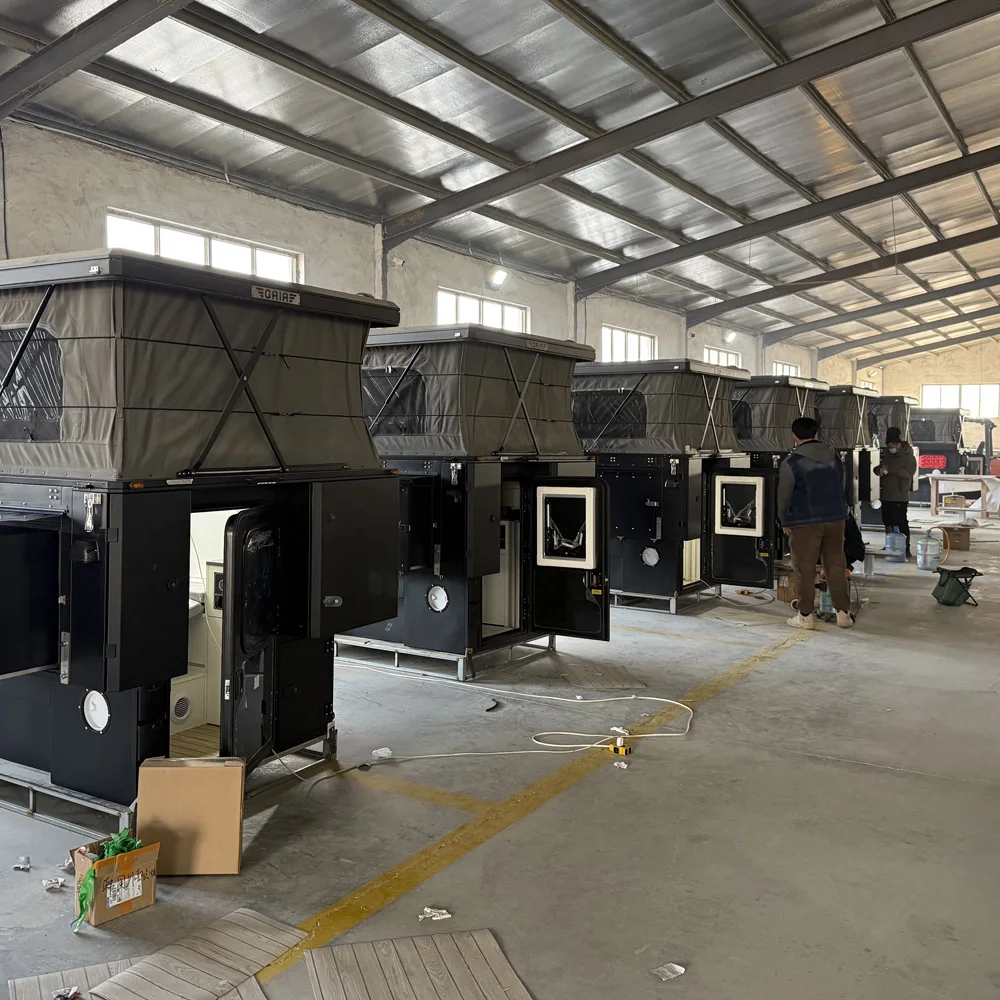
Qingdao BD Cloud Technology Co., Ltd.
- Manufacturer, Trading Company
- Shandong, China
- Lead time15 days
- Avg. response≤ 3h
Main productsSpace capsule, Camper Trailer, Container House, Pickup Truck, Cabin
Main marketsEastern Europe(30.00%), North America(25.00%), Southeast Asia(20.00%), Mid East(10.00%), Oceania(5.00%), Eastern Asia(5.00%), Northern Europe(5.00%)

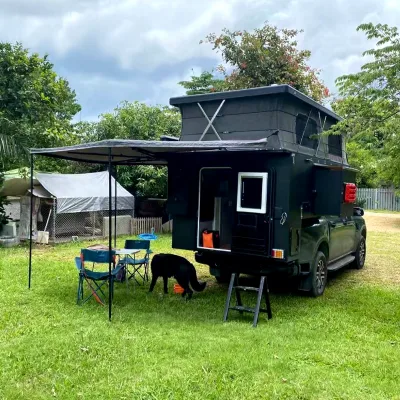
Camper Cargo Trailer Extender Camper Motorbike Trailer Tv Camper Trailer
$5570.00 - $7300.00
MOQ: 1 Minimum

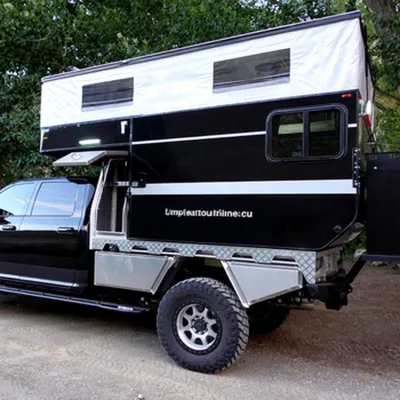
$7340.0847 - $7546.8476
MOQ: 1 sets

Jinhua Yongqiang Vehicles Factory
- Verified by BV
- Combined
- China Zhejiang
- Lead time30 days
- Avg. response≤ 8h
Main productsTrailer, Box Trailer, Cage Trailer, ATV Trailer, Utility Trailer, Car Trailer, Tandem Trailer, Boat Trailer, Jet Ski Trailer, Hydraulic Trailer
Main marketsSouth America,Southeast Asia/ Mideast,Europe,Australia,North America

Cangzhou Bohai New District Pulu Technology Co., Ltd.
- Verified by CTI
- Trading Company
- China Hebei
- Lead time60 days
- Avg. response≤ 13h
Main productsRV Trailer, Trailer, Caravan, Motorhome, Camper Trailer, Trailer Accessories, off Road Trailer, Camper Van, Pickup Truck Camper
Main marketsAfrica


Travel Trailer, Mini Campervan, Travel Trailer, Light off-Road Camping
$9080.00 - $11000.00
MOQ: 1 Pieces


Small High Quatity Special Designed off-Road Camper Trailer for Sale
$7000.00 - $9000.00
MOQ: 1 Pieces

Foshan Kindle Technology Co., Ltd.
- Verified by SGS Group
- Manufacturer, Trading Company
- Lead time30 days
- Avg. response≤ 12h
Main productsAluminum Boat, Pontoon Boat, Truck Camper, Caravan, Camper Trailer
Main marketsOceania(30%), North America(12%), Western Europe(12%)
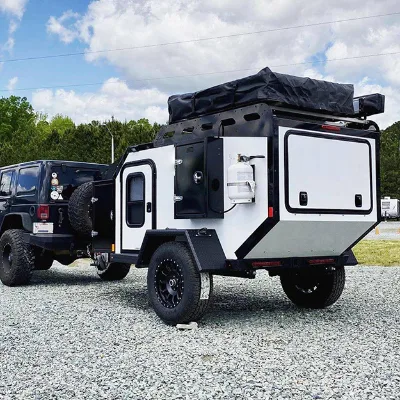
Light Off Grid Trailer Camper Camping Van
$6500.00 - $7500.00
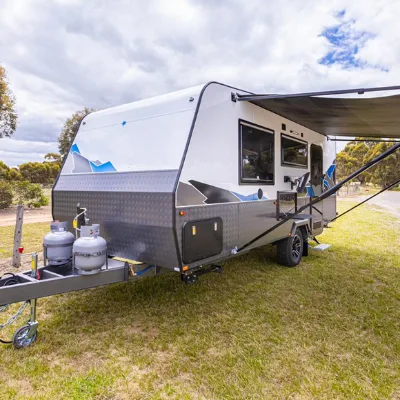
Australia Standard Small Light Weight Semi Camper Trailer caravan for Couples
$16098.1821 - $17029.9096
MOQ: 2 units
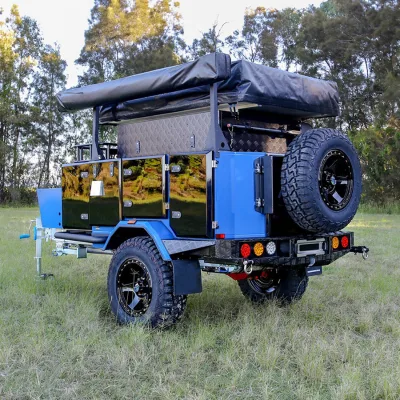
Lightweight Quality Camping Camper Trailer for Sale
$5500.00 - $6000.00
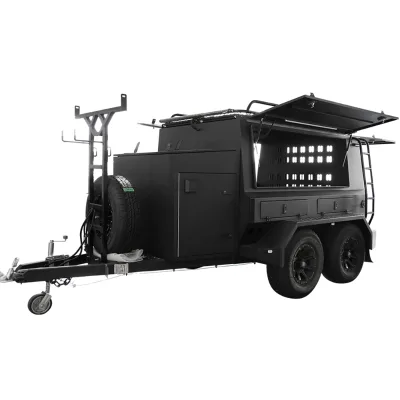
Customized Luxury Aluminum Camper Trailer RV Caravan Camping Work Trailer With Kitchen and Tent
$15940.00 - $16000.00
MOQ: 3
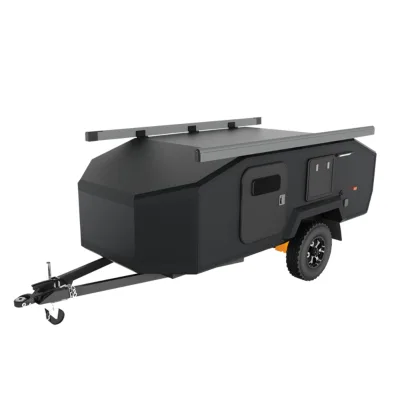
Light Weight 2-3 People Camping RV Small Teardrop Travel Trailer with Large Storage Space
$3244.00 - $3588.00
MOQ: 3
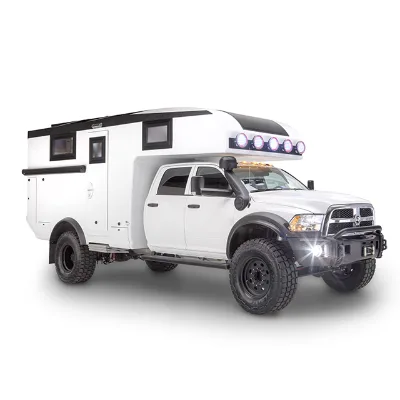

Jinhua Better Trailer Manufacturing Co., Ltd
- Verified by SGS
- Combined
- China Zhejiang
- Lead time30 days
- Avg. response≤ 5h
Main productsTipping Trailer, Box Trailer, Trailer House, Camper Trailer, Cage Trailer, Mobile Cabin, Car Trailer, Plant Trailer
Main marketsDomestic,Australia
Henan Wecare Industry Co., Ltd.
- Manufacturer, Trading Company
- Lead time旺季: "1 - 10":15,"> 10":"To be negotiated", 淡季: "1 - 10":15,"> 10":"To be negotiated"
- Avg. response≤ 3h
Main productsTravel Trailer, Camper Trailer, Truck Camper, Portable Toilet Trailer, Container House
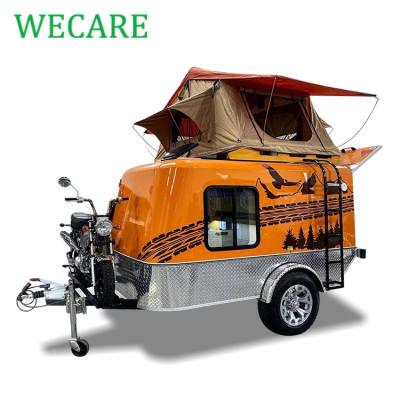
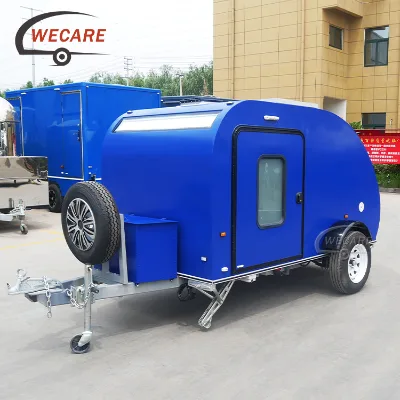
Wecare Lightweight Small Off-Grid Expedition Camping Trailer Designed for Off-Road Use
$3660.00 - $4900.00
MOQ: 1 Minimum
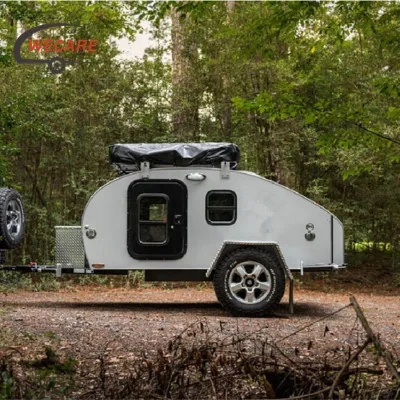

Shandong Sannyue Machinery Technology Co., Ltd.
- Combined
- China Shandong
- Lead time30 days
- Avg. response≤ 8h
Main productsTrailer, Car Trailer, Box Trailer, Boat Trailer, off Road Trailer, Camping Trailer
Main marketsEast Asia(Japan/ South Korea),Europe,Australia

Extended Version of The Cross-Country Mobile Camper Camping Trailer
$1080.00 - $2650.00
MOQ: 20 Pieces


Tianjin Yude RVs & Yachts Co., Ltd.
- Verified by SGS Group
- Trading Company
- Lead time30 days
- Avg. response≤ 3h
Main productsExpandable container house, Folding container house, Flat pack container house, Detachable container house, Capsule house
Main marketsNorth America(20%), Oceania(20%), Mid East(20%)
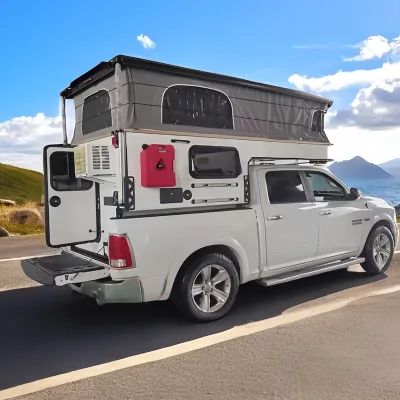
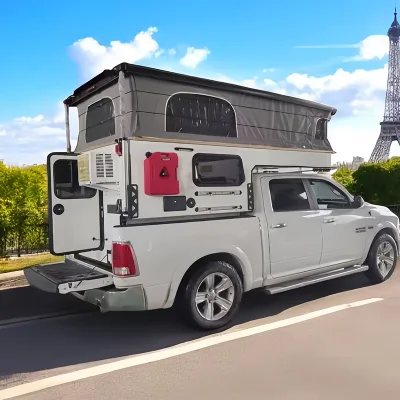
Folding camper trailer four season truck camper rvs camper aircondtioner
$7596.77 - $8212.8075
MOQ: 1 units
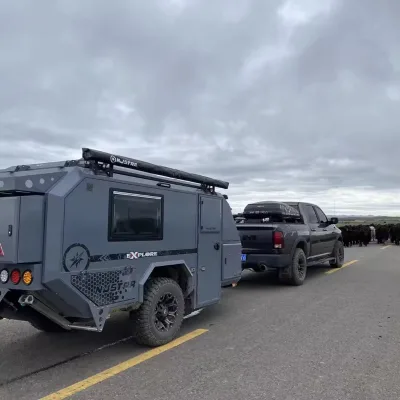
$16999.00 - $19999.00
MOQ: 1
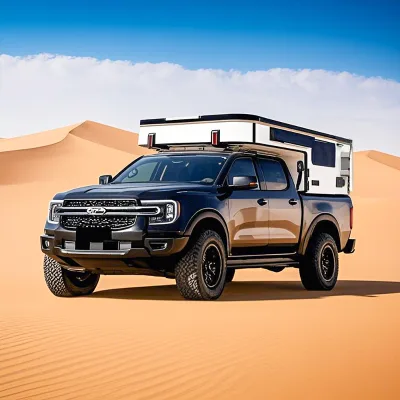
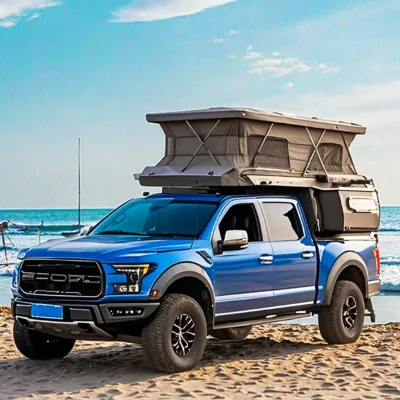
PickupTruck Camper Large RVs Campers Travel Trailer New Type of Travel Trailers House
$7617.718 - $8235.4542
MOQ: 1 units
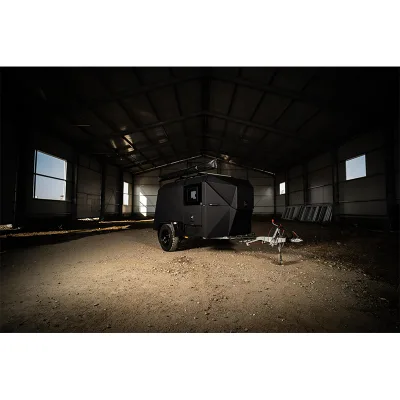
$10294.5751 - $14412.8168
MOQ: 10 units

Foshan Kindle Technology Co., Ltd.
- Verified by BV
- Combined
- China Guangdong
- Lead time60 days
- Avg. response≤ 18h
Main productsTruck Camper, Aluminum Boat, Caravan, off Road Trailer, Pontoon Boat, Speed Boat, Bass Boat, Jon Boat, Jet Boat, Yacht
Main marketsEurope,Australia,North America

Aluminium Material Light Weight Travel Trailer Truck Camper off Road Camping Trailer
$5500.00 - $6500.00
MOQ: 2 Pieces


Weihai Zihe Intelligent Equipment Corp.
- Manufacturer, Trading Company
- Shandong, China
- Lead time65 days
- Avg. response≤ 1h
Main productsTravel Trailer, Camper Trailer, Motorhome, Camping Tent, Rv Trailer
Main marketsOceania(50.00%), North America(30.00%), South America(5.00%), Western Europe(5.00%), Mid East(5.00%), Southeast Asia(5.00%)
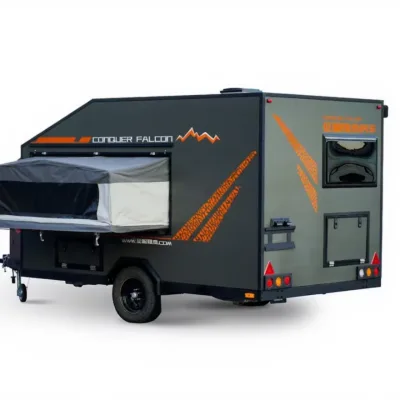
Lightweight Foldable Camper Mini caravan Trailer with Toilet & Accessories
$7588.00 - $9373.00
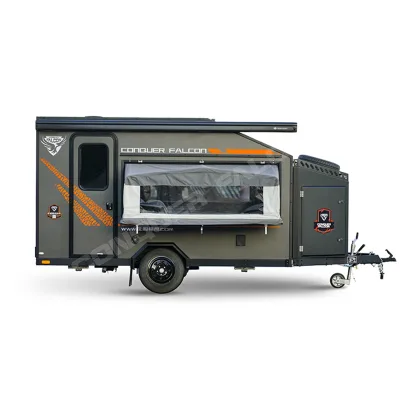
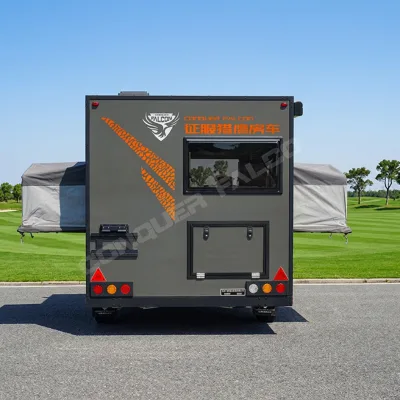
Latest Fashion Styles Lightweight Camper Trailer Small caravan Trailer with Sandwich Panels
$7812.3052 - $9650.0711
MOQ: 1 sets
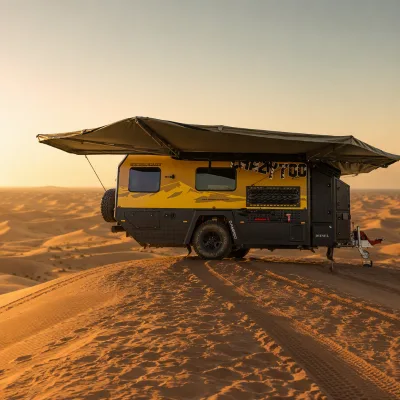

Henan Camp Industrial Co., Ltd.
- Verified by BV
- Combined
- China Henan
- Lead time30 days
- Avg. response≤ 3h
Main productsFood Trailer, Golf Cart, Caravans, EV Car, Food Truck, Food Cart, Electric Car, Container House, ATV, UTV
Main marketsSouth America,Africa,Southeast Asia/ Mideast,East Asia(Japan/ South Korea),Europe,Australia,North America

Caravan Trailer Camper Tent Trailer Camper Offroad Camping Travel Trailer
$9650.00 - $13500.00
MOQ: 1 Pieces

Camper Trailer Manufacturers Travel Camper Trailers for Sale Campers Motorhomes Caravans
$9580.00 - $13800.00
MOQ: 1 Pieces

New Arrival Travel Trailers Caravan Camper Trailer Caravan Camper Trailer for Outdoor Camping
$9980.00 - $12800.00
MOQ: 1 Pieces

New Arrival Travel Trailers Caravan Camper Trailer Caravan Camper Trailer for Outdoor Camping
$9980.00 - $12800.00
MOQ: 1 Pieces

Shandong Ceres Import And Export Trading Co., Ltd.
- Trading Company
- Shandong, China
- Lead time35 days
- Avg. response≤ 4h
Main productscremator,funeral supplies,mortuary supplies,environmental equipment,incinerator
Main marketsEastern Europe(30.00%), Mid East(20.00%), Eastern Asia(20.00%), Southeast Asia(20.00%), Oceania(10.00%)
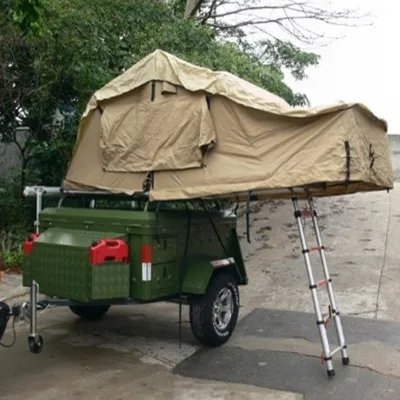
Best New Lightweight Camping Small Mini Camper Trailers (Customized Version)
$1880.00 - $2580.00
MOQ: 1 sets
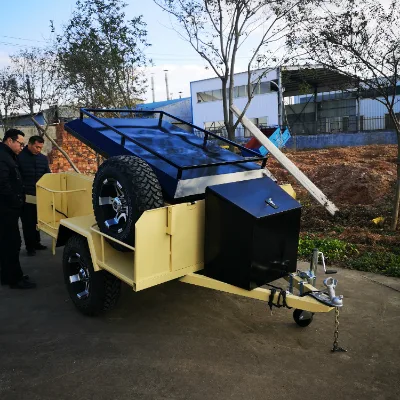
New Style Off Road Small Car Camper Trailer With Tool Box and Tent for Traveling Cartrailer
$2878.00 - $3580.00
MOQ: 5 sets
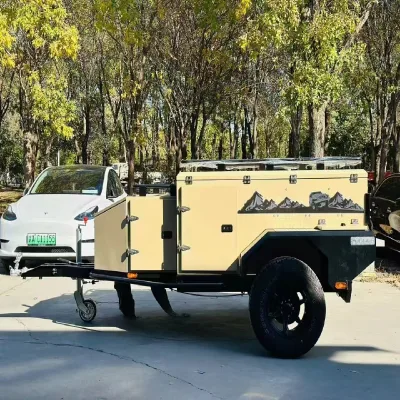
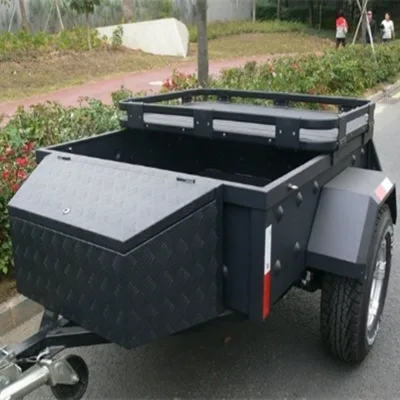
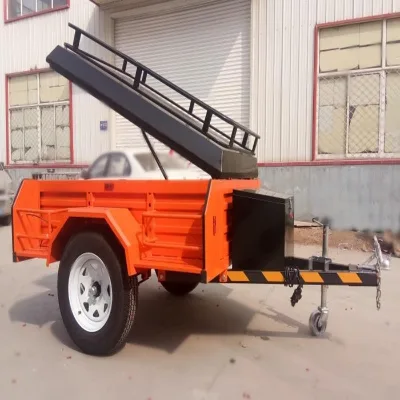
New Style off Road Car Trailer Camping Tent Trailer
$800.00 - $930.00


Weifang Choice-Link Trading Co., Ltd.
- Verified by TUVRHEINLAND
- Trading Company
- China Shandong
- Lead time30 days
- Avg. response≤ 3h
Main productsTravel Trailer, Camper Trailer, Teardrop Trailer, Caravan, Camping Trailer, Motorhome, Truck Camper, off Road Camper Trailer, Camper Van, Motorcaravan
Main marketsDomestic


Aluminum Caravan Trailer Offroad Camper Trailer Super Light Weight Caravan
$4900.00 - $10300.00
MOQ: 1 set

Aluminum Camper Trailer Portable Camper Trailer Caravan Camp Mini Campers for Sale
$6000.00 - $8080.00
MOQ: 2 set

Zhejiang Feishen Vehicle Co., Ltd.
- Manufacturer
- Zhejiang, China
- Lead time25 days
- Avg. response≤ 10h
Main productscaravans,motorhomes,camping cars,RV,caravan parts
Main marketsOceania(70.00%)
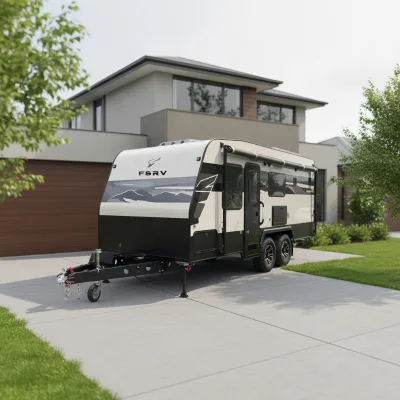
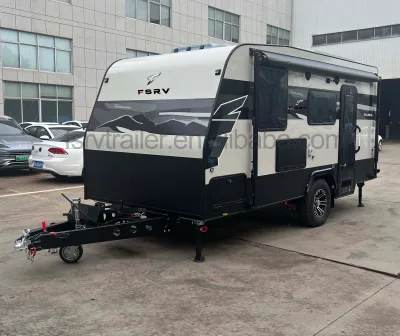
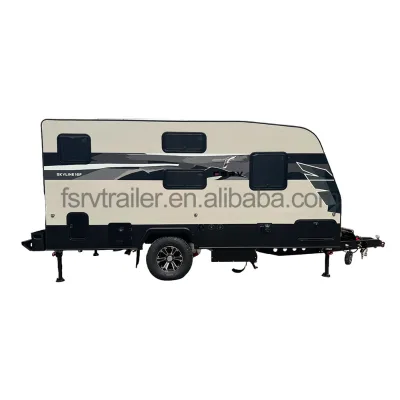
Hot Sale 16ft Mobile Camper Overland Semi off Road Small Fiberglass Travel Trailers caravan
$24000.00 - $32000.00
MOQ: 1 Minimum
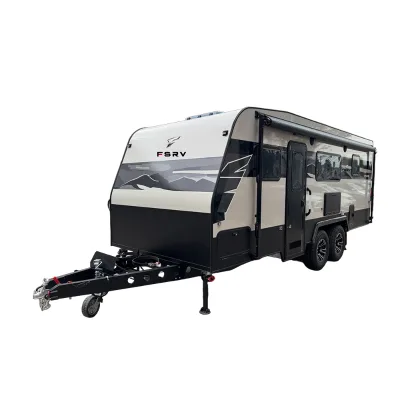
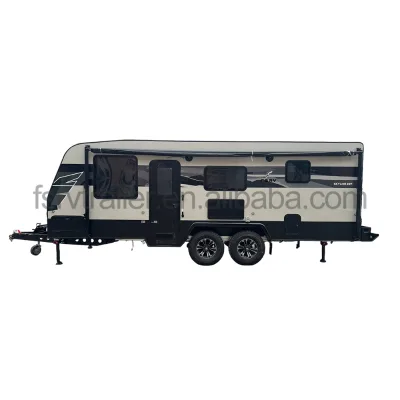
Hot Sale High - Appearance Towable RV Envlosed Travel Trailers caravan for Self - Driving Travel
$28000.00 - $36000.00
MOQ: 1 Minimum

Jiangsu Zhongyi Automobile Co., Ltd.
- Verified by BV
- Combined
- China Jiangsu
- Lead time30 days
- Avg. response≤ 7h
Main marketsDomestic

Rongcheng Hengli Auto Industry Co., Ltd.
- Manufacturer, Trading Company
- Shandong, China
- Lead time25 days
- Avg. response≤ 10h
Main productsCamper Trailer,Tent Trailer,Motorcycle Trailer,Trailer Parts,Electric Vehicle
Main marketsOceania(60.00%), Western Europe(3.00%), Mid East(2.00%), Domestic Market(1.00%), Eastern Asia(1.00%)
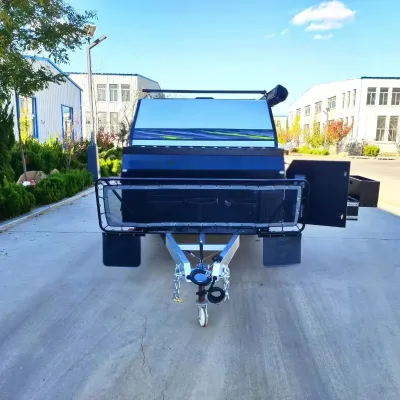
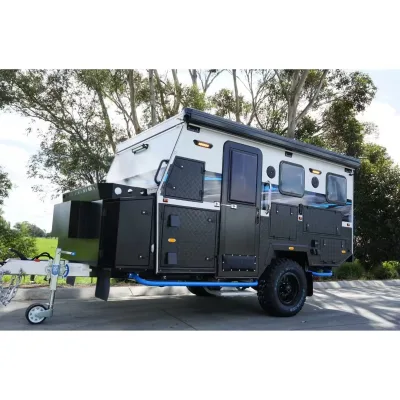
11FT Off-road Trailer Travel Trailer with Sliding Kitchen
$14300.00 - $14900.00
- Verified by TüVRheinland
- Manufacturer, Trading Company
- Lead time60 days
- Avg. response≤ 5h
Main productsCamper Trailer, Caravans, Truck Camper, Conversion Camper Van Kit, Teardrop Trailer
Main marketsNorth America(40%), Oceania(40%), South America(3%)
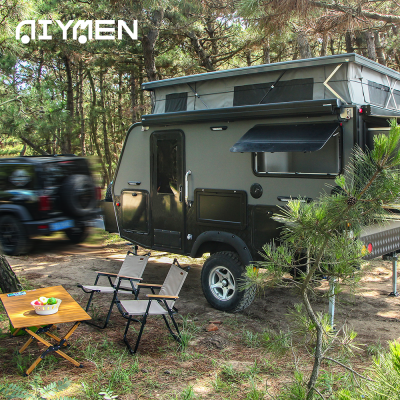
$18646.00 - $21022.00
MOQ: 10 sets
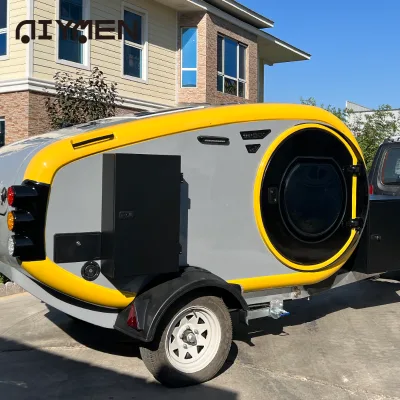
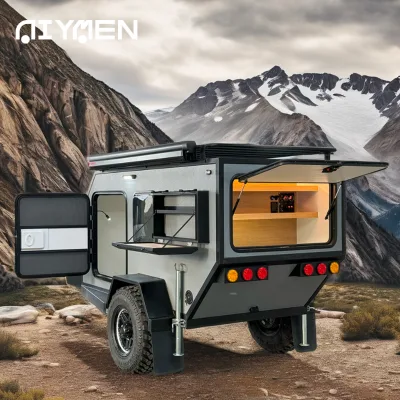
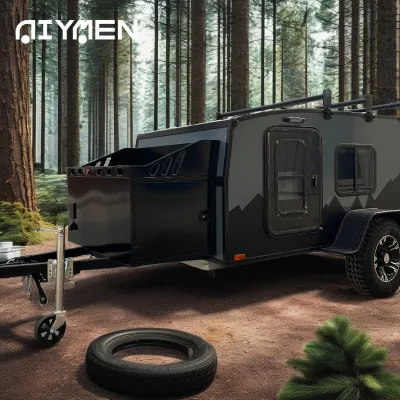
$6900.00 - $7200.00
MOQ: 1 sets
Foshan Kindle Import&Export Co., Ltd.
- Verified by SGS Group
- Manufacturer, Trading Company
- Lead time30 days
- Avg. response≤ 6h
Main productsPontoon Boat, Truck Camper, Caravan, Fishing Boat, Utility Trailer
Main marketsNorth America(25%), Oceania(25%), Mid East(10%)
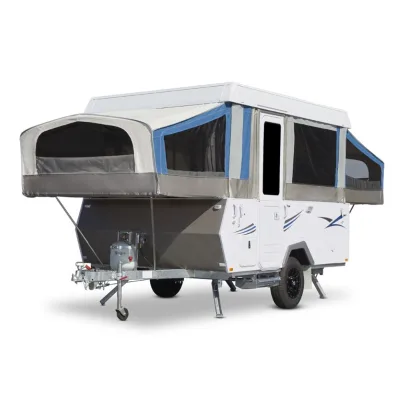
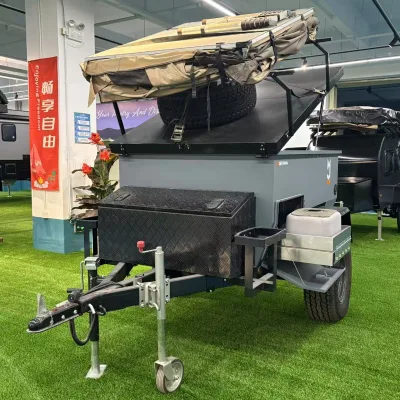
Ecocampor Factory Directly Supply Manley Travel Trailers for a Memorable Adventure Experience
$4161.7166 - $4348.0618
MOQ: 2 units
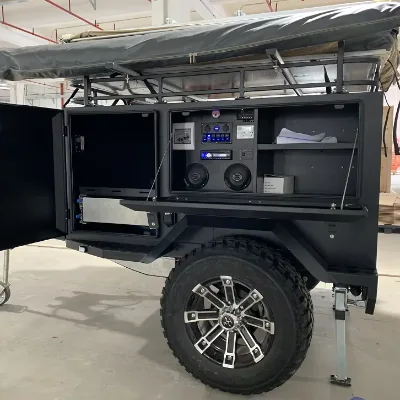
Wholesale Heavy Duty Off-Road Caravan Trailer B-Type OEM/ODM Supplier
$6350.00 - $7050.00
MOQ: 2 units
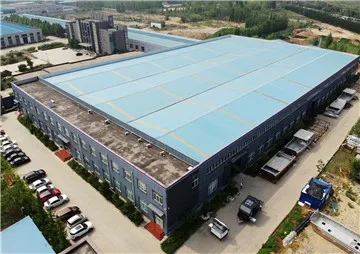
Shandong Allroad Outdoor Products Co., Ltd.
- Manufacturer, Trading Company
- Shandong, China
- Lead time45 days
- Avg. response≤ 9h
Main productsCaravan, Camper Trailer, Truck Camper, Teardrop Caravan
Main marketsOceania(40.00%), North America(20.00%), Mid East(15.00%), Western Europe(10.00%), Southern Europe(5.00%), Eastern Asia(5.00%), Eastern Europe(5.00%)
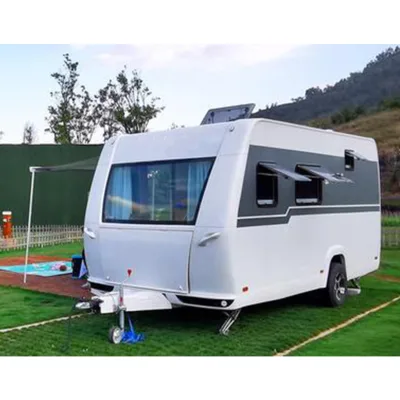
European-style Road Camper Trailer 16FT
$14900.00 - $16500.00
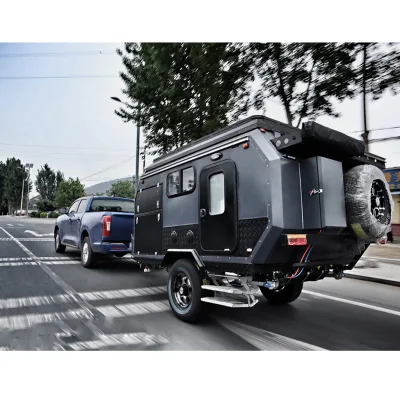
$11680.00 - $12630.00
MOQ: 3 units
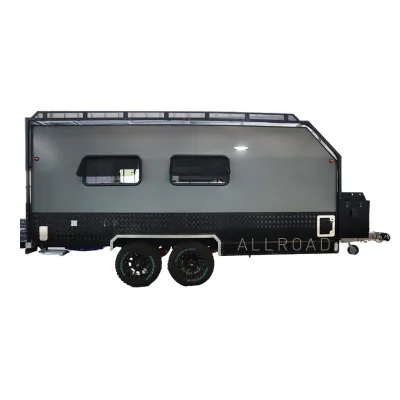
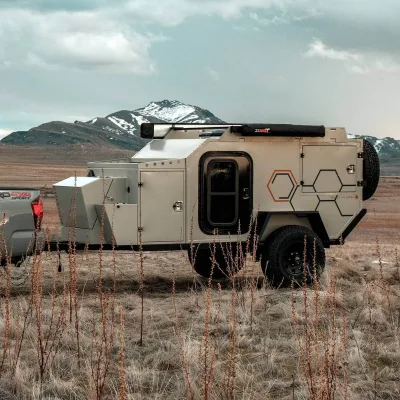
New Design Hight Quality caravan Chinese Caravans Overland Camper Trailer Made in China
$5000.00 - $7000.00
MOQ: 1
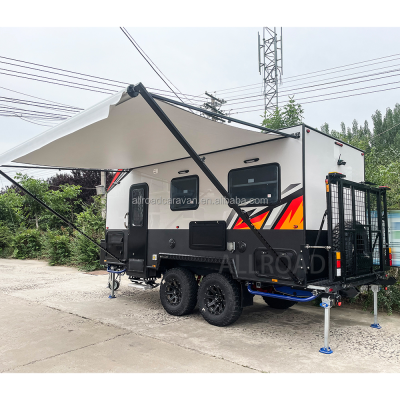
Luxury House caravan Price Camping Camper Standards Camping Trailer Hardtop caravan
$17000.00 - $20000.00


Comprehensive Sourcing Guide
Light Weight Semi Camper Trailer Supplier Concentration and Factory Types
The current supplier landscape for light weight semi camper trailers is heavily concentrated in China, with specific manufacturing hubs identified in Shandong province. Factories in this region, particularly those located in Qingdao and Weihai, offer a distinct advantage for buyers seeking proximity to major port infrastructure, which facilitates efficient export logistics. These facilities often operate as combined entities, meaning they may function as both manufacturers and trading companies. This dual nature can provide buyers with broader product catalogs, including related items like tool cabinets, exhibition tents, and tire changers, alongside the primary camper trailer offerings. The presence of such diverse main products suggests that these suppliers have established supply chains capable of handling complex assembly requirements, which is critical for producing vehicles that must meet rigorous safety and durability standards.
Understanding the factory type is essential for determining the level of customization and control a buyer can expect. Many of the observed suppliers list ODM and OEM capabilities, indicating they are equipped to handle original design manufacturing and original equipment manufacturing requests. This means buyers are not limited to off-the-shelf models but can engage in co-development processes to tailor trailers to specific market needs. The product evidence shows a variety of models, from light duty units to heavy duty expedition trailers, suggesting that these factories have versatile production lines. Buyers should verify whether the supplier’s primary focus is on high-volume standard production or specialized low-volume customization, as this will impact pricing structures and lead times. The concentration in Shandong also implies a mature ecosystem of component suppliers, which can reduce production bottlenecks and ensure consistent quality across different trailer grades.
How to Verify Light Weight Semi Camper Trailer Suppliers
Verification is a critical step in mitigating risk when sourcing light weight semi camper trailers from international markets. Buyers should prioritize suppliers who have undergone third-party verification processes, such as BV certification, which provides an additional layer of confidence regarding the company’s legitimacy and operational capacity. Beyond basic verification, it is crucial to examine the specific certifications held by the products themselves. Many suppliers in the current results display CE, ISO, and CCC certifications, which are vital for ensuring compliance with international safety and quality standards. Buyers must request copies of these certificates and verify their validity with the issuing bodies, as the presence of a certification label on a product listing does not guarantee that the specific unit being ordered is covered. Additionally, checking for ISO9001:2015 system certification indicates that the supplier has a documented quality management system in place, which is a strong indicator of consistent manufacturing practices.
Response time and communication efficiency are also key indicators of supplier reliability. The data shows a wide range in response times, from approximately two hours to over twenty hours. A faster response time often correlates with better customer service and more agile problem-solving capabilities, which are essential when dealing with custom orders or technical queries. Buyers should test the supplier’s responsiveness by sending detailed inquiries about specific technical requirements, such as axle configurations, ABS systems, or tire specifications. The ability of the supplier to provide accurate and timely information on these details can reveal their technical expertise and internal coordination. Furthermore, buyers should inquire about the supplier’s establishment year and track record, although this information may not always be explicitly displayed. Understanding the supplier’s history can help assess their stability and experience in the industry, providing a more comprehensive view of their reliability beyond just product listings.
What to Compare Across Light Weight Semi Camper Trailer Suppliers
When evaluating multiple suppliers, buyers must compare a range of operational and product-specific metrics to identify the best fit for their needs. Lead time is a significant differentiator, with observed times ranging from thirty to sixty days. This variance can impact inventory planning and market launch strategies, so buyers should align their expectations with the supplier’s stated production capacity. Minimum Order Quantity (MOQ) is another critical factor, with some suppliers offering an MOQ of just one unit, while others require five or more. This flexibility is particularly important for buyers testing new markets or those with limited initial capital. Additionally, buyers should compare the price ranges, which vary significantly based on features and specifications. For instance, basic light duty models may start around two thousand five hundred dollars, while more complex heavy duty or expedition trailers can exceed thirty thousand dollars. Understanding these price drivers helps buyers budget accurately and avoid unexpected costs.
Product specifications and customization options also require careful comparison. Buyers should examine attributes such as load capacity, grade (light, medium, or heavy duty), and specific features like ABS systems and tire types. Some suppliers offer extensive customization, including color choices and structural modifications, while others may have more limited options. The presence of OEM and ODM capabilities suggests that buyers can request unique designs, but this may come with higher MOQs or longer lead times. It is also important to compare the packing methods, as some suppliers use pallets while others use containers, which affects shipping costs and protection during transit. By systematically comparing these dimensions, buyers can create a weighted scoring matrix to objectively evaluate suppliers. This approach ensures that decisions are based on concrete data rather than subjective impressions, leading to more successful sourcing outcomes.
Common Light Weight Semi Camper Trailer Sourcing Risks
One of the primary risks in sourcing light weight semi camper trailers is the potential discrepancy between advertised specifications and actual product quality. Buyers may encounter suppliers who claim high certifications or specific features, such as ABS systems or heavy-duty axles, but fail to deliver products that meet these standards. This risk is heightened when dealing with suppliers who have vague or incomplete product descriptions. To mitigate this, buyers should request detailed technical drawings and material specifications before placing orders. Additionally, the variability in lead times can pose a significant risk to supply chain stability. Suppliers who quote short lead times may struggle to meet them during peak seasons, leading to delays and potential penalties. Buyers should establish clear communication channels and regular update schedules to monitor production progress and address any issues promptly.
Another common risk is the lack of transparency regarding after-sales support and warranty terms. Camper trailers are complex vehicles that require maintenance and occasional repairs, so buyers need to ensure that suppliers offer adequate support. Some suppliers may provide limited warranty coverage or lack the infrastructure to handle international claims. Buyers should inquire about the availability of spare parts and the supplier’s policy for handling defective units. Furthermore, the risk of intellectual property infringement exists when working with suppliers who offer extensive customization. Buyers must ensure that their designs are protected and that the supplier does not share their proprietary information with competitors. By identifying these risks early in the sourcing process, buyers can implement safeguards such as third-party inspections and clear contractual terms to protect their interests and ensure a smooth transaction.
Light Weight Semi Camper Trailer Regional Sourcing and Logistics
Sourcing light weight semi camper trailers from China, particularly from the Shandong region, offers logistical advantages due to the proximity to major ports like Qingdao. This location facilitates efficient export shipping, reducing transit times and costs for buyers in various global markets. However, buyers must carefully consider the packing methods specified by suppliers, as these directly impact shipping efficiency and product protection. Some suppliers use pallets, which are suitable for smaller orders or less bulky items, while others use containers, which are more cost-effective for larger shipments. Understanding the dimensions and weight of the trailers is crucial for calculating shipping costs and selecting the appropriate container size. For example, heavy duty expedition trailers may require 40HC or HQ containers to accommodate their size and weight, while smaller teardrop trailers might fit into standard containers more easily.
Buyers should also be aware of the regional differences in manufacturing capabilities within China. While Shandong is a key hub, other regions may offer different advantages in terms of component sourcing or specialized expertise. However, the current data highlights Shandong as a primary location, suggesting a mature ecosystem for camper trailer production. Buyers should verify the supplier’s logistics capabilities, including their experience with international shipping and customs clearance. Some suppliers may offer door-to-door delivery services, which can simplify the procurement process for buyers who lack experience with international logistics. Additionally, buyers should consider the impact of seasonal fluctuations on shipping rates and availability. Peak seasons, such as before major holidays, can lead to higher costs and longer lead times, so planning orders well in advance is essential. By understanding these logistical factors, buyers can optimize their supply chain and reduce overall procurement costs.
Light Weight Semi Camper Trailer Commercial Terms and Order Planning
Commercial terms and order planning are critical components of a successful sourcing strategy for light weight semi camper trailers. Buyers must negotiate clear payment terms that protect their interests while ensuring the supplier has the necessary capital to produce the order. Common terms include a deposit followed by balance payment before shipment, but buyers should explore options for escrow services or letters of credit for larger orders. These financial instruments provide an additional layer of security by holding funds until the goods are verified. Additionally, buyers should clarify the Incoterms, such as FOB or CIF, to determine who is responsible for shipping costs and insurance. Understanding these terms helps buyers accurately calculate the total landed cost of the trailers, including freight, duties, and handling fees.
Order planning should also account for the supplier’s production capacity and lead times. Buyers should align their order quantities with the supplier’s MOQ and production schedule to avoid delays. For custom orders, buyers should provide detailed specifications and technical drawings early in the process to ensure the supplier can meet the requirements. Regular communication and progress updates are essential to monitor production and address any issues promptly. Buyers should also plan for quality control inspections, either through third-party agencies or by visiting the factory, to ensure the products meet the agreed-upon standards. By carefully managing commercial terms and order planning, buyers can minimize risks and ensure a smooth procurement process. This proactive approach helps build a strong relationship with the supplier and sets the foundation for long-term success in the camper trailer market.
FAQs
What is the price range for light weight semi camper trailers?
Prices for light duty models typically range from $2,500 to $3,900 per unit. Higher capacity or specialized configurations may cost up to $35,000. Buyers should verify specific pricing based on customization needs and order volume to ensure accurate budgeting for their procurement plans.
What certifications are available for these camper trailers?
Manufacturers commonly provide CE, ISO, and CCC certifications for their light weight semi camper trailers. Some units also meet ISO9001:2015 system standards. Buyers should request valid certificates to confirm compliance with regional safety and quality regulations before finalizing any purchase agreements.
What is the typical lead time for production?
Production lead times generally range from 30 to 60 days depending on the supplier and order complexity. Standard models may ship faster, while customized units require additional manufacturing time. Buyers should confirm exact timelines with suppliers to align with their project schedules effectively.
What is the minimum order quantity for these trailers?
Minimum order quantities vary, with some suppliers accepting single units while others require a minimum of five. Buyers seeking small batches should verify MOQ requirements early. Larger orders may qualify for better pricing or expedited processing depending on the specific manufacturer's policies.
Where are these trailers typically manufactured?
Most light weight semi camper trailers are manufactured in China, specifically in regions like Shandong and Qingdao. Buyers should verify the exact origin to assess shipping logistics and potential tariffs. Confirming the manufacturing location helps ensure alignment with supply chain preferences and quality expectations.
Can these trailers be customized for specific needs?
Customization is widely available, including OEM and ODM services for light weight semi camper trailers. Buyers can request specific colors, load capacities, and structural modifications. Suppliers typically offer flexible options to meet unique operational requirements, ensuring the final product fits specific use cases.