Micro Machined Hardware Wallet Suppliers and Manufacturers
Compare 32 verified suppliers offering Micro Machined Hardware Wallet options across China Zhejiang, Guangdong, and Fujian. Review response times, lead times, and certifications like CTI, SGS, and TUVRHEINLAND before requesting samples or quotes; review the available evidence before requesting comparable quotations from suitable candidates.
Updated
Suppliers List

- Verified by CTI
- Trading Company
- China Zhejiang
- Lead time15 days
- Avg. response≤ 6h
Main productsJewelry, Brooch, Belt, Necklace, Agent, Bracelet, China Trim, China Ring, China Hair Accessory, China Earring
Main marketsSouth America

Guangzhou Zexin Leather Co., Ltd.
- Verified by SGS
- Combined
- China Guangdong
- Lead time30 days
- Avg. response≤ 17h
Main productsLadies Handbag, Handbag, Fashion Handbag, PU Handbag, Leather Handbag, Women Handbag, Fashion Bag, Designer Handbag, Lady Bag, Leather Bag
Main marketsDomestic,Europe,North America

Jinjiang Jiaxing Supply Management Co., Ltd.
- Verified by TUVRHEINLAND
- Trading Company
- China Fujian
- Lead time30 days
- Avg. response≤ 2h
Main productsEVA Clogs, Flip Flop, Shoe Charms, Shopping Bags, Wristbands, Gifts, Promotional Gifts, Slipper, Sport Cap, Ball
Main marketsNorth America

Chengdu MIND IOT Technology Co., Ltd.
- Verified by SGS
- Manufacturer/Factory
- China Sichuan
- Lead time23 days
- Avg. response≤ 7h
Main productsSmart Card, IC Card, PVC Card, Paper Card, Prepaid Scratch Card, Magnetic Card, IC Solutions
Main marketsSouth America,Eastern Europe,Mid East,North America,Southeast Asia,Eastern Asia,Oceania,Western Europe,Africa

Dongguan Jianfeng Gifts Company
- Trading Company
- China Guangdong
- Lead time23 days
- Avg. response≤ 11h
Main productsMetal Product, Leather Product, RFID Card Holder, Wallet, Money Clip, Coin Purse, Card Holder, Gifts, Metal Accessories, Wallet Tracker
Main marketsSouth America,Eastern Europe,Mid East,North America,Southeast Asia,Eastern Asia,Oceania,Western Europe,Africa

Wenzhou Guanmin Import and Export Co., Ltd.
- Verified by BV
- Trading Company,Manufacturer/Factory
- China Zhejiang
- Lead time120 days
- Avg. response≤ 7h
Main productsShopping Bag, Cooler Bag, Notebook, Pen, Color Pencil, Lanyard, Beach Ball, Umbrella, Sunshade, Air Freshener
Main marketsSouth America,Eastern Europe,Mid East,North America,Southeast Asia,Eastern Asia,Western Europe
Changshu Zhitang Marys Bag Factory
- Manufacturer, Trading Company
- Jiangsu, China
- Lead time20 days
- Avg. response≤ 9h
Main productsShopping Bag,Non Woven Bag,Promotional Bag,apron
Main marketsSouth Asia(7.69%), Southern Europe(7.69%), Northern Europe(7.69%), Central America(7.69%), Western Europe(7.69%), Eastern Asia(7.69%), Mid East(7.69%), Oceania(7.69%), Africa(7.69%), Southeast Asia(7.69%), Eastern Europe(7.69%), South America(7.69%), North America(7.69%)
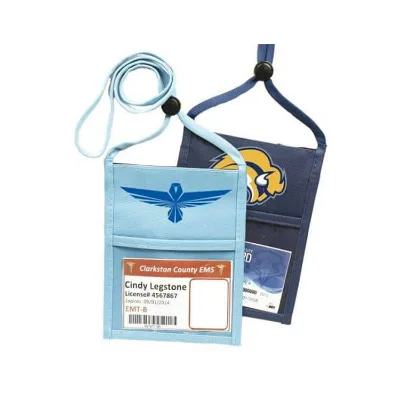
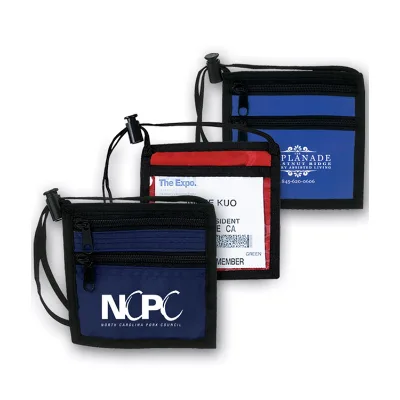
$0.25 - $0.50
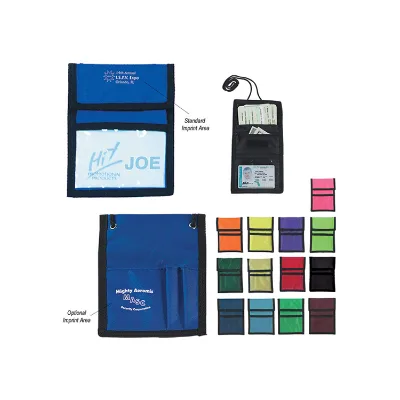
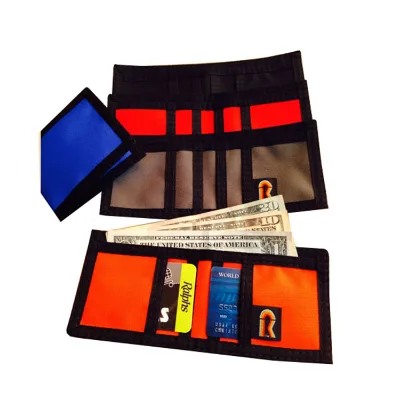
$0.45 - $1.00

Putian Geyang Trading Co., Ltd
- Verified by CTI
- Trading Company
- China Fujian
- Lead time0 days
- Avg. response≤ 3h
Main productsTote Bags, Cosmetic Bags, Travel Bags, Duffel Bags, Backpacks, Luggage Sets, Hand Bags, Crossbody Bags, Custom Bags

Shenzhen Me Young Products Co., Ltd.
- Manufacturer, Trading Company
- Guangdong, China
- Lead time0 days
- Avg. response≤ 3h
Main productsCard Holder,Wallets,Handbag,backpack,shopping bag
Main marketsNorth America(60.00%), Western Europe(15.00%), South America(10.00%), Africa(3.00%), Mid East(2.00%)
Guangzhou Bogia Leather Products Co., Ltd.
- Manufacturer, Distributor/Wholesaler
- Guangdong, China
- Lead time20 days
- Avg. response≤ 2h
Main productsWallet,Card Holder,Leather Bag,Phone Bag,Luggage tag
Main marketsNorth America(30.00%), Western Europe(16.00%), Eastern Europe(13.00%), South America(12.00%), Northern Europe(11.00%), Domestic Market(2.00%), South Asia(2.00%), Southern Europe(2.00%), Africa(2.00%), Central America(2.00%), Southeast Asia(2.00%), Eastern Asia(2.00%), Mid East(2.00%), Oceania(2.00%)

Guangzhou Yujia Industrial Co., Ltd.
- Verified by SGS
- Combined
- China Guangdong
- Lead time15 days
- Avg. response≤ 2h
Main productsPU Leather, PVC Bar Mat, Mouse Pad, Wallets, Rubber Muse Pad, Men's Wallet, Passport Holder, Handbags, Wrist Keyboard Mat
Main marketsDomestic

Xiamen Le Young Imp. & Exp. Co., Ltd
- Verified by BV
- Trading Company,Manufacturer/Factory
- China Fujian
- Lead time23 days
- Avg. response≤ 4h
Main productsLeather Folder, Trave Wallet, Leather Notebook, Leather Compendium, Leather Portfolio, Leather Diary, Leather Journal, Hotel Supply, Leather Card Holder, Leather Wallet
Main marketsSouth America,Eastern Europe,Mid East,North America,Southeast Asia,Eastern Asia,Oceania,Western Europe,Africa

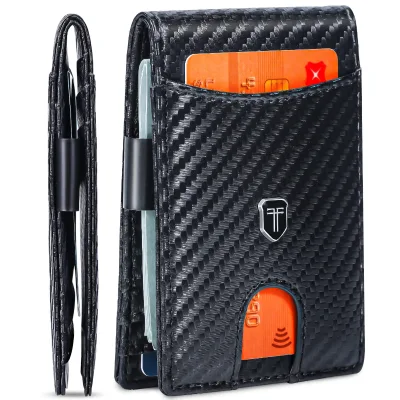
Slim Wallet with Money Clip Minimalist RFID Front Pocket Wallets for Men
$3.82 - $3.86
MOQ: 100 Pieces


Fuzhou Yida Xinyang Industry and Trade Co., Ltd.
- Manufacturer/Factory
- China Fujian
- Lead time15 days
- Avg. response≤ 4h
Main productsLanyards, Wristbands, Tube Bandana, Flags, Bags, Luggage Belts, Sport Bags
Main marketsSouth America,Eastern Europe,Mid East,North America,Southeast Asia,Eastern Asia,Oceania,Western Europe,Africa
Guangzhou Shengjia Leather Clothing Co., Ltd.
- Manufacturer, Trading Company, Distributor/Wholesaler
- Guangdong Province, China
- Lead time30 days
- Avg. response≤ 17h
Main productspurse,card holder,clutch bag,handbag
Main marketsNorthern Europe(20.00%), Central America(20.00%), South America(20.00%), North America(20.00%), Western Europe(10.00%), Eastern Europe(10.00%)
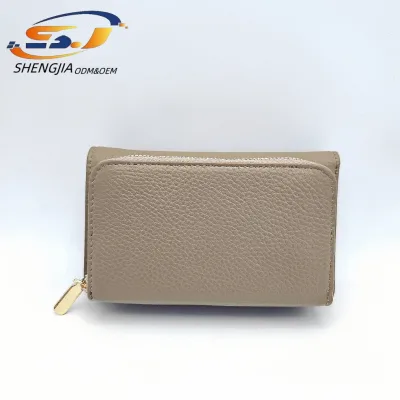
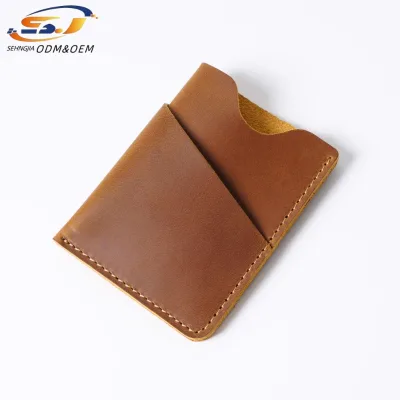
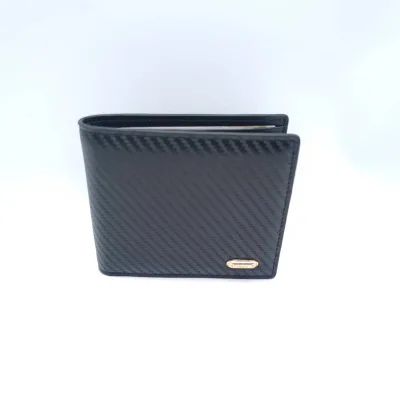
Ultra-Light and Ultra-Thin Pure Carbon Fiber Wallet Vintage and Modern Style with Open Closure Type
$2.80 - $3.50
MOQ: 100 pieces
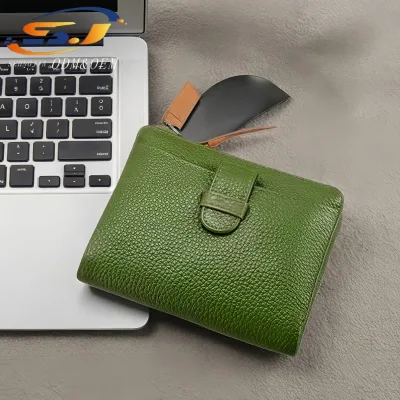
Guangzhou Beslly Leather Co., Ltd.
- Verified by TüVRheinland
- Manufacturer, Trading Company
- Lead time15 days
- Avg. response≤ 3h
Main productsWallet, Card Holder, Handbag, Travel Bags, Backpacks
Main marketsNorth America(22%), Eastern Europe(15%), Western Europe(10%)

Guangzhou CF Leather Co., Ltd.
- Verified by SGS
- Combined
- China Guangdong
- Lead time30 days
- Avg. response≤ 24h
Main productsBag, Luxury Handbag, Women Handbag, Handbag
Main marketsAfrica,Domestic,Europe

ANHUI GOOD LUCK INDUSTRIAL CO., LTD.
- Verified by BV
- Trading Company
- China Anhui
- Lead time15 days
- Avg. response≤ 5h
Main productsCosmetic Bag, Backpack, Lunch Bag, Cooler Bag, Shopping Bag, Diaper Bag, Sports Bag, Handbag, Beach Bag, Make up Bag
Main marketsSouth America,Africa,Southeast Asia/ Mideast,East Asia(Japan/ South Korea),Domestic,Europe,Australia,North America


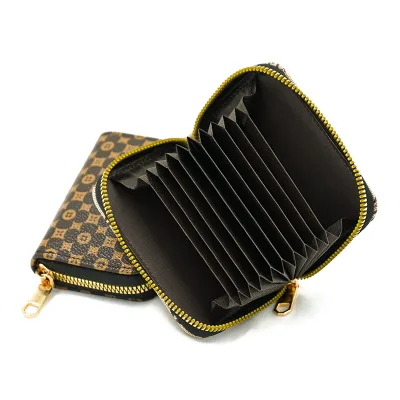
Cheap Popular Fashion Vintage Mini Simple Cards Holder PU Leather Wallet
$1.10 - $1.70
MOQ: 500 Pieces

Hightop Lighting And Metal (Shenzhen) Ltd
- Manufacturer, Trading Company
- Guangdong, China
- Lead time15 days
- Avg. response≤ 2h
Main productsRFID card holder,aluminum wallet,leather aluminum wallet,carbon fiber wallet,carbon fiber card holder
Main marketsNorth America(45.00%), Northern Europe(20.00%), Western Europe(10.00%), Southern Europe(5.00%), Mid East(5.00%), Eastern Europe(5.00%), Central America(3.00%), Domestic Market(1.00%), South Asia(1.00%), Oceania(1.00%), South America(1.00%), Africa(1.00%), Southeast Asia(1.00%), Eastern Asia(1.00%)
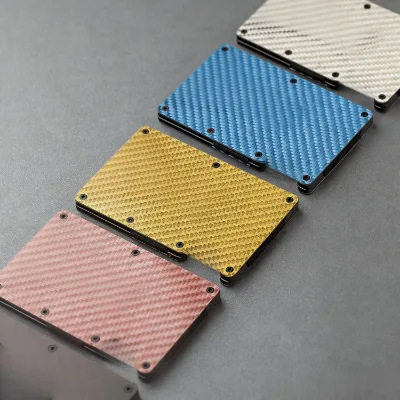
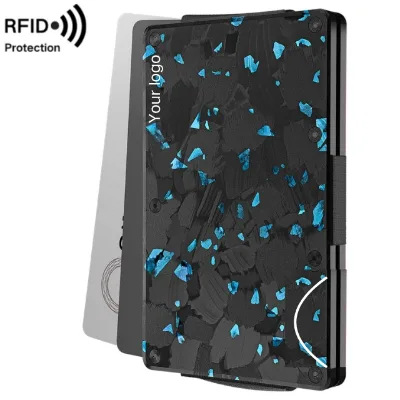
High Quality Forged Cmicrofiber Wallets for Men Minimalist Aluminum Metal Wallet with Money Clip
$2.10 - $4.85
MOQ: 100 Minimum
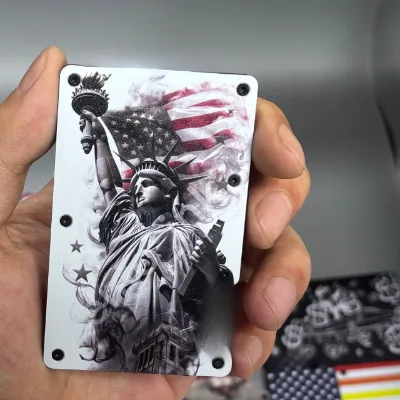
$3.4762 - $3.9948
MOQ: 5 pieces

Gstar Technology (Shenzhen) Co., Ltd.
- Manufacturer
- Guangdong, China
- Lead time20 days
- Avg. response≤ 3h
Main productspurse,Card holder,Card holder Card holder,Wallet with metal card holder
Main marketsNorth America(25.00%), Western Europe(16.00%), South America(15.00%), Eastern Europe(10.00%), Southeast Asia(8.50%), Central America(8.00%), Mid East(6.50%), Northern Europe(5.00%), Southern Europe(2.10%), Eastern Asia(1.50%), Africa(1.20%), South Asia(0.70%), Oceania(0.30%), Domestic Market(0.20%)
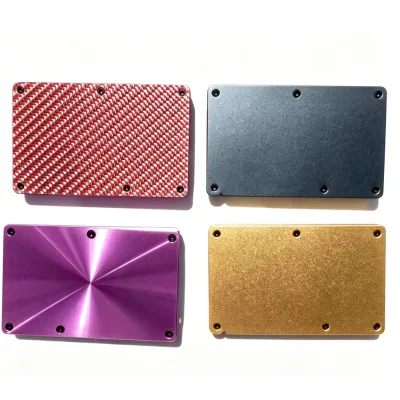
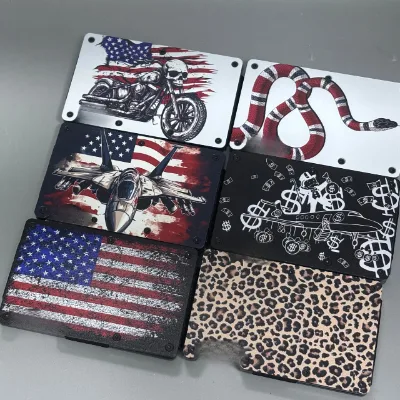
$3.4447 - $3.9589
MOQ: 5 pieces
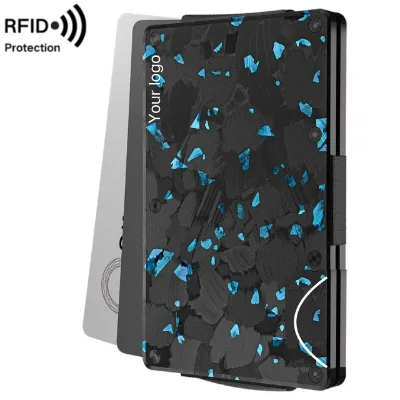
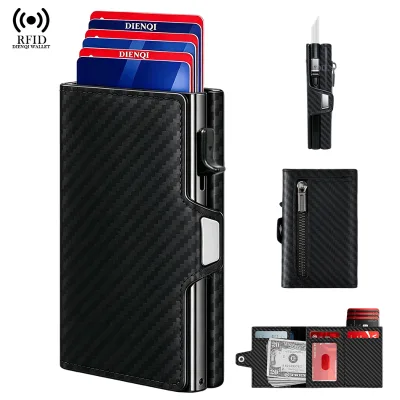
RFID Blocking Small Slim Wallet Forged Carbon Fiber Wallet Herren With Money Clip
$2.10 - $4.85
MOQ: 100 Minimum

Guangzhou Kinglaiky Industrial Ltd.,
- Verified by TUVRHEINLAND
- Trading Company
- China Guangdong
- Lead time15 days
- Avg. response≤ 12h
Main productsPromotional Gifts, Pen, Leather Product, Wallet, Keyring, Namecard Holder, Mouse Mat, Flask, Wristband, USB Pen Drive
Main marketsAfrica
Shenzhen Angel Global Bag Co., Ltd.
- Manufacturer, Trading Company
- Guangdong, China
- Lead time25 days
- Avg. response≤ 3h
Main productsHandbag/Wallet/Card holder/Evening Bag/Purse,Notebook
Main marketsNorth America(60.00%), Western Europe(20.00%), Northern Europe(10.00%), Mid East(5.00%), Southeast Asia(5.00%)

Guangzhou Wangjia Leatherware Co., Ltd.
- Manufacturer/Factory
- China Guangdong
- Lead time30 days
- Avg. response≤ 5h
Main productsWestern Cowboy & Cowgirl Belts, Western Buckles, Buckle Sets, Conchos, Dog Collars & Hat Belts, PU Belts, Leather Belts, PU Handbags, Straw Beach Bags, Wallets
Main marketsSouth America,Eastern Europe,Mid East,North America,Southeast Asia,Eastern Asia,Oceania,Western Europe,Africa


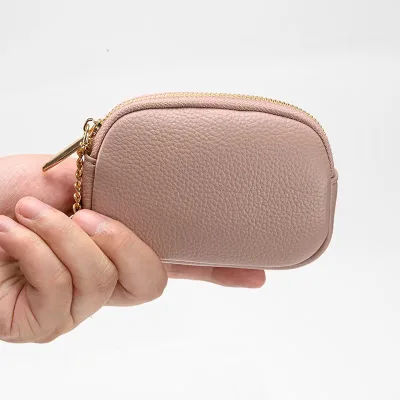
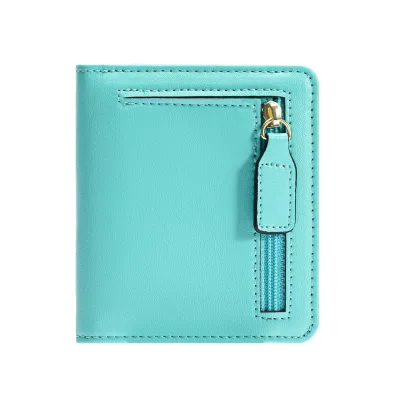
Small Coin Purse Cute Leather Wallet for Women Double Zipper New Mini Coin Purse
$3.40 - $3.80
MOQ: 100 Pieces

Guangzhou Baiyun District Sanyuanli Gusi Leather Firm
- Trading Company
- Guangdong, China
- Lead time22 days
- Avg. response≤ 23h
Main productsWallet, Cossbody Bags, Passport Holder, Handbags, Belts
Main marketsSouth Asia(25.00%), Mid East(20.00%), Eastern Asia(15.00%), North America(10.00%), South America(10.00%), Africa(10.00%), Eastern Europe(10.00%)

Shenzhen Ango Commerce S & T Co., Ltd.
- Manufacturer, Trading Company, Buying Office
- Guangdong, China
- Lead time15 days
- Avg. response≤ 3h
Main productsCard Holder,Wallet,Belt,Bag,Keychain
Main marketsWestern Europe(40.00%), South America(25.00%), North America(20.00%), Northern Europe(10.00%), Eastern Europe(10.00%), Southern Europe(5.00%), Mid East(3.00%), Southeast Asia(2.00%)
Guangzhou Boslun Industrial Co., Ltd.
- Manufacturer, Trading Company
- guangdong, China
- Lead time25 days
- Avg. response≤ 2h
Main productsLuggage & Bags,cosmetic bag,tote bag,backpack,drawstring bag
Main marketsWestern Europe(48.00%), Domestic Market(20.00%), North America(17.00%), South America(15.00%)

Guangzhou Modicci Fashion Co., Limited
- Verified by SGS
- Trading Company,Manufacturer/Factory
- China Guangdong
- Lead time45 days
- Avg. response≤ 18h
Main productsHandbag, Backpack, Crossbody, Wallet, Clutch, Purse, Keyring, Jewellery Box, Card Holder, Laptop Backpack
Main marketsSouth America,Eastern Europe,Mid East,North America,Southeast Asia,Eastern Asia,Oceania,Western Europe,Africa


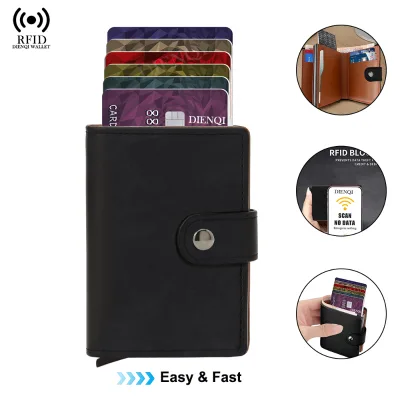
RFID Blocking Slim Real Genuine Leather Bifold Wallet with Metal Cash Clip
$10.00 - $20.00
MOQ: 50 Pieces

Guangzhou Haoxing Leather Co., Ltd.
- Distributor/Wholesaler
- Guangdong, China
- Lead time3 days
- Avg. response≤ 2h
Main productsMessenger Bag/Mobile Phone Bag,wallet,knapsack,chest bag,waist bag
Main marketsEastern Asia(30.00%), North America(20.00%), Domestic Market(20.00%), South Asia(10.00%), Southeast Asia(10.00%), Northern Europe(10.00%)

Wenzhou Fashion Leather Manufacture Co., Ltd.
- Combined
- China Zhejiang
- Lead time30 days
- Avg. response≤ 8h
Main productsBelt, Leather Belt, Fashion Lady Belt, Fashion Man Belt, Fashion Belt, Canvas Belt, PU Belt, Wallet, Purse, Man Wallet
Main marketsSouth America,Europe,North America
Guangzhou Danseyou Trading Co., Ltd.
- Manufacturer, Trading Company, Distributor/Wholesaler
- Guangdong, China
- Lead time0 days
- Avg. response≤ 5h
Main productsRfid Wallet/Leather Wallet,Rfid Card Holder,Purse,Money Clip,Women Handbag
Main marketsNorth America(30.00%), Central America(10.00%), Western Europe(10.00%), Eastern Europe(10.00%), Southern Europe(10.00%), Northern Europe(5.00%), Africa(5.00%), Domestic Market(5.00%), Eastern Asia(5.00%), South America(5.00%), Southeast Asia(2.00%), Mid East(2.00%), South Asia(1.00%)

Shenzhen Chenxi Lingdong Technology Co., Ltd.
- Verified by BV
- Trading Company
- China Guangdong
- Lead time15 days
- Avg. response≤ 13h
Main marketsSoutheast Asia/ Mideast,Europe,North America
Guangzhou Jianji Leather Co., Ltd.
- Manufacturer, Trading Company
- Guangdong, China
- Lead time0 days
- Avg. response≤ 3h
Main productsWallets, Card Holders, Passport Holders, Luggage Tags, Coin Purses
Main marketsNorth America(50.00%), Oceania(10.00%), Southeast Asia(10.00%), Western Europe(5.00%), Southern Europe(5.00%), Eastern Asia(5.00%), Northern Europe(5.00%), Eastern Europe(5.00%), Mid East(3.00%), South Asia(1.00%), Central America(1.00%)

WIDE SILVER (GUANGZHOU) LEATHER CO., LTD.
- Trading Company
- China Guangdong
- Lead time30 days
- Avg. response≤ 1h
Main productsHandbag, Tote Nag, Lady Handbag, Women Handbag, Wallets, Purses, Carteras, Cardholder, Bolsos, Portemonnaie
Main marketsAfrica,Europe,North America












Comprehensive Sourcing Guide
Micro Machined Hardware Wallet Supplier Concentration and Factory Types
The current supplier landscape for micro machined hardware wallets reveals a distinct concentration of manufacturing and trading entities within specific Chinese provinces, primarily Zhejiang, Guangdong, and Fujian. These regions serve as critical hubs for the production of related accessories, including jewelry, handbags, and various leather goods, which often share supply chain infrastructure with hardware wallet components. In Zhejiang, suppliers are predominantly identified as trading companies, suggesting a model focused on aggregating products from multiple smaller workshops rather than direct large-scale factory ownership. This structure allows for flexibility in sourcing diverse items such as PU leather wallets and fashion accessories, which may be bundled with hardware wallet orders to reduce shipping costs. The presence of these trading companies indicates that buyers may need to navigate a layer of intermediaries, which can impact direct communication with the actual production lines. However, it also provides access to a wider variety of product styles and customization options that might not be available from single-source factories.
In contrast, suppliers located in Guangdong and Fujian exhibit different operational profiles, with some identified as combined entities or specialized manufacturers. Guangdong-based suppliers often focus on higher-end materials like genuine leather and cowhide, indicating a capability for more premium finishing and assembly. The verification statuses observed, such as SGS and CTI, suggest that these facilities have undergone third-party inspections, providing a baseline level of trust regarding their operational legitimacy. Meanwhile, Fujian-based suppliers show a strong focus on specific product niches like RFID blocking wallets, highlighting a specialization in security features that are directly relevant to hardware wallet functionality. This regional specialization means that buyers should align their sourcing strategy with the specific strengths of each province. For instance, if the priority is rapid prototyping and fashion-forward designs, Zhejiang trading companies may be more suitable. Conversely, if the focus is on robust security features and premium material quality, suppliers in Guangdong and Fujian might offer better alignment with those specific requirements.
How to Verify Micro Machined Hardware Wallet Suppliers
Verifying the legitimacy and capability of suppliers requires a multi-layered approach that goes beyond simple profile reviews. Buyers should prioritize suppliers who hold recognized third-party verification badges, such as CTI, SGS, or TÜV Rheinland, as these indicate that an independent body has assessed the company’s business license and operational practices. The presence of these certifications is a strong initial signal of reliability, but it should not be the sole criterion for selection. It is crucial to cross-reference these verification statuses with the supplier’s response time and historical performance data. For example, a supplier with a low response time, such as under two hours, often indicates a more agile and customer-focused operation, which is essential for resolving issues quickly during the sourcing process. Buyers should also examine the specific scope of the verification to ensure it covers the relevant product categories, particularly if the supplier offers a wide range of items from jewelry to hardware wallets.
Beyond verification badges, buyers must actively engage with suppliers to assess their technical competence and communication quality. Requesting detailed product specifications, including material compositions and security features like RFID blocking capabilities, can reveal the depth of the supplier’s knowledge. Suppliers who provide comprehensive data, such as specific model numbers, packing standards, and origin details, are generally more transparent and reliable. Additionally, buyers should inquire about the supplier’s ability to handle customizations, as many hardware wallet orders require specific branding or functional adjustments. The availability of OEM services and the willingness to provide samples are key indicators of a supplier’s flexibility and commitment to quality. Buyers should also verify the supplier’s main products to ensure they align with the buyer’s specific needs, as suppliers with a narrow focus on wallets and security accessories may offer better expertise than those with overly broad catalogs. This active due diligence helps mitigate the risk of partnering with unreliable entities and ensures a smoother procurement experience.
What to Compare Across Micro Machined Hardware Wallet Suppliers
When evaluating multiple suppliers, buyers must systematically compare key operational metrics to identify the most suitable partner for their specific needs. Lead time is a critical factor, as it directly impacts inventory management and market launch schedules. Suppliers in different regions may offer varying lead times, with some providing faster turnaround for smaller orders while others require longer periods for larger production runs. Buyers should also closely examine the Minimum Order Quantity (MOQ) requirements, as these can vary significantly from ten pieces to ten thousand pieces depending on the supplier’s capacity and business model. A lower MOQ may be preferable for testing the market or launching a new product line, while a higher MOQ might offer better unit economics for established brands. Additionally, response time serves as a proxy for the supplier’s operational efficiency and customer service quality, with faster responses often correlating with better overall management practices.
Price and payment terms are equally important considerations that require careful comparison. While some suppliers may display fixed prices, others might offer tiered pricing based on order volume or customization requirements. Buyers should also consider the total cost of ownership, including sample fees, shipping costs, and any potential tariffs or duties. The availability of secure payment methods, such as escrow services, can provide an additional layer of protection for buyers, ensuring that funds are only released upon satisfactory delivery. Furthermore, buyers should assess the supplier’s customization capabilities, including the ability to modify materials, colors, and security features. Suppliers who offer flexible customization options, such as PU leather alternatives or specific RFID blocking standards, can better meet the diverse needs of different market segments. By comparing these factors across multiple suppliers, buyers can make informed decisions that balance cost, quality, and operational efficiency, ultimately leading to a more successful sourcing outcome.
Common Micro Machined Hardware Wallet Sourcing Risks
Sourcing micro machined hardware wallets involves several inherent risks that buyers must proactively manage to ensure a successful procurement process. One significant risk is the potential for quality inconsistencies, particularly when dealing with suppliers who offer a wide range of products. Suppliers who also sell jewelry, handbags, and other fashion accessories may not have specialized expertise in the technical aspects of hardware wallets, such as circuit integration or secure element placement. This lack of specialization can lead to defects in the final product, compromising the security and functionality that buyers expect. Additionally, the use of alternative materials, such as PU leather instead of genuine leather, may affect the durability and perceived value of the product. Buyers must clearly specify their quality requirements and conduct thorough inspections to mitigate these risks, ensuring that the final product meets their standards.
Another common risk is the discrepancy between sample quality and mass production output. Suppliers may provide high-quality samples to secure orders but fail to maintain the same level of quality during large-scale production. This issue is often exacerbated by poor communication or lack of clear specifications. Buyers should establish detailed quality control protocols and request regular production updates to monitor progress. Furthermore, the risk of intellectual property infringement is a concern, especially when dealing with suppliers who offer extensive customization options. Buyers must ensure that their designs and branding are protected and that suppliers adhere to strict confidentiality agreements. Additionally, logistical risks, such as delays in shipping or damage during transit, can impact the overall supply chain. Buyers should work with suppliers who have reliable logistics partners and clear return policies to minimize these disruptions. By identifying and addressing these risks early in the sourcing process, buyers can build a more resilient and secure supply chain.
Micro Machined Hardware Wallet Regional Sourcing and Logistics
The geographic location of suppliers plays a crucial role in determining logistics efficiency and cost structures for micro machined hardware wallets. Suppliers located in Zhejiang, Guangdong, and Fujian benefit from well-established manufacturing clusters and robust logistics infrastructure, which can facilitate faster shipping and lower transportation costs. Zhejiang, in particular, is known for its efficient trading networks, making it a convenient hub for aggregating orders from multiple suppliers. However, buyers must consider the specific port of departure and the distance to their final destination when calculating logistics costs. Suppliers in Guangdong often have access to major international shipping routes, which can reduce transit times for orders destined for North America or Europe. Similarly, Fujian’s proximity to key shipping lanes can offer competitive shipping rates for certain markets.
Buyers should also evaluate the supplier’s packaging and handling practices to ensure that products arrive in optimal condition. Proper packaging is essential to prevent damage during transit, especially for delicate hardware components. Suppliers who use standardized packing methods, such as OPP boxes or polyester bags, can help maintain product integrity. Additionally, buyers should consider the supplier’s ability to handle customs clearance and documentation, as errors in this area can lead to delays and additional costs. Working with suppliers who have experience in international trade can streamline this process. Furthermore, buyers should assess the supplier’s inventory management capabilities to ensure that they can meet demand fluctuations without causing stockouts or overstock situations. By carefully considering these regional and logistical factors, buyers can optimize their supply chain and reduce overall procurement costs.
Micro Machined Hardware Wallet Commercial Terms and Order Planning
Effective order planning requires a clear understanding of the commercial terms offered by suppliers, including payment structures, delivery schedules, and after-sales support. Buyers should negotiate favorable payment terms, such as partial upfront payments and balance upon shipment, to manage cash flow and mitigate financial risk. The availability of escrow services can provide an additional layer of security, ensuring that funds are only released when the buyer is satisfied with the delivered goods. Additionally, buyers should clarify the supplier’s return and refund policies in case of quality issues or non-conformance to specifications. Clear communication regarding these terms helps prevent misunderstandings and disputes later in the procurement process.
Delivery time is another critical commercial term that impacts inventory planning and market launch strategies. Buyers should establish realistic expectations based on the supplier’s stated lead times and production capacity. Suppliers who offer flexible delivery options, such as expedited shipping for urgent orders, can provide greater agility in responding to market changes. Furthermore, buyers should consider the supplier’s ability to handle volume discounts and tiered pricing, which can improve profitability for larger orders. By carefully planning orders and negotiating favorable commercial terms, buyers can optimize their supply chain efficiency and maximize return on investment. This strategic approach ensures that the sourcing process aligns with the buyer’s broader business objectives and market demands.
FAQs
What is the typical lead time for custom wallets?
Manufacturers in China generally require 15 to 30 business days for production. Specific timelines depend on order volume and customization complexity. Some suppliers offer faster turnaround for standard items, while others require longer periods for bespoke designs. Buyers should confirm exact delivery schedules before placing orders to ensure timely receipt.
What are the minimum order quantities for wallets?
Minimum order quantities vary significantly by supplier and product type. Some factories accept orders as low as 10 pieces, while others require 300 or even 10,000 units. Buyers seeking small batches should look for suppliers with lower MOQs, whereas large-scale procurement may benefit from suppliers with higher volume thresholds.
Which materials are commonly used for wallet production?
Common materials include PU leather, genuine cowhide leather, and synthetic fabrics. Products often feature crocodile grain textures or contrast stitching for aesthetic appeal. Buyers can choose between waterproof and non-waterproof options based on their specific needs. Material selection impacts durability, cost, and the overall style of the final wallet product.
Do suppliers offer customization services for wallets?
Many suppliers provide customization options, including OEM and ODM services. Buyers can often request specific sizes, colors, and packaging designs. Some factories accept custom requests for materials and hardware. It is advisable to verify customization availability and associated costs directly with the supplier to ensure the final product meets specific branding requirements.
What is the price range for wholesale wallets?
Wholesale prices for wallets typically range from approximately $1.99 to $12.00 per unit. Lower prices often correspond to simpler designs or smaller quantities, while higher prices may reflect premium materials or complex customization. Buyers should compare quotes from multiple suppliers to find the best value for their specific budget and quality expectations.
How quickly do suppliers respond to inquiries?
Response times vary among suppliers, with some responding within a few hours and others taking longer. Efficient suppliers often reply within five hours, while others may take up to sixteen hours. Prompt communication is crucial for resolving questions about pricing, samples, and production details. Buyers should prioritize suppliers with faster response times for smoother transactions.