Expandable Towable Travel Trailer Suppliers and Manufacturers
Compare 26 verified suppliers offering expandable towable travel trailers with varying lead times, locations, and response speeds. Review product dimensions, materials, and pricing to select the right partner for your needs; review the available evidence before requesting comparable quotations from suitable candidates.
Updated
Suppliers List
Changchun Highpoint Technology Co., Ltd.
- Trading Company
- Jilin, China
- Lead time15 days
- Avg. response≤ 2h
Main productsGolf Carts ATVS & UTVS,Electric Scooter,Car Trailer,Pools
Main marketsNorth America(30.00%), Southeast Asia(20.00%), Oceania(10.00%), South Asia(5.00%), Southern Europe(5.00%), Northern Europe(5.00%), Western Europe(5.00%), Eastern Asia(5.00%), Mid East(5.00%), Eastern Europe(5.00%), South America(5.00%)

Shandong Ceres Import And Export Trading Co., Ltd.
- Trading Company
- Shandong, China
- Lead time35 days
- Avg. response≤ 4h
Main productscremator,funeral supplies,mortuary supplies,environmental equipment,incinerator
Main marketsEastern Europe(30.00%), Mid East(20.00%), Eastern Asia(20.00%), Southeast Asia(20.00%), Oceania(10.00%)
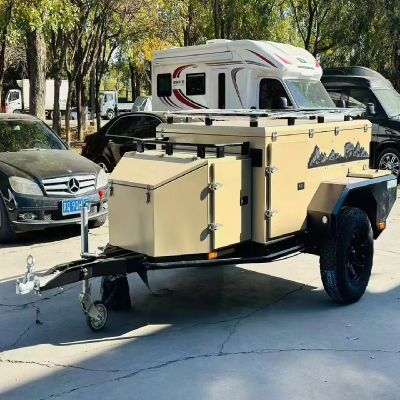

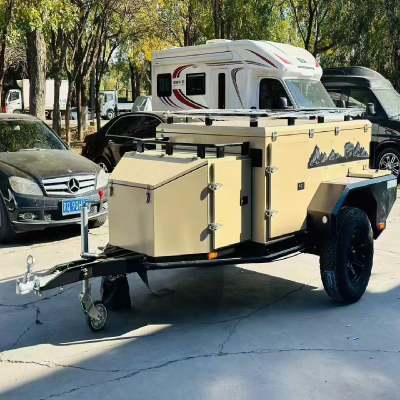
Premium Summer Camping Trailer High-End Outdoor Adventure Travel Trailer
$3200.00 - $3300.00
MOQ: 1 sets


Weihai Zihe Intelligent Equipment Corp.
- Manufacturer, Trading Company
- Shandong, China
- Lead time65 days
- Avg. response≤ 1h
Main productsTravel Trailer, Camper Trailer, Motorhome, Camping Tent, Rv Trailer
Main marketsOceania(50.00%), North America(30.00%), South America(5.00%), Western Europe(5.00%), Mid East(5.00%), Southeast Asia(5.00%)
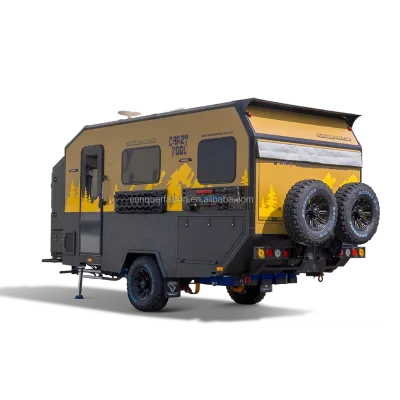
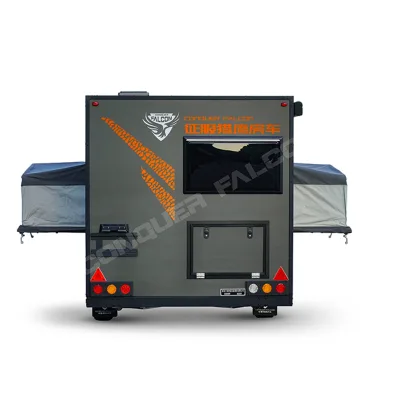
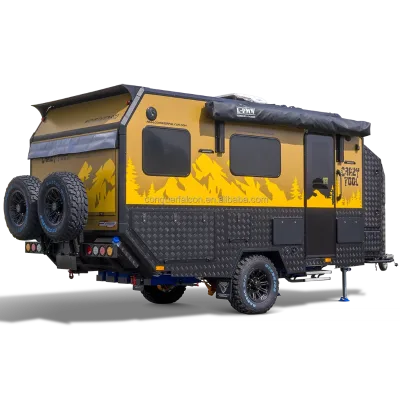
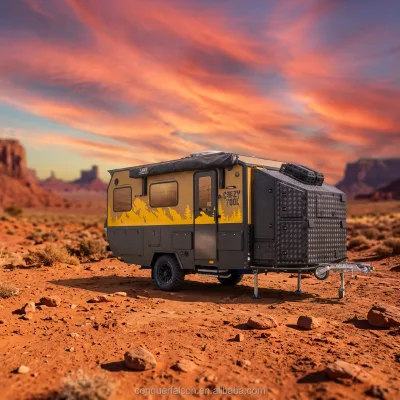
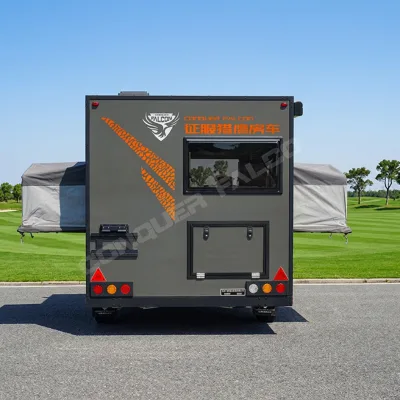
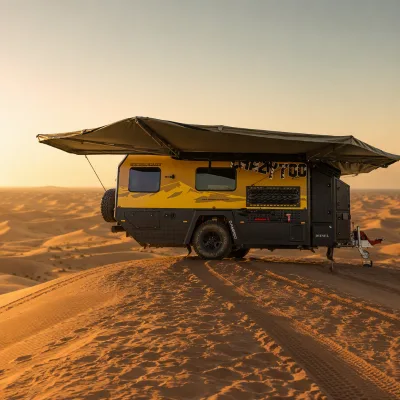
Lightweight Foldable Camper Mini caravan Trailer with Toilet & Accessories
$7588.00 - $9373.00

Weifang Choice-Link Trading Co., Ltd.
- Verified by TUVRHEINLAND
- Trading Company
- China Shandong
- Lead time30 days
- Avg. response≤ 3h
Main productsTravel Trailer, Camper Trailer, Teardrop Trailer, Caravan, Camping Trailer, Motorhome, Truck Camper, off Road Camper Trailer, Camper Van, Motorcaravan
Main marketsDomestic

Mobile High-Quality Teardrop Travel Trailer for Comfortable Touring Adventures
$4800.00 - $6500.00
MOQ: 2 Sets


Lightweight High-Performance Travel Trailer for Easy Towing and Camping
$4800.00 - $6500.00
MOQ: 2 Sets

Expandable Small Autocaravan Caravans Australian Standard Travel Trailer Camping Trailer
$4500.00 - $6800.00
MOQ: 2 set
Zhejiang Feishen Vehicle Co., Ltd.
- Manufacturer
- Zhejiang, China
- Lead time25 days
- Avg. response≤ 10h
Main productscaravans,motorhomes,camping cars,RV,caravan parts
Main marketsOceania(70.00%)

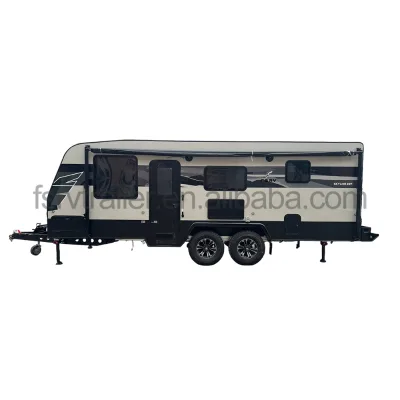
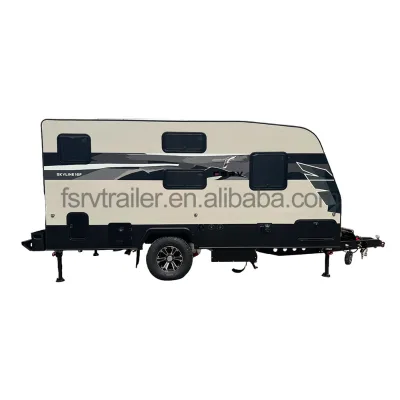
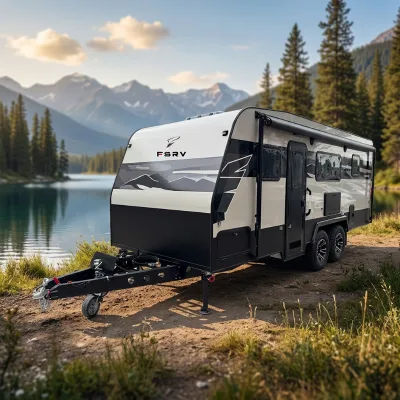
Hot Sale High - Appearance Towable RV Envlosed Travel Trailers caravan for Self - Driving Travel
$28000.00 - $36000.00
MOQ: 1 Minimum

Jinhua Better Trailer Manufacturing Co., Ltd.
- Manufacturer, Trading Company
- Zhejiang, China
- Lead time25 days
- Avg. response≤ 8h
Main productstrailer,tipping trailer,camper trailer,mobile cabin,trailer parts
Main marketsOceania(40.00%), Northern Europe(10.00%), Central America(10.00%), North America(10.00%), Southeast Asia(10.00%), Eastern Europe(10.00%), South America(10.00%)
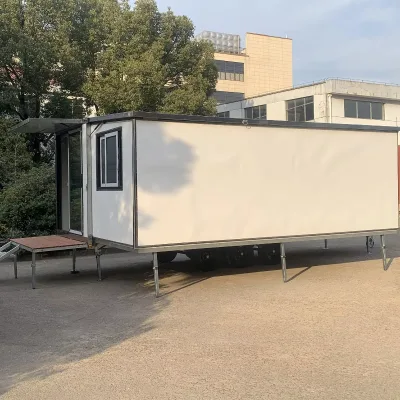
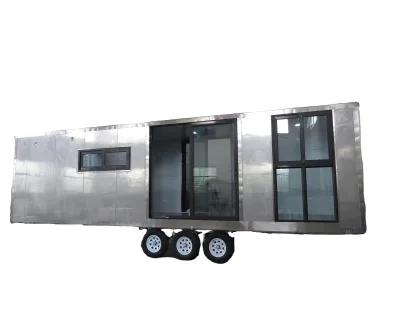
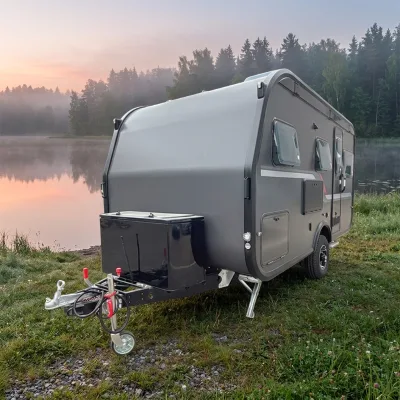
New Design Stainless Steel Towing Comfortable extra Movable Tiny Trailer House
$13365.7852 - $15422.0598
MOQ: 1 pieces

Jinhua Better Trailer Manufacturing Co., Ltd
- Verified by SGS
- Combined
- China Zhejiang
- Lead time30 days
- Avg. response≤ 5h
Main productsTipping Trailer, Box Trailer, Trailer House, Camper Trailer, Cage Trailer, Mobile Cabin, Car Trailer, Plant Trailer
Main marketsDomestic,Australia

Cangzhou Bohai New District Pulu Technology Co., Ltd.
- Verified by CTI
- Trading Company
- China Hebei
- Lead time60 days
- Avg. response≤ 13h
Main productsRV Trailer, Trailer, Caravan, Motorhome, Camper Trailer, Trailer Accessories, off Road Trailer, Camper Van, Pickup Truck Camper
Main marketsAfrica


Affordable Travel Trailer with Customization Options Available at Low Prices.
$7000.00 - $9000.00
MOQ: 1 Pieces


Factory Hot Sale Comfortable Self-Propelled Motorhome Camper Travel Trailer
$36800.00 - $39980.00
MOQ: 1 Pieces
Foshan Kindle Import&Export Co., Ltd.
- Verified by SGS Group
- Manufacturer, Trading Company
- Lead time30 days
- Avg. response≤ 6h
Main productsPontoon Boat, Truck Camper, Caravan, Fishing Boat, Utility Trailer
Main marketsNorth America(25%), Oceania(25%), Mid East(10%)
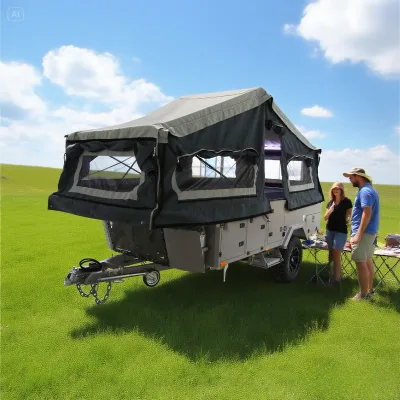
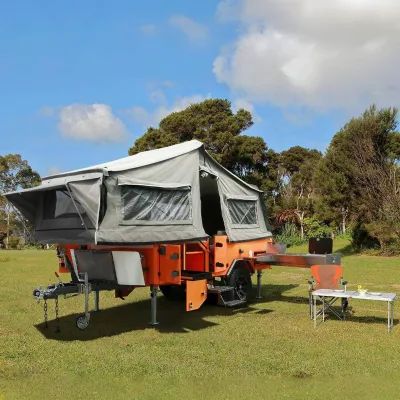
$7680.1142 - $8181.1967
MOQ: 2 units
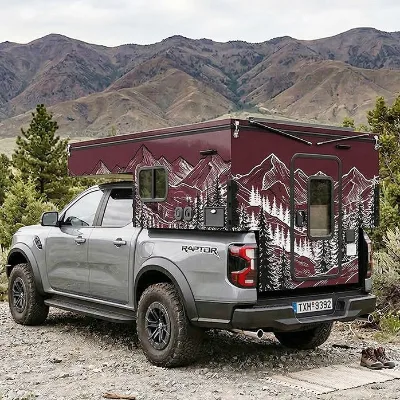
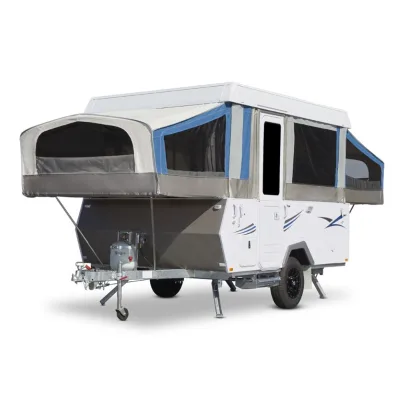
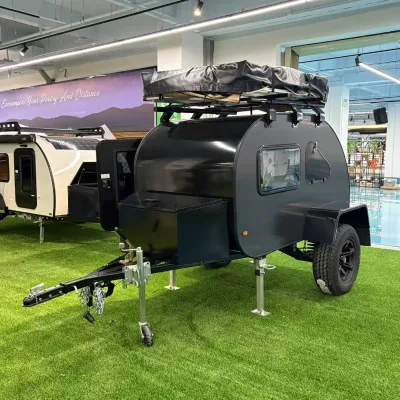
Off-Road Camper Trailer with Cozy Bed for Single or Couple Huge Capacity AU Standard
$4900.7085 - $5436.0802
MOQ: 2 units

Qingdao Haylite Machinery Co., Ltd.
- Verified by BV
- Combined
- China Shandong
- Lead time30 days
- Avg. response≤ 21h
Main productsTool Cabinet, Exhibition Tent, Tire Changer, Camper Trailer, Auto Lift, Livestock Product, Trailer, Container Loading Ramp, Iron Gate, Tire
Main marketsAustralia,North America
Henan Wecare Industry Co., Ltd.
- Manufacturer, Trading Company
- Lead time旺季: "1 - 10":15,"> 10":"To be negotiated", 淡季: "1 - 10":15,"> 10":"To be negotiated"
- Avg. response≤ 3h
Main productsTravel Trailer, Camper Trailer, Truck Camper, Portable Toilet Trailer, Container House
Foshan Kindle Technology Co., Ltd.
- Verified by SGS Group
- Manufacturer, Trading Company
- Lead time30 days
- Avg. response≤ 12h
Main productsAluminum Boat, Pontoon Boat, Truck Camper, Caravan, Camper Trailer
Main marketsOceania(30%), North America(12%), Western Europe(12%)
- Verified by TüVRheinland
- Manufacturer, Trading Company
- Lead time60 days
- Avg. response≤ 5h
Main productsCamper Trailer, Caravans, Truck Camper, Conversion Camper Van Kit, Teardrop Trailer
Main marketsNorth America(40%), Oceania(40%), South America(3%)
Guangdong Ecocampor Vehicle Co., Ltd.
- Manufacturer, Trading Company
- Lead time旺季: "1 - 2":31,"3 - 5":45,"> 5":"To be negotiated", 淡季: "1 - 2":31,"3 - 5":45,"> 5":"To be negotiated"
- Avg. response≤ 6h
Main productsCamper Trailer, Truck Camper, Caravan, Pontoon Boat, Aluminum Boat
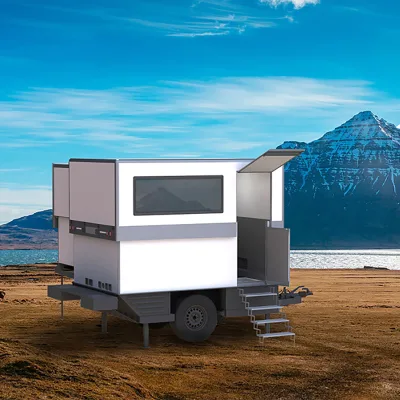
2025 Ecocampor Mini RV Expandable Camping BoxTeardrop Camper Trailer Caravan
$7176.3997 - $7196.9612
MOQ: 2 units
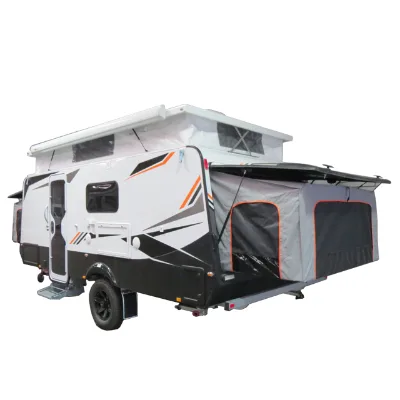
Australia Hot Style Pop Top Expandable Large SpaceCaravan Trailer With Camping Tent
$16909.5378 - $17428.2353
MOQ: 1 units
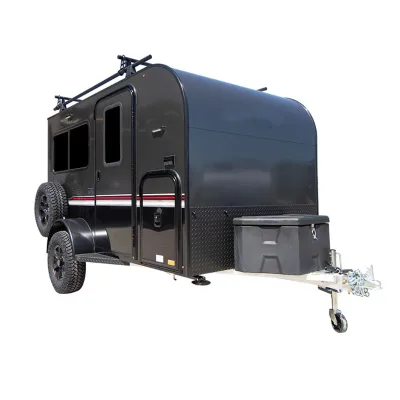
New Design Mini Family Toy Hauler Camper Trailer with Big Storage Australia 2021
$6983.1038 - $7034.8297
MOQ: 2 units
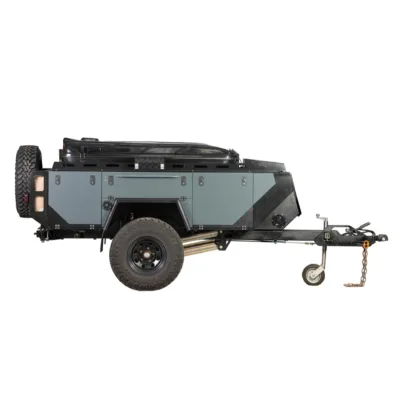
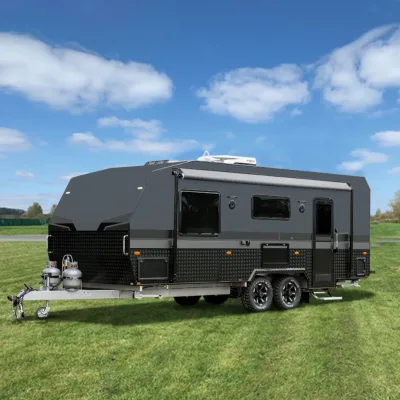
2021 New Fiberglass Mobile Caravans Camper Trailer With Shower and Toilet
$13546.05 - $17508.50
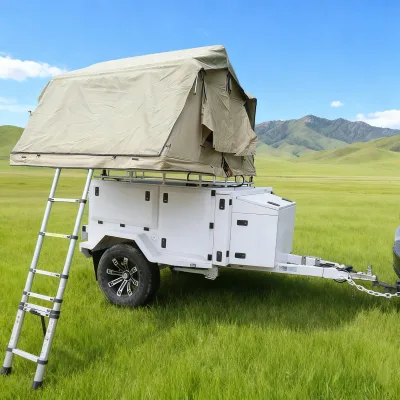

Shandong Sannyue Machinery Technology Co., Ltd.
- Combined
- China Shandong
- Lead time30 days
- Avg. response≤ 8h
Main productsTrailer, Car Trailer, Box Trailer, Boat Trailer, off Road Trailer, Camping Trailer
Main marketsEast Asia(Japan/ South Korea),Europe,Australia

Extended Version of The Cross-Country Mobile Camper Camping Trailer
$1080.00 - $2650.00
MOQ: 20 Pieces


Weihai Zihe Intelligent Equipment Corp.
- Verified by BV
- Combined
- China Shandong
- Lead time60 days
- Avg. response≤ 2h
Main productsCamping Tent Trailer Travel Trailers, off-Road/Special Vehicles Modification, Caravan/Yacht/Finishing Boat, Pickup Truck Accessories, Motorhome, Travel Trailer, Camping Tent, Pickup Canopy, Offroad Caravan, Camper Trailer
Main marketsAustralia,North America

Changzhou Yamar Equipment Co., Ltd.
- Trading Company,Manufacturer/Factory
- China Jiangsu
- Lead time45 days
- Avg. response≤ 17h
Main productsTrailer, Boat Trailer, Utility Trailer, Box Trailer, Plant Trailer, Motorcycle Trailer, Camper Trailer, ATV Trailer, Jet Ski Trailer, Roof Top Tent
Main marketsSouth America,Eastern Europe,Mid East,North America,Southeast Asia,Oceania,Western Europe,Africa
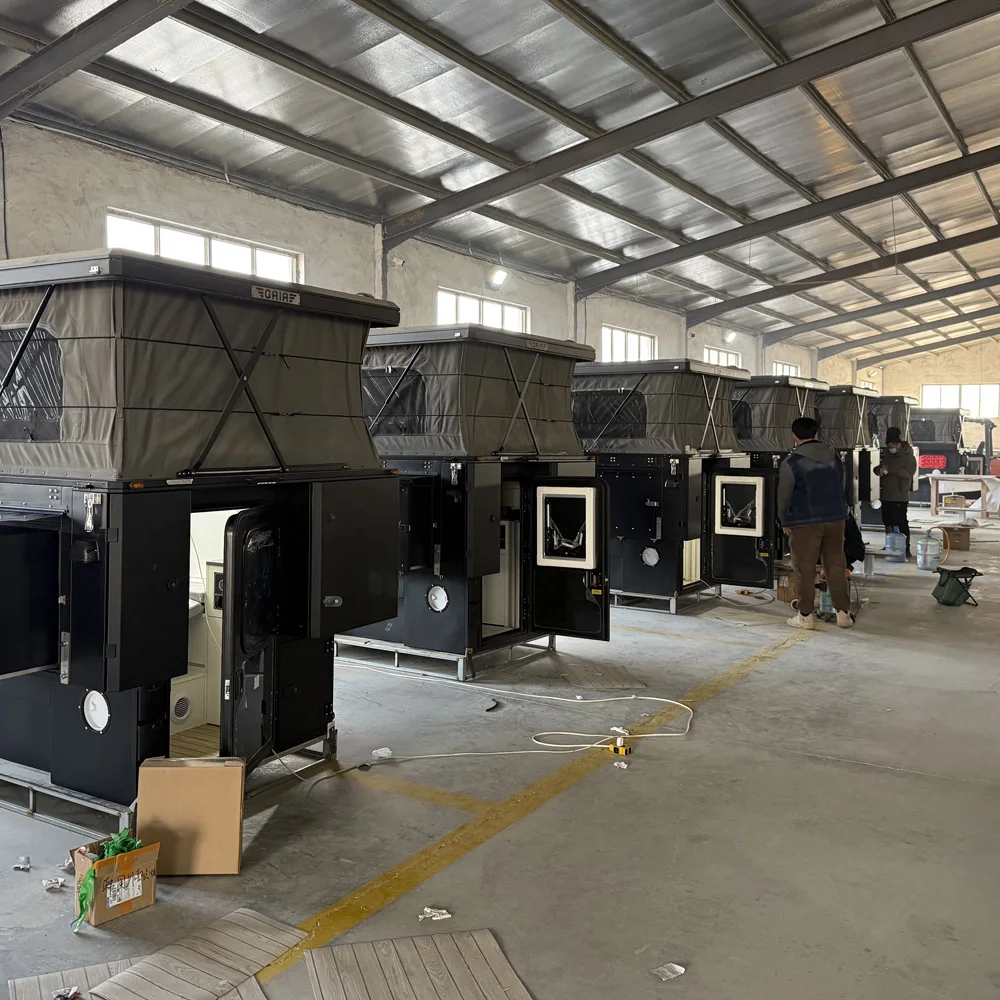
Qingdao BD Cloud Technology Co., Ltd.
- Manufacturer, Trading Company
- Shandong, China
- Lead time15 days
- Avg. response≤ 3h
Main productsSpace capsule, Camper Trailer, Container House, Pickup Truck, Cabin
Main marketsEastern Europe(30.00%), North America(25.00%), Southeast Asia(20.00%), Mid East(10.00%), Oceania(5.00%), Eastern Asia(5.00%), Northern Europe(5.00%)

$7340.0847 - $7546.8476
MOQ: 1 sets
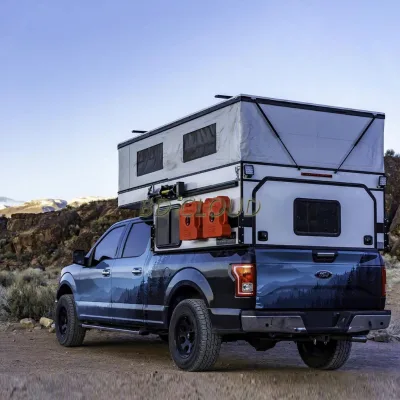
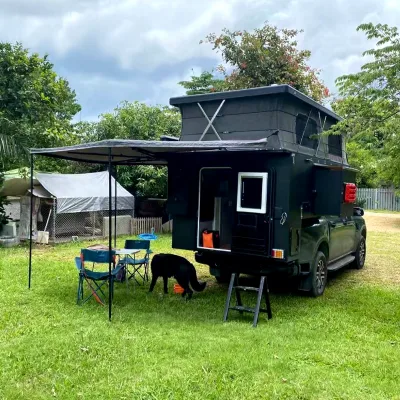
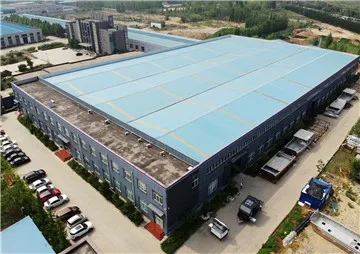
Shandong Allroad Outdoor Products Co., Ltd.
- Manufacturer, Trading Company
- Shandong, China
- Lead time45 days
- Avg. response≤ 9h
Main productsCaravan, Camper Trailer, Truck Camper, Teardrop Caravan
Main marketsOceania(40.00%), North America(20.00%), Mid East(15.00%), Western Europe(10.00%), Southern Europe(5.00%), Eastern Asia(5.00%), Eastern Europe(5.00%)
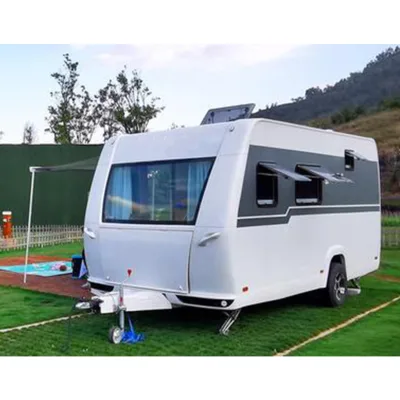
European-style Road Camper Trailer 16FT
$14900.00 - $16500.00
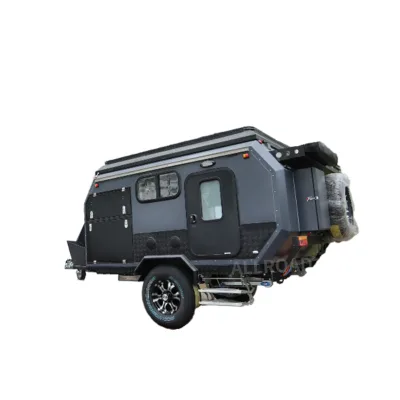
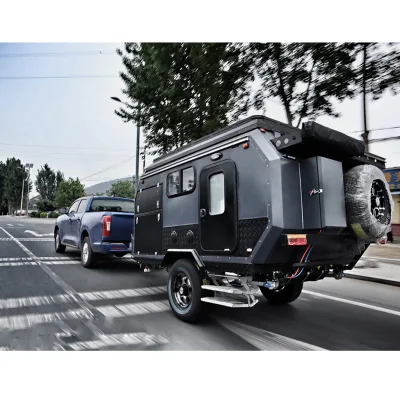
$11680.00 - $12630.00
MOQ: 3 units

Henan Camp Industrial Co., Ltd.
- Verified by BV
- Combined
- China Henan
- Lead time30 days
- Avg. response≤ 3h
Main productsFood Trailer, Golf Cart, Caravans, EV Car, Food Truck, Food Cart, Electric Car, Container House, ATV, UTV
Main marketsSouth America,Africa,Southeast Asia/ Mideast,East Asia(Japan/ South Korea),Europe,Australia,North America

Caravan Trailer Camper Tent Trailer Camper Offroad Camping Travel Trailer
$9650.00 - $13500.00
MOQ: 1 Pieces

New Arrival Travel Trailers Caravan Camper Trailer Caravan Camper Trailer for Outdoor Camping
$9980.00 - $12800.00
MOQ: 1 Pieces

New Arrival Travel Trailers Caravan Camper Trailer Caravan Camper Trailer for Outdoor Camping
$9980.00 - $12800.00
MOQ: 1 Pieces

Camper Trailer Manufacturers Travel Camper Trailers for Sale Campers Motorhomes Caravans
$9580.00 - $13800.00
MOQ: 1 Pieces
Changchun Walter Storage Equipment Co., Ltd.
- Verified by Intertek
- Trading Company
- Lead time15 days
- Avg. response≤ 2h
Main productsTool Cabinet, Tool Cart, Racking, Plastic Box, Container House

Shandong Kyushu Automotive Technology Co, Ltd.
- Verified by SGS
- Manufacturer/Factory,Other
- China Shandong
- Lead time23 days
- Avg. response≤ 3h
Main productsCaravan/Camper/RV/Motorhome, Trailer, Trailer Axle, Brake Shoes, Brake Drum, Trailer Jack, Ratchet Strap, Leaf Spring, Ball Mount Coupler, Slack Adjuster
Main marketsSouth America,Eastern Europe,Mid East,North America,Southeast Asia,Eastern Asia,Oceania,Western Europe,Africa

Portable Camper Trailer with Integrated Sink and Storage Compartments
$3200.00 - $4500.00
MOQ: 1 Pieces

Guangdong Ecocampor Vehicle Co., Ltd.
- Verified by SGS Group
- Manufacturer, Trading Company
- Lead time30 days
- Avg. response≤ 10h
Main productsCaravans, Pontoon Boat, Aluminum Boat, Camping Trailer, Travel Trailer
Main marketsOceania(30%), North America(25%), Mid East(10%)

Foshan Kindle Technology Co., Ltd.
- Verified by BV
- Combined
- China Guangdong
- Lead time60 days
- Avg. response≤ 18h
Main productsTruck Camper, Aluminum Boat, Caravan, off Road Trailer, Pontoon Boat, Speed Boat, Bass Boat, Jon Boat, Jet Boat, Yacht
Main marketsEurope,Australia,North America

Rongcheng Hengli Auto Industry Co., Ltd.
- Manufacturer, Trading Company
- Shandong, China
- Lead time25 days
- Avg. response≤ 10h
Main productsCamper Trailer,Tent Trailer,Motorcycle Trailer,Trailer Parts,Electric Vehicle
Main marketsOceania(60.00%), Western Europe(3.00%), Mid East(2.00%), Domestic Market(1.00%), Eastern Asia(1.00%)
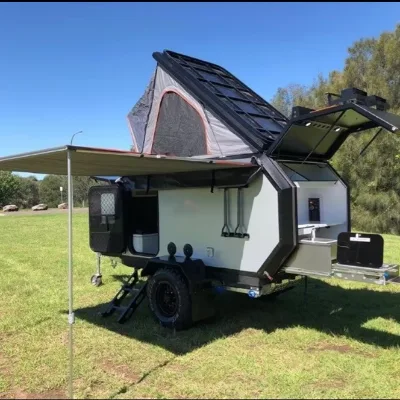
Two Person Camper for Brazil Travel
$7300.00 - $7800.00
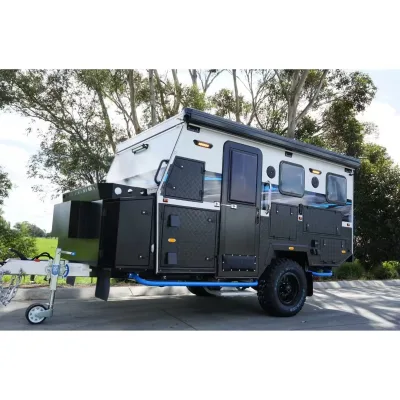
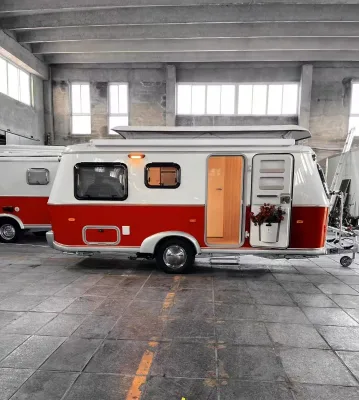
11FT Off-road Trailer Travel Trailer with Sliding Kitchen
$14300.00 - $14900.00
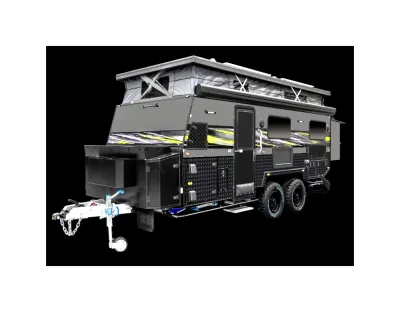
15FT caravan Small Model off Road Popup Caravans
$18000.00 - $18900.00
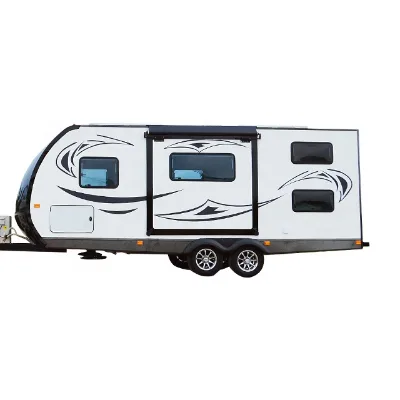
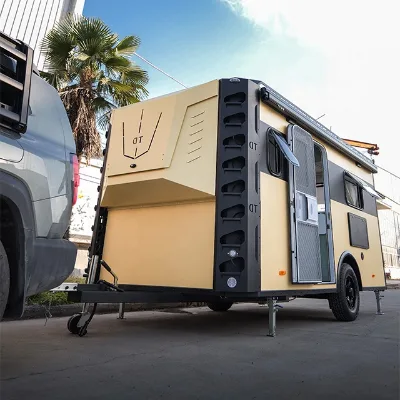
A Pop-up Rooftop caravan with Storage Space and an Outdoor Kitchen
$21000.00 - $22000.00

Shandong Herui Mechanical Equipment Co., Ltd.
- Verified by SGS
- Trading Company,Manufacturer/Factory
- China Shandong
- Lead time30 days
- Avg. response≤ 4h
Main productsHorse Trailer, Aluminum Storage Box, Toolbox, Aluminum Box, Aluminum Tool Box, Rooftop Tent, Aluminum Ute Canopy, Ute Canopy, Aluminum Project Box, Aluminum Enclosure
Main marketsMid East,Southeast Asia,Oceania,Africa




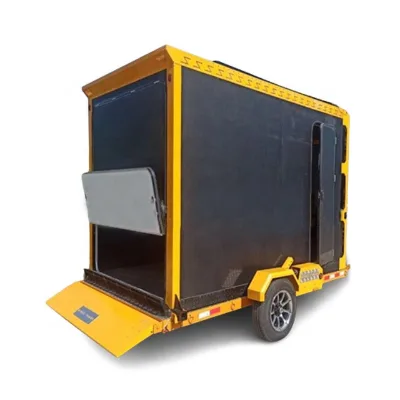
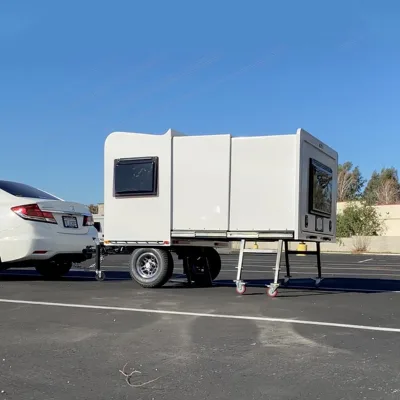
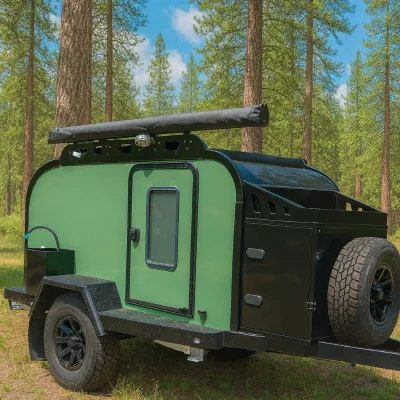


Comprehensive Sourcing Guide
Expandable Towable Travel Trailer Supplier Concentration and Factory Types
The current supplier landscape for expandable towable travel trailers reveals a distinct concentration of manufacturing and trading entities within specific Chinese provinces, primarily Jilin and Shandong. These regions serve as the primary hubs for producing these specialized vehicles, offering buyers a centralized location to evaluate multiple vendors simultaneously. In Jilin, suppliers often operate as trading companies, which may indicate a focus on aggregating products from various local factories rather than direct manufacturing. This structure can provide buyers with a broader selection of models, including electric scooters and other vehicles, but requires careful verification of the actual production source. Conversely, Shandong-based suppliers exhibit a mix of manufacturer and trading company profiles, suggesting a more direct access to production lines for certain items. The presence of both types in these regions allows for a diverse range of sourcing strategies, from bulk procurement through established traders to direct factory negotiations for customized units.
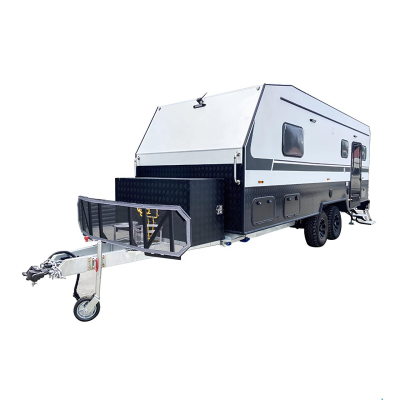
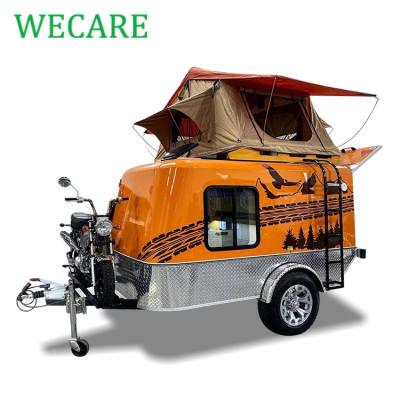
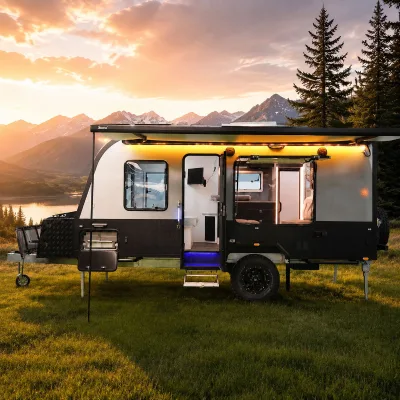
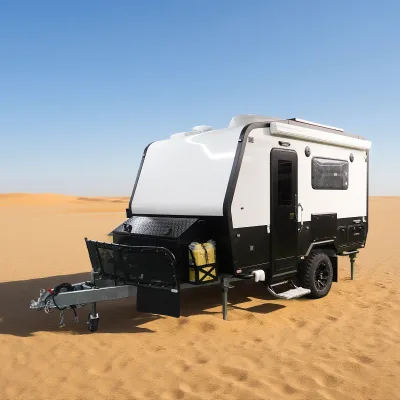
Product evidence indicates that these suppliers offer a variety of trailer configurations, ranging from basic camping units to high-end expandable caravans with specialized features like slide-out kitchens and independent suspension systems. The materials used, such as automobile-specific 700L special steel or full aluminum bodies, highlight the technical capabilities available within these clusters. Buyers should note that while some suppliers list main products like cremators or funeral supplies, their inclusion in trailer search results suggests a diversified manufacturing portfolio or a broad trading inventory. This diversity can be advantageous for buyers seeking a single point of contact for multiple vehicle types, but it also necessitates a thorough review of each supplier’s specific expertise in travel trailers. Understanding the factory type is crucial for determining the level of customization possible and the reliability of the supply chain, as trading companies may have different lead times and quality control processes compared to direct manufacturers.
How to Verify Expandable Towable Travel Trailer Suppliers
Verifying the legitimacy and capability of suppliers requires a multi-layered approach that goes beyond simple profile reviews. Buyers should prioritize suppliers with demonstrated response times, as quick communication often correlates with operational efficiency and customer service quality. For instance, some suppliers in the current results show response times of one to four hours, which is a positive indicator for timely negotiations and issue resolution. Additionally, examining the detailed product attributes provided, such as chassis types, tire specifications, and suspension systems, can reveal the depth of technical knowledge a supplier possesses. A supplier that accurately lists specifications like hot-dipped galvanized chassis or specific tire sizes like 265/75R16 is likely more engaged in the technical aspects of trailer manufacturing than one providing vague descriptions. Buyers should also look for evidence of compliance with regional standards, such as Australian Standards, which indicates a commitment to quality and international market requirements.
Another critical verification step involves assessing the supplier’s product range and consistency. Suppliers that offer a coherent range of travel trailers, from lightweight camping units to heavy-duty expandable caravans, demonstrate a stable production capability. Buyers should request detailed specifications for the exact models they are interested in, including dimensions, weight, and material composition, to ensure they match their operational needs. It is also advisable to verify the supplier’s business type, distinguishing between pure trading companies and those with manufacturing capabilities, as this affects pricing and customization options. For suppliers claiming to be manufacturers, buyers may request factory audits or video tours to confirm production facilities. Furthermore, checking for any available certifications or test results, although not explicitly listed in all current results, remains a vital step in ensuring product safety and durability. By combining these verification methods, buyers can build a reliable shortlist of suppliers who are both capable and trustworthy.
What to Compare Across Expandable Towable Travel Trailer Suppliers
When evaluating multiple suppliers, buyers must compare key operational metrics to determine the best fit for their procurement strategy. Lead time is a critical factor, with current data showing variations ranging from 15 to 65 days. Suppliers with shorter lead times, such as those offering 15-day production cycles, may be preferable for buyers with urgent delivery requirements, while those with longer lead times might offer more competitive pricing or greater customization options. Minimum Order Quantity (MOQ) is another essential comparison point, with some suppliers requiring only one unit, making them suitable for small-scale buyers or those testing the market. In contrast, others may have higher MOQs, which could be more cost-effective for bulk purchases. Buyers should also compare pricing structures, noting that prices can vary significantly based on features, materials, and order volume. For example, basic camping trailers may start at lower price points, while high-end expandable units with advanced features command higher prices.
Beyond operational metrics, buyers should compare the specific features and customization options offered by each supplier. Some suppliers provide customizable sizes, colors, and payloads, allowing for tailored solutions that meet specific customer demands. Others may offer standard models with fixed specifications, which can simplify the ordering process but limit flexibility. The inclusion of features like slide-out kitchens, front storage boxes, and independent suspension systems should be evaluated based on the target market’s preferences. Additionally, buyers should compare the supplier’s main product focus, as those specializing in travel trailers may offer better expertise and support than those with diversified portfolios. Response time is also a key differentiator, with faster responses indicating a more responsive and customer-centric approach. By systematically comparing these factors, buyers can identify suppliers that offer the best balance of cost, quality, and service for their specific needs.
Common Expandable Towable Travel Trailer Sourcing Risks
Sourcing expandable towable travel trailers involves several inherent risks that buyers must proactively manage to ensure a successful procurement process. One significant risk is the discrepancy between advertised specifications and actual product quality. Suppliers may list impressive features, such as full aluminum bodies or advanced suspension systems, but the actual materials and construction may not meet these claims. Buyers should mitigate this risk by requesting detailed technical documentation and, if possible, third-party inspection reports before placing orders. Another risk is the variability in lead times, which can impact supply chain planning and customer satisfaction. Suppliers may promise short lead times but fail to deliver on schedule due to production bottlenecks or material shortages. To address this, buyers should establish clear communication channels and regular updates on production status.
Additionally, buyers face the risk of inadequate after-sales support and warranty claims. Travel trailers are complex vehicles that may require maintenance and repairs, and suppliers with poor support structures can leave buyers stranded with defective products. Buyers should verify the supplier’s warranty policies and after-sales service capabilities before committing to a purchase. There is also the risk of non-compliance with international standards and regulations, particularly when exporting to markets with strict safety and environmental requirements. Suppliers may claim compliance with standards like Australian Standards, but buyers must verify this independently to avoid legal and safety issues. Finally, the risk of currency fluctuations and shipping cost increases can impact the final landed cost of the trailers. Buyers should consider these financial risks and include contingency plans in their procurement strategy to protect their margins and ensure project viability.
Expandable Towable Travel Trailer Regional Sourcing and Logistics
Regional sourcing plays a crucial role in determining the logistics and cost structure of Expandable Towable Travel Trailer procurement. Suppliers located in Jilin and Shandong, China, offer distinct logistical advantages based on their proximity to major ports and transportation networks. Buyers should consider the shipping routes and transit times from these regions to their destination markets, as these factors can significantly impact delivery schedules and costs. For instance, suppliers in Shandong may have easier access to coastal ports, facilitating faster and more cost-effective sea freight options. In contrast, suppliers in Jilin might rely more on rail or overland transport, which could be suitable for landlocked destinations but may involve longer transit times. Understanding these regional logistics nuances allows buyers to optimize their supply chain and reduce overall procurement costs.
Furthermore, buyers must account for the specific handling requirements of travel trailers during transportation. These vehicles are large and bulky, requiring specialized loading and unloading equipment at both the origin and destination ports. Buyers should coordinate with freight forwarders to ensure that the trailers are properly secured and protected during transit to prevent damage. Additionally, customs clearance procedures can vary by region and may require specific documentation, such as certificates of origin and compliance certificates. Buyers should work closely with their suppliers to ensure that all necessary documentation is prepared accurately and promptly to avoid delays at customs. By carefully planning the logistics and handling aspects of their procurement, buyers can minimize risks and ensure a smooth delivery process for their expandable towable travel trailers.
Expandable Towable Travel Trailer Commercial Terms and Order Planning
Effective order planning and negotiation of commercial terms are essential for securing favorable deals on expandable towable travel trailers. Buyers should focus on negotiating payment terms that align with their cash flow needs, such as using escrow services to protect their funds until the goods are received and inspected. This approach minimizes financial risk and ensures that suppliers are motivated to deliver high-quality products on time. Additionally, buyers should clarify the Incoterms for each order, determining whether they are responsible for shipping, insurance, and customs clearance or if the supplier handles these aspects. Clear communication of these terms helps avoid unexpected costs and disputes during the transaction. Buyers should also discuss warranty periods and after-sales support obligations in the contract, ensuring that both parties have a clear understanding of their responsibilities.
Moreover, buyers should plan for potential volume discounts and long-term partnership opportunities. Suppliers may offer reduced prices for larger orders or repeat business, which can significantly lower the unit cost over time. By establishing a strong relationship with a reliable supplier, buyers can gain access to better pricing, priority production slots, and enhanced customer support. It is also advisable to include clauses in the contract that address quality control standards and rejection procedures, providing a clear path for resolving any issues that may arise. By carefully planning their commercial terms and order strategy, buyers can maximize the value of their procurement efforts and build a sustainable supply chain for expandable towable travel trailers. This proactive approach ensures that buyers are well-positioned to meet market demands while maintaining profitability and operational efficiency.
FAQs
What sizes do expandable towable travel trailers typically come in?
Expandable towable travel trailers commonly range from compact models around 6,880 mm long to larger units near 7,400 and 7,800 mm. Widths near 2,280 mm and heights around 2,800 mm are typical, and many suppliers list customizable dimensions. Confirm the exact exterior size, cabin size, and towing weight before ordering, since specifications vary between listings.
What is the minimum order quantity for expandable towable travel trailers?
The minimum order quantity is commonly one unit for these trailers, with several listings explicitly stating an MOQ of one. This lets buyers test a sample before committing to larger volumes. Always confirm the MOQ in writing, because it can differ by model, customization level, and whether you order a standard or fully customized configuration.
How long does production and delivery usually take?
Lead times reported across current supplier results range from roughly 15 days to about 65 days. The wide range reflects differences in customization, order size, and shipping method. Ask each supplier for a written production schedule plus sea freight time to your port, and confirm whether the quoted lead time starts from deposit payment or order confirmation.
Which materials and chassis features should I check before buying?
Look for automobile-specific special steel or full aluminum body construction, plus a hot dipped galvanized chassis for corrosion resistance. Independent suspension systems and dual-axle setups with appropriate tire sizes improve towing stability. Also verify the max payload, gross weight, and whether slide-out kitchens, front storage boxes, or expandable bed sections match your intended camping use.
Can these trailers be customized in size, color, and layout?
Yes, many listings advertise customizable total size, customized color options, and configurable payloads. Some models also offer expandable sections with toilets, slide-out kitchens, or sleeping areas for around four people. Request detailed drawings and a written specification sheet before paying a deposit, and confirm which customization options affect the quoted price and production lead time.
What price range should I expect for these trailers?
Listed prices in current results span from about 2,500 to over 32,000 dollars per unit depending on size, materials, and features. Simpler lightweight towing trailers sit at the lower end, while full aluminum offroad caravans command higher prices. Treat listed prices as reference points only, and request quotations based on your exact configuration and destination port.
Where are most of these trailers manufactured?
The supplier results on this page are concentrated in China, with manufacturers and trading companies located in Shandong and Jilin provinces. Shandong suppliers list camping and towing trailers, while the Jilin trading company offers larger expandable caravan models. Verify each company's registration, export experience, and after-sales support directly, since company type and product focus differ.
How quickly do suppliers usually respond to inquiries?
Response times among the listed suppliers range from about one to four hours, which is fast enough to compare several quotes in a single day. Send a detailed inquiry covering size, chassis material, features, destination port, and target quantity so replies include comparable quotations. Faster response often indicates an active export team, but always verify quoted terms in writing.