Mirror Silver Forged Alloy Wheel Suppliers and Manufacturers
Explore 25 verified suppliers offering mirror silver forged alloy wheels with customizable sizes, ISO and DOT certifications, and lead times ranging from 23 to 45 days. Compare response times, MOQs, and pricing to source the right fit for your needs.
Updated
Suppliers List
Shaoxing Shangyu Ouya Trade Co., Ltd.
- Verified by SGS
- Trading Company
- China Zhejiang
- Lead time23 days
- Avg. response≤ 5h
Main productsCar Wheel, Steel Wheel, Alloy Wheel, Wheel, Car Rim, Rims, Wheel Rims, Forged Wheel, Flow Formed Wheel
Main marketsSouth America,Africa,Europe,Australia,North America

Silver Alloy Wheels Aluminium Alloy Car Wheel Rim Aftermarket Forged Wheel
$35.00 - $88.00
MOQ: 1 Pieces


Brushed Silver Customized Forged 5X112 5X120 Wheel Rims Alloy Passenger Car Wheels
$40.00 - $70.00
MOQ: 1 Pieces


- Trading Company,Manufacturer/Factory
- China Zhejiang
- Lead time45 days
- Avg. response≤ 14h
Main productsPassenger Car Steel Wheels, Offroad Alloy Wheel, Trailer Steel Wheel, Military Wheel, Trailer Alloy Wheel, Tire Assembly Service, Replica OEM Alloy Wheel, Wheel Lug Nut, Offroad Steel Wheel, Wheel Accessories
Main marketsSouth America,Eastern Europe,Mid East,North America,Southeast Asia,Eastern Asia,Oceania,Africa
Dongguan Manka Technology Co., Ltd.
- Verified by TüVRheinland
- Manufacturer, Trading Company
- Lead time25 days
- Avg. response≤ 2h
Main productsForegd Wheel, 2 Piece Forged Wheel, 3 Piece Forged Wheel, Rim Halves, Weldeing Wheel
Main marketsEastern Europe(40%), North America(30%), Oceania(10%)

Wuxi Susha Auto Parts Co., Ltd.
- Manufacturer/Factory
- China Jiangsu
- Lead time0 days
- Avg. response≤ 6h
Main productsForged Wheel, Car Wheel, Alloy Wheel, Aluminum Alloy Wheel, Wheel Rim, Aluminum Rim, Aluminum Wheel, Auto Wheel Rim, Wheel


Polished Lip Brushed Silver Centers Rims Aluminum Alloy 3 Piece Forged Wheels
$552.00 - $1325.00
MOQ: 4 piece


Wuxi Sty International Co., Ltd.
- Verified by SGS
- Trading Company
- China Jiangsu
- Lead time15 days
- Avg. response≤ 4h
Main marketsSoutheast Asia/ Mideast,Europe,Australia

Xiangyang Hengde Auto Parts Co., Ltd
- Verified by TUVRHEINLAND
- Combined
- China Hubei
- Lead time30 days
- Avg. response≤ 1h
Main productsAluminium Alloy Wheel, Alloy Wheel, Casting Wheel, Forged Wheel, off-Road Wheel, Flow Forming Wheel, Alloy Car Wheel Rim, Wheel Hub, Alloy Rim, Custom Wheel
Main marketsSouth America,Africa,Southeast Asia/ Mideast,East Asia(Japan/ South Korea),Domestic,Europe,Australia,North America

$190.00 - $250.00
MOQ: 4 Pieces

Custom Auto Parts Wheelwholesale Forged Alloy Wheels Auto Alloy Wheel Rim Car Accessories Wheel
$45.00 - $110.00
MOQ: 4 Pieces

18 Inch 5X112/5X114.3 Brushed Silver Multi-Spoke 1-Piece Forged Alloy Wheels
$199.00 - $262.00
MOQ: 4 Pieces


18 Inch 5X100/5X114.3 Brushed Silver Deep Lip 2-Pieces Forged Alloy Wheels
$419.00 - $459.00
MOQ: 4 Pieces
Qhd Light Wheel Trading Co., Ltd.
- Trading Company
- Hebei, China
- Lead time0 days
- Avg. response≤ 4h
Main productsForged wheel,Car accessories,Truck wheel,motorcycle wheel,car wheel
Main marketsNorth America(55.00%), Western Europe(5.00%), Eastern Asia(5.00%), Mid East(5.00%), Oceania(5.00%), Southern Europe(5.00%), Eastern Europe(5.00%), Northern Europe(5.00%), Domestic Market(2.00%), South Asia(2.00%), Southeast Asia(2.00%), South America(2.00%), Central America(2.00%)
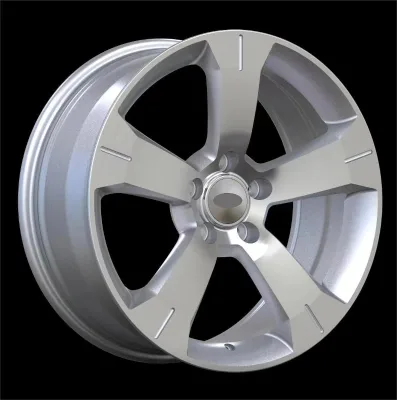
$174.6638 - $179.8019
MOQ: 4 pieces
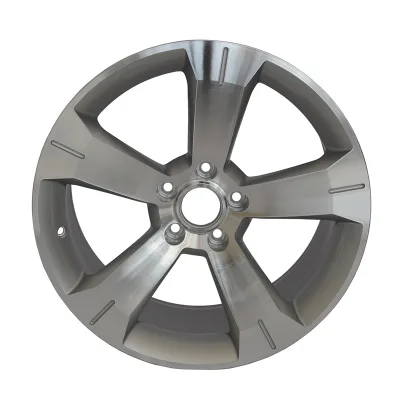
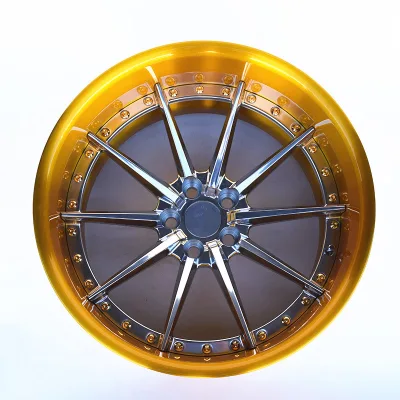
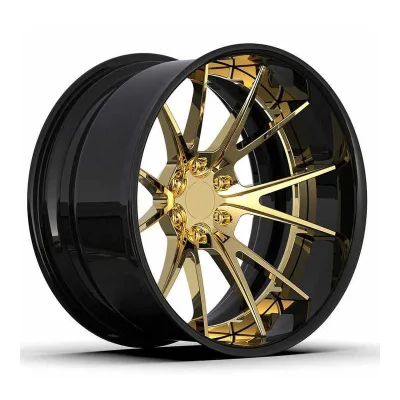
2 Piece Forging Rims 19 Inch Brushed Golden Wheels Produced for Sales with Golden Painting
$513.7166 - $529.1296
MOQ: 4 pieces
Hangzhou Chengwai Import And Export Co., Ltd.
- Trading Company
- Zhejiang, China
- Lead time25 days
- Avg. response≤ 4h
Main productsForged wheel,casting wheel,Rims
Main marketsNorth America(70.00%), South America(10.00%), Central America(10.00%), Northern Europe(10.00%)

Ningbo Baotong Wheel Industry Co., Ltd
- Verified by CTI
- Combined
- China Zhejiang
- Lead time45 days
- Avg. response≤ 8h
Main productsForged Alumminium Alloy Wheels, Aluminum Alloy Wheel, Anotehr Aluminum Auto Parts, Aluminum Center Caps of Wheel, Bolts & Nuts, Steering Wheel, Casted Wheel, off-Road Wheel
Main marketsEast Asia(Japan/ South Korea),Domestic,Europe,North America
Shuyang Hongcheng Yechang Trade Co., Ltd.
- Verified by Intertek
- Trading Company
- Jiangsu, China
- Lead time45 days
- Avg. response≤ 2h
Main productsAluminium Alloy Wheels
Main marketsNorth America(50%), Western Europe(30%), South America(20%)
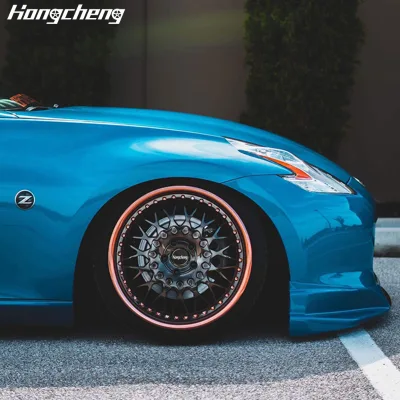
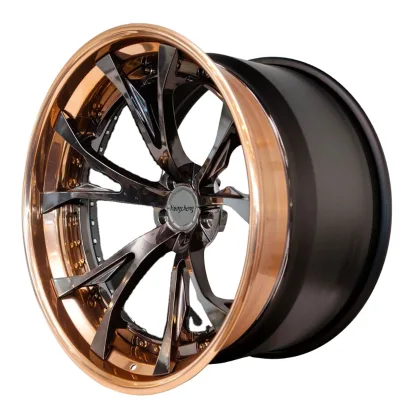
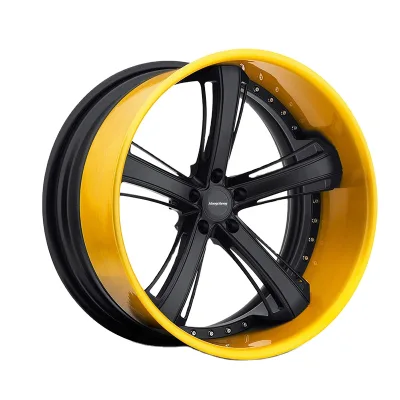
Fashionable Design With Multiple Silver Luxury Concave Alloy Forged Wheels for Car Upgrades
$389.8905
MOQ: 4 Minimum

NINGBO KINTOP AUTOPARTS CO., LTD.
- Verified by BV
- Trading Company
- China Zhejiang
- Lead time60 days
- Avg. response≤ 10h
Main productsAlloy Wheel, Steel Wheel, Wheel Nut, Tyre Valve, Balance Weight, Wheel Adapter, Tire, Truck Wheel, Rim, Trailer Wheel
Main marketsSoutheast Asia/ Mideast

Shaoxing Shangyu Ouya Trade Co., Ltd.
- Verified by CTI
- Trading Company,Manufacturer/Factory
- China Zhejiang
- Lead time45 days
- Avg. response≤ 6h
Main productsCar Wheel, Alloy Wheel, Car Alloy Wheel, Rim, Car Rim, Forged Wheel, Cast Wheel, Auto Parts, 4*4 SUV Offroad, Wheel Hub
Main marketsSouth America,Eastern Europe,Mid East,North America,Southeast Asia,Eastern Asia,Western Europe,Africa
Jiangsu Enzhiwei Automobile Technology Co., Ltd.
- Verified by TüVRheinland
- Manufacturer, Trading Company
- Jiangsu, China
- Lead time20 days
- Avg. response≤ 2h
Main productsForged Wheels, Carbon Fiber Wheels, Casting Wheels, Flow Forming Wheels, Wire Wheels
Main marketsNorth America(70%), Southeast Asia(10%), Mid East(10%)
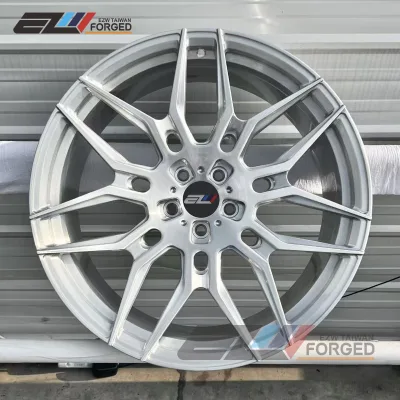
15/16/17/18/19/20 Inch 5x120 Silver Finish Car Wheels 5 Holes Racing Alloy Wheel Forged Wheels
$205.205 - $584.8357
MOQ: 100 Minimum
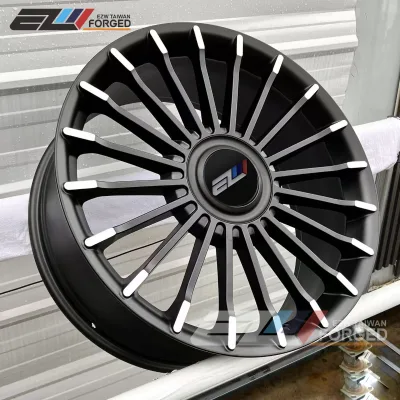
$195.2134 - $328.7795
MOQ: 100 Minimum
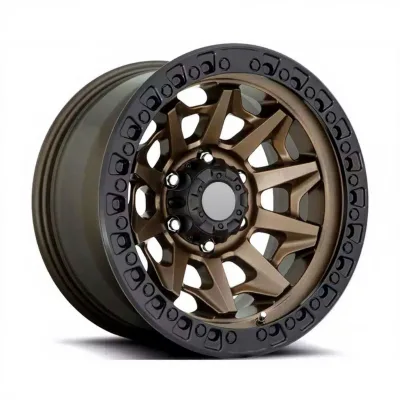
Custom Forged Alloy Luxury Off-road Wheels Bronze with Black Lip 17 18 20 21 Inch 4x4 Alloy Wheels
$194.1483 - $326.9864
MOQ: 100 Minimum
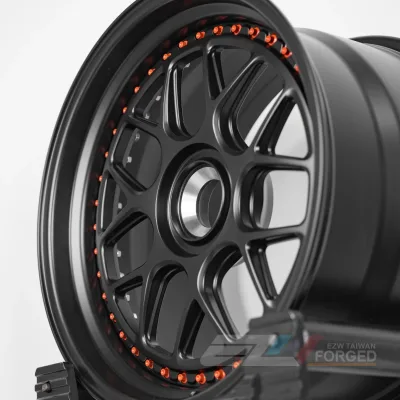
$235.0212 - $467.9992
MOQ: 4 pieces
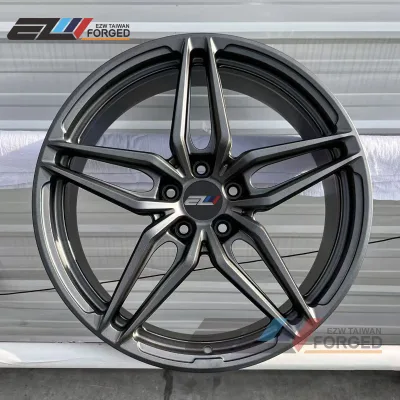
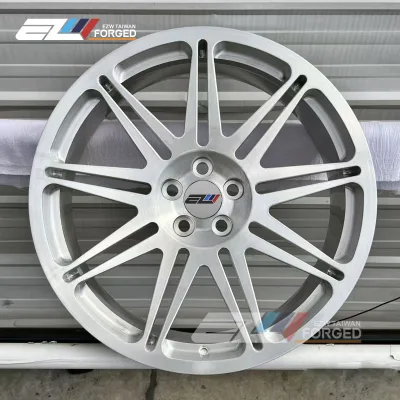
$196.6994 - $331.2812
MOQ: 100 Minimum
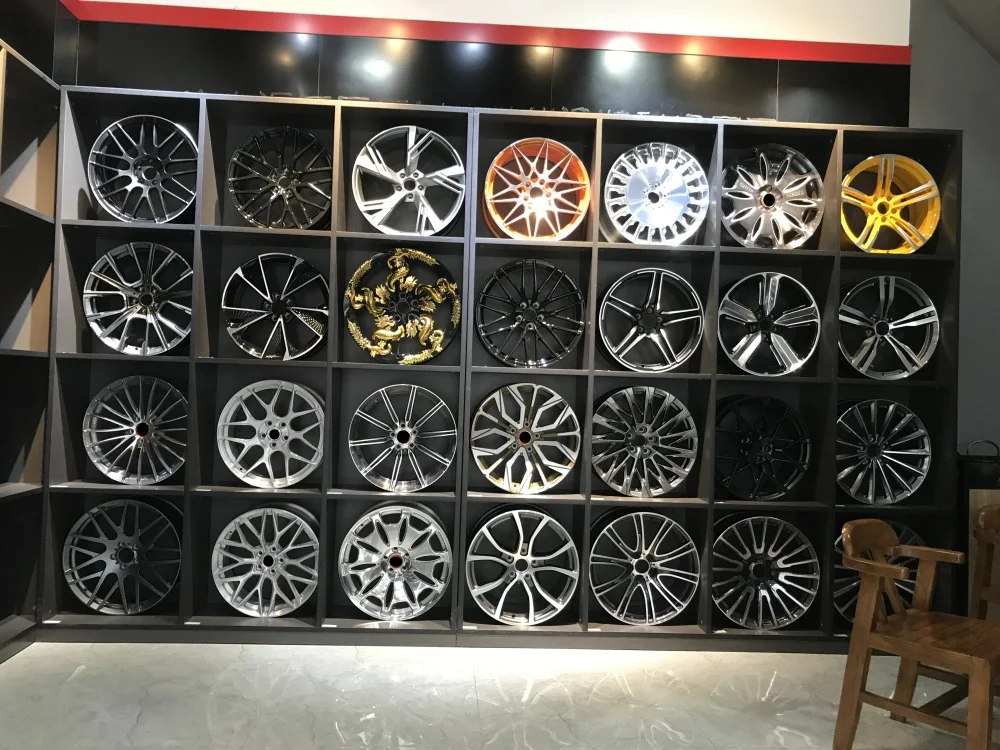
Chengdu Duanjijiang Automotive Parts Co., Ltd.
- Trading Company
- Sichuan, China
- Lead time30 days
- Avg. response≤ 1h
Main productsForged wheel hub,Personalized customized wheel hub,Auto Parts,auto parts,Automotive decorative products
Main marketsNorth America(40.00%), Southeast Asia(20.00%), Eastern Asia(10.00%), Mid East(10.00%), South Asia(5.00%), Eastern Europe(5.00%), Northern Europe(5.00%), South America(2.00%), Central America(1.00%), Africa(1.00%)
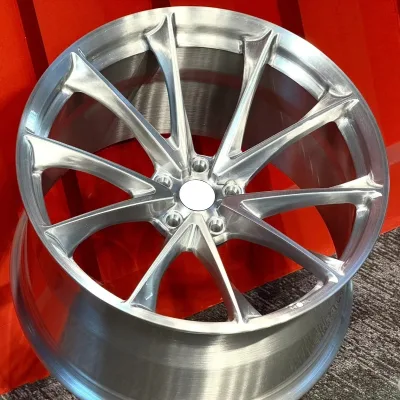
$207.3352 - $269.5366
MOQ: 4 pieces
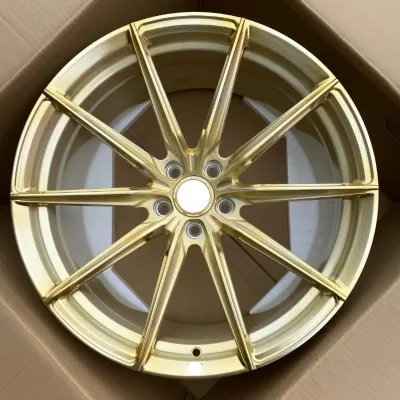
$207.3352 - $269.5366
MOQ: 4 pieces
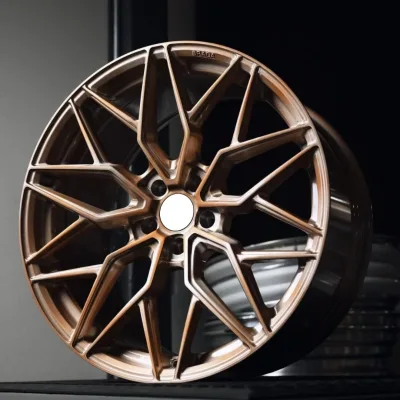
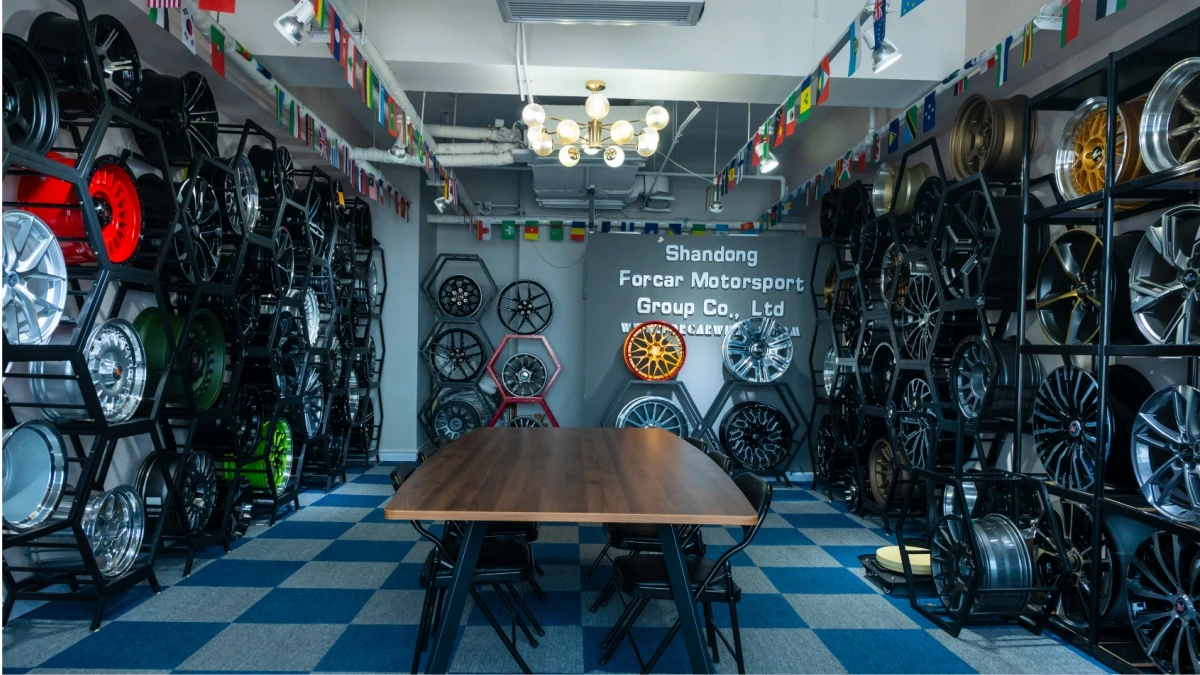
Qingdao Forcar Wheels Co., Ltd.
- Manufacturer, Trading Company
- Shandong, China
- Lead time20 days
- Avg. response≤ 3h
Main productsALLOY WHEELS,WHEEL RIMS,FLOW FORMING WHEELS,FORGED WHEELS,ALUMINUM WHEELS
Main marketsSouth America(30.00%), North America(20.00%), Mid East(15.00%), Northern Europe(10.00%), Southern Europe(5.00%), Oceania(5.00%), Central America(5.00%), Western Europe(5.00%), Eastern Europe(5.00%)
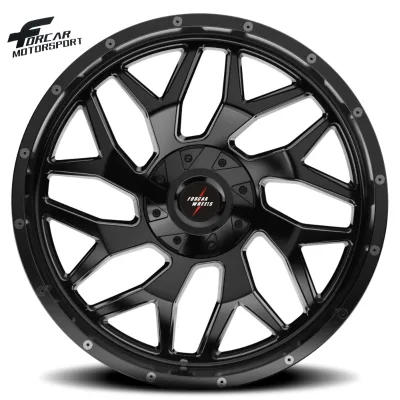
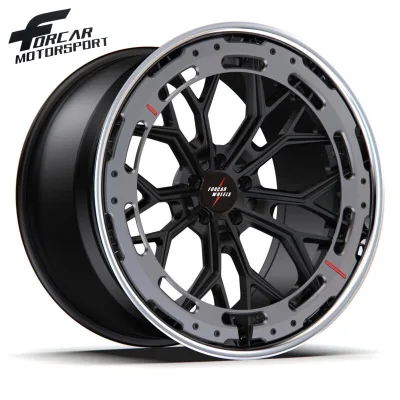
Classic Aluminum 2-Piece Forged Hot Selling Perpared 18-24inch Alloy Wheels Rims Wheel
$360.00 - $590.00
MOQ: 4

Shandong Luyang Auto Parts Co.,Ltd
- Verified by TUVRHEINLAND
- Trading Company,Manufacturer/Factory
- China Shandong
- Lead time15 days
- Avg. response≤ 10h
Main productsTruck Wheel, Wheel, Truck Rim, Disc, Car Wheel, Engineering Wheel, Farm Wheel, Trailer, Car Auto Parts, Truck Car
Main marketsSouth America,Mid East,North America,Eastern Asia
Jiangxi Jichi Import And Export Co., Ltd.
- Trading Company
- Lead time旺季: "1 - 4":20,"> 4":"To be negotiated", 淡季: "1 - 4":20,"> 4":"To be negotiated"
- Avg. response≤ 3h
Main productsExhaust System,Exhaust Pipe

Taizhou Lixin industry Co., Ltd
- Verified by SGS
- Trading Company,Manufacturer/Factory
- China Zhejiang
- Lead time45 days
- Avg. response≤ 1h
Main productsAlloy Wheels for Automobile, Stator and Rotor for Motor, Alloy Wheels for Commercial Truck, Car Rims for Automobile, Car Rims for Commerical Truck, Alloy Wheels for SUV Cars, Covers for Motor
Main marketsSouth America,Eastern Europe,Mid East,North America,Southeast Asia,Eastern Asia,Oceania,Western Europe,Africa


Durable Forged Aluminium Alloy Wheels for Enhanced Performance and Style
$160.00 - $290.00
MOQ: 4 Pieces

Forged Aluminium Alloy Wheels, Shows Same Design with Different Colors
$190.00 - $320.00
MOQ: 4 Pieces

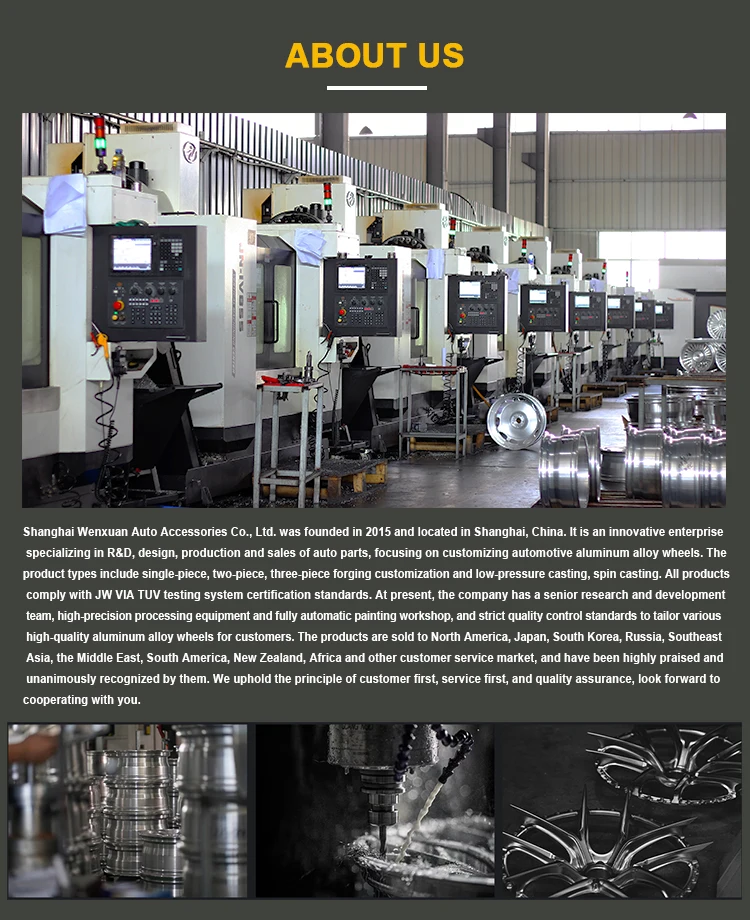
Shanghai Venxan Forged Auto Parts Co., Ltd.
- Trading Company
- Shanghai, China
- Lead time0 days
- Avg. response≤ 3h
Main productsforged wheels,off-road wheels,flow formed wheels
Main marketsDomestic Market(50.00%)
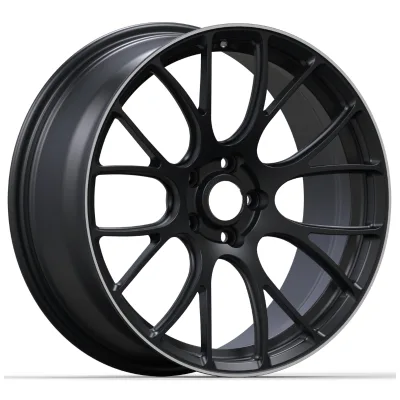
Factory Wholesale Bronze Forged Wheel Luxury Forged 18 Inch Wheel Rim
$204.883 - $308.8681
MOQ: 4 pieces
Jiangxi Xifa Technology Co., Ltd.
- Manufacturer, Trading Company
- Lead time旺季: "1 - 4":25,"> 4":"To be negotiated", 淡季: "1 - 4":25,"> 4":"To be negotiated"
- Avg. response≤ 5h
Main productsForged Wheels
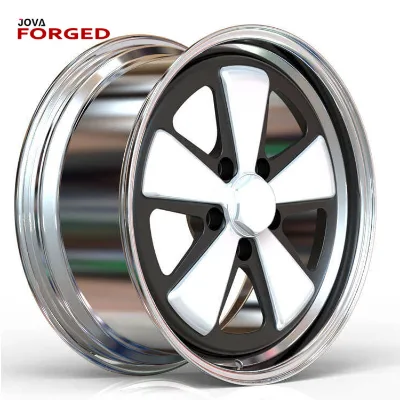
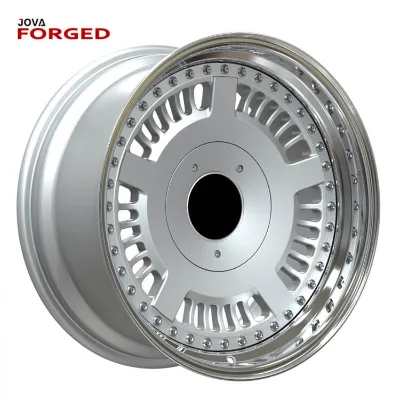
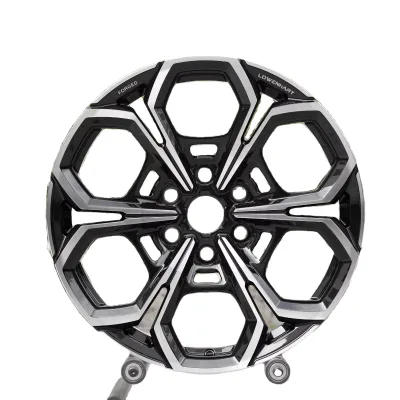
2 Piece Wheels 19x8.5 5x145.5 5x120 Brushed Silver Wheels for Rolls-Royce Silver Spur
$258.00 - $398.00
MOQ: 4
Nanchang JiYiDa Automotive Parts Co., Ltd.
- Verified by TüVRheinland
- Trading Company
- Lead time0 days
- Avg. response≤ 4h
Main productsExhaust System
Main marketsNorth America(55%), Western Europe(20%), Southeast Asia(15%)
Chengdu Biente International Trade Co., Ltd.
- Verified by SGS Group
- Trading Company
- Lead time15 days
- Avg. response≤ 2h
Main productsRoof Top Tent, Forged Wheel
Main marketsOceania(55%), North America(10%), Eastern Europe(10%)
Sichuan Ecochic Trading Co., Ltd.
- Trading Company
- Sichuan, China
- Lead time0 days
- Avg. response≤ 24h
Main productsForged Wheels,Flow Forming Wheels,Off Road Wheels,Passenger Car Wheels,Tires
Main marketsNorth America(40.00%), Mid East(15.00%), Western Europe(12.00%), Northern Europe(10.00%), Oceania(10.00%), South America(5.00%), Eastern Asia(5.00%), Southeast Asia(3.00%)

Ningbo Kangyang Technology Co., Ltd.
- Verified by SGS
- Combined
- China Zhejiang
- Lead time60 days
- Avg. response≤ 3h
Main productsSteel Wheel
Main marketsEurope,North America


17-24 Inch Forged Aluminum Wheel Rims Custom Finish Performance Alloy Wheels
$330.00 - $560.00
MOQ: 4 Pieces


Hainan Convenient International Trade Co., Ltd.
- Verified by Intertek
- Trading Company
- Lead time15 days
- Avg. response≤ 3h
Main productsForged Wheel, Off Road Wheel, Alloy Wheel, Aftermarket Wheel, Replica Wheel
Main marketsNorth America(90%), South America(10%)
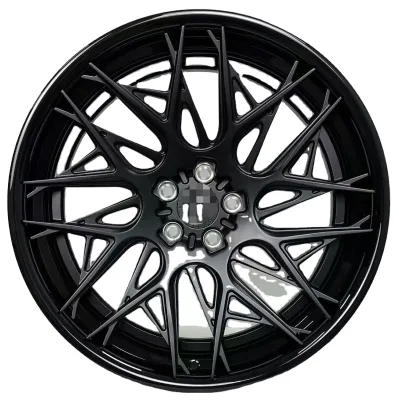
$180.00 - $329.00
MOQ: 4 pieces
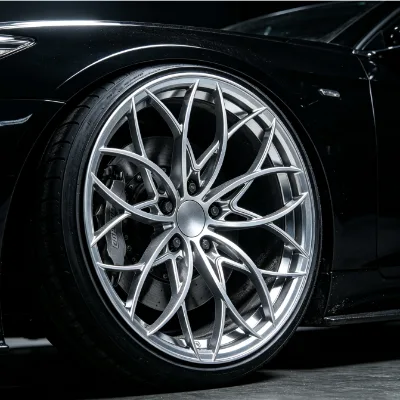
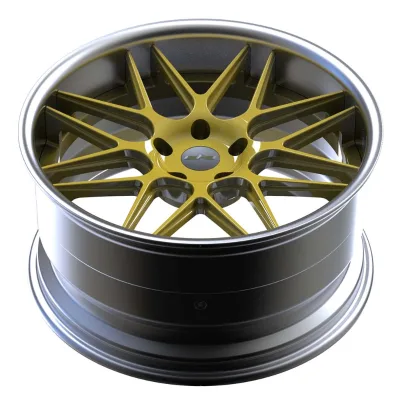
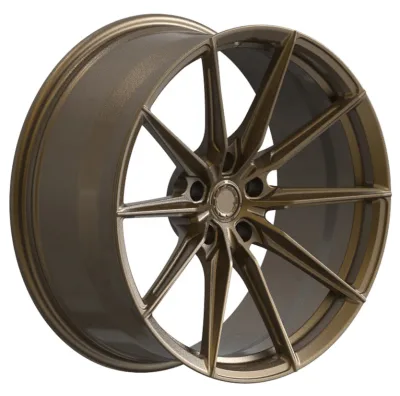
5x100 5x112 5x114.3 5x120 17 18 19 20 21 22 Inch Forged Wheels Bronze Forged Sport Wheels
$157.3065 - $267.3166
MOQ: 4 pieces




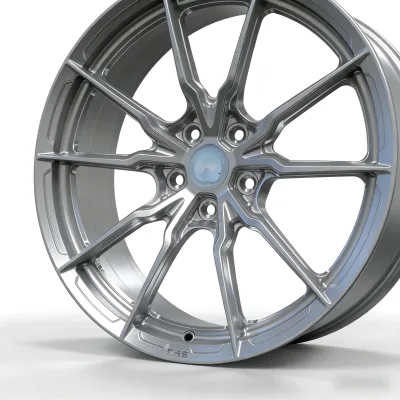
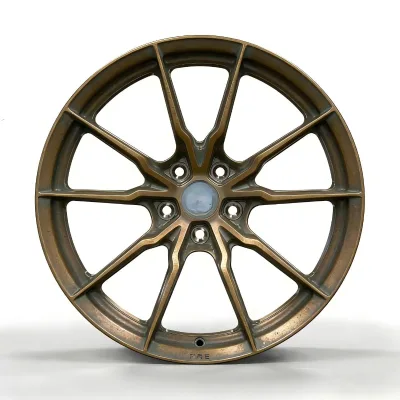


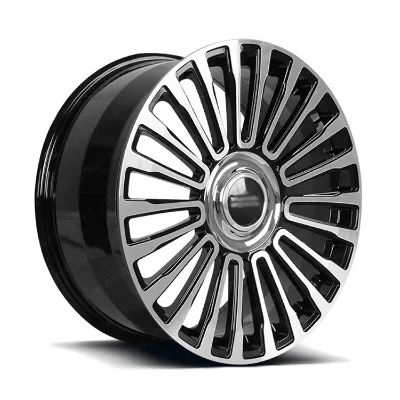
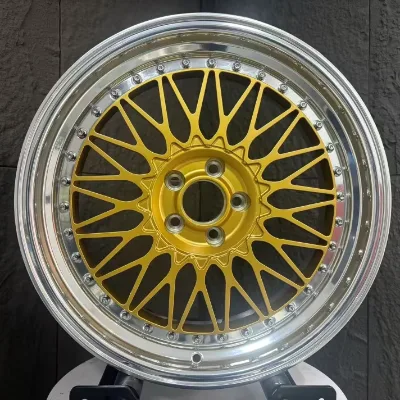
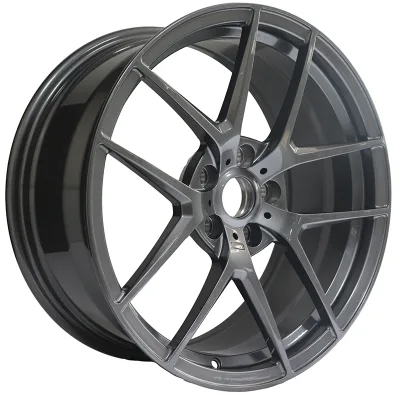
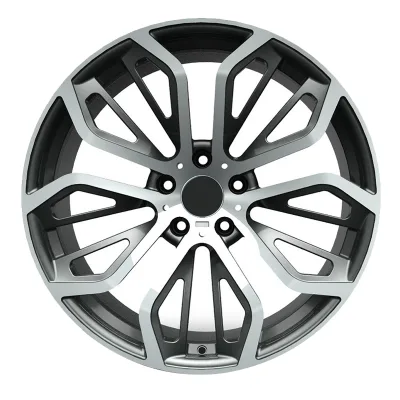
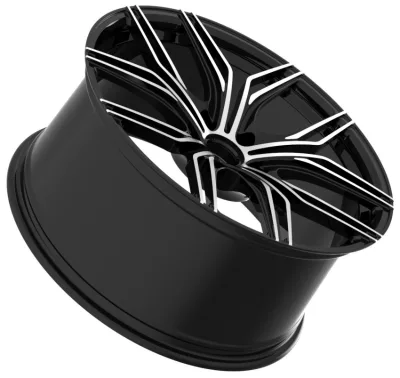
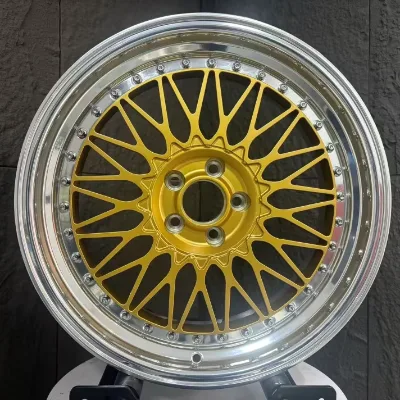
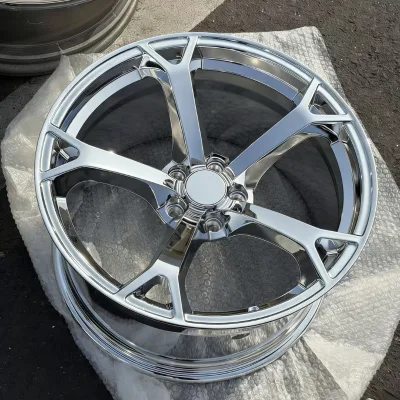
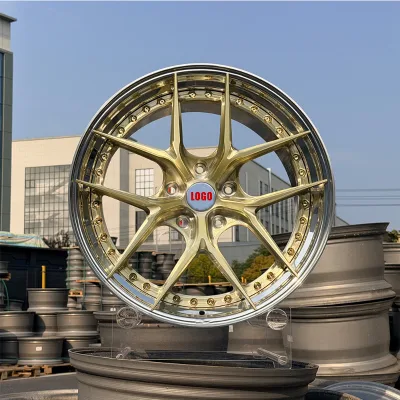
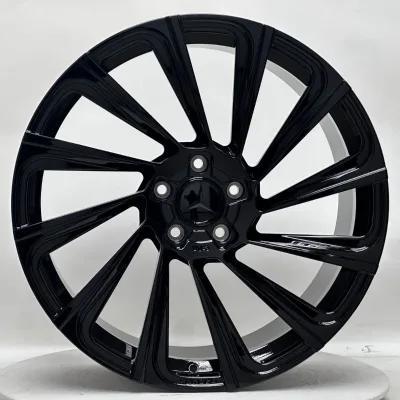
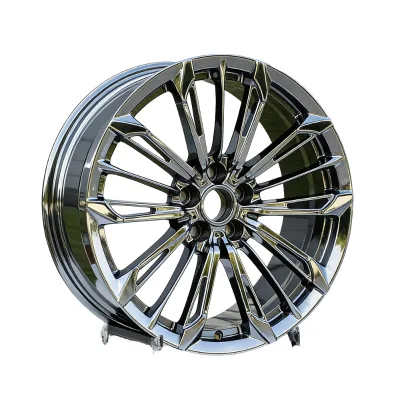
Comprehensive Sourcing Guide
Mirror Silver Forged Alloy Wheel Supplier Concentration and Factory Types
The current supplier landscape for mirror silver forged alloy wheels reveals a distinct mix of manufacturing capabilities and trading structures. Evidence indicates that suppliers are primarily located in China, with specific results pointing to Zhejiang as a key operational hub. This geographic concentration suggests a mature industrial cluster where raw material sourcing and logistics infrastructure are well-established. Buyers evaluating this market should note that the company types listed vary significantly, ranging from pure trading companies to entities that identify as both manufacturers and factories. This distinction is critical because it directly impacts the level of control a buyer has over the production process, quality assurance protocols, and the ability to execute complex customizations. The presence of trading companies does not necessarily imply a lack of manufacturing capability, but it does suggest that the supplier may be acting as an intermediary, which can affect communication speed and pricing transparency.
Furthermore, the product evidence highlights a diverse range of main products offered by these suppliers, including car wheels, steel wheels, alloy wheels, and specialized items like forged wheels and flow-formed wheels. This breadth of inventory indicates that many suppliers are not niche specialists but rather generalists in the vehicle parts and accessories sector. For buyers seeking mirror silver finishes, the availability of customization options is a key feature, with many suppliers listing "Available" for customization services. The materials specified are predominantly aluminum and alloy, which are standard for high-performance forged applications. The manufacturing methods observed include casting, forging, and forming, suggesting that while the core keyword specifies "forged," some suppliers may offer flow-formed or cast alternatives that mimic the aesthetic. Buyers must carefully distinguish between these methods, as the structural integrity and weight characteristics differ significantly, even if the visual mirror silver finish is similar.
How to Verify Mirror Silver Forged Alloy Wheel Suppliers
Verification is the most critical step in mitigating risk when sourcing mirror silver forged alloy wheels, as the visual appeal can mask underlying quality issues. Buyers should prioritize suppliers who display third-party verification badges, such as SGS, which serves as an initial indicator of operational legitimacy. However, verification badges alone are insufficient; they must be cross-referenced with specific product certifications. The product evidence shows that many suppliers list certifications including ISO, TUV, VIA, DOT, and CE. These are not merely decorative; they represent compliance with international safety and quality standards. For instance, DOT certification is essential for market access in the United States, while TUV is a rigorous standard often required in Europe. Buyers should request copies of these certificates and verify their validity with the issuing bodies, ensuring that the certifications are current and applicable to the specific wheel models being ordered.
In addition to certifications, buyers should assess the supplier's response time and communication efficiency. Data indicates that response times can vary widely, with some suppliers showing a response score of 4.90, while others may have higher numerical values indicating slower engagement. A rapid response time is a strong proxy for operational efficiency and customer service quality, which are vital when dealing with custom specifications like mirror silver finishes. Buyers should also look for evidence of established quality control processes, such as the mention of "High Quality" attributes in product descriptions. While this is a subjective claim, it often correlates with the supplier's willingness to provide detailed product attributes, such as spoke type, hub diameter, and drive wheel compatibility. Suppliers that provide comprehensive technical data are more likely to have robust internal quality assurance systems in place, reducing the risk of receiving defective or non-compliant goods.
What to Compare Across Mirror Silver Forged Alloy Wheel Suppliers
When comparing suppliers, buyers must evaluate a range of commercial and operational metrics to ensure the best value and fit for their specific needs. One of the most significant differentiators is the price range, which varies considerably based on manufacturing method and customization level. For example, some suppliers offer prices starting as low as $35.00, while others for specialized forged wheels may start at $260.00 or higher. This wide disparity reflects differences in material quality, production complexity, and brand positioning. Buyers should not simply choose the lowest price but should analyze the cost in relation to the specified certifications and material grades. Additionally, the Minimum Order Quantity (MOQ) is a crucial factor, with some suppliers requiring as few as one unit, while others mandate orders of 60 or 20 units. This flexibility allows buyers to test the market with smaller orders or commit to larger volumes for better pricing, depending on their business model.
Lead time and customization capabilities are also key comparison points. The observed lead times range from 23 days to 45 days, which can significantly impact inventory planning and customer delivery promises. Suppliers with shorter lead times may offer stock items, while those with longer lead times might be producing to order. Customization options, such as available colors, sizes, and PCD (Pitch Circle Diameter) adjustments, should be clearly defined. The product evidence shows that many suppliers offer customizable sizes from 12 to 25 inches and various finishes, including silver, black, and chrome. Buyers should compare the extent of these customization options and the associated costs. Furthermore, the supplier's main products and company type should be aligned with the buyer's needs. A trading company might offer a wider variety of styles, while a manufacturer might provide better control over the forging process and material integrity.
Common Mirror Silver Forged Alloy Wheel Sourcing Risks
Sourcing mirror silver forged alloy wheels involves several inherent risks that buyers must actively manage to avoid costly mistakes. One major risk is the misrepresentation of manufacturing methods. While the keyword specifies "forged," some suppliers may list products that are actually cast or flow-formed, which have different mechanical properties. The product evidence shows a mix of manufacturing methods, including casting, forging, and forming. Buyers must explicitly confirm the manufacturing process in their purchase agreements to ensure they are receiving genuine forged wheels, which are lighter and stronger than cast alternatives. Another risk is the variability in finish quality. The mirror silver finish requires precise polishing and coating processes to achieve a high-gloss, durable result. Inconsistent quality control can lead to wheels that tarnish quickly or have surface imperfections, damaging the buyer's brand reputation.
Another significant risk is the lack of standardized packaging and shipping protocols. The product evidence indicates various packing methods, from standard exporting cartons to plain white cartons. Inadequate packaging can lead to damage during transit, especially for large, heavy items like wheels. Buyers should verify the packaging standards and ensure that they are sufficient to protect the wheels during international shipping. Additionally, the risk of non-compliance with local regulations is high if certifications are not properly verified. Suppliers may list certifications like ISO or DOT, but these may not be valid for the buyer's specific market. Buyers must ensure that the wheels meet all local safety and regulatory requirements, including load ratings and impact tests. Finally, the risk of communication breakdowns with trading companies can lead to misunderstandings about specifications and delivery timelines, making direct communication with the production team essential.
Mirror Silver Forged Alloy Wheel Regional Sourcing and Logistics
Regional sourcing plays a pivotal role in determining the overall cost and efficiency of acquiring mirror silver forged alloy wheels. The primary sourcing region identified in the current results is China, with Zhejiang province emerging as a notable hub for these suppliers. This concentration offers advantages in terms of supply chain integration, as raw materials like aluminum ingots and specialized alloys are readily available in the region. Buyers sourcing from this cluster can benefit from established logistics networks and competitive freight rates. However, the geographic distance from major consumer markets in North America and Europe introduces logistical challenges, including longer transit times and potential customs delays. Buyers must factor these variables into their inventory planning and budgeting to avoid stockouts or increased holding costs.
Logistics planning also involves understanding the shipping terms and delivery options provided by suppliers. The product evidence shows that some suppliers offer terms such as FOB, CIR, and CFR, which define the point at which risk and cost transfer from the seller to the buyer. FOB (Free on Board) is a common term that requires the buyer to arrange and pay for ocean freight and insurance from the port of shipment. This gives the buyer more control over the shipping process but also adds complexity. Buyers should compare the total landed cost, including freight, insurance, and duties, rather than just the unit price. Additionally, the lead time for stock orders can be significantly shorter, with some suppliers offering delivery within 1-2 weeks for items already in inventory. For custom orders, the lead time extends to 23-45 days, requiring careful coordination with production schedules. Buyers should establish clear communication channels to track production progress and shipping status, ensuring timely delivery to their customers.
Mirror Silver Forged Alloy Wheel Commercial Terms and Order Planning
Effective order planning for mirror silver forged alloy wheels requires a thorough understanding of commercial terms and payment structures. The price ranges observed, from $35.00 to over $260.00, reflect the diversity of products available, from basic cast wheels to high-end forged alloys. Buyers should negotiate based on volume, with larger orders often qualifying for better pricing and more favorable terms. The MOQs vary, with some suppliers accepting single units for testing purposes, while others require minimum orders of 20 or 60 units. Buyers should align their order quantities with their sales forecasts to minimize inventory holding costs while taking advantage of bulk discounts. Payment terms are another critical aspect, with suppliers often requiring deposits before production begins. Buyers should seek clear payment schedules and consider using secure payment methods to protect their interests.
Customization and branding options are also key components of the commercial agreement. Many suppliers offer customizable colors, sizes, and branding, allowing buyers to create unique products for their market. The product evidence shows that customization is widely available, with options for various finishes and specifications. Buyers should provide detailed technical drawings and specifications to ensure accurate production. Additionally, buyers should clarify the warranty and return policies for defective products. Given the high value of forged wheels, a robust warranty policy is essential to mitigate the risk of quality issues. Buyers should also consider the supplier's after-sales support, including their responsiveness to inquiries and their ability to resolve issues promptly. By carefully planning these commercial terms, buyers can build a sustainable and profitable sourcing relationship with their Mirror Silver Forged Alloy Wheel suppliers.
FAQs
What is the price range for mirror silver forged alloy wheels?
Prices for these wheels typically range from $35 to $260 per unit depending on size and customization. Basic aftermarket options start around $35, while specialized racing or larger diameter forged models can reach $260. Buyers should verify specific pricing for their required dimensions and finish preferences with suppliers.
What certifications are available for these alloy wheels?
Manufacturers commonly offer ISO, TUV, VIA, DOT, and CE certifications for their wheel products. These credentials ensure compliance with international safety and quality standards. Buyers should request specific certification documents to verify that the wheels meet the regulatory requirements for their target markets before placing orders.
What is the minimum order quantity for these wheels?
Minimum order quantities vary significantly by supplier and product type. Some suppliers accept orders as low as one unit for stock items, while others require a minimum of 60 or 20 units for custom forged wheels. Buyers must check the specific MOQ requirements for their chosen wheel model and finish.
Where are these alloy wheels manufactured?
These wheels are primarily manufactured in China, with specific production hubs located in Zhejiang province. The origin is consistently listed as China for both casting and forged variants. Buyers should confirm the exact manufacturing location and origin certificates to ensure supply chain transparency and compliance with import regulations.
What is the typical lead time for these wheels?
Lead times generally range from 23 to 45 days depending on the supplier and order volume. Stock items may be delivered within one to two weeks, while custom forged wheels often require longer production periods. Buyers should confirm the exact lead time with the supplier to align with their inventory planning.
Can these wheels be customized for specific vehicles?
Yes, customization is widely available for size, color, brand, and technical specifications like PCD and CB. Suppliers offer options for sizes ranging from 12 to 25 inches and various finishes including silver and black. Buyers should provide detailed vehicle specifications to ensure the customized wheels fit correctly and meet performance needs.