Modern Aluminum Led Lounge Mirror Suppliers and Manufacturers
Compare 26 verified suppliers offering Modern Aluminum Led Lounge Mirror with varying lead times, certifications, and response speeds. Review product attributes like waterproof ratings and customization options before requesting quotes; review the available evidence before requesting comparable quotations from suitable candidates.
Updated
Suppliers List

- Verified by CTI
- Combined
- China Anhui
- Lead time30 days
- Avg. response≤ 1h
Main productsBathroom Vanity, Bathroom Cabinet, Bathroom Furniture, MDF Bathroom Cabinet, PVC Bathroom Cabinet, Bathroom Accessories, LED Mirror, Basin
Main marketsDomestic

Hangzhou Strive Sanitary Ware Co., Ltd.
- Trading Company,Manufacturer/Factory
- China Zhejiang
- Lead time30 days
- Avg. response≤ 16h
Main productsBathroom Cabinet, Bathroom Vanity, Glass Basin, LED Mirror, Bathroom Mirror, PVC Bathroom Cabinet, MDF Bathroom Cabinet, Wood Bathroom Cabinet, 304 Ss Bathroom Cabinet, Melamine Bathroom Cabinet
Main marketsSouth America,Eastern Europe,Mid East,North America,Southeast Asia,Eastern Asia,Oceania,Western Europe,Africa

Hangzhou Surfing Smart Home Co., Ltd.
- Verified by TUVRHEINLAND
- Combined
- China Zhejiang
- Lead time30 days
- Avg. response≤ 4h
Main productsLED Bathroom Mirror, LED Mirror, Mirror, Bathroom Mirror, Mirror Glass, Wall Mirror, Espejos, Dressing Mirror, Anti Fog Mirror, Aluminum Frame Mirror
Main marketsDomestic

Aluminum Frame Bathroom LED Mirror Classic Design Hotel Bathroom Mirror
$27.00 - $31.00
MOQ: 20 Pieces


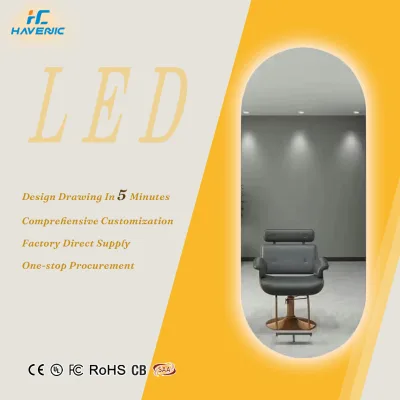
Aluminum Alloy Wall Full Mirror Hotel Bathroom LED Full Length Salon Mirror
$47.35 - $53.35
MOQ: 10 Pieces


Hangzhou Fuyi Household Products Co., Ltd.
- Manufacturer
- China Zhejiang
- Lead time30 days
- Avg. response≤ 18h
Main productsShower Room, Shower Enclosure, Bathroom Cabinet, Shower Cabin, Bathroom Vanity, Mirror, Bathroom Furniture, Glass Basin, Shower Room Factory
Main marketsSouth America,Southeast Asia/ Mideast,Europe

Qingdao Salience Industry Co.,Ltd
- Verified by SGS
- Trading Company,Manufacturer/Factory
- China Shandong
- Lead time15 days
- Avg. response≤ 2h
Main productsLaminated Glass, Tempered Glass, Silver Mirror, Aluminium Mirror, Reflective Glass, Building Glass, Tinted Glass, Float Glass, Acid Etched Glass, Pattern Glass
Main marketsSouth America,Eastern Europe,Mid East,North America,Southeast Asia,Eastern Asia,Oceania,Western Europe,Africa

Modern Hotel Bathroom LED Silver Mirror with Contemporary Design Style Bathroom Mirror
$2.15 - $7.58
MOQ: 1000 Square Meters


Fashion Decor LED Illuminated Mirror Custom Light Color LED Bathroom Mirror for Apartment Styling
$1.98 - $15.37
MOQ: 1000 Square Meters

Aesthetic LED Illuminated Mirror Customized Design Decor LED Bathroom Mirror for Boutique Hotel
$1.65 - $16.42
MOQ: 1000 Square Meters


6mm Aluminum Frame Mirror/ Bathroom Mirror/LED Mirror/Antique Mirror with Customized
$2.10 - $5.79
MOQ: 1000 Square Meters
Hangzhou Weimeide Industrial Co., Ltd.
- Verified by SGS Group
- Manufacturer, Trading Company
- Lead time30 days
- Avg. response≤ 2h
Main productsBathroom Vanity, Bathroom Mirror, Smart Mirror, Smart toilet, Shower set
Main marketsMid East(40%), Africa(30%), South America(10%)

Zhongshan Chaolang Lighting Co., Ltd.
- Verified by SGS
- Combined
- China Guangdong
- Lead time30 days
- Avg. response≤ 1h
Main marketsEurope


High Quality Fashionable Aluminum Bathroom Mirror with LED Lights for Home Decor
$30.00 - $50.00
MOQ: 100 Pieces


Best Selling Aluminum Frame Bathroom Mirror with LED Light for Residence
$50.00 - $70.00
MOQ: 50 Pieces


High Quality Aluminum Bathroom Cabinet LED Light Smart Mirror for Bathroom
$50.00 - $70.00
MOQ: 50 Pieces
Guangdong Befen Industrial Co., Ltd.
- Verified by SGS Group
- Trading Company
- Lead time20 days
- Avg. response≤ 3h
Main productsWC Toilet, Bidet Toilet, Wash Basin, Bathroom Sink
Main marketsWestern Europe(60%), Domestic Market(15%), North America(10%)
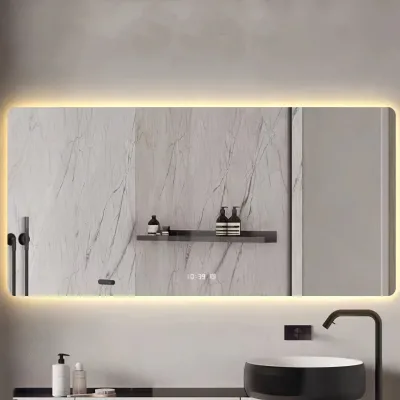
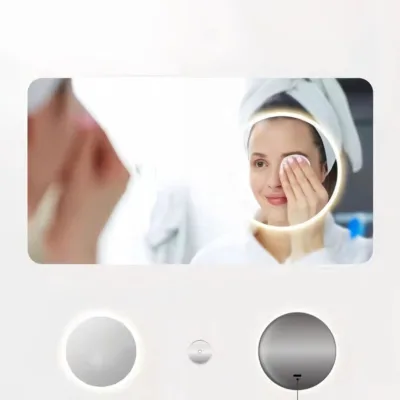
Luxury LED Bathroom Mirror Square Anti Fog Bath Mirror Wall Hanging Shower Mirror with Light
$95.00 - $153.00
MOQ: 5 sets
Foshan Dingguan Building Materials Technology Co., Ltd.
- Manufacturer, Trading Company
- Guangdong Province, China
- Lead time0 days
- Avg. response≤ 2h
Main productsBATHRO MIRROR,HOTEL MIRROR,MAKEUP MIRROR,DECORATIVE MIRROR,BATHROOM CABINET
Main marketsEastern Asia(50.00%), North America(50.00%)
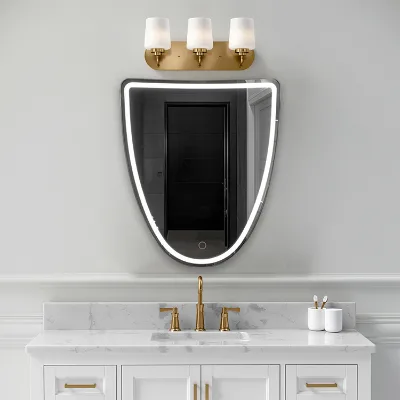
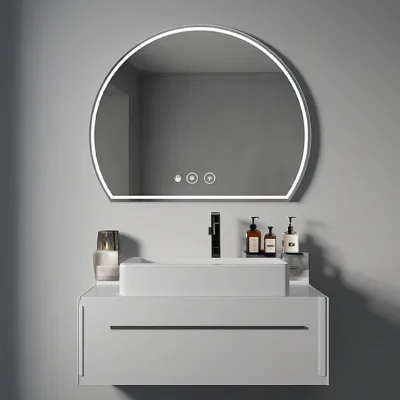
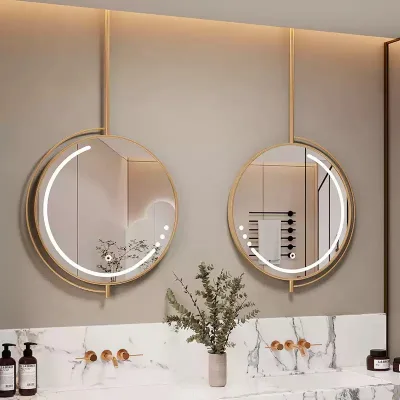
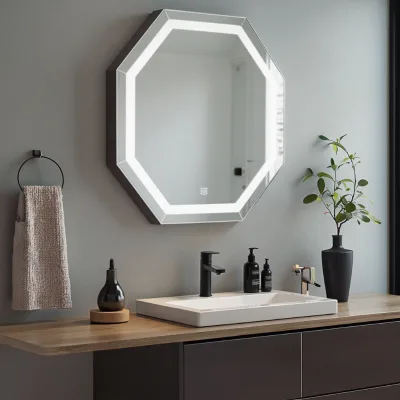
$92.0086 - $99.7629
MOQ: 5 pieces
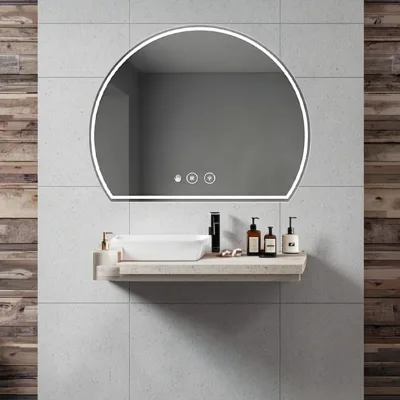
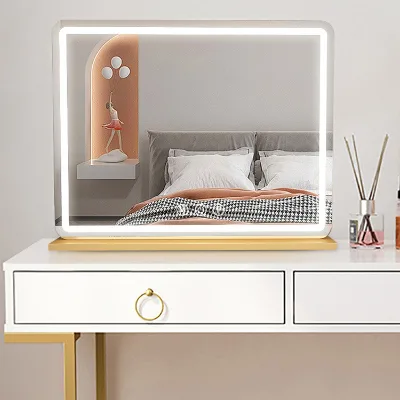
Shanghai Essence Industrial Co., Ltd.
- Trading Company
- Shanghai, China
- Lead time10 days
- Avg. response≤ 22h
Main productsCordless Power Tools,Li-ion Battery Tools,Brushless Motor Tools,Professional Power Tools,Hardware & Industrial Tools
Main marketsNorth America(40.00%), Western Europe(10.00%), Mid East(10.00%), Oceania(10.00%), Domestic Market(5.00%), Southeast Asia(5.00%), Eastern Asia(5.00%), Eastern Europe(5.00%), South America(5.00%), Africa(5.00%)
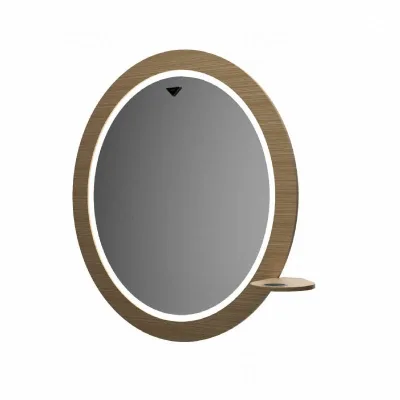
Luxury LED Salon Mirror | Gold Trim | Lighted Mirror with Shelf & USB | Makeup Lounge
$17.99 - $25.59
MOQ: 10 pieces
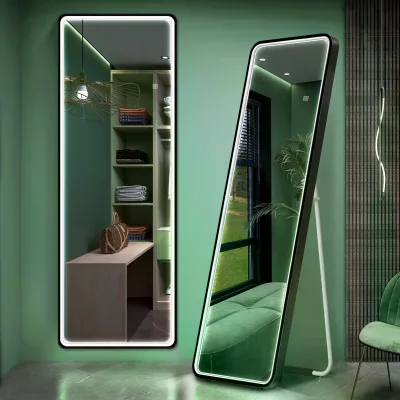

- Verified by SGS
- Combined
- China Hubei
- Lead time30 days
- Avg. response≤ 1h
Main productsGlass Deep Processing, Clear Tempered Glass, Laminated Glass, Wired Glass, Pattern Glass, Glazed Glass, Mirror, Oil Sand Glass, Insulating Glass, Paint Glass
Main marketsDomestic,North America


Modern Aluminum Framed Mirror for Stylish Bathrooms and Bedrooms
$8.80 - $20.00
MOQ: 500 Square Meters
Shahe Huajinde Glass Co., Limited
- Verified by SGS Group
- Manufacturer, Trading Company
- Lead time15 days
- Avg. response≤ 4h
Main productsDecorative Glass, Patterned Glass, Tinted and Reflective Glass, Aluminium Mirror, LED Mirror
Main marketsMid East(34%), South Asia(25%), Domestic Market(19%)
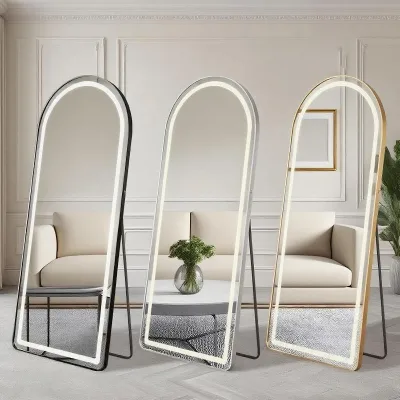
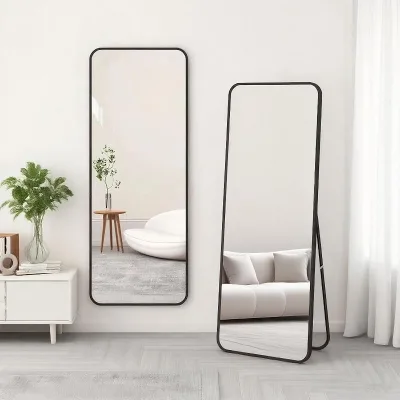
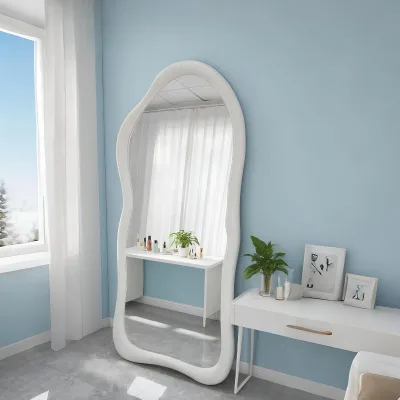
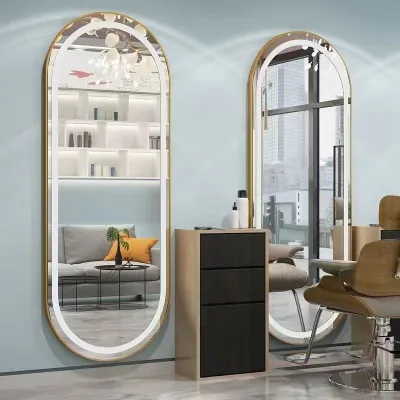
Large Led Full Length Wall Mounted Salon Mirror Oversize Dressing Mirror Beauty Barber Led Mirror
$25.9162 - $51.8324
MOQ: 10 Minimum
Dongguan Xinkai Glass Mirror Industry Co., Ltd.
- Verified by SGS Group
- Manufacturer, Trading Company
- Lead time15 days
- Avg. response≤ 2h
Main productsBathroom Led Mirror, Mirror Cabinet, LED Mirror, Full-length Mirror, Frame Mirror
Main marketsNorth America(20%), Northern Europe(20%), Southern Europe(20%)
$46.80 - $50.00
MOQ: 20 Minimum
$48.3487 - $53.6177
MOQ: 10 Minimum
$28.8078 - $49.3846
MOQ: 20 pieces
Hebei Balee Intelligent Technology Co., Ltd.
- Verified by TüVRheinland
- Manufacturer, Trading Company
- Lead time25 days
- Avg. response≤ 1h
Main productsBathroom Mirror, Full-Length Mirror, Dressing Mirror, Wall Mirror, Smart Mirror
Main marketsDomestic Market(40%), North America(10%), Oceania(10%)

Hangzhou Spremium Bathroom Co., Ltd.
- Verified by TUVRHEINLAND
- Combined
- China Zhejiang
- Lead time30 days
- Avg. response≤ 3h
Main productsBathroom Vanity, LED Mirror, Bathroom Cabinet, Bathroom Furniture, MDF Bathroom Cabinet, PVC Bathroom Cabinet, LED Bathroom Mirror
Main marketsNorth America
Qingdao Laurel Glass Technology Co., Ltd.
- Verified by SGS Group
- Trading Company
- Lead time15 days
- Avg. response≤ 3h
Main productsLaminated Glass, Insulated Glass, Tempered Glass, Patterned Glass, Solar Glass
Main marketsSouth America(16%), Africa(15%), North America(14%)
Chaozhou City Kaling Sanitary Ware Technology Co., Ltd.
- Manufacturer
- Guangdong, China
- Lead time30 days
- Avg. response≤ 6h
Main productsbasin,toilet,bathroom cabinet,wall-hung urinal,bathroom accessories
Main marketsSoutheast Asia(17.00%), Mid East(17.00%), North America(17.00%), Domestic Market(15.00%), Eastern Asia(11.00%), Africa(11.00%), South America(3.00%), South Asia(3.00%), Northern Europe(3.00%), Central America(3.00%)
Jinhua Fafichen Smart Home Co., Ltd.
- Manufacturer
- Zhejiang, China
- Lead time0 days
- Avg. response≤ 3h
Main productsLED mirror, Aluminum frame mirror, Decor mirror, Bath mirror
Main marketsNorth America(40.00%), Western Europe(40.00%), Mid East(20.00%)
Zhongshan Dapai Mirror Industry Co., Ltd.
- Verified by SGS Group
- Manufacturer, Trading Company
- Lead time25 days
- Avg. response≤ 4h
Main productsBathroom Mirror, Vanity Mirror , Hollywood Mirror , Full Length Mirror, Bathroom Mirror Cabinet
Main marketsNorth America(50%), Oceania(15%), Western Europe(10%)
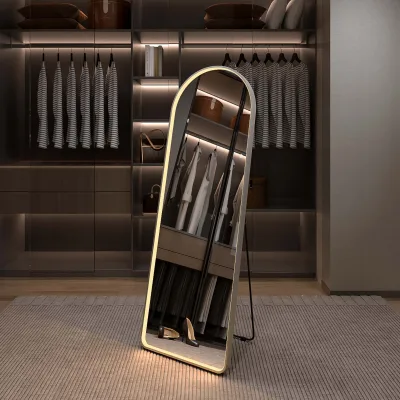
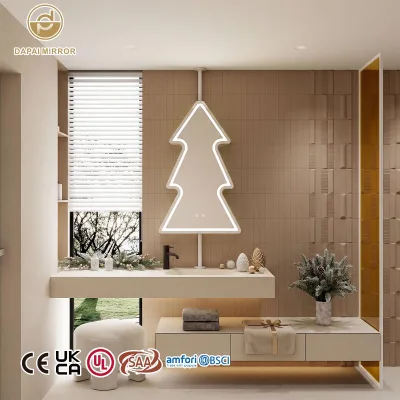
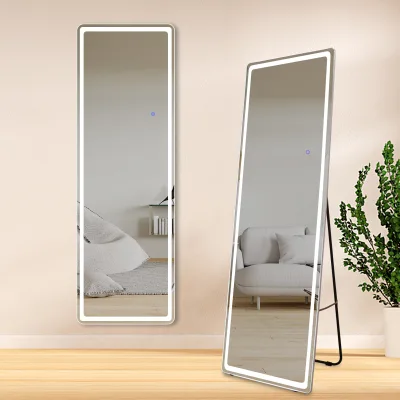
$50.00 - $65.00
MOQ: 30 pieces
Hebei Huicheng Glass Products Co., Ltd.
- Verified by SGS Group
- Manufacturer, Trading Company
- Lead time0 days
- Avg. response≤ 2h
Main productsFloor Mirror, Home Decoration Mirror, LED Mirror, Mural, Furniture
Main marketsWestern Europe(46%), Mid East(20%), Oceania(19%)

Shouguang Yamazon Home Materials Co., Ltd.
- Verified by BV
- Manufacturer/Factory
- China Shandong
- Lead time23 days
- Avg. response≤ 6h
Main productsWooden Furniture, Wood Beam, Glulam Beam, Wardrobe, Wooden Plywood Beams, Aluminum Alloy, Wooden Column, Log Cabins, Equestrian Jump Poles, Aluminum Car Pedals
Main marketsSouth America,Eastern Europe,Mid East,North America,Southeast Asia,Eastern Asia,Oceania,Western Europe,Africa


LED Defogging Square Bathroom Mirror with Lamp Hotel Bathroom Mirror 0671
$98.41 - $208.25
MOQ: 1 Pieces

QINGDAO RISING STAR GLASS CO.,LTD
- Verified by TUVRHEINLAND
- Manufacturer/Factory,Group Corporation
- China Shandong
- Lead time15 days
- Avg. response≤ 4h
Main productsBuilding Glass, Tempered Glass, Float Glass, Aluminium and Silvered Mirror, Laminated Glass, Acid Etched Glass, Back Painted Glass, Reflective Glass, Low-E Glass, Bath Room Glass
Main marketsSouth America,Eastern Europe,Mid East,North America,Southeast Asia,Eastern Asia,Oceania,Western Europe,Africa

Hangzhou Weemore Home Supplies Co., Ltd.
- Verified by TUVRHEINLAND
- Trading Company
- China Zhejiang
- Lead time30 days
- Avg. response≤ 2h
Main productsBathroom Vanity, Bathroom Cabinet, Bathroom Furniture, Kitchen Cabinet, Wardrobe, PVC Foam Board, Bathroom LED Mirror, Bathroom Washbasin, Freestanding Bathtub
Main marketsSouth America,Europe

Direct Sale Modern Wall Mounted LED Mirror with Inspection for OEM CE Approved
$25.00 - $44.90
MOQ: 20 Sets

Hot Sale Modern Wall Mounted LED Mirror with Inspection for OEM CE Approved
$25.00 - $44.90
MOQ: 20 Sets
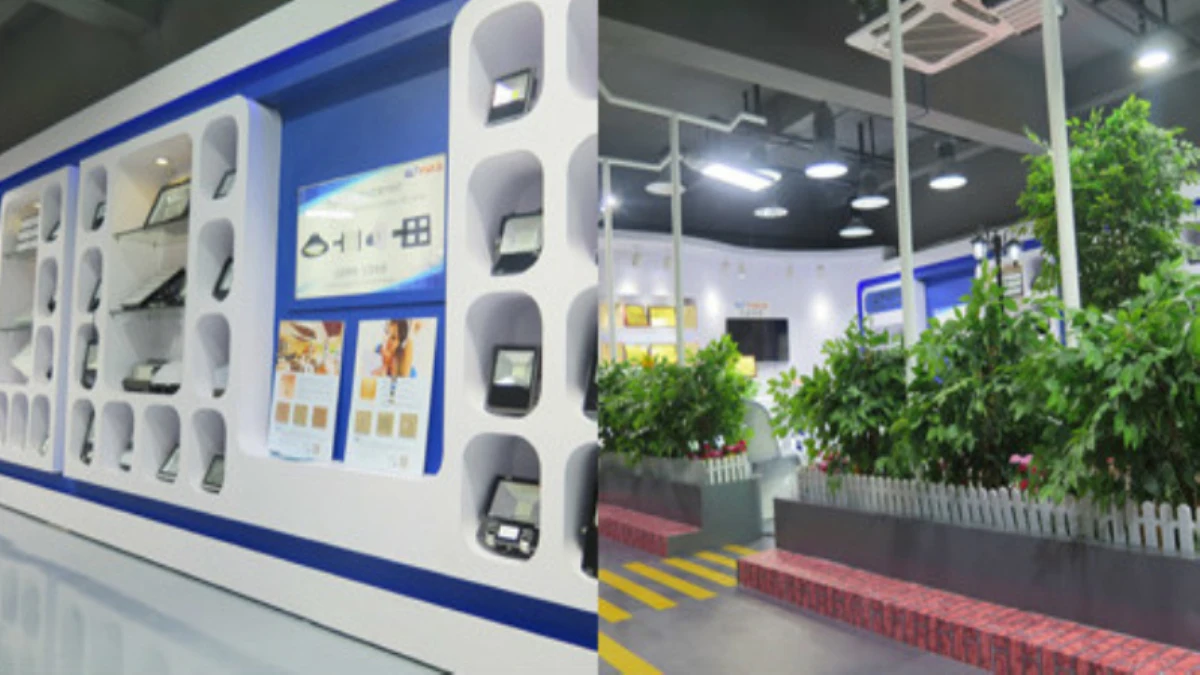
Shenzhen Qianhai Baihuixin Invest Industry Company Limited
- Trading Company
- Guangdong, China
- Lead time15 days
- Avg. response≤ 2h
Main productsProjector Lamp,Flood Lights,Landscape Lamp,Motif Light,Chandelier Lights
Main marketsNorth America(25.00%), Southeast Asia(15.00%), Western Europe(15.00%), Eastern Europe(10.00%), Eastern Asia(8.00%), Africa(5.00%), Southern Europe(5.00%), Oceania(5.00%), Mid East(4.00%), Northern Europe(3.00%), South America(3.00%), South Asia(1.00%), Central America(1.00%)
- Verified by TüVRheinland
- Manufacturer, Trading Company
- Lead time20 days
- Avg. response≤ 1h
Main productsWall Mirror, Floor Mirror, Bathroom Mirror, LED Mirror, Glass
Main marketsNorthern Europe(40%), North America(30%), Eastern Europe(30%)
Foshan Eterna Intelligent Bathroom Co., Ltd.
- Manufacturer, Trading Company
- Lead time旺季: "1 - 200":30,"> 200":"To be negotiated", 淡季: "1 - 200":30,"> 200":"To be negotiated"
- Avg. response≤ 9h
Main productsLighted Mirror, Lighted Mirror Cabinet, Hollywood Mirror, Mirror, Full Length Mirror







Comprehensive Sourcing Guide
Modern Aluminum Led Lounge Mirror Supplier Concentration and Factory Types
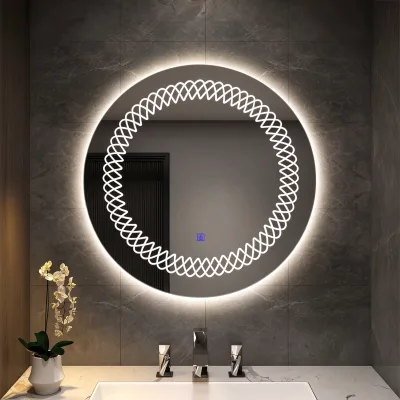
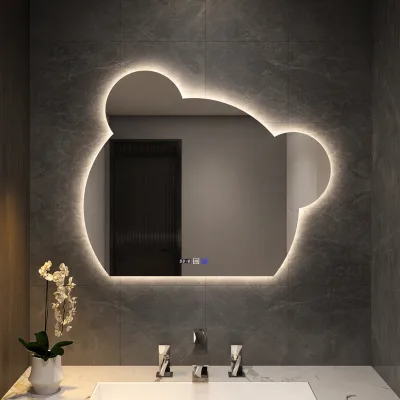
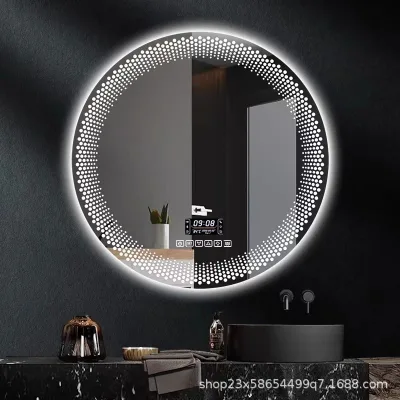
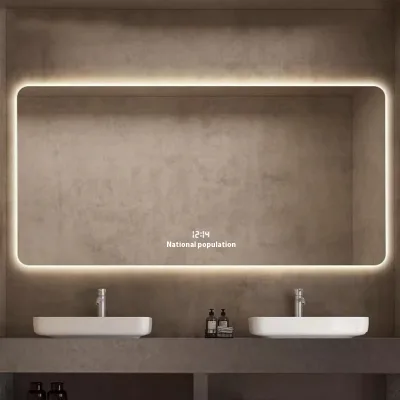
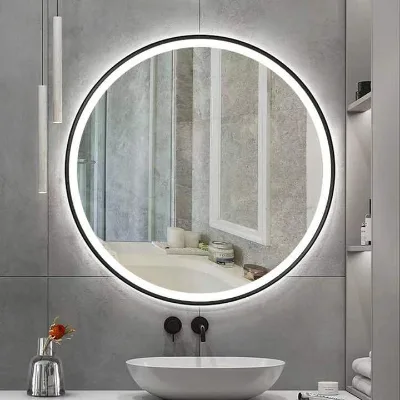
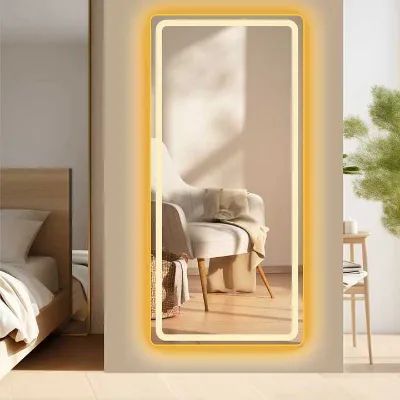
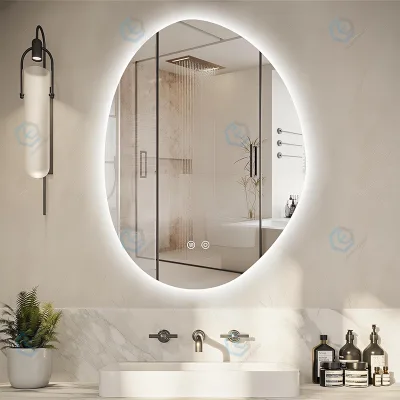
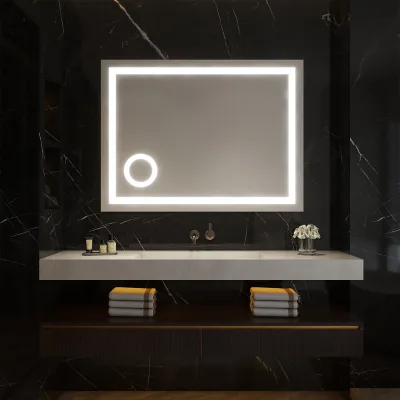
The current supplier landscape for modern aluminum led lounge mirrors reveals a distinct geographic concentration in China, specifically within the Anhui and Zhejiang provinces. These regions serve as primary manufacturing hubs where factories and trading companies converge to offer a wide array of bathroom and lounge mirror solutions. Suppliers in these areas often operate as combined entities, blending manufacturing capabilities with trading services to streamline the export process. This dual nature allows buyers to access both direct factory pricing and the logistical support of established trading operations. The presence of these specific locations indicates a mature supply chain ecosystem dedicated to glass processing, LED integration, and aluminum frame fabrication. Buyers should recognize that while the core keyword focuses on lounge mirrors, the actual product evidence heavily features bathroom mirrors, LED mirrors, and vanity accessories. This suggests that many suppliers specialize in illuminated glass products that can be adapted for lounge settings. The concentration in these provinces implies that logistics and raw material sourcing, such as glass and aluminum profiles, are optimized for efficiency. Understanding this geographic clustering helps buyers anticipate shipping routes and potential regional pricing advantages. It also highlights the importance of verifying whether a supplier is a pure manufacturer or a trading company, as this affects communication flow and price negotiation. The Anhui and Zhejiang clusters offer a diverse range of styles, from modern rectangular designs to round illuminated options, catering to various interior design preferences.
Supplier types in this sector vary significantly, ranging from pure manufacturers to combined trading companies and factories with OEM/ODM capabilities. Some suppliers hold ISO 9001 certification, indicating a structured quality management system, while others rely on third-party verification services like CTI or TÜV Rheinland for product safety and compliance. The verification status is a critical differentiator, as it provides an external layer of trust regarding the supplier’s operational legitimacy. Buyers should note that not all suppliers display the same level of certification or verification, which may correlate with their target market and price point. For instance, suppliers targeting European markets may emphasize CE or UL certifications for their LED components, ensuring electrical safety standards are met. The ability to offer OEM and ODM services is another key attribute, allowing buyers to customize designs, logos, and specifications. This flexibility is particularly valuable for brands seeking unique product identities. However, buyers must carefully assess the supplier’s actual production capacity versus their trading volume. A combined company might offer broader product ranges but could have less direct control over production timelines. Conversely, a pure manufacturer might offer better pricing but limited customization options. Understanding these distinctions is essential for aligning supplier capabilities with specific project requirements. The presence of established brands like MEBWARE suggests that some suppliers have developed their own product lines, which can serve as a benchmark for quality and design trends in the industry.
How to Verify Modern Aluminum Led Lounge Mirror Suppliers
Verifying suppliers requires a multi-layered approach that goes beyond basic profile checks. Buyers should prioritize suppliers with robust verification badges, such as those issued by CTI or TÜV Rheinland, as these indicate that an independent third party has assessed the company’s business legitimacy and operational capabilities. These verifications provide a baseline of trust, reducing the risk of engaging with fraudulent entities. However, verification alone is not sufficient; buyers must also scrutinize the supplier’s certification records for specific product standards. For LED mirrors, electrical safety certifications like CE, UL, or SAA are crucial, especially if the products will be sold in regulated markets. Buyers should request copies of these certificates and verify their validity with the issuing bodies. Additionally, checking the supplier’s response time can offer insights into their operational efficiency and customer service quality. A rapid response time, such as under one hour, often correlates with a well-organized sales team and efficient internal processes. In contrast, slower response times may indicate bottlenecks or a lack of dedicated support staff. Buyers should also examine the supplier’s main products to ensure they align with the desired Modern Aluminum Led Lounge Mirror specifications. A supplier specializing in bathroom vanities and cabinets may have the necessary glass and LED expertise, but their focus might be more on functional bathroom furniture than decorative lounge mirrors.
Beyond digital verification, buyers should conduct thorough due diligence on the supplier’s production capabilities and quality control measures. Requesting detailed product specifications, including frame material, mirror quality, and LED component details, is essential. For example, confirming that the mirror glass is copper-free and the aluminum frame is treated for rust resistance ensures long-term durability. Buyers should also inquire about the supplier’s R&D capacity, particularly if custom designs are required. Suppliers with strong OEM/ODM capabilities are better equipped to handle unique specifications and branding needs. It is also advisable to check for any reported issues or negative feedback, although this may not always be readily available. Engaging in direct communication to ask specific technical questions can reveal the supplier’s depth of knowledge and transparency. For instance, asking about the IP rating of the LED components or the warranty period for electrical parts can provide valuable insights. Buyers should also verify the supplier’s ability to provide samples, which allows for physical inspection of build quality and finish. This step is critical for assessing the tactile and visual aspects of the mirror that cannot be judged from images alone. Finally, buyers should consider the supplier’s establishment year and track record, as longer-standing companies may have more refined processes and a proven history of reliable performance.
What to Compare Across Modern Aluminum Led Lounge Mirror Suppliers
When evaluating multiple suppliers, buyers must compare key operational metrics to determine the best fit for their needs. Lead time is a critical factor, as it impacts inventory management and project timelines. Suppliers may offer varying lead times, ranging from standard production periods to expedited options for urgent orders. Buyers should clarify whether the stated lead time includes material sourcing, production, and shipping, or if it refers only to manufacturing. Additionally, comparing the minimum order quantity (MOQ) is essential, as it affects cash flow and risk exposure. Some suppliers may have low MOQs, making them suitable for small batches or testing markets, while others may require larger volumes for cost efficiency. Response time is another important metric, as it reflects the supplier’s availability and willingness to engage. A faster response time can facilitate smoother communication and quicker resolution of issues. Buyers should also compare the range of customization options available, including shape, size, finish, and LED features. Suppliers offering a wider variety of customization capabilities provide greater flexibility for meeting specific design requirements. It is also important to assess the supplier’s supply ability, which indicates their capacity to handle large orders without compromising quality or delivery schedules.
Price is a significant consideration, but it should be evaluated in the context of total value rather than just the unit cost. Buyers should compare price ranges across different product models and configurations to understand the cost structure. For example, a supplier may offer competitive pricing for standard rectangular mirrors but higher prices for complex round or custom-shaped designs. It is also important to consider the payment terms, such as TT or LC at sight, and any associated fees or conditions. Buyers should also compare the packaging and shipping options, as these can impact the final landed cost and product safety. Suppliers offering robust packaging, such as foam and strong wood cases, may reduce the risk of damage during transit. Additionally, buyers should compare the supplier’s after-sales support, including warranty policies and technical assistance. A supplier with a comprehensive warranty and responsive support team can provide greater peace of mind. Finally, buyers should consider the supplier’s main product focus, as those specializing in illuminated mirrors may offer better expertise and quality control than general furniture suppliers. By systematically comparing these factors, buyers can make informed decisions that balance cost, quality, and service.
Common Modern Aluminum Led Lounge Mirror Sourcing Risks
Sourcing modern aluminum led lounge mirrors involves several potential risks that buyers must mitigate. One significant risk is the discrepancy between product samples and bulk production. Buyers may receive high-quality samples but encounter inferior materials or workmanship in larger orders. This risk can be minimized by conducting strict quality inspections during production and before shipment. Another risk is the reliability of LED components, which may fail prematurely or not meet safety standards. Buyers should verify the quality of LED strips and drivers, ensuring they are from reputable manufacturers and comply with relevant electrical standards. Additionally, the aluminum frame may be prone to corrosion if not properly treated, leading to aesthetic and structural issues over time. Buyers should confirm the surface treatment process and request material specifications to ensure durability. Shipping damage is another common risk, particularly for fragile glass products. Buyers should ensure that suppliers use adequate packaging, such as foam inserts and sturdy cartons, to protect the mirrors during transit. Insurance coverage should also be considered to mitigate financial losses in case of damage.
Communication and cultural barriers can also pose risks, leading to misunderstandings about specifications, deadlines, or quality expectations. Buyers should establish clear communication channels and provide detailed written specifications to avoid ambiguity. Language differences may require the use of translators or bilingual staff to ensure accurate understanding. Another risk is the supplier’s financial stability, which could impact their ability to fulfill orders. Buyers should assess the supplier’s reputation and track record to gauge their reliability. Additionally, intellectual property risks may arise if buyers share proprietary designs with suppliers who may replicate them for other clients. Implementing non-disclosure agreements and monitoring the market for similar products can help protect intellectual property. Finally, regulatory compliance risks, such as non-compliance with local safety standards, can lead to product recalls or legal issues. Buyers should ensure that suppliers provide all necessary certifications and documentation to meet regulatory requirements in their target markets. By proactively addressing these risks, buyers can enhance the reliability and success of their sourcing efforts.
Modern Aluminum Led Lounge Mirror Regional Sourcing and Logistics
Sourcing from China, particularly from the Anhui and Zhejiang provinces, offers logistical advantages due to established manufacturing clusters and efficient supply chains. These regions benefit from proximity to major ports, facilitating faster and more cost-effective shipping to global destinations. Buyers should consider the impact of regional logistics on lead times and shipping costs. Suppliers in these areas may have established relationships with freight forwarders, enabling them to offer competitive shipping rates. However, buyers must also account for potential delays due to customs clearance, seasonal demand fluctuations, or global supply chain disruptions. Planning for these variables is essential to ensure timely delivery. Additionally, buyers should evaluate the supplier’s experience with international shipping, including their ability to handle documentation and compliance requirements. Suppliers with extensive export experience are better equipped to navigate complex logistics and regulatory environments. Buyers should also consider the environmental impact of shipping, opting for suppliers who use sustainable packaging and logistics practices where possible.
The choice of shipping method, such as sea freight or air freight, will depend on the order size and urgency. Sea freight is more cost-effective for large orders but involves longer transit times, while air freight is faster but more expensive. Buyers should work with their suppliers to determine the most suitable shipping method based on their specific needs. It is also important to consider the destination country’s import regulations and duties, which can affect the total landed cost. Buyers should consult with local customs brokers or logistics experts to ensure compliance with all import requirements. Additionally, buyers should monitor shipping progress and maintain open communication with their suppliers to address any issues promptly. The geographic concentration of suppliers in China also means that buyers can potentially consolidate orders from multiple suppliers to reduce shipping costs and simplify logistics. However, this requires careful coordination to ensure that all products meet quality standards and are delivered on time. By understanding the regional logistics landscape, buyers can optimize their sourcing strategy and minimize logistical risks.
Modern Aluminum Led Lounge Mirror Commercial Terms and Order Planning
Commercial terms play a crucial role in the success of any sourcing transaction. Buyers should carefully review and negotiate payment terms, such as TT or LC at sight, to ensure they align with their financial policies and risk tolerance. Advance payments may be required for new suppliers, while established relationships may allow for
FAQs
What is the price range for modern aluminum LED mirrors?
Prices for modern aluminum LED mirrors typically range from $11 to $55 per unit. The final cost depends on specific features such as frame material, mirror size, and customization options. Buyers should verify exact pricing with suppliers based on their required model specifications and order volume.
What is the minimum order quantity for these mirrors?
The minimum order quantity varies by supplier, with some requiring as few as 10 sets while others mandate 50 units. Buyers must check the specific MOQ listed for each product model. Lower MOQs are often available for standard designs, while custom orders may have higher thresholds.
How long does delivery take for LED bathroom mirrors?
Standard lead times for manufacturing modern aluminum LED mirrors are approximately 30 to 40 days. This duration covers production and preparation for shipment. Buyers should confirm the exact delivery timeline with the supplier, as it can vary based on order size and current production schedules.
Are these mirrors certified for safety and quality?
Many suppliers hold ISO 9001 certification for their manufacturing systems. Additionally, specific LED mirror models often carry CE and UL certifications to ensure electrical safety. Buyers should request valid certificates for the specific models they intend to purchase to verify compliance with local standards.
Can I customize the design of the LED mirror?
Customization is widely available, allowing buyers to specify shapes, sizes, and finishes. Suppliers offer OEM and ODM services to tailor mirrors to specific requirements. Buyers should confirm customization options, such as logo printing or unique frame materials, directly with the manufacturer before placing an order.
Where are these mirrors manufactured?
Manufacturers of modern aluminum LED mirrors are primarily located in China, specifically in regions like Anhui and Zhejiang. These areas are known for their concentration of bathroom furniture and mirror production facilities. Buyers can verify the exact factory location to assess logistics and supply chain efficiency.