eco-friendly reed diffuser bottle Suppliers and Manufacturers
Compare 30 verified suppliers offering eco-friendly reed diffuser bottles with varying lead times, certifications, and customization options. Review response times and MOQs to select the right factory for your home fragrance needs; review the available evidence before requesting comparable quotations from suitable candidates.
Updated
Suppliers List

Qingdao E-Pack Material Co., Ltd
- Verified by BV
- Trading Company,Manufacturer/Factory
- China Shandong
- Lead time23 days
- Avg. response≤ 3h
Main productsGlass Bottle, Glass Jar, Plastic Cap, Pipette Cap, Tubular Glass Vial, Ampoule, Glass Vial, Plastic Bottle, Empty Wine Bottle, Rubber Stopper
Main marketsSouth America,Eastern Europe,Mid East,North America,Southeast Asia,Eastern Asia,Oceania,Western Europe,Africa

Guangxi Bobai Quansheng Household Products Co., Ltd.
- Verified by TUVRHEINLAND
- Combined
- China Guangxi
- Lead time15 days
- Avg. response≤ 5h
Main productsReed Diffuser Sticks, Reed Diffuser Set, Rattan Sticks
Main marketsEurope


Diffuser Glass Jar Reed Diffuser Accessories Bottle Luxury Decorative Glass Bottle for Home Scents
$0.35 - $0.46
MOQ: 200 Pieces

Wholesale Reed Luxury Glass Diffuser Bottle Hot Sale Round Reed Diffuser Bottle
$0.35 - $0.40
MOQ: 200 Pieces

M&S Packing Industry Co., Ltd.
- Verified by SGS
- Trading Company
- China Jiangsu
- Lead time30 days
- Avg. response≤ 5h
Main productsPet Bottle, Trigger Sprayer, Aluminum Bottle, Deodorant Container, Dropper Bottle
Main marketsSouth America,Southeast Asia/ Mideast,Europe,Australia,North America
Shanxi Delight Houseware Co., Ltd.
- Verified by Intertek
- Trading Company
- Lead time30 days
- Avg. response≤ 4h
Main productsGlass Drinkware, Glass Plate and Bowl, Glass Candle Holder, Glass Decanter
Main marketsNorth America(20%), Mid East(15%), South America(10%)

Outstanding Design & Manufacture Co., Ltd.
- Verified by BV
- Combined
- China Shanghai
- Lead time30 days
- Avg. response≤ 14h
Main productsScented Candle, Reed Diffuser, Car Air Freshener, Aroma Diffuser, Incense Gift Set, Scented Sachet, Oil Burner, Fragrance Oil, Essential Oil, Fragrance Lamp
Main marketsEurope,Australia,North America

Glass Bottle Eco Friendly Liquid Aroma Reed Diffuser with 2 Color Reed Diffuser
$5.66 - $6.53
MOQ: 500 Pieces


Hot Selling Reed Diffuser Box Reed Diffuser with Rattan Sticks Reed Diffuser 165ml Glass Bottle
$1.95 - $2.50
MOQ: 1000 Pieces

Luxury Difuser Bottle 50ml 100ml 200ml Clear Reed Glass Diffuser Bottles Room Reed Diffuser
$1.99 - $3.99
MOQ: 100 Pieces

Guangxi Jinxing Household Products Co., Ltd.
- Verified by TüVRheinland
- Manufacturer, Trading Company
- Lead time15 days
- Avg. response≤ 2h
Main productsReed Diffuser, Air Fresheners, Rattan Sticks, Fiber Diffuser Sticks, Scented Candles
Main marketsNorth America(25%), Western Europe(24%), Oceania(12%)
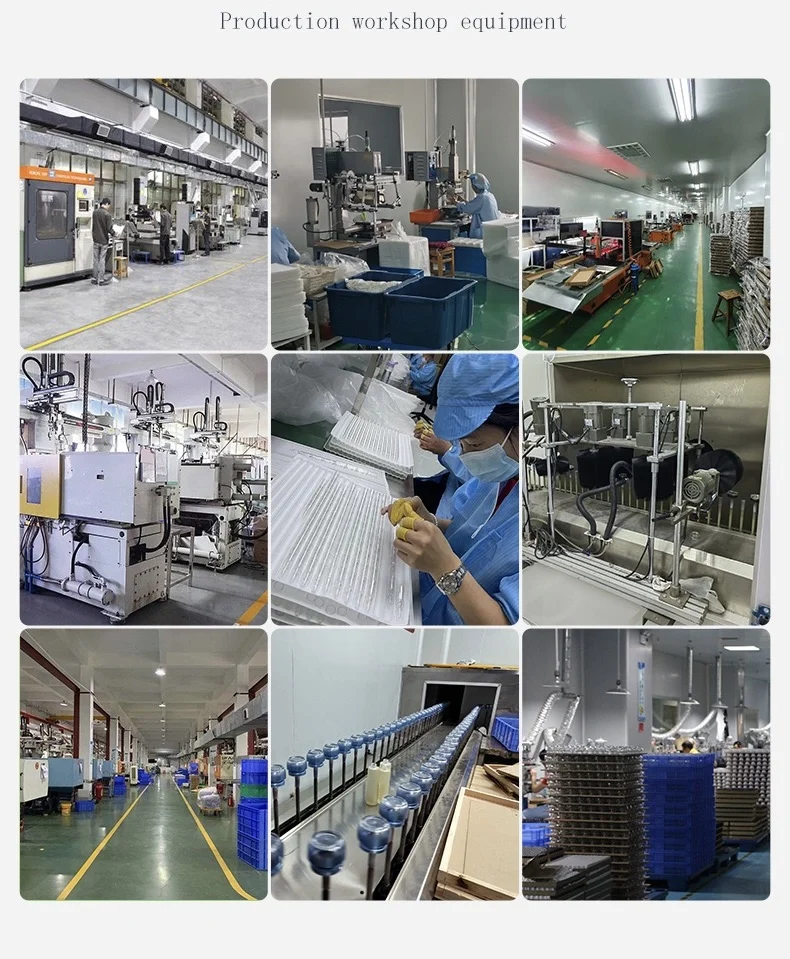
Hebei Lingka Trading Co., Ltd.
- Trading Company
- Hebei, China
- Lead time10 days
- Avg. response≤ 3h
Main productsPET Preform,Plastic Bottle,Glass Bottle,Cosmetic Jar,Aluminum Cans
Main marketsSouth America(20.00%), North America(20.00%), Eastern Asia(10.00%), Eastern Europe(10.00%), Central America(8.00%), Western Europe(6.00%), Africa(5.00%), Oceania(5.00%), Southeast Asia(5.00%), Mid East(5.00%), Northern Europe(3.00%), Southern Europe(2.00%), South Asia(1.00%)
Hebei Kuaixun Import And Export Trade Co., Ltd.
- Verified by SGS Group
- Trading Company
- Lead time15 days
- Avg. response≤ 1h
Main productsGlass Bottle, Plastic Jar, Plastic Bottle, Glass Jars, Candle jars
Main marketsNorth America(40%), Oceania(20%), Western Europe(20%)
Shenzhen Bright Glassware Co., Ltd.
- Verified by TüVRheinland
- Manufacturer, Trading Company
- Lead time30 days
- Avg. response≤ 2h
Main productsCandle Jar, Storage Jar, Diffuser Bottle, Candle Accessories, Paper Box
Main marketsNorth America(37%), Western Europe(14%), Northern Europe(13%)
Xuzhou Huajing Glass Products Co., Ltd.
- Trading Company
- Jiangsu, China
- Lead time20 days
- Avg. response≤ 7h
Main productsglass bottle,Glass Jar,cosmetic glass jar,borosilicate glass bottle,glass cup
Main marketsNorth America(15.00%), Eastern Asia(10.00%), Mid East(10.00%), Africa(10.00%), Southeast Asia(10.00%), Eastern Europe(10.00%), Central America(10.00%), South Asia(5.00%), Southern Europe(5.00%), Northern Europe(5.00%), South America(5.00%), Western Europe(5.00%)

Xuzhou Sheenland Glass Products Co., Ltd.
- Verified by CTI
- Trading Company
- China Jiangsu
- Lead time45 days
- Avg. response≤ 5h
Main productsGlass Bottle, Glass Jar, Glass Container
Main marketsSouth America,Africa,Southeast Asia/ Mideast,East Asia(Japan/ South Korea),Domestic,Europe,Australia,North America

50ml 100ml Home Aromatherapy Reed Diffuser Glass Reed Diffuser Bottles with Box
$0.27 - $0.65
MOQ: 10000 Pieces

Wholesale Empty Custom Stripes 100ml 200ml Glass Reed Diffuser Bottle Fragrance Packaging
$0.37 - $0.50
MOQ: 5000 Pieces

Xuzhou Huajing Glass Products Co., Ltd.
- Verified by BV
- Combined
- China Jiangsu
- Lead time23 days
- Avg. response≤ 8h
Main productsGlass Bottle, Glass Jar, Water Bottle, Perfume Bottle, Mason Jars, Candle Jar, Plastic Bottles, Lids Bottle Caps Closures, Wine Bottle, Juice Bottle
Main marketsSouth America,Africa,Southeast Asia/ Mideast,East Asia(Japan/ South Korea),Domestic,Europe,Australia,North America


New Design Luxury Round Reed Diffuser Glass Bottle Black 200ml with Reed Diffuser Cap
$0.30 - $0.36
MOQ: 1000 Sets

Colored 100ml 200ml 350ml Glass Diffuse Bottle Reed Oil Diffuse Glass Bottle Jar
$0.27
MOQ: 2000 Pieces

Zibo Melory Import & Export Trade Co., Ltd.
- Trading Company,Manufacturer/Factory
- China Shandong
- Lead time45 days
- Avg. response≤ 19h
Main productsGlass Candle Holder, Glass Jar, Glass Votive, Glass Diffuser, Glass Bottle, Glass Vase, Matches, Ceramic Candle Holder, Ceramic Holder for Incense, Glass Candle Jar
Main marketsSouth America,Eastern Europe,North America,Western Europe

Shandong Well Pack Industry Co., Ltd
- Verified by TUVRHEINLAND
- Trading Company
- China Shandong
- Lead time30 days
- Avg. response≤ 3h
Main productsLiquor Bottle, Beer Bottle, Glass Jar, Nail Polish Bottle, Water Bottle, Spirits Bottle, Wine Bottle
Main marketsEurope,North America


200ml Luxury Customized Round Glass Reed Diffuser Glass Bottle with Custom Logo
$0.18 - $0.65
MOQ: 2000 Pieces
Shanghai Wellness Crafts Co., Ltd.
- Verified by Intertek
- Manufacturer, Trading Company
- Lead time40 days
- Avg. response≤ 6h
Main productsScented Candles, Reed Diffuser, Room Spray, Essential Oil
Main marketsNorth America(25%), Oceania(15%), Eastern Asia(15%)

Xuzhou Yanjia Glassware Co., Ltd.
- Verified by BV
- Trading Company,Manufacturer/Factory
- China Jiangsu
- Lead time0 days
- Avg. response≤ 5h
Main productsGlass Bottle, Glass Jar, Honey Jar, Wine Bottle, Jam Jar, Juice Bottle, Glass Candle Jar, Tin Lid, Bottle Cap, Perfume Bottle

Refillable Fragrance Glass Diffuser Bottles Round 100ml 120ml Aroma Reed Diffuser Bottles
$0.32 - $0.55
MOQ: 1000 Pieces

Glass Aromatherapy Fragrance Bottle Custom Empty Aroma Reed Diffuser Bottles
$0.43 - $0.67
MOQ: 5000 Pieces

100ml 120ml 180ml 200ml Unique Glass Bottle Aroma Luxury Reed Diffuser Bottles
$0.48 - $0.62
MOQ: 1000 Pieces


$0.38 - $0.55
MOQ: 1000 Pieces

Xuzhou Focus Glass Products Co., Ltd.
- Manufacturer, Trading Company
- Jiangsu, China
- Lead time7 days
- Avg. response≤ 2h
Main productsReed Diffuser Bottles, Glass Jars, Perfume Bottles, Candle Jars, Essential Oil Bottles
Main marketsNorth America(36.00%), Southeast Asia(20.00%), South Asia(5.00%), Eastern Asia(5.00%), South America(5.00%), Oceania(5.00%), Western Europe(5.00%), Southern Europe(5.00%), Northern Europe(5.00%), Africa(5.00%), Central America(1.00%), Eastern Europe(1.00%), Domestic Market(1.00%), Mid East(1.00%)
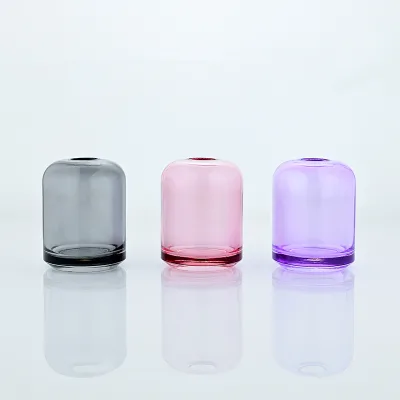
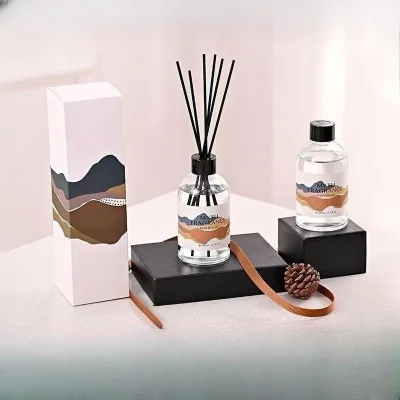
200ml Recyclable Custom Eco-friendly Home Decoration Diffuser Bottle with Lid and Gift Box
$0.1874 - $0.3942
MOQ: 100 units
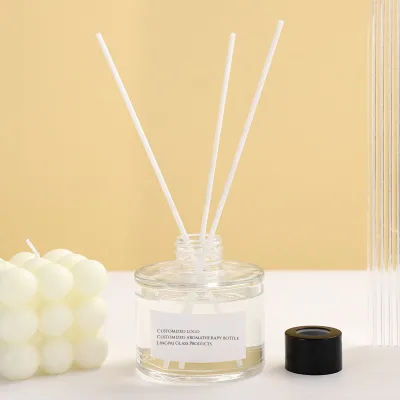
Newly Designed Reusable Simple Round Bottom Custom Private Label Aromatherapy Bottle 50/100ml
$0.18 - $0.34
MOQ: 100 pieces
Xuzhou Longhua Glass Products Co., Ltd.
- Trading Company
- Jiangsu, China
- Lead time15 days
- Avg. response≤ 2h
Main productsglass bottle,Glass candle holder,Glass storage jar,Glass oil bottle,Cosmetic bottle
Main marketsDomestic Market(10.00%), Africa(10.00%), Southern Europe(10.00%), Eastern Europe(10.00%), South America(10.00%), Northern Europe(10.00%), Oceania(5.00%), South Asia(5.00%), Southeast Asia(5.00%), North America(5.00%), Central America(5.00%), Western Europe(5.00%), Eastern Asia(5.00%), Mid East(5.00%)
Shenzhen Ruixin Glassware Co., Ltd.
- Manufacturer, Trading Company
- Lead time旺季: "1 - 2000":30,"2001 - 10000":35,"10001 - 30000":45,"> 30000":"To be negotiated", 淡季: "1 - 2000":30,"2001 - 10000":35,"10001 - 30000":45,"> 30000":"To be negotiated"
- Avg. response≤ 4h
Main productsGlass Cup, Wine & Beer Glass, Double Wall Glass Cup, Glass Diffuser Bottle, Glass Candle Holder
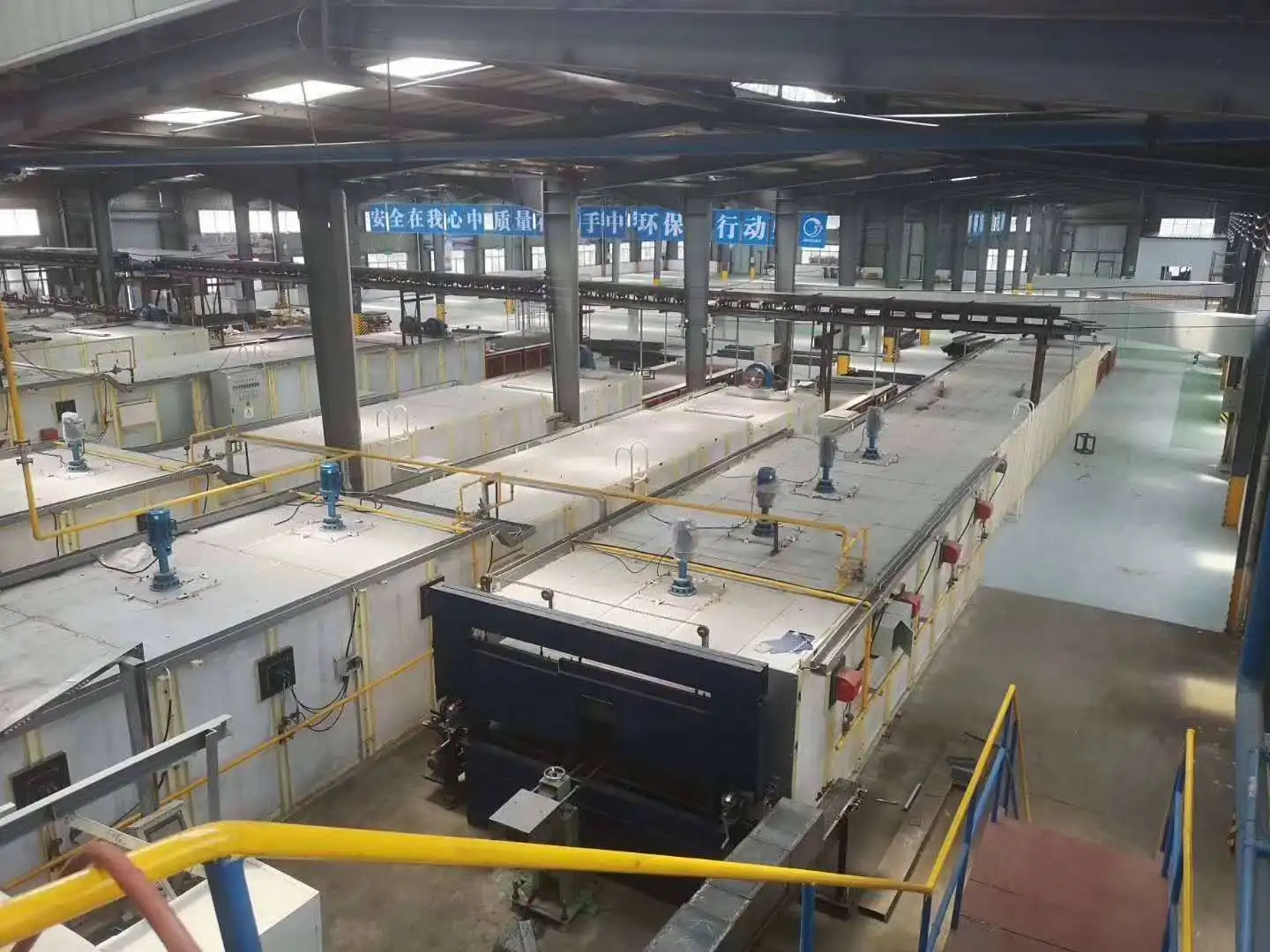
Jiangsu Shangge Glass Co., Ltd.
- Trading Company
- Jiangsu, China
- Lead time35 days
- Avg. response≤ 1h
Main productsReed Diffuser Glass Bottle,Candle Glass Jar,Perfume Glass Bottle,Essential Oil Glass Bottle,Fiber Stick
Main marketsWestern Europe(40.00%), North America(32.00%), Mid East(20.00%), Southeast Asia(8.00%)
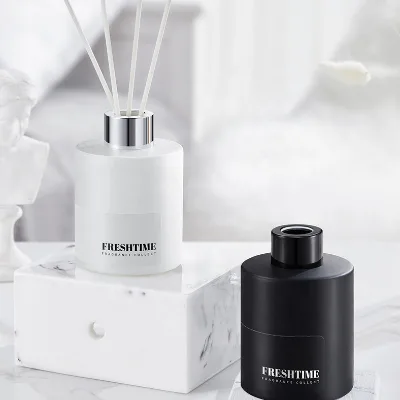
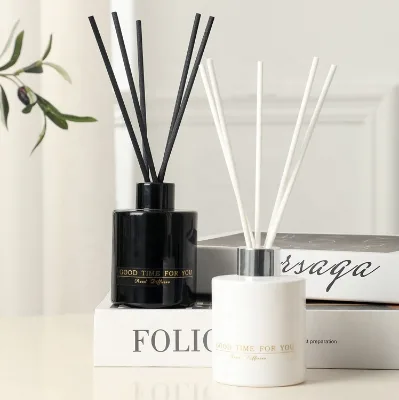
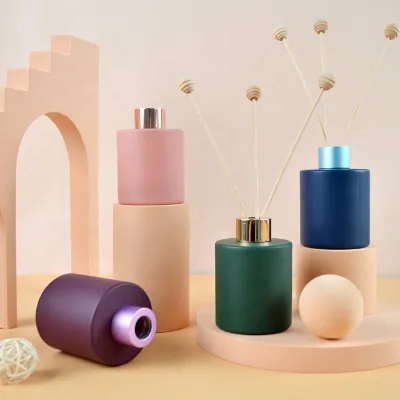
High Quality Elegant Round Shiny Black and White 150ml Empty Perfume Reed Diffuser Bottle
$0.3628
MOQ: 10000 Minimum
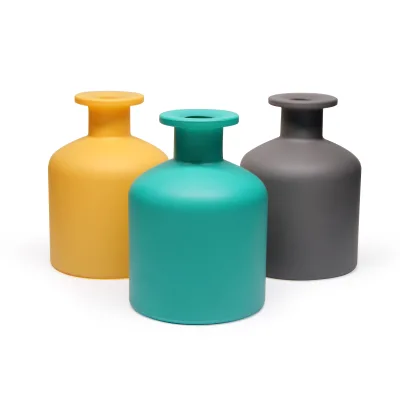

Shenzhen Bright Glassware Co., Ltd.
- Verified by SGS
- Trading Company
- China Guangdong
- Lead time30 days
- Avg. response≤ 5h
Main productsGlassware, Candle Jar, Glass Candle Holder, Reed Diffuser Bottle, Glass Perfume Bottle, Drinkware, Food Storage Jar, Candle Lid, Packaging Gift Box

$0.45 - $0.68
MOQ: 1000 Pieces

Top Grade Matte Black and White with Wood Cap Diffuser Reed Diffuser Bottles with Gift Box
$0.70 - $1.80
MOQ: 3000 Pieces

Luxury Private Label 100ml 150ml 200ml 250ml Fragrance Reed Diffuser Glass Bottles
$0.60 - $0.73
MOQ: 500 Pieces


High Quality 50 Ml 100ml 120ml Reed Diffuser Bottle Empty Glass Bottle for Diffuser
$0.75 - $1.50
MOQ: 1000 Pieces
Molly Chenguang Chengdu Technology Co., Ltd.
- Verified by Intertek
- Trading Company
- Lead time30 days
- Avg. response≤ 3h
Main productsReed Diffuser, Scented Candles, Car Freshener, Fragrance Gift Set, Air Freshener
Main marketsNorth America(20%), Western Europe(20%), Northern Europe(20%)
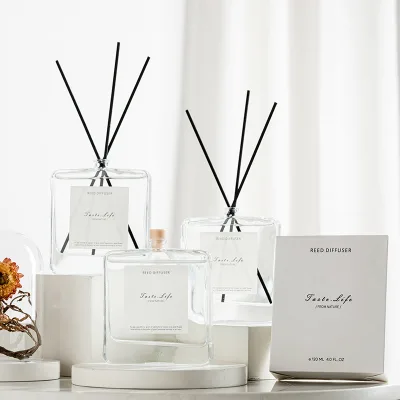
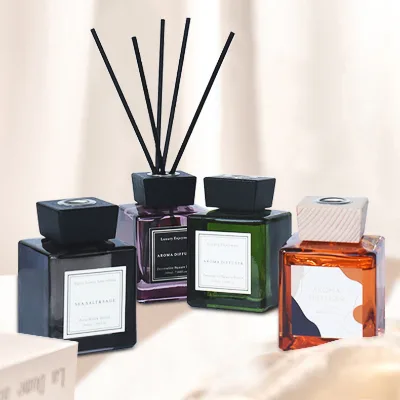
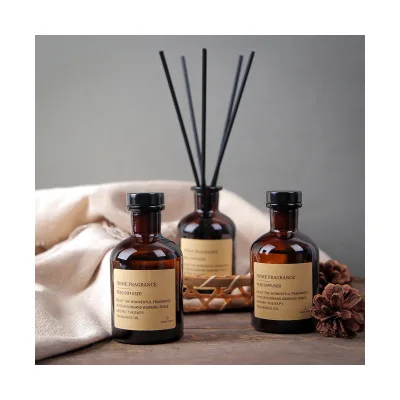
Wholesale Brown Bottle Scent Oil Luxury Rituals Reed Diffuser 120ml Private Logo
$2.62 - $2.80
MOQ: 5 pieces

Xuzhou Youchum International Trade Co., Ltd.
- Verified by SGS
- Trading Company
- China Jiangsu
- Lead time15 days
- Avg. response≤ 7h
Main productsGlass Bottle, Cosmetic Packaging, Household, Liquor Packagin, Food Packaging, Cartons, Cardboard Box, Essential Oil Packaging
Main marketsEurope

Good Quality Luxury Round Amber Diffuser Bottle Reed Diffuser Empty Bottle
$0.20 - $0.26
MOQ: 500 Pieces

Glass Diffuser Bottle Amber Round Glass Aromatherapy Reed Scented Bottles
$0.19 - $0.22
MOQ: 3000 Pieces


Wholesale Flat Creative Luxury Round Glass Reed Diffuser Fragrance Diffuser Bottle
$0.20 - $0.34
MOQ: 500 Pieces

Customizable Logo Empty Clear Fragrance Air Freshener Glass Reed Diffuser Bottle
$0.29 - $0.36
MOQ: 1000 Pieces

Luxury Outside Spray Color Glass Fragrance Reed Diffuse Bottle with Collar
$0.27 - $0.34
MOQ: 3000 Pieces

Xuzhou Shine Packaging Technology Co., Ltd.
- Verified by SGS
- Manufacturer/Factory
- China Jiangsu
- Lead time45 days
- Avg. response≤ 4h
Main productsCosmetic Packaging, Cosmetic Jar, Lotion Bottle, Shampoo Bottle, Sprayer Bottle, Foam Bottle, Acrylic Jar, Dropper Bottle, Airless Bottle, Pet Cosmetic Jar
Main marketsSouth America,Eastern Europe,Mid East,North America,Southeast Asia,Eastern Asia,Oceania,Western Europe,Africa

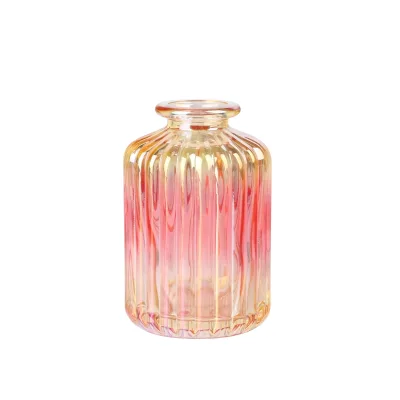
Customizable Stylish 250ml Gradient Color Reed Diffuser Bottle for Home Decor
$0.25 - $0.40
MOQ: 5000 Pieces

New Design Luxury Round Reed Diffuser Glass Bottle Black 200ml with Reed Diffuser Cap
$0.30 - $0.56
MOQ: 500 Pieces
Xuzhou Datianxia Packaging Technology Co., Ltd.
- Verified by TüVRheinland
- Manufacturer, Trading Company
- Lead time10 days
- Avg. response≤ 3h
Main productsGlass Bottle
Main marketsNorth America(20%), Southeast Asia(20%), Western Europe(20%)

Hangzhou Fubei Technology Co., Limited.
- Trading Company
- Zhejiang, China
- Lead time0 days
- Avg. response≤ 2h
Main productsScented Candle,Room Spray,Reed Diffuser,Ceramic Jar,Essential Oil
Main marketsNorth America(30.00%), Western Europe(20.00%), Northern Europe(12.00%), Mid East(10.00%), Central America(10.00%), South America(8.00%), Southeast Asia(5.00%), Africa(5.00%)

Shenzhen Greet Glass Technology Co., Ltd.
- Manufacturer, Trading Company, Distributor/Wholesaler
- guangdong, China
- Lead time25 days
- Avg. response≤ 6h
Main productsglass candle jar,candle holder,candle lid,glass bottle,candle box
Main marketsNorth America(30.00%), Oceania(25.00%), South America(10.00%), Southeast Asia(10.00%), Mid East(10.00%), Southern Europe(5.00%), Northern Europe(5.00%), Eastern Europe(5.00%)

Qingdao Art Fortune Imp/Exp Co., Ltd.
- Verified by TUVRHEINLAND
- Trading Company
- China Shandong
- Lead time30 days
- Avg. response≤ 4h
Main productsScented Candle, Reed Diffuser, Glass Jar Candle, Flameless LED Wax Candle, Candle and Home Fragrance, Tealight Candle, Candle Holder, Candle Gift Set, Handmade Pillar Candle, Tin Candle
Main marketsAfrica

100ml Best Aroma Reed Diffuser Gift Set Diffuser Bottle with Packaging Box
$0.89 - $2.89
MOQ: 1000 Pieces

Custom Glass Diffuser Aromatherapy Jars Empty Reed Diffuser Refillable Bottles
$0.89 - $1.49
MOQ: 1000 Pieces


- Verified by TüVRheinland
- Manufacturer, Trading Company
- Lead time20 days
- Avg. response≤ 2h
Main productsDiffuser, Scented Sachet, Desiccant Bag, Car Scent, Body Perfume
Main marketsEastern Asia(35%), Domestic Market(24%), South America(8%)
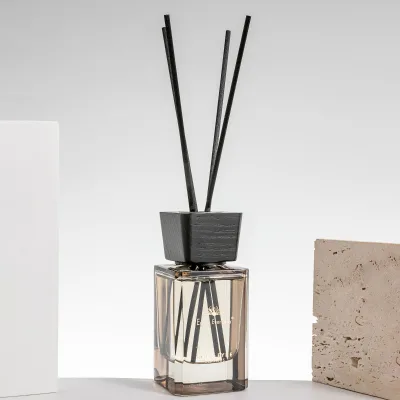
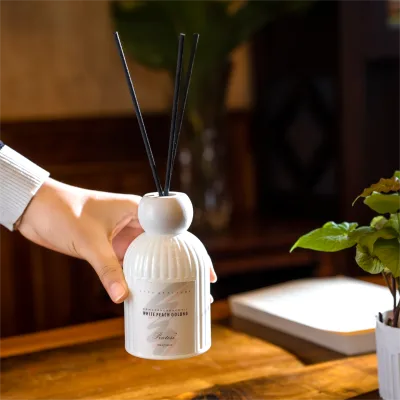
Customize Cylinder Reed Diffuser Bottle Wholesale Price 200ml White Aroma Diffuse Reed Diffuser
$2.0251 - $3.4567
MOQ: 24 pieces

Shijiazhuang Tabo Candles Sales Co., Ltd.
- Verified by BV
- Combined
- China Hebei
- Lead time15 days
- Avg. response≤ 4h
Main productsCandle
Main marketsSoutheast Asia/ Mideast,East Asia(Japan/ South Korea),Europe,Australia,North America


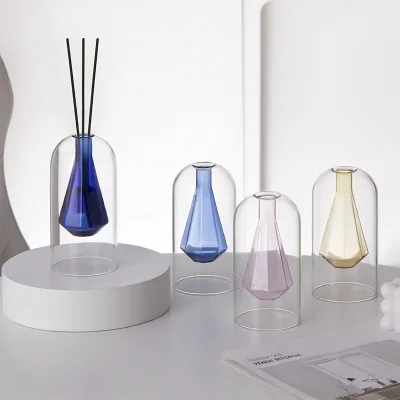
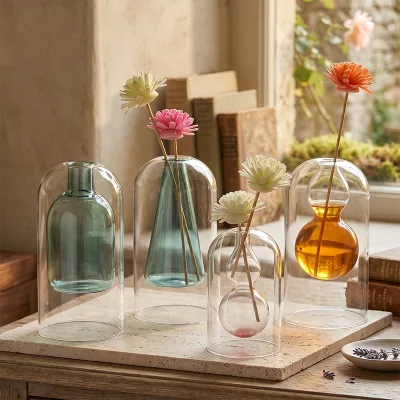
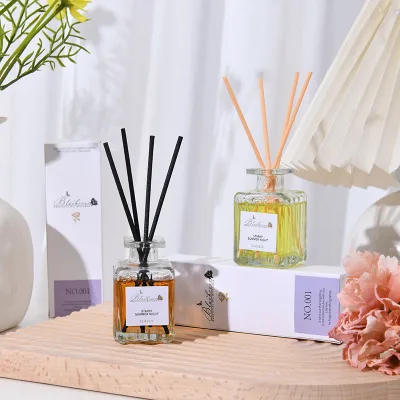
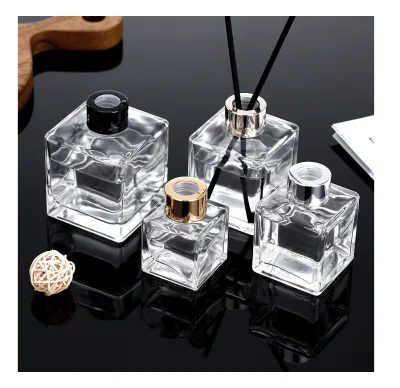
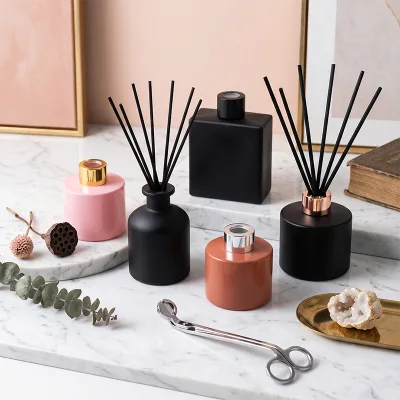
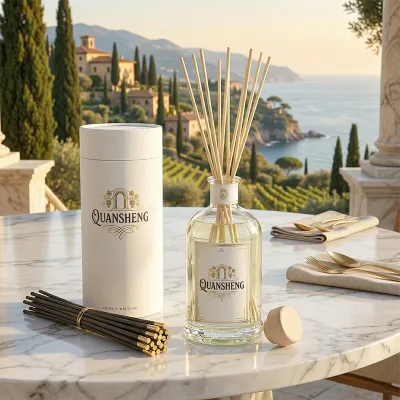
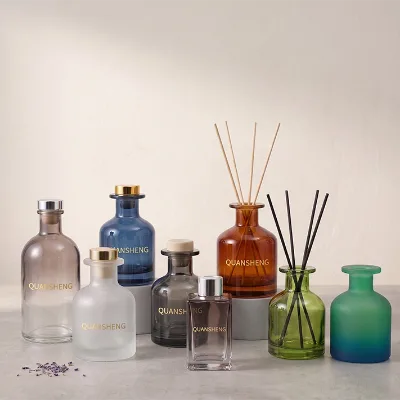
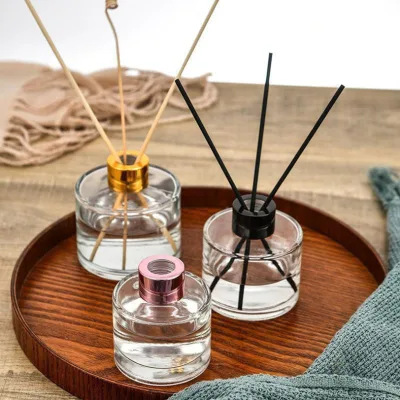
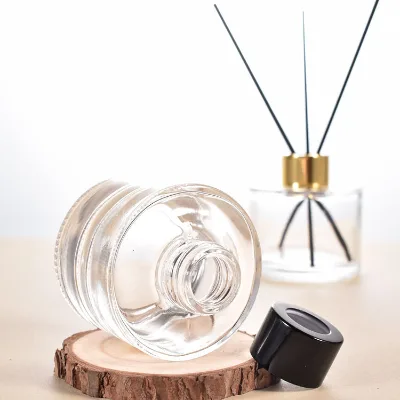
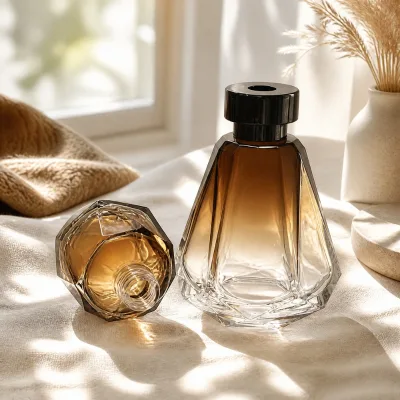
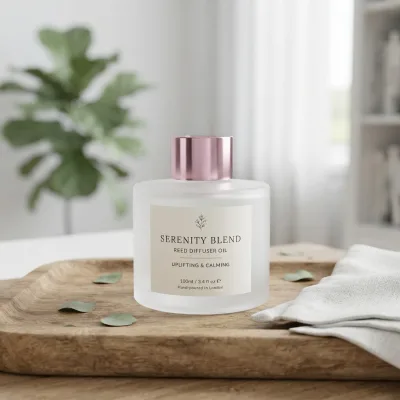
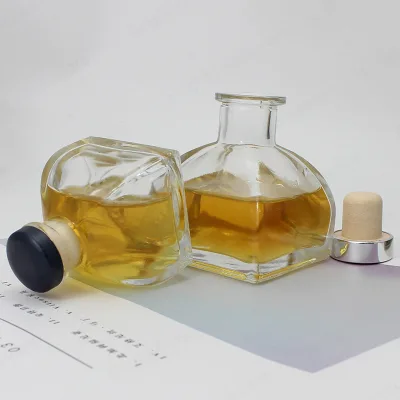


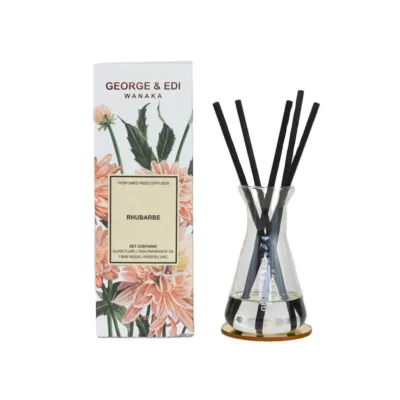
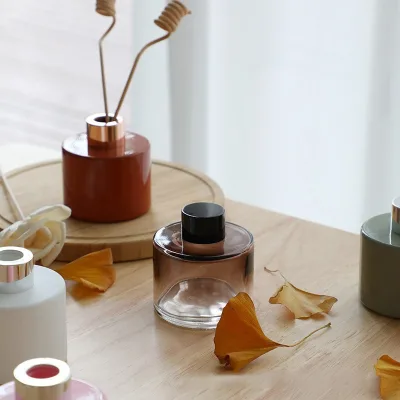
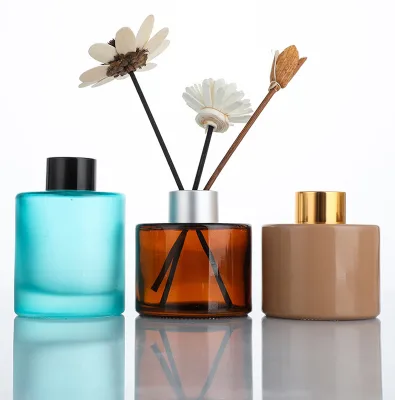
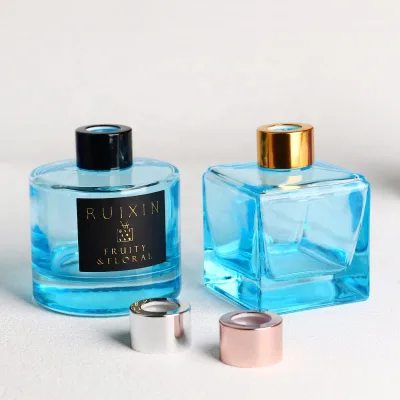
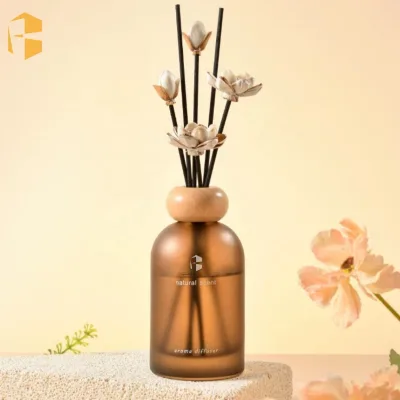
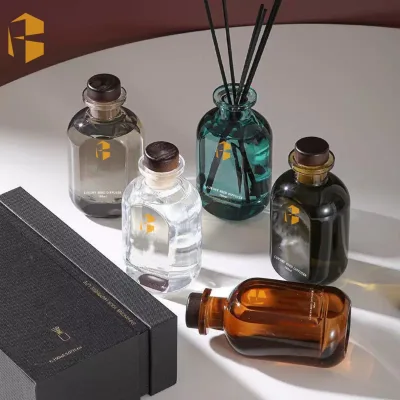
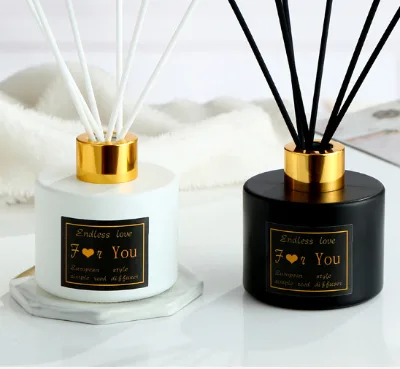
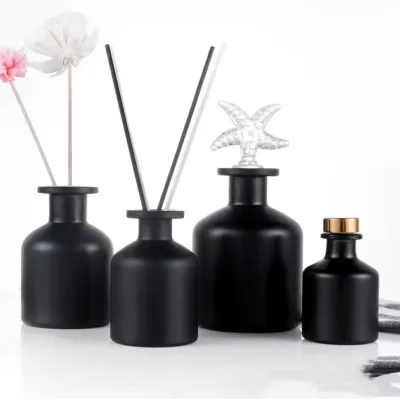


Comprehensive Sourcing Guide
Eco-Friendly Reed Diffuser Bottle Supplier Concentration and Factory Types
The sourcing landscape for eco-friendly reed diffuser bottles reveals distinct manufacturing clusters, primarily concentrated in China. Specific results indicate a significant presence in Shandong, where suppliers specialize in glass packaging solutions. These facilities often operate as either trading companies or manufacturer/factories, offering a dual advantage of direct production capabilities and flexible supply chain management. The main products listed for these Shandong-based entities include a wide array of glass bottles, jars, and associated closures like plastic caps and rubber stoppers. This concentration suggests that buyers seeking glass-based eco-friendly options will find a robust ecosystem of specialized vendors in this region. The availability of both trading companies and factories allows for varied engagement models, whether a buyer requires direct factory pricing or the logistical support of a trading intermediary.
In contrast, other sourcing hubs such as Guangxi present a different supplier profile. Suppliers in this region are often categorized as combined entities, focusing heavily on reed diffuser sets and rattan sticks alongside decorative glass bottles. The product evidence from Guangxi highlights items like exquisite perfume bottles with airbag reed diffuser components and luxury decorative glass jars. This indicates that while Shandong may lean towards bulk glass manufacturing, Guangxi suppliers might offer more integrated solutions or specialized decorative items. The distinction in company types and main products between these regions is crucial for buyers. Understanding whether a supplier is a pure manufacturer, a trading company, or a combined entity helps in predicting their flexibility, pricing structure, and ability to handle custom orders. Buyers should assess these factory types to align with their specific volume and customization needs.
How to Verify Eco-Friendly Reed Diffuser Bottle Suppliers
Verification is a critical step in ensuring the reliability and quality of eco-friendly reed diffuser bottle suppliers. Buyers should prioritize suppliers who hold recognized system certifications, as these indicate adherence to international standards for quality, environment, and safety. Evidence from the current results shows that some suppliers possess certifications such as ISO 9001, ISO 14001, and GMP. These certifications are particularly relevant for eco-friendly products, as ISO 14001 specifically addresses environmental management systems. Additionally, the presence of OHSAS 18001 and ISO 22000 suggests a comprehensive approach to occupational health and food safety, which may be pertinent if the bottles are intended for essential oils or other consumable fragrances. Buyers must request and validate these certificates directly with the issuing bodies to ensure they are current and applicable to the specific products being sourced.
Beyond certifications, third-party verification services provide an additional layer of trust. The data indicates that some suppliers are verified by BV (Bureau Veritas), while others hold TUVRHEINLAND verification. These verifications confirm the supplier’s business legitimacy and operational capabilities. Buyers should look for these badges on supplier profiles and understand what specific aspects of the business have been audited. Furthermore, product-specific evidence, such as SGS testing for certain glass attributes, offers concrete proof of material quality. For eco-friendly claims, buyers should inquire about the recyclability of the glass, with some products explicitly stating 100% recyclability. It is also important to verify if the glass is lead-free, as this is a key health and environmental factor. Buyers should not rely solely on marketing claims but demand documented proof of these environmental and safety attributes from the supplier.
What to Compare Across Eco-Friendly Reed Diffuser Bottle Suppliers
When evaluating multiple suppliers, buyers must compare key operational metrics to determine the best fit for their business. Lead time is a significant differentiator, with some suppliers offering a lead time of 23 days, while others provide a faster turnaround of 15 days. This variance can impact inventory planning and order fulfillment speed. Response time is another critical factor, with observed response times ranging from 2.87 to 4.66. A quicker response time often indicates better communication channels and customer service, which is vital for resolving issues during the sourcing process. Buyers should also compare the Minimum Order Quantity (MOQ) requirements. Some suppliers have an MOQ of 5000 units, while others offer lower thresholds of 500 or 200 units. Lower MOQs are beneficial for testing new products or for smaller businesses, whereas higher MOQs may offer better unit economics for large-scale operations.
Price and customization capabilities are equally important comparison points. Unit prices for glass diffuser bottles vary based on size and design, with ranges observed from $0.045 to $0.096 for standard glass bottles, and up to $3.90 for luxury decorative sets. Buyers should assess whether the price includes packaging and shipping costs. Additionally, the availability of OEM and ODM services allows for brand differentiation. Some suppliers explicitly state that customization is available, including custom logos and designs. The material composition, such as lead-free glass and heat resistance, should also be compared to ensure the product meets specific eco-friendly and safety standards. Buyers should create a comparison matrix that includes lead time, MOQ, response time, price range, and certification status to make an informed decision. This structured approach helps in identifying suppliers that offer the best balance of cost, speed, and quality.
Common Eco-Friendly Reed Diffuser Bottle Sourcing Risks
One of the primary risks in sourcing eco-friendly reed diffuser bottles is the potential mismatch between claimed environmental attributes and actual product specifications. Buyers must be cautious of vague terms like "eco-friendly" without supporting evidence. For instance, while some products are labeled as 100% recyclable, others may not specify their end-of-life impact. It is essential to verify the material composition, ensuring that the glass is indeed lead-free and that any accompanying components, such as plastic caps or rubber stoppers, are also environmentally sound. Some products may have a "Food Grade: No" attribute, which could limit their application and affect their perceived safety and eco-friendliness. Buyers should request detailed material safety data sheets and environmental impact assessments to mitigate this risk.
Another significant risk is the variability in product quality and consistency across different suppliers. The evidence shows a wide range of product attributes, from plain designs to artistic styles, and from simple glass bottles to complex diffuser sets. This diversity can lead to inconsistencies if a buyer switches suppliers or orders from multiple vendors. Additionally, the leak-proof status of open-neck bottles is noted as "No," which poses a risk for transportation and storage. Buyers must ensure that the packaging and sealing methods are adequate to prevent leakage. Furthermore, the reliance on third-party verification and certifications means that buyers must actively monitor the validity of these credentials. Failure to do so could result in sourcing from suppliers who no longer meet the required standards. Proactive risk management involves regular audits and clear contractual terms regarding quality and compliance.
Eco-Friendly Reed Diffuser Bottle Regional Sourcing and Logistics
Sourcing from specific regions in China offers distinct logistical advantages and challenges. Suppliers located in Shandong are often associated with glass manufacturing hubs, which can provide efficient access to raw materials and specialized labor. This concentration can lead to competitive pricing and faster production times for glass-based products. However, buyers must consider the transportation costs and lead times associated with shipping from Shandong. The observed lead time of 23 days for some Shandong suppliers suggests that production and logistics are integrated but may require careful planning. Buyers should evaluate the proximity of the supplier to major ports to minimize shipping delays and costs. Additionally, the type of supplier, whether a trading company or a factory, can impact the logistics process. Trading companies may offer more flexible shipping options, while factories might provide better control over production schedules.
In contrast, suppliers in Guangxi may offer different logistical profiles, particularly for decorative and set-based products. The lead time of 15 days for some Guangxi suppliers indicates a potentially faster production cycle, which could be advantageous for time-sensitive orders. However, the region's infrastructure and port access should be evaluated to ensure efficient export processes. Buyers should also consider the packaging methods, such as carton or pallet packing, which are specified for some products. Proper packaging is crucial to prevent damage during transit, especially for fragile glass items. The origin of the product, whether from Shandong or Guangxi, should be clearly documented to ensure compliance with import regulations and to accurately calculate landed costs. Buyers should work with freight forwarders who have experience in handling glass products from these specific regions to mitigate logistical risks.
Eco-Friendly Reed Diffuser Bottle Commercial Terms and Order Planning
Commercial terms and order planning are essential for a successful sourcing strategy. Buyers should negotiate clear payment terms, such as escrow services, to protect their financial interests. The availability of sample products is a key commercial term, with some suppliers offering samples for quality verification. This allows buyers to assess the product's eco-friendly attributes, such as material quality and design, before committing to a large order. The MOQ requirements, ranging from 200 to 5000 units, should be aligned with the buyer's sales forecast and inventory capacity. Lower MOQs may come with higher unit prices, so buyers should calculate the total cost of ownership, including shipping and handling, to determine the most cost-effective option.
Customization options, such as custom logos and designs, should be discussed in detail during the order planning phase. Some suppliers offer OEM and ODM services, which can enhance brand identity but may require additional time and cost. Buyers should also consider the product standards and models, such as the 500ml or 100ml specifications, to ensure they meet market demands. The price ranges, from $0.045 to $3.90, vary significantly based on product complexity and volume. Buyers should request detailed quotations that break down costs for materials, labor, and packaging. Additionally, the response time of the supplier, ranging from 2.87 to 4.66, can impact the efficiency of the negotiation and order placement process. Clear communication and well-defined commercial terms are crucial for avoiding disputes and ensuring a smooth transaction.
FAQs
What certifications do the glass bottles hold?
Suppliers in Shandong offer ISO 9001, ISO 14001, ISO 22000, GMP, and OHSAS 18001 certifications. Guangxi suppliers provide TUVRHEINLAND verification. These standards ensure quality management and safety compliance for your essential oil packaging needs.
What is the typical lead time for orders?
Lead times vary by location, with Shandong suppliers listing 23 days and Guangxi suppliers offering 15 days. You should confirm specific delivery schedules based on your order volume and customization requirements before finalizing your purchase agreement.
Are samples available for these diffuser bottles?
Yes, samples are available for many glass bottle models including 500ml and 100ml options. Suppliers also accept custom logo requests and offer OEM or ODM services. Verify sample costs and shipping details directly with the manufacturer.
What is the minimum order quantity for glass bottles?
Minimum order quantities range from 500 units for decorative sets to 5000 units for standard 500ml bottles. Some listings indicate negotiable MOQs, so discuss your specific volume needs with the supplier to secure the best terms.
Can these bottles be customized for my brand?
Customization is available for shape, color, and logo printing on most glass diffuser bottles. Suppliers support OEM and ODM projects with options for plain or colored glass. Confirm design files and production timelines with the factory.
What materials are used for the diffuser bottles?
The bottles are made from lead-free, heat-resistant glass suitable for essential oils. Some options include transparent, light gray, pink, or purple colors. All listed products are 100% recyclable and feature smooth polished surfaces for home fragrance applications.
How quickly do suppliers respond to inquiries?
Response times vary, with some suppliers averaging 2.87 hours and others taking 4.66 hours. Fast response is typical for verified trading companies and manufacturers. Check current status to ensure timely communication regarding your sourcing requirements.