Handmade Eco Friendly Flower Vase Suppliers and Manufacturers
Find 32 verified suppliers offering Handmade Eco Friendly Flower Vase options from China Fujian and Shandong. Compare response times, lead times, certifications, and prices to source the right product for your needs; review the available evidence before requesting comparable quotations from suitable candidates.
Updated
Suppliers List

Jinjiang Jiayi Supply Chain Management Co., Ltd.
- Verified by BV
- Trading Company
- China Fujian
- Lead time30 days
- Avg. response≤ 2h
Main productsGift, Shoe, Garment, Machine
Main marketsDomestic


Handmade New Chinese Living Room Flower Arrangement Hydroponic Ceramic Vase
$6.15 - $6.20
MOQ: 200 Pieces


Golden Ace Industrial Co., Ltd.
- Verified by BV
- Combined
- China Shandong
- Lead time60 days
- Avg. response≤ 13h
Main productsGlassware, Kitchenware, Houseware, Glass Vase, Giftware
Main marketsAfrica,Southeast Asia/ Mideast,Europe,Australia,North America
Chaozhou Jizhi Ceramics Co., Ltd
- Manufacturer, Trading Company
- Guangdong, China
- Lead time40 days
- Avg. response≤ 3h
Main productsFlower vase,ceramic pot,ceramic animal,table lamp,ceramic fruit plate
Main marketsNorthern Europe(30.00%), South America(20.00%), South Asia(10.00%), North America(10.00%), Eastern Asia(10.00%), Southeast Asia(10.00%), Eastern Europe(10.00%)
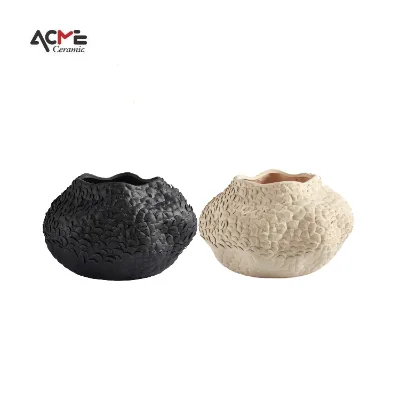
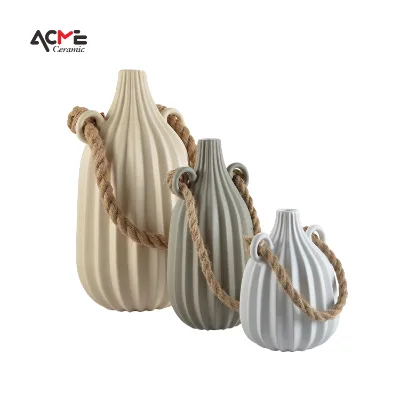
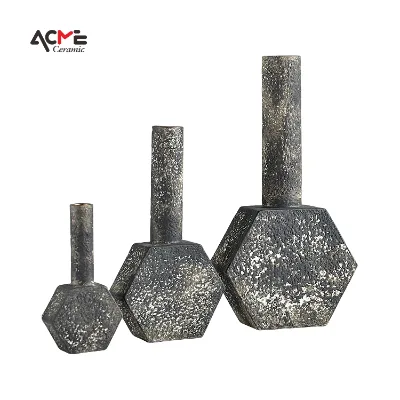
$1.7448 - $7.0078
MOQ: 1000 pieces
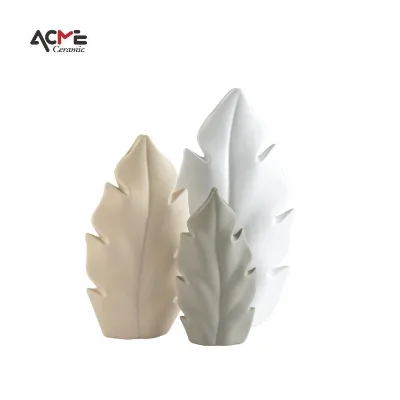
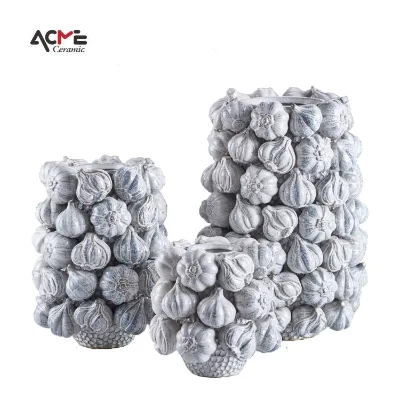

Foshan Kingmake Industry Co., Ltd.
- Verified by SGS
- Manufacturer/Factory
- China Guangdong
- Lead time23 days
- Avg. response≤ 6h
Main productsOutdoor Furniture, Rattan Furniture, Aluminum Furniture, Rope Furniture, Teak Wood Furniture, Outdoor Umbrella, Outdoor Flower Pot, Outdoor Pergola, Outdoor Artificial Plants
Main marketsSouth America,Eastern Europe,Mid East,North America,Southeast Asia,Eastern Asia,Oceania,Western Europe,Africa


Garden Decoration Handmade Vase for Home Decor Planter Ceramic Garden Pot Flowerpot
$2.99 - $19.90
MOQ: 1 Pieces

High-Quality Handmade Ceramic Garden Decoration Vase for Outdoor Garden Plantpot
$2.99 - $19.90
MOQ: 1 Pieces
Jiangsu Fine Technology Co., Ltd.
- Manufacturer, Trading Company
- Jiangsu, China
- Lead time0 days
- Avg. response≤ 12h
Main productsGlass Teapot,Double Wall Glass Cup,Glass Terrarium,Borosilicate Glass Globe,Laboratory Glassware
Main marketsNorth America(25.00%), Domestic Market(20.00%), Southeast Asia(10.00%), Northern Europe(10.00%), Western Europe(8.00%), Southern Europe(7.00%), South America(5.00%), Eastern Asia(5.00%), Eastern Europe(5.00%), Oceania(5.00%)
Liling New Flourish Ceramic Co., Ltd.
- Verified by Intertek
- Trading Company
- Lead time50 days
- Avg. response≤ 6h
Main productsCeramic mug , Ceramic bowl, Ceramic dinner ware sets, Ceramic wase, Ceramic plate
Main marketsWestern Europe(41%), Northern Europe(40%), North America(15%)

- Trading Company
- Hong Kong S.A.R.
- Lead time30 days
- Avg. response≤ 3h
Main productsFurniture,outdoor chair,sculptures,decorations,flower pot
Main marketsNorth America(25.00%), Mid East(20.00%), Southeast Asia(10.00%), Domestic Market(10.00%), South Asia(6.00%), Central America(6.00%), South America(5.00%), Eastern Europe(5.00%), Africa(3.00%), Eastern Asia(2.00%), Western Europe(2.00%), Southern Europe(2.00%), Oceania(2.00%), Northern Europe(2.00%)
Bobai County Lovely Home Furnishing Co., Ltd.
- Verified by Intertek
- Trading Company
- Lead time0 days
- Avg. response≤ 4h
Main productsHome storage weaving
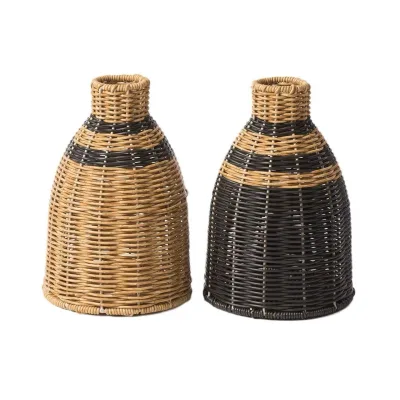
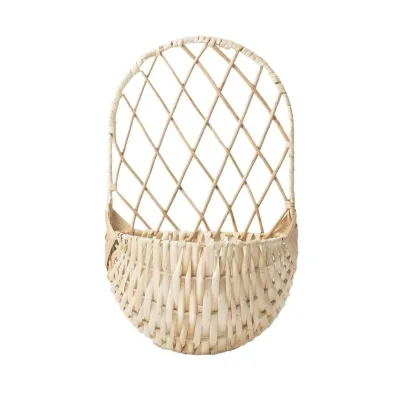
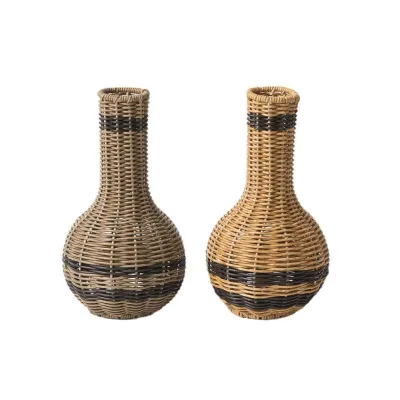
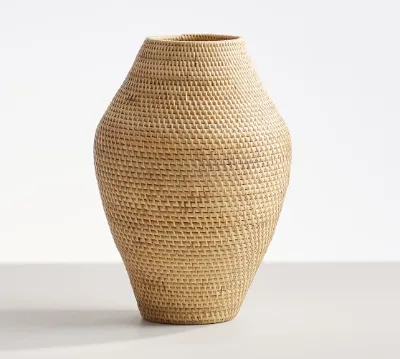
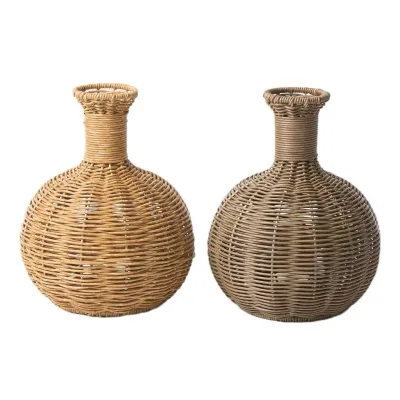
Handmade Willow Basket Flower Vase, Wicker Storage Rack, Hanging-style Willow Woven Flower Pot
$2.7222 - $3.0295
MOQ: 100 pieces
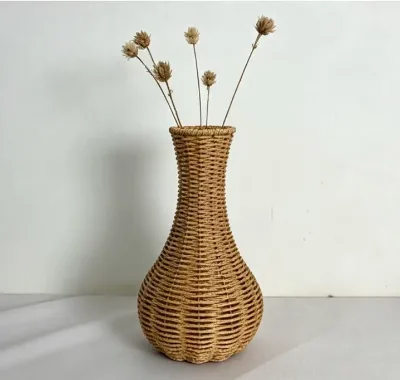
$3.5676 - $3.8614
MOQ: 100 pieces
Xiamen Designcrafts4u Industrial Co., Ltd
- Verified by Intertek
- Manufacturer, Trading Company
- Lead time45 days
- Avg. response≤ 2h
Main productsPet Bowl, Pet Fountain, Pet Supplies, Garden Decoration, Garden Tools
Main marketsNorth America(30%), Western Europe(20%), Eastern Europe(10%)
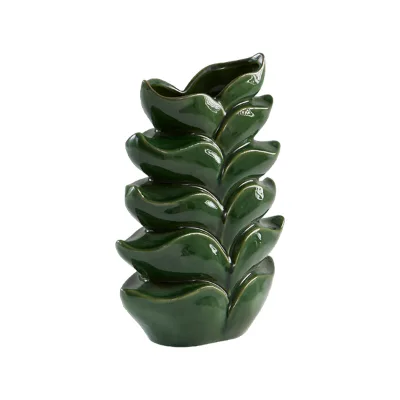
$2.99 - $6.99
MOQ: 360 pieces
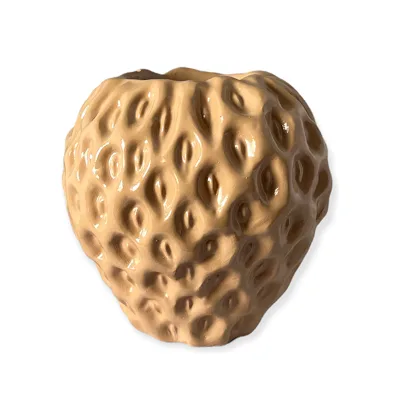
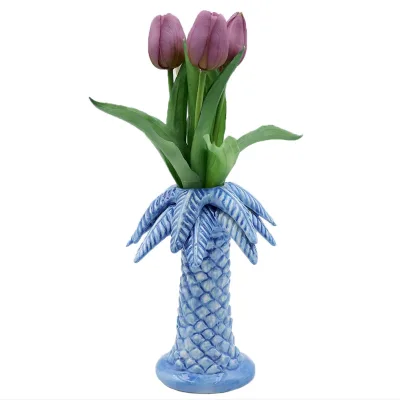
$1.9952 - $4.8583
MOQ: 500 pieces
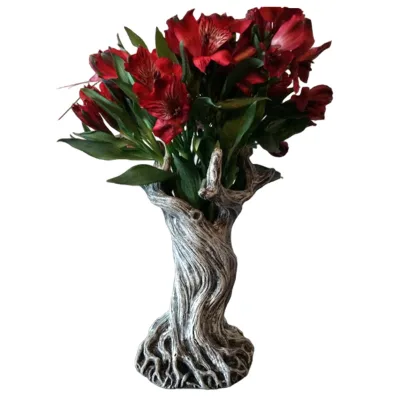
$2.00 - $6.00
MOQ: 720 pieces

Chaozhou Chaoan Yirui Ceramics Factory
- Verified by SGS
- Trading Company
- China Guangdong
- Lead time15 days
- Avg. response≤ 3h
Main productsCement Flower Pot, Ceramic Flower Pot, Cement Planter, Flower Pot, Ceramic Flower Vase, Cement Flower Vase, Glass Flower Vase, Plastic Flower Pot
Main marketsEast Asia(Japan/ South Korea)

- Trading Company
- Fujian, China
- Lead time120 days
- Avg. response≤ 2h
Main productsA wide range of Ceramic/Porcelain/Stoneware items,such as Spring/Valentine/Easter/Summer/Autumn/Halloween/Christmas/Bathroom wares/Tableware/ Home Decor,Etc...
Main marketsEastern Europe(35.00%), Northern Europe(30.00%), Western Europe(20.00%), Southern Europe(10.00%), North America(5.00%)
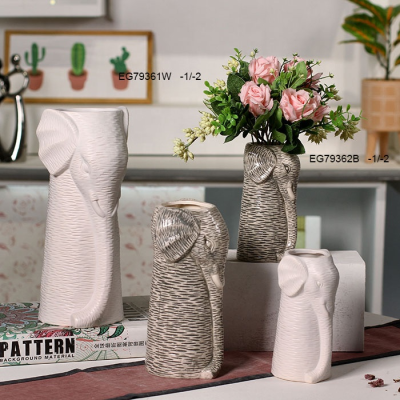
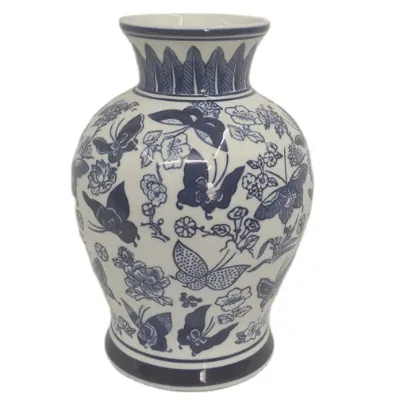
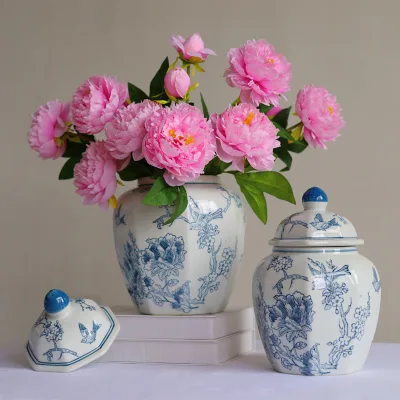
Flower Vase Blue and White Ceramic, New, Vintage, Chinese, Decorative Home
$9.0809 - $33.723
MOQ: 300 Minimum

Jinan Glass International Trade Co., Ltd.
- Manufacturer/Factory
- China Shandong
- Lead time15 days
- Avg. response≤ 6h
Main productsGlass Smoking Pipe, Glass Pipe, Printing and Package, Laboratory Glassware, Home Glassware, Machine, Sticker, Wall Decal
Main marketsSouth America,Eastern Europe,North America,Southeast Asia,Eastern Asia,Oceania,Western Europe,Africa


Simple Ceramic Hand-Painted Vase Creative Vase for Flower Arrangement in Living Room
Negotiable
MOQ: 5 Pieces
Xiamen Yoyo Ceramic Trading Co., Ltd.
- Verified by Intertek
- Manufacturer, Trading Company
- Lead time55 days
- Avg. response≤ 6h
Main productsCandle Jar, Daily Ceramic Ware, Home Decoration, Garden Decoration, Bathroom Accessory
Main marketsNorth America(45%), Oceania(20%), Western Europe(20%)

Guangzhou Garbo International Trading Co., Ltd.
- Verified by TUVRHEINLAND
- Trading Company,Manufacturer/Factory
- China Guangdong
- Lead time45 days
- Avg. response≤ 5h
Main productsGlassware, Glass Cup, Glass Mug, Glass Bowl, Glass Candy Jar, Glass Pitcher, Glass Ice Cream Cup and Ice Bucket, Opal Glassware, Stainless Steel Cutlery, Ceramic Dinnerware
Main marketsSouth America,Eastern Europe,Mid East,North America,Southeast Asia,Eastern Asia,Oceania,Western Europe,Africa

Handmade Craft Decorative Colored Glass Flower Vase for Gift Tabletop Glass Vase with Wooden Sleeve
$5.80 - $6.24
MOQ: 1000 Pieces

Handmade Luxury Colored Glass Flower Vase Tabletop Decorative 20cm Glass Vase
$1.30 - $1.56
MOQ: 3000 Pieces


Original Factory Cheap Price Decor Desktop Tulip Flower Vase Machine Made
$0.27 - $0.63
MOQ: 5000 Pieces
Danyang E-Shuo International Trading Co., Ltd.
- Trading Company
- Jiangsu, China
- Lead time10 days
- Avg. response≤ 4h
Main productsFloor Lamp,Ceiling Light,Chandelier,Home Decoration,Decoration Light
Main marketsSouthern Europe(20.00%), Oceania(20.00%), South America(20.00%), North America(20.00%), Western Europe(10.00%), Central America(10.00%)
- Manufacturer, Trading Company
- shandong, China
- Lead time15 days
- Avg. response≤ 4h
Main productsScissors,Garden Tools,Kitchen Tools,Scales,Cable
Main marketsNorth America(30.00%), Northern Europe(10.00%), Western Europe(10.00%), Mid East(10.00%), Africa(10.00%), Southeast Asia(10.00%), Eastern Europe(10.00%), South America(10.00%)
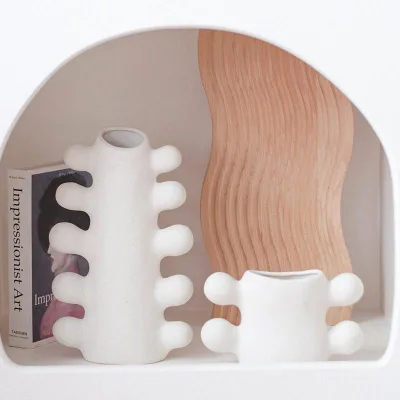
$2.8676 - $5.7442
MOQ: 100 Minimum
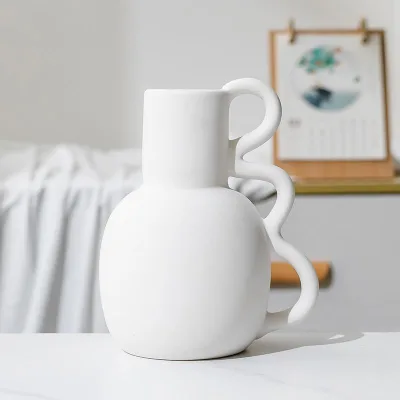
$4.6454 - $4.8433
MOQ: 100 pieces

Shuifu Huiyang Agricultural Technology Co., Ltd.
- Verified by SGS
- Trading Company
- China Yunnan
- Lead time23 days
- Avg. response≤ 4h
Main productsBamboo Products, Bamboo Crafts, Bamboo Chopsticks, Bamboo Skewers, Bamboo Weaving, Bamboo Tray, Bamboo Box, Bamboo Placemat, Bamboo Fruit Bowl, Lamp Shades
Main marketsDomestic
Baoying County Xuzhiguang Glass Crafts Co., Ltd.
- Verified by SGS Group
- Manufacturer, Trading Company
- Lead time7 days
- Avg. response≤ 1h
Main productsGlass Vases, Glass Candle Holders, Glass Tea Sets, Glass Wind Chimes, Glass Wine Glasses
Main marketsDomestic Market(66%), North America(12%), Western Europe(5%)
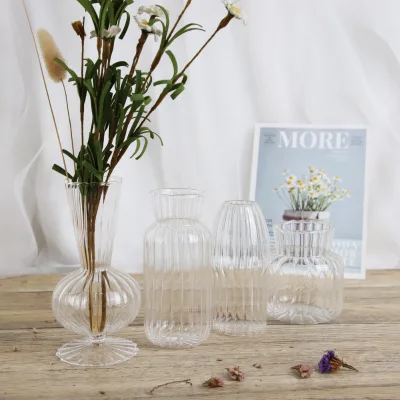
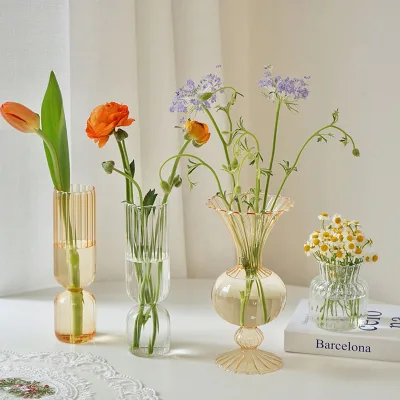
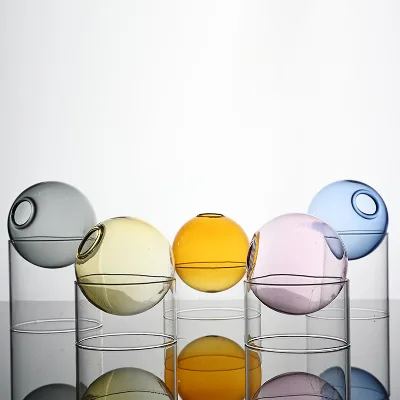
Cheap Price Creative Handblown Glass Tabletop Vases
$1.20 - $2.00

Zibo Melory Import & Export Trade Co., Ltd.
- Trading Company,Manufacturer/Factory
- China Shandong
- Lead time45 days
- Avg. response≤ 19h
Main productsGlass Candle Holder, Glass Jar, Glass Votive, Glass Diffuser, Glass Bottle, Glass Vase, Matches, Ceramic Candle Holder, Ceramic Holder for Incense, Glass Candle Jar
Main marketsSouth America,Eastern Europe,North America,Western Europe

- Trading Company
- China Guangdong
- Lead time15 days
- Avg. response≤ 5h
Main productsHouseware, Bathroom Set, Bathroom Accessory, Kitchenware, Tableware, Wine Accessory, Bath Set, Home Decoration, Soap Dispenser, Bath Ensembles
Main marketsDomestic,North America

Resin Home Decoration Accessories Handmade Vase Nordic Art Decoration Table Flower Vase
$7.87 - $8.30
MOQ: 100 Pieces

Resin Home Decoration Accessories Handmade Vase Nordic Art Decoration Table Flower Vase
$7.87 - $8.30
MOQ: 100 Pieces


Qingdao Qiteng Yongxin Glass Products Co., Ltd
- Verified by SGS
- Trading Company
- China Shandong
- Lead time30 days
- Avg. response≤ 6h
Main productsScented Oil Bottle, Wine Bottle, Beverage Bottle, Perfume Bottles, Reed Diffuser Bottles, Rum Bottle, Wax Holder, Essential Oil Glass Bottle, Nail Polish Glass Bottle, Roll on Glass Bottle
Main marketsEurope
Guangzhou Art-Top Home Culture Co., Ltd.
- Manufacturer, Trading Company
- Lead time旺季: "1 - 20":30,"> 20":"To be negotiated", 淡季: "1 - 20":30,"> 20":"To be negotiated"
- Avg. response≤ 2h
Main productsCeramic Vases/Glass Vases/Dinnerware Set/Home Accessories/Other Home Decor
Nanning Lanshige Home Furnishing Technology Co., Ltd.
- Trading Company
- Guangxi, China
- Lead time7 days
- Avg. response≤ 3h
Main productsStorage Box,seaweed basket,woodchip basket,bamboo basket,storage basket
Main marketsNorth America(35.00%), Western Europe(30.00%), Eastern Europe(20.00%), Domestic Market(5.00%), Mid East(5.00%), South America(2.00%), Southeast Asia(2.00%), Africa(1.00%)
Jingdezhen High-Tech Zone Xituwa Ceramic Factory (individual Business)
- Trading Company
- Jiangxi, China
- Lead time15 days
- Avg. response≤ 1h
Main productsHigh-temperature Daily Ceramic Products,High-temperature Art & Display Ceramics,Special High-temperature Funeral Ceramics,Customized High-temperature Ceramic Products,Special Industrial High-temperature Ceramics
Main marketsDomestic Market(50.00%), North America(10.00%), Southeast Asia(10.00%), Eastern Europe(5.00%), Southern Europe(5.00%), Western Europe(5.00%), South America(5.00%), South Asia(4.00%), Eastern Asia(1.00%), Mid East(1.00%), Oceania(1.00%), Northern Europe(1.00%), Central America(1.00%), Africa(1.00%)
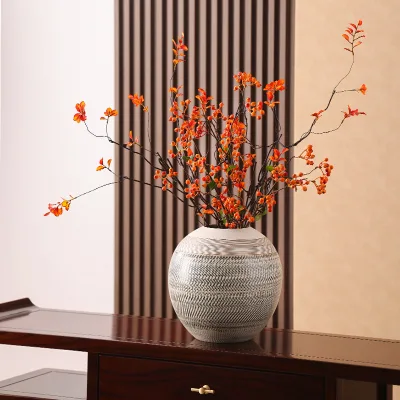
$18.4812 - $28.7493
MOQ: 2 pieces
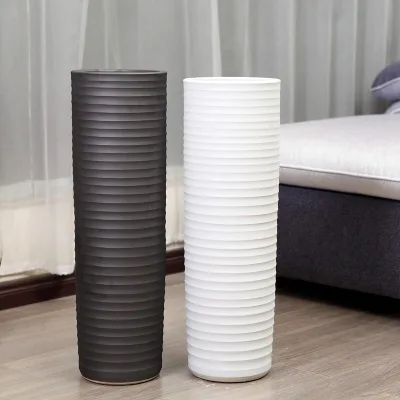
- Verified by TüVRheinland
- Manufacturer, Trading Company
- Lead time25 days
- Avg. response≤ 3h
Main productsDrinkware, Ceramicware, Barware, Kitchenware, Glass Bottles
Main marketsNorth America(20%), South America(20%), Southeast Asia(20%)

- Verified by BV
- Trading Company
- China Shandong
- Lead time30 days
- Avg. response≤ 3h
Main productsCeramic Mugs, Ceramic Dinnerware, Ceramic Tea Set, Ceramic Kitchen Ware, Custom Drum Shape Ceramic Coffee Mug, 24oz Large Capacity 3D Embossed Mug, Porcelain Cappuccino Cup and Saucer, 14oz Custom Souvenirs Ceramic Mug, 12 Sets Vintage Reactive Glazed Tableware, Custom Royal White Ceramic Milk Jar
Main marketsNorth America


Factory Simple Flower Vase Custom Ceramic Plant Vase Black Indoor Flower Vase
$1.50 - $3.00
MOQ: 3000 Pieces
Fujian Dehua Dome Arts&crafts Co., Ltd.
- Manufacturer, Trading Company
- Fujian, China
- Lead time60 days
- Avg. response≤ 5h
Main productsCeramic Crafts, Resin Crafts
Main marketsWestern Europe(45.00%), North America(35.00%), Mid East(10.00%), Oceania(5.00%), Domestic Market(5.00%)

- Verified by TUVRHEINLAND
- Trading Company
- China Hunan
- Lead time45 days
- Avg. response≤ 1h
Main productsCeramic Mug, Vacuum Flask, Dinner Set, Cup, Mug, Thermal Bottle, Ceramic Dinner Set, Glass Jar, Glass Cup, Wine Cup
Main marketsSoutheast Asia/ Mideast

Quanzhou Xiaoye Trading Co., Ltd.
- Verified by CTI
- Trading Company
- China Fujian
- Lead time15 days
- Avg. response≤ 3h
Main productsShoe Charm, Custom Shoe Charm, Straw Topper, Custom Straw Topper, Refrigerator Magnet, Shoe Decorations, Key Chain, Custom Keychain, Crocs Charms, Jibitz Charms
Main marketsSouth America,Africa,Southeast Asia/ Mideast,East Asia(Japan/ South Korea),Domestic,Europe,Australia,North America
Shanxi Delight Houseware Co., Ltd.
- Verified by Intertek
- Trading Company
- Lead time30 days
- Avg. response≤ 4h
Main productsGlass Drinkware, Glass Plate and Bowl, Glass Candle Holder, Glass Decanter
Main marketsNorth America(20%), Mid East(15%), South America(10%)

Ningbo Paiaopai Display Co., Ltd
- Verified by TUVRHEINLAND
- Combined
- China Zhejiang
- Lead time30 days
- Avg. response≤ 2h
Main productsMakeup Cosmetic Display Organizer Beauty, Jewelry Display Stand for Necklace Breclet Tray, Counter Display for Retial Store Sunglass, Buffet Display for Cake Dessert Party Stand, Funko Pop Acrylic Box Pokemon Etb Booster Pack, Acrylic Sign Label Price Tag Display Holder Fram, Juice Wine Display Racking Shelf Showcase, Acrylic Floor Display Pop up Display Side Table, House Decoration Display Stand Desktop Vase, Store Display Rack Supermarket Metal Acrylic PVC
Main marketsDomestic,North America
Shenzhen BOSN Display Co., Ltd.
- Verified by SGS Group
- Manufacturer, Trading Company
- Lead time20 days
- Avg. response≤ 2h
Main productsAcrylic Podium, Acrylic Table, Acrylic Chair, Acrylic Display, Acrylic Box
Main marketsNorth America(35%), Western Europe(20%), Oceania(10%)
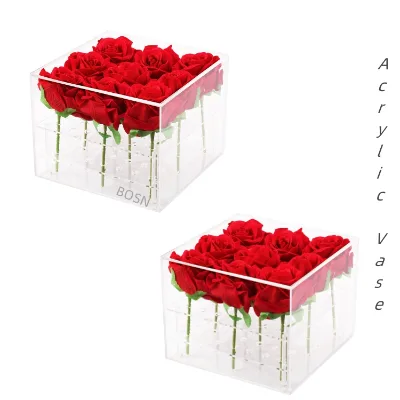
Wedding Home Decor Modern for Flower Arrangement Home Decorative Packaging Boxes Acrylic Flower Vase
$15.00 - $17.00
MOQ: 100 pieces
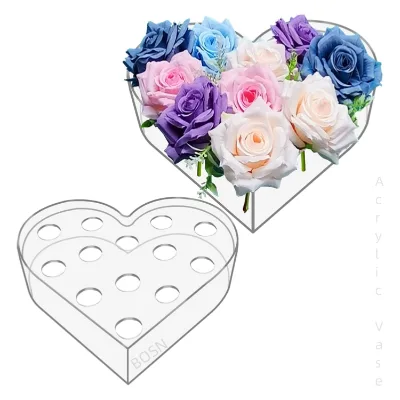
$15.90 - $16.90
MOQ: 100 pieces











Comprehensive Sourcing Guide
Handmade Eco Friendly Flower Vase Supplier Concentration and Factory Types
The current supplier landscape for handmade eco-friendly flower vases reveals a distinct concentration of manufacturing activity within specific Chinese provinces, with Fujian emerging as a notable hub for this category. Suppliers located in China Fujian are predominantly identified as trading companies rather than direct manufacturers, which significantly influences the sourcing dynamic for buyers seeking these specific decorative items. These trading entities often aggregate products from various smaller workshops or factories, offering a broader catalog that includes gift items, garments, and machines alongside their primary focus on vases. This structure allows buyers to access a diverse range of materials, from solid wooden designs with natural finishes to ceramic and glass alternatives, all under one roof. The presence of BV verification among these suppliers adds a layer of credibility, suggesting that the entities have undergone third-party inspections to confirm their business legitimacy and operational capabilities. However, the trading company model implies that the buyer is interacting with an intermediary who manages the supply chain rather than the production floor itself. This distinction is crucial for understanding lead times and communication flows, as the trading company acts as a buffer between the factory and the end purchaser. Buyers must recognize that while this model offers convenience and variety, it may also introduce additional layers of coordination that can affect the final delivery schedule. The focus on home decor and vases indicates a specialized niche within these trading companies, allowing them to provide curated selections that meet specific aesthetic requirements such as fashion styles or rustic designs. Understanding this concentration helps buyers target their search efforts more effectively, knowing that Fujian-based trading companies are a primary source for these types of decorative goods.
In contrast to the trading company model, other suppliers in the market operate as combined entities that may include both manufacturing and trading capabilities. These combined suppliers often possess more direct control over the production process, which can be advantageous for buyers requiring customizations or specific material specifications. For instance, some suppliers specialize in glassware and kitchenware, leveraging their expertise in glass processing techniques like blowing to create unique vase designs. This dual nature allows for greater flexibility in handling orders, as the supplier can manage both the creation of the product and its subsequent distribution. The presence of such combined entities suggests a more integrated supply chain where the buyer might benefit from more direct communication regarding production details. However, this does not necessarily mean they are the only option, as the market remains diverse with various company types catering to different needs. Buyers should be aware that the type of supplier they engage with will dictate the level of transparency and control they have over the manufacturing process. Trading companies offer ease of access and variety, while combined entities may offer more direct involvement in production. This diversity in supplier types ensures that buyers can find partners that align with their specific operational requirements, whether they prioritize speed, customization, or cost-efficiency. The key is to match the supplier type with the buyer’s specific needs, ensuring that the chosen partner can deliver the desired quality and timeline for handmade eco-friendly flower vases.
How to Verify Handmade Eco Friendly Flower Vase Suppliers
Verifying the authenticity and reliability of suppliers requires a systematic approach that goes beyond surface-level claims, focusing on tangible evidence of their capabilities and compliance. One of the primary methods for verification is checking for third-party certifications and audit reports, such as BV verification, which indicates that an independent body has inspected the supplier’s operations. This verification process helps confirm that the supplier exists, operates legally, and meets certain standards of business practice. Buyers should request these reports directly and review them for any discrepancies or limitations in the scope of the audit. Additionally, examining the supplier’s response time can provide insights into their operational efficiency and customer service quality. A supplier with a rapid response time, such as under two hours, may indicate a well-staffed and responsive team, whereas slower responses might suggest potential bottlenecks in communication. This metric is particularly important for buyers who need timely updates on order status or require quick resolutions to issues. By analyzing these response patterns, buyers can gauge the supplier’s commitment to customer satisfaction and their ability to handle inquiries efficiently. It is also advisable to look for consistency in their communication, ensuring that the information provided aligns with the details found in their product listings and company profiles.
Another critical aspect of verification is assessing the supplier’s product evidence and specifications to ensure they match the buyer’s requirements. Buyers should scrutinize the product attributes, such as material composition, design style, and finishing techniques, to confirm that the items are indeed handmade and eco-friendly as claimed. For example, checking for specific design features like solid construction or natural finishes can help validate the eco-friendly aspect of the products. Furthermore, verifying the supplier’s ability to provide OEM services is essential for buyers seeking customizations. Suppliers that explicitly state their capability for OEM or ODM production demonstrate flexibility and a willingness to tailor products to specific buyer needs. Buyers should also review the supplier’s main products to ensure they have a strong focus on vases and home decor, rather than being a generalist with limited expertise in this niche. This focus often correlates with higher quality and better understanding of the market trends. Additionally, checking for any displayed certifications, such as ISO standards, can provide further assurance of the supplier’s commitment to quality management and environmental responsibility. By combining these verification steps, buyers can build a comprehensive profile of each supplier, reducing the risk of engaging with unreliable partners. This thorough approach ensures that the selected suppliers are not only capable of producing the desired products but also operate with integrity and professionalism.
What to Compare Across Handmade Eco Friendly Flower Vase Suppliers
When evaluating multiple suppliers, buyers must compare key operational metrics to determine the best fit for their specific needs. One of the most critical factors is the lead time, which directly impacts inventory management and delivery schedules. Suppliers may offer varying lead times, ranging from thirty days to sixty days or more, depending on the complexity of the product and the current production load. Buyers should align their order planning with these lead times to avoid stockouts or delays in receiving goods. Additionally, the minimum order quantity (MOQ) is a significant consideration, as it affects the initial investment and risk exposure. Some suppliers may have low MOQs, allowing for smaller trial orders, while others may require larger quantities, which can be beneficial for established buyers with consistent demand. Comparing these MOQs helps buyers assess the financial commitment required for each supplier. Another important metric is the price range, which can vary significantly based on materials, design complexity, and customization options. Buyers should analyze the price per unit across different suppliers to ensure they are getting competitive rates without compromising on quality. This comparison should also include any additional costs, such as packaging or shipping, to get a true picture of the total cost of ownership. By systematically comparing these operational metrics, buyers can make informed decisions that balance cost, speed, and volume requirements.
Beyond operational metrics, buyers should also compare the supplier’s product offerings and customization capabilities to ensure they meet their aesthetic and functional needs. The variety of materials available, such as wood, ceramic, glass, or plastic, can influence the final product’s appeal and suitability for different markets. Buyers should examine the product attributes, such as style, finish, and usage, to ensure they align with their target customer preferences. For instance, a supplier offering fashionable designs with natural finishes may be ideal for modern home decor markets, while those providing classical styles may suit traditional settings. Additionally, the supplier’s ability to handle custom packaging and branding is crucial for buyers looking to create a unique brand identity. Suppliers that offer customized packing solutions can help enhance the product’s presentation and protect it during transit. Buyers should also consider the supplier’s response speed, as quicker responses can facilitate smoother communication and faster problem resolution. Comparing these product and service attributes allows buyers to select suppliers that not only meet their quantitative requirements but also align with their qualitative goals. This holistic comparison ensures that the chosen suppliers can deliver products that resonate with the end consumer while maintaining operational efficiency. By focusing on these diverse factors, buyers can build a robust supplier base that supports their long-term business objectives.
Common Handmade Eco Friendly Flower Vase Sourcing Risks
Sourcing handmade eco-friendly flower vases involves several inherent risks that buyers must proactively manage to ensure a smooth procurement process. One significant risk is the variability in product quality, which can arise from the handmade nature of the items. Unlike mass-produced goods, handmade products may exhibit slight variations in size, shape, or finish, which can lead to inconsistencies in the final shipment. Buyers need to establish clear quality standards and communicate these expectations explicitly to the supplier to minimize discrepancies. Additionally, the reliance on natural materials such as wood or ceramic can introduce risks related to durability and environmental conditions. For example, wooden vases may be susceptible to moisture damage, while ceramic items can be fragile and prone to breakage during transit. Buyers should request detailed information about the materials used and the finishing processes to assess their suitability for their intended market. Another risk is the potential for delays in production, which can be exacerbated by supply chain disruptions or high demand periods. Suppliers with longer lead times may be more susceptible to these delays, impacting the buyer’s ability to meet customer expectations. Buyers should monitor the supplier’s production schedule and maintain open communication to stay informed about any potential issues. By identifying these risks early, buyers can implement mitigation strategies such as quality inspections, buffer stock, and flexible shipping options to protect their business interests.
Another common risk is the misalignment between the supplier’s capabilities and the buyer’s expectations, particularly regarding customization and compliance. Suppliers may claim to offer OEM services, but the actual level of customization may be limited by their production capacity or technical expertise. Buyers should verify the supplier’s ability to handle specific design requirements, such as custom logos or unique shapes, before placing large orders. Additionally, there is a risk of non-compliance with international standards or regulations, especially if the supplier lacks proper certifications or testing reports. Buyers must ensure that the products meet all relevant safety and environmental standards for their target market. This includes verifying that the materials used are non-toxic and that the production processes adhere to ethical labor practices. Furthermore, the risk of financial loss due to fraud or non-delivery is always present in international trade. Buyers should use secure payment methods and consider using escrow services to protect their funds until the goods are received and inspected. By addressing these risks through thorough due diligence and clear contractual agreements, buyers can reduce their exposure to potential losses and ensure a more reliable sourcing experience. This proactive approach helps build a resilient supply chain that can withstand various challenges and deliver consistent value to the business.
Handmade Eco Friendly Flower Vase Regional Sourcing and Logistics
Regional sourcing plays a pivotal role in determining the efficiency and cost-effectiveness of procuring handmade eco-friendly flower vases. Suppliers located in China Fujian offer a concentrated source of these products, leveraging the region’s established manufacturing infrastructure and skilled labor force. This concentration allows for economies of scale and specialized expertise in crafting decorative items, which can translate into competitive pricing and high-quality outputs. Buyers sourcing from this region benefit from a well-developed logistics network, with access to major ports and shipping routes that facilitate efficient export operations. The proximity to raw material sources, such as wood and clay, can also reduce transportation costs and lead times for the initial stages of production. However, buyers must also consider the logistical challenges associated with international shipping, including customs clearance and potential delays at border crossings. Understanding the regional logistics landscape helps buyers plan their supply chain more effectively, ensuring that goods arrive on time and in good condition. Additionally, the regional focus on home decor and vases indicates a mature market with a high level of competition, which can drive innovation and improvement in product design and manufacturing techniques. Buyers can leverage this competitive environment to negotiate better terms and access a wider variety of products. By aligning their sourcing
FAQs
What is the price range for handmade eco friendly flower vases?
Prices for these vases typically range from $1.00 to $50.00 per unit depending on material and customization. Wooden options often start around $2.25, while glass varieties may cost between $1.00 and $5.00. Ceramic and plastic alternatives also fall within this broad spectrum, allowing buyers to select products that fit specific budget constraints effectively.
What is the minimum order quantity for these vases?
Minimum order quantities vary significantly by product type and supplier. Wooden vases generally require a minimum of 100 units, while glass options often start at 300 units. Some ceramic and plastic items may have higher thresholds, such as 10,000 units for specific OEM orders. Buyers should verify the exact MOQ for their chosen design before placing an order.
How long does production take for these vases?
Production lead times typically range from 30 to 60 days depending on the supplier and product complexity. Suppliers in Fujian often report a lead time of 30 days, while those in Shandong may require up to 60 days. Buyers should confirm specific timelines with their chosen supplier to ensure timely delivery for their projects or inventory needs.
Are these vases available with OEM customization?
Yes, many suppliers offer OEM customization for wooden, glass, and ceramic vases. Buyers can request specific designs, finishes, and packaging options to match their brand requirements. Customization is explicitly listed for several product models, allowing for tailored solutions. However, OEM orders may have higher minimum order quantities, so buyers should discuss these details directly with the supplier.
Where are these vases manufactured?
These vases are primarily manufactured in China, with suppliers located in regions such as Fujian and Shandong. Fujian suppliers often specialize in wooden and gift items, while Shandong suppliers focus on glassware and kitchenware. Buyers can filter results by location to find suppliers in specific provinces that align with their logistical preferences or sourcing strategies.
What materials are used for handmade eco friendly vases?
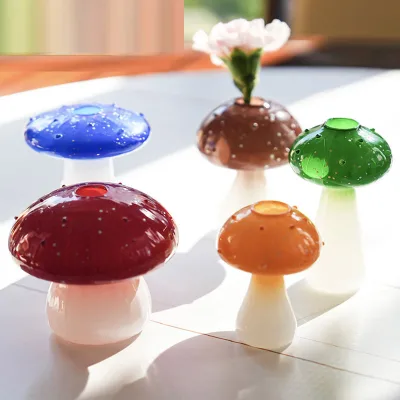
Common materials include wood, glass, ceramic, and plastic, with many products marketed as eco-friendly or sustainable. Wooden vases often feature natural finishes and solid designs, while glass options may be blown or color glazed. Ceramic and plastic alternatives also offer various styles, allowing buyers to choose materials that best suit their aesthetic and environmental goals.