Ritual Paraffin Wax Jar Candle Suppliers and Manufacturers
Compare 18 verified suppliers offering ritual paraffin wax jar candles with ISO9001:2015 and SGS certifications. Review lead times, MOQs, and response times to source from Hebei factories. Contact suppliers directly to request samples; review the available evidence before requesting comparable quotations from suitable candidates.
Updated
Suppliers List

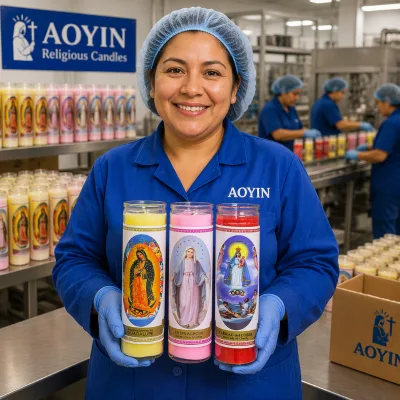
Aoyin Xingtang Candle Co., Ltd.
- Verified by SGS
- Combined
- China Hebei
- Lead time15 days
- Avg. response≤ 5h
Main productsCandle, White Candle, Color Candle, Tealight Candle, Fluted Candle, Pillar Candle, Candles, Religious Candles, Lighting Candle, Festival Candle
Main marketsAfrica,Europe,North America
- Verified by SGS Group
- Manufacturer, Trading Company
- Lead time15 days
- Avg. response≤ 2h
Main productsGlass Jar Candle, LED Candle, Pillar Candle, Stick Candle, Tealight Candle
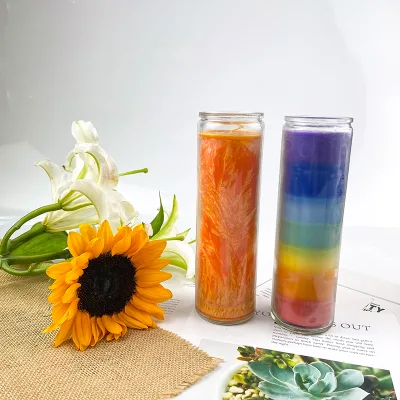
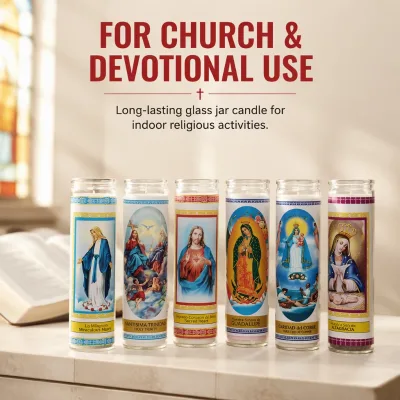
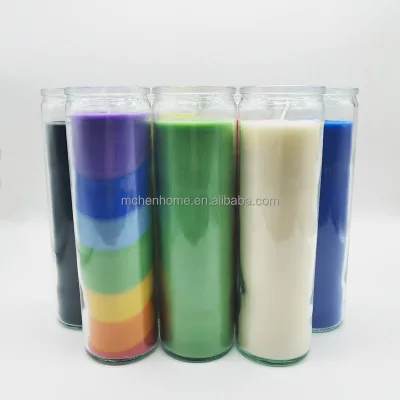
7 Days Jar Candle Paraffin Wax Magic Meditation Candles for Religious Activities
$1.30 - $2.38
MOQ: 200 pieces
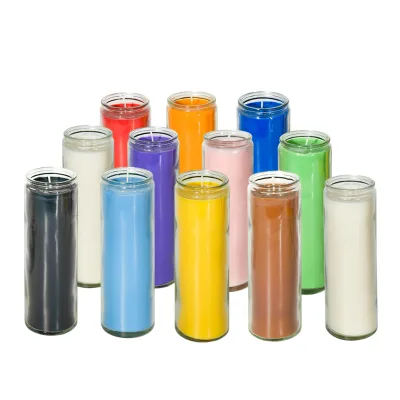
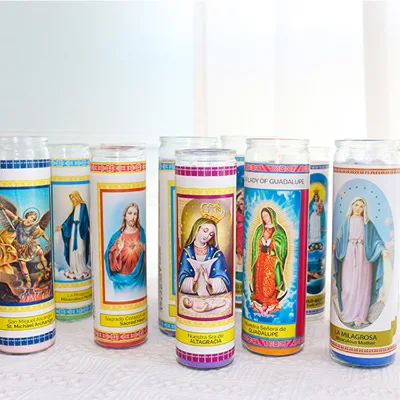

Qingdao Art Fortune Imp/Exp Co., Ltd.
- Verified by TUVRHEINLAND
- Trading Company
- China Shandong
- Lead time30 days
- Avg. response≤ 4h
Main productsScented Candle, Reed Diffuser, Glass Jar Candle, Flameless LED Wax Candle, Candle and Home Fragrance, Tealight Candle, Candle Holder, Candle Gift Set, Handmade Pillar Candle, Tin Candle
Main marketsAfrica

Chemact (Liaoning) Petrochemicals Ltd.
- Manufacturer/Factory
- China Liaoning
- Lead time0 days
- Avg. response≤ 23h
Main productsParaffin Wax, Wax, Fully Refined Paraffin Wax, Semi Refined Paraffin Wax, Candles, White Pillar Candle, Soy Wax
Aoyin Xingtang Candle Co., Ltd.
- Verified by SGS Group
- Manufacturer, Trading Company
- Lead time20 days
- Avg. response≤ 2h
Main productsTealight Candles, Scented Candles, Stick Candles, LED Candles, Glass Candles, Pillar Candles, Soy Candles, Art Candle, Religious Candles
Main marketsAfrica(40%), North America(10%), South America(10%)
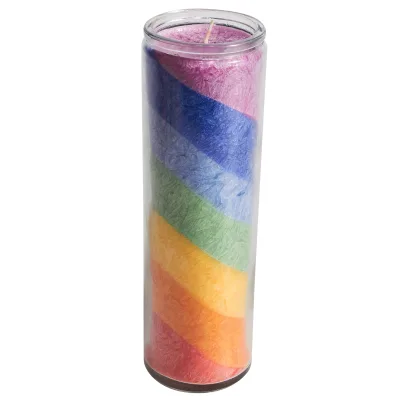
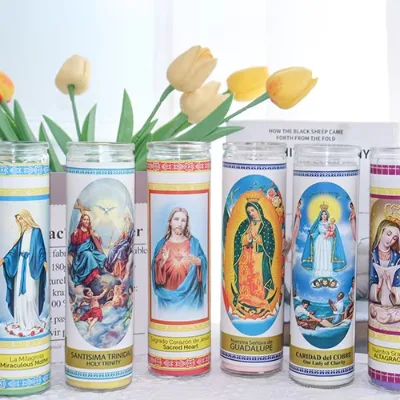
$1.2951 - $2.0042
MOQ: 200 pieces
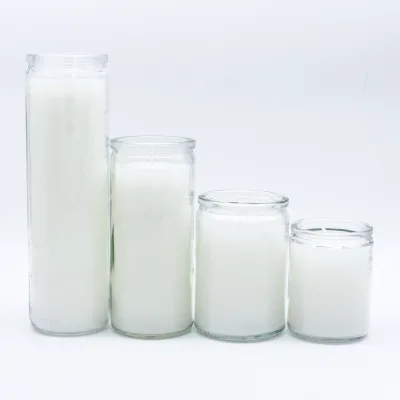
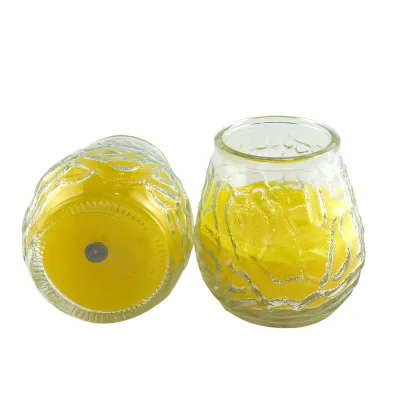
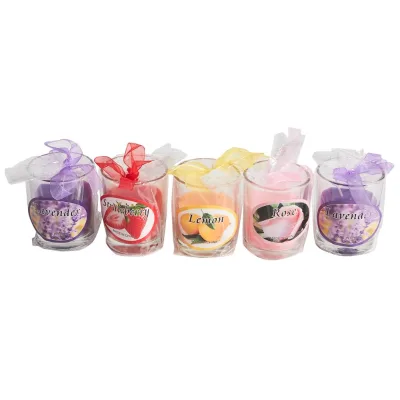
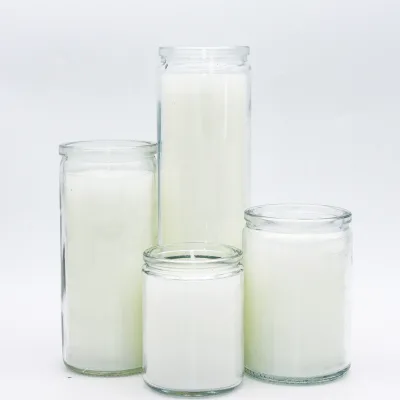

Shijiazhuang Tabo Candles Sales Co., Ltd.
- Verified by BV
- Combined
- China Hebei
- Lead time15 days
- Avg. response≤ 4h
Main productsCandle
Main marketsSoutheast Asia/ Mideast,East Asia(Japan/ South Korea),Europe,Australia,North America

MEICHEN (HEBEI) TECHNOLOGY CO., LTD.
- Trading Company
- Hebei, China
- Lead time25 days
- Avg. response≤ 3h
Main productsScented Candles,Tealight Candle,Household Candle,Candle Accessories,Candle Wax
Main marketsNorth America(20.00%), South America(20.00%), Eastern Europe(20.00%), Southeast Asia(10.00%), Africa(10.00%), Mid East(10.00%), Northern Europe(10.00%)
Liaoning Esun Science And Technology Development Co., Ltd.
- Manufacturer, Trading Company
- Liaoning, China
- Lead time0 days
- Avg. response≤ 2h
Main productsScented Candles,Jar Candles,Tealight Candles,Flower Candles,Votive Candles
Main marketsDomestic Market(80.00%), North America(12.00%), Eastern Europe(4.00%), Southeast Asia(4.00%)

Outstanding Design & Manufacture Co., Ltd.
- Verified by BV
- Combined
- China Shanghai
- Lead time30 days
- Avg. response≤ 14h
Main productsScented Candle, Reed Diffuser, Car Air Freshener, Aroma Diffuser, Incense Gift Set, Scented Sachet, Oil Burner, Fragrance Oil, Essential Oil, Fragrance Lamp
Main marketsEurope,Australia,North America

Hebei Seawell Import And Export Co., Ltd.
- Trading Company
- Hebei, China
- Lead time20 days
- Avg. response≤ 5h
Main productsTaper Candle, Pillar Candle, Jar Candle, Scented Candle, Customized Candle
Main marketsNorth America(35.00%), Africa(20.00%), Eastern Asia(12.00%), Western Europe(10.00%), Southern Europe(5.00%), Mid East(5.00%), Northern Europe(4.00%), Oceania(3.00%), Eastern Europe(3.00%), South America(2.00%), Southeast Asia(1.00%)

Hebei Guanlian New Material Co. , Ltd.
- Verified by BV
- Trading Company
- China Hebei
- Lead time15 days
- Avg. response≤ 2h
Main productsCandle Wax, Soy Wax, Gel Wax, Coconut Wax, Scented Candles, Art Candles, Pillar Candles, Candle Accessories, Candle Containers
Main marketsOthers(foreignTradeCapacity.exportBusinessCapacityMarketOther),Southeast Asia/ Mideast

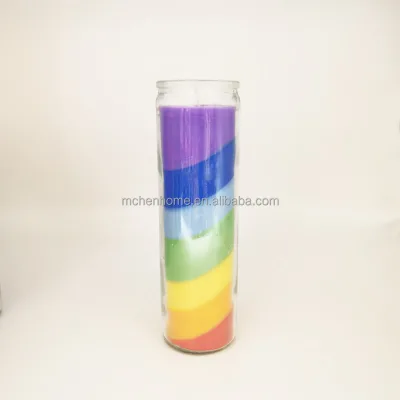
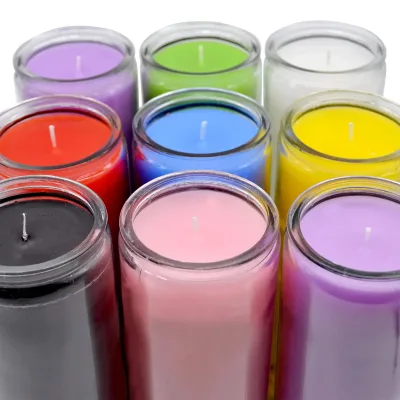
Multi-Colored Custom Gift Craft Glass Jar Paraffin Wax Candle with Good Service
$0.88 - $4.50
MOQ: 50 Pieces

Religion Lighting Custom Scented Glass Jar Paraffin Wax Candle with High Quality
$0.88 - $4.50
MOQ: 50 Pieces

Litbright Candle (Shijiazhuang) Co., Ltd.
- Verified by SGS Group
- Manufacturer, Trading Company
- Lead time20 days
- Avg. response≤ 2h
Main productsTaper Candle, Scented candles, Tealight candle, Pillar Candle, Reed diffuser
Main marketsNorth America(18%), Africa(18%), Mid East(16%)
Shijiazhuang Gaocheng Fengyuan Candle Co., Ltd.
- Verified by TüVRheinland
- Manufacturer, Trading Company
- Lead time20 days
- Avg. response≤ 5h
Main productsWhite Candle, Tealight Candle, Fluted Candle, Tin Candle, 7 Days Candle
Main marketsAfrica(55%), Mid East(10%), Southeast Asia(6%)
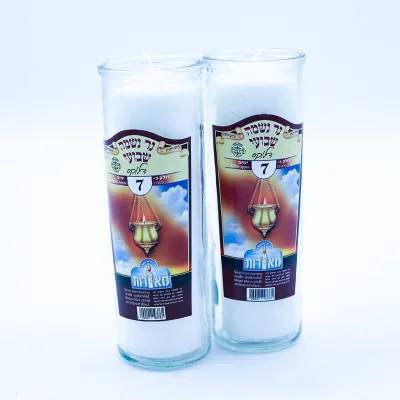
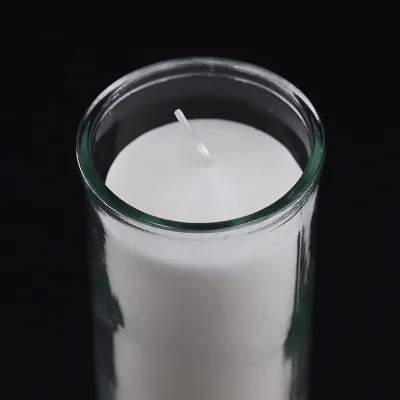
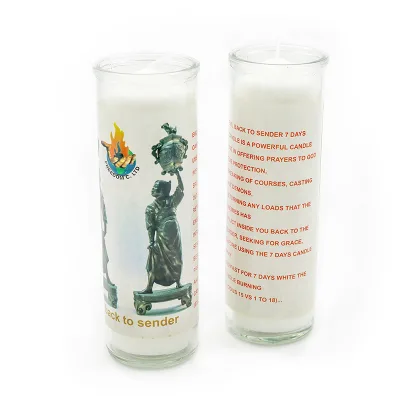
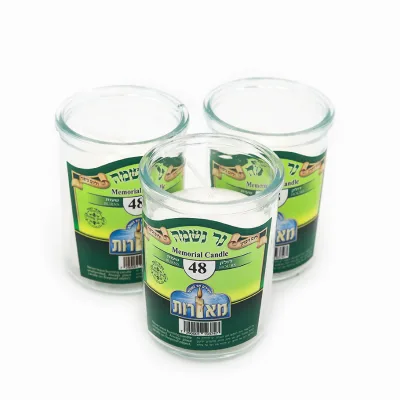
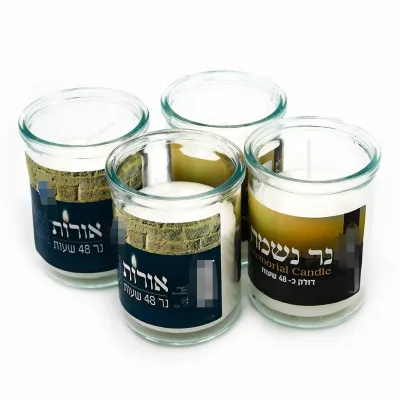
$0.60 - $0.85
MOQ: 10000 pieces
Qingdao Surely Bright Candle Co., Ltd.
- Trading Company
- Shandong, China
- Lead time20 days
- Avg. response≤ 3h
Main productsIntention Candles,Ceremonial candles,Wellness & Spiritual candles,Gift Amethyst for Inner Peace,Reed Diffuser oil
Main marketsOceania(20.00%), North America(20.00%), South America(10.00%), Southeast Asia(10.00%), Western Europe(10.00%), Southern Europe(8.00%), Eastern Europe(7.00%), Mid East(5.00%), Northern Europe(5.00%), Central America(5.00%)

Qingdao Huanxi Homeware Co., Ltd
- Verified by SGS
- Trading Company
- China Shandong
- Lead time15 days
- Avg. response≤ 7h
Main productsPerfume Bottle, Perfume Refill Bottle, Spray Bottle, Glass Bottle, Craft Candle, Candle Holder, Diffuser Bottle, Tin Candle, Mini Perfume Bottle, Perfume Cap
Main marketsAfrica,North America
Shijiazhuang Tiankai Industry And Trade Co., Ltd.
- Manufacturer, Trading Company
- Hebei, China
- Lead time10 days
- Avg. response≤ 3h
Main productsCandles,Candle Machine,Tealight candle,Glass candle,Church candle
Main marketsAfrica(45.00%), Western Europe(15.00%), Mid East(10.00%), Domestic Market(5.00%), Oceania(5.00%), South America(4.00%), North America(3.00%), Southeast Asia(3.00%), Eastern Asia(3.00%), Eastern Europe(3.00%), Southern Europe(2.00%), South Asia(2.00%)

Fushun Dongyu Wax Industry Co., Ltd
- Verified by TUVRHEINLAND
- Trading Company
- China Liaoning
- Lead time15 days
- Avg. response≤ 5h
Main productsCandle, Paraffin Wax, Vaseline, Kunlun Fully Refined Paraffin Wax, Kunlun Semi Refined Paraffin Wax, White Petroleum Jelly, Yellow Petroleum Jelly
Main marketsSouth America,Africa,Southeast Asia/ Mideast
Ningbo General Union Co., Ltd.
- Verified by SGS Group
- Trading Company
- Lead time30 days
- Avg. response≤ 10h
Main productsHousehold Products, Cleaning Tools, Disposable Tableware, Kitchen Tableware, Kitchen Accessories
Main marketsWestern Europe(40%), North America(30%), Eastern Europe(10%)





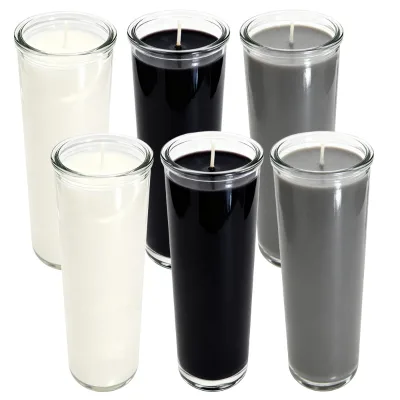
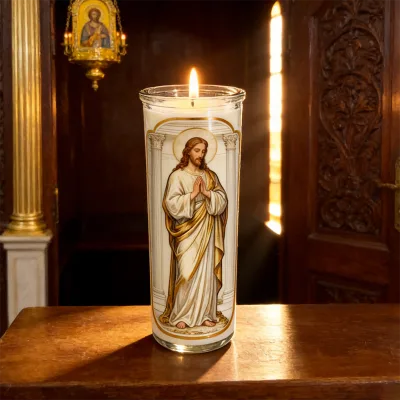




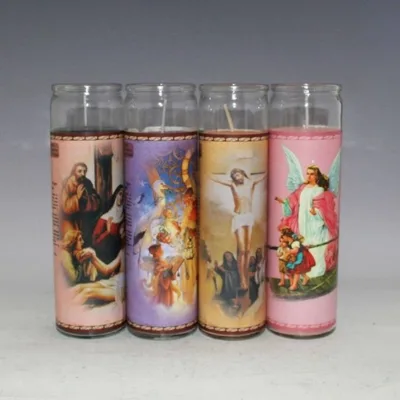


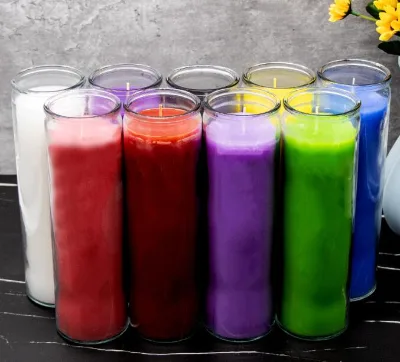
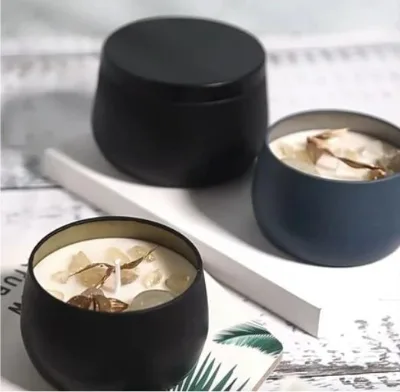
Comprehensive Sourcing Guide
Ritual Paraffin Wax Jar Candle Supplier Concentration and Factory Types
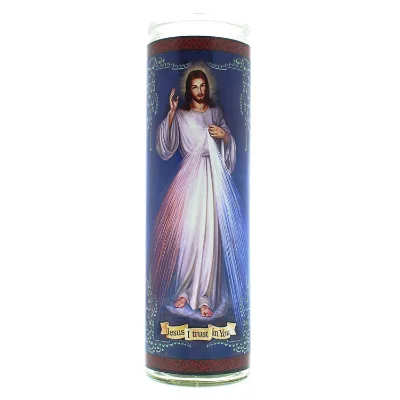
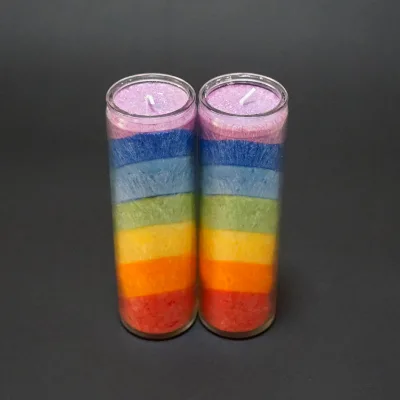
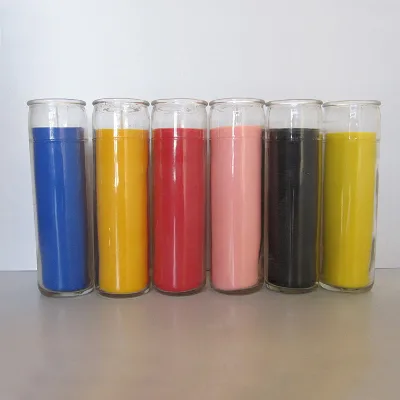
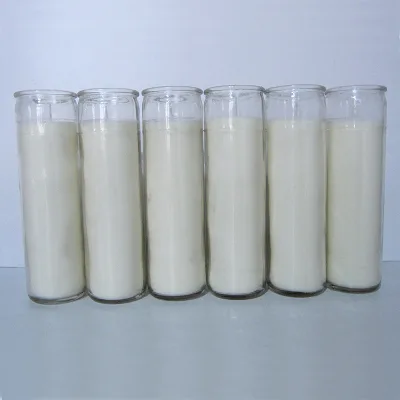
The current supplier landscape for ritual paraffin wax jar candles reveals a distinct concentration of manufacturing and trading entities within China, specifically in the Hebei region. This geographic clustering suggests a mature industrial ecosystem where raw material sourcing, glass jar production, and wax processing are likely integrated or closely proximate. Buyers evaluating potential partners should recognize that this regional focus often correlates with established supply chains for paraffin wax and cotton wicks, which are critical components for consistent burn quality. The presence of both manufacturers and trading companies in these results indicates a diverse market structure. Manufacturers typically offer direct control over production processes, including machinery-based filling and molding, while trading companies may provide broader product assortments and flexible order handling. Understanding this dichotomy is essential for determining whether a buyer prioritizes direct factory engagement or the logistical convenience of a consolidated supplier.
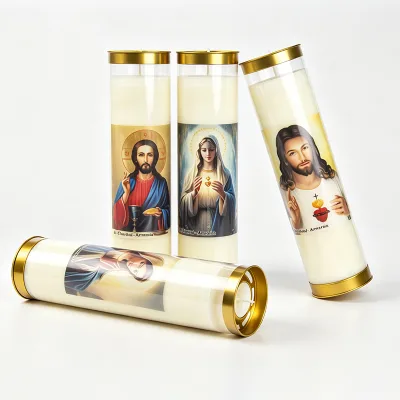
Company types listed in the results vary, with some entities identified as combined operations, others as pure manufacturers, and some as trading firms. This variation impacts the buyer’s approach to due diligence. For instance, suppliers offering ODM and OEM capabilities often possess the technical infrastructure for light customization, sample processing, and graphic processing. These capabilities are particularly relevant for buyers seeking specific branding or unique product attributes, such as customized logos or specific jar shapes. The main products listed frequently include religious candles, memorial candles, and decorative jar candles, indicating that many suppliers specialize in niche markets rather than generic home fragrance items. Buyers should assess whether the supplier’s primary focus aligns with their specific volume and quality requirements. A supplier listing religious observances candles alongside LED candles may have different operational strengths compared to one focused solely on traditional paraffin wax products.
How to Verify Ritual Paraffin Wax Jar Candle Suppliers
Verification is a critical step in mitigating risk when sourcing ritual paraffin wax jar candles from international suppliers. The results indicate that several suppliers hold SGS verification, which serves as a baseline for assessing operational legitimacy. However, buyers must look beyond simple verification badges to understand the scope of these assessments. For example, some suppliers display ISO9001:2015 certificates, which confirm adherence to quality management systems, while others may list additional certifications such as MSDS or CE. These documents are vital for ensuring that the paraffin wax used meets safety standards and that the manufacturing process is compliant with international regulations. Buyers should request copies of these certificates and verify their validity through the issuing bodies. Additionally, the presence of product-specific certifications like SGS or BV for the candles themselves indicates that the products have undergone independent testing for quality and safety.
Response time is another key metric for evaluating supplier reliability. The data shows response times ranging from 2 to 5.00, which can indicate the efficiency of the supplier’s communication channels. A faster response time often correlates with a more organized sales team and better customer service infrastructure. Buyers should test this by sending detailed inquiries about customization options, such as logo printing or specific scent requirements. The ability of the supplier to provide accurate information about wick composition, such as 100% cotton wicks, and burning times, such as over 60 hours, demonstrates technical competence. Furthermore, buyers should inquire about sample availability, as many suppliers offer free samples for evaluation. Assessing the quality of these samples, including the clarity of the glass jar and the consistency of the wax fill, provides tangible evidence of the supplier’s manufacturing capabilities. This hands-on verification is often more reliable than relying solely on online profiles.
What to Compare Across Ritual Paraffin Wax Jar Candle Suppliers
When comparing suppliers, buyers should focus on key operational dimensions such as lead time, minimum order quantity (MOQ), and pricing structures. The results show lead times of approximately 15 days, with some suppliers indicating a delivery window of 15-25 days. This consistency suggests a standardized production cycle for jar candles, but buyers should confirm if these timelines apply to customized orders. MOQs vary significantly, with some suppliers requiring as few as 120 pieces, while others demand 10,000 pieces. This disparity allows buyers to align their orders with their inventory capacity and market demand. For smaller retailers or niche markets, suppliers with lower MOQs may be more suitable, whereas large-scale distributors might benefit from the economies of scale offered by higher-volume suppliers. Pricing also varies, with some products listed around $0.80 per unit and others at $2.58, reflecting differences in material quality, jar complexity, and customization levels.
Customization capabilities are another critical factor for differentiation. Suppliers offering ODM and OEM services can accommodate specific branding needs, such as customized logos on the glass or unique packaging designs. The results indicate that customization is available for many products, including letterpress printing and custom scents like lavender or jasmine. Buyers should evaluate the extent of these customization options, including the availability of different jar sizes, colors, and wick types. Additionally, the main products listed by each supplier can reveal their specialization. A supplier focusing on religious and memorial candles may have different expertise compared to one offering a broader range of home decor items. Buyers should also consider the payment terms, such as T/T, Western Union, or Moneygram, and assess which method aligns with their financial policies and risk tolerance. Comparing these factors holistically helps in selecting a supplier that best fits the buyer’s strategic goals.
Common Ritual Paraffin Wax Jar Candle Sourcing Risks
Sourcing ritual paraffin wax jar candles involves several potential risks that buyers must proactively manage. One significant risk is the variability in product quality, particularly regarding the burning characteristics of the candles. Paraffin wax can produce smoke or soot if not formulated correctly, which is detrimental for religious and memorial uses where clean burning is often expected. Buyers should verify that suppliers use high-purity paraffin wax and appropriate wick materials, such as 100% cotton, to ensure a smokeless and long-lasting burn. The results mention smokeless attributes and long burning times, but these claims must be validated through sample testing. Additionally, the integrity of the glass jar is crucial, as cracks or defects can lead to product failure during use. Buyers should inspect samples for structural integrity and consistency in the filling process, which is often machinery-based for efficiency but requires precise calibration.
Another risk is the reliability of delivery and communication. While some suppliers show fast response times, delays can occur due to production bottlenecks or logistical issues. Buyers should establish clear communication channels and request regular updates on order status. The lead time of 15 days is a benchmark, but buyers should confirm if this includes production, quality control, and shipping preparation. Furthermore, the risk of non-compliance with international standards is a concern, especially for products intended for export. Buyers must ensure that suppliers hold valid certifications, such as ISO9001:2015, and that the products meet the safety regulations of the destination market. Miscommunication regarding customization details, such as specific colors or scents, can also lead to costly errors. To mitigate these risks, buyers should invest in thorough due diligence, including factory audits if possible, and maintain detailed records of all agreements and specifications.
Ritual Paraffin Wax Jar Candle Regional Sourcing and Logistics
The concentration of suppliers in Hebei, China, offers logistical advantages for sourcing ritual paraffin wax jar candles. This region is known for its industrial infrastructure, which facilitates efficient production and export. Buyers should consider the proximity of these suppliers to major ports, which can reduce shipping times and costs. The results indicate that products originate from Hebei, Shijiazhuang, a hub for manufacturing and trade. This geographic focus allows for consolidated shipping, which is beneficial for buyers ordering from multiple suppliers in the same region. However, buyers must also account for the complexities of international logistics, including customs clearance and import duties. Understanding the specific export procedures of the supplier is essential to avoid delays. Suppliers with experience in exporting to various markets may have established relationships with freight forwarders, ensuring smoother logistics operations.
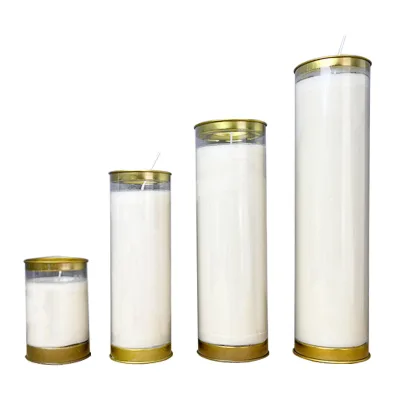
Packaging is another critical aspect of regional sourcing and logistics. The results show that products are typically packed in cartons, with inner packing using shrink film for protection. This standard packaging helps prevent damage during transit, but buyers should verify the robustness of the carton construction, especially for heavy glass jars. Some suppliers offer customized packing options, such as 12 pieces per carton, which can optimize shipping volume and reduce costs. Buyers should work with suppliers to determine the most efficient packing configuration based on their container load capacity. Additionally, the weight of the products, such as 625g or 350g per jar, impacts shipping costs. Buyers should calculate the total landed cost, including freight, insurance, and duties, to ensure profitability. Leveraging the regional concentration of suppliers can also facilitate joint shipments, further reducing logistics expenses and environmental impact.
Ritual Paraffin Wax Jar Candle Commercial Terms and Order Planning
Commercial terms and order planning are pivotal for successful sourcing of ritual paraffin wax jar candles. The results indicate that payment terms typically include T/T, Western Union, and Moneygram. Buyers should assess which payment method offers the best balance of security and convenience. For larger orders, using secure payment methods or escrow services can protect against fraud and ensure that funds are released only upon satisfactory delivery. The MOQs vary widely, from 120 to 10,000 pieces, allowing buyers to tailor their orders to their market needs. Smaller MOQs are ideal for testing new markets or fulfilling niche orders, while larger MOQs provide cost advantages for established products. Buyers should plan their orders based on sales forecasts and inventory turnover rates to avoid overstocking or stockouts.
Lead times and delivery schedules must be integrated into the overall supply chain plan. With a typical lead time of 15 days, buyers should account for production, quality control, and shipping durations. For time-sensitive orders, such as those for religious holidays, early planning is essential. Buyers should negotiate clear delivery terms and penalties for delays to ensure accountability. Additionally, customization options, such as logo printing and custom scents, may extend lead times. Buyers should communicate these requirements early to allow suppliers to schedule production accordingly. The availability of samples, often free of charge, is a valuable tool for finalizing product specifications before placing bulk orders. By carefully managing commercial terms and order planning, buyers can optimize their sourcing strategy and achieve consistent supply of high-quality ritual paraffin wax jar candles.
FAQs
What is the typical lead time for ritual paraffin wax jar candles?
The standard lead time for these candles is 15 days. Some suppliers offer a delivery window of 15 to 25 days depending on order volume. Buyers should confirm specific timelines with the manufacturer before finalizing the purchase order to ensure timely delivery for religious events.
What certifications do these candles typically hold?
Manufacturers often hold ISO9001:2015 system certification for quality management. Product-specific verification may include SGS or BV reports. Some suppliers also provide MSDS and CE certificates. Buyers should request these documents to verify compliance with international safety and quality standards for religious and decorative use.
What is the minimum order quantity for custom jar candles?
Minimum order quantities vary by supplier, ranging from 1000 pieces to 200 pieces for specific items. Some listings indicate an MOQ of 500 or 10000 pieces. Buyers seeking smaller batches should look for suppliers offering lower thresholds, while bulk buyers can negotiate based on higher volume requirements.
Are samples available for ritual paraffin wax jar candles?
Samples are generally available for quality assessment. Some suppliers provide free samples, while others may charge a fee. Buyers can request samples to verify the paraffin wax quality, wick type, and burning time before placing a large order for religious observances or decorative purposes.
What materials are used in these jar candles?
These candles are primarily made from pure paraffin wax. The wicks are typically 100% cotton. The glass jars provide a sturdy container for the wax. Some variants may include fruit scents or multi-colored designs. Buyers should specify their material preferences to ensure the product meets their functional needs.
Where are these candles manufactured?
These candles are manufactured in Hebei, China. Specific production locations include Shijiazhuang. Buyers sourcing from this region benefit from established supply chains for paraffin wax and glass packaging. Verifying the exact factory location helps in assessing logistics costs and supply chain reliability for international shipments.
What customization options are available for these candles?
Customization is available for logos, colors, and scents. Suppliers offer OEM and ODM services for branding. Buyers can choose from various sizes, such as 625g or 350g weights. Custom packaging options like shrink film or carton are also available. These options allow for tailored products for specific religious or decorative markets.