Modern Refrigerator Food Storage Box Suppliers and Manufacturers
Source Modern Refrigerator Food Storage Box options from 31 verified suppliers. Compare lead times, MOQs, certifications like LFGB and RoHS, and response speeds. Filter by location and request quotes to streamline procurement; review the available evidence before requesting comparable quotations from suitable candidates.
Updated
Suppliers List

Shandong Taike Environmental Protection Technology Co., Ltd
- Verified by SGS
- Combined
- China Shandong
- Lead time15 days
- Avg. response≤ 22h
Main productsFood Containers, Toy
Main marketsDomestic
Shantou Hongxing Commodity Co., Ltd.
- Verified by Intertek
- Manufacturer, Trading Company
- Lead time25 days
- Avg. response≤ 4h
Main productsPlastic Daily-Used Household Products
Main marketsSouth Asia(20%), South America(19%), Mid East(18%)

Ningbo General Union Co., Ltd.
- Verified by BV
- Trading Company
- China Zhejiang
- Lead time30 days
- Avg. response≤ 9h
Main productsCleaning Brush, Bottle, Kitchenware, Storage Box, Outdoor, Pet, Fitness Equipment, Digital Devices, Camping, Pet Bottle
Main marketsSouth America,Africa,Southeast Asia/ Mideast,East Asia(Japan/ South Korea),Europe,Australia,North America


$1.00 - $1.20
MOQ: 500 Pieces

- Manufacturer, Trading Company
- Zhejiang, China
- Lead time15 days
- Avg. response≤ 6h
Main productsCreative Hook,Sanitary ware storage,Kitchen storage,Desktop tidying,Cleaning supplies
Main marketsDomestic Market(10.00%), Africa(10.00%), Southeast Asia(10.00%), South Asia(10.00%), South America(10.00%), North America(10.00%), Oceania(5.00%), Eastern Europe(5.00%), Southern Europe(5.00%), Northern Europe(5.00%), Central America(5.00%), Western Europe(5.00%), Eastern Asia(5.00%), Mid East(5.00%)

Ningbo Hi-Tech Zone Yihai Int'l Trading Co., Ltd.
- Trading Company
- China Zhejiang
- Lead time30 days
- Avg. response≤ 16h
Main productsStorage Bag, Laundry Baskets, Laundry Bags, Storage Baskets, Pedal Bin, Ashtray, Household Items
Main marketsEast Asia(Japan/ South Korea),Europe,Australia

Hangzhou Meituo Home Technology Co., Ltd.
- Manufacturer, Trading Company
- Zhejiang, China
- Lead time25 days
- Avg. response≤ 5h
Main productsStorage container,Storage box,PET PRODUCT,OUTDOOR PRODUCTS
Main marketsWestern Europe(20.00%), Southeast Asia(20.00%), Eastern Asia(20.00%), North America(20.00%), Mid East(10.00%), South America(10.00%)
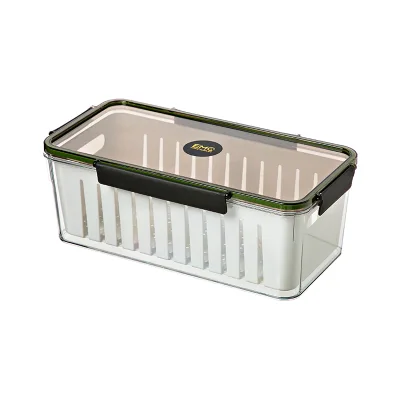
Home Kitchen PET Material Refrigerator Drawer Storage Box Food Storage Box
$1.42 - $2.60
MOQ: 2000 Minimum

- Verified by TUVRHEINLAND
- Trading Company
- China Zhejiang
- Lead time0 days
- Avg. response≤ 13h
Main productsCat Litter Box, Pet Feeder, Pet Toy, Pet Cloth, Pet Bed, Pet Carrier, Storage Bucket, Plastic Storage, Storage Rack, Lunch Box

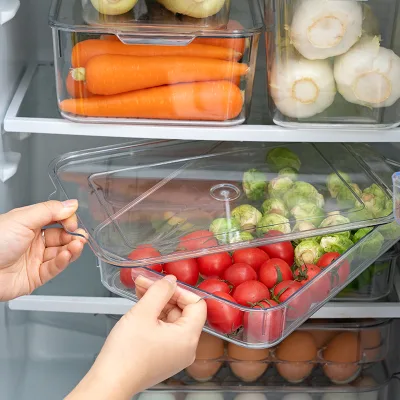
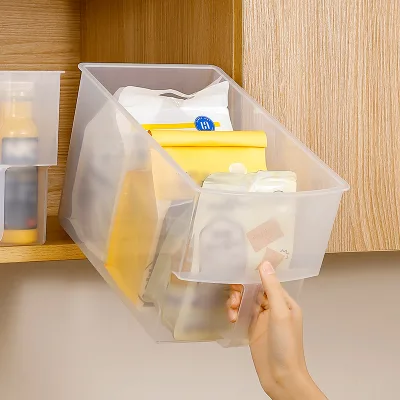
Kitchen Clear Fridge Refrigerator Organizer Freezer Food Meat Storage Box with Handle
$0.89 - $0.93
MOQ: 48 Pieces


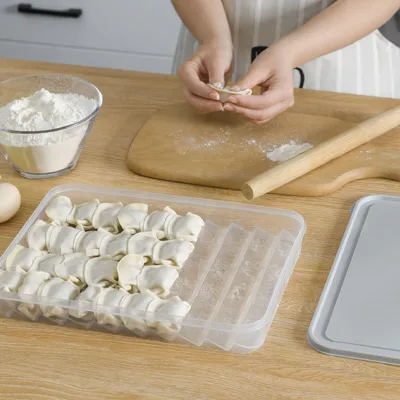
Refrigerator Food Preservation Arrangement Household Polyg Egg Box Dumpling Box
$1.70 - $1.97
MOQ: 100 Pieces
Jinhua Dayongchuang Plastic Products Co., Ltd.
- Verified by TüVRheinland
- Manufacturer, Trading Company
- Lead time15 days
- Avg. response≤ 6h
Main productsPlastic Swing, Climbing Rock Holds, Plastic Daily Necessities, Garden Tools, Plastic Shoe Box And Slot
Main marketsNorth America(35%), Western Europe(20%), Eastern Europe(10%)

Guangdong Youyuan Trading Co., Ltd.
- Verified by BV
- Trading Company
- China Guangdong
- Lead time23 days
- Avg. response≤ 5h
Main marketsSoutheast Asia/ Mideast,Domestic

$1.67 - $2.25
MOQ: 500 Pieces

$1.67 - $2.39
MOQ: 500 Pieces

- Verified by SGS
- Trading Company
- China Zhejiang
- Lead time0 days
- Avg. response≤ 11h
Main productsTents, BBQ Grill, Luggage, Kids Toy, Fitness Equpments, Cookware, Kitchen Utensils and Gadgets, Yoga Mat, Bathroom Rugs, Pets Items
Main marketsSouth America,Eastern Europe,Mid East,North America,Southeast Asia,Eastern Asia,Oceania,Western Europe,Africa

Jinhua Hengyang Cross-Border Trade Limited Liability Company
- Verified by SGS
- Trading Company
- China Zhejiang
- Lead time15 days
- Avg. response≤ 9h
Main productsCoffee Maker Air Fryer Storage Box Knife Set, Silicone Baking Mold Robot Vacuum Cleaning Table, Shower Head Non-Slip Shower Curtain Vacuum Stora, Collapsible Laundry Basket Bohemian Wall Tapestr, Fringe Pillow Cover Bedding Set Memory Foam Pill, Bamboo Tissue Biodegradable Trash Bags LED Fair, Smart Plug Fairy Lights Pet Food Bowl, Household Daily Necessities Kitchen Cleaning, Bathroom Storage and Care Fabric Home Decor, Bedding Daily Chemical Paper Products
Main marketsEurope


Kitchen Food Grade Sealed Fresh-Keeping Box with Lid and Noodle Storage Box
$1.40 - $1.75
MOQ: 58 Pieces
Changchun Lisaa Home Co., Ltd.
- Trading Company
- Jilin, China
- Lead time30 days
- Avg. response≤ 2h
Main productsElectric Mixing Cup, Bag Clips, Quilts Blankets Storage Box, Wooden Welcome Sign, Duster
Main marketsSoutheast Asia(40.00%), North America(20.00%), Eastern Europe(17.00%), Western Europe(5.00%), Northern Europe(5.00%), Africa(5.00%), Mid East(5.00%), Eastern Asia(3.00%)
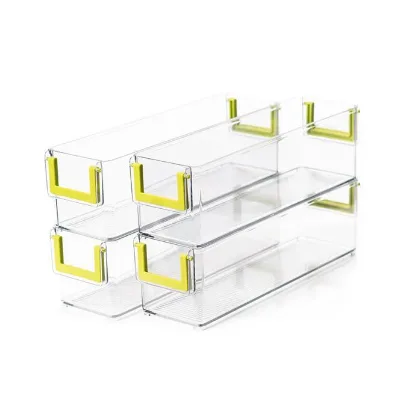
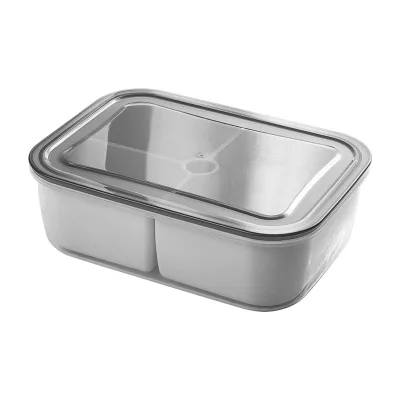
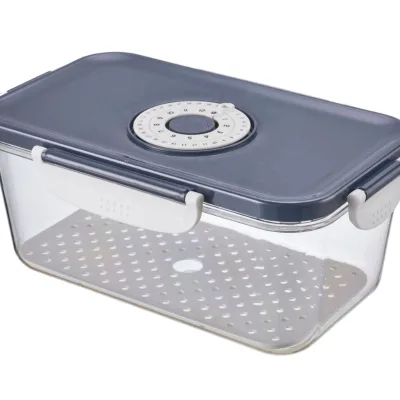
$1.5444 - $1.8545
MOQ: 100 pieces
Ningbo Partner Leisure Products Co., Ltd.
- Trading Company
- Zhejiang, China
- Lead time0 days
- Avg. response≤ 8h
Main productspet supplies,cooker,kitchen accessories,egg incubator,storage box
Main marketsNorth America(80.00%), South America(15.00%), Eastern Europe(5.00%)
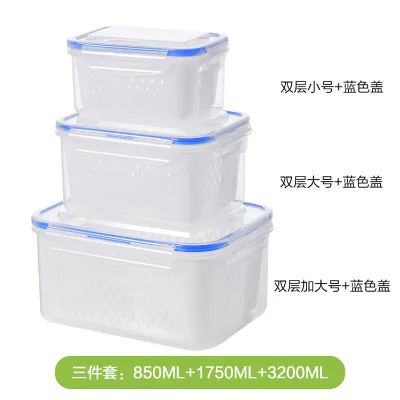
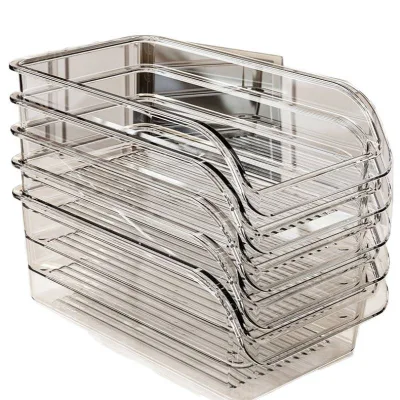
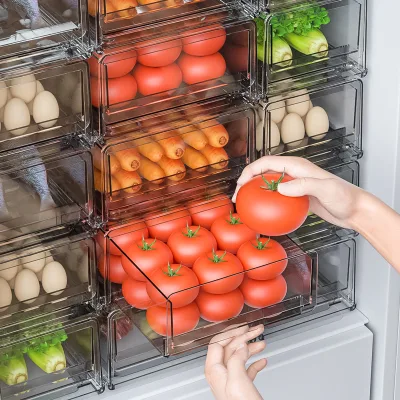
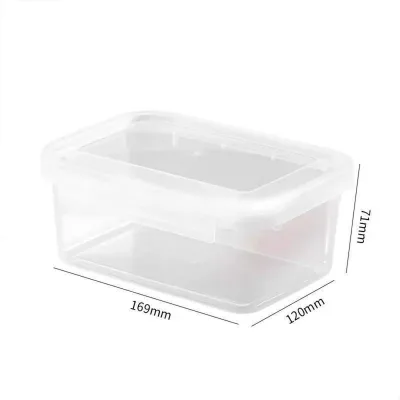
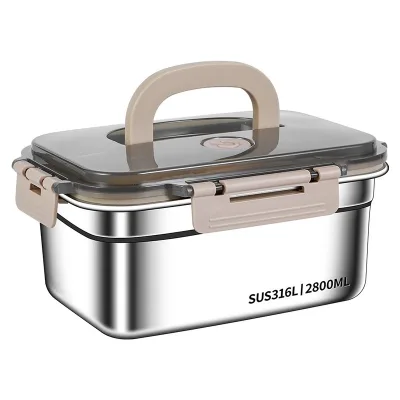
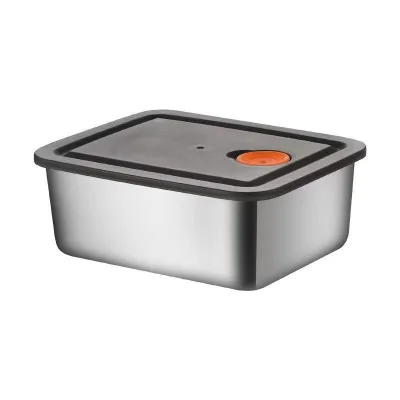
Wholesale Portable Stainless Steel Square Leak-proof Refrigerator Storage Box With Lid Seal
$0.78 - $0.93
MOQ: 100 pieces

Hangzhou Junshengjia International Trade Co., Ltd.
- Trading Company
- China Zhejiang
- Lead time0 days
- Avg. response≤ 3h
Main productsPlastic Cup, Plastic Box, Egg Box, Fruit Box, Clear Plastic Cup
Zhejiang Xingyou Household Products Co., Ltd.
- Verified by SGS Group
- Trading Company
- Lead time30 days
- Avg. response≤ 2h
Main productsStorage Boxes, Storage Shelf, Plastic Storage Boxes
Main marketsNorth America(30%), Western Europe(25%), Southeast Asia(20%)

Guangzhou Jianxin Plastic Products Co., Ltd.
- Verified by BV
- Combined
- China Guangdong
- Lead time15 days
- Avg. response≤ 4h
Main productsPlastic Packaging, Disposable Tableware, Disposable Plastic Cup&Lid, Plastic Bowl, Plastic Tary, Plastic Container, Blister Packaging, Plastic Food Packaging, Disposable Food Container, Disposable Catering Supplies
Main marketsSouth America,Africa,Southeast Asia/ Mideast,East Asia(Japan/ South Korea),Europe,Australia,North America


$0.046 - $0.18
MOQ: 50000 Pieces


- Verified by SGS
- Trading Company
- China Zhejiang
- Lead time30 days
- Avg. response≤ 4h
Main productsHome Storage & Organization, Travel Bag Cooler Bag Cosmetic Bag
Main marketsNorth America
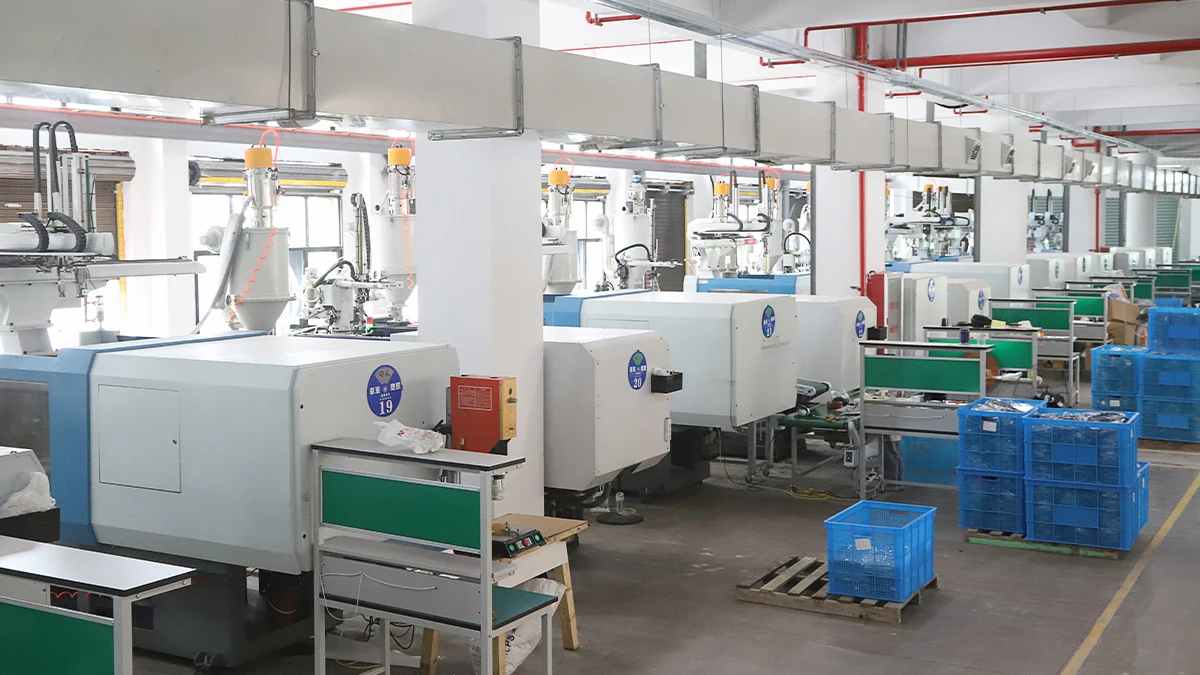
Zhejiang Caiya Plastic Co., Ltd.
- Manufacturer, Trading Company
- Zhejiang, China
- Lead time30 days
- Avg. response≤ 11h
Main productsHousehold Storage
Main marketsDomestic Market(30.00%), North America(30.00%), Southeast Asia(10.00%), Western Europe(10.00%), Mid East(10.00%), Oceania(10.00%)

Taizhou Shangyi Plastic Co., Ltd.
- Verified by TUVRHEINLAND
- Trading Company
- China Zhejiang
- Lead time23 days
- Avg. response≤ 20h
Main productsFood Container, Storage Container, Lunch Box, Bento Box, Plastic Laundry Basket, Plastic Storage Container, Plastic Cutting Board
Main marketsSouth America,Southeast Asia/ Mideast


$1.10 - $1.20
MOQ: 2000 Pieces

$0.90 - $0.95
MOQ: 2000 Pieces


WELSHINE COMMERCIAL EQUIPMENT CO. LTD
- Verified by TUVRHEINLAND
- Combined
- China Guangdong
- Lead time60 days
- Avg. response≤ 2h
Main productsGn Pans, Storage Boxes, Storage Containers, Trays, Trolley, Glass Rack, Barrel, Tote Boxes, Bin, Jug
Main marketsDomestic

Reinforced Kitchen Food Storage Crisper with Lid Reusable Refrigerator Container/Box
$0.50 - $2.00
MOQ: 1 Pieces


Zhejiang Yimei Technology Co., Ltd.
- Verified by Intertek
- Manufacturer, Trading Company
- Lead time25 days
- Avg. response≤ 3h
Main productsPlastic Storage Basket, PET Fridge Organizer, Plastic Folded Crate
Main marketsDomestic Market(33%), North America(25%), Southeast Asia(25%)
Yiwu Modern Jincheng Commodity Co., Ltd.
- Trading Company
- Zhejiang, China
- Lead time35 days
- Avg. response≤ 6h
Main productsKitchenware,Storage products,Daily necessities,Kitchen utensils,Tools
Main marketsSouth America(50.00%), North America(30.00%), Eastern Europe(20.00%)

Shenzhen Kuaihong Industrial Co., Ltd.
- Manufacturer, Trading Company
- Guangdong, China
- Lead time25 days
- Avg. response≤ 5h
Main productsMould,Plastic Injection Mold,Plastic Injection Molding Parts,Injection Molding Service,Product Assembly
Main marketsNorth America(45.00%), Oceania(10.00%), Western Europe(10.00%), Eastern Asia(10.00%), Eastern Europe(10.00%), Southeast Asia(10.00%), Northern Europe(5.00%)
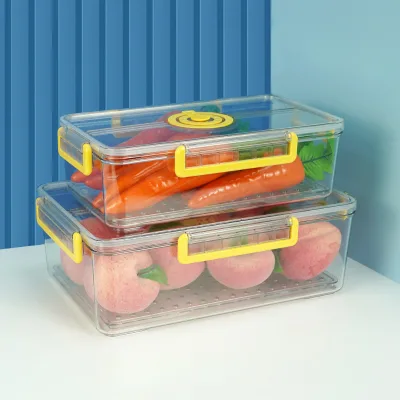
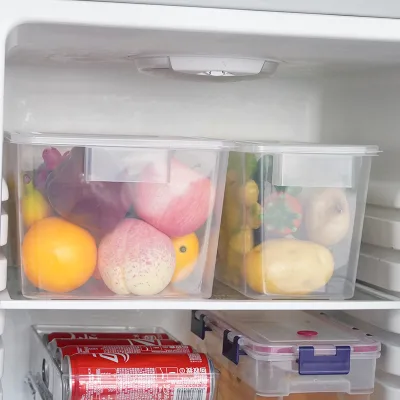
Factory Direct Supply PP Environmental Food Storage Box Reusable Kitchen Storage Refrigerator
$1.14 - $2.63
MOQ: 2 pieces
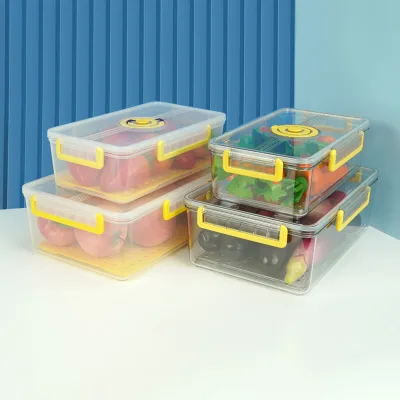
Hot Sale PP Food Grade Food Box Frost Resistant Resistant Transparent Refrigerator Food Container
$2.11 - $3.73
MOQ: 2 pieces
Ningbo Toprank Imp. & Exp. Co., Ltd.
- Verified by Intertek
- Trading Company
- Lead time30 days
- Avg. response≤ 5h
Main productsPlastic Storage Box, Food Storage and Containers, Storage Rack, Cosmetics Storage, Coffee Table
Main marketsEastern Europe(35%), North America(30%), South America(20%)
Hangzhou Hushang Materials Co., Ltd.
- Trading Company
- Zhejiang, China
- Lead time15 days
- Avg. response≤ 2h
Main productsStorage Box,Pillow,office storage,Water Bottle,women bags
Main marketsNorth America(50.00%), Eastern Europe(20.00%), Southern Europe(5.00%), Central America(5.00%), Western Europe(5.00%), Oceania(5.00%), Africa(5.00%), South America(5.00%)

- Verified by TUVRHEINLAND
- Trading Company,Manufacturer/Factory
- China Guangdong
- Lead time45 days
- Avg. response≤ 4h
Main productsStainless Steel Cookware, Stainless Steel Untensil, Stainless Steel Kitchenware, Stainless Steel Colander Bowl, Stainless Steel G. N Pan, Stainless Steel Pressure Cooker, Stainless Steel Buckets, Stainless Steel Dishes Rack, Stainless Steel Chafing Dishes, Stainless Steel Fittings
Main marketsSouth America,Eastern Europe,Mid East,North America,Southeast Asia,Eastern Asia,Oceania,Western Europe,Africa

Versatile Stainless Steel Storage Box for Organizing Your Essentials Refrigerator Box
$2.20 - $6.60
MOQ: 200 Pieces


Premium Stainless Steel Storage Box Food Container for Long-Term Preservation
$2.50 - $6.60
MOQ: 200 Pieces

Zhongshan Xingxin Metal Products Co., Ltd.
- Verified by SGS
- Combined
- China Guangdong
- Lead time15 days
- Avg. response≤ 11h
Main productsDog Cage, Pet Cage, Bird Cage, Parrot Breeding Cage, Iron Wire Frame, Refrigerator Shelf, Draining Rack, Air Conditioning Protective Net, Air Outlet Protective Net, Wire Products
Main marketsDomestic

Kitchen Food Safe Yellow Wire Crate Basket Storage Box for Refrigerator Use
$1.70 - $3.70
MOQ: 500 Pieces

White Hanging Basket Yellow Wire Crate Food Safe Storage Box for Refrigerator
$1.70 - $3.70
MOQ: 500 Pieces


- Verified by BV
- Trading Company
- China Zhejiang
- Lead time30 days
- Avg. response≤ 13h
Main productsMop with Bucket, Spray Mop, Cleaning Brush, Shoe Rack, Flat Mop, Mop Cloth
Main marketsSoutheast Asia/ Mideast,Europe,North America
Wenzhou Fante Commodity Co., Ltd.
- Verified by TüVRheinland
- Manufacturer, Trading Company
- Lead time30 days
- Avg. response≤ 3h
Main productsKitchenware, Bathroom Sets, Food Container, Cleaning Brush, Storage Racks
Main marketsEastern Asia(80%), North America(10%), South America(1%)
Jieyang Hesheng Household Products Co., Ltd.
- Manufacturer, Trading Company
- Guangdong, China
- Lead time15 days
- Avg. response≤ 4h
Main productsStorage Box,Storage Rack,Storage Cabinet,trash bin,kitchen storage
Main marketsDomestic Market(30.00%), Eastern Asia(11.00%), Northern Europe(11.00%), South Asia(10.00%), South America(9.00%), Western Europe(8.00%), North America(6.00%), Southeast Asia(5.00%), Eastern Europe(3.00%), Africa(3.00%), Mid East(2.00%), Southern Europe(2.00%)

Jining Green House Import & Export Trading Co., Ltd
- Verified by TUVRHEINLAND
- Combined
- China Shandong
- Lead time23 days
- Avg. response≤ 3h
Main productsFood Box, Lunch Box, Glass Food Box, Stainless Steel Food Box, Glass Lunch Box, Stainless Steel Lunch Box, Food Container, Glass Food Container, Stainless Steel Food Container
Main marketsOthers(foreignTradeCapacity.exportBusinessCapacityMarketOther)

Freezer Safe Reusable Food Container Stainless Steel Lunch Box for Freezing
$3.00 - $3.64
MOQ: 1000 Pieces

Freezer Safe Rustproof Food Container Stainless Steel Lunch Box for Long Storage
$3.00 - $3.64
MOQ: 1000 Pieces


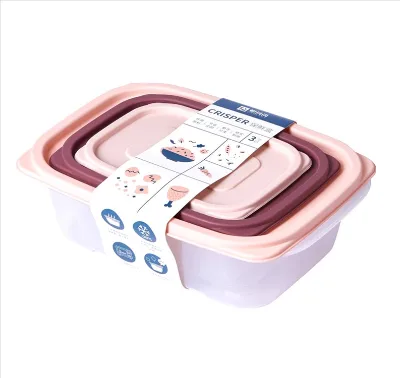
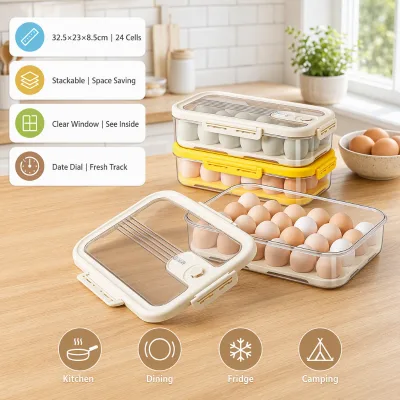
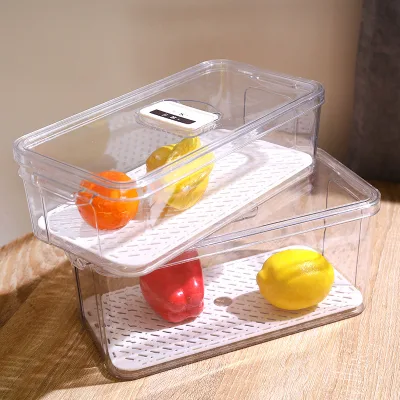




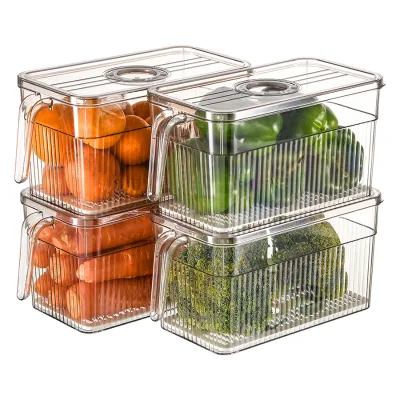
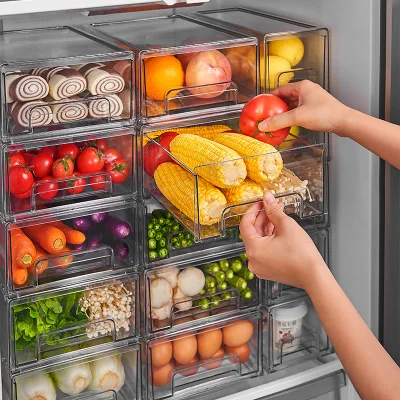


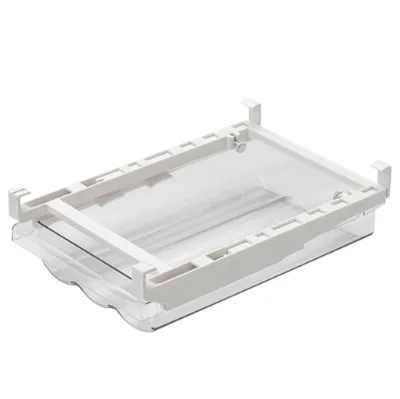
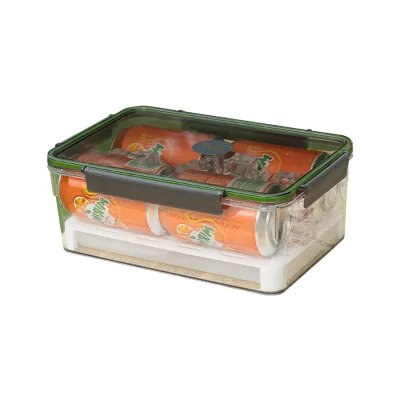
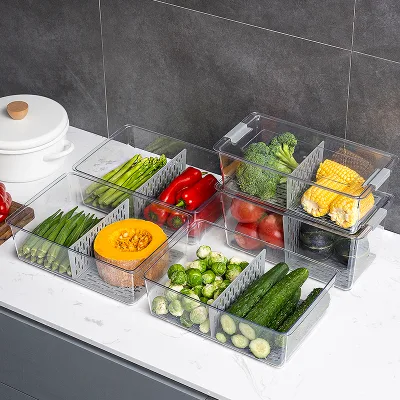


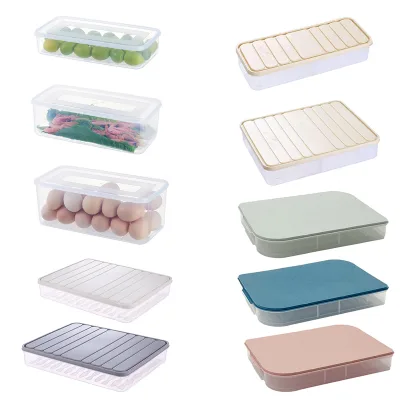
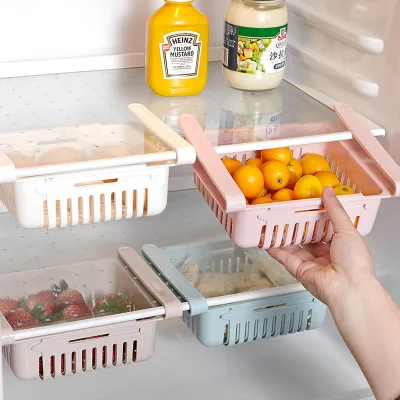
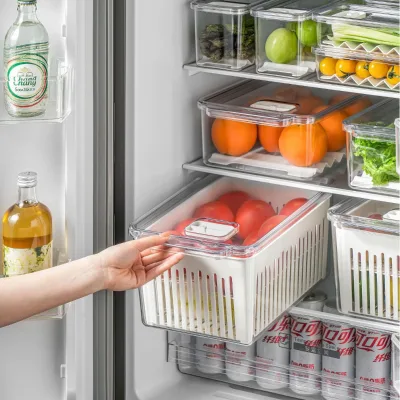
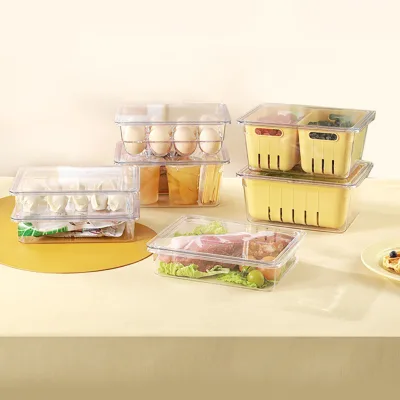
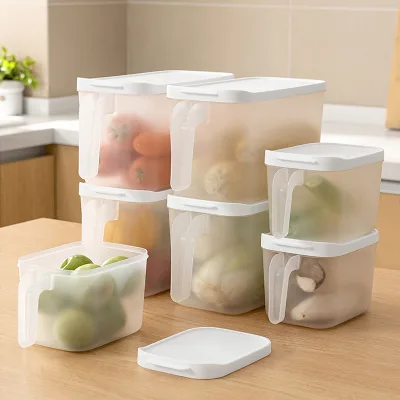
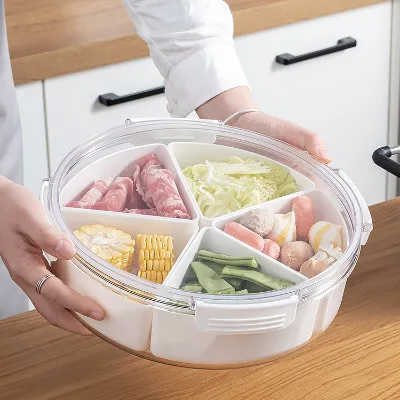


Comprehensive Sourcing Guide
Modern Refrigerator Food Storage Box Supplier Concentration and Factory Types
Suppliers of the Modern Refrigerator Food Storage Box fall into a few distinct company types, and recognizing them early shapes how you evaluate everything else. Some listings show manufacturers combined with trading operations, others present as pure trading companies, and a few are manufacturer-trading hybrids. A supplier whose main products include plastic daily-used household items is usually closer to the production source than a generalist trading company whose catalog spans kitchenware, pet products, fitness equipment, and digital devices. Category focus matters: a supplier dedicated to food containers and household plastics will typically understand food-contact material requirements better than a diversified trader reselling from third-party workshops.
Geographic concentration is real but should be confirmed, not assumed. Some supplier profiles display locations such as Shandong in China, while a competing product listing may show a place of origin in Guangdong, meaning a single supplier's goods can come from a different province than the company's registered base. When a profile does not display a location, treat clustering as an open question: use inquiry replies, business licenses, and sample shipping origins to identify where production actually happens. Also note verification signals attached to profiles, such as third-party inspection bodies, and design capabilities like ODM and OEM support or light customization and sample processing, since these labels distinguish factories that can adapt molds from traders who only pass orders through.
How to Verify Modern Refrigerator Food Storage Box Suppliers
Verification starts with matching displayed evidence against what the supplier claims. Some profiles carry third-party verification from inspection bodies, while others show no system certification at all, so never assume credentials are uniform across results. Ask each supplier for food-contact compliance documentation relevant to your destination market, and check whether the profile itself lists standards such as RoHS, LFGB, or EU food-contact regulations. A supplier whose certification field is empty is not automatically unsafe, but it shifts the burden of proof to you: request test reports from accredited laboratories for the exact resin and product, not just a generic certificate for a different item.
Beyond paperwork, verify operational reality. Confirm the company type displayed on the profile against the business scope in their registration documents, because a "combined" or manufacturer-trading label should be consistent with what the license says. Ask whether the specific refrigerator storage box model you want is produced in-house or sourced from a partner, and request a factory address you can audit or have inspected. Test responsiveness before committing: profiles in this category show response times ranging from roughly four hours to more than twenty hours, so send identical technical questions to several suppliers and compare the speed and precision of answers. Finally, order samples and check the actual product attributes—material, lid configuration, heat resistance claims—against the listing, since discrepancies at sample stage predict larger problems at production scale.
What to Compare Across Modern Refrigerator Food Storage Box Suppliers
Build a comparison sheet using the dimensions suppliers actually display, without assuming every profile shows every field. Useful labels in this category include lead time, minimum order quantity, response speed, location, company type, main products, and verification status. For example, one supplier profile shows a fifteen-day lead time while another shows twenty-five days and a third shows thirty, a spread that directly affects your inventory planning. MOQs vary dramatically: one eco-focused preservation box listing shows a 10,000-piece minimum, while a refrigerator sorting set shows a minimum of just 96 sets, so a small buyer and a private-label brand will shortlist very different suppliers.
Compare product-level details alongside company-level labels. Within this category, listings differ on lid configuration (some with lids, some without), material (PP plastic appears repeatedly), heat resistance ranges from -20 to 120 degrees, transparency, reusable claims, and packing format. One preservation box is listed at a unit price of about 1.13, another around 3.50, and a food-grade storage container elsewhere—so price differences usually reflect size, capacity, and features rather than quality alone. Also weigh capability labels: ODM/OEM support, light customization, graphic processing, and customized-on-demand indicate different levels of flexibility for branding and packaging. Response time and verification body are tiebreakers when two suppliers look similar on price and terms, not primary filters.
Common Modern Refrigerator Food Storage Box Sourcing Risks
The most frequent risk is attribute mismatch between listing and delivered goods. A listing may advertise airtight, BPA-free, freezer-safe features, but if the supplier cannot back those claims with material documentation, you may receive boxes that crack at freezer temperatures or lids that fail sealing tests. Heat resistance is another recurring trap: one listing states -20 to 120 degrees while a similar PP product claims a 720-day service life with a caveat that actual life depends on use. Treat durability and temperature claims as hypotheses to verify through your own testing, especially for microwave and dishwasher scenarios the listings rarely cover.
Quantity and tolerance risks follow closely. Some listings state dimensional tolerances of under ±1cm or ±5mm and weight tolerances under ±5%, which sounds tight until a real shipment varies toward the tolerance limit and stacking or lid fit breaks down. MOQ structures can also hide risk: one product sells in multiples of 36 items, meaning your effective minimum may be a carton quantity rather than a single-unit figure. Certification risk deserves equal attention—some profiles display no system certification, so ordering from an unverified profile without independent lab testing exposes you to border inspection failures in regulated markets. Finally, lead time drift is common: a quoted fifteen days can stretch when a trading company waits on an upstream factory, so build buffer time into every order and confirm production start dates in writing.
Modern Refrigerator Food Storage Box Regional Sourcing and Logistics
Regional sourcing decisions should rest on the location data actually displayed in supplier results. Some profiles identify Shandong as the supplier location, while product-level details on a different listing point to Guangdong as the place of origin—a reminder that company registration and production site can differ. Other profiles show Zhejiang as the base for a trading company selling kitchen storage among many other product lines. When a profile displays no location, ask directly and cross-check the shipping origin on your sample: the province your cartons leave from tells you more than any marketing claim.
Logistics planning should account for the physical profile of this category. Refrigerator storage boxes are lightweight but bulky, so container utilization depends on nesting design and carton dimensions; one listing shows batch packaging of 70x68x54 cm with a gross weight of 28 kg per batch, which is the kind of detail that lets you calculate realistic freight costs before quoting. Packing format also varies—carton packaging for most, shrink wrap for another— affecting both protection and presentation for retail. Lead times in the displayed results range from fifteen to thirty days, so align your reorder cycle with the slower end if you work with multiple suppliers. For mixed-supplier programs, consider consolidating shipments from nearby clusters only after confirming actual factory locations, since consolidation assumptions fail when production sites sit in different provinces from the supplier offices you communicate with.
Modern Refrigerator Food Storage Box Commercial Terms and Order Planning
Commercial terms in this category reward buyers who negotiate against displayed data rather than accepting first quotes. Use the visible price spread—listings in these results span from roughly 1.13 to 3.68 per unit—to frame conversations: ask a higher-priced supplier what differentiates their offering, and ask a lower-priced supplier exactly which features were sacrificed. Confirm whether quoted prices are FOB or include inland freight, and reconcile the MOQ with your launch plan; a 10,000-piece minimum suits established retail programs, while a 96-set minimum lets new brands test designs before scaling. Payment terms, escrow availability, and deposit structure are not uniformly displayed, so verify each supplier's terms directly rather than assuming platform protection applies everywhere.
Order planning should sequence sample approval, pilot production, and mass production with explicit dates. Several profiles in this category show lead times of fifteen, twenty-five, or thirty days, and one product listing specifies twenty to thirty days after receiving deposit—so anchor your timeline to the deposit date, not the contract date. Include tolerance specifications (dimensional, weight), packing requirements, and heat-resistance testing in the purchase contract, since these are the attributes most likely to drift. For customization-heavy programs, confirm ODM/OEM or light-customization capability in writing and price the tooling separately. Finally, plan reorders around response speed: a supplier answering within about four hours resolves pre-production questions faster than one averaging more than twenty, which matters most during the compressed window between deposit and shipment.
(final count check: sections at ~229, ~230, ~228, ~231, ~231, ~231 words ≈ 1380 total)
FAQs
What materials are used for modern refrigerator food storage boxes?
Most modern refrigerator food storage boxes are made from PP plastic, which is safe for food contact. Some options feature transparent or lucency colors for easy visibility. These materials offer heat resistance between minus 20 to 120 degrees Celsius, ensuring durability during freezing and heating cycles without degrading over time.
What is the typical lead time for ordering these storage containers?
Lead times vary by supplier, ranging from 15 to 30 days after deposit receipt. Some manufacturers offer faster turnaround of 20 to 30 days, while others may require up to 30 days for production. Buyers should confirm specific timelines based on order volume and customization requirements before finalizing purchases.
Are these food storage boxes available with lids for sealing?
Yes, many modern refrigerator food storage boxes come with lids designed for airtight sealing. Options include boxes with lids for freshness and those without lids for specific stacking needs. Features often include waterproof, leak-proof, and eco-friendly designs to keep food fresh and organized within the refrigerator environment effectively.
What certifications do suppliers of these boxes typically hold?
Suppliers often hold certifications such as RoHS, EU No 10/2011, LFGB, and BS EN71 for safety compliance. Some products are verified by third-party agencies like SGS or Intertek to ensure quality standards. Buyers should verify specific certifications for their region to ensure the products meet local food safety regulations and requirements.
What is the minimum order quantity for these storage containers?
Minimum order quantities vary significantly, with some suppliers requiring 96 units while others set the bar at 10,000 units. Buyers should check specific product listings for exact MOQs as they depend on the supplier and product type. Smaller orders may be available for stocked items, while bulk custom orders often have higher thresholds.
Can these storage boxes be customized for specific branding needs?
Yes, customization is available for many modern refrigerator food storage boxes, including logo printing and color selection. Suppliers offer OEM services for graphic processing and customized designs upon demand. Buyers can request specific features like different capacities or shapes to match their branding and functional requirements for the kitchen or commercial use.
Where are the manufacturers of these storage boxes located?
Manufacturers are primarily located in China, with key hubs in Shandong, Zhejiang, and Guangdong provinces. These regions host a wide range of suppliers offering various styles and capacities of food storage containers. Buyers can source directly from these locations to access competitive pricing and a diverse selection of products tailored to different needs.