Modern Waterproof Aluminum Composite Panel Suppliers and Manufacturers
Find 19 verified sources for Modern Waterproof Aluminum Composite Panel with customizable thickness, fireproofing, and coating options. Compare response times, lead times, and certifications like ISO9001:2015 before requesting quotes; review the available evidence before requesting comparable quotations from suitable candidates.
Updated
Suppliers List

Henan Jixiang Industry Co., Ltd.
- Manufacturer
- China Henan
- Lead time23 days
- Avg. response≤ 9h
Main productsAluminum Plate, Aluminum Composite Panel, Aluminum Coil, Silicone Adhesive, Honey Comb Plate, Grain Board, Fascia, Protection Film, Light Stone, WPC Panel
Main marketsDomestic

Guangzhou Goodsense Decorative Building Materials Co., Ltd.
- Combined
- China Guangdong
- Lead time23 days
- Avg. response≤ 11h
Main productsAluminum Composite Panel, ACP Tiles, Aluminum Core Composite Panel, Cep Board, PVC Wall Panel
Main marketsSouth America,Africa,Domestic,Europe,North America

Shanghai Alubang Decorative Material Co., Ltd.
- Combined
- China Shanghai
- Lead time30 days
- Avg. response≤ 5h
Main productsAluminum Composite Panel
Main marketsSoutheast Asia/ Mideast,Europe,North America

Shandong Wanya New Materials Co., Ltd.
- Verified by SGS
- Trading Company
- China Shandong
- Lead time15 days
- Avg. response≤ 1h
Main productsAluminum Composite Panel, Aluminum Panel, Building Material, Wall Panel, Sandwich Panel, Panel, Aluminum Honeycomb Panel, Advertising Material, Cladding, External Wall Wall Panels
Main marketsAfrica,North America


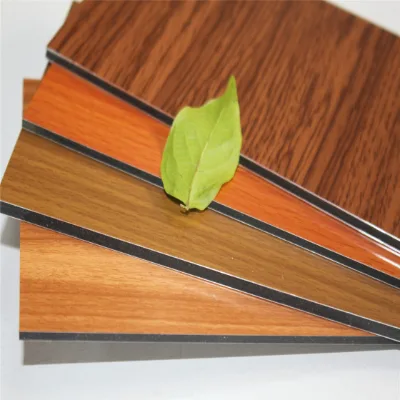
Wooden Composite Panel with Fireproof and Waterproof Coating Aluminum Composite Panel
$2.60 - $6.00
MOQ: 100 Pieces


Linyi Xingda Aluminum & Plastic Decoration Material Co., Ltd.
- Verified by TUVRHEINLAND
- Combined
- China Shandong
- Lead time23 days
- Avg. response≤ 4h
Main productsACP, Aluminum Composite Panel
Main marketsSouth America,Africa,Others(foreignTradeCapacity.exportBusinessCapacityMarketOther),Europe,North America

Shanghai Gokai Industry Co., Ltd.
- Verified by BV
- Trading Company
- China Shanghai
- Lead time30 days
- Avg. response≤ 3h
Main productsPVC Foam Board, Acrylic Sheet, PVC Rigid Sheet, Aluminum Composite Panel, PC Sheet, PP Hollow Sheet, Paper Foam Board, Pet Sheet, ABS Sheet, PS Sheet
Main marketsSouth America,Europe,North America


China Manufacturer Supplier Waterproof High Quality Aluminum Composite Panels
$4.00 - $8.00
MOQ: 500 Square Meters


Foshan Onebond Building Materials Co., Ltd.
- Manufacturer/Factory
- China Guangdong
- Lead time15 days
- Avg. response≤ 3h
Main productsAluminum Honeycomb Panel, Honeycomb Panel, Aluminum Panel, Aluminum Composite Panel, Aluminium Composite Panel, Honeycomb Core, Wall Panel, Aluminum Solid Pnel, Aluminum Perforated Panel, Curtain Wall
Main marketsSouth America,Eastern Europe,Mid East,North America,Southeast Asia,Eastern Asia,Oceania,Western Europe,Africa
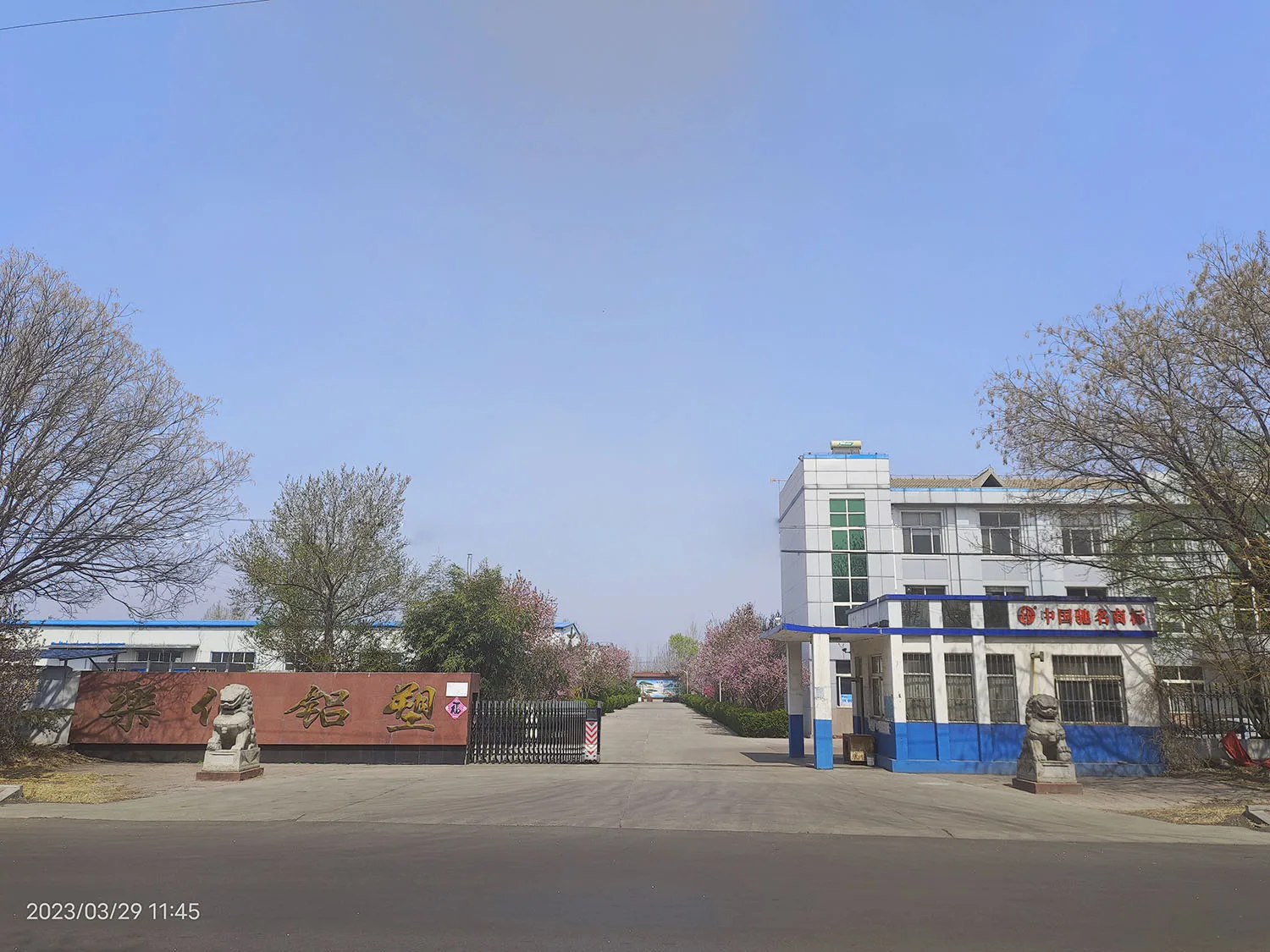
Shandong Lehua Aluminium-Plastic Products Co., Ltd.
- Manufacturer, Trading Company
- Shandong, China
- Lead time15 days
- Avg. response≤ 3h
Main productsAluminum Composite Panels,Aluminum solid panel,Aluminum honeycomb panel,Metal roofing series,Firproof aluminum composite panel
Main marketsDomestic Market(23.00%), Africa(15.00%), Southeast Asia(8.00%), South Asia(8.00%), Mid East(8.00%), South America(7.00%), North America(6.00%), Northern Europe(5.00%), Eastern Europe(5.00%), Central America(4.00%), Southern Europe(4.00%), Western Europe(3.00%), Eastern Asia(3.00%), Oceania(1.00%)
HONG KONG WILLSTRONG INDUSTRIAL COMPANY LIMITED
- Verified by SGS Group
- Manufacturer, Trading Company
- Lead time25 days
- Avg. response≤ 6h
Main productsAluminum composite Panel/3D Fireproff Aluminum composite Panel(nano/Chameleon/wooden/stone)/Aluminum Honeycomb Panel, Fireproff Titanium-zinc composite Panel/Zinc Honeycomb Panel
Main marketsNorth America(28%), Southeast Asia(19%), Mid East(15%)
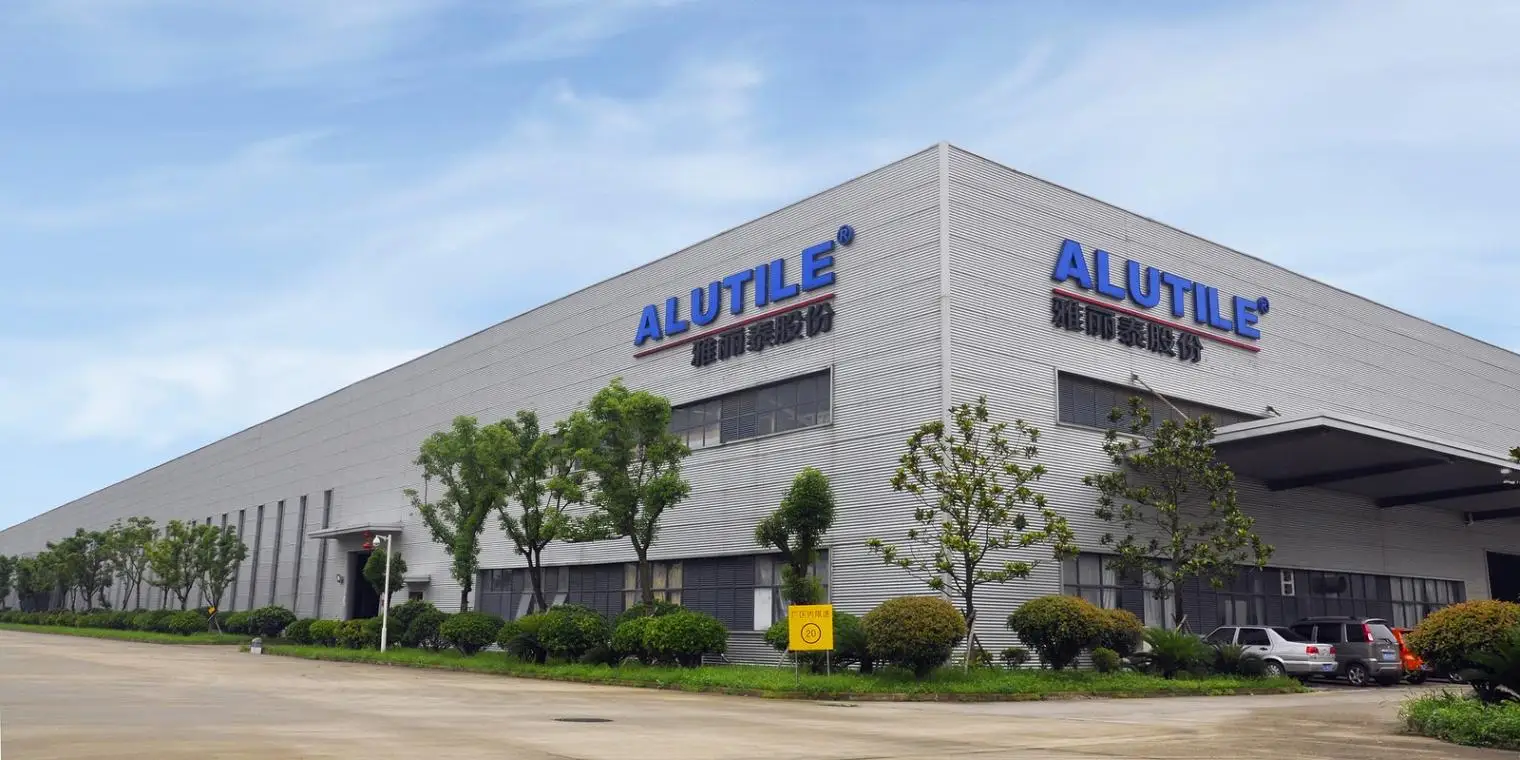
Jiangxi Hongtai Industry Group Co., Ltd.
- Trading Company
- Jiangxi, China
- Lead time15 days
Main productsAluminum composite panel,Solid aluminum panel,Thermal insulation panel,all-dimension core panel
Main marketsSouth Asia(7.00%), Southern Europe(7.00%), Northern Europe(7.00%), Central America(7.00%), Western Europe(7.00%), Eastern Asia(7.00%), Mid East(7.00%), Oceania(7.00%), Africa(7.00%), Southeast Asia(7.00%), Eastern Europe(7.00%), South America(7.00%), North America(7.00%)
Guangzhou Puye Building Materials Co., Ltd.
- Verified by TüVRheinland
- Manufacturer, Trading Company
- Lead time0 days
- Avg. response≤ 2h
Main productsAluminum Decorative Panels, Aluminum Honeycomb Panels, Aluminum Profiles, Aluminum Curtain Walls, Aluminum Ceilings
Main marketsSoutheast Asia(30%), Domestic Market(30%), Eastern Europe(10%)
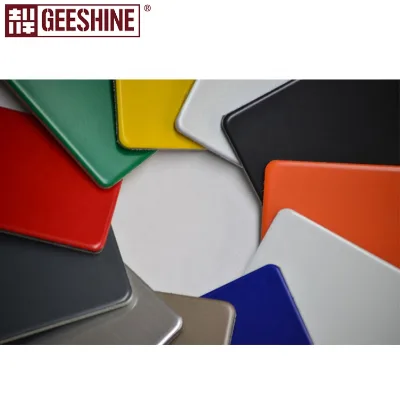
Guangzhou Geeshine Building Materials Co., Ltd.
- Manufacturer, Trading Company
- Guangdong, China
- Lead time10 days
- Avg. response≤ 9h
Main productsAluminum Composite Panel,Coated Aluminum Coils,Aluminum Honeycomb Panel,Aluminum Panel,Aluminum Veneer
Main marketsSoutheast Asia(25.00%), Mid East(15.00%), South Asia(15.00%), Western Europe(10.00%), North America(10.00%), South America(10.00%), Africa(10.00%), Oceania(5.00%)
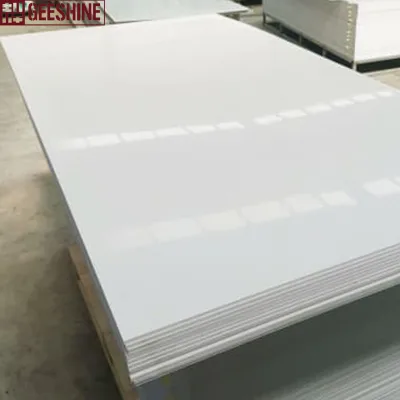
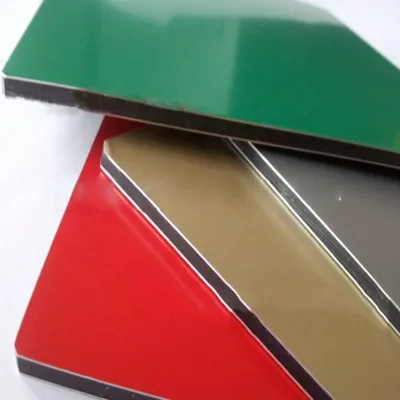
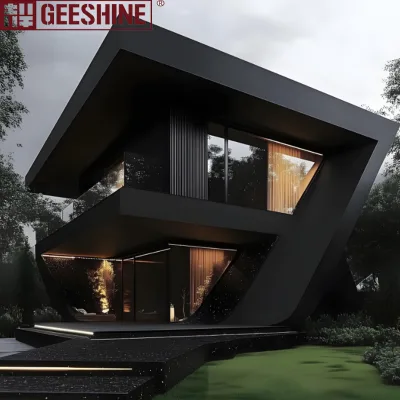
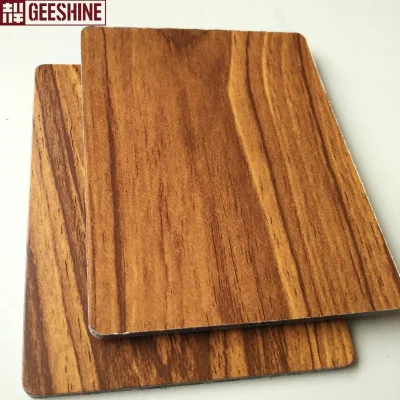
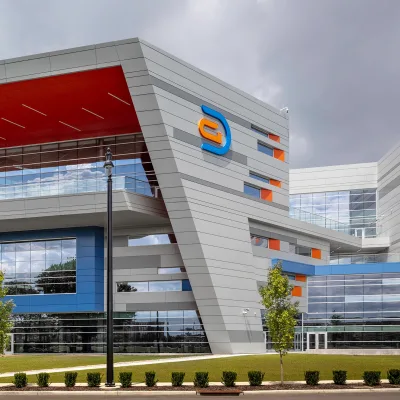
Aluminum Composite Panel Wholesale Near Me
$3.00 - $5.00
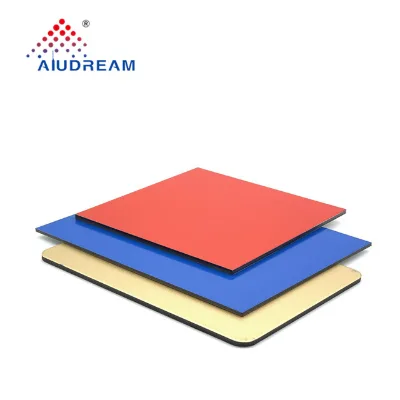
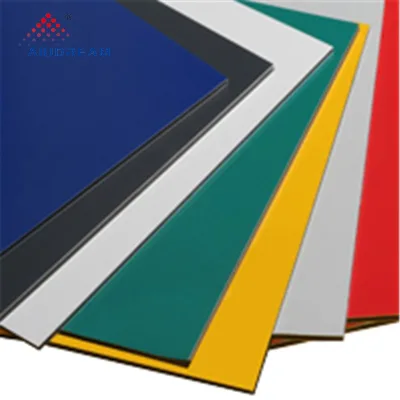
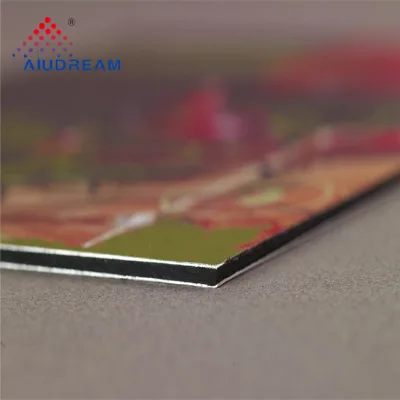
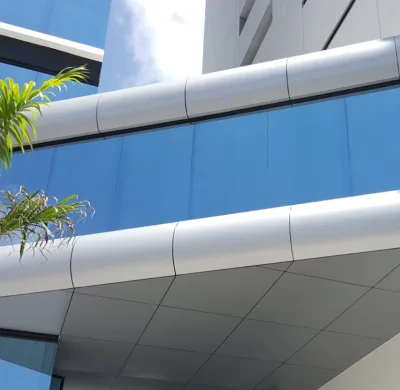
Shanghai Aludream Building Material Co., Ltd.
- Trading Company
- Lead time旺季: "1 - 300":9,"301 - 1500":15,"1501 - 2000":25,"> 2000":"To be negotiated", 淡季: "1 - 300":9,"301 - 1500":15,"1501 - 2000":25,"> 2000":"To be negotiated"
- Avg. response≤ 6h
Main productsAluminum Composite Panel, Honeycomb Panel, Wood Plastic Composite Floor Panel, WPC Panel, Acrylic Sheet
$4.6469 - $20.6487
MOQ: 300 Minimum

SHINE-Y Technology Development (Hebei) Co., Ltd
- Verified by CTI
- Trading Company
- China Hebei
- Lead time23 days
- Avg. response≤ 3h
Main productsAluminum Composite Panel, ACP Panel, ACP Cladding, Acm Aluminum Composite Panel, Acm Panel, ACP Sheet, Acm Sheet, Aluminum Composite Board, Wall Panel, Building Materials
Main marketsDomestic
Guangdong Bafoni Ind.co., Ltd.
- Manufacturer
- Guangdong, China
- Lead time15 days
- Avg. response≤ 2h
Main productsAluminium Composite Panel,Solid Aluminium Panel,Aluminium mesh,Silicone,SPC Flooring
Main marketsDomestic Market(20.00%), Southeast Asia(20.00%), Eastern Asia(10.00%), South Asia(10.00%), Africa(10.00%), Northern Europe(10.00%), South America(5.00%), Mid East(5.00%), North America(5.00%), Central America(5.00%)
Shandong Duoshun Building Materials Technology Co., Ltd.
- Manufacturer, Trading Company
- Shandong, China
- Lead time30 days
- Avg. response≤ 2h
Main productsacp,acm,pvc sheet,pvdf acp,PE acp
Main marketsSouthern Europe(10.00%), Western Europe(10.00%), Eastern Asia(10.00%), Mid East(10.00%), Oceania(10.00%), Africa(10.00%), Southeast Asia(10.00%), Eastern Europe(10.00%), South America(10.00%), North America(10.00%)
Shanghai Alumetal Decorative Material Co., Ltd.
- Trading Company
- Lead time旺季: "1 - 500":7,"501 - 2000":10,"2001 - 3000":15,"> 3000":"To be negotiated", 淡季: "1 - 500":7,"501 - 2000":10,"2001 - 3000":15,"> 3000":"To be negotiated"
- Avg. response≤ 4h
Main productsAluminum And Metal Composite Panel, Aluminum Corrugated Panel, Aluminum Honeycomb Panel, Coated Aluminum Coils, Coated Aluminum Sheet
Foshan City Linwell Honeycomb Hardware Co., Ltd.
- Verified by SGS Group
- Manufacturer, Trading Company
- Lead time5 days
- Avg. response≤ 12h
Main productsAluminum Honeycomb Core, Aluminum Honeycomb Panel, Stainless Steel Honeycomb, Honeycomb Machine, Honeycomb Lourve
Main marketsSouth Asia(25%), Southern Europe(20%), North America(15%)
Shenzhen Hongfu Tongxin Technology Co., Ltd.
- Trading Company
- Guangdong, China
- Lead time15 days
- Avg. response≤ 1h
Main productsFRP Sheet/FRP Panel, Aluminum Honeycomb Panel, Hydroponic Tray/Plastic Sheet
Main marketsNorth America(30.00%), Eastern Europe(10.00%), Domestic Market(10.00%), Mid East(10.00%), Southeast Asia(10.00%), South America(5.00%), Western Europe(5.00%), South Asia(4.00%), Oceania(4.00%), Northern Europe(4.00%), Eastern Asia(2.00%), Southern Europe(2.00%), Central America(2.00%), Africa(2.00%)






Comprehensive Sourcing Guide
Modern Waterproof Aluminum Composite Panel Supplier Concentration and Factory Types
The current supplier landscape for modern waterproof aluminum composite panels reveals a distinct geographic concentration within China, specifically highlighting manufacturing hubs in Henan, Guangdong, and Shanghai. These regions serve as primary centers for production, with suppliers in Henan operating as dedicated manufacturers, while those in Guangdong are classified as combined entities capable of both manufacturing and trading operations. This structural diversity allows buyers to access a wide range of production capabilities, from pure factory-direct output to integrated supply chain solutions that may include additional building materials like PVC wall panels or ACP tiles. The presence of suppliers in Shanghai further indicates a strong logistical and commercial presence in major port cities, facilitating easier export processes for international buyers seeking reliable partners in the construction and real estate sector.
Understanding the company type is crucial for aligning procurement strategies with business needs. Manufacturer entities in Henan often emphasize specific product lines such as aluminum plates, coils, and composite panels, supported by established quality management systems including ISO9001:2015 and ISO14001:2015 certifications. In contrast, combined suppliers in Guangdong may offer broader customization options, including OEM and ODM services, along with their own brand development capabilities. This distinction impacts not only the pricing structure but also the flexibility in handling custom orders. Buyers must carefully evaluate whether they require the specialized focus of a pure manufacturer or the versatile service model of a combined supplier, as this choice will influence communication efficiency, product variety, and the overall responsiveness of the supply chain during the sourcing process.
How to Verify Modern Waterproof Aluminum Composite Panel Suppliers
Verifying the legitimacy and capability of suppliers requires a multi-layered approach that goes beyond basic profile reviews. Buyers should prioritize checking for specific system certifications such as ISO9001:2015 and ISO14001:2015, which indicate a standardized approach to quality and environmental management. Additionally, product-level certifications like CE, ASTM, ISO, and Green Leaf are critical for ensuring compliance with international safety and environmental standards, particularly for applications involving curtain walls, external cladding, and interior decoration. These certifications serve as tangible evidence of a supplier’s commitment to quality control and regulatory adherence, providing a baseline for trust. It is essential to request valid certificates and verify their authenticity through independent channels or third-party inspection agencies to avoid potential fraud or misrepresentation of credentials.
Beyond certifications, assessing the supplier’s operational metrics provides insight into their reliability and responsiveness. Key indicators include response time, lead time, and minimum order quantities (MOQ). For instance, some suppliers demonstrate rapid response times, such as 4.70 hours, which suggests efficient customer service and communication channels. Lead times vary, with some suppliers offering 23 days and others up to 30 days, impacting project scheduling and inventory management. Buyers should also examine the supplier’s production experience, with some claiming over twenty years in the industry, which often correlates with refined manufacturing processes and technical expertise. Cross-referencing these metrics with product specifications, such as panel thickness, aluminum layer weight, and core material type, ensures that the supplier can meet specific project requirements. This holistic verification process helps mitigate risks and ensures a smoother procurement experience.
What to Compare Across Modern Waterproof Aluminum Composite Panel Suppliers
When evaluating multiple suppliers, it is vital to compare key operational and product attributes to identify the best fit for specific project needs. One significant differentiator is the customization availability, which is widely offered across suppliers, allowing for tailored solutions in terms of size, color, and surface finishing. Buyers should compare the specific product models and standards, such as the 1220*2440mm standard size, against their project dimensions. Additionally, the type of coating, whether PVDF, FEVE, or PE, plays a crucial role in durability and aesthetic appeal, with options ranging from high-gloss finishes to matte textures. Comparing these technical specifications helps in selecting panels that not only meet visual requirements but also withstand environmental conditions, ensuring long-term performance and customer satisfaction.
Another critical aspect of comparison is the pricing structure and associated commercial terms. Prices for aluminum composite panels can vary significantly, ranging from lower-cost options around $3.00 per square meter to premium offerings exceeding $25.80 per square meter. These price differences often reflect variations in material quality, such as aluminum thickness and core composition, as well as the level of service provided. Buyers should also consider the minimum order quantity (MOQ), which can range from 200 to 800 square meters, impacting the feasibility of small versus large orders. Furthermore, comparing the packing methods, such as wooden boxes or bulk packaging, and the origin of the products, whether from Zhengzhou, Shanghai, or other regions, provides insight into logistics costs and delivery timelines. A comprehensive comparison of these factors enables buyers to make informed decisions that balance cost, quality, and logistical efficiency.
Common Modern Waterproof Aluminum Composite Panel Sourcing Risks
Sourcing aluminum composite panels involves several inherent risks that buyers must proactively manage to ensure project success. One major risk is the variability in product quality, particularly regarding the core material and aluminum layer thickness. Panels with different core types, such as PE or fireproof cores, offer varying levels of durability and safety, with some meeting B1 grade fireproofing properties while others may not. Buyers must carefully verify these specifications to avoid receiving products that do not meet safety standards or project requirements. Additionally, the risk of miscommunication regarding customization details, such as color matching or surface finishing, can lead to discrepancies between ordered and delivered goods. Clear and detailed specifications in purchase orders are essential to mitigate this risk and ensure that the final product aligns with expectations.
Another significant risk is the potential for delays in lead times and response times, which can disrupt project schedules. Suppliers with longer lead times, such as 30 days, may not be suitable for urgent projects, while those with faster response times, like 4.70 hours, offer better support for quick decision-making. Buyers should also be cautious of suppliers with limited production experience or unclear certification statuses, as these factors can impact the reliability of the supply chain. Furthermore, the risk of logistical issues, such as damage during transit due to inadequate packing, is a concern. Ensuring that suppliers use robust packing methods, such as wooden boxes, can help protect the panels during shipping. By identifying and addressing these risks early in the sourcing process, buyers can establish a more secure and efficient procurement strategy.
Modern Waterproof Aluminum Composite Panel Regional Sourcing and Logistics
The geographic location of suppliers significantly influences logistics costs, delivery times, and overall supply chain efficiency. Suppliers located in major industrial hubs like Henan, Guangdong, and Shanghai benefit from established infrastructure and proximity to ports, facilitating smoother export processes. For instance, suppliers in Shanghai may offer advantages in terms of international shipping connectivity, reducing transit times for overseas buyers. Similarly, manufacturers in Henan and Guangdong leverage local supply chains for raw materials, potentially offering competitive pricing and faster production cycles. Buyers should consider the origin of the products when evaluating logistics options, as this can impact customs clearance, freight costs, and delivery reliability. Understanding these regional dynamics helps in selecting suppliers that align with logistical preferences and budget constraints.
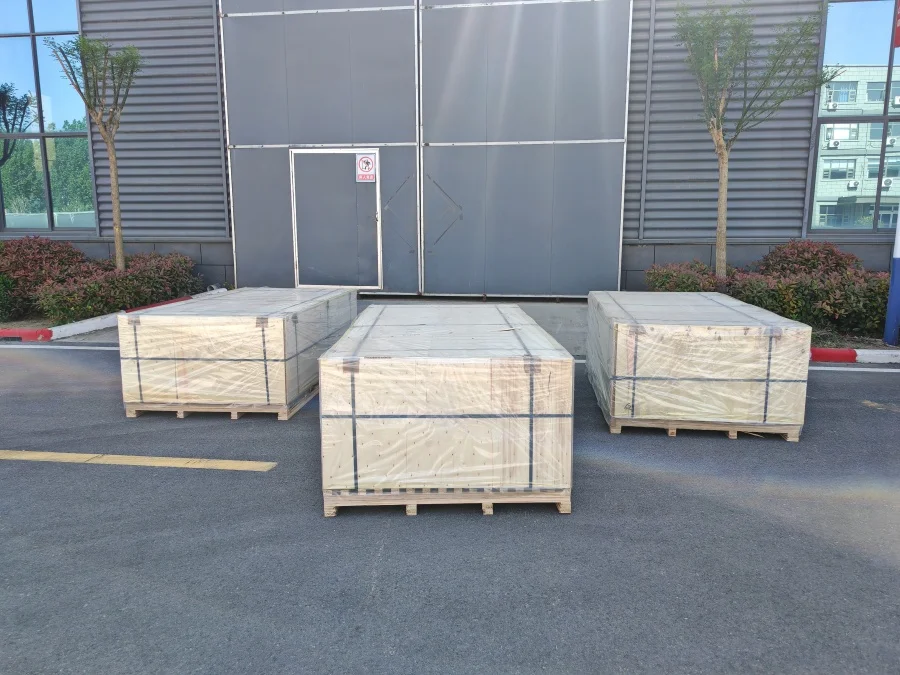
Logistics planning also involves evaluating the packing methods and shipping options provided by suppliers. Common packing methods include wooden boxes and bulk packaging, each with its own advantages in terms of protection and cost. Wooden box packing offers superior protection for delicate panels during transit, reducing the risk of damage, while bulk packaging may be more cost-effective for large orders. Buyers should discuss shipping terms with suppliers to determine the most suitable method for their needs. Additionally, considering the supplier’s experience in international trade and their familiarity with export regulations can help streamline the logistics process. By carefully assessing regional advantages and logistics capabilities, buyers can optimize their supply chain, ensuring timely delivery and minimizing additional costs associated with shipping and handling.
Modern Waterproof Aluminum Composite Panel Commercial Terms and Order Planning
Effective order planning requires a thorough understanding of commercial terms, including pricing, MOQs, and payment conditions. Prices for aluminum composite panels vary widely, from budget-friendly options around $3.00 per square meter to premium products exceeding $25.80 per square meter. Buyers must align their budget with the desired quality and specifications, considering factors such as aluminum thickness, core material, and surface finishing. Minimum order quantities also play a crucial role in order planning, with some suppliers requiring as few as 200 square meters, while others may demand 800 square meters or more. Understanding these thresholds helps buyers determine the feasibility of their orders and negotiate terms that suit their volume requirements. Clear communication of order specifications and quantities is essential to avoid misunderstandings and ensure smooth transaction processing.
Payment terms and escrow services are critical components of commercial agreements that protect both buyers and suppliers. Utilizing secure payment methods, such as escrow, can mitigate financial risks by ensuring that funds are released only upon satisfactory delivery and inspection of goods. Buyers should inquire about the supplier’s preferred payment methods and any available discounts for bulk orders or long-term partnerships. Additionally, considering the supplier’s response time and customer service quality can impact the overall transaction experience. Suppliers with rapid response times, such as 4.70 hours, demonstrate a commitment to customer support, which is valuable for addressing any issues that may arise during the order process. By carefully planning commercial terms and leveraging secure payment options, buyers can establish a robust and reliable procurement framework for their aluminum composite panel projects.
FAQs
What is the price range for modern waterproof aluminum composite panels?
Prices typically range from $3.00 to $25.80 per square meter depending on specifications. Basic models start around $3.00, while premium options with specialized coatings or fireproofing reach up to $25.80. Buyers should verify exact costs based on thickness, coating type, and order volume to ensure accurate budgeting for their specific project requirements.
What certifications are available for these aluminum composite panels?
Manufacturers commonly provide CE, ASTM, ISO, and Green Leaf certifications. These documents verify compliance with international safety and environmental standards. Some suppliers also hold ISO9001:2015 and ISO14001:2015 system certificates. Buyers should request specific certification copies to confirm that the panels meet the regulatory requirements for their intended construction or decoration applications.
What is the typical lead time for manufacturing these panels?
Standard lead times generally range from 23 to 30 days after order confirmation. This duration allows for production scheduling and quality control processes. Buyers should confirm specific timelines with suppliers, as rush orders or custom sizes may affect delivery schedules. Planning production around these windows helps prevent project delays and ensures timely material availability.
What is the minimum order quantity for aluminum composite panels?
Minimum order quantities typically range from 200 to 800 units or square meters. Some suppliers require as few as 200 units, while others set higher thresholds at 600 or 800 units. Buyers should check specific supplier requirements to determine the most cost-effective order size for their project scale and inventory management needs.
Where are these aluminum composite panels manufactured?
Manufacturing facilities are primarily located in China, specifically in Henan, Guangdong, and Shanghai provinces. These regions offer established supply chains for aluminum processing and composite materials. Buyers can source panels from these locations, ensuring access to a wide variety of products and competitive pricing structures based on regional manufacturing capabilities.
What fireproofing properties do these panels offer?
Panels often feature B1 Grade fireproofing properties, providing enhanced safety for building applications. Functions include fireproofing, anti-bacterial, anti-static, and mould-proof capabilities. These features make the panels suitable for curtain walls, external walls, and interior decoration. Buyers should verify specific fire ratings with suppliers to ensure compliance with local building codes.