Expandable Prefabricated Shipping Container House Suppliers and Manufacturers
Compare 23 verified suppliers of expandable prefabricated shipping container houses across locations like China Guangdong and Jiangxi. Review lead times, certifications, and pricing to source the right factory for your project needs today; review the available evidence before requesting comparable quotations from suitable candidates.
Updated
Suppliers List

Guangzhou Perfect Dream Modular House Co., Ltd.
- Verified by BV
- Trading Company,Manufacturer/Factory
- China Guangdong
- Lead time23 days
- Avg. response≤ 5h
Main productsSwimming Pool, Expandable Folding House, Portable Toilet, Standard Container House, Telecom Shelter, Complex Design Solution
Main marketsSouth America,Eastern Europe,Mid East,North America,Southeast Asia,Eastern Asia,Oceania,Western Europe,Africa


Customized Waterproof Prefabricated Expandable Portable Container House
$15000.00 - $18000.00
MOQ: 1 Pieces

Factory Good-Quality Prefabricated Customed Expandable Container House
$18000.00 - $20000.00
MOQ: 1 Pieces

Prefab Customized Design Expandable Prefabricated Building Container House
$15000.00 - $18000.00
MOQ: 1 Pieces

Jiangxi HK Prefab Building Co., Ltd.
- Verified by TUVRHEINLAND
- Trading Company,Manufacturer/Factory
- China Jiangxi
- Lead time45 days
- Avg. response≤ 6h
Main productsContainer House, Prefabricated Building, Prefab House, Mobile Container Toilet, Modular House, Container Coffee Bar
Main marketsSouth America,Eastern Europe,Mid East,North America,Eastern Asia,Oceania,Western Europe


20FT Expandable Modular Prefab Prefabricated Shipping Container House.
$22000.00 - $27000.00
MOQ: 1 Pieces

20FT Expandable Prefab Prefabricated Portable Modular Shipping Container House
$22000.00 - $27000.00
MOQ: 1 Pieces

Hebei Zhongxinhe Assembled Housing Manufacturing Co., Ltd.
- Verified by BV
- Combined
- China Hebei
- Lead time30 days
- Avg. response≤ 7h
Main productsTwin Wing Extension Room, Folding Box Room, Packing Box Room
Main marketsEast Asia(Japan/ South Korea),Europe,North America


Shipment Prefabricated 20 ′ 40′ Expand Prefabricated Container Living House
$5200.00 - $7300.00
MOQ: 1 Sets

Expandable Prefabricated Container House for Sale Shipping Prefabricated Small House
$5200.00 - $7300.00
MOQ: 1 Sets

Hebei 3x Nest Container House Co., Ltd.
- Verified by SGS
- Combined
- China Hebei
- Lead time23 days
- Avg. response≤ 3h
Main productsPrefab Home, Prefabricated Container House, House Container, Container Home, Mobile House, Modular Container House
Main marketsEurope

Xinyu Integrated Housing Co., Ltd
- Verified by TUVRHEINLAND
- Trading Company
- China Shandong
- Lead time15 days
- Avg. response≤ 6h
Main marketsSouth America


Mobile Expandable House Prefabricated Expandable Container House for Sale
$3699.00 - $4299.00
MOQ: 1 Sets

Shandong Zhongyu Integrated Housing Co., Ltd.
- Verified by CTI
- Combined
- China Shandong
- Lead time15 days
- Avg. response≤ 2h
Main productsContainer House, Expandable House, Detachable House, Flat Pack House, Folding House, Apple Cabin, Prefab House, Prefabricated House, Modular Home, Mobile House
Main marketsDomestic,North America


Expandable House Versatile Prefabricated Container House for Quick Assembly and Use
$2600.00 - $2699.00
MOQ: 1 Sets


Weifang Zhonghui Lvjian Steel Structure Co., Ltd.
- Verified by SGS
- Combined
- China Shandong
- Lead time15 days
- Avg. response≤ 1h
Main productsDetachable Container House and Frame, Flat Pack Container House, Folding Container House, Expandable Container House, Prefabricated Container House, Apple Cabin, Wallboard, Wall Panel, Windows and Doors, Luxury Prefab House
Main marketsEast Asia(Japan/ South Korea),Europe,Australia


Affordable Prefabricated Home Compact Prefabricated Expandable Container House
$6700.00 - $7000.00
MOQ: 1 Sets

Expandable Prefabricated Portable Container House for Versatile Living
$5099.00 - $5999.00
MOQ: 1 Sets

VITA INTERNATIONAL FREIGHT CO., LIMITED
- Trading Company
- Hong Kong S.A.R.
- Lead time5 days
- Avg. response≤ 4h
Main productsShipping Container,Dry Container,Refrigerated Container,Side door container,Tunnel shipping containers
Main marketsEastern Europe(10.00%), South America(10.00%), North America(10.00%), Oceania(10.00%), Central America(10.00%), Southern Europe(8.00%), Northern Europe(8.00%), Mid East(6.00%), Southeast Asia(5.00%), South Asia(5.00%), Domestic Market(5.00%), Eastern Asia(5.00%), Western Europe(5.00%), Africa(3.00%)
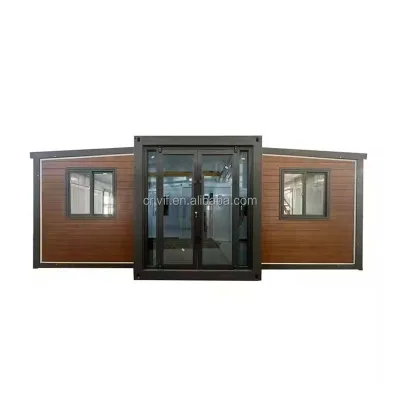
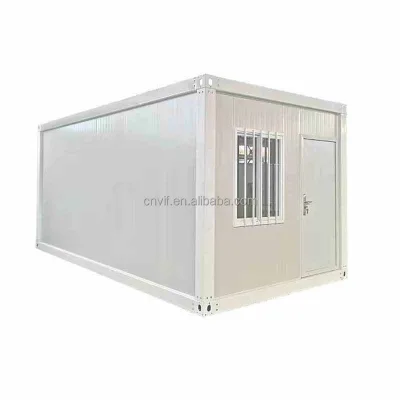
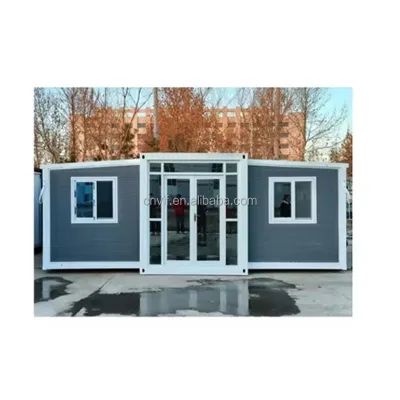
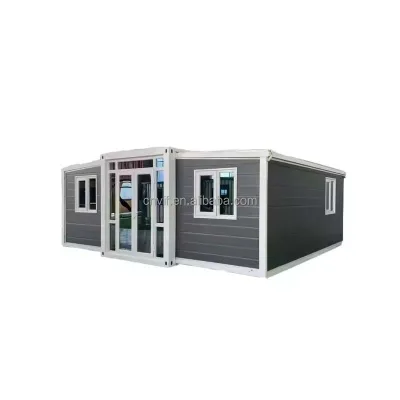
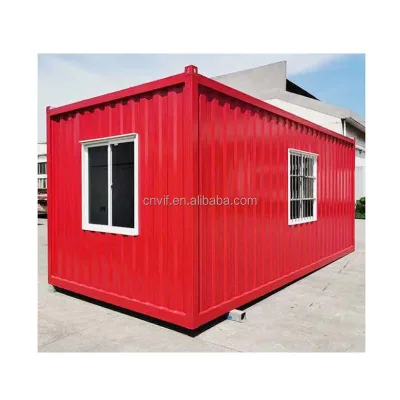
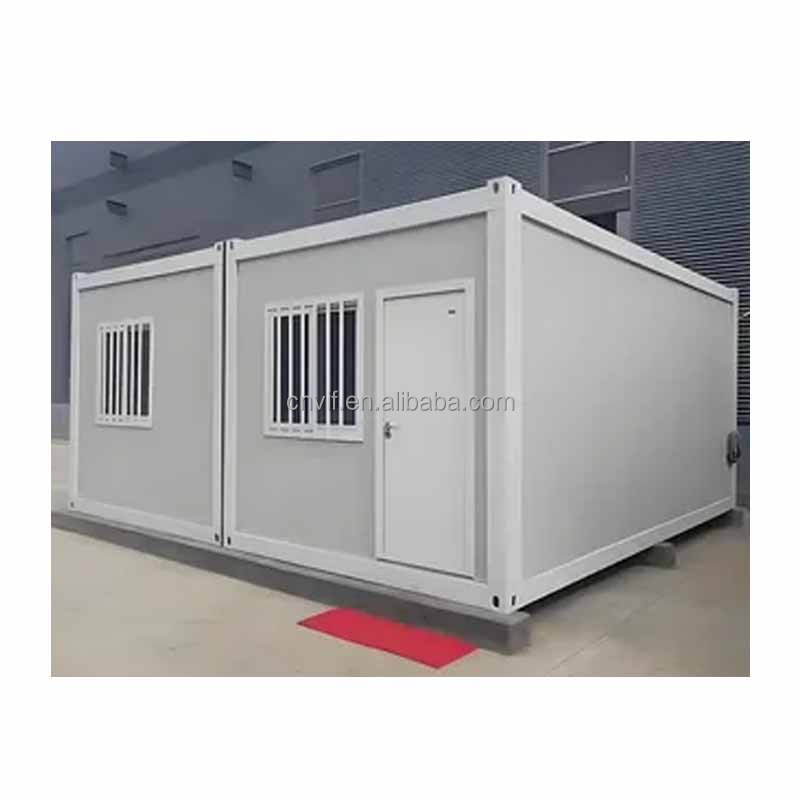
High Quality 20 Feet Containers House
$800.00 - $950.00

Zhongjing Mingsheng New Materials Tech Co., Ltd.
- Verified by BV
- Trading Company
- China Shandong
- Lead time15 days
- Avg. response≤ 3h
Main productsGreenhouse, Steel Structure House, Solar Photovoltaic Power Generation
Main marketsDomestic

Expandable Prefabricated House Prefab Expandable Container House Foldable Container House
$4500.00 - $7000.00
MOQ: 1 Sets

$4500.00 - $7000.00
MOQ: 1 Sets

$4500.00 - $7000.00
MOQ: 1 Sets

Expandable Container House Container Home Shipping Container House Eco Friendly Container House
$1100.00 - $1500.00
MOQ: 1 Pieces

$4500.00 - $7000.00
MOQ: 1 Sets

Prefab Expandable Container House Expandable Prefabricated House Flat Pack Container House
$4500.00 - $7000.00
MOQ: 1 Sets

Zhonglian Steel Supply Co., Ltd.
- Verified by SGS
- Trading Company
- China Shandong
- Lead time30 days
- Avg. response≤ 2h
Main productsSteel Plate Coil Plate H Steel Steel Pipe an
Main marketsDomestic

Custom Prefabricated Modern Portable Home Steel Structure Prefab Shipping Container Expandable House
$5300.00 - $5500.00
MOQ: 2 Pieces

Manufacturer Prefab Home Expandable Shipping Movable Container House
$5300.00 - $5500.00
MOQ: 2 Pieces

Prefabricated Flat Pack Expandable Folding Storage Shipping Container Home Folding House
$5300.00 - $5500.00
MOQ: 2 Pieces

Xiamen Umd Industrial Co., Ltd.
- Verified by BV
- Combined
- China Fujian
- Lead time23 days
- Avg. response≤ 5h
Main productsContainer House, Expandable Container House, Soundproof Booth, Apple Cabin, Portable Toilet, Foldable Container House, Assemble Container House, Flat Pack Container House
Main marketsSouth America,Africa,East Asia(Japan/ South Korea),Europe,Australia,North America

Insulated 20FT Villa Prefabricated Expandable Container Shipping Prefab Container Expandable House
$3450.00 - $4850.00
MOQ: 1 Pieces


Customizable Expandable Folding Modern Storage Prefabricated Container Houses
$3450.00 - $4850.00
MOQ: 1 Pieces

Suzhou Dongji Integrated Housing Technology Co., Ltd.
- Verified by SGS
- Trading Company
- China Jiangsu
- Lead time23 days
- Avg. response≤ 10h
Main productsFlat Pack Container House, Folding Box House, Expandable House
Main marketsSoutheast Asia/ Mideast,North America

40FT Container House Design Prefabricated Expandable Container House
$3500.00 - $5000.00
MOQ: 1 Pieces

Container House Shipping Container House Luxury Prefabricated Foldable Container House
$3500.00 - $5000.00
MOQ: 1 Pieces

Prefabricated Container-Hous Design Folding 40FT Expandable Container House
$3500.00 - $5000.00
MOQ: 1 Pieces

Hot Sale Prefabricated House Expandable Container House Shipping Container Homes for Sale
$3500.00 - $5000.00
MOQ: 1 Pieces

Yinhong Mobile House (Shanghai) Co., Ltd.
- Verified by SGS
- Combined
- China Shanghai
- Lead time30 days
- Avg. response≤ 2h
Main productsPrefab House, Container House, Portable House, Prefabricated House, Villa, Steel Structure House, Container Home, Modular House, Sandwich Panel, Apartment House
Main marketsSouth America,Africa,Southeast Asia/ Mideast,East Asia(Japan/ South Korea),Domestic,Europe,Australia,North America
Shanghai Z-Trust Import And Export Co., Ltd.
- Trading Company
- Shanghai, China
- Lead time5 days
- Avg. response≤ 8h
Main productsAluminum Composite Panel,RC Drones,Mechanical Dog,Samrt Robot
Main marketsSouth America(18.00%), North America(15.00%), Western Europe(12.00%), Eastern Europe(12.00%), Central America(10.00%), Southern Europe(10.00%), Oceania(8.00%), Northern Europe(7.00%), South Asia(5.00%), Mid East(1.00%), Africa(1.00%), Southeast Asia(1.00%)
Shanghai Aludream Building Material Co., Ltd.
- Trading Company
- Lead time旺季: "1 - 1":7,"2 - 2":15,"3 - 10":30,"> 10":"To be negotiated", 淡季: "1 - 1":7,"2 - 2":15,"3 - 10":30,"> 10":"To be negotiated"
- Avg. response≤ 8h
Main productsExpandable Container House,Folding Container House,Detachable Container House,Aluminum Composite Panel,Aluminum honeycomb panel

Rongyuan (Shandong) Metal Manufacturing Co., Ltd
- Trading Company
- China Shandong
- Lead time23 days
- Avg. response≤ 3h
Main productsSteel Structure, Container House, Prefabricated House, Apple Cabin, Expandable House, Steel Structure Warehouse, Steel Structure Workshop, H Beam
Main marketsSouth America,Eastern Europe,Mid East,North America,Southeast Asia,Eastern Asia,Oceania,Western Europe,Africa

$2980.00 - $3800.00
MOQ: 1 Pieces


Xiamen Sunfine Architect & Construction Co., Ltd.
- Verified by BV
- Combined
- China Fujian
- Lead time23 days
- Avg. response≤ 4h
Main productsContainer House, Prefab House, Moveble House, Prefabricated Building, Flat Pack Cabins, Portable Toilet
Main marketsSouth America,Africa,Southeast Asia/ Mideast,Europe,Australia,North America

Prefabricated 40FT Expandable Accommodation Prefab Modular Shipping Container House
$3800.00 - $5700.00
MOQ: 1 Pieces


Prefabricated House Expandable Container House Price Wholesale Shipping Container
$3800.00 - $5700.00
MOQ: 1 Sets

Prefabricated House Modern Design Expantable Shipping Container House
$3800.00 - $5700.00
MOQ: 1 Pieces

China Prefabricated Homes Shipping Prefab Container Expandable Fold out House
$3800.00 - $5700.00
MOQ: 1 Pieces
Taizhou Panyue Metal Products Co., Ltd.
- Manufacturer, Trading Company
- Jiangshu, China
- Lead time10 days
- Avg. response≤ 2h
Main productsRailing,Staircase column,Stair handrail,Glass clamp,Curtain wall accessories
Main marketsDomestic Market(35.00%), North America(5.00%), South Asia(5.00%), Southern Europe(5.00%), Northern Europe(5.00%), Central America(5.00%), Western Europe(5.00%), Eastern Asia(5.00%), Mid East(5.00%), Oceania(5.00%), Africa(5.00%), Southeast Asia(5.00%), Eastern Europe(5.00%), South America(5.00%)
$925.7659 - $1254.2298
MOQ: 1 pieces
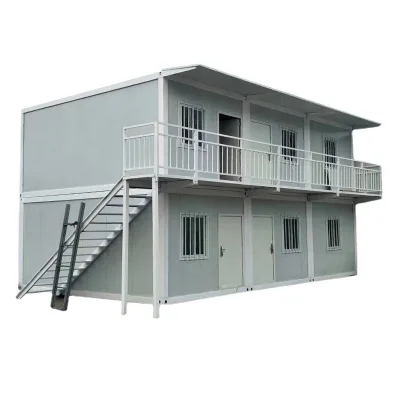
$885.00 - $1199.00
MOQ: 1 pieces
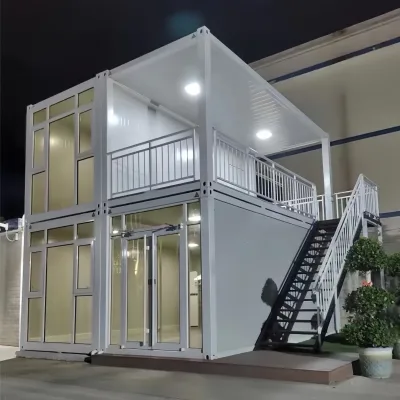
$885.00 - $1199.00
MOQ: 1 pieces
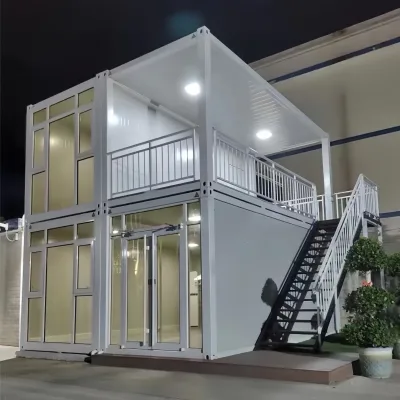
$925.7659 - $1254.2298
MOQ: 1 pieces
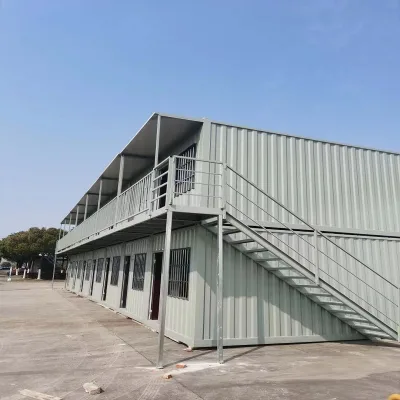
Outdoor Prefabricated 40ft Modular Container House Folding Windproof Waterproof Container House
$885.00 - $1199.00
MOQ: 1 pieces
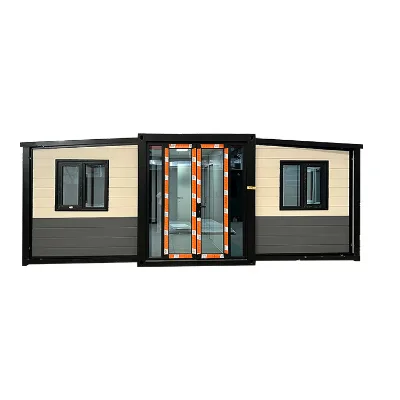
Folding House Prefabricated 20' Shipping Container Container Houses Ready to Living 2 Bedroom
$4498.0673
MOQ: 1 Minimum
Dingzhou Starshine Technology Co., Ltd.
- Verified by SGS Group
- Manufacturer, Trading Company
- Lead time12 days
- Avg. response≤ 2h
Main productsPolycarbonate Sheet, PC dome house, PC Carport, Prefab House
Main marketsNorth America(40%), Western Europe(40%), Eastern Europe(10%)
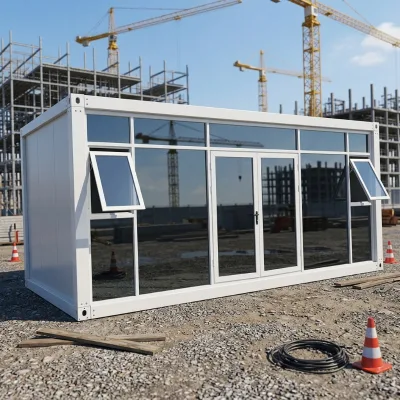
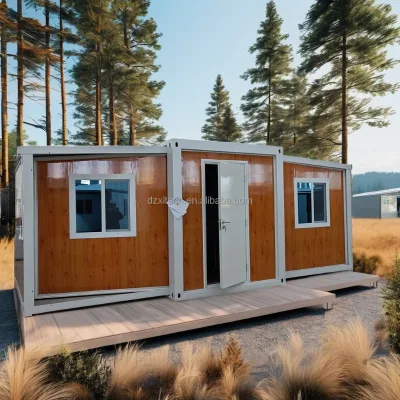
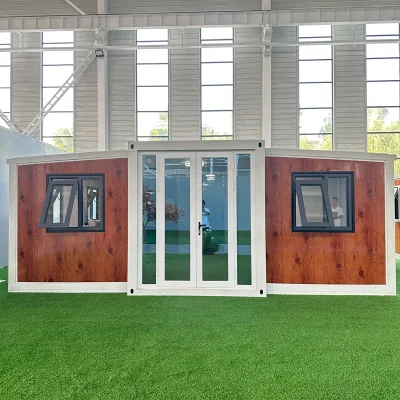
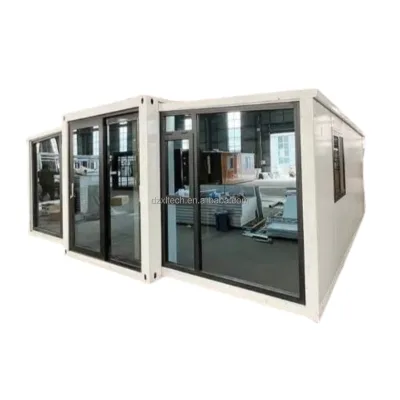
Modified Shipping Container Prefab House Eco-Friendly Home Design
$5200.00 - $5600.00
Xi 'an Linya Cement Sales Co., Ltd.
- Trading Company
- Shaanxi Province, China
- Lead time10 days
- Avg. response≤ 5h
Main productslawn mowers
Main marketsNorth America(80.00%), South America(15.00%), Eastern Europe(5.00%)
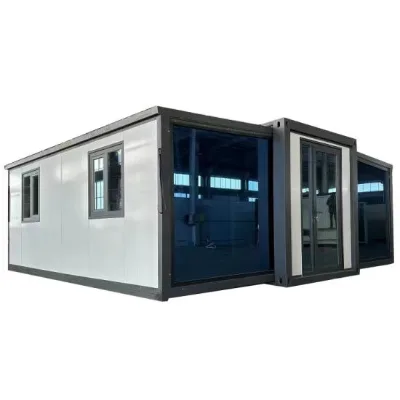
$2199.00 - $4399.00
MOQ: 1 Minimum
Qingdao Kingland Assembly Construction Technology Co., Ltd.
- Manufacturer, Trading Company
- Shandong, China
- Lead time20 days
- Avg. response≤ 5h
Main productsCoffee House,Folding Living Container House,Shipping Container House,Foldable Storage Container House,Modular Storage Container House
Main marketsEastern Asia(50.00%), North America(30.00%), Oceania(10.00%), Western Europe(10.00%)
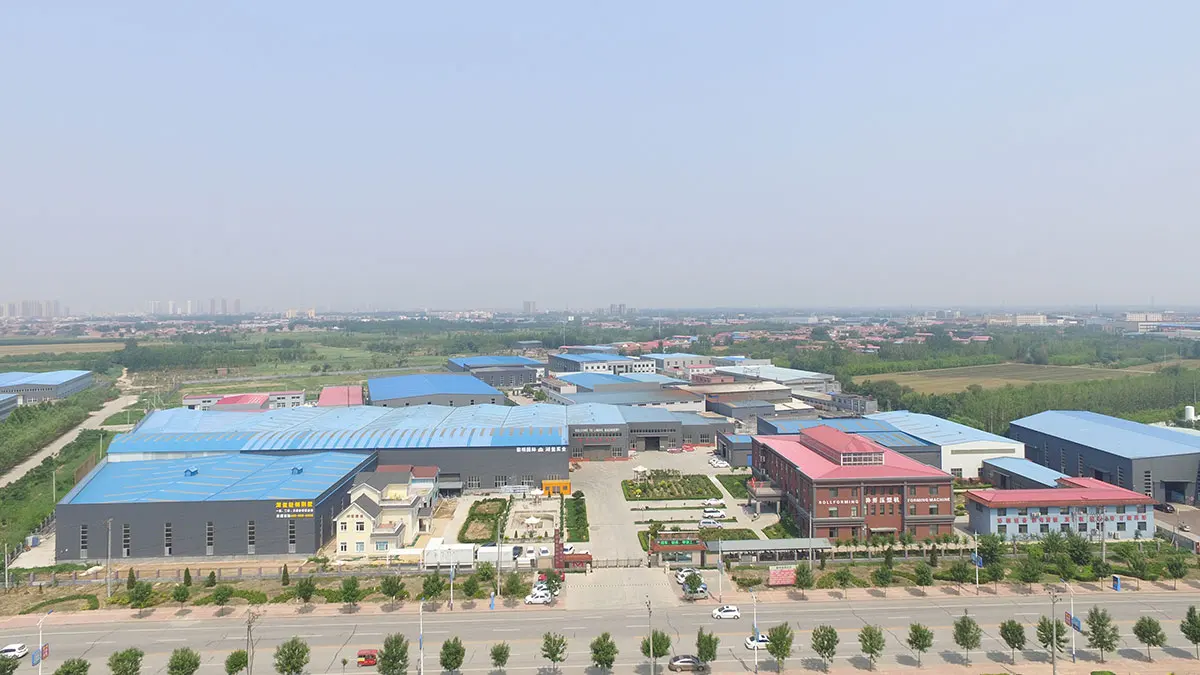
Hebei Liming Stamping Form Machine Co., Ltd.
- Manufacturer, Trading Company
- Hebei, China
- Lead time10 days
- Avg. response≤ 5h
Main productsPU roof panel,pu roof sandwich panel,steel pallet,light steel pallet,metal pallet
Main marketsSouth America(18.00%), Central America(15.00%), Western Europe(15.00%), North America(15.00%), Oceania(10.00%), Southern Europe(8.00%), South Asia(5.00%), Southeast Asia(5.00%), Eastern Europe(5.00%), Northern Europe(2.00%), Africa(2.00%)
Anhui Anteng Caigang Steel Structure Co., Ltd.
- Verified by SGS Group
- Manufacturer, Trading Company
- An'hui, China
- Lead time31 days
- Avg. response≤ 2h
Main productsExpand container house, LCL House, Prefabricated buildings, Folding container house, Prefab houses
Main marketsDomestic Market(100%)


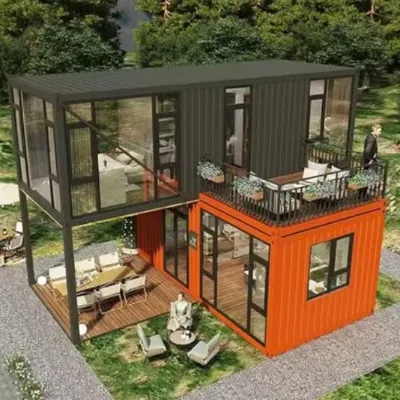
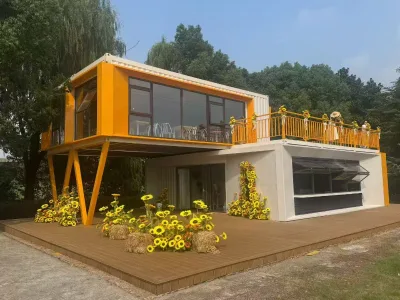
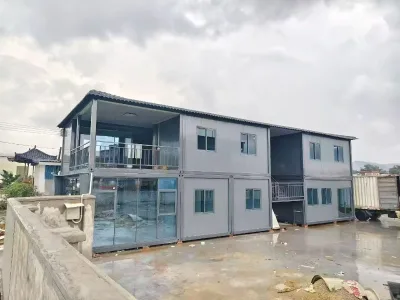
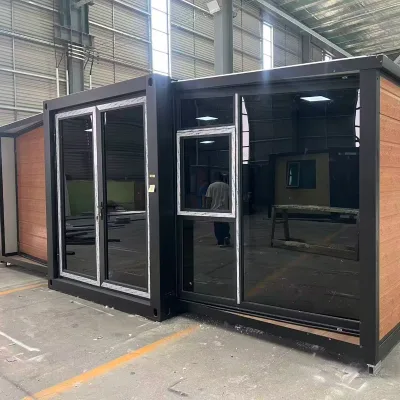
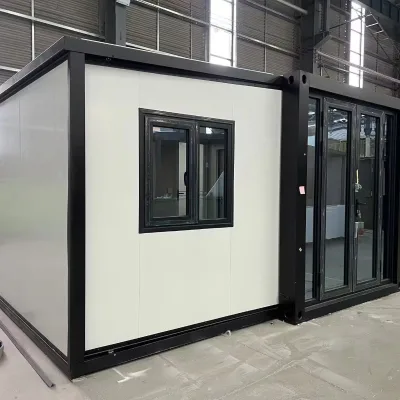
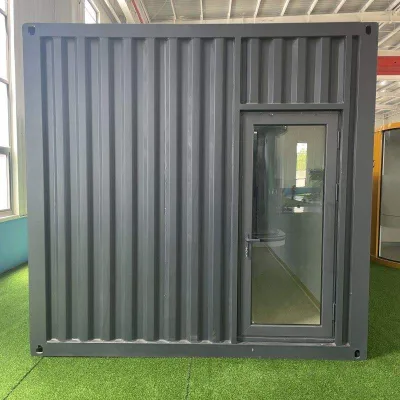
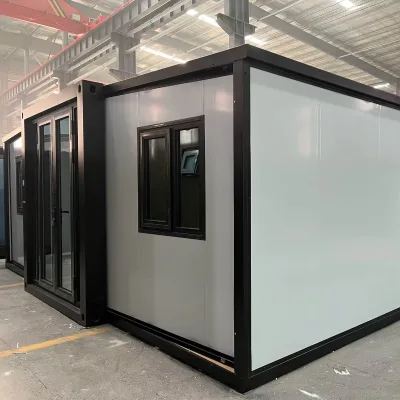
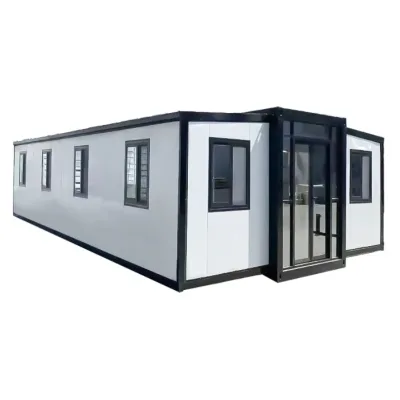
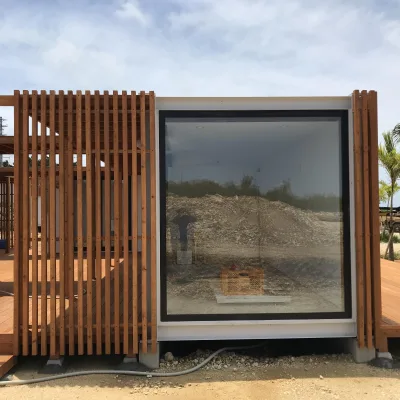
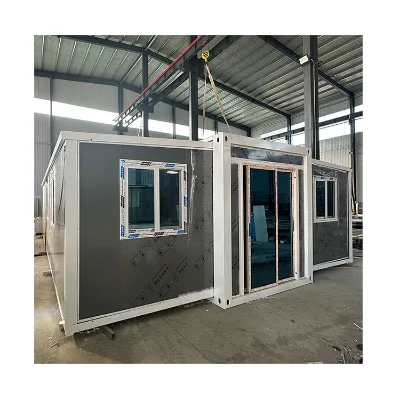
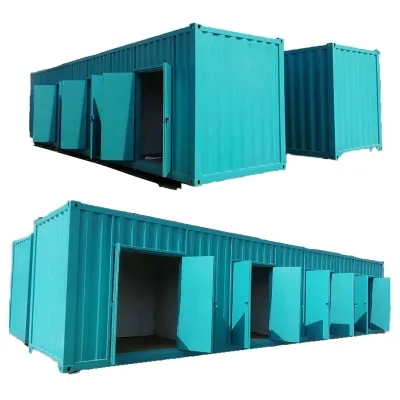
Comprehensive Sourcing Guide
Expandable Prefabricated Shipping Container House Supplier Concentration and Factory Types
The sourcing landscape for expandable prefabricated shipping container houses reveals a distinct geographic concentration within China, specifically highlighting Guangdong as a primary manufacturing hub. Suppliers located in this region often operate as either trading companies or manufacturer/factory entities, offering a dual advantage of direct production capabilities and flexible commercial arrangements. This structural diversity allows buyers to access a wide array of product configurations, ranging from standard container houses to complex design solutions that include telecom shelters and portable toilets. The presence of established industrial clusters in Guangdong suggests a mature supply chain ecosystem, where raw material availability and specialized labor contribute to efficient production cycles. Buyers evaluating suppliers in this region should note that the concentration of both trading and manufacturing entities creates a competitive environment, potentially driving innovation in product features such as wind resistance, thermal insulation, and earthquake resistance. Understanding this local ecosystem is crucial for assessing the reliability and scalability of potential partners, as the density of suppliers often correlates with the availability of supporting logistics and component suppliers.
In contrast to the Guangdong cluster, other regions such as Jiangxi and Hebei also host relevant suppliers, each bringing different operational focuses to the market. Suppliers in Jiangxi may emphasize specific product lines like container coffee bars or modular houses, while those in Hebei might specialize in twin wing extension rooms or folding box rooms. This regional variation indicates that buyers should not assume uniformity in product offerings or manufacturing expertise across all Chinese suppliers. Instead, they must carefully review the main products listed by each supplier to ensure alignment with their specific project requirements. The company types also vary, with some operating as combined entities that blend manufacturing with trading functions. This hybrid model can offer streamlined communication but may require additional verification to ensure quality control standards are maintained throughout the production process. By recognizing these regional and structural differences, buyers can better navigate the supplier base and identify partners whose specific capabilities match their project needs, whether for temporary offices, dormitories, or permanent villas.
How to Verify Expandable Prefabricated Shipping Container House Suppliers
Verification of suppliers requires a multi-layered approach that goes beyond basic company registration checks, focusing heavily on third-party certifications and independent audit results. Buyers should prioritize suppliers who hold recognized system certifications such as ISO 9000 or ISO 9001, which indicate a standardized approach to quality management in the production of expandable container houses. Additionally, product-specific certifications like CE and ISO are critical for ensuring that the structures meet international safety and performance standards, particularly for markets with strict regulatory requirements. The presence of verification badges from reputable agencies such as BV or TÜV Rheinland provides an additional layer of confidence, suggesting that the supplier’s facilities and processes have been independently assessed. Buyers must carefully review the scope of these certifications to ensure they cover the specific manufacturing processes relevant to their order, such as steel structure fabrication and insulation installation. Relying on these verified credentials helps mitigate the risk of engaging with suppliers who may lack the necessary technical expertise or quality control measures.
Beyond certifications, buyers should assess the supplier’s responsiveness and transparency as indicators of their operational reliability. Response times, such as those recorded at 4.44 or 5.76, can serve as a proxy for the supplier’s efficiency in handling inquiries and providing necessary documentation. A quicker response time often correlates with a more organized internal process, which is essential for managing complex orders involving customization and logistics. Buyers should also look for evidence of past performance, such as detailed product attributes and clear specifications for models like PD150 or hk270. These details demonstrate the supplier’s ability to provide precise information, which is crucial for accurate cost estimation and project planning. Furthermore, verifying the supplier’s capacity for OEM and ODM services ensures that they can accommodate custom design requirements, a common need in the expandable container house sector. By combining certification checks with an evaluation of responsiveness and technical detail, buyers can build a comprehensive profile of each supplier’s reliability and suitability for their specific sourcing needs.
What to Compare Across Expandable Prefabricated Shipping Container House Suppliers
When evaluating multiple suppliers, buyers must systematically compare key operational metrics such as lead times, minimum order quantities, and pricing structures to identify the most suitable partner. Lead times vary significantly across the supplier base, with some offering production cycles as short as 23 days, while others may require up to 45 days. This variation can impact project timelines, especially for urgent deployments or large-scale housing projects. Buyers should align their project schedules with the supplier’s stated lead times to avoid delays, and consider whether expedited options are available for an additional cost. Similarly, minimum order quantities (MOQ) can range from a single unit to larger batches, influencing the feasibility of small-scale trials or large-volume contracts. Understanding these constraints early in the sourcing process allows buyers to negotiate terms that fit their budget and volume requirements, ensuring that the supplier’s capabilities match their procurement strategy.
Pricing and customization options are equally critical factors in supplier comparison, as they directly affect the total cost of ownership and product suitability. Prices for expandable container houses can range from approximately $7,000 to over $27,000, depending on the model, size, and level of customization. Buyers should request detailed quotes that break down costs for materials, labor, and shipping, allowing for accurate comparisons between suppliers. Additionally, the availability of customization services, such as specific insulation thicknesses or luxury decorations, can significantly impact the final price. Suppliers offering OEM and ODM capabilities provide greater flexibility for buyers seeking unique designs or branded products. By comparing these variables across different suppliers, buyers can identify the best balance between cost, quality, and service. It is also important to consider the supplier’s main product focus, as those specializing in specific types of container houses may offer better value and expertise for particular applications, such as temporary offices or permanent villas.
Common Expandable Prefabricated Shipping Container House Sourcing Risks
One of the primary risks in sourcing expandable prefabricated shipping container houses is the potential discrepancy between advertised specifications and actual product quality. Buyers must be vigilant about verifying material compositions, such as steel structure thickness and insulation types, to ensure they meet the required standards for durability and safety. Misrepresentation of features like wind resistance or earthquake resistance can lead to structural failures in extreme conditions, posing significant safety hazards. Additionally, the complexity of customization can introduce risks if the supplier lacks the technical expertise to implement specific design changes accurately. Buyers should request detailed technical drawings and material certificates to validate the supplier’s claims, reducing the likelihood of receiving substandard products. Clear communication of requirements and regular quality checks during production are essential strategies to mitigate these risks and ensure that the final product aligns with the buyer’s expectations.
Another significant risk involves logistics and delivery delays, which can disrupt project timelines and increase costs. The expandable nature of these houses requires careful packing and handling to prevent damage during transit, and suppliers must demonstrate expertise in this area. Buyers should inquire about packing methods, such as plywood packing or loading inside 40FT HQ containers, to ensure safe transportation. Delays can also arise from supply chain disruptions or production bottlenecks, particularly if the supplier is managing multiple large orders simultaneously. To mitigate this risk, buyers should establish clear delivery schedules and include penalty clauses for late deliveries in their contracts. Additionally, verifying the supplier’s experience with international shipping and customs clearance can help streamline the logistics process. By proactively addressing these potential issues, buyers can reduce the likelihood of costly delays and ensure a smoother procurement experience.
Expandable Prefabricated Shipping Container House Regional Sourcing and Logistics
Sourcing from specific regions in China offers distinct logistical advantages and challenges that buyers must carefully consider. Guangdong, as a major manufacturing hub, benefits from proximity to major ports, facilitating efficient export operations and reducing transit times for international shipments. Suppliers in this region often have established relationships with freight forwarders, which can lead to more competitive shipping rates and reliable delivery schedules. However, buyers should also consider the potential for higher competition in this region, which may drive up prices or lead to capacity constraints during peak seasons. In contrast, suppliers in regions like Jiangxi or Hebei may offer lower production costs due to reduced labor and overhead expenses, but may face longer transit times to major ports. Buyers must weigh these factors against their project timelines and budget constraints to determine the most suitable sourcing location.
Logistics planning also involves understanding the specific packing and shipping requirements for expandable container houses, which can vary based on the model and size. Suppliers must ensure that the houses are packed securely to prevent damage during transit, using methods such as plywood packing or loading inside standard shipping containers. Buyers should verify the supplier’s packing capabilities and request detailed information on how the houses will be loaded and secured. Additionally, buyers must consider the impact of regional regulations on shipping, such as export restrictions or customs requirements, which can vary by location. Working with suppliers who have experience in international logistics can help navigate these complexities and ensure smooth delivery. By carefully evaluating the logistical implications of sourcing from different regions, buyers can optimize their supply chain and reduce the risk of delays or damage.
Expandable Prefabricated Shipping Container House Commercial Terms and Order Planning
Commercial terms and order planning are critical components of a successful sourcing strategy, requiring careful negotiation and clear documentation. Buyers should establish detailed contracts that specify payment terms, delivery schedules, and quality assurance protocols to protect their interests. Payment terms, such as deposits and balance payments upon shipment, should be structured to balance risk for both parties. Buyers should also consider using escrow services or letters of credit to ensure secure transactions, particularly for large orders. Clear communication of order specifications, including dimensions, materials, and customization requirements, is essential to avoid misunderstandings and ensure that the final product meets the buyer’s needs. Buyers should request sample products or factory audits to verify quality before placing large orders, reducing the risk of receiving substandard goods.
Order planning also involves managing inventory and production schedules to align with project timelines. Buyers should work closely with suppliers to establish realistic production schedules, accounting for potential delays due to material shortages or other factors. Regular communication and progress updates from the supplier can help identify and address issues early, preventing costly delays. Buyers should also consider the supplier’s capacity for handling multiple orders simultaneously, ensuring that they can meet the buyer’s volume requirements without compromising quality. Additionally, buyers should plan for post-delivery support, such as warranty services and technical assistance, to address any issues that may arise after installation. By carefully managing commercial terms and order planning, buyers can ensure a smooth and successful sourcing experience, minimizing risks and maximizing value.
FAQs
What is the price range for expandable container houses?
Prices typically range from $7,000 to $27,000 depending on size and customization. Basic 20-foot models start around $7,000, while larger 40-foot units or luxury versions can exceed $20,000. Buyers should verify specific quotes based on material choices and insulation requirements.
What certifications do these houses have?
Manufacturers generally hold ISO 9001 and ISO 9000 system certifications. Products often carry ISO and CE certifications for safety and quality standards. Buyers should request valid certificates to ensure compliance with local building regulations and international quality benchmarks before placing orders.
How long does delivery take?
Lead times vary between 23 and 45 days depending on the supplier and order volume. Some factories in Guangdong report faster turnaround times, while others in Jiangxi or Hebei may require up to 45 days. Confirm exact schedules with suppliers before finalizing contracts.
What is the minimum order quantity?
The minimum order quantity is typically one unit, allowing for single purchases. This flexibility supports both individual buyers and small projects. However, bulk orders may offer better pricing. Always confirm MOQ policies directly with the supplier to avoid misunderstandings during procurement.
Where are these houses manufactured?
Manufacturers are primarily located in China, specifically in Guangdong, Jiangxi, and Hebei provinces. Guangdong suppliers often offer faster response times and competitive pricing. Jiangxi and Hebei factories provide alternative options with different lead times. Verify locations to assess shipping costs and logistics.
Can these houses be customized?
Yes, customization is widely available for materials, insulation, and dimensions. Buyers can choose from steel structures, various insulation types like polyurethane or rock wool, and different thicknesses. OEM and ODM services are common, allowing tailored solutions for specific project requirements and usage scenarios.