Food Grade Self Sealing Bags Suppliers and Manufacturers
Explore 32 verified options for Food Grade Self Sealing Bags from manufacturers and trading companies. Compare certifications like EU 10/2011, lead times, and MOQs to find the right fit. Contact suppliers directly to request samples or custom quotes; review the available evidence before requesting comparable quotations from suitable candidates.
Updated
Suppliers List
Cangzhou Jingtian Plasticindustry Co., Ltd.
- Verified by SGS Group
- Manufacturer, Trading Company
- Lead time7 days
- Avg. response≤ 1h
Main productsPlastic Packaging Bag, Food packaging bags
Main marketsNorth America(70%), Eastern Asia(10%), South America(10%)

WEIFANG DEFU NEW MATERIAL COMPANY LIMITED
- Verified by TUVRHEINLAND
- Combined
- China Shandong
- Lead time15 days
- Avg. response≤ 7h
Main productsPlastic Bags
Main marketsSouth America
Dongguan Chenghua Industrial Co., Ltd.
- Verified by TüVRheinland
- Manufacturer, Trading Company
- Lead time0 days
- Avg. response≤ 2h
Main productsZiplock Bag, Self Adhesive Bag, Food Bag, T Shirt Bag, Zipper Bag
Main marketsDomestic Market(40%), North America(15%), Africa(10%)

Dongguan Chenghua Industrial Co., Ltd.
- Verified by BV
- Manufacturer/Factory
- China Guangdong
- Lead time23 days
- Avg. response≤ 4h
Main productsZiplock Bag, Biodegradable Bag, Aluminum Bag, Doypack, Zipper Bag, Food Bag, OPP Bags, Plastic Bags, Poly Bags, Specimen Bags
Main marketsSouth America,Eastern Europe,Mid East,North America,Southeast Asia,Eastern Asia,Oceania,Western Europe,Africa

Qingdao Yide Shine Industry Co., Ltd.
- Verified by SGS
- Manufacturer/Factory
- China Shandong
- Lead time15 days
- Avg. response≤ 3h
Main productsPaper Bag, Kraft Paper Bag, Non Woven Bag, Craft Paper Bag, Value Bag, Shopping Bag, PE Bag, Paper Napkin, Take Away Food Bag, Hanburger Box
Main marketsSouth America,Eastern Europe,Mid East,North America,Southeast Asia,Eastern Asia,Oceania,Western Europe,Africa

SHANDONG FUKUN NEW MATERIALS CO., LTD.
- Trading Company,Manufacturer/Factory
- China Shandong
- Lead time30 days
- Avg. response≤ 14h
Main productsCompostable Bag, Biodegradable Bag, Aprons, Cape, Mailer Bag, Non-Woven Bag, Poop Bag, Garbage Bag, Vest Bag, Carrier Bag
Main marketsSouth America,Eastern Europe,Mid East,North America,Southeast Asia,Eastern Asia,Oceania,Western Europe,Africa

Tianjin Unipack Packaging Material Co., Ltd
- Verified by BV
- Manufacturer/Factory,Group Corporation
- China Tianjin
- Lead time23 days
- Avg. response≤ 9h
Main productsAesptic Bag, Packaging Bag, Pet Bottle, Food Bag, Microwave Popcorn Bag, Bag in Box, Stand up Pouch, Food Packaging Bag, Snack Bag, Spout Bag
Main marketsSouth America,Eastern Europe,Mid East,North America,Southeast Asia,Eastern Asia,Oceania,Western Europe,Africa
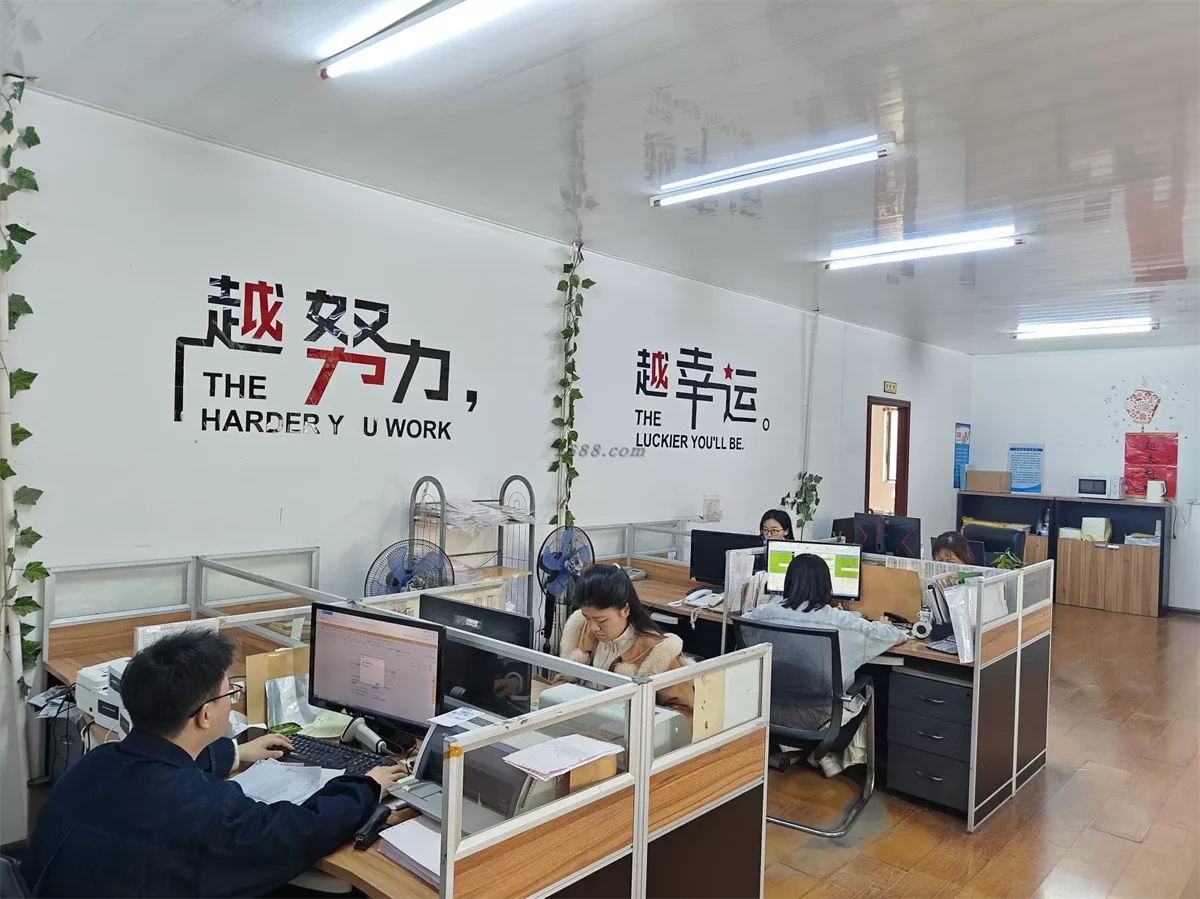
Kingboone (Shenzhen) Technology Co., LTD.
- Manufacturer, Trading Company, Distributor/Wholesaler
- Guangdong, China
- Lead time3 days
- Avg. response≤ 5h
Main productsMylar Bags,Kraft Paper Bags,Food Bags,Paper Box,Stand Up Pouches
Main marketsNorth America(40.00%), Southeast Asia(15.00%), Western Europe(10.00%), Mid East(8.00%), Eastern Europe(6.00%), South Asia(5.00%), Northern Europe(5.00%), Southern Europe(4.00%), South America(3.00%), Eastern Asia(3.00%), Africa(1.00%)
Guangzhou Jet Biofiltration Co., Ltd.
- Manufacturer, Trading Company
- Guangdong, China
- Lead time30 days
- Avg. response≤ 10h
Main productstissue culture products,serological pipettes,centrifuge tubes,petri dishes,ELISA plates
Main marketsWestern Europe(11.11%), Eastern Asia(11.11%), Mid East(11.11%), Oceania(11.11%), Africa(11.11%), Southeast Asia(11.11%), Eastern Europe(11.11%), South America(11.11%), North America(11.11%)
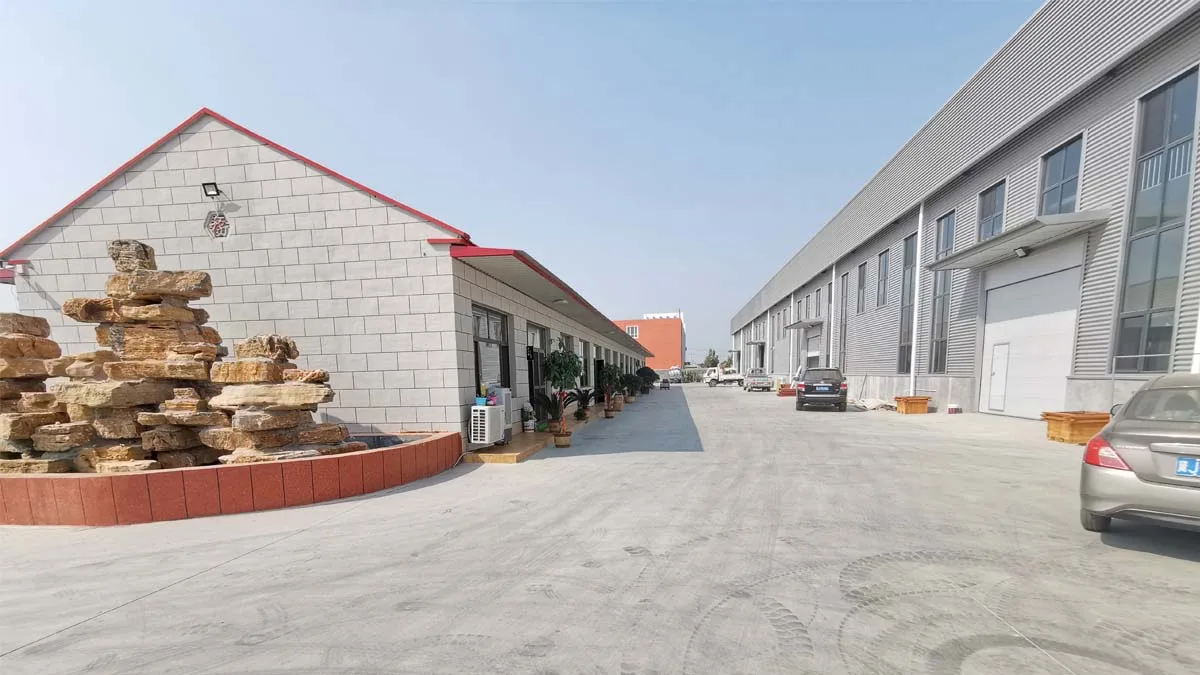
Cangzhou Xianyu Packaging Products Co., Ltd.
- Trading Company
- Hebei, China
- Lead time10 days
- Avg. response≤ 2h
Main productsCustomized Packaging Bags,Plastic Color Printing Film,Paper-Plastic Packaging,Aluminum Foil Bag,Food Color Printing Vacuum Bag
Main marketsNorthern Europe(100.00%), Central America(100.00%), Western Europe(100.00%), Eastern Asia(100.00%), Mid East(100.00%), Oceania(100.00%), Africa(100.00%), South Asia(100.00%), Eastern Europe(100.00%), Southern Europe(100.00%), South America(100.00%), North America(50.00%), Domestic Market(30.00%), Southeast Asia(20.00%)

Fidelis (Xiamen) Technology Co., Ltd.
- Verified by SGS
- Trading Company
- China Fujian
- Lead time30 days
- Avg. response≤ 10h
Main productsPlastic Packaging.
Main marketsDomestic

Chaozhou Chaoan District Jinyang Printing Co., Ltd
- Verified by CTI
- Combined
- China Guangdong
- Lead time15 days
- Avg. response≤ 7h
Main productsStand up Pouch, Spout Pouch, Roll Film, Flat Bottom Bag, Zipper Bag, Cup Lid Film
Main marketsDomestic


Custom Printed Snack Multilateral Sealing Bag Food Plastic Packaging Bag
$0.02 - $0.15
MOQ: 20000 Pieces

Guangdong Min Sun Environmental Protection Packaging Technology Co., Ltd.
- Verified by SGS
- Manufacturer
- China Guangdong
- Lead time15 days
- Avg. response≤ 2h
Main productsPlastic Packaging Products, Printed Plastic Products, Film Rolls, Laminated Plastic Packaging Products, Food Packaging Bag, Industry Packaging Bag, Medicine Use Packaging Bag, Shrink Label, Gravure Printing Products, Custom Packaging Service
Main marketsEurope,North America
Dongguan Xiani Packaging Products Co., Ltd.
- Trading Company
- Guangdong, China
- Lead time7 days
- Avg. response≤ 3h
Main productspackaging & printing,more Supported Products,pouch/bag,wrapping paper,blister packaging
Main marketsNorth America(40.00%), Northern Europe(20.00%), Domestic Market(5.00%), Western Europe(5.00%), Eastern Asia(5.00%), Mid East(5.00%), Southeast Asia(5.00%), South America(5.00%), Southern Europe(3.00%), South Asia(3.00%), Central America(2.00%), Eastern Europe(2.00%)

Guangdong Shunfa Colour Printing Co., Ltd.
- Verified by BV
- Combined
- China Guangdong
- Lead time15 days
- Avg. response≤ 10h
Main productsPackaging&Printing, Kraft Paper Tote Bag, Vertical Zipper Bag, Food Packaging Film Roll, Valve Zipper Bag, PE Bag
Main marketsSoutheast Asia/ Mideast,North America


High Quality Wholesale Side Sealing Food Grade Coffee Packaging Plastic Bag
$0.09 - $0.16
MOQ: 30000 Pieces


Qingdao Zhongbang Packaging Co., Ltd.
- Verified by SGS
- Manufacturer/Factory
- China Shandong
- Lead time15 days
- Avg. response≤ 4h
Main productsPlastic Bag, Food Bag, Food Packaging Bag, Coffee Bag, Pet Food Bag, Stand up Pouch, Kraft Paper Bag, Zipper Bag, Spout Pouch, Plastic Packaging Bag
Main marketsSouth America,Eastern Europe,Mid East,North America,Southeast Asia,Eastern Asia,Oceania,Western Europe,Africa

Food Grade Laminated For Snacks Biscuit Cookie self-sealing packaging bag
$0.02 - $0.90
MOQ: 10000 Pieces

High quality food grade customized printing and size plastic packaging bag
$0.02 - $0.90
MOQ: 10000 Pieces
Chaozhou Mei Jia Li Printing Co., Ltd.
- Verified by Intertek
- Manufacturer, Trading Company
- Lead time15 days
- Avg. response≤ 7h
Main productsFood Packaging Bag, Food Packaging Roll Film, Paper Box, Paper Bag, Hologram Sticker
Main marketsSoutheast Asia(30%), North America(20%), Mid East(20%)
Jiangyin Changjing Xinda Plastic Film Co., Ltd.
- Manufacturer, Trading Company
- Jiangsu, China
- Lead time15 days
- Avg. response≤ 3h
Main productsAir Cushion Film,Air Cushion Machine,Food Packaging Bag,Vacuum Pouches,Vacuum Storage Bags
Main marketsDomestic Market(27.00%), North America(24.00%), South America(10.00%), Eastern Europe(8.00%), Western Europe(8.00%), South Asia(5.00%), Southeast Asia(5.00%), Southern Europe(4.00%), Mid East(4.00%), Oceania(2.00%), Eastern Asia(1.00%), Central America(1.00%), Northern Europe(1.00%)
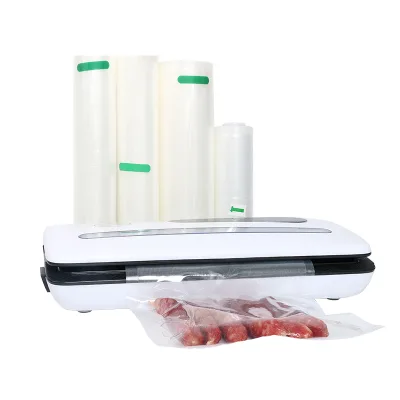
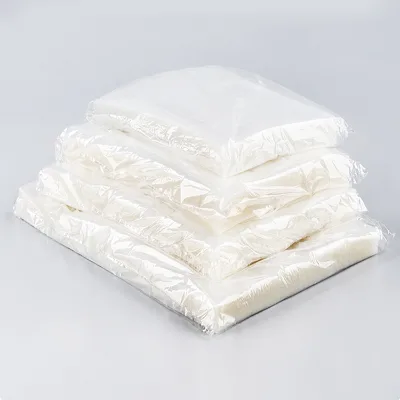
Heavy Duty Textured Plastic Bags for Chicken Packaging - Perfect for Restaurants
$0.02 - $0.03
MOQ: 20000
Yiwu Jiuz Technology Co., Ltd.
- Trading Company
- Zhejiang, China
- Lead time7 days
- Avg. response≤ 24h
Main productsPackaging bag,Compostable And Biodegradable Bag,food bag,paper bag,shipping bag
Main marketsNorth America(20.00%), Southeast Asia(15.00%), Oceania(15.00%), Africa(10.00%), Western Europe(9.00%), Mid East(8.00%), Eastern Asia(5.00%), Southern Europe(5.00%), Eastern Europe(4.00%), South Asia(2.00%), South America(2.00%), Northern Europe(2.00%), Central America(2.00%), Domestic Market(1.00%)
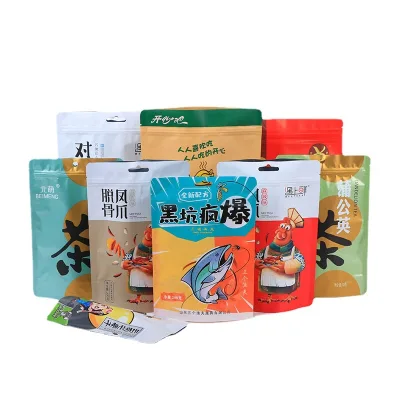
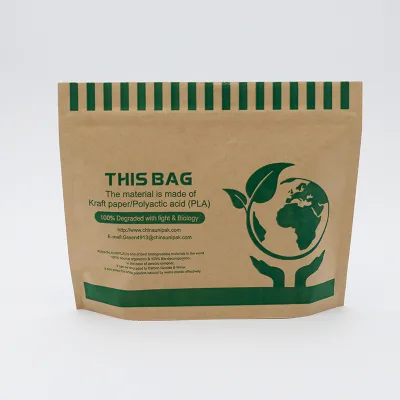
Hot Sale Zipper Packaging Bag Self Sealing Food Bag Biodegradable Snack Bag
$0.04 - $0.05
MOQ: 20000 pieces
LX Packaging (huizhou) Co., Ltd.
- Verified by TüVRheinland
- Manufacturer, Trading Company
- Lead time20 days
- Avg. response≤ 3h
Main productsRecyclable Pouch, Retort Pouch, Pet Food Packaging Bag, Flat Bottom Bag For Food
Main marketsDomestic Market(40%), South America(32%), North America(11%)

Hipanda Packaging Technology Co., Ltd.
- Verified by CTI
- Combined
- China Henan
- Lead time15 days
- Avg. response≤ 7h
Main productsChicken Food Bag, Plastic Packaging Bag
Main marketsAfrica,East Asia(Japan/ South Korea),Europe,Australia,North America

Food Bags - Self-Standing Bags & Bread Premix Bags & Zipper-Sealed Bags for Sealed Food Packaging
$0.02 - $0.06
MOQ: 20000 Pieces


Flour Packaging Bag&Snack Packaging Bag&Self-Standing Bag with Zipper&Self-Sealing Bag
$0.02 - $0.06
MOQ: 20000 Pieces
Guangzhou Jamey Printing And Packaging Co., Ltd.
- Verified by Intertek
- Trading Company
- Lead time10 days
- Avg. response≤ 1h
Main productsGift Box, Suitcase Gift Box, Chocolate Box, Cosmetic & Skincare Packaging, Jewely Box
Main marketsDomestic Market(45%), Southeast Asia(30%), South Asia(20%)
$0.5647 - $2.0523
MOQ: 150 Minimum
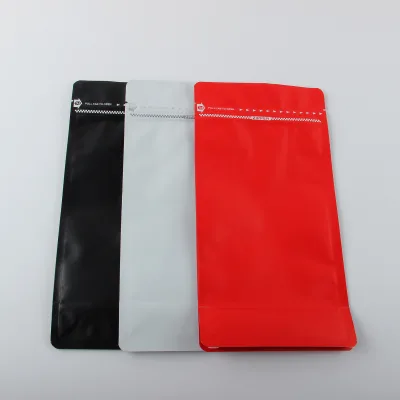
$0.1026 - $0.3086
MOQ: 1 pieces
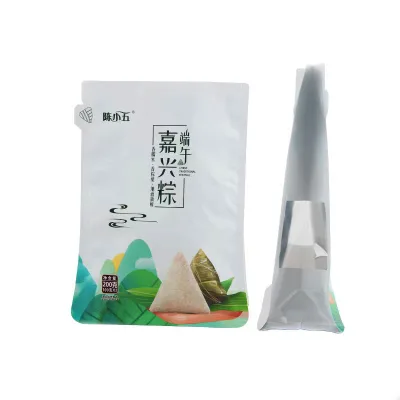
$0.1026 - $1.1295
MOQ: 500 Minimum

Qingdao Yunrui Plastic Industry Co., Ltd.
- Verified by BV
- Trading Company
- China Shandong
- Lead time30 days
- Avg. response≤ 6h
Main productsPlastic Bag, Vacuum Bag, Self Standing and Self Sealing Bag, Liquid Bag, Coffee Bag, Aluminum Foil Bag, Kraft Paper Bag, Aluminum Plated Bag, Retort Pouch, Eight Sided Sealing Bag
Main marketsSoutheast Asia/ Mideast,East Asia(Japan/ South Korea),Europe,Australia,North America

Shenyang Zhonghe Plastic Packaging Products Co., Ltd.
- Verified by SGS
- Manufacturer
- China Liaoning
- Lead time15 days
- Avg. response≤ 2h
Main productsGarbage Bag, Food Packing Bag, Plastic Packing Bag, Biodegradable Plastic Bag, Non Woven Bag, OPP Bag, Vest Bag, PE Bag, Frozen Food Flat Bag, Stand up Pouch
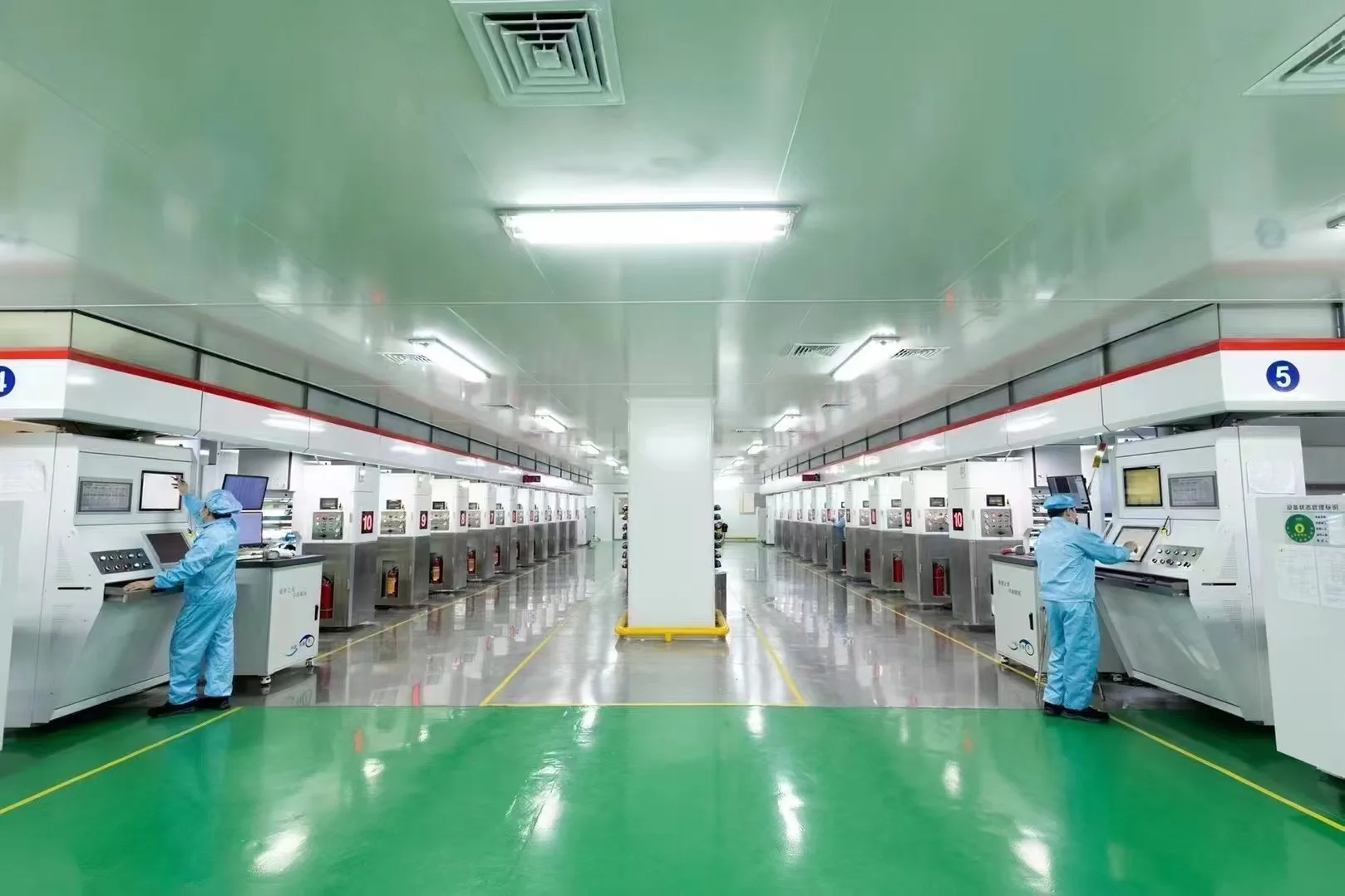
Foshan Shunde District Lijun Jiajia Business Operation Department (individual Business)
- Trading Company
- Guangdong, China
- Lead time7 days
- Avg. response≤ 4h
Main productsPlastic Bag,Food Bag,Ziplock Bag,Kraft Paper Bag,Mailing Bag
Main marketsAfrica(20.00%), Domestic Market(13.00%), North America(12.00%), South America(10.00%), Eastern Europe(10.00%), Southeast Asia(10.00%), Mid East(10.00%), Western Europe(10.00%), Southern Europe(5.00%)
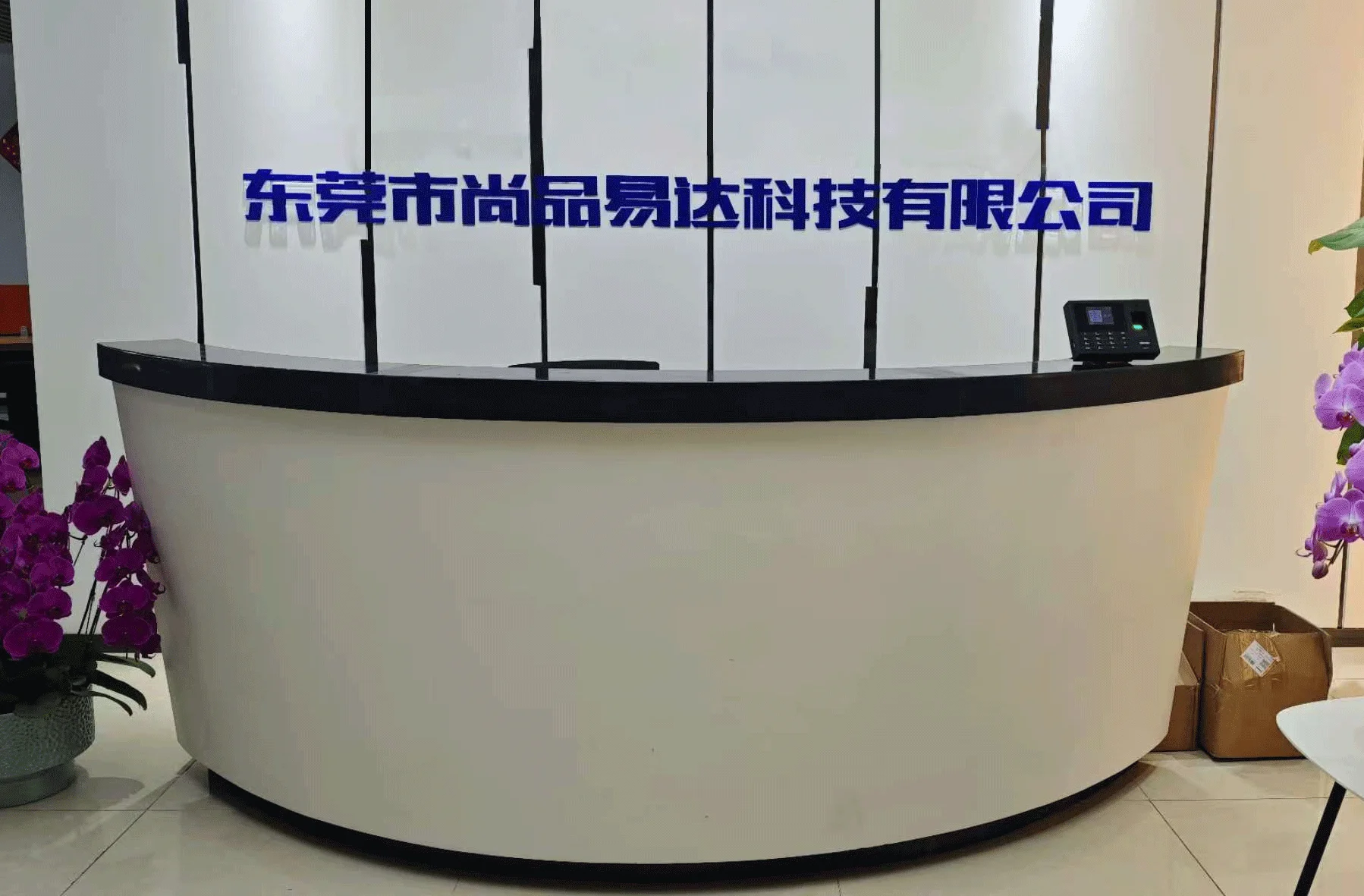
Dongguan Shangpin Yida Technology Co., Ltd.
- Manufacturer, Trading Company
- Guangdong, China
- Lead time10 days
- Avg. response≤ 4h
Main productsCustomized gift box,Custom packaging,Packaging production,PVC wall board,PVC wall panel
Main marketsMid East(40.00%), Eastern Asia(30.00%), North America(20.00%), South America(10.00%)

Guangdong Danqing Printing Co., Ltd.
- Verified by BV
- Combined
- China Guangdong
- Lead time23 days
- Avg. response≤ 10h
Main productsFood Packaging, Plastic Bag, Zipper Pouch, Spout Pouch, Plastic Film, Quad-Seal Flat Bottom Pouch, Shrink Sleeves, Stand up Zipper Pouch, Roll Film, Food Pouch
Main marketsSouth America,Africa,Southeast Asia/ Mideast,Europe,Australia,North America

$0.03 - $0.04
MOQ: 50000 Pieces


Customized Printing Three Side Seal Bag with Zipper Food Packaging Bag
$0.02 - $0.03
MOQ: 50000 Pieces

Customized Printing 3 Side Seal Bag for Seasoning Food Packaging Plastic Bag
$0.04 - $0.10
MOQ: 50000 Pieces
Qingdao Fullsun Biotechnology Packaging Co., Ltd
- Verified by BV
- Combined
- China Shandong
- Lead time15 days
- Avg. response≤ 17h
Main productsBiodegradable Bag
Main marketsNorth America

Food Grade Biodegradable Mylar Bags Plastic Kraft Paper Bag Stand up Pouch
$0.03 - $0.10
MOQ: 50000 Pieces

Wholesale Stand up Pouch Food Packing Bags Food Packaging Bag for Customization
$0.03 - $0.10
MOQ: 50000 Pieces


Food Bag Food Packaging Mylar Bag Package-Conveyance Stand up Pouch Plastic Bag
$0.03 - $0.10
MOQ: 50000 Pieces


ZHUCHENG QING YUAN PACKAGING CO., LTD.
- Verified by TUVRHEINLAND
- Combined
- China Shandong
- Lead time15 days
- Avg. response≤ 4h
Main productsLDPE Bag, Vacuum Bag, Aluminum Foil Bag, Retort Pouch, Stretch Film, Roll Films, Packaging Bags for Frozen Food, Garbage Bags, Shrink Bags and Film, Stand up Pouch with Zipper
Main marketsOthers(foreignTradeCapacity.exportBusinessCapacityMarketOther),Domestic

Wenzhou Aifite Paper & Plastic Packaging Co., Ltd.
- Verified by CTI
- Manufacturer/Factory
- China Zhejiang
- Lead time23 days
- Avg. response≤ 6h
Main productsKraft Paper Bag, Plastic Food Bag, Aluminum Foil Bag, Vacuum Bag, Suction Nozzle Bag, Coiling Film, Pet Food Bag, Coffee Bag, Paper Bag, Die-Cut Aluminum Foil Lid Film
Main marketsSouth America,Eastern Europe,Mid East,North America,Southeast Asia,Eastern Asia,Oceania,Western Europe,Africa
Bubu Hong Kong Company Limited
- Trading Company
- Hong Kong S.A.R.
- Lead time31 days
- Avg. response≤ 18h
Main productsCoffee bag,Food bag,Roll Film,Kraft Paper bag,Stand up pouch
Main marketsDomestic Market(10.00%), South Asia(10.00%), Northern Europe(10.00%), Central America(10.00%), Eastern Asia(10.00%), Mid East(10.00%), Africa(10.00%), Southeast Asia(10.00%), South America(10.00%), North America(10.00%)
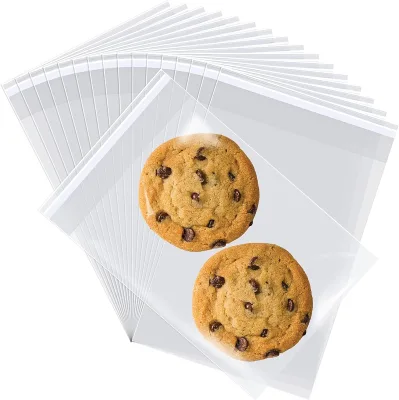

Custom Printed Laminated Sealer Food Bag Packing Plastic Bags Transparent Storage Bag Food
$0.20 - $0.50
MOQ: 200 pieces
Dalian Jinbaiwei Noodle Industry Co., Ltd.
- Manufacturer
- Liaoning, China
- Lead time0 days
Main productsnoodles
Main marketsDomestic Market(30.00%), Oceania(10.00%), Southern Europe(10.00%), Eastern Europe(10.00%), Western Europe(10.00%), South Asia(5.00%), Southeast Asia(5.00%), Central America(5.00%), South America(5.00%), Mid East(5.00%), North America(5.00%)
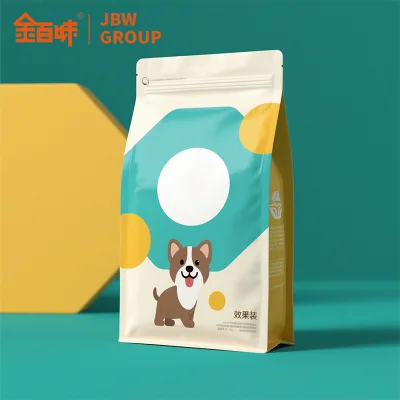
$0.0511 - $0.2052
MOQ: 10 pieces
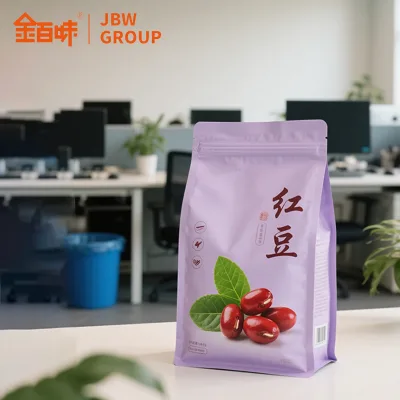
$0.0518 - $0.2082
MOQ: 10000 pieces
$0.05 - $0.20
MOQ: 10000 pieces










Comprehensive Sourcing Guide
Food Grade Self Sealing Bags Supplier Concentration and Factory Types
The landscape for sourcing Food Grade Self Sealing Bags features a diverse mix of manufacturing entities, primarily categorized as manufacturers, trading companies, and combined operational models. Buyers will encounter suppliers who specialize in specific material structures, such as polyethylene or kraft paper composites, alongside those offering broader packaging solutions. The presence of both dedicated factories and trading entities allows for varying degrees of customization and volume flexibility. Manufacturers often provide direct access to production lines for custom orders, while trading companies may aggregate products from multiple sources to offer a wider catalog. Understanding this distinction is crucial for aligning procurement strategies with specific business needs, whether prioritizing direct factory pricing or the logistical convenience of a single point of contact.
Geographic concentration plays a significant role in the availability of these suppliers, with specific regions emerging as hubs for packaging production. Evidence indicates that suppliers are located in areas such as Hebei and Shandong in China, including cities like Weifang. These clusters often benefit from established supply chains for raw materials like PE, PET, and kraft paper, facilitating efficient production of stand-up pouches and resealable bags. When evaluating potential partners, buyers should consider the location of the factory relative to their own logistics network, as proximity can impact shipping costs and lead times. Identifying suppliers within these known manufacturing centers can help streamline the vetting process and ensure access to regions with proven expertise in food-grade packaging production.
How to Verify Food Grade Self Sealing Bags Suppliers
Verification is a critical step in ensuring that suppliers meet the stringent requirements for food contact materials. Buyers should prioritize suppliers who hold relevant system certifications, such as (EC) 1935/2004, EU NO 10/2011, and EN 14582, which are essential for compliance with international food safety standards. Additionally, third-party verification services like SGS Group and TÜV Rheinland provide an extra layer of confidence regarding the supplier’s operational integrity and product quality. These certifications and verifications serve as tangible proof that the supplier adheres to recognized safety protocols, reducing the risk of non-compliance in the buyer’s local market. It is advisable to request copies of these certificates and verify their validity directly with the issuing bodies.
Beyond certifications, buyers should assess the supplier’s verification status and response capabilities to gauge their reliability and professionalism. A quick response time, such as one day, can indicate a well-organized customer service team that is ready to address inquiries and resolve issues promptly. Furthermore, checking if the supplier is verified by reputable agencies can help distinguish serious manufacturers from less established entities. Buyers should also inquire about the supplier’s capacity for sample processing and graphic design, as these capabilities are vital for customizing packaging to meet specific branding and functional requirements. Ensuring that the supplier can handle custom orders and provide high-quality samples before committing to large volumes is a prudent step in the verification process.
What to Compare Across Food Grade Self Sealing Bags Suppliers
When evaluating multiple suppliers, it is essential to compare key operational metrics such as lead times, minimum order quantities, and pricing structures. Lead times can vary significantly, with some suppliers offering production within seven days, while others may require up to fifteen days. Understanding these timelines is crucial for inventory planning and meeting customer demand without excessive stockpiling. Minimum order quantities also differ, ranging from one thousand units to ten thousand units, which can impact the initial investment required for new product launches. Buyers should align these metrics with their sales volume projections to avoid overcommitting resources or facing stockouts due to long production cycles.
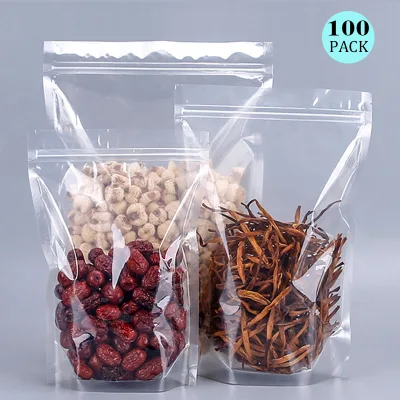
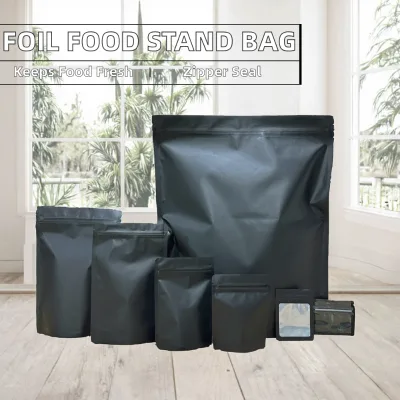
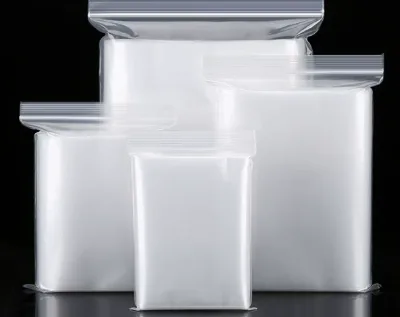
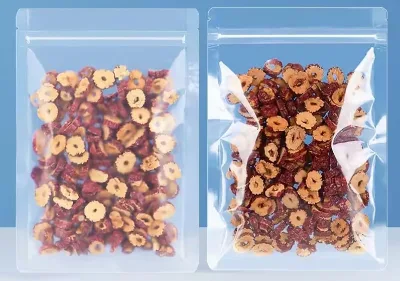
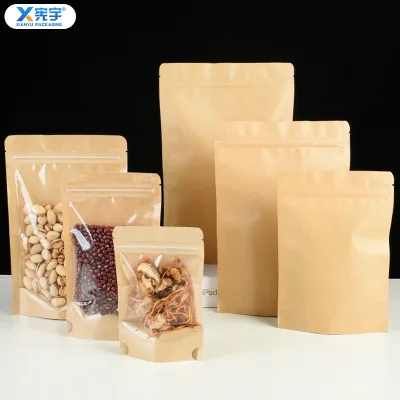
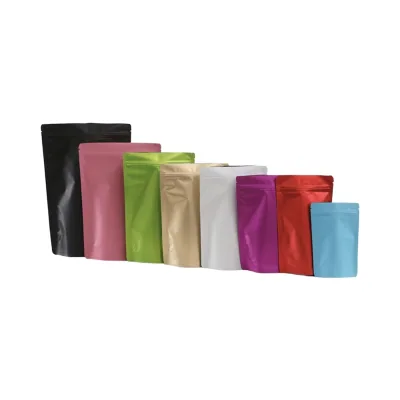
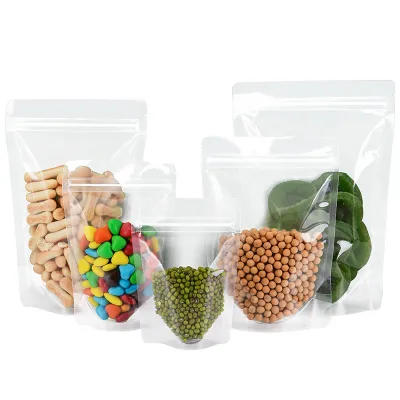
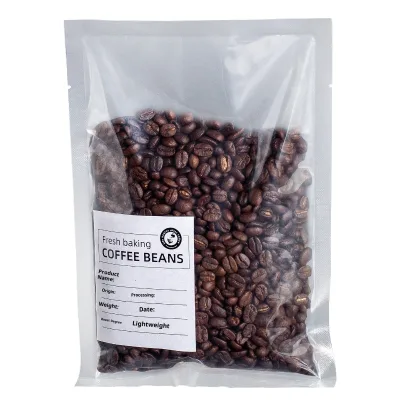
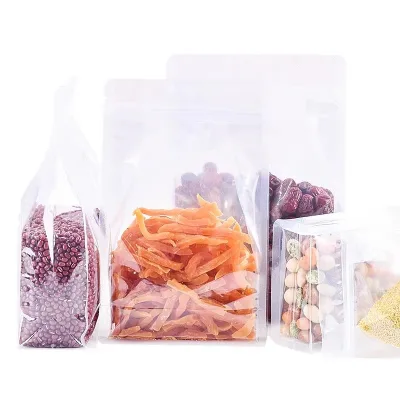
In addition to operational metrics, buyers should compare the material structures and printing capabilities offered by different suppliers. Products may be made from various materials, including PE, MOPP, white kraft paper, and PET, each offering different barrier properties and aesthetic finishes. Printing options such as flexo, gravure, pad, and silk screen printing allow for diverse branding opportunities, but the quality and durability of the print can vary. Suppliers may also offer different bag types, such as stand-up pouches with zipper tops or back-seal bags, each suited for specific food products. Comparing these technical specifications ensures that the selected supplier can meet the functional and visual requirements of the final product, providing a competitive edge in the market.
Common Food Grade Self Sealing Bags Sourcing Risks
One of the primary risks in sourcing Food Grade Self Sealing Bags is the potential for non-compliance with food safety regulations. If a supplier fails to provide valid certifications or uses materials that do not meet international standards, the buyer could face legal repercussions and product recalls. It is vital to ensure that all materials, including inks and adhesives, are food-grade and safe for direct contact with consumables. Buyers should request detailed material safety data sheets and conduct independent testing if necessary to verify compliance. Relying solely on supplier claims without independent verification can lead to significant financial and reputational damage, making due diligence a non-negotiable part of the sourcing process.
Another risk is the inconsistency in product quality and customization accuracy. Suppliers may promise custom designs and specific material structures but deliver products that do not match the approved samples. This discrepancy can result in wasted inventory and delayed shipments, impacting the buyer’s ability to meet market demand. To mitigate this risk, buyers should establish clear quality control protocols and require pre-production samples for approval. Additionally, understanding the supplier’s capacity for handling custom orders and their track record in delivering consistent quality is essential. Buyers should also be cautious of suppliers who offer unusually low prices, as this may indicate compromised material quality or hidden costs that could arise later in the production process.
Food Grade Self Sealing Bags Regional Sourcing and Logistics
Sourcing from specific regions can offer logistical advantages, particularly when dealing with suppliers located in established manufacturing hubs like Hebei and Shandong in China. These areas often have well-developed infrastructure for exporting packaging goods, which can facilitate smoother shipping processes and potentially lower freight costs. Buyers should consider the proximity of the supplier to major ports and transportation networks when evaluating logistics options. Additionally, understanding the regional expertise of suppliers can help in selecting partners who are familiar with the specific requirements of different markets, such as the European Union or North America. This regional knowledge can be invaluable in navigating complex regulatory environments and ensuring that products meet local standards.
Logistics planning should also account for the lead times and shipping methods offered by suppliers. Suppliers with shorter lead times, such as seven days, can be more flexible in responding to urgent orders, while those with longer lead times may require more advanced planning. Buyers should negotiate clear shipping terms and ensure that the supplier can handle the required volume within the agreed timeframe. Additionally, considering the environmental impact of packaging materials, such as biodegradable kraft paper or recyclable plastics, can align with sustainability goals and appeal to eco-conscious consumers. Evaluating the supplier’s ability to provide environmentally friendly options can enhance the brand’s reputation and meet growing consumer demand for sustainable packaging solutions.
Food Grade Self Sealing Bags Commercial Terms and Order Planning
Commercial terms, including pricing and payment conditions, play a crucial role in the overall cost structure of sourcing Food Grade Self Sealing Bags. Prices can vary based on material type, printing complexity, and order volume, with some suppliers offering competitive rates for high-volume orders. Buyers should request detailed quotes that break down costs for materials, printing, and packaging to ensure transparency. Understanding the minimum order quantities and price tiers can help in optimizing order sizes to achieve the best possible pricing. Additionally, negotiating favorable payment terms, such as escrow services or partial payments, can reduce financial risk and ensure that the supplier delivers as agreed.
Order planning should also consider the supplier’s capacity for customization and ongoing support. Suppliers who offer services like logo printing, graphic design, and sample processing can provide greater flexibility in adapting to market changes and customer preferences. Buyers should establish a clear communication channel with the supplier to discuss future orders and potential product variations. Additionally, considering the supplier’s ability to handle repeat orders and maintain consistent quality is essential for long-term partnerships. By carefully planning orders and establishing strong commercial relationships, buyers can ensure a steady supply of high-quality Food Grade Self Sealing Bags that meet their business needs and customer expectations.
FAQs
What certifications do these food grade bags meet?
Suppliers offer bags certified under EC 1935/2004, EU No 10/2011, and EN 14582 standards. These certifications ensure the packaging materials are safe for direct food contact. Buyers should verify specific compliance documents with the manufacturer to confirm suitability for their regional regulatory requirements and product safety needs.
What is the typical lead time for orders?
Production lead times generally range from 7 to 15 days depending on the supplier and order complexity. Some manufacturers provide faster turnaround for standard items, while others require two weeks for customized designs. Buyers should confirm exact delivery schedules during negotiation to align with their inventory planning and shipping logistics.
What are the minimum order quantities for these bags?
Minimum order quantities typically start at 1,000 pieces for many suppliers, though some require 10,000 pieces for specific bulk orders. These thresholds vary based on the bag type, material structure, and customization level. Buyers should check the specific MOQ requirements for their desired product specifications before placing an order.
Can I customize the design and logo on the bags?
Most suppliers accept custom orders, including logo printing and graphic design services. Options include pad printing, silk screen printing, flexo printing, and gravure printing. Buyers can request specific sizes, colors, and material structures to match their brand identity and product packaging requirements effectively.
What materials are used for these food grade bags?
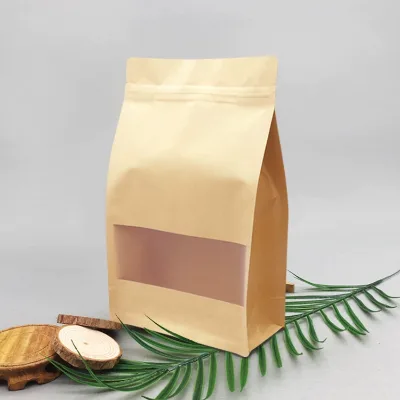
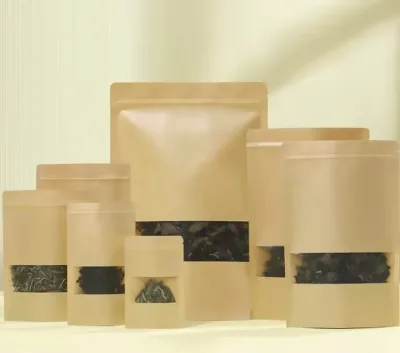
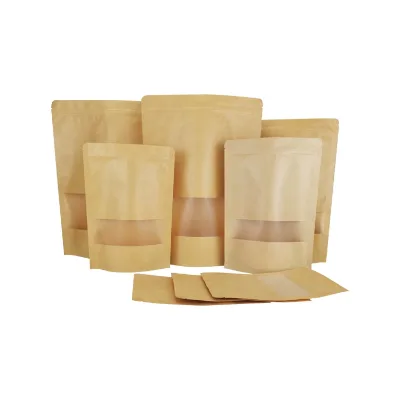
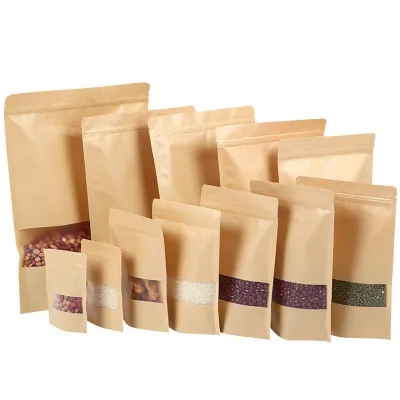
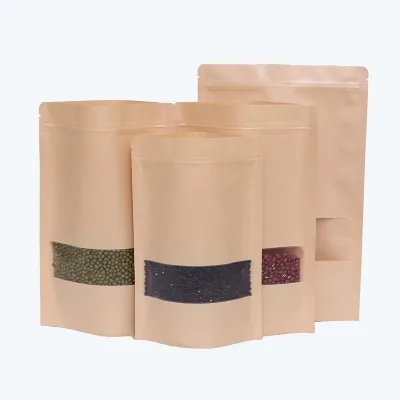
Common materials include PE, Kraft Paper, MOPP, PET, and CPP structures. Bags are often made from high-pressure polyethylene or composite layers for durability. Some options feature biodegradable kraft paper with clear windows. Buyers should select materials based on their product's moisture-proof and preservation needs.
Where are these suppliers located?
Suppliers are primarily located in Hebei and Shandong provinces in China. Specific manufacturing hubs include Weifang in Shandong. Buyers can filter results by these regions to assess shipping costs and logistics efficiency. Local sourcing may offer advantages for regional distribution networks and supply chain management.
What is the price range for these bags?
Prices typically range from $0.02 to $0.30 per piece depending on material and customization. Basic PE bags may start around $0.03, while complex multi-layer structures cost more. Buyers should request quotes based on their specific quantity and design requirements to get accurate pricing for their budget planning.