Modified Car Exhaust Tail Pipe Suppliers and Manufacturers
Source 18 verified suppliers for Modified Car Exhaust Tail Pipe components. Compare key dimensions including location, lead time, MOQ, response time, and pricing to identify suitable partners. Review product specifications and request quotes directly from the listed manufacturers; review the available evidence before requesting comparable quotations from suitable candidates.
Updated
Suppliers List
Jiangxi Shengyuan Environmental Protection Co., Ltd.
- Trading Company
- Jiangxi, China
- Lead time15 days
- Avg. response≤ 4h
Main productsHub
Main marketsNorth America(15.00%), South America(15.00%), Eastern Europe(15.00%), Africa(10.00%), Southeast Asia(10.00%), Eastern Asia(5.00%), Oceania(5.00%), Western Europe(5.00%), Mid East(5.00%), Northern Europe(4.00%), Southern Europe(3.00%), Central America(3.00%), Domestic Market(3.00%), South Asia(2.00%)
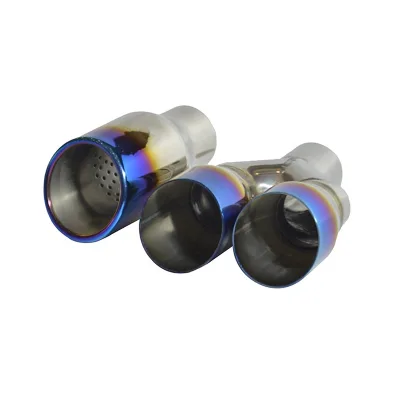
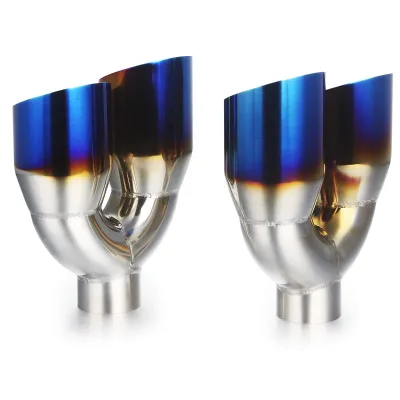
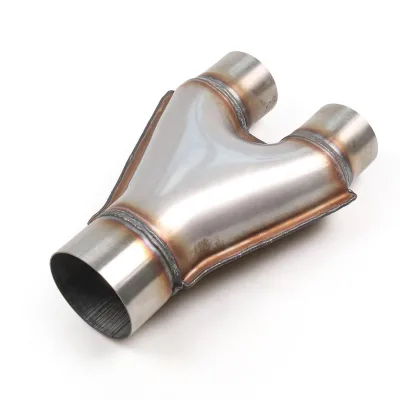
SYCAT Auto Parts Audi Exhaust Tail Pipe Car Straight Y/X Pipe with Customizable Exhaust Tip
$15.00 - $20.00
MOQ: 10 pieces
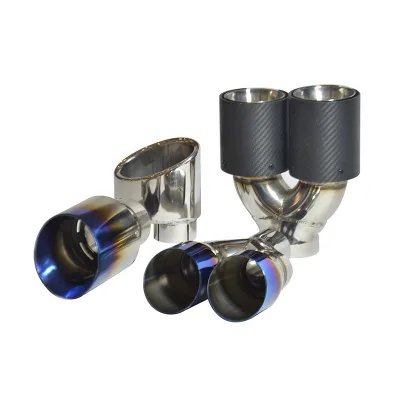
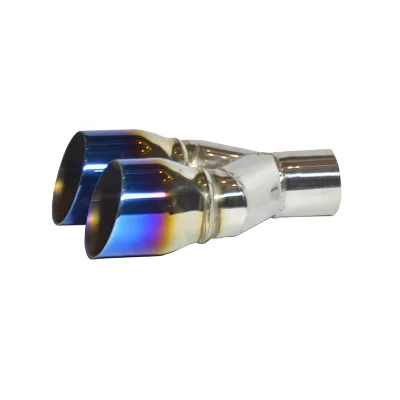
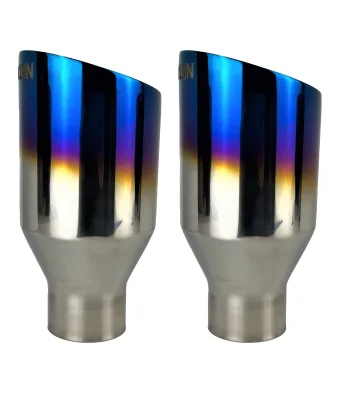
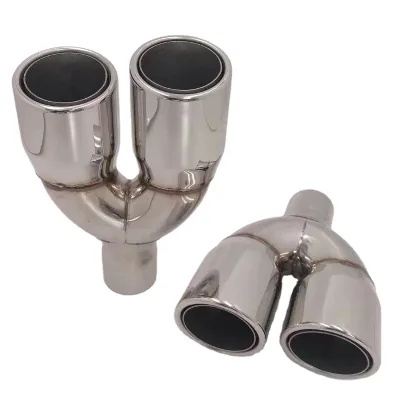
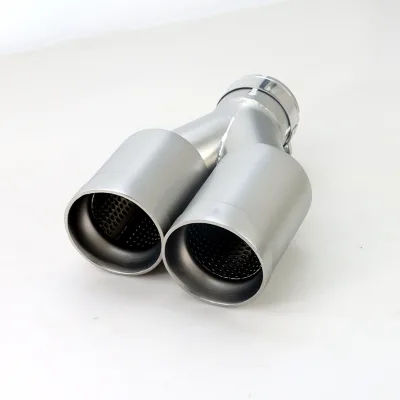
Factory Production Carbon Steel Tail Pipe Exhaust Double Pipe Auto Parts New Universal Fitment
$19.4425 - $29.6739
MOQ: 10 pieces

Ningbo Lonsign Auto Accessories Co., Ltd.
- Verified by SGS
- Trading Company
- China Zhejiang
- Lead time30 days
- Avg. response≤ 4h
Main productsSteering Wheel Cover, Car Organizer, Wiper Blade, Sunshade, Car Floor Mat, Seat Cover
Main marketsNorth America

Qingdao Zhenlilai I/E Co., Ltd
- Verified by SGS
- Trading Company
- China Shandong
- Lead time30 days
- Avg. response≤ 1h
Main productsDie Casting, Exhaust Flex Pipe, Excavator & Accessories, Building Accessories, Auto Accessories, Construction Buidling, Metal Hose & Expansion Joint, Industry Machine Parts, Scaffolding Accessories, Pump
Main marketsEurope


Wholesale High Quality Customized Exhaust Tip Tail Pipe for Car Modifications Stores
$39.99 - $50.90
MOQ: 20 Pieces

Factory High-End Custom Modified Car Truck Exhaust System Dual Outlet Tail Pipe
$6.99 - $59.90
MOQ: 1000 Pieces

Factory Universal Modification Auto Parts Exhaust Tip Carbon Fiber Exhaust Tail Pipe
$32.99 - $50.90
MOQ: 20 Pieces

Hot-Selling Automobile Exhaust System, Suitable for Various Models of Exhaust Tail Pipe
$36.90 - $59.90
MOQ: 10 Pieces

Guangzhou Yuechi Automotive Supplies Co., Ltd.
- Trading Company
- guangdong, China
- Lead time7 days
- Avg. response≤ 5h
Main productsCar Exhausted Muffler Pipe,Car Exhausted,Car Gear Shift Knob,Car Spoiler,Exhaust Downpipe
Main marketsNorth America(40.00%), Southeast Asia(20.00%), South America(20.00%), Western Europe(10.00%), Mid East(10.00%)

Weifang Qisong Industries Co., Ltd.
- Verified by BV
- Trading Company,Manufacturer/Factory
- China Shandong
- Lead time23 days
- Avg. response≤ 7h
Main productsValvetronic Muffler, Tornado Spiral Muffler, Hotdog Resonator Muffler, Carbon Fiber Muffler Tip, Exhaust Flexible Pipe, Metallic Substrate, Non-Intumescent Catalyst Mat, Ceramic Fiber Support Mat, Muffler Perforated Pipe, Catalytic Converter
Main marketsSouth America,Eastern Europe,Mid East,North America,Southeast Asia,Eastern Asia,Oceania,Western Europe,Africa

High-Quality Car Modified Exhaust Pipe Corrosion-Resistant Double Tail Throat
$36.88 - $46.88
MOQ: 50 Pieces


Henan Maggie Trading Co., Ltd.
- Trading Company
- Lead time旺季: "1 - 100":8,"101 - 500":17,"> 500":"To be negotiated", 淡季: "1 - 100":8,"101 - 500":17,"> 500":"To be negotiated"
- Avg. response≤ 1h
Main productsSnacks,meat,vegetables,and grain processing machinery,Vending machines and packaging machines
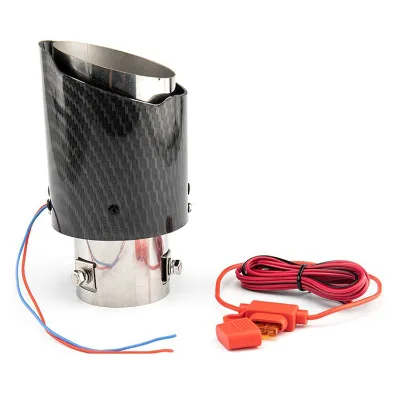
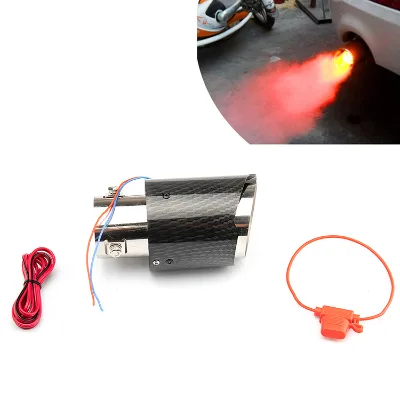
Car Exhaust Muffler Pipe Tip LED Light Modified Flaming Throat Universal for All Vehicles
$9.2247 - $10.6613
MOQ: 6 Minimum

Qingdao Pengrui Machinery Co., Ltd.
- Verified by TUVRHEINLAND
- Combined
- China Shandong
- Lead time15 days
- Avg. response≤ 14h
Main productsFastener, Pins, Screw, Clamps, Metal Fabrication, Plastic Fastener, Screw Plunger, Bolt, Nuts
Main marketsNorth America
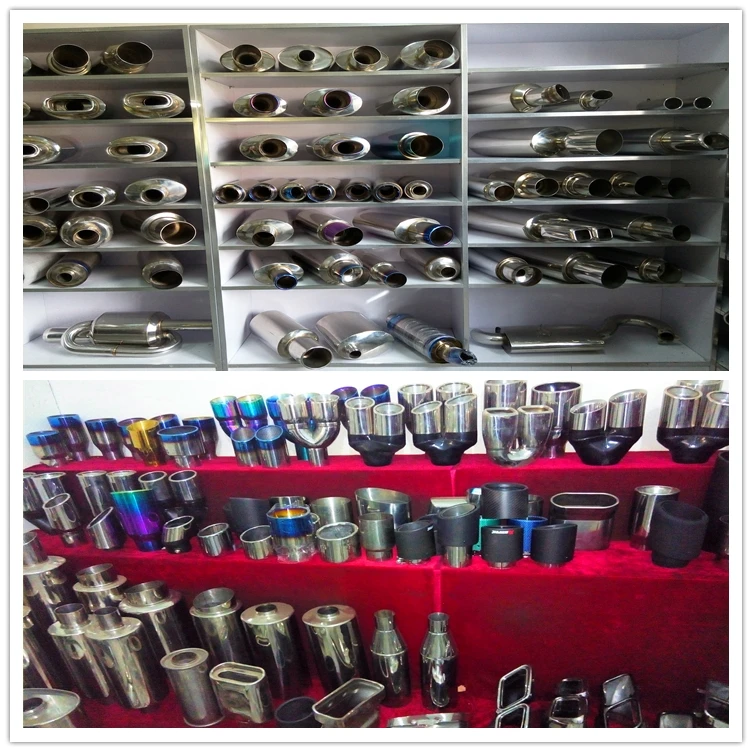
Qingdao Barberry Technology Co., Ltd.
- Trading Company
- Shandong, China
- Lead time0 days
- Avg. response≤ 6h
Main productsAuto Parts,Exhaust Header,Exhaust Muffler,Exhaust Tips,Exhaust System
Main marketsWestern Europe(15.00%), South America(15.00%), North America(15.00%), Eastern Europe(10.00%), Southern Europe(7.00%), Northern Europe(7.00%), Central America(6.00%), South Asia(5.00%), Southeast Asia(5.00%), Mid East(5.00%), Eastern Asia(5.00%), Oceania(3.00%), Africa(2.00%)
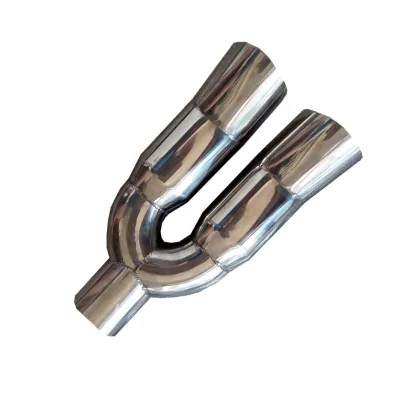
$9.88 - $13.56
MOQ: 1 pieces
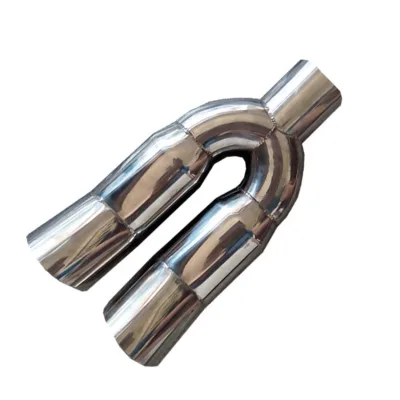
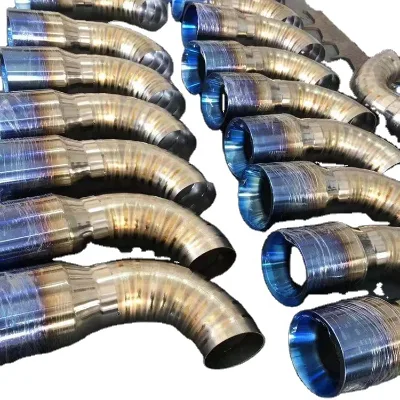

Handan Rundu New Material Co., Ltd.
- Trading Company
- Hebei, China
- Lead time25 days
- Avg. response≤ 3h
Main productsCarbon fiber tube,Carbon fiber rods,Fiberglass rods,Fiberglass poles,Car exhaust tips
Main marketsNorth America(30.00%), Domestic Market(20.00%), South America(12.50%), Western Europe(12.50%), Southeast Asia(12.50%), Eastern Europe(12.50%)

- Verified by TUVRHEINLAND
- Manufacturer/Factory
- China Jiangsu
- Lead time90 days
- Avg. response≤ 3h
Main productsFlexible Metal Hose, Expansion Joint, Metal Bellow Forming Machine, Metal Hose Forming Machine, Tube Welding Machine, Metal Hose Testing Bench, Hose Fitting Welding Machine, Fire Hose Forming Machine, Stainless Steel Hose, Metal Hose
Main marketsSouth America,Eastern Europe,Mid East,North America,Southeast Asia,Eastern Asia,Oceania,Western Europe,Africa
Guangzhou Youtai Car Accessories Co., Ltd.
- Trading Company
- Guangdong, China
- Lead time7 days
- Avg. response≤ 2h
Main productsJDM Racing Backpack,JDM Racing Wallet,Rubber Lip,Steering Wheel,Gear Shift Knob
Main marketsDomestic Market(25.00%), South America(17.00%), North America(15.00%), Oceania(10.00%), Southeast Asia(10.00%), Western Europe(5.00%), Mid East(5.00%), Eastern Europe(5.00%), Northern Europe(3.00%), Africa(3.00%), Eastern Asia(2.00%)
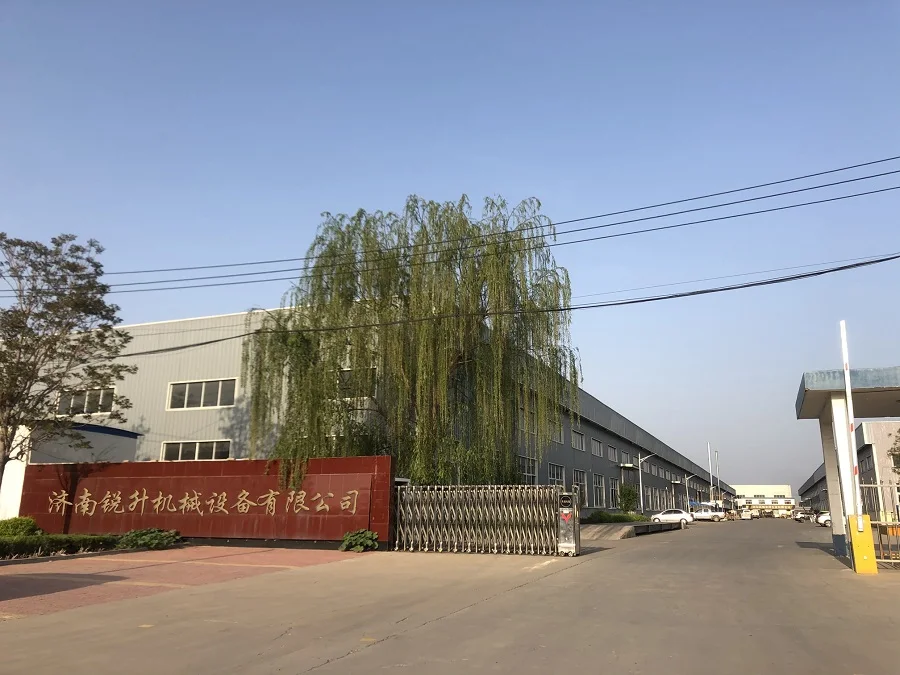
Jinan Rising Equipment Co., Ltd.
- Trading Company
- Shandong, China
- Lead time30 days
- Avg. response≤ 6h
Main productsExhaust Mufflers,Exhaust Pipes,Resonator,three way catalytic,exhaust tip
Main marketsNorth America(20.00%), Western Europe(15.00%), Southeast Asia(15.00%), South America(13.00%), South Asia(10.00%), Oceania(8.00%), Eastern Europe(8.00%), Mid East(8.00%), Southern Europe(3.00%)

WUXI XISHAN HUANYU METAL HOSE CO., LTD.
- Combined
- China Jiangsu
- Lead time0 days
- Avg. response≤ 19h
Main productsExhaust Flexible Pipe, Flexible Coupling, Flex Connector, Flexible Pipe, Flexible Tube, Bellows, Muffler Pipe, Flexible Exhaust Pipe, Interlock, Bending Pipe with Flex
Beijing Nuohong Trading Co., Ltd.
- Verified by Intertek
- Trading Company
- Lead time0 days
- Avg. response≤ 8h
Main productsExhaust Pipe
Changzhou Bangcan Electronic Technology Co., Ltd.
- Manufacturer, Trading Company
- Jiangsu Province, China
- Lead time15 days
- Avg. response≤ 5h
Main productsElectrical equipment and supplies, Instruments and meters, Silicone Wire, Aviation plug, Test Instruments
Main marketsDomestic Market(70.00%), North America(20.00%), Southern Europe(5.00%), Western Europe(5.00%)

Qingdao Mingxin Industries Co., Ltd.
- Verified by TUVRHEINLAND
- Manufacturer/Factory
- China Shandong
- Lead time30 days
- Avg. response≤ 4h
Main productsExhaust Flexible Pipe, Performance Exhaust Muffler, Catalytic Converters, Exhaust Tail/Tip Pipes, Exhaust Mainflod, Brake Tube for Automobiles, Aluminized Steel Pipe, Mandrel Bends Pipes, Exhaust Assembly Parts, Motorcycle Muffler and Pipe
Main marketsSouth America,Eastern Europe,Mid East,North America,Southeast Asia,Eastern Asia,Western Europe

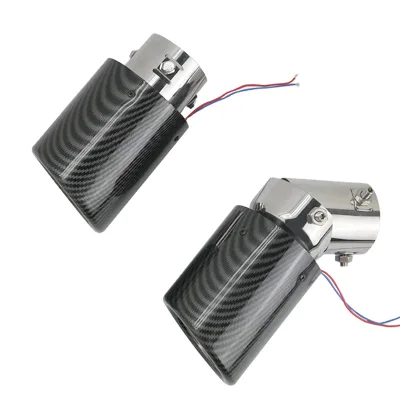
Hot Sales High Quality Universal Carbon Fiber Stainless Steel Car Exhaust Tips Tail Pipe
$25.60 - $29.00
MOQ: 2 pcs

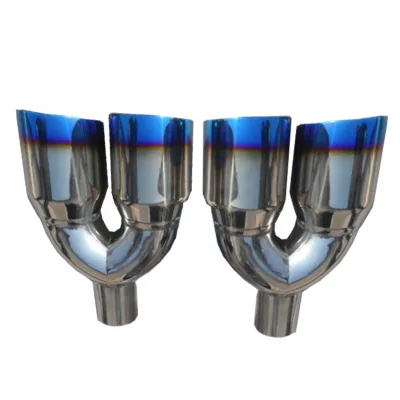
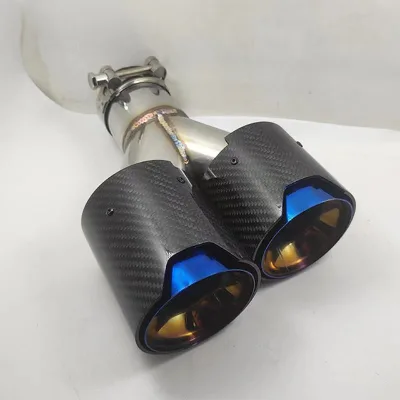
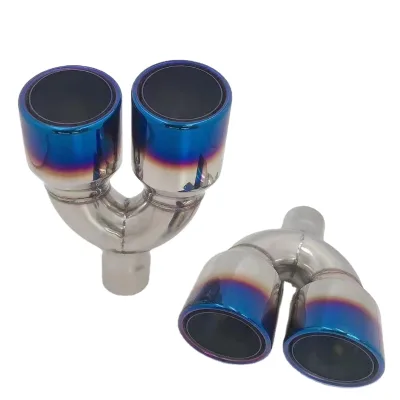
High Quality Sport Car Universal Dual Pipe Burnt Blue Stainless Steel Exhaust Tip Tail End Pipe
$8.00 - $20.00
MOQ: 25 pcs


Universal Stainless Steel Pipe Muffler Style Exhaust Tail Pipe with Plating Carbon Fiber
$26.50 - $28.50
MOQ: 50 pcs

Guangzhou New Vision New Material Technology Co., Ltd.
- Trading Company
- China Guangdong
- Lead time15 days
- Avg. response≤ 14h
Main productsDouble Sided Tape, Reflective Tape, Adhesive Products
Main marketsSouth America,Southeast Asia/ Mideast,Europe


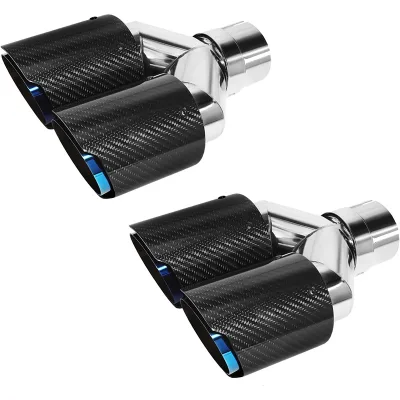
Customized Real Carbon Fiber Exhaust Pipe Muffler Tip Glossy Carbon Fiber Black Tail Pipe
$3.30 - $4.40
MOQ: 5 Pieces
Jinhua Racing Automotive Supply Co., Ltd.
- Verified by SGS Group
- Manufacturer, Trading Company
- Lead time15 days
- Avg. response≤ 2h
Main productsExhaust Tips, Carbon Fiber Auto Parts, Muffler Pipe, Stainless Steel Pipe, Auto Parts
Main marketsNorth America(25%), Domestic Market(25%), Western Europe(20%)


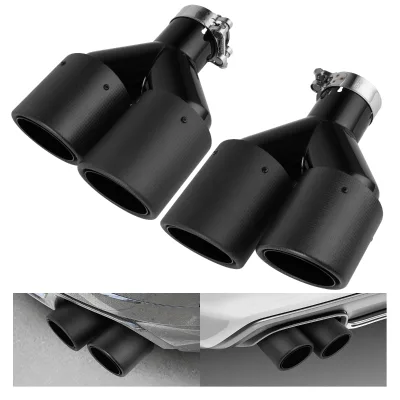
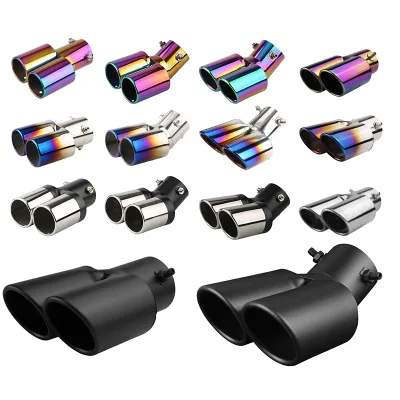
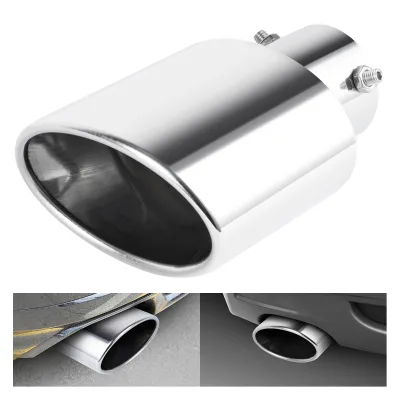


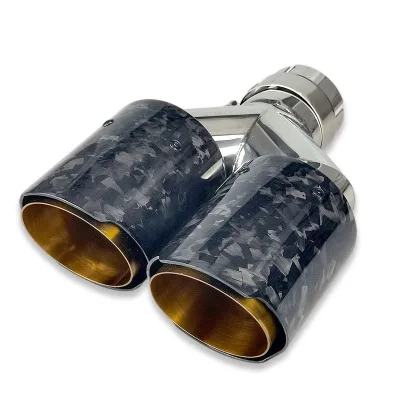
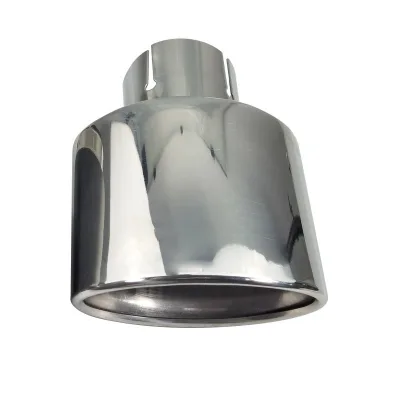


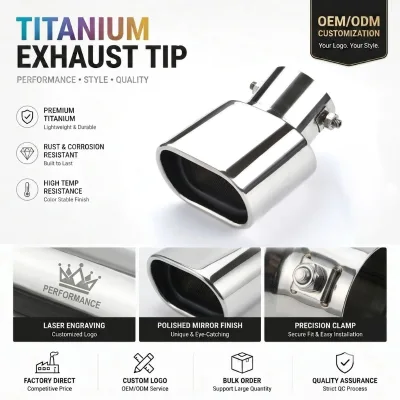


Comprehensive Sourcing Guide
Modified Car Exhaust Tail Pipe Supplier Concentration and Factory Types
Modified exhaust tail pipe sourcing on B2B platforms is dominated by listings from a small number of Chinese provinces. The current supplier results show active sellers located in Jiangxi and in Zhejiang, China, which tells you the visible supply base is real but geographically narrow. Some listings in this category are trading companies rather than factories, so the entity you message may be an intermediary coordinating production elsewhere. A trading company can still be a workable partner, especially for mixed orders, but you should know which type you are dealing with before negotiating volume or customization, because pricing layers and quality accountability differ between the two models.
To identify clusters when your search results are thin, sort candidates by the "Place of Origin" attribute on product pages rather than by company registration address. Several of the tail pipe listings here state Jiangxi, China as the origin, and one stainless steel Audi-style Y/X pipe and a universal carbon steel double pipe both carry that attribute. That kind of repeated origin data is more reliable evidence of a cluster than a supplier's self-description. Also check whether the seller's main product line matches the category: one Zhejiang-located supplier lists steering wheel covers, car organizers, wiper blades, sunshades, floor mats and seat covers as main products, with exhaust pipes appearing as catalog items. That breadth signals an accessories generalist, which affects depth of exhaust expertise.
How to Verify Modified Car Exhaust Tail Pipe Suppliers
Verification starts with the platform's own signals, then continues with your own checks. Among the current results, one Zhejiang-based supplier is marked as SGS-verified while showing no system certification on file, and the Jiangxi-based exhaust specialist is a trading company without a displayed verification credential. Do not read the absence of a badge as disqualification, but do treat any credential you care about as something to confirm directly: ask for the certificate number, check it against the issuing body's records, and note which certification covers the company versus the product. One aluminum tail pipe listing shows an "ISOCE" certification attribute on the product itself, which is a product-level claim worth validating with the seller.
Because several exhaust tail pipe suppliers here are trading companies, you should also verify what actually gets manufactured and where. Request the real production address for the specific SKU, and ask whether the tail pipes are made in-house or subcontracted. For material claims this matters even more: listings in this set advertise carbon steel, 304 stainless steel, aluminium, and titanium variants, and one universal titanium-style double Y pipe listing is listed under stainless steel in its attribute table despite the titanium wording in its title. Ask each supplier for material certificates or independent lab composition tests for the exact alloy grade, sample the welds and polish quality on a pre-production unit, and confirm warranty terms in writing, since displayed warranties range from one to two years across these products.
What to Compare Across Modified Car Exhaust Tail Pipe Suppliers
Build a comparison grid from the attributes that are actually displayed, and leave blanks where a supplier shows nothing. Useful dimensions in this category include location, supplier type, response time, lead time, MOQ, main products, and any verification or certification marks. In the current results, the Jiangxi exhaust specialist reports a response time of about four hours and a lead time of roughly fifteen days, while the Zhejiang accessories supplier reports a response time near three hours but a lead time of about thirty days. That contrast is instructive: a faster reply does not mean faster delivery, so compare both columns independently instead of assuming they correlate.
Price and MOQ comparisons reveal different positioning. The Zhejiang aluminum tail pipe sits at roughly 2.50 to 3.00 per unit with a 300-piece MOQ, a companion universal tip runs about 1.50 to 2.50 with a 500-piece MOQ, and the Jiangxi stainless Audi-style pipe is quoted at 15.00 to 20.00 with a MOQ of 10 pieces. Titanium-styled listings run far higher, one at 108.00 to 118.00 and another at 59.00 to 120.00 with a one-piece MOQ. Beyond numbers, compare specification completeness: size customizable versus fixed inlet/outlet dimensions, single gross weight, packaging format, and stated warranty. A supplier that publishes consistent, complete attributes across listings is generally easier to audit than one with sparse or contradictory data.
Common Modified Car Exhaust Tail Pipe Sourcing Risks
The most common risk in this category is material misrepresentation. The current listings themselves illustrate why: a "titanium" universal double Y pipe is described with stainless steel in its material attribute, and other listings switch between carbon steel, stainless steel, and aluminium without test evidence. If you pay a premium for a titanium or 304-grade tail pipe, require a mill test certificate or third-party composition analysis before mass production, and keep a retained sample from the approved shipment. Without that, a cheap carbon steel part polished to look premium can pass a photo review and fail in the field.
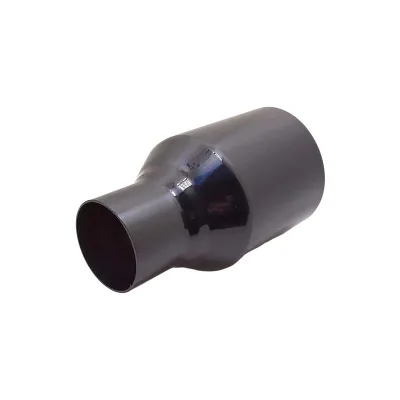
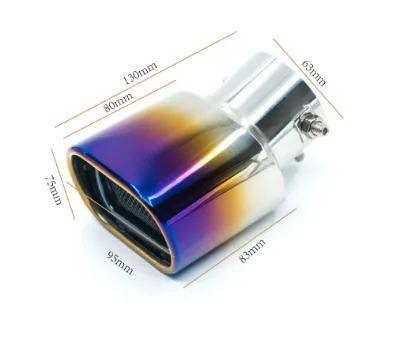
Fitment and specification risks follow closely. Most listings here advertise universal or customizable sizing, but universal rarely means truly universal: inlet diameter, outlet diameter, length, wall thickness, and mounting arrangement must still match the vehicles your customers own. One listing specifies a 2.5-inch inlet with a 4-inch outlet over a stated length; confirm those exact numbers in a signed drawing rather than relying on listing text. Also watch for listing contradictions such as mismatched titles and attributes, unclear OE references labeled only as "Performance" or "universal," and warranty terms that vary between one and two years on similar-looking products. Finally, if the seller is a trading company, accountability for welds, coating, and packing can blur across tiers. Agree in advance on who bears return freight and replacement costs for defective units, and put moisture-resistant, individual box packing requirements into the purchase contract.
Modified Car Exhaust Tail Pipe Regional Sourcing and Logistics
The supplied results point to two Chinese origins for this category: Jiangxi and Zhejiang. Neither province name alone tells you port access, freight cost, or production depth, so treat origin as a starting question rather than an answer. The Jiangxi exhaust specialist quotes a lead time of about fifteen days, while the Zhejiang supplier quotes roughly thirty days, and the difference likely reflects product mix and order structure rather than geography. When you request quotes, ask each supplier to break lead time into production and queuing components, and to state what happens to the schedule when your order is placed during peak season.
Logistics planning for exhaust tail pipes is driven by weight, finish, and packing format. Single gross weights in these listings range from about 1.0 kg for a stainless Y/X pipe to 2.0 kg for carbon steel variants, with standard box packing stated and single package sizes around 20 by 10 by 10 cm or 20 by 18 by 20 cm. Polished and plated finishes are vulnerable to scuffing, so specify individual bagging plus dividers in export cartons, and photograph carton loading. For air versus sea freight decisions, calculate actual chargeable weight on a pilot order before committing to volume. If your target market has emissions or aftermarket noise rules, ask suppliers what documentation they can supply for the destination market; one aluminum listing cites a Euro V discharge standard attribute and a North America main market, but you should confirm which paperwork exists rather than assume compliance.
Modified Car Exhaust Tail Pipe Commercial Terms and Order Planning
Order planning in this category should match MOQ structure to your sales risk. The observed MOQs vary enormously: ten pieces for the stainless Audi-style tail pipe, 300 for the aluminum universal pipe, 500 for the universal tip, and even single-piece ordering on one titanium-styled listing. Low-MOQ, higher-unit-cost listings let you test fitment and finish demand cheaply before scaling, while high-MOQ, low-unit-cost listings suit steady aftermarket replenishment. Negotiate a staged plan where the first order validates packaging, finish durability, and defect rates, with agreed price breaks tied to cumulative volume rather than forcing a large first commitment.
Commercial terms deserve the same scrutiny as the product. Confirm payment method and whether any escrow-style protection applies to your transaction, since the current results do not display escrow status for these suppliers and you should not assume it. Fix the Incoterm, currency, and whether quoted prices such as the observed ranges of roughly 1.50 to 3.00 for basic tips, 15.00 to 30.00 for stainless and carbon steel pipes, or 59.00 to 118.00 for titanium-styled units include customization and packing. Because at least one supplier here is a trading company, clarify who issues the invoice and who carries warranty liability. Finally, reconfirm lead time, response commitments, and warranty terms in the contract itself, since displayed values such as fifteen or thirty days and one- or two-year warranties can change between listing and order.
Total word count: approximately 1,395 words.
FAQs
What is the price range for modified exhaust tail pipes?
Prices for universal modified exhaust tail pipes typically range from $2.50 to $120.00 depending on material and complexity. Carbon steel options start around $19.44, while 304 stainless steel variants cost between $15.00 and $20.00. Premium titanium or custom glossy finishes can reach up to $120.00 per unit.
What materials are used for these exhaust pipes?
Manufacturers primarily use carbon steel, 304 stainless steel, and aluminum for these components. Carbon steel is common for universal fitments, while 304 stainless steel offers better corrosion resistance for specific models like Audi. Aluminum options are also available for general car applications, providing a lightweight alternative to heavier metals.
What is the minimum order quantity for these parts?
Minimum order quantities vary significantly by supplier and product type. Some suppliers require a minimum of 10 units for specific tail pipes, while others accept orders as low as one piece. General aluminum exhaust pipes may require a minimum of 300 units, and universal wholesale tips often demand 500 units.
Where are these exhaust pipe suppliers located?
Suppliers for modified exhaust tail pipes are primarily located in Jiangxi, China, and Zhejiang, China. These regions specialize in automotive parts manufacturing, offering various options for carbon steel and stainless steel components. Buyers can source directly from these Chinese manufacturing hubs for competitive pricing and customization services.
What are the typical lead times for production?
Production lead times generally range from 15 to 30 days depending on the supplier and order volume. Some manufacturers in Jiangxi offer a 15-day turnaround for standard orders, while others in Zhejiang may require up to 30 days. Buyers should confirm specific timelines with suppliers before placing bulk orders.
Do suppliers offer customization services for exhaust pipes?
Yes, many suppliers provide customization services for size, material, and design. Products are often listed with customizable sizes to fit various vehicle models. OEM services are provided for specific applications, allowing buyers to request tailored specifications for universal or model-specific exhaust tail pipes and tips.