Source Gearbox Shift Mechanism with Rod for Trucks, Racing, and Repairs
Find a Gearbox Shift Mechanism with Rod from 30 verified listings. Compare options for trucks, racing applications, and general repairs. Products originate from China with varying warranties and custom services available; compare the available evidence and request quotations based on your requirements.
Updated
Key considerations
Products List
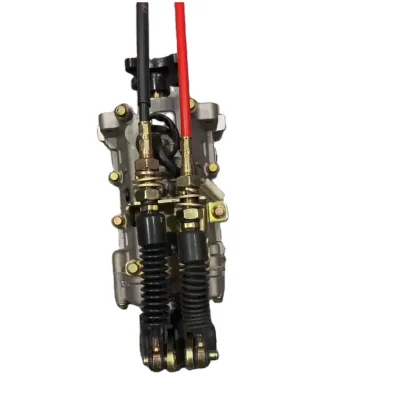
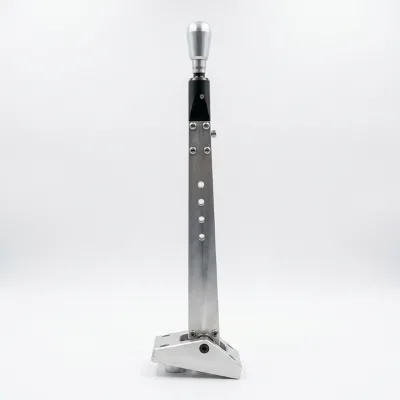
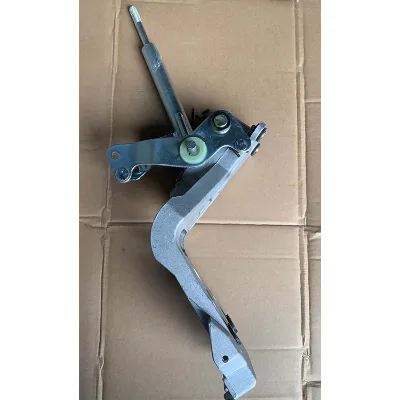


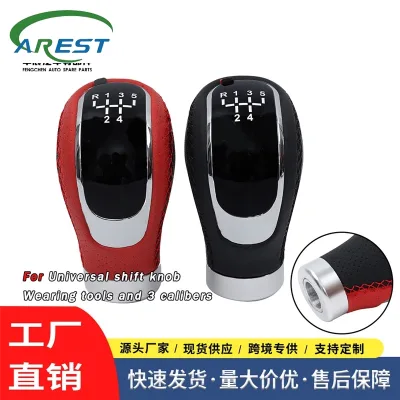

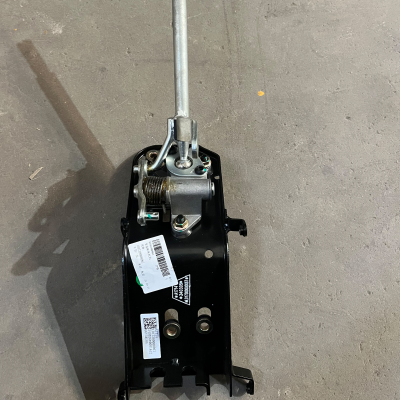
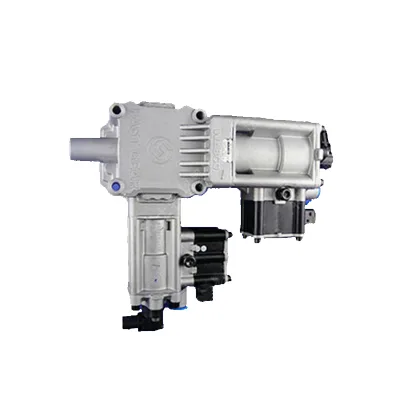
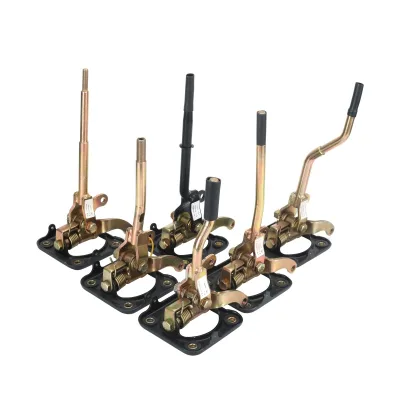
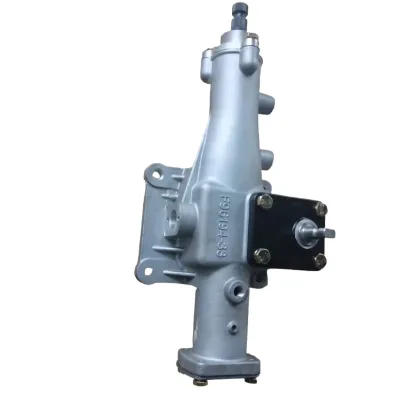
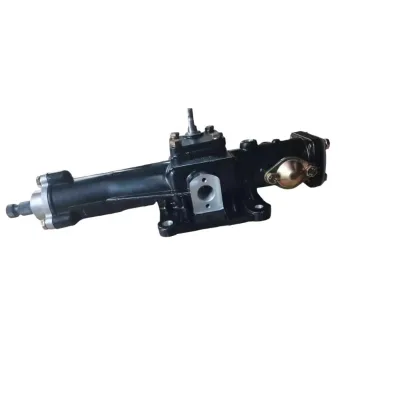
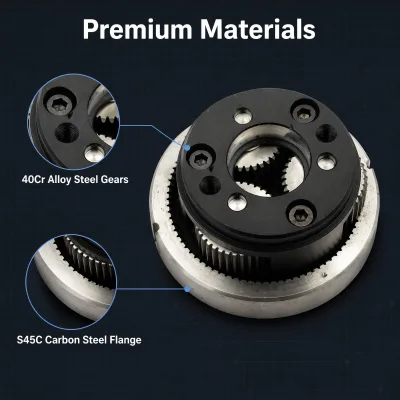


High Performance Powershift Transmission Gearbox with CE Certificate
$1000.00 - $12000.00
MOQ: 1 Pieces


Construction Equipment Gearbox Assembly Power Shift Transmission Analogue
$1000.00 - $12000.00
MOQ: 1 Pieces


Four Forward Gears and Three Backward Gears Hydraulic Transmission Gear Box
$7000.00 - $8000.00
MOQ: 1 Pieces

Comprehensive Sourcing Guide
Gearbox Shift Mechanism with Rod Sourcing Guide
The market for gearbox shift mechanisms with rods presents a diverse range of components, from complete quick-shift kits to specific replacement parts for trucks and racing applications. Buyers must distinguish between general automotive replacements and specialized racing clutch covers, as the intended application dictates the necessary durability and precision. Observed listings indicate that these mechanisms are often designed for repair or replacement purposes, serving both standard commercial vehicles and high-performance racing scenarios where rapid gear engagement is critical.
Procurement decisions should prioritize the specific vehicle model and the mechanical requirements of the existing transmission system. While some products are listed as compatible with "other" car models, others are explicitly tailored for truck applications or specific racing configurations. It is essential to verify that the product's single package dimensions and gross weight align with your logistical capabilities, as observed sizes range from compact 40x30x30 cm units to larger 46x23x35 cm packages, with weights varying significantly between 2.0 kg and 5.0 kg depending on the complexity of the assembly.
Product Scope and Observed Listing Signals
Buyers should carefully evaluate the product type and condition to ensure the item matches their operational needs, as listings vary between new replacement parts and custom-forged components. The observed data includes items labeled as "Gear shifting mechanism" and "Car Short Gear Shifter," alongside specialized "Racing Clutch Cover" units. These distinctions are vital because a standard replacement part may not possess the hardened steel properties or specific forging tolerances required for high-stress racing environments, necessitating a clear definition of the intended use case before selection.
Commercial signals such as warranty periods and customization availability provide insight into the supplier's confidence and flexibility. While some listings offer a six-month warranty, others provide only three months or a full year, indicating varying levels of quality assurance and after-sales support. Additionally, the availability of customization services suggests that suppliers can adapt the mechanism to specific drawing formats like PDF or STP files, allowing buyers to secure parts that fit unique chassis configurations rather than relying solely on standard off-the-shelf models.
Technical Specifications to Verify
Technical verification must begin with the material composition and processing methods, as these factors directly influence the longevity and performance of the shift mechanism. The supplied context highlights steel as a primary material processed through forging, heat treatment, and lathe machining, resulting in a hardness range of HRC50-55. Buyers should confirm that the specific unit they are purchasing undergoes these rigorous processes to ensure it can withstand the mechanical stress of frequent shifting, particularly in heavy-duty truck applications or high-performance racing scenarios.
Dimensional accuracy and tolerance levels are equally critical for ensuring a seamless fit within the vehicle's transmission assembly. Observed specifications mention a forging tolerance of +/-0.1mm and coating thicknesses between 5-10um, which are essential for preventing premature wear and ensuring smooth operation. Procurement teams must request detailed technical drawings and verify that the model number, such as LLTMSHFT1 or S-OD200*L810, corresponds to the exact dimensions required for their specific vehicle, as mismatches in these parameters can lead to installation failures or compromised shifting performance.
Compliance and Safety Documentation
Compliance verification requires a thorough review of the certifications held by the supplier, as these documents validate adherence to international quality and safety standards. The observed listings include certifications such as ISO 9001, CE, CCC, TUV, and GB standards, which indicate that the manufacturing processes meet specific regulatory requirements for automotive parts. Buyers should insist on seeing valid certificates for the specific batch of products they intend to purchase, ensuring that the components are not only manufactured to standard but also tested for safety and reliability in real-world operating conditions.
Safety documentation must also address the warranty terms and after-sales support mechanisms to protect the buyer against potential defects or premature failures. While some products come with a one-year warranty period, others may offer only three months, and the nature of the support, such as online assistance, should be clearly defined in the contract. It is crucial to understand the scope of the warranty coverage, including whether it applies to manufacturing defects only or extends to installation errors, to mitigate financial risks associated with the procurement of these critical transmission components.
Cost Drivers and Commercial Terms
Cost drivers for gearbox shift mechanisms are heavily influenced by the level of customization, material quality, and the complexity of the manufacturing process. Customized OEM services and specific forging tolerances often command higher prices compared to standard off-the-shelf items, as they require additional engineering time and specialized tooling. Buyers should analyze the total cost of ownership, considering that higher initial costs for precision-forged steel components with heat treatment may result in lower long-term maintenance expenses and reduced downtime for their fleet or racing team.
Commercial terms regarding minimum order quantities (MOQ) and packaging logistics play a significant role in the overall procurement strategy. Observed MOQs range widely from single items to 10,000 units, allowing flexibility for both small-scale repairs and large-scale fleet replacements. Packaging options, such as wooden boxes, plywood cases, or carton and pallet combinations, must be evaluated to ensure they protect the components during transit while optimizing shipping costs, as the single gross weight and package dimensions directly impact freight charges and handling requirements.
Supplier Qualification and Quality Control
Supplier qualification should focus on the manufacturer's location and their established track record in producing automotive parts, as these factors often correlate with consistency and reliability. The observed data indicates that many suppliers are based in China, with specific origins in Chongqing and Beijing, regions known for their automotive manufacturing capabilities. Buyers should verify the supplier's production capacity and history to ensure they can consistently deliver parts that meet the required specifications, particularly when dealing with complex processes like forging and heat treatment that require specialized expertise.
Quality control procedures must be rigorously assessed to ensure that every unit meets the strict standards of the automotive industry. Suppliers offering services like online support and customization suggest a commitment to post-sale quality assurance, but buyers should also request evidence of in-process quality checks, such as hardness testing and dimensional inspections. It is advisable to establish clear acceptance criteria based on the observed standards, such as the GB standard or specific ISO certifications, to ensure that the delivered gearbox shift mechanisms perform reliably under the intended operating conditions.
Long-Term Procurement Checks
Long-term procurement success depends on establishing a robust relationship with suppliers who can provide consistent quality and reliable after-warranty service. Buyers should prioritize partners who offer comprehensive support, such as online assistance, and who demonstrate a commitment to maintaining high-quality standards over time. Regular audits of the supplier's production processes and quality control measures can help identify potential issues before they impact the supply chain, ensuring that the gearbox shift mechanisms continue to meet the evolving needs of the buyer's operations.
Continuous monitoring of product performance and market trends is essential for maintaining a competitive edge in the automotive sector. As technology advances, the specifications for shift mechanisms may evolve, requiring buyers to stay informed about new materials, processing techniques, and industry standards. By maintaining open communication with suppliers and regularly reviewing the performance of the components in the field, buyers can proactively address any issues and ensure that their procurement strategy remains aligned with the latest industry developments and best practices.
FAQs
What is the typical warranty period for a Gearbox Shift Mechanism with Rod?
The warranty period varies by product type. Some gear shifting mechanisms offer a 3-month warranty, while others provide 6 months or one year. Buyers should verify the specific warranty terms listed for each item, as conditions depend on the manufacturer and the intended application for replacement or repair.
Can a Gearbox Shift Mechanism with Rod be customized for specific truck applications?
Yes, customization is available for many gear shift mechanisms. Manufacturers offer customized OEM services and can adapt products for specific truck applications. Buyers can provide drawings in PDF, STP, or Step formats to request tailored solutions, ensuring the mechanism fits the intended vehicle model and operational requirements effectively.
Which certifications are commonly associated with Gearbox Shift Mechanism with Rod suppliers?
Suppliers often hold ISO 9001, CE, CCC, and TUV certifications. These standards ensure quality management and safety compliance for auto parts. Buyers should check the certification list for each product to confirm that the gearbox shift mechanism meets the required regulatory standards for their target market and specific industrial applications.
How does the material composition affect the Gearbox Shift Mechanism with Rod durability?
Steel is a common material used for forging these mechanisms, providing high durability. The hardness typically ranges from HRC50-55, and coating thickness is often 5-10um. This processing ensures the gear shift mechanism withstands mechanical stress, making it suitable for heavy-duty truck applications and long-term performance in demanding environments.
What is the standard packaging for a Gearbox Shift Mechanism with Rod?
Packaging varies by product size and type. Common options include wooden boxes, plywood cases, or cartons with pallets. The single package size and gross weight differ among items, so buyers should review the specific packing details for each gearbox shift mechanism to ensure safe transport and proper handling during shipping.
Can I find Gearbox Shift Mechanism with Rod suppliers in China?
Yes, suppliers are located in major Chinese cities like Chongqing and Beijing. These regions host manufacturers producing various gear shift mechanisms, including quick-shift kits and racing clutch covers. Buyers can source products directly from these locations, leveraging the local manufacturing ecosystem for competitive pricing and efficient logistics for international orders.