Automotive Fuel Return Line Suppliers and Manufacturers
Find 14 verified Automotive Fuel Return Line suppliers in China offering ISO 9001 and ISO 14001 certified products. Compare lead times, response times, and pricing to source Fuel Return Line Connectors and hoses from Hebei and Zhejiang factories; review the available evidence before requesting comparable quotations from suitable candidates.
Updated
Suppliers List

Shijiazhuang Standards Rubber Products Trading Co., Ltd.
- Verified by SGS
- Trading Company,Manufacturer/Factory
- China Hebei
- Lead time23 days
- Avg. response≤ 15h
Main productsFuel Line, Fuel Return Line, Fuel Line Connectors, Silicone Hose, Rubber Hose, PVC Hose, Hydraulic Hose, Pneumatic Coupling, Crankcase Breather Hose, Hydraulic Fittings
Main marketsSouth America,Eastern Europe,Mid East,North America,Southeast Asia,Eastern Asia,Oceania,Western Europe,Africa


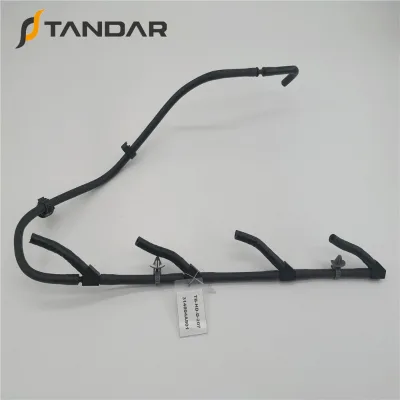
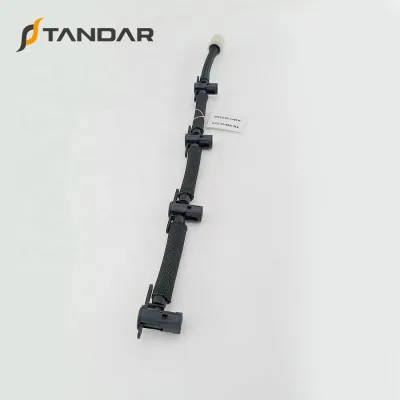
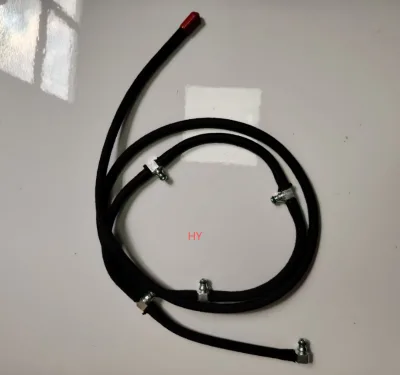
Fuel Overflow Hose Fuel Return Line Hose Pipe Diesel Injector Hose Leak Line OE 13537799450 for BMW
$6.00 - $8.00
MOQ: 100 Pieces
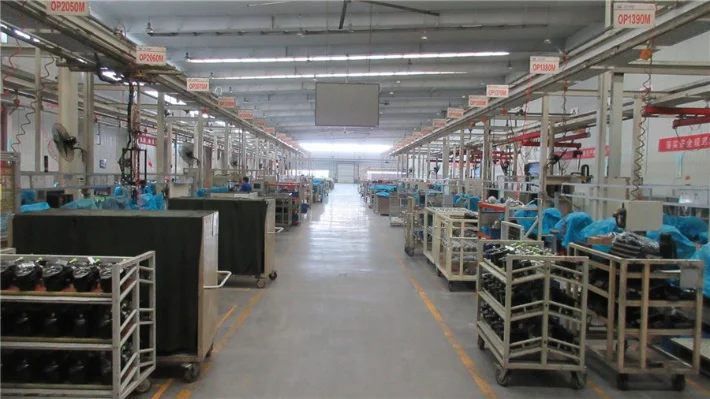
Shijiazhuang Huaru Trading Co., Ltd.
- Trading Company
- Hebei, China
- Lead time7 days
- Avg. response≤ 4h
Main productsDiesel Engine Parts, Diesel Engine, Clutch, Turbocharger
Main marketsDomestic Market(70.00%), Northern Europe(10.00%), Mid East(10.00%), Southeast Asia(10.00%)
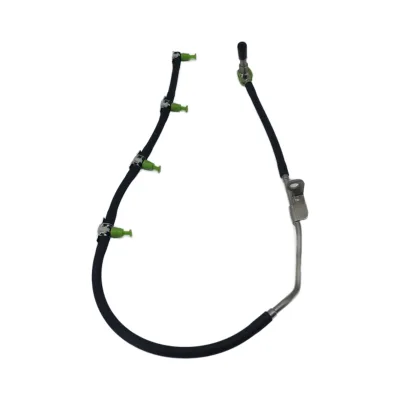
YUNNEI D20TCI-X10032202 Fuel Injector Return Line Chinese Factory Direct Sales
$16.80 - $19.00
MOQ: 1 pieces
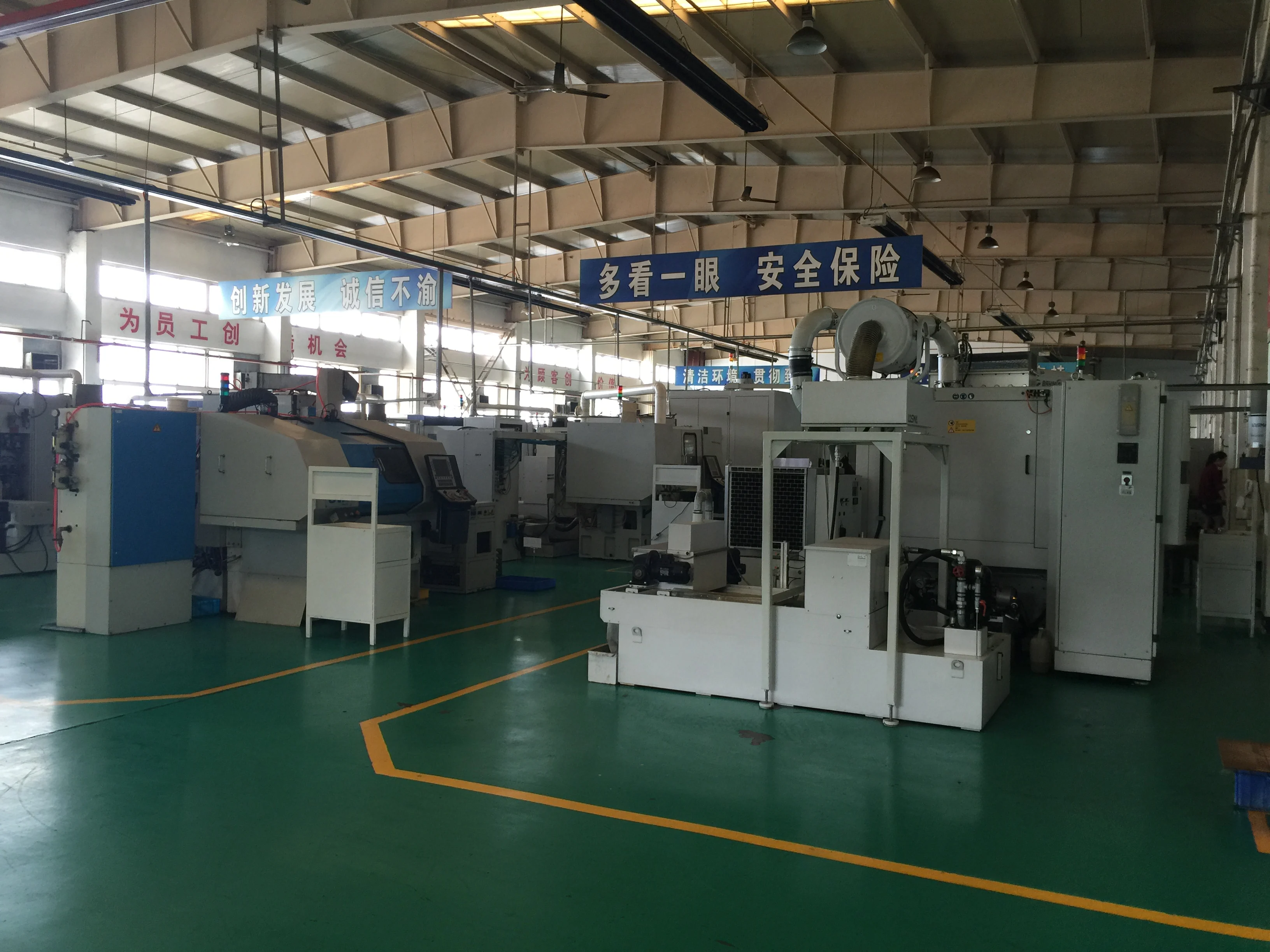
Yantai Jinhaihao Auto Part Co., Ltd.
- Trading Company
- Shandong, China
- Lead time7 days
- Avg. response≤ 4h
Main productsauto parts,nozzle,plunger,fuel pump,injector
Main marketsMid East(20.00%), South Asia(10.00%), Eastern Asia(10.00%), North America(10.00%), Southeast Asia(10.00%), Central America(5.00%)
Ningbo Fenghua Gogo Automatic Trading Company Limited
- Trading Company
- Lead time旺季: "1 - 10":31,"> 10":"To be negotiated", 淡季: "1 - 10":31,"> 10":"To be negotiated"
- Avg. response≤ 7h
Main productsPneumatic Parts, Hhydraulic Parts, Auto Parts, Valve, Pump

Qinghe County Luotai Auto Parts Co., Ltd.
- Verified by SGS
- Combined
- China Hebei
- Lead time15 days
- Avg. response≤ 1h
Main productsSilicone Tube, Silicone Hose, Silicone Hose Kit, Rubber Hose
Main marketsSoutheast Asia/ Mideast,Europe,Australia

$0.20 - $2.20
MOQ: 10 Pieces

$0.20 - $2.20
MOQ: 10 Pieces
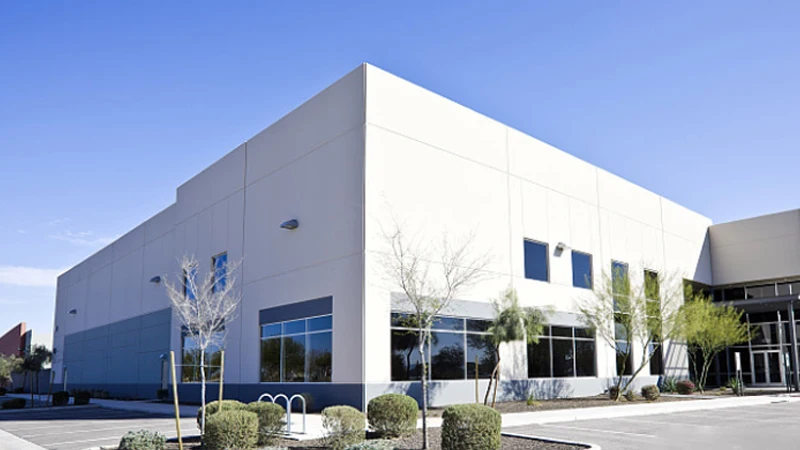
Wenzhou Hengyi Auto Parts Co., Ltd.
- Manufacturer, Trading Company
- Zhejiang, China
- Lead time0 days
- Avg. response≤ 3h
Main productsFuel tube,auto tube,nylon tube,corrugated fuel pipe,autp pipe
Main marketsDomestic Market(30.00%), Central America(30.00%), Eastern Europe(20.00%), Africa(10.00%), Mid East(10.00%)
Shandong Messi Power Co., Ltd.
- Trading Company
- Shandong, China
- Lead time15 days
- Avg. response≤ 2h
Main productstest bench,diesel injector,diesel injection pump,engine part
Main marketsSouth America(50.00%), Africa(15.00%), Mid East(10.00%), North America(5.00%), Western Europe(3.00%), South Asia(2.00%), Southern Europe(2.00%), Northern Europe(2.00%), Central America(2.00%), Domestic Market(2.00%), Eastern Asia(2.00%), Eastern Europe(2.00%), Oceania(2.00%), Southeast Asia(1.00%)
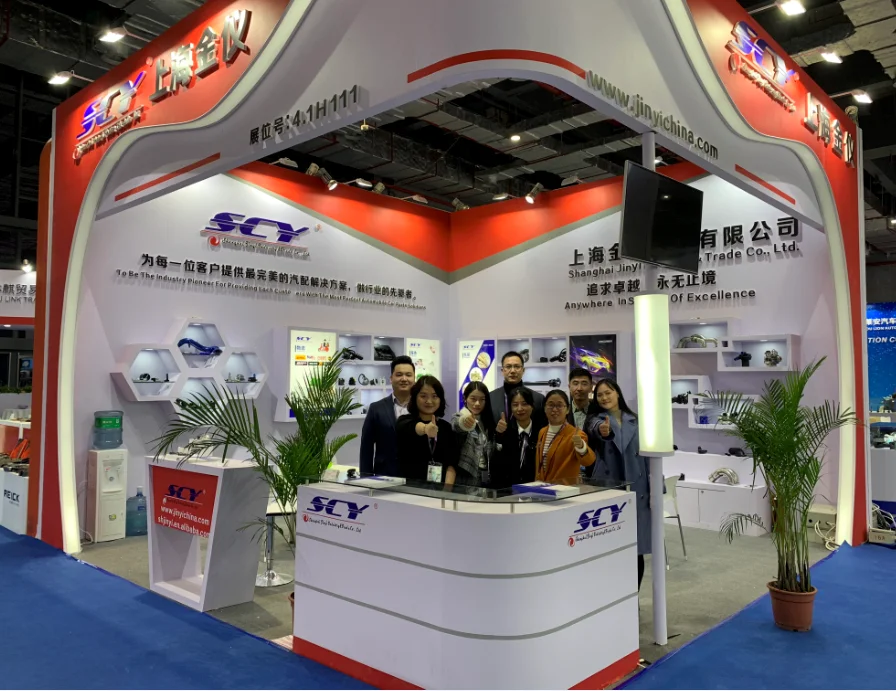
Shanghai Jinyi Industry & Trade Co., Ltd.
- Trading Company
- Shanghai, China
- Lead time25 days
- Avg. response≤ 6h
Main productsAuto Parts, Radiator, Intake Manifold, Power Steering Pump, Valve Cover
Main marketsNorth America(60.00%), South America(10.00%), Western Europe(5.00%), Southern Europe(5.00%), Northern Europe(5.00%), Eastern Europe(5.00%), Domestic Market(5.00%), Central America(3.00%), Mid East(2.00%)
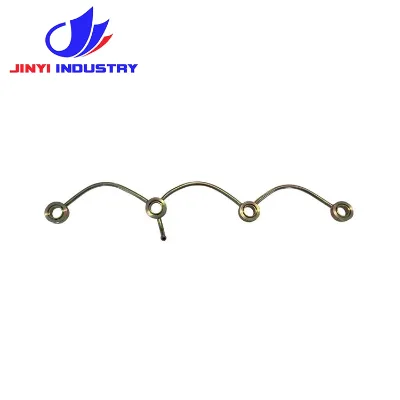
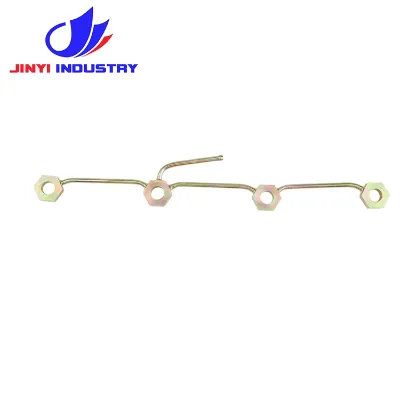
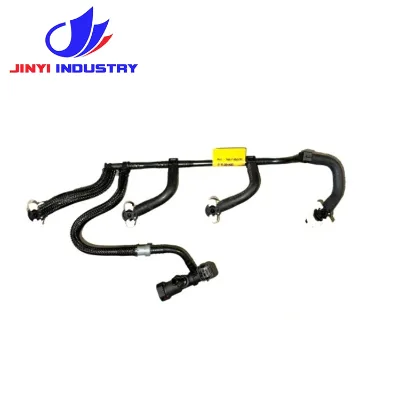
Fuel Return Line Suitable for Nissan Qashqai J11E 1667100QAU 16671-00QAU
$18.00 - $20.00
MOQ: 50 pieces
Wenzhou Espeed Industry & Trade Co., Ltd.
- Trading Company
- Zhejiang, China
- Lead time0 days
- Avg. response≤ 14h
Main productsAuto Sensor,Engine Parts,Electrical Parts,Cooling System,Auto Switch
Main marketsSouth America(40.00%), Eastern Europe(25.00%), North America(20.00%), Western Europe(5.00%), Southeast Asia(5.00%), Africa(2.00%), Southern Europe(1.00%), Mid East(1.00%), South Asia(1.00%)
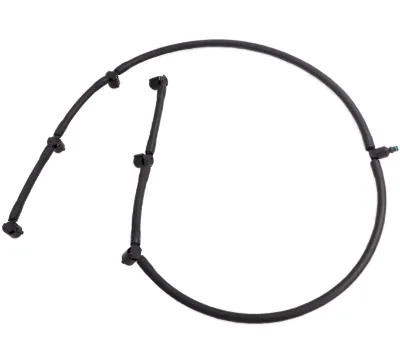
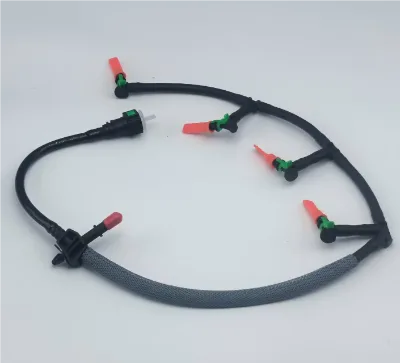
9801197080 BK2Q-9K022-AF BK2Q9K022AF Fuel Return Line Pipe Injector Hose Leak Line
$5.50 - $6.90
MOQ: 10 pieces
Qinghe County Great Wall Sealing Co., Ltd.
- Manufacturer, Trading Company
- Hebei, China
- Lead time10 days
- Avg. response≤ 2h
Main productsSpiral Guard,Spiral Hose Guard,Spiral Hose Protector,Rubber Hose,Spiral Wrap
Main marketsSouth America(15.00%), North America(12.00%), Oceania(11.00%), Western Europe(10.00%), Southeast Asia(10.00%), Africa(9.00%), Eastern Asia(8.00%), South Asia(7.00%), Mid East(5.00%), Eastern Europe(5.00%), Northern Europe(3.00%), Central America(2.00%), Southern Europe(2.00%), Domestic Market(1.00%)
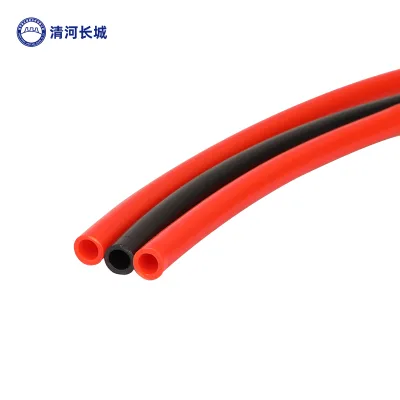
$0.2876 - $0.3296
MOQ: 10 meters
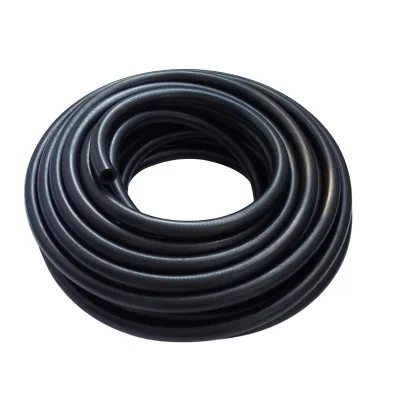

Qingdao Jinyuan Automotive Tubing Co., Ltd.
- Verified by SGS
- Combined
- China Shandong
- Lead time30 days
- Avg. response≤ 4h
Main productsAuto Parts, Brake Hose, Power Steering Hose, Clutch Tube, Fuel Pipe, Cooling Hose, A/C Hose, Brake Line
Main marketsEurope,North America

Reinforced Fuel Hose High Temperature Auto Fuel Delivery Line for Car Truck Engine System
$2.00 - $10.00
MOQ: 50 Pieces

$2.00 - $10.00
MOQ: 50 Pieces

Professional PA11/PA12 Fuel Line with SAE Certification for Automotive Fuel Systems
$2.00 - $10.00
MOQ: 50 Pieces

Ningbo Langchi New Materials Technology Co Ltd
- Verified by TUVRHEINLAND
- Combined
- China Zhejiang
- Lead time23 days
- Avg. response≤ 1h
Main marketsSouth America,Southeast Asia/ Mideast,Domestic,Europe

Professional Supplier of 1/8 Fuel Line for Automotive Systems Nylon 6 Hose
$0.37 - $0.67
MOQ: 100 Meters

Customized Flexible 6mm Fuel Line for Automotive and Machine Use Nylon Hose
$0.37 - $0.67
MOQ: 100 Meters

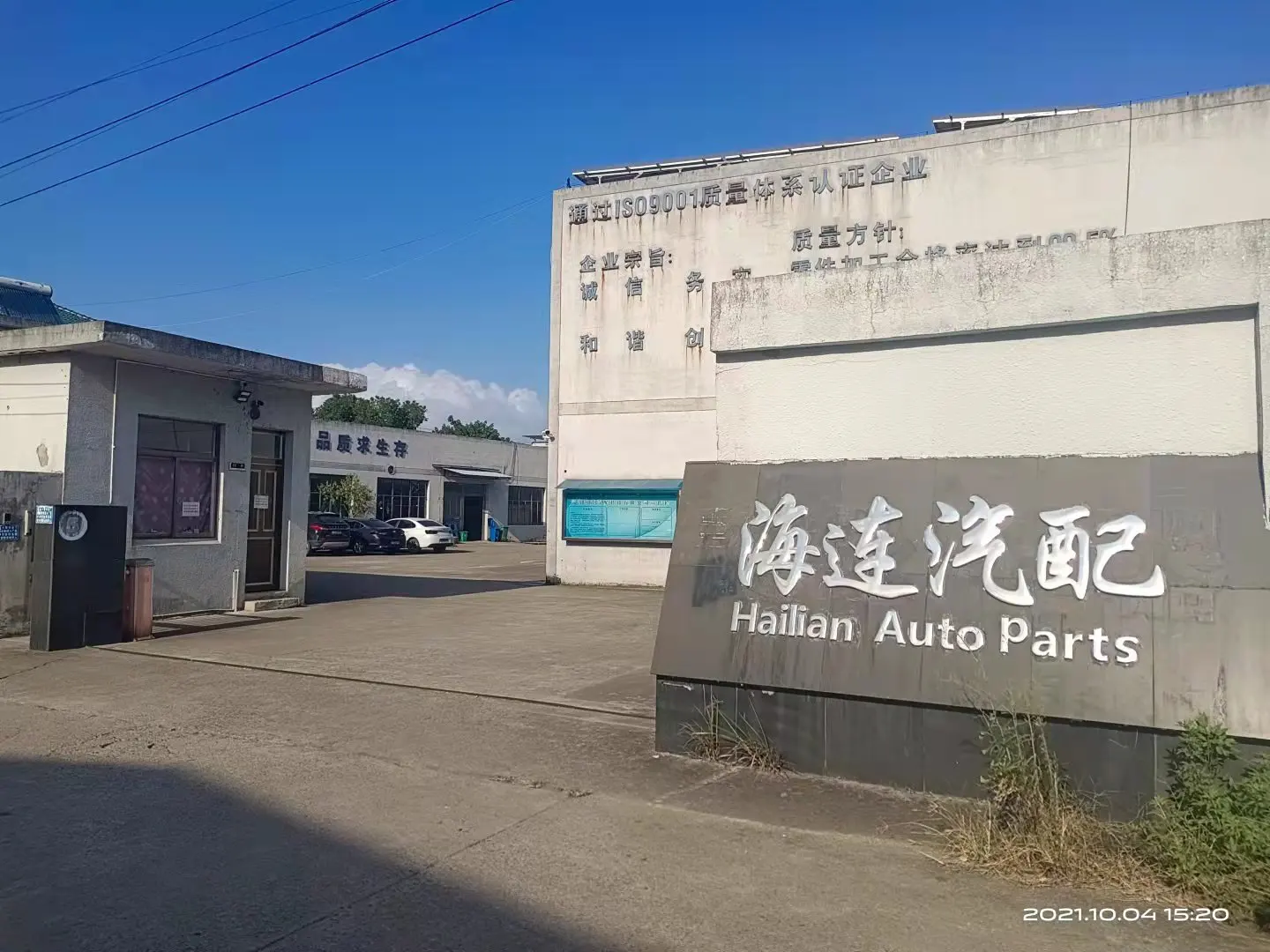
Ningbo Hailian Auto Parts Technology Co., Ltd.
- Manufacturer
- Zhejiang, China
- Lead time7 days
- Avg. response≤ 6h
Main productsQuick connector,urea pipe assembly,Fuel pipe assembly,Vent pipe assembly,Vacuum pipe assembly
Main marketsDomestic Market(50.00%), Southeast Asia(25.00%), South Asia(9.00%), Mid East(5.00%), Eastern Asia(2.00%), North America(1.00%), Eastern Europe(1.00%), Southern Europe(1.00%), Northern Europe(1.00%), Central America(1.00%), Western Europe(1.00%), South America(1.00%), Africa(1.00%), Oceania(1.00%)
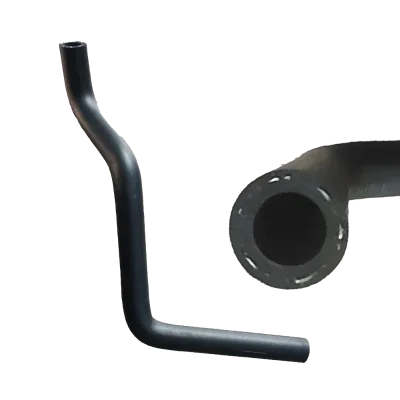
Auto Parts Fuel Cooling Urea Line Assembly with Silicone and Nylon Hoses Customizable Hoses
$9.00 - $10.00
MOQ: 100 pieces
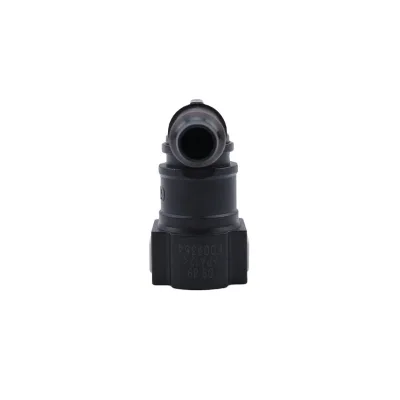
Automobile Fuel Pipe Quick Connector Fuel Lline Hose Joint Fuel Line Nylon Pipe Assembly Connect
$0.6621 - $0.8194
MOQ: 10 pieces
Dalian Momentum Power Machinery Co., Ltd.
- Trading Company
- Liaoning, China
- Lead time3 days
- Avg. response≤ 6h
Main productsdiesel engine,camshaft,crankshaft,oil pump,fuel pump
Main marketsSouth America(20.00%), Eastern Europe(20.00%), South Asia(20.00%), Southeast Asia(10.00%), Mid East(10.00%), North America(5.00%), Central America(4.00%), Africa(3.00%), Western Europe(2.00%), Southern Europe(2.00%), Oceania(1.00%), Eastern Asia(1.00%), Northern Europe(1.00%), Domestic Market(1.00%)
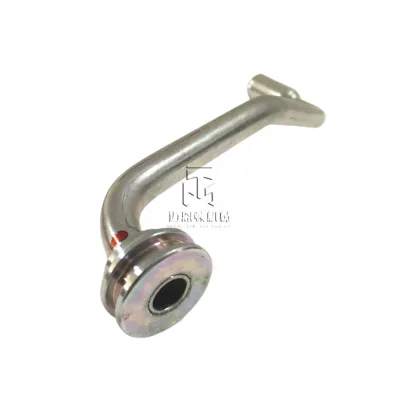
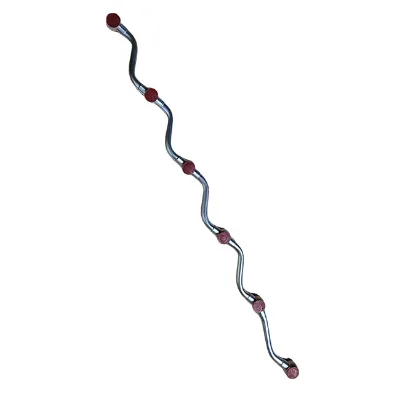
Long Service Life BF6M2013 Fuel Line 04502420 04258376 04900034 for Deutz
$48.3899 - $61.7745
MOQ: 1 pieces
Comprehensive Sourcing Guide
Automotive Fuel Return Line Supplier Concentration and Factory Types
The current supplier landscape for automotive fuel return lines reveals a distinct concentration of manufacturing and trading entities within specific Chinese industrial zones. Evidence indicates that a significant portion of these suppliers are located in Hebei, China, with additional presence noted in Zhejiang Province. This geographic clustering suggests established supply chains for rubber hoses, silicone hoses, and plastic fittings, which are primary materials for these components. Buyers should recognize that Hebei serves as a notable hub for this category, offering access to both raw material sources and finished assembly capabilities. The presence of suppliers in Zhejiang further diversifies the sourcing options, particularly for specialized diesel engine parts and high-pressure fuel line assemblies. Understanding this geographic distribution is crucial for logistics planning and assessing the proximity of potential partners to major shipping ports.
Supplier types in this sector vary between trading companies and manufacturer/factory entities, each offering distinct advantages for different procurement strategies. Trading companies often provide a broader catalog of compatible parts, including fuel return lines for various brands like Volkswagen and BMW, leveraging their network to source specific OE numbers. In contrast, manufacturer/factory suppliers typically emphasize OEM customization capabilities and direct control over production standards such as ISO 9001 and ISO 14001. Some suppliers hold SGS verification, which adds a layer of trust regarding their operational compliance and product quality. Buyers must carefully distinguish between these types to align with their specific needs, whether they prioritize volume flexibility and variety through traders or direct manufacturing control and certification assurance through factories.
How to Verify Automotive Fuel Return Line Suppliers
Verifying the legitimacy and capability of Automotive Fuel Return Line suppliers requires a multi-layered approach that goes beyond basic profile reviews. Buyers should prioritize suppliers who display third-party verification badges, such as SGS, which indicates that an independent agency has audited their business operations. Additionally, checking for system certifications like ISO 9001 and ISO 14001 is essential, as these standards reflect a commitment to quality management and environmental responsibility, which are critical for automotive components. It is also important to confirm the supplier’s company type, ensuring they are either a verified manufacturer or a reputable trading company with transparent sourcing practices. Cross-referencing the listed location, such as Hebei or Zhejiang, with the supplier’s actual address can help validate their physical presence and operational scale.
Product-level verification is equally important when assessing supplier reliability. Buyers should examine the detailed product attributes provided, such as material composition, connection types, and applicable standards like GB, DIN, ANSI, JIS, or ISO9001. For instance, some fuel return lines are specified for diesel engines with specific OE numbers, while others are designed for gasoline applications with steel or plastic body materials. Ensuring that the product specifications match the buyer’s technical requirements is a key step in verification. Furthermore, checking for customization availability and standard compliance helps determine if the supplier can meet specific engineering drawings or industry norms. Buyers should also look for clear warranty information, such as the three-month warranties offered on certain SAIC Yuejin parts, as this indicates confidence in product durability and after-sales support.
What to Compare Across Automotive Fuel Return Line Suppliers
When evaluating multiple suppliers for automotive fuel return lines, comparing key operational metrics is essential for making an informed decision. Lead time is a critical factor, with some suppliers offering rapid turnaround times of around seven days, while others may require up to twenty-three days for production and delivery. Response time is another vital metric, as quicker replies often correlate with better customer service and more efficient communication throughout the order process. Buyers should also compare the minimum order quantities (MOQ), which can range from 100 pieces for standard fittings to 1000 pieces for larger assemblies, to ensure alignment with their inventory needs. Additionally, examining the price ranges, which vary from approximately $1.00 to $20.00 per unit depending on the complexity and material of the fuel line, helps in budgeting and cost analysis.
Beyond operational metrics, comparing product-specific attributes and supplier capabilities provides deeper insights into value proposition. Buyers should assess the range of main products offered, such as whether the supplier specializes in fuel return lines, hydraulic hoses, or broader diesel engine parts. The availability of OEM services and customization options is crucial for buyers seeking specific OE replacements or tailored solutions. Standards compliance, including JIS, DIN, or ANSI, should be matched against the buyer’s regional requirements. Furthermore, comparing packaging details, such as 100 pieces per bag versus single-item packaging, can impact shipping efficiency and storage. Suppliers with verified capabilities in specific car brands, like BMW or Volkswagen, may offer better compatibility and quality assurance for targeted applications, making them preferable for specialized procurement needs.
Common Automotive Fuel Return Line Sourcing Risks
Sourcing automotive fuel return lines involves several inherent risks that buyers must actively manage to ensure supply chain integrity. One significant risk is the mismatch between product specifications and actual application requirements, particularly regarding fuel type compatibility. For example, using a fuel line designed for gasoline in a diesel engine application can lead to catastrophic failures due to differences in pressure and chemical resistance. Buyers must carefully verify the fuel type, material composition, and standard compliance listed for each product to avoid such mismatches. Another risk is the variability in quality among different suppliers, especially when dealing with trading companies that may source from multiple factories. Without proper verification, buyers might receive products that do not meet the required ISO or GB standards, leading to performance issues and potential safety hazards.
Logistical and communication risks also pose challenges in this sourcing category. Delays in response times or lead times can disrupt production schedules, particularly for urgent repair or replacement needs. Buyers should be cautious of suppliers with inconsistent communication patterns or vague product descriptions that lack critical details like connection types or head styles. Additionally, the risk of receiving non-compliant or counterfeit parts is heightened when sourcing from unverified entities. To mitigate these risks, buyers should insist on clear documentation, including material certificates and test reports, and verify the supplier’s physical location and business credentials. Establishing clear communication channels and setting realistic expectations for lead times and MOQs can also help prevent misunderstandings and ensure a smoother procurement process for automotive fuel return lines.
Automotive Fuel Return Line Regional Sourcing and Logistics
Regional sourcing strategies for automotive fuel return lines are heavily influenced by the geographic concentration of suppliers in China, particularly in Hebei and Zhejiang provinces. Hebei’s prominence as a manufacturing hub offers buyers access to a dense network of factories and trading companies specializing in rubber and plastic hoses, fittings, and connectors. This concentration can lead to competitive pricing and efficient logistics due to the proximity of suppliers to major industrial zones and shipping routes. Buyers sourcing from Hebei can benefit from established supply chains that support both OEM and aftermarket parts, including fuel return lines for various vehicle brands. Understanding this regional advantage allows buyers to optimize their logistics planning, potentially reducing shipping costs and lead times by selecting suppliers with convenient access to ports and transportation infrastructure.
Zhejiang Province also plays a significant role in the sourcing landscape, offering a diverse range of fuel line products, including specialized diesel engine parts and high-pressure assemblies. Suppliers in this region may provide different logistical advantages, such as proximity to other manufacturing clusters or specialized shipping routes. Buyers should consider the specific location of their chosen supplier when planning logistics, as this impacts transit times and customs clearance procedures. Additionally, regional sourcing can facilitate better collaboration with suppliers for quality control and inspections, as buyers or their agents can more easily visit factories in these concentrated areas. By leveraging the strengths of both Hebei and Zhejiang, buyers can build a resilient supply chain that balances cost efficiency with reliability and speed for their Automotive Fuel Return Line procurement needs.
Automotive Fuel Return Line Commercial Terms and Order Planning
Effective order planning for automotive fuel return lines requires careful attention to commercial terms, including pricing, MOQs, and payment structures. Prices for these components vary widely, ranging from low-cost fittings at around $1.00 to more complex assemblies priced up to $20.00 per unit. Buyers must align their order quantities with the supplier’s MOQ, which can be as low as 100 pieces for standard items or as high as 1000 pieces for specialized assemblies. Understanding these thresholds is crucial for optimizing inventory levels and minimizing holding costs. Additionally, buyers should negotiate clear terms regarding packaging, such as whether items are packed in bags of 100 or individually, as this affects shipping volume and handling efficiency. Clear communication about these commercial details helps prevent unexpected costs and ensures that orders are processed smoothly.
Lead times and response speeds are also critical components of commercial planning. Suppliers with faster response times, such as those responding within a few hours, can facilitate quicker decision-making and order placement. Lead times, which can range from seven to twenty-three days, should be factored into production schedules to avoid delays. Buyers should also consider the supplier’s warranty policies, such as the three-month warranties offered on certain parts, as this impacts long-term cost and risk management. Establishing a clear understanding of these terms, including any potential for customization or OEM services, allows buyers to plan their procurement cycles effectively. By carefully evaluating these commercial aspects, buyers can build strong, reliable partnerships with suppliers that meet their operational and financial requirements for automotive fuel return lines.
FAQs
What types of Automotive Fuel Return Line products are available?
Buyers can source quick-connect fittings, leak-off pipe connectors, flexible hose assemblies, and OE-number return lines for diesel and gasoline engines. Listings cover plastic and steel variants, including hoses for Volkswagen and BMW applications. Many products are sold as assemblies with connectors already fitted, while others come as bare hose or fitting sets suited to custom fuel system repairs.
Can I buy fuel return line assemblies customized to my specifications?
Yes, most listed products are marked customization available. Suppliers can adjust length, connector type, material, and packaging based on your drawings or samples. Customization may affect unit price, minimum order quantity, and production time, so confirm tooling costs and revised lead times with the supplier before placing a paid sample or trial order.
What is the typical minimum order quantity and price range?
Grounded listings show MOQs from 100 pieces for quick fittings priced at roughly 1.00 to 1.50 per unit, while larger fuel line assemblies start at 1000 pieces with prices around 10 to 20 per piece. OE-specific return pipes sit near 6 to 8 each. Always confirm current pricing and MOQ directly, as figures vary by specification and volume.
Which certifications and standards should I verify before ordering?
Listed suppliers reference ISO 9001 and ISO 14001 system certifications, and products cite GB, DIN, ANSI, and JIS standards. One trading supplier is SGS verified. However, certificates should be requested and checked for validity and scope before ordering, because product-level compliance, material ratings, and fuel-resistance testing are not guaranteed by a supplier-level certification alone.
What are typical lead times and response times for fuel return line suppliers?
The listed suppliers report lead times of roughly 7 to 23 days and average response times ranging from about 4 to 15 hours. Lead time depends on order size, customization, and shipping method, so confirm production schedules in writing. Fast response does not always indicate fast production, so request a firm dispatch date for your exact order.
Which supplier locations are represented for these products?
Grounded listings point to Hebei and Zhejiang provinces in China. Hebei-based suppliers focus on hoses, fittings, and assemblies, while Zhejiang sources OE-number return pipes for diesel engines. Both provinces have strong automotive parts supply chains. Consider proximity to ports and inland freight costs when comparing total landed price across locations.
How do I confirm a return line fits a specific vehicle or engine?
Match the OE number first, such as N600077063, 504007621, 04L130235g, or 13537799450, then verify application details like fuel type, stroke, and car brand with the supplier. Several listings carry a limited warranty, for example three months, and explicitly ask buyers to contact for compatibility confirmation before purchase. Always cross-check against your vehicle's parts catalog.
What are common packing formats for fuel return line products?
Grounded listings show packing formats such as 100 pieces per bag for small fittings, 5 pieces per bag for assemblies, and 1 piece per bag for OE-specific pipes. Single-item packaging with declared weight and volume is common for replacement parts. Confirm carton dimensions and export packing if you need mixed SKUs consolidated for container loading.