Projector Head Light Suppliers and Manufacturers
Source 18 verified suppliers for Projector Head Light components and kits. Compare grounded dimensions including Guangdong location, CE certification, 12V-24V voltage, and 5-day lead times. Review product specs and request quotes directly from manufacturers; review the available evidence before requesting comparable quotations from suitable candidates.
Updated
Suppliers List
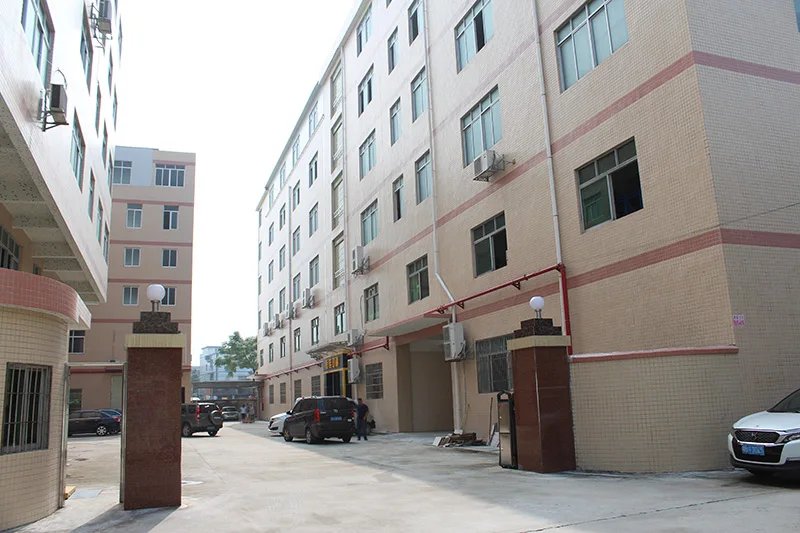
Guangzhou Lightech Auto Lighting Co., Ltd.
- Manufacturer
- Guangdong, China
- Lead time5 days
- Avg. response≤ 3h
Main productsCar led headlights,car led lights,car led bulbs,led headlights,Car led lamps
Main marketsMid East(30.00%), Southeast Asia(20.00%), South America(15.00%), Eastern Asia(15.00%), North America(5.00%), Eastern Europe(5.00%), Africa(5.00%), Oceania(3.00%)
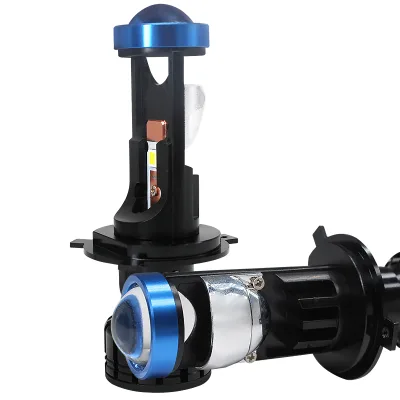
Headlight Projector Bulbs 6000lm Headlight Projector Lens 6000K Headlight Projector Kit
$18.5078 - $19.5354
MOQ: 100 pairs
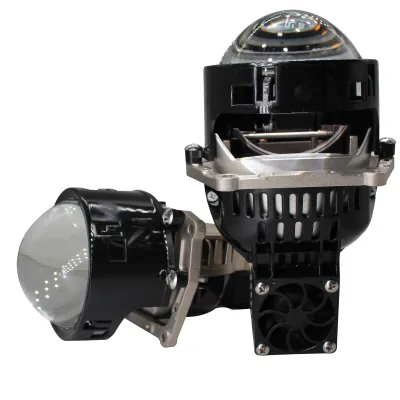

Changzhou Jiecheng Photoelectric Technology Co., Ltd
- Verified by CTI
- Trading Company,Manufacturer/Factory
- China Jiangsu
- Lead time0 days
- Avg. response≤ 4h
Main productsHeadlight Projector Lens, Foglamp Projector Lens, Bi LED Projector Lens, Car Headlight Lens, LED Headlight Bulb, Bi LED Lens, LED Projector Lens, Fog Lamp, Car Fog Lamp, Universal Fog Lamp

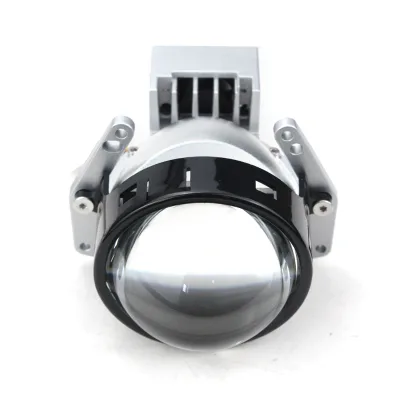
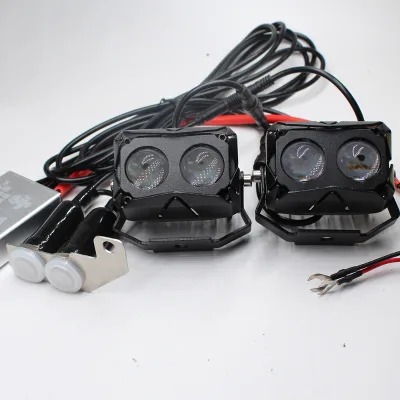
LED Projector Headlight Driving Light Function 65W 70W LED Projector Lens
$11.70 - $15.48
MOQ: 4 Pieces

Road - Condition - Adaptive LED Headlight Projector Lens for Different Driving Situations
$17.15 - $22.68
MOQ: 4 Pieces


Multiple - Mounting - Option LED Headlight Projector Lens for Flexible Installation
$17.15 - $22.68
MOQ: 4 Pieces

Factory Price Auto Lighting Systems Auto Spare Parts Car Accessories LED Headlight Projector Lens
$9.26 - $12.25
MOQ: 4 Pieces

High Brightness Long Lifespan LED Headlight Projector Lens for Highway Safe Driving
$16.90 - $22.36
MOQ: 4 Pieces

Qingdao Signal Technology Co., Ltd
- Verified by TUVRHEINLAND
- Trading Company,Manufacturer/Factory,Group Corporation
- China Shandong
- Lead time15 days
- Avg. response≤ 3h
Main productsPersonal Protective Equipment Supplier, Safety Products Supplier, Safety Gloves Manufacturer, Construction Safety Equipment, Road Safety Products, OEM PPE Supplier, Industrial Protection Solutions, Foot Protection, Respiratory Protection, Safety Shoes
Main marketsSouth America,Eastern Europe,Mid East,North America,Southeast Asia,Eastern Asia,Oceania,Western Europe,Africa

Shenzhen Goongo Technology Co., Ltd.
- Verified by BV
- Trading Company,Manufacturer/Factory
- China Guangdong
- Lead time30 days
- Avg. response≤ 8h
Main productsLED Headlight Bulb, Car LED Light, LED Light Bar, Jeep Headlight Light, Offroad Light Bar, LED Bulb, Signal Bulb, LED Headlight, Jeep Headlight, Work Light
Main marketsSouth America,Eastern Europe,Mid East,North America,Southeast Asia,Eastern Asia,Oceania,Western Europe,Africa
Guangzhou Guangshen Import And Export Co., Ltd.
- Manufacturer, Trading Company
- Guangdong, China
- Lead time30 days
- Avg. response≤ 3h
Main productsFog Lamp Lens,Laser Projector Lens,LED Light Bulb,Motorcycle Spotlights,Matrix Module Headlights
Main marketsAfrica(30.00%), Domestic Market(15.00%), Southeast Asia(10.00%), Eastern Europe(10.00%), Southern Europe(5.00%), Central America(5.00%), Eastern Asia(5.00%), Mid East(5.00%), Oceania(5.00%), North America(5.00%), South America(5.00%)
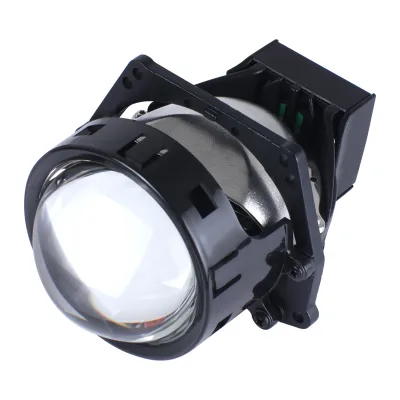
Clinton Headlight for Car Projector Headlight Mounting Bracket for Projector Headlight Right Handle
$23.6639 - $26.7513
MOQ: 2 boxes
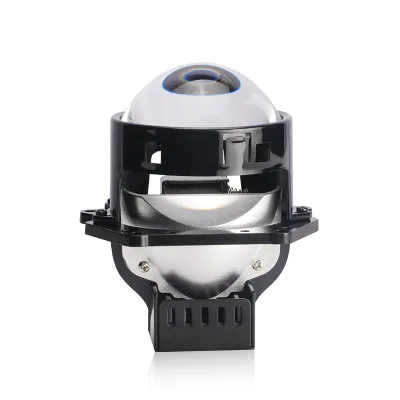
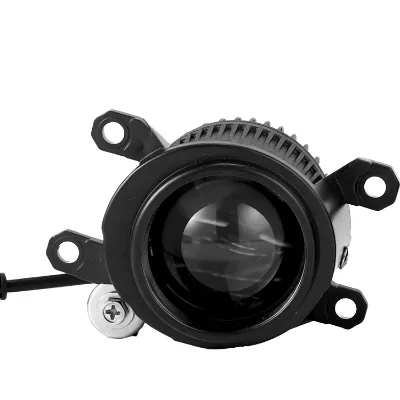
Star Technology (puyang City) Co., Ltd.
- Manufacturer, Trading Company
- Henan, China
- Lead time30 days
- Avg. response≤ 4h
Main productsCompliant with IATF 16949 standard Lens Highlight,Auto Car Light,Fog Lamp,Led Optical Projector,Car Spotlight
Main marketsSoutheast Asia(20.00%), South America(20.00%), North America(20.00%), South Asia(10.00%), Western Europe(10.00%), Mid East(10.00%), Eastern Europe(10.00%)
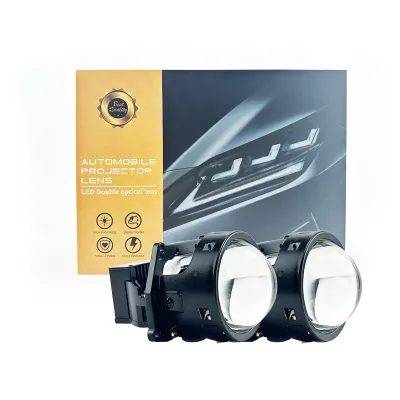
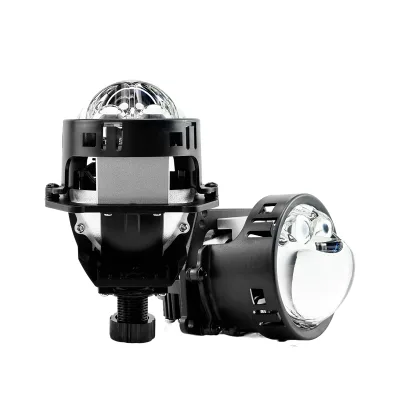
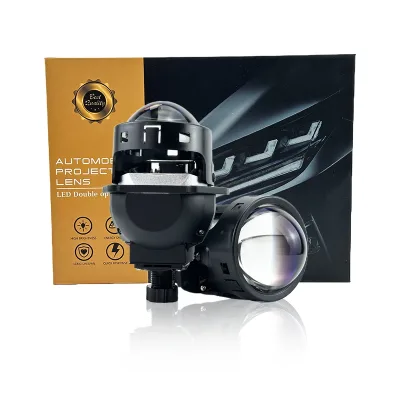
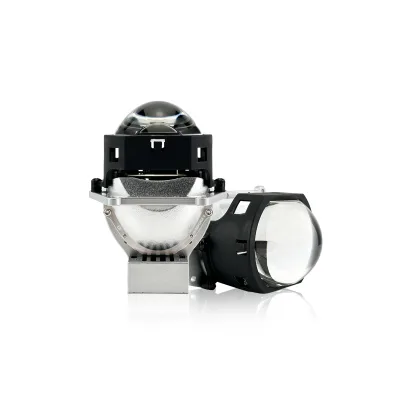
$28.7991 - $41.7582
MOQ: 1 pairs
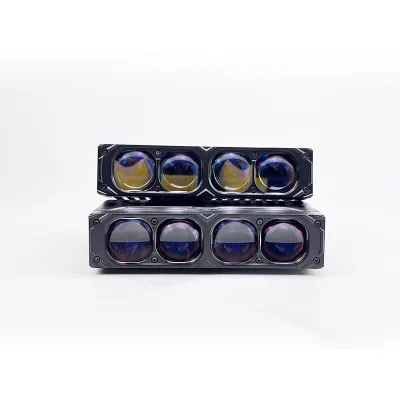
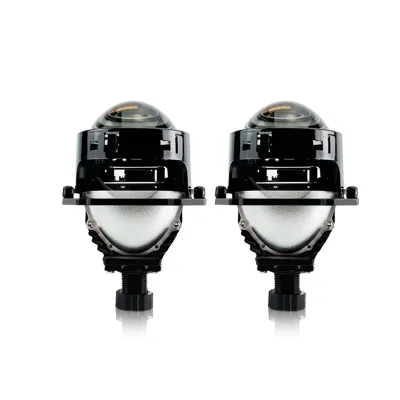
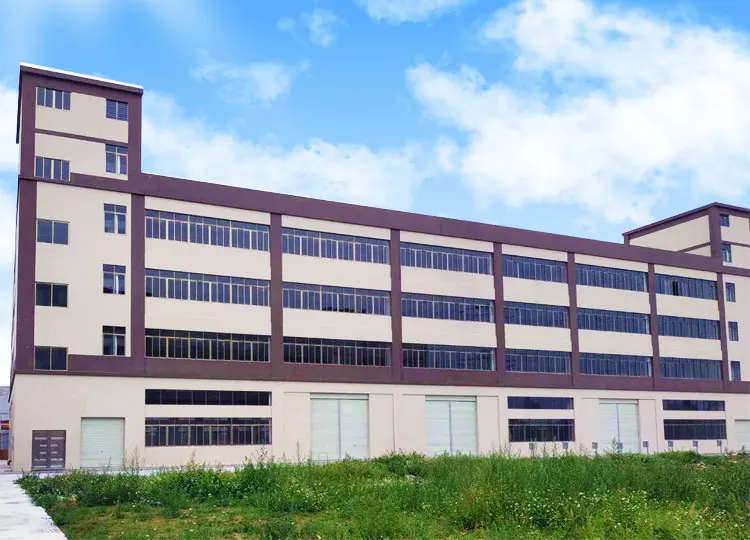
Zhongshan Hepai Electronic Technology Co., Ltd.
- Manufacturer, Trading Company
- Guangdong, China
- Lead time25 days
- Avg. response≤ 9h
Main productsMotorcycle Headlight,Auto LED Work Light,LED Bar Light,LED Car Headlight,led fog light
Main marketsSouth America(34.00%), Southeast Asia(34.00%), Domestic Market(15.00%), Eastern Europe(12.00%), Mid East(3.00%), North America(2.00%)
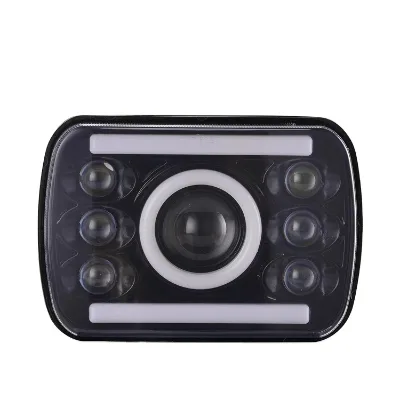
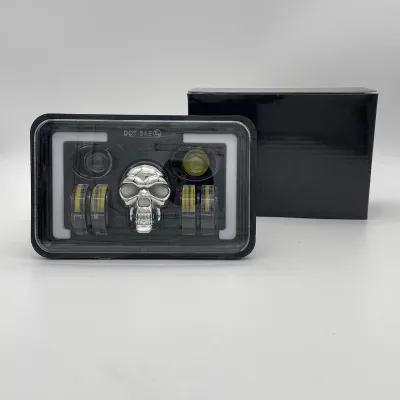
$9.7789 - $10.2913
MOQ: 300 pieces
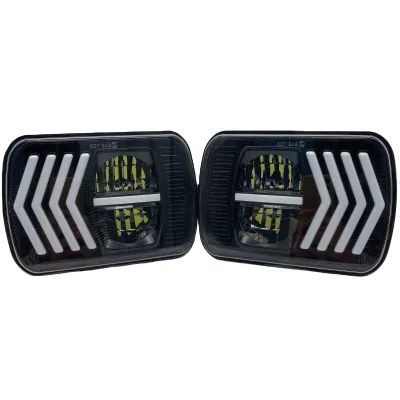
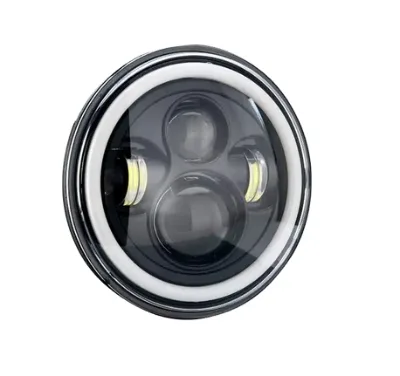
Good Quality Auto Headlight Projector DC12-24V Led Driving Light 7 Inch Led Headlight
$29.2425 - $29.7548
MOQ: 20 pieces
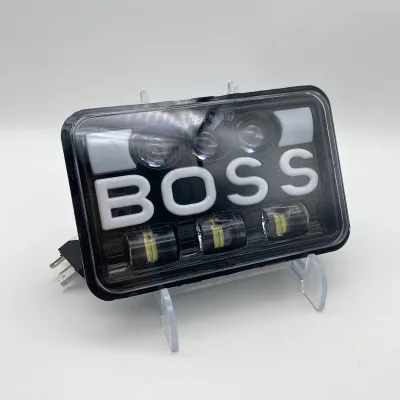
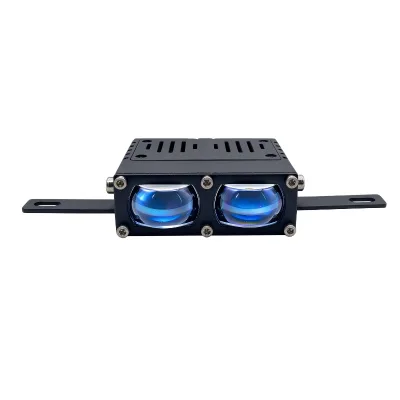

Changzhou Super Auto Parts Co., Ltd.
- Verified by CTI
- Combined
- China Jiangsu
- Lead time30 days
- Avg. response≤ 8h
Main productsAuto Lamp, Auto Mirror, Auto Parts, Bus Lamp, Bus Mirror, Bus Parts, Truck Light, Truck Mirror, Truck Parts, Bus Light
Main marketsSouth America,Southeast Asia/ Mideast,Europe,Australia

Beijing Songli Safety Product International Corp., Ltd.
- Verified by TUVRHEINLAND
- Trading Company
- China Beijing
- Lead time15 days
- Avg. response≤ 8h
Main productsHelmet, Safety Shoes, Gloves, Safety Glasses, Welding Mask, Reflective Vest, Rain Wear, Life Jacket, Gum Boots
Main marketsSouth America,Africa,Southeast Asia/ Mideast,Europe,Australia,North America

- Verified by BV
- Combined
- China Guangdong
- Lead time15 days
- Avg. response≤ 2h
Main productsAuto Headlight Bulb, Auto Miniature Bulb, LED Lighting, Halogen Headlamp, HID, Sealed Beam, Auto Part, Auto Fuse, Auto Car Light, Auto Lighting
Main marketsSoutheast Asia/ Mideast,East Asia(Japan/ South Korea),Europe,North America


3-Colors LED Projector Lens Headlight Dual Beam Spot Light Bi-LED Light
$39.99 - $41.69
MOQ: 100 Pairs


Dual Beam 3inch Spot Light LED Headlight Projector Lens Bi-LED Auto Light
$32.09 - $34.79
MOQ: 10 Pairs

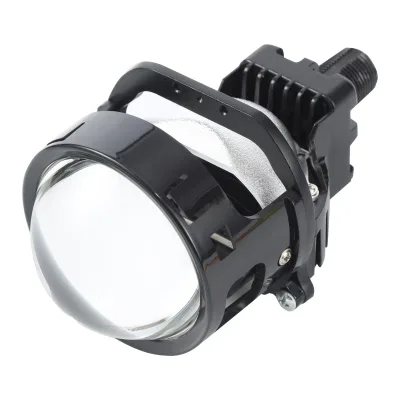
Factory-Direct LED Projector Lens Headlight Lights 2.5inch 12V 40W 7000lm Dual-Beam Reflector
$20.50 - $23.00
MOQ: 10 Pairs
Guangzhou Ilovecar Auto Parts Co., Ltd.
- Verified by TüVRheinland
- Trading Company
- Lead time7 days
- Avg. response≤ 8h
Main productsCar LED Projector, Car HID Projector, Car LED Fog Lights, Car Headlight, Car Headlight Ballast
Main marketsSoutheast Asia(20%), Eastern Europe(13%), Oceania(12%)
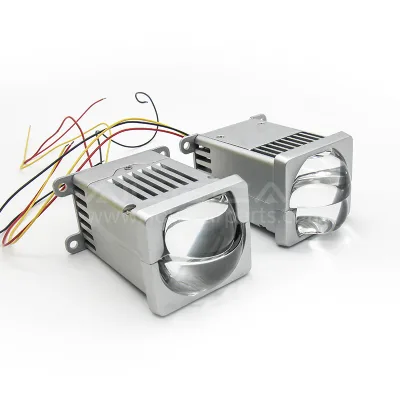
$38.00 - $40.00
MOQ: 2 pieces
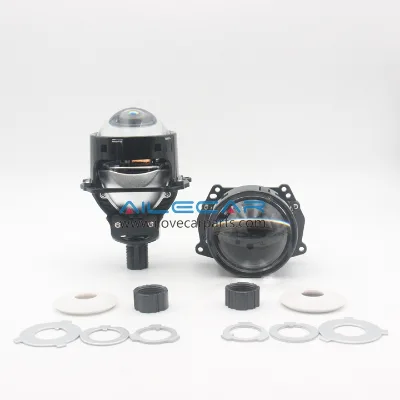
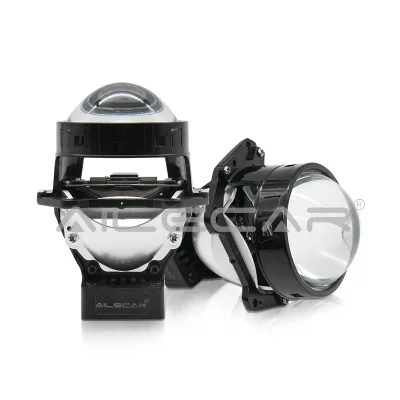
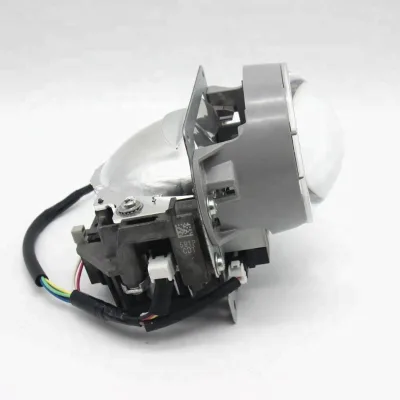
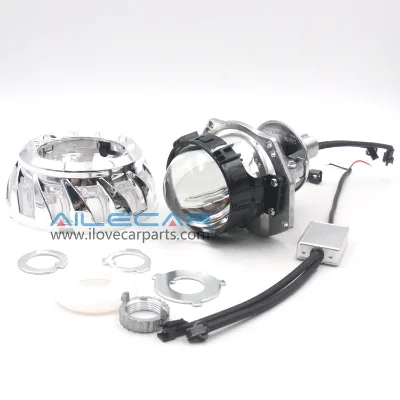
Fengfan Classic 3.0 Inch Headlight Projector Lens LED High Low Beam 47W 54W 5500K Projector Lens
$18.5078 - $20.563
MOQ: 1 pieces
Guangzhou Hongy Trading Co., Ltd.
- Trading Company
- guangdong, China
- Lead time10 days
- Avg. response≤ 2h
Main productsLED Headlight,car led light,3.0 bi led,Hid kit,hid ballast
Main marketsCentral America(30.00%), North America(30.00%), Mid East(20.00%), Western Europe(20.00%)
Guangzhou Aijiehe Electronic Technology Co., Ltd.
- Manufacturer, Trading Company
- Guangdong, China
- Lead time0 days
- Avg. response≤ 3h
Main productsLED work light,LED headlight,Motorcycle lamp,Led light Bar,LED T10 W5W
Main marketsWestern Europe(15.00%), Mid East(15.00%), South America(15.00%), Southern Europe(10.00%), Northern Europe(10.00%), North America(10.00%), South Asia(5.00%), Oceania(5.00%), Southeast Asia(5.00%), Central America(5.00%), Eastern Europe(5.00%), Eastern Asia(5.00%)

Foshan Guangdi Auto Lighting Co., Ltd
- Verified by SGS
- Combined
- China Guangdong
- Lead time30 days
- Avg. response≤ 6h
Main productsCar Light, Truck Light, Motorcycle Light, LED Headlight, Halogen Bulb, Brake Light, Turn Signal Light, Fog Light, Car Headlight, Truck Headlight
Main marketsSoutheast Asia/ Mideast,Domestic

3inch LED Projector Light with Adjustable Fog Light for Enhanced Visibility
$20.00 - $29.00
MOQ: 200 Pieces


Ningbo Beilun Haiyu Automotive Lamp Co., Ltd.
- Verified by Intertek
- Manufacturer, Trading Company
- Lead time0 days
- Avg. response≤ 6h
Main productsLED Auto Lamp
Main marketsOceania(40%), North America(30%), Africa(10%)
Guangzhou Dland Auto Parts Co., Ltd.
- Trading Company
- Guangdong, China
- Lead time5 days
- Avg. response≤ 11h
Main productsheadlight,tail light,led daylight,projector lens,other parts
Main marketsNorth America(22.00%), Mid East(12.00%), Western Europe(11.00%), Eastern Europe(11.00%), Domestic Market(10.00%), Southeast Asia(8.00%), South America(6.00%), Oceania(5.00%), Southern Europe(5.00%), Northern Europe(5.00%), Central America(5.00%)
Zhenjiang Huirong Import & Export Co., Ltd.
- Manufacturer, Trading Company
- Jiangsu, China
- Lead time30 days
- Avg. response≤ 5h
Main productsTwist Ties, Chenille Stems, Diy Accessories, Garden Accessories, Packing Labels
Main marketsNorth America(27.00%), Western Europe(15.00%), Southern Europe(13.00%), South America(10.00%), Domestic Market(8.00%), Southeast Asia(8.00%), Northern Europe(5.00%), Central America(4.00%), Oceania(3.00%), Eastern Asia(2.00%), Eastern Europe(2.00%), South Asia(1.00%), Africa(1.00%), Mid East(1.00%)
Yiwu Mase Auto Accessories Co., Ltd.
- Verified by TüVRheinland
- Trading Company
- Lead time20 days
- Avg. response≤ 3h
Main productsCar Headlight, Car Bodykit, Car Tail Light, Automotive Trim, Car Radiator
Main marketsMid East(45%), Africa(15%), North America(12%)
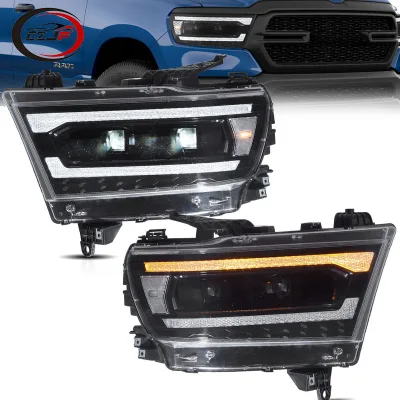
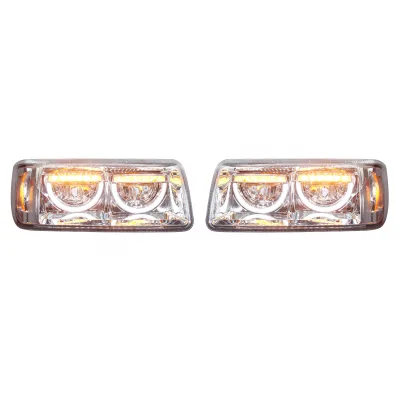
CZJF Factory Price LED Clear Projector Headlights for 1500 2019 2020 2021 2022 2023 2024
$340.00 - $380.00
MOQ: 2 pieces
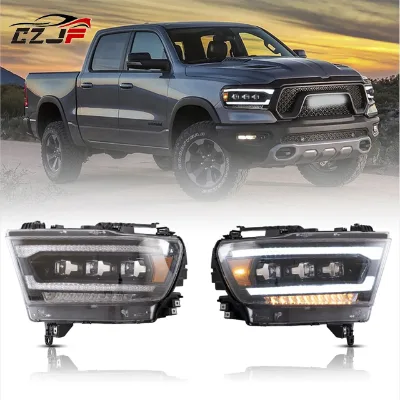
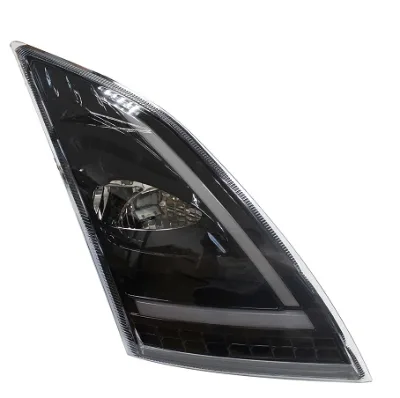
CZ LED Matrix Projector Headlights Black for 1500 5Th Gen (DT) 2019 2020 2021 2022
$465.2174 - $516.9074
MOQ: 1 pieces


Comprehensive Sourcing Guide
Projector Head Light Supplier Concentration and Factory Types
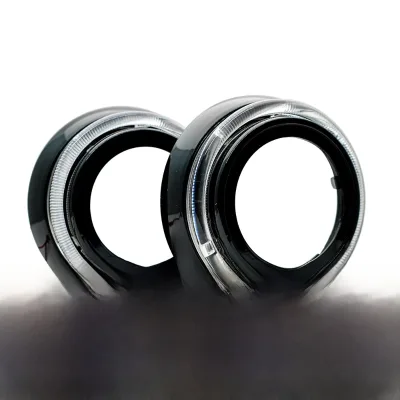
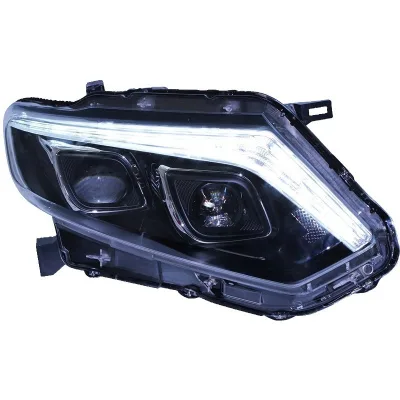
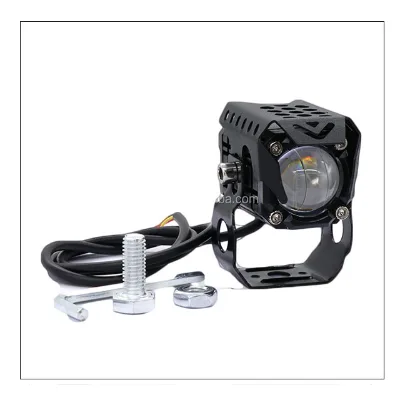
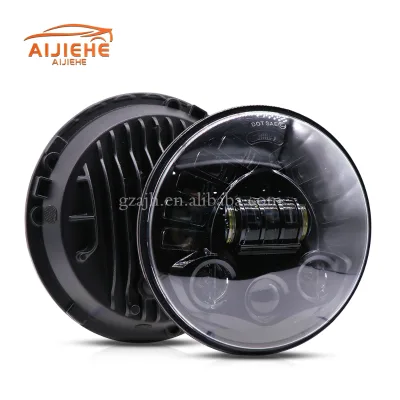
The current supplier landscape for projector head lights reveals a distinct concentration of manufacturing activity within Guangdong, China. This region serves as a critical hub for automotive lighting components, offering a dense ecosystem of factories that specialize in LED headlights, LED bulbs, and specialized projector kits. When evaluating potential partners, buyers will frequently encounter manufacturers rather than pure trading companies, as the primary results indicate a strong presence of direct production facilities. These entities typically list main products that include car LED headlights, car LED lights, and various LED bulbs, suggesting a broad capability to handle volume orders for standard and specialized lighting solutions. The prevalence of manufacturer-type entities in this cluster implies that buyers can often access more direct pricing and technical support compared to sourcing from intermediaries. However, the specific factory capabilities vary, with some focusing on universal fitment parts while others specialize in high-performance upgrades. Understanding this geographic and structural concentration helps buyers narrow their search to regions with established supply chains for automotive electronics and lighting assemblies.
Within this manufacturing cluster, the product portfolio often extends beyond simple replacement bulbs to include complex projector lens systems and dual-light projector configurations. Suppliers in this area frequently offer products categorized under Vehicle Parts & Accessories, specifically within Auto Lighting Systems and LED Headlights. The presence of items like Headlight Projector Bulbs and Laser Light-emitting Diode Projector Headlights indicates a mature technical environment capable of producing advanced optical components. Buyers should note that while many suppliers claim to be manufacturers, the actual production scale and quality control processes can differ significantly. Some factories may focus on high-volume, low-cost universal parts, while others might specialize in niche, high-lumen applications such as 6000 lm or 7500 lm projector kits. The diversity in product names, ranging from standard LED head lamps to strobe LED work lights, suggests that suppliers in this region have diversified their manufacturing lines to capture various segments of the automotive aftermarket. This variety allows buyers to source multiple lighting solutions from a single geographic region, potentially simplifying logistics and supplier management.
How to Verify Projector Head Light Suppliers
Verifying the legitimacy and capability of a Projector Head Light supplier requires a careful examination of their response times and communication efficiency. In the current market, response time is a critical indicator of operational health, with some suppliers demonstrating a response time of 3, which suggests a relatively quick turnaround for initial inquiries. Buyers should prioritize suppliers who maintain this level of responsiveness, as it often correlates with better customer service and more reliable order tracking. Additionally, the presence of specific product attributes, such as CE certification, provides a baseline for regulatory compliance. For instance, certain LED head lamps are listed with CE certification, indicating adherence to European safety and environmental standards. Buyers should request documentation to verify these certifications, as claiming compliance is not the same as possessing valid certificates. It is also essential to check the condition of the products, ensuring they are listed as New, and to review the warranty terms, which may range from 12 months to 24 months depending on the supplier and product line.
Beyond certifications and response times, buyers must scrutinize the technical specifications provided in the product attributes to ensure they match their requirements. Details such as voltage ranges, lumens output, and color temperature are crucial for compatibility and performance. For example, some projector kits operate on 12V-24V systems, while others may have a narrower 9V-16V range, which impacts their suitability for different vehicle types. The lumens output, such as 6000 lm or 7500 lm, directly affects brightness, and buyers should verify these claims against independent tests if possible. Furthermore, the place of origin, consistently listed as Guangdong, China, should be confirmed through business licenses or factory audits. Buyers should also look for evidence of quality control, such as high-quality material claims and specific model numbers like H4 or P80pro, which indicate standardized production. By cross-referencing these technical details with the supplier’s stated capabilities, buyers can build a more accurate picture of the supplier’s reliability and product quality before committing to an order.
What to Compare Across Projector Head Light Suppliers
When comparing suppliers, lead time and minimum order quantity (MOQ) are two of the most significant operational factors to evaluate. The current data shows a lead time of 5 days for some suppliers, which is a competitive advantage for buyers needing quick turnaround times. However, this lead time may vary based on order volume and customization requirements, so buyers should confirm the exact delivery schedule for their specific needs. Similarly, MOQs can differ widely, with some suppliers requiring a minimum of 100 units, while others may accept orders as low as 1 piece or 20 units. This flexibility is particularly useful for buyers testing the market or fulfilling small-scale orders. Buyers should also compare the price ranges, which currently span from approximately $18.50 to $31.99 per unit, depending on the product specifications and order volume. Understanding these cost structures helps in budgeting and determining the profitability of the sourcing decision.
In addition to logistical and cost factors, buyers should compare the specific product features and warranty terms offered by different suppliers. For instance, some LED head lamps come with a 24-month warranty, while others offer only 12 months, which reflects the supplier’s confidence in their product durability. The wattage and power consumption are also key differentiators, with products ranging from 25W effective power to 120W rated power. Buyers should assess whether the power output aligns with their vehicle’s electrical system and lighting needs. Furthermore, the beam pattern, such as spot or wide, and the lens type, such as projector, should be compared to ensure the desired lighting performance. Suppliers may also offer different color temperatures, such as 6000K or 6500K, which affect the visual appearance and visibility of the light. By systematically comparing these attributes, buyers can identify the supplier that best balances cost, quality, and performance for their specific application.
Common Projector Head Light Sourcing Risks
One of the primary risks in sourcing projector head lights is the discrepancy between advertised specifications and actual product performance. Buyers often encounter claims of high lumens, such as 6000 lm or 7500 lm, which may not be consistently verified. Without independent testing, it is difficult to confirm if the light output meets the stated values, potentially leading to underperformance in real-world applications. Additionally, the voltage compatibility can be a significant issue, as some products are rated for 12V-24V while others are limited to 9V-16V. If a buyer selects a product with an incompatible voltage range, it may fail to operate correctly or cause damage to the vehicle’s electrical system. Therefore, buyers must carefully review the voltage and power specifications to ensure they match their vehicle’s requirements. It is also important to verify the actual wattage, as some products may list a high rated power but have a lower effective power, affecting the overall brightness and efficiency.
Another risk is the variability in build quality and durability, which can impact the lifespan of the projector head lights. While some suppliers offer warranties of up to 24 months, others may only provide 12 months, indicating a difference in product reliability. Buyers should be cautious of products that lack detailed technical specifications or have vague descriptions of materials and construction. The single package size and gross weight can also provide clues about the build quality, with heavier items potentially indicating more robust components. However, buyers should not rely solely on these metrics and should seek additional evidence of quality, such as customer reviews or third-party test results. Furthermore, the risk of receiving counterfeit or non-compliant products is present, especially if the supplier does not provide valid certification documents. Buyers should insist on proof of CE certification or other relevant standards to mitigate this risk. By being vigilant about these potential issues, buyers can make more informed decisions and reduce the likelihood of sourcing problems.
Projector Head Light Regional Sourcing and Logistics
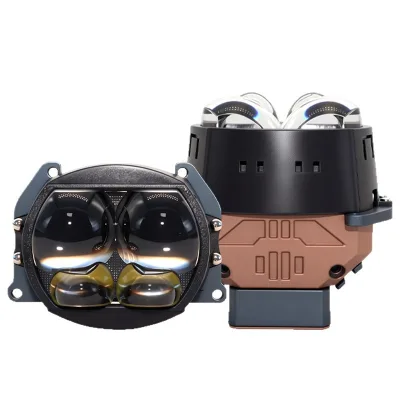
Sourcing projector head lights from Guangdong, China, offers logistical advantages due to the region’s established infrastructure for automotive parts and electronics. The concentration of manufacturers in this area facilitates efficient production and shipping, with many suppliers offering standardized packaging that simplifies handling. For example, some products have a single package size of 21.2X14.5X6.2 cm, while others may be larger, such as 30X10X16.4 cm for dual light projectors. Buyers should consider these dimensions when planning storage and shipping, as they impact the overall logistics cost. The gross weight per batch or unit is also a critical factor, with some items weighing 1.000 kg and others up to 15.000 kg for larger batches. Understanding these physical attributes helps buyers calculate freight costs and determine the most cost-effective shipping method. Additionally, the region’s proximity to major ports can reduce transit times, making it easier to receive orders quickly.
However, buyers must also account for potential logistical challenges, such as customs clearance and import regulations in their home country. While the products are manufactured in Guangdong, they must comply with the safety and environmental standards of the destination market. Buyers should ensure that the supplier provides all necessary documentation, including commercial invoices, packing lists, and certificates of origin, to facilitate smooth customs processing. The voltage and frequency standards in the destination country may also differ from those in China, so buyers should verify that the products are compatible with local electrical systems. For instance, some projector head lights are designed for 12V-24V systems, which are common in many countries, but buyers should confirm this to avoid compatibility issues. By planning for these logistical details, buyers can minimize delays and ensure that their orders arrive in good condition and ready for installation.
Projector Head Light Commercial Terms and Order Planning
Effective order planning for projector head lights requires a clear understanding of the commercial terms offered by suppliers, including payment methods and return policies. While specific payment terms are not detailed in the current data, buyers should negotiate favorable conditions, such as partial payments or escrow services, to protect their interests. The MOQ is a key factor in order planning, with some suppliers requiring a minimum of 100 units, which may be suitable for bulk buyers, while others accept smaller orders of 1 piece or 20 units, ideal for testing or small-scale projects. Buyers should align their order size with their inventory needs and cash flow constraints to avoid overstocking or stockouts. Additionally, the lead time of 5 days for some suppliers allows for rapid restocking, but buyers should confirm if this applies to all products or only specific items. Understanding these terms helps in creating a realistic procurement schedule and managing supplier relationships.
Price negotiation is another critical aspect of order planning, as the current price ranges from $18.50 to $31.99 per unit, depending on the product and order volume. Buyers should leverage their order size to negotiate better prices, especially if they are willing to commit to larger quantities. It is also important to consider the total cost of ownership, including shipping, taxes, and potential returns, when evaluating the final price. Buyers should request detailed quotes that break down these costs to ensure transparency. Furthermore, the warranty terms, ranging from 12 to 24 months, should be factored into the cost analysis, as a longer warranty may reduce long-term maintenance costs. By carefully planning their orders and negotiating favorable commercial terms, buyers can optimize their sourcing strategy and achieve better value from their supplier partnerships. This approach ensures that the procurement process
FAQs
What is the typical lead time for projector head lights?
The typical lead time for these items is 5 days. This duration allows manufacturers to process orders and prepare shipments efficiently. Buyers should confirm specific timelines with suppliers before placing large orders to ensure timely delivery for their projects.
What is the minimum order quantity for LED headlights?
The minimum order quantity varies by product type. Some items require a minimum of 100 pieces, while others may accept orders as low as 20 pieces or even 1 piece. Always check the specific MOQ listed for the product you intend to purchase.
Where are these projector head lights manufactured?
These projector head lights are manufactured in Guangdong, China. This region is a major hub for automotive lighting production. Buyers sourcing from this location can expect access to a wide variety of models and competitive pricing due to the established supply chain infrastructure.
What certifications do these LED headlights have?
Many of these LED headlights carry CE certification. This indicates compliance with European health, safety, and environmental protection standards. Buyers should verify specific certification documents with the supplier to ensure the products meet the regulatory requirements of their target market.
What is the response time for supplier inquiries?
The typical response time for supplier inquiries is 3 hours. This quick turnaround helps buyers get necessary information about product specifications and pricing promptly. Fast communication is essential for resolving questions about compatibility, shipping, and customization options during the sourcing process.
What is the price range for projector head lights?
Prices for projector head lights range from approximately $18.50 to $31.99 per unit. The final cost depends on the specific model, features, and order quantity. Buyers should request detailed quotes to understand the total cost including shipping and any applicable taxes or duties.