Modular Aluminum Alloy DJ Table Suppliers and Manufacturers
Compare 28 verified suppliers offering Modular Aluminum Alloy DJ Table units with varying lead times, response speeds, and load capacities. Review specifications like tube thickness and assembly methods to select the right vendor for your event needs; review the available evidence before requesting comparable quotations from suitable candidates.
Updated
Suppliers List
Foshan Dragon Stage Equipment Co., Limited
- Manufacturer
- Guangdong, China
- Lead time10 days
- Avg. response≤ 6h
Main productsaluminum Stage,aluminum Truss,aluminum Scaffolding,event equipment,event lighting
Main marketsSouth America(11.00%), Western Europe(10.00%), Domestic Market(10.00%), Oceania(10.00%), Central America(9.00%), Mid East(8.00%), South Asia(8.00%), North America(7.00%), Northern Europe(6.00%), Africa(6.00%), Southeast Asia(6.00%), Southern Europe(5.00%), Eastern Asia(3.00%), Eastern Europe(1.00%)

FOSHAN DRAGON STAGE EQUIPMENT CO.,LTD
- Combined
- China Guangdong
- Lead time15 days
- Avg. response≤ 10h
Main productsTruss, Flight Case, Stage, Lighting Truss, Layer Truss, Truss Manufacturer, Box Truss, Stage Truss, Moving Stage, Performance Equipment
Main marketsSouth America,Africa,Southeast Asia/ Mideast,East Asia(Japan/ South Korea),Domestic,Europe,Australia,North America
Foshan Jiayi Technology Co., Ltd.
- Manufacturer, Trading Company
- Guangdong, China
- Lead time7 days
- Avg. response≤ 2h
Main productsAluminum Truss,Portable Stage,Aluminum Barrier,Lifting Tower,Lighting Truss
Main marketsSoutheast Asia(30.00%), Domestic Market(20.00%), Mid East(10.00%), North America(10.00%), Africa(10.00%), Oceania(5.00%), Western Europe(5.00%), Eastern Asia(5.00%), South Asia(3.00%), Central America(2.00%)
Guangzhou Guofeng Stage Equipment Co., Ltd.
- Verified by TüVRheinland
- Manufacturer, Trading Company
- Lead time15 days
- Avg. response≤ 4h
Main productsTruss Lift Tower, Stage, LED Ground Support, Truss Displays, Barrier
Main marketsNorth America(30%), Africa(20%), Mid East(15%)

Guangzhou Geliang Lighting Technology Co., Ltd.
- Verified by SGS
- Combined
- China Guangdong
- Lead time15 days
- Avg. response≤ 6h
Main productsLED Stage Light/Stage Lighting, LED Stage Lighting, LED Dance Floor, DMX Controller, LED Indoor and Outdoor Display Screen, LED PAR Can/LED PAR Light, Moving Head Light, LED Wall Washer, LED DMX Tube, LED Moving Head Light
Main marketsAfrica,Southeast Asia/ Mideast,Europe,Australia,North America

Portable Modular RGB LED DJ Table Dynamic Lighting DJ Booth for Bar Wedding Stage
$409.00 - $429.00
MOQ: 1 Pieces


Customize Revolving Lifting LED DJ Stage Table for Night Club Events
$1900.00 - $2500.00
MOQ: 1 Pieces


Guangzhou Landluck Truss Stage Co., Ltd
- Verified by TUVRHEINLAND
- Trading Company
- China Guangdong
- Lead time30 days
- Avg. response≤ 1h
Main productsTruss Stage, Barries, Flight Case
Main marketsDomestic
Guangzhou Can Win Electronic Technology Co., Ltd.
- Manufacturer
- Guangdong, China
- Lead time15 days
- Avg. response≤ 4h
Main productsStage Truss,Flight Case,Stage Lighting,Electric chain hoists,Stage Effect
Main marketsNorth America(30.00%), South America(20.00%), Western Europe(15.00%), Eastern Europe(5.00%), Northern Europe(5.00%), Mid East(5.00%), Oceania(5.00%), Africa(5.00%), Southern Europe(5.00%), Eastern Asia(3.00%), Southeast Asia(2.00%)

Guangzhou Sgaier Truss Co., Ltd
- Verified by BV
- Manufacturer/Factory
- China Guangdong
- Lead time15 days
- Avg. response≤ 3h
Main productsTruss, Stage, Barrier, Flight Case, Bleachers, Aluminum Truss, Lighting Truss, Tent, Steel Structure, Portable Bar
Main marketsSouth America,Eastern Europe,Mid East,North America,Southeast Asia,Eastern Asia,Oceania,Western Europe,Africa

Foshan Nanhai Epe Truss Stage Equipment Co., Ltd
- Manufacturer/Factory
- China Guangdong
- Lead time23 days
- Avg. response≤ 10h
Main productsTruss Stage, Stage Truss, Portable Barrier, Scaffolding, Light Stands, Speaker Podium, Hoist, Rigging, Power Cabling, Stage Carpets
Main marketsSouth America,Eastern Europe,Mid East,North America,Southeast Asia,Eastern Asia,Oceania,Western Europe,Africa


$40.00 - $50.00
MOQ: 1 Meters
- Trading Company
- Hong Kong S.A.R.
- Lead time0 days
- Avg. response≤ 4h
Main productsstage,truss,flight case,pipe drape,crowd barrier
Main marketsSoutheast Asia(40.00%), North America(30.00%), South America(5.00%), Africa(5.00%), Northern Europe(5.00%), Western Europe(5.00%), Southern Europe(4.00%), Mid East(2.00%), Eastern Asia(2.00%), Eastern Europe(2.00%)
Guangzhou Flyko Stage Equipment Co., Ltd.
- Verified by SGS Group
- Manufacturer, Trading Company
- Lead time7 days
- Avg. response≤ 2h
Main productsPar light, LED kinetic ball, LED curtain, LED dance floor, Truss system
Main marketsNorth America(30%), South America(20%), Africa(10%)
Shenzhen Events Technology Co., Ltd.
- Manufacturer
- Guangdong, China
- Lead time15 days
- Avg. response≤ 3h
Main productsPipe and drape,Stage,Truss,LED dance floor
Main marketsWestern Europe(20.00%), North America(20.00%), Central America(10.00%), South America(10.00%), Southern Europe(8.00%), Mid East(7.00%), Southeast Asia(5.00%), Oceania(5.00%), South Asia(4.00%), Eastern Europe(4.00%), Northern Europe(3.00%), Eastern Asia(2.00%), Africa(2.00%)
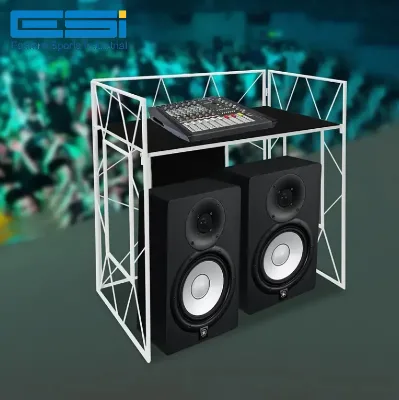
Aluminum DJ Booth Table Music Aluminum Assembly Stage Platform for Outdoor Concert Dj Booth
$92.4044 - $205.342
MOQ: 10 meters
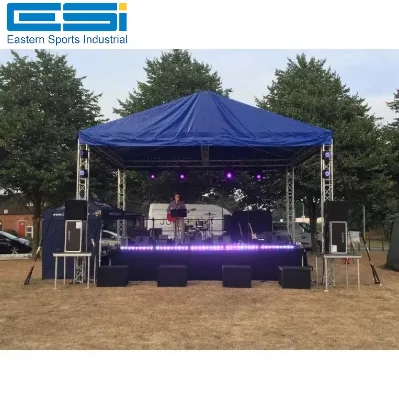
$102.671 - $154.0073
MOQ: 1 meters
Foshan Nanhai Bingo Case Factory
- Manufacturer, Trading Company
- Lead time旺季: "1 - 100":31,"101 - 500":33,"> 500":"To be negotiated", 淡季: "1 - 100":31,"101 - 500":33,"> 500":"To be negotiated"
- Avg. response≤ 8h
Main productsAluminum Case, Makeup Case, Flight Case, Tool Case, Foam Case
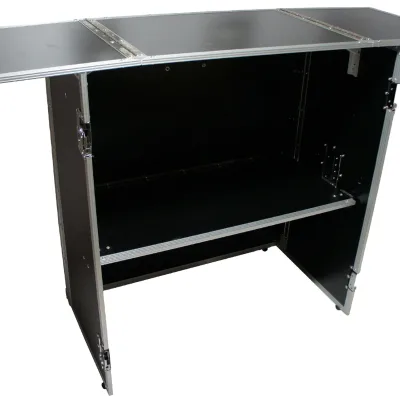
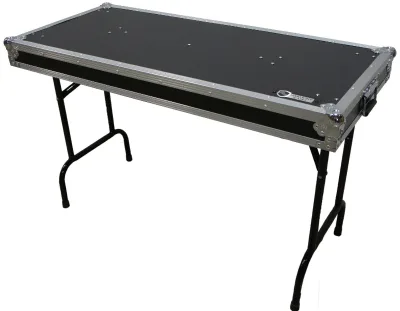
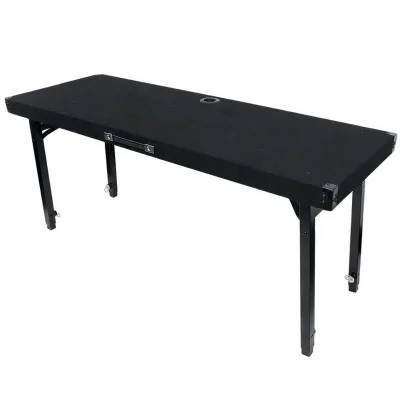
Portable 48" Wide DJ Workstation Table 30" Height
$19.80 - $22.20
Shenzhen Kkmark Event Co., Ltd.
- Manufacturer, Trading Company
- Lead time旺季: "1 - 300":15,"> 300":"To be negotiated", 淡季: "1 - 300":15,"> 300":"To be negotiated"
- Avg. response≤ 2h
Main productsAluminum Truss, Staging, Truss Clamps, Flight Cases, Power Cable
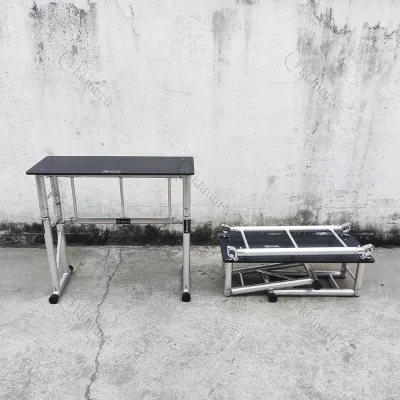
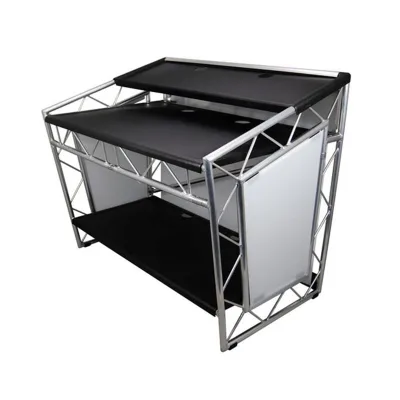
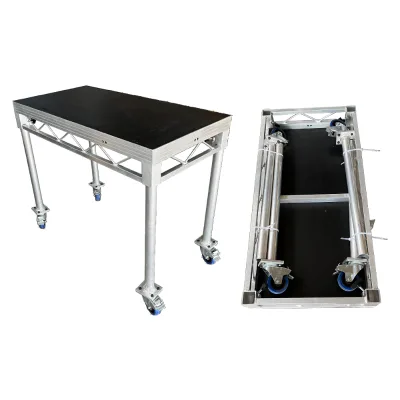
Custom Mobile Aluminum DJ Stand for Party and Bar
$132.00 - $154.00
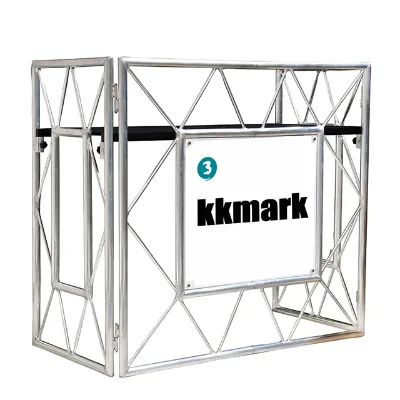
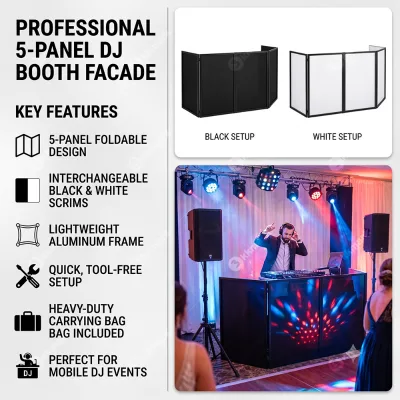

Zhaoqing Glory Truss Equipment Co., Ltd.
- Verified by SGS
- Combined
- China Guangdong
- Lead time15 days
- Avg. response≤ 7h
Main productsAluminum Truss, Aluminum Stage, Layer Truss, Layer Stage, Aluminum Barrier, Aluminum Scaffolding, Crank Stand
Main marketsAfrica,Southeast Asia/ Mideast

Fold Deck DJ Podium Equipment Aluminium Alloy Portable Stage for Outdoor Performance
$50.00 - $80.00
MOQ: 30 Square Meters

Truss Stand Booth Desk Portable Folding DJ Table for LED Screen Display
$230.00 - $300.00
MOQ: 1 Pieces

Portable Stage Lighting Truss Movable Desk Quick Install Booth Portable DJ Table
$200.00 - $280.00
MOQ: 1 Pieces

Guangzhou Pente Tent Decoration Engineering Co., Ltd(Ferult)
- Manufacturer/Factory
- China Guangdong
- Lead time23 days
- Avg. response≤ 1h
Main productsTent, Marquee Tent, Dome Tent, Aluminium Pergola, Pergola, Marquee, Awning
Main marketsSouth America,Mid East,North America,Africa

$35.00 - $40.00
MOQ: 50 Meters

Aluminum Truss DJ Table Stage Podium Speaker Stand DJ Booth Lighting Table Shelf Stage Truss
$35.00 - $40.00
MOQ: 50 Meters
Guangzhou Cinow Electronic Technology Co., Ltd.
- Manufacturer, Trading Company, Distributor/Wholesaler
- Guangdong, China
- Lead time15 days
- Avg. response≤ 4h
Main productsDigital Speaker Processor,DSP Module,line array,Concert Stage,Aluminum Truss
Main marketsSouth America(20.00%), Western Europe(20.00%), North America(15.00%), Southeast Asia(15.00%), Eastern Europe(15.00%), Northern Europe(5.00%), Central America(5.00%), Africa(5.00%)
Guangzhou Fengsheng Performance Equipment Co., Ltd.
- Verified by TüVRheinland
- Manufacturer, Trading Company
- Lead time10 days
- Avg. response≤ 2h
Main productsAluminum Truss, Stage Tabale, Tent Roof Truss
Main marketsMid East(25%), Southeast Asia(20%), Africa(20%)
Foshan Jaguar Furniture Co., Ltd.
- Manufacturer, Agent, Business Service (Transportation, finance, travel, Ads, etc)
- Guangdong, China
- Lead time15 days
- Avg. response≤ 1h
Main productsFurniture,Restaurant furniture,Hotel furniture,school furniture,outdoor furniture
Main marketsAfrica(20.00%), North America(15.00%), South America(15.00%), Central America(10.00%), Northern Europe(5.00%), Southeast Asia(5.00%), South Asia(5.00%), Eastern Asia(5.00%), Domestic Market(5.00%), Mid East(5.00%), Southern Europe(5.00%), Oceania(2.00%), Eastern Europe(2.00%), Western Europe(1.00%)
Guangzhou Huadu Top Stage Light Equipment Factory
- Verified by TüVRheinland
- Manufacturer, Trading Company
- Lead time15 days
- Avg. response≤ 3h
Main productsLED Dance Floor, LED Screen
Main marketsNorth America(30%), Eastern Europe(15%), South America(10%)
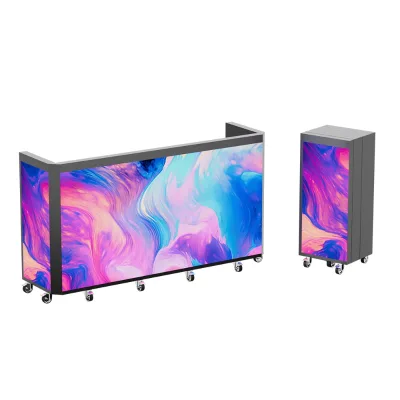
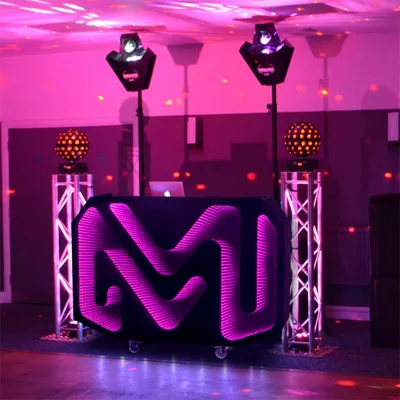
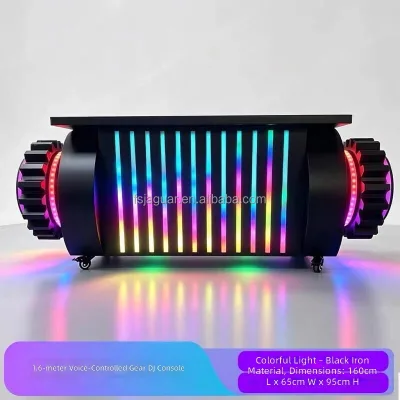
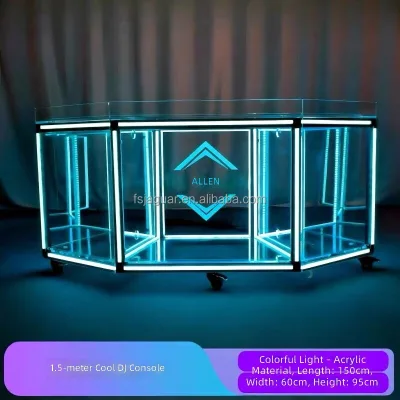
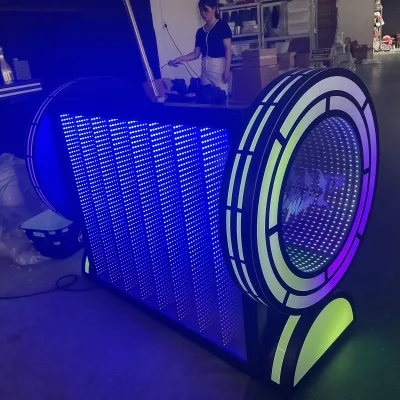
Led 3d Infinity Dj Station Desk Stand Table Cabina De Dj Booth for Night Club
$688.00 - $1098.00
MOQ: 1 pieces

Shenzhen Kkmark Event Co., Ltd.
- Manufacturer, Trading Company, Distributor/Wholesaler
- Guangdong, China
- Lead time20 days
- Avg. response≤ 4h
Main productsAluminum truss,truss clamps,Flight Road Cases,event stage,plastic HDPE flight case
Main marketsNorth America(50.00%), Oceania(20.00%), Eastern Europe(10.00%), Southeast Asia(5.00%), South Asia(4.00%), Domestic Market(2.00%), South America(2.00%), Mid East(1.00%), Africa(1.00%), Southern Europe(1.00%), Northern Europe(1.00%), Central America(1.00%), Western Europe(1.00%), Eastern Asia(1.00%)
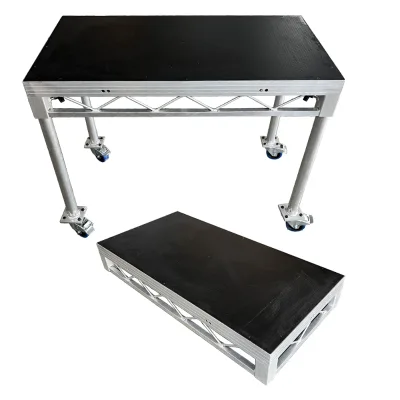
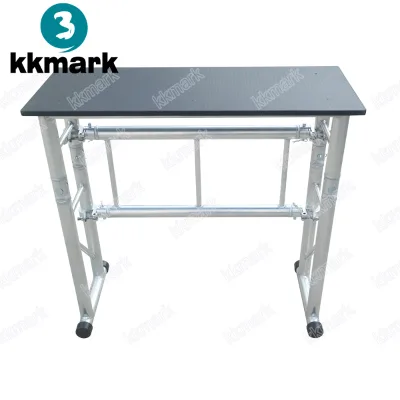
Movable Quick Install Folding Dj Equipment Truss Table for Bar,club
$113.6152 - $266.7216
MOQ: 1 Minimum
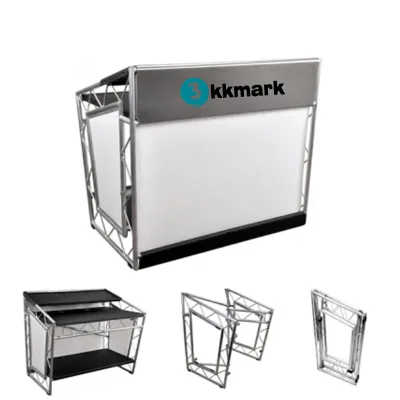
Used Aluminum Truss Light Weight Portable Foldable Table Dj Booth Stand
$281.1914 - $475.4693
MOQ: 5 pieces
Ballet Star Technology (Guangzhou) Co., Ltd.
- Manufacturer, Trading Company, Distributor/Wholesaler
- Guangdong, China
- Lead time10 days
- Avg. response≤ 4h
Main productsSpecial effect equipment,Entertainment equipment,stage lighting,Intelligent electric appliance,Disinfection products
Main marketsMid East(20.00%), Northern Europe(20.00%), South America(20.00%), North America(20.00%), Western Europe(6.00%), Oceania(5.00%), Eastern Europe(5.00%), Eastern Asia(4.00%)
Ningbo Lesound Electronics Co., Ltd.
- Verified by Intertek
- Manufacturer, Trading Company
- Lead time35 days
- Avg. response≤ 5h
Main productsStands, Cables, Microphone, Headphone, Speaker
Main marketsNorth America(40%), Domestic Market(30%), Western Europe(10%)
Shenzhen Fantasy View Technology Co., Ltd.
- Verified by Intertek
- Manufacturer, Trading Company
- Lead time15 days
- Avg. response≤ 2h
Main productsFloor Stand Digital Signage, 360 Photo Booth, Smart Whiteboard, LED Digital Signage
Main marketsNorth America(80%), Eastern Europe(7%), South America(5%)
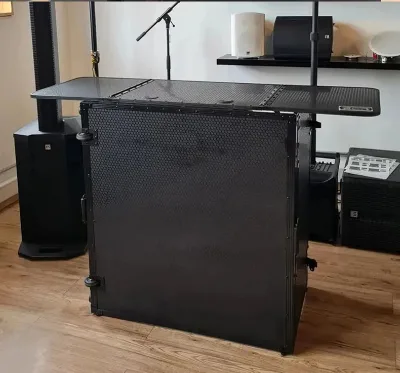
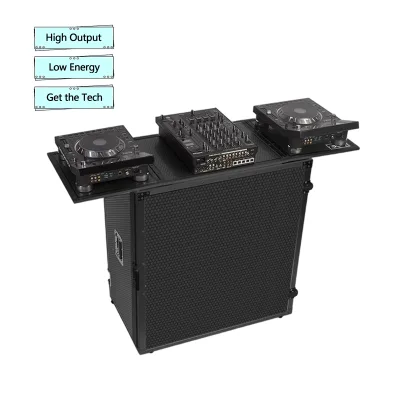
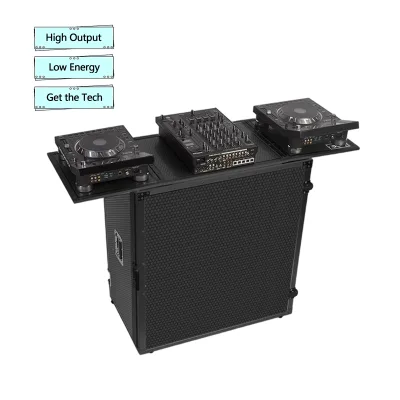
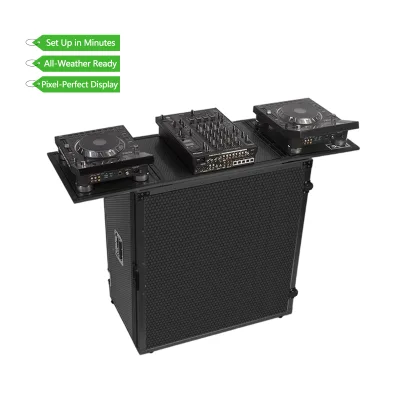
Dj Flight case Folding Portable Dj Table Top Quality
$680.00 - $725.00
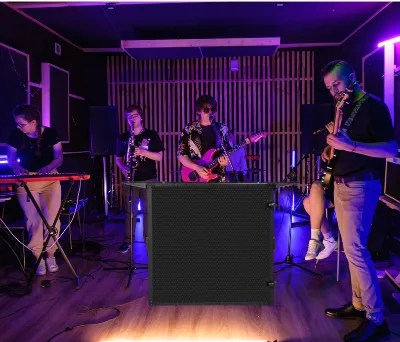
DJ Pro Event Foldable Portable DJ Table Bar Counter Displays Booth
$680.00 - $725.00
Dongguan Haiyixing Technology Co., Ltd.
- Trading Company
- Guangdong, China
- Lead time15 days
- Avg. response≤ 2h
Main productsLED Bottle Glorifier,Ice Bucket,Luminous Fruit Tray,Party supplies,LED Menu
Main marketsNorth America(50.00%), South Asia(5.00%), Southern Europe(5.00%), Northern Europe(5.00%), Western Europe(5.00%), Eastern Asia(5.00%), Oceania(5.00%), Africa(5.00%), Southeast Asia(5.00%), Eastern Europe(5.00%), South America(5.00%)
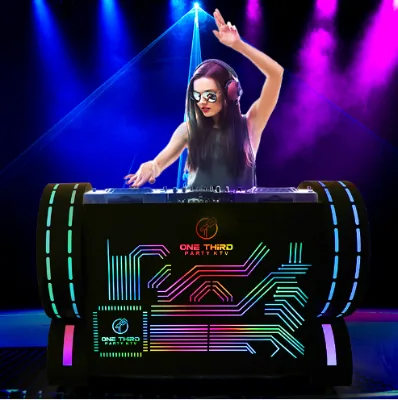
$300.00 - $378.00
MOQ: 2 pieces
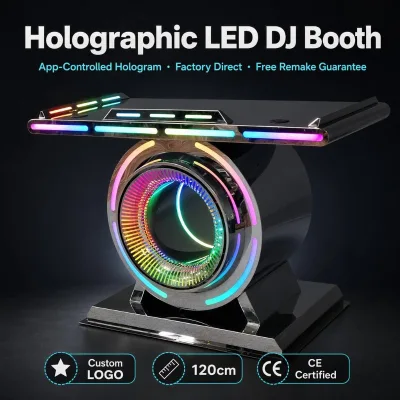
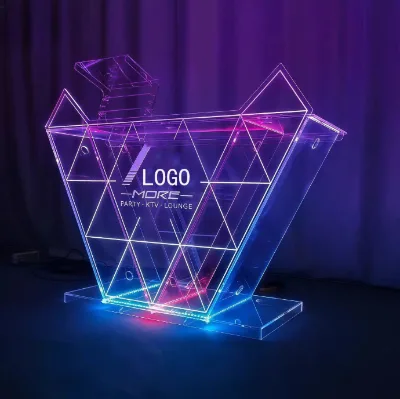
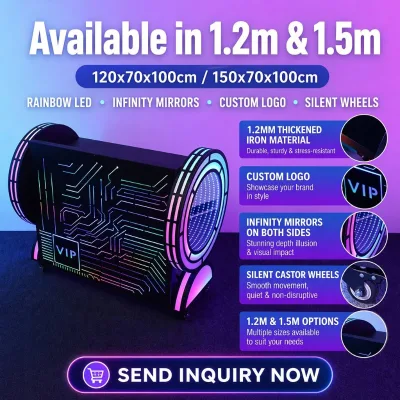
$434.7954 - $595.2544
MOQ: 1 Minimum

Shenzhen Fantasy View Technology Co., Ltd.
- Verified by CTI
- Combined
- China Guangdong
- Lead time15 days
- Avg. response≤ 3h
Main productsDigital Signage, Photo Booth, Outdoor Display, Interactive Whiteboard, 3D Hologram Fan, 360 Photo Booth, Mirror Photo Booth, LED Digital Signage, LCD Digital Signage
Main marketsSouth America,Africa,Southeast Asia/ Mideast,East Asia(Japan/ South Korea),Domestic,Europe,Australia,North America

$1378.00 - $1876.00
MOQ: 1 Pieces

$467.00 - $1399.00
MOQ: 1 Pieces

Dongguan Awesome Technology Co., Ltd.
- Manufacturer
- Guangdong, China
- Lead time10 days
- Avg. response≤ 4h
Main productsLED Furniture, LED Table, LED Chair, LED Sofa, LED Light,, LED Flower
Main marketsNorth America(20.00%), South America(15.00%), Mid East(15.00%), Western Europe(10.00%), Eastern Europe(10.00%), Oceania(9.00%), Southern Europe(5.00%), Central America(5.00%), Southeast Asia(5.00%), Eastern Asia(2.00%), Northern Europe(2.00%), South Asia(1.00%), Domestic Market(1.00%)
- Verified by SGS Group
- Manufacturer, Trading Company
- Lead time15 days
- Avg. response≤ 3h
Main productsDance Floor, Stage, Stage Lighting, Pipe Drape
Main marketsNorth America(50%), Southeast Asia(10%), Eastern Europe(5%)






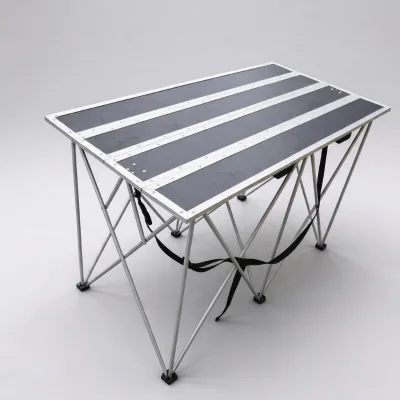
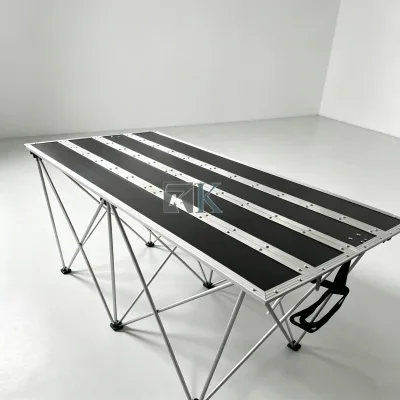
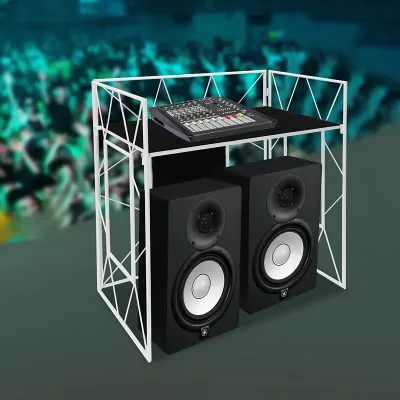
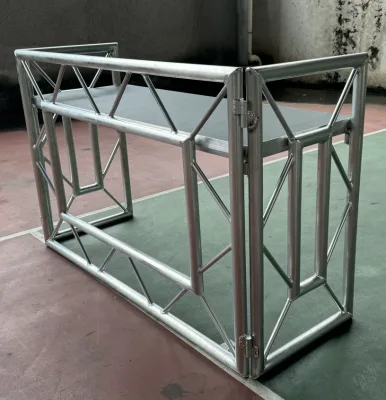


Comprehensive Sourcing Guide
Modular Aluminum Alloy DJ Table Supplier Concentration and Factory Types
The sourcing landscape for modular aluminum alloy dj tables is heavily concentrated in specific manufacturing hubs, with Guangdong, China emerging as a primary cluster for these specialized event equipment components. This regional concentration is not arbitrary; it stems from a mature supply chain ecosystem that supports the extrusion, machining, and assembly of high-grade aluminum alloys like 6061 and 6061-T6. Buyers evaluating suppliers will often find that manufacturers in this region possess the necessary infrastructure to produce complex modular structures, including the precise welding and screw connections required for stable dj booth frames. The density of suppliers in this area facilitates rapid prototyping and bulk production, making it a critical zone for sourcing high-volume orders. However, the presence of a location label does not guarantee that every supplier in the search results is a direct factory. Some entities may operate as trading companies or combined entities that source from multiple workshops. Therefore, while the geographic concentration is a strong indicator of capability, buyers must look beyond the location tag to understand the actual operational model of the supplier they are engaging with.
Understanding the distinction between pure manufacturers and combined entities is crucial for assessing the reliability of your supply chain. The data indicates that while many suppliers identify as manufacturers, others are classified as combined types, which may include trading companies or firms that offer both manufacturing and trading services. This distinction impacts your negotiation leverage, communication efficiency, and quality control processes. A pure manufacturer typically has direct oversight over the production line, allowing for stricter control over material specifications, such as the thickness of main tubes and braces. In contrast, a trading company might offer a broader range of products but could introduce additional layers of communication and potential variability in quality. Buyers should prioritize suppliers who explicitly state their company type and align it with their procurement goals. If you require deep customization or strict adherence to specific engineering drawings, a manufacturer with in-house R&D and production capabilities is often preferable. Conversely, if you need a diverse catalog of event equipment, a combined supplier might offer more convenience, though at the potential cost of reduced direct oversight.
How to Verify Modular Aluminum Alloy DJ Table Suppliers
Verifying the authenticity and capability of a supplier requires a multi-layered approach that goes beyond surface-level profile information. One of the most effective methods is to request and scrutinize specific product evidence, such as detailed technical drawings, material certificates, and third-party test reports. For modular aluminum dj tables, the material composition is critical; suppliers should be able to confirm the use of Aluminum 6061 or 6061-T6, which offers the necessary strength-to-weight ratio for portable structures. Buyers should ask for proof of these material specifications, such as mill certificates or lab test results, to ensure the aluminum meets industry standards for durability and load-bearing capacity. Additionally, examining the supplier’s response time can provide indirect evidence of their operational efficiency. A supplier with a consistently fast response time, such as those indicating a response time of six hours or less, often demonstrates a more organized internal workflow and better customer service infrastructure. This responsiveness is particularly important when discussing technical details or resolving issues during the production phase.
Another vital verification step involves checking for relevant certifications and quality management systems. Suppliers who hold certifications like ISO9001:2015 or TUV have undergone rigorous audits of their production and quality control processes. These certifications are not just badges; they represent a systematic approach to maintaining consistency in product quality, which is essential for modular components that must fit together precisely. Buyers should request copies of these certificates and verify their validity through the issuing bodies. Furthermore, examining the supplier’s main products can reveal their specialization. A supplier whose primary focus is on aluminum trusses, stages, and event equipment is likely to have more expertise in dj booth tables than a generalist trading company. By cross-referencing these certifications, response metrics, and product focus, buyers can build a comprehensive picture of the supplier’s reliability. This due diligence helps mitigate the risk of engaging with suppliers who may lack the necessary technical expertise or quality control measures to deliver high-standard modular aluminum dj tables.
What to Compare Across Modular Aluminum Alloy DJ Table Suppliers
When evaluating multiple suppliers, it is essential to compare key operational metrics that directly impact your project timeline and budget. Lead time is a critical factor, as it determines how quickly you can receive your order. Suppliers may offer varying lead times, ranging from seven days to fifteen days or more, depending on their current production load and inventory levels. Buyers should clearly define their delivery requirements and compare how each supplier’s lead time aligns with their project schedule. Additionally, the minimum order quantity (MOQ) is another significant comparison point. Some suppliers may have an MOQ of just one unit, making them suitable for small-scale or trial orders, while others may require larger volumes to justify production runs. Understanding these MOQs helps buyers assess the flexibility of each supplier and determine which one best fits their order size and business model. Comparing these metrics side-by-side allows for a more objective evaluation of each supplier’s suitability for your specific needs.
Beyond lead times and MOQs, buyers should also compare the technical specifications and customization options offered by each supplier. The modular design of dj tables often requires specific dimensions, load-bearing capacities, and assembly methods. Suppliers may offer different brace thicknesses, main tube diameters, and connection types, such as screw connections or welding. Buyers should request detailed specifications for each supplier’s products and compare them against their technical requirements. For instance, if your project requires a high load-bearing capacity, you should prioritize suppliers who explicitly state their maximum loading capabilities, such as 600kg/m2 or higher. Additionally, consider the supplier’s ability to offer OEM or ODM services if you require custom branding or unique design features. By systematically comparing these technical and operational attributes, buyers can identify the supplier that offers the best balance of quality, flexibility, and value. This comparative analysis ensures that you select a partner who can meet your specific technical and logistical requirements.
Common Modular Aluminum Alloy DJ Table Sourcing Risks
One of the primary risks in sourcing modular aluminum dj tables is the potential discrepancy between advertised specifications and actual product quality. Suppliers may claim to use high-grade aluminum alloys, but without proper verification, there is a risk of receiving products made from inferior materials that do not meet the required strength standards. This can lead to structural failures, especially under heavy loads or during frequent assembly and disassembly. Buyers must be vigilant in verifying material certifications and conducting independent quality checks upon receipt. Another significant risk is the inconsistency in modular component fit. Since these tables rely on precise connections between tubes and braces, any deviation in manufacturing tolerances can result in loose or misaligned parts, compromising the stability of the structure. This risk is heightened when sourcing from suppliers with less rigorous quality control processes. Buyers should request samples or detailed dimensional data to ensure that the modular components fit together seamlessly before committing to large orders.
Communication and cultural barriers can also pose substantial risks, particularly when dealing with international suppliers. Misunderstandings regarding technical specifications, delivery terms, or payment conditions can lead to costly errors and delays. Buyers should establish clear and detailed communication channels, using written confirmations for all critical agreements. Additionally, the risk of intellectual property infringement is a concern, especially if you are working with custom designs. Suppliers may inadvertently or intentionally share your designs with other clients, undermining your competitive advantage. To mitigate this risk, buyers should consider using non-disclosure agreements and working with suppliers who have a strong reputation for respecting intellectual property rights. Furthermore, logistical risks, such as damage during transit, are common with large and bulky items like dj tables. Buyers should ensure that suppliers use appropriate packaging, such as air bubble film or sturdy crates, to protect the products during shipping. By proactively addressing these risks, buyers can safeguard their investments and ensure a smoother sourcing process.
Modular Aluminum Alloy DJ Table Regional Sourcing and Logistics
Sourcing from regional hubs like Guangdong, China, offers logistical advantages due to the concentration of manufacturing facilities and established export infrastructure. This region benefits from proximity to major ports, facilitating efficient shipping of heavy and bulky items like aluminum dj tables. Buyers should consider the impact of shipping costs and transit times when selecting a supplier. While local suppliers may offer faster production times, international shipping can add significant lead time and cost to the overall procurement process. Buyers should work with suppliers who have experience in international logistics and can provide accurate shipping quotes and estimated delivery times. Additionally, understanding the packaging requirements is crucial to prevent damage during transit. Suppliers in this region often use standardized packaging methods, such as air bubble film or custom crates, to protect the modular components. Buyers should confirm these packaging details and ensure that they meet the requirements of their shipping carrier and destination country regulations.
Customs and import regulations in the buyer’s home country can also impact the sourcing process. Buyers must be aware of any tariffs, duties, or restrictions that may apply to aluminum products or event equipment. Working with suppliers who are familiar with export documentation and compliance can help streamline the customs clearance process. Buyers should request all necessary documentation, such as commercial invoices, packing lists, and certificates of origin, from their suppliers. Additionally, considering the environmental impact of sourcing is becoming increasingly important. Buyers may prefer suppliers who adhere to sustainable manufacturing practices or use recyclable materials. By understanding the logistical and regulatory landscape, buyers can make informed decisions that minimize risks and optimize the efficiency of their supply chain. This regional focus allows buyers to leverage the expertise and infrastructure of established manufacturing hubs while managing the complexities of international trade.
Modular Aluminum Alloy DJ Table Commercial Terms and Order Planning
Effective order planning requires a clear understanding of the commercial terms offered by suppliers, including pricing structures, payment terms, and warranty policies. Buyers should request detailed quotations that break down the costs of materials, labor, and shipping. Comparing these quotations across multiple suppliers helps identify the most cost-effective option without compromising on quality. Payment terms are another critical aspect, with options ranging from partial upfront payments to full payment upon delivery. Buyers should negotiate terms that protect their interests, such as using escrow services or letter of credit arrangements for large orders. Additionally, understanding the supplier’s warranty and after-sales support policies is essential. Suppliers should offer clear warranties on their products, covering defects in materials and workmanship. Buyers should clarify the duration and scope of these warranties before finalizing any agreements.
Flexibility in order planning is also important, especially for buyers with fluctuating demand. Suppliers who offer low MOQs and flexible production schedules can accommodate smaller or urgent orders more effectively. Buyers should discuss their future order projections with suppliers to assess their capacity to scale production as needed. Additionally, considering the total cost of ownership, including maintenance and replacement parts, is crucial for long-term planning. Modular dj tables may require periodic maintenance or replacement of worn components, so buyers should inquire about the availability and cost of spare parts. By carefully planning their orders and understanding the commercial terms, buyers can build a sustainable and efficient supply chain. This proactive approach helps mitigate financial risks and ensures that the buyer can meet their market demands reliably. Ultimately, a well-planned order strategy leads to better relationships with suppliers and improved business outcomes.
FAQs
What is a Modular Aluminum Alloy DJ Table and how does it work?
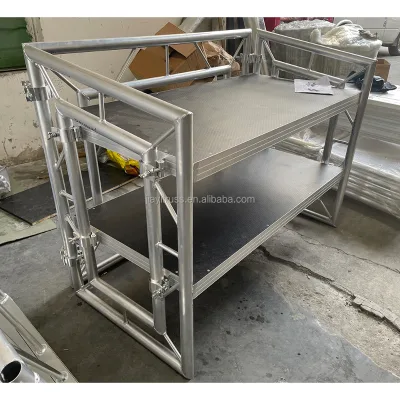
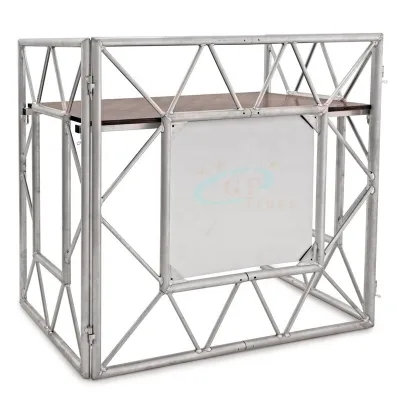
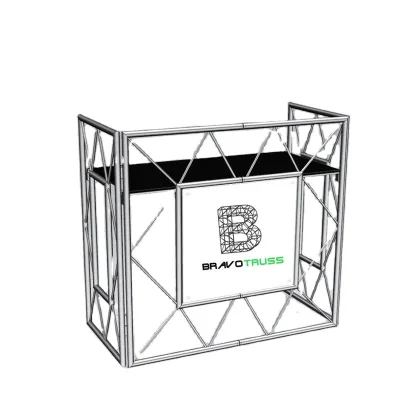
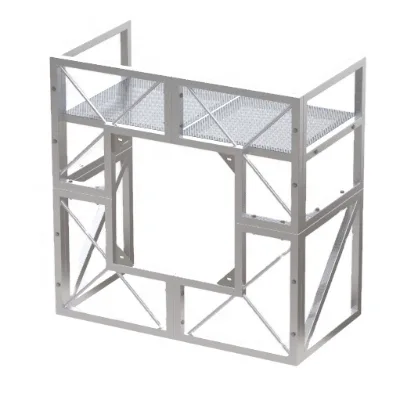
A Modular Aluminum Alloy DJ Table is a lightweight booth frame assembled from interlocking truss sections, typically made from aluminum 6061. Sections connect with screws or spigots so the table can be configured to different widths and shapes, then dismantled for transport. Buyers should confirm tube diameter, wall thickness, and load capacity before ordering.
How much does a Modular Aluminum Alloy DJ Table typically cost?
Prices vary by size and specification, but listed examples range from about 42.70 to 53.00 USD per segment for basic booth truss sections, with a larger V-shaped DJ booth listed at 365 USD ex-work. Quotations are usually ex-work prices, so buyers should budget separately for packaging, freight, and any custom color or banner options.
What lead time should buyers expect when ordering a DJ table truss?
Listed suppliers report production lead times of roughly 7, 10, and 15 days depending on the manufacturer and order complexity. Standard configurations in stock usually ship fastest, while custom sizes, black finishes, or large quantities add time. Always confirm the quoted lead time in writing and clarify whether it starts after deposit or artwork approval.
Is there a minimum order quantity for these DJ booth trusses?
At least one listed product carries a minimum order quantity of just 1 unit, which suits buyers testing the market or outfitting a single venue. Other suppliers may apply higher MOQs for customized sizes or colors. Before ordering, confirm the MOQ for your exact specification, since customizations frequently carry different minimums than catalog items.
Which material and load specifications matter most for a DJ table?
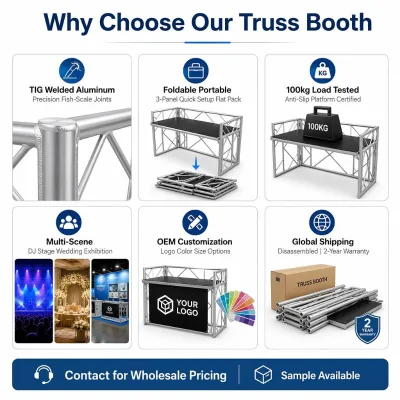
Look for aluminum alloy 6061 or 6061-T6 construction, square truss sections with 50mm main tubes, and 2mm wall thickness on tubes and braces. Listed booth products state a 100kg load-bearing capacity, while larger truss tables cite loading of 600 to 750 kilograms per square meter. Match these figures to the weight of your gear, banners, and lighting.
Can these DJ tables be customized for events and branding?
Yes, several listed products advertise customization or OEM/ODM acceptance, including custom sizes, square or V-shaped frames, silver or black finishes, and slim truss systems designed to carry banners. One supplier also holds an ISO9001:2015 certificate and operates as a manufacturer with its own brand. Request drawings and confirm customization fees and sample policies before committing.
Where are these modular DJ table suppliers mainly located?
The suppliers featured on this page are based in Guangdong, China, a major hub for aluminum stage, truss, and event equipment manufacturing. Sourcing from this region offers access to manufacturers, trading companies, and combined operations. Buyers should verify each supplier's exact address, export experience, and shipping options from nearby ports before placing an order.
How quickly do these suppliers respond to buyer inquiries?
Response times reported for these suppliers range from about 2 hours to just under 10 hours, so buyers can typically expect a reply within one business day. Faster responders help when comparing quotes or finalizing event deadlines. When evaluating suppliers, send a detailed inquiry including size, quantity, and finish to get accurate, comparable quotations quickly.