Modular Aluminum Fence with Posts and Connectors Suppliers and Manufacturers
Explore 29 verified options for Modular Aluminum Fence with Posts and Connectors from Guangdong and Zhejiang. Compare ISO9001:2015 certifications, response times, lead times, and pricing to source protective fencing solutions efficiently; review the available evidence before requesting comparable quotations from suitable candidates.
Updated
Suppliers List

Foshan Wish Zinc & Steel Guardrail Co., Ltd.
- Verified by BV
- Combined
- China Guangdong
- Lead time30 days
- Avg. response≤ 4h
Main productsPergola, Sunroom
Main marketsOthers(foreignTradeCapacity.exportBusinessCapacityMarketOther),East Asia(Japan/ South Korea),Europe,Australia,North America

Modular Aluminum Fence with Easy Assembly DIY Fencing for Home and Garden
$39.00 - $48.00
MOQ: 10 Square Meters

Assembled Aluminum Fence Modular Structure Convenient on Site Outdoor Quick Install Fence
$39.00 - $48.00
MOQ: 10 Square Meters

Aluminum Standard Panel Fence Unified Specification Easy Assembly Outdoor Yard Enclosure Fence
$39.00 - $48.00
MOQ: 10 Square Meters

Aluminum Security Fence Panel Composite Fence Garden Fence Fence Post for House
$39.00 - $48.00
MOQ: 499 Square Meters

Joint Design Aluminum Fence Connectable Panel Extensible Outdoor Large Range Surround Fence
$39.00 - $48.00
MOQ: 10 Square Meters
Zhejiang Guoyao Aluminum Co., Ltd.
- Manufacturer, Trading Company
- Lead time旺季: "1 - 500":31,"501 - 1000":40,"> 1000":"To be negotiated", 淡季: "1 - 500":31,"501 - 1000":40,"> 1000":"To be negotiated"
- Avg. response≤ 3h
Main productsAluminum Profile,Heat Sink,CNC Machining Parts,Stamping Parts,Aluminum Extrusion Materials

Hehui General Equipment Co., Ltd.
- Verified by TUVRHEINLAND
- Trading Company
- China Guangdong
- Lead time15 days
- Avg. response≤ 3h
Main productsAluminum Profile, Windows and Doors, Curtain Wall Profiles, Aluminum House, Aluminum Industrial Profiles, Aluminum Construction Profile, Aluminum Decoration Profile, Solar Mounting System, Aluminum CNC Parts, Aluminum Fence/ Handrails
Main marketsSouth America,Southeast Asia/ Mideast,Europe,Australia,North America
Foshan Wish Zinc & Steel Guardrail Co., Ltd.
- Verified by TüVRheinland
- Manufacturer, Trading Company
- Lead time30 days
- Avg. response≤ 3h
Main productsPergola, Gate, Railing, Awning, Fence
Main marketsNorth America(30%), Eastern Europe(20%), Oceania(20%)

Hebei Rochi Metal Products Co., Ltd
- Verified by SGS
- Trading Company
- China Hebei
- Lead time15 days
- Avg. response≤ 1h
Main productsRazor Barbed Wire, Barbed Wire, Galvanized Wire, Iron Nails, Hexagonal Wire Mesh, Chain Link Fence, Welded Wire Mesh, Nylon Coated Book Binding Wire
Main marketsDomestic

Foshan Yueling Outdoor Building Materials Co., Ltd
- Verified by SGS
- Combined
- China Guangdong
- Lead time30 days
- Avg. response≤ 3h
Main productsAluminum Profile, Pergola, Awning, Sunroom, Roller Blind, Retractable, Roof, Aluminum Carport, Polycarbonate Canopy, Retractable Roof Awning
Main marketsDomestic

Shandong Honest Intelligent Technology Co., Ltd.
- Verified by CTI
- Manufacturer/Factory
- China Shandong
- Lead time0 days
- Avg. response≤ 2h
Main productsAluminium Fence, Galvanized Steel Fence, WPC Fence

Weifang Lianruo Import and Export Co., Ltd.
- Verified by TUVRHEINLAND
- Manufacturer
- China Shandong
- Lead time30 days
- Avg. response≤ 1h


Reinforced Frame Heavy Duty Modular Aluminum Garden Fence for Outdoor Decoration
$49.00 - $58.00
MOQ: 10 Square Meters

Durable Aluminum Fence for Architectural Landscaping and Property Protection
$19.00
MOQ: 2 Square Meters


High Density Custom Modular Aluminum Garden Fence for Playground
$58.00 - $62.00
MOQ: 10 Square Meters

Anhui Linyuanwai New Materials Co., Ltd.
- Verified by TüVRheinland
- Manufacturer, Trading Company
- Lead time0 days
- Avg. response≤ 4h
Main productsWPC Decking, WPC Fence, Wall Cladding, Hand Railing
Main marketsDomestic Market(56%), North America(13%), Eastern Europe(7%)
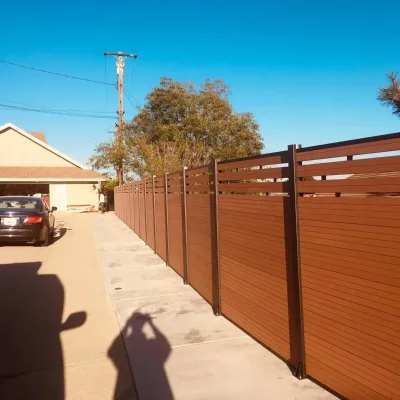
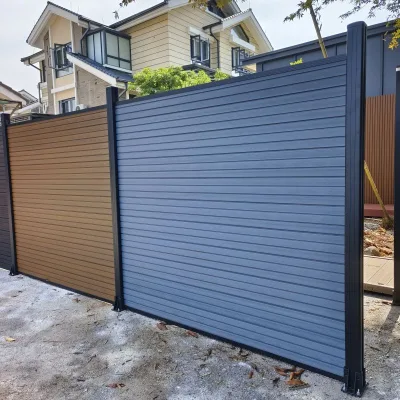
Wholesale Easy Installation Durable Privacy Building Material Fence for Backyard
$1.19 - $2.19
MOQ: 10 Minimum

Weifang Pengxiang Metal Components Technology Co., Ltd.
- Verified by CTI
- Combined
- China Shandong
- Lead time30 days
- Avg. response≤ 2h
Main productsAluminum Fence, Steel Fence, Garden Fence Panel, Pool Fencing, Security Fence, Metal Sliding Gate Double Swing Gate
Main marketsSoutheast Asia/ Mideast,Domestic,Europe,Australia,North America
Anji Huaxu Wpc Environmental Protection Materials Co., Ltd.
- Verified by TüVRheinland
- Manufacturer, Trading Company
- Lead time25 days
- Avg. response≤ 2h
Main productsWPC Decking, WPC Tiles, WPC Wall Panel, WPC Fence, WPC Accessories
Main marketsDomestic Market(40%), Southeast Asia(10%), Eastern Asia(10%)
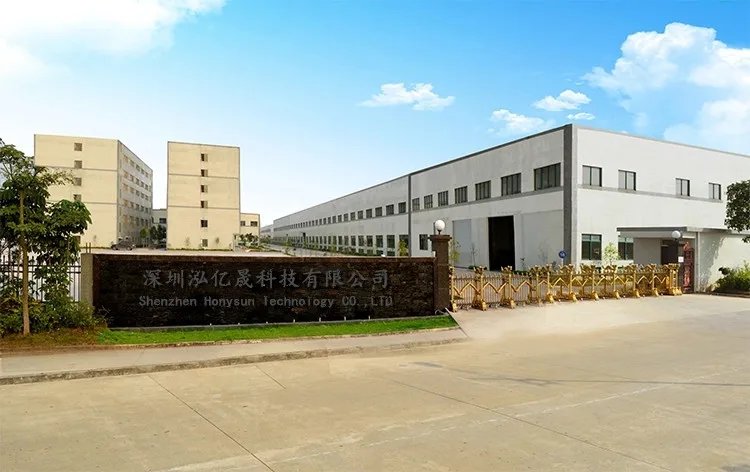
Shenzhen Honysun Technology Co., Ltd.
- Manufacturer, Trading Company
- Guangdong, China
- Lead time15 days
- Avg. response≤ 9h
Main productsblinds,pergola,ziptrack blinds,awning,roller blinds
Main marketsNorth America(60.00%), South Asia(10.00%), Mid East(6.00%), Central America(5.00%), Eastern Asia(5.00%), South America(3.00%), Northern Europe(3.00%), Domestic Market(3.00%), Africa(3.00%), Southeast Asia(2.00%)

Hebei BONKFC Metal Fence Co., Ltd
- Verified by SGS
- Combined
- China Hebei
- Lead time15 days
- Avg. response≤ 4h
Main productsFence, Welded Mesh Fence, 358 Mesh Fence, Steel Fence, Chain Link Fence, Temporary Fence, WPC Fence, Razor Wire, Double Wire Fence, BRC Fence
Main marketsDomestic
Evertop Industry & Technology Co., Ltd.
- Verified by SGS Group
- Trading Company
- Lead time20 days
- Avg. response≤ 3h
Main productsAluminum Extrusion, Custom Metal Parts, Metal Accessories, Aluminum Machining Parts, Aluminum Fence
Main marketsMid East(30%), North America(15%), South America(15%)
Guangdong Baosong Industry Technology Co., Ltd.
- Verified by Intertek
- Trading Company
- Lead time30 days
Main productsAluminum Auto Parts, Aluminum Gutter Guards, Aluminum Garden Edging, Customized Aluminum Industrial Products, Aluminum Windows and Doors
Main marketsNorth America(20%), South America(15%), Eastern Europe(10%)

Huize Inox&Handrails Fabrications Co., Limited
- Verified by BV
- Trading Company
- China Shandong
- Lead time15 days
- Avg. response≤ 6h
Main productsStainless Steel Glass Railing Spigot, Swimming Pool Fencing Glass Spigot, Balustrade Handrail Bracket, Tempered Glass, Stainless Steel Standoff Pin, Glass Mosaic Ceramic Mosaic, Stainless Steel Railing Components, CNC Machinery Parts, Glass Door Handles, Hinge&Latch for Swimming Pool Gate
Main marketsAfrica,Australia

Shandong Yajin Membrane Structure Engineering Co., Ltd.
- Verified by TUVRHEINLAND
- Trading Company
- China Shandong
- Lead time0 days
- Avg. response≤ 4h
Main productsFence, Gate, Aluminum Pergola, Membrane Structure, Air Supported Dome, Marquee Tent, Tensile Membrane Structure

Easy Install with Aluminum Post Composite Garden Aluminum Outdoor Panel Fence
$25.00 - $35.00
MOQ: 100 Square Meters

Guangzhou Mettelon Metal Co., Ltd.
- Manufacturer, Trading Company, Distributor/Wholesaler
- Guangdong, China
- Lead time0 days
- Avg. response≤ 4h
Main productsFence,Gate,Awning,Sun Room,Stair handrail
Main marketsNorth America(40.00%), Western Europe(35.00%), Mid East(10.00%), Southern Europe(10.00%), Eastern Asia(5.00%)
HEBEI CHENGSEN IMP & EXP CO., LTD.
- Trading Company
- Hebei, China
- Lead time20 days
- Avg. response≤ 4h
Main productsWire mesh fence,Welded wire mesh,Hexagonal wire mesh,Chain link fence,steel grating
Main marketsNorth America(20.00%), Western Europe(18.00%), Southern Europe(8.00%), Northern Europe(8.00%), Southeast Asia(7.00%), Central America(6.00%), Eastern Europe(6.00%), South America(5.00%), Mid East(5.00%), Oceania(5.00%), Africa(5.00%), South Asia(4.00%), Eastern Asia(3.00%)
Anping Heyou Wire Mesh Products Co., Ltd.
- Verified by SGS Group
- Trading Company
- Lead time30 days
- Avg. response≤ 3h
Main productsFence, Barbed Wire, Reinforcing Mesh, Gabion Box, Iron Gauze
Main marketsEastern Europe(92%), North America(1%), South America(1%)
Hebei Giant Metal Technology Co., Ltd.
- Verified by SGS Group
- Manufacturer, Trading Company
- Lead time15 days
- Avg. response≤ 2h
Main productsSteel Tubular Fence, 3D Fence, Chain Link Fence, 358 Security Fence, Edge Protection Fence
Main marketsWestern Europe(35%), Domestic Market(20%), North America(10%)

Weifang Jinzita Metalworks Co., Ltd.
- Trading Company,Manufacturer/Factory
- China Shandong
- Lead time23 days
- Avg. response≤ 7h
Main productsCommerical Fences, Industrial Fences, Residential Fences, Aluminum Railings, Gates, Accessories and Posts, Landscaping Fences, Aluminum Fence Panel, Aluminum and Iron Fence, Steel Fence
Main marketsSouth America,Eastern Europe,Mid East,North America,Southeast Asia,Eastern Asia,Oceania,Western Europe,Africa
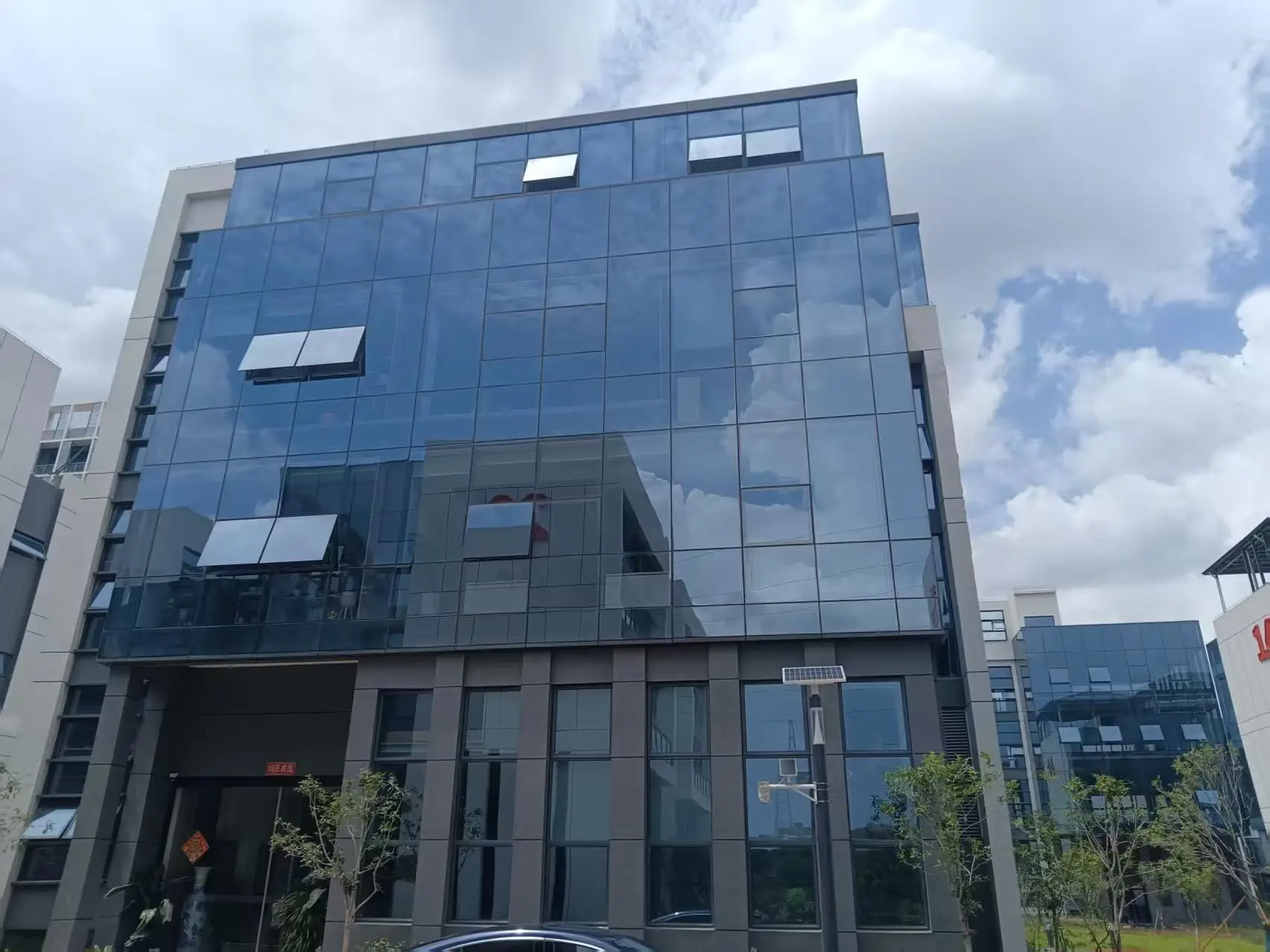
Jiangxi Maokay Furniture Co., Ltd.
- Manufacturer
- Jiangxi, China
- Lead time30 days
- Avg. response≤ 1h
Main productsKitchen Cabinet,Wardrobe,Staircase,Railing,Aluminum Window
Main marketsNorth America(30.00%), Oceania(20.00%), Western Europe(15.00%), South America(15.00%), Southeast Asia(10.00%), Africa(5.00%), Eastern Europe(5.00%)

Foshan JHR Smart Tech Co., Ltd.
- Verified by BV
- Combined
- China Guangdong
- Lead time15 days
- Avg. response≤ 5h
Main productsSwing Gate, Cantilever Sliding Gate, Sliding Gate, Boundary Fence, Retractable Gate, Entry Doors, Bi-Folding Gates
Main marketsAfrica,Others(foreignTradeCapacity.exportBusinessCapacityMarketOther),Southeast Asia/ Mideast,Europe,Australia,North America
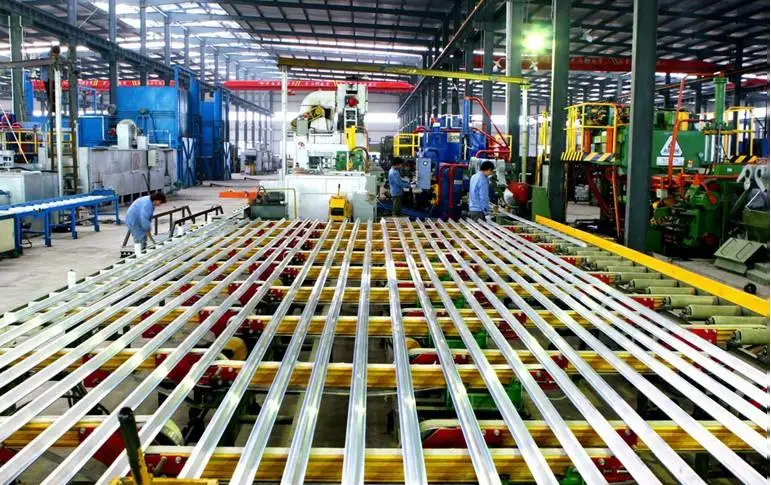
MapleLeaf Industry Technology Company Limited
- Manufacturer, Trading Company, Distributor/Wholesaler
- Guangdong, China
- Lead time0 days
- Avg. response≤ 2h
Main productsShower Door,Aluminum Profiles,Aluminum Heatsink,Industrial Aluminum Profiles,Aluminum Windows and Doors
Main marketsNorth America(80.00%), Southern Europe(5.00%), Northern Europe(5.00%), Central America(5.00%), Oceania(5.00%)
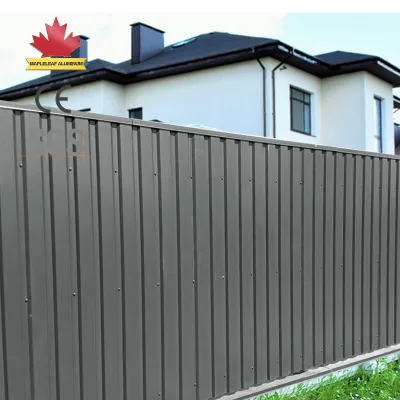
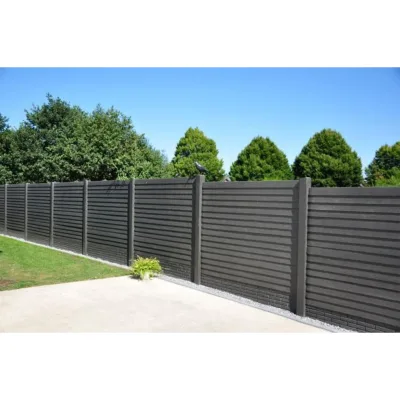
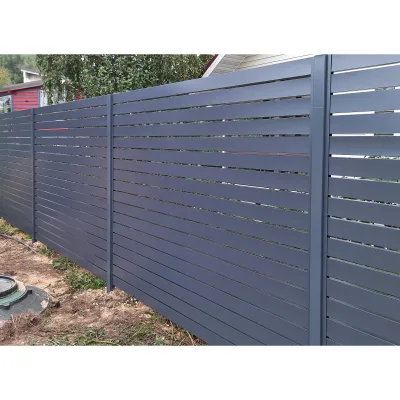
Custom Fence Aluminium Post For Composite Fencing Aluminum Alloy Street Pole Outdoor Fence
$20.00 - $30.00
MOQ: 50 pieces
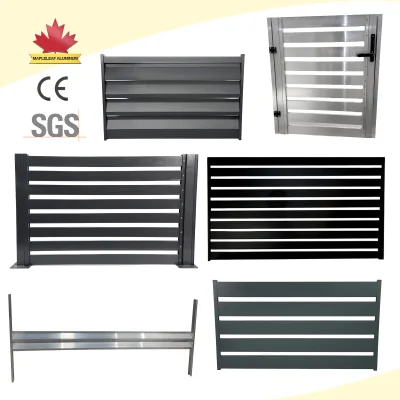
$15.3902 - $25.6509
MOQ: 10 square
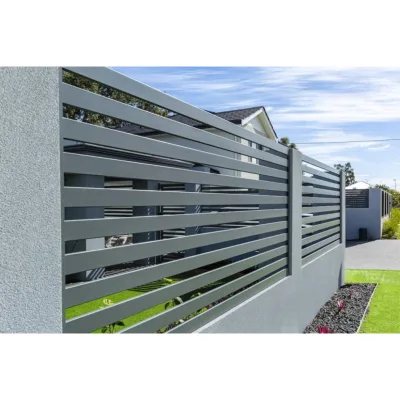
Free Standing Slat Fence Security Border Blackout Aluminum Fencing Easy Installed Fences
$20.00 - $30.00
MOQ: 50 pieces
Guangdong Huiyin Aluminum Technology Co., LTD
- Manufacturer, Trading Company
- Guangdong, China
- Lead time45 days
- Avg. response≤ 4h
Main productsAluminum Window And Door,Aluminum Fence & Railing,Aluminum Gate,Sunroom,Pergola
Main marketsSoutheast Asia(30.00%), Domestic Market(20.00%), North America(15.00%), Eastern Asia(15.00%), South America(10.00%), South Asia(5.00%), Eastern Europe(3.00%), Africa(2.00%)

Foshan Optima Home Industry Co .,Ltd
- Manufacturer/Factory
- China Guangdong
- Lead time0 days
- Avg. response≤ 12h
Main productsFurniture, Stair, Railing, Kitchen, Closet, Vanity, Window, Door
Anping Fangxin Wire Mesh Products Co., Ltd.
- Manufacturer, Trading Company
- Lead time旺季: "1 - 100":3,"101 - 1000":5,"1001 - 10000":7,"> 10000":"To be negotiated", 淡季: "1 - 100":3,"101 - 1000":5,"1001 - 10000":7,"> 10000":"To be negotiated"
- Avg. response≤ 2h
Main productsBridge Guardrail, Anti Climb Clear View Fence, Warehouse Workshop Isolation Fence, Movable Temporary Fencing, Zinc Steel Fence
Shandong Chiyun Metal Products Co., Ltd.
- Verified by TüVRheinland
- Manufacturer, Trading Company
- Lead time21 days
- Avg. response≤ 6h
Main productsAluminum Fence, Aluminum Deck Railing, Aluminum Profile, Aluminum Gate, Post And Accessories
Main marketsDomestic Market(45%), North America(6%), South America(6%)
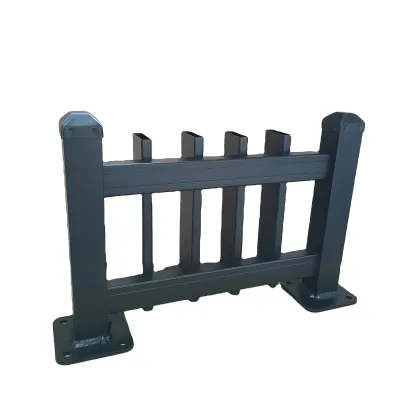
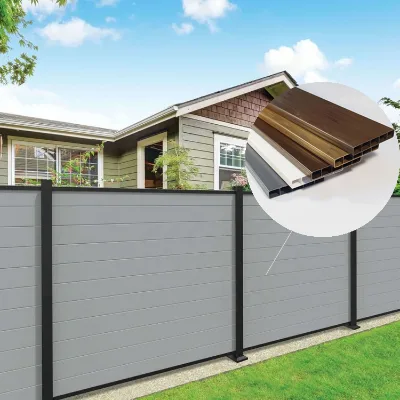


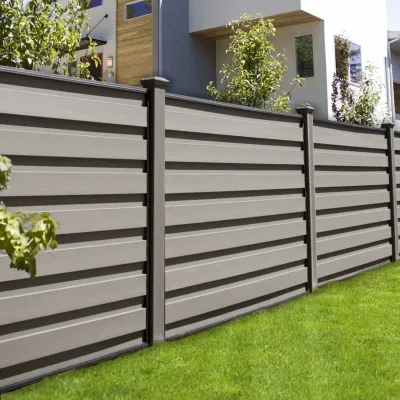
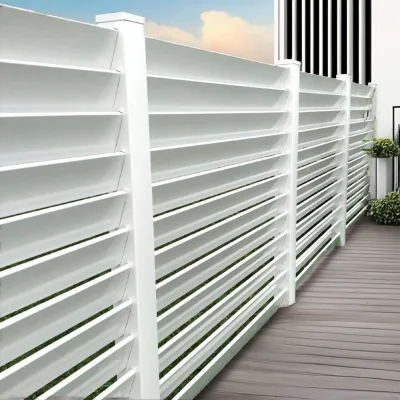




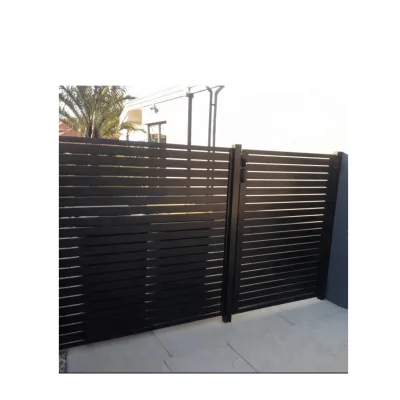
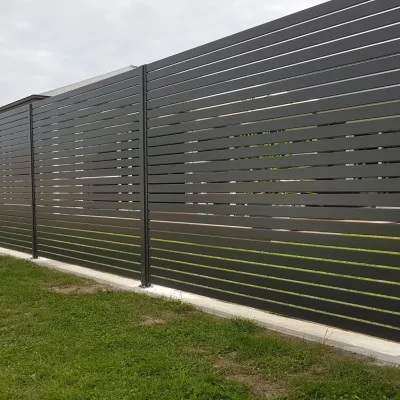


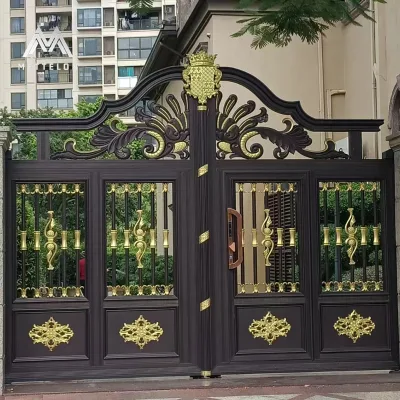
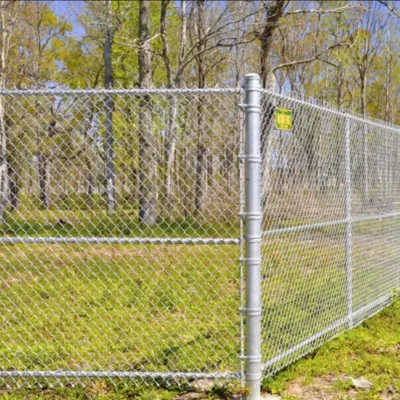
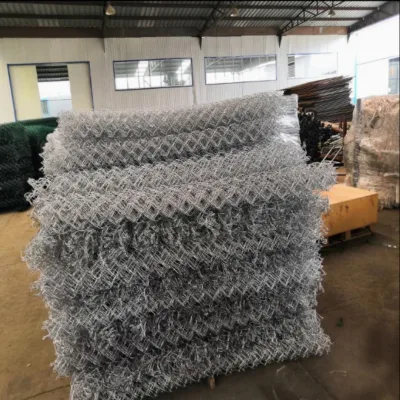
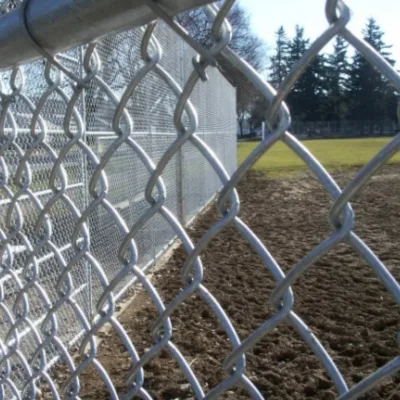






Comprehensive Sourcing Guide
Modular Aluminum Fence with Posts and Connectors Supplier Concentration and Factory Types
The current supplier landscape for modular aluminum fencing reveals a distinct concentration of manufacturing capabilities within specific industrial regions, primarily centered in China. Data indicates that a significant portion of verified suppliers operates out of Guangdong, a province renowned for its robust aluminum extrusion and metal fabrication infrastructure. This geographic clustering suggests that buyers seeking high-volume production or complex custom extrusions may find a dense network of specialized factories in this area. However, the results also highlight suppliers located in Zhejiang, indicating a diversified manufacturing base that offers alternative sourcing options for different project scales. Understanding this regional distribution is crucial for logistics planning, as proximity to ports in these provinces can influence shipping efficiency and cost structures for heavy metal products.
Beyond location, the types of entities supplying these modular systems vary significantly, ranging from pure manufacturers to combined trading companies. Some suppliers are identified as having combined company types, meaning they may offer both direct factory production and trading services, which can provide flexibility in order sizes and communication. Others are strictly manufacturers or trading companies, each presenting different advantages regarding price negotiation and quality control. The presence of suppliers offering ODM, OEM, and own brand services indicates a mature market capable of supporting both private labeling and custom design requirements. Buyers should carefully distinguish between these entity types to ensure they are engaging with the appropriate level of the supply chain, whether they require direct factory pricing or the logistical support of a trading partner.
How to Verify Modular Aluminum Fence with Posts and Connectors Suppliers
Verification is a critical step in mitigating risk when sourcing modular aluminum fencing, as the structural integrity of these systems depends heavily on material quality and manufacturing precision. Buyers should prioritize suppliers who have undergone third-party verification processes, such as BV certification, which provides an additional layer of confidence regarding the supplier’s business legitimacy and operational capabilities. This verification status serves as a foundational check, ensuring that the entity is not merely a shell company but a verified participant in the global trade ecosystem. It is essential to review the scope of this verification to understand exactly what aspects of the business have been audited, whether it covers financial stability, factory inspections, or product quality management systems.
In addition to basic verification, buyers must assess the specific certifications held by the supplier and their products. The availability of ISO9001:2015 certificates indicates a standardized approach to quality management, which is particularly important for modular fencing systems that require consistent tolerances for easy assembly. Furthermore, product-specific certifications such as CE marks should be scrutinized, especially if the fencing is intended for export to markets with strict regulatory requirements. Buyers should request copies of these certificates and verify their validity through the issuing bodies. It is also advisable to check for any additional environmental or safety standards that may apply, such as those related to powder coating processes or aluminum alloy compositions, to ensure compliance with international environmental regulations and safety norms.
What to Compare Across Modular Aluminum Fence with Posts and Connectors Suppliers
When evaluating multiple suppliers, buyers must compare key operational metrics to determine the best fit for their specific project requirements. Response time is a significant indicator of supplier reliability and communication efficiency, with some suppliers demonstrating response times around 3.07 hours, which suggests a high level of customer service engagement. This metric is particularly important for complex orders that may require detailed technical consultations or rapid adjustments to specifications. Alongside response speed, lead times vary based on order volume and seasonality, with some suppliers indicating lead times of approximately 30 days for standard orders. Buyers should clarify whether these lead times are consistent year-round or if they fluctuate during peak seasons, as this can impact project timelines and installation schedules.
Minimum Order Quantities (MOQ) and pricing structures are also critical comparison points that can significantly affect the feasibility of an order. MOQs for modular aluminum fencing can range widely, from as low as 10 units for certain customizable or sample orders to 499 or 100 units for standard bulk purchases. This variance allows buyers with smaller project scopes to engage with suppliers who might otherwise be inaccessible. Pricing is another key differentiator, with costs varying based on material thickness, surface treatment, and customization options. For instance, some products may have a price range of $39 to $48 per unit, while others with more complex designs or higher material specifications may command prices around $120 per unit. Buyers should request detailed quotes that break down these costs to understand the value proposition of each supplier.
Common Modular Aluminum Fence with Posts and Connectors Sourcing Risks
One of the primary risks in sourcing modular aluminum fencing is the potential discrepancy between advertised product specifications and the actual delivered goods. This is particularly relevant for attributes such as aluminum alloy grade, wall thickness, and powder coating quality, which are not always immediately visible upon delivery. Suppliers may list generic attributes like "Aluminum" or "Powder Coated" without specifying the exact alloy series or coating thickness, leading to potential durability issues or aesthetic mismatches. Buyers must ensure that all technical specifications are clearly defined in the purchase contract, including tolerances for dimensions and performance standards for corrosion resistance. Failure to do so can result in products that do not meet the structural requirements of the installation site, leading to costly replacements and project delays.
Another significant risk involves the complexity of assembly and the availability of necessary connectors and posts. While many products are marketed as "easily assembled" or "DIY friendly," the actual ease of installation can vary greatly depending on the precision of the manufacturing and the quality of the connecting hardware. If the modular components do not fit together seamlessly due to manufacturing variances, on-site installation can become labor-intensive and time-consuming. Additionally, there is a risk of missing parts or incorrect hardware being shipped, which can halt the entire installation process. Buyers should verify that suppliers provide comprehensive installation guides, 3D modeling services, or video tutorials to assist with assembly. It is also prudent to order a small sample batch first to test the fit and finish of the modular components before committing to a large-scale order.
Modular Aluminum Fence with Posts and Connectors Regional Sourcing and Logistics
Sourcing modular aluminum fencing from regions like Guangdong and Zhejiang offers logistical advantages due to their proximity to major international shipping ports. These regions are well-established hubs for metal fabrication and export, meaning that suppliers often have extensive experience in packaging and shipping heavy metal products. The standard packing methods, such as wooden boxes or iron pallets, are designed to protect the aluminum profiles and connectors during transit, minimizing the risk of damage. Buyers should work closely with their suppliers to ensure that packaging meets the specific requirements of their destination, including any customs regulations or handling restrictions. Understanding the logistics chain from factory to port can help buyers anticipate potential delays and plan their inventory management more effectively.
Shipping costs for aluminum fencing can be substantial due to the weight and volume of the materials, making it essential to optimize container loading. Suppliers with high monthly output capacities, such as those producing 2000 to 2500 tons, are likely to have established relationships with freight forwarders and can offer competitive shipping rates. Buyers should consider consolidating orders or coordinating with other suppliers to maximize container utilization and reduce per-unit shipping costs. Additionally, the choice of shipping method, whether by sea or air, will impact both the cost and the lead time. For large-scale projects, sea freight is typically the most cost-effective option, while air freight may be necessary for urgent replacements or small sample orders. Buyers should factor these logistics costs into their overall budget to avoid unexpected expenses.
Modular Aluminum Fence with Posts and Connectors Commercial Terms and Order Planning
Effective order planning requires a clear understanding of the commercial terms offered by suppliers, including payment methods, warranty policies, and after-sales support. Many suppliers offer customization services, such as 3D modeling and sample production, which can be valuable for ensuring that the final product meets the buyer’s exact specifications. However, these services may come with additional costs or minimum order requirements. Buyers should clarify the terms for custom orders, including the lead time for sample production and the cost of tooling or mold fees if applicable. It is also important to establish clear communication channels for addressing any issues that may arise during production or after delivery, ensuring that the supplier is responsive and supportive throughout the entire process.
Warranty and return policies are critical components of the commercial agreement, particularly for products that are subject to environmental wear and tear. Buyers should inquire about the duration and scope of the warranty, covering aspects such as corrosion resistance, structural integrity, and finish durability. Understanding the process for filing a claim and the supplier’s responsibility for replacement parts or refunds is essential for risk management. Additionally, buyers should consider the scalability of the supplier’s production capacity to handle future orders or expansions. Suppliers with established OEM and ODM capabilities are often better positioned to support long-term partnerships, offering consistent quality and competitive pricing as order volumes increase. By carefully negotiating these commercial terms, buyers can secure a reliable supply chain for their modular aluminum fencing needs.
FAQs
What is the typical lead time for modular aluminum fences?
Manufacturers generally require 30 to 40 days for production, depending on order volume. Lead times vary between 31 days for smaller batches and 40 days for larger quantities exceeding 500 units. For orders over 1000 pieces, delivery schedules are negotiated directly with the supplier to ensure timely completion.
What certifications do these aluminum fences typically hold?
Products often carry ISO9001:2015 system certification and CE marks for quality assurance. These certifications verify that the manufacturing processes meet international standards for safety and performance. Buyers should verify specific certificate validity with the supplier before placing large orders to ensure compliance with local regulations.
What is the minimum order quantity for these fences?
Minimum order quantities vary significantly by supplier, ranging from 10 pieces to 499 units. Some manufacturers require a minimum of 100 pieces for custom models. Buyers should confirm the specific MOQ with the supplier, as smaller quantities may incur higher per-unit costs or limited customization options.
What is the price range for modular aluminum fencing?
Prices typically range from $39.00 to $48.00 per unit for standard panels. Higher-end or specialized models may cost around $120.00 per unit. Final pricing depends on material thickness, surface treatment, and customization requirements. Buyers should request detailed quotes based on their specific design and quantity needs.
Are these fences easy to install on site?
Yes, most modular aluminum fences are designed for easy assembly and quick installation. Features include pre-drilled holes and connectable panels that simplify on-site construction. Suppliers often provide 3D modeling, installation videos, and instruction books to guide buyers through the process efficiently without requiring specialized tools.
What surface treatments are available for aluminum fences?
Common surface treatments include powder coating, which offers durability and weather resistance. Options may also involve electroplating, anodizing, or electrophoresis for enhanced finish quality. Powder-coated finishes are widely available in colors like matte black, providing both aesthetic appeal and protection against corrosion for outdoor garden or security applications.
What is the typical response time from suppliers?
Suppliers typically respond within approximately 3 hours to buyer inquiries. This rapid response ensures that questions about specifications, pricing, and lead times are addressed promptly. Buyers can expect efficient communication during the sourcing process, allowing for quicker decision-making and order placement with verified manufacturers.