Modified New Design Alloy Wheels Suppliers and Manufacturers
Explore 23 verified suppliers offering Modified New Design Alloy Wheels with varying lead times, certifications, and response speeds. Buyers can compare locations in China Zhejiang, MOQs, and specific product attributes like TUV or ISO standards before requesting quotes; review the available evidence before requesting comparable quotations from suitable candidates.
Updated
Suppliers List

NINGBO KINTOP AUTOPARTS CO., LTD.
- Verified by BV
- Trading Company
- China Zhejiang
- Lead time60 days
- Avg. response≤ 10h
Main productsAlloy Wheel, Steel Wheel, Wheel Nut, Tyre Valve, Balance Weight, Wheel Adapter, Tire, Truck Wheel, Rim, Trailer Wheel
Main marketsSoutheast Asia/ Mideast
Shaoxing Shangyu Ouya Trade Co., Ltd.
- Verified by SGS
- Trading Company
- China Zhejiang
- Lead time23 days
- Avg. response≤ 5h
Main productsCar Wheel, Steel Wheel, Alloy Wheel, Wheel, Car Rim, Rims, Wheel Rims, Forged Wheel, Flow Formed Wheel
Main marketsSouth America,Africa,Europe,Australia,North America

Shaoxing Shangyu Ouya Trade Co., Ltd.
- Verified by CTI
- Trading Company,Manufacturer/Factory
- China Zhejiang
- Lead time45 days
- Avg. response≤ 6h
Main productsCar Wheel, Alloy Wheel, Car Alloy Wheel, Rim, Car Rim, Forged Wheel, Cast Wheel, Auto Parts, 4*4 SUV Offroad, Wheel Hub
Main marketsSouth America,Eastern Europe,Mid East,North America,Southeast Asia,Eastern Asia,Western Europe,Africa

High Quality Car Alloy Rims Popular Pattern Mags Wheels Auto Latest Modified Design Alloy Wheels
$30.00 - $50.00
MOQ: 1 Pieces


Shanghai Rimax Industry Co., Ltd.
- Verified by SGS
- Trading Company
- China Shanghai
- Lead time15 days
- Avg. response≤ 4h
Main productsCar Wheel, Alloy Wheel, Offroad Wheel, Car Rim, Alloy Rim, Wheel Rim, Replica Wheel, Replica Rim
Main marketsSouth America,Africa,Southeast Asia/ Mideast,Domestic,Europe,Australia
Guangzhou Jova Car Accessories Co., Ltd.
- Manufacturer
- Guangdong, China
- Lead time25 days
- Avg. response≤ 8h
Main productsForged Wheels,Forged Rims,white label wheels,custom wheels,oem wheels
Main marketsNorth America(40.00%), Domestic Market(30.00%), Western Europe(6.00%), Oceania(4.00%), Southeast Asia(4.00%), Northern Europe(3.00%), Central America(3.00%), Eastern Europe(3.00%), Southern Europe(3.00%), Eastern Asia(2.00%), South America(1.00%), South Asia(1.00%)
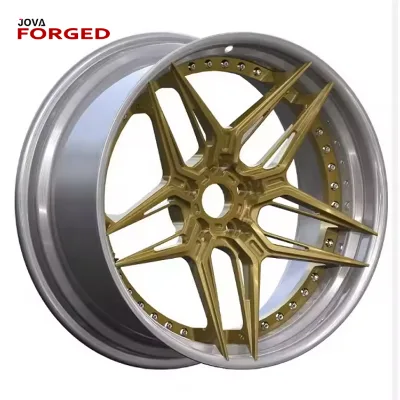
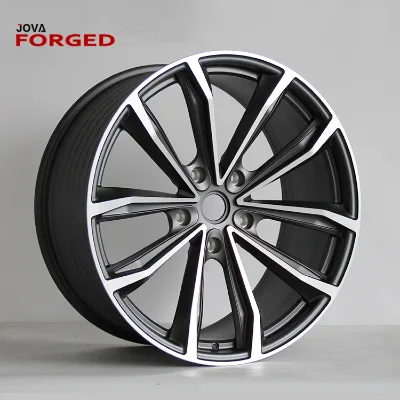
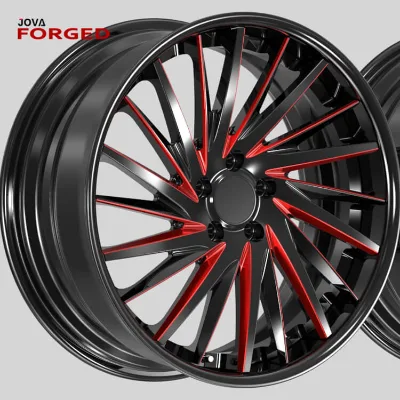
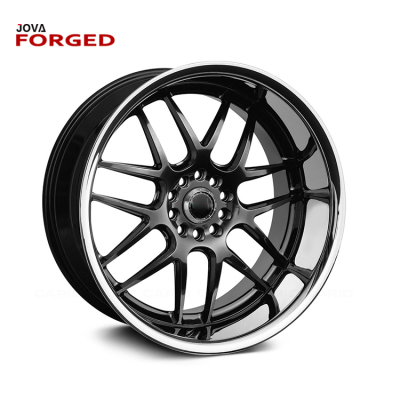
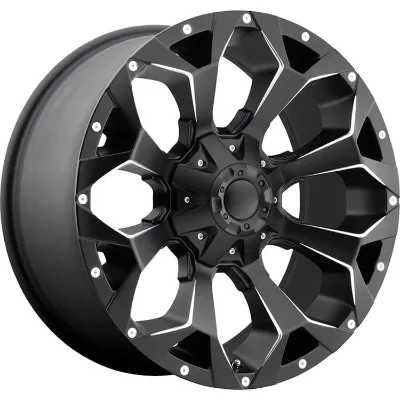
Light Weight Wheels Fast Speed Sport Forged Rim Deep Lip Customized Alloy Rims
$250.00 - $550.00
MOQ: 4 pieces
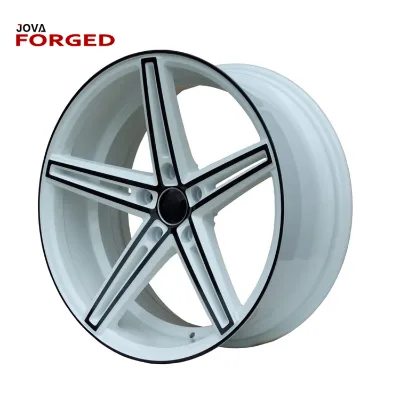
Custom Made White Color Wheels Aftermarket Wheels 19 X 8.5 Tires and Wheels 19 X 10
$275.1594 - $287.4797
MOQ: 20 pieces

Taizhou Lixin industry Co., Ltd
- Verified by SGS
- Trading Company,Manufacturer/Factory
- China Zhejiang
- Lead time45 days
- Avg. response≤ 1h
Main productsAlloy Wheels for Automobile, Stator and Rotor for Motor, Alloy Wheels for Commercial Truck, Car Rims for Automobile, Car Rims for Commerical Truck, Alloy Wheels for SUV Cars, Covers for Motor
Main marketsSouth America,Eastern Europe,Mid East,North America,Southeast Asia,Eastern Asia,Oceania,Western Europe,Africa


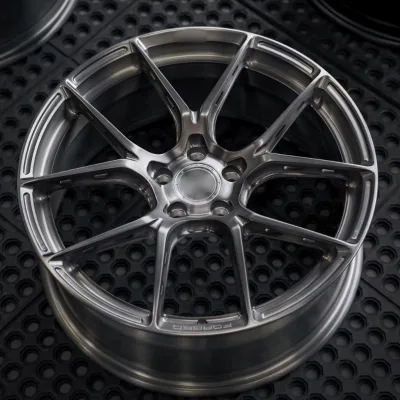
Durable Forged Aluminium Alloy Wheels for Enhanced Performance and Style
$160.00 - $290.00
MOQ: 4 Pieces


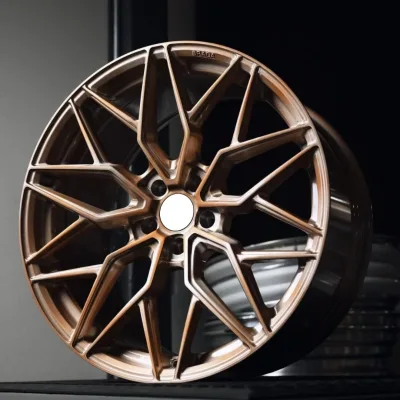
Forged Aluminium Alloy Wheels, Shows Same Design with Different Colors
$190.00 - $320.00
MOQ: 4 Pieces

Shandong Luyang Auto Parts Co.,Ltd
- Verified by TUVRHEINLAND
- Trading Company,Manufacturer/Factory
- China Shandong
- Lead time15 days
- Avg. response≤ 10h
Main productsTruck Wheel, Wheel, Truck Rim, Disc, Car Wheel, Engineering Wheel, Farm Wheel, Trailer, Car Auto Parts, Truck Car
Main marketsSouth America,Mid East,North America,Eastern Asia
Guangde Borui Auto Parts Co., Ltd.
- Verified by TüVRheinland
- Manufacturer, Trading Company
- Lead time20 days
- Avg. response≤ 2h
Main productsForged Wheels
Main marketsNorth America(40%), Western Europe(20%), Oceania(10%)
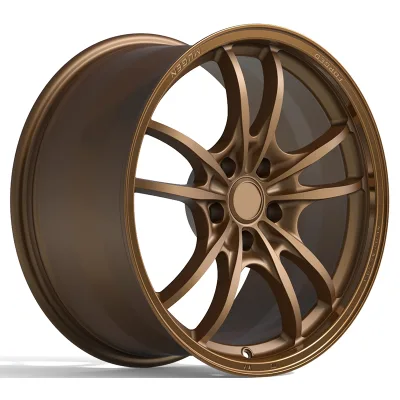
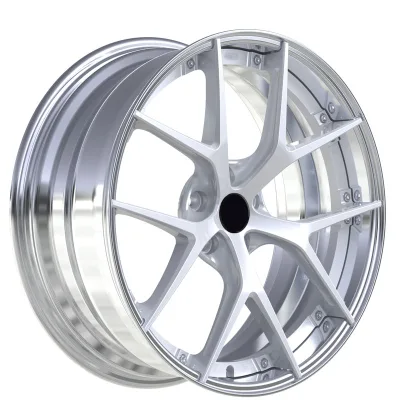
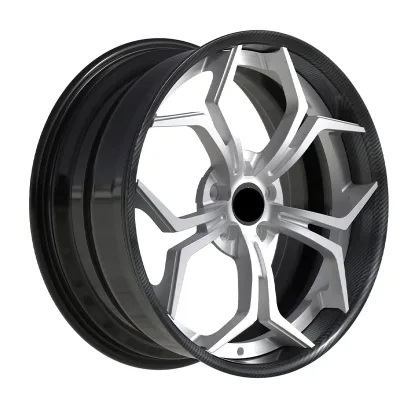
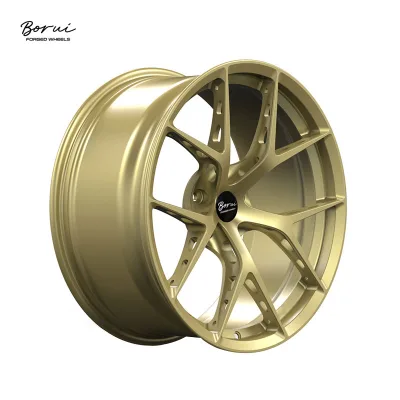
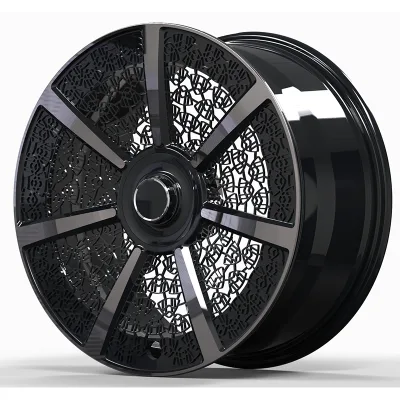
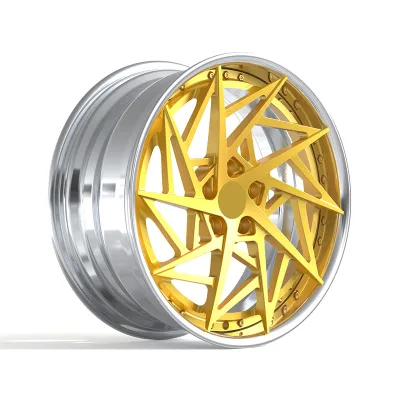
Custom Size Staggered Alloy Wheels High Quality Forged Wheels Aluminum Alloy Wheels
$180.00 - $210.00
MOQ: 4 pieces
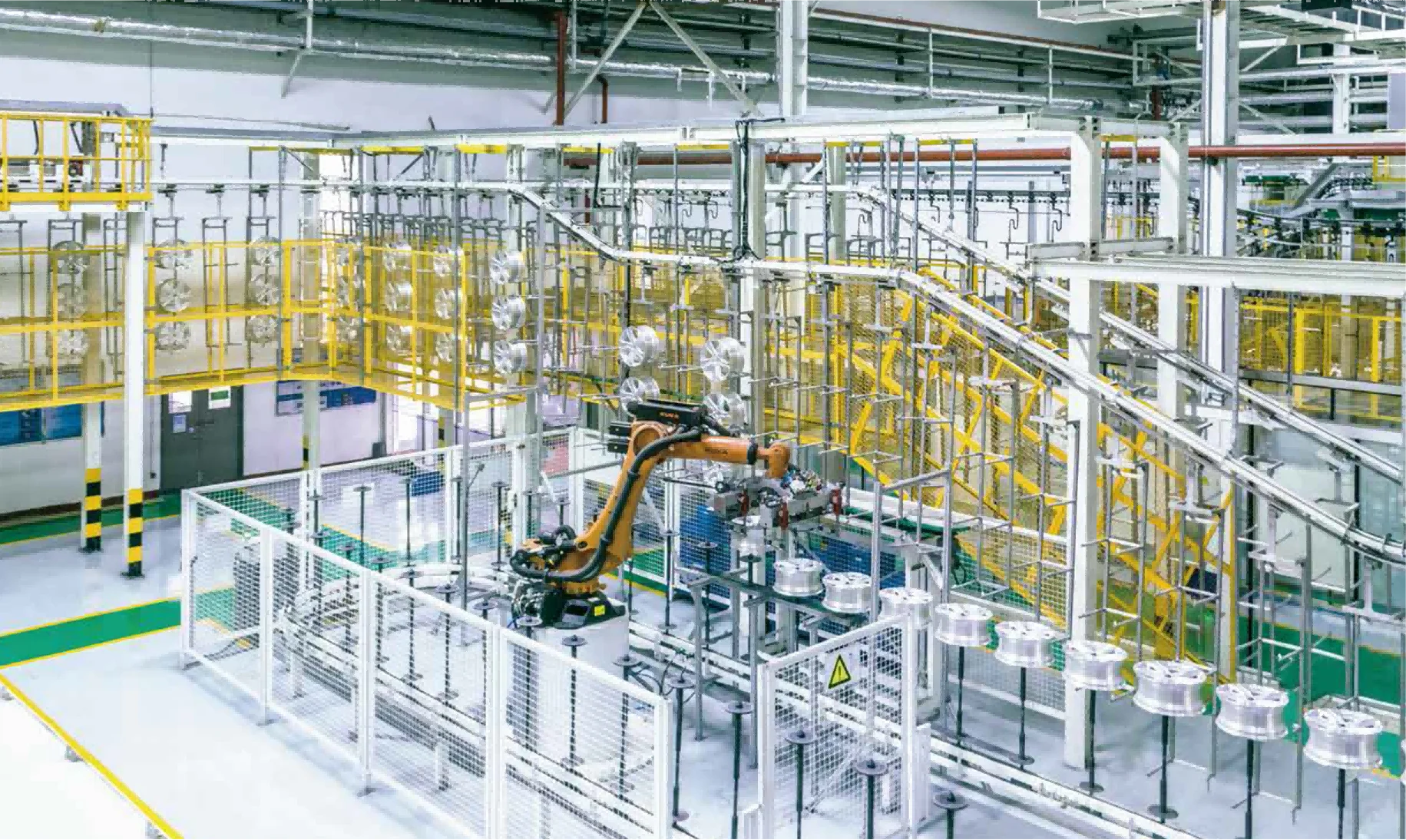
Shanghai Uniracing Alu Co., Ltd.
- Trading Company
- Shanghai, China
- Lead time10 days
- Avg. response≤ 6h
Main productsalloy wheel,spinning wheels,forged wheels,cast wheels,aluminum Wheel
Main marketsSouth Asia(15.00%), North America(15.00%), Western Europe(10.00%), South America(10.00%), Eastern Asia(10.00%), Southeast Asia(10.00%), Eastern Europe(10.00%), Central America(5.00%), Northern Europe(5.00%), Southern Europe(5.00%), Mid East(2.00%), Domestic Market(1.00%), Oceania(1.00%), Africa(1.00%)
Jiangxi Xifa Technology Co., Ltd.
- Manufacturer, Trading Company
- Lead time旺季: "1 - 10000":20,"> 10000":"To be negotiated", 淡季: "1 - 10000":20,"> 10000":"To be negotiated"
- Avg. response≤ 5h
Main productsForged Wheels
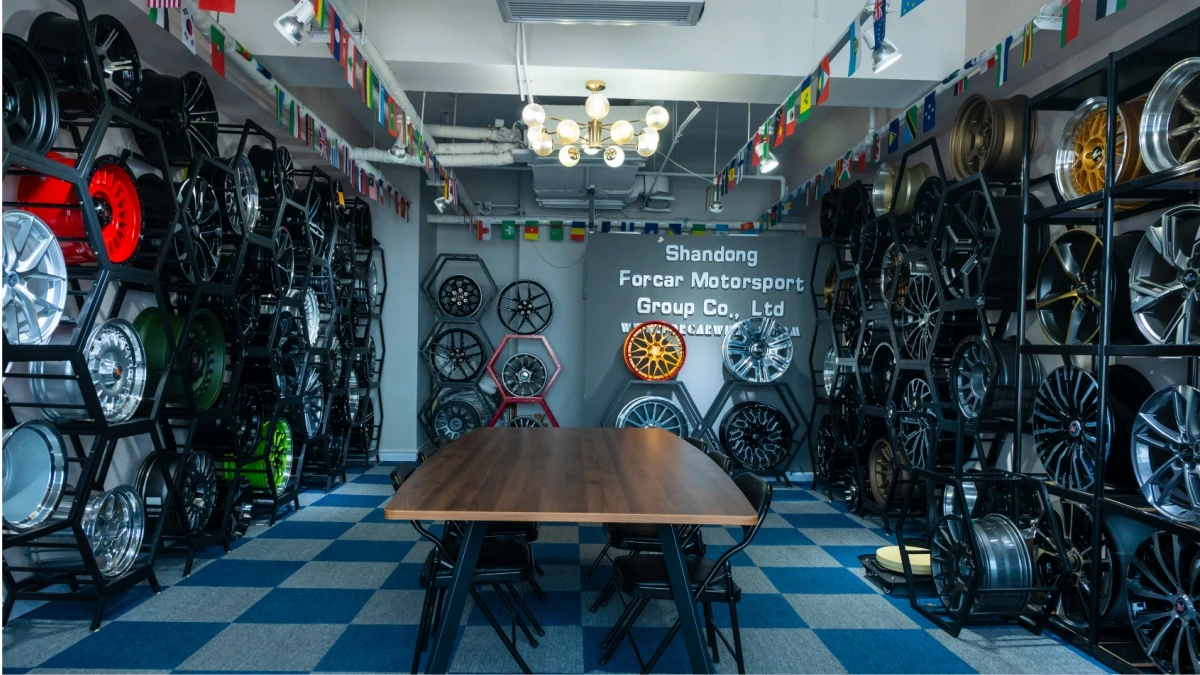
Qingdao Forcar Wheels Co., Ltd.
- Manufacturer, Trading Company
- Shandong, China
- Lead time20 days
- Avg. response≤ 2h
Main productsALLOY WHEELS,WHEEL RIMS,FLOW FORMING WHEELS,FORGED WHEELS,ALUMINUM WHEELS
Main marketsSouth America(30.00%), North America(20.00%), Mid East(15.00%), Northern Europe(10.00%), Southern Europe(5.00%), Oceania(5.00%), Central America(5.00%), Western Europe(5.00%), Eastern Europe(5.00%)
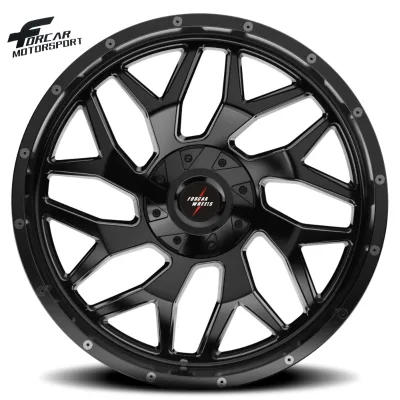
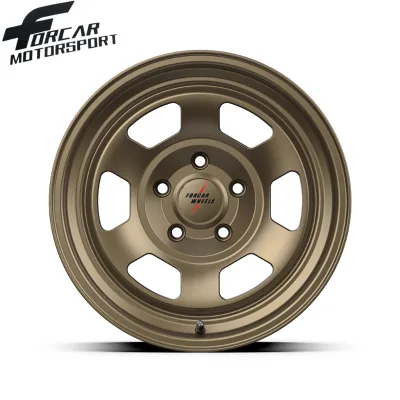
Forging Car Offroad Suv Customized Different Colors Aluminum Alloy Car Wheels
$360.00 - $590.00
MOQ: 4
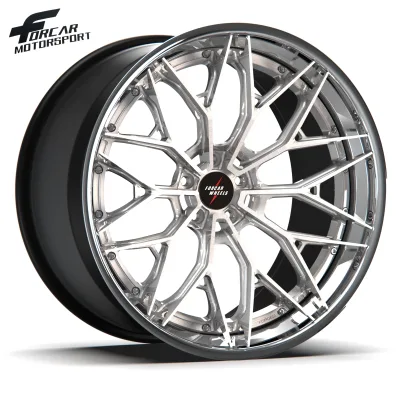
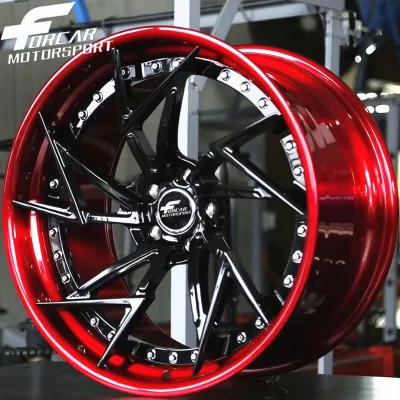
Monoblock 2-Pcs Forged Aluminum New Custom Design Alloy Wheel With Polished Inner Lip Design
$360.00 - $590.00
MOQ: 4
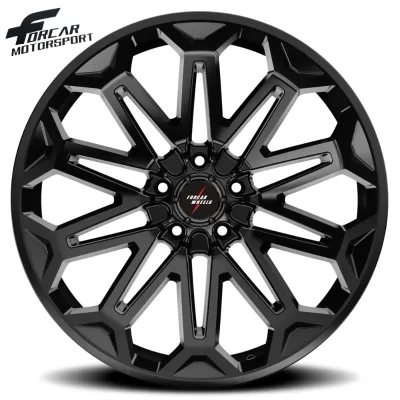
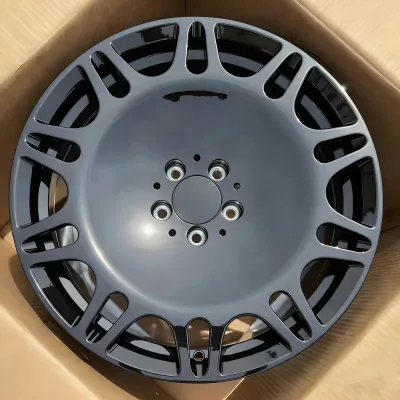
Gloss Black Finishing Wheel Rim Alloy Rims Manufacturer Car Forged Wheel Rim Wheels
$360.00 - $590.00
MOQ: 4
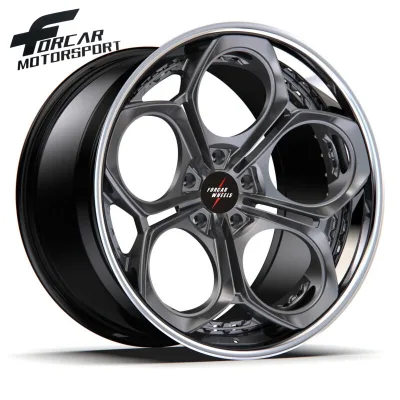
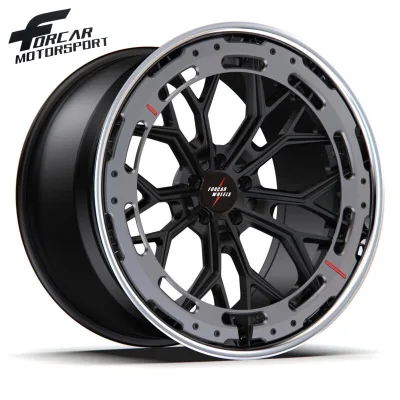
Classic Aluminum 2-Piece Forged Hot Selling Perpared 18-24inch Alloy Wheels Rims Wheel
$360.00 - $590.00
MOQ: 4
Dongguan Manka Technology Co., Ltd.
- Verified by TüVRheinland
- Manufacturer, Trading Company
- Lead time25 days
- Avg. response≤ 2h
Main productsForegd Wheel, 2 Piece Forged Wheel, 3 Piece Forged Wheel, Rim Halves, Weldeing Wheel
Main marketsEastern Europe(40%), North America(30%), Oceania(10%)
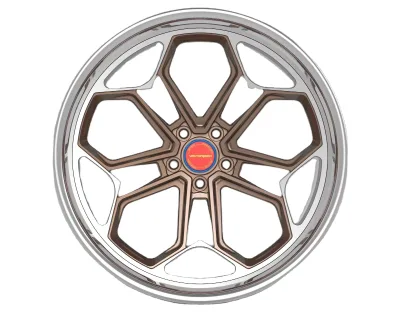
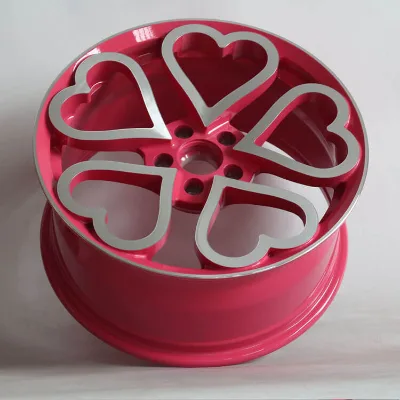
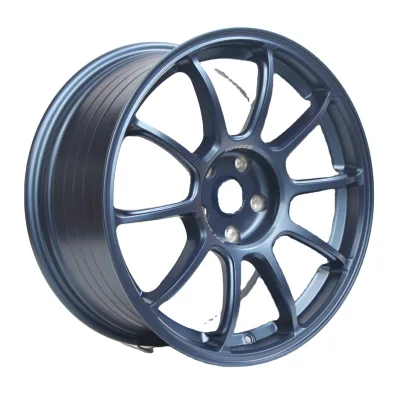
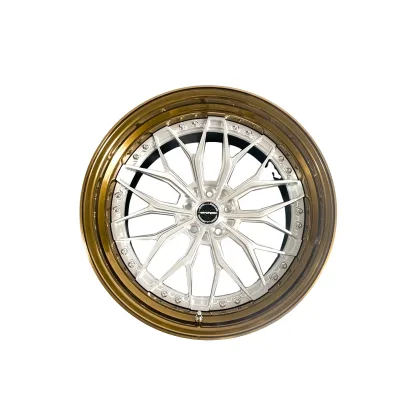
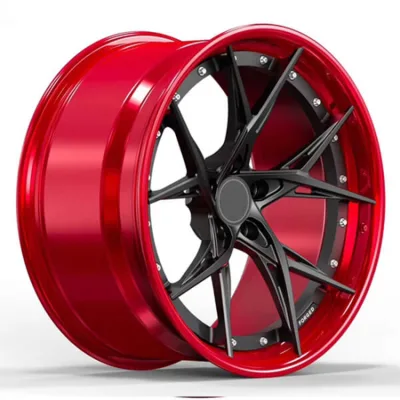
$351.00 - $495.00
MOQ: 4 pieces

Xiangyang Hengde Auto Parts Co., Ltd
- Verified by TUVRHEINLAND
- Combined
- China Hubei
- Lead time30 days
- Avg. response≤ 1h
Main productsAluminium Alloy Wheel, Alloy Wheel, Casting Wheel, Forged Wheel, off-Road Wheel, Flow Forming Wheel, Alloy Car Wheel Rim, Wheel Hub, Alloy Rim, Custom Wheel
Main marketsSouth America,Africa,Southeast Asia/ Mideast,East Asia(Japan/ South Korea),Domestic,Europe,Australia,North America


Aftermarket Wheels Passenger Wheels Alloy Wheel Alloy Wheels Rims Car Alloy Wheel
$35.00 - $50.00
MOQ: 120 Pieces


Aftermarket Wheels Aftermarket Rims Alloy Wheel Rim Wheel Rims Car Alloy Wheel
$35.00 - $65.00
MOQ: 100 Pieces
Jiangxi Jichi Import And Export Co., Ltd.
- Trading Company
- Lead time旺季: "1 - 1000":35,"> 1000":"To be negotiated", 淡季: "1 - 1000":35,"> 1000":"To be negotiated"
- Avg. response≤ 3h
Main productsExhaust System,Exhaust Pipe
Chongqing Jinzuobiao Trading Co., Ltd.
- Trading Company
- Chongqing, China
- Lead time25 days
- Avg. response≤ 2h
Main productswheel
Main marketsNorth America(50.00%), South America(30.00%), Southeast Asia(10.00%), Eastern Europe(10.00%)

Wuxi Susha Auto Parts Co., Ltd.
- Manufacturer/Factory
- China Jiangsu
- Lead time0 days
- Avg. response≤ 5h
Main productsForged Wheel, Car Wheel, Alloy Wheel, Aluminum Alloy Wheel, Wheel Rim, Aluminum Rim, Aluminum Wheel, Auto Wheel Rim, Wheel
Hefei Qizhouchi Automobile Technology Co., Ltd.
- Verified by SGS Group
- Trading Company
- Lead time0 days
- Avg. response≤ 1h
Main productsForged Wheel Hub
Main marketsNorth America(20%), Southeast Asia(20%), Eastern Europe(10%)
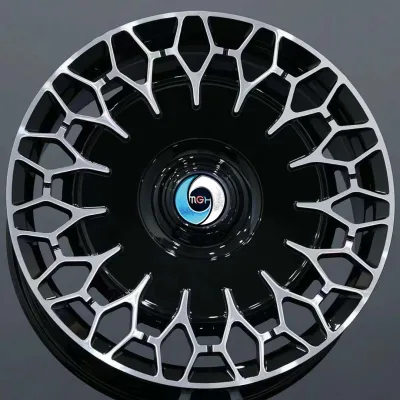
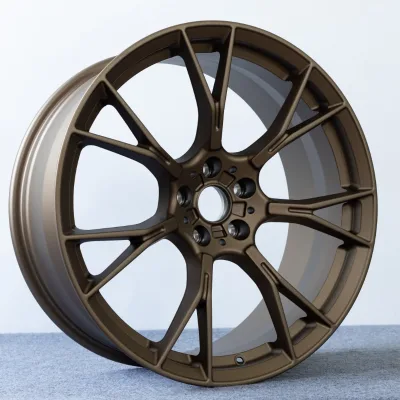
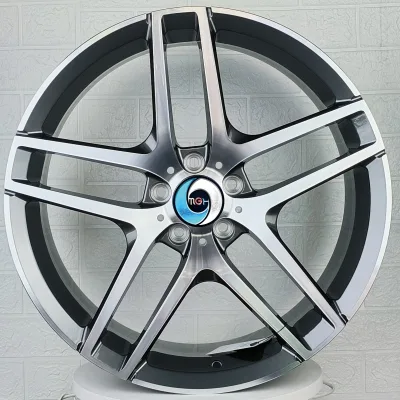
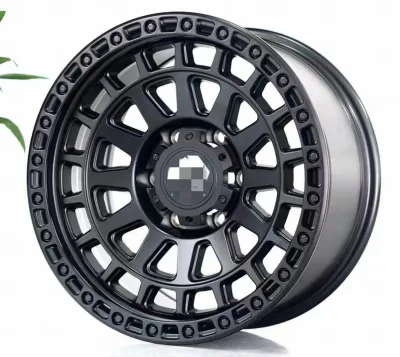
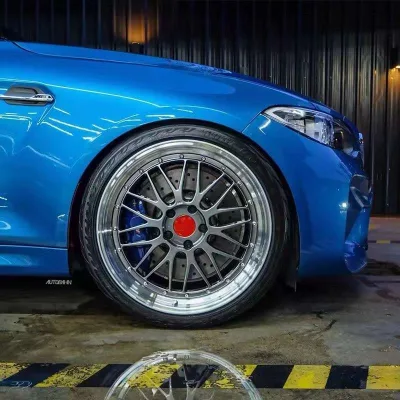
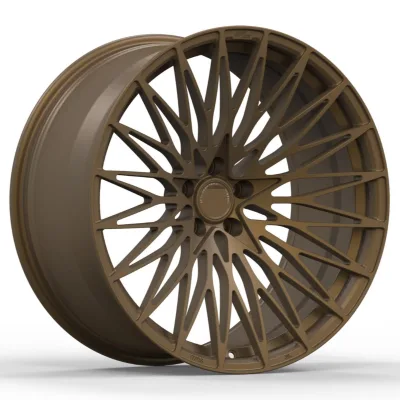
$200.00 - $220.00
MOQ: 4 pieces

Ningbo Baotong Wheel Industry Co., Ltd
- Verified by CTI
- Combined
- China Zhejiang
- Lead time45 days
- Avg. response≤ 8h
Main productsForged Alumminium Alloy Wheels, Aluminum Alloy Wheel, Anotehr Aluminum Auto Parts, Aluminum Center Caps of Wheel, Bolts & Nuts, Steering Wheel, Casted Wheel, off-Road Wheel
Main marketsEast Asia(Japan/ South Korea),Domestic,Europe,North America
Nanjing Carim Wheels Technology Co., Ltd.
- Trading Company
- Jiangsu, China
- Lead time45 days
- Avg. response≤ 1h
Main productsAlloy Wheels,Rims,Forged Wheels,Flow Forming Wheels,Wire Wheels
Main marketsNorth America(18.00%), Southeast Asia(15.00%), Western Europe(9.00%), Eastern Europe(8.00%), Oceania(8.00%), South Asia(5.00%), Southern Europe(5.00%), Northern Europe(5.00%), Central America(5.00%), Africa(5.00%), Eastern Asia(5.00%), Mid East(5.00%), South America(5.00%), Domestic Market(2.00%)
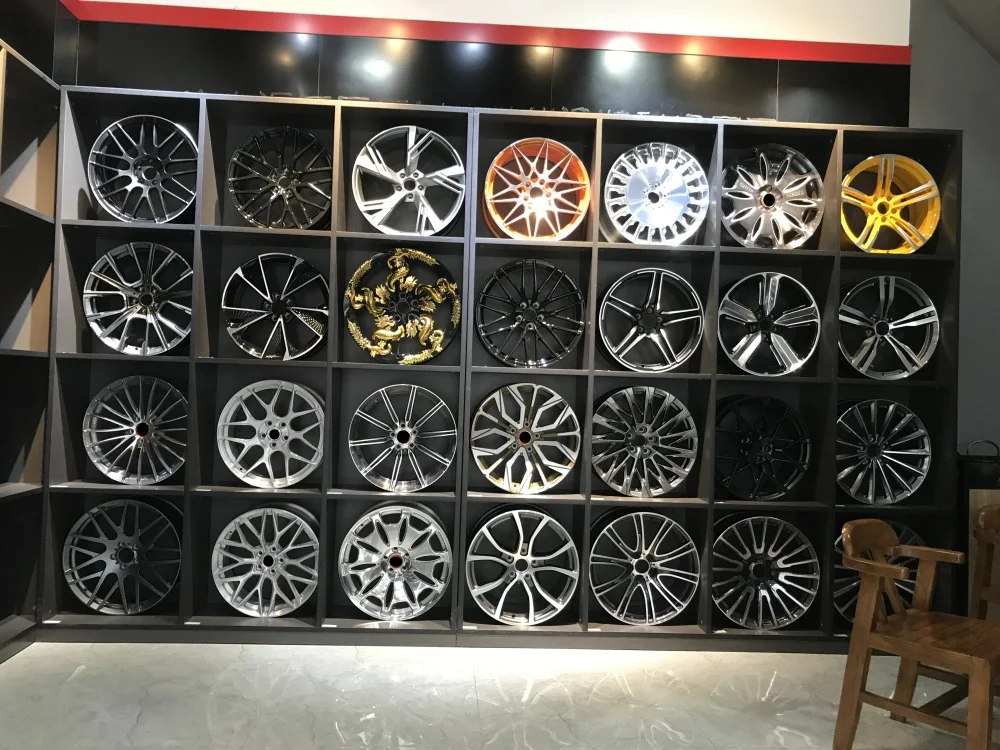
Chengdu Duanjijiang Automotive Parts Co., Ltd.
- Trading Company
- Sichuan, China
- Lead time30 days
- Avg. response≤ 1h
Main productsForged wheel hub,Personalized customized wheel hub,Auto Parts,auto parts,Automotive decorative products
Main marketsNorth America(40.00%), Southeast Asia(20.00%), Eastern Asia(10.00%), Mid East(10.00%), South Asia(5.00%), Eastern Europe(5.00%), Northern Europe(5.00%), South America(2.00%), Central America(1.00%), Africa(1.00%)

Wuxi Sty International Co., Ltd.
- Verified by SGS
- Trading Company
- China Jiangsu
- Lead time15 days
- Avg. response≤ 4h
Main marketsSoutheast Asia/ Mideast,Europe,Australia
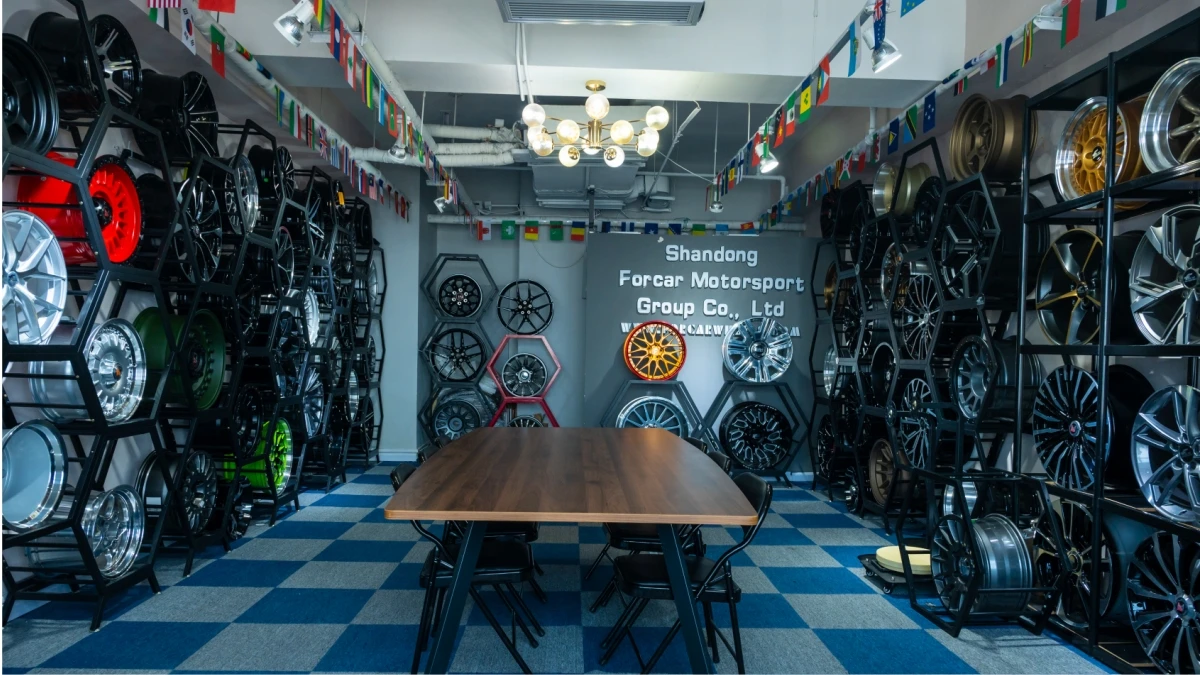
Qingdao Forcar Motorsport Co., Ltd.
- Manufacturer, Trading Company
- Shandong, China
- Lead time30 days
- Avg. response≤ 3h
Main productsAlloy Wheels,Wheel Rims,Flow Forming Wheels,Aluminum Wheels,Car Wheels
Main marketsSouth America(23.00%), North America(20.00%), Central America(7.00%), Southeast Asia(7.00%), Domestic Market(7.00%), Africa(6.00%), Oceania(6.00%), Northern Europe(5.00%), Southern Europe(5.00%), Western Europe(5.00%), Eastern Europe(5.00%), Mid East(2.00%), Eastern Asia(1.00%), South Asia(1.00%)
Nanchang JiYiDa Automotive Parts Co., Ltd.
- Verified by TüVRheinland
- Trading Company
- Lead time0 days
- Avg. response≤ 4h
Main productsExhaust System
Main marketsNorth America(55%), Western Europe(20%), Southeast Asia(15%)


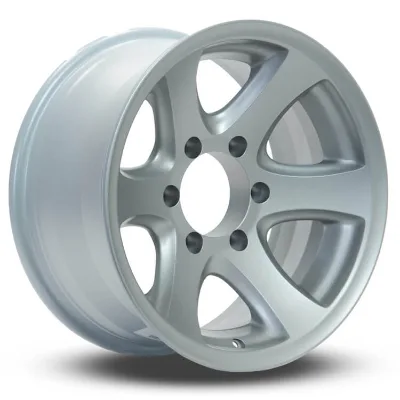
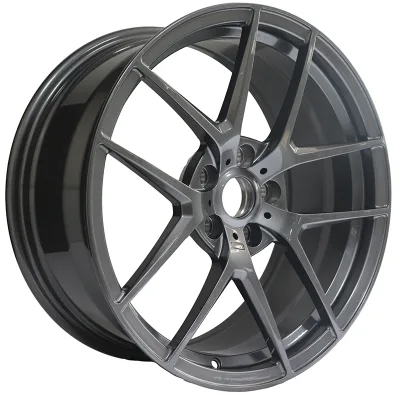
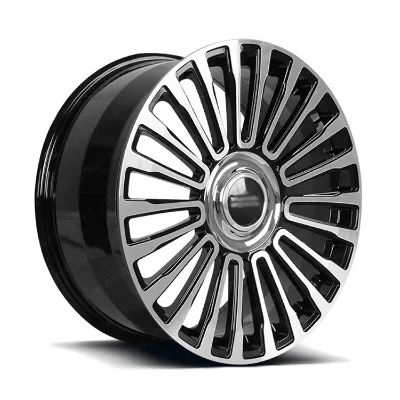
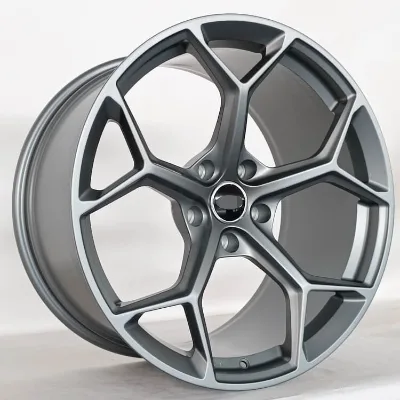
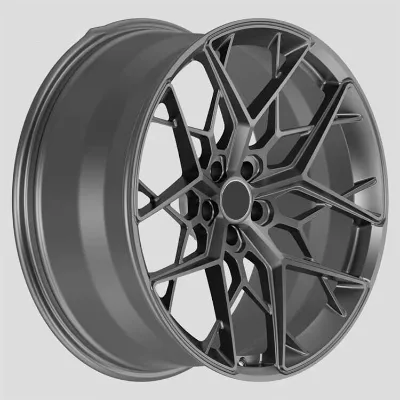
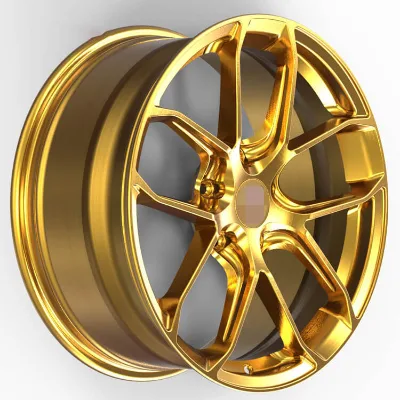
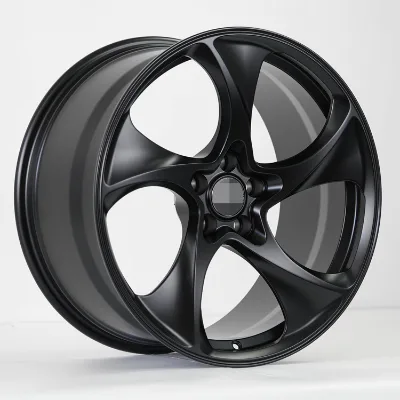


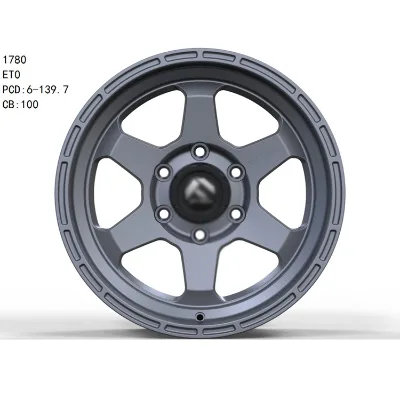


Comprehensive Sourcing Guide
Modified New Design Alloy Wheels Supplier Concentration and Factory Types
The current supplier landscape for Modified New Design Alloy Wheels reveals a distinct mix of manufacturing capabilities and trading structures. Evidence indicates that suppliers are primarily located in China, with Zhejiang identified as a specific regional hub for these operations. This geographic concentration suggests a mature industrial cluster where supply chain efficiencies for aluminum and alloy materials are well-established. Buyers evaluating this market should note that the company types listed include both Trading Companies and Manufacturer/Factory entities. This duality is critical for sourcing decisions, as trading companies may offer broader catalog variety and streamlined communication, while manufacturers provide direct control over production processes and customization capabilities. The presence of both types in the results allows buyers to choose based on their specific needs for direct factory engagement versus consolidated sourcing services.
Understanding the operational model of these suppliers is essential for assessing reliability and cost structure. Suppliers identified as manufacturers or factories often have direct access to casting, forging, and flow-forming technologies, which are key production methods for high-quality alloy wheels. The product evidence highlights various manufacturing techniques, including casting, forging, and flow forming, indicating that the region supports diverse production methods. Trading companies, on the other hand, may aggregate products from multiple factories, offering a wider range of styles and sizes, such as the extensive model coverage mentioned in some listings. Buyers should verify the actual production capacity and ownership of machinery when dealing with trading companies to ensure that the claimed manufacturing capabilities are genuine. This verification helps in determining whether the supplier can handle complex customizations or large-volume orders effectively.
How to Verify Modified New Design Alloy Wheels Suppliers
Verification is a critical step in ensuring that suppliers meet international quality and safety standards for Modified New Design Alloy Wheels. The available data shows that suppliers hold various third-party verification badges, including BV, SGS, and CTI. These verifications provide a baseline level of trust regarding the company’s legal existence and operational legitimacy. Additionally, system certifications such as ISO 9001 are present, indicating adherence to quality management systems. Buyers should prioritize suppliers with these verifications, as they demonstrate a commitment to standardized processes and quality control. It is important to note that while these badges are strong indicators, they should be complemented by direct communication and request for specific test reports to ensure compliance with destination market regulations.
Beyond verification badges, buyers should assess the specific certifications listed for the products themselves. The product evidence frequently cites certifications such as TUV, VIA, DOT, and CE. These are crucial for market access, particularly in regions with strict automotive safety regulations. For instance, DOT certification is often required for the US market, while TUV and CE are relevant for European markets. Buyers must confirm that the specific wheel models they intend to purchase carry the appropriate certifications for their target region. Furthermore, the presence of customization options in the product attributes suggests that suppliers are flexible, but buyers should verify if custom designs also undergo rigorous testing and certification processes. Requesting copies of valid certificates and checking their expiration dates is a necessary due diligence step to avoid compliance issues during customs clearance or product liability claims.
What to Compare Across Modified New Design Alloy Wheels Suppliers
When evaluating suppliers, several key performance indicators and commercial terms should be compared to identify the most suitable partner. Response time is a significant metric, with observed values ranging from approximately 4.86 to 9.52. A faster response time often correlates with better customer service and quicker issue resolution, which is vital for custom orders. Lead times also vary, with some suppliers offering as little as 23 days, while others require up to 60 days. This variation can impact inventory planning and market launch schedules. Buyers should align their order timelines with the supplier’s stated lead times, considering that custom designs may require additional time for tooling and production setup. Comparing these operational metrics helps in selecting suppliers who can meet specific delivery deadlines.
Another critical aspect to compare is the Minimum Order Quantity (MOQ) and pricing structure. The data shows MOQs ranging from 4 units to 60 units, offering flexibility for different business models. Suppliers with lower MOQs are ideal for testing new designs or serving niche markets, while those with higher MOQs may offer better economies of scale. Pricing also varies significantly, with some products listed between $28 and $120, while others are priced around $200. This price disparity often reflects differences in manufacturing methods, such as casting versus forging, and the level of customization involved. Buyers should request detailed quotations that break down costs for materials, finishing, and shipping. Additionally, comparing the range of main products offered, such as alloy wheels, steel wheels, and wheel accessories, can help identify suppliers with comprehensive capabilities for bundled orders.
Common Modified New Design Alloy Wheels Sourcing Risks
Sourcing Modified New Design Alloy Wheels involves several risks that buyers must actively manage to ensure product quality and supply chain stability. One significant risk is the discrepancy between advertised specifications and actual product quality. While product attributes list features like material type (aluminum or alloy) and finishing (black or chrome), buyers must verify these details through samples or factory audits. The presence of customization options adds complexity, as custom designs may have higher defect rates if not properly engineered. Buyers should insist on pre-production samples to check for structural integrity, balance, and aesthetic consistency. Failure to validate these aspects can lead to high return rates and damage to brand reputation in the end market.
Another risk is the variability in lead times and production capacity. Suppliers may quote optimistic lead times that do not account for raw material shortages or production bottlenecks. The observed lead times range from 23 to 60 days, but actual delivery may be delayed due to unforeseen circumstances. Buyers should include buffer time in their planning and establish clear communication channels for progress updates. Additionally, there is a risk associated with intellectual property protection when dealing with custom designs. Buyers should ensure that their designs are protected and that suppliers adhere to confidentiality agreements. Verifying the supplier’s experience with similar custom projects and their ability to maintain quality consistency across large batches is essential to mitigate these risks.
Modified New Design Alloy Wheels Regional Sourcing and Logistics
The geographic concentration of suppliers in China, particularly in Zhejiang, offers logistical advantages but also requires careful planning for international shipping. This region is known for its robust manufacturing infrastructure and access to raw materials, which can reduce production costs. However, buyers must consider the logistics of transporting heavy and bulky items like alloy wheels. The product evidence mentions standard packing dimensions, such as 45x45x55cm and 480x480x225mm, which impact container loading efficiency. Buyers should work with suppliers to optimize packaging to maximize container space and reduce shipping costs. Understanding the freight terms, such as FOB or CIF, is crucial for determining who bears the risk and cost during transit.
Logistics planning also involves coordinating with freight forwarders to ensure timely delivery. The observed lead times of 23 to 60 days include production time, but shipping duration varies based on the destination. Buyers should factor in customs clearance times and potential delays at ports. Working with suppliers who have experience in exporting to the buyer’s region can facilitate smoother logistics. Some suppliers may offer real-time freight quotes, which can help in budgeting for shipping costs. Additionally, buyers should consider the environmental impact of shipping and explore options for more sustainable packaging and transport methods. Effective logistics management ensures that products arrive in good condition and on time, supporting successful market entry and customer satisfaction.
Modified New Design Alloy Wheels Commercial Terms and Order Planning
Commercial terms and order planning are pivotal for successful procurement of Modified New Design Alloy Wheels. Buyers should negotiate clear payment terms, such as using escrow services to protect their funds until goods are received and verified. The presence of customization options means that orders may require specific agreements on design approvals, tooling costs, and revision limits. Buyers should document all customization requirements in the purchase order to avoid misunderstandings. Additionally, warranty terms should be clarified, as some suppliers offer lifetime painting warranties or quality guarantees. Understanding these terms helps in managing post-sale responsibilities and customer service expectations.
Order planning should also consider the scalability of production. Suppliers with OEM capabilities and RD capacity can support growth and product evolution. Buyers should assess the supplier’s ability to handle volume increases and maintain quality consistency. Establishing a long-term partnership with a reliable supplier can lead to better pricing and priority production slots. Regular communication and performance reviews are essential to maintain a healthy business relationship. Buyers should also plan for inventory management, considering the lead times and MOQs to optimize stock levels. By carefully managing commercial terms and order planning, buyers can mitigate risks and ensure a steady supply of high-quality alloy wheels for their market.
FAQs
What certifications do modified alloy wheels carry?
Modified alloy wheels typically carry TUV, VIA, DOT, ISO, and CE certifications. These standards ensure the rims meet international safety and quality benchmarks for passenger cars and SUVs. Buyers should verify specific certification lists for each product model before placing orders to confirm compliance with local regulations.
What is the minimum order quantity for alloy rims?
The minimum order quantity varies by product type. Standard cast alloy wheels often require a minimum of 60 units. However, custom forged or two-piece designs may have a lower MOQ of just 4 sets. Buyers should check the specific product page to confirm the exact quantity requirements.
How long does production take for custom wheels?
Production lead times generally range from 23 to 60 days depending on the manufacturing method. Standard cast wheels may ship within 23 days, while complex forged or flow-formed designs can take up to 60 days. Custom specifications and packaging requirements may also influence the final delivery schedule.
What materials are used in these alloy wheels?
These wheels are primarily manufactured from aluminum or alloy materials. Finishing options include black, chrome, or customized colors. The designs feature flat or equal diameter spokes suitable for 4WD vehicles. Buyers can select from various hub diameters ranging from 16 to 24 inches based on their vehicle needs.
What is the price range for aftermarket alloy wheels?
Prices for modified alloy wheels range from $28 to $200 per unit. Standard cast rims typically cost between $28 and $120. Premium forged or two-piece custom designs can reach up to $200. The final price depends on the material, finishing, and customization level selected by the buyer.
Are customization options available for these wheel rims?
Yes, customization is available for most alloy wheel products. Buyers can request specific finishes, colors, and spoke types. Custom sizes, PCD, and center bore dimensions are also supported for many models. This flexibility allows buyers to source wheels that precisely match their vehicle specifications and aesthetic preferences.