Modular Sports Mannequin with Detachable Limbs Suppliers and Manufacturers
Explore 17 verified options for Modular Sports Mannequin with Detachable Limbs from Guangdong and Fujian factories. Compare response times, lead times, MOQs, and certifications like CE and TüVRheinland before requesting quotes; review the available evidence before requesting comparable quotations from suitable candidates.
Updated
Suppliers List
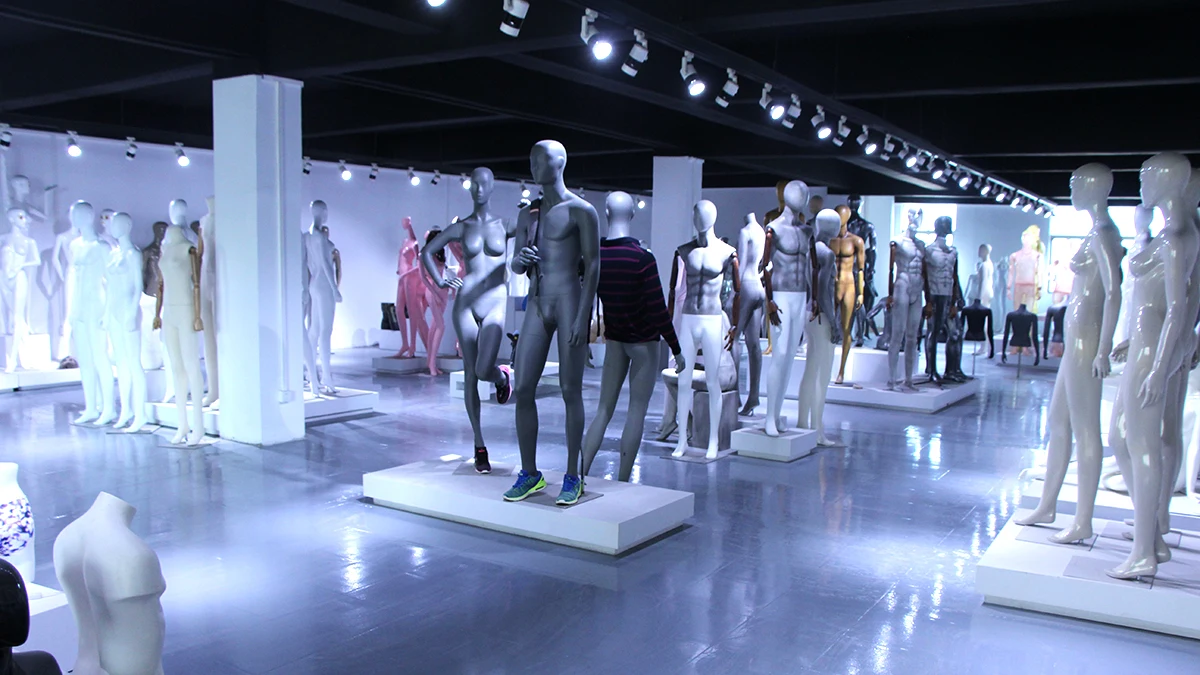
Dongguan Jasmine Display Products Co., Ltd.
- Trading Company
- Guangdong, China
- Lead time15 days
- Avg. response≤ 1h
Main productsmannequin,hanger,display rack,dress form
Main marketsMid East(65.00%), North America(25.00%), Western Europe(10.00%)
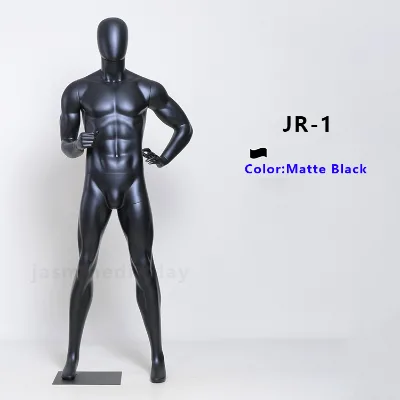
$112.5366 - $122.8605
MOQ: 2 pieces
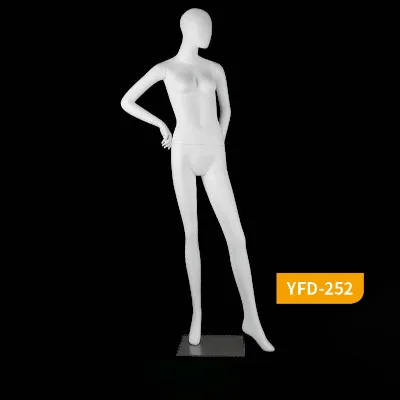
Hot Sales Hands up and Grabbing Pose Realistic Fiberglass Female Sports Mannequin
$125.00 - $145.00
MOQ: 5
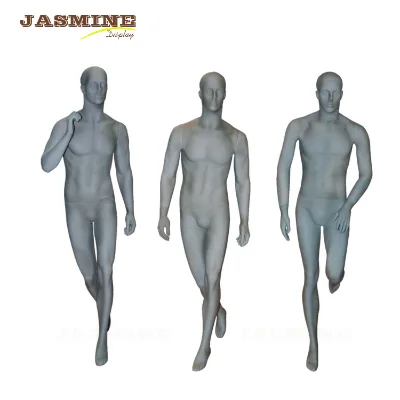
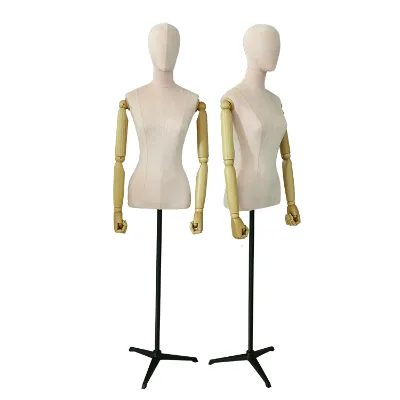
Quanzhou Yingchuan Import & Export Trade Co.,ltd
- Verified by TüVRheinland
- Trading Company
- Lead time10 days
- Avg. response≤ 2h
Main productsMannequin, Hanger
Main marketsWestern Europe(30%), North America(20%), Oceania(20%)

Suzhou Kasa Fashion Model Props Co., Ltd
- Verified by CTI
- Trading Company
- China Jiangsu
- Lead time30 days
- Avg. response≤ 1h
Main productsMannequin, Dress Form, Female Mannequin, Male Mannequin, Child Mannequin, Half Body Mannequin, Full Body Mannequin, Display
Main marketsDomestic


Sports Mannequin Muscular Sports Running Muscular Male and Female Mannequin
$70.00 - $80.00
MOQ: 20 Pieces


Quanzhou Hexing Display Products Co., Ltd.
- Verified by SGS
- Combined
- China Fujian
- Lead time15 days
- Avg. response≤ 4h
Main productsMannequin, Shoe Tree, Clothes Hanger
Main marketsSouth America,Africa,Southeast Asia/ Mideast,East Asia(Japan/ South Korea),Domestic,Europe,Australia,North America


Sports Athletic Fitness Fiberglass Mannequin Realistic Female Running Mannequins
$89.00 - $125.00
MOQ: 5 pieces
Taizhou Aiyi Plastic Co., Ltd.
- Verified by Intertek
- Manufacturer, Trading Company
- Lead time15 days
- Avg. response≤ 2h
Main productsPlastic Mannequin
Main marketsAfrica(30%), South Asia(15%), Mid East(15%)
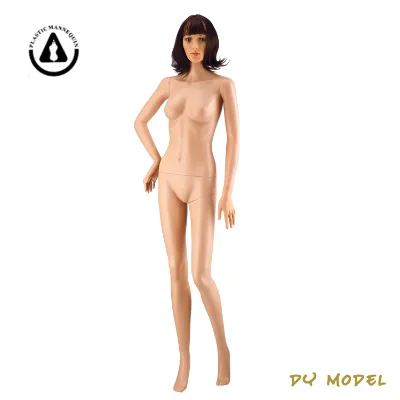
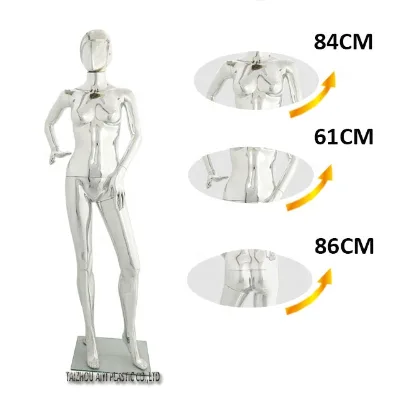
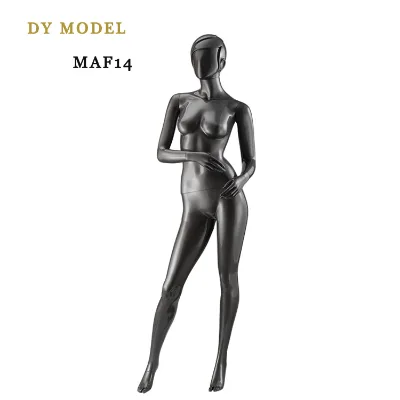
OEM Plastic Mannequin Cheap Mannequin for DISPLAY
$51.00 - $57.00
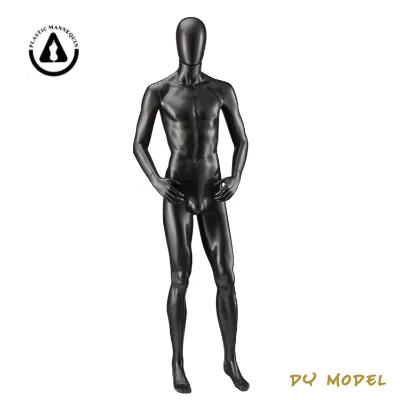
Fashionable Vivid Full Body Hot Sex Male Mannequins
$59.00 - $65.00
Quanzhou Hexing Display Factory
- Verified by TüVRheinland
- Manufacturer, Trading Company
- Lead time8 days
- Avg. response≤ 3h
Main productsMannequins, Clothes Hanger, Shoe Tree
Main marketsSouthern Europe(15%), North America(10%), Eastern Europe(10%)
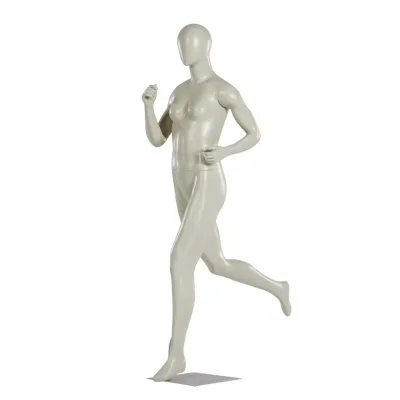
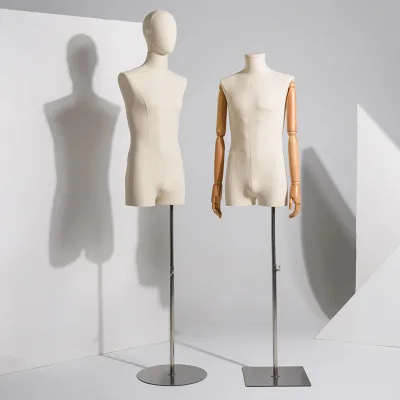
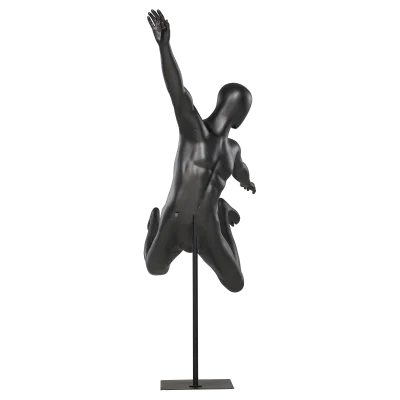
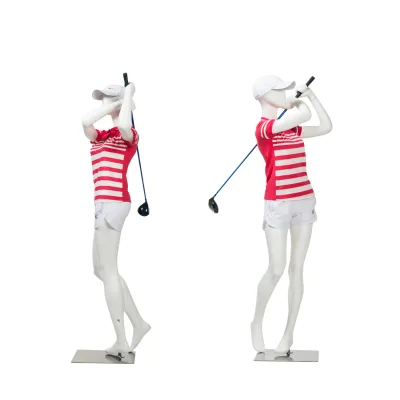
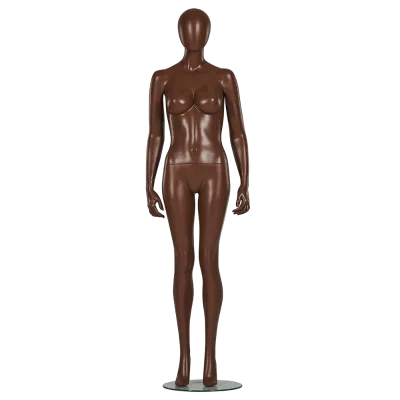
Wholesale Fiberglass Skateboarding Manikin Mannequin for Clothes Male Sport Mannequin
$130.00 - $150.00
MOQ: 5

Quanzhou Hexing Display Factory
- Verified by SGS
- Combined
- China Fujian
- Lead time15 days
- Avg. response≤ 2h
Main productsHanger, Plastic Hanger, Shoe Tree, Wooden Hanger
Main marketsSoutheast Asia/ Mideast,Europe,North America

Slim Male Sports Mannequin with Dribbling Pose for Retail Window Display
$75.00 - $135.00
MOQ: 5 Pieces

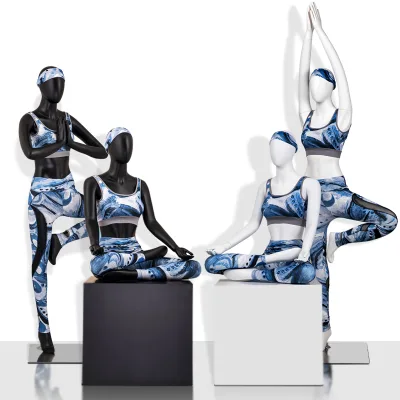
Adjustable Fashion Retail Mannequin with Articulated Arms for Yoga Display
$125.00 - $135.00
MOQ: 5 Pieces

Custom Fiberglass Female Mannequin with Realistic Articulated Arms for Fashion Retail Display
$165.00 - $175.00
MOQ: 5 Pieces

Custom Fiberglass Full Body Leg Stretching Sports Mannequin for Athletic Clothing Display
$100.00 - $130.00
MOQ: 5 Pieces

$165.00 - $175.00
MOQ: 5 Pieces

Factory Direct Fiberglass Leg Stretching Mannequin for Sports Clothing Store Display
$100.00 - $130.00
MOQ: 5 Pieces
Quanzhou Hexing Display Products Co., Ltd.
- Verified by TüVRheinland
- Manufacturer, Trading Company
- Lead time7 days
- Avg. response≤ 1h
Main productsMannequins, Shoe Tree, Clothes Hanger
Main marketsSouthern Europe(15%), North America(10%), Eastern Europe(10%)
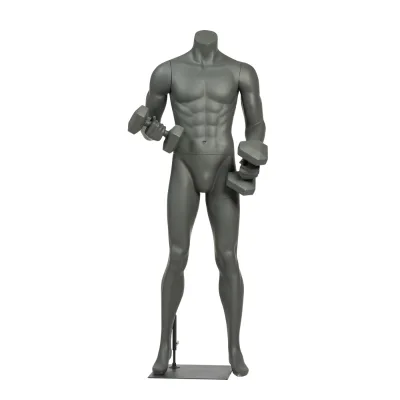
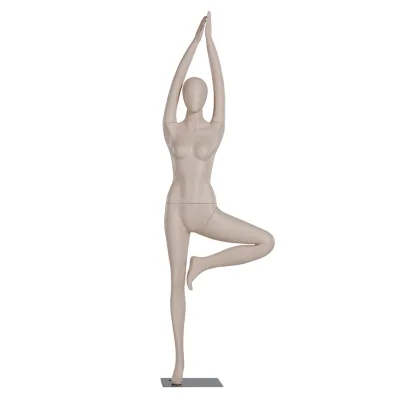
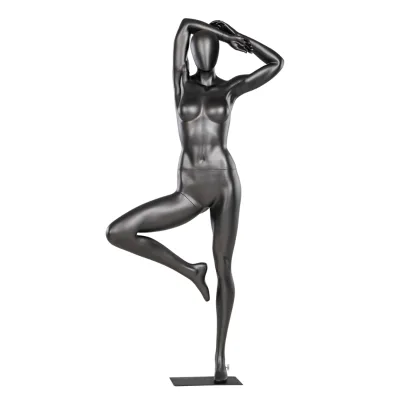
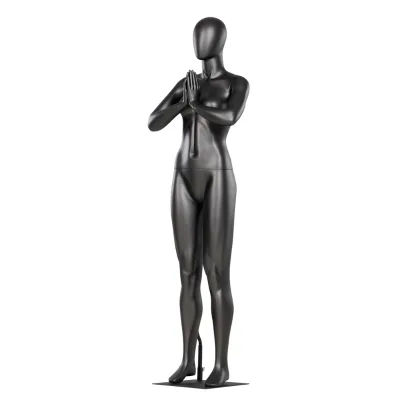
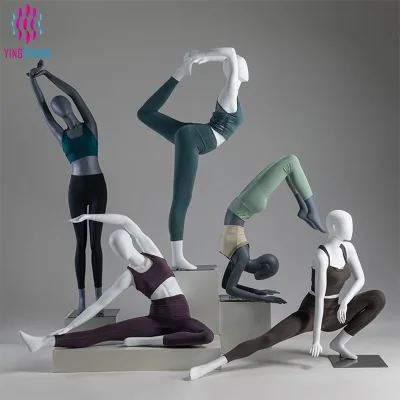
Sports Athlete Mannequin Full Body Female Dummy Yoga Mannequins Window Display Models
$98.00 - $125.00
MOQ: 5
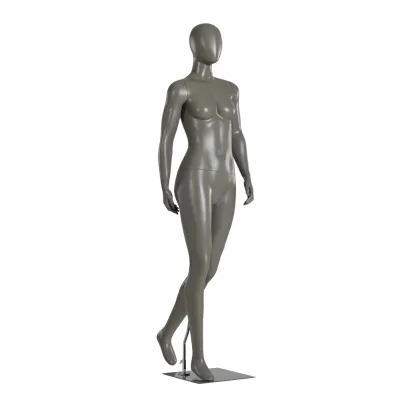
Hot Sales Grey Fiberglass Lifelike Sports Mannequins Female Body Walking Woman Manniques
$98.00 - $125.00
MOQ: 5

Dongguan Yongzhao Hardware Products Co., Ltd.
- Combined
- China Guangdong
- Lead time15 days
- Avg. response≤ 5h
Main productsHanger, Plastic Hanger, Clothes Hangers, Mannequins, Fiberglass Mannequins, Clothing Hangers, Velvet Hangers, Rubber Coating Hanger, Lingerie Hanger, Swimwear Hanger
Main marketsSouth America,Southeast Asia/ Mideast,Europe,Australia,North America


Wholesale Full Body Fiberglass Female Muscle Mannequin for Sportswear Display
$81.00 - $95.00
MOQ: 20 Pieces
Guangzhou Meizi Model Crafts Co., Ltd.
- Manufacturer
- Guangdong, China
- Lead time0 days
- Avg. response≤ 1h
Main productstyson ballou,Female model,Child model,Torso model,Yoga clothes
Main marketsNorth America(50.00%), Southern Europe(10.00%), Western Europe(10.00%), Eastern Europe(10.00%), Northern Europe(10.00%), Central America(5.00%), South America(5.00%)
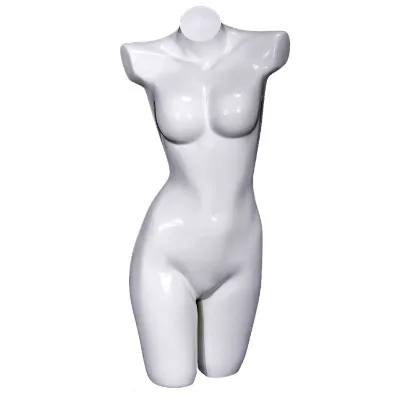
jointed mannequin mannequin headless mannequin for drawing
$70.00 - $80.00
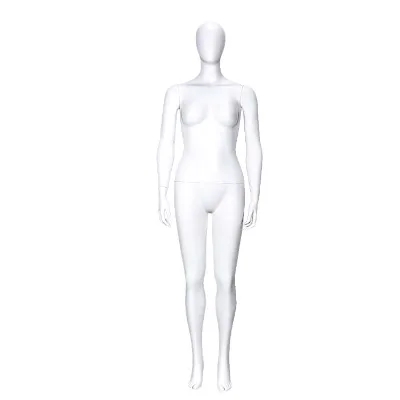
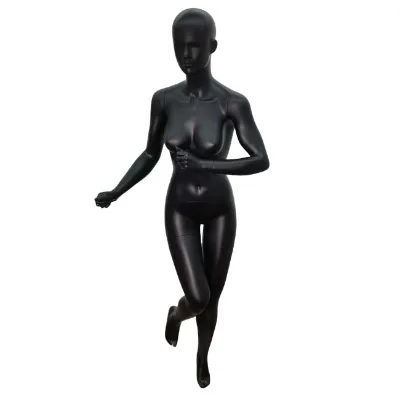
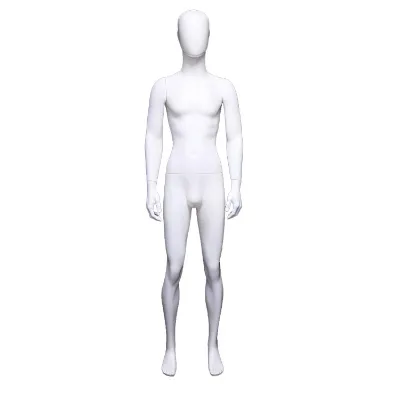
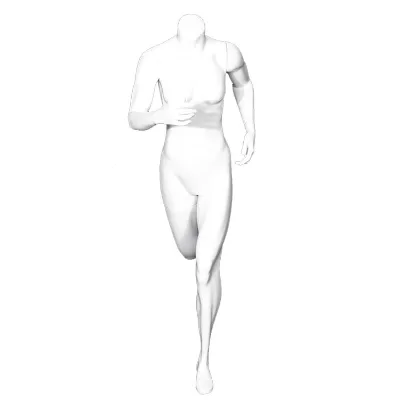
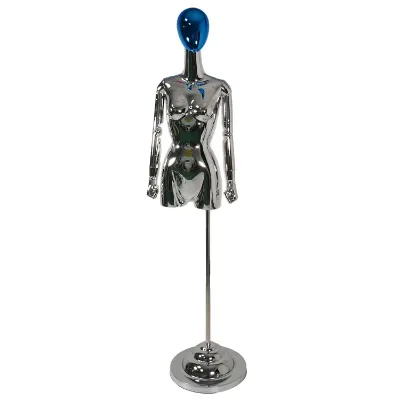
articulate mannequin mannequins supplier mannequins white
$190.00 - $200.00
Suzhou Kasa Fashion Model Props Co., Ltd.
- Verified by Intertek
- Manufacturer, Trading Company
- Lead time30 days
- Avg. response≤ 6h
Main productsMannequin, Hanger, Rack, Display, Crafts
Main marketsNorth America(32%), Africa(23%), Eastern Europe(19%)

Suzhou Malltek Supply China Co., Ltd.
- Verified by BV
- Trading Company
- China Jiangsu
- Lead time15 days
- Avg. response≤ 2h
Main productsShopping Trolley, Shopping Bakset, Airport Trolley, Supermarket Cart, Supermarket Shelf, Mannequin, Wire Container, Storage Rack, Shopping Cart, Checkout Counter
Main marketsSouth America,Africa,Others(foreignTradeCapacity.exportBusinessCapacityMarketOther),Southeast Asia/ Mideast,East Asia(Japan/ South Korea),Europe,Australia,North America


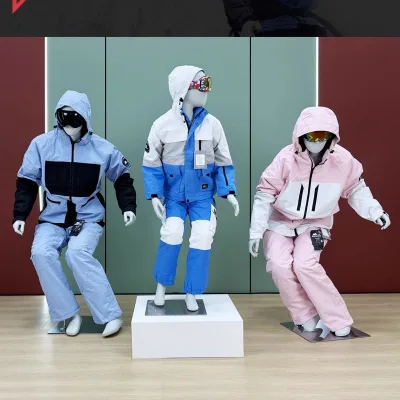
Wholesale High-Quality Poseable Kids Football Sports Full Mannequins for Display
$30.00 - $65.00
MOQ: 5 Pieces

Hot Sale Full Body Fashion Sports Training Fiberglass Male Female Fit Mannequin
$52.00 - $68.00
MOQ: 5 Pieces

High Quality Flexible Pose Yoga Mannequin Ideal for Activewear Display or Fitness Studio Visuals
$75.00 - $85.00
MOQ: 5 Pieces

Ownway Display Equipment (Guangzhou) Co., Ltd.
- Verified by TUVRHEINLAND
- Trading Company
- China Guangdong
- Lead time23 days
- Avg. response≤ 9h
Main productsDisplay Showcase, Retail Display Cabinet, Store Fixtures, Shop Furniture, Jewelry Display Cabinet, Cosmetic Display Cabinet, Optical Store Furniture, Retail Store Design, Display Rack, Mannequin
Main marketsOthers(foreignTradeCapacity.exportBusinessCapacityMarketOther),Southeast Asia/ Mideast,Domestic,North America

Custom Made Mannequin Wholesale Fashion Full Body Sport Yoga Female Mannequin
$90.00 - $150.00
MOQ: 3 Pieces

Full Body Matte Fiberglass Men Muscular Sports Male Mannequin for Sportswear Display
$159.00 - $189.00
MOQ: 3 Pieces


Guangzhou Luxury Gold Display Products Ltd.
- Manufacturer, Trading Company
- Guangdong, China
- Lead time20 days
- Avg. response≤ 3h
Main productsclothing rack,mannequin,clothing hanger,checkout counter,Paper Packaging
Main marketsNorth America(40.00%), Northern Europe(20.00%), Eastern Europe(10.00%), Africa(10.00%), Western Europe(10.00%), Mid East(5.00%), Southeast Asia(5.00%)

PEIDA MACHINERY GROUP CO., LTD.
- Verified by BV
- Manufacturer/Factory
- China Anhui
- Lead time90 days
- Avg. response≤ 8h
Main productsBarge, Tugboat, Oil Tanker Ship, Cargo Ship, Tug Boat, Floating Crane Barge, Passenger Ship, Passenger Boat, Deck Barge, Oil Barge
Main marketsSouth America,North America,Southeast Asia,Western Europe,Africa

Fiberglass Full Body Man Muscular Sports Male Mannequin for Sportswear Display
$30.00 - $300.00
MOQ: 1 Pieces

Fiberglass Sports Full Body Mannequins for Supermarket and Clothes Store
$30.00 - $300.00
MOQ: 1 Pieces

Suzhou Sigmetal Business Equipment Co., Ltd.
- Verified by SGS
- Trading Company
- China Jiangsu
- Lead time30 days
- Avg. response≤ 5h
Main productsDisplay Rack, Gondola Shelving, Store Fixtures, Shop Fitting, Checkout Counter, Shopping Trolley, Display Hook, Shopping Basket, Furniture Accessories, Supermarket Supporting Facilities
Main marketsEurope,Australia
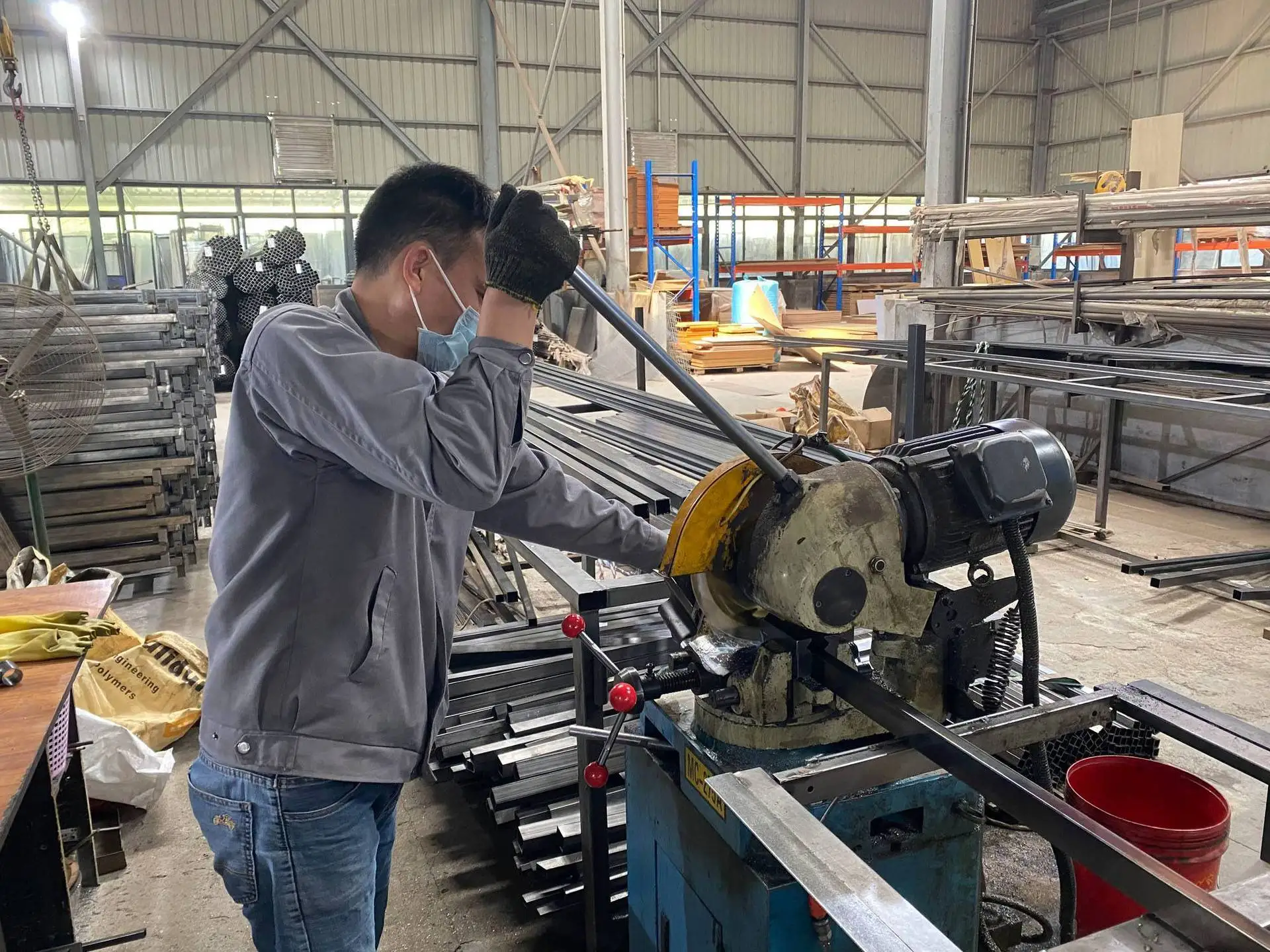
Guangzhou Jieyao Display Shelf Co., Ltd.
- Manufacturer, Trading Company
- Guangdong, China
- Lead time15 days
- Avg. response≤ 1h
Main productsBoutique clothing display racks,Visualizer,Shoe store display stands,Mannequins,Cash register
Main marketsNorth America(25.00%), Mid East(15.00%), Oceania(15.00%), Western Europe(15.00%), Northern Europe(5.00%), Eastern Europe(5.00%), Central America(5.00%), Southeast Asia(3.00%), Domestic Market(2.00%), South Asia(2.00%), Southern Europe(2.00%), Eastern Asia(2.00%), Africa(2.00%), South America(2.00%)
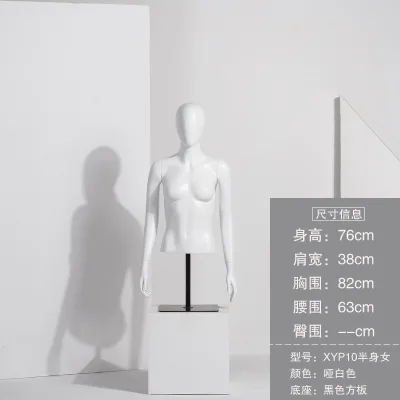
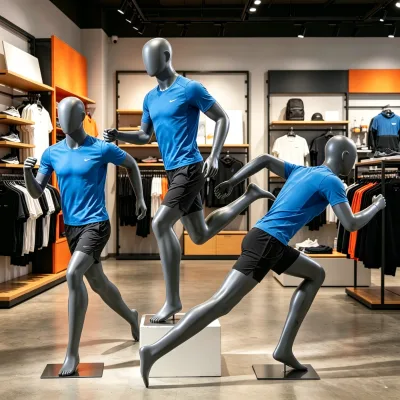
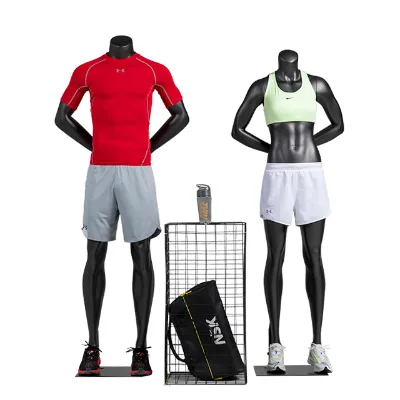
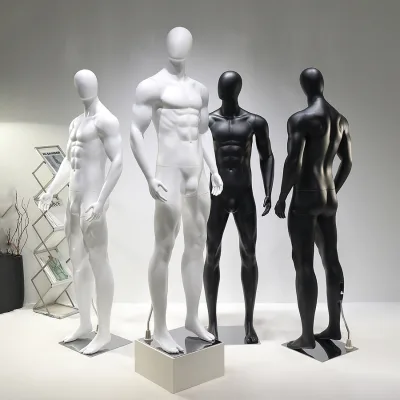



Comprehensive Sourcing Guide
Modular Sports Mannequin with Detachable Limbs Supplier Concentration and Factory Types
The sourcing landscape for modular sports mannequins with detachable limbs reveals a distinct concentration of manufacturing activity within specific industrial hubs in China, particularly Guangdong. This region serves as a primary cluster for suppliers offering these specialized display fixtures, leveraging established supply chains for fiberglass and metal components. Buyers evaluating this market will encounter a mix of trading companies and direct manufacturers, each presenting different operational models. Trading companies often aggregate products from multiple factories, providing a broader catalog that may include hangers, display racks, and dress forms alongside the core mannequin offerings. This aggregation allows for one-stop sourcing but may introduce layers of communication that can affect lead times and quality control consistency. In contrast, factories with their own production lines, such as those producing the Yingchuan brand, offer direct oversight of the manufacturing process. These facilities typically emphasize their capability for customized on-demand processing, including sample and graphic processing, which is crucial for brands requiring specific aesthetic adjustments or unique pose configurations. Understanding this dichotomy is essential for buyers to determine whether they prioritize product variety and convenience or direct factory engagement and potential cost efficiencies. The presence of both types in the same geographic region means that location alone does not guarantee factory-direct pricing, necessitating deeper due diligence into the supplier’s actual operational structure.
Furthermore, the product evidence indicates that many suppliers in this cluster specialize in full-body and upper-body mannequins designed for apparel display, with a strong focus on athletic and sports aesthetics. The modular nature of these products, featuring detachable limbs and multiple pose capabilities such as standing, sitting, running, and kneeling, requires precise engineering and assembly. Suppliers in Guangdong are well-positioned to handle this complexity due to the region’s advanced manufacturing infrastructure. However, buyers must verify if the supplier is merely a reseller or the actual producer, as this distinction impacts the ability to request custom mold modifications or material changes. Some suppliers explicitly state they are trading companies, while others highlight their factory status. This transparency is a key differentiator in the sourcing process. Additionally, the variety of materials used, primarily fiberglass, suggests a mature local supply chain for composite materials. Buyers should assess whether the supplier’s main products align with their specific needs, as those focusing on mannequins and hangers may have deeper expertise than general trading entities. The concentration of these specialized suppliers in Guangdong provides a competitive environment, but it also requires buyers to carefully filter through the available options to find partners who match their specific volume and customization requirements.
How to Verify Modular Sports Mannequin with Detachable Limbs Suppliers
Verifying the legitimacy and capability of suppliers for modular sports mannequins with detachable limbs requires a multi-layered approach that goes beyond basic company profiles. Buyers should prioritize suppliers who have undergone third-party verification processes, such as those conducted by TüV Rheinland, which adds a layer of credibility to the supplier’s business operations and product claims. This verification status is a critical indicator of a supplier’s commitment to transparency and quality management. In addition to verification badges, buyers must scrutinize the supplier’s response time, as a quick and professional reply often reflects an organized internal team capable of handling complex inquiries about modular components and assembly instructions. A response time of one or two days is a positive signal, indicating that the supplier has dedicated staff to manage international inquiries. Buyers should also examine the supplier’s main product listings to ensure they specialize in mannequins rather than offering a disjointed array of unrelated items. Suppliers whose primary focus is on mannequins, hangers, and display racks are more likely to possess the specific technical knowledge required for modular designs. This specialization often translates to better support for issues related to limb attachment mechanisms, material durability, and pose stability.
Beyond initial verification, buyers must request and evaluate physical samples to assess the quality of the detachable limbs and the overall finish of the mannequin. The product evidence shows that materials like fiberglass are common, and the surface finish can vary between matte and glossy options. Buyers should verify if the supplier supports sample orders, noting that some suppliers explicitly state they do not support seven-day sample order lead times, which may indicate a reluctance to engage in small-scale testing or a lack of flexible production lines. It is crucial to confirm the sample time, which can range from seven to ten days, and ensure that the sample matches the specifications for age group, size, and pose capabilities. Additionally, buyers should check for relevant certifications, such as CE, which may be required for certain markets or indicate adherence to specific safety and quality standards. The presence of such certifications can be a strong indicator of a supplier’s compliance with international regulations. Buyers should also inquire about the supplier’s quality control processes, particularly regarding the structural integrity of the detachable joints, which are prone to wear and tear. By combining verification badges, response time analysis, sample evaluation, and certification checks, buyers can build a comprehensive profile of a supplier’s reliability and capability to deliver high-quality modular sports mannequins.
What to Compare Across Modular Sports Mannequin with Detachable Limbs Suppliers
When evaluating multiple suppliers for modular sports mannequins with detachable limbs, buyers must systematically compare key operational metrics to identify the most suitable partner. One of the most critical factors is the Minimum Order Quantity (MOQ), which can vary significantly across suppliers. Some suppliers may require an MOQ of two pieces, while others may set the bar at five pieces or higher. This variation directly impacts the initial investment and inventory risk for buyers, especially those testing new product lines or operating with limited capital. Buyers should also compare the lead times for both sample orders and bulk production. While some suppliers may offer a standard lead time of ten to fifteen days, others might have different timelines depending on the complexity of the order or the current production schedule. Understanding these lead times is essential for planning inventory replenishment and meeting market demand. Additionally, buyers should assess the price ranges, which can fluctuate based on the model number, material quality, and order volume. For instance, prices for certain models may range from approximately $105 to $145, reflecting differences in features such as the base material or surface finish. Buyers should request detailed quotations that break down costs to understand the value proposition of each supplier.
Another important aspect of comparison is the supplier’s customization capabilities and product variety. Suppliers that offer OEM services and have the capacity for customized on-demand processing can provide greater flexibility for brands seeking unique designs. Buyers should inquire about the available poses, such as standing, sitting, running, and kneeling, and ensure that the supplier can accommodate specific pose requirements. The material composition, primarily fiberglass, should also be compared, along with options for color and finish, such as matte or glossy surfaces. Some suppliers may offer a wider range of colors, including grey, black, red, and white, which can be crucial for matching brand aesthetics. Buyers should also evaluate the packaging standards, as proper packaging is vital to prevent damage during transit, especially for fragile fiberglass components. The single package size and gross weight are important logistical details that affect shipping costs. By comparing these factors side-by-side, buyers can create a weighted scoring system to objectively rank suppliers. This approach ensures that the final selection is based on a holistic view of cost, quality, flexibility, and operational efficiency, rather than relying on a single metric. This comprehensive comparison helps mitigate the risk of selecting a supplier who may excel in one area but fall short in others, ensuring a more balanced and successful sourcing outcome.
Common Modular Sports Mannequin with Detachable Limbs Sourcing Risks
Sourcing modular sports mannequins with detachable limbs involves several inherent risks that buyers must proactively manage to ensure a smooth procurement process. One significant risk is the potential for damage to the detachable limbs during shipping, given the fragile nature of fiberglass components. If the packaging is inadequate, such as lacking sufficient styrofoam or carton reinforcement, the limbs may break or crack, rendering the mannequin unusable. Buyers must verify the packaging standards with their supplier, ensuring that each unit is securely packed in polybags, styrofoam, and carton boxes to withstand transit stresses. Another risk is the inconsistency in product quality, particularly regarding the finish and structural integrity of the detachable joints. Variations in the fiberglass molding process can lead to surface imperfections or weak points in the joints, which may fail under the weight of clothing or during frequent pose changes. Buyers should request high-resolution images or videos of the actual products, focusing on the joint mechanisms and surface details, to assess quality before placing a large order. Additionally, the risk of miscommunication regarding customization requirements is high, especially when dealing with trading companies that may act as intermediaries. Clear specifications for pose, color, and material must be documented in writing to avoid discrepancies between the ordered product and the delivered item.
Furthermore, buyers face the risk of delayed shipments due to production bottlenecks or logistical issues, which can disrupt retail planning and marketing campaigns. Suppliers with longer lead times or those who do not support sample orders may indicate less flexible production capabilities, increasing the risk of delays. Buyers should establish clear communication channels and request regular updates on production status to monitor progress. Another risk is the lack of after-sales support, particularly if the detachable limbs break or require replacement parts after purchase. Buyers should inquire about the supplier’s warranty policy and availability of spare parts, ensuring that they can maintain their inventory of mannequins over time. The risk of non-compliance with local safety standards is also present, especially if the supplier lacks relevant certifications like CE. Buyers must verify that the products meet the regulatory requirements of their target market to avoid legal issues or product recalls. Additionally, the risk of currency fluctuation and payment security should be considered, particularly when dealing with international suppliers. Using secure payment methods and escrow services can mitigate financial risks. By identifying and addressing these potential risks early in the sourcing process, buyers can implement safeguards such as strict quality control checks, clear contractual terms, and reliable logistics partners to ensure a successful and low-risk procurement experience.
Modular Sports Mannequin with Detachable Limbs Regional Sourcing and Logistics
Regional sourcing plays a pivotal role in the logistics and cost structure of modular sports mannequins with detachable limbs, with Guangdong, China, emerging as a dominant hub for these products. Sourcing from this region offers advantages in terms of supply chain maturity and manufacturing efficiency, but it also presents specific logistical challenges that buyers must navigate. The proximity of suppliers to major shipping ports in Guangdong can facilitate faster export processes, potentially reducing transit times to international destinations. However, buyers must account for the single package size and gross weight of the mannequins, which can impact shipping costs. For instance, a single package size of 120x42x42 cm and a gross weight of 17 kg require careful calculation of volumetric weight, which often determines freight charges. Buyers should work with freight forwarders who specialize in handling large or heavy items to optimize shipping routes and costs. Additionally, the regional concentration of suppliers means that buyers can potentially consolidate orders from multiple vendors in the same area, reducing inland transportation costs and simplifying logistics management. This consolidation can be particularly beneficial for buyers sourcing a variety of display products, such as mannequins, hangers, and racks, from the same geographic region.
Despite these advantages, buyers must be mindful of the regulatory and customs requirements in their destination countries, which can vary significantly. Import duties, taxes, and compliance standards for fiberglass products may differ, affecting the total landed cost. Buyers should verify the HS codes for modular sports mannequins to ensure accurate classification and avoid unexpected customs delays. Furthermore, the lead time for
FAQs
What is the minimum order quantity for modular sports mannequins?
The minimum order quantity is typically 2 pieces for specific modular models with detachable limbs. Other standard sports mannequin options may require a minimum of 5 pieces. Buyers should verify the exact MOQ for their chosen model before placing an order.
Where are these mannequins manufactured?
These mannequins are manufactured in Guangdong, China, and Fujian, China. The primary production hubs for fiberglass and modular display mannequins are located in these regions. Buyers can confirm the specific place of origin for each product listing.
What materials are used for sports mannequins?
Sports mannequins are primarily constructed from fiberglass to ensure durability and realistic posing capabilities. Some models feature stainless steel plates for the base to provide stability. The surface finish can be either matte or glossy depending on the specific design requirements.
What is the typical lead time for production?
The standard production lead time is generally 15 days for bulk orders. Sample processing capabilities are available, though sample lead times may vary. Buyers should confirm the exact timeline with the supplier to ensure it aligns with their display setup schedule.
What is the price range for these mannequins?
Prices for modular sports mannequins range from approximately $105 to $145 per unit. The exact cost depends on the model, finish, and order quantity. Buyers should request a detailed quote based on their specific quantity and customization needs for accurate pricing.
Are these mannequins suitable for window displays?
Yes, these mannequins are specifically designed for clothes window display and apparel display applications. They feature realistic poses such as standing, sitting, and running to attract customer attention. The sturdy fiberglass construction ensures they remain stable in high-traffic retail environments.