Monocrystalline Silicon 450W Solar Panel Suppliers and Manufacturers
Compare 29 verified suppliers offering Monocrystalline Silicon 450W Solar Panel options with varying lead times, certifications, and response speeds. Review product specifications and MOQs to select the right partner for your project needs; review the available evidence before requesting comparable quotations from suitable candidates.
Updated
Suppliers List

Zhongyi Solar Technology Co., Ltd.
- Verified by BV
- Combined
- China Zhejiang
- Lead time30 days
- Avg. response≤ 3h
Main productsSolar Water Heater, Solar Water Pump, Solar Panel, PV Module, Solar Power System, Solar Generator, Solar Camping Light, Solar Lantern, Solar Vacuum Tube
Main marketsAfrica,Southeast Asia/ Mideast,Europe,North America
Guangzhou Anern Energy Technology Co., Ltd.
- Verified by SGS Group
- Trading Company
- Lead time10 days
- Avg. response≤ 10h
Main productsSolar Street Light, Solar Inverters, Solar Battery, Solar Energy System, Solar Panels
Main marketsAfrica(28%), South America(21%), Southeast Asia(8%)

HEFEI SUNSHINE SCI-TECH CO., LTD.
- Verified by BV
- Trading Company,Manufacturer/Factory
- China Anhui
- Lead time23 days
- Avg. response≤ 6h
Main productsBattery, Bus Seat, EV Charger, Charging Station, Bus Parts, Solar System
Main marketsSouth America,Eastern Europe,Mid East,North America,Southeast Asia,Eastern Asia,Oceania,Western Europe,Africa


Solar Panel Monocrystalline 440W 450W 460W PV Mono Solar Panel Home Use
$0.19 - $0.22
MOQ: 100000 watt


Solar Panel Monocrystalline 440W 450W 460W Mono Panels Manufacturers in China
$0.19 - $0.22
MOQ: 100000 watt


Nantong Gamko New Energy Co., Ltd.
- Trading Company
- Jiangsu, China
- Lead time10 days
- Avg. response≤ 3h
Main productssolar panel,inverter,controller,cable,MC4
Main marketsSouth America(18.00%), Western Europe(13.00%), Africa(12.00%), Eastern Asia(10.00%), Eastern Europe(8.00%), Mid East(7.00%), Oceania(6.00%), Central America(5.00%), North America(5.00%), Southeast Asia(5.00%), South Asia(3.00%), Southern Europe(3.00%), Domestic Market(3.00%), Northern Europe(2.00%)
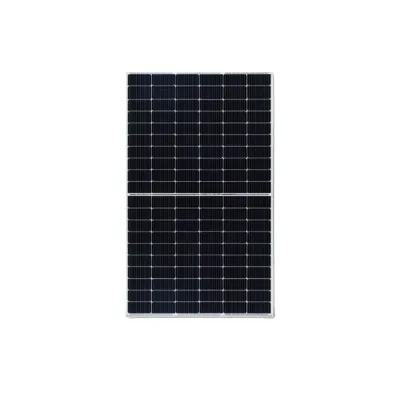
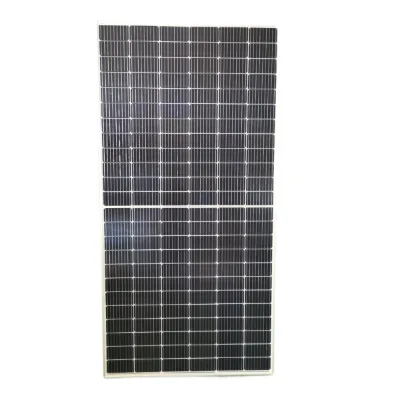
460W Solar Panel Monocrystalline Silicon Half Cut N Type Solar Modules with 30 Years Warranty
$42.2121 - $47.3608
MOQ: 93 pieces

Nantong Gamko New Energy Co., Ltd.
- Verified by SGS
- Trading Company,Manufacturer/Factory
- China Jiangsu
- Lead time15 days
- Avg. response≤ 5h
Main productsSolar Panel, Solar System, Solar Inverter, Cable, Solar Bracket, Solar Air Condition, Solar Controller, PV Connector, Solar Refrigerator, Solar Battery
Main marketsEastern Europe,Mid East,Eastern Asia,Western Europe,Africa

- Verified by SGS
- Combined
- China Zhejiang
- Lead time23 days
- Avg. response≤ 5h
Main productsSolar Panel, Solar Inverter, Hybrid Solar System, on Grid Solar System, off-Grid Solar System, Lithium Battery, Solar Water Pumping System, Solar System Accessories, Mounting Bracket, Cable and Mc4
Main marketsDomestic
Lusen (Shandong) Electromechanical Technology Co., Ltd.
- Verified by Intertek
- Manufacturer, Trading Company
- Lead time5 days
- Avg. response≤ 1h
Main productsSolar energy storage system, Floor-standing lithium battery, Wall-mounted lithium battery, Solar Panels, inverter
Main marketsNorth America(30%), Western Europe(20%), Eastern Europe(12%)
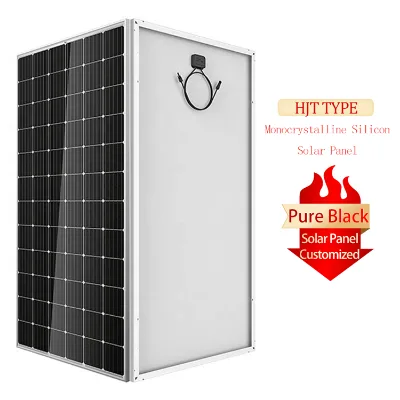
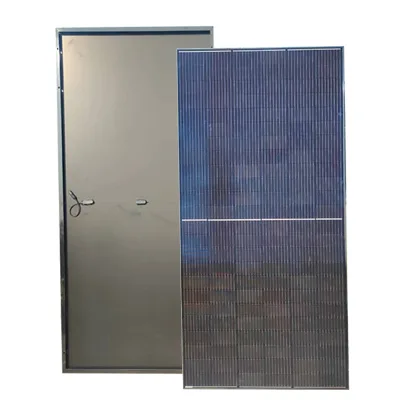
Solar Panels 144 Cells Mono 450W 455W 555W 585W 600W IBC Monocrystalline Silicon Solar Panel
$49.3516 - $56.548
MOQ: 1 sets
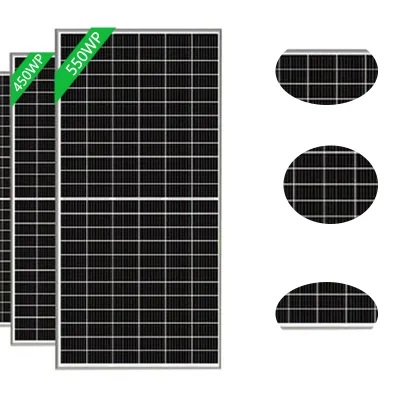
$37.7391 - $52.415
MOQ: 5 Minimum
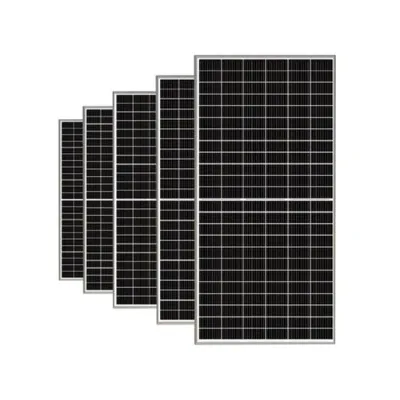
$43.9393 - $65.3982
MOQ: 1 sets
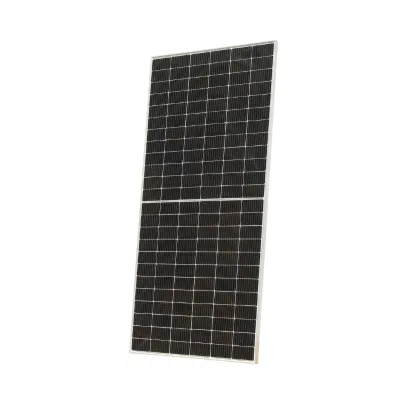
Direct Factory Sale Photovoltaic Panels Installation 550W Home Use Solar Panel Prices
$42.00 - $64.00
MOQ: 5 Minimum
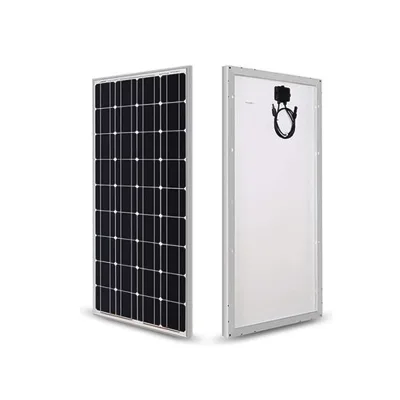
$44.0292 - $67.0909
MOQ: 5 Minimum
Shanghai HuiJue Technologies Group Co., Ltd.
- Verified by SGS Group
- Manufacturer, Trading Company
- Lead time15 days
- Avg. response≤ 1h
Main productsHome energy storage system, Telecom power supply, Energy Storage Battery, Site energy solution, Energy storage container
Main marketsDomestic Market(53%), North America(20%), Western Europe(12%)
Zhejiang Jyins Electrical Co., Ltd.
- Verified by Intertek
- Manufacturer, Trading Company
- Lead time10 days
- Avg. response≤ 5h
Main productsPower Inverter, Printed Circuit Board
Main marketsEastern Europe(36%), Domestic Market(30%), Africa(10%)
Guangzhou Blueswift Electric Co., Ltd.
- Verified by SGS Group
- Manufacturer, Trading Company
- Lead time20 days
- Avg. response≤ 8h
Main productsSolar Battery, Solar Inverters, Solar Lighting
Main marketsSouth America(33%), Southeast Asia(15%), Africa(14%)

Yangzhou Yihang Photoelectric Technology Co., Ltd.
- Verified by TUVRHEINLAND
- Trading Company
- China Jiangsu
- Lead time30 days
- Avg. response≤ 9h
Main productsLighting, Lamp, Germicidal Lamp, LED, LED Bulb, Commercial Light, Specialty Lighting, Solar Cell, Solar Panel, Solar Light
Main marketsSouth America,Africa,Others(foreignTradeCapacity.exportBusinessCapacityMarketOther),Southeast Asia/ Mideast,Domestic,Europe,Australia

High Quality 440W 445W 450W 455W 460W Solar Panel Solar Panel 150W Monocrystalline
$0.24 - $0.28
MOQ: 1000 watt


Wholesale 435W 440W 445W 450W 455W Solar Panel Price Solar Panel Solarpanel
$0.24 - $0.28
MOQ: 1000 watt


- Trading Company
- Fujian, China
- Lead time7 days
- Avg. response≤ 8h
Main productsSolar Panel,Lithium Battery,Solar Inverter
Main marketsSouth America(30.00%), Mid East(30.00%), Western Europe(10.00%), North America(4.00%), Southern Europe(3.00%), Northern Europe(3.00%), Southeast Asia(3.00%), South Asia(3.00%), Eastern Europe(3.00%), Central America(3.00%), Eastern Asia(3.00%), Africa(3.00%), Oceania(2.00%)
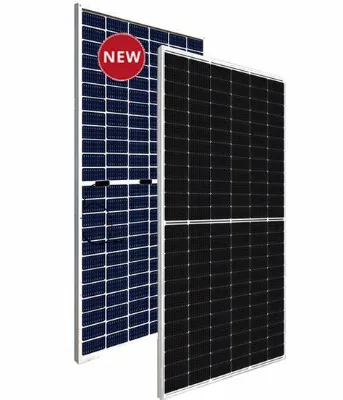
Futuresolar Solar Panel 400w 450W 540w 545W 550W 600W Monocrystalline Panel
$0.1366 - $0.2007
MOQ: 100000 watts
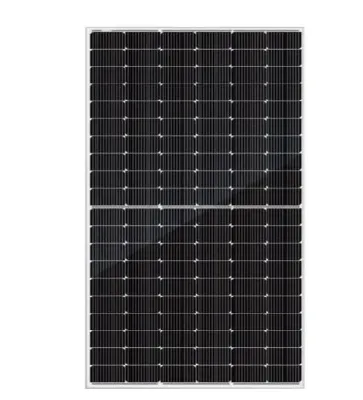
560W 550W 540W Monocrystalline Solar Panels for Home System - IEC/TUV/UL Certified
$0.1858 - $0.2157
MOQ: 15 watts
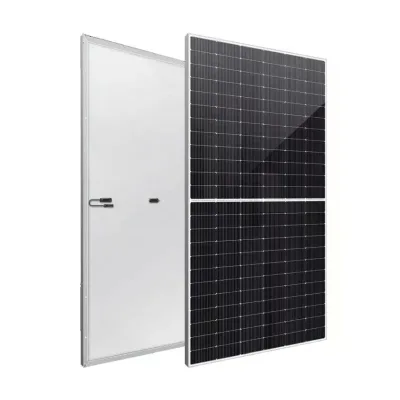
FUTURESOLAR Solar Panel 540w 550w 600w Rec Sunpower Solar Panel 500w Solar Cells Solar Panels 450w
$0.16 - $0.19
MOQ: 100000 watts
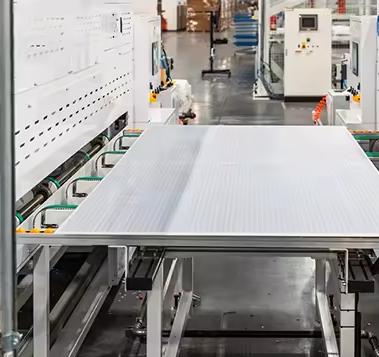
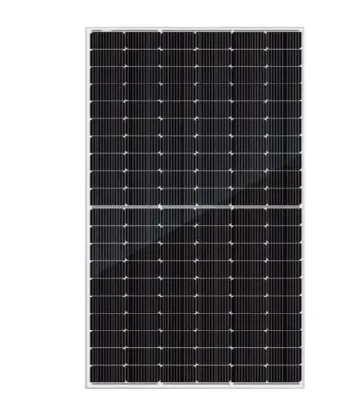
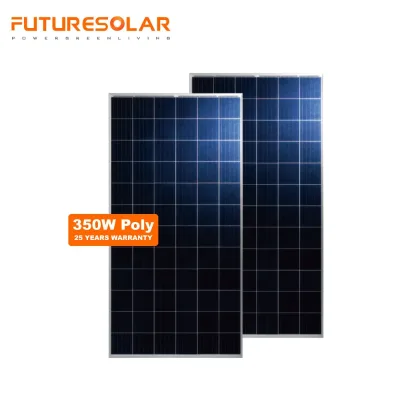
OEM Half Cell Mono Solar Panel 450W, 500W, 530W, 540W, 550W, 600W with CE&TUV&Inmetro Certificate
$0.1887 - $0.2187
MOQ: 15000 watts

Anhui Schutten Solar Energy Co., Ltd.
- Verified by BV
- Combined
- China Anhui
- Lead time15 days
- Avg. response≤ 12h
Main productsSolar Panel, Solar Power System, Solar System, Solar, Solar Battery, Solar Inverter, Solar Cell, Solar Module
Main marketsSouth America,Africa,Others(foreignTradeCapacity.exportBusinessCapacityMarketOther),Southeast Asia/ Mideast,Europe
Guangzhou Anern Energy Technology Co.,ltd.
- Verified by Intertek
- Trading Company
- Lead time10 days
- Avg. response≤ 4h
Main productsSolar Energy System, Solar Inverter, Solar Battery, Solar Panel, Solar Street Light
Main marketsAfrica(26%), South America(18%), Southern Europe(12%)
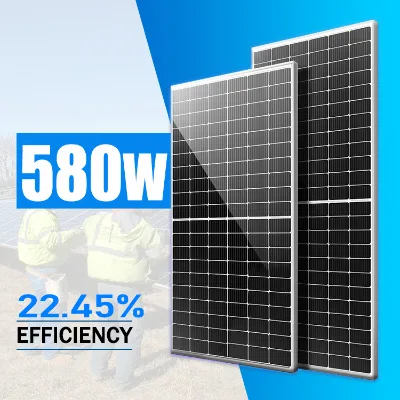
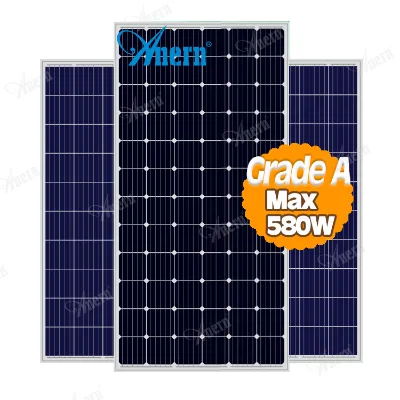
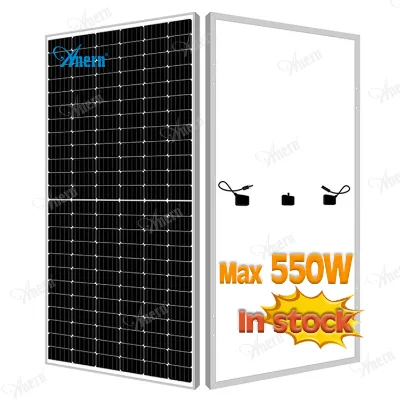
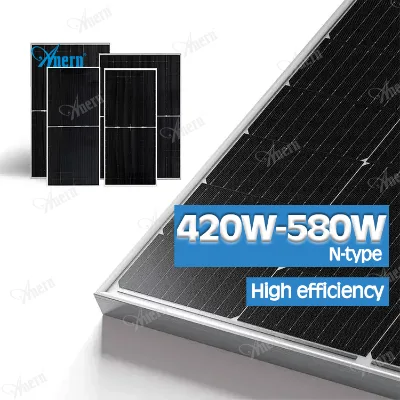
Mono Half Cell Solar Energy Panels 500 Watt 550 Watt Solar Photovoltaic Panels
$0.1648 - $0.1962
MOQ: 1 watts
Foshan Mars Solar Technology Co., Ltd.
- Verified by SGS Group
- Manufacturer, Trading Company
- Lead time7 days
- Avg. response≤ 5h
Main productsSolar Power System/Solar Panel/Solar Inverter/Solar Controller/Solar Street Light System
Main marketsAfrica(33%), North America(10%), South America(10%)

ZHEJIANG LANXIANG ELECTROMECHANICAL CO., LTD
- Verified by TUVRHEINLAND
- Combined
- China Zhejiang
- Lead time15 days
- Avg. response≤ 5h
Main productsChemical Pump, Solar Pump, Submersible Pump, Booster Pump, Self-Priming Pump, Centrifugal Pump, Jet Pump, Fountain Pump, Air Compressor, Fan
Main marketsAfrica
Guangzhou Anern Energy Technology Co.,ltd.
- Trading Company
- Lead time旺季: "1 - 100000":7,"> 100000":"To be negotiated", 淡季: "1 - 100000":7,"> 100000":"To be negotiated"
- Avg. response≤ 4h
Main productsSolar Energy System, Solar Inverter, Solar Battery, Solar Panel, Solar Street Light
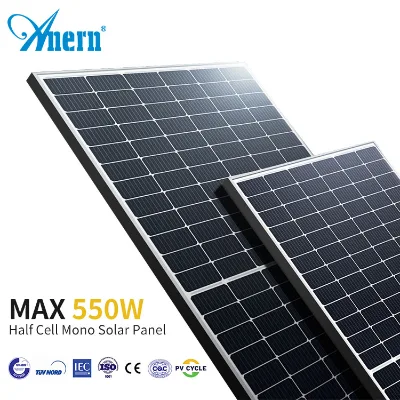
High Quality 500W Solar Panels Outdoor Monocrystalline Solar Panel for Home
$52.1274 - $65.4731
MOQ: 720 pieces
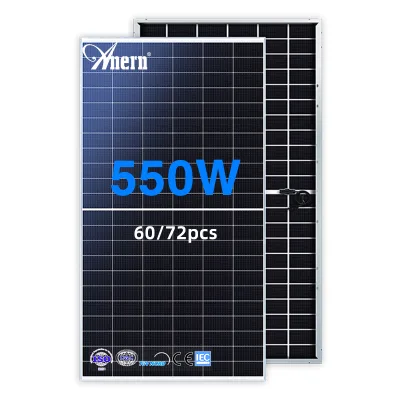
Good Quality 100w 150w 250w 500w Solar Panels Prices
$0.16 - $0.20
Zhongshan Espeon New Energy Technology Co., Ltd.
- Verified by TüVRheinland
- Manufacturer, Trading Company
- Lead time15 days
- Avg. response≤ 7h
Main productsSolar Storage System, Solar Lighting System, Solar Generator, Lithium Battery, Solar Lighting
Main marketsAfrica(70%), Southeast Asia(10%), South America(5%)
Shenzhen Topsky Energy Co., Ltd.
- Trading Company
- Lead time旺季: "1 - 100000":15,"100001 - 1000000":30,"> 1000000":"To be negotiated", 淡季: "1 - 100000":15,"100001 - 1000000":30,"> 1000000":"To be negotiated"
- Avg. response≤ 2h
Main productsSolar Panel,Solar System,Solar Inverter,Epoxy Resin / PET / Glass Mini Panel,Solar Storage Energy System
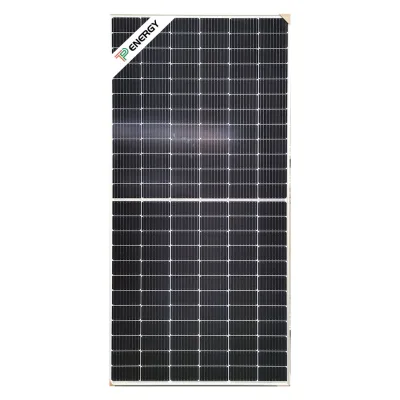
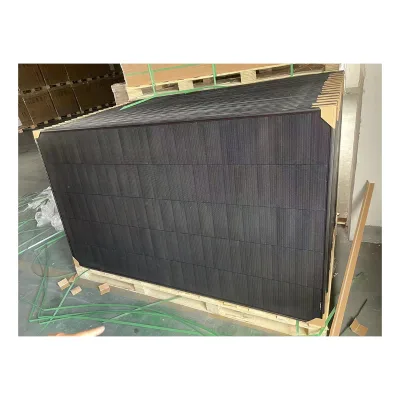
TW Black Shingled Solar Panel 420w 430w 440w Full Black Shingled Solar Panel
$0.07 - $0.09
MOQ: 400000 watts
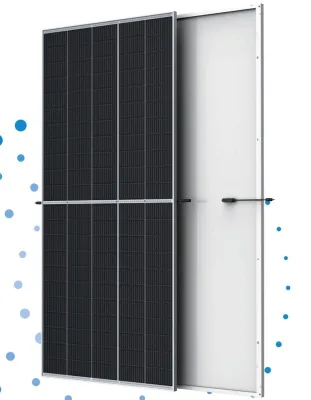
Hot Sale Solar Panel Price 525W 530W 535W 540W 545W 550W 555W Best Solar Panels
$0.08 - $0.10
MOQ: 330000 watts

Jiangsu VDS Renewable Technology Co., Ltd.
- Verified by BV
- Trading Company,Manufacturer/Factory
- China Jiangsu
- Lead time60 days
- Avg. response≤ 10h
Main productsSolar Module, Monocrystalline Solar Panel, Solar Storage Battery, Storage Battery, Solar Energy Battery, PV Module, Solar Panel, Photovoltaic Solar Panel, N-Type Solar Panel, Topcon Solar Panel
Main marketsEastern Europe,Mid East,Southeast Asia,Eastern Asia,Western Europe,Africa
Yangzhou Intelligence Solar Co., Ltd.
- Verified by SGS Group
- Manufacturer, Trading Company
- Lead time15 days
- Avg. response≤ 3h
Main productsEnergy Storage System, Solar Power System, Lithium Battery, Solar Panel, Gel Battery
Main marketsAfrica(36%), Southeast Asia(12%), South Asia(12%)
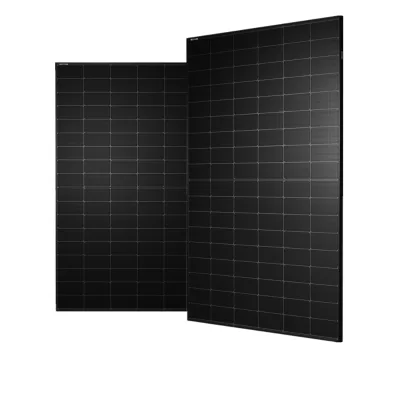
$54.00 - $75.00
MOQ: 500 pieces
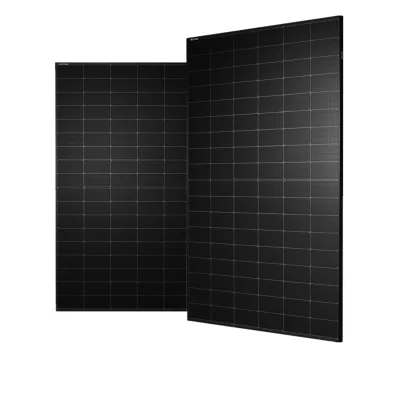
BR SOLAR 500w Government Solar Panel Program 450w 470w 490w Solar Panel for the Whole House
$54.00 - $75.00
MOQ: 500 pieces
Jiangsu Suyan Lighting Technology Co., Ltd.
- Trading Company
- Jiangsu, China
- Lead time7 days
- Avg. response≤ 2h
Main productssolar panel,solar system,solar street light,solar insecticidal lamp,Battery
Main marketsDomestic Market(24.00%), North America(13.00%), South America(9.00%), Eastern Europe(8.00%), South Asia(7.00%), Southeast Asia(6.00%), Eastern Asia(6.00%), Western Europe(6.00%), Africa(5.00%), Mid East(4.00%), Oceania(4.00%), Northern Europe(3.00%), Central America(3.00%), Southern Europe(2.00%)

Lebria(haining)new Energy Co., Ltd.
- Manufacturer, Trading Company
- Zhejiang, China
- Lead time15 days
- Avg. response≤ 4h
Main productssolar vacuum tube,solar water heater,high pressure vaccum tube,accessoires of solar water heater,aluminum fin
Main marketsNorth America(70.00%), South America(20.00%), Eastern Europe(10.00%)
Huaian yuanchan solar technology co., Ltd.
- Manufacturer, Trading Company
- Jiangsu, China
- Lead time10 days
- Avg. response≤ 7h
Main productsSolar Panel, Solar Energy System
Main marketsMid East(15.00%), Southeast Asia(15.00%), Domestic Market(10.00%), South America(9.00%), Western Europe(8.00%), Africa(8.00%), Eastern Europe(8.00%), Southern Europe(7.00%), Eastern Asia(5.00%), Central America(5.00%), Northern Europe(5.00%), Oceania(3.00%), South Asia(2.00%)
- Verified by SGS Group
- Manufacturer, Trading Company
- Lead time10 days
- Avg. response≤ 5h
Main productsSolar Panel, Solar Inverter, Lithium-ion Battery, Solar System
Main marketsWestern Europe(40%), South America(30%), Domestic Market(15%)
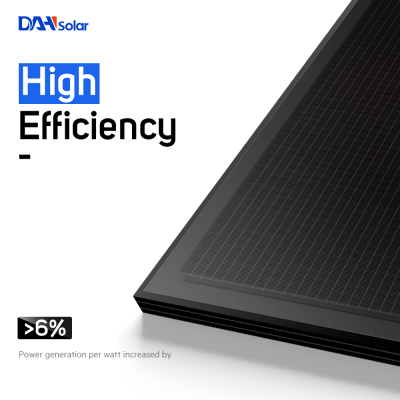
Europe Stock Mono Crystalline Bifacial 450w 460w Photovoltaic Solar Panel
$0.2067 - $0.2472
MOQ: 1 watts
- Manufacturer, Trading Company
- Lead time旺季: "1 - 1000000":5,"1000001 - 10000000":7,"> 10000000":"To be negotiated", 淡季: "1 - 1000000":5,"1000001 - 10000000":7,"> 10000000":"To be negotiated"
- Avg. response≤ 3h
Main productsSolar Panels, Solar Energy System, Solar Inverter, Solar Battery, Solar Pump
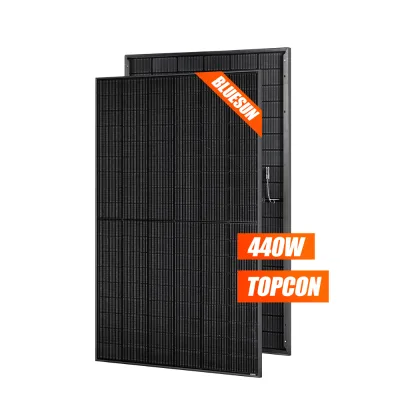
450w Solar Panel Price 500w 350w 250w 24V 48V Panneau Solaire 500w 490w 480w 450w Mono Solar Panels
$0.1342 - $0.1558
MOQ: 100000 watts
Jiangsu Kehua Optoelectronics Technology Co., Ltd.
- Manufacturer
- Jiangsu, China
- Lead time15 days
- Avg. response≤ 1h
Main productsSolar Street Light, Solar System, Light Pole, High Mast Light, Solar Panel
Main marketsDomestic Market(50.00%), Africa(15.00%), Southeast Asia(15.00%), North America(5.00%), South America(5.00%), Eastern Europe(5.00%), Mid East(5.00%)
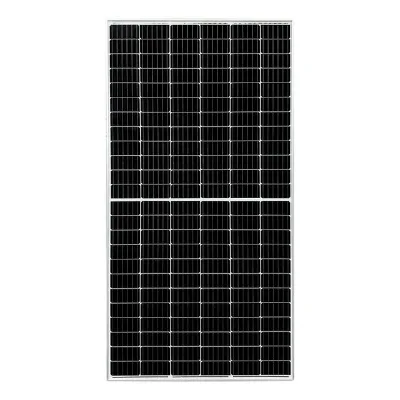
Cheap Price Chinese Outdoor Multifunction Efficient Foldable 400W 450W Solar Panel
$0.13 - $0.14
MOQ: 1000 watts
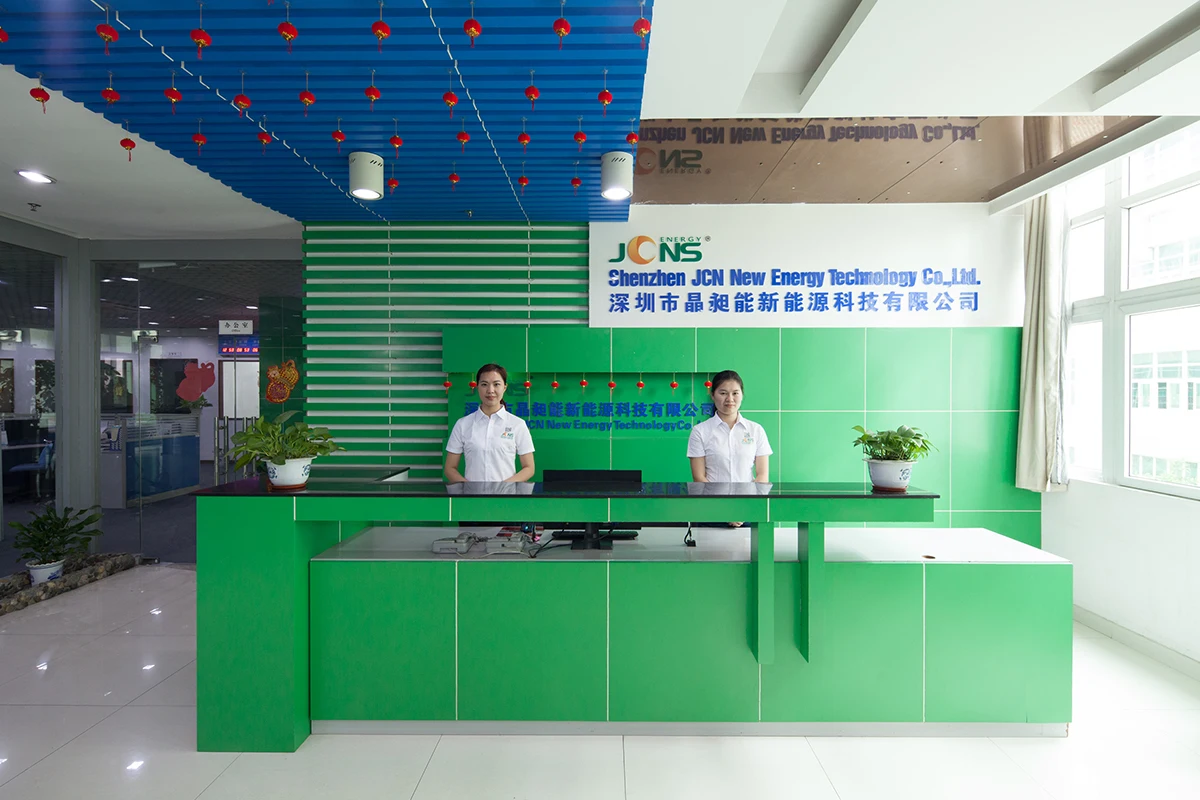
Shenzhen Jcn New Energy Technology Co., Ltd.
- Manufacturer, Trading Company
- Guangdong, China
- Lead time15 days
- Avg. response≤ 9h
Main productsSolar PV Module , Folding Solar Charger , Solar Energy Storage Lighting System , Distributed Power Plant , Solar Street Light
Main marketsDomestic Market(17.00%), Eastern Europe(9.00%), Northern Europe(8.00%), North America(7.00%), Western Europe(7.00%), South America(5.00%), Southeast Asia(5.00%), Mid East(4.00%)
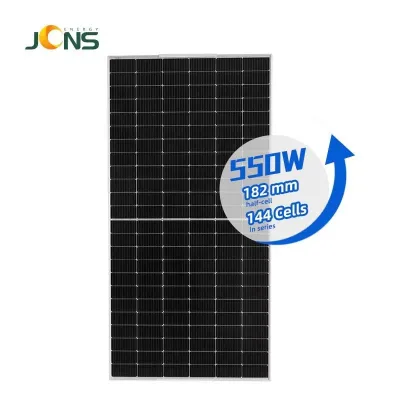
Wholesale Price Solar Panels 540W 545W 550 Watt Home Monocrystalline Black Frame
$0.24 - $0.28
MOQ: 10000 watts
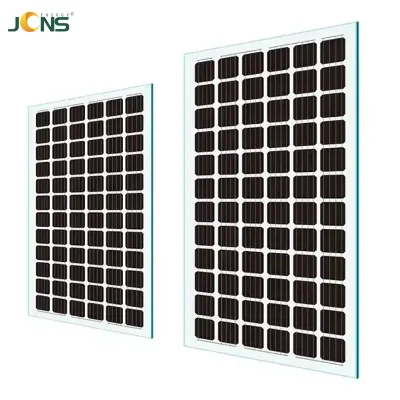
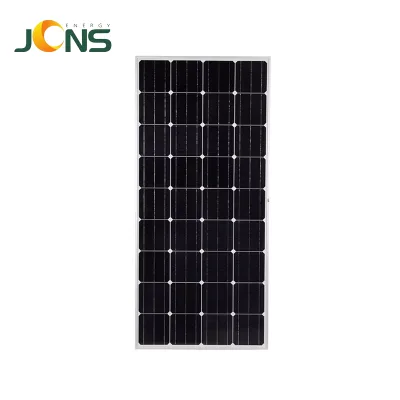
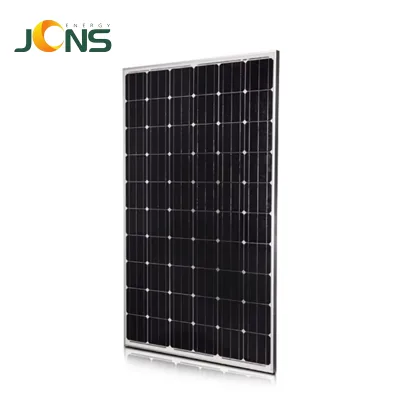
Wholesale Sale High Efficiency 260w Solar Panel
$0.29 - $0.30
Flagsun (suzhou) New Energy Co., Ltd.
- Verified by Intertek
- Trading Company
- Lead time30 days
- Avg. response≤ 3h
Main productsSolar Panel, Lithium Battery, Solar Power System, Solar Inverter, Solar Controller
Main marketsNorth America(15%), Western Europe(15%), Africa(10%)
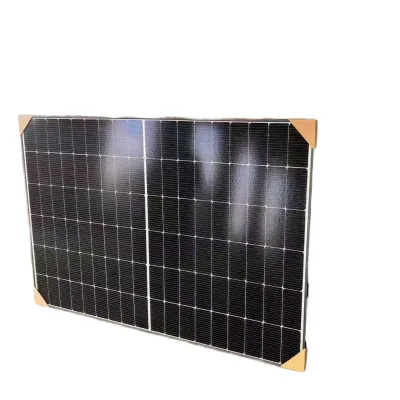
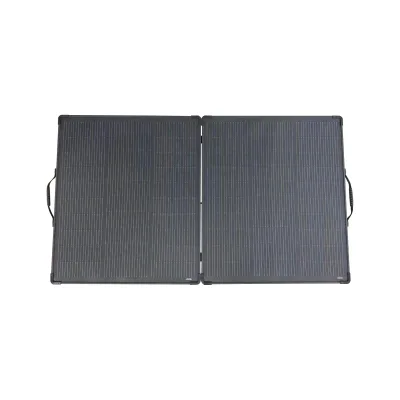
Factory Direct Sale, with Bracket, N-type 100W Lightweight Folding Solar Panel
$164.6152
MOQ: 100 Minimum










Comprehensive Sourcing Guide
Monocrystalline Silicon 450W Solar Panel Supplier Concentration and Factory Types
The current supplier landscape for monocrystalline silicon 450W solar panels reveals a diverse mix of manufacturing capabilities and business models. Data indicates that suppliers are primarily located in China, with specific mentions of Zhejiang and Guangdong provinces as key operational hubs. This geographic concentration suggests established industrial clusters where supply chains for photovoltaic components are mature and accessible. Buyers should note that while some suppliers are identified as combined entities offering both manufacturing and trading services, others operate strictly as trading companies. This distinction is critical for understanding the directness of the supply chain and the potential for price negotiation. The presence of combined companies implies that some vendors may have direct control over production lines, which can offer advantages in quality control and customization flexibility. Conversely, trading companies might provide a broader portfolio of products from multiple factories, potentially simplifying logistics for buyers sourcing diverse solar components.
In terms of production capacity, the observed suppliers demonstrate significant versatility in their operational models. Many entities list capabilities in OEM, ODM, and own brand development, indicating a readiness to support private labeling and custom specifications. This is particularly relevant for buyers seeking branded solar panels for residential or commercial projects. The main products listed across these suppliers heavily feature solar panels, solar water heaters, and related energy systems, suggesting that many factories are specialized in renewable energy solutions rather than general electronics. Some suppliers also highlight capabilities in sample processing and graphic processing, which supports rapid prototyping and marketing material customization. This breadth of service allows buyers to engage with suppliers who can handle both the physical production of the 450W panels and the associated branding needs. Understanding these factory types helps buyers align their procurement strategy with their need for either direct manufacturing relationships or diversified sourcing through trading partners.
How to Verify Monocrystalline Silicon 450W Solar Panel Suppliers
Verifying the legitimacy and capability of suppliers requires a careful examination of their verification badges and certification records. The data shows that some suppliers hold BV verification, while others are verified by SGS Group. These third-party validations provide a baseline level of trust regarding the company’s legal existence and operational stability. However, verification alone does not guarantee product quality or manufacturing consistency. Buyers must look beyond the initial verification badge to assess the specific certifications held by the supplier’s products. For instance, some suppliers list extensive system certifications including ISO 9001, EMC, RoHS, and various IEC standards such as IEC 62262 and IEC 62619. These certifications are crucial for ensuring that the solar panels meet international safety and performance standards. The presence of CE and EST certifications on specific product listings further indicates compliance with regional regulatory requirements, which is essential for importing into markets like Europe or other regions with strict electrical safety laws.
Beyond certifications, buyers should scrutinize the detailed product attributes and technical specifications provided by the supplier. The observed data includes specific details such as cell size, panel efficiency, and short circuit current, which are vital for verifying the technical claims of the 450W panels. For example, one listing mentions a panel efficiency of 99%, which is a high claim that warrants further investigation through independent testing or sample orders. Additionally, the place of origin is explicitly stated for some products, such as Guangdong, China, allowing buyers to cross-reference this with the supplier’s main location. Buyers should also check for the presence of warranty terms, with some suppliers offering warranties of less than five years or up to 25 years for specific components. A robust warranty policy often reflects the manufacturer’s confidence in their product’s durability. By combining verification badges, detailed certifications, and technical data, buyers can build a comprehensive profile of a supplier’s reliability and technical competence before committing to a large order.
What to Compare Across Monocrystalline Silicon 450W Solar Panel Suppliers
When evaluating multiple suppliers for monocrystalline silicon 450W solar panels, several key dimensions must be compared to determine the best fit for your procurement needs. One of the most critical factors is the lead time, which varies significantly among suppliers. Some suppliers indicate a lead time of 10 days, while others suggest a longer period of 30 days. This difference can impact your project timeline and inventory management strategy. Additionally, the minimum order quantity (MOQ) is a crucial consideration, with observed MOQs ranging from as low as 1 unit to 50 units or more. Suppliers with lower MOQs may be more suitable for small-scale projects or testing phases, whereas those with higher MOQs might offer better economies of scale for large deployments. Buyers should also compare the response time, which indicates how quickly a supplier communicates. A response time of 2.85 hours suggests high responsiveness, which is valuable for resolving issues quickly, while a 10-hour response time might require more patience in communication.
Price and customization options are also vital comparison points. The observed price ranges for solar panels vary, with some listings showing prices as low as $0.16 per watt up to higher fixed prices for specific models. It is important to note that prices can fluctuate based on raw material costs and order volume. Buyers should request detailed quotes that include all costs, such as packaging and shipping. Customization availability is another key differentiator, with many suppliers offering available customization for branding and specifications. This is particularly useful for buyers who need panels with specific dimensions or electrical characteristics. Furthermore, the main products offered by each supplier can indicate their specialization. Suppliers focusing primarily on solar panels might offer deeper expertise and better quality control compared to those with a broader, more diversified product range. By systematically comparing lead times, MOQs, response speeds, prices, and customization capabilities, buyers can make informed decisions that align with their project requirements and budget constraints.
Common Monocrystalline Silicon 450W Solar Panel Sourcing Risks
Sourcing monocrystalline silicon 450W solar panels from international suppliers involves several inherent risks that buyers must proactively manage. One significant risk is the discrepancy between advertised specifications and actual product performance. While suppliers may list high efficiency ratings or specific cell counts, such as 72 cells or 60 cells, the actual output may vary. Buyers should be cautious of claims that seem unusually high, such as 99% panel efficiency, and verify these through independent testing or by requesting sample units. Another risk is the variability in warranty terms. Some suppliers offer warranties of less than five years, while others provide longer coverage. It is essential to clearly understand the warranty conditions, including what is covered and the process for claims, to avoid unexpected costs after installation. Additionally, the condition of the products upon arrival is a concern, especially given the fragile nature of glass panels. Proper packaging, such as carton or palletized shipping, is critical to prevent damage during transit.
Logistical and compliance risks also pose challenges in international sourcing. The terms of transfer, such as by sea or air, can impact the cost and speed of delivery, as well as the risk of damage. Buyers must ensure that the supplier’s products meet the regulatory standards of their destination country, such as CE or FCC certifications. Failure to comply with local regulations can result in customs delays or product rejection. Furthermore, the origin of the materials, such as monocrystalline silicon, should be verified to ensure quality and ethical sourcing practices. Some suppliers may use recycled or lower-grade silicon, which can affect the panel’s longevity and performance. Buyers should also be aware of potential fluctuations in raw material prices, which can lead to sudden price increases after an order is placed. To mitigate these risks, buyers should conduct thorough due diligence, request detailed product specifications, and consider using escrow services or secure payment methods to protect their financial interests until the goods are received and verified.
Monocrystalline Silicon 450W Solar Panel Regional Sourcing and Logistics
The geographic location of suppliers plays a crucial role in determining logistics costs and delivery times for monocrystalline silicon 450W solar panels. The observed data indicates that many suppliers are based in China, with specific mentions of Zhejiang and Guangdong provinces. These regions are known for their robust manufacturing infrastructure and proximity to major ports, which can facilitate efficient export logistics. Buyers sourcing from these areas may benefit from shorter transit times to major global markets, particularly in Asia and the Middle East. However, the specific location of the factory within these provinces can still impact inland transportation costs. For instance, factories in Guangdong may have easier access to Shenzhen or Guangzhou ports, while those in Zhejiang might utilize Ningbo-Shanghai ports. Understanding these logistical nuances can help buyers negotiate better freight terms and plan their supply chain more effectively.
In addition to domestic logistics, international shipping methods and terms must be carefully considered. Suppliers may offer various terms of transfer, such as by sea or air, each with distinct advantages and disadvantages. Sea freight is generally more cost-effective for large volumes but takes longer, while air freight is faster but significantly more expensive. Given the weight and bulk of solar panels, sea freight is often the preferred method for large orders. Buyers should also consider the packaging standards, with some suppliers using carton packaging that may require additional protection for long-distance shipping. The market destination, such as the Middle East, can also influence logistics planning, as regional trade agreements and port efficiencies vary. By aligning supplier locations with optimal shipping routes and considering the specific needs of the destination market, buyers can minimize logistics costs and ensure timely delivery of their solar panel orders.
Monocrystalline Silicon 450W Solar Panel Commercial Terms and Order Planning
Effective order planning for monocrystalline silicon 450W solar panels requires a clear understanding of commercial terms and financial structures. The observed data shows a wide range of minimum order quantities, from single units to fifty units or more, which directly impacts the initial investment required. Buyers should align their order size with their project scale to optimize costs. Pricing is another critical factor, with some suppliers offering competitive rates as low as $0.16 per watt, while others have fixed prices for specific models. It is essential to request detailed quotes that include all components, such as packaging, handling, and potential tariffs. The warranty terms, which can range from less than five years to 25 years, also influence the long-term value of the purchase. Buyers should evaluate the total cost of ownership, including potential maintenance and replacement costs, rather than just the initial purchase price.
Customization and branding options are also key commercial considerations. Many suppliers offer available customization, allowing buyers to tailor the panels to their specific needs, such as specific dimensions or electrical outputs. This can be particularly valuable for large projects with unique requirements. However, customization may involve additional costs and longer lead times. Buyers should also consider the supplier’s capacity for OEM and ODM services, which can provide greater flexibility in product design and branding. Payment terms and escrow services are important for securing transactions. Using secure payment methods can protect buyers from fraud and ensure that funds are released only upon satisfactory delivery. By carefully planning the order size, negotiating favorable commercial terms, and leveraging customization options, buyers can secure a reliable supply of high-quality solar panels that meet their project specifications and budget constraints.
FAQs
What power outputs are available for monocrystalline silicon 450w solar panels?
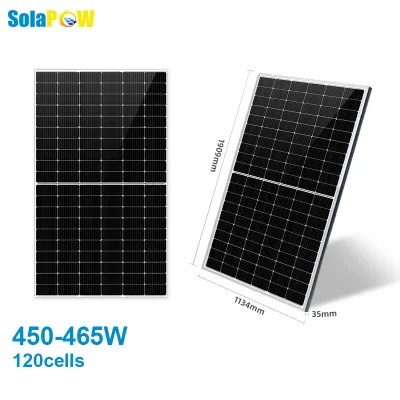
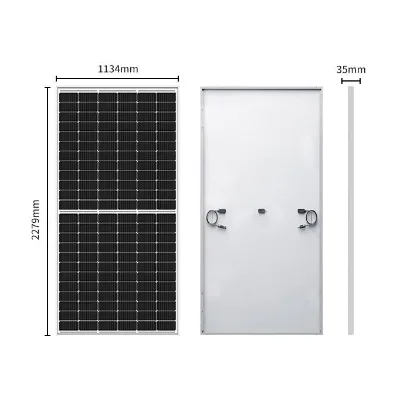
Listings on this page include monocrystalline panels spanning 400W to 550W, which covers the 450W rating. Some suppliers also list smaller monocrystalline modules from 30W to 80W and polycrystalline options. Before ordering, confirm the exact wattage, cell count, and dimensions for the 450W model, since listed specifications vary between products and some prices are quoted per watt rather than per unit.
What certifications should a 450W monocrystalline solar panel carry?
Relevant certifications on this page include CE, TUV mark, IEC standards, RoHS, LVD, FCC, and ETL, held by some suppliers. Not every product listing carries the same certification set, and one supplier reports no system certification. Ask each supplier for certificate copies matching the exact 450W model, check validity dates, and verify that the certificate name matches the product you intend to purchase.
How long is the typical lead time for 450W solar panel orders?
Lead times on this page range from 10 to 30 days depending on the supplier. A shorter lead time often applies to stocked standard models, while customized orders can take longer. Confirm the lead time for your specific 450W configuration, order quantity, and shipping destination before placing a deposit, and ask whether production time and transit time are quoted separately.
What is the minimum order quantity for these solar panels?
Minimum order quantities in the current listings range from 1 piece to 50 pieces depending on the product and supplier. Some 50W to 80W modules list an MOQ of 1, while 60W panels list an MOQ of 50. For 450W panels specifically, request the exact MOQ, sample availability, and pricing tiers at different volumes, since listed MOQs apply to the models shown.
Which warranty terms are offered on monocrystalline solar panels?
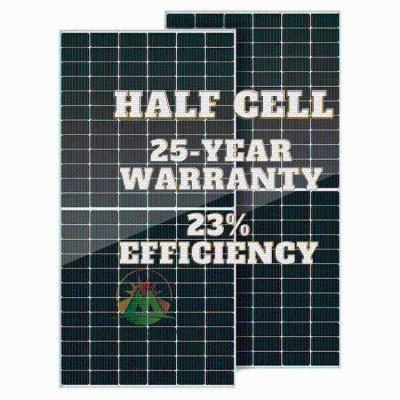
Warranty terms in the listings vary widely. Some smaller panels carry warranties under 5 years, while one high-power half-cell monocrystalline product lists a 25-year warranty. Because warranty length often correlates with panel class, ask for the written warranty covering the specific 450W model, including what performance degradation and defects are covered, claim procedures, and whether replacement parts or compensation are provided.
Do suppliers offer customization for 450W solar panel orders?
Several listings state that customization is available, and supplier capabilities include OEM, ODM, own-brand production, sample processing, and customized-on-demand services. Customization typically covers branding, packaging, and sometimes specifications. Confirm in writing which elements can be customized for a 450W panel, any minimum quantity or tooling cost for custom work, and whether customized orders extend the standard lead time beyond the quoted figure.
Where are these solar panel suppliers located?
The suppliers on this page are based in China, with locations including Zhejiang and Guangdong provinces. Panel origins in individual listings also cite these regions. Location matters for logistics, so confirm the exact shipping port, whether terms of transfer are by sea or air, and how the factory location affects freight cost and delivery time to your destination market before committing.
How can I verify a solar panel supplier before ordering?
Start by checking third-party verification status; suppliers on this page show BV or SGS Group verification. Review listed system certifications, product certifications, response times, and trading company versus manufacturer type. Then request business licenses, certificate copies, and references. Ordering a sample before bulk purchase, using secure payment arrangements, and confirming specifications in a written contract all reduce risk before you commit to volume.