NBA Jersey Suppliers and Manufacturers in China
Compare 24 verified NBA Jersey suppliers and manufacturers in China Zhejiang and Fujian. Review response times, lead times, certifications, and product specs to source custom basketball jerseys with MOQ 1 and prices from 8.56 USD; review the available evidence before requesting comparable quotations from suitable candidates.
Updated
Suppliers List

Yiwu Sifan Import & Export Co., Ltd.
- Verified by BV
- Trading Company
- China Zhejiang
- Lead time30 days
- Avg. response≤ 9h
Main productsSoccer Ball Football PU Ball, Football PVC Football PU Football, Promotional Football Cheap Sosccer Ball, Soccer Jersey T-Shirts Football Jersey, Volleyball Rubber Ball Rubber Volleyball, Football Jersey Soccer Jersey Tshirts, Sports Goods Sporting Goods, T-Shirts Soccer T-Shirts Football T-Shirts, Soccer Uniform Football Uniform, Basketball Rubber Ball Rubber Basketball
Main marketsEurope,North America
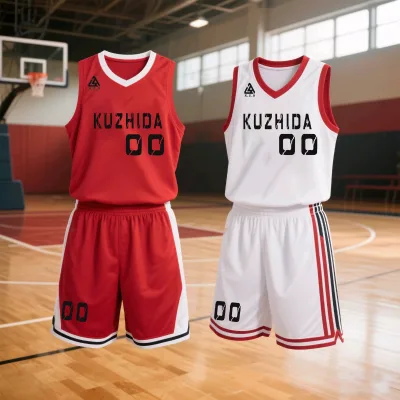
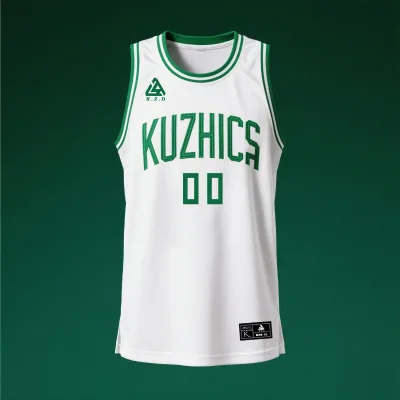
Quanzhou Kuzhida Sports Technology Co., Ltd.
- Verified by TüVRheinland
- Manufacturer, Trading Company
- Lead time10 days
- Avg. response≤ 2h
Main productsAmerican Football Jersey, Soccer Uniform, Basketball Uniform, Baseball Jersey, Marathon Uniform
Main marketsNorth America(70%), Western Europe(20%), Southern Europe(10%)
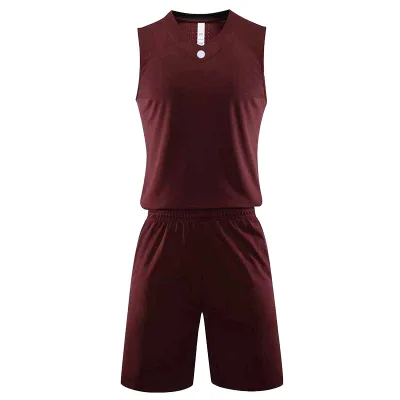
$8.56 - $12.69
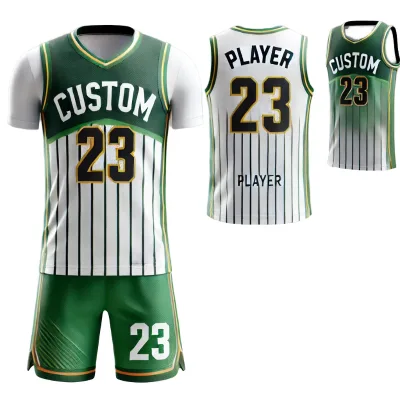
$8.69 - $12.69
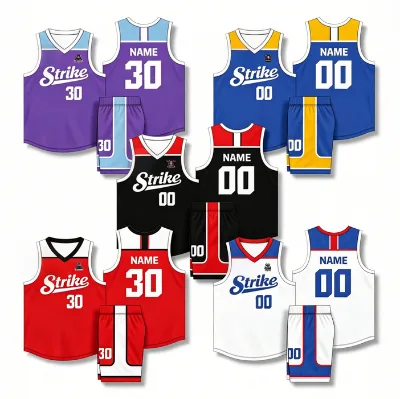
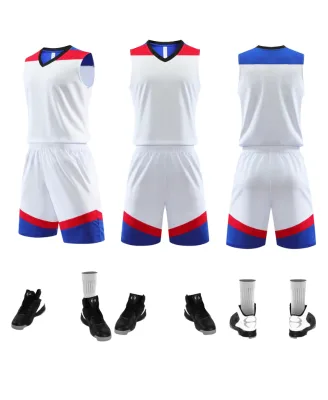
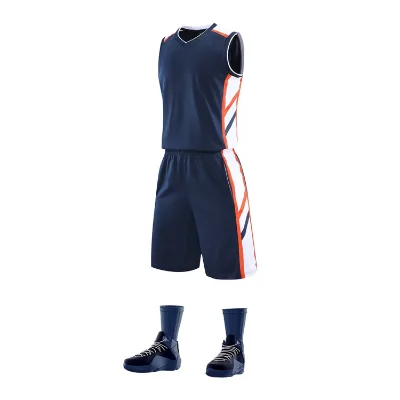
custom basketball jersey high quality quick dry
$8.69 - $12.69

Guangzhou RJ Clothing Co., Ltd.
- Verified by SGS
- Trading Company
- China Guangdong
- Lead time15 days
- Avg. response≤ 3h
Main productsT-Shirt, Sportwears, Hoodie, Men Women Gym Wear, Fitness Wear, Joggers, Shorts, Sports Bra, Leggings, Yoga Wear
Main marketsEurope,North America


$3.00 - $6.00
MOQ: 30 Pieces

Latest Basketball Jersey New Style Comfortable American Men/Youth Basketball NBA Jersey
$3.00 - $6.00
MOQ: 30 Pieces


Nuolang (Guangdong) Garment Industry Co., Ltd.
- Verified by BV
- Combined
- China Guangdong
- Lead time15 days
- Avg. response≤ 2h
Main productsT-Shirt, Polo Shirt, Shirt, Coverall, Suit, Uniform, Sportswear, Casual Wear
Main marketsSoutheast Asia/ Mideast
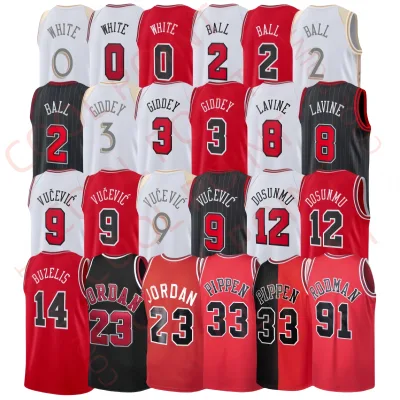
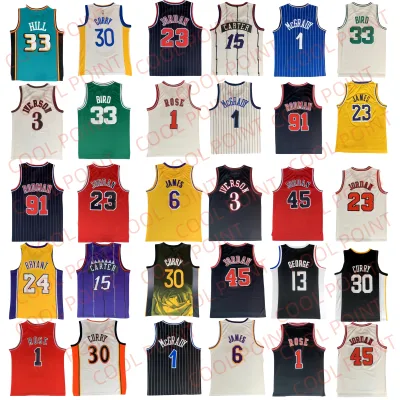
Fuzhou Mawei Cool Point Trading Co., Ltd.
- Trading Company
- Fujian, China
- Lead time0 days
- Avg. response≤ 6h
Main productsT-shirt,hoodie,jersey,jacket,shorts
Main marketsNorth America(70.00%), Northern Europe(20.00%), Eastern Europe(10.00%)
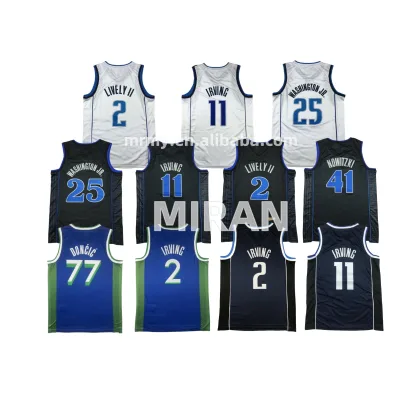
$5.80 - $13.80
MOQ: 2 pieces

Hefei Ark Universe International Trade Co., Ltd.
- Verified by SGS
- Trading Company
- China Anhui
- Lead time15 days
- Avg. response≤ 4h
Main productsLED Display, LED Screen, Sports Wear, Soccer Jersey, LED String Light, Flexible LED Display, Outdoor LED Display, Indoor LED Display, Football Jersey, Christmas Decoration
Main marketsNorth America

Youth Basketball Performance Jersey Junior Athlete Specific Design Jersey
$7.99 - $13.50
MOQ: 1 Pieces

Authentic NBA Style Basketball Jersey Replica Player Edition Breathable Polyester Jersey
$7.99 - $13.50
MOQ: 1 Pieces


Professional Grade Basketball Competition Jersey League Regulation Compliant Jersey
$7.99 - $13.50
MOQ: 1 Pieces


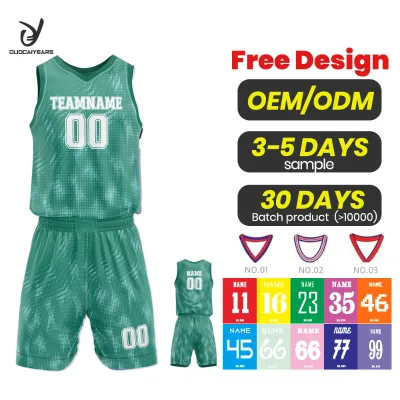
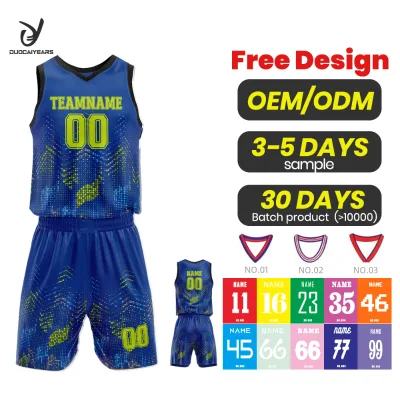
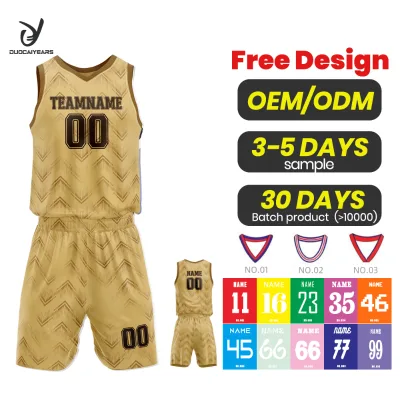
Quanzhou Duocai Nianhua Clothing Co., Ltd.
- Manufacturer, Trading Company
- Lead time旺季: "1 - 10":31,"> 10":"To be negotiated", 淡季: "1 - 10":31,"> 10":"To be negotiated"
- Avg. response≤ 2h
Main productsT Shirt, Sweaters Hoodie, Sportswear, Jacke

Putian Just Dun Trade Co., Ltd.
- Verified by TUVRHEINLAND
- Trading Company,Manufacturer/Factory
- China Fujian
- Lead time15 days
- Avg. response≤ 11h
Main productsJersey, Baseball Jerseys, Basketball Jerseys, Sport Wear, Football Jerseys, Soccer Jerseys, Sneakers, Hats, Caps, Sports Shoes
Main marketsSouth America,Eastern Europe,Mid East,North America,Southeast Asia,Eastern Asia,Oceania,Western Europe,Africa

Xiamen Aiyimeisi Trading Co., Ltd.
- Verified by TUVRHEINLAND
- Manufacturer/Factory
- China Fujian
- Lead time15 days
- Avg. response≤ 9h
Main productsSports Jerseys, Football Jerseys, Baseball Jerseys, Basketball Jerseys, Ice Hockey Jerseys, College Jerseys, Sports Clothing, Clothing, Sportware
Main marketsSouth America,Eastern Europe,Mid East,North America,Southeast Asia,Eastern Asia,Oceania,Western Europe,Africa
Jiuwei Clothing (Chongqing) Co., Ltd.
- Trading Company
- Chongqing, China
- Lead time15 days
- Avg. response≤ 3h
Main productshat,football jersey,basketball jersey,Baseball jersey,clothing
Main marketsNorth America(60.00%), Southern Europe(15.00%), Mid East(10.00%), Oceania(10.00%), South America(5.00%)
- Verified by SGS Group
- Manufacturer, Trading Company
- Lead time3 days
- Avg. response≤ 6h
Main productsSportswear
Main marketsDomestic Market(70%), North America(15%), Eastern Asia(10%)

Guangzhou Healong Sportswear Co., Ltd.
- Verified by BV
- Combined
- China Guangdong
- Lead time15 days
- Avg. response≤ 4h
Main productsGarment, Soccer Jersey, Basketball Jersey, Rugby Wear, T-Shirt, Polo Shirt, Netball Dress, Hoody, Tracksuit, Sublimation Sportswear
Main marketsAustralia,North America

Men's Basketball Jersey with Custom Team Logo and Number Breathable Sports Basketball Jersey
$5.50 - $10.00
MOQ: 10 piece

Zhaoyu Clothing (Chongqing) Co., Ltd.
- Trading Company
- Chongqing, China
- Lead time15 days
- Avg. response≤ 5h
Main productsHat,football jersey,basketball jersey,Baseball jersey,clothing
Main marketsNorth America(20.00%), South America(16.00%), Domestic Market(15.00%), Mid East(9.00%), Africa(7.00%), Southern Europe(5.00%), Northern Europe(5.00%), Central America(5.00%), Western Europe(5.00%), Eastern Europe(5.00%), Southeast Asia(5.00%), Eastern Asia(2.00%), South Asia(1.00%)
Quanzhou Lishang Exchange Electronic Commerce Co., Ltd.
- Verified by SGS Group
- Manufacturer, Trading Company
- Lead time0 days
- Avg. response≤ 1h
Main productsSoccer uniforms, Basketball uniforms, American football uniforms, Baseball uniforms, Ice hockey uniforms
Main marketsNorth America(60%), South America(20%), Western Europe(10%)
Guang Zhou Borsco Sportswear Co., Ltd.
- Verified by TüVRheinland
- Manufacturer, Trading Company
- Lead time21 days
- Avg. response≤ 2h
Main productsSportswear, Schoolwear, Streetwear, Activewear, Corporatewear
Main marketsOceania(70%), North America(10%), Western Europe(10%)
Dongguan Senfeihao Clothing Co., Ltd.
- Verified by TüVRheinland
- Manufacturer, Trading Company
- Lead time0 days
- Avg. response≤ 2h
Main productsCustomized Sportswear, Cycling Wear, Digital Printed T Shirts, T Shirts, Fishing Wear
Main marketsNorth America(50%), Western Europe(25%), South America(15%)
Putian Baililai Sports Goods Trading Co., Ltd.
- Verified by Intertek
- Manufacturer, Trading Company
- Lead time0 days
- Avg. response≤ 1h
Main productsBaseball Jersey, Basketball Jersey, Football Jersey, Jacket, Hoodie
Main marketsNorth America(96%), Oceania(2%), Western Europe(1%)
Minqing County Hengteng Trading Co., Ltd.
- Verified by SGS
- Trading Company
- China Fujian
- Lead time15 days
- Avg. response≤ 8h
Main productsSoccer Jersey, Basketball Jersey, Baseball Jersey, Football Jersey, Ice Hockey Jersey, T-Shirts, Hoodie, Jackets, Baseball Caps, Beanie Hats
Main marketsSouth America,Eastern Europe,North America
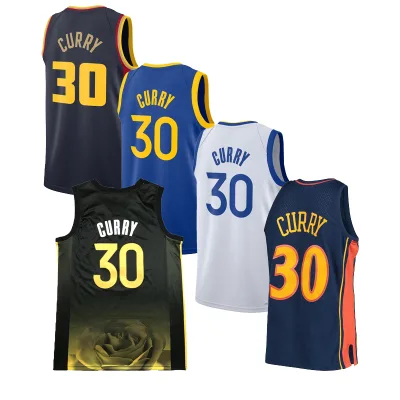
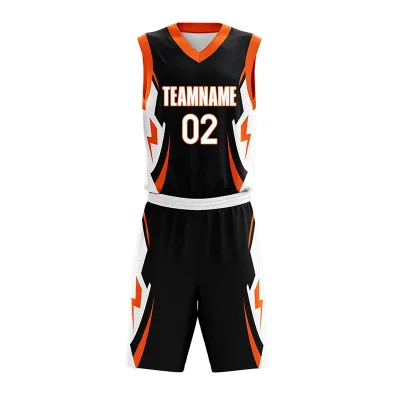
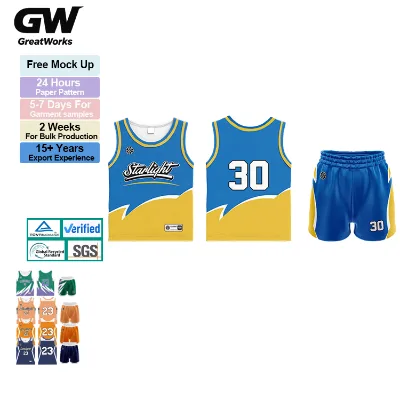
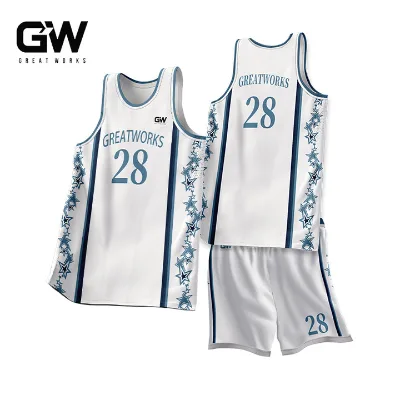
Guangzhou Great Works Import And Export Co.,limited
- Verified by SGS Group
- Trading Company
- Lead time10 days
- Avg. response≤ 2h
Main productsBasketball Jersey, Football Jersey, Outdoors Sportswear, Soccer Jersey, Tennis Skirts
Main marketsNorth America(60%), South America(10%), Eastern Europe(10%)
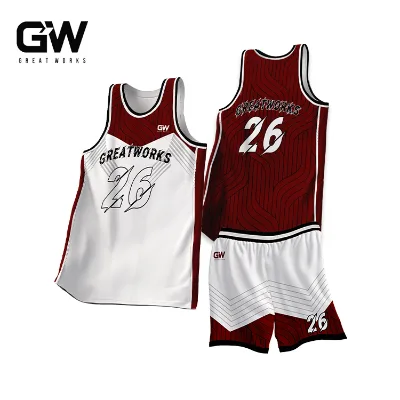
$11.9066 - $18.6341
MOQ: 10 sets
Guiping Meiang Clothing Factory
- Verified by SGS Group
- Manufacturer, Trading Company
- Lead time15 days
- Avg. response≤ 3h
Main productsSoccer Wear, Tracksuit, Hoodie, Men Shirt, Pant
Main marketsNorth America(40%), Domestic Market(25%), Southeast Asia(10%)

Foshan Dopoo Sportswear Co., Ltd.
- Verified by TUVRHEINLAND
- Trading Company
- China Guangdong
- Lead time30 days
- Avg. response≤ 5h
Main productsSportswear, Hoodies, Baseball Jersey, Basketball Jersey, Fishing Shirts, Apparel, Jacket Jersey, Hockey Jersey, Cheerleading Uniform, Running Shirts
Main marketsNorth America
Xiamen Aibort Clothing Co., Ltd.
- Verified by TüVRheinland
- Manufacturer, Trading Company
- Lead time60 days
Main productsSoccer Wear, Basketball Wear, Rugby Wear, Baseball Wear, Netball Wear
Main marketsOceania(70%), North America(10%), Eastern Europe(10%)

Shenzhen Karyo Industrial Co. Ltd
- Verified by TUVRHEINLAND
- Manufacturer/Factory
- China Guangdong
- Lead time15 days
- Avg. response≤ 2h
Main productsBaseball Uniform, Basketball Uniform, Board Beach Short, Paintball Jersey Dart Polo Shirts T Shirts, Cycling Wear, Beach Short, Wrestling Wear, Soccer Uniform, Hockey Jersey, Running Shirts and Shorts
Main marketsEastern Europe,North America,Oceania,Western Europe
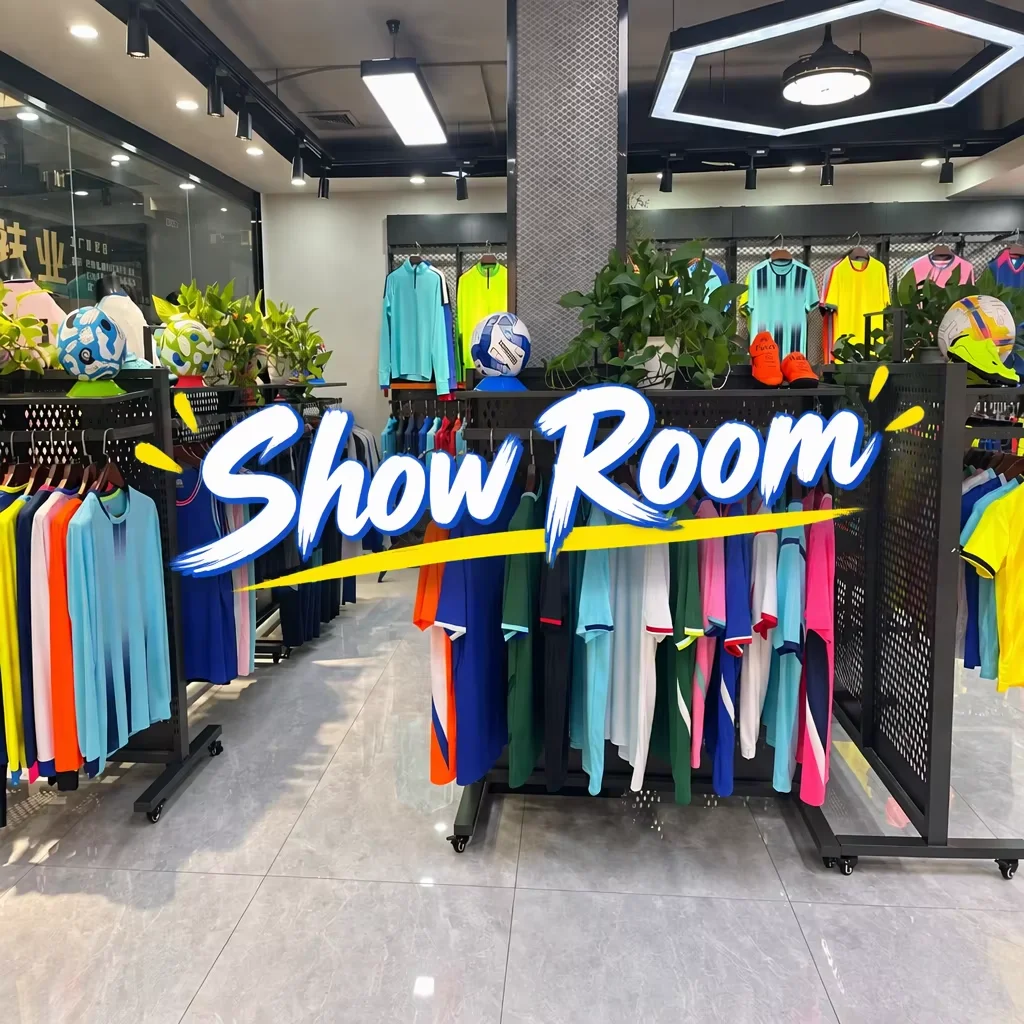
Guangzhou Chenxing Import And Export Co., Ltd.
- Manufacturer
- Guangdong, China
- Lead time7 days
- Avg. response≤ 1h
Main productsSoccer Uniforms,Soccer Tracksuits,Basketball Uniforms,Soccer socks
Main marketsNorth America(35.00%), Mid East(28.00%), Domestic Market(15.00%), Southeast Asia(13.00%), South America(6.00%), Africa(2.00%), Eastern Europe(1.00%)
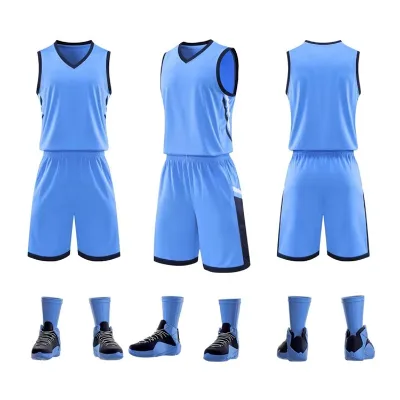
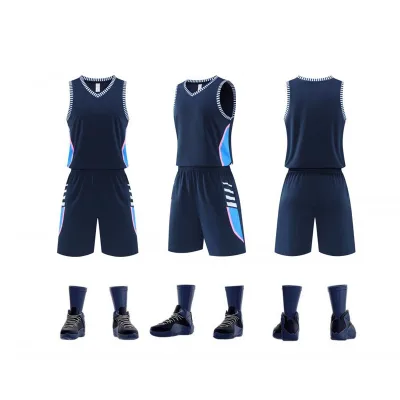
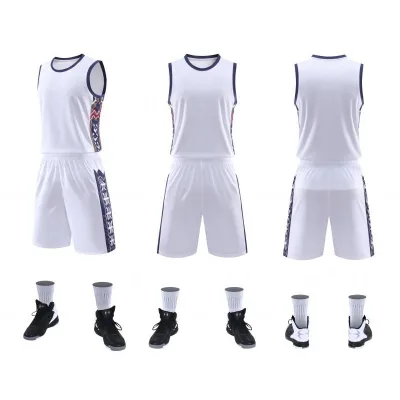
Reversible Basketball Jersey Sublimation Sports Wear Versatile Winter & Summer Basketball Uniform
$3.99 - $6.99
MOQ: 10 sets




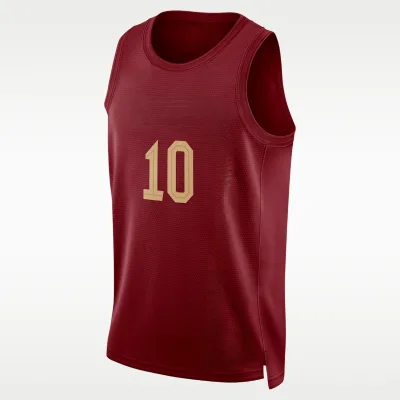
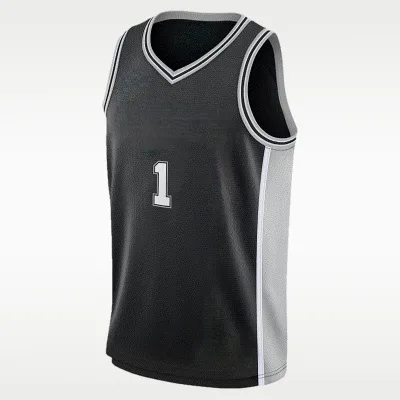
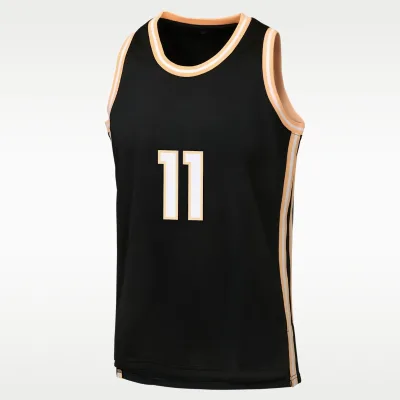
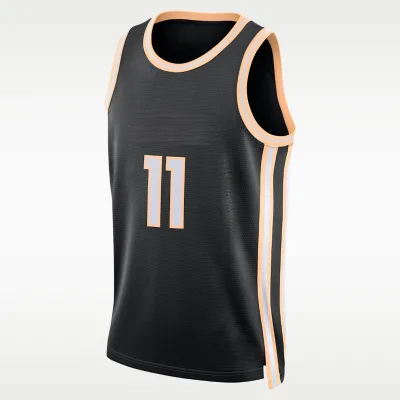
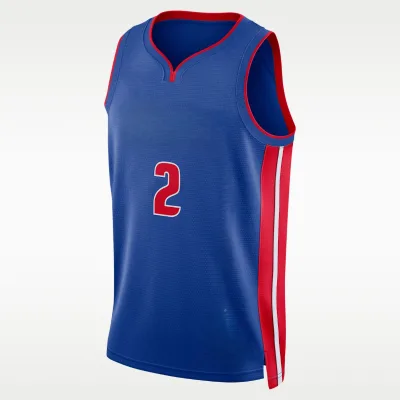
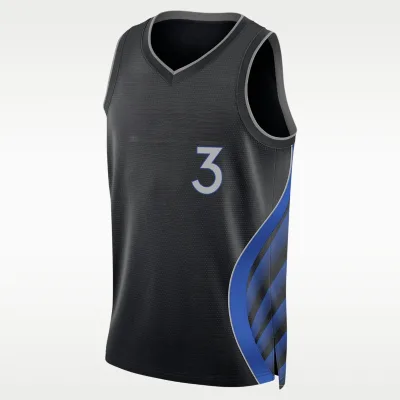
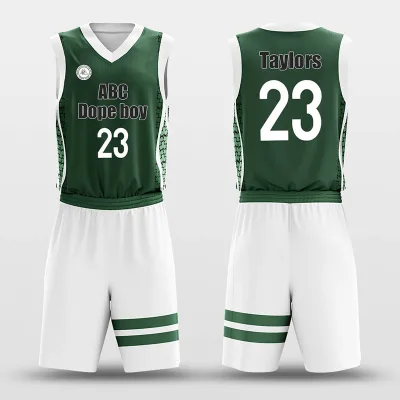
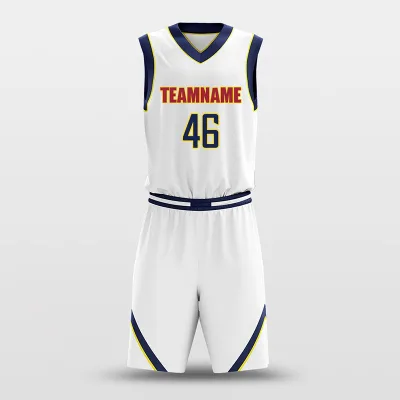
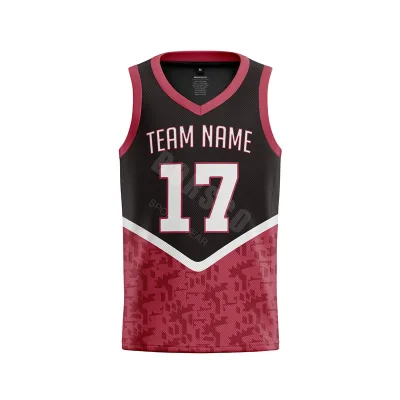
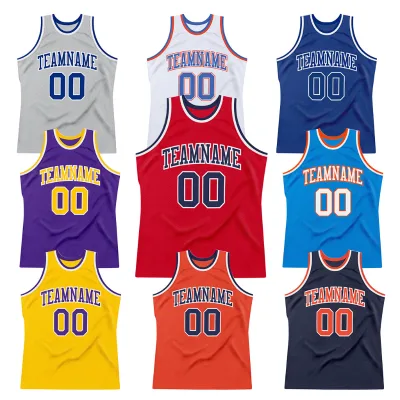
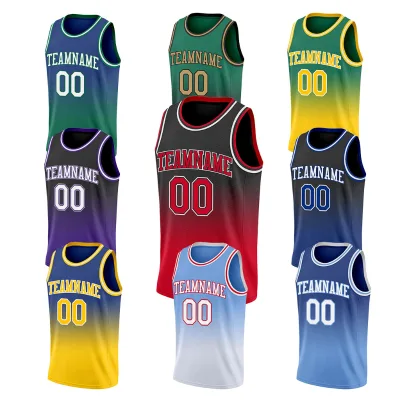
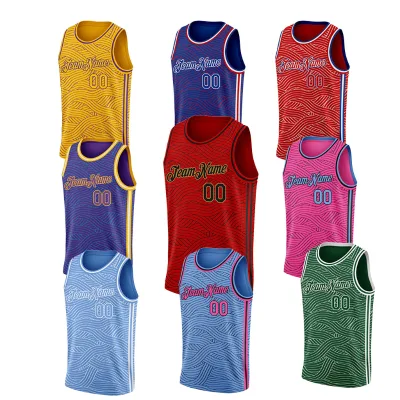
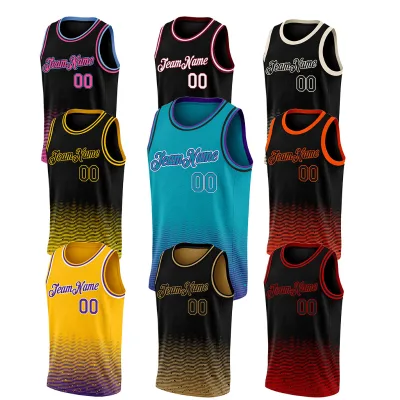
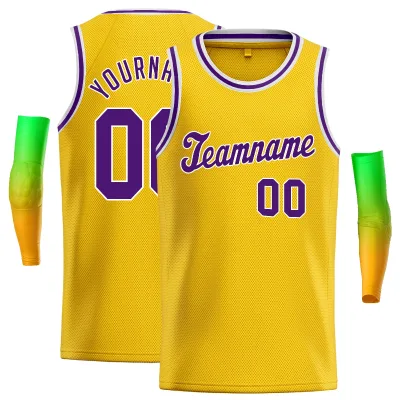
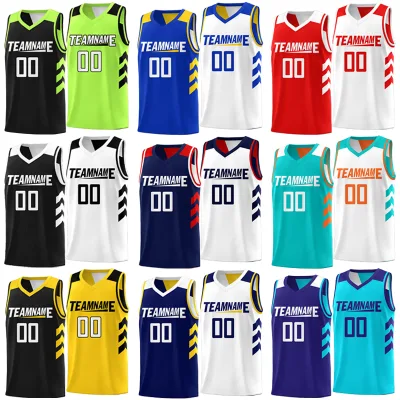
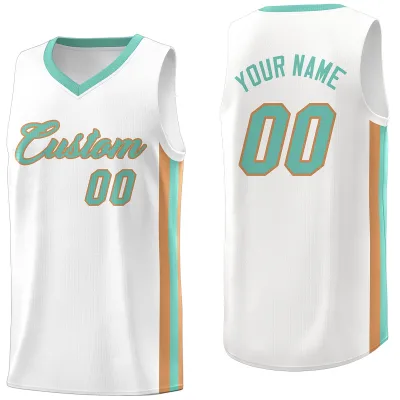
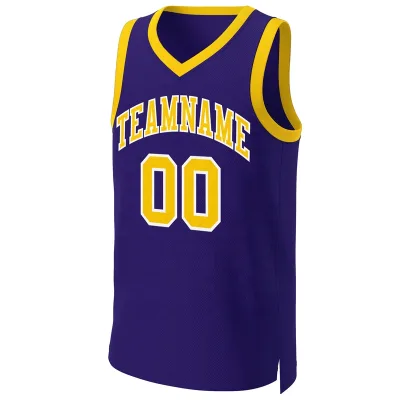
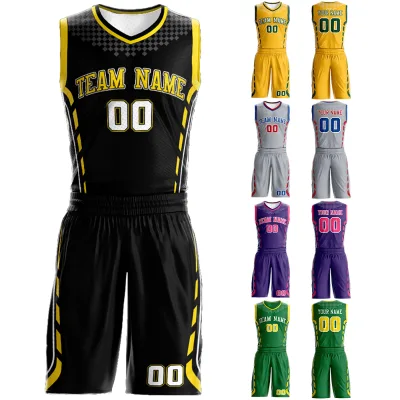
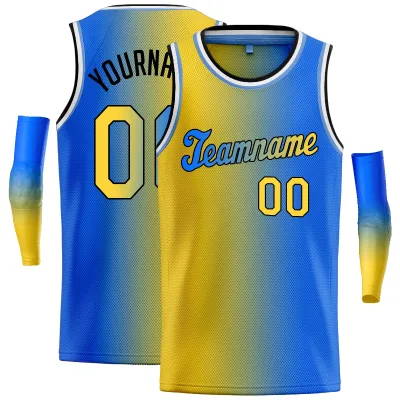


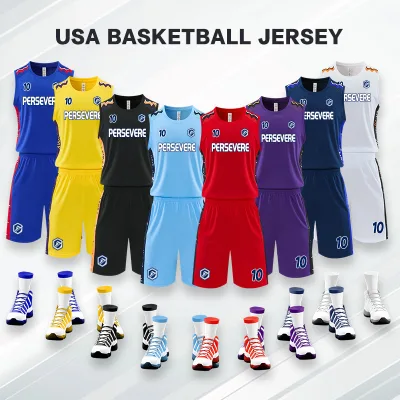




Comprehensive Sourcing Guide
NBA Jersey Supplier Concentration and Factory Types
When evaluating the landscape for NBA Jersey sourcing, it is critical to distinguish between the various operational models available to buyers. The current market data indicates a mix of manufacturing capabilities, with some entities operating strictly as trading companies while others function as manufacturers or hybrid entities. This distinction directly impacts your ability to control costs, customize designs, and manage quality assurance processes. Trading companies often provide a broader range of product categories, such as soccer balls, volleyball equipment, and general sports goods, which can be convenient for buyers seeking a one-stop shop for multiple apparel items. However, this breadth may come at the expense of specialized expertise in high-performance athletic wear. In contrast, suppliers identified as manufacturers typically offer more direct control over the production line, allowing for deeper customization of fabric weights, stitching techniques, and logo placements. Understanding this structural difference is the first step in aligning your sourcing strategy with your specific business needs, whether you prioritize volume, speed, or bespoke design elements.
The concentration of these suppliers often correlates with specific industrial clusters, although explicit location data for all entities may vary. Some results point to origins in regions like Zhejiang and Fujian, which are known for their textile and apparel manufacturing infrastructure. Zhejiang is noted for a diverse range of sports goods, including soccer and volleyball products, suggesting a robust ecosystem for general sportswear production. Meanwhile, other suppliers highlight origins in Fujian, specifically associated with custom basketball jerseys and specialized sportswear. These regional hubs often possess established supply chains for raw materials like polyester and mesh fabrics, which are essential for creating breathable, quick-drying athletic apparel. Buyers should investigate whether a supplier’s stated location aligns with their claimed manufacturing capabilities. A trading company based in a major port city might source from multiple factories, whereas a manufacturer in a production-focused region may have tighter control over material quality and production timelines. Verifying the actual place of origin for the finished goods is essential to ensure consistency and reliability in your supply chain.
How to Verify NBA Jersey Suppliers
Verification is the cornerstone of mitigating risk when sourcing NBA jerseys from international suppliers. The first layer of due diligence involves examining third-party verification badges and certifications displayed on supplier profiles. For instance, some suppliers hold Business Verification (BV) status, which confirms the legal existence and basic operational capacity of the company. Others may possess more rigorous certifications such as TÜV Rheinland, indicating a higher level of scrutiny regarding business practices and product safety. Additionally, system certifications like REACH, CE, and RoHS are critical for ensuring that the materials used in jersey production comply with international environmental and safety standards. These certifications are particularly important if you are targeting markets with strict regulatory requirements regarding chemical usage in textiles. Buyers should not rely solely on these badges but should also request copies of the actual certificates to verify their validity and expiration dates. This step ensures that the supplier’s claims are backed by independent, authoritative testing and assessment bodies.
Beyond certifications, assessing the supplier’s responsiveness and communication efficiency provides valuable insights into their operational reliability. Response time metrics, such as an average of 8.28 hours or a rapid 2-hour response window, can indicate the supplier’s capacity to handle urgent inquiries and complex customization requests. A faster response time often correlates with a more agile supply chain and better customer service infrastructure, which is crucial when dealing with custom designs, logo placements, and size specifications. Buyers should also look for evidence of customization capabilities, such as OEM services, graphic processing, and sample production support. Suppliers that explicitly state support for 7-day sample orders demonstrate a commitment to quality control and client satisfaction. Furthermore, examining the detailed product attributes, such as fabric composition (e.g., 100% polyester, mesh), printing methods (digital or heat-transfer), and feature sets (quick-drying, moisture-wicking), helps verify that the supplier has the technical expertise to produce high-quality NBA jerseys. Cross-referencing these technical details with the supplier’s stated capabilities ensures a match between your requirements and their production capacity.
What to Compare Across NBA Jersey Suppliers
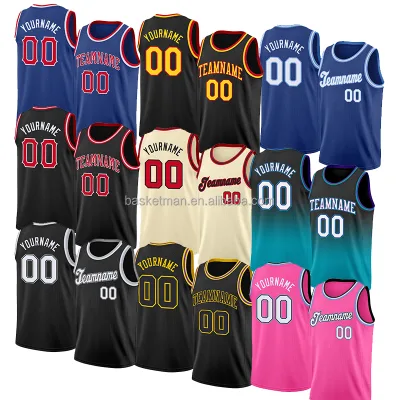
Comparing suppliers requires a multi-dimensional analysis of their product offerings, pricing structures, and operational metrics. One key differentiator is the range of main products and specific jersey models available. Some suppliers focus on a broad spectrum of sports apparel, including soccer uniforms, basketball sets, and promotional items, while others specialize exclusively in custom basketball jerseys with specific model numbers like J533 or K.Z.D 266191. The specificity of the product model can indicate a supplier’s depth of expertise in certain styles or technologies. For example, suppliers offering jerseys with detailed attributes such as seamless fusing, specific sleeve lengths, and advanced printing techniques like digital or heat-transfer printing may be better suited for high-end, custom orders. Buyers should also evaluate the customization options provided, including logo placement (front, back, or both), pattern types (print or embroidered), and fabric styles (mesh or solid polyester). The availability of OEM services and the ability to handle complex design requests are critical factors in determining a supplier’s suitability for branded NBA Jersey production.
Pricing and minimum order quantities (MOQ) are equally important variables in the comparison process. Price ranges can vary significantly, with some suppliers offering jerseys at lower price points, such as $8.56 to $12.69, while others may charge higher premiums for specialized features or higher-quality materials, ranging up to $25.98. These price differences often reflect variations in fabric weight, printing technology, and labor costs. Buyers must also consider the MOQ, which can range from as low as one piece for sampling purposes to larger quantities for bulk production. A low MOQ is advantageous for testing new designs or fulfilling small, urgent orders, but it may come with a higher per-unit cost. Conversely, higher MOQs often enable better economies of scale and lower unit prices. Additionally, lead times and response speeds should be compared to assess the supplier’s ability to meet your delivery deadlines. Suppliers with shorter lead times, such as 10 days compared to 30 days, may be preferable for time-sensitive projects. By systematically comparing these factors, buyers can identify the supplier that best balances cost, quality, and speed for their specific NBA Jersey sourcing needs.
Common NBA Jersey Sourcing Risks
One of the primary risks in sourcing NBA jerseys is the potential discrepancy between the ordered specifications and the final delivered product. This can manifest in various forms, including incorrect fabric composition, inaccurate color matching, or substandard printing quality. For instance, a supplier may claim to use 100% polyester mesh, but the actual material might be a cheaper blend that lacks the necessary breathability and durability for athletic use. Similarly, digital printing or heat-transfer methods may result in fading or peeling after repeated washing if not executed correctly. Buyers must mitigate this risk by requesting physical samples before committing to large orders. These samples allow for a thorough inspection of material quality, stitching integrity, and print durability. Additionally, verifying the supplier’s production capabilities through video calls or factory audits can provide real-time insights into their manufacturing processes and quality control measures. This proactive approach helps ensure that the final products meet the expected standards and performance criteria.
Another significant risk is the inconsistency in lead times and communication reliability. Suppliers may promise rapid turnaround times, such as 10 days, but fail to deliver within the agreed timeframe due to production bottlenecks or resource constraints. This can disrupt your inventory planning and lead to missed market opportunities, especially for seasonal or event-driven sales. Furthermore, poor communication can lead to misunderstandings regarding design details, logo placements, and size specifications, resulting in costly rework or rejected shipments. Buyers should establish clear communication protocols and regular check-ins with their suppliers to monitor production progress. It is also advisable to include penalty clauses in contracts for late deliveries or quality failures to incentivize performance. Additionally, verifying the supplier’s financial stability and reputation through third-party reviews or industry references can provide an additional layer of security. By anticipating and addressing these risks early in the sourcing process, buyers can build a more resilient and reliable supply chain for their NBA Jersey products.
NBA Jersey Regional Sourcing and Logistics
The geographic location of suppliers plays a crucial role in determining logistics costs, lead times, and overall supply chain efficiency. Suppliers located in regions like Zhejiang and Fujian in China benefit from established textile and apparel manufacturing ecosystems, which can facilitate faster production and lower material costs. Zhejiang, in particular, is known for its diverse range of sports goods, including soccer and volleyball products, suggesting a robust infrastructure for general sportswear production. Fujian, on the other hand, is often associated with specialized sportswear and custom jersey manufacturing, offering access to advanced printing and customization technologies. Buyers should consider the proximity of these manufacturing hubs to major shipping ports, as this can significantly impact transit times and freight costs. For instance, suppliers in coastal regions may have easier access to international shipping routes, reducing the time required to deliver goods to global markets. Understanding the logistical advantages of different regions helps buyers optimize their supply chain and reduce overall procurement costs.
Logistics planning also involves considering the packaging and handling requirements of NBA jerseys to ensure they arrive in pristine condition. Suppliers often provide specific packaging details, such as individual OPP bags or carton quantities, which can affect shipping efficiency and product protection. For example, a supplier might pack jerseys in sets of 100 per carton, with each jersey individually wrapped to prevent damage during transit. Buyers should verify these packaging standards and ensure they align with their storage and distribution requirements. Additionally, considering the weight and dimensions of the packaged goods is essential for calculating accurate shipping costs. Some suppliers provide detailed packaging information, such as single package size and gross weight, which can help buyers estimate freight expenses more precisely. Furthermore, evaluating the supplier’s experience with international shipping and their ability to handle customs documentation can streamline the import process. By carefully planning the logistics and understanding the regional advantages of different suppliers, buyers can ensure a smooth and cost-effective supply chain for their NBA Jersey orders.
NBA Jersey Commercial Terms and Order Planning
Effective order planning for NBA jerseys requires a clear understanding of the commercial terms and payment structures offered by suppliers. Many suppliers support secure payment methods such as escrow services, which protect buyers by holding funds until the goods are received and verified. This is particularly important for first-time transactions or large orders, as it provides a layer of financial security against potential fraud or non-delivery. Buyers should also inquire about the supplier’s return and refund policies, as well as their procedures for handling quality disputes. Clear terms regarding these aspects can prevent misunderstandings and ensure a smooth resolution process in case of issues. Additionally, understanding the supplier’s pricing structure, including any volume discounts or price breaks for larger orders, can help buyers optimize their procurement costs. Some suppliers may offer tiered pricing based on quantity, allowing buyers to negotiate better rates for bulk purchases. By carefully reviewing and negotiating these commercial terms, buyers can establish a fair and transparent business relationship with their suppliers.
Order planning also involves aligning production schedules with market demand and inventory requirements. Buyers should work closely with suppliers to establish realistic production timelines, taking into account factors such as customization complexity, material availability, and peak season constraints. For instance, suppliers with shorter lead times, such as 10 days, may be better suited for urgent orders or last-minute market opportunities. Conversely, suppliers with longer lead times, such as 30 days, may require earlier planning and larger advance orders. Buyers should also consider the supplier’s capacity for handling sample orders, as this can be a valuable tool for testing new designs and validating quality before committing to full production. Some suppliers offer 7-day sample order lead times, which can accelerate the product development process.
FAQs
What is the minimum order quantity for custom basketball jerseys?
The minimum order quantity is one unit, allowing buyers to test quality before committing to larger orders. This low threshold supports small teams or individual purchases. Suppliers offer customization options for logos and team names. Buyers can verify specific MOQ requirements for bulk discounts directly with the manufacturer.
How long does production take for custom jerseys?
Production lead times vary between 10 and 30 days depending on the supplier and order complexity. Some manufacturers offer faster sample processing within seven days. Buyers should confirm exact timelines during negotiation. Rush orders may incur additional fees. Always verify the current lead time with the supplier before finalizing the purchase agreement.
What materials are used for basketball jerseys?
Jerseys are typically made from polyester, mesh, or a combination of both for breathability. Materials are often quick-drying and moisture-wicking for athletic performance. Some options include 100% polyester for durability. Buyers can choose from various fabric weights and styles. Verify the specific material composition with the supplier to ensure it meets your team's comfort and performance needs.
Are these jerseys suitable for adult teams?
Yes, most listed jerseys are designed for adult wearers. Sizes range from small to extra-large, including plus sizes. Some suppliers also offer options for teenagers. The apparel is generally unisex and suitable for various sports. Buyers should check the size charts provided by each supplier to ensure proper fit for their team members.
What certifications do the suppliers hold?
Suppliers hold various certifications including BV, TüV Rheinland, REACH, CE, and RoHS. These verify product safety and manufacturing standards. Buyers can filter suppliers by verification type to ensure quality. Certifications indicate compliance with international regulations. Always request current certification documents from the supplier to confirm ongoing compliance and product safety standards.
Can I customize the jersey with my team logo?
Customization is available for logos, team names, and player numbers. Suppliers offer OEM services with digital or heat-transfer printing. Logos can be placed on the front, back, or sleeves. Buyers should provide high-resolution files for best results. Confirm customization options and any additional costs with the supplier before placing the order.