New Hydraulic Power Steering Rack Suppliers and Manufacturers
Source New Hydraulic Power Steering Rack components from 28 verified suppliers. Compare IATF 16949 certifications, Shanghai origins, and 30-day lead times. Contact suppliers directly to request quotes and verify MOQs; review the available evidence before requesting comparable quotations from suitable candidates.
Updated
Suppliers List
Shanghai Changshun Import & Export Company Limited.
- Verified by Intertek
- Manufacturer, Trading Company
- Lead time30 days
- Avg. response≤ 4h
Main productsAuto Switches, Vehicle Keys, Auto Motor, Automobiles Electric Power Steering Systems, Auto Plastic Products
Main marketsMid East(45%), South America(20%), Eastern Europe(15%)
Guangzhou Cheerho Auto Parts Co., Ltd.
- Verified by SGS Group
- Trading Company
- Lead time30 days
- Avg. response≤ 3h
Main productsVehicle Parts & Accessories, Auto Steering Systems, Steering Gears, Power Steering Pumps, Other Auto Steering Parts
Main marketsSouth America(50%), Africa(30%), Eastern Europe(10%)
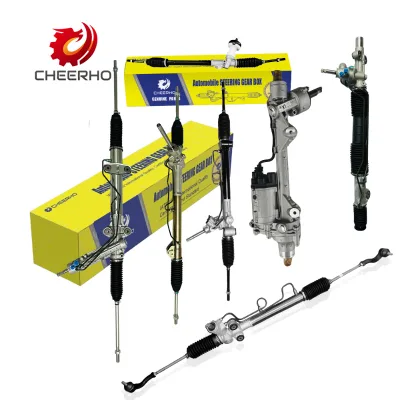
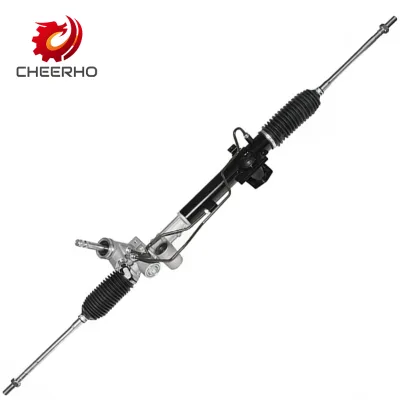
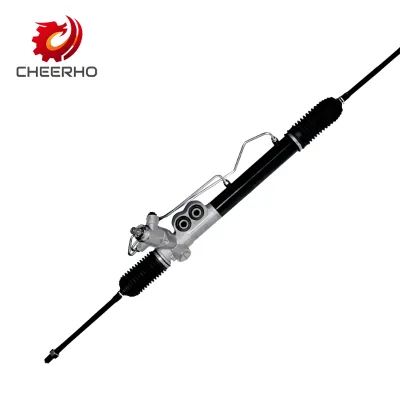
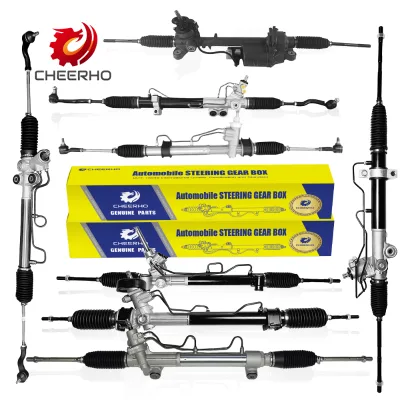
Factory Price Steering Rack for IVECO V DAILY 5801601658
$87.00 - $97.00

Guangzhou Berlin Auto Parts Manufacturing Co., Ltd.
- Verified by SGS
- Combined
- China Guangdong
- Lead time15 days
- Avg. response≤ 20h
Main productsAuto Parts, Auto AC Compressor, Steering Rack &Pump, Auto AC Parts, Steering Parts, Suspension Parts, Automobile Air-Conditioning System Compressor, Power Steering Rack, Power Steering Pump, Steering Gear
Main marketsSouth America,Africa


Steering Rack Power Steering Box Steering System Truck Power Steering Gearbox 8090955172
$199.00 - $300.00
MOQ: 1 Pieces

Power Steering Gearbox Rack and Pinion for Mitsubishi Hyundai Truck OE Mk472191
$59.00 - $150.00
MOQ: 10 Pieces

Guangzhou Fengming Auto Parts Co., Ltd.
- Verified by SGS
- Trading Company
- China Guangdong
- Lead time15 days
- Avg. response≤ 8h
Main productsAuto Part, Spark Plug, Filters, Clock Spring, Water Pump, Timing Chain Kit, Engine Mount, Gasket Kit, Control Arm, Steering Rack
Main marketsSoutheast Asia/ Mideast,Europe,North America

- Verified by BV
- Trading Company,Manufacturer/Factory
- China Zhejiang
- Lead time45 days
- Avg. response≤ 3h
Main productsRubber Products, Rubber Parts, Rubber Bush, Silicone Rubber, Rubber Metal Part, C. V. Joint, Steering Rack, Stamping Parts, Steering Pump
Main marketsSouth America,Mid East,Southeast Asia,Western Europe
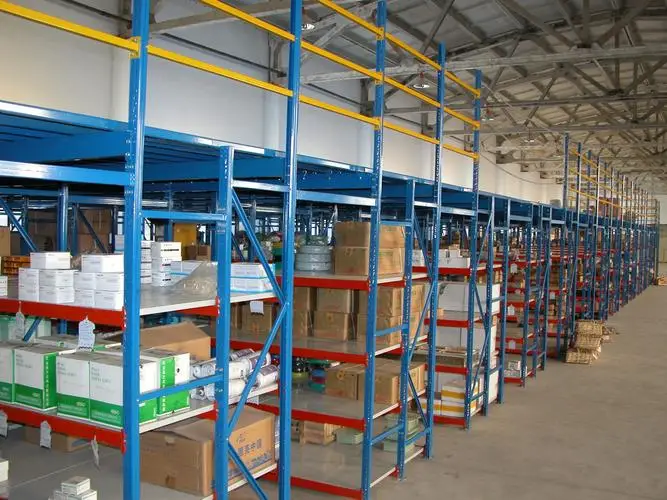
Xianghe Huobuquan Trading Co., Ltd.
- Trading Company
- Hebei, China
- Lead time40 days
- Avg. response≤ 2h
Main productsEngine Accessories, Chassis Accessories, Exterior Parts Of Whole Car, Whole Vehicle Electrical Components
Main marketsMid East(50.00%), Africa(30.00%), Southeast Asia(20.00%)
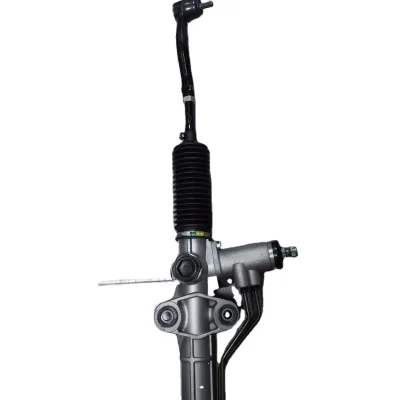
Hydraulic Power Steering Rack for Automotive Parts of Steering Gearbox 57700-2J200 577002J200
$70.00 - $75.00
MOQ: 10 sets
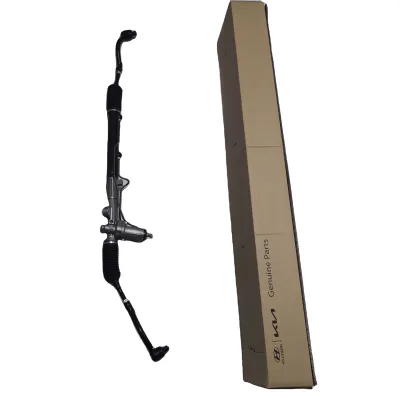

CHONGQING POWERLAND MACHINERY CO., LTD.
- Verified by CTI
- Trading Company
- China Chongqing
- Lead time15 days
- Avg. response≤ 1h
Main productsEGR Valve, Sensor, Ignition Coil, Solenoid Valve, Electric Fan, Electric Vacuum Pump, Gasket, Plug, Bumper, Grille

Wenzhou Hangbang Technology Co., Ltd.
- Verified by SGS
- Combined
- China Zhejiang
- Lead time60 days
- Avg. response≤ 4h
Main productsSteering Gear, Steering Rack, Steeing Box
Main marketsDomestic

- Trading Company
- China Chongqing
- Lead time15 days
- Avg. response≤ 3h
Main productsAuto Alternator, Auto Starter, Steering Rack, Throttle Body, Auto Sensor, Control Arm/Crossmember, Power Steering Pump, Fuel Injector, Ignition Distributor, Turbocharger
Main marketsSouth America,Europe

100% Brand New Cheap Hydraulic Power Steering Rack OEM 44200-48080 44250-48080
$66.00 - $100.00
MOQ: 1 Pieces

Left Hand Hydraulic Power Steering Rack Gear Box Steering Rack 34110SA080
$20.00 - $40.00
MOQ: 10 Pieces

44200-26501 44200-26500 44200-26550 44200-26551 Hydraulic Power Steering Rack for Toyota
$40.00 - $70.00
MOQ: 1 Pieces
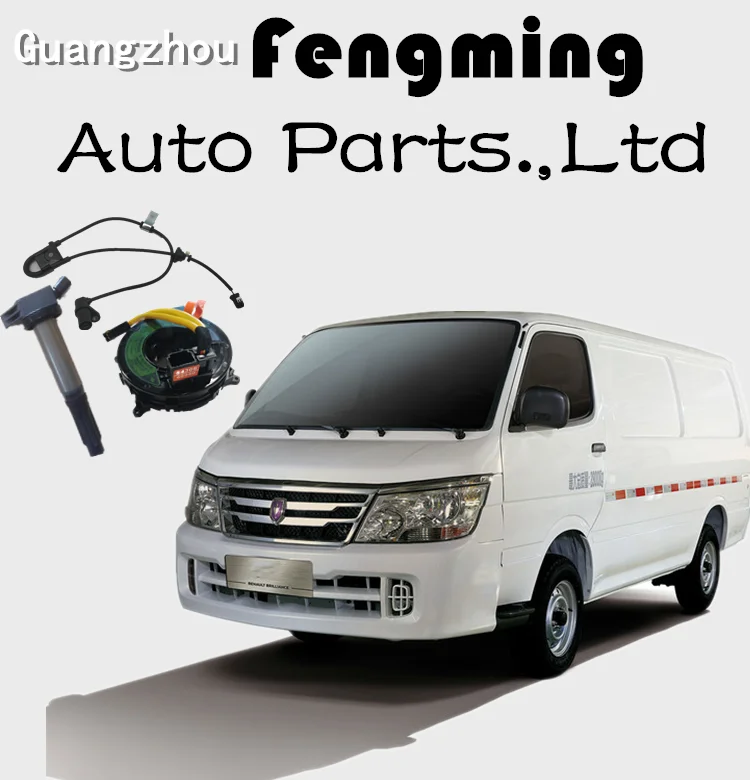
Guangzhou Fengming Auto Parts Co., Ltd.
- Trading Company
- Guangdong, China
- Lead time7 days
- Avg. response≤ 1h
Main productsValve Cover, Power Steering Pump, Filter, Transmission Filter, Bearing
Main marketsEastern Europe(11.00%), North America(10.00%), Oceania(10.00%), Africa(10.00%), Southeast Asia(10.00%), Eastern Asia(6.00%), South America(6.00%), Western Europe(6.00%), Domestic Market(6.00%), South Asia(5.00%), Southern Europe(5.00%), Central America(5.00%), Northern Europe(5.00%), Mid East(5.00%)
Ningbo Hohan Auto Parts Co., Ltd.
- Verified by Intertek
- Trading Company
- Lead time20 days
- Avg. response≤ 3h
Main productsProp Shaft, Drive Shaft and Kits, CV Joint and Kits, Control Arm, Shock Absorber
Main marketsNorth America(20%), Western Europe(20%), Southern Europe(20%)
- Trading Company
- Lead time旺季: "1 - 10":180,"> 10":"To be negotiated", 淡季: "1 - 10":180,"> 10":"To be negotiated"
- Avg. response≤ 1h
Main productsIgnition Coils, Ignition Coil Rubber Boot, Fuel Injector, Fuel Pump, Fuel Injector Repair Kits

Shanghai Spb Industry Co., Ltd.
- Verified by SGS
- Trading Company,Manufacturer/Factory,Group Corporation
- China Shanghai
- Lead time30 days
- Avg. response≤ 5h
Main productsCar Spare Part, Suspension Parts, Ball Joint, Shock Absorber, C. V Joint, Brake Pad, Radiator, Stabilizer Bar, Oil Filter, Steering Rack
Main marketsSouth America,Eastern Europe,Mid East,North America,Southeast Asia,Eastern Asia,Oceania,Western Europe,Africa
Guangzhou Fuchi Auto Parts Co., Ltd.
- Verified by TüVRheinland
- Trading Company
- Lead time0 days
- Avg. response≤ 3h
Main productsSteering Rack, Steering Pump, Alternator, Starter, Air Conditioning Compressor
Main marketsDomestic Market(30%), South America(15%), Mid East(15%)
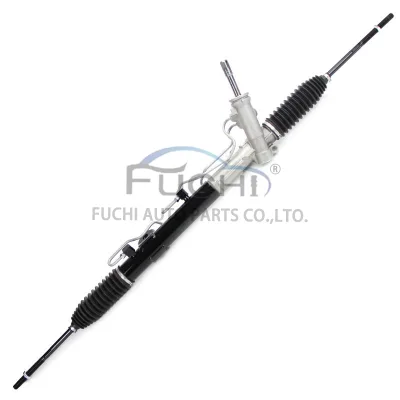
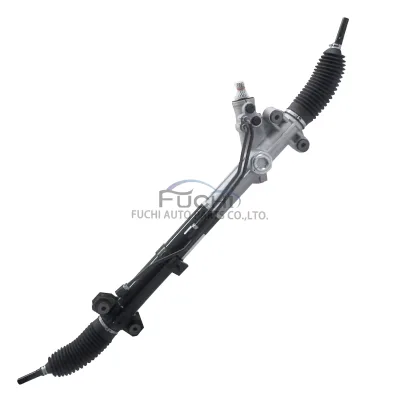
REPAIR or REPLACE CAR AUTO PARTS POWER STEERING RACK for IVECO Ousheng 500306763
$200.4326 - $206.6305
MOQ: 1 pieces
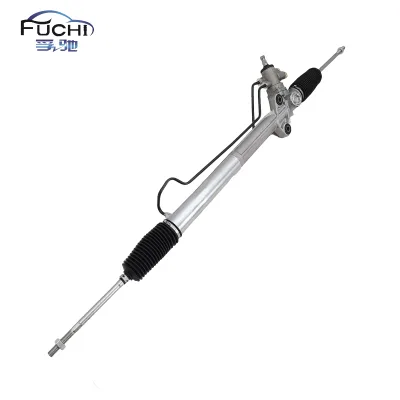
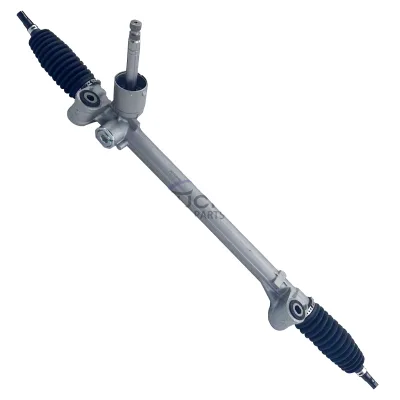

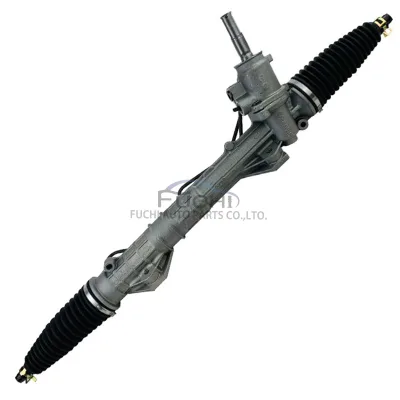
REPAIR or REPLACE CAR AUTO PARTS POWER STEERING RACK for Peugeot 206 9683058880H
$53.00 - $68.00
MOQ: 1

Hangzhou Aelwen Auto Parts Co., Ltd.
- Trading Company,Manufacturer/Factory
- China Zhejiang
- Lead time30 days
- Avg. response≤ 12h
Main productsSteering Rack, Steering Pump, Car Door Lock, Door Lock Actuator, Car Door Handle, Ignition Switch, Window Switch, Gear Shift Knob, Sliding Door Roller, Tailgate Switch
Main marketsSouth America,Eastern Europe,Mid East,Western Europe,Africa


Auto Power Steering Rack Used for Mazda Part No. (BR70-R0-440) (BR70R0440)
$40.00 - $80.00
MOQ: 200 Pieces

Guangzhou Hong Modi Auto Parts Co., Ltd.
- Manufacturer
- Guangdong, China
- Lead time0 days
- Avg. response≤ 6h
Main productsair suspension shock,engine parts kit,body parts kit,power steering rack,brake pad disc parts
Main marketsNorthern Europe(10.00%), Central America(10.00%), Southeast Asia(10.00%), Mid East(10.00%), South America(10.00%), North America(10.00%), Domestic Market(5.00%), South Asia(5.00%), Southern Europe(5.00%), Oceania(5.00%), Africa(5.00%), Western Europe(5.00%), Eastern Asia(5.00%), Eastern Europe(5.00%)

Ningbo Eastsun Autoparts Co., Limited
- Verified by SGS
- Combined
- China Zhejiang
- Lead time45 days
- Avg. response≤ 3h
Main productsauto parts
Main marketsSoutheast Asia/ Mideast,Europe,North America


Auto Electric Hydraulic Power Steering Rack Steering Gears for Toyota Sienna
$59.00 - $63.00
MOQ: 30 Pieces

Auto Electric Hydraulic Power Steering Rack Steering Gears for Nissan Platina Models
$59.00 - $63.00
MOQ: 30 Pieces


Auto Electric Hydraulic Power Steering Rack Steering Gears for Mercedes-Benz
$68.85 - $76.85
MOQ: 50 Pieces
Guangzhou Brace Auto Parts Co., Ltd.
- Verified by SGS Group
- Trading Company
- Lead time10 days
- Avg. response≤ 6h
Main productsExterior Parts, Engine Parts, Chassis Parts, Gearbox Parts, Cooling System
Main marketsMid East(20%), South America(15%), Africa(15%)
Jinan Bilifor Machinery Co., Ltd.
- Verified by Intertek
- Trading Company
- Lead time45 days
- Avg. response≤ 2h
Main productsAuto Parts, Automobile bearing, Steering gear, Turning, Wheel hub
Main marketsSouth America(60%), Mid East(40%)
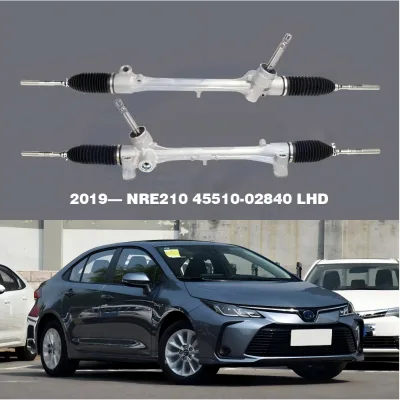
$153.699 - $184.4388
MOQ: 1 pieces
Hebei Hongou Auto Technology Co., Ltd.
- Verified by TüVRheinland
- Manufacturer, Trading Company
- Lead time7 days
- Avg. response≤ 7h
Main productsCar Interior Ceiling, Car Cover Insulation Cotton, Car Sunroof Curtain, Brake Pad, Shock Absorber
Main marketsSoutheast Asia(20%), Mid East(20%), South America(10%)
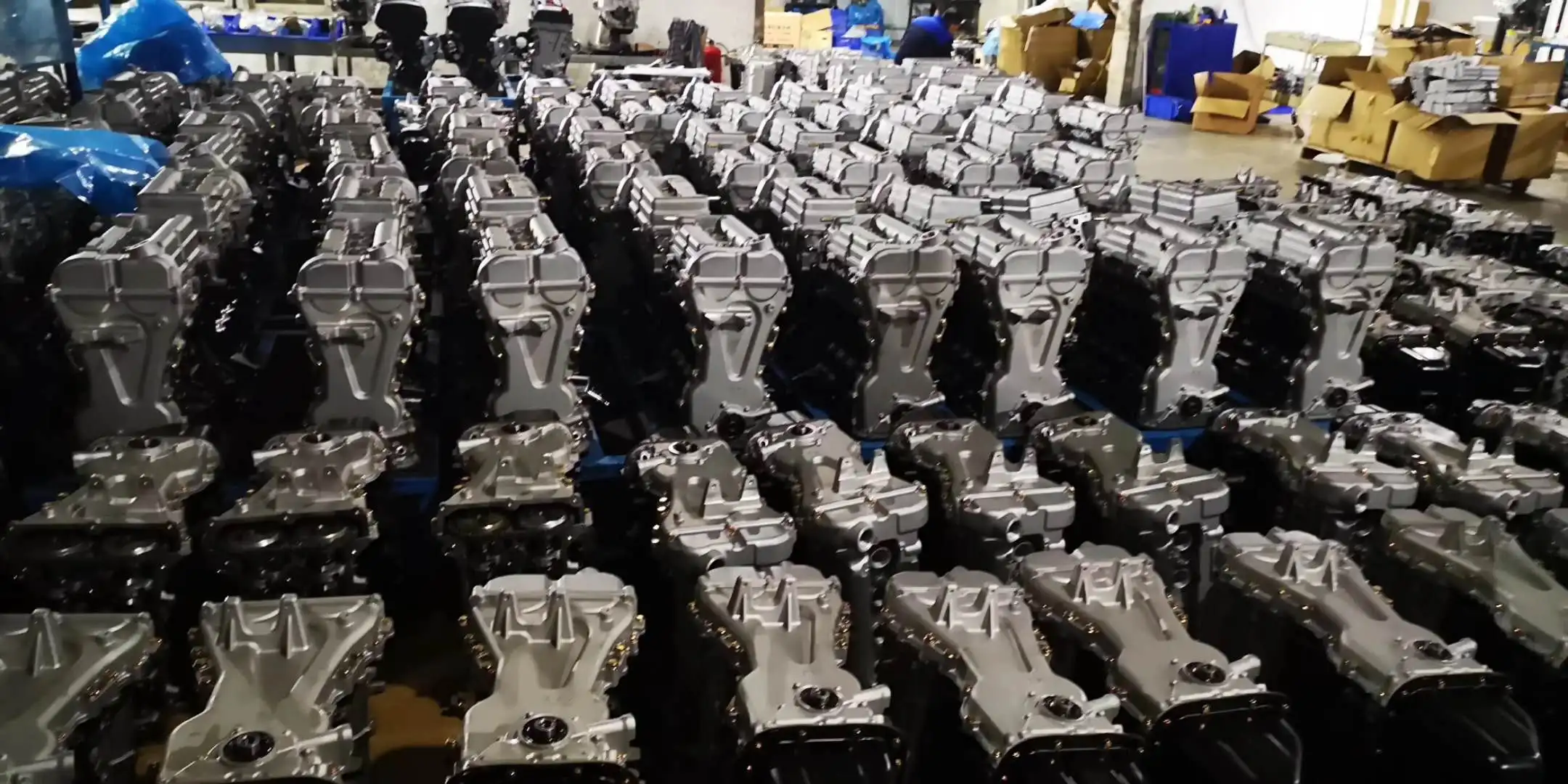
Hefei Global Auto Parts Co., Ltd.
- Trading Company
- Anhui, China
- Lead time5 days
- Avg. response≤ 10h
Main productsChina car parts,Chevrolet auto parts,Sail auto parts,Saic wuling auto parts,chery auto parts
Main marketsSouth America(50.00%), Southeast Asia(10.00%), North America(10.00%), Western Europe(5.00%), Eastern Asia(5.00%), Mid East(5.00%), Oceania(5.00%), Africa(5.00%), Eastern Europe(5.00%)
Anhui Guanrun Automobile Steering System Co., Ltd.
- Manufacturer, Trading Company
- Anhui, China
- Lead time60 days
- Avg. response≤ 14h
Main productspower steeringrack,power steering valve,power steering gear assembly,input shaft,housing
Main marketsNorth America(40.00%), Domestic Market(10.00%), Central America(8.00%), Western Europe(5.00%), Eastern Asia(5.00%), Mid East(5.00%), Eastern Europe(5.00%), South America(5.00%), Southeast Asia(5.00%), Oceania(4.00%), Southern Europe(3.00%), South Asia(2.00%), Africa(2.00%), Northern Europe(1.00%)
Guangzhou Xin sande Auto Parts Co., Ltd.
- Verified by SGS Group
- Trading Company
- Lead time15 days
- Avg. response≤ 2h
Main productsIgnition Coil, Fuel Injector, Car Sensor, Fuel Pump Assembly, Fuel Pump
Main marketsSouth America(35%), Southeast Asia(30%), Africa(21%)

Wuhu GDST Auto Parts Co., Ltd.
- Verified by TUVRHEINLAND
- Manufacturer/Factory
- China Anhui
- Lead time15 days
- Avg. response≤ 3h
Main productsBrake Cylinder, Brake Pad, Steering Rack, Power Steering Pump, CV Joint, Drive Shaft, Suspension Parts, Wheel Hub, Water Pump, Auto Filters
Main marketsEastern Europe,Mid East,North America,Western Europe,Africa


GDST OEM 6q1423061m Automobile Steering Gear Hydraulic Power Steering Rack for Seat
$50.00 - $75.00
MOQ: 20 Pieces
Sichuan Eok Auto Industry Co., Ltd.
- Trading Company
- Sichuan, China
- Lead time36 days
- Avg. response≤ 7h
Main productsEngine Parts,Power Train Parts,Chassis Parts,Electrical Parts,Body Parts & Accessories
Main marketsSouth America(29.00%), Central America(10.00%), Northern Europe(10.00%), Southeast Asia(10.00%), Eastern Europe(10.00%), North America(10.00%), Western Europe(9.00%), Mid East(5.00%), Southern Europe(5.00%), Eastern Asia(1.00%), Africa(1.00%)
Guangzhou Weiqi Auto Parts Co., Ltd.
- Verified by TüVRheinland
- Trading Company
- Lead time30 days
- Avg. response≤ 2h
Main productsFuel Injector System, Electric System, Engine System, Cooling System, Supension Parts
Main marketsDomestic Market(40%), South America(15%), Africa(10%)
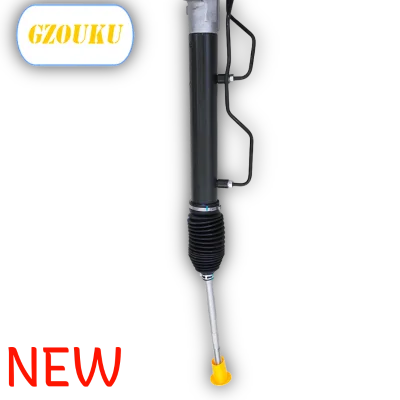
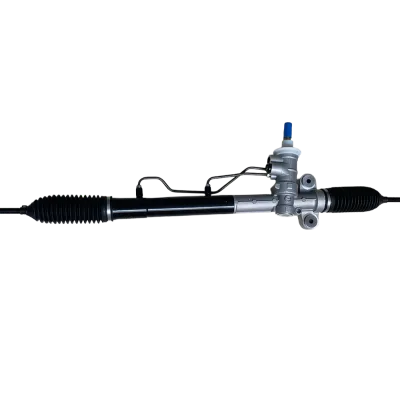
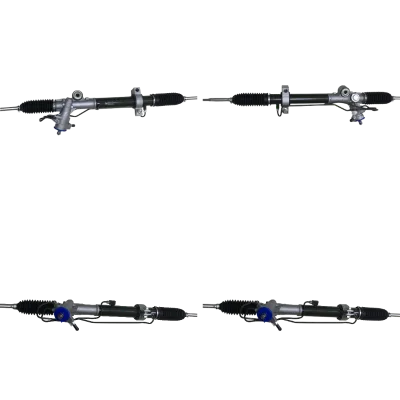
Steering Transmission 96879493 96663816 for Shade 2 1.0 49KW 67HP Petrol Power Steering Rack
$85.00 - $105.00
MOQ: 10
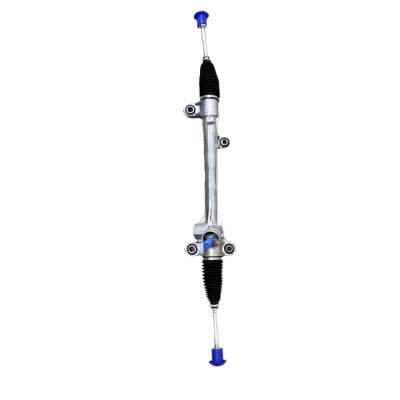
Power Steering Rack for Altis 15MM NZE170 ZRE171 ZRE173 45510-02600/4551002600 RHD
$50.00 - $70.00
MOQ: 1
Guangzhou Zhuowei Auto Parts Co., Ltd.
- Verified by SGS Group
- Trading Company
- Lead time5 days
- Avg. response≤ 7h
Main productsIgnition Coil, Engine Bearing, Control Arm, Engine Mount, Overhaul Gasket Kit
Main marketsSoutheast Asia(24%), Western Europe(19%), Oceania(16%)
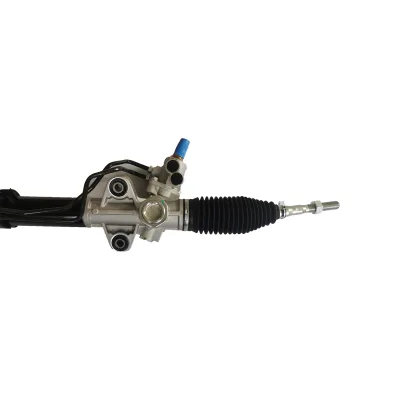
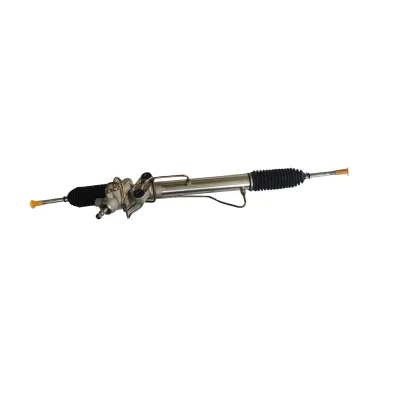
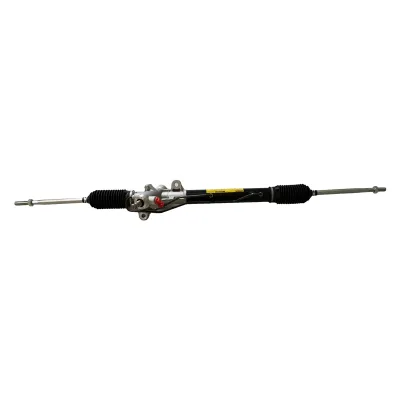
Wholesale Price Auto Engine Parts Power Steering Rack 57700-1C080 for GETZ
$77.6469 - $155.2938
MOQ: 1 Minimum
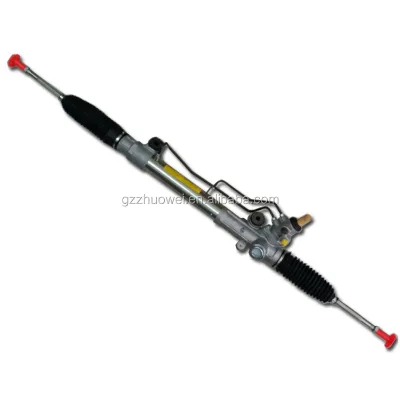
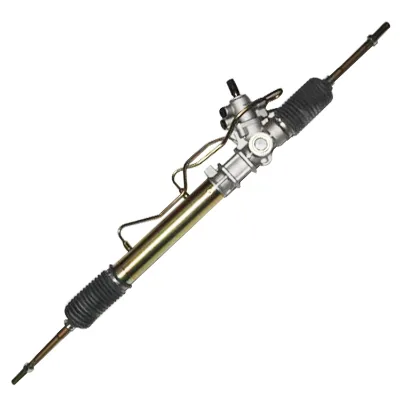
HIACE CAR PARTS STEERING RACK POWER STEERING RACK 44250-26350 for LHD
$103.8164 - $311.4492
MOQ: 5 Minimum
Ningbo Jolite Imp. & Exp. Co., Ltd.
- Verified by TüVRheinland
- Manufacturer, Trading Company
- Lead time35 days
- Avg. response≤ 8h
Main productsAuto Parts, LED Lights
Main marketsNorth America(22%), Central America(15%), Northern Europe(13%)
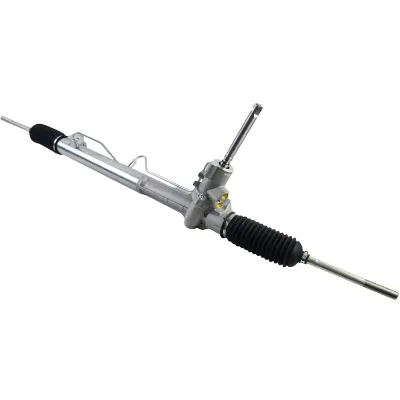
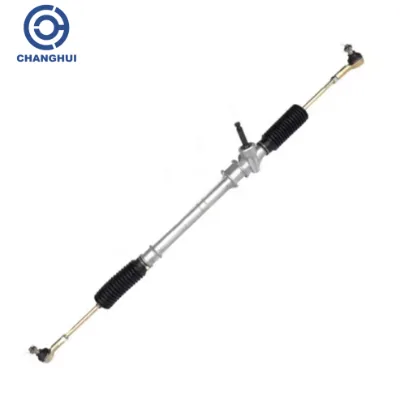
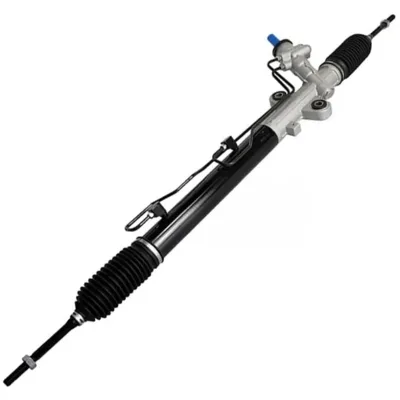
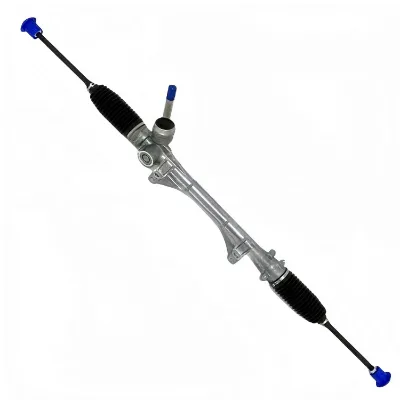


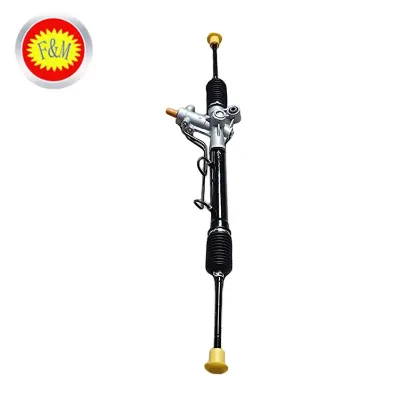
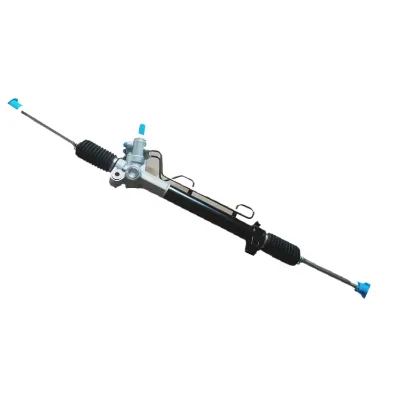
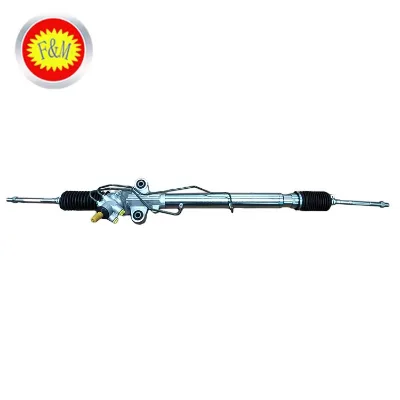
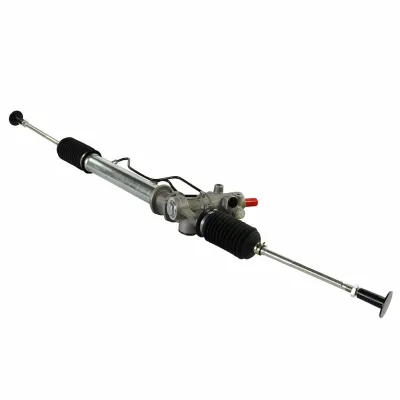
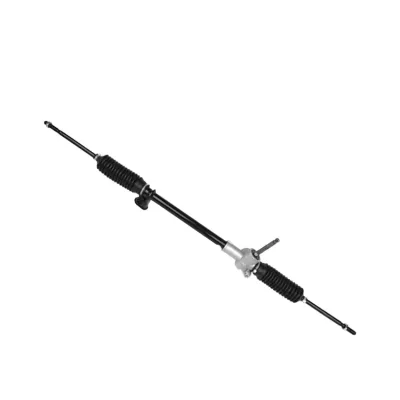
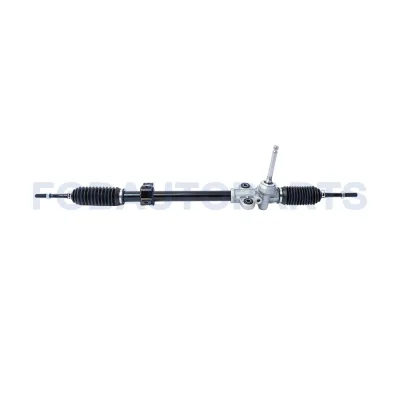
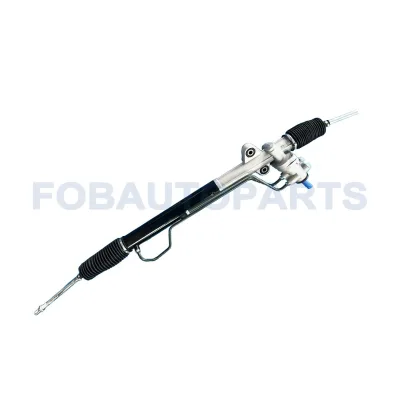


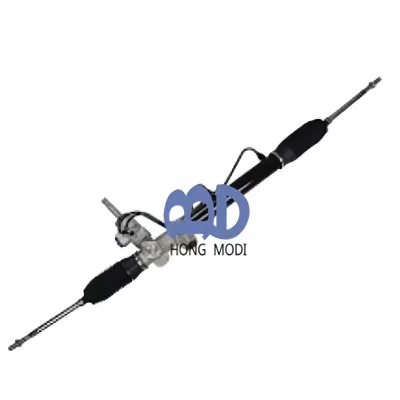
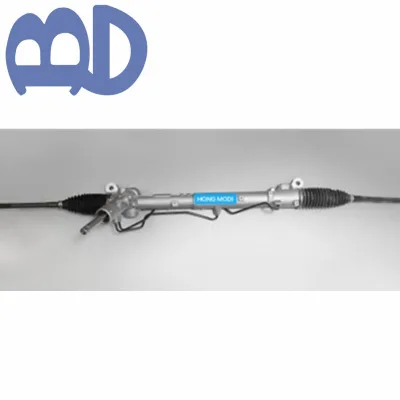
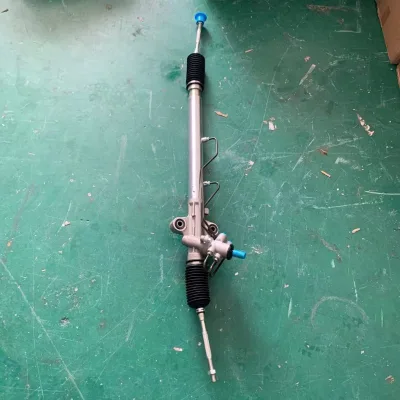
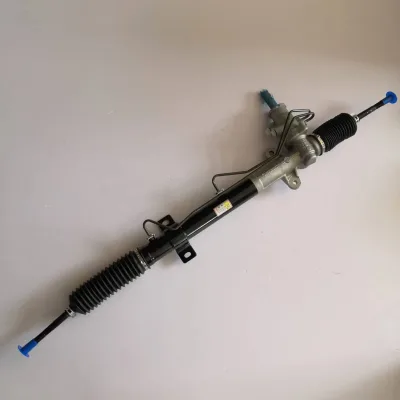
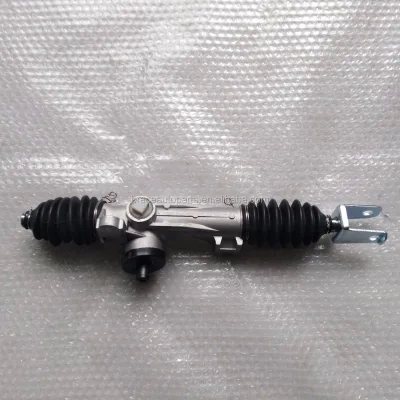
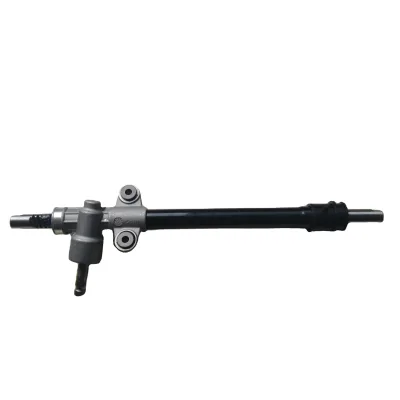
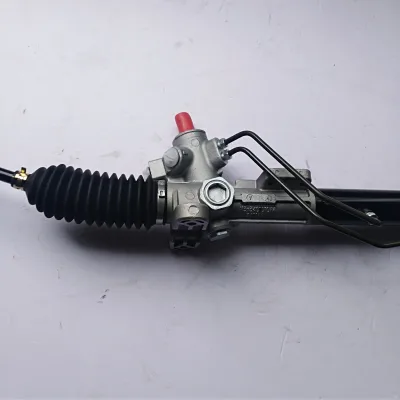
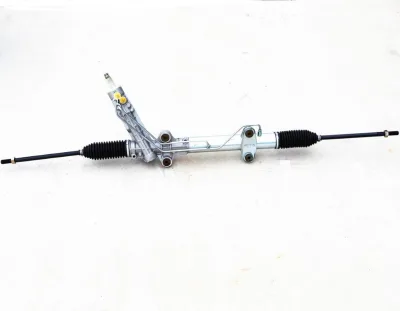
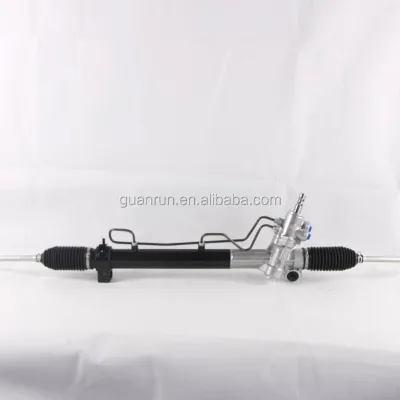
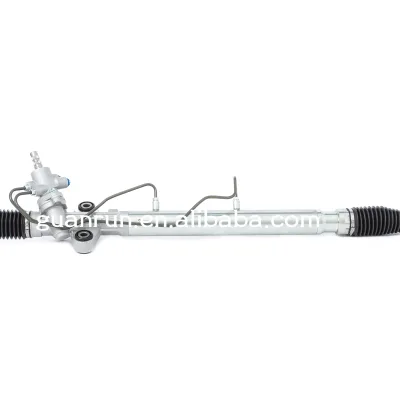
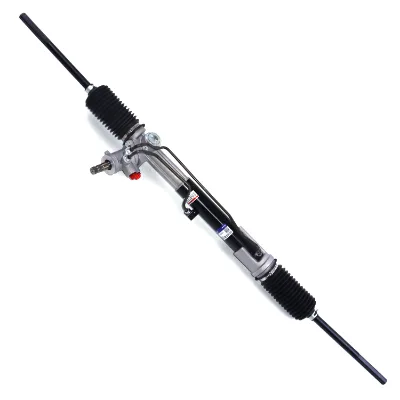
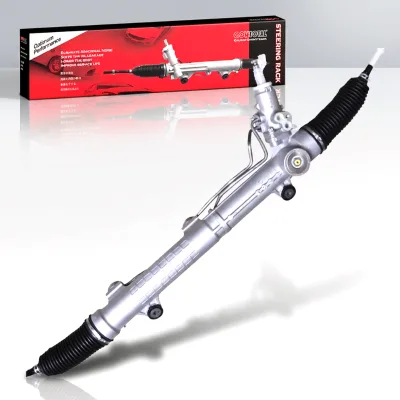
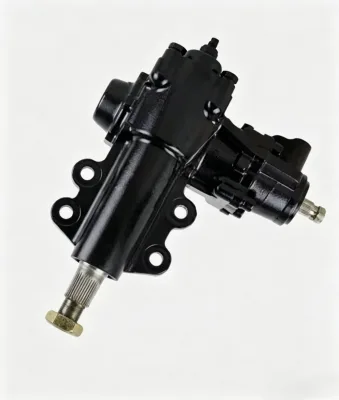
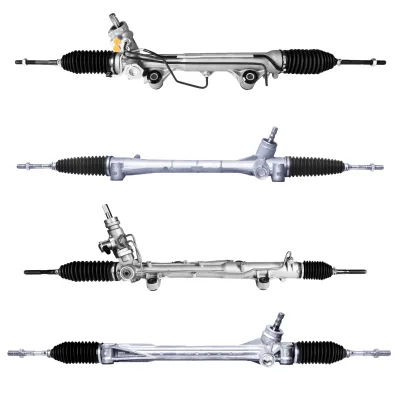
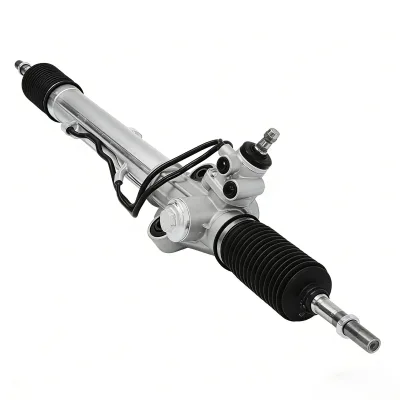
Comprehensive Sourcing Guide
New Hydraulic Power Steering Rack Supplier Concentration and Factory Types
The current supplier landscape for new hydraulic power steering racks features a mix of manufacturers and trading companies, offering buyers distinct advantages depending on their procurement strategy. Manufacturers often provide direct access to production capabilities, including sample processing, customized on-demand services, and graphic processing, which can be critical for specialized automotive parts. These entities are frequently associated with specific industrial certifications such as IATF 16949 and ISO14001, indicating a structured approach to quality management and environmental standards. When evaluating these suppliers, buyers should look for evidence of robust production infrastructure, as the ability to handle customized orders suggests flexibility in meeting unique vehicle requirements. The presence of such certifications is a strong indicator of a supplier's commitment to industry standards, particularly for components like steering racks that are vital for vehicle safety and performance.
Trading companies, on the other hand, may offer a broader range of products and potentially faster response times, as seen in some results where response times are recorded as low as three hours. These entities often act as intermediaries, consolidating products from various sources to provide a one-stop solution for buyers. While they may not have direct manufacturing facilities, their expertise in logistics and supply chain management can streamline the procurement process. Buyers should assess whether the trading company’s value proposition aligns with their need for variety versus the direct control offered by manufacturers. The distinction between these two types is crucial, as it impacts lead times, communication efficiency, and the level of technical support available during the sourcing process. Understanding this dynamic helps buyers select the right partner for their specific operational needs.
How to Verify New Hydraulic Power Steering Rack Suppliers
Verification is a critical step in ensuring the reliability and quality of New Hydraulic Power Steering Rack suppliers. Buyers should prioritize suppliers who have undergone third-party verification processes, such as those conducted by Intertek or SGS Group. These verifications provide an additional layer of confidence regarding the supplier’s business legitimacy and operational capabilities. For instance, some suppliers are verified by Intertek, while others may have SGS Group verification, each offering different insights into the supplier’s compliance and quality control measures. Buyers should request verification reports or certificates to confirm the scope and validity of these assessments. This step is essential for mitigating risks associated with fraudulent or unreliable suppliers, ensuring that the partners chosen are legitimate and capable of fulfilling orders as promised.
In addition to third-party verification, buyers should examine the certifications displayed by suppliers, such as ISO9001/TS16949 or RoHS. These certifications indicate adherence to international quality and environmental standards, which are particularly important for automotive components. Suppliers claiming these certifications should be able to provide valid documentation upon request. Furthermore, buyers should assess the supplier’s product evidence, including detailed product attributes and specifications. For example, some products list specific OE numbers, warranty periods, and condition details, which can help verify the authenticity and quality of the parts. By cross-referencing these details with industry standards and buyer requirements, one can better gauge the supplier’s reliability. This thorough verification process helps build a foundation of trust and ensures that the sourcing decisions are based on solid evidence rather than assumptions.
What to Compare Across New Hydraulic Power Steering Rack Suppliers
When comparing suppliers, buyers should focus on key dimensions such as lead times, minimum order quantities (MOQs), and response speeds. Lead times can vary significantly, with some suppliers indicating a standard lead time of thirty days, while others may offer more flexible delivery windows, such as thirty-one to forty-five days or even shorter periods based on stock availability. Understanding these variations is crucial for planning inventory and meeting production schedules. Similarly, MOQs can range from as low as five units to as high as twenty units, depending on the supplier and product type. Buyers should align these MOQs with their order volumes to avoid excess inventory or production delays. Response times are another important factor, with some suppliers demonstrating rapid response capabilities, which can be vital for resolving issues quickly and maintaining smooth communication throughout the procurement process.
Price and warranty terms are also critical comparison points. Prices for new hydraulic power steering racks can vary, with some products listed at specific price points, such as fifty-nine dollars and eighty cents or seventy dollars, while others may have different pricing structures. Buyers should compare these prices in the context of the product’s specifications, quality, and warranty coverage. Warranty periods can range from six months to one year, providing different levels of protection for the buyer. Additionally, buyers should consider the supplier’s main products and specialization. Some suppliers focus on specific vehicle models or types of steering systems, which can indicate a higher level of expertise and quality in those areas. By systematically comparing these factors, buyers can identify suppliers that offer the best value and alignment with their specific needs, ensuring a more informed and effective sourcing decision.
Common New Hydraulic Power Steering Rack Sourcing Risks
One of the primary risks in sourcing new hydraulic power steering racks is the potential mismatch between product specifications and actual requirements. Buyers must carefully review product attributes such as OE numbers, car models, and power source types to ensure compatibility. For example, some products are specified for Honda Civic models, while others are designed for Ford or Hyundai vehicles. Misidentifying these details can lead to the procurement of incompatible parts, resulting in significant delays and additional costs. Additionally, buyers should be cautious of suppliers who do not provide clear evidence of product testing or quality assurance. Some products claim to be "100% Tested," but without verifiable documentation, this claim may not hold up. Buyers should request test reports or quality control records to confirm the reliability of the products.
Another risk is the variability in supplier reliability and communication. While some suppliers demonstrate quick response times and clear communication, others may be less responsive, leading to delays in order processing and issue resolution. Buyers should assess the supplier’s track record and customer feedback, if available, to gauge their reliability. Furthermore, the risk of counterfeit or substandard products is a concern, especially when dealing with suppliers who do not have robust verification processes in place. Buyers should prioritize suppliers with third-party verifications and recognized certifications to mitigate this risk. Additionally, buyers should be aware of potential logistical challenges, such as shipping delays or customs issues, which can impact delivery times. By identifying and addressing these risks proactively, buyers can ensure a smoother and more secure sourcing experience, minimizing the potential for disruptions and financial losses.
New Hydraulic Power Steering Rack Regional Sourcing and Logistics
Regional sourcing can significantly impact logistics and lead times for new hydraulic power steering racks. Suppliers located in specific regions, such as Shanghai or Guangdong in China, may offer advantages in terms of proximity to manufacturing hubs and established logistics networks. For instance, some products list Shanghai, China, as the place of origin, while others may originate from Guangdong. Buyers should consider the logistical implications of sourcing from these regions, including shipping costs, transit times, and customs procedures. Suppliers in these areas may have experience in exporting automotive parts, which can facilitate smoother international transactions. Additionally, buyers should evaluate the supplier’s port of shipment, such as Shanghai or Ningbo, as this can affect the efficiency of the shipping process. Understanding the regional logistics landscape helps buyers make informed decisions about where to source their products.
Logistics planning is also crucial for managing inventory and ensuring timely delivery. Buyers should work with suppliers to establish clear shipping terms and track shipments closely. Some suppliers offer flexible packaging options, such as neutral packaging or customized packaging, which can impact shipping costs and handling. Buyers should also consider the single package size and weight, as these factors influence shipping fees and storage requirements. For example, some products have a single package size of 130x30x30 cm and a gross weight of 10 kg, while others may have different dimensions. By carefully planning logistics and coordinating with suppliers, buyers can optimize their supply chain and reduce the risk of delays. Additionally, buyers should be aware of any regional trade regulations or tariffs that may affect the cost and feasibility of sourcing from specific locations. This comprehensive approach to regional sourcing and logistics ensures that buyers can efficiently manage their procurement processes.
New Hydraulic Power Steering Rack Commercial Terms and Order Planning
Commercial terms play a vital role in the procurement of new hydraulic power steering racks, influencing cost, risk, and order fulfillment. Buyers should negotiate clear payment terms, such as escrow services or advance payments, to protect their interests. Some suppliers may offer specific payment conditions that align with their business practices, and buyers should ensure these terms are favorable and secure. Additionally, buyers should clarify the warranty terms, which can range from six months to one year, providing different levels of post-purchase support. Understanding these commercial terms helps buyers manage their financial risks and ensure that they receive adequate support in case of product defects or issues. Buyers should also consider the supplier’s return and refund policies, which can provide additional protection against unsatisfactory products.
Order planning is essential for aligning procurement activities with production schedules and inventory needs. Buyers should work closely with suppliers to establish realistic lead times and delivery schedules, taking into account factors such as production capacity and stock availability. Some suppliers indicate delivery times of about five to thirty days based on stock, while others may have longer lead times. Buyers should plan their orders accordingly to avoid stockouts or excess inventory. Additionally, buyers should consider the MOQs and price breaks, which can influence the optimal order quantity. By carefully planning orders and negotiating favorable commercial terms, buyers can optimize their procurement process and ensure a steady supply of new hydraulic power steering racks. This strategic approach to commercial terms and order planning helps buyers achieve cost efficiency and operational reliability in their sourcing activities.
FAQs
What is the typical lead time for new hydraulic power steering racks?
Manufacturers generally require 30 days to process and ship orders for new hydraulic power steering racks. Some suppliers indicate delivery windows of 31 to 45 days depending on stock availability. Buyers should confirm specific timelines with the supplier before placing bulk orders to ensure timely project completion.
What certifications are standard for these steering rack components?
Most suppliers provide products certified under ISO9001 and TS16949 standards to ensure quality management. Some manufacturers also hold IATF 16949 and ISO14001 system certifications. Buyers should verify specific certification documents with the supplier to confirm compliance with automotive industry requirements and safety standards for the purchased parts.
What is the minimum order quantity for these steering racks?
Minimum order quantities typically range from 5 to 20 pieces per model. Some suppliers require a minimum of 10 units for specific Ford or Volvo applications, while others set the threshold at 20 pieces for Hyundai or Mitsubishi parts. Buyers must check the specific MOQ for their desired vehicle model.
What is the price range for new hydraulic power steering racks?
Prices generally range from approximately 59.90 to 598.00 per unit depending on the vehicle application. Specific models for Honda or Ford may cost between 70.00 and 110.00, while other variants can reach higher price points. Buyers should request detailed quotes to understand the final cost for their specific requirements.
What warranty is provided for these steering rack replacements?
Suppliers typically offer warranties ranging from 6 months to 12 months for new hydraulic power steering racks. Some products specify a one-year warranty period to cover manufacturing defects. Buyers should confirm the exact warranty terms and conditions with the supplier to ensure adequate protection for their purchased inventory.
Where are these steering racks typically manufactured?
Most new hydraulic power steering racks are manufactured in Shanghai or Guangdong, China. Suppliers list these regions as the primary place of origin for their automotive steering components. Buyers can verify the specific manufacturing location with the supplier to assess logistics costs and supply chain reliability for their orders.