Chinese Car Engine Hood Hinge Suppliers and Manufacturers
Source 20 verified suppliers for Chinese Car Engine Hood Hinge components. Compare lead times, MOQs, response speeds, and pricing to identify suitable partners. Review product specifications and request samples to validate quality before placing orders; review the available evidence before requesting comparable quotations from suitable candidates.
Updated
Suppliers List

Weifang Jufeng Metal Products Co., Ltd.
- Verified by BV
- Trading Company
- China Shandong
- Lead time30 days
- Avg. response≤ 3h
Main productsSheet Metal Stamping Parts, Sheet Metal Fabrication Parts, Metal Stamping Parts, Stamping, Metal Parts, Car Parts, Welding Parts, Punching Parts, Stamp Parts, Stamping Box
Main marketsSouth America,Southeast Asia/ Mideast,Europe

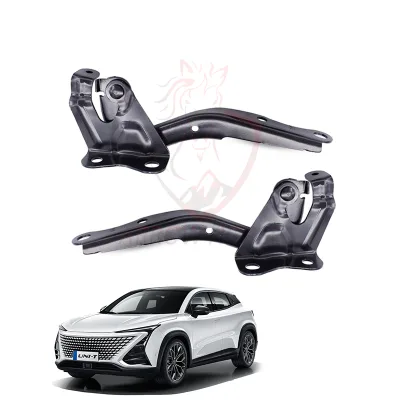
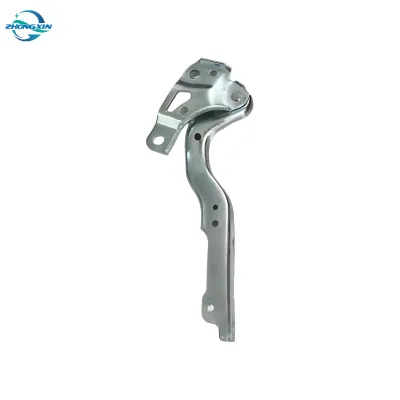
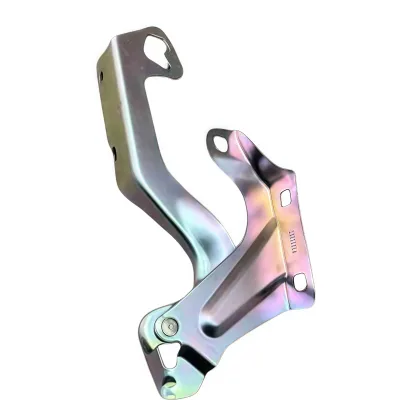
Auto Right Engine Cover Hood Hinge for Car Engine Cover Fixing Accessories
$0.10 - $2.00
MOQ: 100 Pieces

$0.10 - $2.00
MOQ: 100 Pieces

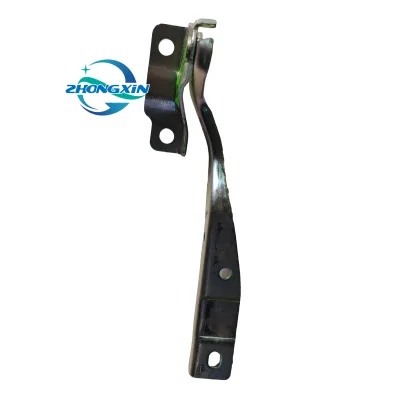
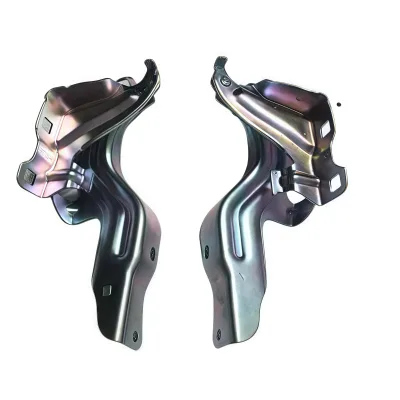
Customized Car Body Kit Engine Hood/Door Hinges with Powder Coating/Anodizing
$0.10 - $2.00
MOQ: 100 Pieces

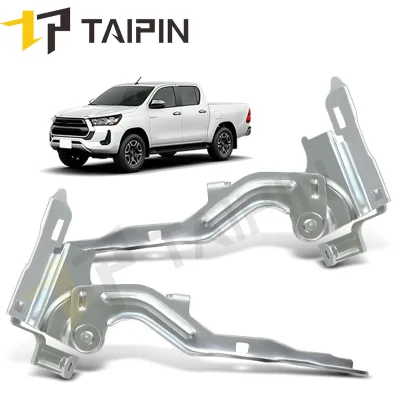
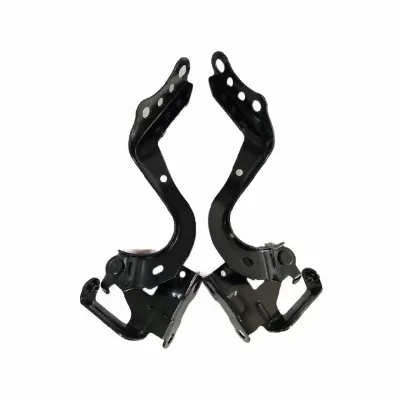
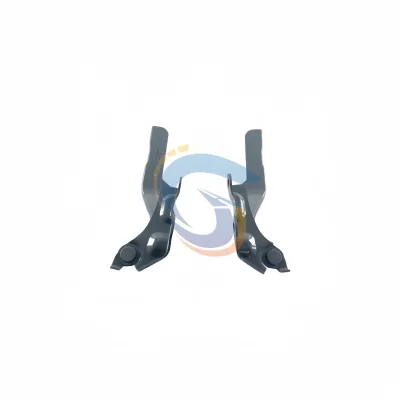
Car Engine Hood Hinge Factory Price High Quality 53420-0d230 Cover Hood Hinge
$0.39 - $2.60
MOQ: 100 Pieces

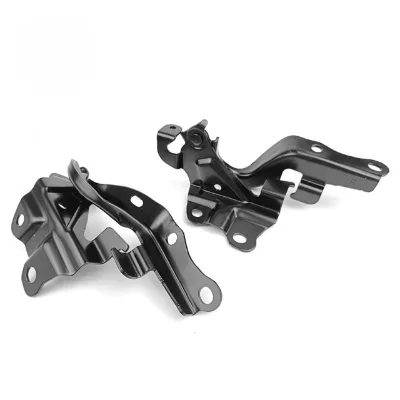
Auto Accessories Car Front Adjustable Engine Cover Bonnet Hood Bonnet Hinge Bracket
$0.10 - $2.00
MOQ: 100 Pieces

Lietuvo International Incorporation
- Verified by BV
- Trading Company
- China Beijing
- Lead time30 days
- Avg. response≤ 12h
Main productsAuto Parts, Auto Suspension Parts, Auto Engine Parts, Auto Brake Parts
Main marketsEurope

Car Bonnet Hood Hinge for Dongfeng 5286502 Auto Body Accessories Wholesale
$5.54 - $6.05
MOQ: 1 Pieces


Original Engine Compartment Cover Hinge for Maxus Car Accessories Wholesale C00076592
$26.47 - $28.68
MOQ: 5 Pieces

Original Engine Compartment Hinge for Maxus Car Accessories Wholesale C00150341
$14.12 - $15.29
MOQ: 5 Pieces
Guangzhou Luma Auto Parts Co., Ltd.
- Verified by Intertek
- Trading Company
- Guangdong, China
- Lead time0 days
- Avg. response≤ 5h
Main productsShock Absorber, LED Headlight, Car Bumpers, Air Filters, Auto Engine Systems
Main marketsMid East(40%), Southeast Asia(20%), Africa(10%)
Hebei Hongou Auto Technology Co., Ltd.
- Verified by TüVRheinland
- Manufacturer, Trading Company
- Lead time7 days
- Avg. response≤ 7h
Main productsCar Interior Ceiling, Car Cover Insulation Cotton, Car Sunroof Curtain, Brake Pad, Shock Absorber
Main marketsSoutheast Asia(20%), Mid East(20%), South America(10%)
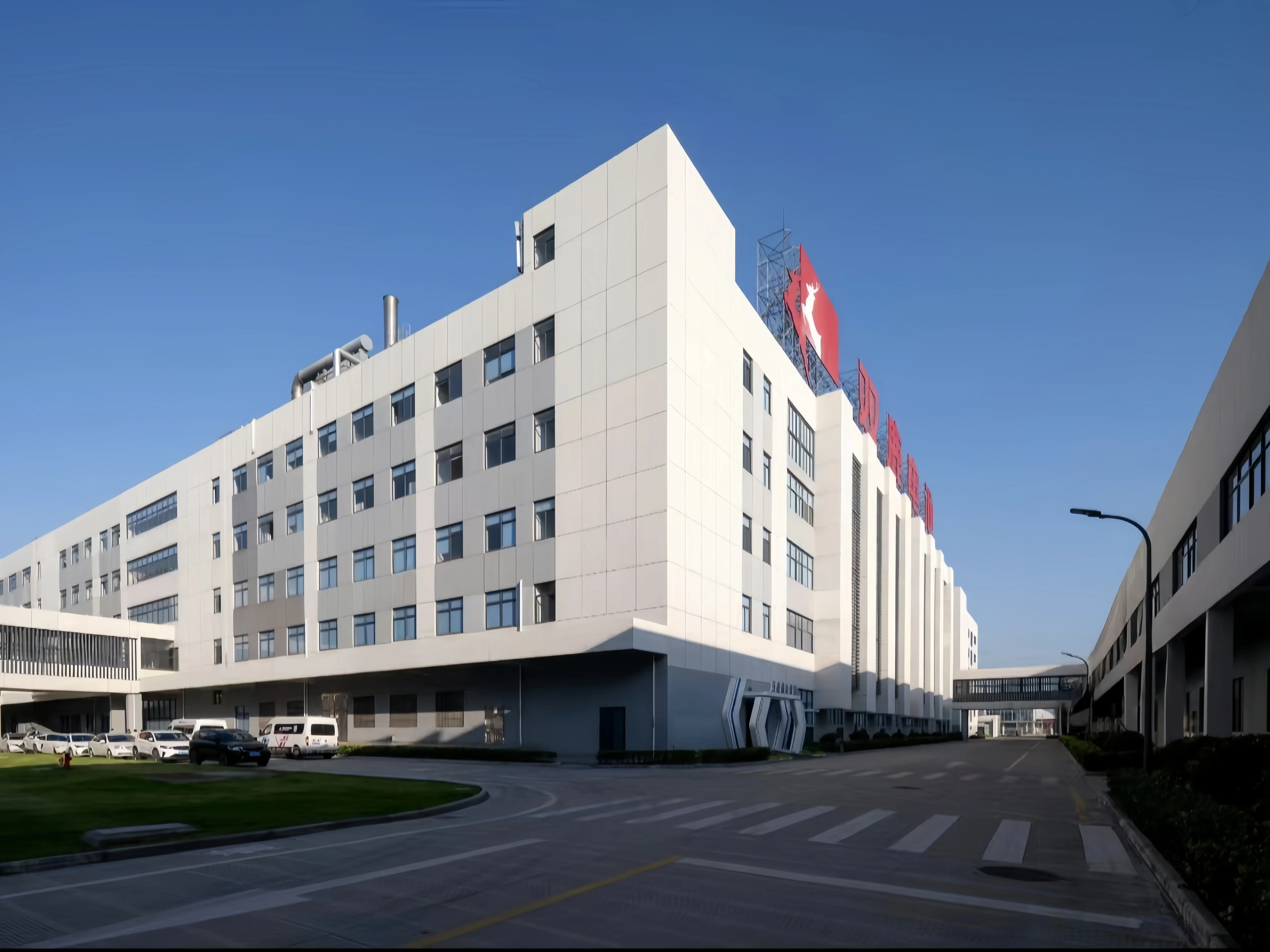
Henan Young Flying Elephant International Trade Co. Ltd
- Trading Company
- Henan, China
- Lead time15 days
- Avg. response≤ 3h
Main productsAuto parts,New energy auto parts,Automotive sheet metal parts,Automobile exterior parts,Automobile chassis
Main marketsDomestic Market(28.00%), Mid East(9.00%), Southeast Asia(8.00%), Northern Europe(7.00%), South America(6.00%), North America(6.00%), Western Europe(6.00%), Eastern Europe(5.00%), Central America(5.00%), Africa(5.00%), Southern Europe(5.00%), South Asia(4.00%), Oceania(3.00%), Eastern Asia(3.00%)

Guangzhou Gangzheng Automobile Parts Co.,Ltd.
- Verified by BV
- Manufacturer/Factory
- China Guangdong
- Lead time15 days
- Avg. response≤ 3h
Main productsShock Absorber, Clutches, Brake Disc, Brake Pads, Electronic Fuel Injection System Parts, Engine Assembly, Headlamp, Aluminium Wheel
Main marketsSouth America,Eastern Europe,Mid East,North America,Southeast Asia,Eastern Asia,Oceania,Western Europe,Africa
Guangzhou Chengyi Xin Auto Parts Co., Ltd.
- Trading Company
- Guangdong, China
- Lead time5 days
- Avg. response≤ 2h
Main productsHeadlamps,Bumper,Automobile computer,Shock absorber suspension,Automotive interior
Main marketsNorth America(17.00%), Africa(8.00%), Southeast Asia(8.00%), Northern Europe(7.00%), Oceania(7.00%), Eastern Europe(7.00%), Central America(7.00%), Mid East(6.00%), South America(6.00%), Southern Europe(6.00%), Western Europe(6.00%), Domestic Market(5.00%), South Asia(5.00%), Eastern Asia(5.00%)

Hefei Yifan Auto Parts Sales Co., Ltd.
- Trading Company
- China Anhui
- Lead time30 days
- Avg. response≤ 5h
Main productsJAC Motor Parts, Mg Maxus Parts, Dongfeng Parts, Mercedes Benz Parts, Gates Auto Parts, Phc Valeo Parts, Foton Parts
Main marketsSouth America,Southeast Asia/ Mideast

Auto Spare Part Car Accessories Hood Engine Cover Hinge for Mg6 2018 OEM L 10155525 R 10155526
$5.00 - $6.00
MOQ: 1 Pieces


Auto Accessory Car Spare Parts Cover Hood Hinge for Mg5 21 OEM L 10766112 R 10766113
$2.50 - $5.00
MOQ: 1 Pieces

Auto Spare Part Car Accessories Left and Right Hood Cover Hinge for Mg HS OEM L 10367099 R 10367100
$2.50 - $3.00
MOQ: 1 Pieces


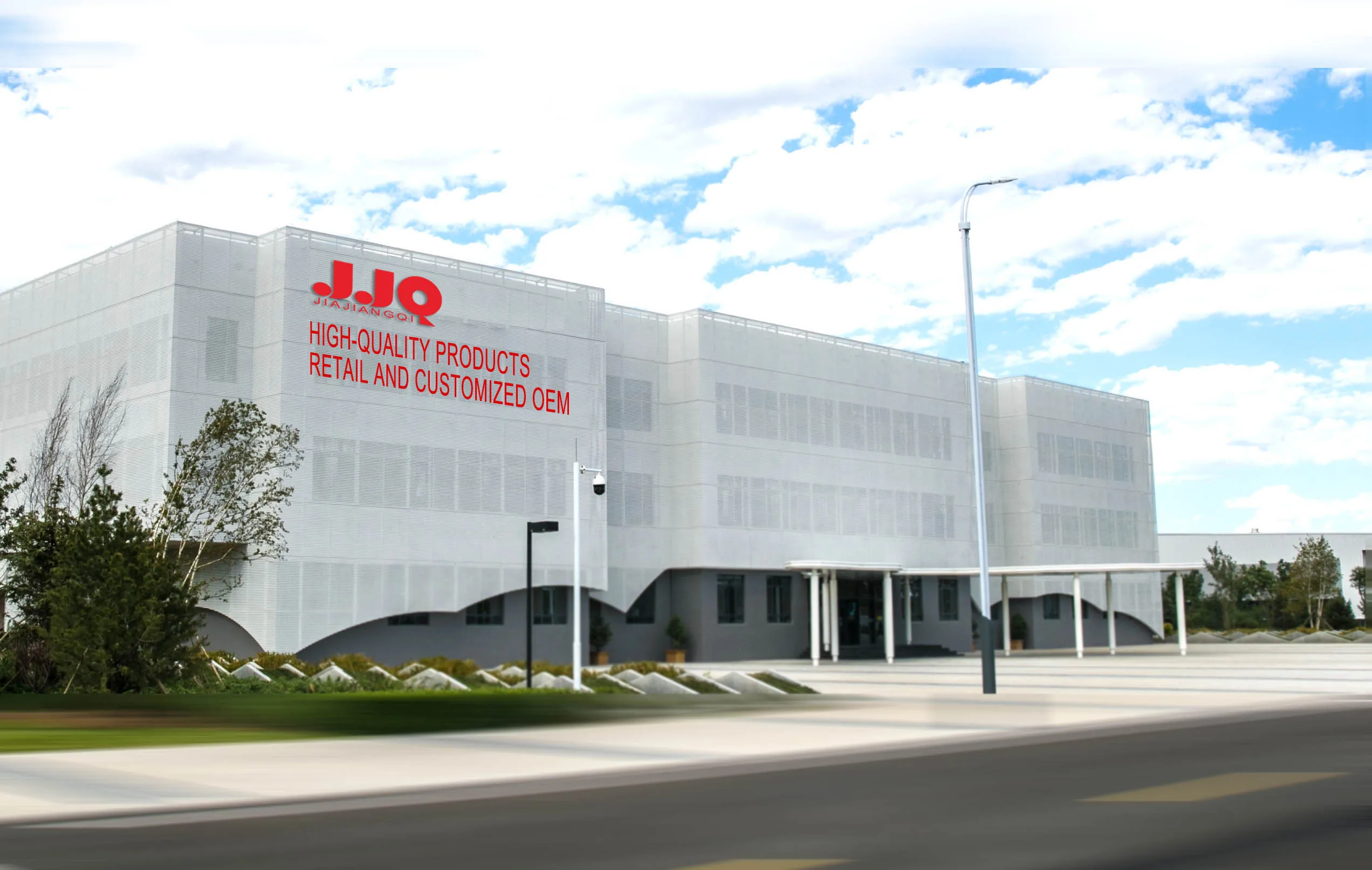
Guangzhou Jiangye Auto Parts Co., Ltd.
- Trading Company
- Guangdong, China
- Lead time0 days
- Avg. response≤ 4h
Main productsTrading Company,The car engine,Automobile chassis,Vehicle electrical,All parts of the car
Main marketsSouth Asia(20.00%), Eastern Asia(20.00%), Oceania(20.00%), South America(20.00%), North America(20.00%)
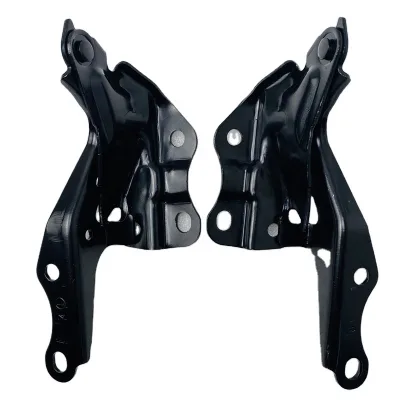
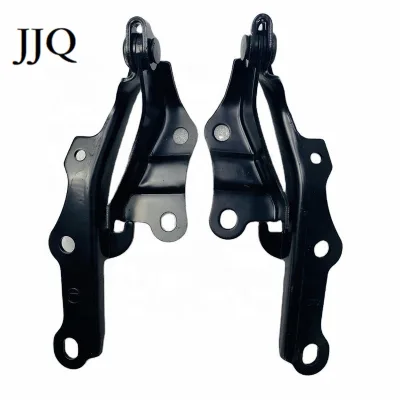
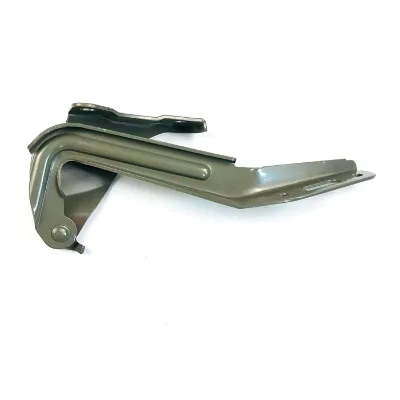
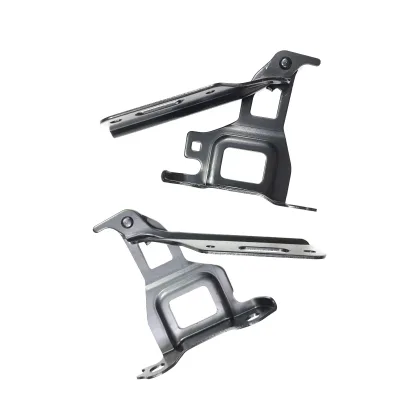
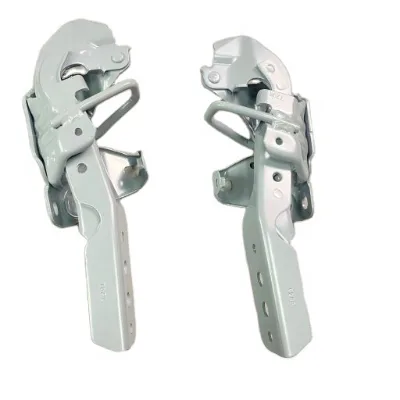
60170-T31-H00ZZ 60120-T31-H00ZZ Engine Hood Hinge Assembly for honda civic New Model 2022
$11.3502 - $17.5406
MOQ: 1 pieces

Guangzhou Fengming Auto Parts Co., Ltd.
- Verified by SGS
- Trading Company
- China Guangdong
- Lead time15 days
- Avg. response≤ 8h
Main productsAuto Part, Spark Plug, Filters, Clock Spring, Water Pump, Timing Chain Kit, Engine Mount, Gasket Kit, Control Arm, Steering Rack
Main marketsSoutheast Asia/ Mideast,Europe,North America


Wholesale Auto Body Parts Car Door Hood Hinge 53410-06390 53420-06390 for Camry
$4.00 - $5.00
MOQ: 10 Pieces

Wholesale Auto Parts Hood Bonnet Hinge 53410-0K370 53420-0K370 for Vigo
$13.00 - $14.00
MOQ: 10 Pieces
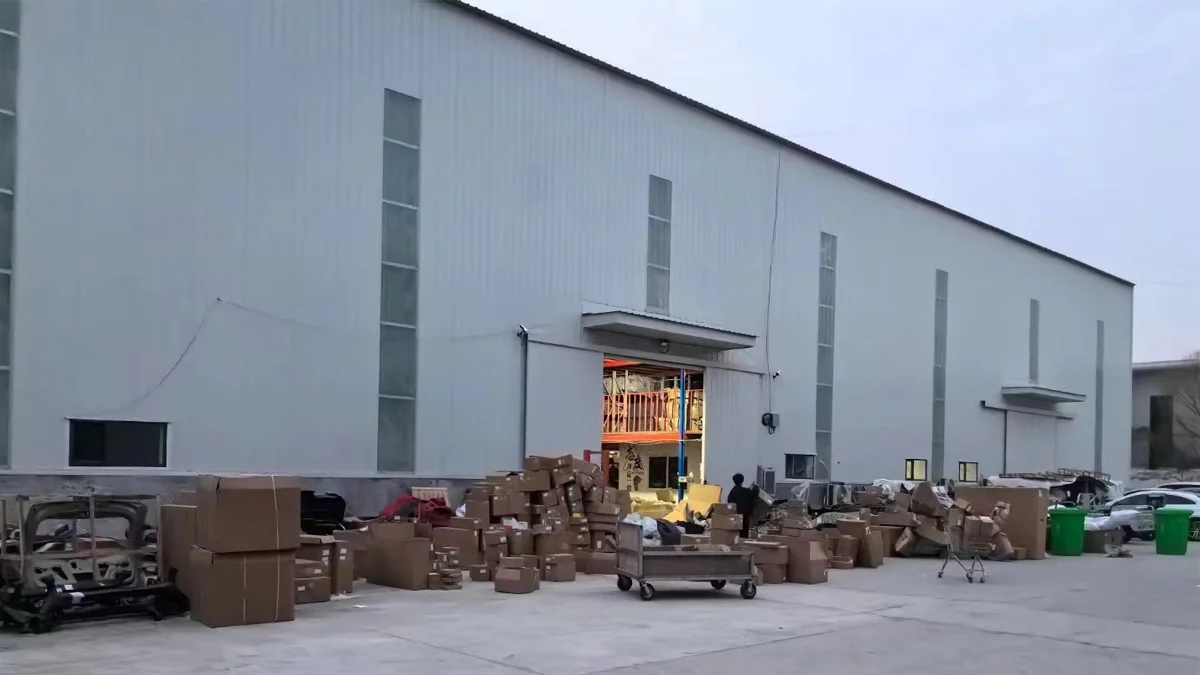
Beijing Zhongxin Sihai International Trade Co., Ltd.
- Trading Company
- Beijing, China
- Lead time15 days
- Avg. response≤ 3h
Main productsEngine parts,Chassis fitting,Air conditioning system accessories,Outer fitting,Cooling system accessories
Main marketsDomestic Market(40.00%), Mid East(30.00%), Southeast Asia(20.00%), Africa(10.00%)
Jinan Keyu Auto Parts Co., Ltd.
- Trading Company
- Shandong, China
- Lead time15 days
- Avg. response≤ 2h
Main productsBumper,Headlight,ECU,Filter,Radiator
Main marketsAfrica(20.00%), Southeast Asia(20.00%), Mid East(10.00%)
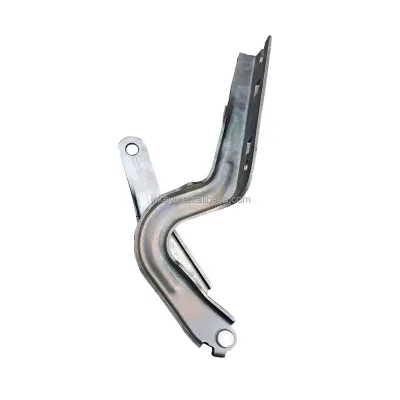
Factory Wholesale Auto Parts Number 11G 823 301&11G 823 302 Front Hood Hinge for New Energy Vehicle
$6.35 - $6.77
MOQ: 1 pieces
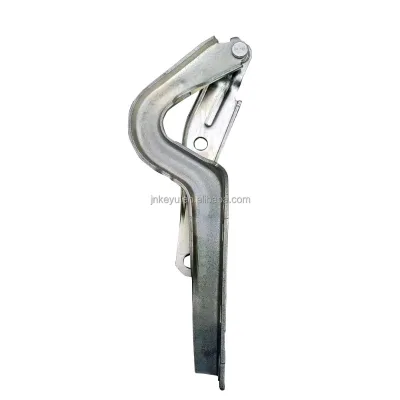
$6.5076 - $6.937
MOQ: 1 pieces
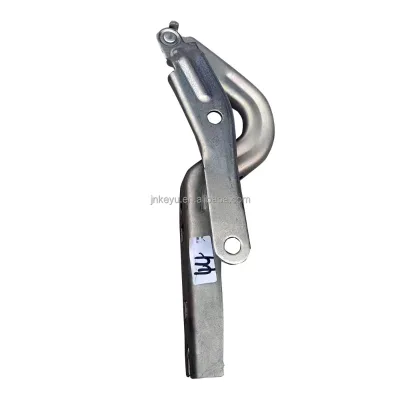
$6.6168 - $7.0536
MOQ: 1 pieces

Guangzhou Fuxuan Auto Accessories Co., Ltd.
- Manufacturer
- Guangdong, China
- Lead time15 days
- Avg. response≤ 11h
Main productsinner and exterior car accessories,Body kit,car light,OEM ABS accessories,aftermarket OEM parts
Main marketsSoutheast Asia(15.00%), North America(15.00%), Mid East(10.00%), South Asia(10.00%), South America(10.00%), Central America(10.00%), Africa(5.00%), Southern Europe(5.00%), Northern Europe(5.00%), Eastern Europe(5.00%), Western Europe(5.00%), Eastern Asia(5.00%)

ZHANGJIAGANG AURUI INDUSTRY CO., LTD.
- Verified by TUVRHEINLAND
- Combined
- China Jiangsu
- Lead time30 days
- Avg. response≤ 17h
Main productsAuto Forging Part, Chin Link for Excvator, Outdoor Stand Patio Heater, Gasoline Tools
Main marketsSouth America,Africa,North America

Chongqing Fosmire Import & Export Co., Ltd.
- Verified by SGS
- Trading Company
- China Chongqing
- Lead time23 days
- Avg. response≤ 3h
Main productsAuto /Car Spare Parts, Body Parts, Auto Accessories, Auto Lamps/Lights, Auto Bumpers, Auto Mirrors, Heavy Truck Parts, Car Turning Parts, Auto 4*4 Parts, Pick up Parts
Main marketsSouth America

$1.60 - $1.80
MOQ: 2 Pieces

$1.60 - $1.80
MOQ: 2 Pieces
Biste (Guangzhou) Auto Parts Co., Ltd.
- Manufacturer, Trading Company, Buying Office
- Guangdong, China
- Lead time0 days
- Avg. response≤ 3h
Main productsCar chassis transmission system,Auto body covering,Car lighting system,Car overlay system,Car exterior trim system
Main marketsNorth America(30.00%), Southeast Asia(20.00%), South Asia(10.00%), Western Europe(10.00%), Mid East(10.00%), South America(10.00%), Eastern Europe(10.00%)
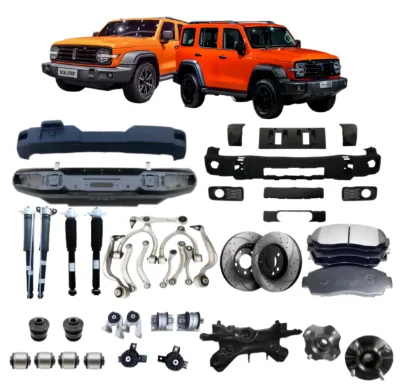
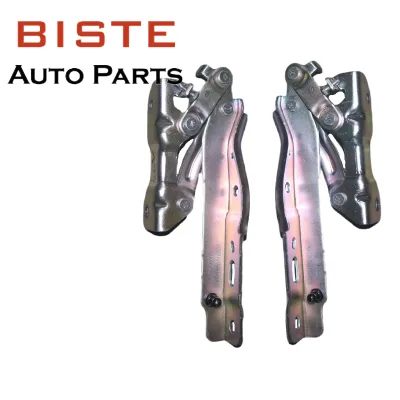
$9.4562 - $11.5566
MOQ: 2 pieces
Ningbo Mandy Auto Parts Co., Ltd.
- Trading Company
- Zhejiang, China
- Lead time15 days
- Avg. response≤ 4h
Main productsAuto Parts, Hardware Products, Plastic Parts, Sealing Element, Tools
Main marketsEastern Europe(40.00%), Western Europe(20.00%), North America(10.00%), South America(10.00%), Mid East(10.00%), Southeast Asia(10.00%)
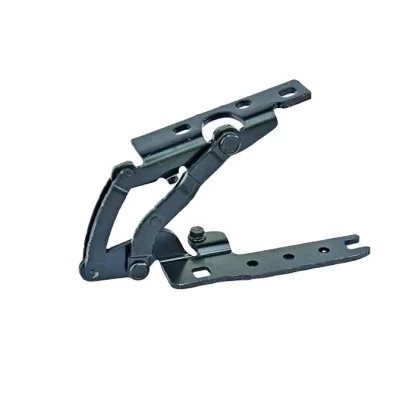
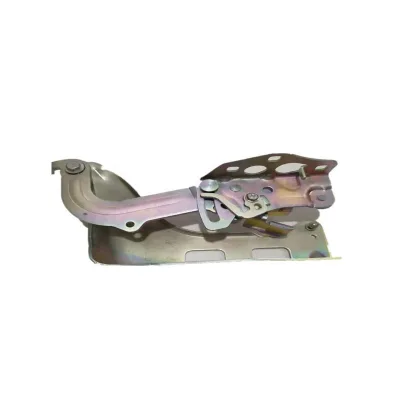
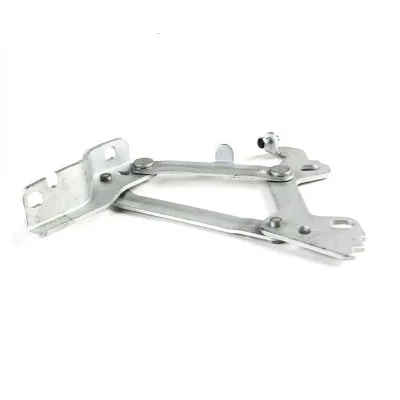
high quality Front Left Hood Hinge A2048800328 2048800328 For Mercedes-Benz GLK250 GLK350
$1.00 - $30.00
MOQ: 10 Minimum
Guangzhou Jinshengcheng Auto Parts Trading Co., Ltd.
- Verified by TüVRheinland
- Trading Company
- Lead time15 days
- Avg. response≤ 2h
Main productsAutomotive Lighting Systems, Engine Components, Chassis And Suspension Systems, Body Panels, Automotive Electrical And Sensor Components
Main marketsNorth America(25%), Domestic Market(20%), Mid East(15%)

Guangzhou Brace Auto Parts Co., Ltd.
- Verified by BV
- Trading Company
- China Guangdong
- Lead time23 days
- Avg. response≤ 8h
Main productsAuto Parts, Engine, Radiator, Brakeswindshield, Taillights, Headlights, Shock Absorber, Resonator, Rear Axle, Alternator
Main marketsSouth America,Eastern Europe,Mid East,North America,Southeast Asia,Eastern Asia,Oceania,Western Europe,Africa
Wuhu Longjunhe Auto Parts Co., Ltd.
- Trading Company
- Anhui, China
- Lead time2 days
- Avg. response≤ 4h
Main productsBody sheet metal,Interior and exterior trim parts,Chassis,Electrical system,Power accessories
Main marketsCentral America(15.00%), Mid East(15.00%), South Asia(10.00%), Southeast Asia(10.00%), North America(10.00%), Africa(10.00%)






Comprehensive Sourcing Guide
Chinese Car Engine Hood Hinge Supplier Concentration and Factory Types
The sourcing landscape for Chinese car engine hood hinges reveals a distinct concentration of manufacturing and trading entities within specific industrial provinces. Current supplier data indicates a notable presence of companies operating out of Shandong Province, with specific operational bases identified in cities such as Weifang. This geographic clustering suggests that buyers seeking sheet metal stamping parts and metal fabrication services will find a robust ecosystem in this region, where specialized factories focus on automotive body systems and engine hoods. The availability of these suppliers in Shandong provides a tangible anchor for sourcing strategies, allowing procurement teams to target regions known for metalworking expertise. Additionally, other suppliers are located in Beijing, offering a different logistical profile for those prioritizing proximity to northern distribution hubs. Understanding these geographic concentrations helps buyers narrow their search parameters effectively, focusing on regions with established supply chains for automotive hardware rather than casting a wide, inefficient net across the entire country.
Beyond geography, the types of entities supplying these components vary significantly, influencing the nature of the engagement and the product offering. The current results highlight a mix of trading companies and direct manufacturers, each presenting distinct advantages for different procurement needs. Trading companies often serve as intermediaries, consolidating products from multiple factories and providing broader catalogs that may include diverse auto parts, suspension components, and engine parts. This structure can simplify the sourcing process for buyers who need multiple item types from a single point of contact. In contrast, factories specializing in sheet metal stamping and welding parts may offer deeper technical customization capabilities, such as processing according to specific customer drawings or providing custom materials. Recognizing whether a supplier is a trading company or a factory is crucial for determining the level of direct communication, potential for cost negotiation, and the flexibility available for custom engineering requirements like specific hinge tolerances or surface treatments.
How to Verify Chinese Car Engine Hood Hinge Suppliers
Verifying the legitimacy and capability of Chinese Car Engine Hood Hinge suppliers requires a multi-layered approach that goes beyond basic company profiles. One critical step is to examine verification badges and third-party audit results, such as BV (Bureau Veritas) certifications, which provide an external validation of the supplier’s business operations and financial stability. These verifications help mitigate the risk of engaging with fraudulent entities or shell companies that may not have the actual manufacturing capacity or inventory to fulfill orders. Buyers should prioritize suppliers who display clear verification status, as this indicates a level of transparency and adherence to international business standards. Additionally, checking the supplier’s response time can offer insights into their operational efficiency and customer service quality. A faster response time, such as under three hours, often correlates with a more agile and responsive supply chain, which is essential for resolving technical queries or addressing production issues promptly.
Another vital aspect of verification involves assessing the supplier’s product evidence and technical documentation. Buyers should scrutinize the detailed product attributes provided, such as material specifications, processing techniques, and quality control measures. For instance, verifying that a supplier offers 100% tested products or provides specific grade classifications (e.g., Original or Aftermarket) helps ensure that the components meet the required automotive standards. It is also important to confirm the supplier’s ability to provide necessary documentation, such as certificates of origin or material test reports, upon request. Buyers should not assume that all suppliers have the same level of quality assurance; therefore, requesting samples and reviewing their physical characteristics, such as surface treatment quality and hinge smoothness, is a practical verification method. Furthermore, checking the supplier’s main product list can reveal their core competencies, ensuring that they specialize in automotive parts rather than general hardware, which often indicates a higher level of expertise and reliability in the specific niche of engine hood hinges.
What to Compare Across Chinese Car Engine Hood Hinge Suppliers
When evaluating multiple suppliers for car engine hood hinges, buyers must systematically compare key operational metrics to identify the most suitable partner for their specific needs. One of the primary dimensions for comparison is the minimum order quantity (MOQ) and pricing structure. Suppliers may offer varying MOQs, ranging from small batches of 100 units to larger industrial orders, which directly impacts inventory management and cash flow. Price ranges also differ significantly, with some suppliers offering competitive rates for standard parts while others charge premiums for customized or high-grade components. Buyers should analyze these cost factors in conjunction with the supplier’s lead times, as faster production cycles often come at a higher cost. By creating a comparison matrix that includes MOQ, unit price, and lead time, buyers can objectively assess which suppliers offer the best value proposition for their order volume and timeline requirements.
In addition to cost and volume, buyers should compare the technical customization capabilities and product specifications offered by each supplier. Some suppliers provide extensive customization options, allowing for specific materials, surface treatments like electroplating or powder coating, and precise tolerances such as 0.1mm accuracy. Others may focus on standard aftermarket parts with fixed specifications. It is crucial to determine whether the supplier can process parts according to custom drawings or if they only offer catalog items. Comparing the range of available products, such as different hinge types (e.g., welded joint vs. integral type) and compatible vehicle models, helps buyers ensure that the supplier can meet their diverse engineering needs. Furthermore, evaluating the supplier’s after-sales service commitments and warranty policies is essential for long-term partnership stability. By thoroughly comparing these technical and commercial attributes, buyers can select a supplier that aligns with their quality standards, customization requirements, and logistical preferences.
Common Chinese Car Engine Hood Hinge Sourcing Risks
Sourcing car engine hood hinges from China involves several inherent risks that buyers must proactively manage to ensure a smooth procurement process. One significant risk is the variability in product quality, particularly when dealing with aftermarket parts that may not strictly adhere to original equipment manufacturer (OEM) specifications. Without rigorous quality control measures, buyers may receive hinges with inconsistent tolerances, poor surface finishes, or inadequate durability, leading to installation issues or premature failure in vehicles. This risk is exacerbated when working with trading companies that may not have direct oversight of the manufacturing process, potentially resulting in discrepancies between the ordered specifications and the delivered goods. To mitigate this, buyers should insist on detailed quality assurance protocols, including pre-shipment inspections and material certifications, to verify that the products meet the agreed-upon standards before they leave the factory.
Another common risk is the potential for logistical delays and communication barriers. While some suppliers offer fast response times, others may have longer lead times or experience delays due to production bottlenecks or shipping constraints. Miscommunication regarding technical specifications, packaging requirements, or delivery schedules can lead to costly errors and project setbacks. Additionally, the risk of intellectual property infringement exists when sourcing custom-designed parts, as suppliers may share proprietary designs with competitors. Buyers should take steps to protect their intellectual property by signing non-disclosure agreements and working with suppliers who have a strong reputation for confidentiality. Furthermore, currency fluctuations and changes in international shipping costs can impact the final landed cost of the products, so buyers should consider these financial variables when negotiating contracts. By identifying and addressing these risks early in the sourcing process, buyers can establish more resilient supply chains and minimize potential disruptions.
Chinese Car Engine Hood Hinge Regional Sourcing and Logistics
The regional location of suppliers plays a crucial role in determining logistics efficiency and shipping costs for car engine hood hinges. Suppliers located in Shandong Province, particularly in cities like Weifang, benefit from proximity to major ports such as Qingdao, which facilitates efficient sea freight for bulk orders. This geographic advantage can reduce transit times and lower transportation costs, making it an attractive option for buyers sourcing large volumes of metal stamping parts. Additionally, suppliers in Beijing offer access to northern logistics networks, which may be advantageous for buyers targeting markets in northern China or neighboring regions. Understanding these regional logistics profiles allows buyers to optimize their supply chain by selecting suppliers whose locations align with their primary distribution channels. Buyers should also consider the supplier’s experience with international shipping, including their ability to handle customs documentation and coordinate with freight forwarders, to ensure smooth delivery to their destination.
Logistics planning also involves evaluating the supplier’s packaging and handling capabilities to protect the hinges during transit. Proper packaging, such as wooden cases or cartons, is essential to prevent damage to the metal components, which can be susceptible to corrosion or physical deformation if not adequately protected. Buyers should verify that the supplier uses appropriate packaging materials and methods, such as moisture-proof wrapping or shock-absorbing inserts, to ensure the products arrive in pristine condition. Furthermore, considering the weight and dimensions of the shipments is important for calculating freight costs and selecting the most cost-effective shipping method, whether by sea or air. For urgent orders, air freight may be necessary despite higher costs, while bulk orders are better suited for sea freight. By carefully assessing the logistical aspects of each supplier, buyers can minimize transit risks, reduce overall costs, and ensure timely delivery of their car engine hood hinge orders.
Chinese Car Engine Hood Hinge Commercial Terms and Order Planning
Effective order planning for car engine hood hinges requires a clear understanding of the commercial terms offered by suppliers, including payment methods, delivery schedules, and warranty policies. Buyers should negotiate favorable payment terms, such as partial upfront payments with the balance due upon shipment or completion of quality inspections, to balance risk and cash flow. It is also important to clarify the delivery timeframes, as suppliers may have varying lead times depending on order volume and customization requirements. Some suppliers offer ready-made samples within seven days, which can be useful for quick prototyping or small-scale testing, while larger production runs may take several weeks. Buyers should align their order planning with these lead times to avoid production delays and ensure that the hinges are available when needed for assembly or distribution.
Additionally, buyers should establish clear expectations regarding after-sales service and dispute resolution. Suppliers that offer definitive after-sales support and clear warranty policies provide an added layer of security for the buyer. It is crucial to document all agreed-upon terms in a formal contract, including specifications, quality standards, and delivery obligations, to prevent misunderstandings. Buyers should also consider the supplier’s flexibility in handling changes or cancellations, as market demands can fluctuate. By carefully planning the commercial aspects of the procurement process, buyers can build a stable and reliable supply chain for car engine hood hinges. This includes maintaining open communication with suppliers, conducting regular performance reviews, and continuously evaluating the supplier’s ability to meet evolving business needs. A well-structured commercial relationship ensures that both parties benefit from a mutually advantageous partnership, leading to consistent quality and timely delivery of automotive components.
FAQs
What is the price range for Chinese car engine hood hinges?
Prices typically range from $0.10 to $6.05 per unit depending on specifications. Basic stamped steel hinges start near the lower end, while specialized aftermarket or original-grade parts cost more. Buyers should verify exact pricing based on material thickness and surface treatment requirements.
What is the minimum order quantity for these hinges?
MOQs vary significantly by supplier and product type. Some manufacturers accept orders as low as one piece for samples or specific replacements, while others require a minimum of 100 units for standard stamped parts. Buyers must check individual listings to confirm the applicable threshold.
How long does production take for these auto parts?
Lead times generally span 7 to 35 days depending on order volume and customization needs. Standard items may be ready in a week, while complex fabrication or large batches can take up to a month. Suppliers often provide specific delivery windows upon request.
Are these hinges customizable for specific vehicle models?
Yes, customization is widely available for car engine hood hinges. Suppliers offer processing according to buyer drawings, allowing for specific materials, tolerances, and surface treatments like electroplating or powder coating. This ensures the parts fit specific automotive body systems and performance requirements.
Where are these car hood hinges manufactured?
These parts are primarily manufactured in China, with key production hubs in Shandong and Beijing provinces. Suppliers in these regions specialize in sheet metal stamping and fabrication, leveraging local industrial infrastructure to produce high-volume automotive body components and accessories efficiently.
What materials are used for car hood hinges?
Common materials include steel, stainless steel, and aluminum, chosen for durability and strength. Suppliers offer options like galvanized outer plates or specific metal stamping techniques to meet corrosion resistance and weight requirements. Material selection depends on the intended application and environmental conditions.