nickel-free nylon invisible zipper Suppliers and Manufacturers
Source nickel-free nylon invisible zipper from 22 verified suppliers in China. Compare key dimensions including lead times, MOQs, response speeds, and certifications like ISO 9001 and SGS. Review product specifications and pricing to identify the right partner for your garment accessories needs.
Updated
Suppliers List

NINGBO NCJN IMPORT AND EXPORT CO., LTD.
- Verified by TUVRHEINLAND
- Trading Company
- China Zhejiang
- Lead time15 days
- Avg. response≤ 13h
Main productsGarment Accessories, Zipper, Button, Lace, Tape, Velcro Tape, Hook and Eye Tape, Ring and Slider, Bra Cup
Main marketsSouth America,Africa,Southeast Asia/ Mideast,East Asia(Japan/ South Korea),Europe,Australia,North America

Ningbo Sinobest Textile Company Limited
- Trading Company
- China Zhejiang
- Lead time30 days
- Avg. response≤ 4h
Main productsSewing Threads, Embroidery Threads, Garments Trimmings, Sewing Accessories, Embroidery Accessories, Tailor's Materials
Main marketsSouth America,Europe,North America

- Verified by TUVRHEINLAND
- Trading Company,Manufacturer/Factory
- China Zhejiang
- Lead time23 days
- Avg. response≤ 9h
Main productsGarment Accessories, Zipper, Button, Lace Trim, Metal Zipper, Nylon Zipper, Plastic Zipper, Metal Button, Snap Button, Cotton Lace
Main marketsNorth America,Africa

Wenzhou Xingcheng Ribbon Co., Ltd.
- Manufacturer/Factory
- China Zhejiang
- Lead time23 days
- Avg. response≤ 3h
Main productsZipper, Webbing, Fabric, Bag
Main marketsSouth America,Eastern Europe,North America,Southeast Asia,Eastern Asia,Western Europe,Africa


Black Color 25-35cm Invisible Lace Zipper Screen Side Color Nylon Zipper
$0.05 - $0.20
MOQ: 1000 Pieces


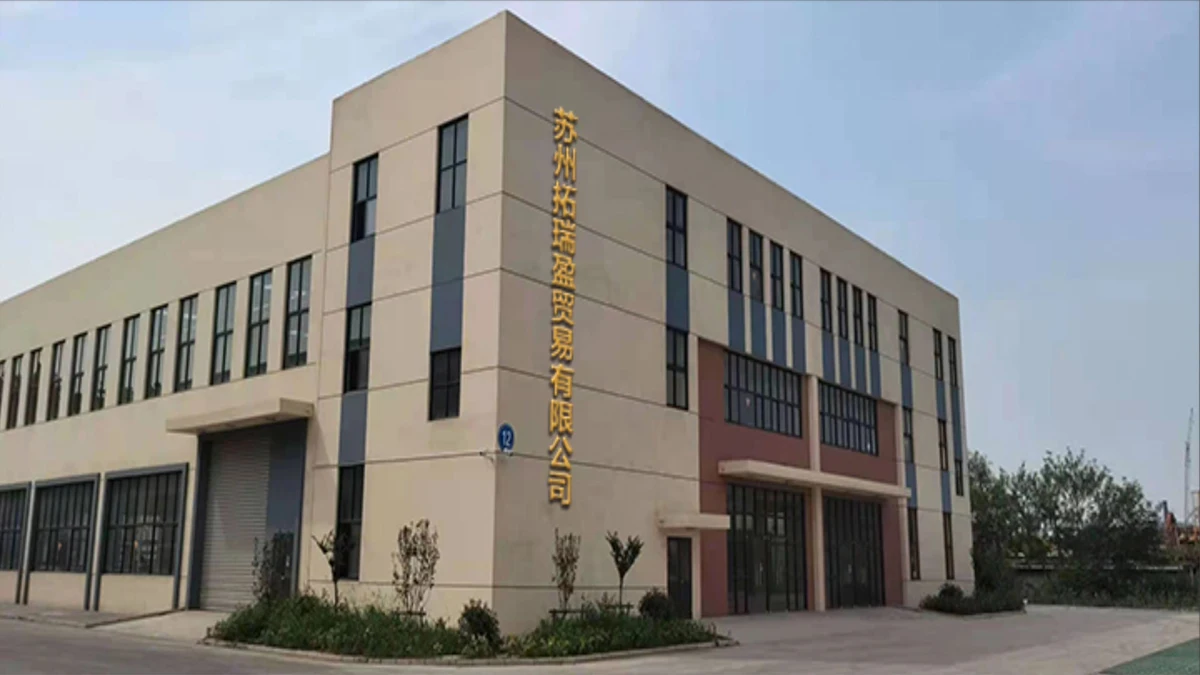
Suzhou Toryin Trading Co., Ltd.
- Trading Company
- Jiangsu, China
- Lead time30 days
- Avg. response≤ 4h
Main productsHand Tools,Car Tools,Outdoor Tools,Garden Tools,Kitchen Tools
Main marketsSouth America(21.00%), North America(18.00%), Western Europe(8.00%), Eastern Europe(8.00%), Southern Europe(7.00%), Domestic Market(7.00%), Central America(5.00%), Southeast Asia(5.00%), Northern Europe(5.00%), Africa(5.00%), South Asia(3.00%), Eastern Asia(3.00%), Mid East(3.00%), Oceania(2.00%)
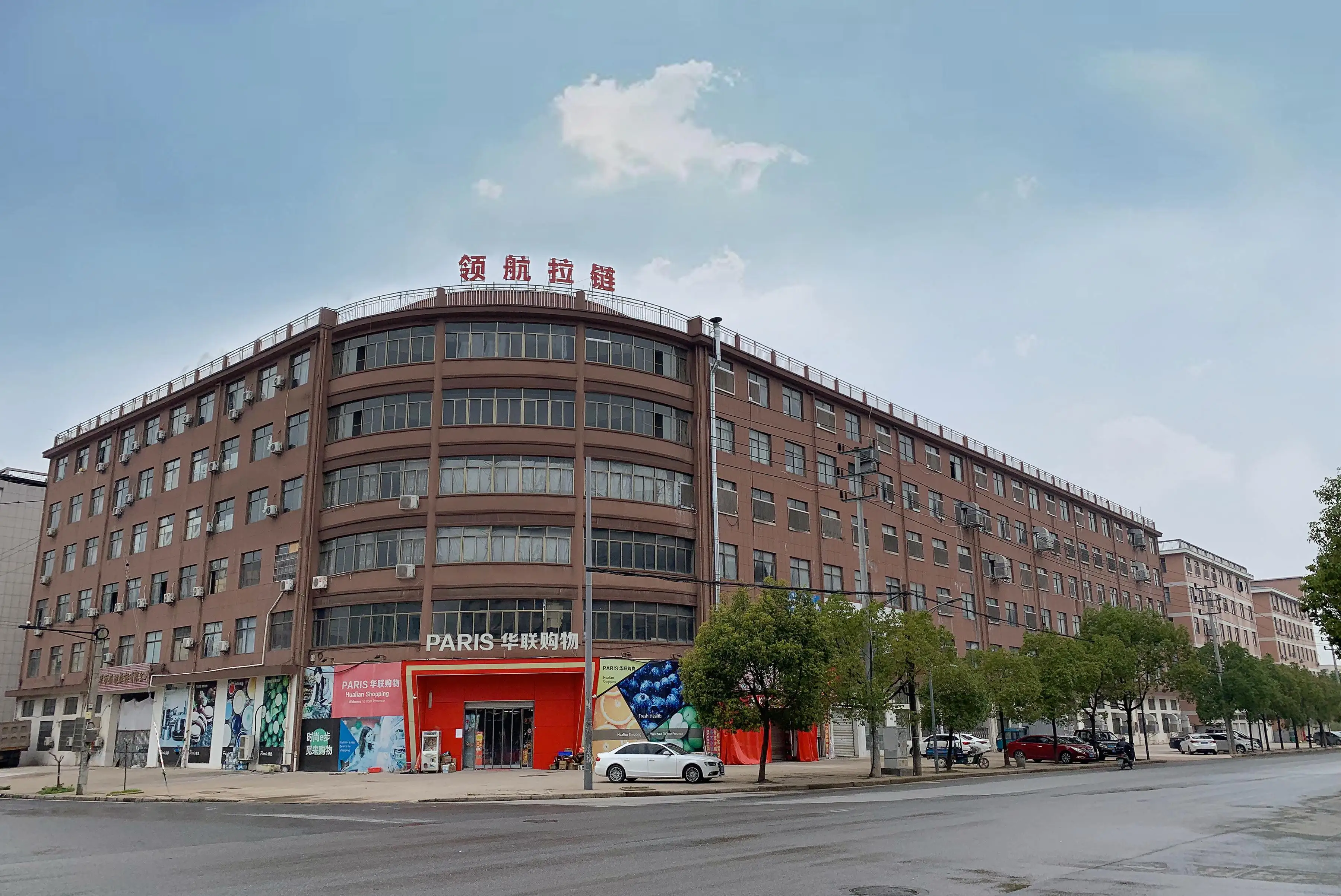
Jinhua Linghang Zipper Co., Ltd.
- Manufacturer, Trading Company
- Zhejiang, China
- Lead time10 days
- Avg. response≤ 11h
Main productsMetal Zipper,Plastic Zipper,Nylon Long Chain Zipper,Invisible Zipper,Slider & Puller
Main marketsDomestic Market(30.00%), Eastern Europe(20.00%), South Asia(15.00%), Eastern Asia(10.00%), Mid East(10.00%), North America(10.00%), Northern Europe(5.00%)
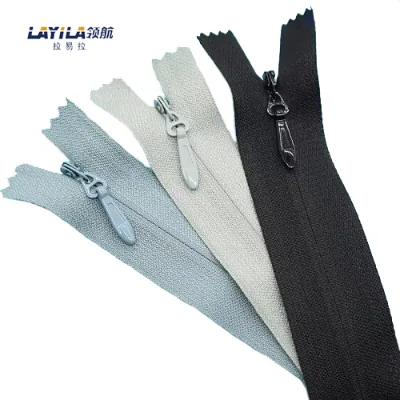
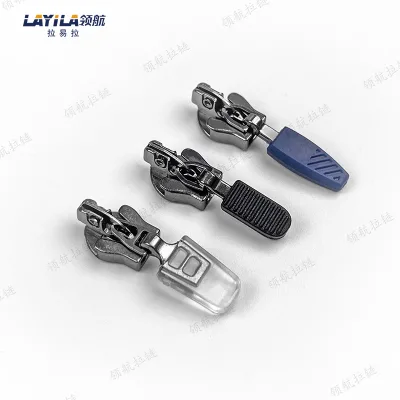
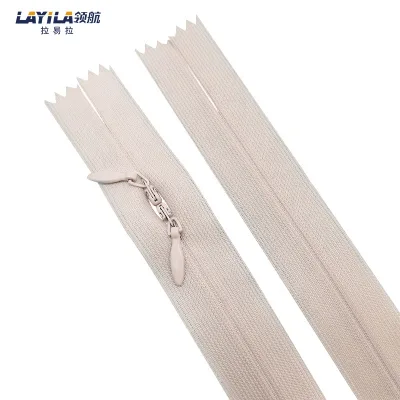
High Quality Hidden Zipper 5# Invisible Nylon Zipper for Dress Invisible Zipper
$0.26 - $0.31
MOQ: 1000
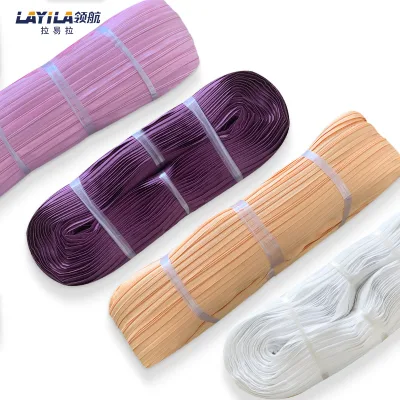
Hangzhou Daya Textile Co., Ltd.
- Trading Company
- Zhejiang, China
- Lead time20 days
- Avg. response≤ 5h
Main productsZipper&slider,Tape&Webbing,Thread&yarn,Garment accessory,Tailoring Material
Main marketsSouth America(60.00%), Domestic Market(10.00%), South Asia(10.00%), Mid East(10.00%), North America(10.00%)
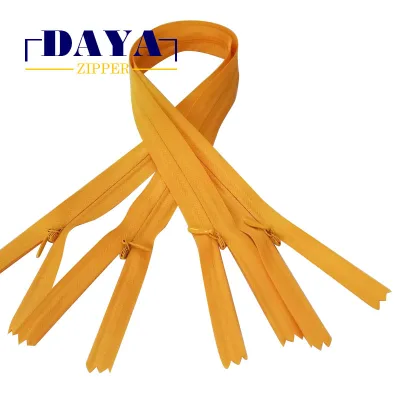
No.3/No.5 55cmlactation Suckle Eco-friendly Nylon Open Ended Invisible Zipper
$0.1025
MOQ: 1000 Minimum
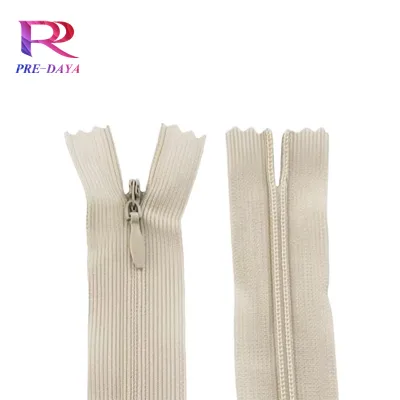
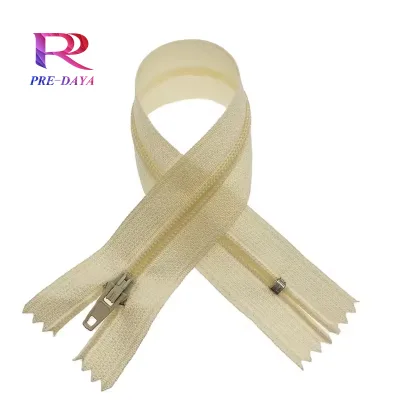
$0.0614 - $0.0922
MOQ: 1000 pieces
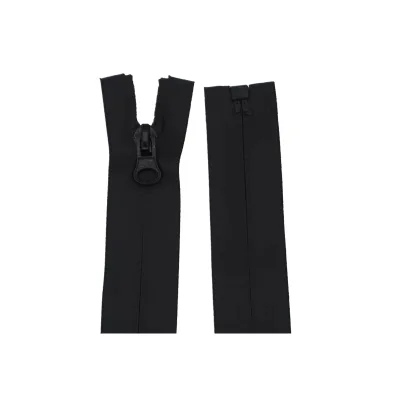
$0.2079 - $0.3112
MOQ: 500 pieces
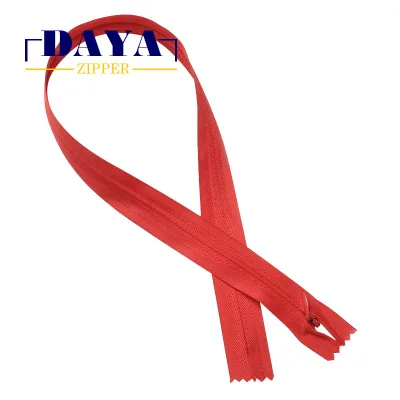
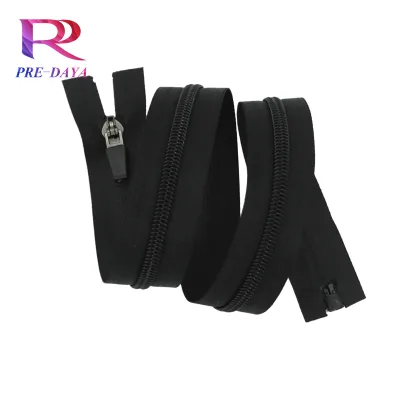
$0.0512 - $0.1229
MOQ: 1000 pieces

Wenzhou Sanhe Zipper Accessories Co., Ltd.
- Manufacturer, Trading Company
- Zhejiang, China
- Lead time30 days
- Avg. response≤ 10h
Main productsZipper, Zipper Slider
Main marketsDomestic Market(50.00%), South Asia(10.00%), South America(10.00%), Eastern Asia(10.00%), Mid East(10.00%), Southeast Asia(10.00%)
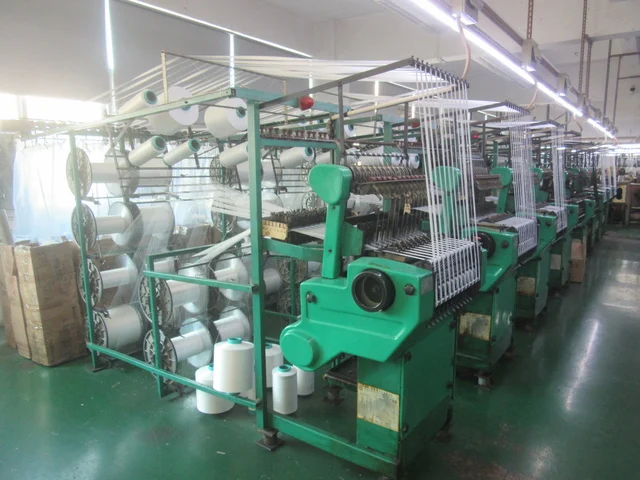
Shenzhen Lanke Industrial Co., Limited
- Manufacturer, Trading Company
- Guangdong, China
- Lead time15 days
- Avg. response≤ 10h
Main productsZipper,Medical bag parts,Garments accessories,Bag accessories,Shoe accessories
Main marketsSouth Asia(30.00%), Mid East(15.00%), Domestic Market(10.00%), North America(10.00%), Western Europe(10.00%), Southern Europe(5.00%), Oceania(5.00%), Eastern Europe(4.00%), Eastern Asia(4.00%), Southeast Asia(3.00%), Africa(1.00%), Central America(1.00%), South America(1.00%), Northern Europe(1.00%)
Haining Hengda Zipper Co., Ltd.
- Verified by TüVRheinland
- Manufacturer, Trading Company
- Lead time0 days
- Avg. response≤ 2h
Main productsZipper, Zipper Pulls, Shoulder Pad, Button
Main marketsDomestic Market(80%), North America(10%), Southeast Asia(5%)
Guangzhou Xinzhuo Apparel Co., Ltd.
- Verified by TüVRheinland
- Manufacturer, Trading Company
- Lead time5 days
- Avg. response≤ 2h
Main productsWebbing, Cord Rope, Piping Cord, Elastic Band, Strap Lanyard
Main marketsNorth America(35%), Southeast Asia(10%), Africa(10%)
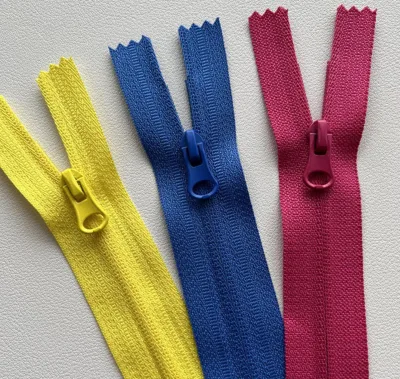
Quality Invisible Nylon Zipper Color 3 # Nylon Zipper for Trouser Pocket
$0.092 - $0.2364
MOQ: 100 pieces
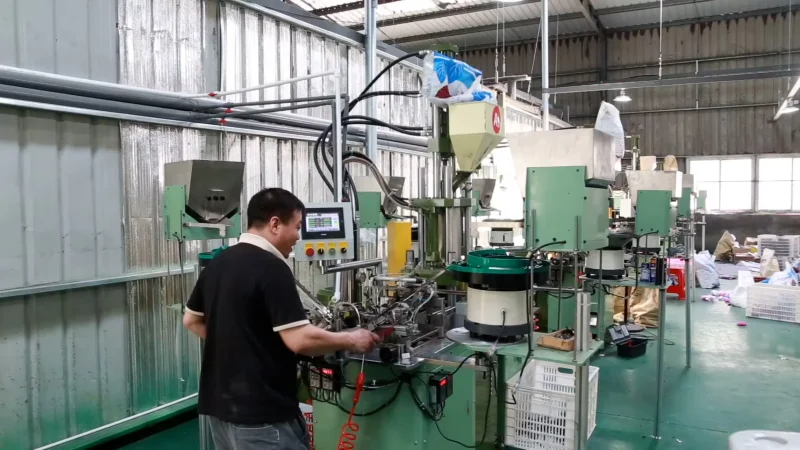
Puning Zhanlong Guangrun Zipper Factory
- Manufacturer
- Gongdong, China
- Lead time10 days
- Avg. response≤ 3h
Main productsZipper
Main marketsNorthern Europe(100.00%), Central America(100.00%), Western Europe(100.00%), Domestic Market(100.00%), Eastern Asia(100.00%), Mid East(100.00%), Oceania(100.00%), Africa(100.00%), Eastern Europe(100.00%), Southern Europe(100.00%), South Asia(100.00%), Southeast Asia(80.00%), South America(10.00%), North America(10.00%)
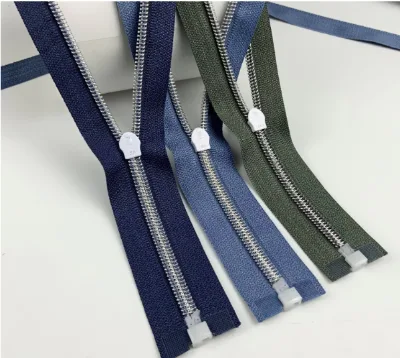
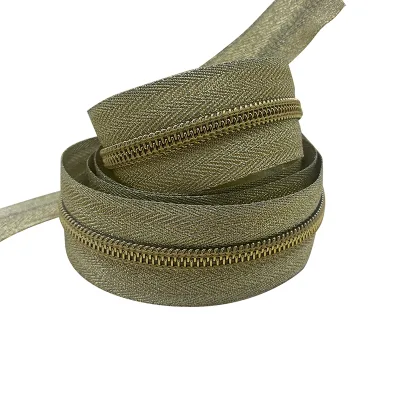
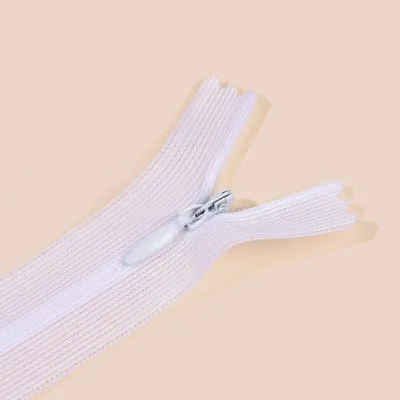
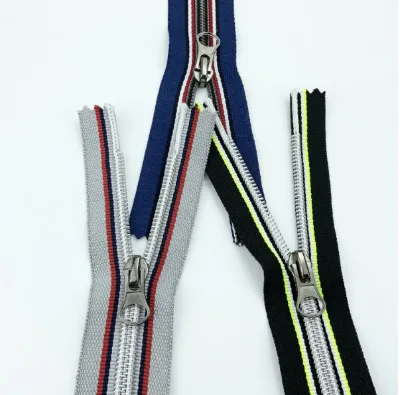
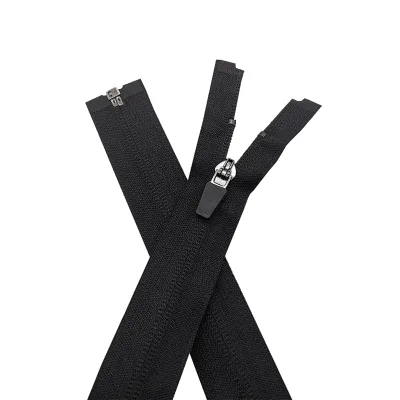
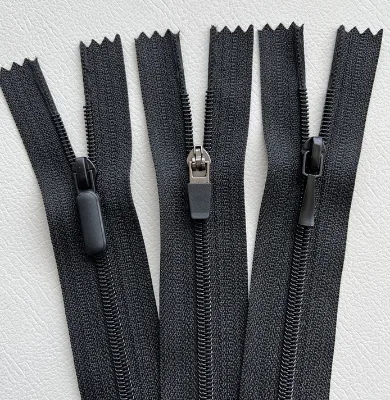
2022 Hot Sale 3# 5# Black Invisible Zipper Nylon Zip With Rubber Zipper Puller for Clothes
$0.196 - $0.2364
MOQ: 500 pieces
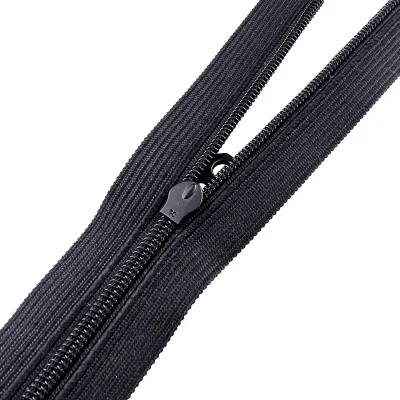
Zipper Nylon Zipper #3#5# Reversible Invisible Zipper Reverse for Sweatshirts
$0.23 - $0.48
MOQ: 500 pieces
- Verified by SGS Group
- Manufacturer, Trading Company
- Lead time7 days
- Avg. response≤ 2h
Main productsGarment Accessories, Gifts & Crafts / Bar Accessories, Packaging & Printing, Printing Consumables
Main marketsNorth America(30%), Western Europe(23%), Oceania(10%)
Zhejiang Chengda Industrial Group Co., Ltd.
- Manufacturer, Trading Company
- Zhejiang, China
- Lead time7 days
- Avg. response≤ 5h
Main productsResin Zipper,Metal Zipper,Nylon Zipper,fireproof zipper,fireproof accessory
Main marketsMid East(40.00%), Eastern Europe(30.00%), Domestic Market(20.00%), South America(10.00%)
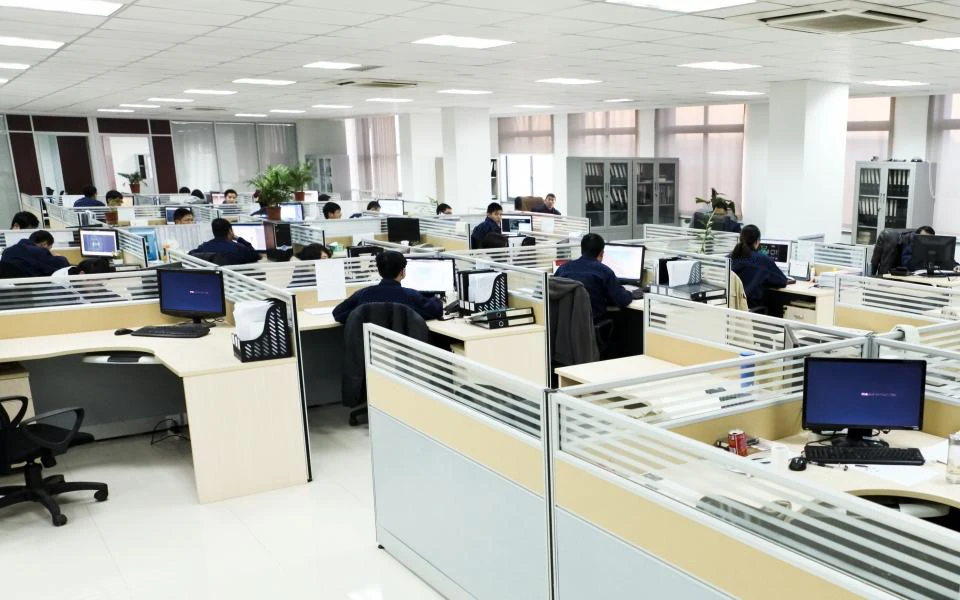
Yiwu Aigeng Garment Accessories Co., Ltd.
- Manufacturer, Trading Company
- Zhejiang, China
- Lead time30 days
- Avg. response≤ 3h
Main productszippers,Slider
Main marketsEastern Europe(25.00%), Western Europe(20.00%), North America(20.00%), Mid East(20.00%), South America(10.00%), Africa(5.00%)
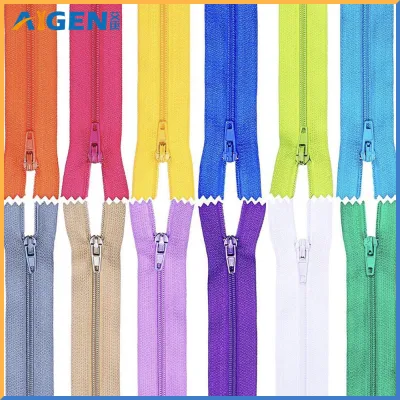
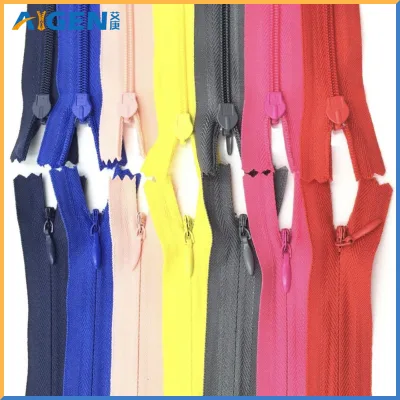
#3 Invisible Zippers DIY Nylon Coil Zipper for Sewing Clothes Cushion Pillow Tailor Tool
$0.2064
MOQ: 2000 Minimum
Wenzhou Iizii Garment Accessories Co., Ltd.
- Verified by SGS Group
- Manufacturer, Trading Company
- Lead time0 days
- Avg. response≤ 6h
Main productsZipper
Main marketsSoutheast Asia(20%), North America(10%), South America(10%)
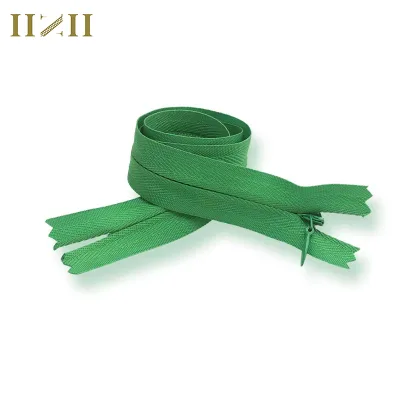
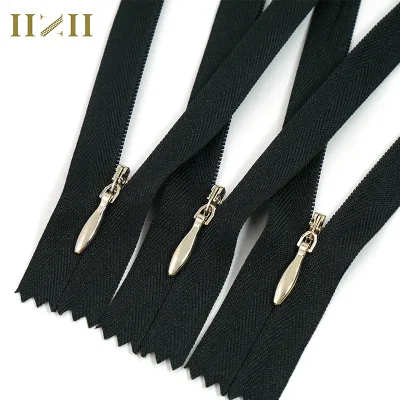
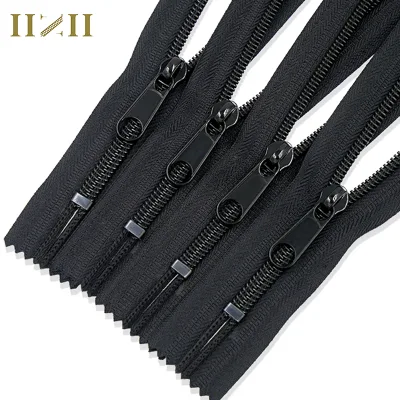
Wholesale High Quality 3# Nylon Zipper Close-End Invisible Design for Sewing Dresses
$0.08 - $0.10
MOQ: 100
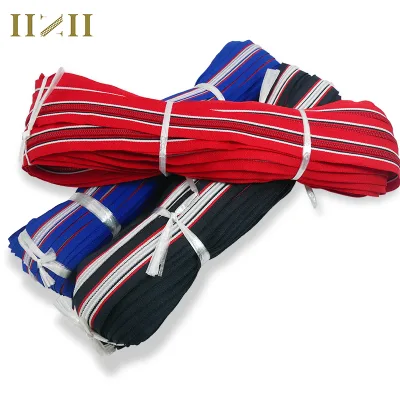
Hangzhou Yijinhui Network Technology Co., Ltd.
- Trading Company
- Zhejiang, China
- Lead time0 days
- Avg. response≤ 4h
Main productsButtons, Zippers, Metal Jewelry, Rhinestones, Fabrics
Main marketsNorth America(50.00%)
Dongguan Humen Heyi Textile Shop (individual Business)
- Trading Company
- Guangdong Province, China
- Lead time20 days
- Avg. response≤ 1h
Main productszipper,textile
Main marketsDomestic Market(100.00%), South Asia(100.00%), Southern Europe(100.00%), Northern Europe(100.00%), Central America(100.00%), Western Europe(100.00%), Eastern Asia(100.00%), Mid East(100.00%), Oceania(100.00%), Africa(100.00%), Southeast Asia(100.00%), Eastern Europe(100.00%), South America(100.00%), North America(100.00%)
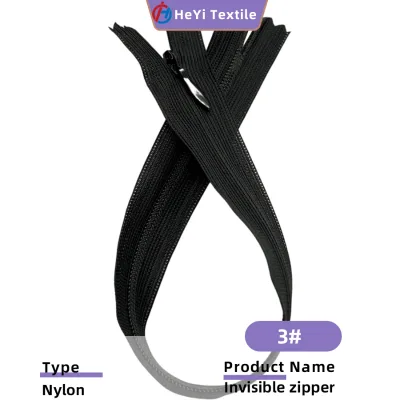
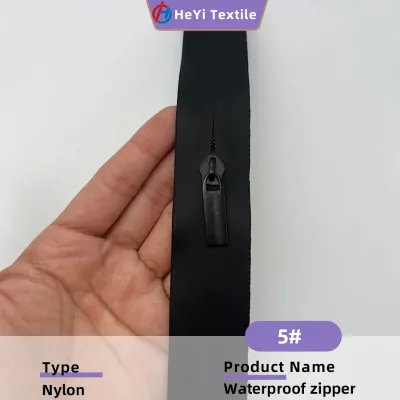
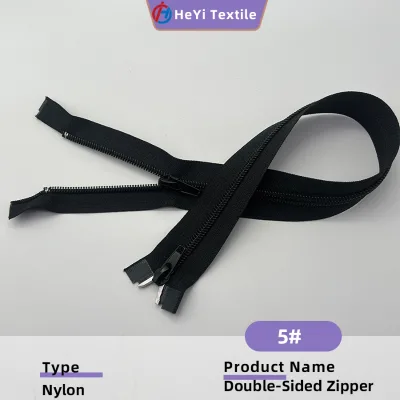
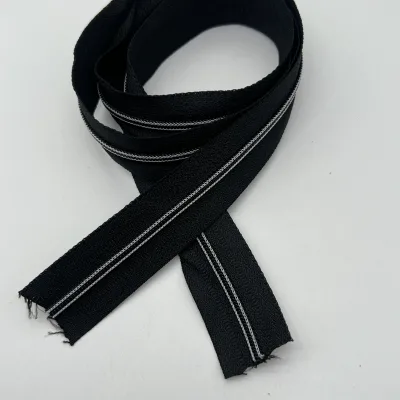
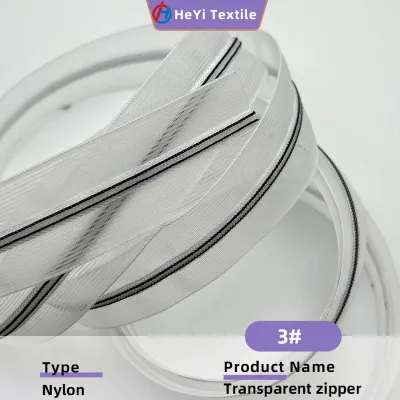
$0.3097 - $0.5161
MOQ: 200 yards

Wenzhou Runhe Garment Accessories Co., Ltd.
- Verified by BV
- Combined
- China Zhejiang
- Lead time30 days
- Avg. response≤ 1h
Main productsZipper Slider
Main marketsSoutheast Asia/ Mideast

Shanghai Kouyi Technology Development Co., Ltd.
- Verified by CTI
- Combined
- China Shanghai
- Lead time23 days
- Avg. response≤ 2h
Main productsCustom Zipper, Zipper, Sliders, Ky Zipper, Luggage Zipper, Webbing, Velcro, Clothing Label, Sewing Thread, Button
Main marketsSouth America,Southeast Asia/ Mideast,East Asia(Japan/ South Korea),Domestic,Europe,Australia,North America

Ky Factory Wholesale High-Quality Environmentally Friendly Nylon Invisible Zipper
$0.20 - $0.50
MOQ: 100 Pieces

Suzhou Xingsheng Weiye Garment Accessories Co., Ltd.
- Verified by Intertek
- Manufacturer, Trading Company
- Lead time20 days
- Avg. response≤ 4h
Main productsPatch, Webbing, Button, Rope, Tag
Main marketsSoutheast Asia(30%), Oceania(20%), North America(5%)
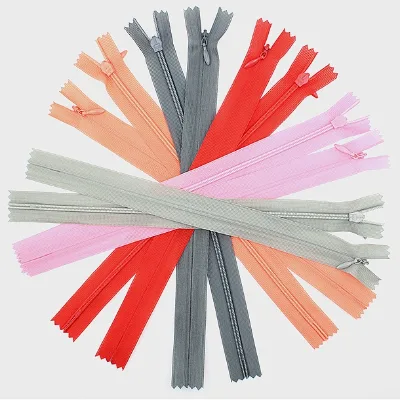
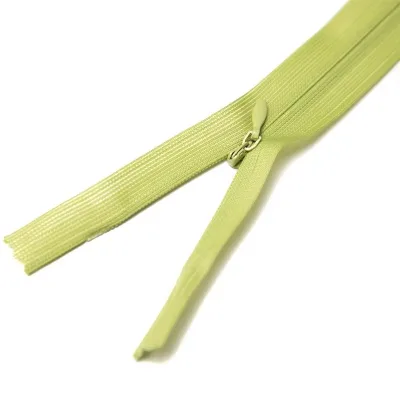
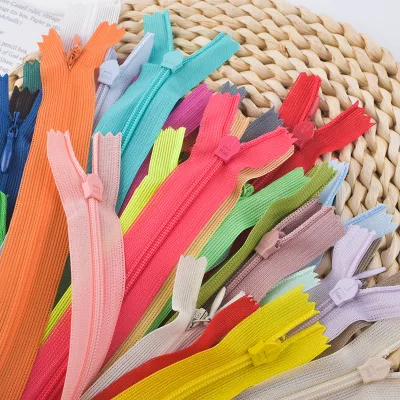
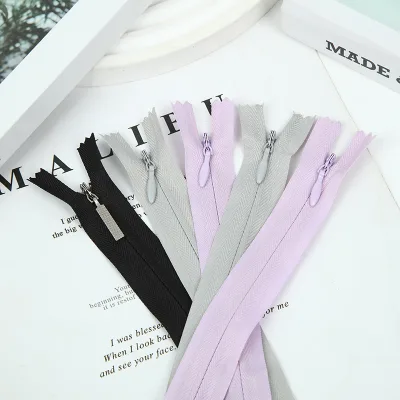
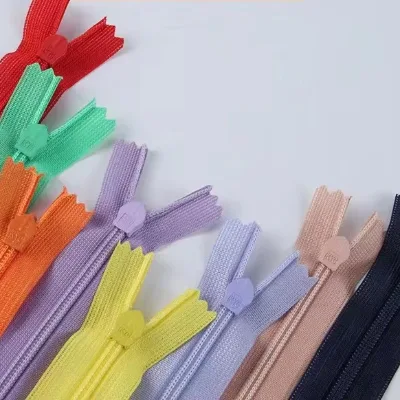
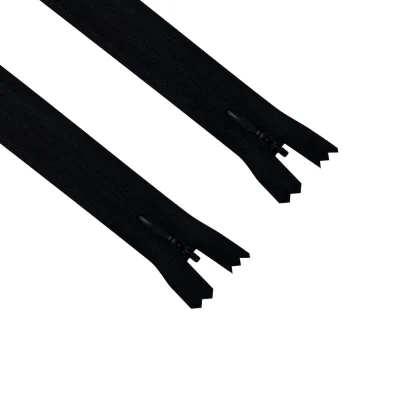
Custom High Quality Hidden Nylon Invisible Zip for Swimsuit Dress Pillow Closure Zip
$0.0615
MOQ: 200 Minimum
Guangzhou Topwin Metal Accessories Ltd.
- Trading Company
- Lead time旺季: "100 - 100":15,"> 100":"To be negotiated", 淡季: "100 - 100":15,"> 100":"To be negotiated"
- Avg. response≤ 2h
Main productsMetal Buckle, Bag Buckle, Metal Label, Metal Chain


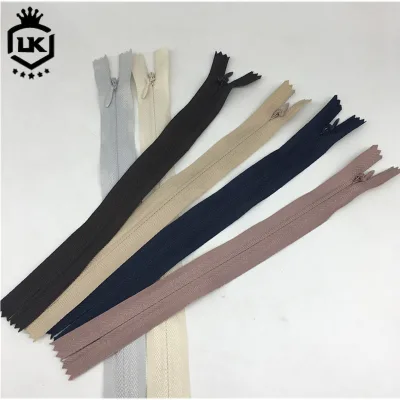
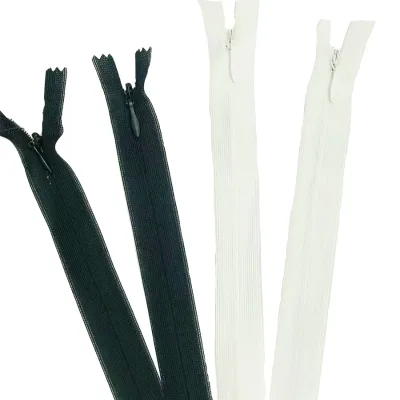
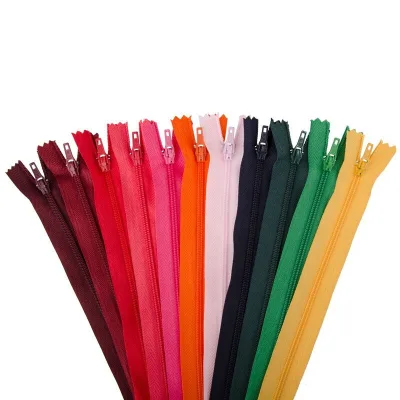
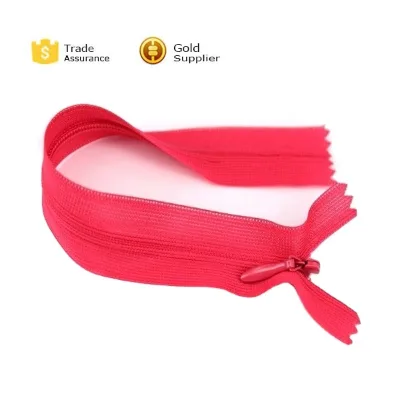
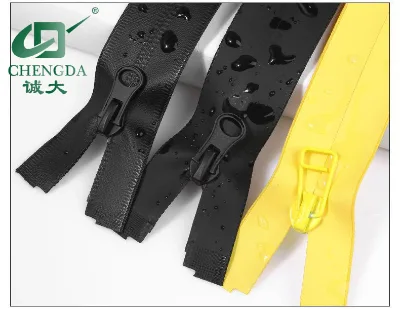
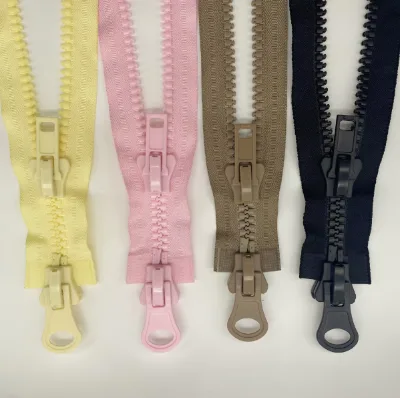


Comprehensive Sourcing Guide
Nickel-Free Nylon Invisible Zipper Supplier Concentration and Factory Types
The available data indicates that suppliers for nickel-free nylon invisible zippers are concentrated in the Zhejiang province of China, a region known for its textile manufacturing ecosystem. This location is explicitly confirmed in the product origin fields for multiple listings, suggesting a high density of production capacity in this specific area. Buyers should prioritize engaging with entities located here to minimize logistics complexity and ensure alignment with established supply chains. While the search results show a mix of company types, the majority of the observed profiles are identified as trading companies, which act as intermediaries between the buyer and the actual manufacturing facilities.
However, some supplier profiles also list themselves as manufacturers or factories, indicating a direct production capability that may offer different advantages regarding customization and quality control. The main products listed for these entities extend beyond zippers to include garment accessories, buttons, lace, and sewing threads, suggesting a comprehensive sourcing opportunity for buyers needing multiple trim components. When evaluating the factory type, it is crucial to verify whether the entity is a pure trading company or a manufacturer with an OEM capacity, as this distinction impacts the ability to customize slider types, colors, and specifications. The presence of OEM capabilities in some profiles confirms that custom designs are feasible, but buyers must confirm the specific manufacturing depth for their unique requirements.
How to Verify Nickel-Free Nylon Invisible Zipper Suppliers
Verification of supplier credibility relies heavily on third-party audit reports and specific certification data provided in the supplier profiles. One observed supplier holds a TUVRHEINLAND verification status, which serves as a concrete indicator of a completed on-site audit and compliance check. Buyers should look for similar independent verification badges to confirm that the supplier's business license and production capabilities have been validated by a recognized external agency. Additionally, system certifications such as ISO 9000 and ISO 9001 are present in some profiles, indicating adherence to international quality management standards. These certifications are essential for ensuring consistent product quality, particularly when sourcing specialized items like invisible zippers where precision is critical.
Beyond certifications, buyers must scrutinize the specific product attributes and standards listed for the nickel-free nylon invisible zippers. Some product listings explicitly mention SGS standards or specific model numbers like H-001 and Z-002, which provide traceability for the items being offered. It is vital to confirm that the material composition matches the "nylon" requirement and that the slider types, such as auto-lock or pin-lock, align with the intended application. Buyers should request detailed product evidence or test reports to verify the "nickel-free" claim, as this specific attribute is not universally guaranteed by general material descriptions. Without explicit confirmation of the material safety standards, the buyer cannot assume the product meets the necessary safety requirements for garments or accessories.
What to Compare Across Nickel-Free Nylon Invisible Zipper Suppliers
When comparing potential suppliers, the response time is a critical metric for assessing communication efficiency and service readiness. The observed data shows response times ranging from approximately 3.5 hours to over 12 hours, with some suppliers responding significantly faster than others. A faster response time often correlates with a more active sales team and a higher likelihood of resolving urgent inquiries or custom requests promptly. Buyers should prioritize suppliers with response times under four hours to ensure smooth project management, especially when dealing with tight production schedules or last-minute design changes. This metric serves as a proxy for the supplier's operational agility and customer service commitment.
Lead time and minimum order quantity (MOQ) are equally important factors that vary significantly across the supplier pool. Lead times observed in the data range from 15 days to 30 days, while MOQs fluctuate between 1,000 pieces and 50,000 pieces depending on the specific product model and customization level. Suppliers offering lower MOQs, such as 1,000 or 2,000 pieces, may be more suitable for smaller orders or trial runs, whereas those requiring 50,000 pieces are better suited for large-scale production runs. Buyers must balance these constraints against their inventory needs and budget, ensuring that the selected supplier can meet both the volume requirements and the delivery timeline without compromising on the quality of the nylon invisible zippers.
Common Nickel-Free Nylon Invisible Zipper Sourcing Risks
One significant risk in sourcing nickel-free nylon invisible zippers is the potential discrepancy between the advertised material and the actual product composition. While many listings specify "nylon" as the material, some entries also mention "metal" components or mixed materials in the product attributes. This inconsistency creates a risk that the final product may contain nickel, violating the core requirement for nickel-free specifications. Buyers must rigorously verify the material composition for every slider and tape component, as the presence of metal parts can introduce allergens even if the main tape is nylon. Relying solely on the general product title without checking the detailed attributes can lead to non-compliant shipments.
Another risk involves the variability in customization capabilities and the associated production standards. Although customization is listed as available for many products, the specific standards and packing details vary widely, with some listings showing generic standards like "#3, #5, #8" rather than specific compliance certificates. This lack of standardization can lead to quality inconsistencies, particularly when ordering custom colors or slider types. Furthermore, the absence of explicit escrow protection or detailed payment terms in some profiles increases financial risk. Buyers should ensure that all custom specifications are clearly documented and that the supplier agrees to strict quality control measures before placing an order to mitigate the risk of receiving substandard or non-compliant goods.
Nickel-Free Nylon Invisible Zipper Regional Sourcing and Logistics
Sourcing from the Zhejiang region in China offers logistical advantages due to the established infrastructure for textile exports and the concentration of suppliers in this area. The confirmed location of suppliers in Zhejiang suggests that buyers can expect streamlined shipping processes and potentially lower freight costs compared to sourcing from more remote regions. The proximity of manufacturers to major ports in the region facilitates efficient export logistics, reducing the time required for goods to reach international destinations. Buyers should leverage this regional concentration to negotiate better shipping terms and to coordinate multiple orders from different suppliers within the same province to consolidate freight.
However, buyers must also consider the specific logistics requirements for each supplier, as packing details and carton specifications vary. Some product listings indicate packing of 100 pieces per bag with 10 bags per carton, while others specify 50 pieces per bag with 2,500 pieces per carton. These variations impact the total volume and weight of the shipment, which in turn affects freight costs and handling requirements. Buyers should request detailed packing lists and carton dimensions from each supplier to accurately calculate shipping volumes and ensure that the packaging meets the destination country's import regulations. Proper planning of logistics based on these specific packing details is essential to avoid unexpected delays or additional costs during the shipping process.
Nickel-Free Nylon Invisible Zipper Commercial Terms and Order Planning
Commercial terms and pricing structures vary significantly among suppliers, with observed price ranges for nylon invisible zippers spanning from $0.02 to $0.80 per piece. These price differences are often driven by factors such as the zipper size, slider type, and the level of customization required. Buyers must carefully analyze the price per unit against the minimum order quantity to determine the total cost of ownership. For instance, a lower unit price might be associated with a high MOQ of 50,000 pieces, while a higher unit price could correspond to a lower MOQ of 1,000 pieces. Understanding these trade-offs is crucial for effective budget planning and ensuring that the order aligns with the buyer's financial constraints.
Payment terms and sample availability are also key components of the commercial agreement that buyers must evaluate. Some suppliers offer free samples, which allows buyers to physically verify the quality and nickel-free status before committing to a large order. Payment terms such as T/T are mentioned in the data, but buyers should confirm the specific deposit and balance payment structure to manage cash flow effectively. Additionally, the lead time of 15 to 30 days must be factored into the overall order planning to ensure that the goods arrive in time for production schedules. Buyers should establish clear communication channels to confirm all commercial terms, including pricing, payment schedules, and delivery timelines, before finalizing any purchase agreement to avoid misunderstandings.
FAQs
What is the price range for nylon invisible zippers?
Prices for nylon invisible zippers typically range from $0.02 to $0.80 per piece depending on specifications. Basic #3 nylon models start around $0.04, while specialized lace or metal variants cost more. Buyers should verify exact pricing based on size, slider type, and order volume to ensure accurate budgeting.
What is the minimum order quantity for these zippers?
Minimum order quantities vary significantly by supplier and product type. Some suppliers require as few as 1,000 pieces for standard nylon zippers, while others set the MOQ at 5,000 or even 50,000 pieces. Buyers must check specific product listings to confirm the exact MOQ applicable to their desired zipper model and customization needs.
How long does production take for zipper orders?
Production lead times generally range from 15 to 30 days depending on the supplier and order complexity. Some manufacturers offer faster turnaround times of 15 days for standard items, while others may require up to 30 days for customized or high-volume orders. Buyers should confirm lead times directly with suppliers before placing orders.
Are customization options available for nylon invisible zippers?
Yes, customization is widely available for nylon invisible zippers. Suppliers offer options for custom colors, logos, slider designs, and specific sizes such as #3, #4, or #5. Buyers can request tailored solutions for home textiles, bags, garments, or shoes, ensuring the final product meets their specific design and functional requirements.
Where are these zipper suppliers located?
Most suppliers for nylon invisible zippers are located in Zhejiang, China. This region is a major hub for garment accessories and zipper manufacturing. Buyers sourcing from this area can benefit from established supply chains and competitive pricing, though they should verify specific supplier locations and logistics capabilities for international shipping.
What certifications do zipper suppliers hold?
Supplier certifications vary, with some holding ISO 9000 or ISO 9001 standards for quality management. Others may have TUVRHEINLAND verification or SGS product standards. Buyers should request specific certification documents to ensure compliance with their quality requirements and industry regulations before finalizing any procurement agreements.