Custom Hook and Loop Iron On Chenille Patches Suppliers and Manufacturers
Compare 24 verified suppliers offering Custom Hook and Loop Iron On Chenille Patches with details on location, lead times, and certifications. Review response times and MOQs to select the right partner for your order; review the available evidence before requesting comparable quotations from suitable candidates.
Updated
Suppliers List
- Verified by Intertek
- Manufacturer, Trading Company
- Jiangsu, China
- Lead time15 days
- Avg. response≤ 3h
Main productsWoven Label, Leather Label, Hang Tag, RFID Label, Silicone products
Main marketsNorth America(31%), Western Europe(20%), Oceania(15%)

Dongguan FengSuer Textile Co., Ltd
- Verified by TUVRHEINLAND
- Trading Company
- China Guangdong
- Lead time23 days
- Avg. response≤ 4h
Main productsWoven Patches, Woven Labels, Embroidery Patch, Keychians, Hantags, Printing Labels, Printing Patches, Woven Tape, Ribbon
Main marketsEurope
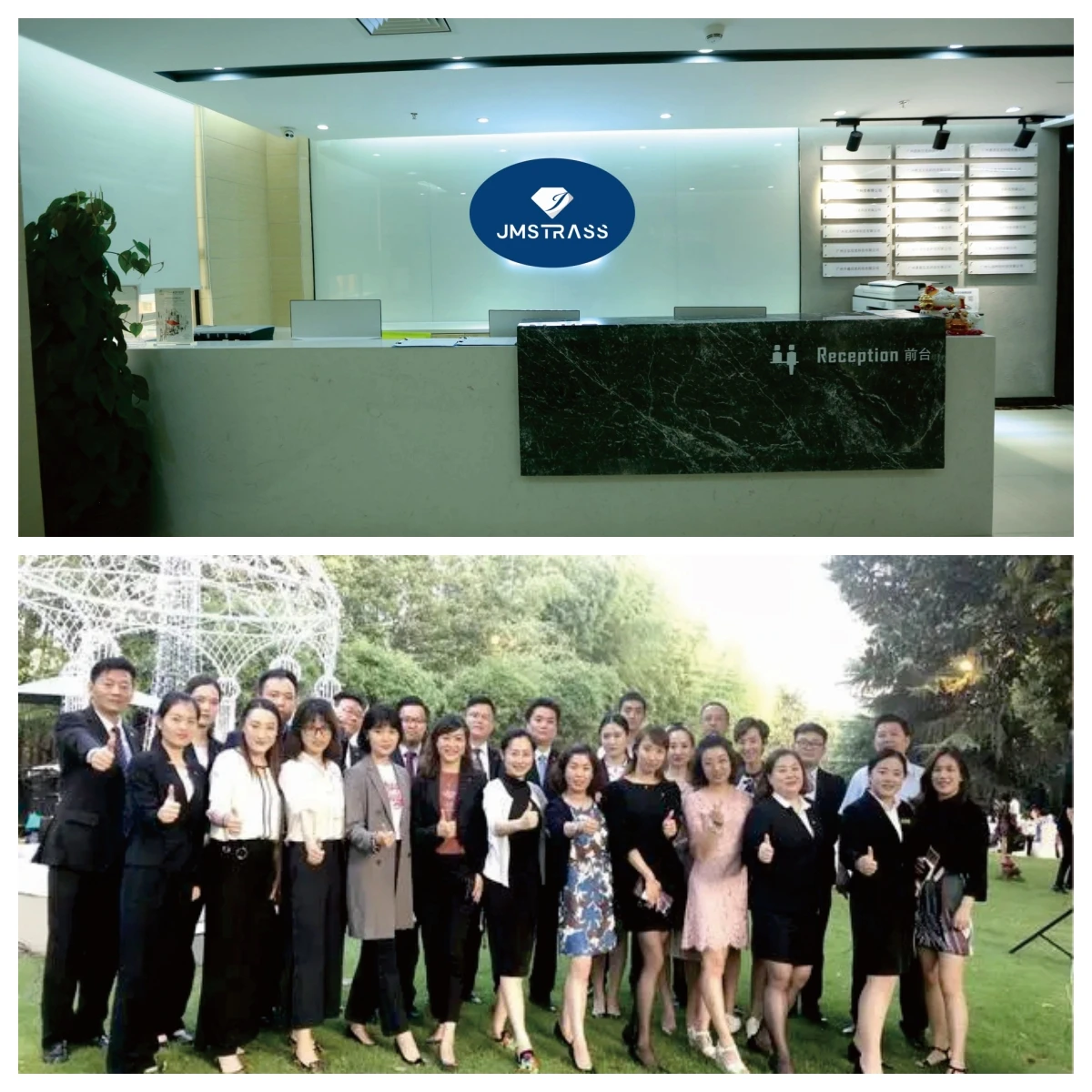
Guangzhou Jingmao Garment Accessories Co., Ltd.
- Manufacturer, Trading Company, Distributor/Wholesaler
- Guangdong, China
- Lead time7 days
- Avg. response≤ 3h
Main productsrhinestone,rhinestone transfer,rhinestone trimming,rhinestone sheets,chenille embroidery patches
Main marketsSouth America(30.00%), North America(30.00%), Eastern Europe(20.00%), Africa(10.00%), Southeast Asia(10.00%)
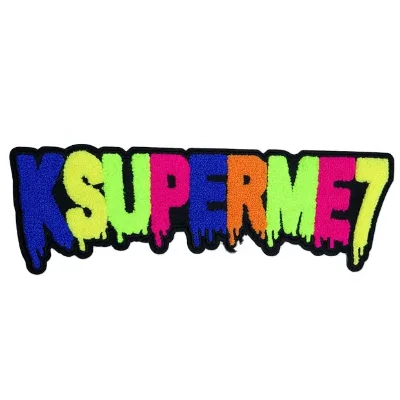
Custom Embroidered Chenille Patches Keychain Woven Iron on Patches for Jeans Embroidery Patch
$0.41 - $0.50
MOQ: 200 pieces
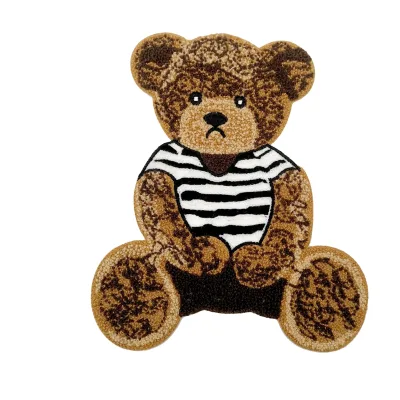
Wholesale Letters Design High Quality Embroidery Patches Iron-on Clothing Custom Chenille Patches
$0.65 - $0.98
MOQ: 1000 pieces
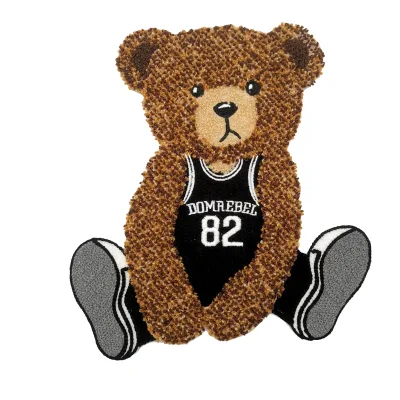

- Verified by TUVRHEINLAND
- Combined
- China Jiangsu
- Lead time15 days
- Avg. response≤ 4h
Main productsMetal Crafts, Embroidery Crafts, PVC Crafts, Acrylic Crafts, Key Chains, Promotional Gifts, Canvas Bag/Shopping Bag/Drawstring Bag, Baseball Cap/Bucket Hat/Other Caps, Ceramic Mug/PVC Mug/Stainless Steel Cup, Gift Boxes
Main marketsNorth America


Manufacturer Personalized Clothing Patches Iron Embroidery Patch Iron on Custom
$0.15 - $0.80
MOQ: 50 Pieces

High Quality Personalized Embroidered Patches Accessories Iron on Patched Customize Embroidery Patch
$0.10 - $0.50
MOQ: 50 Pieces
- Manufacturer, Trading Company
- Lead time旺季: "1 - 1000":7,"1001 - 2000":10,"2001 - 3000":13,"> 3000":"To be negotiated", 淡季: "1 - 1000":7,"1001 - 2000":10,"2001 - 3000":13,"> 3000":"To be negotiated"
- Avg. response≤ 3h
Main productsCustom Flags And Banners , Promotion Gifts, Promotion Apparel And Accessories, Advertising Displays , Promotion Bags
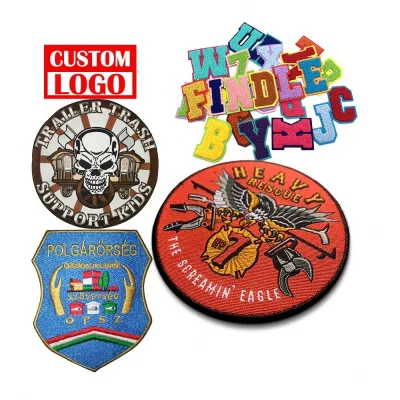
$0.06 - $0.10
MOQ: 100 pieces
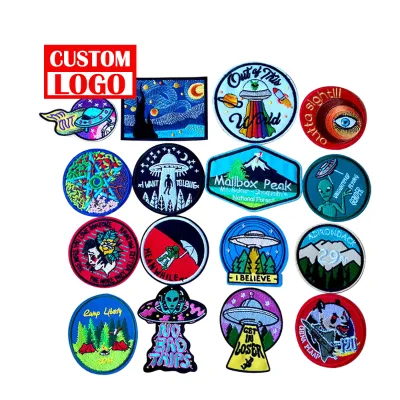
Custom Rhinestone Chenille Patches Hot Selling Iron on Adhesive Custom Embroidered Iron on Patch
$0.06 - $0.10
MOQ: 100 pieces

Shantou City Jiancheng Weaving Co., Ltd
- Verified by SGS
- Combined
- China Guangdong
- Lead time15 days
- Avg. response≤ 6h
Main productsWebbing, Elastic Band, Jacquard Webbing, Nylon Elastic Band, Polyester Webbing, Fabric Webbing, Knitted Elastic Band, Flame Retardant Webbing, Nylon Fabric, Spandex Fabric
Main marketsSoutheast Asia/ Mideast,East Asia(Japan/ South Korea),Domestic,Europe,Australia,North America

Wholesale Chenille Patches Custom Patch for Clothing Custom Embroidered Iron on Patch
$0.15 - $1.50
MOQ: 10 Pieces

DIY Clothing Accessories Custom Letter Embroidery Patches Iron on Hoodies
$0.15 - $1.50
MOQ: 10 Pieces
Ningbo New Swell Import&Export Co., Ltd.
- Verified by Intertek
- Trading Company
- Lead time7 days
- Avg. response≤ 4h
Main productsLace Trim, Ribbon, Sewing Accessories, Sewing Thread, Zipper
Main marketsMid East(50%), South America(20%), Southeast Asia(20%)
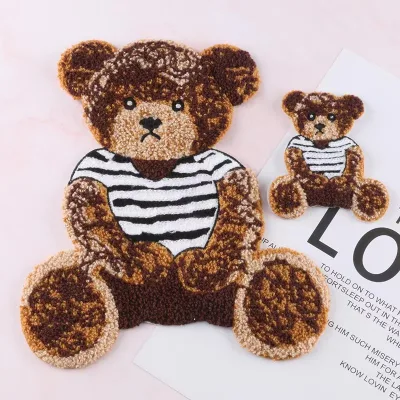
LOGO Patches Embroidery Cute Bear Chenille Patch Iron on Patches Embroidery for Clothing
$0.10 - $0.20
MOQ: 1000
Hot Sell Popular Custom Embroidered Patches for Clothing/DIY Heat Press Iron on
$0.1541 - $0.2573
MOQ: 1000 pieces

Zhongshan Yingying Textile Co., Ltd.
- Verified by SGS
- Manufacturer
- China Guangdong
- Lead time15 days
- Avg. response≤ 2h
Main productsPatch, Keychain, Sequin Patch, Towel Embroidery Patch, Embroidery Patch, Embroidery Keychain, Woven Label Patch, Woven Patch, Woven Keychain, Lanyard


Custom Embroidery Fabric Woven Cloth Patch Iron on Badge Embroidered Patches
$0.07 - $0.11
MOQ: 100 Pieces


SHENZHEN UNION BROTHER TECHNOLOGY CO., LTD.
- Verified by TUVRHEINLAND
- Combined
- China Guangdong
- Lead time15 days
- Avg. response≤ 8h
Main productsEmbroidery Patches, PVC Patches, Woven Patches, Clutch Bag, Evening Bag, Embroidered Patches
Main marketsSoutheast Asia/ Mideast,East Asia(Japan/ South Korea),Domestic,Europe,North America


$0.60 - $1.60
MOQ: 10 Pieces
Shenzhen Union Brother Technology Co., Ltd.
- Verified by Intertek
- Manufacturer, Trading Company
- Lead time30 days
- Avg. response≤ 2h
Main productsChenille Patches , Embroidery Patches, PVC Patch, Woven Patch, Keychains
Main marketsDomestic Market(68%), North America(25%), South Asia(2%)


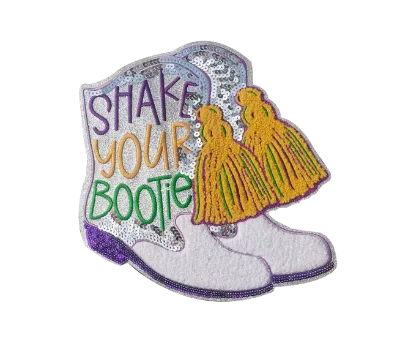
Custom Embroidered Patch Sequin Appliques Sequin Embroidery Patch Brand Patches
$0.2588 - $0.2902
MOQ: 10 pieces
Guangzhou fulfill garment accessories ltd
- Verified by Intertek
- Trading Company
- Lead time15 days
- Avg. response≤ 2h
Main productsApparel & Garments, Knitted & Woven Fabric, Lace Trim Fabric, Garment Packaging Kit, Embroidered Patch
Main marketsMid East(46%), North America(20%), Africa(9%)
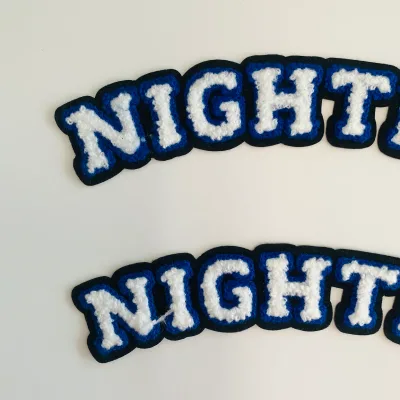
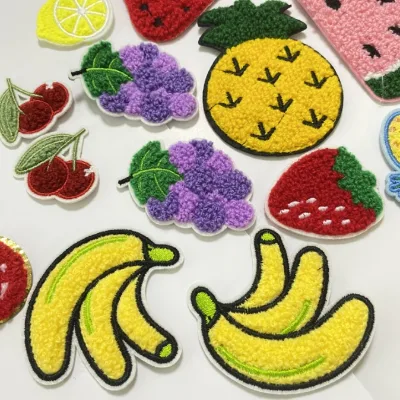
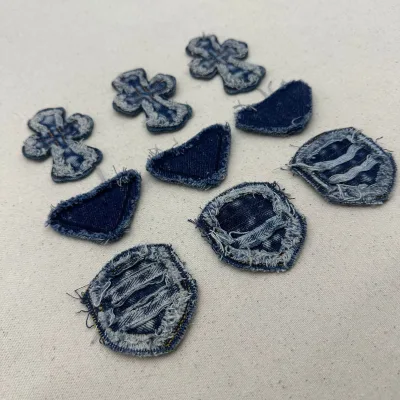
High Quality Wholesale Denim Label Hand-sewn Custom Embroidered Patches Clothing Tshirt
$1.0053 - $1.3225
MOQ: 100 pieces

XIAMEN POPTRIMS TEXTILE CO.,LTD.
- Verified by BV
- Trading Company
- China Fujian
- Lead time15 days
- Avg. response≤ 7h
Main productsElastic Webbing, Elastic Suspender, Custom Lanyard, Garment Label, Rubber Patch, Shoelace, Strings & Drawcords, Fancy Satin Grosgrain Ribbon, Jacquard Ribbon, Custom Print Ribbon
Main marketsSouth America,Africa,Southeast Asia/ Mideast,East Asia(Japan/ South Korea),Europe,Australia,North America

Customized Design Iron-on Felt Embroidery or Woven Patch Embroidery Chenille Patch
$0.08 - $0.13
MOQ: 500 Pieces


Hangzhou Jiugui Garment Accessories Co., Ltd.
- Verified by CTI
- Trading Company,Manufacturer/Factory
- China Zhejiang
- Lead time15 days
- Avg. response≤ 7h
Main productsWoven Label, Hang Tag, Embroidery Patch, Leather Patch, Stickers, Seal Tag, Grosgrain Ribbon, Tote Bag, Printing Label
Main marketsSouth America,Eastern Europe,Mid East,Southeast Asia,Eastern Asia,Oceania,Western Europe,Africa

$0.03 - $0.13
MOQ: 1000 Pieces

Wholesale Chenille Embroidered Badges Custom Logo Embroidery Patches with Iron on Backing
$0.01 - $0.04
MOQ: 1000 Pieces
- Verified by SGS Group
- Trading Company
- Lead time20 days
- Avg. response≤ 12h
Main productsPins & Badges, Medals, Challenge Coins, Leather Product , Promotional Products
Main marketsNorth America(47%), Western Europe(22%), Northern Europe(9%)
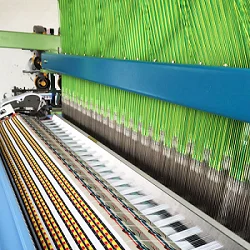
Quanzhou Maihang Garment Accessories Co., Ltd.
- Trading Company
- Fujian, China
- Lead time10 days
- Avg. response≤ 3h
Main productsGarment Label,Embroidery Patch,Wrapping Paper,Sticker,Button
Main marketsNorth America(30.00%), Western Europe(15.00%), South America(10.00%), Africa(10.00%), Southeast Asia(5.00%), Northern Europe(5.00%), Central America(5.00%), South Asia(5.00%), Eastern Europe(5.00%), Mid East(4.00%), Eastern Asia(3.00%), Oceania(2.00%), Southern Europe(1.00%)
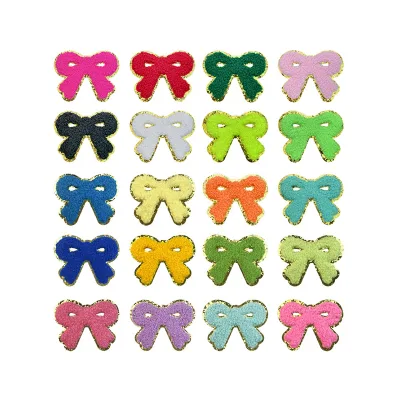
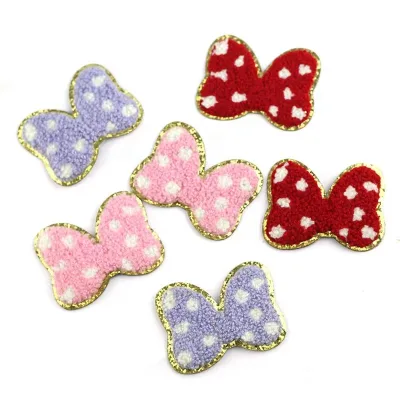
Chenille Bow Patch Custom Towel Patch Embroidery Korean Iron on for Bag Clothing
$0.37 - $0.85
MOQ: 30
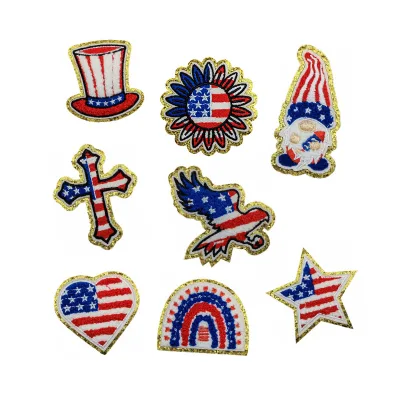
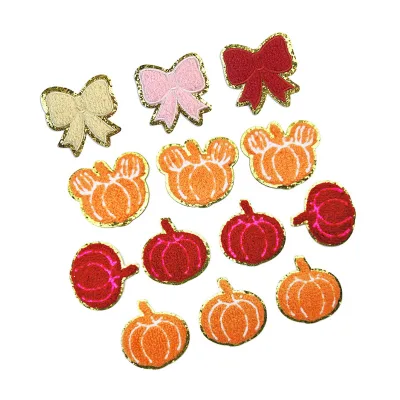
Huizhou Hongjie Garment Accessories Co., Ltd.
- Verified by TüVRheinland
- Manufacturer, Trading Company
- Lead time0 days
- Avg. response≤ 1h
Main productsEmbroidery Patch, Woven Label, Badge, Printed Label
Main marketsNorth America(18%), Domestic Market(16%), Western Europe(11%)
Dongguan Foregoer Embroidery Products Co., Ltd.
- Trading Company
- Guangdong, China
- Lead time10 days
- Avg. response≤ 2h
Main productsembroidery patch,chenille patch,embroidery badge
Main marketsNorth America(90.00%)
Haiyan Lesheng Embroidery Co., Ltd.
- Manufacturer, Trading Company
- Zhejiang, China
- Lead time10 days
- Avg. response≤ 5h
Main productsEmbroidery Patches,Woven label,PVC Patches,Leather Patches,Digital Patches
Main marketsNorth America(40.00%), Domestic Market(15.00%), Western Europe(10.00%), Eastern Europe(10.00%), Southern Europe(5.00%), Oceania(5.00%), Northern Europe(5.00%), Eastern Asia(5.00%), South America(5.00%)
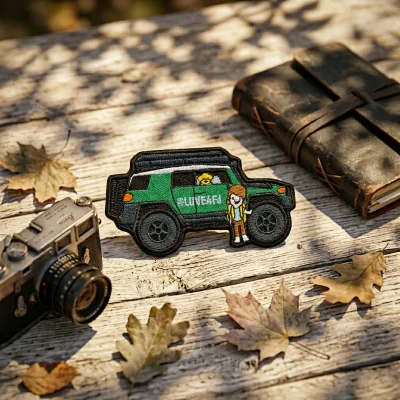
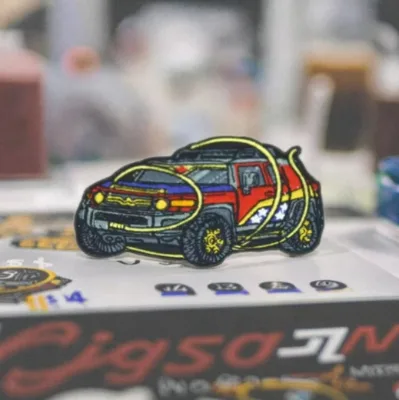
The Factory Is Selling Self-adhesive Chenille Patches and Customizing Chenille
$0.10 - $0.45
MOQ: 50 pieces
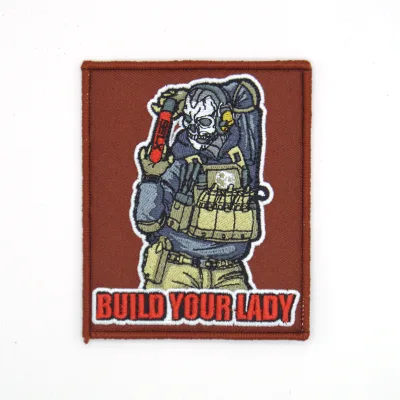
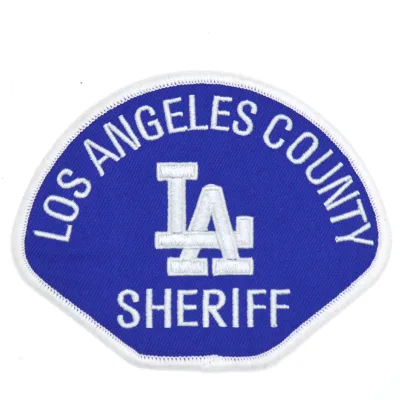
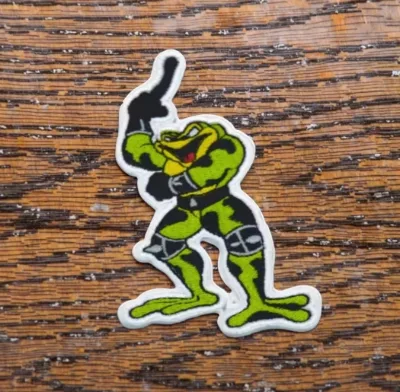
Chenille Twill Iron Custom Patch Frog Pattern Cartoon Patch Clothing Accessories
$0.10 - $0.45
MOQ: 50 pieces

$0.10 - $0.45
MOQ: 50 pieces
Dongguan Saiming Garment Accessories Co., Ltd.
- Verified by TüVRheinland
- Manufacturer, Trading Company
- Lead time7 days
- Avg. response≤ 2h
Main productsWoven Label, Woven Patch, Care Label, Printing Label, Embroidery Patch
Main marketsNorth America(10%), South America(10%), Eastern Europe(10%)
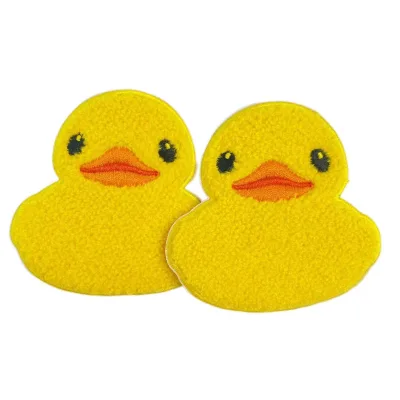
Chenille Patches Custom logo Clothing Accessories Chenille Patches Wholesale Price
$0.40 - $1.00
MOQ: 100 pieces
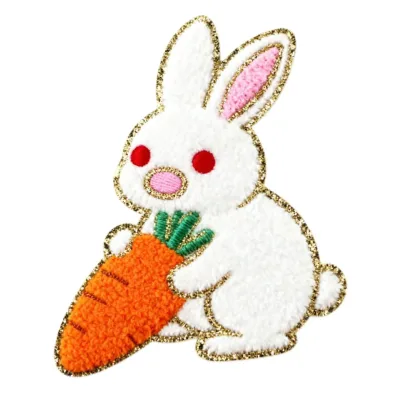
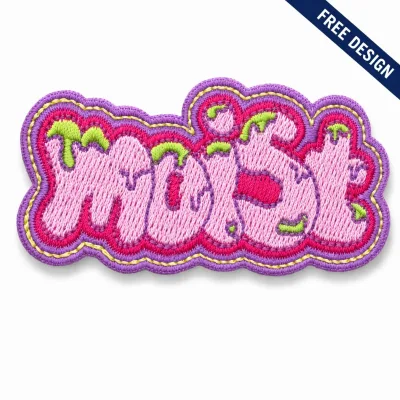
$0.40 - $1.00
MOQ: 100 pieces
Zhanjiang Letong Arts & Crafts Co., Ltd.
- Trading Company
- Guangdong, China
- Lead time0 days
- Avg. response≤ 14h
Main productsEmbrpidered Patch,PVC patch and keychains,Metal pins and coins,Gifts,Medal
Main marketsNorth America(40.00%), Northern Europe(15.00%), Western Europe(15.00%), Southern Europe(5.00%), Eastern Europe(5.00%), South America(5.00%), Eastern Asia(5.00%), Mid East(5.00%), Southeast Asia(5.00%)
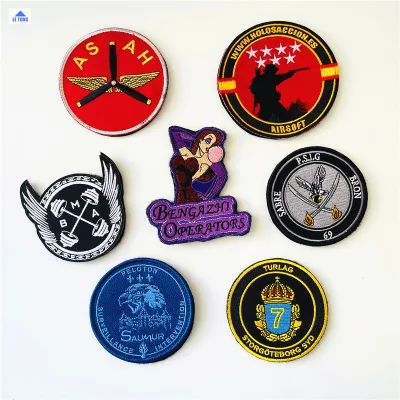
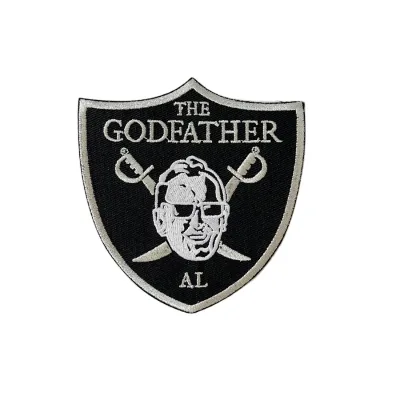
Hot Sale Factory Price Custom Embroidery Patch Iron on Embroidery Brand Patch
$0.8393 - $1.4511
MOQ: 30 pieces
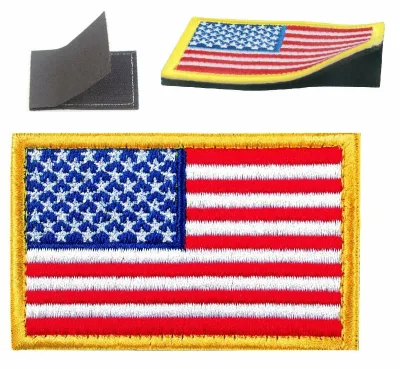
Dongguan Lin Wang Garment Accessory Co., Ltd.
- Verified by SGS Group
- Trading Company
- Lead time8 days
- Avg. response≤ 2h
Main productsEmbroidery Patch, Silicone Heat Transfer, Soft PVC Patch, Scout Neckerchief, Keychain
Main marketsNorth America(77%), Western Europe(10%), Eastern Europe(5%)
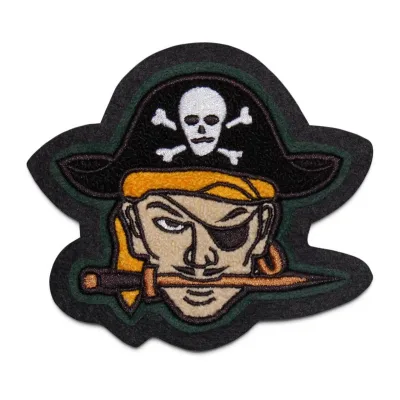
$0.134 - $0.3725
MOQ: 50 pieces
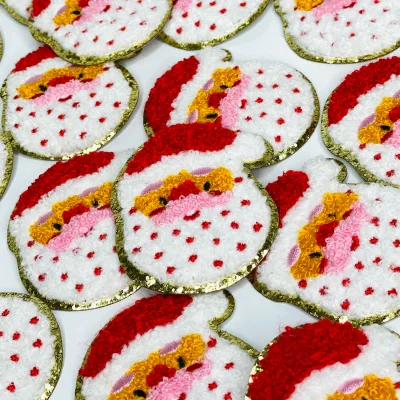
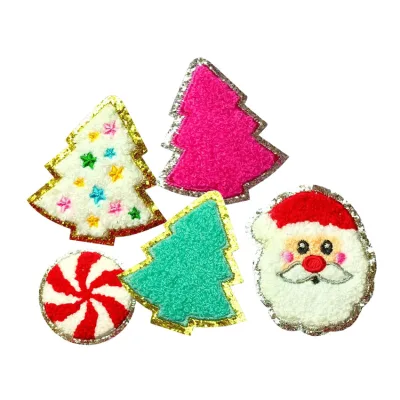
Custom DIY Glitter Merry Christmas Bright Patches Santa Claus Chenille Small Size Twill Patch
$0.134 - $0.3725
MOQ: 30 pieces
Foshan Chengyi Computer Embroidery Co., Ltd.
- Verified by SGS Group
- Manufacturer, Trading Company
- Lead time0 days
- Avg. response≤ 2h
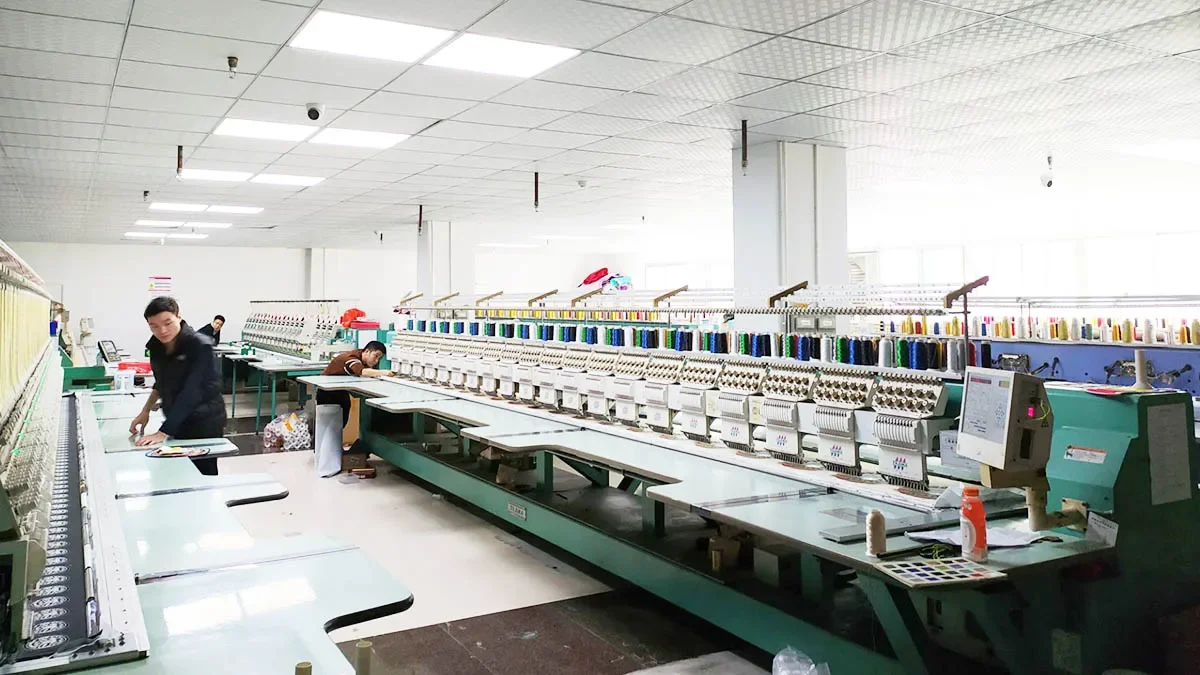
Main productsEmbroidery Patch, Sequin Embroidery Patch, Chenille Embroidery Patch, Toothbrush Embroidery Patch, Beaded Embroidery Patch
Main marketsNorth America(90%), Domestic Market(2%), South America(1%)
Guangxi Chengyu Computer Embroidery Co., Ltd.
- Manufacturer, Trading Company
- Guangxi, China
- Lead time7 days
- Avg. response≤ 3h
Main productsembroidery patch,embroidered keychain,chenille patch,woven patch,Clothing Label
Main marketsNorth America(50.00%), Domestic Market(10.00%), Western Europe(10.00%), Oceania(10.00%), Eastern Europe(6.00%), Central America(2.00%), Southern Europe(2.00%), Northern Europe(2.00%), Mid East(2.00%), South America(2.00%), Southeast Asia(1.00%), South Asia(1.00%), Africa(1.00%), Eastern Asia(1.00%)
Shenzhen Yawang Trading Co., Ltd.
- Manufacturer, Distributor/Wholesaler
- Guangdong, China
- Lead time3 days
- Avg. response≤ 4h
Main productsrhinestone transfer motif,hot fix rhinestone motif,crystal rhinestone,flat back rhinestone,fancy sew on crystal stone
Main marketsSouth America(20.00%), North America(20.00%), Africa(15.00%), Central America(15.00%), Southeast Asia(10.00%), Eastern Europe(5.00%), Eastern Asia(5.00%), Western Europe(4.00%), South Asia(3.00%), Southern Europe(3.00%)

Factory Wholesale Custom Masonic logo Patch Embroidered Iron on Patch for Clothing
$1.50 - $3.20
MOQ: 100 pieces

English Letter Sequins Cloth Patch Fashion Clothing Accessories Wholesale Clothes Hat Bag Patch
$1.9239 - $2.8663
MOQ: 200 pieces






Comprehensive Sourcing Guide
Custom Hook and Loop Iron On Chenille Patches Supplier Concentration and Factory Types
The sourcing landscape for Custom Hook and Loop Iron On Chenille Patches reveals distinct manufacturing clusters primarily located in Jiangsu and Guangdong provinces within China. These regions serve as critical hubs for textile and garment accessory production, offering concentrated supply chains that facilitate efficient material sourcing and logistics. Suppliers in Jiangsu often specialize in woven labels, leather labels, hang tags, and RFID labels, indicating a broad capability in textile-based branding solutions. This geographic concentration allows buyers to access a dense network of manufacturers who understand the specific technical requirements of chenille embroidery and patch production. The presence of these clusters suggests that buyers can expect a high volume of available suppliers, each competing on quality, speed, and customization options. Understanding this geographic distribution is essential for evaluating shipping costs and lead times, as proximity to ports in these provinces can significantly impact delivery efficiency.
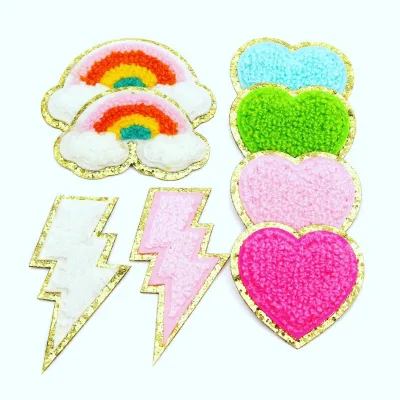
Supplier types in this sector vary between manufacturers and trading companies, each offering different advantages for sourcing custom patches. Manufacturers typically provide direct control over the production process, including sample processing, graphic processing, and light customization on demand. This direct involvement often results in more flexible responses to specific design requests, such as creating custom pattern patches with rainbow lightning designs or 3D embroidered effects. Trading companies, on the other hand, may offer a broader portfolio of products, including woven patches, keychains, and printing labels, allowing buyers to consolidate orders for multiple garment accessories. While trading companies might have slightly longer lead times due to their intermediary role, they can provide access to a wider range of materials and styles. Buyers should carefully assess whether they need the specialized production capabilities of a manufacturer or the diversified inventory of a trading company to meet their specific project needs.
How to Verify Custom Hook and Loop Iron On Chenille Patches Suppliers
Verifying the credibility of suppliers requires a multi-layered approach that examines both platform verification badges and third-party certification standards. Many suppliers display verification status from reputable inspection agencies such as Intertek or TÜV Rheinland, which provides a baseline level of trust regarding their business legitimacy and operational capabilities. These verification badges indicate that the supplier has undergone a rigorous assessment process, reducing the risk of engaging with fraudulent entities. However, verification alone is not sufficient; buyers must also look for specific industry certifications that demonstrate compliance with international standards. Certifications such as FSC, Sedex, and Oeko-Tex Standard 100 are critical indicators of a supplier’s commitment to ethical sourcing and product safety. Oeko-Tex certification, in particular, ensures that the textiles used in chenille patches are free from harmful substances, which is vital for apparel applications that come into direct contact with skin.
Beyond certifications, buyers should evaluate the supplier’s response time and historical performance metrics to gauge reliability. A quick response time, often measured in hours, indicates a proactive and customer-centric approach to business inquiries. Suppliers with response times under four hours are generally more responsive to urgent requests and complex customization questions. Additionally, examining the supplier’s main products and past project evidence can provide insights into their expertise. For instance, suppliers listing custom chenille patches, embroidered badges, and iron-on fabrics as their primary offerings are likely to have more specialized experience than generalist traders. Buyers should also check for evidence of past successful projects, such as specific model numbers or product attributes like 3D features and nickel-free compositions. This evidence-based verification helps ensure that the supplier has the technical capability to deliver high-quality custom patches that meet specific design and functional requirements.
What to Compare Across Custom Hook and Loop Iron On Chenille Patches Suppliers
When comparing suppliers, lead time and production capacity are critical factors that directly impact project timelines and inventory management. Suppliers may offer varying bulk production times, with some completing orders in five to seven working days, while others may require up to fifteen days or more. It is essential to distinguish between sample lead times and bulk production lead times, as these can differ significantly. For example, sample orders might be completed in two to five working days, whereas bulk production could take longer depending on the complexity of the design and order volume. Buyers should also consider the supplier’s capacity for customization, including their ability to handle graphic processing and light customization on demand. Suppliers with robust R&D capabilities can accommodate unique design requests, such as custom shapes, specific colorways, and intricate embroidery patterns, ensuring that the final product aligns with brand specifications.
Price and minimum order quantity (MOQ) are another crucial dimension for comparison, as they affect the overall cost structure and feasibility of the order. Prices for custom chenille patches can vary widely, ranging from as low as $0.10 to over $0.50 per unit, depending on factors such as material quality, design complexity, and order volume. Some suppliers may have an MOQ of fifty pieces, while others might require one hundred or more. Buyers should evaluate whether the price point aligns with their budget and whether the MOQ is manageable for their current needs. Additionally, comparing the shipping methods offered, such as express or sea freight, can help determine the total landed cost. Suppliers who offer flexible shipping options and competitive pricing structures are often more attractive for long-term partnerships. By carefully analyzing these variables, buyers can identify suppliers that offer the best balance of cost, speed, and quality for their specific sourcing requirements.
Common Custom Hook and Loop Iron On Chenille Patches Sourcing Risks
One of the primary risks in sourcing custom chenille patches is the potential for quality inconsistencies, particularly regarding the durability of the hook and loop backing and the integrity of the iron-on adhesive. Chenille fabric is known for its soft, plush texture, but it can be prone to shedding or fraying if not manufactured with high-quality materials and precise techniques. Buyers must ensure that the supplier uses appropriate backing materials, such as polyester or twill, that can withstand repeated washing and wear without compromising the patch’s appearance. Additionally, the iron-on adhesive must be strong enough to bond securely to various fabric types, including cotton, polyester, and blends, without peeling or bubbling over time. Failure to verify these technical specifications can result in product failures, leading to customer dissatisfaction and potential returns.
Another significant risk is the miscommunication of design specifications, which can lead to discrepancies between the approved sample and the final bulk production. Custom patches often involve intricate details, such as 3D embroidery, specific color matching, and unique shapes, which require precise execution. If the supplier lacks the necessary equipment or expertise, they may struggle to replicate the design accurately, resulting in subpar quality. Buyers should mitigate this risk by requesting detailed product attributes, such as model numbers, material compositions, and technics, before placing the order. Furthermore, establishing clear communication channels and requiring pre-production samples can help identify and address potential issues early in the process. By proactively managing these risks, buyers can ensure that their custom chenille patches meet the expected quality standards and brand requirements.
Custom Hook and Loop Iron On Chenille Patches Regional Sourcing and Logistics
Sourcing from regional clusters in Jiangsu and Guangdong offers logistical advantages due to their proximity to major international shipping ports. Suppliers in these regions are well-equipped to handle both express and sea freight options, allowing buyers to choose the most cost-effective and timely delivery method for their needs. Express shipping is ideal for urgent orders or small batches, providing faster delivery times but at a higher cost. In contrast, sea freight is more economical for large volume orders, although it requires longer transit times. Buyers should consider the total logistics cost, including customs duties and handling fees, when selecting a shipping method. Additionally, the geographic location of the supplier can impact the lead time for raw material sourcing, which may affect the overall production schedule. Understanding these logistical dynamics helps buyers plan their inventory and delivery timelines more effectively.
The regional concentration of suppliers also facilitates easier collaboration and site visits, which can be beneficial for building strong supplier relationships. Buyers who can visit factories in Jiangsu or Guangdong gain firsthand insight into the production processes, quality control measures, and working conditions. This direct engagement fosters trust and transparency, reducing the likelihood of misunderstandings or disputes. Furthermore, regional suppliers often have established networks with local logistics providers, ensuring reliable and efficient shipping services. Buyers should leverage these advantages by maintaining regular communication with their suppliers and staying informed about any changes in shipping regulations or port conditions. By optimizing their logistics strategy, buyers can minimize delays and ensure that their custom chenille patches arrive on time and in perfect condition.
Custom Hook and Loop Iron On Chenille Patches Commercial Terms and Order Planning
Commercial terms such as payment methods, warranty policies, and after-sales support are critical components of a successful sourcing agreement. Buyers should negotiate clear terms that protect their interests, including secure payment options like escrow services, which provide an additional layer of security for both parties. It is also important to establish a clear warranty policy that addresses issues such as defective products or non-conforming orders. Suppliers who offer robust after-sales support demonstrate their commitment to customer satisfaction and are more likely to resolve any post-delivery issues promptly. Buyers should also consider the supplier’s flexibility in handling order modifications or cancellations, as this can be crucial for managing unexpected changes in project requirements. By securing favorable commercial terms, buyers can mitigate financial risks and ensure a smoother procurement process.
Order planning involves coordinating with suppliers to align production schedules with delivery deadlines, ensuring that custom chenille patches are available when needed. Buyers should provide detailed specifications, including design files, material preferences, and quantity requirements, well in advance to allow for adequate production time. It is also advisable to discuss potential bottlenecks, such as peak seasons or material shortages, and develop contingency plans to address these challenges. Regular communication with the supplier throughout the production process helps track progress and identify any potential delays early on. By implementing a structured order planning process, buyers can maintain control over their supply chain and ensure that their custom patch orders are completed efficiently and to the highest quality standards.
FAQs
What is the typical lead time for bulk orders?
Bulk production typically requires 5 to 7 working days for completion. This timeline applies to standard custom chenille patches and embroidered designs. Buyers should account for additional shipping duration when planning delivery schedules. Express or sea freight options are available to meet specific project deadlines effectively.
What is the minimum order quantity for custom patches?
The minimum order quantity generally starts at 50 pieces for most custom designs. Some suppliers may require a minimum of 100 pieces depending on the complexity of the artwork. This threshold ensures efficient production setup while allowing buyers to test market demand with manageable initial inventory levels.
How long does it take to receive a sample?
Sample production usually takes 2 to 5 working days to complete. Many suppliers support sample orders to verify quality before committing to bulk production. This rapid turnaround allows buyers to evaluate material texture, stitching detail, and color accuracy efficiently during the sourcing process.
What certifications do these suppliers typically hold?
Suppliers often hold FSC, Sedex, and Oeko-Tex Standard 100 certifications. These credentials verify adherence to environmental and safety standards for textile products. Verification by Intertek or TUV Rheinland further confirms supplier reliability. Buyers should request current certificates to ensure compliance with international trade regulations.
What materials are used for chenille patches?
Chenille patches are primarily made from polyester or twill woven fabric. The main material ensures durability and a soft, textured appearance suitable for garments. Buyers can customize colors and shapes while maintaining the classic chenille aesthetic. These materials are ideal for iron-on or sew-on applications.
What is the price range for custom patches?
Prices typically range from $0.10 to $0.50 per piece depending on design complexity. Lower costs apply to simpler shapes and standard colors. Higher prices reflect intricate embroidery, custom backing types, or larger order volumes. Buyers should request detailed quotes based on specific artwork requirements for accurate budgeting.
Where are these suppliers located?
Manufacturers are primarily located in Jiangsu and Guangdong provinces in China. These regions are known for strong textile manufacturing capabilities and supply chain efficiency. Buyers can expect competitive pricing and fast response times from suppliers in these industrial hubs. Location data helps estimate shipping costs and logistics timelines.