Source Custom Hook and Loop Iron On Chenille Patches for Clothes, Bags, and Hats
Source Custom Hook and Loop Iron On Chenille Patches from 30 verified suppliers. Compare options featuring polyester and twill materials with embroidered or woven techniques. Options include 3D designs, eco-friendly production, and custom sizes for garments, bags, and accessories; compare the available evidence and request quotations based on your requirements.
Updated
Key considerations
Products List


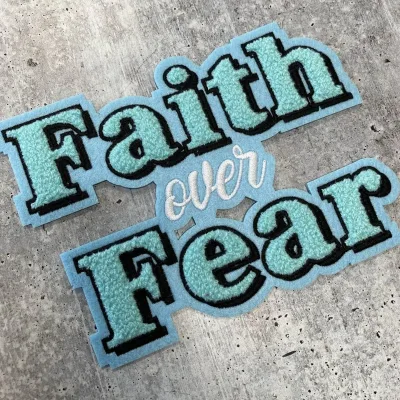
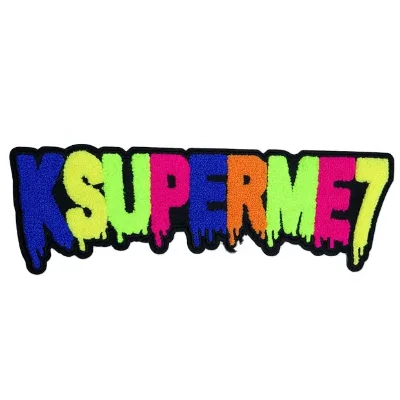
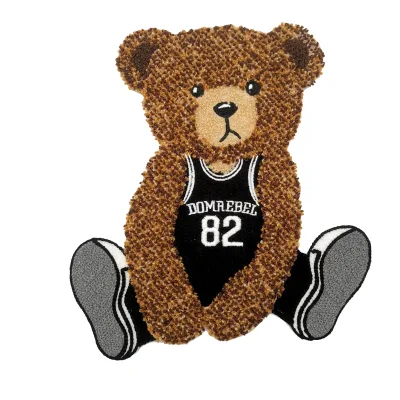


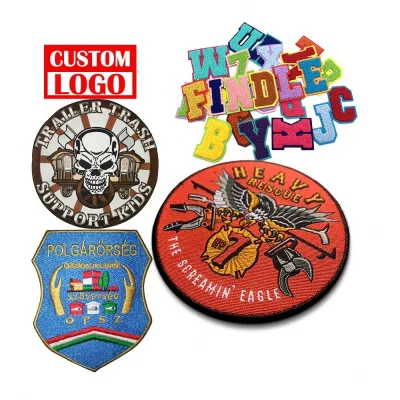
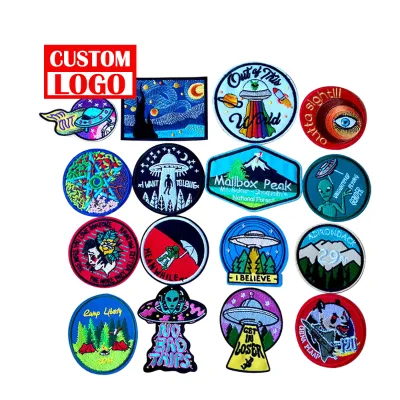
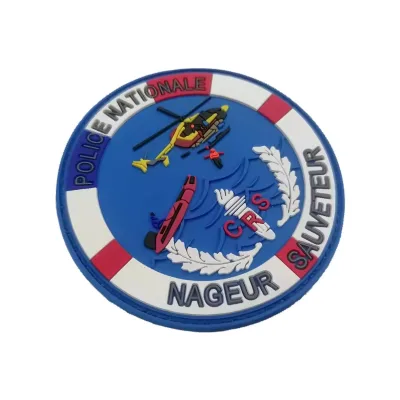
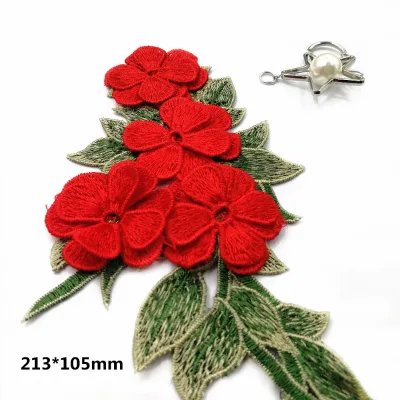
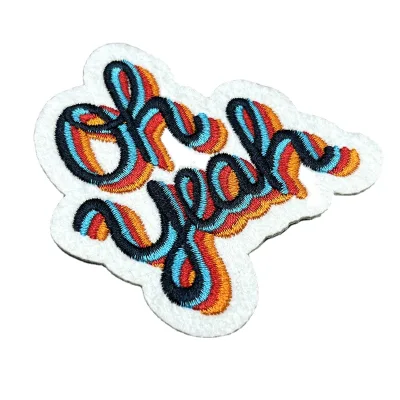
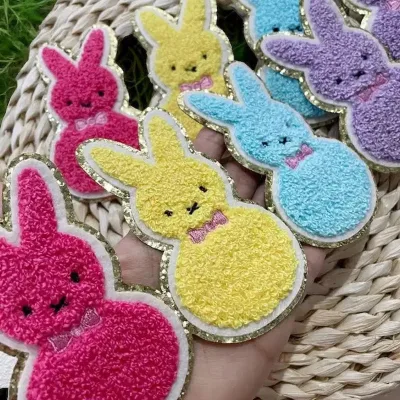

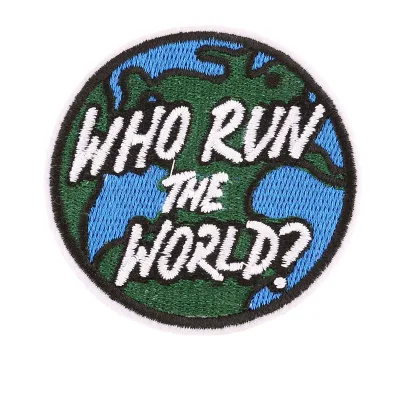
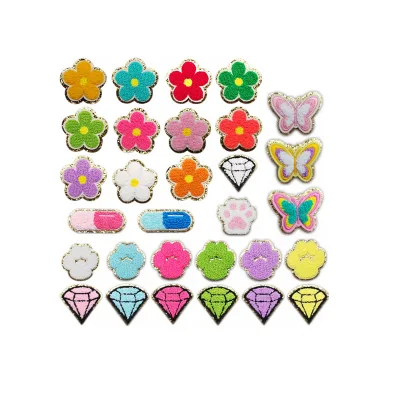


Custom Embroidery Fabric Woven Cloth Patch Iron on Badge Embroidered Patches
$0.07 - $0.11
MOQ: 100 Pieces


High-Quality Iron-on Cloth Patches with Custom Logo and Embroidery Options
$0.07 - $0.11
MOQ: 100 Pieces


Comprehensive Sourcing Guide
Custom Hook and Loop Iron On Chenille Patches Sourcing Guide
Procuring Custom Hook and Loop Iron On Chenille Patches requires a clear understanding of the hybrid attachment mechanisms available in the current market. Buyers must distinguish between patches that utilize a sew-on backing, an iron-on adhesive, or a hook and loop system, as these options dictate the final application method and durability. The observed product data indicates that customization is widely available, with materials ranging from polyester to twill, allowing for specific texture and aesthetic preferences. This flexibility is crucial for brands seeking to align their branding with the tactile qualities of their garments or accessories.
The sourcing landscape for these items is characterized by significant variability in minimum order quantities and production lead times. Suppliers typically offer MOQs ranging from 2 to 1000 pieces, with some specific listings citing 50 or 200 pieces as thresholds. This variance allows small businesses to test designs while larger enterprises can secure bulk pricing. Understanding these commercial terms early in the negotiation process helps in planning inventory levels and cash flow, ensuring that the procurement strategy aligns with both immediate branding needs and long-term supply chain stability.
Product Scope and Observed Listing Signals
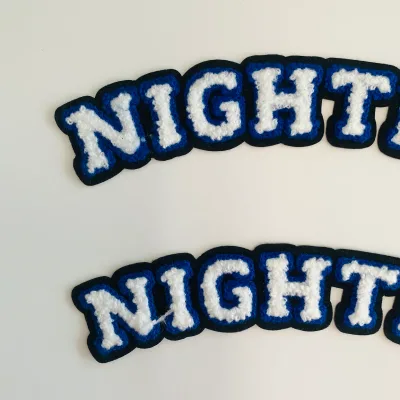
The current market for custom patches includes a diverse array of styles, with iron-on and sew-on options being the most prevalent. Observed listings highlight features such as 3D effects, solid colors, and nickel-free compositions, which are critical for specific garment applications. The use of chenille decoration adds a textured, premium feel to the patches, making them suitable for high-end apparel and accessories. Buyers should note that while many products offer customization, the specific backing type must be verified, as some listings may only support iron-on or sew-on methods rather than hook and loop.
Material composition is another key signal, with polyester and twill being the primary fabrics used in production. These materials offer durability and a smooth surface for embroidery or weaving, ensuring that the design remains vibrant after multiple washes. The observed product models, such as 008 and CP001Chenille Patches, suggest a standardized approach to sizing and packaging, with single package sizes varying from 8x6x0.5 cm to 32x10x10 cm. This variation in packaging dimensions can impact shipping costs and storage requirements, so buyers should request specific packaging details before finalizing orders.
Technical Specifications to Verify
When evaluating technical specifications, the backing type is the most critical factor to confirm. Buyers must ensure that the patch supports the intended attachment method, whether it is iron-on, sew-on, or hook and loop. The observed data indicates that some patches offer multiple backing options, but this is not universal. Additionally, the border type, such as merrow border, affects the edge finish and durability, so verifying this detail is essential for high-wear applications. The shape of the patch can be customized, including rectangles or specific artwork designs, which allows for unique branding opportunities.
Size and model number specifications also require careful attention, as they directly impact the visual proportion of the patch on the final product. Custom sizes are available, but buyers should provide precise dimensions to avoid fit issues. The observed model numbers, such as 008 and CP001, may correspond to specific production lines or design templates, so referencing these can streamline communication with suppliers. Furthermore, the use of fabric and embroidery materials should be confirmed to ensure that the patch meets the desired texture and quality standards for the target market.
Compliance and Safety Documentation
Safety and compliance are paramount when sourcing patches for apparel, particularly for children's clothing or items that come into direct contact with skin. Buyers should verify that the patches are nickel-free, as observed in some listings, to prevent allergic reactions. Additionally, the absence of plastic components in certain designs may be a requirement for specific eco-friendly or regulatory standards. It is essential to request documentation that confirms the materials used meet international safety standards, such as REACH or CPSIA, depending on the target market.
Environmental considerations are also increasingly important, with many buyers seeking eco-friendly options. The observed product features include eco-friendly attributes, but buyers should inquire about the specific certifications or processes that support this claim. This may include the use of recycled polyester or non-toxic dyes. Ensuring that the supplier can provide relevant compliance certificates helps mitigate risk and ensures that the final product meets regulatory requirements in the destination country, avoiding potential customs delays or product recalls.
Cost Drivers and Commercial Terms
The cost of custom chenille patches is influenced by several factors, including material choice, design complexity, and order volume. The observed price range of 0.06 to 5 USD per piece reflects this variability, with simpler designs and larger quantities typically resulting in lower unit costs. Buyers should consider the impact of customization on pricing, as unique shapes or intricate embroidery may incur additional charges. Understanding these cost drivers allows for more accurate budgeting and negotiation with suppliers.
Commercial terms, such as minimum order quantities and lead times, also play a significant role in the overall cost structure. The observed MOQs range from 2 to 1000 pieces, with sample lead times of 2-7 working days and bulk production times of 5-7 working days. These timelines can affect inventory planning and rush order costs. Buyers should also consider shipping methods, such as express or sea freight, as these choices impact delivery speed and total landed cost. Clear communication of these terms ensures that both parties have aligned expectations regarding delivery and payment schedules.
Supplier Qualification and Quality Control
Supplier qualification is a critical step in ensuring the reliability of custom patch orders. Buyers should verify the supplier's place of origin, with observations indicating production in Jiangsu and Guangdong, China, which are known hubs for textile manufacturing. Assessing the supplier's experience with similar products, such as chenille patches or embroidered labels, can provide insight into their capability to meet specific quality standards. Requesting references or case studies from previous clients can further validate the supplier's reputation and reliability.
Quality control measures should be established before production begins, including clear specifications for materials, colors, and dimensions. Buyers should request pre-production samples to verify that the patch meets all design and quality requirements. Additionally, implementing a quality inspection process during or after production can help identify and rectify any defects. The observed single gross weight of 0.01 kg and specific packaging details should be confirmed to ensure consistency across orders. Establishing these quality control protocols helps maintain brand integrity and customer satisfaction.
Long-Term Procurement Checks
Long-term procurement success depends on building a sustainable relationship with suppliers who can consistently meet quality and delivery expectations. Buyers should conduct regular performance reviews, assessing factors such as on-time delivery, product quality, and responsiveness to issues. The observed bulk time of 5-7 working days and sample lead times of 2-5 working days should be monitored to ensure they remain consistent over time. Any deviations from these timelines should be investigated to prevent disruptions in the supply chain.
Continuous improvement and innovation are also key to staying competitive in the market. Buyers should encourage suppliers to explore new materials, designs, and production techniques that can enhance the value of the patches. The observed customization options, such as free artwork design services and custom sizes, indicate a willingness to adapt to changing market needs. By fostering a collaborative relationship with suppliers, buyers can leverage these capabilities to create unique products that differentiate their brand in a crowded marketplace.
FAQs
How can I customize the size and shape of these patches?
You can request custom sizes and shapes for these patches as per your specific artwork requirements. The product supports customization for both size and shape, allowing you to tailor the dimensions to fit your design needs precisely without standard constraints.
What backing options are available for these chenille patches?
These patches offer multiple backing options including iron-on, hook and loop, and sew-on styles. You can select the attachment method that best suits your garment or accessory, ensuring secure application whether you prefer adhesive backing or traditional stitching.
Can I order a small sample before placing a bulk order?
Yes, sample orders are supported with a lead time of 2 to 5 working days. This allows you to verify the quality and design before committing to larger quantities, ensuring the final product meets your expectations for the custom chenille patches.
What is the minimum order quantity for these custom patches?
The minimum order quantity varies, with observed values ranging from 50 to 200 pieces depending on the specific supplier. Some listings indicate an MOQ of 50 pieces, while others may require 200 pieces for custom production runs of these iron-on patches.
How long does it take to produce a bulk order?
Bulk production typically takes 5 to 7 working days once the design is approved. This lead time applies to standard custom orders, allowing for relatively quick turnaround times for your batch of chenille patches after the initial sample confirmation.
Are these patches made from eco-friendly materials?
Yes, the product features are listed as eco-friendly and handmade. The materials used include polyester and twill fabric, ensuring the patches are suitable for buyers seeking sustainable options while maintaining the durable 3D chenille appearance required for various applications.
Which shipping methods are available for these patches?
Shipping is available via express courier or by sea freight depending on your order volume and urgency. You can choose the method that best fits your timeline, with options to expedite delivery for urgent needs or save costs for larger shipments.