eco-friendly swivel hook wood hanger Suppliers and Manufacturers
Compare 21 verified suppliers offering eco-friendly swivel hook wood hangers with varying lead times, MOQs, and certifications like SA8000. Review product specs and response times to select the right factory for your needs; review the available evidence before requesting comparable quotations from suitable candidates.
Updated
Suppliers List

Dongguan City Dahao Display Products Co., Ltd.
- Manufacturer, Trading Company
- Guangdong, China
- Lead time35 days
- Avg. response≤ 3h
Main productswooden hanger,laminated hanger,plastic hanger,metal hanger,acrylic hanger
Main marketsWestern Europe(30.00%), North America(30.00%), Domestic Market(20.00%), Southern Europe(10.00%), Eastern Asia(5.00%), South Asia(5.00%)
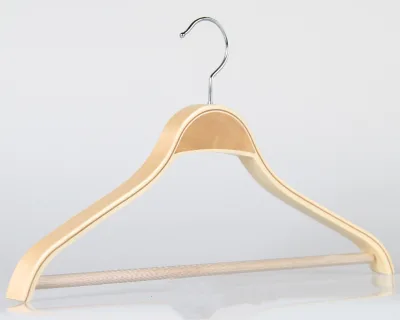
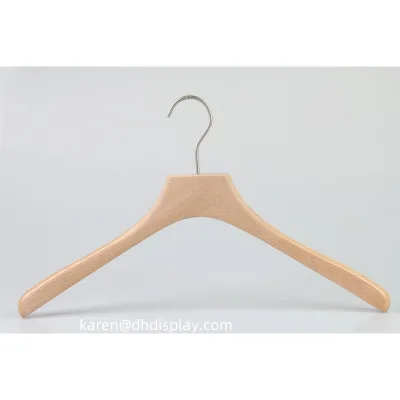
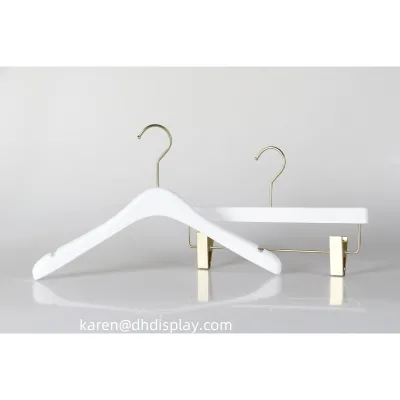
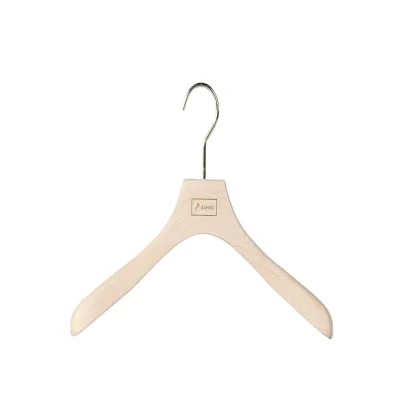
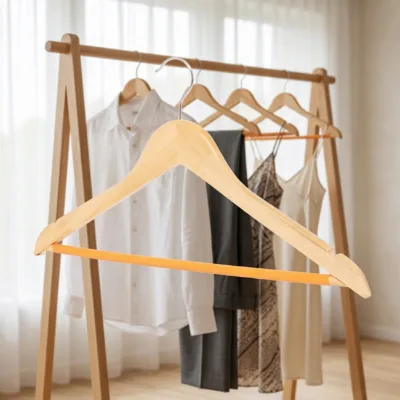
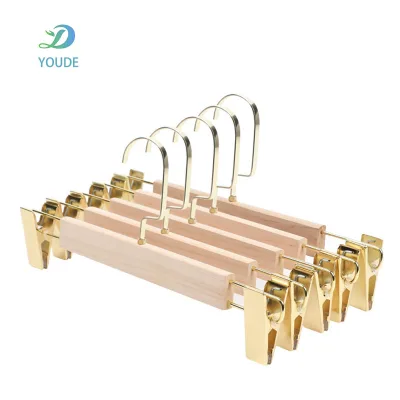
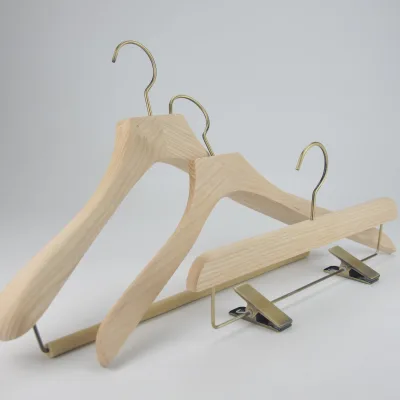
White Wood Factory Sale Hanger Clothes Hanger With Flat Gold Hook Wooden Hangers
$1.32 - $1.54
MOQ: 500
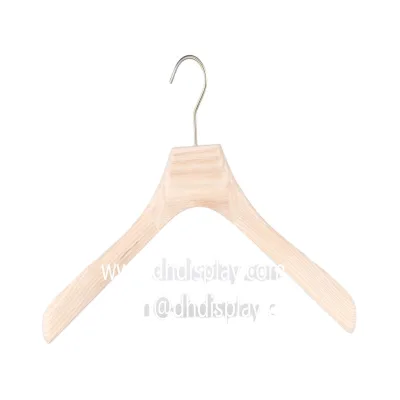
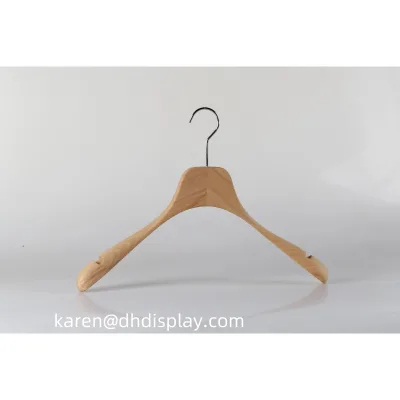
$2.23 - $2.42
MOQ: 500 pieces
- Trading Company
- Guangxi, China
- Lead time25 days
- Avg. response≤ 13h
Main productsWOODEN HANGERS,METAL HANGERS,VELVET HANGERS,WOODEN BROOM HANDLES,WOODEN STICKS
Main marketsWestern Europe(21.00%), Mid East(17.00%), Africa(15.00%), Central America(15.00%), Eastern Europe(7.00%), Southern Europe(7.00%), South America(7.00%), North America(5.00%), Domestic Market(4.00%)
Guilin Jason Bamboo & Wooden Product Co., Ltd.
- Verified by TüVRheinland
- Manufacturer, Trading Company
- Lead time30 days
- Avg. response≤ 4h
Main productsMetal Hangers, Pant & Skirt Hangers, Plastic Hangers, Velvet & Fabric Hangers, Wood Hangers
Main marketsNorth America(25%), Western Europe(15%), Africa(10%)
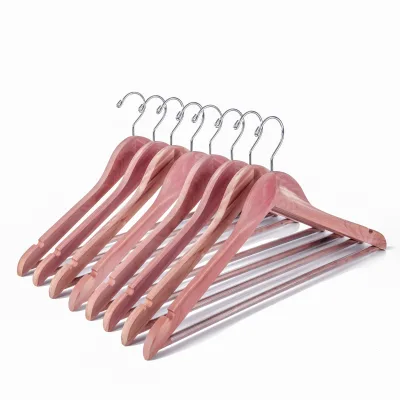
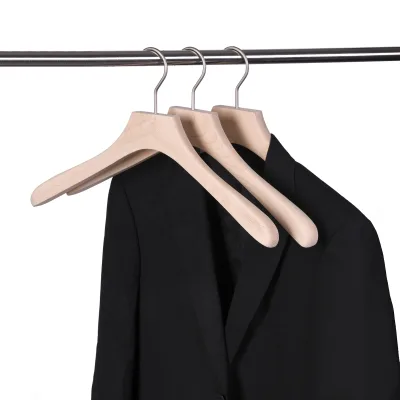
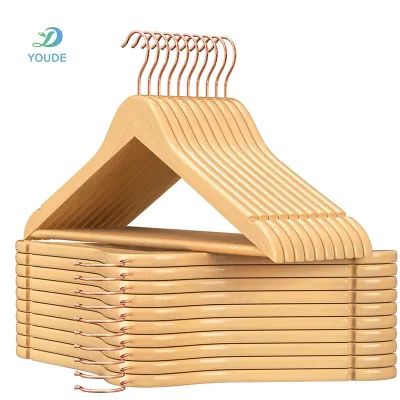
Premium Beech Wood Clothing Hanger Personalized Thick Hangers Unpainted for Clothes
$1.55 - $1.75
MOQ: 1000

Guangxi Guilin Winsun Hanger Co., Ltd.
- Verified by BV
- Combined
- China Guangxi
- Lead time30 days
- Avg. response≤ 19h
Main productsWooden Hanger, Velvet Hanger, Plastic Hanger, Metal Hanger
Main marketsSouth America,Africa,Southeast Asia/ Mideast,East Asia(Japan/ South Korea),Europe,Australia,North America


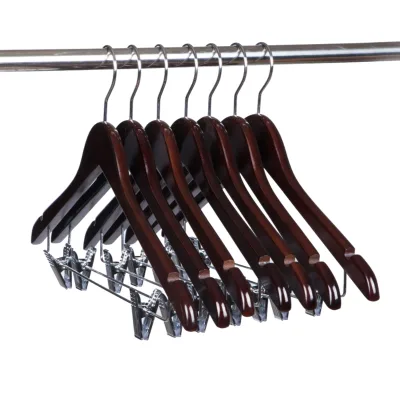
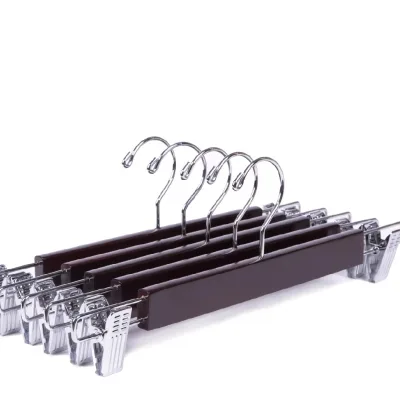
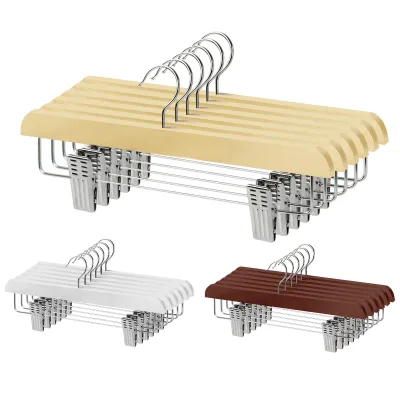
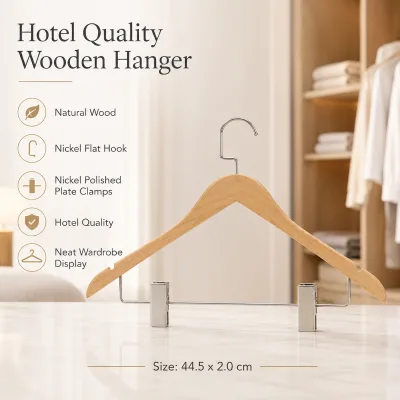
Wooden Pants Hangers Bottom Hanger with 2-Adjustable Clips Anti Rust Hook
$0.35 - $0.65
MOQ: 3000 Pieces

- Verified by TUVRHEINLAND
- Trading Company
- China Guangxi
- Lead time30 days
- Avg. response≤ 5h
Main productsHanger, Leather Hanger, Wooden Hanger, Wooden Cloth Hangers, Satin Hanger, Bamboo Hanger, Metal Hanger, Plastic Hanger, Wood Hanger, Clothes Rack
Main marketsSouth America,Europe

Guangzhou Youde Hotel Supplies Co., Ltd.
- Manufacturer, Trading Company
- Guangdong, China
- Lead time35 days
- Avg. response≤ 5h
Main productsWooden hanger,Luggage rack,Pu products,Trash Bin,Storage basket
Main marketsOceania(10.00%), Mid East(10.00%), Southeast Asia(10.00%), Eastern Asia(10.00%), South America(10.00%), North America(10.00%), Western Europe(6.00%), South Asia(5.00%), Southern Europe(5.00%), Northern Europe(5.00%), Domestic Market(5.00%), Africa(5.00%), Eastern Europe(5.00%), Central America(4.00%)

- Verified by TUVRHEINLAND
- Trading Company,Manufacturer/Factory
- China Jiangsu
- Lead time23 days
- Avg. response≤ 4h
Main productsMedal, Coin, Lapel Pin, PVC Patch, Embroidery Patch, Keychain, Button Badge, Silicone Wristband, Lanyards, Gift
Main marketsSouth America,Eastern Europe,Mid East,North America,Oceania,Western Europe

YIWU SHIYONG Trading Co., Ltd.
- Verified by TUVRHEINLAND
- Trading Company
- China Zhejiang
- Lead time15 days
- Avg. response≤ 6h
Main productsHanger, Couple
Main marketsSoutheast Asia/ Mideast,East Asia(Japan/ South Korea),Europe

Guangxi Guilin Glory Hanger Co., Ltd.
- Verified by BV
- Trading Company,Manufacturer/Factory
- China Guangxi
- Lead time30 days
- Avg. response≤ 9h
Main productsHanger, Wood Hangers, Metal Hangers, Clothes Hangers, Garment Hangers, Deluxe Hanger, Hotel Product, Kid Hanger, Wooden Hanger, Suit Hanger
Main marketsSouth America,Eastern Europe,Mid East,North America,Western Europe


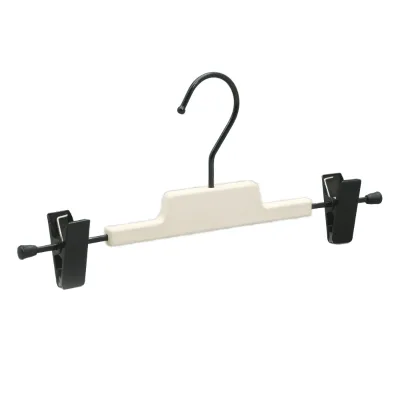
Gloryhanger Skirt Hanger with Clips, Top Hanger and Bottom Hanger Wholesale
$0.62 - $1.50
MOQ: 5000 Pieces


Ownway Display Equipment (Guangzhou) Co., Ltd.
- Verified by TUVRHEINLAND
- Trading Company
- China Guangdong
- Lead time23 days
- Avg. response≤ 9h
Main productsDisplay Showcase, Retail Display Cabinet, Store Fixtures, Shop Furniture, Jewelry Display Cabinet, Cosmetic Display Cabinet, Optical Store Furniture, Retail Store Design, Display Rack, Mannequin
Main marketsOthers(foreignTradeCapacity.exportBusinessCapacityMarketOther),Southeast Asia/ Mideast,Domestic,North America


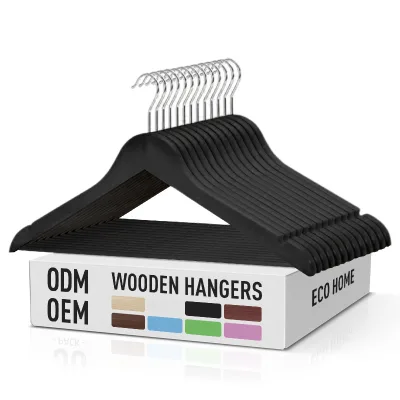
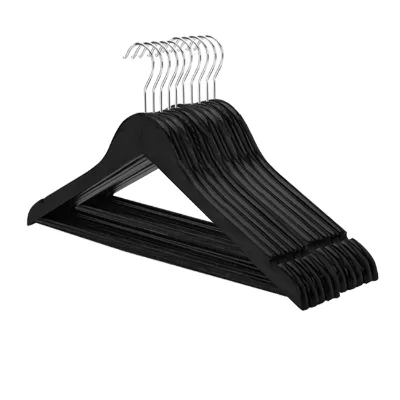
Black Wooden Hanger Gold Silver Hook Wooden Hanger Non Slip Velvet Hangers
$0.65 - $0.96
MOQ: 200 Pieces
- Manufacturer, Trading Company
- Guangxi, China
- Lead time35 days
- Avg. response≤ 3h
Main productswooden hangers,metal hangers,plywood hanger,acrylic hanger,satin hanger
Main marketsWestern Europe(25.00%), Domestic Market(18.00%), Central America(11.00%), North America(10.00%), Eastern Asia(10.00%), Eastern Europe(9.00%), Southeast Asia(4.00%), Oceania(3.00%), Mid East(3.00%), South America(3.00%), Northern Europe(2.00%), Southern Europe(2.00%)
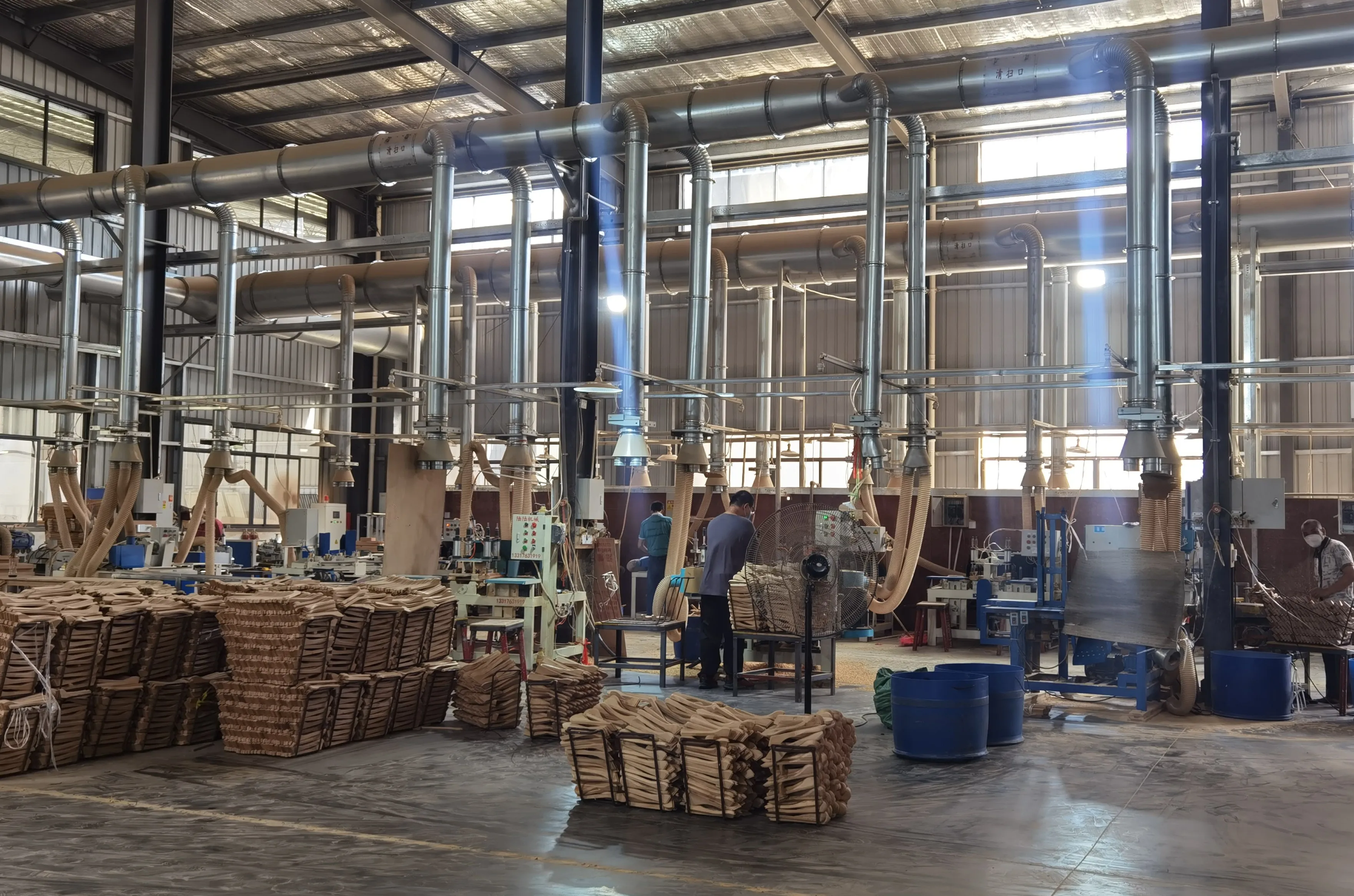
- Manufacturer, Trading Company
- Guangxi, China
- Lead time15 days
- Avg. response≤ 3h
Main productsWooden hanger,metal hanger,plastic hanger,velvet hangers,Storage organization
Main marketsNorth America(22.00%), Western Europe(18.00%), Southeast Asia(15.00%), South America(10.00%), Southern Europe(5.00%), Africa(5.00%), Eastern Asia(5.00%), Eastern Europe(4.00%), Northern Europe(3.00%), Mid East(3.00%), South Asia(3.00%), Oceania(3.00%), Central America(2.00%), Domestic Market(2.00%)
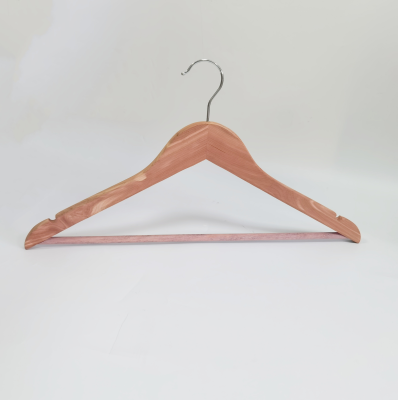
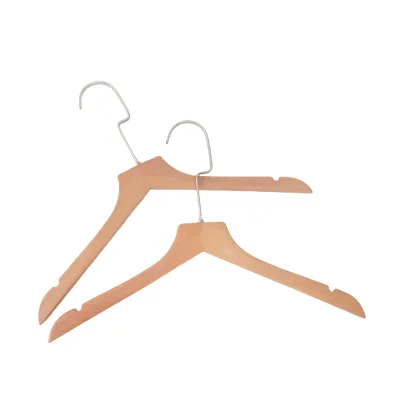
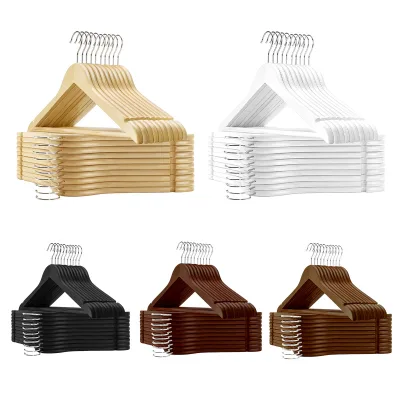
Solid Wood Hangers for Household Use
$0.69 - $0.72
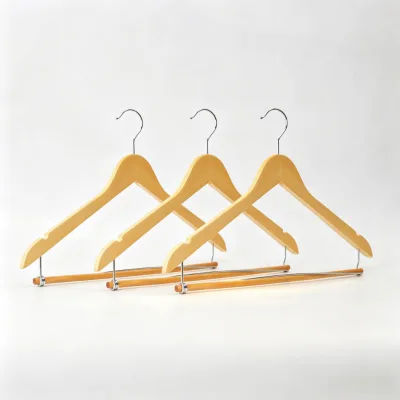
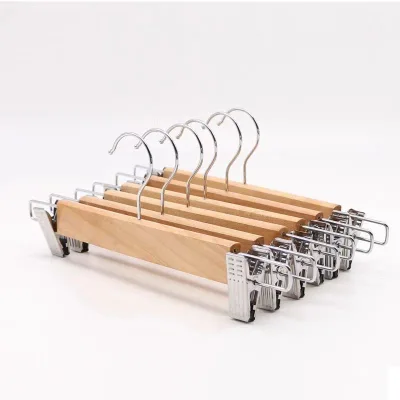

Guangxi Eco Household Technology Co., Ltd.
- Trading Company
- Guangxi, China
- Lead time35 days
- Avg. response≤ 9h
Main productswooden hangers,metal hangers,plastic hangers,hooks,Kitchenware
Main marketsSouth America(30.00%), Eastern Europe(20.00%), Western Europe(20.00%), North America(15.00%)
$0.5012 - $0.6642
MOQ: 50 pieces
- Trading Company
- Guangxi, China
- Lead time30 days
- Avg. response≤ 4h
Main productsWooden hanger,metal hanger,satin padded hanger,customized hanger
Main marketsNorth America(30.00%), Western Europe(17.00%), South America(12.00%), Southern Europe(12.00%), Mid East(8.00%), Northern Europe(6.00%), South Asia(5.00%), Africa(5.00%), Central America(5.00%)

- Trading Company
- China Guangxi
- Lead time15 days
- Avg. response≤ 14h
Main productsHanger, Wooden Hanger, Clothes Hanger, Coat Hanger, Velvet Hanger, Plastic Hanger, Wood Hanger, Hotel Hanger, Metal Hanger, Luxurious Hanger
Main marketsSoutheast Asia/ Mideast,Europe,North America

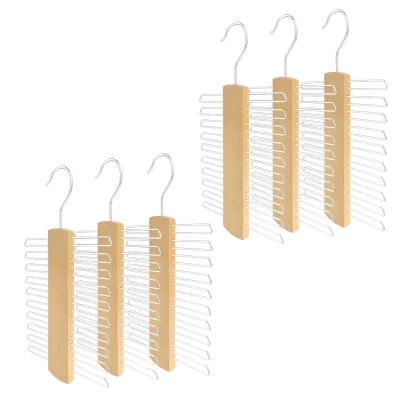
Wooden Tie/Belt/Scarf Hangers with Metal Hooks Made of Solid Wood in Natural/Dark Finish
$0.98 - $1.77
MOQ: 2000 Pieces


Suzhou Fairy Daily Products Co., Ltd.
- Manufacturer/Factory
- China Jiangsu
- Lead time23 days
- Avg. response≤ 13h
Main productsWooden Hangers, Metal Hangers, Plastic Hangers, Slatwall Hook, Velvet Hangers, Gridwall Hook, Garment Rack, Clothing Hanger, Warehouse Rack, Display Hooks
Main marketsSouth America,Eastern Europe,Mid East,North America,Southeast Asia,Eastern Asia,Oceania,Western Europe,Africa

Quanzhou Hexing Display Factory
- Verified by SGS
- Combined
- China Fujian
- Lead time15 days
- Avg. response≤ 2h
Main productsHanger, Plastic Hanger, Shoe Tree, Wooden Hanger
Main marketsSoutheast Asia/ Mideast,Europe,North America

- Manufacturer, Trading Company
- Guangxi, China
- Lead time45 days
- Avg. response≤ 1h
Main productsHanger,Wood hanger,Metal hanger,Plastic hanger,Storage
Main marketsWestern Europe(30.00%), North America(30.00%), South America(10.00%), Eastern Europe(6.00%), Oceania(6.00%), Southeast Asia(4.00%), Domestic Market(3.00%), Northern Europe(2.00%), Central America(2.00%), South Asia(2.00%), Southern Europe(2.00%), Mid East(1.00%), Africa(1.00%), Eastern Asia(1.00%)
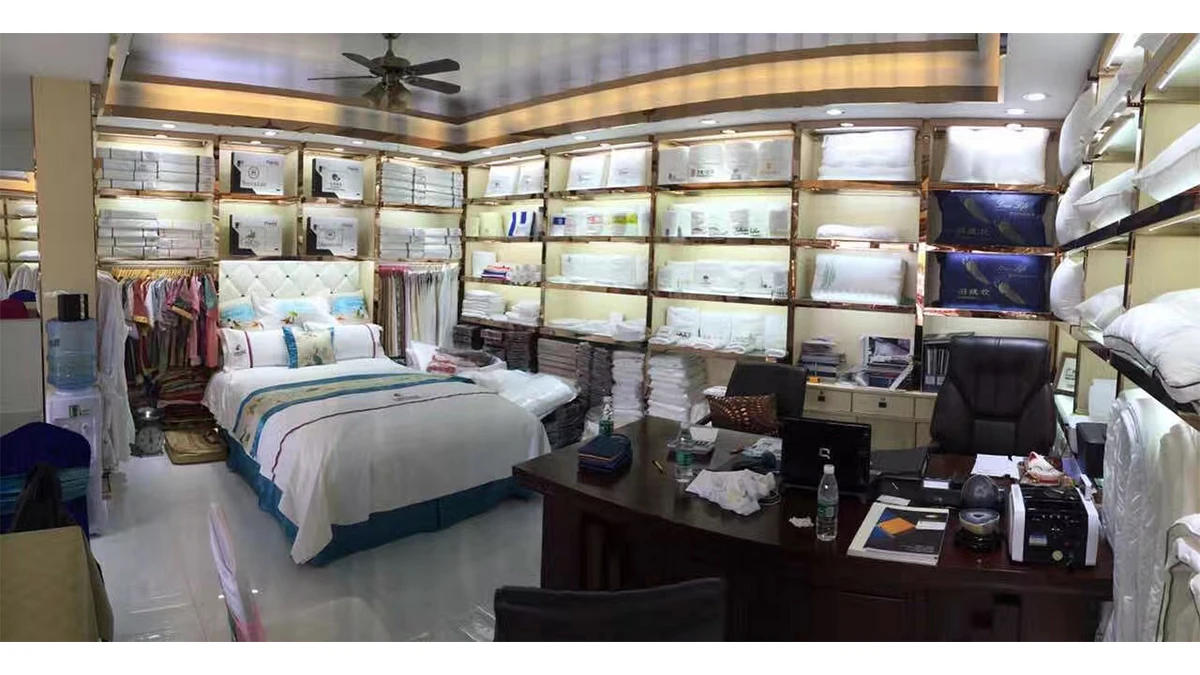
Guangzhou Juntu Hotel Supplies Co., Ltd.
- Manufacturer, Trading Company, Buying Office
- Guangdong, China
- Lead time15 days
- Avg. response≤ 10h
Main productshotel linen,hotel cosmetics products,leatherware,lobby supplies,guestroom products
Main marketsDomestic Market(41.70%), Southeast Asia(18.70%), Mid East(12.30%), Africa(8.20%), Eastern Asia(6.20%), Western Europe(5.40%), South Asia(5.20%), Eastern Europe(2.30%)

- Trading Company,Manufacturer/Factory
- China Guangdong
- Lead time23 days
- Avg. response≤ 11h
Main productsHotel Amenity, Hotel Supplies, Hair Dryer, Ironing Board, Safe Box, Ice Bucket, Magnifying Mirror, Luggage Rack, Waste Bin, Electric Kettle
Main marketsSouth America,Eastern Europe,Mid East,North America,Southeast Asia,Eastern Asia,Oceania,Western Europe,Africa
Quanzhou Hexing Display Factory
- Verified by TüVRheinland
- Manufacturer, Trading Company
- Lead time8 days
- Avg. response≤ 3h
Main productsMannequins, Clothes Hanger, Shoe Tree
Main marketsSouthern Europe(15%), North America(10%), Eastern Europe(10%)







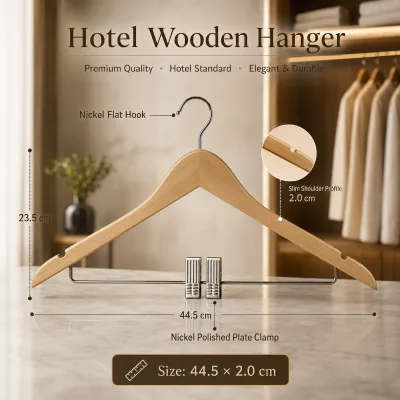
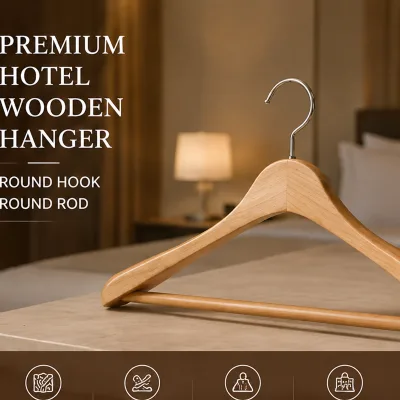


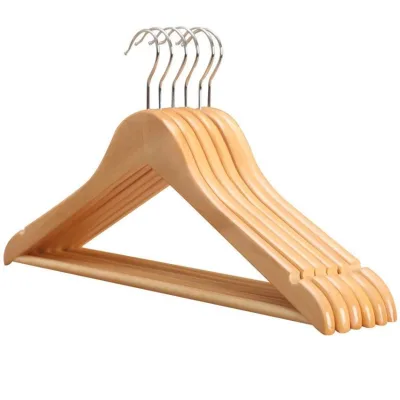
Comprehensive Sourcing Guide
Eco-Friendly Swivel Hook Wood Hanger Supplier Concentration and Factory Types
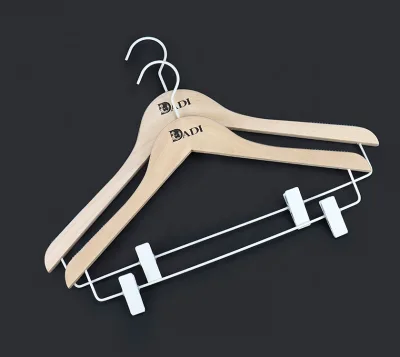
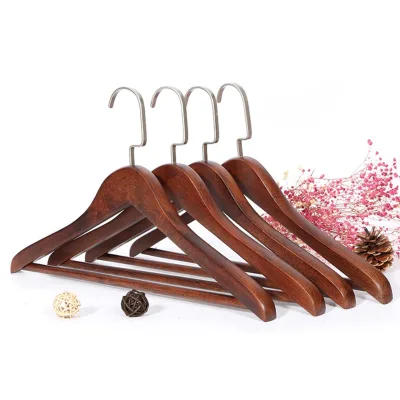
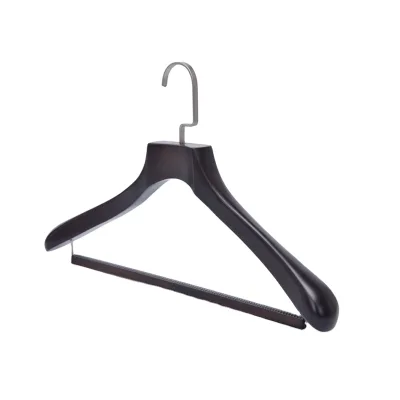
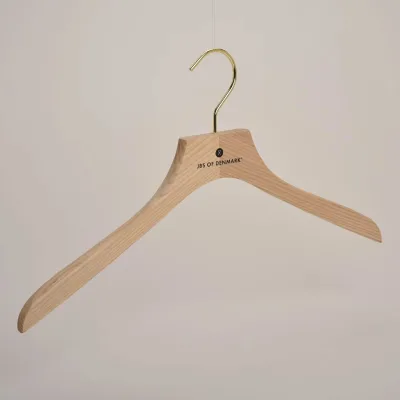
The sourcing landscape for eco-friendly swivel hook wood hangers reveals a distinct concentration of manufacturing activity within specific Chinese industrial hubs. Current supplier results indicate that Guangdong, China, serves as a primary cluster for these goods, hosting a mix of both manufacturers and trading companies. This region is particularly noted for producing a diverse array of hanger types, including wooden, laminated, plastic, metal, and acrylic options, suggesting a mature supply chain capable of handling complex material requirements. The presence of manufacturers in Guangdong implies direct access to production lines, which can be critical for buyers seeking custom specifications or bulk orders. These entities often possess the infrastructure to handle large-scale production runs while maintaining the quality control necessary for export-grade wooden products. The concentration of such facilities in this province highlights its role as a central node for garment accessory manufacturing, offering buyers a dense network of potential partners who understand the nuances of wood processing and hardware integration.
In contrast to the manufacturing-heavy profile of Guangdong, other regions like Guangxi, China, appear in the results with a different operational focus. Suppliers located in Guangxi are identified primarily as trading companies rather than direct manufacturers. This distinction is vital for buyers to understand, as trading companies often aggregate products from various smaller workshops or factories, potentially offering a broader catalog but less direct control over the production process. The main products listed for these Guangxi-based entities include wooden hangers, metal hangers, velvet hangers, and even wooden broom handles, indicating a versatility that may appeal to buyers looking for consolidated shipping from a single source. However, the trading company model introduces an additional layer between the buyer and the actual production facility. Buyers must recognize that while this can simplify communication and order management, it may also impact transparency regarding material sourcing and manufacturing practices. Understanding whether a supplier is a manufacturer or a trading company helps in assessing the potential for customization, cost structure, and direct accountability for product quality.
How to Verify Eco-Friendly Swivel Hook Wood Hanger Suppliers
Verifying the legitimacy and capabilities of suppliers requires a close examination of their stated certifications and operational transparency. One key indicator found in the current results is the presence of specific safety and social compliance certifications, such as SA8000. This certification is particularly relevant for buyers concerned with ethical manufacturing practices, as it validates that the supplier adheres to rigorous standards regarding labor conditions and social responsibility. When evaluating potential partners, buyers should actively request proof of such certifications rather than accepting them at face value. Additionally, the material composition of the hangers is a critical verification point. Products described as being made from plywood or beech wood should be accompanied by documentation confirming the source of the wood, ensuring it meets eco-friendly standards and does not involve deforestation. Buyers should inquire about the specific wood materials used, as terms like "customized" or "natural" can be vague without supporting evidence of sustainable forestry practices or relevant environmental certifications.
Beyond certifications, verifying a supplier’s responsiveness and production capacity is essential for ensuring a smooth sourcing process. The response time of suppliers can serve as an initial gauge of their operational efficiency and customer service quality. In the current data, response times vary, with some suppliers indicating a quick turnaround while others may take longer to reply. Buyers should test this responsiveness by sending detailed inquiries about product specifications, such as hook swivel mechanisms or surface treatments like stain finishing. Furthermore, checking the supplier’s ability to provide samples is a crucial step in verification. Many suppliers in the results support sample orders with a lead time of seven days, which allows buyers to physically inspect the product quality, durability, and finish before committing to a larger order. Buyers should also verify the supplier’s OEM and ODM capabilities, as these services indicate a higher level of manufacturing flexibility and technical expertise. Confirming these details through direct communication helps build a reliable foundation for the business relationship and reduces the risk of miscommunication or subpar product delivery.
What to Compare Across Eco-Friendly Swivel Hook Wood Hanger Suppliers
When comparing suppliers, buyers should focus on key operational metrics such as minimum order quantities (MOQ), lead times, and pricing structures to determine the best fit for their business needs. The current results show a consistent MOQ of 500 pieces across many listed products, which is a standard threshold for many manufacturers and trading companies in this category. Buyers with smaller volume requirements may need to seek out suppliers with lower MOQs or be prepared to pay a premium for smaller batches. Lead times are another critical factor, with variations observed in the data, such as a 35-day lead time for some manufacturers and a 25-day lead time for others. These differences can significantly impact inventory planning and market responsiveness, especially for seasonal fashion items. Buyers should compare these lead times against their own production schedules and delivery deadlines to ensure alignment. Additionally, the price range for these hangers varies, with some products listed around $0.70 per unit and others reaching up to $3.25, depending on materials, design complexity, and hardware quality.
Beyond basic metrics, buyers should also compare the specific product attributes and customization options offered by different suppliers. The results highlight various features such as surface treatments, hook types, and wood materials, which can influence the final product’s aesthetic and functional appeal. For instance, some hangers feature stain finishing or natural wood finishes, while others may offer customized colors or hardware options like chrome or gold hooks. Buyers should assess which of these attributes align with their brand identity and customer expectations. The availability of OEM services is another important differentiator, allowing buyers to have their branding or specific design requirements incorporated into the product. Comparing the single package sizes and gross weights can also help in calculating shipping costs and storage requirements more accurately. By systematically evaluating these dimensions, buyers can identify suppliers that not only meet their quantitative needs but also provide the qualitative value and flexibility required for a successful partnership.
Common Eco-Friendly Swivel Hook Wood Hanger Sourcing Risks
One significant risk in sourcing wooden hangers is the potential inconsistency in material quality and finish, which can affect both the product’s durability and its eco-friendly claims. Buyers must be cautious of vague descriptions such as "customized" wood materials or "natural" finishes without specific details on the wood type or treatment processes. For example, while some products specify beech wood or plywood, others may use lower-grade materials that are not clearly disclosed. This lack of transparency can lead to discrepancies between the sample received and the bulk order, resulting in customer dissatisfaction and potential returns. Additionally, the term "eco-friendly" is often used loosely in marketing materials without corresponding certifications or verifiable sourcing practices. Buyers should demand detailed information about the wood’s origin and the adhesives or finishes used, as these can contain harmful chemicals that contradict eco-friendly assertions. Failing to verify these aspects can expose buyers to reputational damage and regulatory compliance issues in their target markets.
Another common risk is the variability in supplier reliability and communication, which can disrupt supply chain operations. The difference in response times between suppliers, ranging from quick replies to longer delays, can indicate varying levels of operational efficiency and customer service commitment. Suppliers with slower response times may struggle to address urgent issues or provide timely updates on order status, leading to delays and frustration. Furthermore, the distinction between manufacturers and trading companies introduces risks related to direct accountability. Trading companies may not have direct control over production quality or lead times, relying instead on their network of factories. If a factory within their network fails to meet standards or deadlines, the trading company may not be able to resolve the issue quickly. Buyers should mitigate these risks by establishing clear communication protocols, requesting regular updates, and conducting thorough due diligence on the supplier’s background and capabilities. Understanding these potential pitfalls allows buyers to implement safeguards and choose partners who can deliver consistent, high-quality products.
Eco-Friendly Swivel Hook Wood Hanger Regional Sourcing and Logistics
The geographic location of suppliers plays a crucial role in determining logistics costs, lead times, and overall supply chain efficiency. Suppliers located in Guangdong, China, benefit from a well-developed infrastructure and proximity to major ports, which can facilitate faster and more cost-effective shipping for international buyers. This region’s concentration of manufacturers and trading companies creates a competitive environment that can drive down prices and improve service levels. Buyers sourcing from Guangdong can often leverage established logistics networks to streamline the transportation of goods, reducing transit times and minimizing the risk of delays. Additionally, the presence of a diverse range of suppliers in this area allows for easier comparison and selection based on specific needs, such as customization capabilities or production volume. The logistical advantages of Guangdong make it an attractive hub for buyers looking to establish a reliable and efficient supply chain for wooden hangers and related garment accessories.
In contrast, suppliers in Guangxi, China, may offer different logistical considerations, particularly for buyers who prefer to consolidate orders from trading companies. While Guangxi may not have the same level of manufacturing infrastructure as Guangdong, its trading companies can provide a convenient one-stop solution for buyers seeking a variety of products, including wooden hangers, metal hangers, and other accessories. This consolidation can simplify the ordering process and reduce the administrative burden of managing multiple suppliers. However, buyers should be aware that shipping from Guangxi may involve different transit routes and potential delays compared to Guangdong. Understanding the logistical implications of sourcing from different regions allows buyers to make informed decisions that balance cost, speed, and convenience. By evaluating the regional strengths and weaknesses of suppliers, buyers can optimize their supply chain strategy and ensure that their products reach the market efficiently and reliably.
Eco-Friendly Swivel Hook Wood Hanger Commercial Terms and Order Planning
Effective order planning requires a thorough understanding of the commercial terms offered by suppliers, including payment conditions, sample policies, and packaging specifications. The current results indicate that many suppliers support sample orders with a lead time of seven days, which is a valuable feature for buyers who need to verify product quality before committing to large purchases. Buyers should inquire about the cost of samples and whether these costs are deductible from the final order, as this can impact the overall budget. Additionally, the packaging details, such as the number of pieces per carton, are essential for calculating shipping volumes and storage requirements. For instance, some suppliers package 100 pieces per carton, which can help in planning logistics more accurately. Understanding these commercial terms allows buyers to forecast costs more precisely and avoid unexpected expenses during the procurement process.
Furthermore, buyers should consider the flexibility of commercial terms in relation to their business model and market demands. Suppliers that offer OEM services and customized branding options provide greater flexibility for buyers looking to differentiate their products in the market. However, these customizations may come with higher MOQs or longer lead times, which buyers need to factor into their planning. The price ranges observed in the results, from budget-friendly options to premium products, suggest that buyers can align their sourcing strategy with their target market’s price sensitivity. By carefully evaluating the commercial terms and aligning them with their business objectives, buyers can establish a sustainable and profitable sourcing relationship. This approach ensures that the procurement process supports the brand’s growth and meets the expectations of end consumers, while also maintaining healthy profit margins and operational efficiency.
FAQs
What is the minimum order quantity for eco-friendly swivel hook wood hangers?
The minimum order quantity is 500 pieces. This standard applies across the available wooden and laminated hanger options. Buyers should confirm this threshold with the supplier before placing bulk orders to ensure production readiness and pricing alignment.
Where are these wooden hangers manufactured?
Manufacturing takes place in Guangdong and Guangxi, China. These regions are known for producing various hanger types including wooden, plastic, and metal options. Buyers can verify specific factory locations and logistics details directly with the supplier during the inquiry process.
What certifications are available for these hangers?
Some laminated wood hanger models hold SA8000 certification. This indicates adherence to specific social accountability standards. Buyers requiring other certifications should request documentation from the supplier to verify compliance with their specific market or retail requirements.
How long does production take for these hangers?
Production lead times range from 25 to 35 days depending on the supplier. Sample orders may be supported within 7 days. Buyers should confirm the exact timeline with the supplier based on their specific order volume and customization needs.
What is the price range for these hangers?
Prices range from approximately $0.70 to $3.25 per piece. The cost varies based on material, such as plywood or beech wood, and hardware customization. Buyers should request a detailed quote to understand the final price for their specific order quantity.
Can I customize the brand and logo on these hangers?
OEM and ODM services are accepted for most models. Buyers can customize the brand name, logo, and surface finish. Suppliers typically support these customizations to meet specific retail branding requirements. Confirm details with the supplier to ensure feasibility.