oeko-tex screen printing ink Suppliers and Manufacturers
Find 17 verified suppliers offering oeko-tex screen printing ink with options for customization and specific drying types. Compare response times, lead times, and certifications like ISO and SGS before requesting quotes for your textile printing needs; review the available evidence before requesting comparable quotations from suitable candidates.
Updated
Suppliers List

Zhongshan Kaishimei Trading Co., Ltd.
- Verified by TUVRHEINLAND
- Trading Company
- China Guangdong
- Lead time15 days
- Avg. response≤ 8h
Main productsAdhesive, Printing Ink, UV Ink, Doll and Toy, Mobile Phones Decoration, Laminationg Glue, Paint, Arts & Crafts, Toys, Packaging
Main marketsSoutheast Asia/ Mideast

Nanxiong Marabin Ink Co., Ltd.
- Verified by CTI
- Combined
- China Guangdong
- Lead time15 days
- Avg. response≤ 6h
Main productsCar Paint, Auto Paint, Auto Refinish, Automotive Paint, Clear Coat, Thinner, Hardener
Main marketsSouth America,Africa,Europe
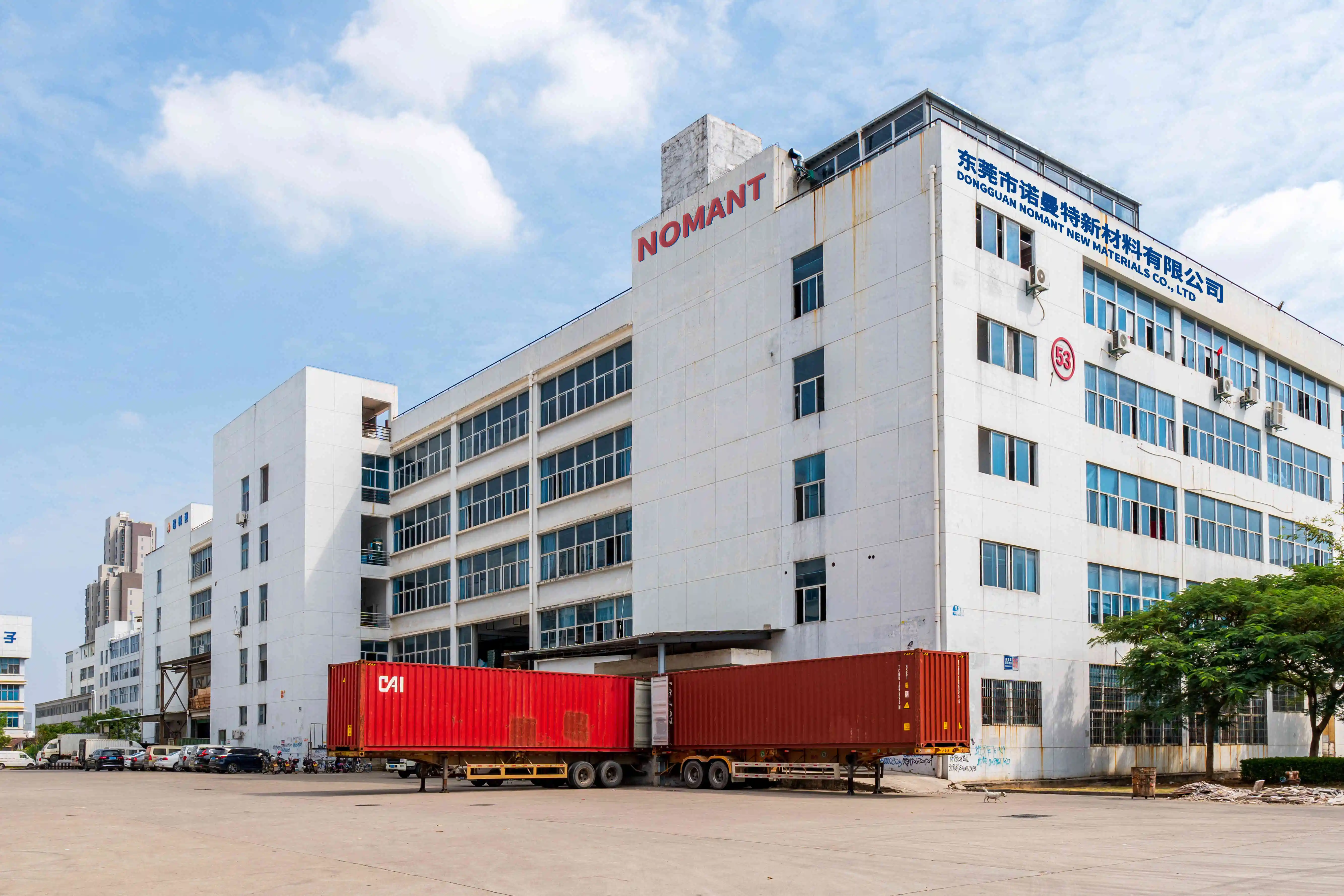
Dongguan Nomant New Materials Co., Ltd.
- Trading Company
- Guangdong, China
- Lead time5 days
- Avg. response≤ 1h
Main productstoner reactive foil,hot stamping foil,plastisol ink,lisence plate foil,digital foil
Main marketsDomestic Market(50.00%), North America(15.00%), South Asia(10.00%), Western Europe(10.00%), Eastern Asia(10.00%), Mid East(5.00%)

Dongguan Tianhui New Material Co., Ltd.
- Manufacturer
- China Guangdong
- Lead time15 days
- Avg. response≤ 9h
Main productsLiquid Silicone, Screen Printing Silicone, RTV Silicone, Silicone Rubber, Silicone Clothing Label, Silicone Clothing Logo, Mold Silicone, Embossed Printing Silicone, Screen Printing Ink, Textile Silk
Main marketsSoutheast Asia/ Mideast
Dongguan Batu Printing Material Co., Ltd.
- Trading Company
- Lead time旺季: "1 - 1000":3,"1001 - 3000":5,"3001 - 5000":7,"> 5000":"To be negotiated", 淡季: "1 - 1000":3,"1001 - 3000":5,"3001 - 5000":7,"> 5000":"To be negotiated"
- Avg. response≤ 5h
Main productswater base rubber print,metallic print,glitter print,silicone print,digital print
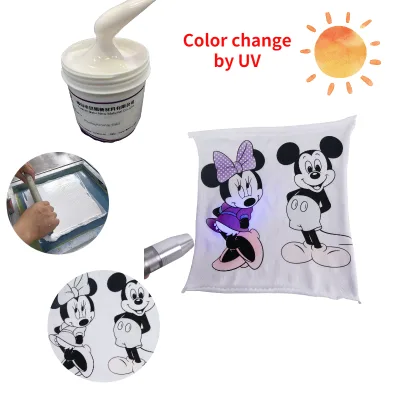
Water-based Uv Ink Screen Print Ink for T-shirt Screen Wholesale Fabric Ink
$41.0422 - $46.1714
MOQ: 100 Minimum
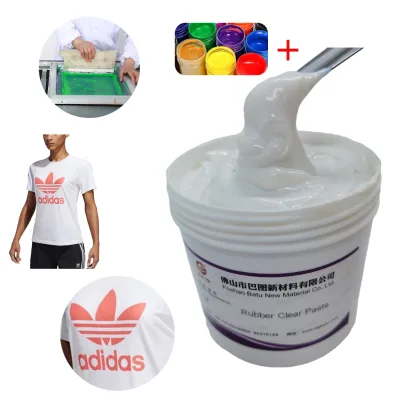
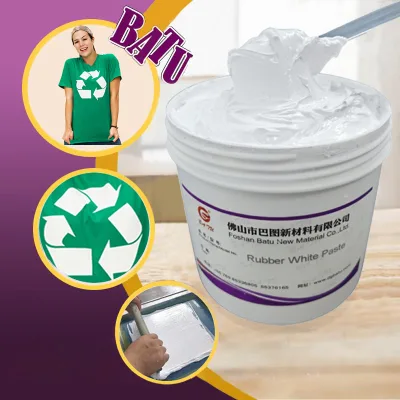
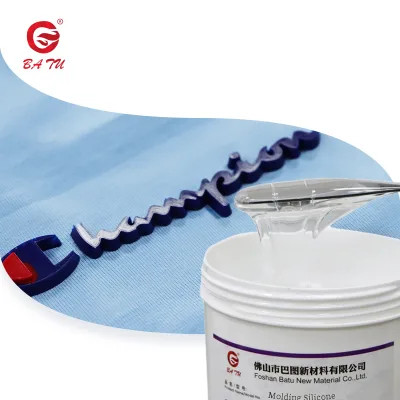
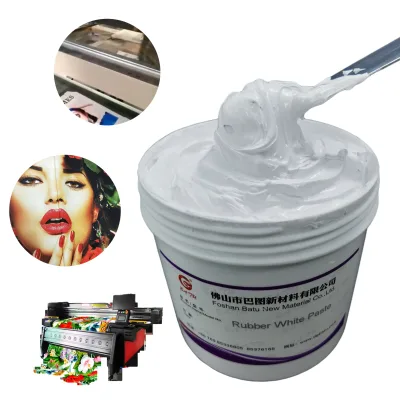
Dongguan Batu Printing Material Co., Ltd.
- Manufacturer, Trading Company
- Guangdong, China
- Lead time7 days
- Avg. response≤ 5h
Main productsRubber Paste/High Density Rubber Paste/Metallic Golden Paste/Metallic Silver Paste/Glitter Paste/PU Glossy Gel,Rubber Paste/ High Density Rubber Paste/ Metallic Golden Paste/ Metallic Silver Paste/ Glitter Paste/PU Glossy Gel
Main marketsSouth Asia(45.00%), Domestic Market(35.00%), Southeast Asia(10.00%), Africa(5.00%), Mid East(5.00%)

Guangzhou Inktime Digital Technology Co., Ltd.
- Verified by SGS
- Combined
- China Guangdong
- Lead time30 days
- Avg. response≤ 7h
Main productsDtf Printer, Sublimation Printer, Advertising Printer, Dtf Film, Dtf Ink, Sublimation Ink, Sublimation Paper, UV Printer
Main marketsSouth America,Africa,Southeast Asia/ Mideast,East Asia(Japan/ South Korea),Domestic,Europe,North America


Textile Printing Silicone Ink for Garment Embossed Printing/Textile Screen Printing Ink
$4.50 - $8.00
MOQ: 5 liters


Label Printing Ink/Heat Transfer Ink for Printing/Embossing Ink for Screen Printing
$4.50 - $8.00
MOQ: 5 liters


Guangdong Yincai Science & Technology Co., Ltd.
- Verified by SGS
- Manufacturer/Factory
- China Guangdong
- Lead time23 days
- Avg. response≤ 8h
Main productsUV LED Screen Printing Ink, Solvent Screen Printing Ink, Printing Services, Water Transfer Sticker, Screen Printing Machine, LED/UV Curing Machine, Hot Stamping Machine, Pre-Press Equipment, Printing Materials, Foil
Main marketsSouth America,Eastern Europe,Mid East,North America,Southeast Asia,Eastern Asia,Oceania,Western Europe,Africa

Zhumao New Materials (Dongguan) Co., Ltd.
- Verified by TUVRHEINLAND
- Combined
- China Guangdong
- Lead time15 days
- Avg. response≤ 8h
Main productsSilicone Oil, Dimethicone, 107 Silicone Rubber, Polydimethylsiloxane, Dimethyl Silicone Oil, 107 RTV Silicone Rubber, 107 Polymer, 107 Silicone, Damping Silicone Oil, High Temp Silicone Oil
Main marketsDomestic

Guangzhou Chengbian Chemical Technology Co., Ltd.
- Verified by SGS
- Trading Company
- China Guangdong
- Lead time15 days
- Avg. response≤ 1h
Main productsAdhesion, Promoter, Leveling Agent, Antistatic Agent, Security Ink
Main marketsDomestic
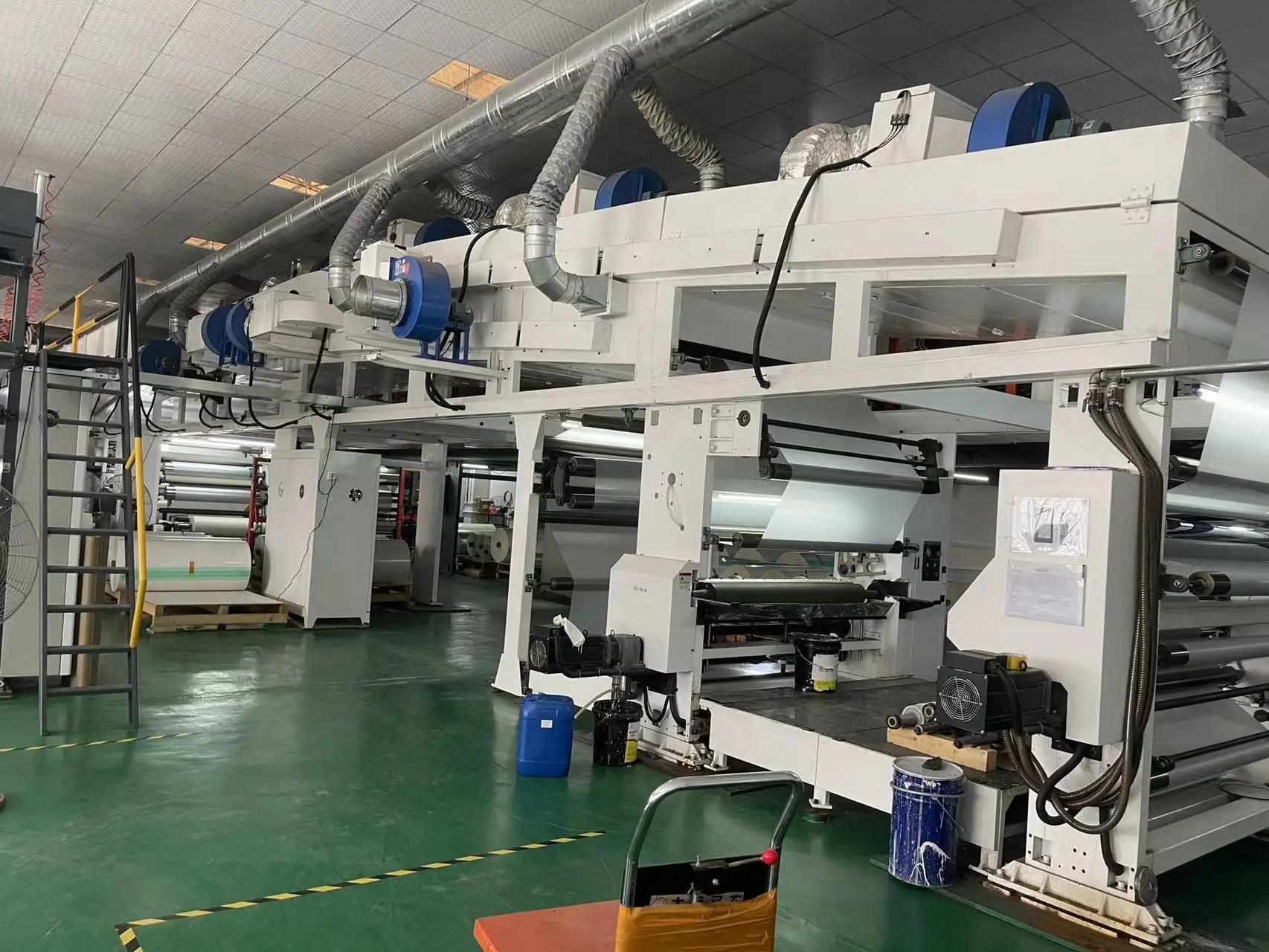
Dongguan Qi Rui Screen Printing Equipment Firm
- Trading Company
- Guangdong, China
- Lead time7 days
- Avg. response≤ 2h
Main productsHeat transfer release film,DTF printer,PU heat transfer vinyl,heat transfer ink,hot melt powder
Main marketsMid East(20.00%), Southeast Asia(10.00%), South Asia(10.00%), North America(10.00%), Domestic Market(5.00%), Eastern Europe(5.00%), Southern Europe(5.00%), Northern Europe(5.00%), Central America(5.00%), Western Europe(5.00%), Eastern Asia(5.00%), South America(5.00%), Oceania(5.00%), Africa(5.00%)
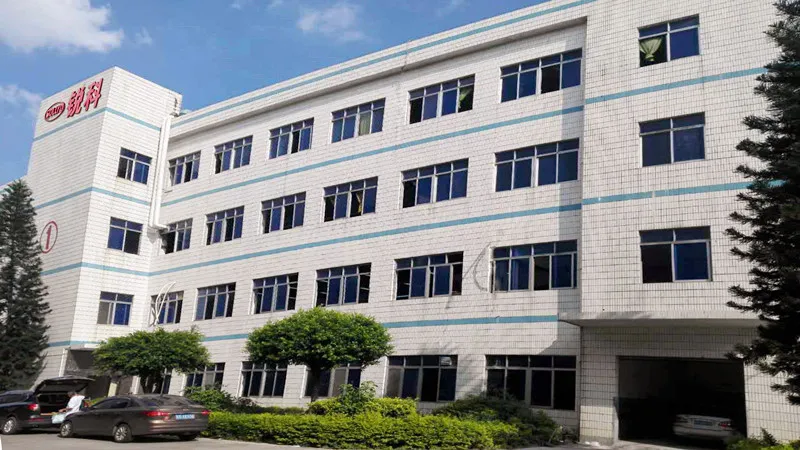
Dongguan Ruike Industrial Co., Ltd.
- Manufacturer, Trading Company
- Guangdong, China
- Lead time5 days
- Avg. response≤ 18h
Main productstextile printing inks,textile printing additves,silicone used in electronic industry,industry assistants,textile printing pigment
Main marketsDomestic Market(50.00%), Southeast Asia(30.00%), Mid East(6.00%), Africa(5.00%), Eastern Europe(3.00%), Western Europe(2.00%), Northern Europe(2.00%), Central America(2.00%)

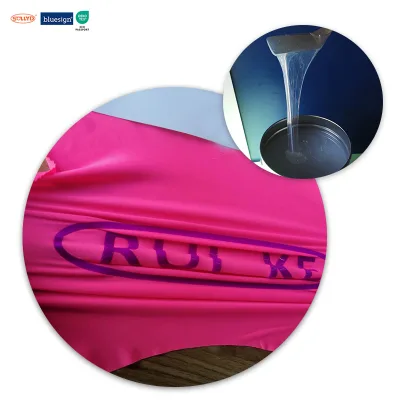
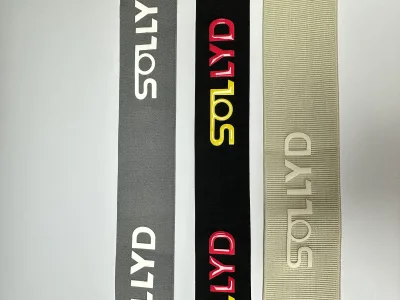
Matte Silicone Screen Printing Ink for Fabric Printing Heat Transfer Printing Silicone Inks
$7.1634 - $8.1866
MOQ: 1 Minimum
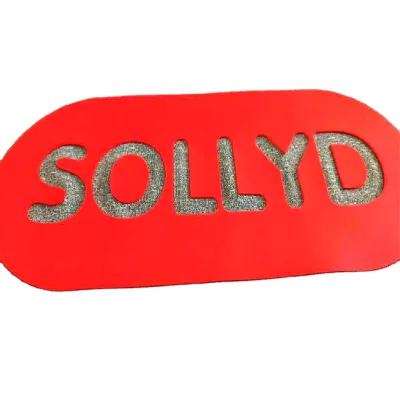
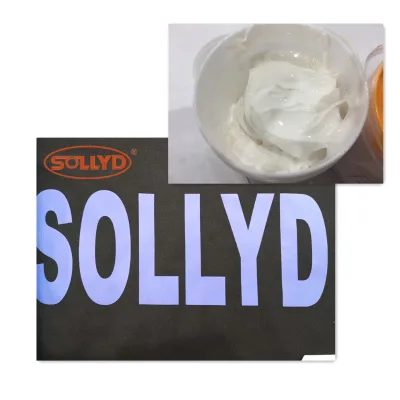

Dongguan City Kedo Silicone Material Co., Ltd.
- Combined
- China Guangdong
- Lead time15 days
- Avg. response≤ 19h
Main productsSilicone
Main marketsSouth America,Southeast Asia/ Mideast,Domestic,Europe


Screen Printing Conductive Silicone Ink for Printing Conductive Coatings with ISO Certification
$24.00 - $26.00
MOQ: 20 kg

Dongguan Cowint New Material Technology Co., Ltd.
- Verified by Intertek
- Manufacturer, Trading Company
- Lead time5 days
- Avg. response≤ 4h
Main productsDTF Film, DTF Ink, DTF Powder, Rubber Paste, Liquid Silicone
Main marketsSoutheast Asia(40%), North America(30%), Southeast Asia(5%)
Dongguan Wenfeng New Materials Technology Co., Ltd.
- Trading Company
- Guangdong, China
- Lead time5 days
- Avg. response≤ 4h
Main productsTextile Liquid Silicone,Printing Silicone,Liquid Coating Silicone,Anti-slip Silicone,Underwear Bonding Silicone
Main marketsSoutheast Asia(50.00%), North America(25.00%), South America(15.00%), Eastern Europe(10.00%)

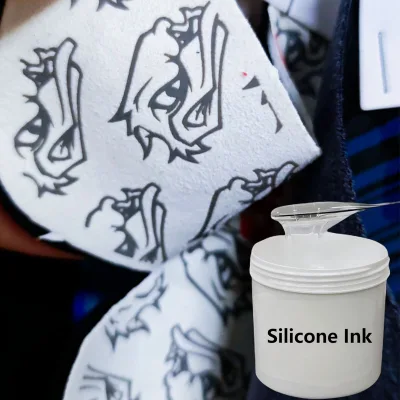
$7.98 - $8.98
MOQ: 20 kilograms

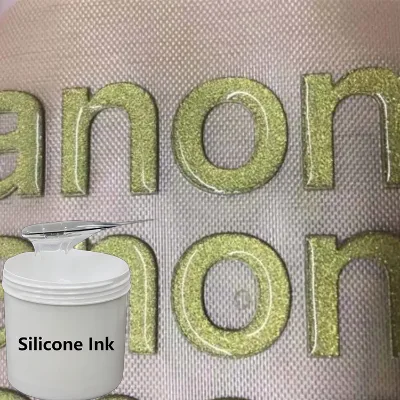
$8.2255 - $9.2546
MOQ: 1 kilograms
Dongguan Wincoda Coatings Co., Ltd.
- Verified by Intertek
- Manufacturer, Trading Company
- Lead time15 days
- Avg. response≤ 1h
Main productsPaints And Coatings, Clear Coat, Hardener, Printing Inks
Main marketsAfrica(30%), Western Europe(23%), North America(20%)

Wenzhou Quanfeng Garment Accessories Co., Ltd.
- Trading Company,Manufacturer/Factory
- China Zhejiang
- Lead time23 days
- Avg. response≤ 8h
Main productsLabel Printing Material, Polyester Satin, Seal Tag, Rubber Label, Plastic Seal Tag, Woven Label, Label Ribbon, TTR Ribbon, Woven Edge Satin Ribbon, Cotton Tape
Main marketsSouth America,Eastern Europe,Mid East,North America,Southeast Asia,Eastern Asia,Oceania,Western Europe,Africa









Comprehensive Sourcing Guide
Oeko-Tex Screen Printing Ink Supplier Concentration and Factory Types
The current supplier landscape for Oeko-Tex screen printing ink reveals a distinct concentration of manufacturing and trading entities within specific industrial regions. Evidence indicates that a significant portion of these suppliers are located in China, with Guangdong province emerging as a primary hub for production. This geographic clustering suggests a mature supply chain ecosystem where raw material availability, specialized labor, and logistics infrastructure converge to support high-volume output. Buyers evaluating potential partners should recognize that this regional density often correlates with competitive pricing and rapid prototyping capabilities, as factories in these areas are accustomed to serving global textile and packaging markets. The presence of multiple suppliers in Guangdong implies that buyers can access a wide variety of ink formulations, from water-based to plastisol options, all within a relatively small geographic footprint. This concentration facilitates easier quality control visits and more frequent communication, which are critical when sourcing specialized inks that require precise color matching and adherence to strict environmental standards like Oeko-Tex.
Beyond geographic location, the types of companies supplying these inks vary significantly, influencing the buyer’s sourcing strategy. Data shows that the supplier base includes both trading companies and combined manufacturing entities, each offering distinct advantages. Trading companies often provide a broader portfolio of related products, such as adhesives, printing inks, and packaging materials, which can simplify procurement for buyers seeking a one-stop solution for their printing operations. In contrast, combined suppliers may offer more direct control over the manufacturing process, including OEM and ODM capabilities, allowing for greater customization of ink properties. Some suppliers are verified by third-party inspection agencies like TÜV Rheinland or CTI, adding a layer of credibility to their operational claims. Understanding these structural differences is essential for buyers, as trading companies might offer faster access to diverse SKUs, while manufacturing-focused entities might provide better long-term stability and technical support for complex production needs.
How to Verify Oeko-Tex Screen Printing Ink Suppliers
Verifying the legitimacy and compliance of Oeko-Tex screen printing ink suppliers requires a multi-layered approach that goes beyond simple product descriptions. Buyers must prioritize suppliers who display robust verification badges from recognized third-party inspection agencies. For instance, some suppliers in the current results are verified by TÜV Rheinland or CTI, which indicates that their business licenses and operational capabilities have been independently audited. This verification is a crucial first step in establishing trust, as it confirms that the entity is a legitimate business entity rather than a shell company. However, verification alone does not guarantee product quality or environmental compliance. Buyers should cross-reference these badges with the supplier’s claimed certifications, specifically looking for Oeko-Tex Standard 100 or GOTS (Global Organic Textile Standard) certifications, which are explicitly mentioned in some product attributes. These certifications are non-negotiable for buyers targeting eco-conscious markets, and their absence or ambiguity should prompt immediate further inquiry.
In addition to corporate verification, buyers must scrutinize the specific product attributes and documentation provided for each ink SKU. The evidence shows that some suppliers list certifications such as ISO and SGS alongside their products, which, while not Oeko-Tex specific, indicate a commitment to quality management systems. Buyers should request direct copies of the Oeko-Tex certificates for the specific ink models they intend to purchase, ensuring that the certificate covers the exact formulation and batch numbers. It is also important to verify the shelf life and storage conditions mentioned in the product details, as improper storage can compromise the integrity of even the most certified inks. Furthermore, buyers should assess the supplier’s responsiveness, as indicated by response times, which can range from under one hour to several days. A supplier with a slow response time may struggle to provide timely technical support or resolve compliance issues that arise during production, making responsiveness a key indicator of their operational reliability and customer service quality.
What to Compare Across Oeko-Tex Screen Printing Ink Suppliers
When evaluating multiple suppliers for Oeko-Tex screen printing ink, buyers must systematically compare key operational metrics to determine the best fit for their specific production needs. One of the most critical factors is the minimum order quantity (MOQ), which can vary significantly across different suppliers. For example, some suppliers offer an MOQ as low as one unit, which is ideal for small-scale testing or custom color matching, while others require orders of 100 or 500 units, catering to larger production runs. Buyers should align their purchasing volume with the supplier’s MOQ to avoid excessive inventory costs or stockouts. Additionally, the price range for these inks can differ based on the formulation, packaging size, and certification level. While some products are listed with specific price points, others may require direct negotiation, making it essential for buyers to request detailed quotations that include all associated costs, such as shipping and handling. Comparing these financial terms alongside the MOQ helps buyers calculate the true cost per unit and optimize their budget allocation.
Another vital dimension for comparison is the lead time and response speed, which directly impact supply chain efficiency. Suppliers with shorter lead times, such as those offering five-day turnaround, are preferable for buyers with tight production schedules or urgent order requirements. Conversely, suppliers with longer lead times may offer more competitive pricing or greater customization options. Buyers should also evaluate the supplier’s response time, as faster responses often correlate with better communication and problem-solving capabilities. The evidence shows that response times can vary, with some suppliers responding within hours, while others may take longer. This metric is particularly important for technical inquiries regarding ink viscosity, drying methods, or compatibility with specific printing equipment. Furthermore, buyers should compare the available customization options, such as OEM packaging or specific color formulations, as these can add significant value for brands seeking unique product differentiation. By systematically comparing these operational and commercial factors, buyers can make informed decisions that balance cost, speed, and quality.
Common Oeko-Tex Screen Printing Ink Sourcing Risks
Sourcing Oeko-Tex screen printing ink involves several inherent risks that buyers must proactively manage to ensure product integrity and supply chain stability. One significant risk is the potential mismatch between claimed certifications and actual product compliance. While some suppliers list Oeko-Tex or GOTS certifications, buyers must verify that these certifications apply to the specific ink formulation being purchased, as certifications can sometimes be generic or outdated. There is also the risk of receiving products that do not meet the specified performance criteria, such as viscosity, drying time, or adhesion strength. For instance, some inks are described as having penetration drying or volatile drying properties, and using the wrong type for a specific fabric or printing method can lead to production defects. Buyers should request samples and conduct rigorous testing before committing to large orders, ensuring that the ink performs as expected in their actual production environment. This step is crucial for avoiding costly rework or product recalls due to ink failure.
Another common risk is the variability in supplier reliability and after-sales support. Suppliers with poor response times or unclear communication channels may struggle to address issues such as delayed shipments, damaged goods, or technical problems during production. The evidence shows that response times can vary widely, and a supplier’s inability to respond quickly to inquiries may indicate broader operational inefficiencies. Additionally, there is a risk associated with the shelf life of the ink, as some products have a specified shelf life of two years, but improper storage or handling can reduce this period. Buyers must ensure that the supplier provides adequate packaging and storage instructions to maintain product quality. Furthermore, buyers should be cautious of suppliers who offer extremely low prices, as this may indicate the use of inferior raw materials or lack of proper certification. By identifying and mitigating these risks through thorough due diligence and continuous monitoring, buyers can protect their brand reputation and ensure consistent product quality.
Oeko-Tex Screen Printing Ink Regional Sourcing and Logistics
The geographic location of suppliers plays a pivotal role in determining logistics costs, lead times, and overall supply chain efficiency for Oeko-Tex screen printing ink. As noted in the evidence, a significant concentration of suppliers is located in Guangdong, China, a region known for its robust manufacturing infrastructure and proximity to major shipping ports. This geographic advantage often translates to faster shipping times and lower freight costs for international buyers, particularly those in Asia, Europe, and North America. Buyers sourcing from this region should consider the implications of transit times, which can vary depending on the destination and shipping method selected. For instance, suppliers with shorter lead times, such as five days, can significantly reduce the overall time from order placement to receipt, allowing for more agile inventory management. However, buyers must also account for potential customs clearance delays and import regulations, which can impact the final delivery date.
In addition to transit times, buyers should evaluate the supplier’s packaging and handling practices to ensure that the ink arrives in optimal condition. The evidence indicates that some suppliers offer OEM packaging, which can be beneficial for branding purposes, but it is crucial to ensure that the packaging is robust enough to prevent leakage or damage during transit. Buyers should also consider the environmental impact of their sourcing decisions, as Guangdong-based suppliers may have varying levels of compliance with international environmental standards. While some suppliers are verified by third-party agencies, buyers should verify that the supplier’s logistics partners also adhere to sustainable practices. Furthermore, buyers should assess the supplier’s ability to handle large volumes, as some suppliers have the capacity for OEM and ODM production, which can be advantageous for scaling operations. By carefully considering these regional and logistical factors, buyers can optimize their supply chain for efficiency, cost-effectiveness, and sustainability.
Oeko-Tex Screen Printing Ink Commercial Terms and Order Planning
Effective order planning for Oeko-Tex screen printing ink requires a thorough understanding of the commercial terms offered by suppliers, including pricing structures, payment terms, and warranty policies. The evidence shows that prices for these inks can vary based on the formulation, packaging size, and certification level, with some products listed at specific price points while others require negotiation. Buyers should request detailed quotations that break down the costs, including any additional fees for customization, packaging, or shipping. It is also important to clarify the payment terms, such as whether the supplier requires a deposit or offers escrow services, which can provide an additional layer of security for the buyer. Some suppliers may offer flexible payment options for repeat customers, which can help improve cash flow and strengthen the business relationship. By understanding these commercial terms, buyers can better manage their budget and avoid unexpected costs.
Another critical aspect of order planning is the warranty and after-sales support provided by the supplier. The evidence indicates that some suppliers offer warranties of up to 12 months, which can provide peace of mind regarding product quality and performance. Buyers should ensure that the warranty covers any defects or issues that may arise during the specified period, and that the supplier has a clear process for handling claims. Additionally, buyers should consider the supplier’s capacity for customization, as some suppliers offer OEM packaging or specific color formulations, which can add value for brands seeking unique product differentiation. By aligning their order planning with the supplier’s commercial terms and support capabilities, buyers can ensure a smooth and successful procurement process. This includes planning for adequate inventory levels to account for lead times and potential delays, as well as establishing clear communication channels for ongoing support and issue resolution.
FAQs
Is Oeko-Tex certified screen printing ink available?
Yes, suppliers offer water-based inks with OEKO-TEX and GOTS certifications for textile applications. These products are designed for fabric printing and meet strict safety standards. Buyers should verify specific certification documents during the inquiry process to ensure compliance with their regional regulations and quality requirements.
What is the typical lead time for orders?
Lead times vary by supplier, with some offering as fast as five days for production. Other standard options include fifteen days for general printing ink orders. Buyers should confirm the exact delivery schedule with the supplier before placing an order to align with their production timelines.
What is the minimum order quantity for ink?
Minimum order quantities range from one kilogram to five hundred units depending on the product type. Some suppliers accept small trial orders of one kilogram, while others require larger bulk purchases. Buyers should check the specific MOQ listed for each product to determine the best fit for their needs.
Where are these suppliers located?
Most suppliers are located in Guangdong, China, a major hub for printing materials. This region offers efficient logistics and a wide variety of ink options. Buyers can filter results by this location to find suppliers with established manufacturing capabilities and reliable supply chains for their sourcing projects.
What is the price range for screen printing ink?
Prices typically range from three dollars to fourteen dollars per kilogram. Specific products like plastisol ink may cost between three and four dollars, while other variants can reach higher price points. Buyers should request detailed quotes to understand the final cost based on volume and customization requirements.
How quickly do suppliers respond to inquiries?
Response times vary, with some suppliers responding within one day and others taking up to seven days. Faster response times often indicate higher availability and readiness to assist. Buyers should prioritize suppliers with quicker response rates to ensure efficient communication throughout the sourcing and negotiation process.
What certifications are commonly provided?
Common certifications include ISO, SGS, and OEKO-TEX for textile inks. Some products also carry specific safety standards like ok 100. Buyers should verify these certifications directly with the supplier to ensure the inks meet their specific quality and regulatory requirements for their intended applications.