Recyclable Food Zipper Packaging Bag Suppliers and Manufacturers
Explore 32 verified suppliers offering Recyclable Food Zipper Packaging Bag options with customizable sizes, up to 10 color printing, and ISO or BRC certifications. Compare lead times ranging from 15 to 30 days and MOQs starting at 10,000 units to source the right fit for your needs.
Updated
Suppliers List

JIANGMEN MST PACKAGING GROUP LIMITED
- Verified by BV
- Trading Company
- China Guangdong
- Lead time30 days
- Avg. response≤ 2h
Main productsPackaging Bag, Box Pouch, Kraft Paper Bag, Paper Bag, Coffee Bag, Plastic Bag, Compostable Bags, Recyclable Bags, Biodegradable Bags, Spout Pouch
Main marketsEurope,Australia,North America

Guangdong Shunfa Colour Printing Co., Ltd.
- Verified by BV
- Combined
- China Guangdong
- Lead time15 days
- Avg. response≤ 10h
Main productsPackaging&Printing, Kraft Paper Tote Bag, Vertical Zipper Bag, Food Packaging Film Roll, Valve Zipper Bag, PE Bag
Main marketsSoutheast Asia/ Mideast,North America


Eco-Friendly Coffee Food Packaging 100% Recyclable Custom Printing PE Zipper Bag
$0.05 - $0.12
MOQ: 30000 Pieces

Qingdao Tongda Home Products Co.,Ltd
- Verified by BV
- Combined
- China Shandong
- Lead time15 days
- Avg. response≤ 8h
Main productsPlastic Packaging Bag, Flat Poly Bag, Food Storage Freezer Bag, Polyethylene Resealable Bag, Grocery Plastic Vest Bag, Reclosable Plastic Zipper Bag, Plastic Zip Sliding Bag, Self Sealing Ziplock Bag, Plastic Zip Lock Bag, Plastic Clothes Packaging Bag
Main marketsDomestic

Shenyang Zhonghe Plastic Packaging Products Co., Ltd.
- Verified by SGS
- Manufacturer
- China Liaoning
- Lead time15 days
- Avg. response≤ 2h
Main productsGarbage Bag, Food Packing Bag, Plastic Packing Bag, Biodegradable Plastic Bag, Non Woven Bag, OPP Bag, Vest Bag, PE Bag, Frozen Food Flat Bag, Stand up Pouch


Manufacturer Food Grade LDPE Zipper Bags Resealable Food Packaging Plastic Ziplock Bag
$0.01 - $0.50
MOQ: 10000 Pieces

Wenzhou Aifite Paper & Plastic Packaging Co., Ltd.
- Verified by CTI
- Manufacturer/Factory
- China Zhejiang
- Lead time23 days
- Avg. response≤ 6h
Main productsKraft Paper Bag, Plastic Food Bag, Aluminum Foil Bag, Vacuum Bag, Suction Nozzle Bag, Coiling Film, Pet Food Bag, Coffee Bag, Paper Bag, Die-Cut Aluminum Foil Lid Film
Main marketsSouth America,Eastern Europe,Mid East,North America,Southeast Asia,Eastern Asia,Oceania,Western Europe,Africa
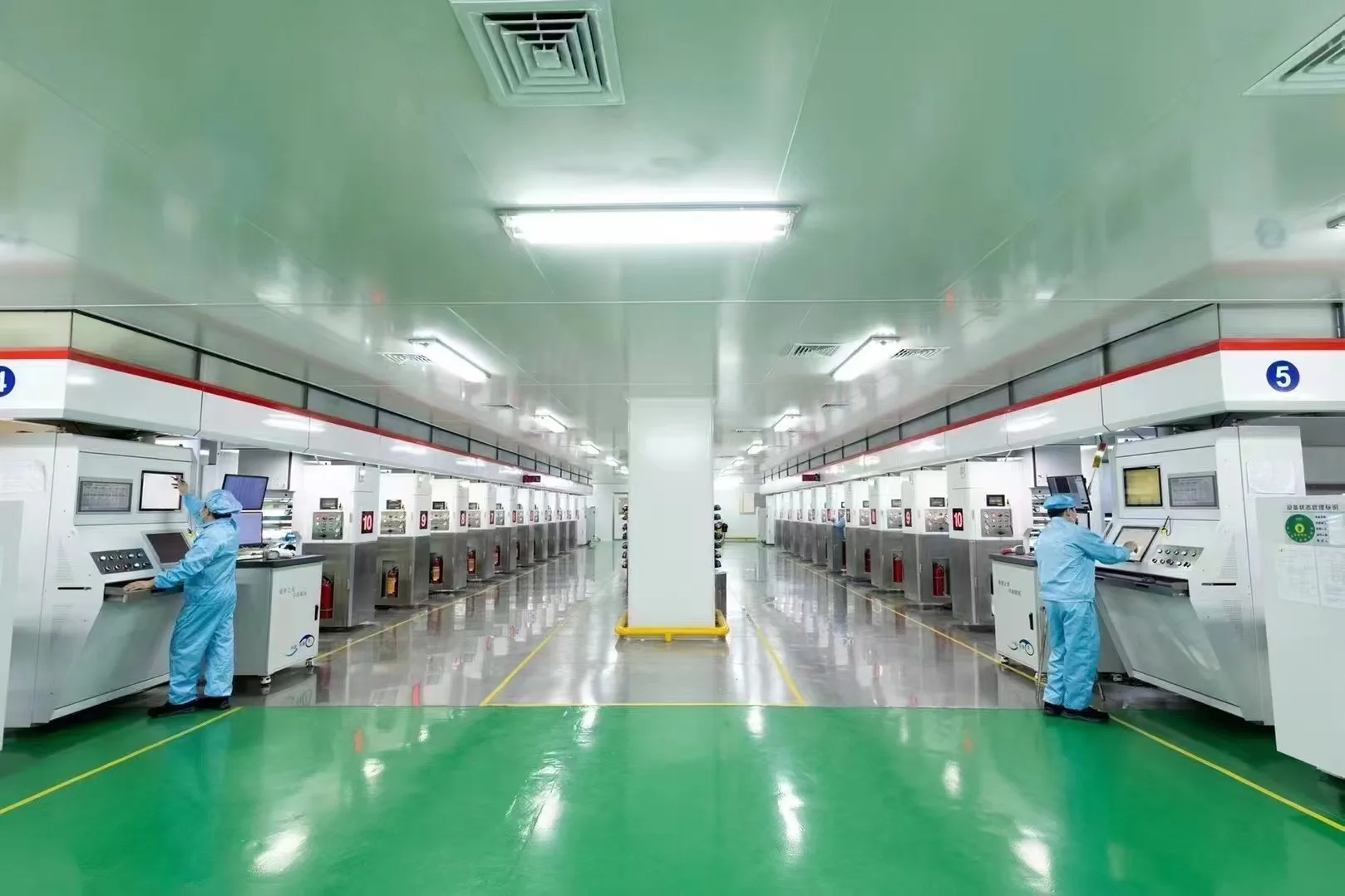
Foshan Shunde District Lijun Jiajia Business Operation Department (individual Business)
- Trading Company
- Guangdong, China
- Lead time7 days
- Avg. response≤ 4h
Main productsPlastic Bag,Food Bag,Ziplock Bag,Kraft Paper Bag,Mailing Bag
Main marketsAfrica(20.00%), Domestic Market(13.00%), North America(12.00%), South America(10.00%), Eastern Europe(10.00%), Southeast Asia(10.00%), Mid East(10.00%), Western Europe(10.00%), Southern Europe(5.00%)
Dongguang Runyang International Trade Co., Ltd.
- Verified by TUVRHEINLAND
- Trading Company
- China Hebei
- Lead time15 days
- Avg. response≤ 2h
Main productsFood Packaging Series, Agricultural Garden Supplies Packaging Series, Pet Products Packaging, Daily Chemical & Chemical Products Packaging Ser, Rice Flour Seasoning Packaging, Snack Food Packaging, Beverage Brewing Packaging Bag, Cooked Food Packaging Bag, Frozen & Fresh Packaging Bag, Packaging of Washing Products
Main marketsSouth America

Guangdong Danqing Printing Co., Ltd.
- Verified by BV
- Combined
- China Guangdong
- Lead time23 days
- Avg. response≤ 10h
Main productsFood Packaging, Plastic Bag, Zipper Pouch, Spout Pouch, Plastic Film, Quad-Seal Flat Bottom Pouch, Shrink Sleeves, Stand up Zipper Pouch, Roll Film, Food Pouch
Main marketsSouth America,Africa,Southeast Asia/ Mideast,Europe,Australia,North America

Customized Flexible Packaging Bags Stand up Zipper Bags Food Bag Packaging Bag
$0.018 - $0.025
MOQ: 50000 Pieces

$0.018 - $0.025
MOQ: 50000 Pieces


Stand up Zipper Bag Reclosable Plastic Packaging Bag for Snacks & Food
$0.02 - $0.08
MOQ: 50000 Pieces

LX Packaging (huizhou) Co., Ltd.
- Verified by TüVRheinland
- Manufacturer, Trading Company
- Lead time20 days
- Avg. response≤ 3h
Main productsRecyclable Pouch, Retort Pouch, Pet Food Packaging Bag, Flat Bottom Bag For Food
Main marketsDomestic Market(40%), South America(32%), North America(11%)

Qingdao Huarey Industry Co., Ltd.
- Verified by TUVRHEINLAND
- Combined
- China Shandong
- Lead time30 days
- Avg. response≤ 5h
Main productsGarbage Bag, T-Shirt Bag, Bag on Roll, Zip Lock Bag, Dog Waste Bag, Dog Poop Bag, Compostable Bag, Cling Film, Bowl Cover, PE Gloves - Aprons
Main marketsSouth America,Africa,Europe,Australia,North America
Leadpacks (Xiamen) Environmental Protection Packing Co., Ltd.
- Verified by SGS Group
- Manufacturer, Trading Company
- Lead time15 days
- Avg. response≤ 1h
Main productsBiodegradable Bags, Plastic Bags, Vacuum Bags, Zipper Bags, Shopping Bags
Main marketsNorth America(25%), Western Europe(20%), Oceania(15%)

Cangzhou Zhonghua Packaging Co., Ltd.
- Manufacturer, Trading Company
- Hebei, China
- Lead time15 days
- Avg. response≤ 2h
Main productsFood Vacuum Bag,Aluminum Foil Bag,Zipper Bag,Custom Printing Bag,Mylar Bag
Main marketsDomestic Market(60.00%), North America(10.00%), Oceania(5.00%), Southeast Asia(5.00%), Western Europe(5.00%), Southern Europe(5.00%), South Asia(5.00%), Eastern Europe(2.00%), Mid East(2.00%), Central America(1.00%)

Anhui Jumei Biological Technology Co., Ltd.
- Verified by SGS
- Combined
- China Anhui
- Lead time15 days
- Avg. response≤ 8h
Main productsCompostable Cling Film, PLA Straw, Cpla Lid, Compostable Bags, Compostable Raw Material, Paper Cutlery, PLA Gloves
Main marketsSouth America,Africa,Southeast Asia/ Mideast,East Asia(Japan/ South Korea),Europe,Australia,North America

Biodegradable Eco Friendly Zipper Bag Resealable Food Packaging Ziplock Bag
$0.02 - $0.06
MOQ: 100000 Pieces

Dongguan Chenghua Industrial Co., Ltd.
- Verified by TüVRheinland
- Manufacturer, Trading Company
- Lead time0 days
- Avg. response≤ 2h
Main productsZiplock Bag, Self Adhesive Bag, Food Bag, T Shirt Bag, Zipper Bag
Main marketsDomestic Market(40%), North America(15%), Africa(10%)
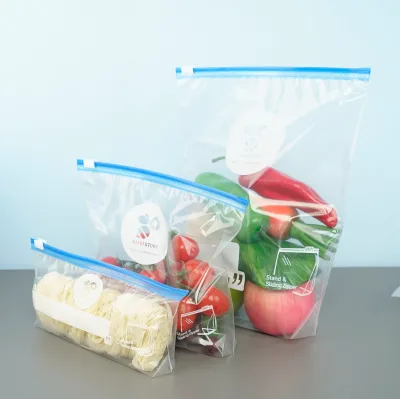
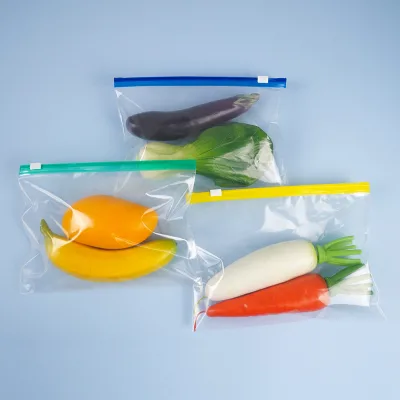
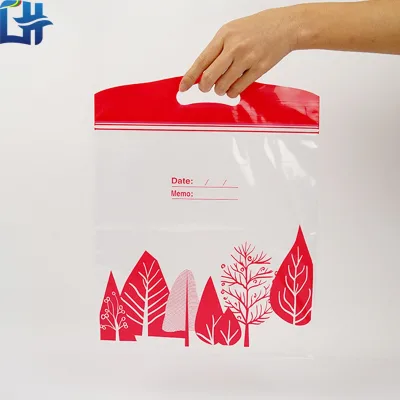
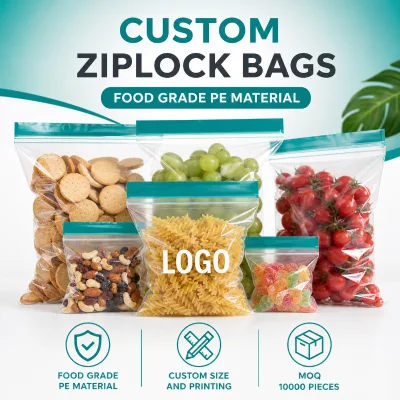
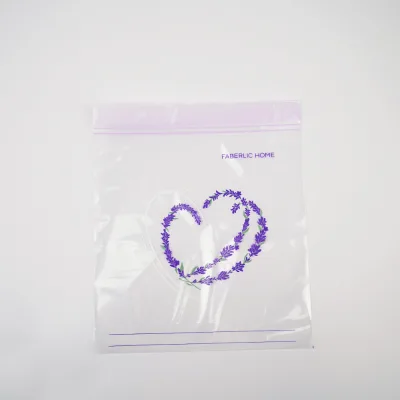
High Quality Storage Bag Clear Zipper Bags for Food Salad Cookies Packaging
$0.01 - $0.04
MOQ: 10000 pieces
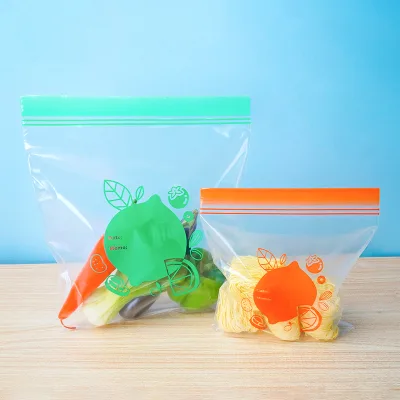
Qingdao Progress Industrial Co., Ltd.
- Verified by Intertek
- Manufacturer, Trading Company
- Lead time25 days
- Avg. response≤ 2h
Main productsCompostable Pet Dog Poop Bag, Compostable Garbage Bag, Compostable Shopping Bag, Disposable Apron, Produce Bag
Main marketsDomestic Market(25%), North America(18%), South America(15%)
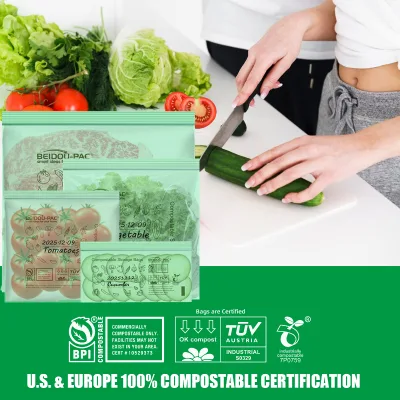
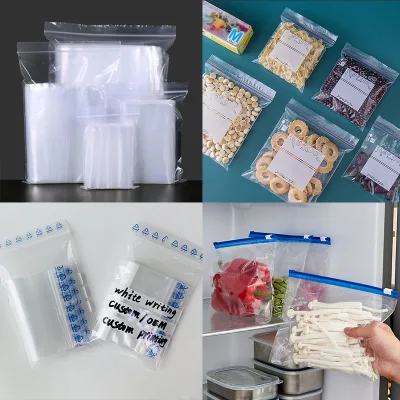
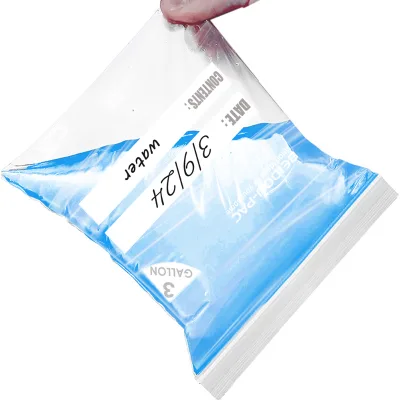
$0.0309 - $0.103
MOQ: 100000 bags
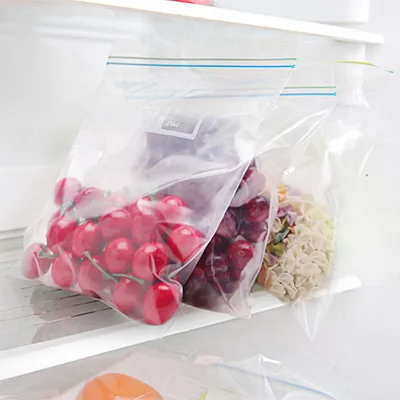

Guangdong Min Sun Environmental Protection Packaging Technology Co., Ltd.
- Verified by SGS
- Manufacturer
- China Guangdong
- Lead time15 days
- Avg. response≤ 2h
Main productsPlastic Packaging Products, Printed Plastic Products, Film Rolls, Laminated Plastic Packaging Products, Food Packaging Bag, Industry Packaging Bag, Medicine Use Packaging Bag, Shrink Label, Gravure Printing Products, Custom Packaging Service
Main marketsEurope,North America
Shanghai Cailyn Industrial Co., Ltd.
- Verified by TüVRheinland
- Manufacturer, Trading Company
- Shanghai, China
- Lead time12 days
- Avg. response≤ 3h
Main productsCoffee Packaging, Food Packaging, Gift Packaging, Supplement Packaging, Coffee Filter
Main marketsNorth America(40%), Mid East(20%), Western Europe(20%)
Qingdao Bioborn Packaging Co., Ltd.
- Trading Company
- Shandong, China
- Lead time0 days
- Avg. response≤ 8h
Main productsCompostable bag,plastic bag,recyclable pouch,recyclable bag,Wicket bag
Main marketsNorth America(65.00%), South America(12.00%), Eastern Europe(8.00%), Southeast Asia(6.00%), Western Europe(4.00%), Oceania(3.00%), Eastern Asia(2.00%)
- Manufacturer, Trading Company
- Shandong, China
- Lead time20 days
- Avg. response≤ 7h
Main productsPE APRONS,PE DISPOSABLE HAND GLOVES,Cover Sheet,PE Bags,T-Shirt Bags
Main marketsAfrica(50.00%), Western Europe(20.00%), Mid East(10.00%), Southern Europe(5.00%), Eastern Europe(5.00%), North America(5.00%), Oceania(5.00%)
Weifang Derano Plastic Products Co., Ltd.
- Manufacturer, Trading Company
- Shandong, China
- Lead time20 days
- Avg. response≤ 5h
Main productsZiplock Bag,Slider Bag,Freezer Bag,Stand Up Pouch,PE Flat Bag
Main marketsNorth America(36.00%), Western Europe(16.00%), Northern Europe(12.00%), Central America(11.00%), South America(9.00%), Eastern Europe(8.00%), Mid East(8.00%)

QINGDAO WANDA FORTIS CO., LTD.
- Verified by TUVRHEINLAND
- Trading Company
- China Shandong
- Lead time30 days
- Avg. response≤ 4h
Main productsGarbage Bag, T-Shirt Bag, Drawstring Bag, Ziplock Bag, Dog Poop Bag, Nappy Bag, Biodegradable Bag, Food Packing Bag, Die-Cut Bag, Loop Handle Bag
Main marketsOthers(foreignTradeCapacity.exportBusinessCapacityMarketOther)


Manufacturer Customized Food Packaging Bag Stand up PE Bag with Resealable Zipper Ziplock Bag
$1350.00 - $1600.00
MOQ: 1 Tons

Customized Food Packaging Bag Stand up PE Bag with Resealable Zipper Package Ziplock Bag
$1750.00 - $2200.00
MOQ: 1 Tons
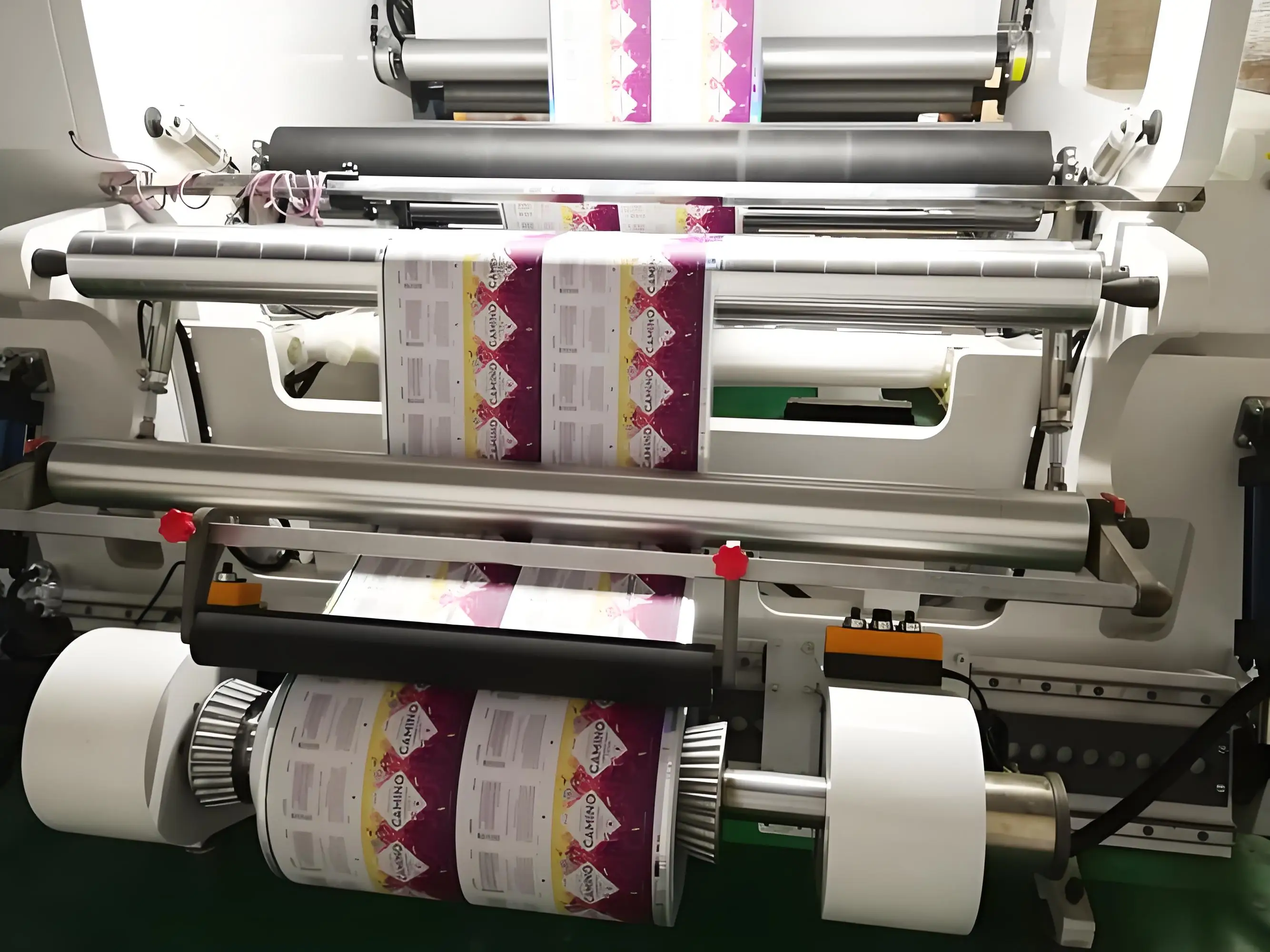
Wuhan Ipack Packaging Co., Ltd.
- Trading Company
- Hubei, China
- Lead time15 days
- Avg. response≤ 2h
Main productsFood Packaging Bags,3.5g Mylar Bags,Stand Up Bags,Coffee & Tea Bags,Rolling Films
Main marketsSouth America(30.00%), Mid East(20.00%), North America(20.00%), Northern Europe(10.00%), Eastern Asia(10.00%), Southeast Asia(10.00%)

Dongguan Chenghua Industrial Co., Ltd.
- Verified by BV
- Manufacturer/Factory
- China Guangdong
- Lead time23 days
- Avg. response≤ 4h
Main productsZiplock Bag, Biodegradable Bag, Aluminum Bag, Doypack, Zipper Bag, Food Bag, OPP Bags, Plastic Bags, Poly Bags, Specimen Bags
Main marketsSouth America,Eastern Europe,Mid East,North America,Southeast Asia,Eastern Asia,Oceania,Western Europe,Africa

Resealable Ziplock Plastic Bag Thickened PE Food Grade Storage Packaging Bag
$0.01 - $0.03
MOQ: 1000 Pieces


Custom Biodegradable Compostable Reclosable Zipper Ziplock Bag with Logo Printing for Snack
$0.08 - $0.50
MOQ: 1000 Pieces

Tasnee New Material (Weifang) Co., Ltd.
- Verified by CTI
- Combined
- China Shandong
- Lead time23 days
- Avg. response≤ 3h
Main productsPlastic Products, Compostable Bag, Garbage Bag, Shopping Bag, Ziplock Bag, Slider Bag, T-Shirt Bag, Glove Apron, Envelop Bag, Ice Bag
Main marketsSouth America,Africa,North America


Custom Print Resealable Plastic Food Seal Packaging Ziplock Zipper Packaging Bags with Logo
$0.01 - $0.02
MOQ: 100000 Pieces

- Manufacturer, Trading Company
- Guangdong, China
- Lead time15 days
- Avg. response≤ 2h
Main productsfood bag,ziplock bag,aluminum foil bag,PU leather bag,paper products
Main marketsEastern Asia(20.00%), North America(20.00%), South America(15.00%), Western Europe(15.00%), Northern Europe(10.00%), Mid East(5.00%), Oceania(5.00%), Central America(2.50%), Africa(2.00%), Domestic Market(1.50%), Southeast Asia(1.00%), South Asia(1.00%), Southern Europe(1.00%), Eastern Europe(1.00%)
Hebei Silu International Trade Co., Ltd.
- Trading Company
- Hebei, China
- Lead time10 days
- Avg. response≤ 3h
Main productsplastic packing bag
Main marketsEastern Europe(20.00%), South Asia(10.00%), Western Europe(10.00%), Eastern Asia(10.00%), Mid East(10.00%), Africa(10.00%), Southeast Asia(10.00%), North America(10.00%), South America(10.00%)

Guangzhou Zheda Trading Co., Ltd.
- Trading Company
- Guangdong, China
- Lead time5 days
- Avg. response≤ 4h
Main productsBOPP Adhesive Tape OEM,Masking Paper,Nano Tape,Aluminum Tape,Stretch Film
Main marketsAfrica(10.00%), Southeast Asia(10.00%), Eastern Europe(10.00%), Mid East(10.00%), South America(10.00%), North America(10.00%), Domestic Market(5.00%), South Asia(5.00%), Oceania(5.00%), Southern Europe(5.00%), Northern Europe(5.00%), Central America(5.00%), Western Europe(5.00%), Eastern Asia(5.00%)

Qingdao Zhongbang Packaging Co., Ltd.
- Verified by SGS
- Manufacturer/Factory
- China Shandong
- Lead time15 days
- Avg. response≤ 4h
Main productsPlastic Bag, Food Bag, Food Packaging Bag, Coffee Bag, Pet Food Bag, Stand up Pouch, Kraft Paper Bag, Zipper Bag, Spout Pouch, Plastic Packaging Bag
Main marketsSouth America,Eastern Europe,Mid East,North America,Southeast Asia,Eastern Asia,Oceania,Western Europe,Africa

Lianyungang Yuede Packaging New Materials Co., Ltd.
- Verified by TUVRHEINLAND
- Combined
- China Jiangsu
- Lead time30 days
- Avg. response≤ 4h
Main productsPackaging Materials
Main marketsNorth America
Tongcheng Huayang Packaging Co., Ltd.
- Manufacturer, Trading Company
- Anhui, China
- Lead time20 days
- Avg. response≤ 3h
Main productsFood Packaging Bag, Zipper Bag, Poly Bag, Stand Up Pouch
Main marketsDomestic Market(100.00%)
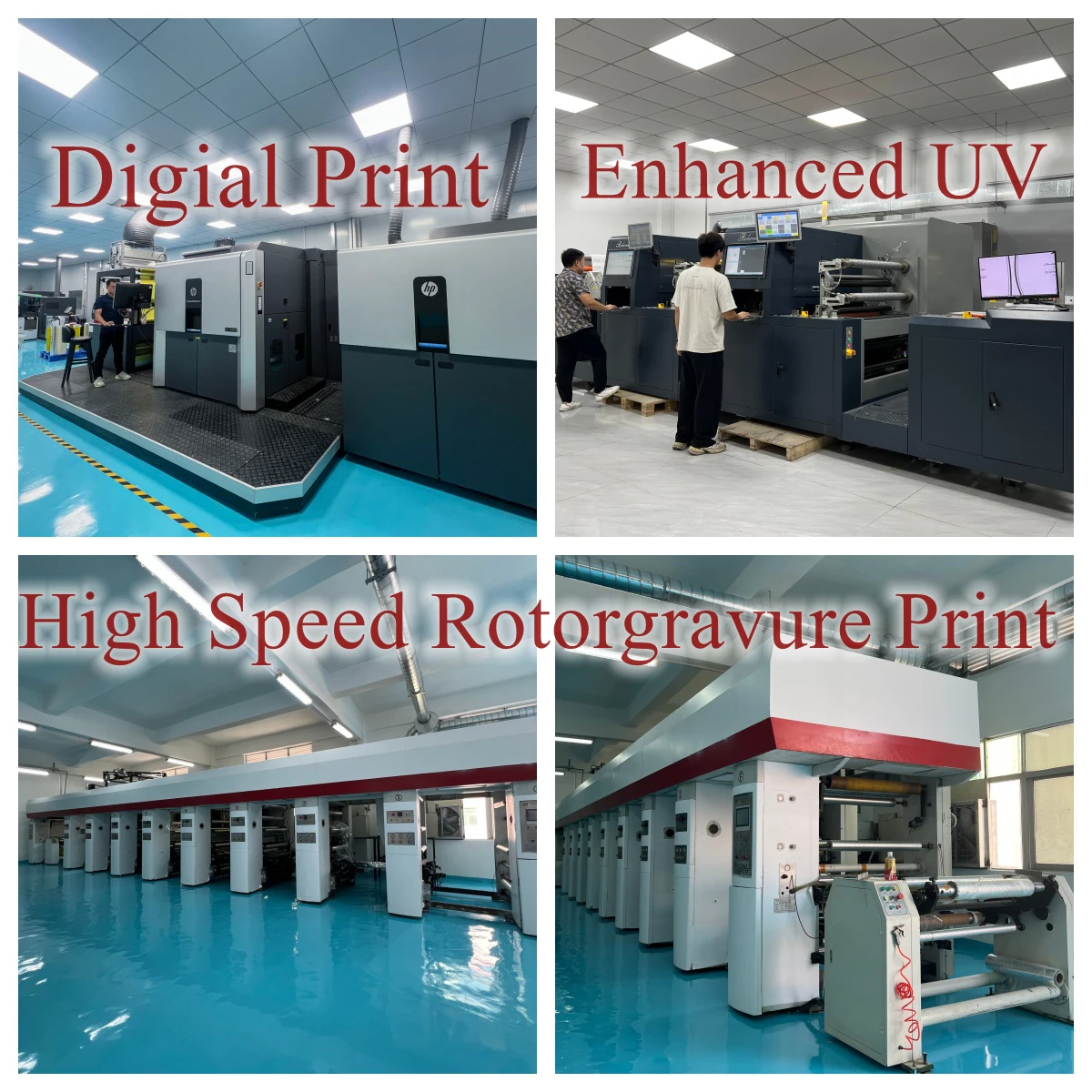
Shenzhen J-Shine Packaging Co., Ltd.
- Manufacturer, Trading Company
- Guangdong, China
- Lead time12 days
- Avg. response≤ 2h
Main productsfood bag,kraft paper bag,aluminum foil bag,zipper bag,coffee bag
Main marketsWestern Europe(76.00%), North America(20.00%), Southern Europe(1.00%), South America(1.00%), Africa(1.00%), Eastern Europe(1.00%)
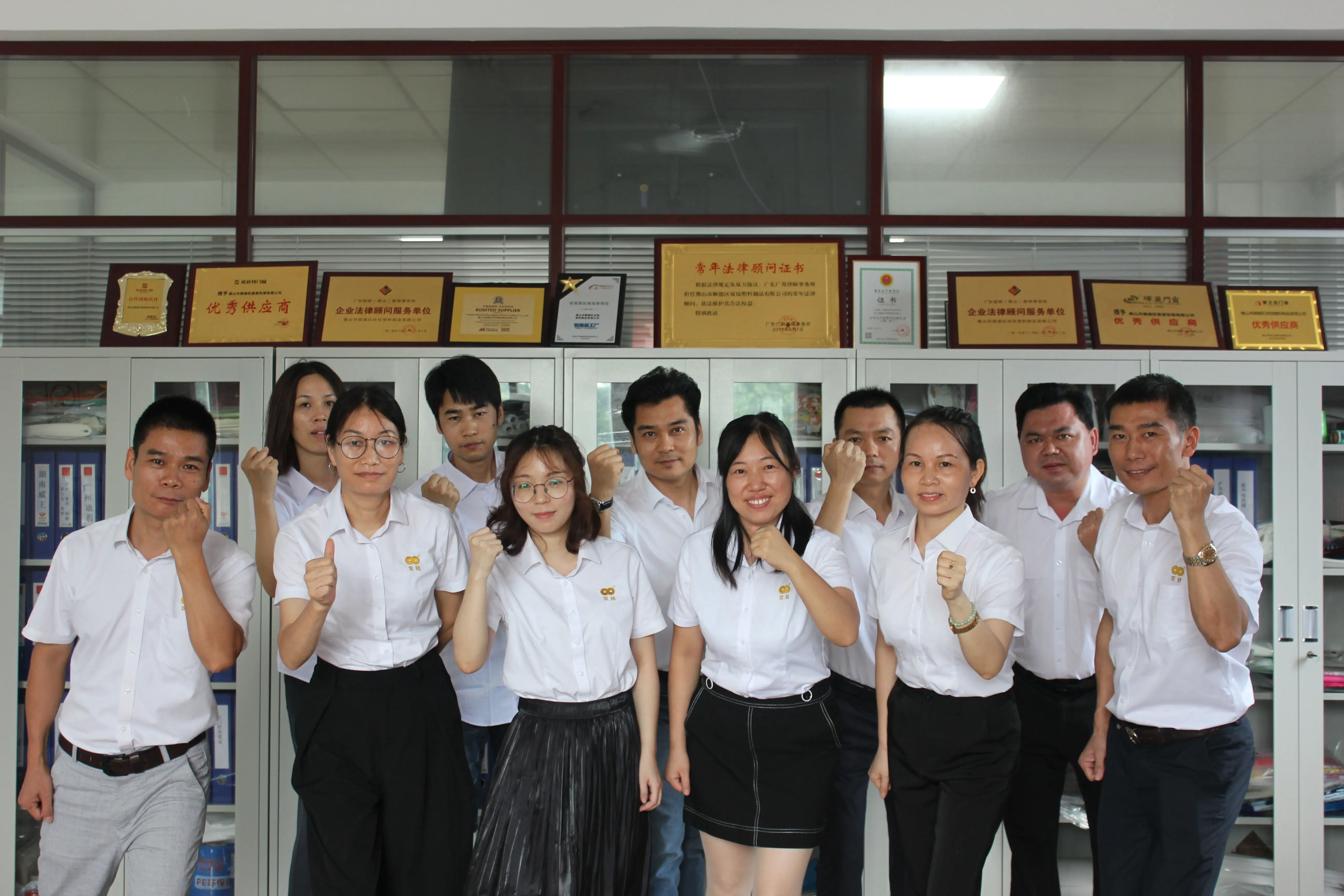
Foshan City Shunde District Shuangqian Plastic Products Co., Ltd.
- Manufacturer, Trading Company
- Guangdong, China
- Lead time15 days
- Avg. response≤ 3h
Main productsShrink Film,Aluminum Foil Bag,Laminating bags,Vacuum Bag,Food Bag
Main marketsSoutheast Asia(30.00%), Eastern Europe(20.00%), Africa(15.00%), South America(15.00%), Western Europe(10.00%), North America(10.00%)


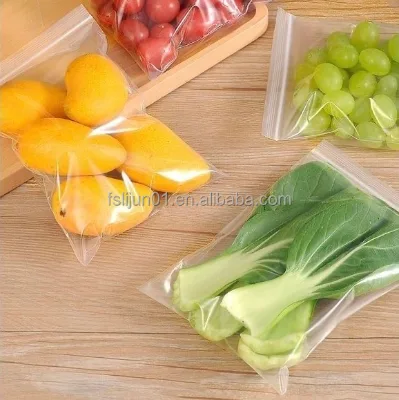






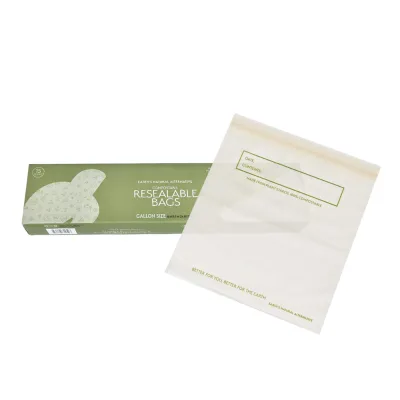
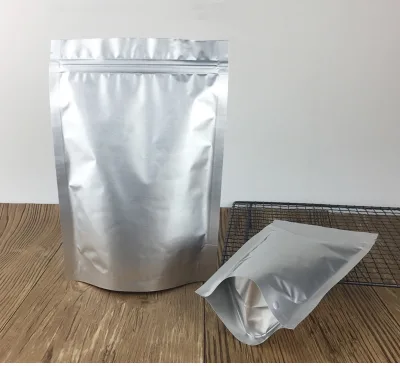
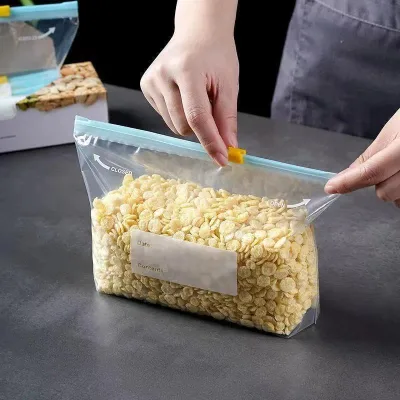
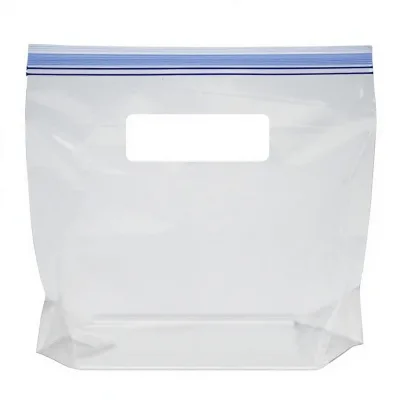


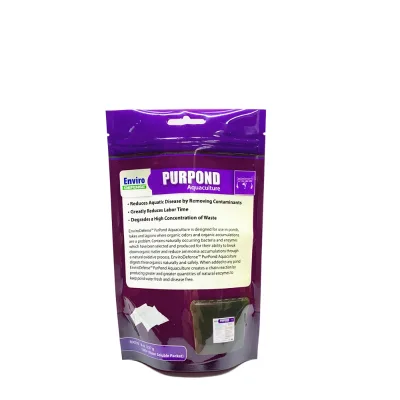
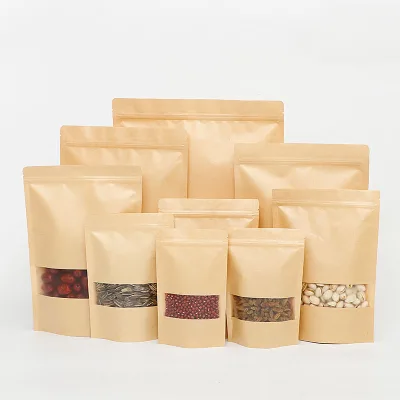
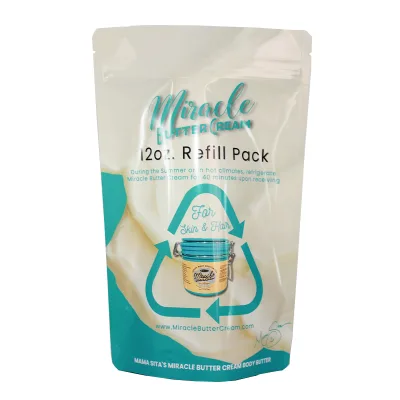
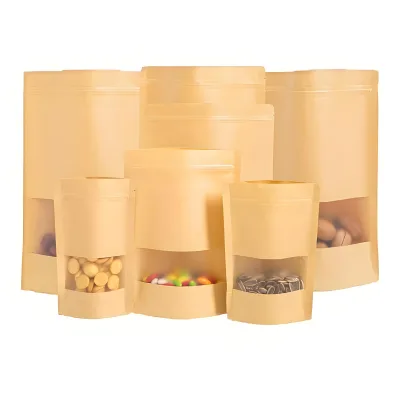
Comprehensive Sourcing Guide
Recyclable Food Zipper Packaging Bag Supplier Concentration and Factory Types
The current supplier landscape for recyclable food zipper packaging bags reveals a distinct concentration of manufacturing and trading entities within specific industrial regions. Data indicates that a significant portion of these suppliers are located in China, specifically within the Guangdong province. This geographic clustering is not accidental but reflects a mature supply chain ecosystem where raw material availability, specialized printing capabilities, and logistics infrastructure converge to support high-volume production. Buyers evaluating this market should recognize that Guangdong serves as a primary hub for flexible packaging, offering access to a dense network of factories capable of handling complex customization requests. The presence of these suppliers in a single region often implies competitive pricing due to economies of scale, but it also requires buyers to conduct thorough due diligence to distinguish between genuine manufacturers and trading companies that may add layers of cost without adding value.
In terms of company structure, the results show a mix of trading companies and combined entities that offer both manufacturing and trading services. Some suppliers are explicitly identified as trading companies, which typically act as intermediaries connecting buyers with factory production lines. Others are classified as combined entities, suggesting they may have in-house production capabilities alongside trading operations. This distinction is critical for buyers who prioritize direct factory communication for technical adjustments or quality control. Combined entities might offer the flexibility of a trading company with the production oversight of a manufacturer, but this is not guaranteed. Buyers must verify the actual operational structure of each supplier to ensure they are getting the level of service and transparency they require. The diversity in company types means that the sourcing strategy must be tailored to whether the buyer prioritizes cost efficiency through trading companies or quality assurance through direct factory engagement.
How to Verify Recyclable Food Zipper Packaging Bag Suppliers
Verification is the cornerstone of mitigating risk when sourcing recyclable food zipper packaging bags from international suppliers. One of the primary methods for establishing credibility is through third-party verification badges, such as those provided by Bureau Veritas (BV). Suppliers displaying BV verification have undergone specific audits regarding their business legitimacy and operational capabilities, providing a baseline level of trust. However, verification badges alone are not sufficient; buyers must also scrutinize the specific certifications listed for their products and facilities. For instance, some suppliers list ISO and BRC certifications, which are crucial for food-grade packaging compliance. BRC (British Retail Consortium) certification, in particular, indicates a high standard of food safety management, which is essential when the packaging will come into direct contact with consumable goods. Buyers should request copies of these certificates and verify their validity with the issuing bodies to ensure they are current and applicable to the specific products being ordered.
Beyond certifications, buyers should assess the supplier’s responsiveness and transparency as indicators of reliability. Response time metrics can provide insight into the supplier’s operational efficiency and customer service quality. A supplier with a rapid response time, such as under two hours, is likely more engaged and capable of handling urgent inquiries or issues. Conversely, slower response times may indicate a lack of dedicated support staff or potential communication barriers. Additionally, buyers should look for evidence of customization capabilities, such as the ability to accept customized logos, designs, and sizes. Suppliers that explicitly state OEM and ODM availability demonstrate flexibility and experience in working with diverse client requirements. It is also advisable to check for sample availability, as receiving physical samples allows buyers to evaluate the material quality, seal integrity, and print accuracy before committing to a large order. This hands-on verification step is indispensable for ensuring that the final product meets the buyer’s specific standards for recyclability and functionality.
What to Compare Across Recyclable Food Zipper Packaging Bag Suppliers
When evaluating multiple suppliers for recyclable food zipper packaging bags, buyers must compare key operational metrics to determine the best fit for their business needs. One critical factor is the minimum order quantity (MOQ), which can vary significantly between suppliers. For example, some suppliers may require an MOQ of 10,000 units, while others might set the threshold at 20,000 units. This difference can impact inventory management and cash flow, especially for smaller businesses or those testing new product lines. Buyers should align their order volumes with the supplier’s MOQ requirements to avoid excess inventory or production delays. Additionally, lead times are a vital consideration, as they determine how quickly orders can be fulfilled and delivered. Lead times can range from 15 to 30 days, depending on the complexity of the order, the quantity, and the supplier’s current production schedule. Understanding these timelines helps buyers plan their supply chain more effectively and avoid stockouts.
Price and payment terms are another essential aspect of comparison. The price range for these packaging bags can vary, with some suppliers offering prices as low as $0.01 per unit and others charging up to $0.25 per unit. These variations often reflect differences in material quality, customization options, and order volume. Buyers should not solely focus on the lowest price but should consider the total cost of ownership, including shipping, tariffs, and potential quality issues. Payment terms, such as CIF (Cost, Insurance, and Freight) or FOB (Free on Board), also impact the overall cost and risk allocation. CIF terms mean the supplier covers the cost of shipping and insurance to the destination port, while FOB terms place the responsibility on the buyer once the goods are loaded onto the vessel. Buyers should also compare the range of main products offered by each supplier, as those with a broader portfolio may offer better synergy and consistency if the buyer has multiple packaging needs.
Common Recyclable Food Zipper Packaging Bag Sourcing Risks
Sourcing recyclable food zipper packaging bags comes with inherent risks that buyers must proactively manage to ensure a smooth procurement process. One significant risk is the discrepancy between claimed recyclability and actual material composition. While many suppliers advertise their bags as biodegradable, compostable, or recyclable, the specific material structures can vary widely. For instance, some bags are made from high-barrier PLA/Kraft Paper/PLA, while others use Pet/Al/Ny/PE structures. The latter may not be easily recyclable due to the multi-layer composition, despite marketing claims. Buyers must verify the exact material structure and ensure it aligns with their sustainability goals and local recycling infrastructure. Failure to do so can result in products that cannot be processed by recycling facilities, leading to waste and potential reputational damage. Additionally, buyers should be cautious of vague terminology and request detailed technical specifications and test reports to substantiate recyclability claims.
Another common risk is quality inconsistency, particularly when dealing with trading companies or suppliers with large, diverse product lines. Variations in printing quality, seal strength, and bag dimensions can occur if the supplier lacks rigorous quality control processes. Buyers should assess the supplier’s production capabilities and quality assurance measures, such as ISO certifications and in-house testing facilities. It is also important to consider the potential for communication barriers, especially when working with suppliers in different time zones or language environments. Misunderstandings regarding design specifications, color matching, or delivery schedules can lead to costly errors and delays. To mitigate this risk, buyers should establish clear communication channels, provide detailed briefs, and request samples for approval before mass production. Regular follow-ups and clear documentation of all agreements can help prevent misunderstandings and ensure that the final product meets the buyer’s expectations.
Recyclable Food Zipper Packaging Bag Regional Sourcing and Logistics
The geographic location of suppliers plays a crucial role in determining logistics costs and delivery efficiency. As noted, many suppliers are concentrated in Guangdong, China, a region known for its robust manufacturing infrastructure and proximity to major shipping ports. This location advantage can lead to lower freight costs and faster transit times for buyers in Asia, Europe, and the Americas. However, buyers must also consider the specific port of shipment, as terms like FOB Jiangmen indicate the point at which responsibility transfers from the supplier to the buyer. Understanding these logistics details is essential for accurate cost estimation and supply chain planning. Buyers should evaluate the supplier’s experience with international shipping and their ability to handle customs documentation and compliance requirements. Suppliers with extensive export experience are more likely to navigate logistical challenges smoothly, reducing the risk of delays or additional fees.
Logistics also involve the choice of transportation mode, which can impact both cost and lead time. Suppliers may offer sea, air, or railway transportation options, each with its own advantages and disadvantages. Sea freight is typically the most cost-effective for large volumes but has longer transit times, while air freight is faster but more expensive. Railway transport can offer a middle ground in terms of cost and speed for certain routes. Buyers should select the transportation mode that best aligns with their inventory needs and budget constraints. Additionally, buyers should consider the packaging of the goods themselves, as proper palletization and carton packaging are essential to prevent damage during transit. Suppliers that use robust packaging methods, such as PE bags, cartons, and pallets, help ensure that the products arrive in good condition. Buyers should verify these packaging standards and request photos or videos of the packing process to confirm compliance.
Recyclable Food Zipper Packaging Bag Commercial Terms and Order Planning
Effective order planning requires a thorough understanding of the commercial terms offered by suppliers. Terms such as FOB, EXW, and CIF define the responsibilities and costs associated with the shipment of goods. FOB (Free on Board) terms mean the supplier is responsible for delivering the goods to the port of shipment, after which the buyer assumes responsibility for freight and insurance. EXW (Ex Works) terms place the maximum responsibility on the buyer, who must arrange for pickup and all subsequent logistics. CIF (Cost, Insurance, and Freight) terms mean the supplier covers the cost of shipping and insurance to the destination port. Buyers should choose the term that best suits their logistical capabilities and risk tolerance. It is also important to clarify any additional costs, such as customs duties, taxes, and handling fees, which may not be included in the quoted price. Transparent communication about these terms helps avoid unexpected expenses and ensures accurate budgeting.
Order planning should also account for the supplier’s production capacity and lead times. Suppliers may have varying capacities for OEM and ODM projects, which can affect the speed of production and the ability to handle large orders. Buyers should discuss their volume requirements upfront and confirm the supplier’s ability to meet their deadlines. Additionally, buyers should consider the availability of samples and the time required for sample approval, as this can impact the overall timeline. Establishing a clear production schedule and maintaining regular communication with the supplier can help ensure that orders are completed on time. Buyers should also plan for potential contingencies, such as material shortages or production delays, by building buffer time into their schedules. By carefully managing commercial terms and order planning, buyers can optimize their supply chain and achieve greater efficiency in sourcing recyclable food zipper packaging bags.
FAQs
What is the price range for recyclable food zipper packaging bags?
Prices typically range from $0.01 to $0.25 per unit depending on material complexity and order volume. Specific items like compostable pouches start near $0.01, while specialized aluminum stand-up packs may cost up to $0.05. Gravure printed options often fall between $0.035 and $0.25. Buyers should request quotes for exact pricing based on their custom size and printing requirements.
What is the minimum order quantity for these packaging bags?
Minimum order quantities generally start at 10,000 units for standard recyclable or biodegradable zipper bags. Some specific eco-friendly products require a higher threshold of 20,000 units. These MOQs apply to customized sizes and logo printing services. Buyers seeking smaller trial runs should verify if suppliers offer sample availability or adjusted terms for initial orders.
How long does production and delivery take for custom orders?
Lead times typically range from 15 to 30 days depending on the supplier and order quantity. Some manufacturers offer faster turnaround times of 18 to 25 days for specific pouch types. Others may require up to 30 days for complex composite packaging bags. Buyers should confirm exact delivery schedules with suppliers to ensure alignment with their inventory needs.
What certifications are available for these food packaging bags?
Suppliers often provide ISO 9001, BRC, HACCP, and QS certifications for their food-grade packaging solutions. Some products also feature ISO and BRC compliance for international standards. Buyers should verify specific certificate validity for their target markets. These certifications ensure the bags meet safety and quality requirements for storing dry foods, nuts, and coffee products.
Can I customize the size and printing on these bags?
Yes, customization is widely available for size, design, and logo printing. Suppliers accept customized sizes and offer printing in up to 10 colors. OEM and ODM services are also available for brand-specific requirements. Buyers can request samples to verify print quality and material feel before placing bulk orders for their specific product packaging needs.
Where are these recyclable packaging bags manufactured?
These packaging bags are primarily manufactured in Guangdong, China. Suppliers in this region specialize in various plastic and paper-based packaging solutions. The location supports efficient logistics for sea, air, and railway transportation. Buyers should consider shipping terms like FOB Jiangmen or CIF when calculating total landed costs for their imported packaging materials.