Disposable Waterproof Trash Bag Suppliers and Manufacturers
Compare 25 verified suppliers offering disposable waterproof trash bags with ISO9001:2015 certification and ODM/OEM capabilities. Review lead times, MOQs, and customization options to source HDPE or biodegradable bags from Guangdong factories; review the available evidence before requesting comparable quotations from suitable candidates.
Updated
Suppliers List

Billion Plastic Manufacturing Co., Ltd. Jiangmen
- Verified by BV
- Combined
- China Guangdong
- Lead time30 days
- Avg. response≤ 12h
Main productsPlastic Bag, PE Plastic Bag, T-Shirt Bag, Food Bag, Trash Bag, Shopping Bag, Plastic Fork, Plastic Spoon, Plastic Cup
Main marketsSouth America,North America
Jiangmen Feima Plastics Industry Co., Ltd.
- Manufacturer, Trading Company
- Lead time旺季: "1 - 200000":20,"> 200000":"To be negotiated", 淡季: "1 - 200000":20,"> 200000":"To be negotiated"
- Avg. response≤ 2h
Main productsFood Packaging Bag, Shopping Bag, Garbage Bag, Degradable Bag, Composite Plastic Bag

Jiangmen Zhaohui Color Printing Plastic Company Ltd.
- Verified by BV
- Combined
- China Guangdong
- Lead time30 days
- Avg. response≤ 16h
Main productsPlastic Flat Bag on Roll, Shipping T-Shirt Bag, Food Bag, Trash Plastic Bag, Plastic Bag, Gift Bag
Main marketsOthers(foreignTradeCapacity.exportBusinessCapacityMarketOther)


Plastic Infection Garbage Bag / Plastic Bag for Infection Waste / Garbage Bag
$0.01
MOQ: 100000 Pieces

Weifang Brother Packing Co., Ltd.
- Verified by TUVRHEINLAND
- Combined
- China Shandong
- Lead time15 days
- Avg. response≤ 3h
Main productsPP Woven Bag, PP Woven Fabric, Flexible Packaging, Bulk Bag, Ground Weed Control Fabric, PP Woven Shopping Bag, Kraft Paper Laminated PP Woven Bag, PE Shopping Bag, PP Nonwoven Shopping Bag, BOPP Woven Bag
Main marketsOthers(foreignTradeCapacity.exportBusinessCapacityMarketOther),North America


Custom Disposable Colored Plastic PE Garbage Waste Bag Trash Storage Bags
$0.01 - $0.30
MOQ: 100000 Pieces


Tasnee New Material (Weifang) Co., Ltd.
- Verified by CTI
- Combined
- China Shandong
- Lead time23 days
- Avg. response≤ 3h
Main productsPlastic Products, Compostable Bag, Garbage Bag, Shopping Bag, Ziplock Bag, Slider Bag, T-Shirt Bag, Glove Apron, Envelop Bag, Ice Bag
Main marketsSouth America,Africa,North America


Disposable Drawstring Garbage Bags/Trash Bags/Garbage Bags/Rubbish Bag
$0.04 - $0.06
MOQ: 100000 Pieces


Plastic Recycled Disposable Garbage Bags Custom Trash Bags Rubbish Bags
$0.05 - $0.10
MOQ: 100000 Pieces


Dongguan Chenghua Industrial Co., Ltd.
- Verified by BV
- Manufacturer/Factory
- China Guangdong
- Lead time23 days
- Avg. response≤ 4h
Main productsZiplock Bag, Biodegradable Bag, Aluminum Bag, Doypack, Zipper Bag, Food Bag, OPP Bags, Plastic Bags, Poly Bags, Specimen Bags
Main marketsSouth America,Eastern Europe,Mid East,North America,Southeast Asia,Eastern Asia,Oceania,Western Europe,Africa

Jiangyin Likn Industry Co., Ltd.
- Trading Company
- Jiangsu, China
- Lead time35 days
- Avg. response≤ 14h
Main productsPaper Napkin,Rotable Plastic,Disposable Plastic,Paper Tray Mat,Tray Liner
Main marketsWestern Europe(50.00%), Mid East(20.00%), Eastern Asia(10.00%), North America(10.00%), Africa(8.00%), Domestic Market(2.00%)
Shenzhen Deyun Printing Products Co., Ltd.
- Trading Company
- Guangdong, China
- Lead time30 days
- Avg. response≤ 1h
Main productsPlastic Bag, Garbage Bag, Disposable Gloves, Biodegradable Products
Main marketsDomestic Market(90.00%), North America(30.00%), Southeast Asia(20.00%), Western Europe(20.00%), South America(10.00%), Eastern Europe(10.00%), Eastern Asia(1.00%), Oceania(1.00%)
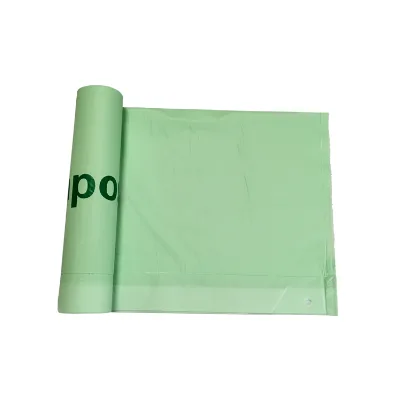
50L Biodegradable Plastic Garbage Bags Compostable Trash Bags Cornstarch Rubbish Bag
$0.2187 - $0.2696
MOQ: 10
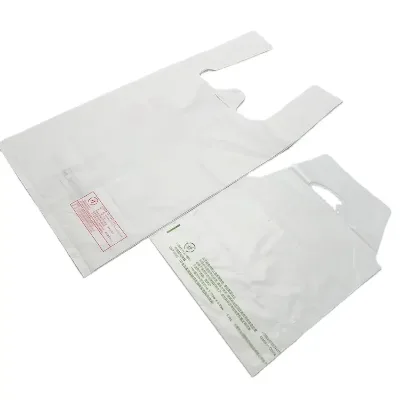
Custom Logo Compostable Trash Bag Biodegradable Bag for Garbage PLA Bag
$0.19 - $0.36
MOQ: 5000 pieces
Heyuan Baolan Plastic Products Co., Ltd.
- Verified by Intertek
- Manufacturer, Trading Company
- Lead time20 days
- Avg. response≤ 2h
Main productsDisposable Gloves, Trash Bag, Shower Cap, Disposable Meal Pouch, Packaging Bags
Main marketsDomestic Market(95%), North America(2%), Southeast Asia(2%)

Weifang Golden Grain Bio Material Co., Ltd.
- Verified by BV
- Combined
- China Shandong
- Lead time30 days
- Avg. response≤ 15h
Main productsBiodegradable Bags, Biodegradable Shopping Bags, Biodegradable Garbage Bags, Biodegradable Poop Bags, Biodegradable Food Bags, Biodegradable D-Cut Bags, Biodegradable Aprons
Main marketsSoutheast Asia/ Mideast,Australia,North America


Hot Sale Custom Eco Friendly Garbage Bag Compostable Trash Bags Wholesale
$0.20 - $0.25
MOQ: 10000 Rolls

ZHUCHENG QING YUAN PACKAGING CO., LTD.
- Verified by TUVRHEINLAND
- Combined
- China Shandong
- Lead time15 days
- Avg. response≤ 4h
Main productsLDPE Bag, Vacuum Bag, Aluminum Foil Bag, Retort Pouch, Stretch Film, Roll Films, Packaging Bags for Frozen Food, Garbage Bags, Shrink Bags and Film, Stand up Pouch with Zipper
Main marketsOthers(foreignTradeCapacity.exportBusinessCapacityMarketOther),Domestic


High Quality Large Dustbin Bag Compostable Plastic Garbage Bags Trash Bag
$0.019 - $0.02
MOQ: 20000 Pieces


Accept Custom Biodegradable and Disposable Garbage Bag with Any Color
$0.019 - $0.02
MOQ: 20000 Pieces


Qingdao Fullsun Biotechnology Packaging Co., Ltd
- Verified by BV
- Combined
- China Shandong
- Lead time15 days
- Avg. response≤ 17h
Main productsBiodegradable Bag
Main marketsNorth America

WEIFANG DEFU NEW MATERIAL COMPANY LIMITED
- Verified by TUVRHEINLAND
- Combined
- China Shandong
- Lead time15 days
- Avg. response≤ 7h
Main productsPlastic Bags
Main marketsSouth America

Thickened and Reinforced C-Fold Garbage Bags Disposable Trash Bag Rubbish Bag
$0.30 - $0.50
MOQ: 2500 Pieces

Shandong Aisun ECO Materials Co., Ltd.
- Verified by SGS Group
- Manufacturer, Trading Company
- Lead time25 days
- Avg. response≤ 4h
Main productsBiodegradable Products, Compostable Bags, Garbage Bags, Shopping Bags, Pet Waste Bags
Main marketsNorth America(30%), Eastern Europe(30%), Mid East(20%)
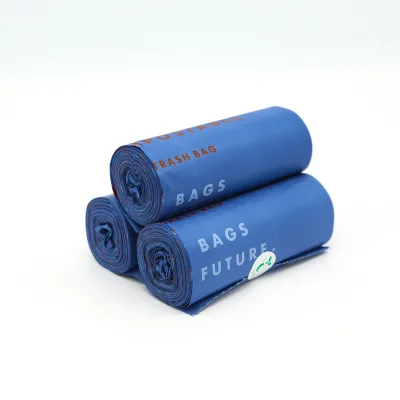
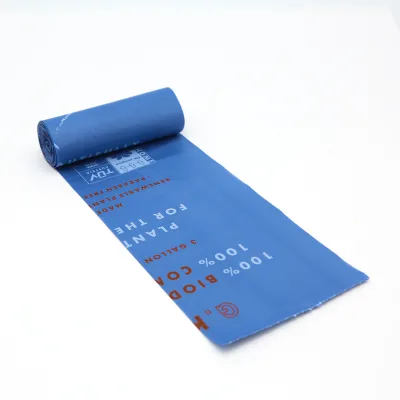
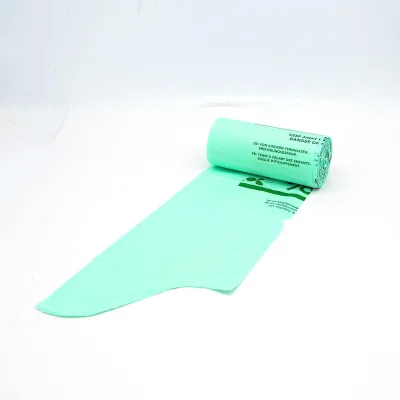
3 Gallon 100% Biodegradable Compostable Garbage Trash Bags Kitchen Waste Bag for Compost Bin
$0.01 - $0.03
MOQ: 20000 Minimum

Henan Techuang Biotechnology Co., Ltd.
- Verified by TUVRHEINLAND
- Combined
- China Henan
- Lead time15 days
- Avg. response≤ 3h
Main productsBiodegradable Dog Poop Bag, Biodegradable Garbage Bag, Biodegradable Mailing Bag, Biodegradable Clothing Bag
Main marketsDomestic,Europe,Australia,North America


Manufacturers Biodegradable Black Degradable Eco Friendly Trash Rubbish Garbage Bag
$0.08 - $0.12
MOQ: 5000 Pieces

Disposable Decomposable Plastic Trash Garbage Bag Suppliers Biodegradable
$0.80 - $1.00
MOQ: 1000 Pieces

Dongguan Xinhai Environment-Friendly Materials Co., Ltd.
- Verified by TüVRheinland
- Manufacturer, Trading Company
- Lead time15 days
- Avg. response≤ 2h
Main productsBiodegradable Bags, Compostable Bag, Dog Poop Bag, Garbage Bag, Disposable Gloves
Main marketsNorth America(30%), Southeast Asia(25%), Western Europe(15%)
Qingdao Bioborn Packaging Co., Ltd.
- Trading Company
- Shandong, China
- Lead time0 days
- Avg. response≤ 8h
Main productsCompostable bag,plastic bag,recyclable pouch,recyclable bag,Wicket bag
Main marketsNorth America(65.00%), South America(12.00%), Eastern Europe(8.00%), Southeast Asia(6.00%), Western Europe(4.00%), Oceania(3.00%), Eastern Asia(2.00%)
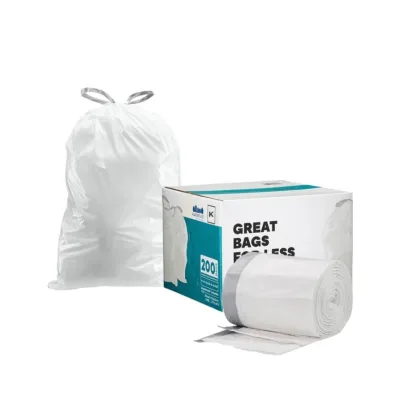
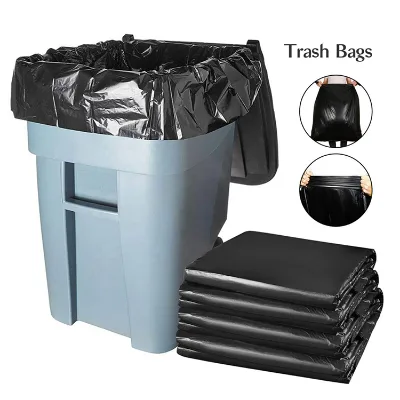
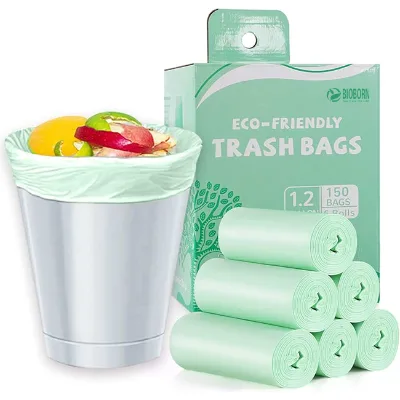
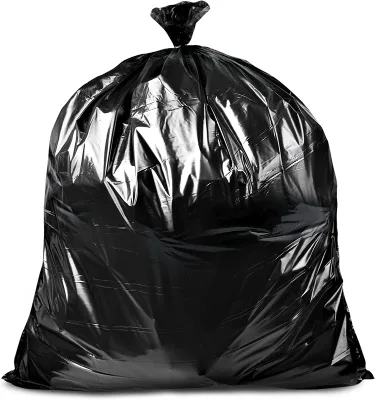
100% Compostable PBAT /PE Eco Trash Bags
$0.01 - $0.02

Anhui Jumei Biological Technology Co., Ltd.
- Verified by SGS
- Combined
- China Anhui
- Lead time15 days
- Avg. response≤ 8h
Main productsCompostable Cling Film, PLA Straw, Cpla Lid, Compostable Bags, Compostable Raw Material, Paper Cutlery, PLA Gloves
Main marketsSouth America,Africa,Southeast Asia/ Mideast,East Asia(Japan/ South Korea),Europe,Australia,North America
Shenzhen Fu Kang Da Plastics Products Co., Ltd.
- Verified by SGS Group
- Manufacturer, Trading Company
- Lead time15 days
- Avg. response≤ 3h
Main productsFilm, Plastic Bag, Carrier Tape
Main marketsDomestic Market(77%), North America(10%), Southeast Asia(3%)
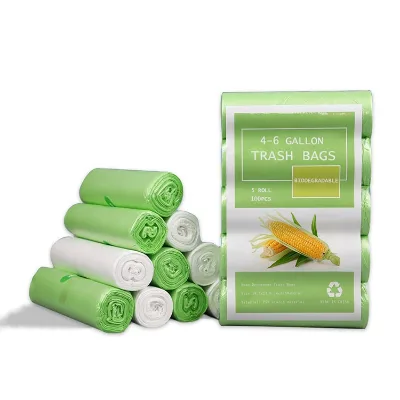
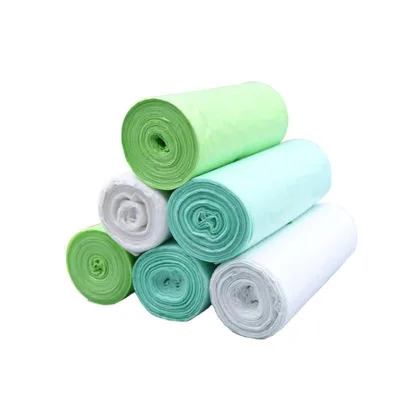
$0.01 - $0.04
MOQ: 3900 pieces
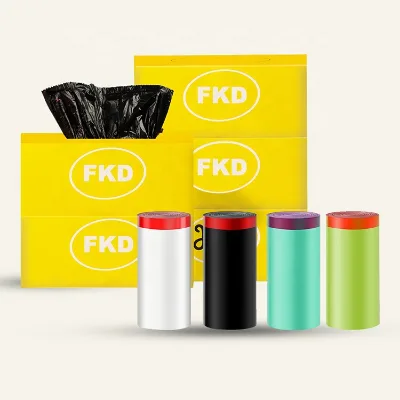
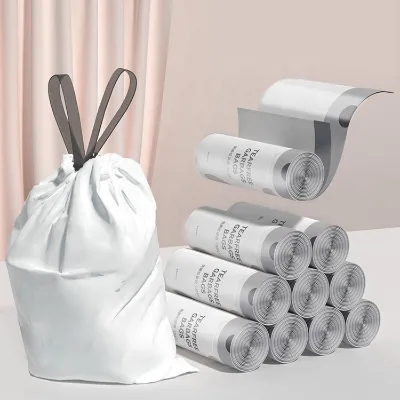
$0.03 - $0.05
MOQ: 1000 pieces
Laizhou Dechen Machinery Co., Ltd.
- Verified by TüVRheinland
- Trading Company
- Lead time29 days
- Avg. response≤ 2h
Main productsPaper Packaging Materials, Fruit Protection Bags, Biodegradable Food Box, Stone Machinery, Food Packaging
Main marketsWestern Europe(20%), North America(12%), Oceania(11%)
- Manufacturer, Trading Company
- Jiangsu, China
- Lead time0 days
- Avg. response≤ 4h
Main productsBOPP Bag, Slider Bag, Zipper Bag, Block Bottom Cellophane Bag, Cellulose Bag
Main marketsWestern Europe(90.00%), North America(10.00%)
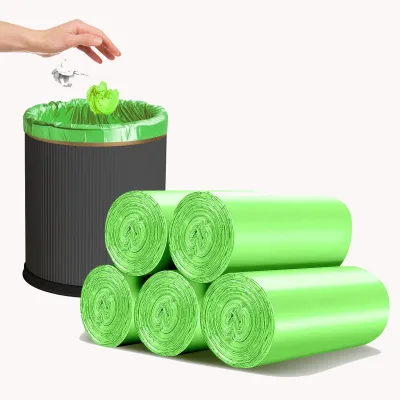
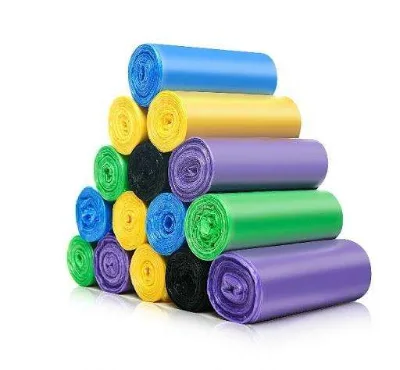
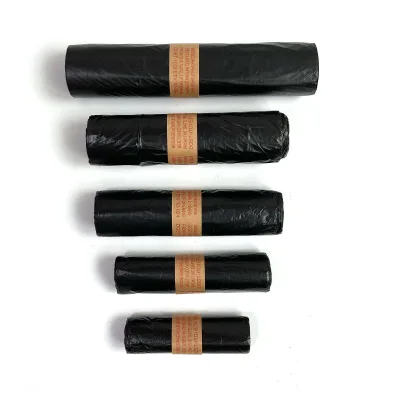
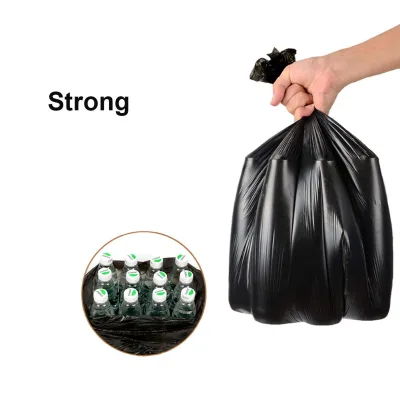
BPB Custom logo eco biodegradable compostable rubbish bag degradable garbage trash bags
$0.0102 - $0.0512
MOQ: 50 pieces
$0.01 - $0.05
MOQ: 50000 pieces
Qingdao Honghai Cargo Group Limited
- Trading Company
- Shandong, China
- Lead time20 days
- Avg. response≤ 2h
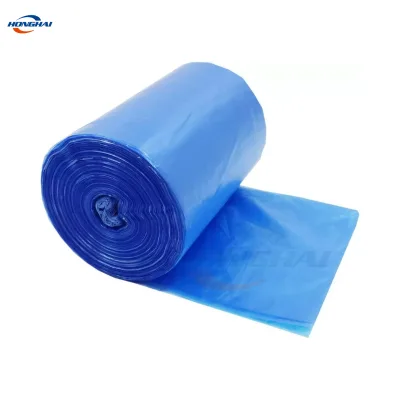
Main productsPE plastic bags,Garbage bags,Produce roll bags,T shirt shopping bag,Poly tube roll
Main marketsSouth America(21.50%), North America(21.50%), Central America(20.00%), Mid East(20.00%), Southern Europe(10.00%), Northern Europe(10.00%), Western Europe(5.00%), Eastern Europe(5.00%), Domestic Market(1.00%), South Asia(1.00%), Oceania(1.00%), Africa(1.00%), Southeast Asia(1.00%), Eastern Asia(1.00%)
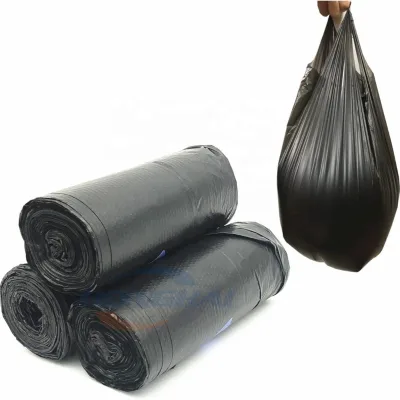
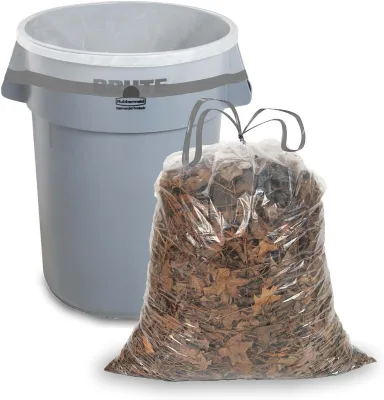
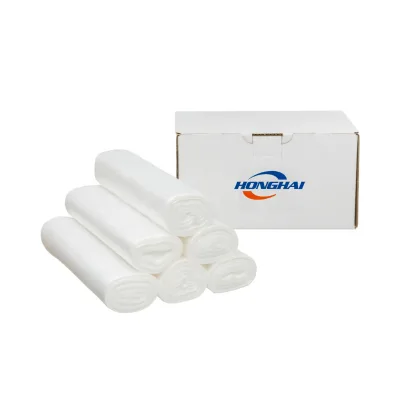
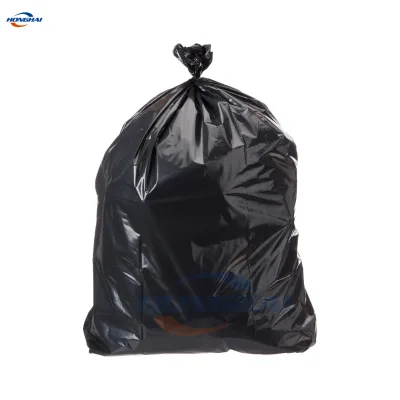
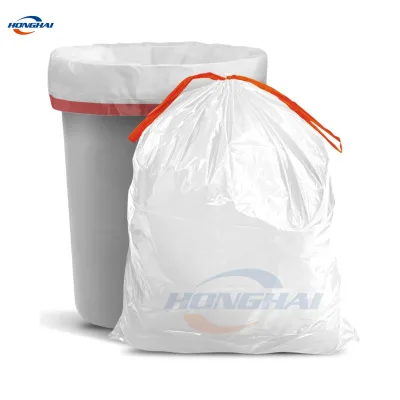
$0.06 - $0.09
MOQ: 30000 Minimum

GP Materials Technology (Jiangsu) Co.,Ltd
- Verified by BV
- Combined
- China Jiangsu
- Lead time15 days
- Avg. response≤ 2h
Main productsBiodegradable Resin, Disposable Biodegradable Packaging, Biodegradable Packaging Film, Biodegradable Food Containers, Biodegradable Tableware, Biodegradable Packaging, Biodegradable Bags, Biodegradable Nonwoven Bag, Biodegradable Stretch Film, Biodegradable Breathable Film
Main marketsDomestic,Europe


Biodegradable & Durable Plastic PE Bin Rubbish/Refuse/Bin/Trash/Garbage Packing Bags
$0.01 - $0.06
MOQ: 50000 Pieces
- Manufacturer, Trading Company
- Shandong, China
- Lead time20 days
- Avg. response≤ 7h
Main productsPE APRONS,PE DISPOSABLE HAND GLOVES,Cover Sheet,PE Bags,T-Shirt Bags
Main marketsAfrica(50.00%), Western Europe(20.00%), Mid East(10.00%), Southern Europe(5.00%), Eastern Europe(5.00%), North America(5.00%), Oceania(5.00%)
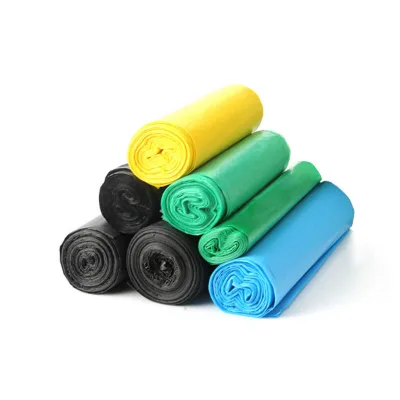
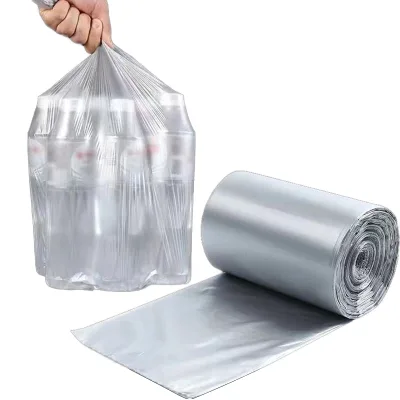
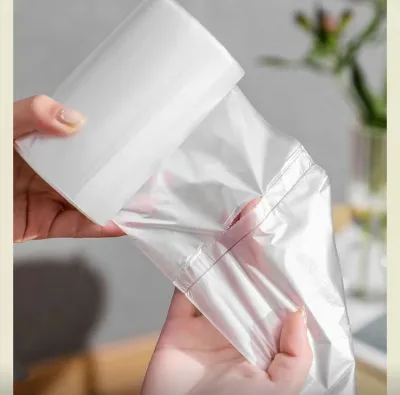
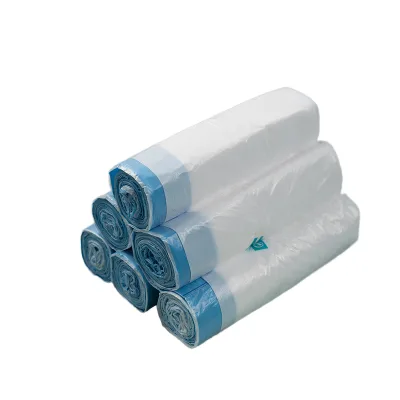
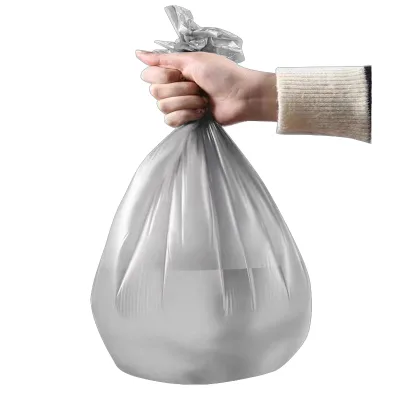
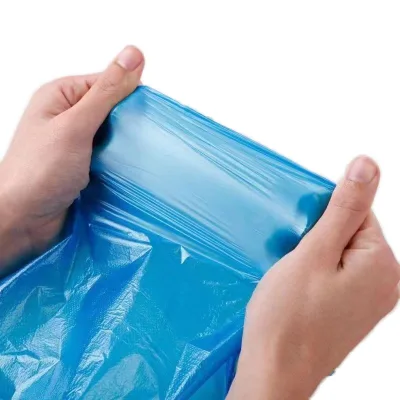
Custom Size PE Plastic Trash Bags Blue and Black Household Refuse Garbage Bag
$1590.3397 - $1898.1473
Qingdao Mercura New Material Co., Ltd.
- Trading Company
- Shandong, China
- Lead time20 days
- Avg. response≤ 5h
Main productsReusable food container,reusable cutlery,paper cup,Karft salad bowl,Sugarcane pulp lunch box
Main marketsEastern Europe(60.00%), Mid East(10.00%), Africa(10.00%), North America(10.00%), South America(10.00%)
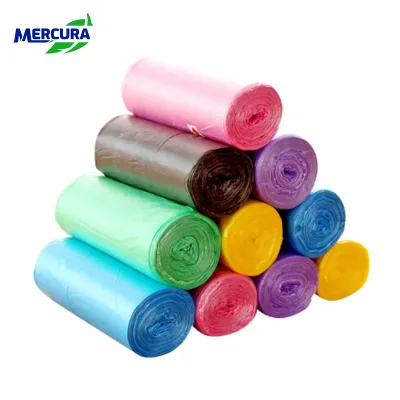
$0.0102 - $0.5123
MOQ: 1 Minimum
$0.6067 - $0.7086
MOQ: 1 rolls
$0.0103 - $0.0718
MOQ: 100 pieces


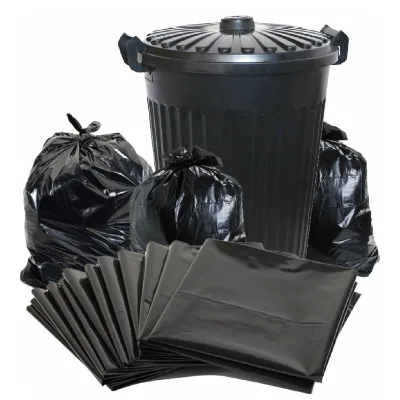
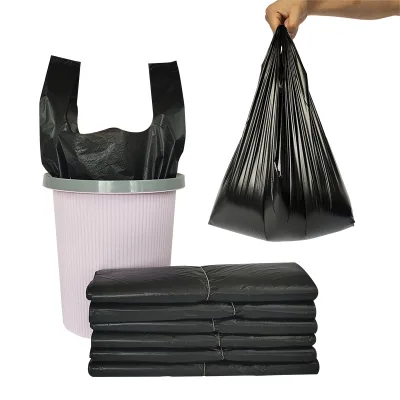
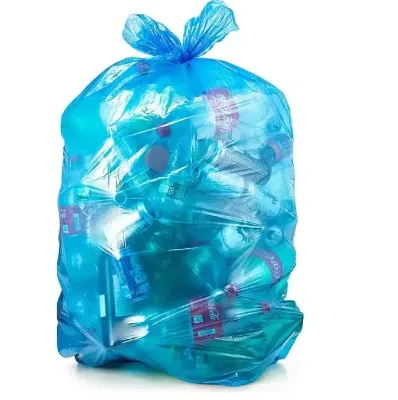






Comprehensive Sourcing Guide
Disposable Waterproof Trash Bag Supplier Concentration and Factory Types
The current supplier landscape for disposable waterproof trash bags reveals a distinct concentration in China, specifically within the Guangdong region. This geographic clustering is significant because it indicates a mature industrial ecosystem where raw material supply chains, manufacturing infrastructure, and logistics networks are highly optimized for plastic packaging production. Buyers evaluating suppliers should recognize that this concentration often correlates with competitive pricing and rapid prototyping capabilities, as specialized factories in this area frequently handle both OEM and ODM requests. The presence of combined company types, including both manufacturers and trading companies, suggests a hybrid market structure where direct factory access may be balanced by the flexibility of trading entities that aggregate products from multiple smaller workshops.
Understanding the distinction between these entity types is crucial for effective sourcing. Manufacturers typically offer greater control over production processes, material specifications, and customization options, which is vital for products requiring specific features like biodegradability or heavy-duty waterproofing. In contrast, trading companies may provide a broader range of product variations and lower minimum order quantities, catering to buyers who need diverse SKUs without committing to large production runs. The observed data shows that many suppliers in this region possess the capability to produce various plastic bag types, including PE, HDPE, and LDPE options, indicating a versatile manufacturing base. Buyers should assess whether their specific needs for customization, such as side gusset designs or specific thicknesses, align better with the direct production capabilities of a manufacturer or the logistical convenience of a trading company.
How to Verify Disposable Waterproof Trash Bag Suppliers
Verification is a critical step in mitigating risk when sourcing disposable waterproof trash bags, particularly given the varying quality standards in the global market. Buyers should prioritize suppliers who display third-party verification badges, such as BV (Bureau Veritas), which provides an additional layer of confidence regarding the supplier's business legitimacy and operational stability. While verification is a strong positive signal, it should not be the sole criterion for selection. It is essential to cross-reference these badges with other tangible evidence of capability, such as system certifications like ISO9001:2015, which indicate a structured approach to quality management. The presence of such certifications suggests that the supplier adheres to standardized processes for production and quality control, which is particularly important for products that must meet specific durability or environmental standards.
Beyond certifications, buyers must actively verify the supplier's responsiveness and transparency in communication. The response time metric serves as a practical indicator of operational efficiency; for instance, a response time of approximately 11.73 hours or faster suggests a dedicated customer service team that can address inquiries promptly. This is especially relevant when discussing complex customization requirements, such as specific material structures or printing details. Buyers should also examine the supplier's product evidence closely, looking for detailed attributes like material composition (e.g., HDPE, LDPE, or recycled materials) and specific features like biodegradability or waterproofing. If a supplier cannot provide clear, detailed product specifications or if their response times are significantly delayed, it may indicate potential issues with their operational capacity or willingness to engage in thorough due diligence.
What to Compare Across Disposable Waterproof Trash Bag Suppliers
When evaluating multiple suppliers, buyers must systematically compare key operational metrics to determine the best fit for their specific business needs. Lead time is a primary differentiator, with some suppliers offering a standard lead time of 30 days, while others may have variable timelines based on order volume, such as 20 days for orders up to 200,000 units during peak seasons. Comparing these timelines helps buyers plan their inventory management and avoid stockouts. Additionally, the Minimum Order Quantity (MOQ) varies significantly across suppliers, ranging from as low as 2 units for certain samples or small batches to 1 Ton for larger industrial orders. This variance allows buyers to align their procurement strategy with their sales volume, whether they are testing the market with small orders or committing to large-scale distribution.
Another critical comparison point is the price range and customization options. Prices for disposable trash bags can fluctuate based on material type, thickness, and printing requirements, with some listings showing prices between $1250 and $1400 for specific models, while others may offer different pricing structures for bulk purchases. Buyers should also compare the specific product attributes, such as whether the bags are biodegradable, disposable, or made from recycled materials. The availability of customization, including logo printing and specific bag types like side gusset bags, is another vital factor. By comparing these detailed product specifications and commercial terms, buyers can identify suppliers that not only meet their quality and quantity requirements but also offer the flexibility needed for brand differentiation and market adaptation.
Common Disposable Waterproof Trash Bag Sourcing Risks
One of the primary risks in sourcing disposable waterproof trash bags is the potential discrepancy between advertised product features and actual material quality. Suppliers may claim that their bags are biodegradable or made from recycled materials, but without proper certification or testing reports, these claims may not hold up under scrutiny. Buyers must be cautious of vague descriptions and insist on concrete evidence, such as specific material structures (e.g., PE, HDPE/LDPE) and relevant certifications like EN13432 for biodegradability. Failing to verify these attributes can lead to receiving products that do not meet regulatory standards or customer expectations, resulting in returns, reputational damage, and financial loss. It is essential to request detailed product specifications and, if necessary, third-party lab tests to confirm the material composition and environmental claims.
Another significant risk is the inconsistency in production quality and delivery timelines. Suppliers may quote attractive lead times and prices but fail to deliver on time or produce goods that do not meet the agreed-upon specifications. This risk is heightened when dealing with suppliers who have high response times or limited verification badges. Buyers should establish clear communication channels and request regular updates on production progress. Additionally, it is important to verify the supplier's capacity to handle large orders, as some suppliers may have limited production capabilities that could lead to delays during peak seasons. By conducting thorough due diligence and setting clear expectations in the contract, buyers can mitigate these risks and ensure a smoother sourcing process.
Disposable Waterproof Trash Bag Regional Sourcing and Logistics
Sourcing from the Guangdong region in China offers distinct logistical advantages due to its well-developed infrastructure and proximity to major ports. The region is a hub for plastic packaging manufacturing, which means that suppliers often have established relationships with logistics providers and can offer efficient shipping solutions. Buyers should consider the port of dispatch options, such as Jiangmen, Shenzhen, or Guangzhou, when planning their logistics strategy. These ports provide convenient access to global shipping routes, facilitating the export of goods to various international markets. Understanding the specific port of dispatch can help buyers estimate transit times and shipping costs more accurately, allowing for better overall supply chain planning.
However, buyers must also account for the complexities of international shipping, including customs clearance and import regulations in their home country. Different regions may have varying requirements for plastic products, particularly regarding environmental standards and packaging waste regulations. Buyers should ensure that their suppliers are aware of these requirements and can provide the necessary documentation, such as certificates of origin and material safety data sheets. Additionally, buyers should consider the impact of seasonal fluctuations on shipping availability and costs. During peak seasons, such as the holiday shopping period, shipping capacity may be limited, and costs may increase. By planning ahead and maintaining open communication with their suppliers and logistics partners, buyers can navigate these challenges and ensure timely delivery of their orders.
Disposable Waterproof Trash Bag Commercial Terms and Order Planning
Commercial terms and order planning are critical components of a successful sourcing strategy for disposable waterproof trash bags. Buyers should carefully review the payment terms offered by suppliers, such as T/T 30% + 70%, which is a common structure in the industry. This arrangement helps balance the risk between the buyer and the supplier, ensuring that the supplier has the necessary funds to commence production while providing the buyer with some leverage to ensure quality and timely delivery. Additionally, buyers should negotiate clear terms regarding sample availability and costs, as samples are essential for verifying product quality before committing to large orders. Some suppliers offer samples for free or at a reduced cost, which can be a valuable tool for evaluation.
Order planning should also take into account the supplier's supply ability and production capacity. Suppliers may have specific monthly production limits, such as 200 tons per month, which can impact the buyer's ability to scale up orders during periods of high demand. Buyers should discuss these capacity constraints with their suppliers and develop a contingency plan to ensure a steady supply of products. Furthermore, buyers should consider the packaging details and labeling requirements, as these can affect storage and distribution efficiency. By aligning their commercial terms and order planning with the supplier's capabilities and market conditions, buyers can optimize their procurement process and achieve better overall value.
FAQs
Are disposable waterproof trash bags made from HDPE or LDPE?
Both materials are common for disposable waterproof trash bags, and many suppliers offer HDPE, LDPE, or a combination. HDPE gives higher stiffness and puncture resistance at a thinner gauge, while LDPE adds stretch and tear strength. Buyers should confirm the exact resin type and thickness, since options such as 20mic, 25mic, and 30mic or custom gauges are typically available on request.
What is the typical MOQ for custom printed trash bags?
Minimum order quantities vary by product line. Some listed trash bag products show very low unit MOQs, while custom production runs are commonly quoted at 1 ton per order. If you need printed logos or customized sizes, ask suppliers to quote the MOQ for your specific specifications, because customization, printing, and bag type all influence the minimum quantity accepted.
How long does production and delivery usually take?
Lead times around 20 days are quoted for standard orders up to 200,000 units in both peak and off-peak seasons, with larger volumes negotiated individually. Some product listings state delivery of 25 to 30 days for custom orders. Confirm the timeline in writing before ordering, and factor in shipping time from Guangdong ports to your destination.
Can I get biodegradable or eco-degradable disposable trash bags?
Yes, biodegradable and eco-degradable options appear in several trash bag product lines, alongside standard disposable PE bags. When sourcing, request documentation for the specific biodegradability claim, such as EN13432 references, and ask whether the degradable feature applies to your chosen thickness and color. Standard HDPE and LDPE versions remain available if you do not need certified compostability.
Which certifications should I verify before ordering trash bags?
Look for suppliers holding an ISO9001:2015 quality management certificate, which some verified manufacturers in this category carry. Product-level listings may also reference ISO9001 and EN13432. Third-party verification such as BV assessment is another signal to check on supplier profiles. Always request current certificate copies directly, because certification status can change and should be validated at the time of quotation.
Can disposable trash bags be customized in size, color, and printing?
Yes, customization is generally available on the trash bag products listed, including customized sizes, multicolor options, and gravure printing for logos or designs. Side gusset and vest handle styles are among the customizable formats. Provide your required dimensions, thickness, color, and artwork early, since customized orders typically follow the longer 25 to 30 day production schedule.
How quickly do suppliers in this category respond to inquiries?
Response times vary noticeably between suppliers. Verified manufacturers in this category show average response times ranging from about 2 hours to roughly 12 hours, so contacting several suppliers at once helps you compare quickly. For urgent projects, prioritize suppliers with the fastest recorded response and confirm that they can maintain that responsiveness through sampling and production.