Online Water Ion Selective Electrode Suppliers and Manufacturers
Source 12 verified Online Water Ion Selective Electrode suppliers from Shandong and Jiangsu, China. Compare key dimensions including lead times of 5-15 days, response speeds, and pricing for probes like the GA-406 and ASX4110. Review technical specs and request quotes to streamline procurement.
Updated
Suppliers List
Yantai Chemins Instrument Co., Ltd.
- Manufacturer, Trading Company
- Shandong, China
- Lead time15 days
- Avg. response≤ 2h
Main productsPH sensor,Conductivity sensor,Turbidity sensor,COD sensor,dissolved oxygen sensor
Main marketsDomestic Market(30.00%), Southeast Asia(15.00%), South America(10.00%), Western Europe(10.00%), Northern Europe(6.00%), South Asia(5.00%), Eastern Europe(5.00%), North America(5.00%), Africa(3.00%), Southern Europe(3.00%), Mid East(3.00%), Eastern Asia(2.00%), Central America(2.00%), Oceania(1.00%)
Suzhou Delfino Environmental Technology Co., Ltd.
- Manufacturer, Trading Company
- Jiangsu, China
- Lead time5 days
- Avg. response≤ 5h
Main productsWater Quality Analysis Instruments
Main marketsDomestic Market(50.00%), Eastern Europe(20.00%), South Asia(5.00%), Eastern Asia(5.00%), North America(5.00%), South America(5.00%), Southern Europe(5.00%), Southeast Asia(5.00%)
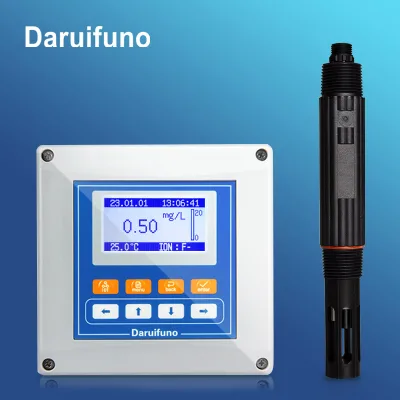
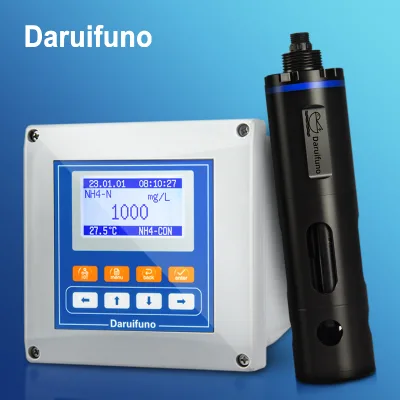
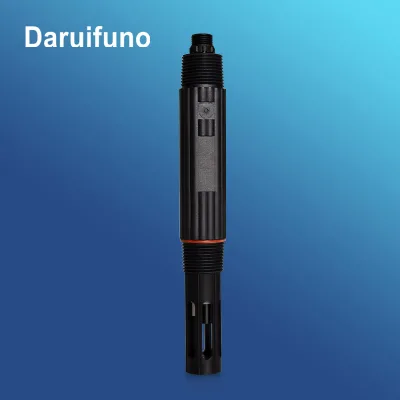
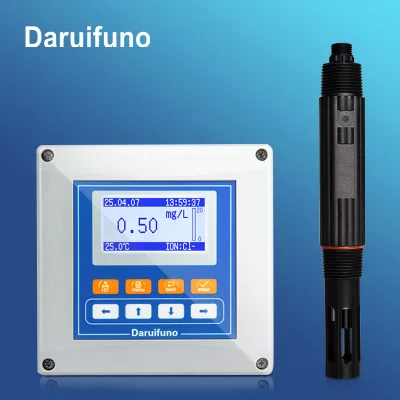
ISE Method 0.1mV Online Chloride Sensor Chloride Electrode for Industrial Water
$278.291 - $340.3621
MOQ: 1 pieces

REX (Shanghai) Technology Co., Ltd.
- Verified by SGS
- Combined
- China Shanghai
- Lead time23 days
- Avg. response≤ 12h
Main marketsSouth America,Africa,Southeast Asia/ Mideast,East Asia(Japan/ South Korea),Domestic,Europe,Australia,North America


High-Precision Copper Ion Selective Electrode for Accurate Water Analysis
$35.00 - $45.00
MOQ: 5 pieces


High-Precision Lodideion Ion Selective Electrode with BNC-S8 Connector
$132.00 - $164.00
MOQ: 5 Pieces


Anhui Madsur Technology Co., Ltd.
- Verified by CTI
- Combined
- China Anhui
- Lead time15 days
- Avg. response≤ 2h
Main productspH Meter, Cod Sensor, Multi-Parametes Analyzer, Water Quality Analyzer, Coductity, Turbidity, Dissolved Oxygen, Doppler Flowmeter, Suspended Solids, Portable Ammonia Nitrogen Analyzer
Main marketsDomestic

MDS-900IN Online Ion Selective Sensor Electrode Probe for water testing
$499.00 - $689.00
MOQ: 1 Pieces

MDS-900IN High Accuracy Ion-Selective Electrode (ISE) for Water Treatment
$499.00 - $689.00
MOQ: 1 Pieces
Henan Bingsheng Industrial Co., Ltd.
- Verified by TüVRheinland
- Manufacturer, Trading Company
- Lead time15 days
- Avg. response≤ 1h
Main productsSoil Sensors, Water Flow Sensors, Water Quality Sensors, Weather Station Sensors, PH Sensors
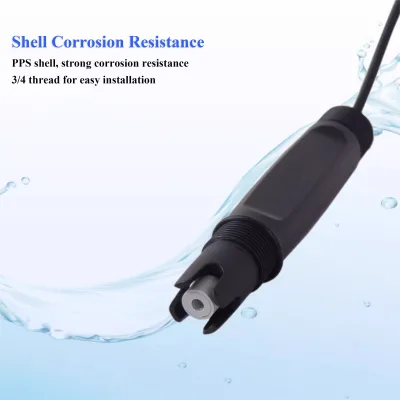
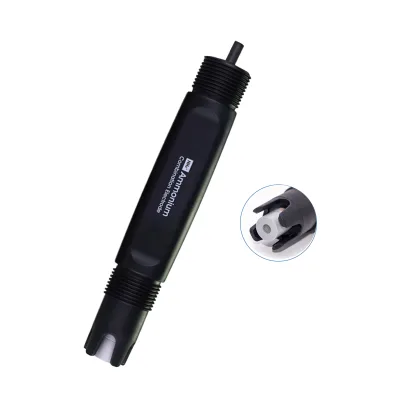
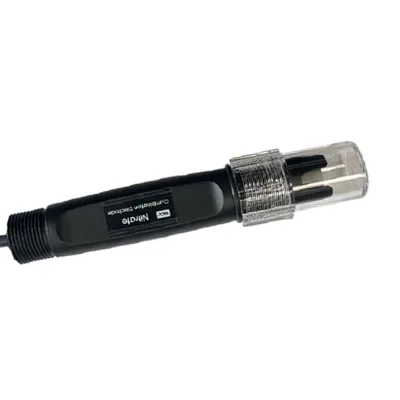
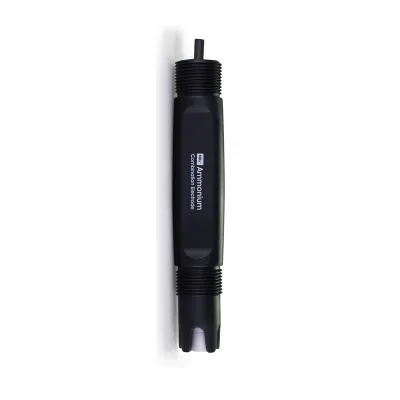
Calcium Ion Selective Sensor Water Hardness Sensor Rs485 Online Monitoring Ammoniumion Sensor
$297.4234 - $317.221
MOQ: 5 pieces
RS485 Sewage Fluoride Ion Sensor Online Fluoride Concentration Detector Fluoride Ion Electrode
$202.0128 - $435.1031
MOQ: 1 Minimum
Qingdao Luminsens Marine Technology Co., Ltd.
- Manufacturer, Trading Company
- Shandong, China
- Lead time15 days
- Avg. response≤ 3h
Main productsDissolved oxygen sensor,COD sensor,pH sensor,TSS sensor,TUR sensor
Main marketsSoutheast Asia(45.00%), Domestic Market(30.00%), Northern Europe(5.00%), North America(5.00%), Mid East(5.00%), South America(5.00%), Eastern Europe(5.00%)
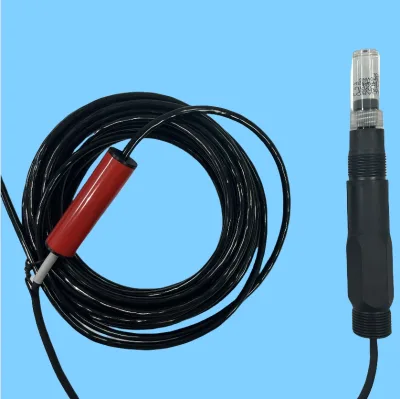
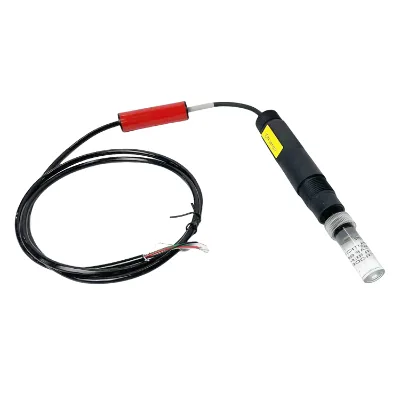
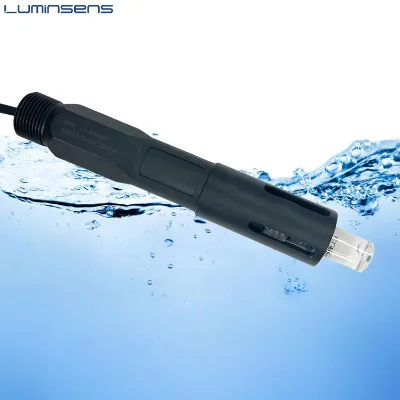
IP68 0 - 10000mg/L RS485 4-20mA Output Water Online Monitoring Digital Ion Sensor for Drinking
$520.00 - $540.00
MOQ: 1 pieces
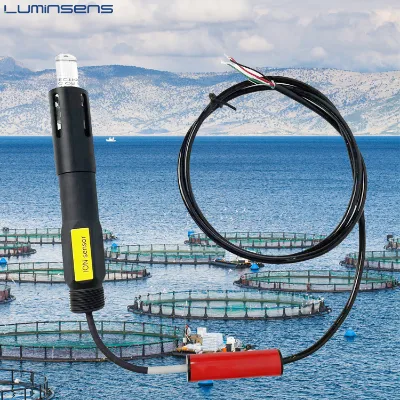
CE OEM RS485 Online Ammonia Nitrogen Ion Nh4 Sensor for River Sea Sewage Water Quality Monitoring
$520.00 - $540.00
MOQ: 1 pieces

Henan Bingsheng Industrial Co., Ltd.
- Verified by SGS
- Combined
- China Henan
- Lead time15 days
- Avg. response≤ 2h
Main productsSensor
Main marketsSouth America,Southeast Asia/ Mideast,Domestic,Europe,North America


Online RS485 Ion Selective Electrode Water Quality Monitoring Nitrate Sensor
$269.30 - $286.90
MOQ: 2 Pieces

Hunan Bixiao Environmental Technology Co., Ltd.
- Manufacturer, Trading Company
- Hunan, China
- Lead time7 days
- Avg. response≤ 1h
Main productsUV254 COD/TOC/BOD online sensor,Ammonia Nitrogen Sensor,USV,Water Toxicity Online Analyzer,Water Quality Auto-monitoring Station
Main marketsDomestic Market(60.00%), North America(10.00%), Southeast Asia(10.00%), Western Europe(10.00%), Mid East(5.00%), South America(5.00%)
Nanjing Juge Environmental Technology Co., Ltd.
- Verified by SGS Group
- Manufacturer, Trading Company
- Lead time0 days
- Avg. response≤ 3h
Main productsPh meter, Water quality analyzer, Gas analyzer
Main marketsSoutheast Asia(80%), Domestic Market(20%)
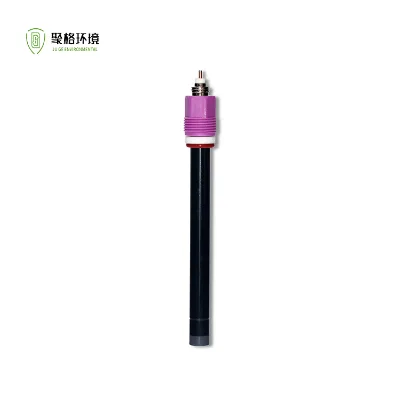
ISE Sensor Calcium Ion Water Hardness Electrode
$320.00 - $380.00
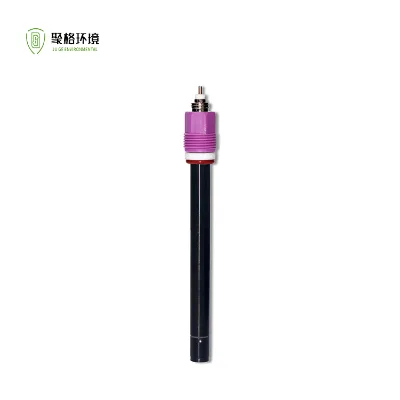
Online Analog 4-20mA Fluoride Ion Electrode
$320.00 - $380.00
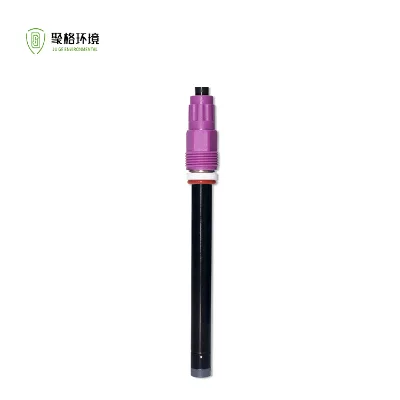
Industry Online Nitrate Ion Electrode ISE Sensor
$320.00 - $380.00
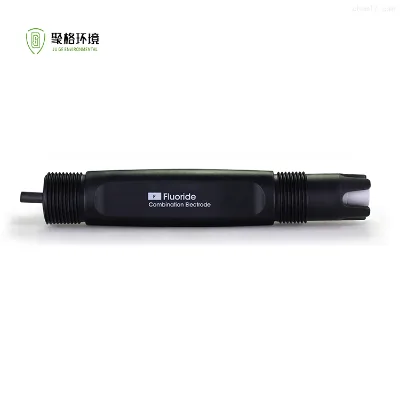
Customizable OEM Fluoride Ion Selective Electrode Water F- Sensor
$400.00 - $500.00
Jiangsu Aice Instrument Technology Co., Ltd.
- Verified by TüVRheinland
- Trading Company
- Lead time15 days
- Avg. response≤ 2h
Main productsFlowmeter, Level Transmitter, IR Sensors, Pressure Sensor, Water Quality Sensor
Main marketsSoutheast Asia(25%), North America(15%), South Asia(15%)
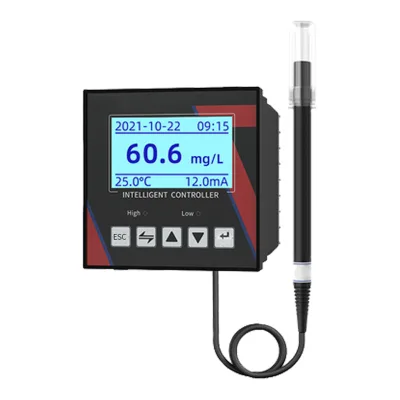
Aice Tech Laboratory Ion Selective Combination Electrode
$411.00 - $450.00
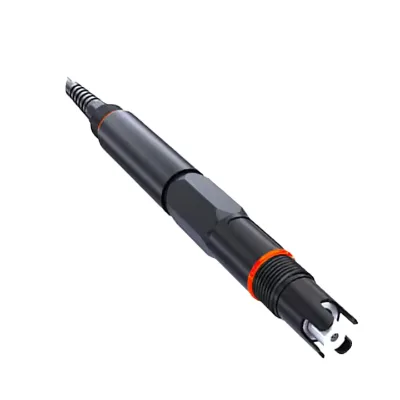

Shanghai Boqu Instrument Co., Ltd.
- Combined
- China Shanghai
- Lead time30 days
- Avg. response≤ 11h
Main productspH Meter, pH Sensor, Conductivity Meter, Conductivity Sensor, Dissolved Oxygen Meter, Dissolved Oxygen Sensor, Turbidity Meter, Turbidity Sensor, ORP Meter, ORP Sensor
Main marketsSoutheast Asia/ Mideast,Domestic,Europe,North America

Pxg-2085PRO Online Water Carbon Dioxide Carbonate CO2 Ion Selective Electrode Sensor Probe Meter
$100.00 - $990.00
MOQ: 1 Pieces

$100.00 - $990.00
MOQ: 1 Pieces

Boqu Fluoride Ion F- Sensor and Cl-, Ca2+, No3-, Nh4+, K+ Water Quality F- Ion Probe/Sensor
$100.00 - $990.00
MOQ: 1 Pieces
Handan Yantai Import And Export Co., Ltd.
- Verified by TüVRheinland
- Manufacturer, Trading Company
- Lead time0 days
- Avg. response≤ 3h
Main productsCompact Weather Station, Environmental Monitoring Station, Soil Monitor, Water Monitor
Main marketsEastern Asia(30%), Southeast Asia(25%), Eastern Europe(10%)
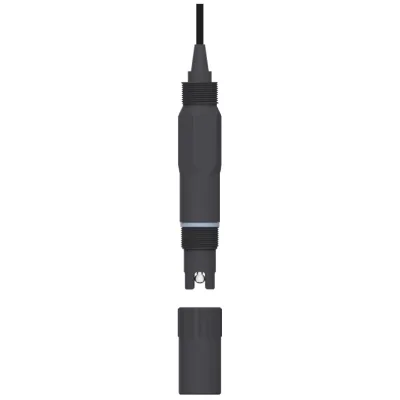
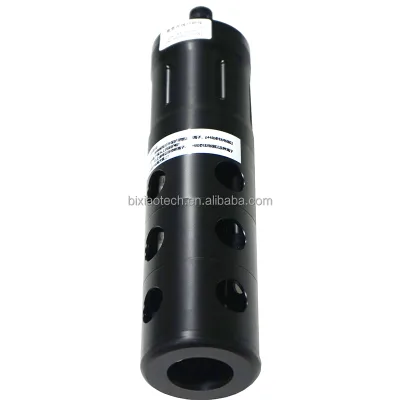
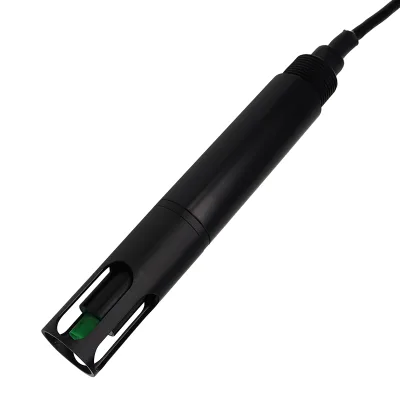
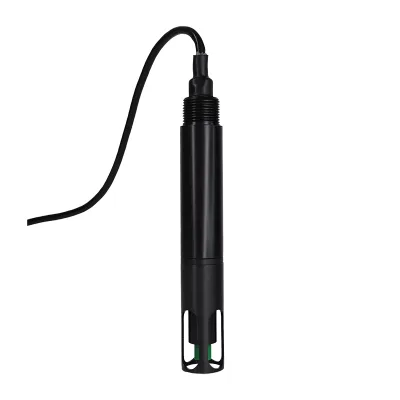
Comprehensive Sourcing Guide
Online Water Ion Selective Electrode Supplier Concentration and Factory Types
When sourcing an Online Water Ion Selective Electrode, understanding where suppliers cluster helps you filter listings efficiently. In the current results, two provincial origins appear: Shandong in eastern China and Jiangsu on the central coast. These are the only locations supported by the data on this page, so treat them as observed facts rather than as a complete map of the industry. A Shandong-based result lists manufacturer and trading company as its company type, with main products spanning pH, conductivity, turbidity, COD, and dissolved oxygen sensors, which signals a broader water-quality instrumentation producer rather than an ion-electrode specialist.
To identify clusters beyond what is displayed, start by filtering search results by province or city and counting how many listings share the same origin. A concentration of manufacturers producing related instruments—pH meters, test instruments, analyzers—in one region usually indicates a genuine cluster. Classify each supplier by company type: manufacturers typically control electrode formulation and calibration, while trading companies aggregate catalogues from several factories and can simplify multi-product ordering. The product evidence here shows one supplier with a potassium ion electrode and another with a fluoride electrode and an ammonia nitrogen sensor, so check whether a supplier's catalogue covers the specific ion you need before assuming any listed supplier can supply it. Record the main-products field for every candidate so you can later judge whether ion-selective electrodes are core business or an sideline.
How to Verify Online Water Ion Selective Electrode Suppliers
Verification begins with the fields a platform actually displays. For an Online Water Ion Selective Electrode listing, check the company type first: a result labeled Manufacturer, Trading Company behaves differently from a pure trader, and you should ask each candidate directly what role they play in production. Next, confirm the place of origin on the product attribute table, not just the supplier profile. In the current results, Shandong and Jiangsu appear both at supplier level and in product attributes, and agreement between the two is a positive consistency signal worth recording.
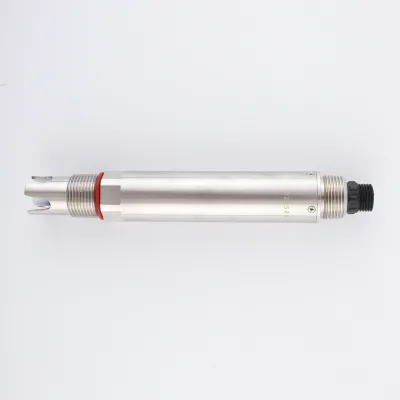
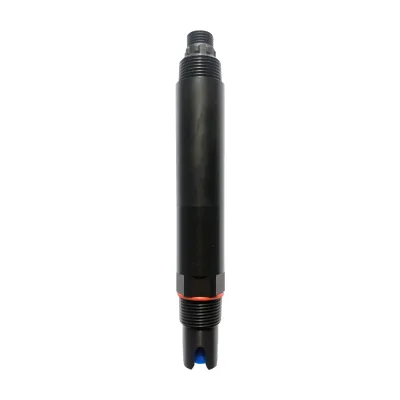
Then verify the product itself against the specification sheet. The observed potassium ion electrode lists an ion-selective-electrode theory, RS-485 (Modbus/RTU) output, two-point calibration, 0–100 mg/L measuring range, stainless steel construction, and immersion installation via 3/4 NPT pipe thread. A fluoride electrode listing shows PPS material, PT1000 temperature unit, RS485 Modbus communication, and a one-year warranty. Ask the supplier to confirm each of these attributes in writing for the exact model you intend to buy. Request test reports or calibration certificates for the specific unit shipped, since displayed attributes describe a model, not your batch. Ask for photos of the actual electrode, the cable, and the connector, and confirm customization capability explicitly—one listing states OEM customized support, but you should not assume others offer it. Finally, request a small trial order before committing to volume, and treat any refusal to provide written specification confirmation as a reason to move to the next candidate.
What to Compare Across Online Water Ion Selective Electrode Suppliers
Build a comparison table from the attributes that appear in supplier results, but remember that not every supplier displays every field. Useful dimensions from the current data include location (Shandong or Jiangsu), company type, main products, response time, lead time, and product-level specifications. Response time is a practical signal of service capacity: the observed values are two hours for one supplier and five hours for another, so log the number shown for each candidate and weigh it alongside product fit. Lead time varies more sharply—one result shows fifteen days, another five days—so ask every shortlisted supplier to confirm current production lead time for your specific ion electrode model, because displayed figures may reflect a different product or season.
On the product side, compare measuring range, resolution, accuracy, output signal, operating temperature, pressure rating, material, and installation method. The potassium electrode shows 0–100 mg/L with 0.01 mg/L resolution and ±10% precision; the calcium probe lists a wider range option up to 1000 mg/L; the ammonia sensor highlights IP68 protection. These differences matter for your application, so normalize them in one spreadsheet. Also compare main products: a supplier whose catalogue is dominated by water-quality analysis instruments may integrate better with your existing analyzers than one selling a single electrode type. Finally, compare warranty terms—one listing states a one-year warranty—and check whether establishment year and escrow indicators are displayed; if a field is missing for a supplier, ask for the information rather than assuming it.
Common Online Water Ion Selective Electrode Sourcing Risks
The most frequent risk in this category is specification drift between the listing and the delivered unit. Displayed attributes such as RS-485 Modbus output, two-point calibration, or a 0–100 mg/L range describe a model configuration; a supplier may ship a variant with a different cable length, connector, or membrane type. Mitigate this by attaching the full attribute table—including items like supply voltage 12–24 VDC, working pressure below 0.1 MPa, and pH range of the medium 4–10 pH—to your purchase order and requiring written confirmation of each line.
The second risk is misunderstanding the supplier's role. A listing marked Manufacturer, Trading Company may outsource some components, which affects consistency between batches. Ask who produces the electrode membrane and who performs final calibration. A third risk is environmental mismatch: observed working temperatures range from 0–40 °C on one electrode to 0–80 °C on the fluoride electrode and −5–40 °C on the calcium probe. If your installation site exceeds the listed window, the sensor will fail early regardless of quality. A fourth risk is lead-time overruns—one displayed value is fifteen days—and communication delays, with response times of two and five hours observed. Build buffer time into your schedule and test responsiveness before ordering. Finally, avoid assuming certifications, escrow protection, or warranty coverage exist simply because other listings mention them; the warranty shown on one fluoride electrode listing applies only where explicitly stated, so verify terms for your chosen supplier in the contract.
Online Water Ion Selective Electrode Regional Sourcing and Logistics
Regional sourcing decisions should rest on the locations shown in your results rather than on general assumptions. Here, the two observed origins are Shandong and Jiangsu, both coastal provinces in eastern China, which matters for logistics because coastal regions generally offer more forwarding options and established export handling for instrument shipments. The Shandong supplier result pairs its location with a fifteen-day lead time, while the Jiangsu result shows a five-day lead time; treat these as per-supplier figures, not regional guarantees, since lead time depends on the specific electrode model and current order queue.
When comparing regions, weigh freight practicality against product fit. An online ion selective electrode is compact—the observed single package sizes are 32.5×14.5×9.5 cm at 3.0 kg gross weight for one electrode and 40×25×15 cm at 2.0 kg for the fluoride probe—so express or air freight is feasible for samples and small orders, while larger batches can move by sea. Cable length is a customization point: one listing offers 5 m standard with other lengths available, so confirm the shipped configuration before booking freight. For installation planning, note the mounting types in the data: immersion installation with 3/4 NPT pipe thread on one electrode, and pressure ratings up to 0–5 bar on the fluoride probe. Plan customs documentation with the correct product category—these items are listed under sensors and testing instruments—and ask each supplier for the packing dimensions and weights of your exact configuration, since displayed package data may not match customized cable or housing options.
Online Water Ion Selective Electrode Commercial Terms and Order Planning
Commercial planning for an Online Water Ion Selective Electrode should start with price verification against the displayed ranges. Current results show a potassium ion electrode quoted at 600 per unit and a fluoride electrode quoted between 269 and 329, but prices change with configuration, cable length, and order quantity, so request a formal quotation for your exact model rather than anchoring on listing prices. Confirm the currency, the validity period of the quote, and what is included—cable, connectors, calibration solution, and documentation should each be itemized so the comparison across suppliers is like-for-like.
Minimum order quantity is a field to verify rather than assume: it is not displayed uniformly across these results, so ask each supplier for the MOQ on your chosen electrode and whether sample units are available at a higher unit price. Plan a two-stage order: a small trial batch for site validation, then a volume order after you confirm performance in your actual water matrix. Tie payment protection to visible indicators such as escrow availability where the platform shows it, and confirm warranty terms in the contract—the one-year warranty shown on one fluoride listing is a benchmark for what to request, not a universal default. Align delivery terms with the confirmed lead time, whether five days or fifteen, and add inspection time before shipment. Finally, set a reordering schedule: ion-selective electrodes are consumable in practice, so negotiate pricing and lead-time commitments for repeat orders at the time of your first purchase, when you have the most leverage.
FAQs
What is the typical response time for suppliers in Shandong?
Suppliers located in Shandong, China typically respond within 2 hours. This fast response helps buyers get quick quotes and technical details. Always verify current availability before placing an order to ensure timely communication.
How long does delivery take for online sensors from Jiangsu?
Manufacturers in Jiangsu, China offer a lead time of 5 days for these products. This shorter duration allows for faster project completion compared to other regions. Confirm specific shipping dates with the seller before finalizing the purchase.
What is the price range for online potassium ion sensors?
The price for online potassium ion sensors ranges from 600.00 to 600.00 units. This fixed price point reflects the specific model specifications and features included. Buyers should check for bulk discounts or additional shipping costs.
Which sensor models support RS-485 communication protocols?
Many online sensors support RS-485 Modbus RTU communication for data integration. Models like the GA-406 and ASX4110 feature this output for industrial monitoring. Ensure your control system is compatible with this protocol before purchasing.
What is the operating temperature range for these electrodes?
Operating temperatures generally range from 0 to 40 degrees Celsius for standard models. Some specialized units can withstand up to 80 degrees Celsius depending on the material. Always check the specific product datasheet for your application environment.
Are these sensors suitable for water quality monitoring applications?
Yes, these ion selective electrodes are designed specifically for water quality monitoring. They measure parameters like potassium, calcium, fluoride, and ammonia nitrogen accurately. The stainless steel or PPS construction ensures durability in various water treatment environments.
What is the minimum order quantity for these sensors?
The provided facts indicate a selling unit of a single item for these sensors. This suggests no high minimum order quantity is required for initial testing. Verify the exact MOQ with the supplier as policies may vary by batch size.
What warranty is provided for the fluoride ion electrode?
The fluoride ion electrode comes with a standard warranty of 1 year. This coverage protects against manufacturing defects and ensures product reliability. Review the specific warranty terms and conditions provided by the manufacturer for full details.