Portable Pet Waste Scooper Suppliers and Manufacturers
Compare 28 verified Portable Pet Waste Scooper suppliers across China Jiangsu, Zhejiang, and Hunan. Review response times, lead times, certifications, and pricing to source reliable manufacturers for your pet cleaning needs today; review the available evidence before requesting comparable quotations from suitable candidates.
Suppliers List

Suzhou Becpet E-commerce Co.,Ltd.
- Verified by BV
- Trading Company
- China Jiangsu
- Lead time15 days
- Avg. response≤ 2h
Main productsPet Food Container, Storage Container, Pet Bowls, Pet Toys, Pet Feed Bins, Pet Feeder, Dog Leash, Pet Bed
Main marketsSouth America,Europe,North America


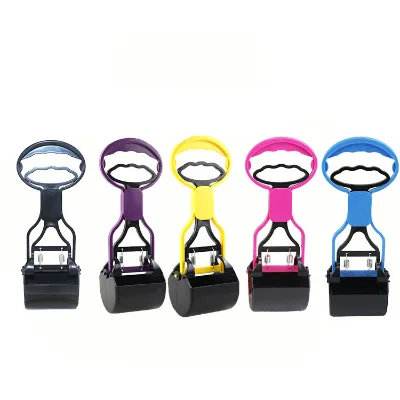
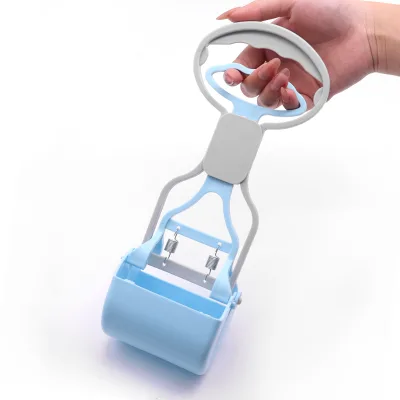
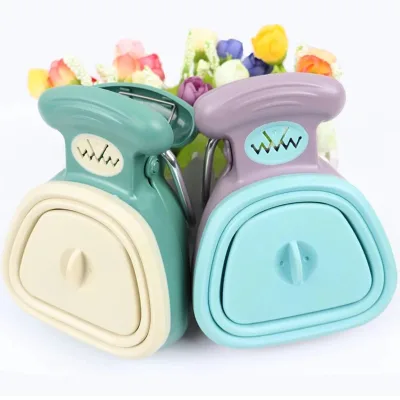
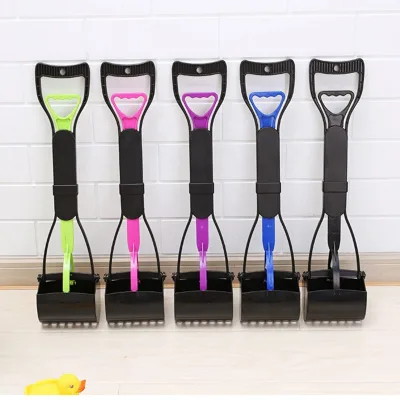
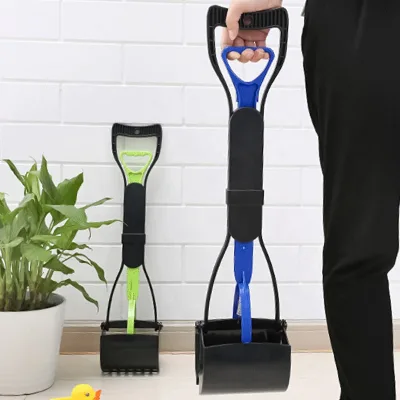
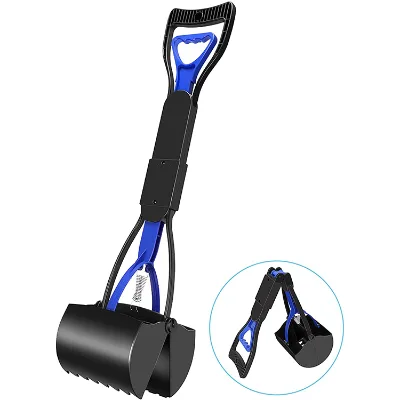
Pet Dogs Waste Pick up Foldable Clean Poop Pickup Tool Dog Cleaning Dog Poop Scooper
$1.68 - $1.80
Moq: 100


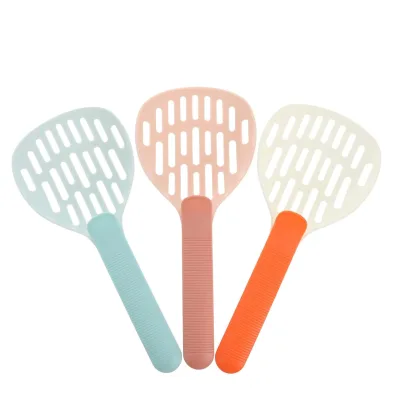
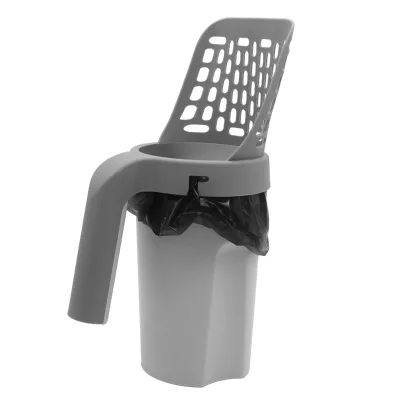
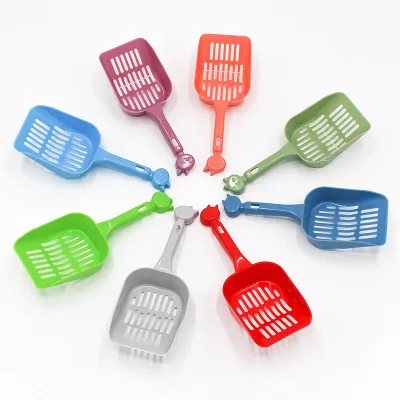
Litter Cleaning Tool Plastic Cat Litter Scoop Kitty Litter Boxes Scooper Pet Sift Shovel
$0.18 - $0.20
Moq: 1000

- Trading Company,Manufacturer/Factory
- China Zhejiang
- Lead time23 days
- Avg. response≤ 18h
Main productsCandle, Candle Holder, Reed Diffuser, Keychain
Main marketsSouth America,Eastern Europe,Mid East,North America,Southeast Asia,Eastern Asia,Oceania,Western Europe,Africa

- Verified by SGS
- Trading Company
- China Hunan
- Lead time15 days
- Avg. response≤ 4h
Main productsPet Supplies, Automatic Pet Feeder, Pet Water Dispenser, Pet Toy, Puppy Training Pad, Pet Collar, Pet Carrier, Auto-Clean Cat Litter Box, Pet Trainer, Pet Air Purifier
Main marketsSouth America,Southeast Asia/ Mideast,Europe,Australia,North America


Dog Waste Collector Foldable Portable with Rake Scooper, Container and Waste Bags
$3.80 - $4.90
Moq: 100


Yiwu Huanxing Import & Export Co., Ltd.
- Trading Company
- Zhejiang, China
- Lead time10 days
- Avg. response≤ 2h
Main productsPet Grooming & Bathing Tool,Pet Feeder & Bowl,Pet Collar & Leash,Pet Mat & Pad,Pet Training Product
Main marketsNorth America(30.0%), Northern Europe(20.0%), Western Europe(20.0%), Southern Europe(10.0%), Mid East(10.0%), Eastern Europe(10.0%)

Qingdao Yuanche International Trade Co., Ltd.
- Verified by SGS
- Trading Company,Manufacturer/Factory
- China Shandong
- Lead time15 days
- Avg. response≤ 2h
Main productsPet Supply, Dog Harness, Pet Bed, Pet Toys, Pet Bowl, Pet Grooming Tools, Pet Clothes, Pet Carrier, Pet Cage, Aquarium Supplies
Main marketsSouth America,Eastern Europe,Mid East,North America,Southeast Asia,Eastern Asia,Oceania,Western Europe,Africa
Hangzhou Pinyu Commerce Co., Ltd.
- Verified by Intertek
- Trading Company
- Lead time60 days
- Avg. response≤ 6h
Main productsPet Toy, Pet Interactive Toy, Pet Supplies
Main marketsNorth America(60%), Eastern Asia(10%), Eastern Europe(10%)

Hangzhou Tianyuan Pet Products Co., Ltd.
- Verified by TUVRHEINLAND
- Combined
- China Zhejiang
- Lead time30 days
- Avg. response≤ 13h
Main productsPet Beds, Cat Trees, Pet Products, Pet Accessories, Pet Supplies, Pet Collar, Pet Toy, Pet Brush, Pet Bowl, Pet Clothes
Main marketsEurope,North America
Chengdu Tops Technology Co., Ltd.
- Verified by TüVRheinland
- Trading Company
- Lead time15 days
- Avg. response≤ 3h
Main productsAutomatic Cat Litter Box, Automatic Pet Feeder, Dog Poop Bag, Pet Wipes, Pet Grooming Brush

Yangzhou Huating Brushes Industry Co., Ltd.
- Verified by TUVRHEINLAND
- Combined
- China Jiangsu
- Lead time30 days
- Avg. response≤ 12h
Main productsPet Brush, Pet Comb, Pet Gloves, Pet Nail Clippers, Pet Bowls, Pet Supplies
Main marketsSouth America


Cat Litter Dog Pooper Scooper Clean Pick up Pet Cleaning Scooper Dog Poop Scooper
$0.34 - $0.36
Moq: 500


Nexus International Trading(Shanghai)Co., Ltd
- Trading Company
- China Shanghai
- Lead time0 days
- Avg. response≤ 2h
Main productsPet Toy, Pet Cleaning&Grooming Products, Pet Clothes, Pet Feeder, Pet Leash & Harness, Pet Collar, Pet Bed

Xiamen Yiyuan Hong Industrial & Trade Co., Ltd
- Manufacturer
- Fujian, China
- Lead time7 days
- Avg. response≤ 2h
Main productsGolf grip,Club grip,Dog Lick Mat,Silicone Products,Sports Entertainment Products
Main marketsNorth America(30.0%), South America(20.0%), Domestic Market(10.0%), Eastern Europe(5.0%), Southern Europe(5.0%), Northern Europe(5.0%), Western Europe(5.0%), Eastern Asia(5.0%), Mid East(5.0%), Oceania(5.0%), Southeast Asia(5.0%)

WOR-BIZ INDUSTRAL PRODUCT CO., LIMITED (ANHUI)
- Verified by TUVRHEINLAND
- Trading Company
- China Anhui
- Lead time45 days
- Avg. response≤ 10h
Main productsPet Products, Pet Harness, Pet Collar, Pet Leash, Pet Carrier, Pet Toy, Pet Bed, Pet Clothes, Pet Accessory, Pet Feeder
Main marketsSouth America

- Verified by SGS
- Trading Company,Manufacturer/Factory
- China Zhejiang
- Lead time23 days
- Avg. response≤ 5h
Main productsTent, Project Screen, Bicycle, Trampoline, Backpack, Kitchenware, Hammock, Pet Accessories, Garden Products
Main marketsSouth America,Eastern Europe,Mid East,North America,Southeast Asia,Eastern Asia,Oceania,Western Europe,Africa


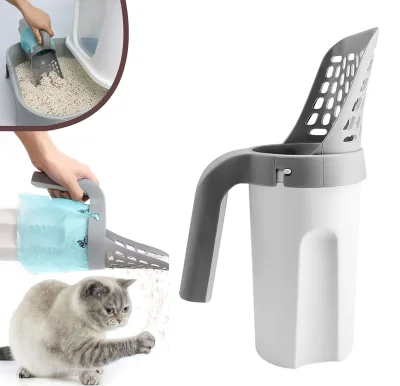
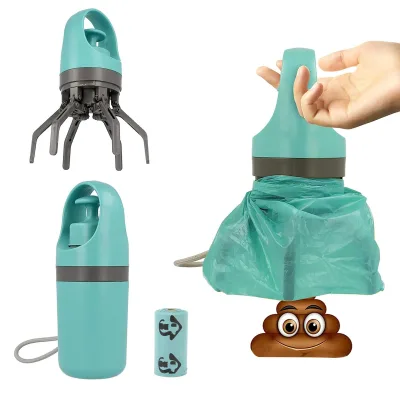
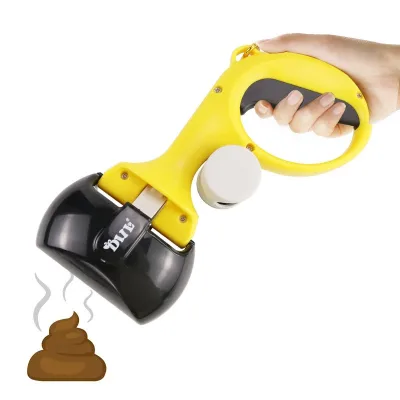
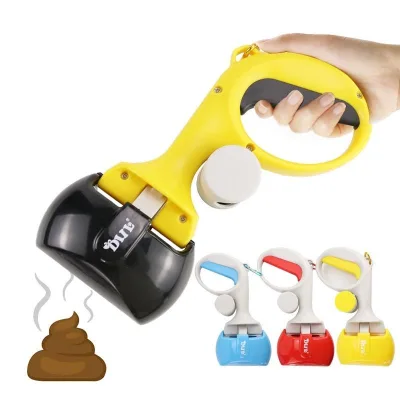
Portable Pet Scooper with Garbage and Poop Bag Dispenser Cleaning Tool Wbb18455
$3.80 - $4.60
Moq: 100


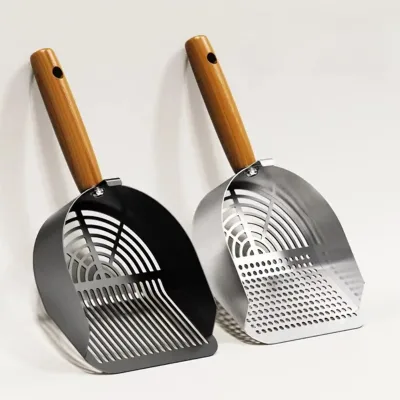
Cat Litter Scoop Non-Stick Aluminum Alloy Sifter Deep Shovel Long Handle Wbb18230
$4.00 - $4.80
Moq: 100


Xiamen Furvorite Pet Supplies Co., Ltd.
- Verified by SGS
- Trading Company,Manufacturer/Factory
- China Fujian
- Lead time45 days
- Avg. response≤ 3h
Main productsDog Harness, Pet Clothes, Dog Leash, Dog Collar, Pet Bed, Pet Accessories, Pet Grooming Tool, Pet Gates & Furniture, Pet Bowls & Feeding, Dog Brace
Main marketsSouth America,Eastern Europe,Mid East,North America,Southeast Asia,Eastern Asia,Oceania,Western Europe,Africa
Shenzhen Elecview Technology Co.,ltd
- Verified by SGS Group
- Manufacturer, Trading Company
- Lead time7 days
- Avg. response≤ 4h
Main productsPet Bowls & Feeders, Pet Collars & Leashes, Pet Cleaning & Gromming

- Trading Company
- Zhejiang, China
- Lead time15 days
- Avg. response≤ 7h
Main productsPet toy,Pet clothes,Pet harness,Dog leashes,Dog collar
Main marketsEastern Europe(20.0%), South America(20.0%), North America(20.0%), Southeast Asia(10.0%), Western Europe(10.0%), Northern Europe(10.0%), Southern Europe(10.0%)

- Trading Company
- Sichuan, China
- Lead time3 days
- Avg. response≤ 3h
Main productsAutomatic Pet Food & Water Feeder,Cat Litter Box,Pet Collar Leash Harness Set,Essential Oil Diffuser,Aroma Diffuser
Main marketsNorth America(40.0%), Western Europe(10.0%), Eastern Asia(10.0%), Southern Europe(8.0%), Eastern Europe(5.0%), South America(5.0%), Domestic Market(5.0%), Oceania(5.0%), Northern Europe(5.0%), South Asia(2.0%), Central America(2.0%), Mid East(1.0%), Africa(1.0%), Southeast Asia(1.0%)
Changsha Pet Enjoy Home Trading Co., Ltd.
- Trading Company
- Hunan, China
- Lead time7 days
- Avg. response≤ 4h
Main productsPet Toys & Playthings,Pet Collars,Pet Leads & Accessories,Pet feeding,Pet Grooming
Main marketsNorth America(80.0%), Western Europe(20.0%)
Monica Technology (Shenzhen) Co., Ltd.
- Verified by SGS
- Trading Company
- China Guangdong
- Lead time30 days
- Avg. response≤ 20h
Main productsPet Product, Pet Water Dispenser, Sports Repair Products, Beauty Equipment, Pet Daily Necessities, Tens Products, Outdoor Sports Products, Phototherapy Beauty Products, Work out Repair Products, Phototherapy Sports Rehabilitation Products
Main marketsEast Asia(Japan/ South Korea)
- Verified by TüVRheinland
- Manufacturer, Trading Company
- Lead time15 days
- Avg. response≤ 4h
Main productsPet Stroller, Pet Seat Cover, Pet Bed, Pet Accessories
Main marketsEastern Asia(36%), Domestic Market(27%), North America(12%)
Chicopet Pet Products Company Limited
- Manufacturer, Trading Company
- Guangdong, China
- Lead time30 days
- Avg. response≤ 3h
Main productsPet Cage,Pet Toy,Pet leash and collar,Aquarium tank,Aquarium Appliance
Main marketsWestern Europe(30.0%), Central America(15.0%), South America(10.0%), Eastern Europe(10.0%), Mid East(8.0%), Southeast Asia(5.0%), North America(5.0%), Eastern Asia(5.0%), Africa(5.0%), Oceania(5.0%), Northern Europe(2.0%)

Dalian Eastland International Trading Co., Ltd.
- Verified by BV
- Trading Company,Manufacturer/Factory,Group Corporation
- China Liaoning
- Lead time23 days
- Avg. response≤ 12h
Main productsLactic Acid, L-Lactic Acid, Buffered Lactic Acid, Sodium Lactate, Chemical Product, Calcium Lactate, Chemical
Main marketsSouth America,Eastern Europe,Mid East,North America,Southeast Asia,Eastern Asia,Oceania,Western Europe,Africa
Dalian Usmile Pet Technology Co., Ltd.
- Verified by Intertek
- Trading Company
- Lead time7 days
- Avg. response≤ 2h
Main productsPet Cleaning and Grooming Equipment, Veterinary and Rehabilitation Equipment , Pet Smart Products , Pet Health Care And Supplements, Basic Pet Supplies

- Verified by BV
- Trading Company,Manufacturer/Factory
- China Zhejiang
- Lead time30 days
- Avg. response≤ 8h
Main productsPet Bed, Pet Leash, Pet Cloth, Pet Toy, Pet Bowl, Pet Grooming, Pet Cage, Pet Training, Cat Tree, Pet Supply
Main marketsSouth America,Eastern Europe,Mid East,North America,Southeast Asia,Eastern Asia,Oceania,Western Europe,Africa
Shenzhen Global Hotel Supplies Co., Ltd.
- Trading Company
- Lead time旺季: "1 - 5000":35,"> 5000":"To be negotiated", 淡季: "1 - 5000":35,"> 5000":"To be negotiated"
- Avg. response≤ 2h
Main productsFruit & Vegetable Tool,Cooking Tools & Gadgets,Home Textiles,Pet Supplies,Garden Supplies
Ningbo Fun Maker Health Technology Co., Ltd.
- Trading Company
- Zhejing, China
- Lead time0 days
- Avg. response≤ 2h
Main productsPet Interactive & Movement Toys,Pet Bowls & Feeders,Pet Cleaning & Bathing,Pet Tracker,Pet Grooming Products
Main marketsNorth America(50.0%), Southeast Asia(5.0%), Eastern Europe(5.0%)

- Verified by TUVRHEINLAND
- Manufacturer/Factory
- China Zhejiang
- Lead time23 days
- Avg. response≤ 5h
Main productsOutdoor Furniture, Trampoline, Building, Camping, Houseware, Promotion, Clothes, Rope Light, Garden, Sourcing
Main marketsSouth America,Eastern Europe,Mid East,North America,Southeast Asia,Eastern Asia,Oceania,Western Europe,Africa
Ninghai Dougez Pet Product Co., Ltd.
- Verified by TüVRheinland
- Manufacturer, Trading Company
- Lead time20 days
- Avg. response≤ 1h
Main productsPet Products
Main marketsSouth America(30%), Western Europe(12%), Southeast Asia(10%)




















Comprehensive Sourcing Guide
Portable Pet Waste Scooper Supplier Concentration and Factory Types
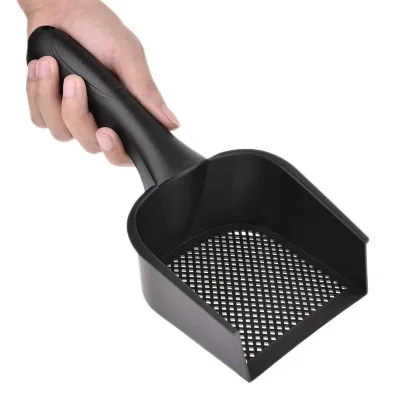
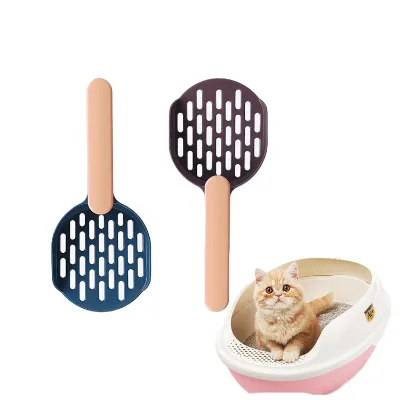
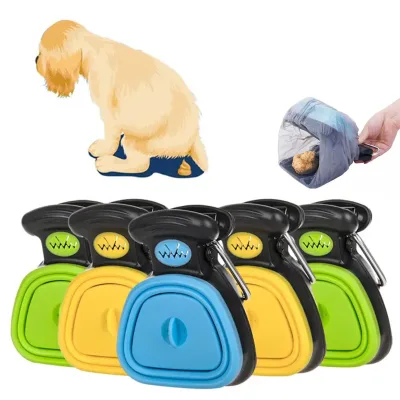
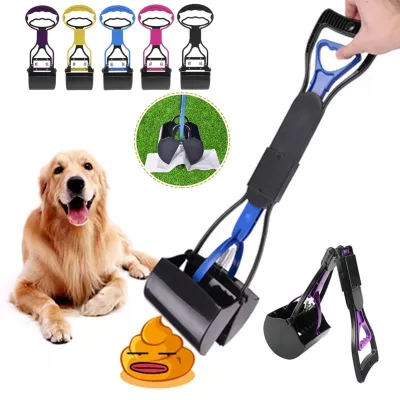
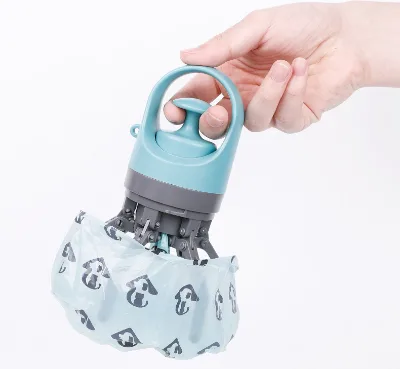
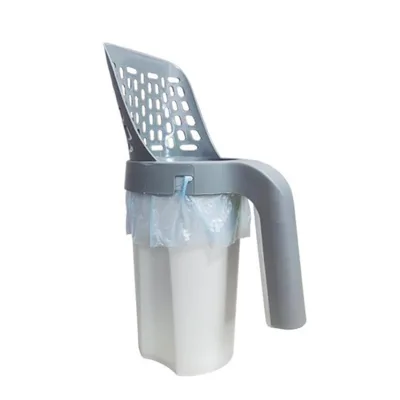
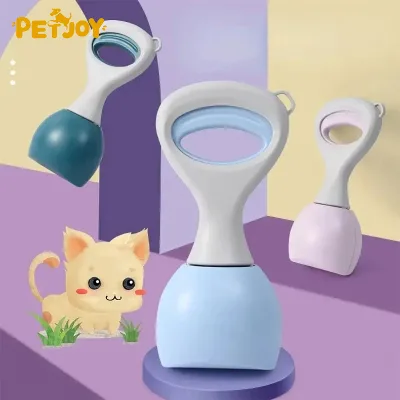
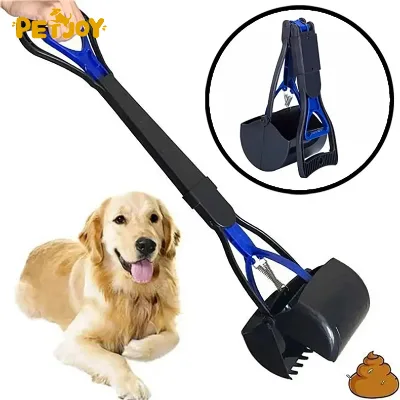
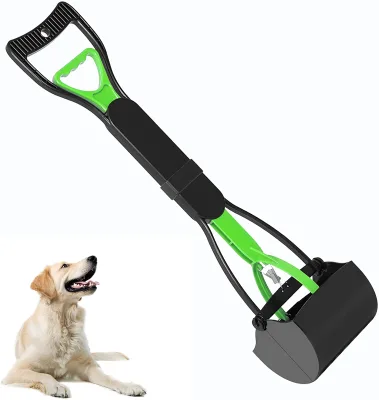
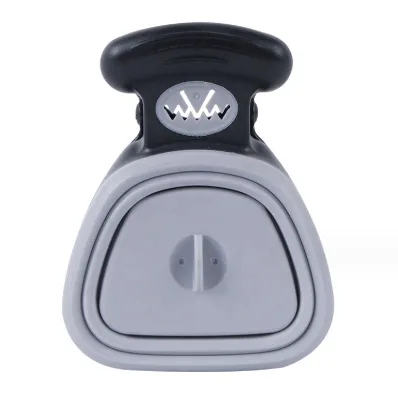
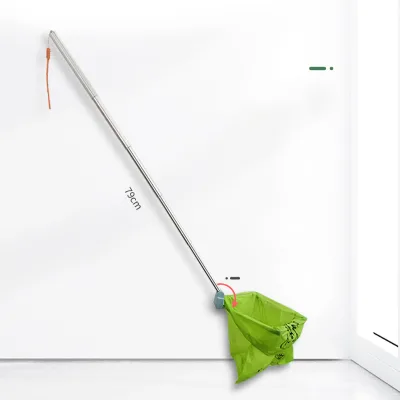
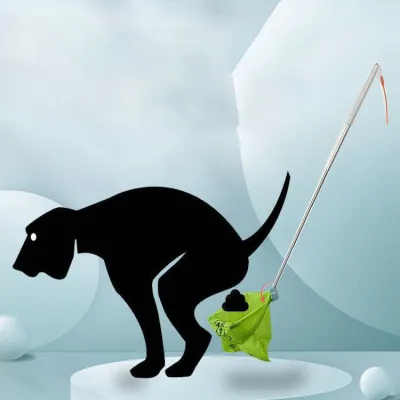
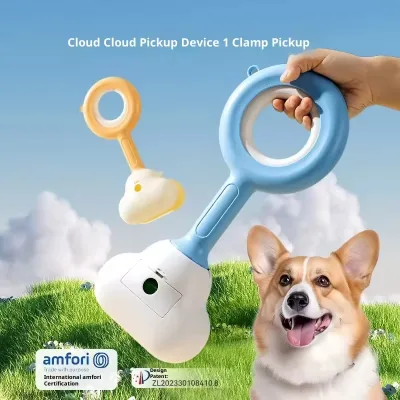
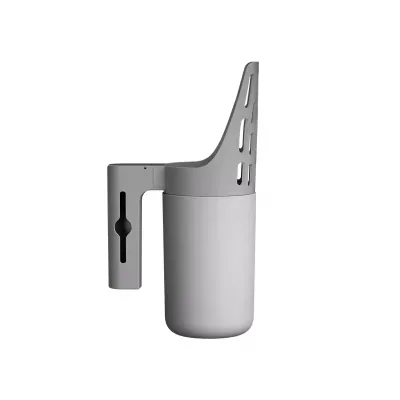
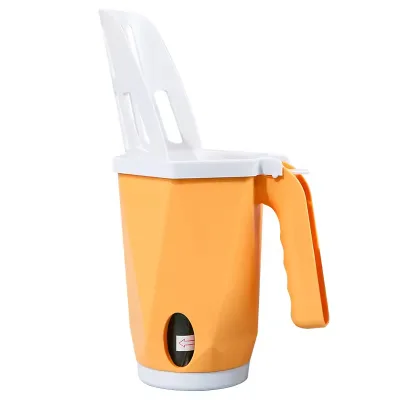
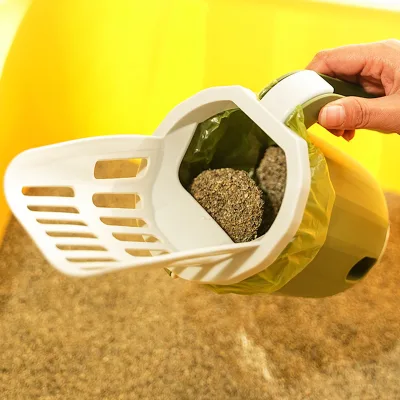
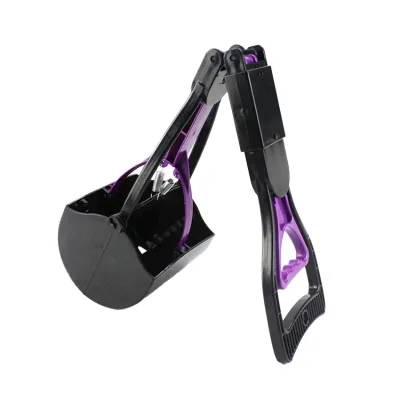
Suppliers of portable pet waste scoopers on this page cluster in a few Chinese provinces, with visible results from Jiangsu, Zhejiang, and Hunan. Jiangsu appears as a trading company handling a broad pet accessories line — pet food containers, bowls, toys, feed bins, and cleaning tools — with foldable and long-handle pooper scoopers among its listings. Zhejiang results combine trading and manufacturing roles, a common hybrid profile in coastal export provinces, with models spanning small bag-dispenser scoopers to large foldable jaw pickers. Hunan suppliers position themselves more broadly as pet supplies specialists, including automatic feeders, litter boxes, and training products alongside waste scoopers.
Factory type matters for this category because the product is largely injection-molded plastic with simple assembly, so both manufacturers and trading companies can competently supply it. A trading company may offer wider product variety and flexibility across scooper styles, while a factory-and-trader hybrid may control tooling and customization more directly. Buyers should treat the displayed company type as a starting point, not proof, and confirm whether the counterparty actually holds the molds or subcontracts production. Note that specialization varies: some listings sit under pet waste disposal categories, others under cat litter accessories, so the same keyword surfaces suppliers with quite different core businesses. Matching supplier specialization to your scooper variant — jaw picker, rake-style, or bag-dispenser type — is a more reliable filter than geography alone.
How to Verify Portable Pet Waste Scooper Suppliers
Verification on this page starts with third-party badges and company attributes already displayed. Results show a BV-verified trading company in Jiangsu, an SGS-verified supplier in Hunan, and a Zhejiang supplier listing ISO 9000 system certification. These labels indicate that an audit body has assessed the company, but they do not certify specific products, so ask which scope the certificate covers and request the current certificate document directly. Treat any certification claim that cannot be documented as unverified.
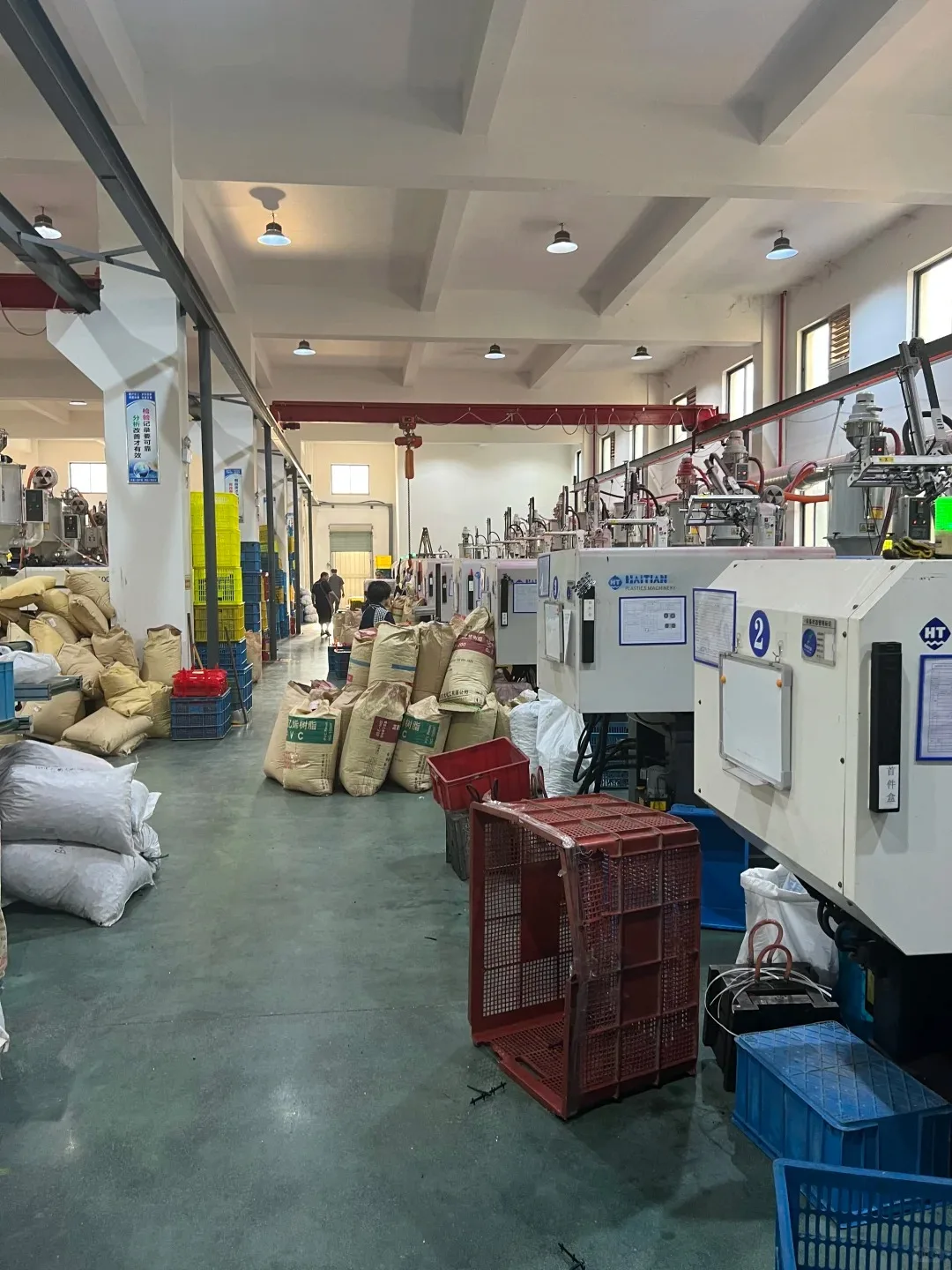
Beyond displayed badges, verify through the listings themselves. Product records on this page include model numbers such as BPS001, BCS010, PET-002, and PET-004, plus packaging formats like opp bags and five-ply cartons — ask the supplier to confirm these details belong to their own production rather than aggregated catalog content. Check that customization, OEM, and logo claims in product attributes can be supported with samples and tooling references. Confirm production capability by asking for photos or video of molding lines and assembly, since scoopers are plastic-intensive products. Validate response behavior against displayed figures: this page shows response times ranging from under two hours to eighteen hours, so measure actual reply speed in your first exchange. Finally, verify legal identity — business license, registered name versus storefront name, and bank account matching the registered entity — before any deposit. Never wire funds to an account that does not match the verified company name.
What to Compare Across Portable Pet Waste Scooper Suppliers
Build a comparison sheet using the dimensions actually displayed on supplier profiles: location, company type, verification badge, response time, lead time, main products, and research capabilities such as OEM or ODM. On this page, lead times differ meaningfully — one Jiangsu result shows around fifteen days while a Zhejiang result shows around twenty-three — so logistics timelines should be compared supplier by supplier rather than assumed uniform. Response times likewise range from roughly two to eighteen hours, which affects how quickly sampling issues get resolved.
Compare product-level data next. Displayed MOQs in this category range from 100 units on one Jiangsu scooper listing to 1,000 and 2,000 units on others, a large spread that directly affects your trial-order budget. Displayed price ranges also vary widely, from under one dollar for small litter scoops to several dollars for jaw scoopers with built-in bag dispensers, so normalize comparisons by matching the same scooper type and size before judging price. Check customization attributes: some listings state customization available, some add OEM and logo labeling, and one Hunan supplier displays ODM and own-brand capability. Weigh main-product alignment too — a supplier whose catalog centers on pet cleaning tools may handle scooper quality more consistently than one where scoopers are a minor line. Finally, compare packaging and packing specs, since bag packaging versus carton packing affects unit cost, freight volume, and retail readiness. Record every claimed value with its source listing so discrepancies surface during negotiation.
Common Portable Pet Waste Scooper Sourcing Risks
The most common risk in this category is specification drift between sample and production. Scoopers are simple plastics, but small changes in material grade, wall thickness, or hinge design on foldable jaw models can break function or durability. Because several listings here display only broad attributes — waterproof, manual operation, plastic material — insist on a written specification sheet covering resin type, dimensions from the listed standards such as 60 by 13.5 centimeters for a foldable picker, and weight tolerance before mass production.
Packaging and labeling risks follow closely. Listings show bag packaging, opp bags, and carton configurations; mismatched retail packaging or missing barcode and label requirements can delay customs clearance or retail acceptance. MOQ mismatch is another trap: a 100-unit MOQ invites small trial orders, but confirm whether the price holds at your target volume or whether tiered pricing changes sharply, as displayed price bands suggest. Compliance risk also needs attention — plastic pet products may face destination-market safety and material regulations, and none of the displayed product data substitutes for product-level test reports, so commission testing where required. Communication risk shows up in the data: response times stretching to eighteen hours slow down quality conversations, so set response expectations in writing. Finally, beware of catalog inflation, where a trading company lists scoopers it does not stock or manufacture; cross-check model numbers and request recent production evidence before committing deposits.
Portable Pet Waste Scooper Regional Sourcing and Logistics
The regional picture on this page centers on three provinces. Jiangsu, adjacent to Shanghai's export infrastructure, shows a trading company with a fifteen-day lead time and scooper-focused listings under pet waste disposal categories. Zhejiang, home to Ningbo port — one listing explicitly cites Ningbo as origin — combines factory and trading roles with a twenty-three-day lead time, and its density of plastics manufacturers makes it a natural cluster for molded pet products. Hunan, an inland province, supplies broader pet product catalogs with SGS verification, and inland sourcing may carry different inland-freight considerations to coastal ports.
For logistics planning, product characteristics matter more than province labels. Scoopers are lightweight but bulky relative to value, so carton cube efficiency drives freight cost; compare the packing formats displayed — opp bag plus five-ply carton versus simple bag packing — and request carton dimensions and gross weights for an accurate freight quote. Lead-time differences of roughly a week between displayed suppliers can decide whether a shipment catches a sailing or slips a cycle, so confirm production lead time separately from transit time and port cut-offs. Ask whether the supplier ships FOB from a named port and who books freight. For mixed pet-product orders, a supplier with a wide main-product range — feeders, bowls, toys, cleaning tools — may consolidate your container and reduce split-shipment cost, which is often worth more than a marginal unit-price saving.
Portable Pet Waste Scooper Commercial Terms and Order Planning
Order planning should start from the displayed commercial data. With MOQs on this page running from 100 to 2,000 units and price bands from roughly 0.18 to 5 dollars depending on scooper type, structure a first order as a paid sample followed by a smallest-viable production run of your chosen model, then scale the variant that sells. Confirm in writing whether quoted prices are FOB, EXW, or inclusive of inland freight, and which currency and validity period apply — displayed prices are indicative and will move with resin costs.
Payment terms deserve structured negotiation. Common practice in this category is a deposit with balance before shipment; use escrow or secure payment where offered, verify the payee matches the verified company name, and avoid full prepayment on a first order. Tie payments to milestones: sample approval, production completion, and passed inspection. Build inspection into the plan — define AQL levels, check hinge function on foldable models, bag-dispenser fit on dispenser scoopers, and surface finish on litter scoops. For reorders, lock tooling ownership, model numbers such as those displayed (BPS001, PET-002, PET-018), and packaging specs in a simple agreement so repeat orders match the approved sample. Finally, plan the calendar backward from your retail season: add the supplier's stated lead time, sampling cycles, inspection, and ocean transit, and keep a buffer of two to three weeks, because response delays of a day or more per exchange compound during production.
FAQs
What is the price range for portable pet waste scoopers?
Prices typically range from $0.18 to $5.00 per unit depending on features and materials. Basic plastic models start around $0.18 with higher MOQs, while specialized designs like LED or jaw-style scoopers cost up to $5.00. Buyers should verify exact pricing based on order volume and customization needs.
What are the minimum order quantities for these products?
MOQs vary significantly by product type and supplier. Some manufacturers require as few as 100 units for standard scoopers, while others set minimums at 1,000 or 2,000 units for specific models. Buyers must check individual product listings to confirm the exact MOQ applicable to their desired specifications and order size.
How long does production take for these items?
Lead times generally range from 15 to 23 days after order confirmation. Suppliers in Jiangsu often report 15-day lead times, while those in Zhejiang may require up to 23 days. Actual delivery schedules depend on order complexity, customization requirements, and current factory capacity, so buyers should confirm timelines directly.
Are these scoopers customizable for branding purposes?
Yes, customization is widely available across many suppliers. Options typically include logo printing, label placement, and OEM services. Some manufacturers also offer ODM capabilities for unique designs. Buyers should specify their branding requirements early in the inquiry process to ensure the supplier can accommodate their specific customization needs effectively.
Where are these suppliers located in China?
Suppliers are primarily located in Jiangsu, Zhejiang, and Hunan provinces. Jiangsu and Zhejiang are major hubs for pet product manufacturing, offering diverse options from trading companies to factories. Hunan-based suppliers often focus on broader pet supplies including feeders and toys. Buyers can filter results by location to prioritize regional logistics and shipping costs.
What certifications do these suppliers hold?
Verification statuses include BV and SGS certifications for some suppliers. Additionally, certain manufacturers hold ISO 9000 system certification for quality management. Buyers should request specific certification documents relevant to their market requirements, as not all suppliers possess every certification, and verification levels may vary between trading companies and factories.