Portable UV Toothbrush Holder with Intelligent Sensor Suppliers and Manufacturers
Explore 26 verified options for Portable UV Toothbrush Holder with Intelligent Sensor from manufacturers and trading companies. Compare response times, lead times, certifications, and MOQs to find the right partner. Contact suppliers directly to request samples and confirm specifications; review the available evidence before requesting comparable quotations from suitable candidates.
Updated
Suppliers List
Shenzhen Lampda Photoelectric Technology Co., Ltd.
- Verified by TüVRheinland
- Manufacturer, Trading Company
- Lead time12 days
- Avg. response≤ 3h
Main productsUV Self-Cleaning Water Bottle, Shaker Bottle, Smart Water Bottle, Toothbrush Holder, Pacifier Sterilizer
Main marketsNorth America(25%), Western Europe(21%), Eastern Europe(10%)
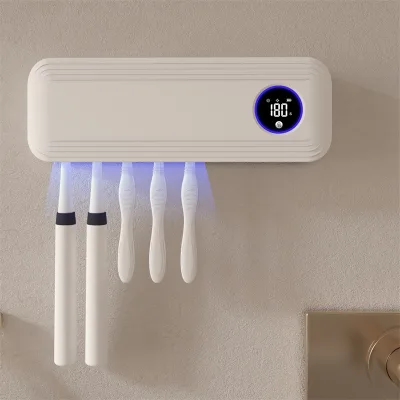
Electric UV Intelligent Toothbrush Holder with Dryer Fan Timing Function
$12.3368 - $20.7342
MOQ: 40 pieces
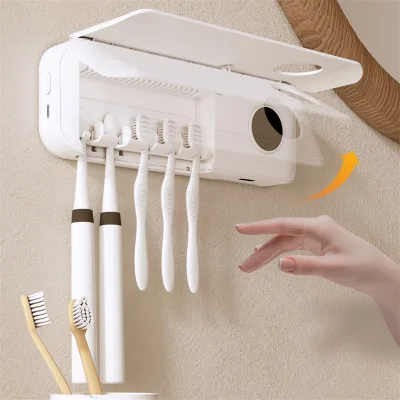
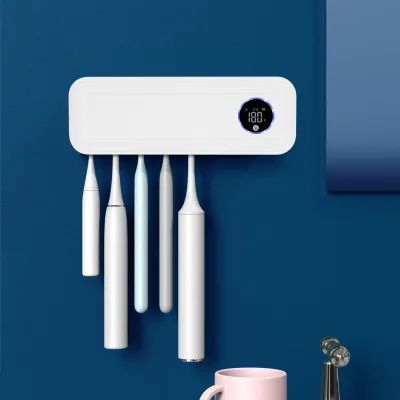
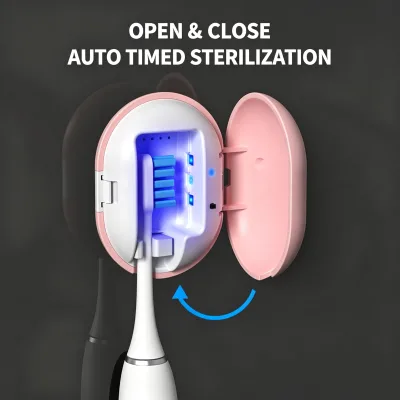
Easy to Use Smart Open Cover Wall-mounted UV Toothbrush Holder with Toothbrush Dryer
$12.2438 - $15.2268
MOQ: 50 pieces
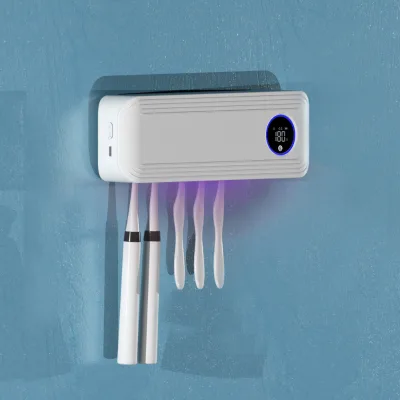
$12.9589 - $14.5133
MOQ: 50 pieces
- Verified by SGS Group
- Trading Company
- Lead time15 days
- Avg. response≤ 4h
Main productsToothbrush, Toothpaste, Package Bottle, Teeth Whitening Product, Skin Care Product
Main marketsNorth America(30%), Southeast Asia(20%), Africa(15%)

Wenzhou Jssan Electric Co., Ltd.
- Verified by SGS
- Combined
- China Zhejiang
- Lead time23 days
- Avg. response≤ 7h
Main productsElectric Toothbrush, Oral Irrigator, UV Sterilizer, Ultrasonic Scaler, Electric Face Washer, Electric Nail Clipper, Hair Straightening Comb, Hair Straightener, Shaver, Hair Clipper
Main marketsSouth America,Southeast Asia/ Mideast,East Asia(Japan/ South Korea),Domestic,Europe,Australia,North America

Portable LED UVC Toothbrush Sterilizer, UV Disinfecting Toothbrush Holder
$5.50 - $5.74
MOQ: 1000 Pieces


$17.25 - $18.00
MOQ: 1000 Pieces

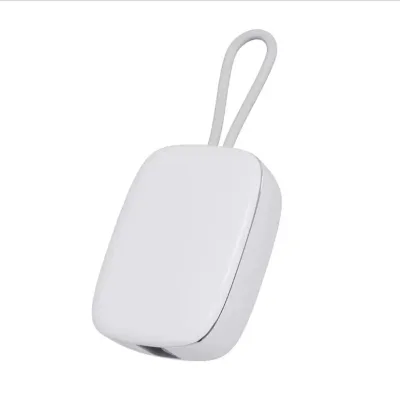
Mini Pocket Sterilizer UV Toothbrush Holder with Sterilization Function Portable for Travel
$3.00 - $4.80
MOQ: 1000 Pieces
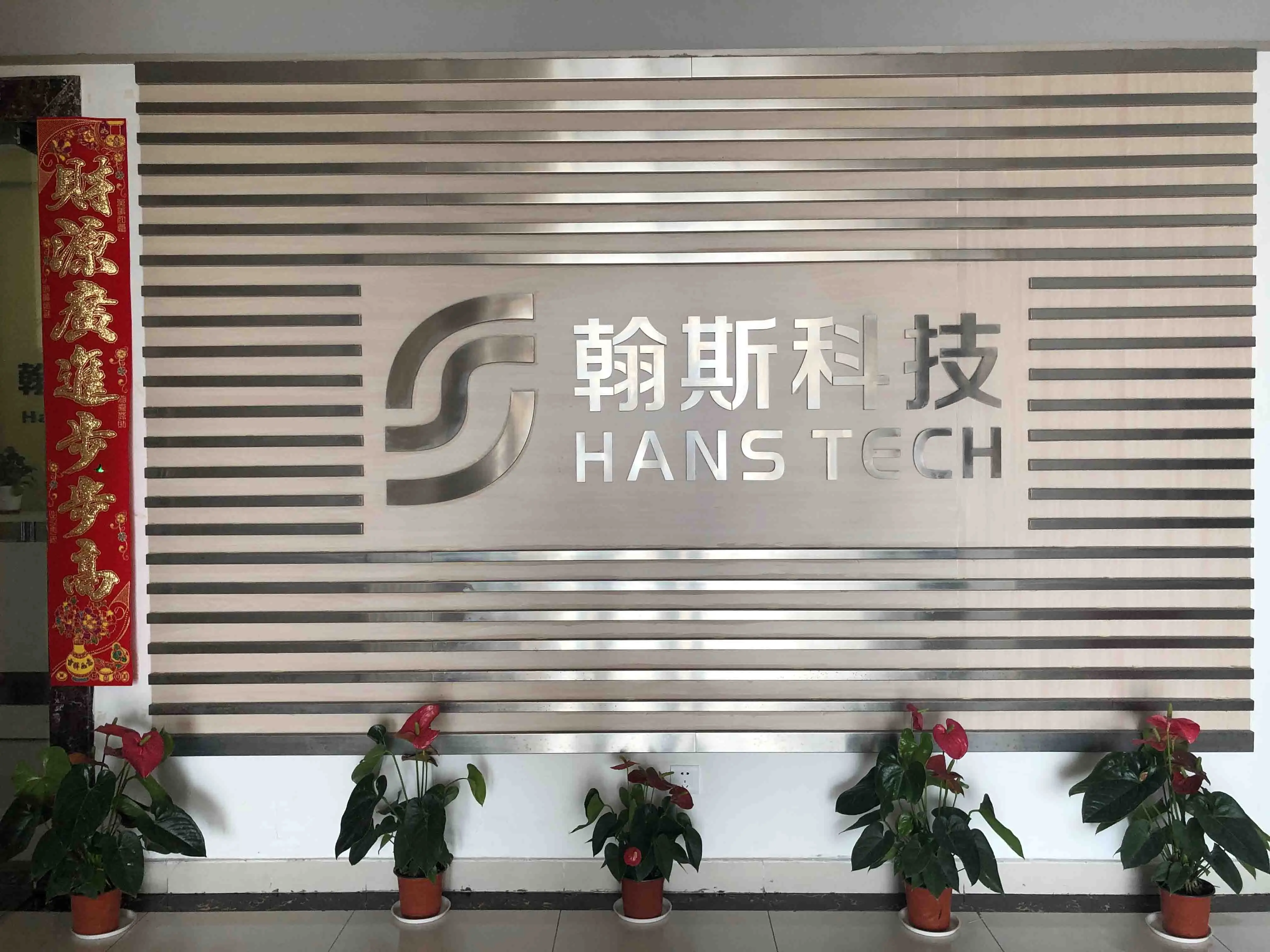
Hans Technology (shenzhen)co., Ltd.
- Manufacturer, Trading Company
- Guangdong, China
- Lead time25 days
- Avg. response≤ 4h
Main productsSmart Sonic Toothbrush for Children,Children's Colorful Electric Toothbrush,Oral Irrigator,Mousse Toothpaste
Main marketsNorth America(70.00%), Western Europe(20.00%), Eastern Asia(10.00%)

Shenzhen Amoshi Electronics Co., Ltd.
- Manufacturer, Trading Company
- Guangdong, China
- Lead time2 days
- Avg. response≤ 8h
Main productsElectric Toothbrush,Toothbrush Sterilizer,Water Flooser,Fans,juicers
Main marketsDomestic Market(70.00%), Eastern Asia(15.00%), Eastern Europe(10.00%), Northern Europe(2.00%), North America(1.00%), Southeast Asia(1.00%), Western Europe(1.00%)
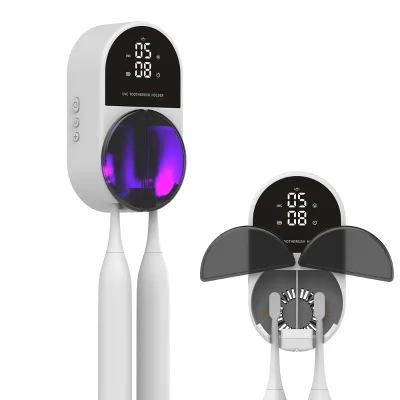
$10.8033 - $11.6262
MOQ: 5 pieces
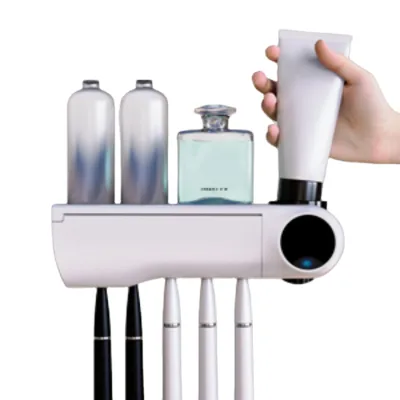
$9.054 - $10.0838
MOQ: 40 pieces
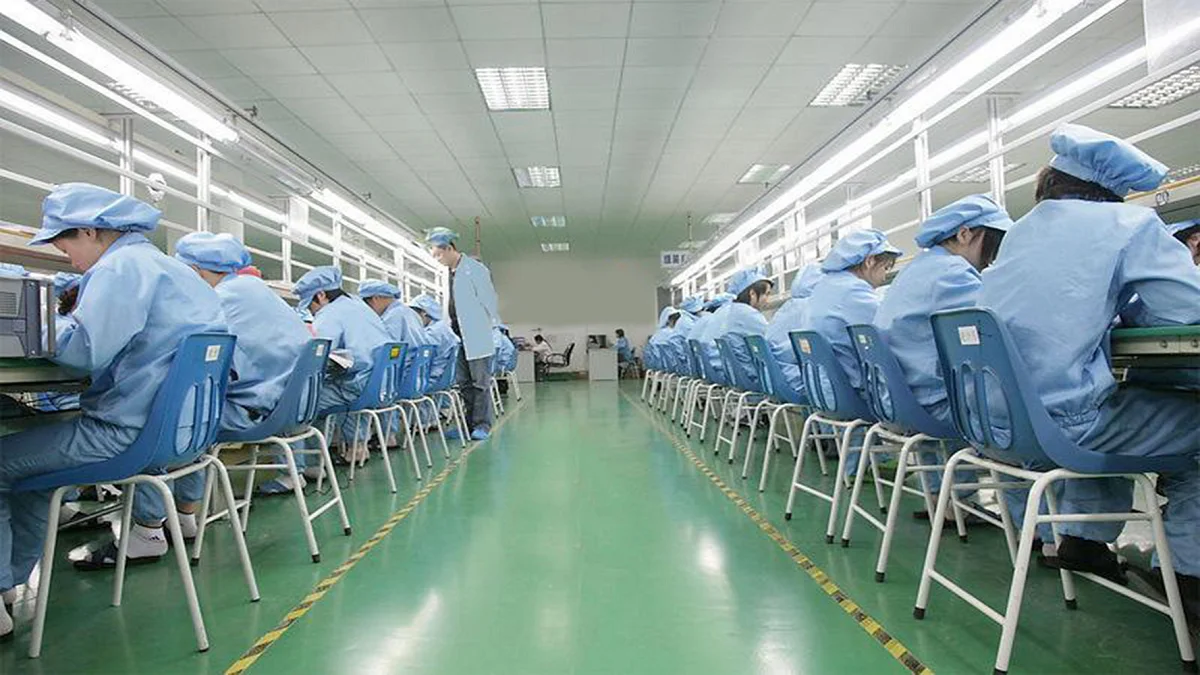
Shenzhen Meisiyu Electronic Technology Co., Ltd.
- Manufacturer, Trading Company, Distributor/Wholesaler
- Guangdong, China
- Lead time30 days
- Avg. response≤ 4h
Main productsIPL hair removal,skin scrubber,facial cleaning brush,Derma Rolling System,massagers
Main marketsEastern Asia(15.00%), North America(15.00%), Western Europe(10.00%), Southeast Asia(10.00%), Eastern Europe(10.00%), Northern Europe(8.00%), Southern Europe(8.00%), South Asia(6.00%), Oceania(5.00%), Mid East(5.00%), South America(3.00%), Central America(3.00%), Domestic Market(2.00%)
$11.00 - $15.90
MOQ: 1 pieces
- Verified by TüVRheinland
- Manufacturer, Trading Company
- Lead time30 days
- Avg. response≤ 2h
Main productsPersonal Safety Alarm, Home Security Alarm, White Noise Machine, Personal Care, Personal Clean Supplies
Main marketsWestern Europe(20%), Eastern Europe(15%), Northern Europe(15%)
$7.6794 - $10.0343
MOQ: 200 pieces
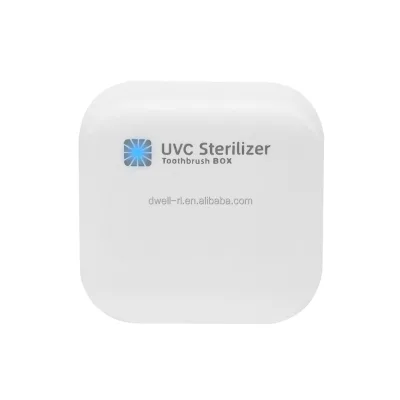
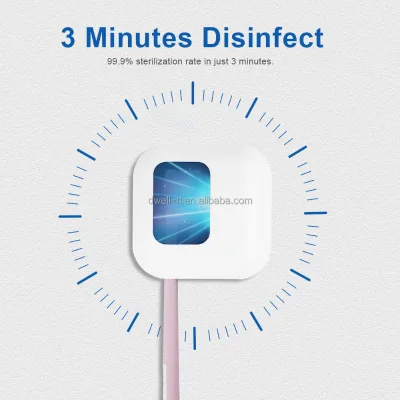
UV Toothbrush Sterilizer and Holder for Bathroom Replaceable Silicon Holder
$5.80 - $6.80
MOQ: 2 pieces
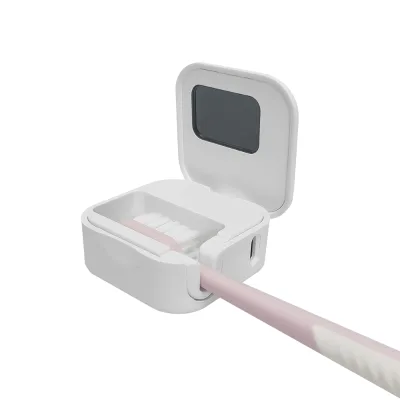
$5.80 - $6.80
MOQ: 2 pieces
Wenzhou Jssan Electric Co., Ltd.
- Manufacturer
- Zhejiang, China
- Lead time15 days
- Avg. response≤ 4h
Main productselectric toothbrush,Oral Irrigator,toothbrush Head,Teeth Whitening Device,Sanitizer
Main marketsWestern Europe(31.00%), North America(25.00%), Northern Europe(10.00%), South America(10.00%), Eastern Europe(5.00%), Southern Europe(3.00%), Oceania(3.00%), South Asia(2.00%), Domestic Market(2.00%), Southeast Asia(2.00%), Central America(2.00%), Africa(2.00%), Eastern Asia(2.00%), Mid East(1.00%)
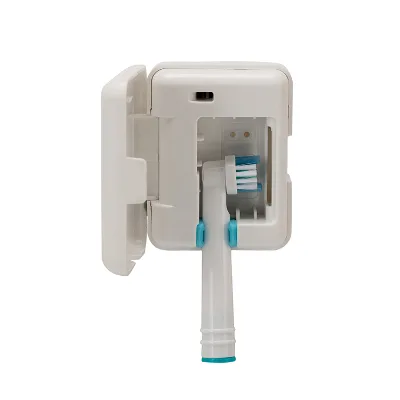
$17.7362 - $18.5067
MOQ: 1 pieces

FangCheng Qi Xiao Guai International Trade Co., Ltd.
- Trading Company
- Henan, China
- Lead time0 days
- Avg. response≤ 2h
Main productscolor cosmetics,skincare,beauty tools,Oral Care,Personal care
Main marketsSoutheast Asia(50.00%), North America(20.00%), South America(10.00%), Mid East(10.00%), Eastern Europe(5.00%), Oceania(5.00%)

Zhejiang Pusu Electrical Appliance Co., Ltd.
- Manufacturer, Trading Company
- Zhejiang, China
- Lead time20 days
- Avg. response≤ 4h
Main productsElectric Toothbrush,Water Flosser,Facial Cleaning Brush,Health Appliances,Beauty Apparatus
Main marketsDomestic Market(40.00%), North America(20.00%), Eastern Europe(10.00%), Western Europe(10.00%), Eastern Asia(10.00%), Southeast Asia(10.00%)
Ningbo Jookia Electronic Technology Co., Ltd.
- Verified by Intertek
- Manufacturer, Trading Company
- Lead time35 days
- Avg. response≤ 7h
Main productsElectric Toothbrush
Main marketsDomestic Market(48%), South Asia(24%), North America(19%)
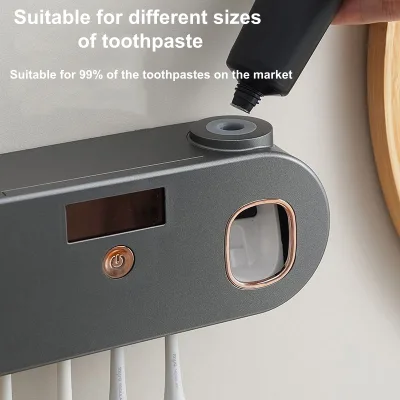
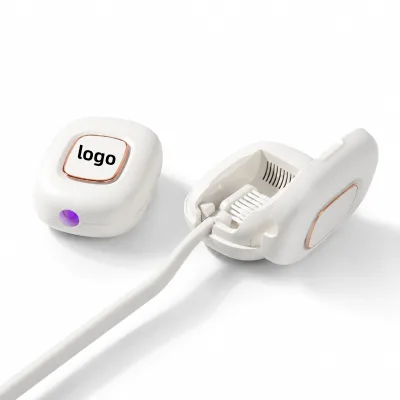
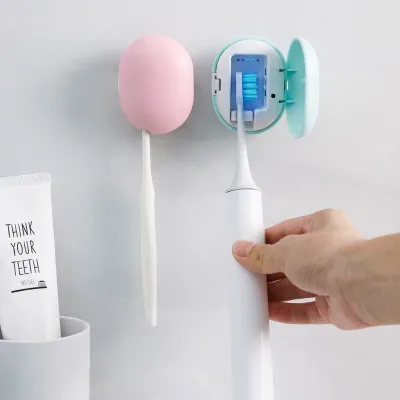
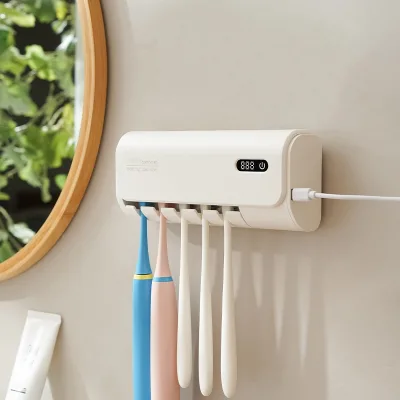
$7.1592 - $7.7813
MOQ: 1000 pieces
Sihuiwei (Dongguan) Technology Development Company Limited
- Verified by SGS Group
- Manufacturer, Trading Company
- Guangdong, China
- Lead time15 days
- Avg. response≤ 1h
Main productsUSB Fan, Hand Warmer, Toothbrush Sterilizer, Camping Light, Humidifier
Main marketsEastern Asia(58%), North America(20%), Western Europe(11%)
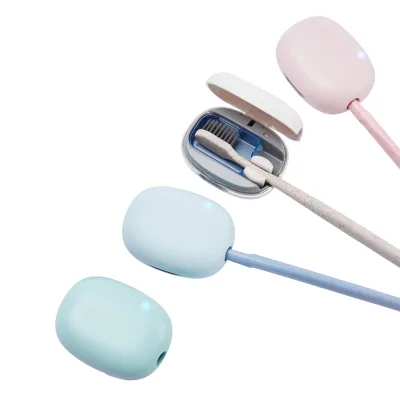
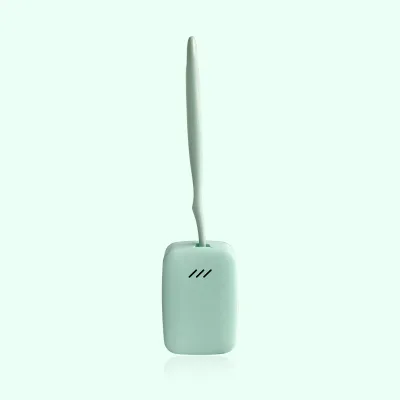
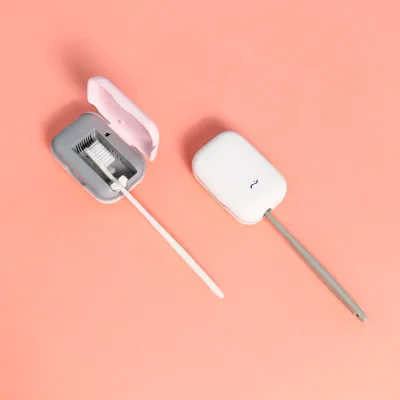
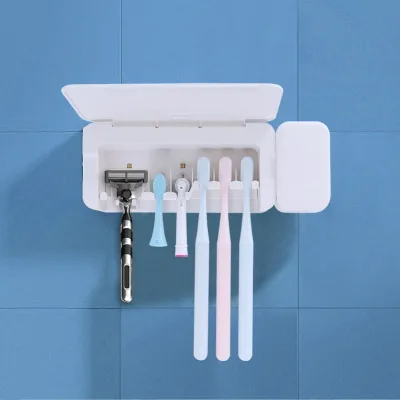
$13.3786 - $14.7337
MOQ: 1 pieces

Qingyuan Xingxiang Hardware Products Co., Ltd
- Verified by SGS
- Combined
- China Guangdong
- Lead time30 days
- Avg. response≤ 5h
Main productsShower Caddy Shelves, Hanging Hook, Coffee Pod Holder, Tissue Paper Towel Holder, Wire Storage Basket, Mutifunction Storage Rack, Cup Holder, Dish Drying Rack, Office Accessories, Watering Can
Main marketsEurope,North America

Factory Direct Supply Family Cool Large Mounted Unique Toothbrush Holder
$6.40 - $7.20
MOQ: 200 Pieces

Factory Direct Supply Family Cool Large Mounted Unique Toothbrush Holder
$6.40 - $7.20
MOQ: 200 Pieces


NINGHAI XINMING CLEANING EQUIPMENT CO., LTD.
- Verified by SGS
- Combined
- China Zhejiang
- Lead time30 days
- Avg. response≤ 10h
Main productsMassage Tool
Main marketsSouth America,Europe,Australia,North America


Eco-Friendly Silicone Toothbrush Holder Portable Hygienic Toothbrush Stand
$0.23 - $0.33
MOQ: 5000 pieces

Coral Healthcare Products Manufacturer Co., Ltd.
- Verified by TUVRHEINLAND
- Combined
- China Jiangsu
- Lead time30 days
- Avg. response≤ 7h
Main productsDental Floss, Toothbrush, Orthodontic Kit, Interdental Brush, Floss Tooth Pick
Main marketsSouth America,Africa,Southeast Asia/ Mideast,Europe,North America


Manufacturer Colorful Toothbrush Holder Easy to Cary for Travel Toothbrush Case
$0.06
MOQ: 20000 Pieces

Shenzhen Juxinda E-Commerce Co., Ltd.
- Manufacturer, Trading Company, Distributor/Wholesaler
- Guangdong, China
- Lead time7 days
- Avg. response≤ 4h
Main productsParty Supplies,Holiday Decorations,Pill Box,Bead Jewelry,Rosary
Main marketsSouth America(25.00%), Eastern Europe(20.00%), North America(20.00%), Mid East(10.00%), Southeast Asia(10.00%), Southern Europe(3.00%), Northern Europe(2.00%), Central America(2.00%), Western Europe(2.00%), Eastern Asia(2.00%), South Asia(2.00%), Africa(1.00%), Oceania(1.00%)
Wenzhou Fante Commodity Co., Ltd.
- Verified by TüVRheinland
- Manufacturer, Trading Company
- Lead time30 days
- Avg. response≤ 3h
Main productsKitchenware, Bathroom Sets, Food Container, Cleaning Brush, Storage Racks
Main marketsEastern Asia(80%), North America(10%), South America(1%)
Guangzhou Baiying Electronic Technology Co., Ltd.
- Verified by SGS Group
- Trading Company
- Lead time5 days
- Avg. response≤ 2h
Main productsEarphone, Microphone Sound Card, Watch, Game Console, Massage Gun
Main marketsNorth America(45%), Oceania(15%), Southeast Asia(10%)
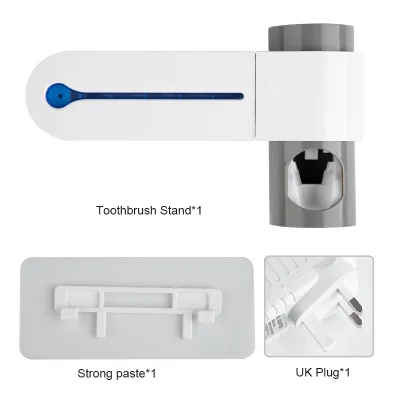
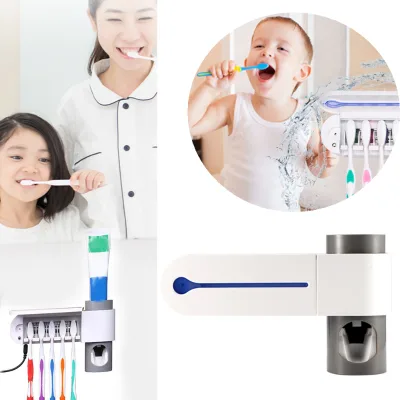
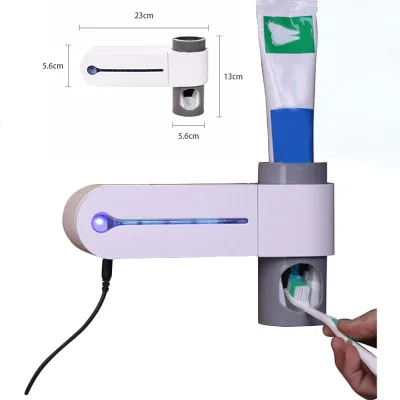
$4.1073 - $5.1341
MOQ: 120 pieces
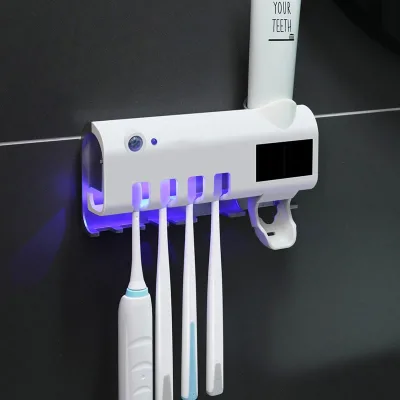
Electric Toothbrush Sterilizer USB Charging UV Sterilizer Travel Use Toothbrush Heads Sterilizer
$4.1417 - $5.1775
MOQ: 60 pieces

- Verified by SGS
- Trading Company
- China Zhejiang
- Lead time15 days
- Avg. response≤ 10h
Main productsFan, Heater Fan, Air Fryer, Toaster, Rice Cooker, Vacuum Cleaner, Coffee Machine, Hairdressing Appliance, Electric Toothbrush, Steam Iron
Main marketsEurope,Australia

Hot Sale High Performance Effortless Maintenance Portable UV Sterilizing Toothbrush Holder
$7.60 - $7.65
MOQ: 70 Pieces

Wholesale Excellent Protective Features Convenient Cleaning UV-C Disinfection Toothbrush Holder
$3.83 - $3.85
MOQ: 260 Pieces

Great Quality Excellent Protective Features Convenient Cleaning UVC Disinfection Toothbrush Holder
$14.79 - $14.86
MOQ: 68 Pieces

Hot Sale Advanced Customized Cleaning Premium UV Germicidal Toothbrush Holder
$7.80 - $7.85
MOQ: 128 Pieces

State of The Art Intelligent UV Powerful Germicidal Performance Toothbrush Sanitizing Holders
$7.80 - $7.86
MOQ: 128 Pieces
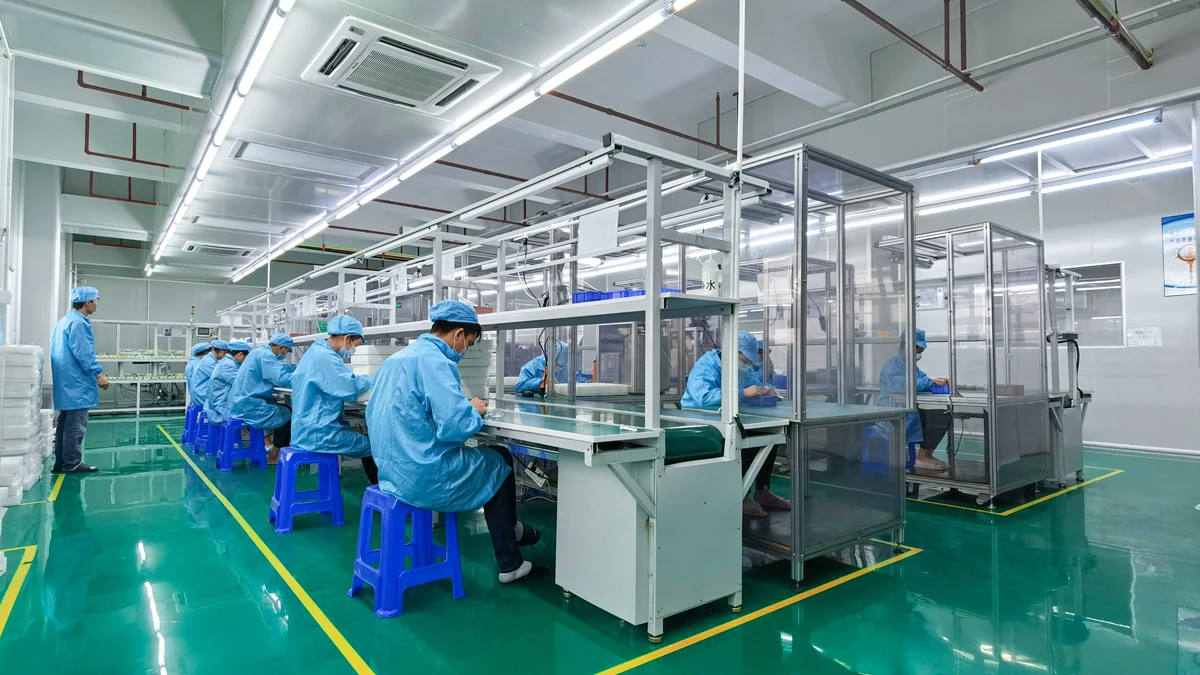
Shenzhen Dexinsheng Technology Co., Ltd.
- Manufacturer, Trading Company, Buying Office, Agent, Distributor/Wholesaler
- Guangdong, China
- Lead time7 days
- Avg. response≤ 2h
Main productsHousehold appliances,Oral hygiene products,Ultraviolet bactericidal product,Personal care products,Seasonal product
Main marketsWestern Europe(20.00%), Eastern Asia(20.00%), North America(20.00%), Eastern Europe(15.00%), Mid East(10.00%), South America(10.00%), Northern Europe(5.00%)
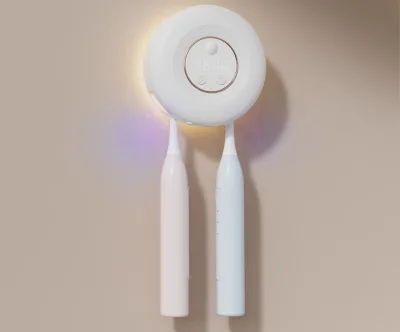
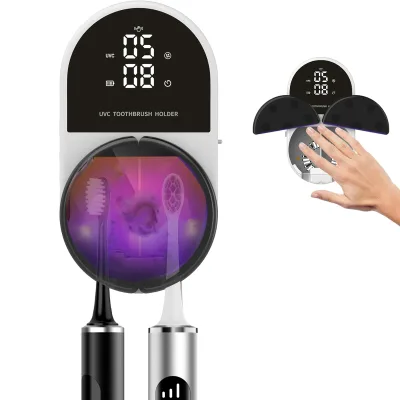
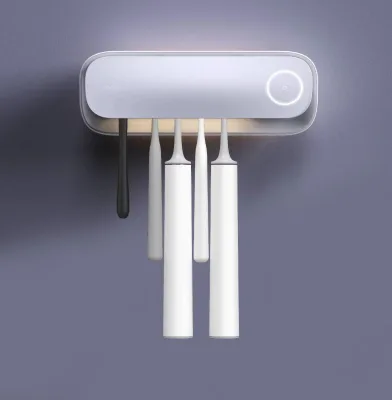
Ceramic Toothbrush Holder with 3 Cups Wall-Mounted Series Storage Box Sanitizer Stand
$12.65 - $13.00
MOQ: 30 pieces
BeBeauty (Hangzhou) Technology Co.,Ltd.
- Verified by TüVRheinland
- Trading Company
- Lead time30 days
- Avg. response≤ 2h
Main productsElectric Toothbrush, Rotation Toothbush, Water Flosser, UV Sanitizer, Fabric Shaver
Main marketsNorth America(30%), Southeast Asia(20%), Eastern Europe(10%)
Shantou Lula Electronic Technology Co., Ltd.
- Manufacturer, Trading Company
- Guangdong, China
- Lead time15 days
- Avg. response≤ 6h
Main productsDrone, Electric Toothbrush, Water Flosser, Teeth Cleaner, Toothbrush
Main marketsDomestic Market(50.00%), Northern Europe(13.00%), Western Europe(12.00%), Eastern Asia(8.00%), Mid East(7.00%), North America(5.00%), Oceania(2.00%), South America(1.00%), Eastern Europe(1.00%), Southeast Asia(1.00%)

Changzhou Sitan Imp. and Exp. Co., Ltd.
- Verified by BV
- Trading Company
- China Jiangsu
- Lead time15 days
- Avg. response≤ 10h
Main productsFitness Equipment, Barbell Series, Resistance Bands, Agility & Speed, Yoga Ball, Massage Series, Power Rack, Weight Ball, Charging Notebook, Custom Logo Goods
Main marketsSoutheast Asia/ Mideast,Domestic,Europe,North America

UV Toothbrush Sanitizer Case with Custom Logo, Rechargeable Portable Travel Cleaner & Holder
$9.85 - $15.20
MOQ: 10 Pieces

Custom Logo UV Light Toothbrush Holder, Portable Rechargeable Sanitizer for Travel & Home
$9.85 - $15.20
MOQ: 10 Pieces

Smart Wireless UV Toothbrush Holder - Rechargeable Bathroom Sterilizer for Family Use
$8.00 - $12.30
MOQ: 10 Pieces

- Verified by BV
- Trading Company
- China Zhejiang
- Lead time30 days
- Avg. response≤ 13h
Main productsMop with Bucket, Spray Mop, Cleaning Brush, Shoe Rack, Flat Mop, Mop Cloth
Main marketsSoutheast Asia/ Mideast,Europe,North America

Yangzhou Muhe Trading Co., Ltd.
- Trading Company
- China Jiangsu
- Lead time15 days
- Avg. response≤ 3h
Main productsHeadband, Bamboo Fiber Scrunchie, Bamboo Cotton Make up Removers Pads, Silk Scrunchie, Hair Claw Clip, Bow Hair Clip, Cellulose Acetate Hair Claw Clip, Fashion Hair Accessories, Flannel Wristband & Headband
Main marketsSoutheast Asia/ Mideast,Europe

Ningbo General Union Co., Ltd.
- Verified by BV
- Trading Company
- China Zhejiang
- Lead time30 days
- Avg. response≤ 10h
Main productsChristmas Tree, Party Supply, Christmas Ball, LED Light Strip, Halloween Product, Holiday Decoration, Santa Claus, Valentine's Day Product, Balloon Decoration, Birthday Decoration
Main marketsSouth America,Southeast Asia/ Mideast,Europe,North America
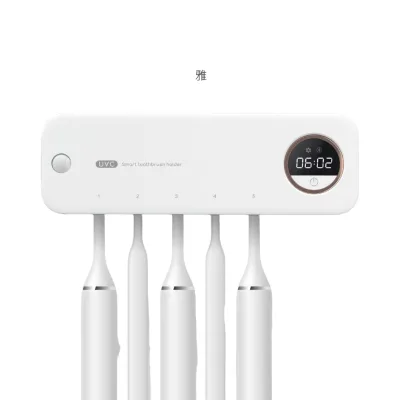
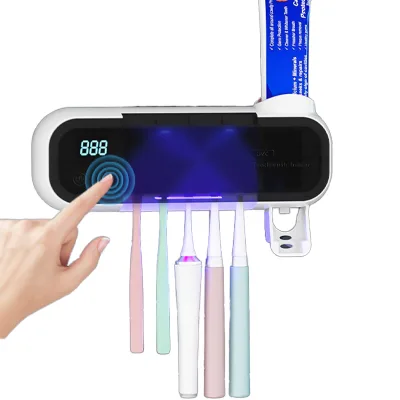
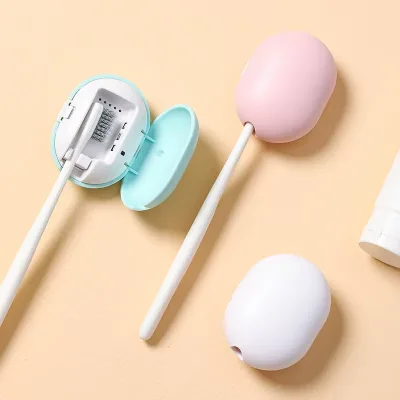
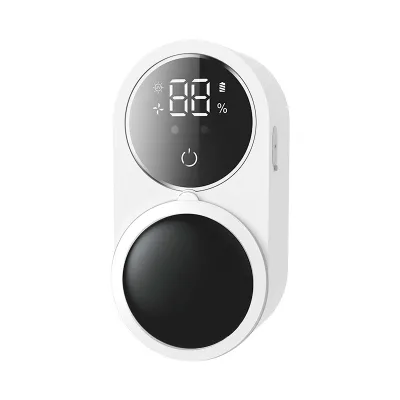


Comprehensive Sourcing Guide
Portable UV Toothbrush Holder with Intelligent Sensor Supplier Concentration and Factory Types
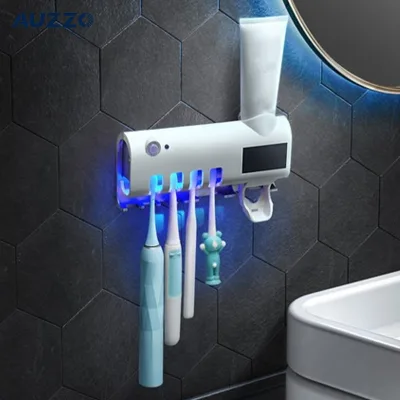
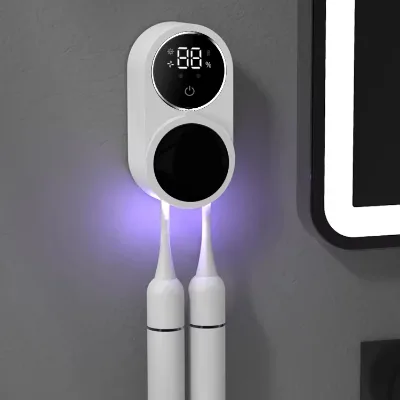
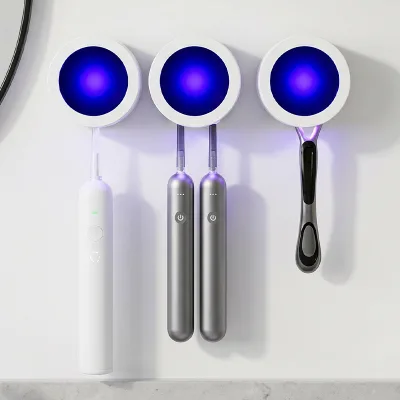
The current supplier landscape for portable UV toothbrush holders with intelligent sensors reveals a diverse mix of manufacturing capabilities and business models. Buyers will encounter both dedicated manufacturers and trading companies, each offering distinct advantages for sourcing. Manufacturers often provide deeper customization options, including OEM and ODM services, which are critical for brands seeking unique product differentiation. These entities typically possess the technical infrastructure to handle graphic processing and sample production, allowing for tailored designs that align with specific market demands. The presence of manufacturers suggests a direct line to production facilities, potentially reducing communication layers and enabling more agile adjustments to product specifications during the development phase.
Conversely, trading companies and combined entities offer a broader portfolio of related products, such as electric toothbrushes, oral irrigators, and other personal care items. This consolidation can simplify the sourcing process for buyers looking to bundle multiple oral hygiene products into a single order. While trading companies may not always own the production lines, they often facilitate access to a wider range of suppliers and can manage logistics more efficiently. The verification status of these suppliers varies, with some holding credentials from recognized bodies like TÜV Rheinland or SGS Group. This diversity in supplier types requires buyers to carefully assess whether their priority lies in deep manufacturing control or in the convenience of a multi-product sourcing solution.
How to Verify Portable UV Toothbrush Holder with Intelligent Sensor Suppliers
Verifying the legitimacy and capability of suppliers is a critical step in mitigating sourcing risks. Buyers should prioritize suppliers who have undergone third-party verification processes, such as those conducted by TÜV Rheinland or SGS Group. These verifications provide an additional layer of confidence regarding the supplier’s operational integrity and compliance with international standards. It is essential to review the specific scope of these verifications to ensure they cover the relevant manufacturing processes and quality control measures. Suppliers with robust verification records are generally more reliable in delivering consistent product quality and adhering to agreed-upon specifications.
In addition to third-party verification, buyers should examine the certifications held by the suppliers and their products. Common certifications in this category include ISO 9001 for quality management, RoHS for environmental compliance, and various electrical safety standards like CE, FCC, and UKCA. These certifications indicate that the supplier’s products meet specific regulatory requirements for different markets. Buyers must ensure that the certifications are current and applicable to the intended sales regions. Furthermore, checking the supplier’s response time can provide insights into their operational efficiency and customer service quality. A faster response time often correlates with better communication and quicker resolution of issues during the sourcing process.
What to Compare Across Portable UV Toothbrush Holder with Intelligent Sensor Suppliers
When evaluating multiple suppliers, buyers should compare key operational metrics to determine the best fit for their needs. Lead times are a crucial factor, with some suppliers offering turnaround times as short as twelve days, while others may require up to twenty-three days. This variance can significantly impact inventory planning and market launch schedules. Buyers must align their order timelines with the supplier’s stated lead times to avoid delays. Additionally, the minimum order quantity (MOQ) varies across suppliers, ranging from forty pieces to fifty pieces. Understanding these MOQs is essential for managing cash flow and inventory levels, especially for new product launches or smaller market tests.
Another important aspect to compare is the supplier’s capacity for customization and innovation. Some suppliers offer extensive OEM and ODM services, allowing for significant product modifications, while others may limit customization to minor adjustments. The range of main products offered by each supplier also provides insight into their expertise and focus. Suppliers specializing in oral care products may have deeper technical knowledge and more refined manufacturing processes for toothbrush holders. Buyers should also consider the price ranges, which can vary based on features, materials, and order volumes. Comparing these factors holistically helps in selecting a supplier that balances cost, quality, and service efficiency.
Common Portable UV Toothbrush Holder with Intelligent Sensor Sourcing Risks
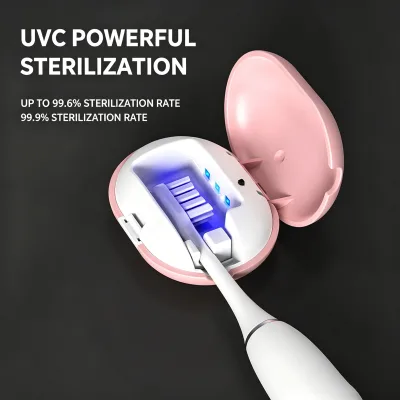
One of the primary risks in sourcing portable UV toothbrush holders is the variability in product quality and performance. Buyers must be cautious of suppliers who do not provide clear specifications regarding sterilization rates, battery capacity, and material durability. For instance, some products claim high sterilization rates, but without independent test results, these claims may be unreliable. Additionally, the functionality of intelligent sensors and UV sterilization features can vary significantly between suppliers. Buyers should request detailed product data sheets and, if possible, samples to verify these critical functions before committing to large orders.
Another risk is the potential for miscommunication regarding customization requirements and compliance standards. Suppliers may have different interpretations of design specifications or regulatory requirements, leading to discrepancies in the final product. This is particularly relevant for suppliers operating in different regions with varying regulatory landscapes. Buyers must ensure that all customization requests and compliance needs are clearly documented and confirmed in writing. Furthermore, relying on suppliers with limited verification or certification records can expose buyers to quality and legal risks. It is advisable to work with suppliers who have transparent operational practices and robust quality control systems in place.
Portable UV Toothbrush Holder with Intelligent Sensor Regional Sourcing and Logistics
The geographic location of suppliers can influence logistics costs, lead times, and regulatory compliance. Many suppliers for these products are located in China, with specific concentrations in regions like Guangdong and Hebei. Guangdong is known for its advanced manufacturing capabilities and extensive supply chain networks, which can facilitate faster production and shipping. Hebei, on the other hand, may offer different cost structures and production capacities. Buyers should consider the logistical implications of sourcing from these regions, including shipping times and customs procedures. Understanding the regional strengths of suppliers can help in optimizing the supply chain for efficiency and cost-effectiveness.
Logistics planning also involves considering the packaging and shipping requirements of the products. Suppliers often provide single package sizes and weights, which are crucial for calculating shipping costs and storage requirements. For example, some toothbrush holders have specific package dimensions and weights that need to be accounted for in the logistics plan. Buyers should work closely with suppliers to ensure that packaging meets international shipping standards and protects the products during transit. Additionally, considering the environmental impact of packaging materials can be important for brands with sustainability goals. Coordinating with suppliers on logistics details early in the sourcing process can prevent unexpected costs and delays.
Portable UV Toothbrush Holder with Intelligent Sensor Commercial Terms and Order Planning
Commercial terms and order planning are vital for ensuring a smooth sourcing experience. Buyers should negotiate clear payment terms, delivery schedules, and warranty policies with suppliers. Understanding the supplier’s response time can also aid in planning, as faster responses often indicate better project management and communication. For instance, suppliers with response times of three to four days may be more efficient in handling inquiries and resolving issues. Buyers should also consider the supplier’s capacity for handling large orders and their ability to scale production as demand increases.
Order planning should include a detailed analysis of the total cost of ownership, including product costs, shipping, tariffs, and potential return costs. Buyers must also plan for inventory management, considering the lead times and MOQs to avoid stockouts or excess inventory. Working with suppliers who offer flexible order quantities and reliable lead times can enhance supply chain resilience. Additionally, buyers should establish clear communication channels and regular check-ins with suppliers to monitor order progress and address any issues promptly. By carefully planning commercial terms and order logistics, buyers can minimize risks and maximize the value of their sourcing investments.
FAQs
What is the typical lead time for these holders?
Manufacturers generally require 12 to 23 days to process orders. This timeframe depends on the specific supplier type and current production capacity. Buyers should confirm exact dates with the seller before finalizing the purchase agreement to ensure timely delivery.
What certifications do these products usually have?
Most suppliers provide ISO 9001, CE, RoHS, and FCC certifications. These documents verify compliance with international safety and quality standards. Buyers should request valid certificates to ensure the products meet regulatory requirements in their target markets.
What is the minimum order quantity for these items?
The minimum order quantity typically ranges from 40 to 50 pieces. This threshold allows suppliers to cover production and packaging costs efficiently. Buyers seeking smaller quantities may need to negotiate or look for suppliers offering lower MOQs.
How fast do suppliers usually respond to inquiries?
Response times generally fall between 3 and 6.58 hours. Faster responses indicate active sales teams ready to assist with sourcing needs. Buyers should prioritize suppliers with quicker response times to streamline the communication and negotiation process effectively.
What is the price range for these holders?
Prices typically range from approximately $3.42 to $20.73 per unit. The cost varies based on features like UV sterilization, smart sensors, and material quality. Buyers should compare specifications to ensure they receive the best value for their budget.
Are OEM and ODM services available?
Many manufacturers offer both OEM and ODM customization options. Buyers can request custom logos, packaging, or specific design modifications. This flexibility allows brands to create unique products that align with their market positioning and customer preferences effectively.