Orthodontic Arch Wire Dental Loupes Suppliers and Manufacturers
Source Orthodontic Arch Wire Dental Loupes from 23 verified suppliers in Guangdong, China. Compare key dimensions including CE certification, Class I classification, response times, and pricing ranges to identify suitable partners. Contact suppliers directly to request quotes and verify lead times.
Updated
Suppliers List
Foshan Jieshuo Network Technology Co., Ltd.
- Trading Company
- Guangdong, China
- Lead time7 days
- Avg. response≤ 2h
Main productsDental Equipment,Dental Chair Accessories,Headlight And Loupes Series,Portable Dental Chair,Dental Cabinet Clinic
Main marketsDomestic Market(60.00%), North America(7.00%), Southeast Asia(7.00%), South Asia(6.00%), Mid East(6.00%), South America(3.00%), Africa(2.00%), Eastern Asia(2.00%), Northern Europe(2.00%), Eastern Europe(1.00%), Western Europe(1.00%), Southern Europe(1.00%), Oceania(1.00%), Central America(1.00%)
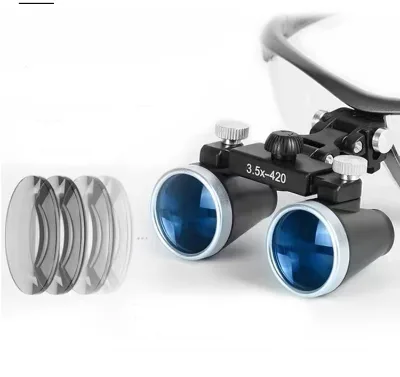
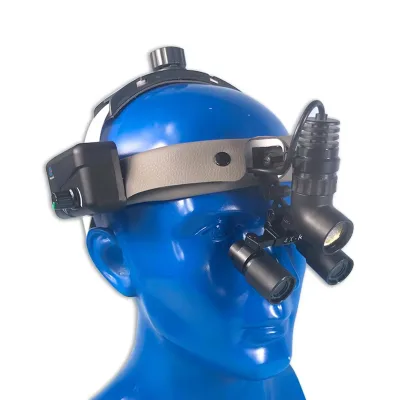
$231.5069 - $291.1408
MOQ: 1 sets
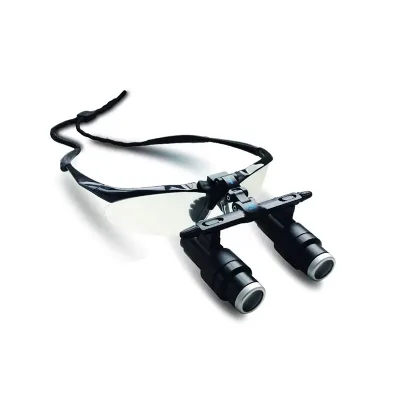
Surgical Magnifying Glass Loupe Magnifier LED Light Headlight Dental Loupe
$132.7872 - $171.1705
MOQ: 1 pieces

- Verified by SGS
- Trading Company
- China Guangdong
- Lead time15 days
- Avg. response≤ 7h
Main productsDental Equipment, Dental Materials, Dental Intrument, Dental Files/Burs, Dental Unit, Dental Camera, Dental Disposable Products, Auticlace System
Main marketsOthers(foreignTradeCapacity.exportBusinessCapacityMarketOther),Southeast Asia/ Mideast,North America


China Dental Equipment Dental Surgical Loupes with LED Light Dental Supplier
$130.00 - $150.00
MOQ: 2 Pieces

Dental Supplier Good Quality Dental Equipment Surgical Loupes Without LED Headlight
$120.00 - $140.00
MOQ: 2 Pieces


Factory Surgical Dental Loupes with Light/Magnifying Glass/Binocular Dental Loupes 2.5X 3.5X
$38.00 - $45.00
MOQ: 2 Pieces

Foshan Yuyo Medical Instrument Co., Ltd.
- Manufacturer/Factory
- China Guangdong
- Lead time23 days
- Avg. response≤ 7h
Main productsLED Curing Light, Teeth Whitening Machine, Dental Loupes, Dental Headlight, Dental Handpiece, Dental Sandblaster, Dental Endomotor, Dental Micomotor, Dental Scaler, Dental Consumables
Main marketsSouth America,Eastern Europe,North America,Africa


Dental Lab Tools 8X Dental Loupes Ent Loupe Oral Loupes Medical Manifier
$171.00 - $268.00
MOQ: 1 Pieces


2.5X Dental Loupes Portable Dental Magnifier Surgical Loupes Medical Loupe
$15.00 - $30.00
MOQ: 1 Pieces

Henan Baistra Industries Corp.
- Verified by TüVRheinland
- Trading Company
- Lead time7 days
- Avg. response≤ 2h
Main productsOrthodontic Bracket, Dental Bur, Dental Handpiece, Dental Chair, X Ray Machine
Main marketsSouth America(37%), North America(13%), Southeast Asia(13%)

Nanchang Micare Medical Equipment Co., Ltd.
- Verified by SGS
- Combined
- China Jiangxi
- Lead time30 days
- Avg. response≤ 3h
Main productsOt Light, Dental Loupes, Surgical Light, Surgical Lamp, Medical Lamp, Medical Bulb, Medical Loupes, Airport Lighting, Halogen Bulb, Medical Equipment
Main marketsSouth America,Africa,Southeast Asia/ Mideast,East Asia(Japan/ South Korea),Domestic,Europe,Australia,North America
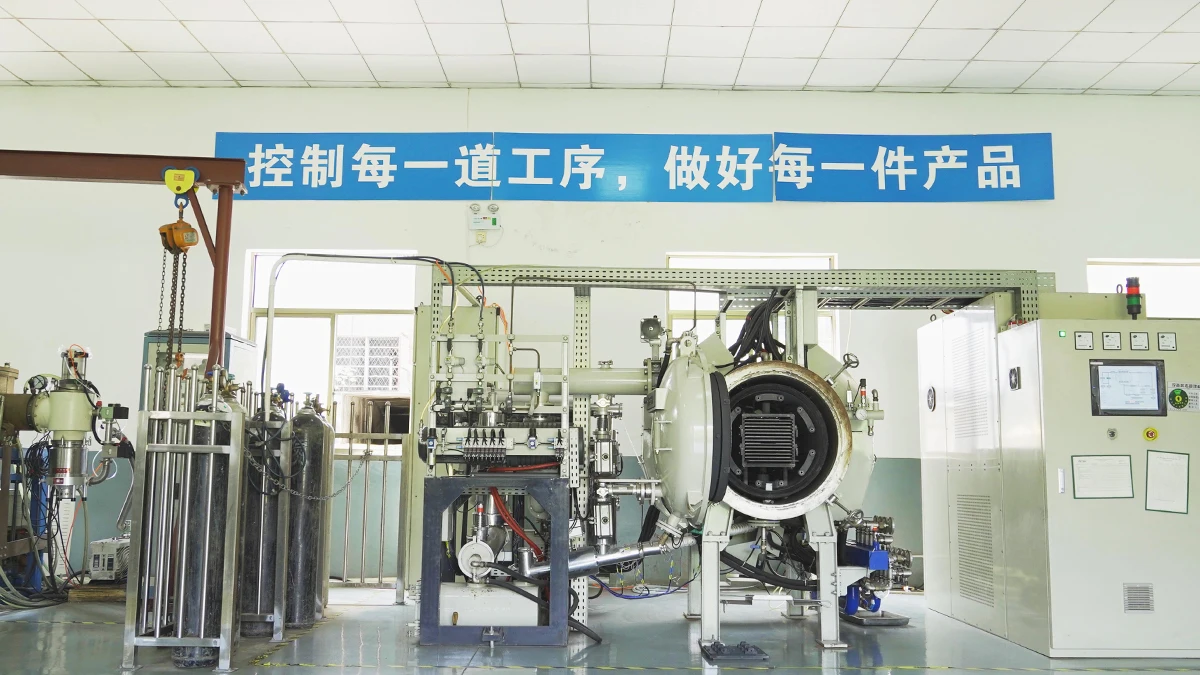
Ningbo Guber Dental Technology Co., Ltd.
- Manufacturer, Trading Company
- Zhejiang, China
- Lead time4 days
- Avg. response≤ 3h
Main productsorthodontic brackets,dental equipments,dental brace,braces for teeth,orthodontic kit
Main marketsNorthern Europe(10.00%), Central America(10.00%), Western Europe(10.00%), Eastern Asia(10.00%), South America(10.00%), Mid East(10.00%), Domestic Market(5.00%), South Asia(5.00%), Southern Europe(5.00%), Oceania(5.00%), Africa(5.00%), Southeast Asia(5.00%), Eastern Europe(5.00%), North America(5.00%)

Foshan Vimel Dental Equipment Co., Ltd.
- Verified by CTI
- Trading Company,Manufacturer/Factory
- China Guangdong
- Lead time0 days
- Avg. response≤ 5h
Main productsOral Scanner, Handpiece, LED Curing Light, Dental Scaler, Oil-Free Air Compressor, Dental Unit, X Ray Sensor, X Ray Unit, Dentist Stool, Endodontic Treatment Machine
Main marketsSouth America,Eastern Europe,Mid East,North America,Southeast Asia,Eastern Asia,Oceania,Africa

Foshan Asin Dental Equipment Co., Limited
- Verified by TUVRHEINLAND
- Manufacturer/Factory
- China Guangdong
- Lead time15 days
- Avg. response≤ 8h
Main productsDental Equipment Dental Insturment Dental, Dental Handpiece, Air Prohpy and Sand Blaster Unit, X Ray Unit & Sensor, Dental Micromotor, Endodontic Treatmeant, Dental Chair Accessories, Dental Curing Light, Dental Loupes & Headlights, Dental Scalers
Main marketsSouth America,Eastern Europe,Mid East,North America,Southeast Asia,Eastern Asia,Oceania,Western Europe,Africa


New Ergo2 Optical Dental Loupes 48° 4X Flip up Loupes All Metal Angle Loupes for Oral Surgery
$138.00 - $150.00
MOQ: 2 Pieces

Foshan Vokodak Medical Equipment Co., Ltd.
- Verified by TUVRHEINLAND
- Trading Company,Manufacturer/Factory
- China Guangdong
- Lead time23 days
- Avg. response≤ 6h
Main productsDental Equipment, Dental Chair, Dental Handpiece, Dental Products, Dental Cameral, Dental Compressor, Dental Dimond Burs, Dental File, Utrasonic Scaler, Dental Unit
Main marketsSouth America,Eastern Europe,Mid East,North America,Southeast Asia,Eastern Asia,Oceania,Western Europe,Africa


Medical Binocular Dental Loupes with Headlight Surgical Dental Equipment
$399.00 - $449.00
MOQ: 2 Pieces
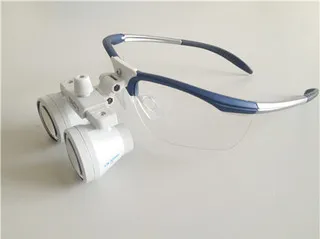
Nanjing Jin Jiahe I./e. Co., Ltd.
- Manufacturer, Trading Company
- Jiangsu, China
- Lead time3 days
- Avg. response≤ 17h
Main productsDental Loupes,Surgical Loupes
Main marketsSoutheast Asia(10.00%), South Asia(10.00%), Mid East(10.00%), North America(10.00%), Oceania(9.00%), Southern Europe(9.00%), Western Europe(8.00%), South America(8.00%), Northern Europe(7.00%), Africa(5.00%), Eastern Europe(5.00%), Eastern Asia(4.00%), Domestic Market(2.00%), Central America(2.00%)
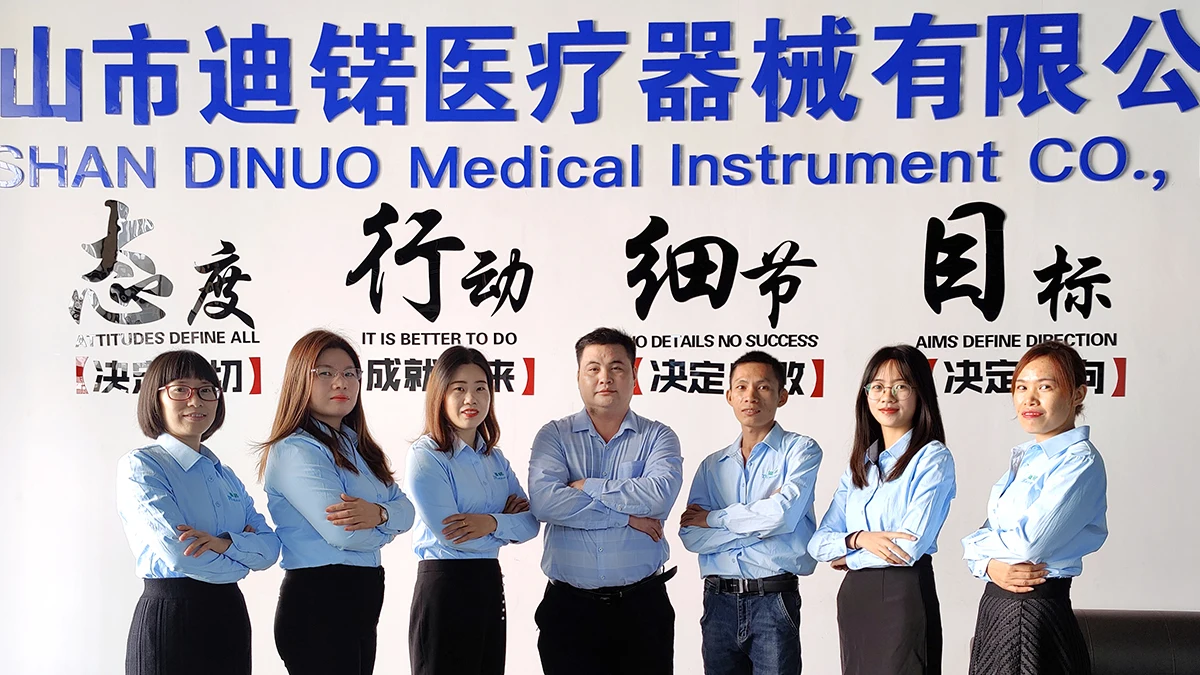
Foshan Dinuo Medical Instrument Co., Ltd.
- Trading Company
- Guangdong, China
- Lead time15 days
- Avg. response≤ 2h
Main productsDental Handpiece
Main marketsSouth America(40.00%), Mid East(20.00%), Western Europe(10.00%), Southeast Asia(10.00%), Northern Europe(5.00%), Africa(5.00%), North America(5.00%), Oceania(5.00%)
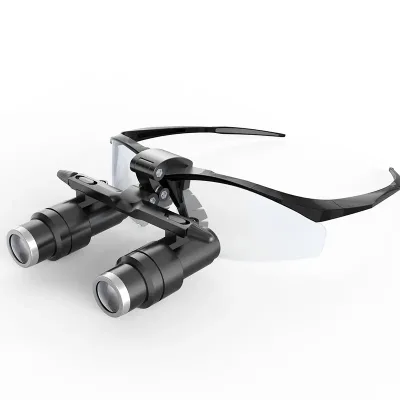
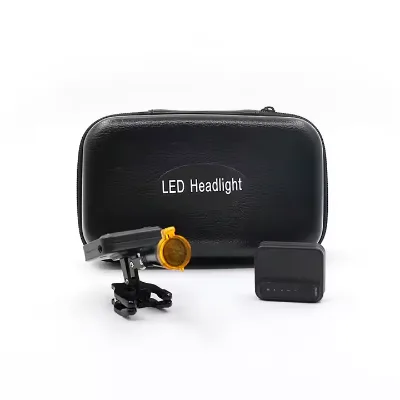
$172.1367 - $202.8756
MOQ: 1 sets
Changsha Easyinsmile Medical Instrument Co., Ltd.
- Manufacturer, Trading Company
- Hunan, China
- Lead time45 days
- Avg. response≤ 6h
Main productsDental Orthodontic Bracket,Ultrasonic Scaler,Dental Handpiece,Portable X-ray,Dental disposable product
Main marketsNorth America(35.00%), South America(30.00%), South Asia(12.00%), Eastern Europe(10.00%), Western Europe(9.00%), Southeast Asia(4.00%)

Foshan SCS Medical Instrument Co., Ltd.
- Verified by BV
- Manufacturer/Factory
- China Guangdong
- Lead time15 days
- Avg. response≤ 5h
Main productsDental Unit / Dental Chair, Ent Unit, Dental Handpiece, Curing Light, Autoclave, Air Compressor, Scaler, Oral Camera / Monitor, X-ray Equipment, Diamond Burs / Files
Main marketsSouth America,Eastern Europe,Mid East,North America,Southeast Asia,Eastern Asia,Oceania,Western Europe,Africa

Light Weight Medical Instrument Dental Surgical Adjustable Angle Loupes
$105.00 - $110.00
MOQ: 1 Pieces

Dental Treatment Instrument Metal Surgical Magnifying Loupes with Light
$105.00 - $110.00
MOQ: 1 Pieces

Dental Tool Doctor Magnifying Adjustable Angle Embedded Surgery Loupes Without Light
$355.00 - $385.00
MOQ: 20 Pieces

High Resolution Medical Supply Magnifying Adjustable Angle Dental Loupes Without Light
$355.00 - $385.00
MOQ: 20 Pieces

2.5X/3.0X/3.5X Magnification Medical Instrument Adjustable Angle Dental Anti-Fog Loupes
$105.00 - $110.00
MOQ: 1 Pieces

Henan Zhuangxiu Industrial Development Co., Ltd.
- Trading Company
- Henan, China
- Lead time0 days
- Avg. response≤ 2h
Main productsTeeth whitening lamp,teeth whitening kit,Teeth whitening gel,teeth whitening strips,beauty and personal care
Main marketsNorth America(30.00%), Western Europe(28.00%), South America(16.00%), Central America(6.00%), Eastern Europe(5.00%), Southeast Asia(5.00%), Southern Europe(5.00%), Mid East(3.00%), Africa(2.00%)
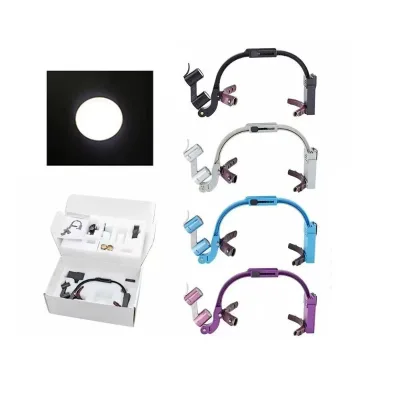
3.5x Dental Loupes with Light 3.5x
$41.00 - $51.60
- Manufacturer, Trading Company
- Hebei, China
- Lead time10 days
- Avg. response≤ 4h
Main productsDenture Box,Impression Tray,Cheek Retractor,Dental Forming Piece,Metal Bur Box
Main marketsSouth Asia(100.00%), Southern Europe(100.00%), Northern Europe(100.00%), Central America(100.00%), Western Europe(100.00%), Eastern Asia(100.00%), Mid East(100.00%), Oceania(100.00%), Africa(100.00%), Eastern Europe(100.00%), Domestic Market(50.00%), North America(30.00%), South America(10.00%), Southeast Asia(10.00%)
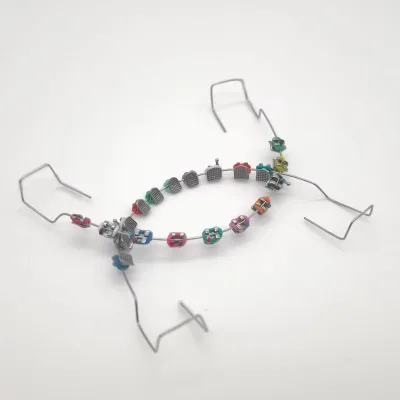
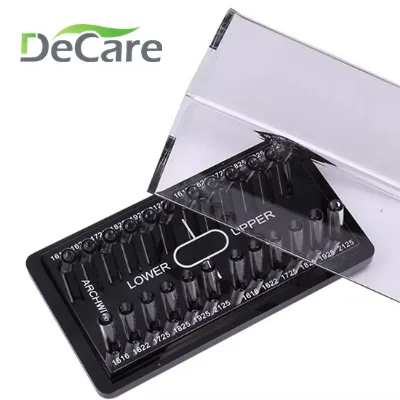
dental orthodontic series bracket arch wire multi-purpose oral hygiene braces
$2.9196 - $3.5458
MOQ: 10 pieces
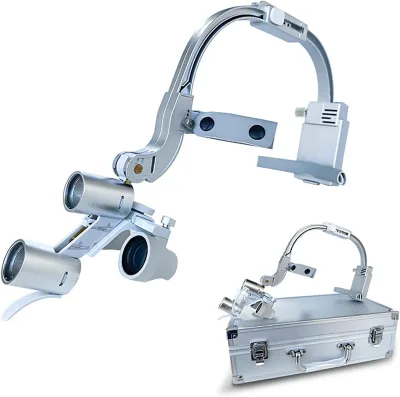
$20.4926 - $21.5173
MOQ: 200 pieces

- Verified by TUVRHEINLAND
- Trading Company,Manufacturer/Factory
- China Hubei
- Lead time23 days
- Avg. response≤ 12h
Main productsDental Equipment, Dental Supply, Dental Instrument, Dental Material, Dental, Dental Consumable, Dental Products, Dental Orthodontic, Dental Burs, Medical Supply
Main marketsSouth America,Eastern Europe,North America,Southeast Asia,Eastern Asia,Oceania,Western Europe
Zhengzhou Smile Medical Technology Co., Ltd.
- Verified by SGS Group
- Trading Company
- Lead time3 days
- Avg. response≤ 3h
Main productsintraoral scanner, dental scanner, dental x ray, Dental Implant , dental sensor
Main marketsMid East(25%), North America(20%), Southeast Asia(20%)
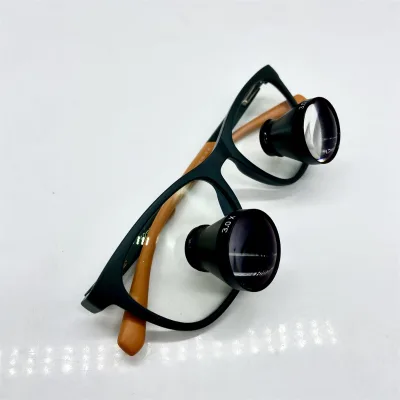
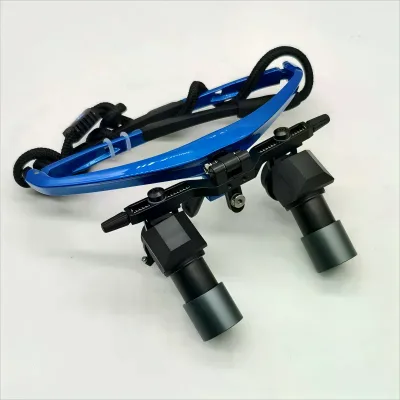
Adjustable Working Distance High Quality DFK 5.0X Surgical Dental Loupes
$883.60 - $1020.00
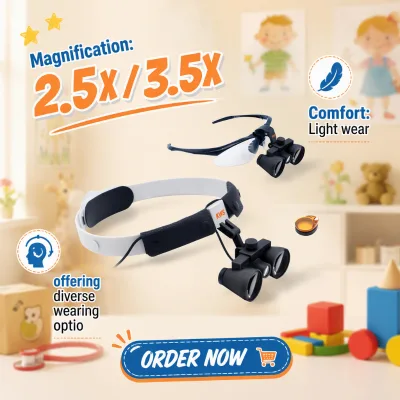
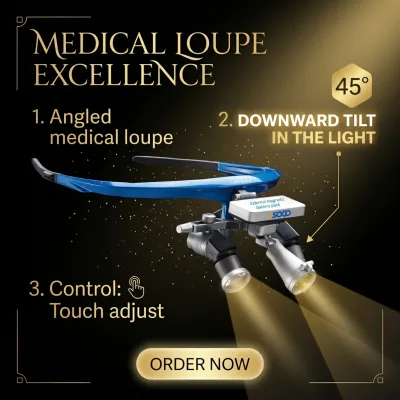
Foshan Meite Medical Equipment Co., Ltd.
- Manufacturer, Trading Company
- Guangdong, China
- Lead time7 days
- Avg. response≤ 1h
Main productsDental air turbine handpiece,Dental files/burs,Dental unit spare parts,Dental eqipment,Dental material
Main marketsDomestic Market(43.00%), Mid East(15.00%), South Asia(10.00%), South America(5.00%), Northern Europe(5.00%), Southeast Asia(5.00%), North America(3.00%), Eastern Europe(3.00%), Africa(3.00%), Central America(2.00%), Western Europe(2.00%), Southern Europe(2.00%), Eastern Asia(2.00%)

Bestdent Foshan Medical Equipment Co., Ltd.
- Verified by BV
- Manufacturer/Factory
- China Guangdong
- Lead time15 days
- Avg. response≤ 8h
Main productsDental Handpiece, Dental Implant Handpiece, Dental Implant Universal Kit, Dental Burs, Dental Files, Dental Loupes, Dental Curing Light, Dental Electric Motor, Dental Chair, Other Dental Equipmnet
Main marketsSouth America,Eastern Europe,Mid East,North America,Southeast Asia,Eastern Asia,Western Europe


Dental Loupes Wireless Adjustable 2.5X 3.5X Magnifying Glass Clip Loupe Dental Product
$15.00 - $25.00
MOQ: 1 Sets

Dental Loupes 5X Binocular Magnifier 5W Dentist Headband Surgical Headlamp
$102.00 - $114.00
MOQ: 1 Boxes

Wuhan Jinguang Medical Technology Co., Ltd.
- Verified by CTI
- Combined
- China Hubei
- Lead time23 days
- Avg. response≤ 11h
Main productsDental Equipment, Dental Lab Products, Dental Supplies, Medical Disposables, Dental Materials
Main marketsSouth America,Europe
Foshan Horyn Medical Equipment Company Limited
- Manufacturer, Business Service (Transportation, finance, travel, Ads, etc)
- Guangdong, China
- Lead time10 days
- Avg. response≤ 5h
Main productsDental Loupes,Curing Light,Endo Motor and Apex Locator,Dental Handpiece,Teeth Whitening Machine
Main marketsNorth America(26.00%), Southeast Asia(20.00%), South America(20.00%), Eastern Europe(12.00%), Domestic Market(5.00%), Mid East(4.00%), Western Europe(3.00%), South Asia(2.00%), Northern Europe(2.00%), Eastern Asia(2.00%), Africa(1.00%), Oceania(1.00%), Southern Europe(1.00%), Central America(1.00%)
Foshan Huiyigang Medical Equipment Co., Ltd.
- Manufacturer, Trading Company, Other
- Guangdong, China
- Lead time0 days
- Avg. response≤ 2h
Main productsdental microscope,dental loupes,dental handpiece,dental led curing light,dental led cold light
Main marketsMid East(30.00%), North America(20.00%), Eastern Asia(9.00%), Africa(8.00%), South America(8.00%), Southeast Asia(5.00%), Eastern Europe(4.00%), Western Europe(3.00%), South Asia(3.00%), Southern Europe(3.00%), Oceania(2.00%), Central America(2.00%), Northern Europe(2.00%), Domestic Market(1.00%)
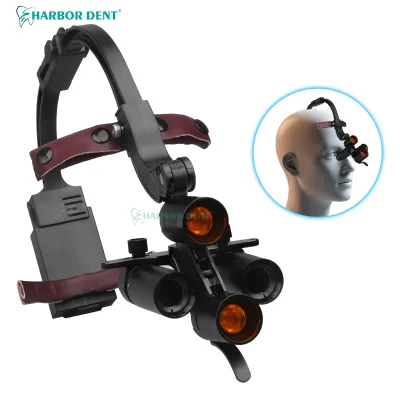
$127.73 - $134.8829
MOQ: 1 sets
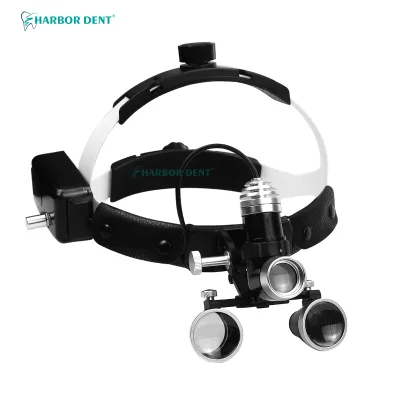
$43.0645 - $46.1399
MOQ: 10 sets
Foshan Senmei Technology Co., Ltd.
- Verified by Intertek
- Manufacturer, Trading Company
- Lead time7 days
- Avg. response≤ 2h
Main productsPortable X Ray Machine, Dental Unit, Dental Loupes, CBCT, High-Speed & Low-speed Handpieces
Main marketsDomestic Market(30%), North America(20%), Southeast Asia(10%)
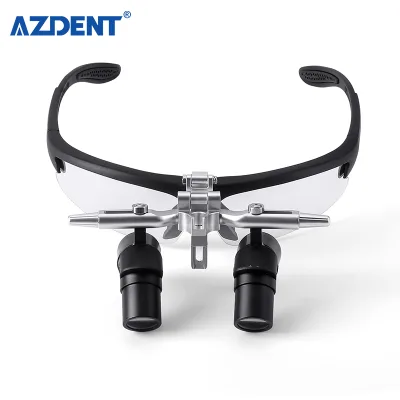
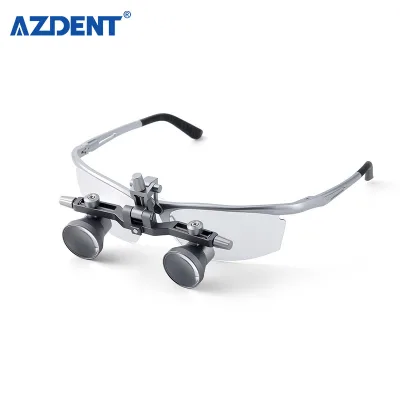
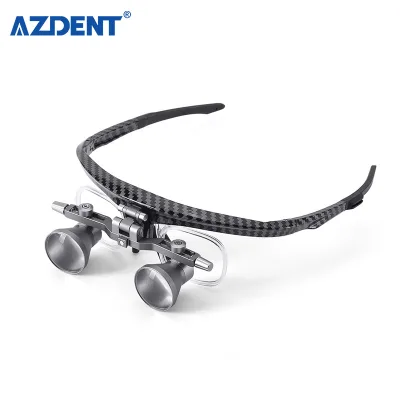


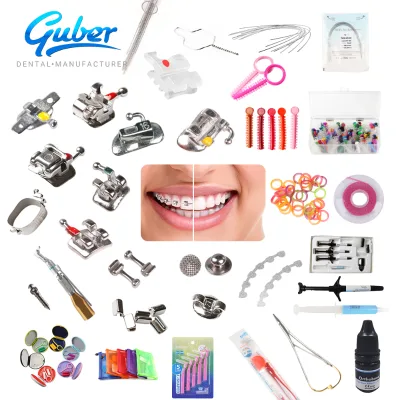


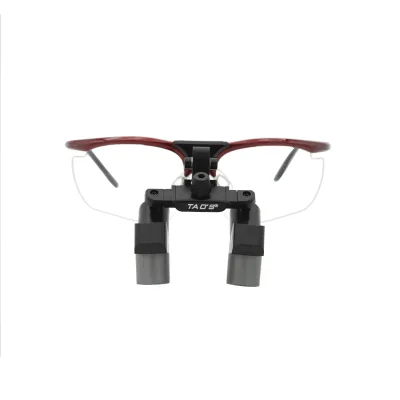
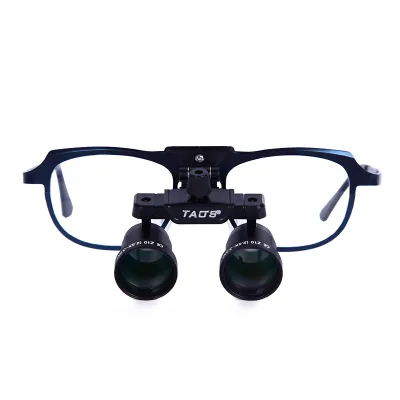
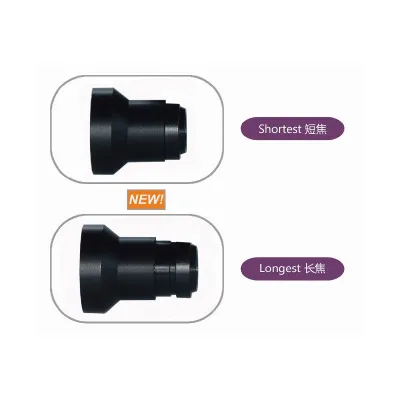
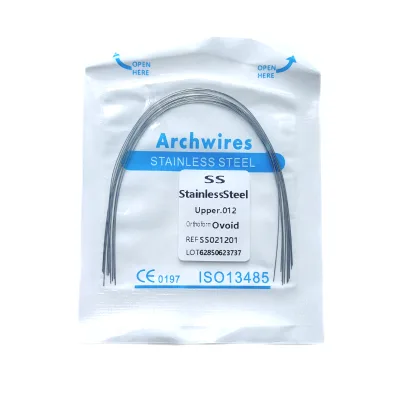
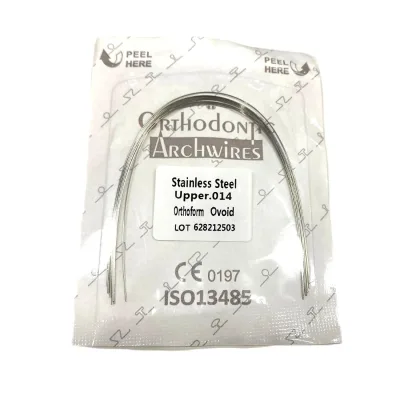


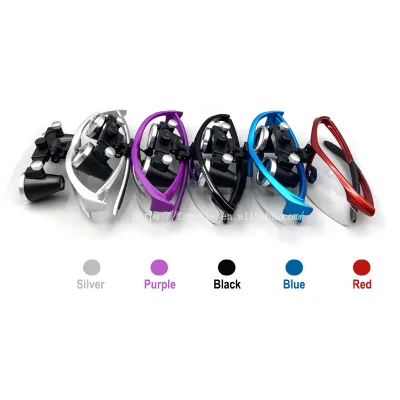
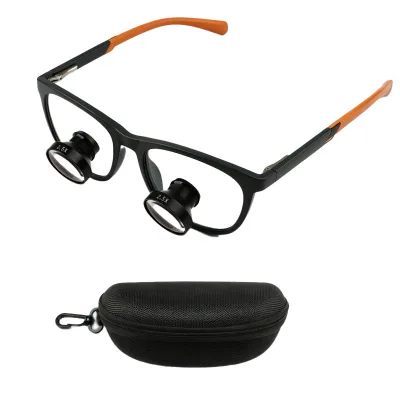


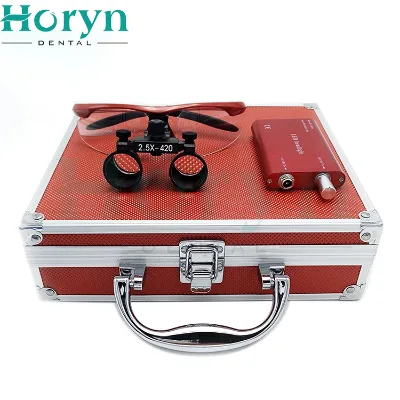
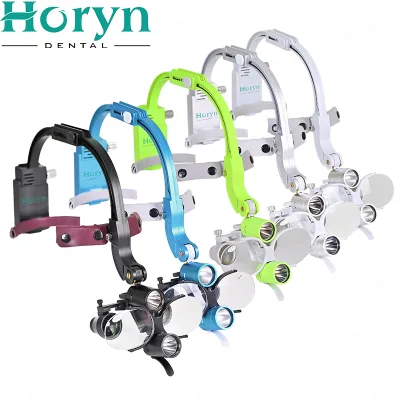
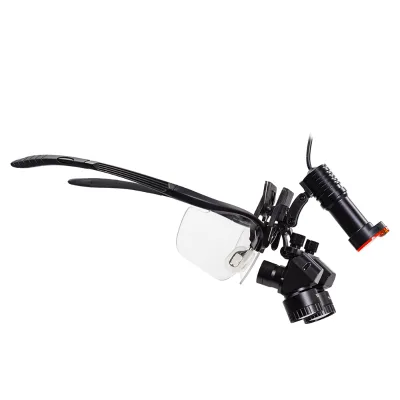
Comprehensive Sourcing Guide
Orthodontic Arch Wire Dental Loupes Supplier Concentration and Factory Types
The current supplier landscape for Orthodontic Arch Wire Dental Loupes reveals a distinct concentration of manufacturing and trading entities within Guangdong, China. This regional clustering is significant because it indicates a mature supply chain ecosystem where specialized components, such as precision optical lenses and ergonomic headgear materials, are readily available. Buyers evaluating suppliers should recognize that this geographic focus often correlates with established logistics networks and competitive pricing structures due to the density of related industries. The presence of suppliers in this specific province suggests that sourcing from this area may offer advantages in terms of production speed and component availability, although buyers must still verify individual factory capabilities rather than assuming uniform quality across the region.
In terms of company structure, the observed results indicate a mix of trading companies and direct manufacturers, with trading companies being a prominent type among the current results. This distinction is crucial for buyers because trading companies often aggregate products from multiple factories, potentially offering a wider variety of models but with less direct control over production quality. Conversely, factories may provide more customized solutions and better price transparency but might have higher minimum order quantities. Buyers should carefully review the main products listed by each supplier to determine if they specialize in dental equipment or if they are generalist traders. Understanding whether a supplier is a trading company or a factory helps in assessing their flexibility, communication style, and ability to handle complex orders involving both orthodontic wires and loupes.
How to Verify Orthodontic Arch Wire Dental Loupes Suppliers
Verification is a critical step when sourcing Orthodontic Arch Wire Dental Loupes, as the medical nature of these products requires strict adherence to safety and quality standards. Buyers should prioritize suppliers who display verified credentials, such as SGS verification, which serves as an independent confirmation of the supplier’s business legitimacy and operational capabilities. This verification status provides a baseline level of trust, indicating that the supplier has undergone a third-party assessment. However, buyers should not rely solely on this badge; they must also examine the specific product certifications listed, such as CE marks, which confirm that the devices meet European health, safety, and environmental protection standards. Ensuring that the loupes and associated equipment carry appropriate regulatory certifications is essential for legal importation and clinical use in various markets.
Beyond verification badges, buyers should assess the supplier’s responsiveness and historical performance metrics to gauge reliability. The response time is a key indicator of how quickly a supplier can address inquiries, resolve issues, or provide necessary documentation. A faster response time often correlates with better customer service and more efficient order processing. Additionally, buyers should look for evidence of after-sale service provisions, such as free spare parts or online technical support, which are vital for maintaining dental equipment over its lifespan. Checking the warranty periods offered, which can range from one to five years depending on the product, provides insight into the supplier’s confidence in their product quality. Buyers should also verify the shelf life and instrument classification, ensuring that the products are suitable for their intended clinical applications and comply with relevant medical device regulations.
What to Compare Across Orthodontic Arch Wire Dental Loupes Suppliers
When comparing suppliers, buyers should focus on key operational metrics such as lead time, minimum order quantity, and price ranges to determine the best fit for their business needs. Lead times can vary significantly, with some suppliers offering rapid turnaround times of seven days, while others may require up to fifteen days for production and shipping. This variation can impact inventory management and project timelines, so buyers must align supplier lead times with their delivery schedules. Minimum order quantities also differ, with some suppliers accepting orders as low as one unit, which is ideal for small clinics or trial orders, while others may require higher volumes, such as two units or more, to facilitate production runs. Understanding these constraints helps buyers plan their procurement strategy effectively and avoid unnecessary stockouts or excess inventory.
Price comparison is another critical factor, as costs can fluctuate based on product specifications, materials, and order volume. For instance, basic dental loupes may range from twenty-five to thirty-six dollars per unit, while more advanced models with features like rechargeable batteries or higher magnification can cost between two hundred and three hundred dollars. Buyers should evaluate the total cost of ownership, including shipping, taxes, and potential maintenance costs, rather than just the unit price. Additionally, comparing the main products offered by each supplier can reveal their specialization and expertise. Suppliers focusing on a narrow range of dental equipment may offer higher quality and better support than those with a broad, generic catalog. Buyers should also consider the power source, material composition, and specific features like lumens or color temperature, as these attributes directly affect the usability and effectiveness of the loupes in clinical settings.
Common Orthodontic Arch Wire Dental Loupes Sourcing Risks
One of the primary risks in sourcing Orthodontic Arch Wire Dental Loupes is the potential mismatch between product specifications and clinical requirements. Buyers must carefully review product attributes such as magnification power, working distance, and field of view to ensure they meet the specific needs of their dental procedures. For example, some loupes offer magnification levels of 3.5x, while others provide 4x, 5x, or 6x, each with different implications for ergonomics and visual clarity. Additionally, the power source, whether electric or manual, and the battery endurance, which can range from six hours to longer durations, must be suitable for the intended usage patterns. Failure to verify these details can result in equipment that is inefficient or uncomfortable for long-term use, leading to decreased productivity and potential health issues for dental professionals.
Another significant risk is the variability in after-sale service and warranty coverage, which can impact the long-term viability of the investment. Buyers should scrutinize the warranty terms, which may vary from one year to five years, and the availability of spare parts or technical support. Suppliers offering free spare parts or online technical support provide an added layer of security, ensuring that any issues can be resolved promptly without significant downtime. However, buyers must also consider the shelf life of the products, which can range from one to three years, and ensure that they can utilize the equipment within this timeframe. Additionally, the instrument classification, typically Class I for these devices, should be verified to ensure compliance with local medical device regulations. Ignoring these aspects can lead to unexpected costs and operational disruptions, undermining the value of the procurement.
Orthodontic Arch Wire Dental Loupes Regional Sourcing and Logistics
Sourcing from Guangdong, China, offers logistical advantages due to the region’s well-developed infrastructure and proximity to major shipping ports. Buyers should leverage this geographic concentration to negotiate favorable shipping terms and reduce transit times. The density of suppliers in this area often leads to competitive freight rates, especially for consolidated shipments. However, buyers must also consider the potential for supply chain disruptions, such as port congestion or customs delays, which can affect delivery schedules. To mitigate these risks, buyers should establish clear communication channels with their suppliers and request regular updates on production and shipping status. Additionally, understanding the local export regulations and documentation requirements can help streamline the customs clearance process, ensuring that goods arrive at their destination without unnecessary delays.
Logistics planning should also account for the packaging and handling requirements of delicate medical equipment like dental loupes. Products are typically packed in standard export cartons, with specific dimensions and weights that impact shipping costs. For instance, single package sizes may vary, with some items measuring 20x15x15 cm and weighing up to three kilograms, while others are more compact. Buyers should work with suppliers to optimize packaging to minimize damage during transit and reduce shipping volumes. Furthermore, considering the weight and dimensions of the products can help in selecting the most cost-effective shipping method, whether by air, sea, or express courier. Buyers should also verify the supplier’s experience in international shipping to ensure they can handle the complexities of cross-border logistics, including insurance and tracking, to protect their investment.
Orthodontic Arch Wire Dental Loupes Commercial Terms and Order Planning
Effective order planning requires a thorough understanding of the commercial terms offered by suppliers, including payment methods, pricing structures, and return policies. Buyers should negotiate clear terms regarding price fluctuations, especially for orders placed during periods of market volatility. Some suppliers may offer tiered pricing based on order volume, providing incentives for larger purchases. Additionally, buyers should clarify the inclusion of taxes, duties, and shipping costs in the quoted price to avoid unexpected expenses. Establishing a reliable payment schedule, such as partial payments upfront and the balance upon shipment, can help manage cash flow and reduce financial risk. Buyers should also verify the supplier’s ability to handle custom orders, as some products may offer customization options for specific clinical needs.
Long-term relationship building is essential for securing consistent supply and favorable terms. Buyers should engage in regular communication with their suppliers to discuss performance, feedback, and future requirements. This ongoing dialogue can help identify opportunities for cost savings, improved quality, or new product offerings. Additionally, buyers should monitor supplier performance metrics, such as response time and lead time adherence, to ensure they meet their operational standards. By maintaining a proactive approach to supplier management, buyers can mitigate risks and enhance their sourcing efficiency. Furthermore, staying informed about industry trends and technological advancements in dental equipment can help buyers make informed decisions about product upgrades and expansions. This strategic approach ensures that the procurement process remains aligned with the evolving needs of the dental practice.
FAQs
What is the price range for dental loupes with light?
Dental loupes with light are available from $25 to $291. Basic models start around $25, while premium binocular options with headlights cost up to $291. Prices vary based on magnification, material, and included features like rechargeable batteries or specific frame alloys.
What is the minimum order quantity for dental loupes?
The minimum order quantity is typically one unit for standard models. Some suppliers require a minimum of two units for specific surgical or binocular loupe configurations. Buyers should verify the exact MOQ with the supplier before placing an order to ensure availability.
How long does it take to receive dental loupes?
Lead times for dental loupes range from 7 to 15 days. Faster delivery is available for basic models, while more complex surgical equipment may take up to 15 days. Buyers should confirm the specific lead time with the supplier based on the selected model.
What certifications do dental loupes have?
Dental loupes typically hold CE certification for quality assurance. Some suppliers also have SGS verification for their manufacturing processes. Buyers should request specific certification documents to ensure the products meet international safety and quality standards for medical and dental equipment usage.
Where are dental loupes manufactured?
Dental loupes are primarily manufactured in Guangdong, China. This region is a major hub for medical device production, offering a wide range of options from basic magnifiers to advanced binocular loupes with integrated LED lighting systems for professional dental use.
What warranty is provided for dental loupes?
Warranty periods for dental loupes range from one to five years. Basic models often include a one-year warranty, while higher-end binocular loupes may offer up to five years of coverage. Buyers should check the specific warranty terms provided by the supplier for their chosen model.