Portable Waterproof LED Flood Light Suppliers and Manufacturers
Explore 30 verified options for Portable Waterproof LED Flood Light from Zhejiang and Guangdong factories. Compare response times, lead times, certifications like CE and RoHS, and pricing to find the right partner. Contact suppliers directly to request quotes; review the available evidence before requesting comparable quotations from suitable candidates.
Updated
Suppliers List

Ningbo Sunle Lighting Electric Co., Ltd.
- Verified by BV
- Trading Company,Manufacturer/Factory
- China Zhejiang
- Lead time45 days
- Avg. response≤ 7h
Main productsLED Outdoor Light, LED Flood Light, Street Light, High Bay Light, Flood Light, LED Panel Light, High Pressure Sodium Bulbs, High Pressure Metal Halide Lamp, Ignitor, Ballast
Main marketsSouth America,Eastern Europe,Mid East,North America,Southeast Asia,Eastern Asia,Oceania,Western Europe,Africa

Guangdong Guangyun Lighting Co., Ltd.
- Combined
- China Guangdong
- Lead time30 days
- Avg. response≤ 12h
Main productsSolar Street Light, Solar Flood Light, Rechargeable Flood Light
Main marketsSouth America,Africa,Southeast Asia/ Mideast,Domestic,Europe
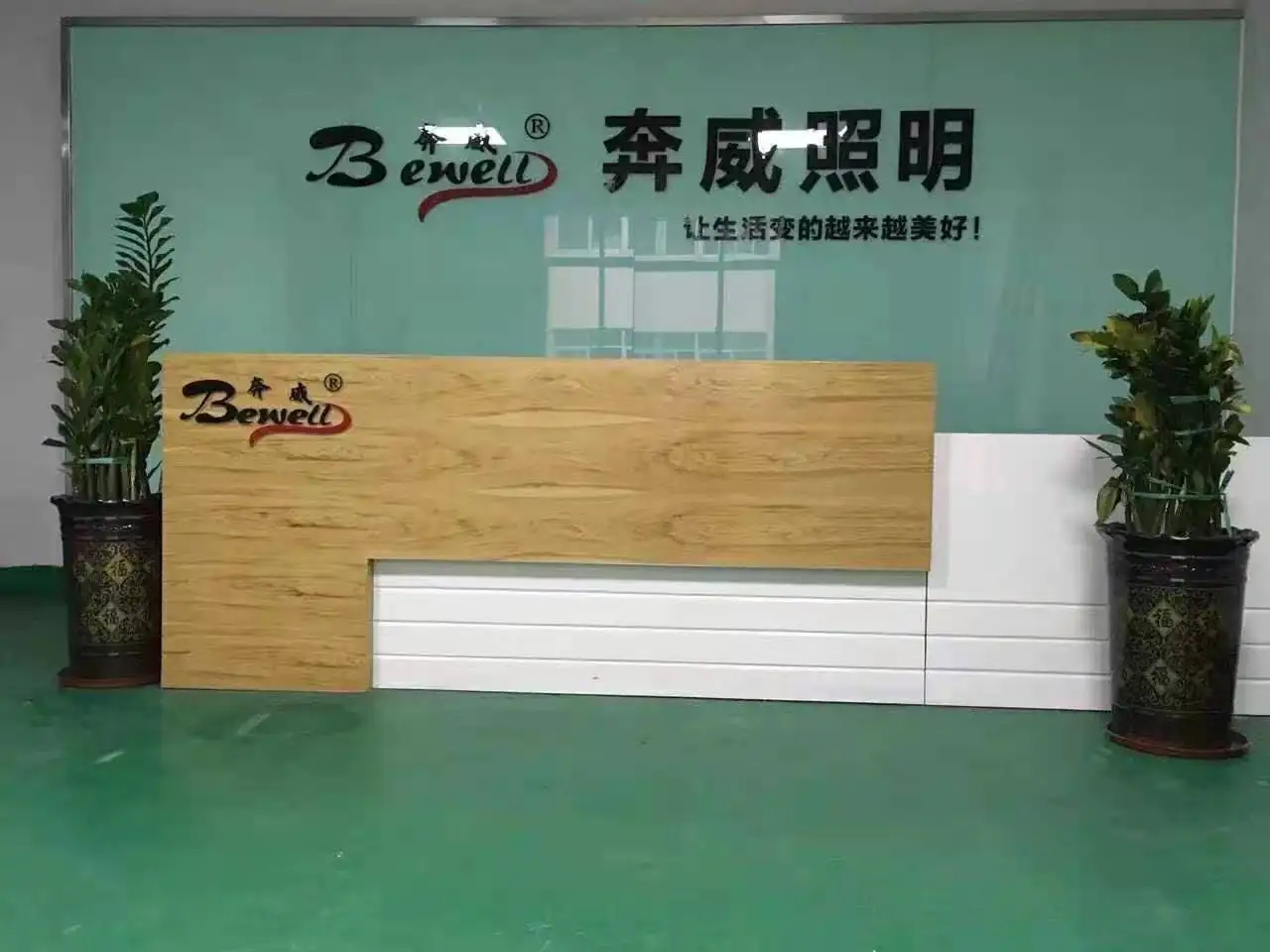
Zhongshan Guzhen Benwei Lighting Appliance Factory
- Manufacturer, Trading Company
- Guangdong, China
- Lead time10 days
- Avg. response≤ 6h
Main productsled flood light,led street light,led magnetic light,led solar street light,led solar flood light
Main marketsSoutheast Asia(30.00%), Mid East(20.00%), Domestic Market(5.00%), South America(3.00%), North America(2.00%), Eastern Asia(1.00%)
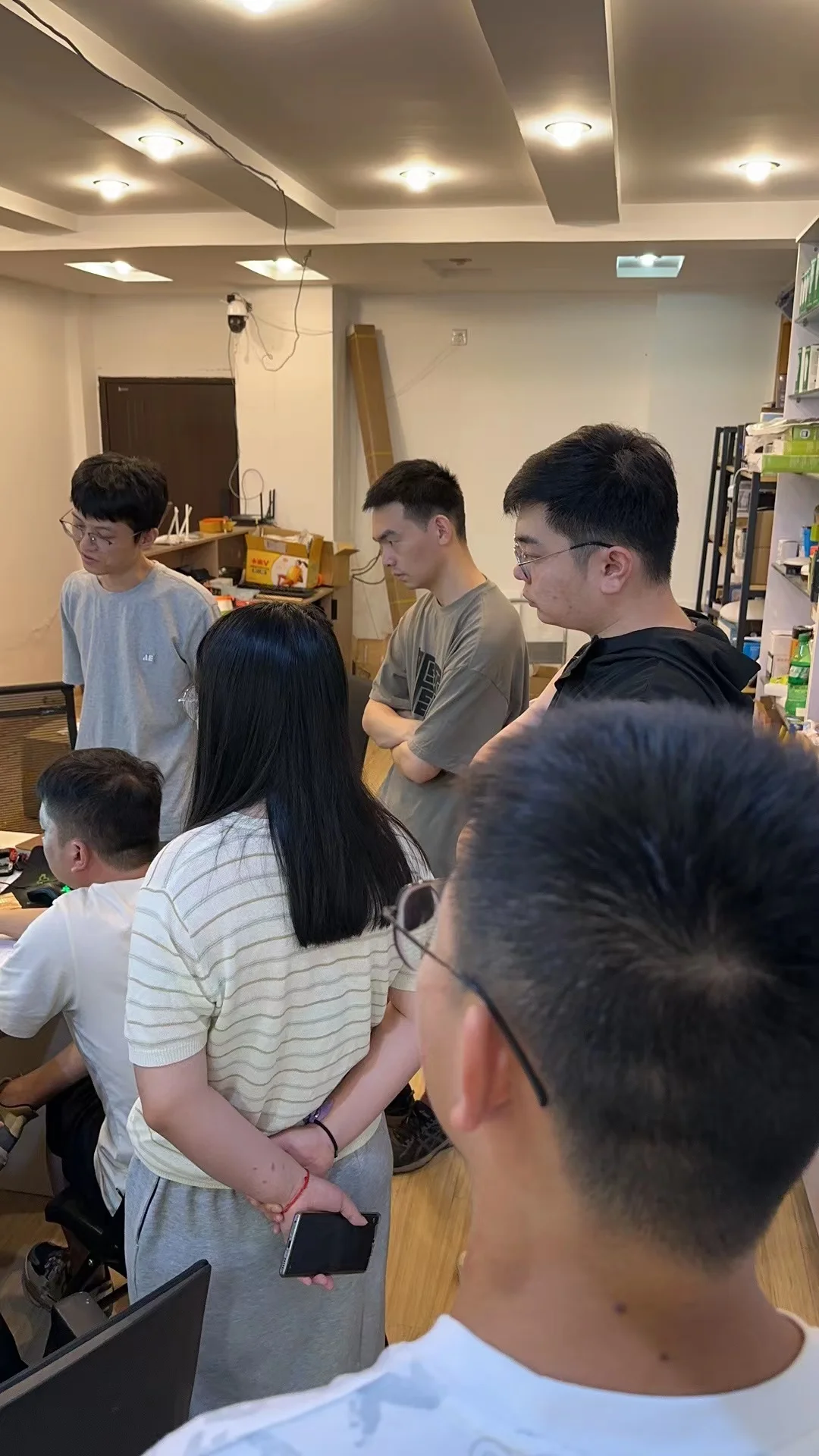
Anhui Lanyou Lighting Technology Co., Ltd.
- Manufacturer, Trading Company
- Anhui Province, China
- Lead time30 days
- Avg. response≤ 4h
Main productsLED floodlight,LED panel light,LED downlight,LED corn light,LED light
Main marketsEastern Asia(25.00%), Africa(16.00%), Southern Europe(8.00%), Mid East(6.00%), South Asia(6.00%), South America(6.00%), Central America(6.00%), Northern Europe(5.00%), Southeast Asia(5.00%), Domestic Market(5.00%), North America(5.00%), Oceania(2.50%), Eastern Europe(2.50%), Western Europe(2.00%)

Jiangmen City Feidong Lighting Co., LTD
- Combined
- China Guangdong
- Lead time30 days
- Avg. response≤ 15h
Main productsLED Flood Light, LED Panel Light, LED Street Light, LED High Bay Light, Solar LED Flood Light, Solar LED Street Light, LED Downlight, Garden Light
Main marketsSouth America,Africa,Southeast Asia/ Mideast,Europe

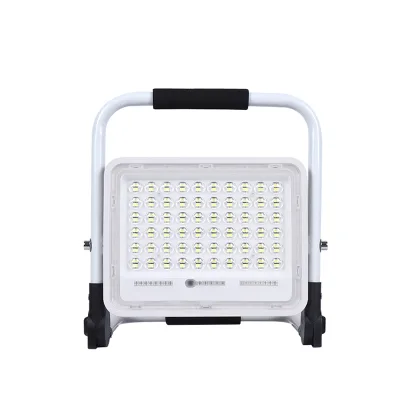
Portable Waterproof LED Outdoor Waterproof High Quality Lumen Flood Light
$3.08 - $3.10
MOQ: 200 Pieces

Guangzhou Blueswift Electric Co., Ltd.
- Verified by SGS Group
- Manufacturer, Trading Company
- Lead time20 days
- Avg. response≤ 8h
Main productsSolar Battery, Solar Inverters, Solar Lighting
Main marketsSouth America(33%), Southeast Asia(15%), Africa(14%)
Xiamen Dlight Star Technology Co., Ltd.
- Verified by SGS Group
- Manufacturer, Trading Company
- Lead time25 days
- Avg. response≤ 2h
Main productsLED Work Light, LED Flashlight, LED Headlamp, LED Floodlight
Main marketsNorth America(80%), Western Europe(15%), Oceania(5%)
Ningbo Everstar Lighting Co., Ltd.
- Verified by TüVRheinland
- Trading Company
- Lead time30 days
- Avg. response≤ 2h
Main productsLED Panel Light, LED Solar Light, LED Street Light, LED Ceiling Lamp, LED Floodlight
Main marketsEastern Europe(35%), Western Europe(31%), South America(21%)
Shenzhen You&My Electronic Technology Co., Ltd
- Manufacturer, Trading Company
- Guangdong, China
- Lead time5 days
- Avg. response≤ 5h
Main productsLed solar light,Led Strip Light,Led Module,Led Flood Light,Led street lightt
Main marketsNorth America(25.00%), Eastern Europe(10.00%), Central America(10.00%), South America(10.00%), Southeast Asia(5.00%), South Asia(5.00%), Southern Europe(5.00%), Northern Europe(5.00%), Western Europe(5.00%), Eastern Asia(5.00%), Mid East(5.00%), Oceania(5.00%), Africa(5.00%)

Foshan Kaicheng Lighting Co., Ltd.
- Verified by SGS
- Combined
- China Guangdong
- Lead time30 days
- Avg. response≤ 10h
Main productsSolar Light, LED Light, LED Solar Flood Light, Solar LED Street Light, LED Flood Light, LED High Bay Light, LED Work Light, LED Street Light, Solar Garden Light, LED Solar Street Light
Main marketsSoutheast Asia/ Mideast,Europe


High Brightness 50W LED Floodlight Outdoor Security Waterproof Flood Light
$3.06 - $3.62
MOQ: 1000 Pieces

Portable 12 Volt Outdoor IP65 Waterproof High Power AC 30W LED Flood Light
$2.36 - $2.79
MOQ: 1000 Pieces


High Efficiency Rechargeable Portable Square LED Work Light Floodlight
$10.19 - $12.05
MOQ: 500 Pieces


Yangzhou Huatai Lighting Group Co., Ltd
- Verified by SGS
- Combined
- China Jiangsu
- Lead time30 days
- Avg. response≤ 2h
Main productsSolar Panels, Street Poles, LED Lights
Main marketsEurope,North America


Long-Lasting Waterproof Energy-Efficient Bright Outdoor LED Flood Light
$29.00 - $130.00
MOQ: 2 Pieces


Changsha Lido Sci & Tech Co., Ltd.
- Trading Company
- Hunan, China
- Lead time35 days
- Avg. response≤ 2h
Main productsChandelier,Customized chandelier,led table light,LED floor light,LED wall light
Main marketsDomestic Market(5.00%), South Asia(5.00%), Southern Europe(5.00%), Northern Europe(5.00%), Central America(5.00%), Western Europe(5.00%), Eastern Asia(5.00%), Mid East(5.00%), Oceania(5.00%), Africa(5.00%), Southeast Asia(5.00%), Eastern Europe(5.00%), South America(5.00%), North America(5.00%)

Jiangsu Xinyixin Lighting Technology Co., Ltd.
- Verified by CTI
- Combined
- China Jiangsu
- Lead time15 days
- Avg. response≤ 1h
Main productsled industrial light
Main marketsDomestic


Compact LED Flood Light with Waterproof Design for Outdoor Lighting Use
$25.00 - $50.00
MOQ: 20 Pieces

Fuzhou Conssin Lighting Co., Ltd.
- Verified by SGS
- Manufacturer
- China Fujian
- Lead time30 days
- Avg. response≤ 6h
Main productsLED Flood Light, Industrial Battery System

Ningbo Stellar Technology Co., Ltd.
- Verified by BV
- Manufacturer
- China Zhejiang
- Lead time15 days
- Avg. response≤ 17h
Main productsLED Street Light, Street Lamp, Flood Light, Project Light, Garden Lamp, Wall Washer Light, Outdoor Light, LED Packaging Products
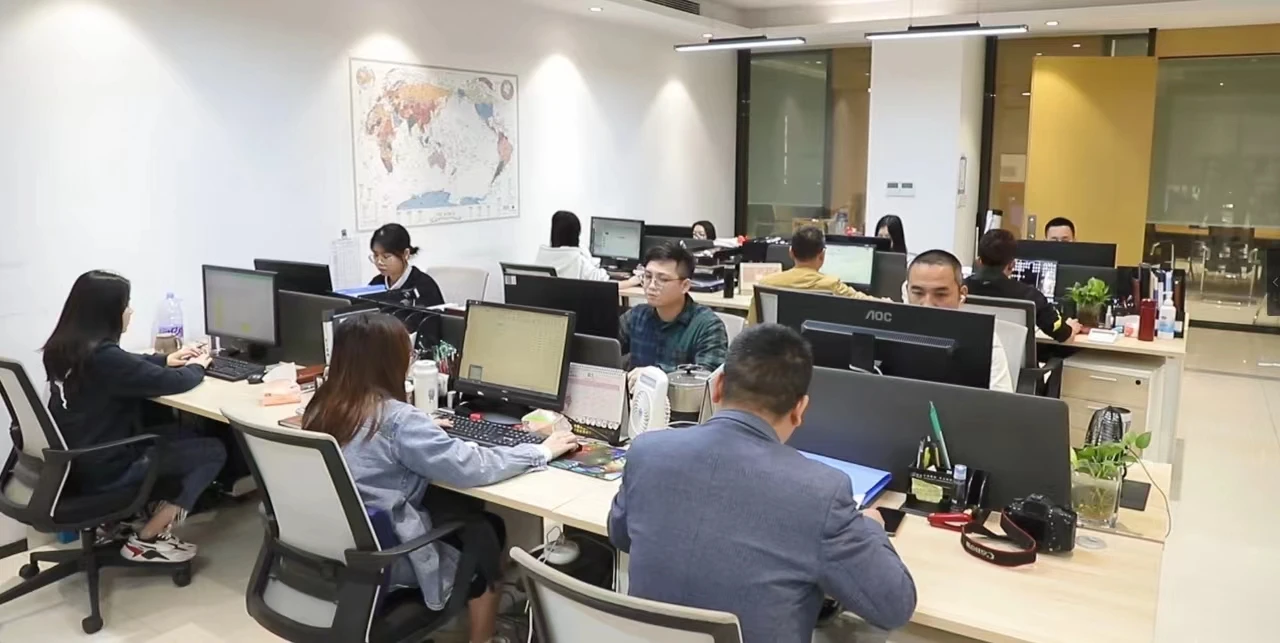
Zhongshan Meng Guang Technology Co., Ltd.
- Manufacturer, Trading Company
- Guangdong, China
- Lead time0 days
- Avg. response≤ 2h
Main productsStreet light,Flood light,Solar lights,Pendant light,Indoor and outdoor lights
Main marketsNorth America(40.00%), Eastern Asia(20.00%), Mid East(20.00%), South America(20.00%)
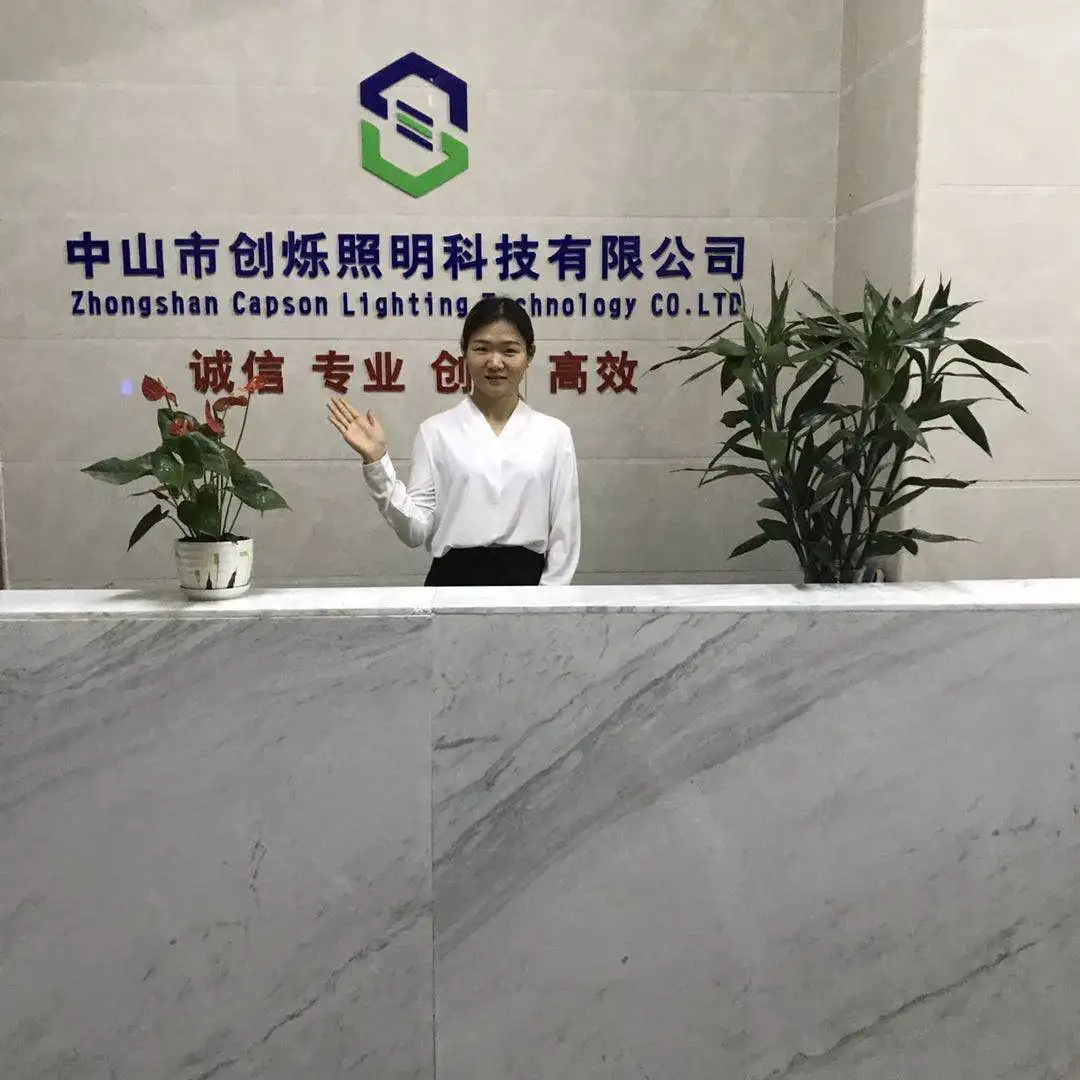
Zhongshan Capson Lighting Technology Co., Ltd.
- Manufacturer, Trading Company
- Guangdong, China
- Lead time7 days
- Avg. response≤ 7h
Main productsSolar Light,LED Street Light,LED Flood Light,LED High Bay Light,LED Stadium Light
Main marketsSouth America(30.00%), Western Europe(20.00%), Eastern Europe(10.00%), Eastern Asia(10.00%), Mid East(10.00%), Africa(10.00%), Southeast Asia(10.00%)
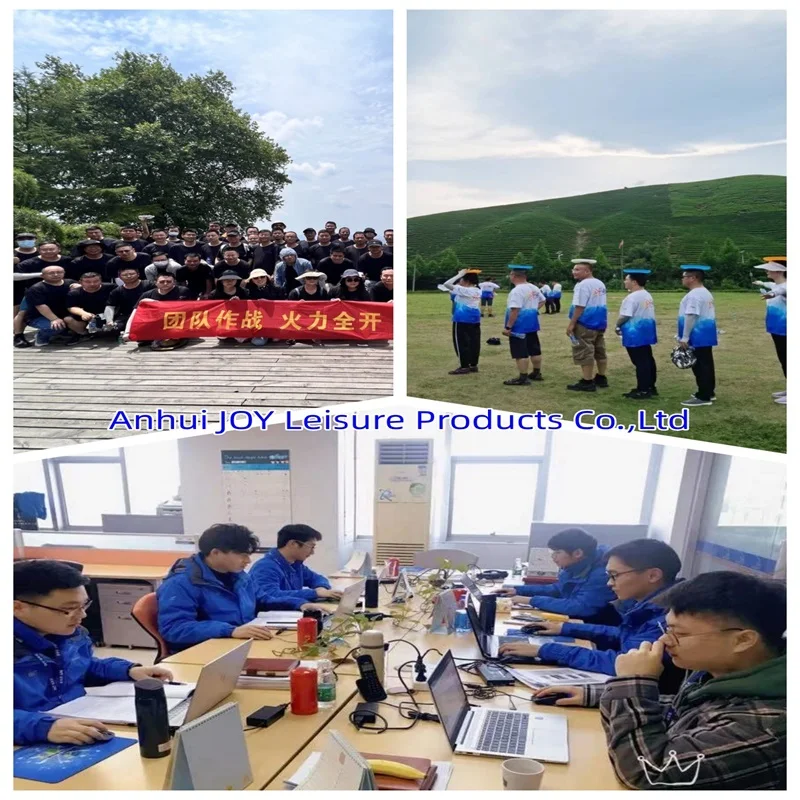
Anhui Joy Leisure Products Co., Ltd.
- Trading Company
- anhui, China
- Lead time10 days
- Avg. response≤ 2h
Main productsCamping&Hiking Gear,Fitness Gear,Bicycle&Bike Gear,Water Sports,Outdoor Gear
Main marketsNorth America(25.00%), Northern Europe(10.00%), Central America(10.00%), Western Europe(10.00%), Mid East(10.00%), Southern Europe(10.00%), Eastern Europe(10.00%), South America(10.00%), Africa(5.00%)
Foshan Heshi Lighting Electrical Co., Ltd.
- Verified by Intertek
- Manufacturer, Trading Company
- Guangdong, China
- Lead time10 days
- Avg. response≤ 3h
Main productsSolar Flood Light, Solar Street Light, LED Flood Light, LED Street Light, LED High Bay Light
Main marketsAfrica(28%), Southern Europe(21%), Mid East(11%)
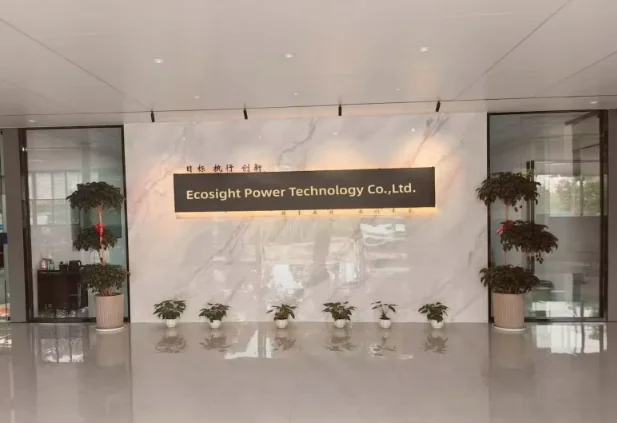
Ecosight Power Technology Co., Ltd.
- Manufacturer
- Guangdong, China
- Lead time40 days
- Avg. response≤ 1h
Main productsmobile solar light tower,mobile solar surveillance trailer,mobile solar generator trailer,solar trailer,Light tower
Main marketsNorth America(25.00%), Mid East(5.00%), South America(5.00%), Western Europe(2.50%), Eastern Europe(2.50%), South Asia(1.00%)
Zhongshan Auta Led Lighting Company Limited
- Verified by TüVRheinland
- Manufacturer, Trading Company
- Lead time15 days
- Avg. response≤ 4h
Main productsSolar LED Light, Garden LED Light, Outdoor LED Light, Smart LED Lights
Main marketsNorth America(25%), Oceania(25%), Domestic Market(20%)

Guangdong Laswim Water Environment Equipment Co., Ltd.
- Verified by BV
- Combined
- China Guangdong
- Lead time15 days
- Avg. response≤ 11h
Main productsSand Filter, Pool Pump, Pool Underwater Light, Salt Chlorinator, Heat Pump, Pool Ladder, Pool Plastic Fittings, Filtration Unit, Massage Products, Hydrotherapy Equipment
Main marketsSouth America,Africa,Southeast Asia/ Mideast,East Asia(Japan/ South Korea),Europe,Australia,North America

Shenzhen ATA Technology Co., Ltd.
- Manufacturer/Factory
- China Guangdong
- Lead time15 days
- Avg. response≤ 13h
Main productsLED Grow Light, LED Flexible Strip, UL LED Tube Light, UL LED Panel Light, LED Tri-Proof Light, UFO LED High Bay Light, LED Flood Light, LED Street Light, LED Controller, LED Power Supply
Main marketsSouth America,Eastern Europe,Mid East,North America,Southeast Asia,Eastern Asia,Oceania,Western Europe,Africa
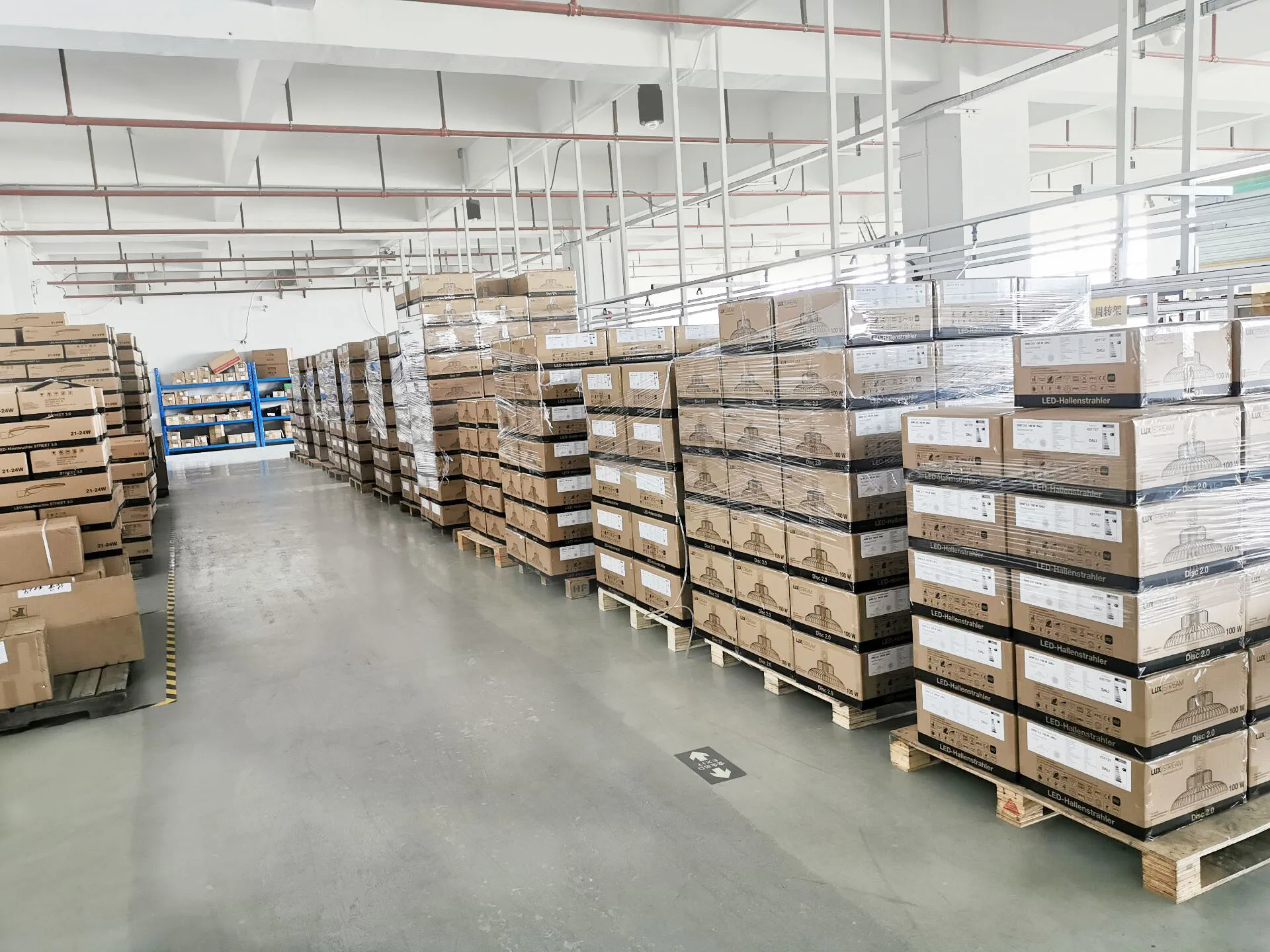
Shenzhen Duyuan Lighting Co., Ltd.
- Manufacturer
- Guangdong, China
- Lead time20 days
- Avg. response≤ 13h
Main productsLED high bay,LED flood lights,LED tunnel lights,LED street lights,LED down lights
Main marketsWestern Europe(30.00%), North America(19.00%), Domestic Market(10.00%), Southern Europe(6.00%), South Asia(6.00%), Eastern Asia(5.00%), Central America(5.00%), Eastern Europe(5.00%), Oceania(4.00%), Northern Europe(3.00%), Mid East(3.00%), South America(2.00%), Africa(1.00%), Southeast Asia(1.00%)
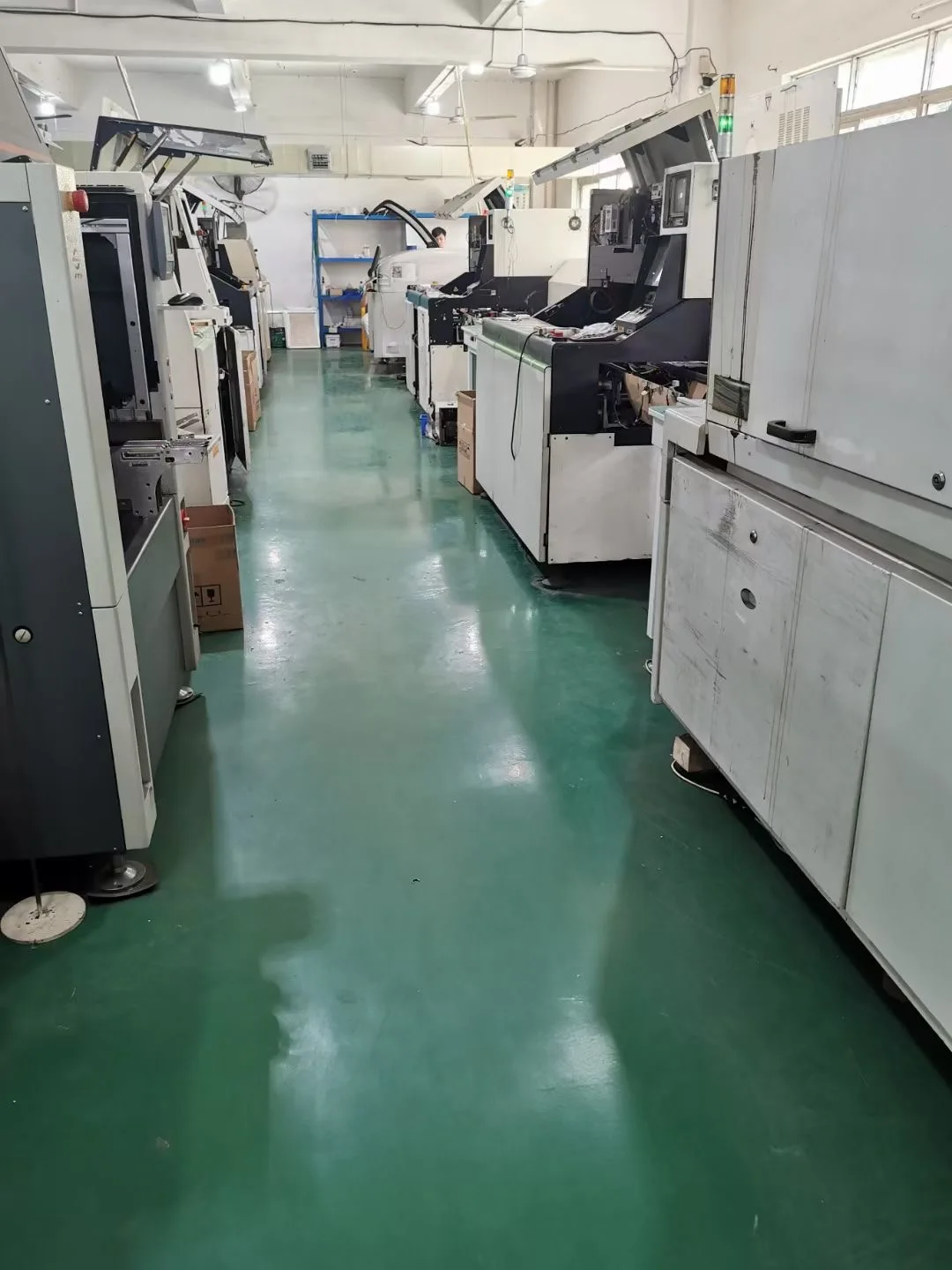
Jiangmen Hezhongyi Technology Co., Ltd
- Manufacturer, Trading Company
- guangdong, China
- Lead time7 days
- Avg. response≤ 8h
Main productsLED STRIP LIGHT,POWER SUPPLY,SOLAR SYSTEM,LED COB STRIP,LED MODULES
Main marketsMid East(20.00%), Southeast Asia(16.00%), South America(15.00%), Eastern Asia(10.00%), South Asia(5.00%), Western Europe(5.00%), Eastern Europe(5.00%), North America(5.00%), Oceania(5.00%), Africa(5.00%), Central America(3.00%), Southern Europe(3.00%), Northern Europe(3.00%)

Jiangsu Xuyida Construction Engineering Co., Ltd
- Verified by SGS
- Combined
- China Jiangsu
- Lead time15 days
- Avg. response≤ 2h
Main productsSolar Street Light, Smart Light Pole, Traffic Lights, LED Street Light, Light Pole, LED Light, Garden Light Pole, All in One Solar Street Light, LED Flood Lights, Solar Panel
Main marketsAfrica,Domestic

- Verified by TUVRHEINLAND
- Trading Company
- China Guangdong
- Lead time30 days
- Avg. response≤ 4h
Main productsLady Handbag, Men's Bag, Household Supplies, Kitchenware, Fashion Shoes, Lady's Boots, Lighting, Fashion Jewelry, Toys, Clothing
Main marketsSoutheast Asia/ Mideast,Europe

- Verified by SGS
- Combined
- China Guangdong
- Lead time15 days
- Avg. response≤ 2h
Main productsLED Wall Washer Light, LED Floodlight, Outdoor LED Spotlight, LED Inground Light, LED Underwater Light, LED Outline Linear Light, LED Downlight, LED Ceiling Light
Main marketsSoutheast Asia/ Mideast

SHINELONG TECHNOLOGY CORP., LTD.
- Verified by TUVRHEINLAND
- Combined
- China Guangdong
- Lead time15 days
- Avg. response≤ 1h
Main productsLED Tri-Proof Light, LED Panel Light, LED Tubes, LED Explosion-Proof Light, LED Linear Light, LED Batten Light, LED Flood Light, LED High Bay Light, LED Commercial Lights, Other Customized Lights
Main marketsEurope,Australia

Zhongjing Rongguang New Energy Jiangsu Co., Ltd.
- Verified by TUVRHEINLAND
- Combined
- China Jiangsu
- Lead time15 days
- Avg. response≤ 4h
Main productsstreet light pole
Main marketsSoutheast Asia/ Mideast


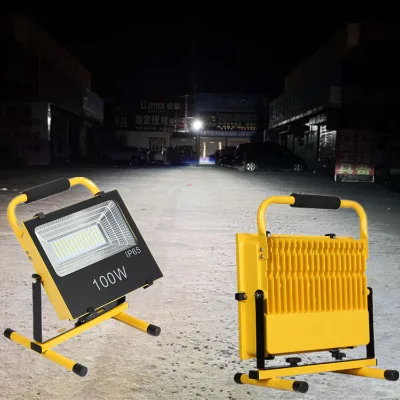
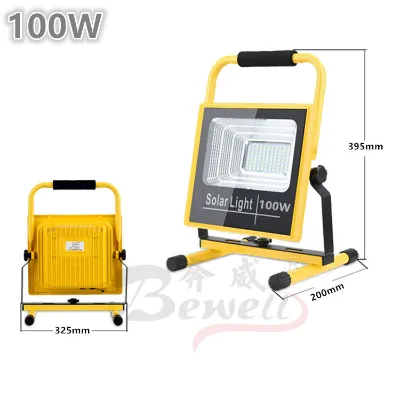
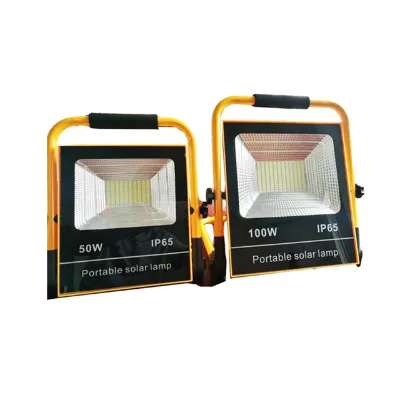
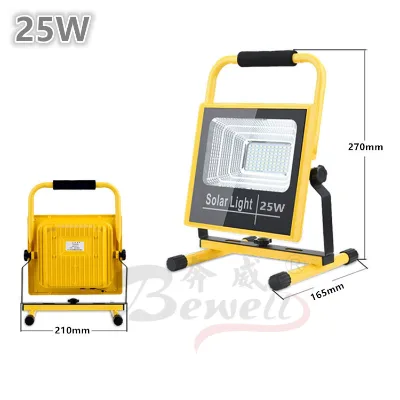
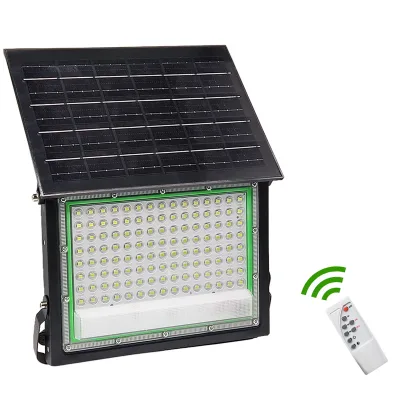
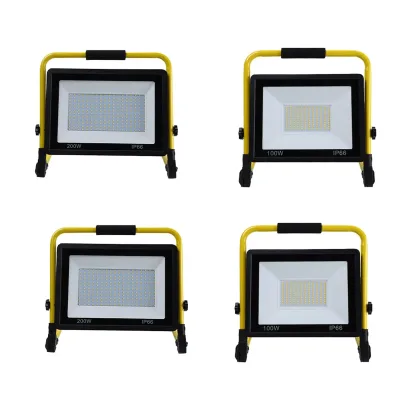
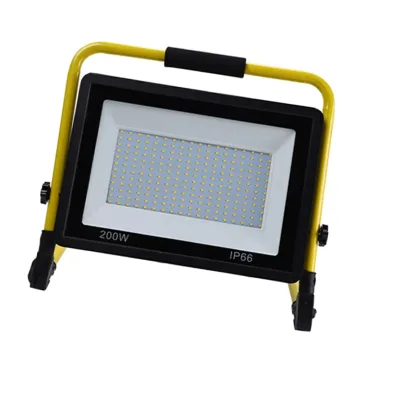
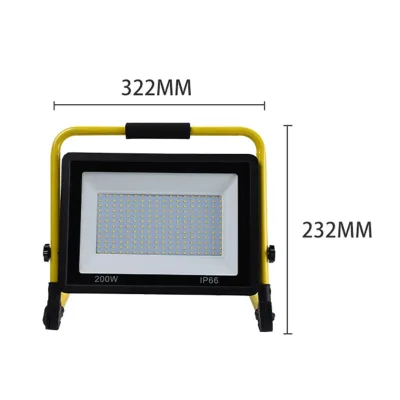


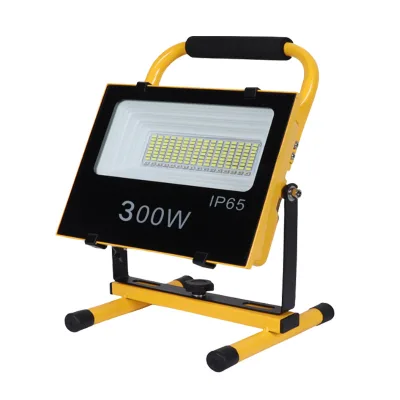
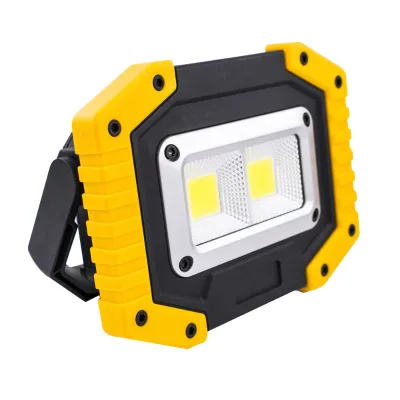
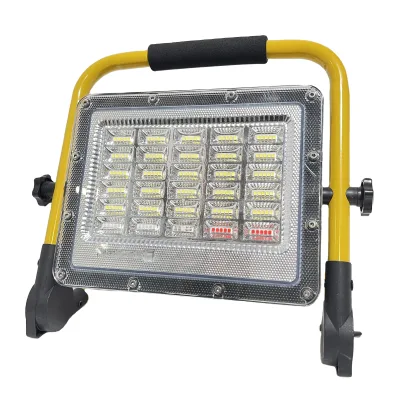




Comprehensive Sourcing Guide
Portable Waterproof LED Flood Light Supplier Concentration and Factory Types
The current supplier landscape for portable waterproof LED flood lights reveals a distinct geographic concentration in China, with specific manufacturing hubs identified in Zhejiang and Guangdong provinces. These regions serve as critical nodes for lighting production, offering varying advantages based on the supplier type and operational focus. In Zhejiang, suppliers are often categorized as either trading companies or manufacturer/factories, indicating a mixed ecosystem where direct production capabilities coexist with sourcing intermediaries. This duality allows buyers to access a broader range of product lines, including LED outdoor lights, street lights, and high bay lights, alongside the core portable flood light offerings. The presence of both entity types suggests that buyers can choose between direct factory engagement for customized OEM/ODM projects or trading company services for streamlined procurement of existing stock. The Zhejiang cluster appears to emphasize a wide variety of lighting products, suggesting that suppliers here may have diversified production lines capable of handling multiple lighting categories simultaneously. This diversification can be beneficial for buyers seeking a single source for various lighting needs, although it may require careful verification of specific manufacturing capabilities for portable waterproof units.
Conversely, suppliers located in Guangdong province present a different operational profile, often described as combined entities with a strong focus on solar and rechargeable lighting solutions. These suppliers specialize in products like solar street lights, solar flood lights, and rechargeable flood lights, indicating a specialized expertise in battery-integrated and energy-efficient lighting technologies. The Guangdong cluster seems to prioritize innovation in portable and emergency lighting, with a clear emphasis on rechargeable features and solar compatibility. This specialization suggests that buyers looking for advanced portable solutions with integrated power systems may find more tailored options in this region. The distinction between the Zhejiang and Guangdong clusters highlights the importance of aligning supplier location with specific product requirements. While Zhejiang offers a broad spectrum of traditional and modern LED lighting, Guangdong provides focused expertise in portable, battery-powered, and solar-assisted flood lights. Understanding these regional differences allows buyers to target their sourcing efforts more effectively, ensuring they engage with suppliers whose core competencies match their specific product needs.
How to Verify Portable Waterproof LED Flood Light Suppliers
Verifying the credibility and capability of Portable Waterproof LED Flood Light suppliers requires a multi-layered approach that leverages available verification data and product-specific evidence. One critical step is to examine the supplier’s verification status, such as BV certification, which provides an external validation of their business operations and compliance standards. This verification acts as a foundational trust signal, indicating that the supplier has undergone a third-party assessment of their legal and operational standing. Beyond basic verification, buyers should scrutinize the supplier’s main product listings to ensure alignment with their specific requirements. For instance, if a supplier lists LED outdoor lights and street lights as main products, it suggests a broad manufacturing or trading capability, but buyers must confirm that portable waterproof flood lights are a core competency rather than a peripheral offering. Additionally, checking for system certifications like ISO9001:2015 can provide insights into the supplier’s quality management processes, which is crucial for maintaining consistent product quality in portable lighting applications. These certifications indicate a structured approach to manufacturing and quality control, reducing the risk of defects in critical components like waterproof seals and battery systems.
Product-level evidence offers another layer of verification, allowing buyers to assess the technical specifications and compliance of the actual flood lights being offered. Buyers should review product attributes such as IP ratings, certifications (e.g., CE, RoHS), and material compositions to ensure they meet the necessary safety and performance standards for portable waterproof applications. For example, an IP rating that specifies waterproofing capabilities is essential for ensuring the product’s durability in outdoor environments. Furthermore, examining the supplier’s response time and lead time can provide indirect evidence of their operational efficiency and reliability. A faster response time may indicate a more agile and customer-focused organization, while a reasonable lead time suggests stable production capabilities. Buyers should also look for evidence of customization availability, as this can indicate the supplier’s flexibility and willingness to adapt products to specific buyer requirements. By combining verification status, product evidence, and operational metrics, buyers can build a comprehensive profile of each supplier, enabling more informed decision-making and risk mitigation in the sourcing process.
What to Compare Across Portable Waterproof LED Flood Light Suppliers
When evaluating multiple suppliers for portable waterproof LED flood lights, buyers should systematically compare key operational and product dimensions to identify the most suitable partner. One primary factor is the minimum order quantity (MOQ), which varies significantly across suppliers and can impact inventory management and cash flow. For instance, some suppliers may offer low MOQs, such as 1 or 10 units, which are ideal for testing market response or fulfilling small-scale orders, while others may require higher volumes, such as 100 or 300 units, which can reduce per-unit costs but increase initial investment. Comparing MOQs helps buyers align their order sizes with their sales forecasts and storage capabilities. Another critical dimension is the lead time, which indicates the duration from order placement to shipment. Suppliers with shorter lead times, such as 30 days, may be preferable for buyers with urgent delivery requirements or those seeking to minimize inventory holding costs. In contrast, longer lead times, such as 45 days, may be acceptable for planned purchases but could pose risks for time-sensitive projects. Buyers should also compare response times, as faster responses can facilitate smoother communication and quicker resolution of inquiries or issues.
Price and warranty terms are equally important factors in supplier comparison, as they directly affect the total cost of ownership and long-term product reliability. Buyers should analyze the price ranges offered by different suppliers, noting that prices can vary based on product specifications, customization options, and order volumes. For example, some suppliers may offer competitive pricing for standard models, while others may charge premiums for customized features or higher-performance components. Additionally, comparing warranty periods, such as 2 years versus 5 years, can provide insights into the supplier’s confidence in their product quality and their commitment to after-sales support. A longer warranty may indicate higher product durability and better customer service, reducing the buyer’s risk of post-purchase issues. Buyers should also consider the supplier’s customization capabilities, as the ability to tailor products to specific requirements can add significant value. By systematically comparing MOQs, lead times, response speeds, prices, and warranties, buyers can identify suppliers that offer the best balance of cost, convenience, and quality for their specific sourcing needs.
Common Portable Waterproof LED Flood Light Sourcing Risks
Sourcing portable waterproof LED flood lights involves several inherent risks that buyers must proactively manage to ensure successful procurement outcomes. One significant risk is the potential mismatch between supplier claims and actual product performance, particularly regarding waterproofing and durability. While suppliers may advertise high IP ratings, buyers must verify these claims through independent testing or by requesting detailed test reports, as inadequate waterproofing can lead to product failure in outdoor environments. Another risk is the variability in product quality across different production batches, which can be exacerbated by suppliers with limited quality control processes. Buyers should assess the supplier’s quality management systems, such as ISO certifications, to gauge their ability to maintain consistent product standards. Additionally, the reliance on third-party components, such as LED chips and batteries, can introduce supply chain vulnerabilities. If a supplier depends on specific brands for critical components, any disruption in the supply of these parts can delay production or compromise product quality. Buyers should inquire about the suppliers’ component sourcing strategies and backup plans to mitigate these risks.
Communication and logistical challenges also pose notable risks in the sourcing process, particularly when dealing with suppliers in different regions. Language barriers and time zone differences can hinder effective communication, leading to misunderstandings regarding product specifications, order details, or delivery schedules. Buyers should establish clear communication protocols and consider using suppliers with faster response times to minimize delays. Furthermore, logistical risks, such as shipping delays or damage during transit, can impact the timely delivery of orders. Buyers should verify the supplier’s packaging standards and shipping practices to ensure products are adequately protected. Another risk is the potential for non-compliance with international standards and regulations, which can result in customs delays or product recalls. Buyers must ensure that suppliers provide valid certifications, such as CE and RoHS, and that these certifications are recognized in the target market. By identifying and addressing these risks through thorough due diligence and clear contractual terms, buyers can reduce the likelihood of sourcing failures and ensure a smoother procurement experience.
Portable Waterproof LED Flood Light Regional Sourcing and Logistics
The geographic location of suppliers significantly influences logistics strategies and cost structures for portable waterproof LED flood lights. Suppliers located in China, particularly in Zhejiang and Guangdong provinces, offer distinct logistical advantages based on their proximity to major shipping ports and manufacturing infrastructure. Zhejiang suppliers, often situated in Ningbo, benefit from access to one of the world’s busiest container ports, facilitating efficient export operations and reducing transit times to global markets. This logistical advantage can be particularly beneficial for buyers seeking fast delivery and reliable shipping schedules. Additionally, the concentration of lighting manufacturers in Zhejiang creates a robust supply chain ecosystem, with easy access to raw materials and component suppliers, which can help stabilize production costs and lead times. Buyers sourcing from Zhejiang should consider the potential for consolidated shipping, where multiple products can be combined into a single shipment to optimize freight costs. This approach can be especially effective for buyers purchasing a variety of lighting products from the same supplier or region.
In contrast, Guangdong suppliers, with their focus on solar and rechargeable lighting, may have different logistical considerations due to the specialized nature of their products. The presence of battery-integrated flood lights requires careful handling and compliance with international shipping regulations for hazardous materials, such as lithium-ion batteries. Buyers must ensure that suppliers adhere to proper packaging and labeling standards to facilitate smooth customs clearance and transportation. Furthermore, the logistical efficiency of Guangdong suppliers may be influenced by their proximity to other manufacturing hubs in the Pearl River Delta, which can offer additional supply chain flexibility. Buyers should evaluate the supplier’s experience in handling international shipments, particularly for products with specific regulatory requirements. Understanding the logistical nuances of each region allows buyers to plan their supply chain more effectively, minimizing delays and costs. By aligning their sourcing strategy with the logistical strengths of each region, buyers can optimize their overall procurement process and ensure timely delivery of portable waterproof LED flood lights to their target markets.
Portable Waterproof LED Flood Light Commercial Terms and Order Planning
Effective order planning and negotiation of commercial terms are essential for managing the procurement of portable waterproof LED flood lights successfully. Buyers should begin by establishing clear payment terms that align with their cash flow management and risk tolerance. Common payment methods include telegraphic transfer (TT) and letters of credit (LC), each with its own advantages and risks. TT offers speed and lower transaction costs but provides less protection for the buyer, while LC offers greater security but involves higher fees and more complex documentation. Buyers should also consider the use of escrow services, which can provide an additional layer of protection by holding funds until the buyer confirms receipt and satisfaction with the products. Negotiating favorable payment terms, such as a lower upfront deposit or extended payment periods, can improve the buyer’s financial flexibility and reduce the risk of capital tie-up. Additionally, buyers should clarify the Incoterms for each order, as this determines the division of responsibilities and costs between the buyer and supplier for shipping, insurance, and customs clearance.
Order planning should also account for the supplier’s production capacity and lead times to ensure timely delivery. Buyers should request detailed production schedules and confirm the supplier’s ability to meet their required delivery dates, especially for large or urgent orders. It is crucial to establish clear communication channels for order updates and potential delays, allowing buyers to adjust their plans as needed. Buyers should also consider the supplier’s flexibility in handling order modifications, such as changes in quantity or specifications, which can occur due to market fluctuations or customer feedback. Negot
FAQs
What is the typical lead time for portable LED flood lights?
Manufacturers in China generally require 30 to 45 days for production. This timeframe depends on order volume and customization needs. Buyers should confirm specific schedules with suppliers before placing orders to ensure timely delivery for project requirements.
What certifications are standard for these outdoor lighting products?
Most suppliers provide CE and RoHS certifications for their LED flood lights. Some products also carry TUV standards. These certifications ensure compliance with international safety and environmental regulations, which is essential for importing lighting equipment to various global markets.
What is the minimum order quantity for portable flood lights?
Minimum order quantities vary significantly by supplier and product model. Some manufacturers accept orders as low as one unit, while others require 50 or 300 pieces. Buyers should check specific product listings to determine the exact MOQ applicable to their needs.
What is the expected lifespan of these LED flood lights?
High-quality LED flood lights typically offer a lifespan exceeding 50,000 hours. This durability ensures long-term performance for outdoor applications. Buyers should verify warranty terms, which often range from two to five years, to protect their investment against early failures.
What is the average response time for supplier inquiries?
Supplier response times generally range from six to eleven hours. Faster responses indicate active sales teams ready to assist with technical questions. Buyers should prioritize suppliers with quicker response times to streamline the sourcing process and resolve queries efficiently during procurement.
What is the price range for portable LED flood lights?
Prices for portable LED flood lights typically range from five to one hundred fifty dollars. Costs depend on wattage, features, and certification levels. Buyers should compare multiple quotes to find competitive pricing that aligns with their budget and specific technical requirements.