Source Portable UV Toothbrush Holder with Intelligent Sensor for Home Hotel Clinic
Explore 30 listings for the Portable UV Toothbrush Holder with Intelligent Sensor, comparing features like UV sterilization, battery capacity, and drying functions. Buyers can evaluate specifications including size, material, and customization options to find the right supplier; compare the available evidence and request quotations based on your requirements.
Updated
Key considerations
Products List
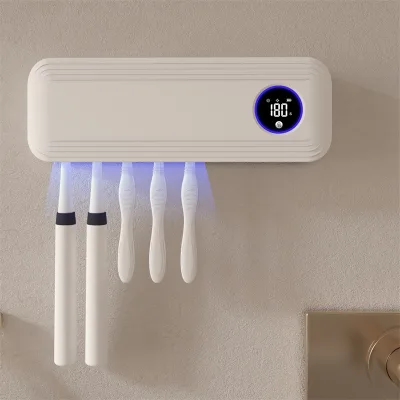
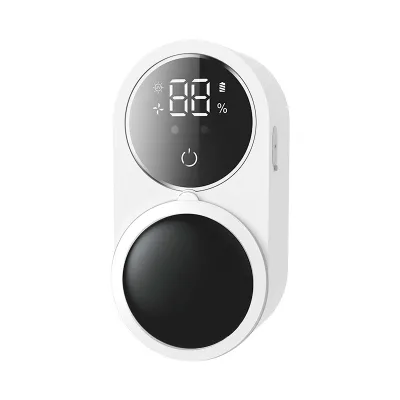
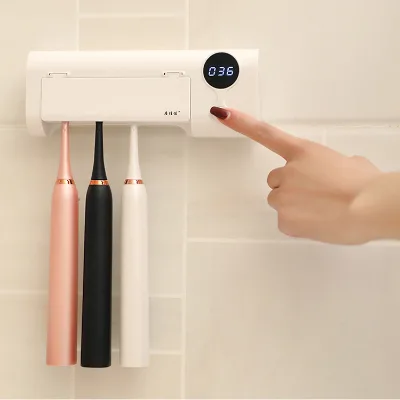
Electric UV Intelligent Toothbrush Holder with Dryer Fan Timing Function
$12.3368 - $20.7342
MOQ: 40 pieces
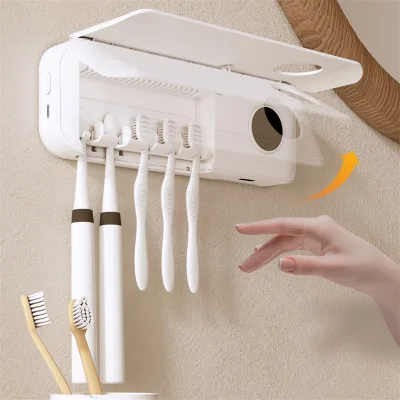
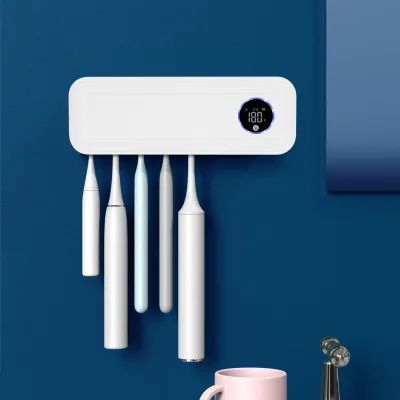

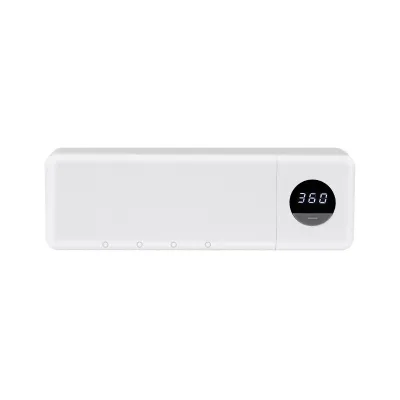
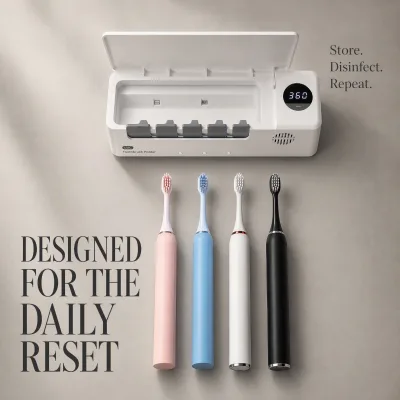


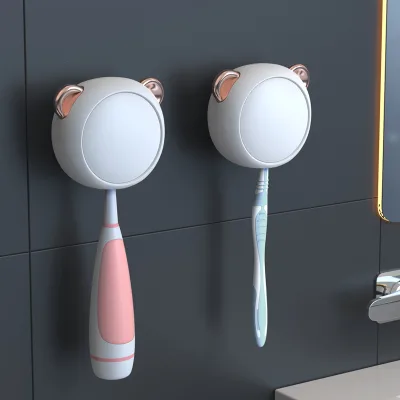
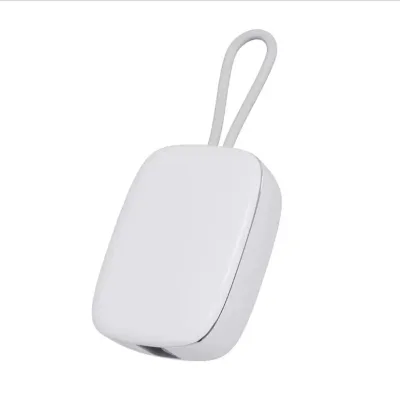
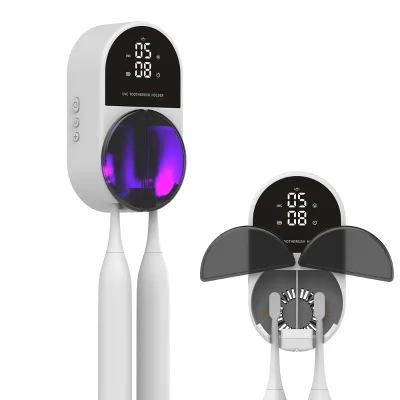
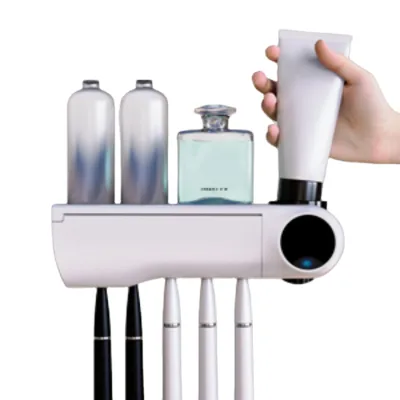
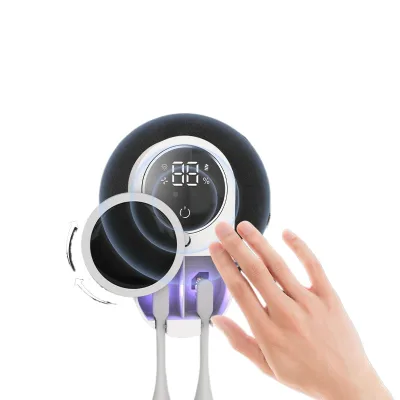
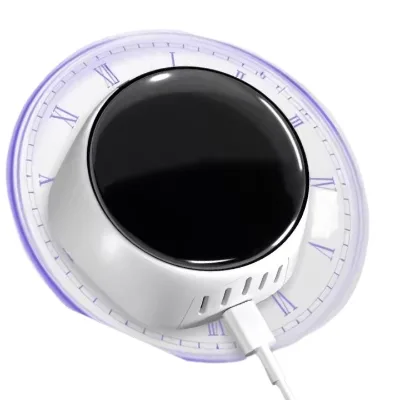


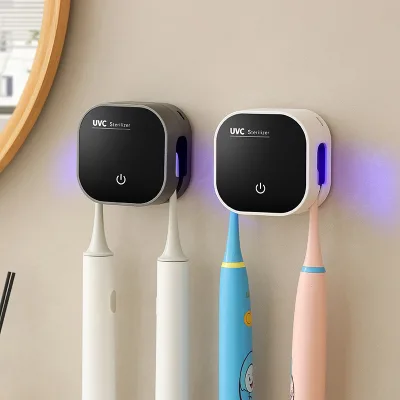
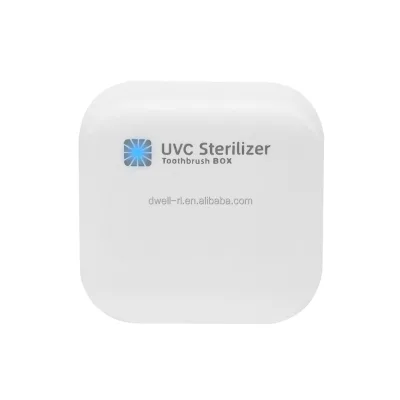
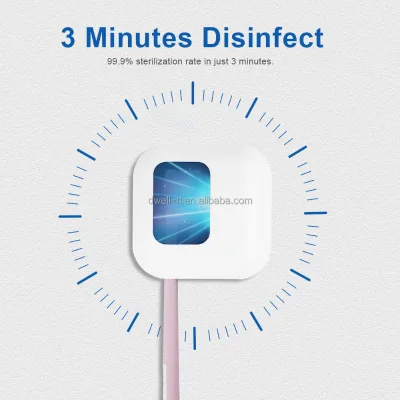
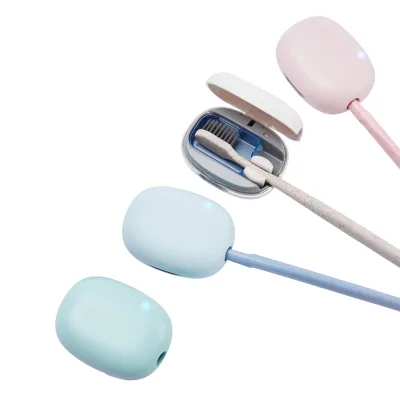
UV Toothbrush Sterilizer and Holder for Bathroom Replaceable Silicon Holder
$5.80 - $6.80
MOQ: 2 pieces
Comprehensive Sourcing Guide
Portable UV Toothbrush Holder Sourcing Guide
Sourcing portable UV toothbrush holders requires careful evaluation of sterilization efficacy, power management, and material durability. These devices combine hygiene technology with personal care convenience, targeting consumers who prioritize oral health in travel or compact living environments. Buyers must distinguish between basic UV-C units and advanced models featuring intelligent sensors, air-drying functions, and precise temperature displays. The market offers varied configurations, from battery-powered standalone units to USB-rechargeable systems with custom branding options. Understanding these distinctions is critical for aligning product selection with specific retail or corporate gifting strategies.
Procurement decisions should be guided by observed listing signals and verified technical attributes rather than marketing claims. Current market data indicates a wide price range, reflecting differences in battery capacity, sensor integration, and build materials. Buyers should prioritize suppliers who provide transparent specifications regarding sterilization rates, typically citing figures around 99.99%, and clear details on charging interfaces such as USB Type-C. Additionally, verifying the presence of features like built-in fans for air-drying and customizable logos ensures the product meets both functional and branding requirements. This disciplined approach minimizes the risk of receiving products that fail to deliver on promised hygiene performance.
Product Scope and Observed Listing Signals
The product scope encompasses a diverse array of toothbrush sanitizers, ranging from simple plastic stands to luxury-style units with stainless steel accents. Observed listings reveal significant variation in physical dimensions, with common sizes including 23x7.6x4.5 cm and 22x4x7 cm, catering to different storage needs. Materials primarily include ABS plastic and stainless steel, offering distinct aesthetic and durability profiles. Buyers should note that while some products are marketed as "luxury," others focus on functional utility with features like double towel bars or specific tray configurations. This diversity allows for targeted sourcing based on end-user preferences for either minimalist design or robust, multi-functional hardware.
Listing signals also highlight important commercial parameters such as minimum order quantities (MOQ) and customization availability. MOQs typically range from 40 to 100 pieces, indicating flexibility for small to medium-sized buyers. Many suppliers offer OEM and ODM services, supporting customized logos and packaging types, which is essential for private label strategies. The presence of intelligent sensors and specific disinfection durations, such as 6 minutes, serves as a key differentiator in product listings. Buyers must verify these claims against actual product specifications, as some listings may conflate basic UV sterilizers with more advanced smart devices. Clear identification of these signals helps in filtering suppliers who can meet specific technical and branding demands.
Technical Specifications to Verify
Technical verification must begin with the sterilization mechanism and its efficacy. Buyers should confirm that the device utilizes UV-C light with a stated sterilization rate of 99.99%, ensuring effective pathogen elimination. The disinfection duration is another critical parameter, with many units operating on a 6-minute cycle. It is essential to verify whether the device includes an intelligent sensor that automatically activates the UV light upon toothbrush insertion, enhancing user convenience and energy efficiency. Additionally, check for auxiliary functions like air-drying and temperature display, which add value by preventing bacterial growth from moisture and providing user feedback. These features collectively define the product’s hygiene performance and user experience.
Power specifications and physical attributes require equal scrutiny. Battery capacity varies, with some units offering 3600mAh for extended use, while others rely on standard battery power or USB charging. The charging interface, often USB Type-C, should be confirmed for compatibility with existing accessories. Physical dimensions, such as 30x10x7 cm for packaging or 23x7.6x4.5 cm for the unit itself, impact shipping costs and retail display suitability. Weight, ranging from 292g to 600g, affects portability and perceived quality. Buyers must ensure that the model number, such as NBD-T05 or u8, corresponds to the exact specifications required, avoiding mismatches between ordered and delivered items.
Compliance and Safety Documentation
Compliance documentation is paramount for ensuring product safety and market access. Buyers must request evidence of electrical safety certifications, particularly for battery-powered devices, to mitigate risks of overheating or leakage. UV-C radiation safety is another critical concern; devices should include mechanisms to prevent UV exposure during operation, such as interlock sensors or opaque casings. Suppliers should provide test reports confirming that the UV intensity meets regulatory limits for consumer electronics. Without proper documentation, products may face regulatory hurdles or safety liabilities, especially in markets with strict consumer protection laws. Verifying these documents early in the sourcing process protects against downstream compliance failures.
Material safety and environmental standards also require attention. Since toothbrush holders come into direct contact with oral hygiene tools, materials like ABS plastic and stainless steel must be free from harmful substances such as BPA or heavy metals. Buyers should inquire about material safety data sheets (MSDs) and compliance with relevant food-contact or personal-care standards, even if indirect. Additionally, packaging materials should be evaluated for recyclability or compliance with environmental regulations in target markets. Customized packaging options must also adhere to labeling requirements, including accurate product information and safety warnings. Ensuring comprehensive documentation across all components reduces legal risks and enhances brand reputation.
Cost Drivers and Commercial Terms
Cost drivers for portable UV toothbrush holders include battery capacity, sensor technology, and material quality. Units with larger batteries, such as 3600mAh, and advanced features like intelligent sensors and air-drying fans typically command higher prices. The choice between plastic and stainless steel construction also influences cost, with metal components adding to material and manufacturing expenses. Customization, including logo printing and unique packaging, introduces additional setup and per-unit costs. Buyers should analyze these factors to determine the optimal balance between feature set and price point, ensuring alignment with target market expectations and profit margins.
Commercial terms, including MOQ and lead times, significantly impact procurement strategy. Observed MOQs range from 40 to 100 pieces, offering flexibility for initial orders or test batches. However, larger volumes may unlock better pricing tiers. Lead times can vary based on customization requirements and production capacity, so buyers should confirm estimated delivery schedules before committing. Payment terms and shipping methods also affect overall costs; FOB or EXW prices may require additional logistics management. Clear negotiation of these terms ensures predictable cash flow and inventory planning. Buyers should also consider the total landed cost, including duties and freight, to accurately assess profitability.
Supplier Qualification and Quality Control
Supplier qualification begins with verifying manufacturing capabilities and quality management systems. Buyers should assess whether suppliers have experience in producing electronic hygiene products, particularly those involving UV sterilization and battery integration. Requesting samples is crucial to evaluate build quality, sensor responsiveness, and sterilization performance firsthand. Suppliers with OEM/ODM capabilities should demonstrate proficiency in handling custom designs and branding requirements. Additionally, checking for consistent production standards and reliable supply chains ensures that quality remains stable across large orders. Due diligence in supplier selection minimizes the risk of receiving substandard products that could damage brand reputation.
Quality control measures must be clearly defined and enforced throughout the production process. Buyers should implement pre-shipment inspections to verify product specifications, including dimensions, weight, and functional tests like UV output and sensor activation. Random sampling for destructive testing can help identify potential defects in batteries or electronic components. Suppliers should provide detailed quality reports, including sterilization rate verification and material safety certifications. Establishing clear acceptance criteria and communication channels for defect resolution ensures that issues are addressed promptly. Regular audits and performance reviews of suppliers help maintain high standards and foster long-term partnerships based on trust and reliability.
Long-Term Procurement Checks
Long-term procurement success depends on continuous monitoring of product performance and supplier reliability. Buyers should track customer feedback and return rates to identify any recurring issues with sterilization efficacy, battery life, or sensor functionality. Regularly reviewing supplier performance metrics, such as on-time delivery and defect rates, helps maintain high standards. As technology evolves, staying informed about advancements in UV-C LED efficiency and smart sensor integration ensures that product offerings remain competitive. Periodic re-evaluation of cost structures and commercial terms allows for adjustments in response to market changes or supply chain disruptions. This proactive approach supports sustainable growth and customer satisfaction.
Adapting to regulatory changes and market trends is essential for long-term viability. Buyers must stay updated on evolving safety standards for electronic personal care devices and UV sterilization technologies. Engaging with suppliers to explore new materials, designs, or features can enhance product differentiation. Building strong relationships with qualified suppliers facilitates collaboration on innovation and problem-solving. Additionally, diversifying the supplier base can mitigate risks associated with single-source dependencies. By maintaining a disciplined, evidence-based approach to procurement, buyers can ensure that their portable UV toothbrush holder offerings meet current demands while remaining prepared for future market shifts.
FAQs
How does the UV sterilization function work in this holder?
The device uses UV light to achieve a 99.99% sterilization rate for toothbrushes. It operates with a specific disinfection duration of 6 minutes to ensure effective cleaning. The unit also features an air-drying function and a built-in fan to keep the area dry and hygienic after the cycle completes.
What power options are available for this portable unit?
This toothbrush sanitizer is powered by a 3600mAh battery and supports USB charging via a Type-C interface. It functions as a standalone battery-powered device or can be recharged using a USB connection. This dual power capability ensures it remains operational during travel or at home without constant wall access.
Can I customize the logo and packaging for this product?
Yes, customized logos and packaging are available for this toothbrush holder. The supplier offers OEM and ODM services to meet specific branding needs. Buyers can request custom packaging types, such as boxes, to align with their marketing strategies while maintaining the product's luxury style and white or black color options.
Which specifications define the physical size of this holder?
The product dimensions are listed as 23 by 7.6 by 4.5 cm for the unit itself. The single package size is larger at 30 by 10 by 7 cm to accommodate safe shipping. It weighs approximately 372 grams net and 0.6 kg gross, making it a compact and lightweight solution for bathroom storage.
What is the minimum order quantity for purchasing this item?
The minimum order quantity varies between 40 and 50 pieces depending on the specific supplier configuration. Some listings indicate an MOQ of 40 pieces while others state 50 pieces. Buyers should verify the exact requirement with the manufacturer before placing an order to ensure compliance with their production or stocking needs.
How is the product constructed and what materials are used?
The main body is constructed from durable plastic materials like ABS to ensure longevity. Some variations may include stainless steel components for added structural integrity. The design features a rectangular shape and a luxury style, making it suitable for household applications while providing a modern aesthetic for bathroom environments.