Power Tools Battery Protection Board Suppliers and Manufacturers
Explore 21 verified options for Power Tools Battery Protection Board from Guangdong, China. Compare response times, lead times, certifications like RoHS and ISO, and pricing ranges. Contact suppliers directly to request quotes for custom PCBA or standard protection boards; review the available evidence before requesting comparable quotations from suitable candidates.
Updated
Suppliers List
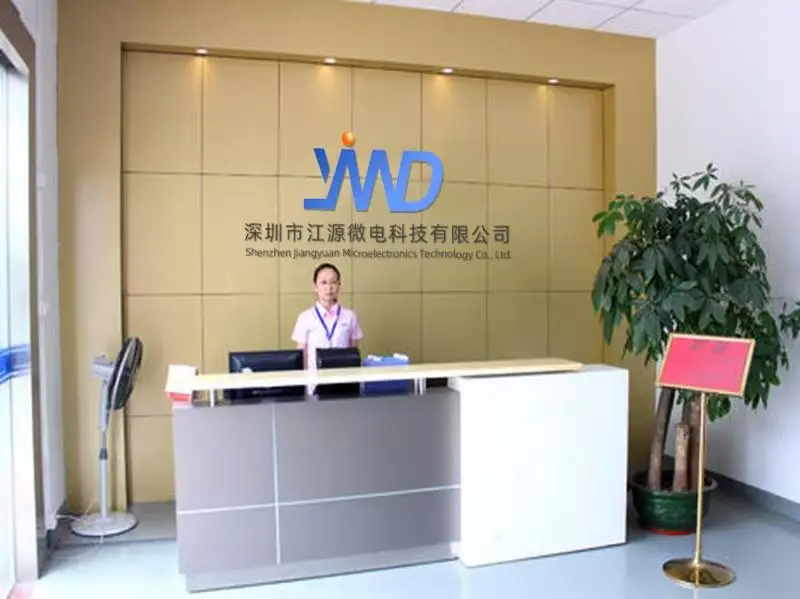
Shenzhen Jiangyuan Microelectronics Technology Co., Ltd.
- Manufacturer, Trading Company
- Guangdong, China
- Lead time0 days
- Avg. response≤ 1h
Main productsPCBA, PCB, Electronic Components
Main marketsNorth America(50.00%), South Asia(20.00%), South America(15.00%), Eastern Europe(15.00%)

Shenzhen Mingxingyuan Industrial Interconnection Co., Ltd.
- Verified by SGS
- Trading Company
- China Guangdong
- Lead time15 days
- Avg. response≤ 4h
Main marketsOthers(foreignTradeCapacity.exportBusinessCapacityMarketOther)
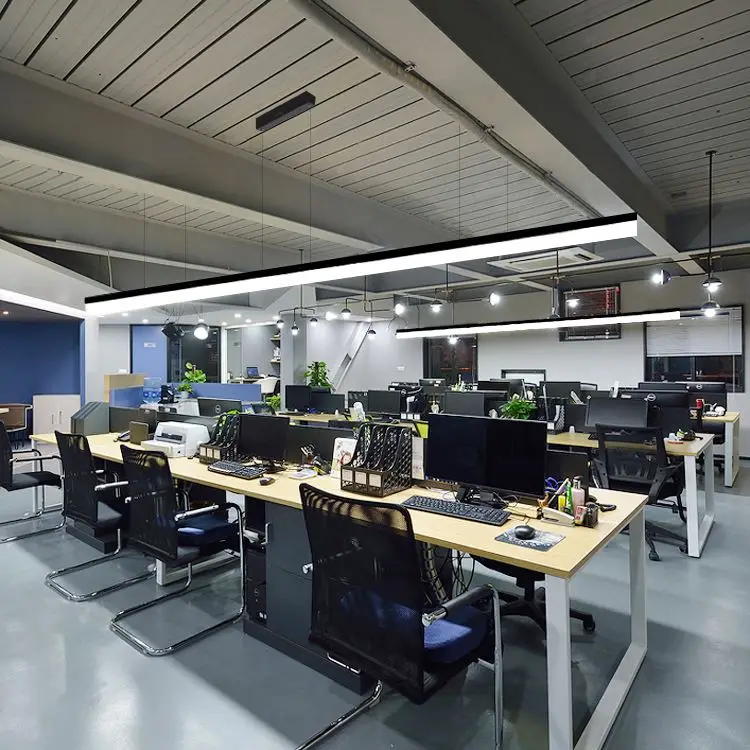
Shenzhen Huixin Tengda Trading Co., Ltd.
- Manufacturer, Trading Company
- Guangdong, China
- Lead time0 days
- Avg. response≤ 6h
Main productsElectronic products,data cables,3c digital accessories,Connectors,Consumer Electronics
Main marketsCentral America(20.00%), Mid East(20.00%), Southeast Asia(20.00%), South America(20.00%), North America(20.00%)
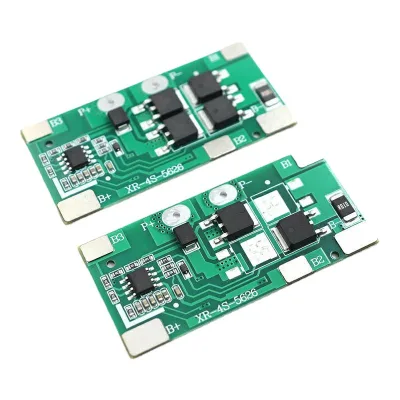
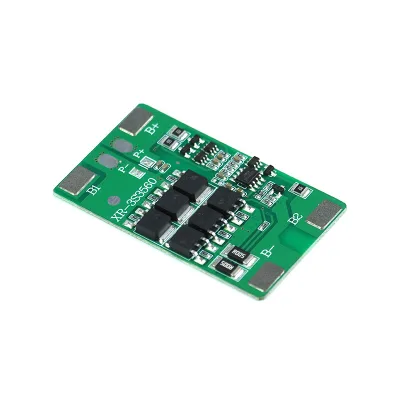
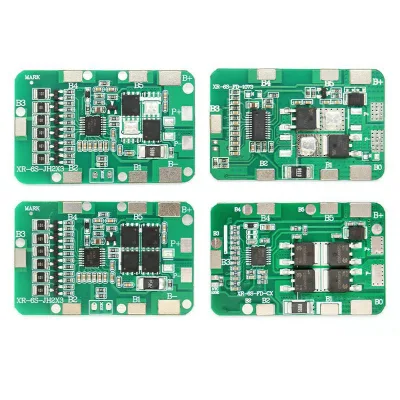
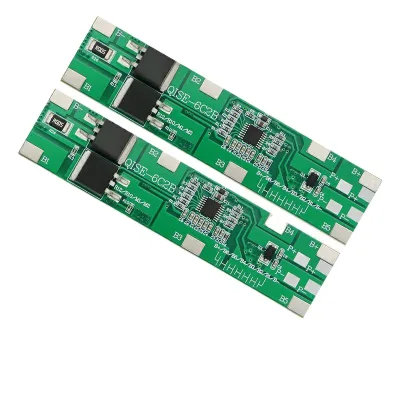
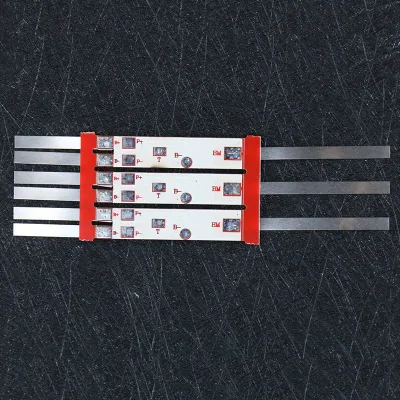
$0.1024 - $5.1206
MOQ: 1 Minimum
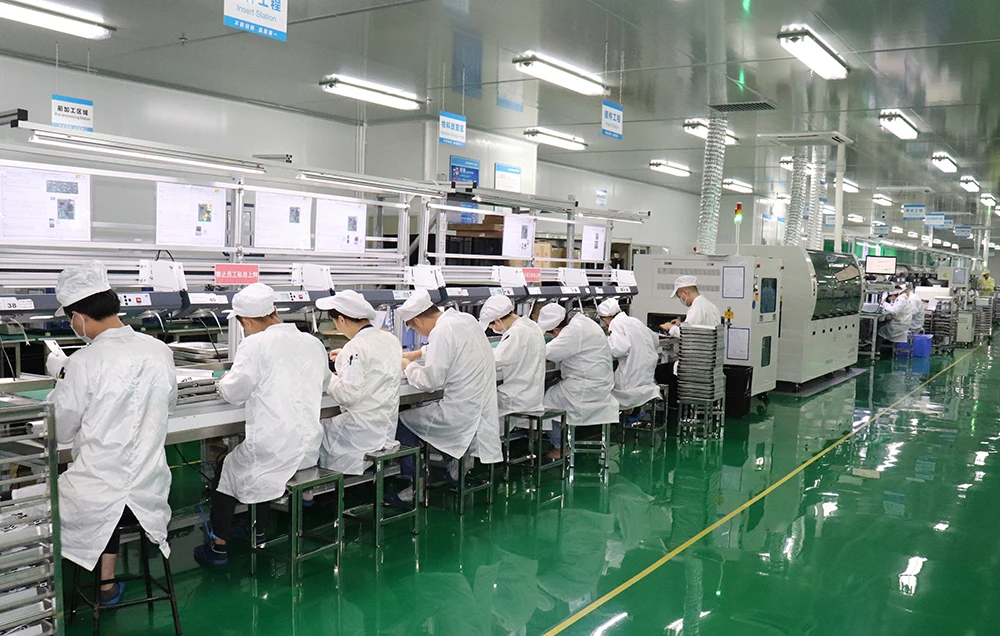
Shenzhen Creatall Electronics Co.,ltd
- Manufacturer, Trading Company
- Guang Dong Province, China
- Lead time15 days
- Avg. response≤ 4h
Main productsled tv parts,amplifier board,set-top box,Portable Projector,electronic module
Main marketsWestern Europe(20.00%), North America(20.00%), South America(15.00%), Mid East(15.00%), Central America(10.00%), Eastern Europe(10.00%), Domestic Market(5.00%), Africa(5.00%)
Shenzhen Gangfasheng Technology Co., Ltd.
- Manufacturer, Trading Company, Distributor/Wholesaler
- Guangdong, China
- Lead time2 days
- Avg. response≤ 5h
Main productsIC,Capacitor,Resistor,LED,module
Main marketsNorth America(15.00%), South America(15.00%), Eastern Europe(15.00%), Southeast Asia(5.00%), Africa(5.00%), Oceania(5.00%), Mid East(5.00%), Eastern Asia(5.00%), Western Europe(5.00%), Central America(5.00%), Northern Europe(5.00%), Southern Europe(5.00%), South Asia(5.00%), Domestic Market(5.00%)
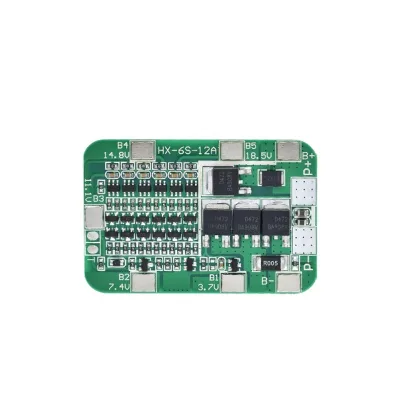
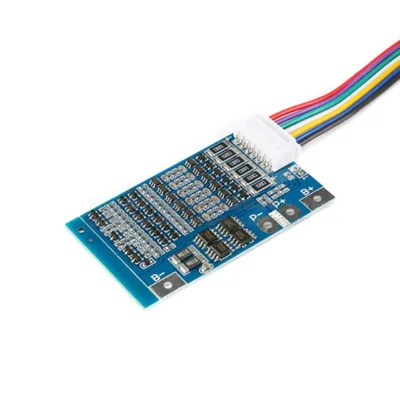
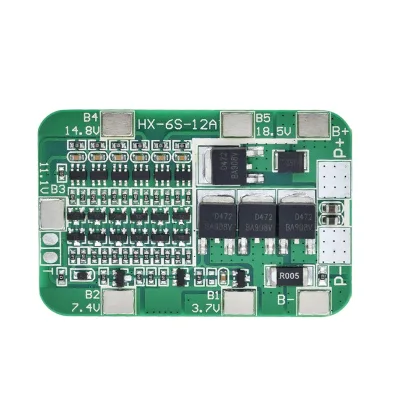
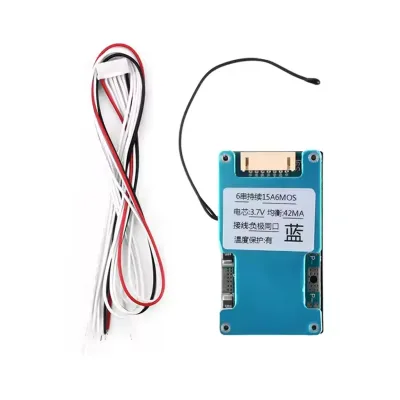
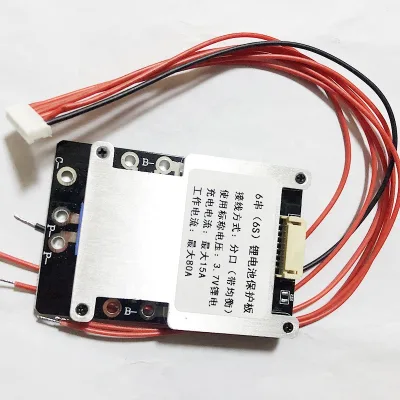
6 String 22V24V Power Tools Solar Energy Lighting 18650 Special Lithium Battery Protection Board
$3.1479 - $4.1972
MOQ: 10 Minimum
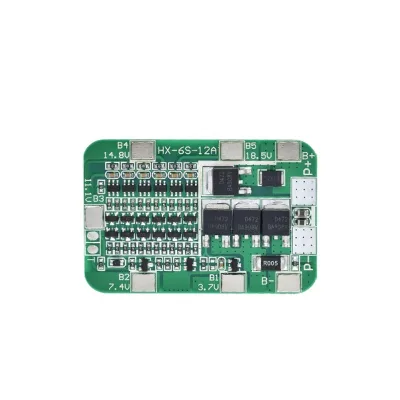
6 Strings 22V24V Electric Tools Solar Lighting 18650 Special Lithium Battery protection Board
$0.25 - $0.75
MOQ: 10 Minimum
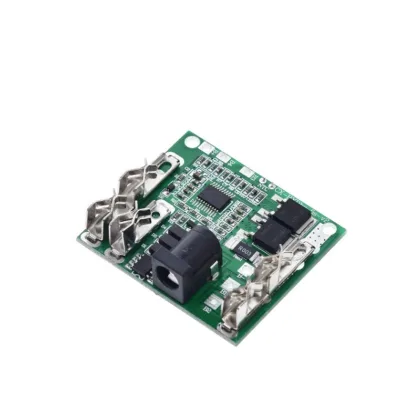
$0.2638 - $0.7885
MOQ: 10 Minimum
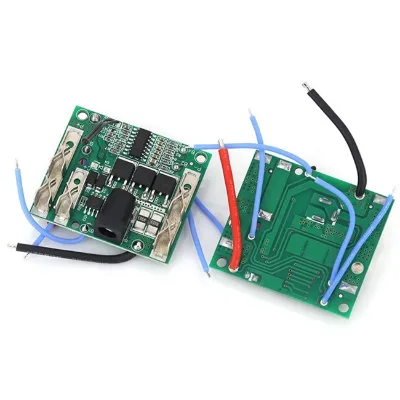
$0.90 - $1.39
MOQ: 10 Minimum
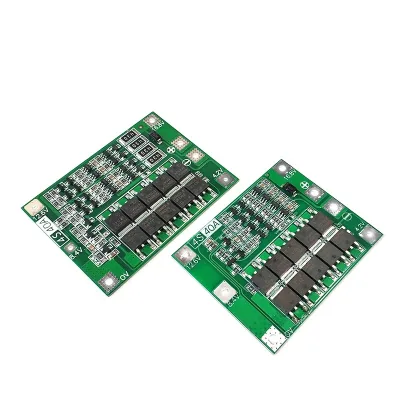
Yueqing Jieyue Electronic Co., Ltd.
- Manufacturer, Trading Company
- Zhejiang, China
- Lead time0 days
- Avg. response≤ 4h
Main productsTact Switch,rocker switch,Self-locking switch,Toggle switch,Power Tool Accessories
Main marketsDomestic Market(10.00%), Northern Europe(10.00%), Southeast Asia(10.00%), Western Europe(10.00%), Eastern Asia(10.00%), North America(10.00%), Oceania(5.00%), South Asia(5.00%), Southern Europe(5.00%), Africa(5.00%), Central America(5.00%), Eastern Europe(5.00%), South America(5.00%), Mid East(5.00%)

Shenzhen Andeweier Techology Co., Ltd.
- Manufacturer, Trading Company, Buying Office, Agent
- Guangdong, China
- Lead time15 days
- Avg. response≤ 3h
Main productsElectrical module,Consumer electronics,Home Electronics,PCBA
Main marketsNorth America(50.00%), Southeast Asia(10.00%), Eastern Europe(10.00%), South America(10.00%), Northern Europe(5.00%), Central America(5.00%), Mid East(5.00%), Oceania(5.00%)
Shenzhen HNT Technology Co., Ltd.
- Manufacturer, Trading Company, Distributor/Wholesaler
- Guangdong, China
- Lead time0 days
- Avg. response≤ 2h
Main productsPlastic Bag,Package Bag,Ziplock Bag
Main marketsNorth America(15.00%), Western Europe(10.00%), South America(10.00%), Southeast Asia(6.00%), Southern Europe(5.00%), Northern Europe(5.00%), Eastern Europe(5.00%), Eastern Asia(5.00%), Mid East(5.00%), Oceania(5.00%), Africa(5.00%)

Shenzhen Li-ion Battery Bodyguard Technology Co., Limited
- Verified by BV
- Combined
- China Guangdong
- Lead time23 days
- Avg. response≤ 6h
Main productsLiFePO4/ Li-ion BMS PCB, PCM BMS for Lithuim/ Li-ion Battery Pack, Battery Management System, PCM BMS for Li-Polymer, PCM BMS for LiFePO4 Battery Pack, Lithium Battery Pack, LiFePO4 Battery Pack, Li-ion /LiFePO4 Charger, Battery Protection Circuit Board, 18650 Battery Holder
Main marketsSouth America,Africa,Southeast Asia/ Mideast,East Asia(Japan/ South Korea),Europe,Australia,North America
Shenzhen Kaisheng Century Electronics Co., Ltd.
- Verified by TüVRheinland
- Trading Company
- Lead time1 days
- Avg. response≤ 2h
Main productsSemiconductor Electronic Components, RF Wireless Network Modules, Unmanned Machinery Components, Development Board Application Kits
Main marketsSouth America(18%), Eastern Asia(18%), North America(15%)

Shenzhen Alisi Electronic Technology Co., Ltd.
- Trading Company, Distributor/Wholesaler
- Guangdong, China
- Lead time3 days
- Avg. response≤ 2h
Main productselectron component,temperature controller,Auto parts,sensor,Wireless Controller
Main marketsSouth America(20.00%), Eastern Europe(20.00%), North America(15.00%), Western Europe(5.00%), Domestic Market(5.00%), South Asia(5.00%), Southern Europe(5.00%), Northern Europe(5.00%), Central America(5.00%), Eastern Asia(3.00%), Mid East(3.00%), Oceania(3.00%), Africa(3.00%), Southeast Asia(3.00%)
Kinglisheng (Shenzhen) Electronics & Technology Co., Ltd.
- Verified by Intertek
- Manufacturer, Trading Company
- Guangdong, China
- Lead time3 days
- Avg. response≤ 3h
Main productsPCB, PCBA, Power Switch PCBA, Ceramic PCB, Charging Pile PCBA
Main marketsNorth America(31%), Eastern Europe(29%), Southeast Asia(9%)
ShenZhen City Creatall Electronics Co., Ltd.
- Verified by SGS Group
- Manufacturer, Trading Company
- Lead time15 days
- Avg. response≤ 4h
Main productsAudio Amplifier Module, Power Supply Module, Battery Protection Board, Voltmeter and Ammeter and Indicator, Electronics Diy Kits
Main marketsSouth Asia(48%), South America(15%), Southeast Asia(13%)
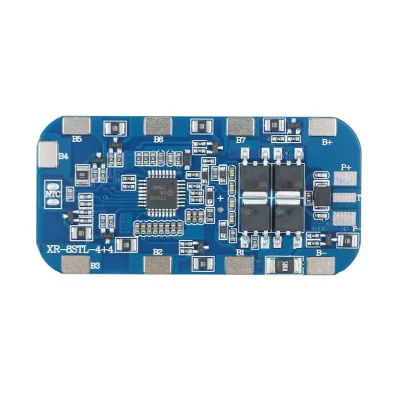
$1.9097 - $2.7732
MOQ: 10 pieces
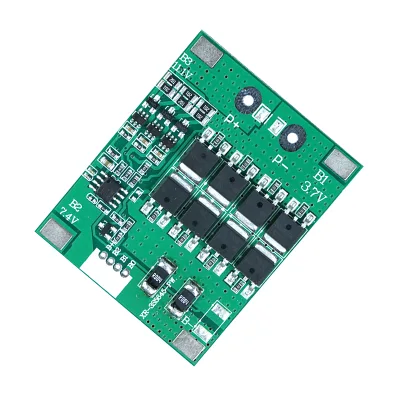
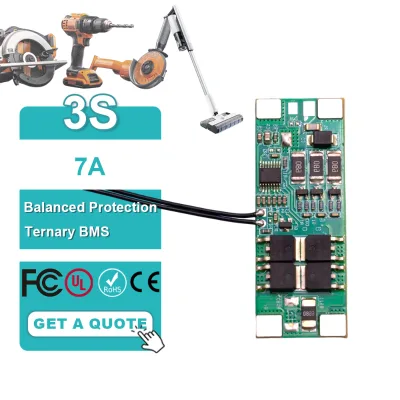
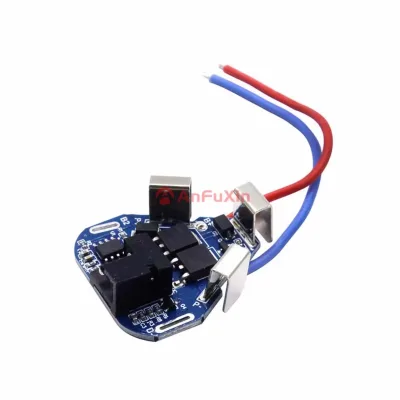
3S 22A Lithium Battery Protection Board 11.1V 12V Power Tools with Same Port PCB Material
$0.90 - $1.50
MOQ: 50 pieces
Shenzhen CXS Electronic Co., Ltd
- Manufacturer, Trading Company, Distributor/Wholesaler
- Guangdong, China
- Lead time0 days
- Avg. response≤ 6h
Main productsIC,Capacitor,Resistor,module,LED
Main marketsSouth America(20.00%), North America(20.00%), Northern Europe(10.00%), Western Europe(10.00%), Mid East(10.00%), Southern Europe(10.00%), Southeast Asia(10.00%), Domestic Market(5.00%), Africa(5.00%)
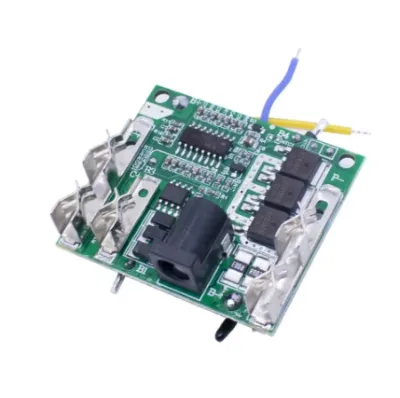
$1.8018 - $1.9562
MOQ: 5 pieces
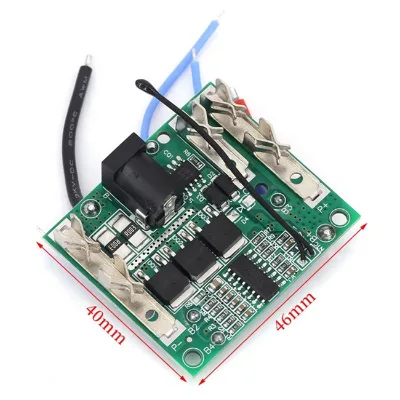
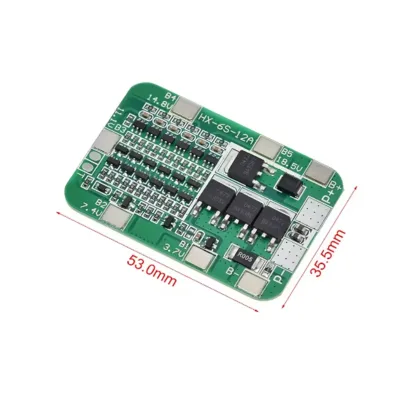
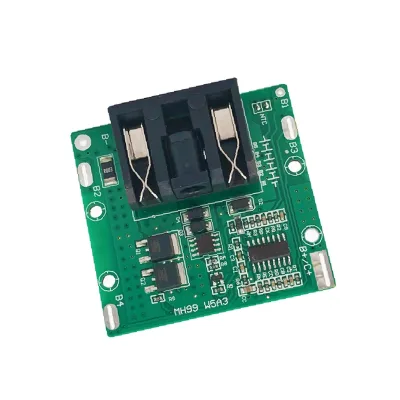
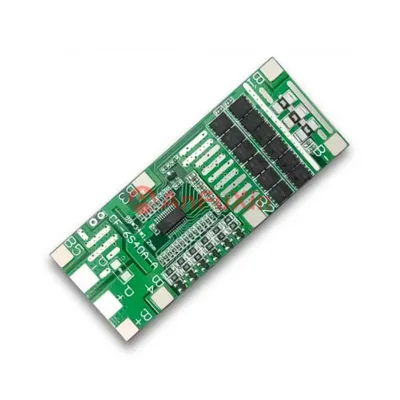
5S 20A BMS Li-ion Battery BMS Protection Board 18V/21V for Screwdriver/Drill 18650 Battery Pack
$0.9264 - $4.7233
MOQ: 1 Minimum
Shenzhen HYZK Electronics Co., Ltd.
- Manufacturer
- Guangdong, China
- Lead time25 days
- Avg. response≤ 1h
Main productspcba,pcb assembly,pcb board,printed circuit board,pcb manufacture
Main marketsNorth America(30.00%), Western Europe(20.00%), South America(20.00%), Eastern Europe(10.00%), Northern Europe(5.00%), Mid East(5.00%), Southeast Asia(3.00%), Southern Europe(3.00%), Oceania(2.00%)
Shenzhen Yihexin Electronic Technology Co., Ltd.
- Distributor/Wholesaler
- Guangdong, China
- Lead time3 days
- Avg. response≤ 2h
Main productsElectronic Components,Integrated Circuit IC,integrated module,chip,electronic module
Main marketsWestern Europe(10.00%), Southeast Asia(10.00%), Mid East(10.00%), Eastern Europe(10.00%), South America(10.00%), North America(10.00%), Domestic Market(5.00%), South Asia(5.00%), Southern Europe(5.00%), Northern Europe(5.00%), Central America(5.00%), Oceania(5.00%), Eastern Asia(5.00%), Africa(5.00%)
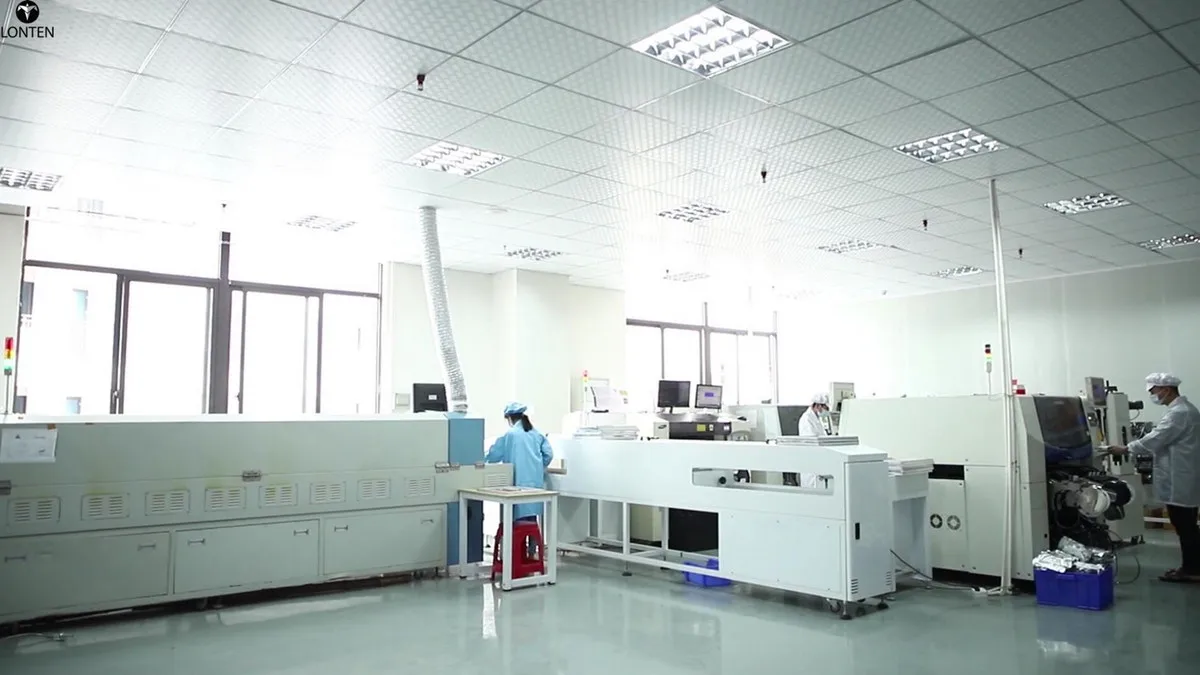
Shenzhen Lonten Technology Co., Limited
- Manufacturer
- Guangdong, China
- Lead time15 days
- Avg. response≤ 5h
Main productselectronics Component,Raspberry Pi,robot,arduino,commercial robots
Main marketsNorth America(18.00%), Eastern Europe(12.00%), Central America(9.00%), Southern Europe(9.00%), Northern Europe(9.00%), Southeast Asia(8.00%), Western Europe(7.00%), Africa(6.00%), Eastern Asia(6.00%), South Asia(6.00%), Mid East(5.00%), Oceania(4.00%), South America(1.00%)
Shenzhen Ziyueda Technology Co., Ltd.
- Trading Company, Agent, Distributor/Wholesaler
- Guangdong, China
- Lead time3 days
- Avg. response≤ 3h
Main productsComputer Accessories,Module,Integrated Circuit,Development Board,Electronic Cables
Main marketsEastern Europe(20.00%), South America(20.00%), North America(20.00%), Domestic Market(5.00%), South Asia(5.00%), Southern Europe(5.00%), Northern Europe(5.00%), Western Europe(5.00%), Eastern Asia(5.00%), Mid East(5.00%), Africa(5.00%)
Shenzhen Anfuxin Technology Co., Ltd
- Trading Company
- guang'dong, China
- Lead time3 days
- Avg. response≤ 2h
Main productsChips,Modules,Transistors,Capacitors,Resistors
Main marketsNorth America(20.00%), Eastern Europe(20.00%), Southern Europe(10.00%), Northern Europe(10.00%), South America(5.00%), Central America(5.00%), Western Europe(5.00%), Eastern Asia(5.00%), Oceania(5.00%), Southeast Asia(5.00%), Domestic Market(4.00%), South Asia(3.00%), Mid East(2.00%), Africa(1.00%)
Shenzhen Icslove Technology Co., Ltd.
- Manufacturer, Trading Company, Distributor/Wholesaler
- Guangdong, China
- Lead time15 days
- Avg. response≤ 3h
Main productsIC,Module,Development board,PCBA,BOM Procurement
Main marketsMid East(50.00%), South Asia(40.00%), Northern Europe(10.00%)
Shenzhen Kechen Technology Co., Ltd
- Manufacturer, Trading Company
- Guangdong, China
- Lead time7 days
- Avg. response≤ 10h
Main productsElectronic Components & Kits,Power Supplies,RC&Drone Parts,AI Development,PCB & PCBA
Main marketsNorth America(30.00%), Mid East(10.00%), South America(10.00%), Western Europe(5.00%), Eastern Asia(5.00%), Eastern Europe(5.00%), Oceania(5.00%), Northern Europe(5.00%), Southeast Asia(5.00%), Domestic Market(3.00%), Africa(2.00%), Southern Europe(2.00%), South Asia(1.00%)
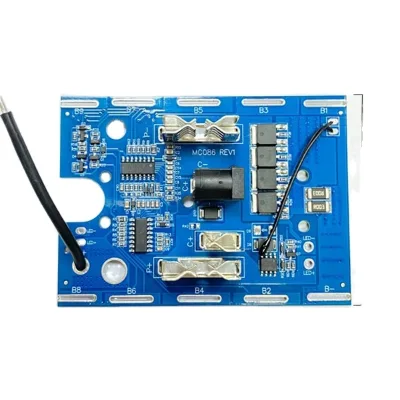
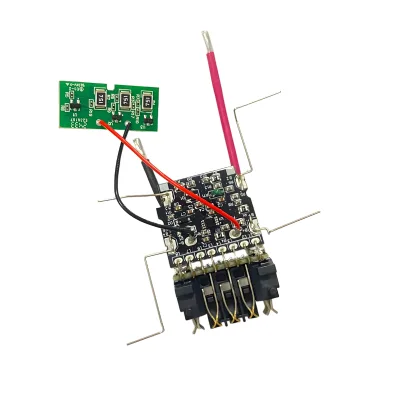


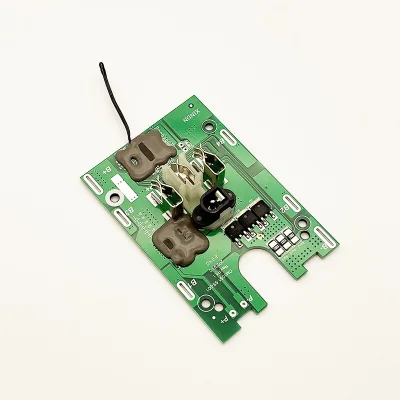
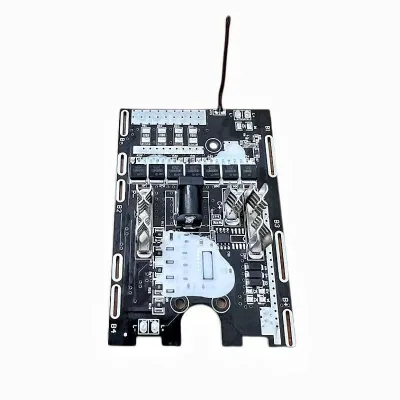
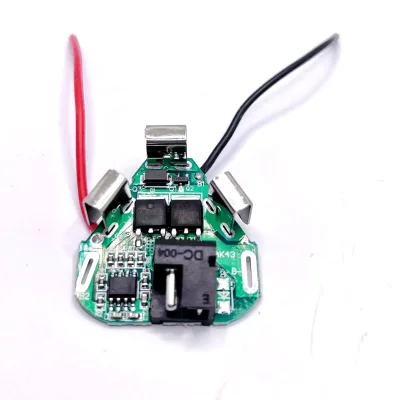
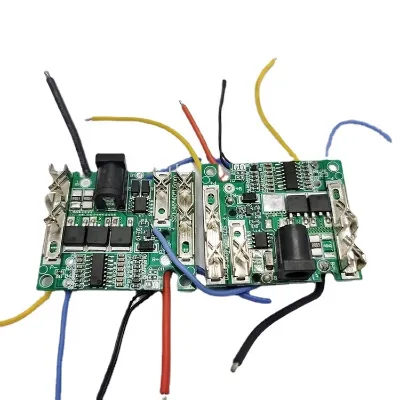
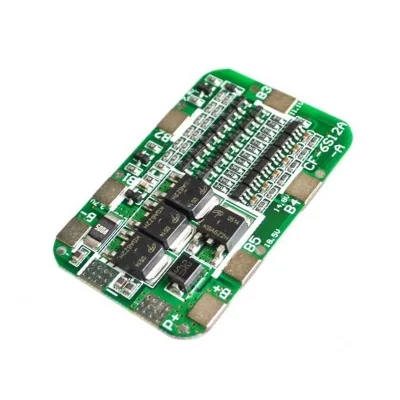
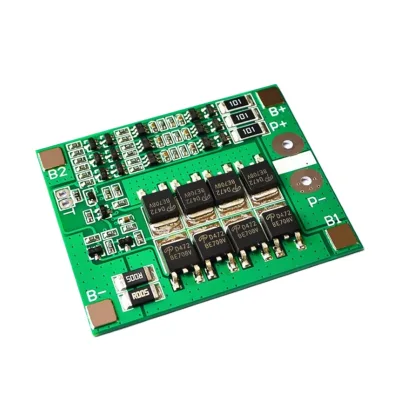
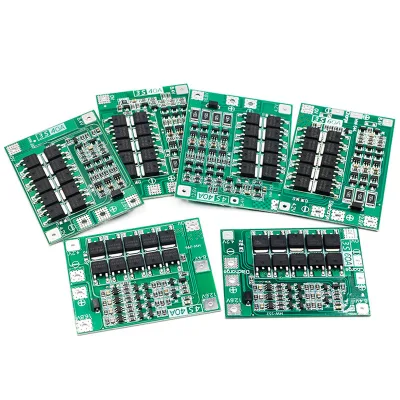
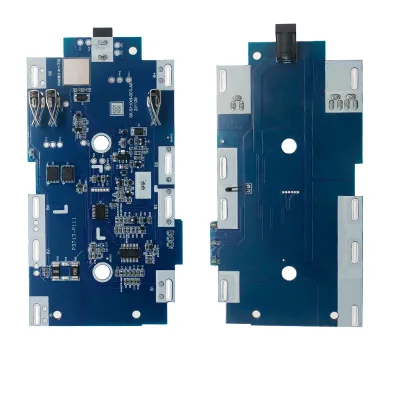
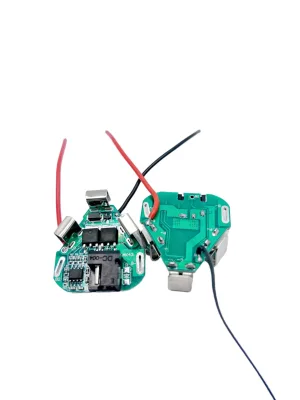


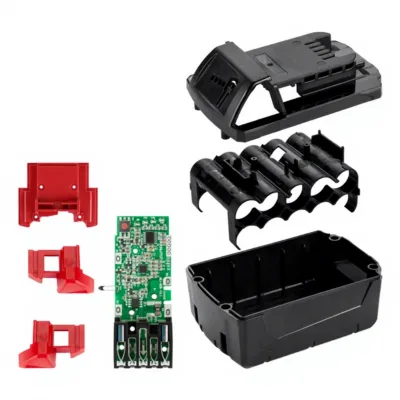
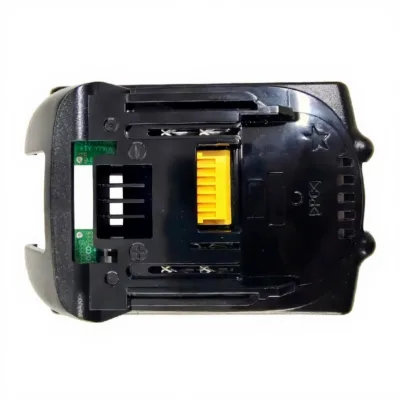
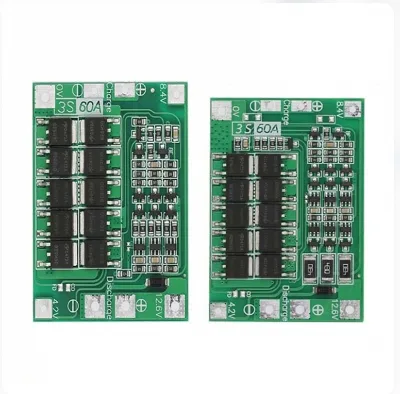
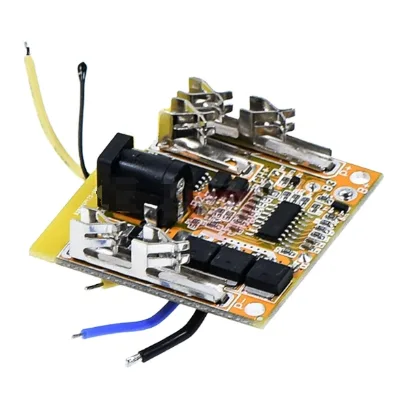
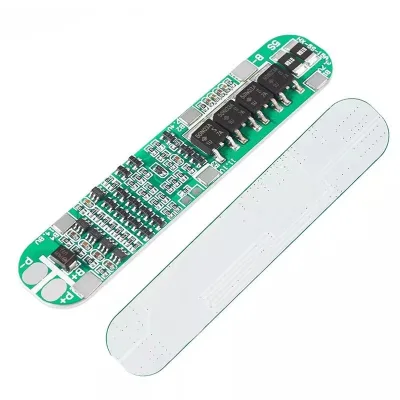
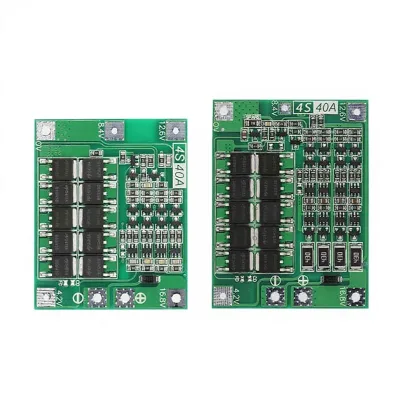
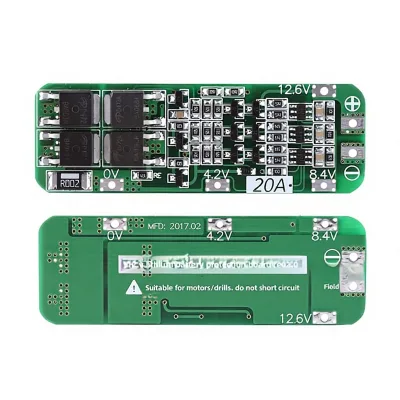
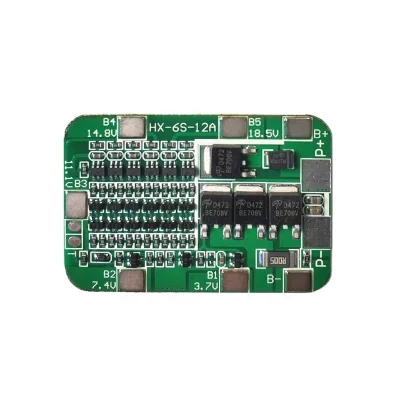
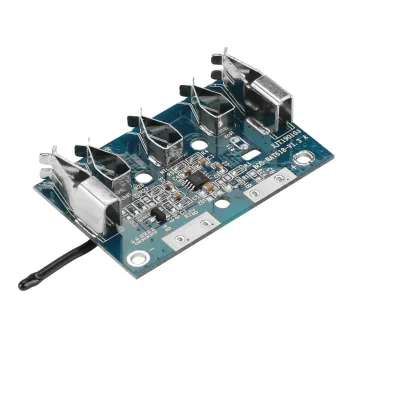
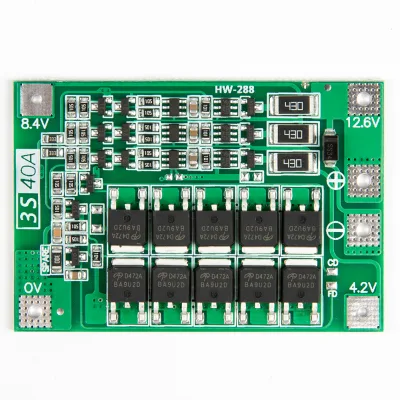
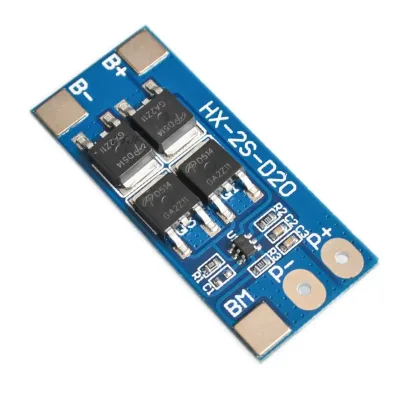
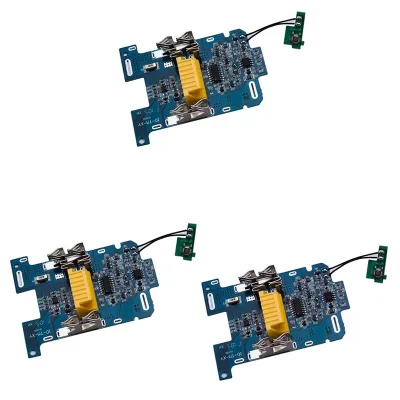
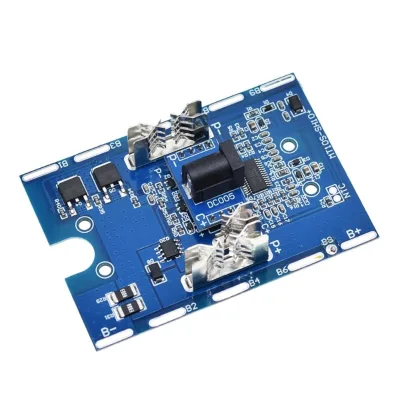
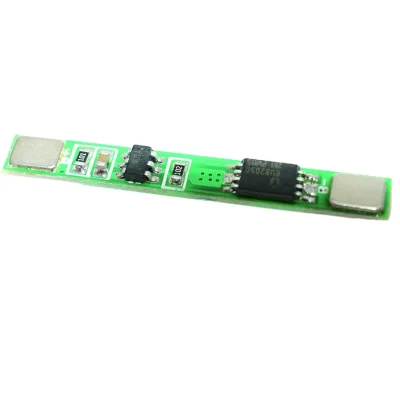
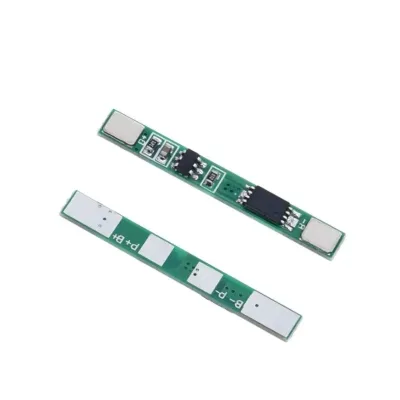
Comprehensive Sourcing Guide
Power Tools Battery Protection Board Supplier Concentration and Factory Types
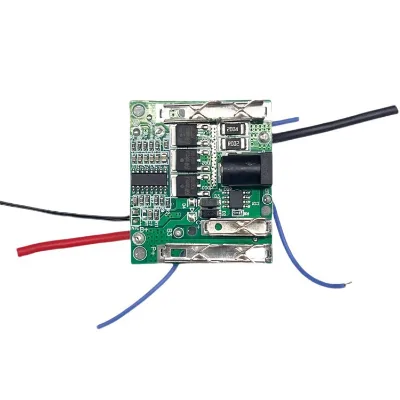
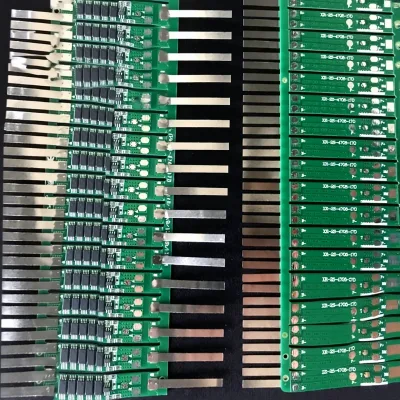
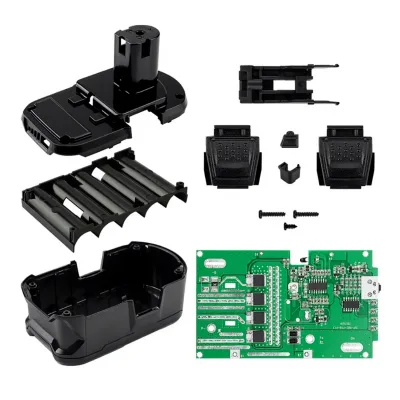
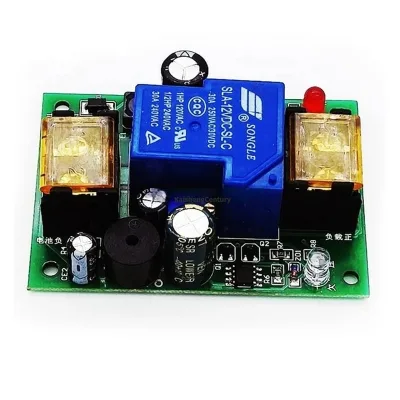
The current supplier landscape for power tools battery protection boards reveals a distinct concentration in Guangdong, China, a region widely recognized for its robust electronics manufacturing ecosystem. This geographic clustering is not accidental but stems from decades of infrastructure development that supports rapid prototyping, component sourcing, and assembly line efficiency. When evaluating potential partners, buyers should prioritize suppliers located in this specific province, as the density of related industries often translates to better supply chain resilience and faster turnaround times for custom electronic components. The presence of specialized manufacturers in this area suggests a mature market where technical expertise in PCB and PCBA production is readily available, allowing for more nuanced customization options for battery management systems.
Beyond location, it is crucial to distinguish between the types of entities offering these protection boards, as their operational models differ significantly. The market includes both dedicated manufacturers and trading companies, each presenting unique advantages and potential drawbacks for procurement teams. Manufacturers typically offer direct control over production processes, which can be beneficial for quality assurance and complex customizations, whereas trading companies may provide broader product ranges and flexible order sizes. Understanding this distinction helps buyers align their sourcing strategy with their specific needs, whether they require high-volume production capabilities or flexible, small-batch solutions for prototyping and initial market testing.
How to Verify Power Tools Battery Protection Board Suppliers
Verification is a critical step in mitigating risk when sourcing electronic components, particularly for safety-critical applications like battery protection boards. Buyers should actively look for third-party verification badges, such as SGS, which indicate that a supplier has undergone rigorous auditing processes. These certifications provide an additional layer of confidence regarding the supplier’s operational legitimacy and adherence to international standards. While not all suppliers may display such badges, those that do often have more transparent and structured quality management systems in place. It is advisable to request copies of these certificates and verify their validity through the issuing body to ensure they are current and applicable to the specific products being sourced.
In addition to external certifications, buyers should assess the supplier’s internal capabilities and production methods. Many suppliers offer ODM and OEM services, indicating a capacity for custom design and manufacturing. This is particularly important for power tool battery protection boards, where specific electrical characteristics and physical dimensions are required. Buyers should inquire about the supplier’s experience with similar projects and their ability to handle multilayer PCBs and SMT assembly processes. Requesting samples and conducting independent testing is also a vital verification step, allowing buyers to evaluate the board’s performance, durability, and compliance with safety standards before committing to larger orders.
What to Compare Across Power Tools Battery Protection Board Suppliers
When comparing suppliers, several key dimensions should be evaluated to determine the best fit for your procurement needs. One of the most critical factors is the minimum order quantity (MOQ), which can vary significantly across different suppliers. Some suppliers may offer an MOQ of just one piece, which is ideal for prototyping and small-scale testing, while others may require larger volumes for economic viability. Understanding these MOQ requirements helps buyers plan their inventory and cash flow more effectively, ensuring that they do not overcommit to large orders before validating the product’s market fit. Additionally, the response time of the supplier is an important indicator of their operational efficiency and customer service quality.
Price and lead time are also essential comparison points that can impact the overall cost and timeline of your project. Suppliers may offer different price ranges depending on the complexity of the board, the materials used, and the order volume. It is important to request detailed quotes that include all costs, such as shipping and taxes, to avoid unexpected expenses. Lead times can vary based on the supplier’s current workload and production capacity, so it is advisable to confirm these timelines early in the negotiation process. By comparing these factors across multiple suppliers, buyers can identify the most competitive and reliable partners for their specific requirements, ensuring a balanced approach to cost, quality, and delivery speed.
Common Power Tools Battery Protection Board Sourcing Risks
Sourcing power tools battery protection boards comes with inherent risks that buyers must proactively manage to ensure a smooth procurement process. One significant risk is the variability in product quality, which can arise from differences in manufacturing standards and component sourcing. Without proper verification, buyers may receive boards that do not meet the specified electrical or safety requirements, leading to potential failures in the final product. This risk is particularly acute when dealing with suppliers who lack transparent quality control processes or third-party certifications. To mitigate this, buyers should establish clear quality specifications and conduct regular audits or inspections of the production process.
Another common risk is the potential for delays in delivery, which can disrupt production schedules and impact customer satisfaction. Lead times can be affected by various factors, including supply chain disruptions, production bottlenecks, and logistical challenges. Buyers should work with suppliers who have a proven track record of meeting delivery deadlines and who can provide realistic timelines based on current capacity. Additionally, communication gaps can lead to misunderstandings regarding product specifications and order details, resulting in errors and rework. Establishing clear and consistent communication channels with suppliers is essential to prevent such issues and ensure that all parties are aligned on project expectations and timelines.
Power Tools Battery Protection Board Regional Sourcing and Logistics
Regional sourcing plays a pivotal role in determining the efficiency and cost-effectiveness of your procurement strategy. Suppliers located in Guangdong, China, benefit from a well-developed logistics infrastructure that facilitates the efficient movement of goods to global markets. This regional advantage often results in shorter transit times and lower shipping costs compared to sourcing from more remote locations. Buyers should consider the proximity of the supplier to major shipping hubs when evaluating logistics options, as this can significantly impact the overall delivery timeline. Additionally, understanding the local regulatory environment and export procedures can help streamline the customs clearance process, reducing the risk of delays at borders.
Logistics planning should also account for the specific requirements of electronic components, which may need special handling to prevent damage during transit. Buyers should discuss packaging and shipping methods with their suppliers to ensure that the products are adequately protected. This includes using appropriate cushioning materials and moisture-resistant packaging to safeguard the boards from environmental factors. Furthermore, buyers should consider the availability of freight forwarders and logistics partners who specialize in handling electronic goods, as their expertise can help optimize shipping routes and reduce costs. By carefully planning the logistics aspect of sourcing, buyers can enhance the reliability and efficiency of their supply chain.
Power Tools Battery Protection Board Commercial Terms and Order Planning
Commercial terms and order planning are fundamental to establishing a successful and sustainable relationship with suppliers. Payment terms, such as TT, PayPal, Western Union, and Trade Assurance, offer varying levels of security and flexibility for buyers. Trade Assurance, in particular, provides a layer of protection by ensuring that payments are only released upon the satisfactory completion of the order. Buyers should leverage these payment options to mitigate financial risks and ensure that they have recourse in case of disputes or non-delivery. Understanding the specific payment terms offered by each supplier can help buyers choose the most suitable option for their financial strategy and risk tolerance.
Order planning involves not only determining the quantity and timing of purchases but also aligning with the supplier’s production capacity and lead times. Buyers should communicate their forecasted demand clearly to suppliers to facilitate better production planning and inventory management. This proactive approach can help avoid stockouts and ensure that the supply chain remains responsive to market changes. Additionally, buyers should consider the scalability of the supplier’s operations, ensuring that they can handle increased order volumes as business grows. By integrating commercial terms and order planning into a cohesive strategy, buyers can optimize their procurement process and build a resilient supply chain.
FAQs
What is the minimum order quantity for power tool battery protection boards?
The minimum order quantity is one piece. This low threshold allows buyers to test product quality and performance before committing to larger volumes. It supports small-scale prototyping and initial market validation without requiring significant upfront inventory investment or financial risk.
What is the typical price range for these protection boards?
Prices generally range from 3.30 to 17.99 USD per unit. The cost varies based on specifications such as string count, voltage rating, and assembly complexity. Basic single boards start lower, while custom multilayer PCBA solutions with full assembly services command higher prices.
Where are these battery protection boards manufactured?
These boards are manufactured in Guangdong, China. This region is a major hub for electronic component production and PCB assembly. Buyers can expect access to established supply chains and specialized manufacturing capabilities for lithium battery protection systems and related electronic accessories.
What certifications are available for these electronic components?
Available certifications include RoHS, CCC, and ISO standards. These ensure compliance with international safety and environmental regulations. Buyers should verify specific documentation with suppliers to confirm that the delivered products meet the required regulatory standards for their target markets.
What payment methods are accepted for these orders?
Accepted payment methods include TT, PayPal, Western Union, and Trade Assurance. Trade Assurance provides order protection for buyers. These options offer flexibility for different transaction sizes and risk preferences, ensuring secure and convenient financial processing for international B2B purchases.
What customization options are available for battery protection boards?
Customization is available for board size, layer count, and surface finishing. Buyers can request specific dimensions and multilayer configurations. OEM and ODM services are offered by manufacturers, allowing for tailored solutions that meet precise technical requirements for specific power tool applications.