Quick Dry Breathable Compression Shirt Suppliers and Manufacturers
Source 26 verified suppliers for Quick Dry Breathable Compression Shirt products. Compare key dimensions including location, lead time, MOQ, and response time to identify suitable partners. Review specific product attributes and pricing to streamline your procurement process effectively; review the available evidence before requesting comparable quotations from suitable candidates.
Suppliers List

Nanning Dingming Trading Co., Ltd.
- Verified by SGS
- Trading Company
- China Guangxi
- Lead time23 days
- Avg. response≤ 2h
Main productsCustom T-Shirt Manufacturer, Custom Activewear Manufacturer, Custom Hoodie Manufacturer, Private Label Clothing Manufacturer, Custom Apparel Manufacturer, OEM ODM Apparel Manufacturer, Streetwear Clothing Manufacturer, Custom Sweatshirt Manufacturer, Custom Gym Wear Manufacturer, Custom Team Uniforms
Main marketsEurope,Australia,North America
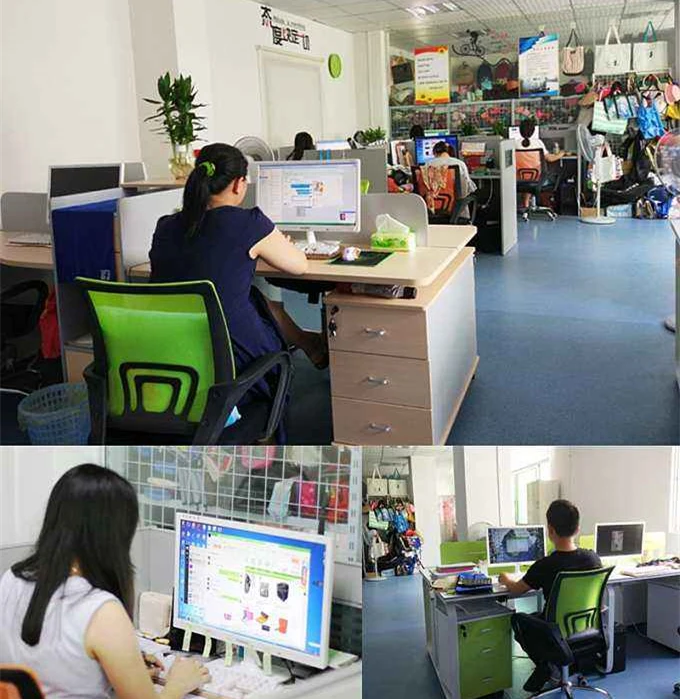
Hebei Fryan Technology Co., Ltd.
- Trading Company
- Hebei, China
- Lead time3 days
- Avg. response≤ 7h
Main productsHip Lifting Pants,Compression pants & Shirts,Sporsts Kneepads,Motorcycle Armor Jacket,Body Shaper
Main marketsNorth America(22.0%), South America(21.0%), Central America(20.0%), Southern Europe(10.0%), Eastern Europe(10.0%), Western Europe(10.0%), Domestic Market(1.0%), South Asia(1.0%), Oceania(1.0%), Africa(1.0%), Southeast Asia(1.0%), Eastern Asia(1.0%), Mid East(1.0%)
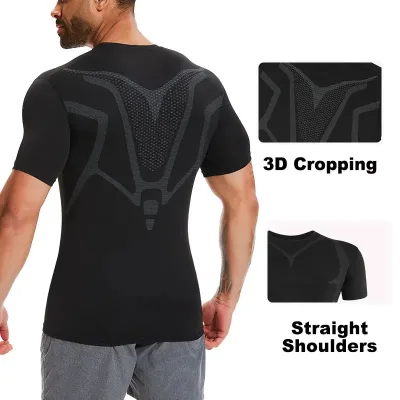
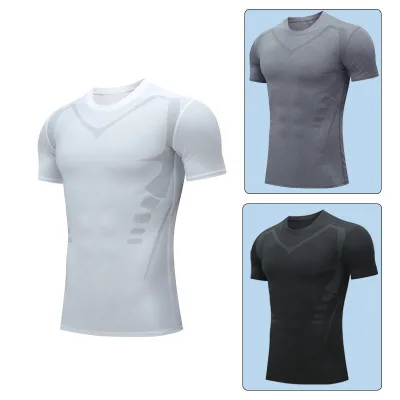
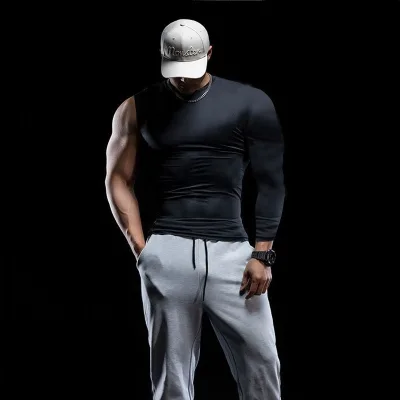
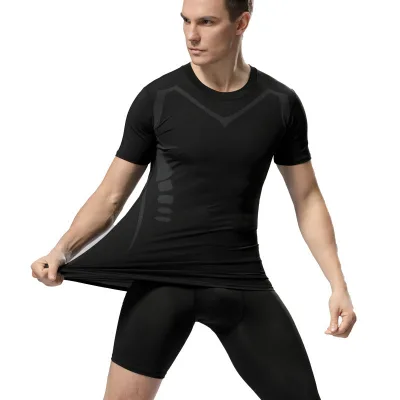
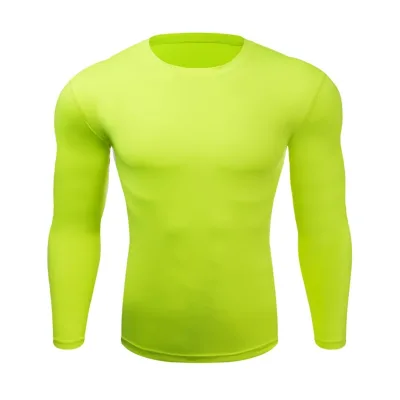
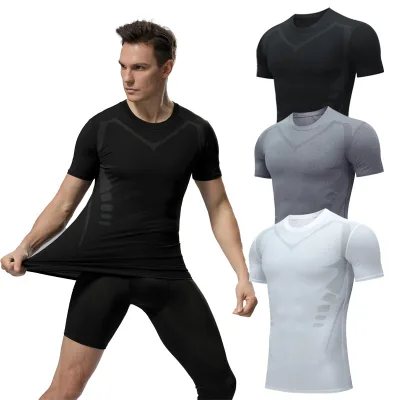
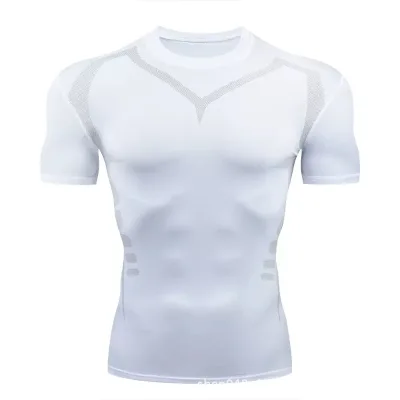
Single Sleeve Basketball Compression Shirt for Men
$2.50 - $3.00
Guang'an Xinli Garment Co., Ltd.
- Verified by SGS
- Trading Company
- China Sichuan
- Lead time15 days
- Avg. response≤ 5h
Main productsYoga Wear, Shell Jacket, Seamless Polo, Active Wear, Gym Wear, Ski Jacket, Outdoor Jacket, Hoodie
Main marketsNorth America

Guangzhou Inly Sporting Goods Co., Ltd.
- Verified by BV
- Trading Company
- China Guangdong
- Lead time30 days
- Avg. response≤ 3h
Main productsSoccer Jersey, Football Shirt, Sports Wear, Basketball Jersey, Sportswear, T-Shirt, Polo Shirt, Baseball Jersey, Jacket, Rugby Jersey
Main marketsAustralia

Dongguan Norns Sports Co., Ltd.
- Manufacturer/Factory
- China Guangdong
- Lead time15 days
- Avg. response≤ 2h
Main productsSportswear, Cheerleading Uniform, Baseball Jersey, Yoga Wear, Cycling Jersey, Compression Wear, Fishing Wear, Ice Hockey Jersey, Basketball Uniform, Sports Cap
Main marketsSouth America,Eastern Europe,Mid East,North America,Southeast Asia,Eastern Asia,Oceania,Western Europe,Africa


OEM Design Custom New Design Sublimation Men Quick Dry Compression Shirt with Logo
$6.00 - $12.00
Moq: 30


Guangzhou Akilex Sporting Goods Ltd
- Verified by TüVRheinland
- Manufacturer, Trading Company
- Lead time30 days
- Avg. response≤ 6h
Main productsSoccer Wear, Basketball Wear, Gym Wear, Tracksuit, Rugby Jersey
Main marketsNorth America(50%), Oceania(20%), Western Europe(20%)

Dongguan Monkey Clothes Co., Ltd.
- Verified by SGS
- Combined
- China Guangdong
- Lead time15 days
- Avg. response≤ 5h
Main marketsEurope,North America


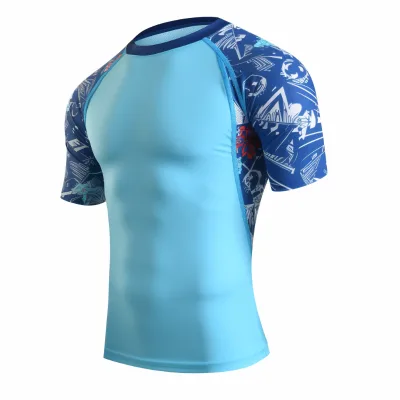
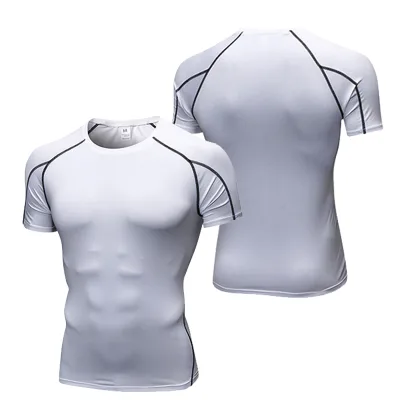
Custom Short Sleeves Boxing Rash Guard Quick Dry Men's Gym Compression T-Shirts
$8.00 - $11.00
Moq: 10


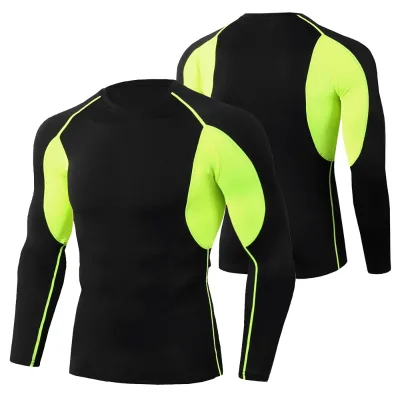
Men Compression Fitness Training Shirt Tight Sports Bodybuilding Long Sleeve T-Shirt
$8.00 - $11.00
Moq: 10

Guiping Benxiang Donglai Clothing Design Co., Ltd.
- Trading Company
- Guangxi, China
- Lead time0 days
- Avg. response≤ 5h
Main productssoccer wear,basketball wear,fltness & Yoga Wear,tracksuit&jacket,hoodies
Main marketsAfrica(50.0%)

Guangzhou Healy Apparel Co., Ltd.
- Verified by SGS
- Combined
- China Guangdong
- Lead time15 days
- Avg. response≤ 17h
Main productsSoccer Jersey, Basketball Jersey, Soccer Wear, Basketball Wea, Tracksuit, Hoodie, Yoga Wear
Main marketsSoutheast Asia/ Mideast,Europe,Australia,North America

Goldleaf (Shenzhen) Sports Co., Ltd.
- Verified by TUVRHEINLAND
- Trading Company,Manufacturer/Factory
- China Guangdong
- Lead time15 days
- Avg. response≤ 5h
Main productsHockey Uniform, Sports Uniform, Polo/Tshirt/Fishing Shirt, Lacrosse Uniform, Baseball Uniform, Basketball Uniform, Rugby Uniform, Racing Shirt, Cricket Uniform, Footy Shorts
Main marketsSouth America,Eastern Europe,Mid East,North America,Southeast Asia,Eastern Asia,Oceania,Western Europe,Africa

- Verified by BV
- Trading Company
- China Shanghai
- Lead time45 days
- Avg. response≤ 19h
Main productsSwimwear Activewear Yoga Mat, Activewear, Hoodie /Tshirts, Yoga Mat
Main marketsNorth America
Guangzhou Joyord Sportswear Co., Ltd.
- Verified by SGS Group
- Manufacturer, Trading Company
- Lead time20 days
- Avg. response≤ 2h
Main productsGolf Polos, Golf T Shirts, Shorts & Pants, Golf Hoodies & Sweatshirts, Golf Skorts & Dress
Main marketsNorth America(70%), Oceania(10%), Western Europe(10%)

Dongguan Wintofree Athletic Sports Co,Ltd.
- Manufacturer/Factory
- China Guangdong
- Lead time23 days
- Avg. response≤ 3h
Main productsSportswear, Fishing Wear, Cycling Wear, Football Jersey, Baskeball Jersey, Arm Sleeve, Baseball Jersey, Ice Hockey Jersey, Yoga/Gym Fitness
Main marketsSouth America,Eastern Europe,Mid East,North America,Southeast Asia,Eastern Asia,Oceania,Western Europe,Africa

Dongguan Humen Hucai Garment Co., Ltd.
- Verified by TUVRHEINLAND
- Combined
- China Guangdong
- Lead time15 days
- Avg. response≤ 4h
Main productsSportswear, Yoga Pants, Sports Bra, T Shirt, Tank Top, Jogger Pants, Tracksuit, Hoodies, Shorts, Leggings
Main marketsAustralia,North America

Custom Lightweight Quick Dry Men Workout Running Sports Gym Compression T Shirt
$6.50 - $10.00
Moq: 200

Hefei Ark Universe International Trade Co., Ltd.
- Verified by SGS
- Trading Company
- China Anhui
- Lead time15 days
- Avg. response≤ 3h
Main productsLED Display, LED Screen, Sports Wear, Soccer Jersey, LED String Light, Flexible LED Display, Outdoor LED Display, Indoor LED Display, Football Jersey, Christmas Decoration
Main marketsNorth America

Quanzhou Yilijia International Trade Co., Ltd.
- Verified by CTI
- Trading Company,Manufacturer/Factory
- China Fujian
- Lead time45 days
- Avg. response≤ 4h
Main productsKids Clothes, Baby Clothes, Sports Shoes, Gym Clothes, Baby Accessories, Fitness Equipment, Sport Wear
Main marketsSouth America,Eastern Europe,Mid East,North America,Southeast Asia,Eastern Asia,Oceania,Western Europe,Africa

Xiamen Richtex Garments Co., Ltd
- Manufacturer/Factory
- China Fujian
- Lead time45 days
- Avg. response≤ 7h
Main productsSports Wear, Gym Wear, Swimwear, Hoodie, Underwear, Baby Wear, Pajamas, Lingerie, Shape Wear, Outdoor Jacket
Main marketsSouth America,Mid East,North America,Southeast Asia,Eastern Asia,Oceania,Western Europe,Africa

Guangzhou Singmin Sports Goods Co., Ltd.
- Verified by CTI
- Manufacturer/Factory
- China Guangdong
- Lead time23 days
- Avg. response≤ 22h
Main productsPants, Yoga Set, Soccer Jersey, Basketball Uniform, Rugby Jersey, Cricket Jersey, Hoody, Tracksuit, Netball Dress, Cycling Jersey
Main marketsSouth America,Eastern Europe,Mid East,North America,Southeast Asia,Western Europe,Africa

Guangzhou Rainjoys Sports Goods Co., Ltd
- Verified by SGS
- Manufacturer/Factory
- China Guangdong
- Lead time23 days
- Avg. response≤ 1h
Main productsFishing Shirts & Hoodies, Hunting Shirts & Hoodies, Cycling Shirts & Jerseys, Golf Polo Shirts, Billiards Polo Shirts, MTB Jerseys, Gym Fitness Shirts, Badminton T Shirts, Sports Caps & Hats, Neck Gaiter
Main marketsSouth America,Eastern Europe,North America
Shenzhen Aowei Sporting Goods Co., Ltd.
- Manufacturer, Trading Company
- Lead time旺季: "1 - 10":5,"11 - 100":12,"101 - 300":12,"> 300":"To be negotiated", 淡季: "1 - 10":5,"11 - 100":12,"101 - 300":12,"> 300":"To be negotiated"
Main productsHockey Jersey, Baseball Jersey, Basketball Jersey, American Football Jersey, Motorcycle Jersey
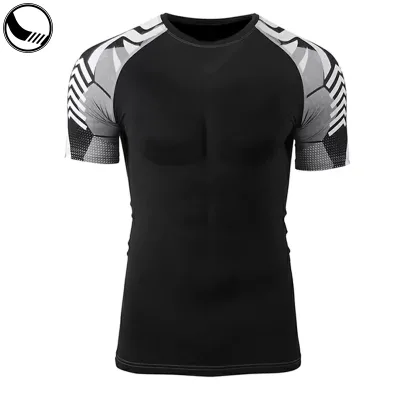
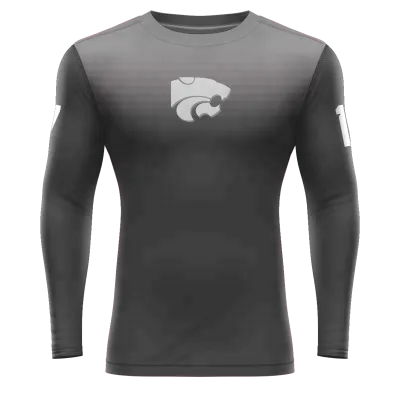
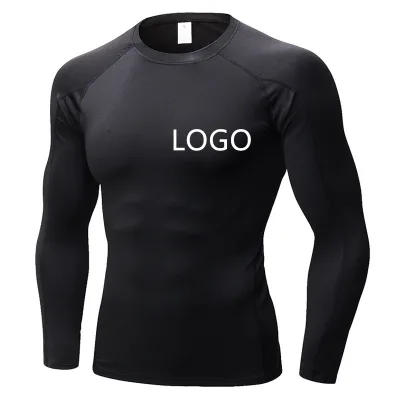
BETHERIVAL Long Sleeve Black Mens Compression Shirt
$8.00 - $17.00

Foshan Dopoo Sportswear Co., Ltd.
- Verified by TUVRHEINLAND
- Trading Company
- China Guangdong
- Lead time30 days
- Avg. response≤ 5h
Main productsSportswear, Hoodies, Baseball Jersey, Basketball Jersey, Fishing Shirts, Apparel, Jacket Jersey, Hockey Jersey, Cheerleading Uniform, Running Shirts
Main marketsNorth America


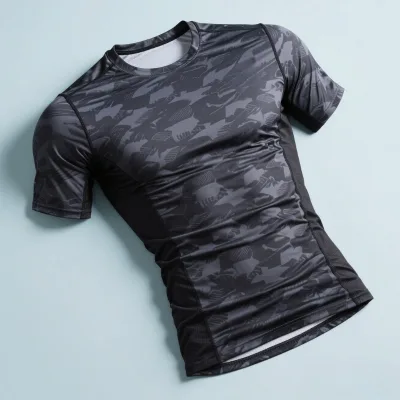
Wholesale Black Short Sleeve Rash Guard Compression Tshirt Compression Tops Short Sleeve Shirt
Contact supplier
Moq: 100


Shenzhen Elite Clothing Co., Ltd.
- Verified by TUVRHEINLAND
- Trading Company
- China Guangdong
- Lead time30 days
- Avg. response≤ 15h
Main productsPolo Shirts T Shirts, Hoodies and Sweatshirts, Sportswear, Shorts Pants, Work Wear High Visibility Clothing, Dress Shirts, Tank Tops, Basketball Uniforms, Baseball Uniforms, Jackets
Main marketsAustralia

Guangzhou Jinfeng Clothing Co., Ltd.
- Trading Company
- China Guangdong
- Lead time15 days
- Avg. response≤ 6h
Main productsT Shirt, Men Fitness Wear, Yoga Wear, Men Shorts, Men Pant, Men Tracksuit, Hoodie, Men Sport Wear, Polyester Shirt, Gym Shirt
Main marketsEurope,Australia,North America
Hefei Chengyuze Trading Co., Ltd.
- Verified by CTI
- Trading Company
- China Anhui
- Lead time15 days
- Avg. response≤ 10h
Main productsFootball Jersey, Training Uniform, Baseball Uniform, Football Socks, Football Shoes, Running Clothes, Sneakers, Football, Football Merchandise, Basketball Uniform
Main marketsEurope,North America

Guangzhou Fengrui Clothing Co., Ltd.
- Manufacturer
- Guangdong, China
- Lead time7 days
- Avg. response≤ 6h
Main productsSports Wear,t shirt,tank top,rash guard,sports bra
Main marketsNorth America(30.0%), Western Europe(20.0%), South America(14.000000000000002%), Eastern Europe(10.0%), Southeast Asia(5.0%), Northern Europe(5.0%), Mid East(5.0%), Domestic Market(5.0%), Eastern Asia(3.0%), Oceania(2.0%), Southern Europe(1.0%)

PUYANG SELFAIDING INDUSTRIAL CO., LTD.
- Verified by SGS
- Manufacturer
- China Henan
- Lead time15 days
- Avg. response≤ 2h
Main productsAdult Bib, Pet Pad, Underpad, Baby Bib, Protective Panties, Washable Sanitary Pad, Compression Stockings, Patient Care Clothing, Pet Nest, Pet Toy


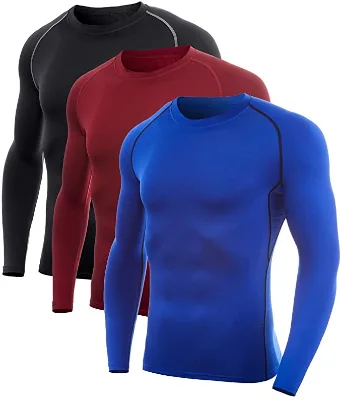
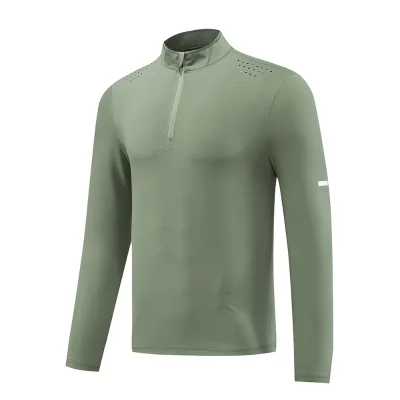
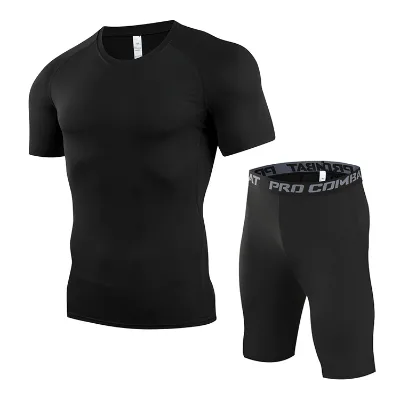






Comprehensive Sourcing Guide
Quick Dry Breathable Compression Shirt Supplier Concentration and Factory Types
Current data indicates that suppliers for custom apparel and compression wear are concentrated in specific Chinese provinces, with Guangxi, Hebei, and Sichuan appearing as verified locations for manufacturers and trading companies. These regions host a mix of trading companies and factories capable of OEM and ODM services, offering private label clothing and custom activewear. The presence of these diverse company types suggests that buyers can find both direct manufacturing capabilities and sourcing intermediaries within these clusters. Guangxi and Hebei appear to host facilities producing items like compression shirts and gym wear, while Sichuan-based entities also list active wear and seamless polo options.
When evaluating the factory types, it is essential to distinguish between trading companies and manufacturers based on the provided company type data. Some suppliers are explicitly identified as trading companies, which may offer a broader range of products but might have different lead times compared to direct factories. The observed capacity includes ODM and OEM services, allowing for custom logo application and private label development. Buyers should verify if a supplier's primary focus is on custom t-shirts, hoodies, or specific compression gear, as this specialization often correlates with the depth of their technical expertise in quick-dry and breathable fabric technologies.
How to Verify Quick Dry Breathable Compression Shirt Suppliers
Verification of supplier credibility relies heavily on third-party audit results and specific platform badges rather than general claims. In the current dataset, one supplier is explicitly marked as verified by SGS, providing a concrete benchmark for quality assurance that buyers should prioritize. This verification status serves as a critical indicator of the supplier's adherence to international standards and operational reliability. Buyers must look for similar third-party verification badges on other potential partners to ensure that the claims regarding production capacity and quality control are independently validated. Without such specific verification data, the reliability of a supplier's promises regarding material composition or production timelines remains unproven.
Beyond verification badges, buyers should assess the supplier's response time and product attributes to gauge operational efficiency. The observed response times vary, with some suppliers showing a response time of 1.31 days while others take up to 7 days. A faster response time often correlates with better communication channels and more agile order management, which is crucial for custom apparel projects. Additionally, examining the detailed product attributes, such as material composition (e.g., 90% Polyester, 10% Spandex) and specific features like moisture absorption, helps confirm that the supplier has the technical capability to produce the required quick-dry and breathable compression shirts. These tangible data points provide a more reliable assessment than general marketing statements.
What to Compare Across Quick Dry Breathable Compression Shirt Suppliers
Comparing suppliers requires a systematic analysis of lead times, minimum order quantities, and pricing structures to ensure alignment with project requirements. The data shows significant variation in lead times, ranging from 3 days to 23 days, which directly impacts production scheduling and inventory planning. Similarly, minimum order quantities (MOQ) differ, with some suppliers requiring as few as 5 pieces while others mandate 20 or more. Buyers must weigh these constraints against their order volume needs, as a lower MOQ might be preferable for testing new designs, whereas a higher MOQ could offer better economies of scale. Pricing also fluctuates, with observed ranges from $2.20 to $9.00 per unit, necessitating a clear understanding of the cost drivers for specific product configurations.
In addition to logistical metrics, comparing the specific product attributes and customization options is vital for ensuring the final output meets brand standards. Suppliers offer varying levels of customization, including options for sleeve length, collar style, and printing methods like silk screen printing. The material composition is another critical comparison point, with some products specified as Nylon/Spandex blends while others are 90% Polyester and 10% Spandex. Buyers should also evaluate the available sizes, which range from S to 3XL, and the specific fit types, such as tight compression fit or standard athletic fit. By systematically comparing these detailed specifications, buyers can identify the supplier whose capabilities best match their specific product requirements and quality expectations.
Common Quick Dry Breathable Compression Shirt Sourcing Risks
One significant risk in sourcing compression shirts involves the discrepancy between claimed product attributes and actual manufacturing capabilities. While suppliers list features like "quick-dry" and "breathable," the specific material composition and technical standards must be verified against the actual product samples. For instance, a supplier might claim a specific fabric blend, but without a verified test result or detailed specification sheet, the performance of the garment in real-world conditions remains uncertain. Buyers should be cautious of suppliers who do not provide clear evidence of their material sourcing or production standards, as this can lead to receiving products that do not meet the expected performance criteria for athletic wear.
Another risk relates to the variability in lead times and the potential for delays in production or shipping. The observed lead times range from 3 to 23 days, indicating a lack of standardization across the supplier base. A supplier promising a short lead time might face unexpected bottlenecks, especially if they are a trading company managing multiple orders simultaneously. Furthermore, the reliance on third-party logistics and the specific origin of the goods, such as Guangdong or Sichuan, can introduce additional variables in the supply chain. Buyers must account for these potential delays in their planning and ensure that the supplier has a robust system for communicating any changes to the production schedule to avoid disruptions in their own supply chain.
Quick Dry Breathable Compression Shirt Regional Sourcing and Logistics
The geographic location of suppliers plays a crucial role in determining logistics costs and delivery timelines. Current data identifies suppliers in Guangxi, Hebei, and Sichuan, each presenting different logistical profiles for international shipping. Guangxi and Hebei are known for their manufacturing bases, while Sichuan offers a different regional advantage. Buyers should consider the proximity of these locations to major ports and the efficiency of local logistics networks when selecting a supplier. The origin of the product, such as Guangdong or China generally, also influences the shipping route and potential customs procedures, which can affect the overall cost and speed of delivery.
Logistics planning must also account for the specific packaging and shipping standards provided by the supplier. Some suppliers offer individual polybag packing, while others provide customized packing options that may be more suitable for retail or bulk distribution. The choice of packaging can impact the condition of the garments during transit and the ease of handling upon arrival. Buyers should verify the packing standards and ensure they align with their distribution requirements. Additionally, the response time of the supplier can influence how quickly logistics issues are resolved, making it a key factor in the overall efficiency of the sourcing process. By carefully evaluating these regional and logistical factors, buyers can optimize their supply chain for cost and reliability.
Quick Dry Breathable Compression Shirt Commercial Terms and Order Planning
Commercial terms, including pricing and payment structures, are fundamental to successful order planning and financial management. The observed price ranges for compression shirts vary significantly, from $2.20 to $9.00, depending on factors such as material quality, customization level, and order volume. Buyers must negotiate clear pricing terms that reflect the specific product requirements and ensure that the cost structure is sustainable for their business model. It is also important to understand the payment terms, such as the use of escrow services, which can provide a layer of financial security for both parties. Clear communication regarding pricing and payment expectations helps prevent misunderstandings and ensures a smooth transaction process.
Order planning requires a detailed understanding of the supplier's capacity and production capabilities to avoid bottlenecks and delays. The data indicates that suppliers offer ODM and OEM services, allowing for custom designs and private label development. Buyers should assess the supplier's capacity to handle their specific order volume and timeline, considering the lead times and MOQs discussed earlier. Planning for potential variations in production capacity and ensuring that the supplier can meet the required delivery dates is essential for maintaining a reliable supply chain. By integrating these commercial and operational considerations into their order planning, buyers can mitigate risks and ensure a successful sourcing experience for quick-dry breathable compression shirts.
FAQs
What is the typical lead time for custom compression shirts?
Lead times vary by supplier, ranging from 3 days to 23 days based on order complexity and location. Some manufacturers in Hebei offer rapid 3-day turnaround, while others in Guangxi may require up to 23 days. Always confirm specific timelines with the supplier before placing an order.
What are the minimum order quantities for these shirts?
Minimum order quantities typically range from 5 to 20 pieces depending on the specific product and supplier. Some vendors accept orders as low as 5 units, while others require a minimum of 10 or 20 pieces. Check individual product listings to verify the exact MOQ required for your purchase.
Which materials are commonly used for quick dry compression shirts?
Common materials include polyester blends with spandex, such as 90% polyester and 10% spandex, or nylon and spandex combinations. These fabrics provide high elasticity, moisture absorption, and breathability. Some products also feature fleece lining for added warmth during winter activities or cycling.
How fast do suppliers typically respond to inquiries?
Response times vary significantly among suppliers, ranging from approximately 1.3 hours to 7 hours. Some verified trading companies respond within 1.3 hours, while others may take up to 7 hours. Faster response times often indicate higher availability and readiness to handle custom orders efficiently.
Are these shirts available in multiple sizes and colors?
Yes, most suppliers offer a wide range of sizes from S to 3XL and various color options including black, white, gray, and green. Some products feature specific color combinations like white with gray lines. Customization options are often available for unique color or size requirements.
What is the price range for custom compression shirts?
Prices generally range from 2.20 to 9.00 USD per piece depending on material, design complexity, and order volume. Basic models start around 2.20 USD, while specialized items with custom logos or premium fabrics can cost up to 9.00 USD. Bulk orders often qualify for better pricing tiers.
Do suppliers offer OEM and ODM services for these shirts?
Many suppliers provide both OEM and ODM services, allowing for custom branding and design modifications. Some manufacturers also support own brand production. Verify specific capabilities with the supplier to ensure they can meet your unique design and manufacturing requirements for the compression shirts.