Recyclable Cosmetic Aluminum Foil Bag Suppliers and Manufacturers
Source Recyclable Cosmetic Aluminum Foil Bag options from 27 verified suppliers in China. Compare key dimensions including MOQ, lead times, and material structures like PET and aluminum. Review product specifications and request quotes directly to streamline your procurement process; review the available evidence before requesting comparable quotations from suitable candidates.
Updated
Suppliers List

Qingzhou Glory Packaging Material Co., Ltd.
- Verified by BV
- Trading Company
- China Shandong
- Lead time30 days
- Avg. response≤ 5h
Main productsAluminium Foil Paper, PE Coated Paper/Printing Paper, Food Packaging Bag, Paper Shopping Bag, Non Woven Bag, Plastic Shopping Bag, Other Packaging Bags
Main marketsAustralia
Dongguan Yiwei Plastic Company Ltd.
- Manufacturer, Trading Company
- Lead time旺季: "1 - 10000":15,"> 10000":"To be negotiated", 淡季: "1 - 10000":15,"> 10000":"To be negotiated"
- Avg. response≤ 2h
Main productsAluminum Foil Bag, Stand Up Pouch, Special Shape Packaging Bag, Zipper Seal Packaging Bag, Flat Bottom Bag
Guangdong Zhongbao Color Plastic Industrial Co., Ltd.
- Manufacturer, Trading Company
- Lead time旺季: "1 - 50000":16,"> 50000":"To be negotiated", 淡季: "1 - 50000":16,"> 50000":"To be negotiated"
- Avg. response≤ 2h
Main productsFood Packaging Bag, Packing Film Roll, Laminated Pouch, Heat Shrink Wrap Sleeve, Cosmetic Packaging Bag
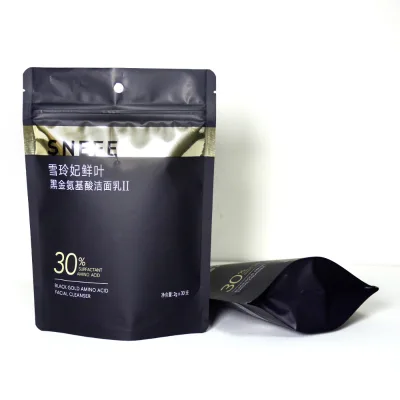
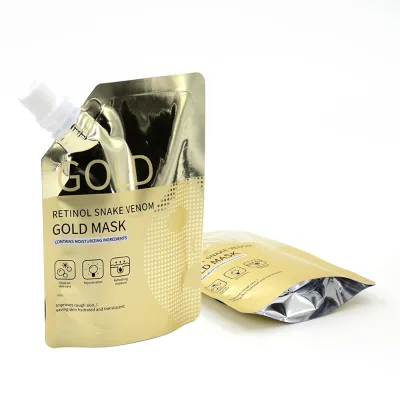
$0.02 - $0.06
MOQ: 10000 pieces
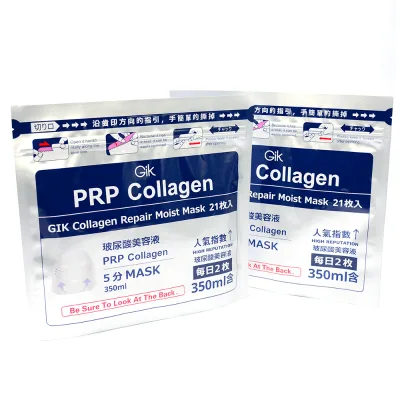

Guangdong Shunfa Colour Printing Co., Ltd.
- Verified by BV
- Combined
- China Guangdong
- Lead time15 days
- Avg. response≤ 9h
Main productsPackaging&Printing, Kraft Paper Tote Bag, Vertical Zipper Bag, Food Packaging Film Roll, Valve Zipper Bag, PE Bag
Main marketsSoutheast Asia/ Mideast,North America


$0.02 - $0.05
MOQ: 5000 Pieces

Custom Printed Recyclable Stand-up Packaging Bag Polyester Aluminum Foil Pouch with Zipper and Valve
$0.01 - $0.10
MOQ: 5000 Pieces

Dongguan Fuhehu Packaging Co., Ltd
- Verified by SGS
- Trading Company,Manufacturer/Factory
- China Guangdong
- Lead time15 days
- Avg. response≤ 25h
Main productsCoffee Bag, Stand up Pouch, Flat Bottom Pouch, Mylar Pouch, Quad Seal Bag, Aluminum Foil Bag, Spout Pouch, Vacuum Bag, Food Packaging Bag, Back Seal Bag
Main marketsSouth America,Eastern Europe,Mid East,North America,Southeast Asia,Eastern Asia,Oceania,Western Europe,Africa

Custom Resealable Ziplock Aluminum Foil Bag Cosmetic Beauty Facial Mask Sachet Packaging Bag
$0.03 - $0.07
MOQ: 10000 Pieces

Custom Laminated Aluminum Foil 3 Sides Sealed Cosmetic Mask Liquid Packaging Bag
$0.04 - $0.08
MOQ: 10000 Pieces

Custom 3 Side Sealed Aluminum Foil Pouch Cosmetic Face Mask Packaging Bag
$0.02 - $0.08
MOQ: 10000 Pieces

Custom Laminated Aluminum Foil Three Side Sealed Packaging Bag for Cosmetic Mask
$0.02 - $0.08
MOQ: 10000 Pieces

Custom Aluminum Foil Waterproof Plastic 3 Side Seal Facial Mask Bag for Cosmetic
$0.03 - $0.07
MOQ: 10000 Pieces

Zhongshan Langke Packaging Co., Ltd.
- Combined
- China Guangdong
- Lead time15 days
- Avg. response≤ 2h
Main productsPackaging Film, Lamination Film, Medical Film, Medical Pouch, Food Pouch, Daily-Use Pouch, Daily Chemical Pouch, Snack Packaging, Printing and Packaging, Clothing Packaging
Main marketsSoutheast Asia/ Mideast,East Asia(Japan/ South Korea),Europe


Aluminum Foil Packaging Bag for Facial Mask Packaging Pouch High Barrier Packing
$0.28 - $0.30
MOQ: 10000 Pieces
Guangdong Colink Digital Technology Co., Ltd.
- Manufacturer, Trading Company
- Guangdong, China
- Lead time15 days
- Avg. response≤ 4h
Main productsPackaging Bag, Label
Main marketsSoutheast Asia(40.00%), Eastern Europe(30.00%), Western Europe(20.00%), North America(5.00%), Domestic Market(5.00%)
Wenzhou Longli Package Co., Ltd.
- Verified by Intertek
- Manufacturer, Trading Company
- Lead time15 days
- Avg. response≤ 2h
Main productsPlastic Bag
Main marketsNorth America(35%), South America(20%), Eastern Europe(20%)
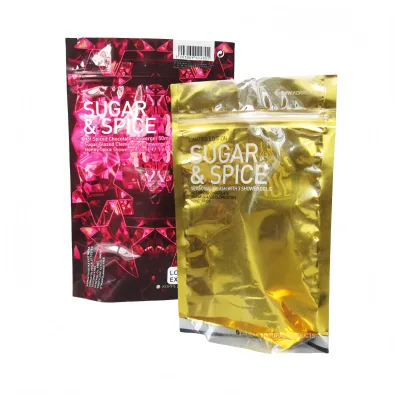
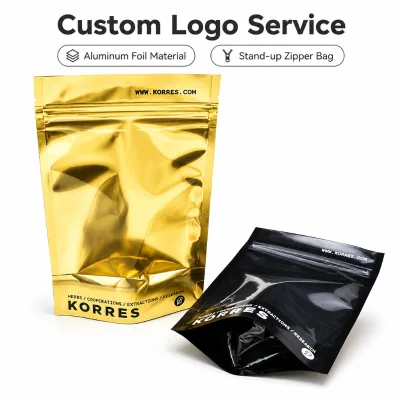
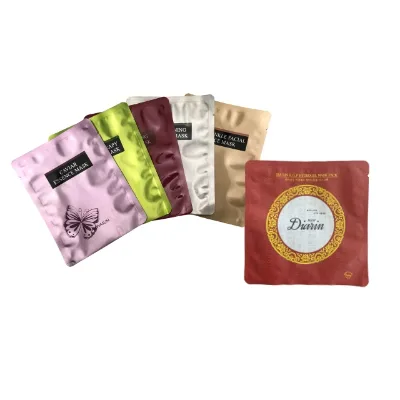
Custom Printed Gold Resealable Stand-Up Aluminum Foil Zipper Pouch Bag for Cosmetic Packing
$0.09 - $0.12
MOQ: 10000 pieces
Hunan Yingfei Technology Co., Ltd.
- Verified by SGS Group
- Manufacturer, Trading Company
- Lead time25 days
- Avg. response≤ 2h
Main productsFood Packaging Bag
Main marketsNorth America(30%), Oceania(15%), South America(10%)

Jiangyin Likn Industry Co., Ltd.
- Trading Company
- Jiangsu, China
- Lead time35 days
- Avg. response≤ 14h
Main productsPaper Napkin,Rotable Plastic,Disposable Plastic,Paper Tray Mat,Tray Liner
Main marketsWestern Europe(50.00%), Mid East(20.00%), Eastern Asia(10.00%), North America(10.00%), Africa(8.00%), Domestic Market(2.00%)
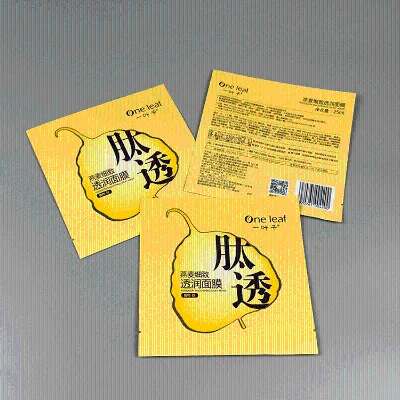
Custom Colorful Design Print Cosmetic Laminated Aluminum Foil Plastic Facial Mask Packaging Bag
$0.1034
MOQ: 30000 Minimum
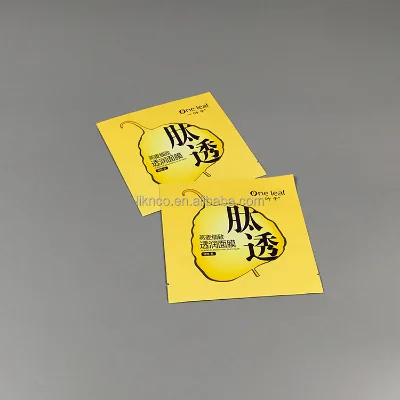
Biodegradable Aluminum Foil Plastic Facial Mask Bag for Cosmetic Pack With Custom Logo
$0.1034
MOQ: 30000 Minimum

Jinshi Hengxing Packaging Plant
- Combined
- China Guangdong
- Lead time15 days
- Avg. response≤ 3h
Main productsZipper Bag, Stand up Pouch, Beverage Bag, Laminated Roll Film, Plastic Packaging Bag, Kraft Paper Composite Bag, Food Packing Bag, Coffee Bag, Daily Necessities Packaging Bag
Main marketsDomestic
Chaozhou Xurun Packaging Co., Ltd.
- Verified by Intertek
- Manufacturer, Trading Company
- Lead time15 days
- Avg. response≤ 1h
Main productsFilm Rolling, Plastic Packaging Bag, Food Packaging Bag, Spout Pouch, Die Cut Shape Bags
Main marketsDomestic Market(60%), Eastern Asia(15%), Southeast Asia(10%)

ZHUCHENG QING YUAN PACKAGING CO., LTD.
- Verified by TUVRHEINLAND
- Combined
- China Shandong
- Lead time15 days
- Avg. response≤ 4h
Main productsLDPE Bag, Vacuum Bag, Aluminum Foil Bag, Retort Pouch, Stretch Film, Roll Films, Packaging Bags for Frozen Food, Garbage Bags, Shrink Bags and Film, Stand up Pouch with Zipper
Main marketsOthers(foreignTradeCapacity.exportBusinessCapacityMarketOther),Domestic

Wholesale Customized Aluminum Foil Face Mask Packaging Bags Cosmetic Cream Oil Packaging Pouch
$0.019 - $0.02
MOQ: 10000 Pieces

Negotiable
MOQ: 30000 Pieces

Qingdao Zhongbang Packaging Co., Ltd.
- Verified by SGS
- Manufacturer/Factory
- China Shandong
- Lead time15 days
- Avg. response≤ 4h
Main productsPlastic Bag, Food Bag, Food Packaging Bag, Coffee Bag, Pet Food Bag, Stand up Pouch, Kraft Paper Bag, Zipper Bag, Spout Pouch, Plastic Packaging Bag
Main marketsSouth America,Eastern Europe,Mid East,North America,Southeast Asia,Eastern Asia,Oceania,Western Europe,Africa

Custom Printed pull tab zipper Aluminum Foil Cosmetic Facial Mask out Packaging Bag
$0.02 - $0.90
MOQ: 10000 Pieces

Customized print mylar aluminum foil face mask packaging bags facial mask bag
$0.02 - $0.90
MOQ: 10000 Pieces

Shantou Weiyi Packaging Co., Ltd.
- Verified by SGS
- Combined
- China Guangdong
- Lead time15 days
- Avg. response≤ 10h
Main productsSpout Pouch, Coffee Bag, Food Packaging Bag, Packaging Film, Stand up Pouch, Zipper Bag, Plastic Bag, Tea Bag, Aluminum Foil Bag, Packaging Bag
Main marketsSoutheast Asia/ Mideast,Domestic

Spout Bag Plastic Aluminum Foil Cosmetic Packaging Stand up Bag 60ml Bag
$0.003 - $0.005
MOQ: 10000 Pieces

Custom Spout Bag Plastic Aluminum Foil Cosmetic Packaging Stand up Bag 60ml Bag
$0.003 - $0.005
MOQ: 10000 Pieces

Custom Printed Aluminum Foil Cosmetic Skin Care Mask Three Side Seal Pouch Bag
$0.02 - $0.05
MOQ: 20000 Pieces

Custom Printed Heat Sealing Aluminum Foil Pouch Cosmestic Face Mask Packaging Bag
$0.01 - $0.05
MOQ: 10000 Pieces

High Quality Custom Aluminum Foil Bag Stand up Cosmetic Spout Pouch Bags Doypack
$0.02 - $0.90
MOQ: 10000 Pieces


Chaozhou Chaoan District Jinyang Printing Co., Ltd
- Verified by CTI
- Combined
- China Guangdong
- Lead time15 days
- Avg. response≤ 6h
Main productsStand up Pouch, Spout Pouch, Roll Film, Flat Bottom Bag, Zipper Bag, Cup Lid Film
Main marketsDomestic

Custom Aluminum Foil Packaging Pouch Plastics Facial Mask Cosmetics Packaging Bag
$0.01 - $0.15
MOQ: 20000 Pieces

$0.01 - $0.15
MOQ: 20000 Pieces
Guangzhou Merrynewon Daily Necessities Co., Ltd.
- Verified by TüVRheinland
- Manufacturer, Trading Company
- Lead time7 days
- Avg. response≤ 4h
Main productsAluminum Tins, Aluminum Can, Aluminum Bottle, Aluminum Jar, Aluminum Lid
Main marketsNorth America(24%), Western Europe(15%), Oceania(10%)
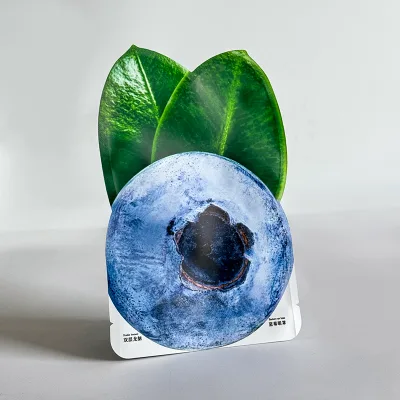
Low MOQ Aluminum Bag for Any Shape Cosmetic Face Mask Bag Recyclable Packaging Bag
$0.24 - $0.32
MOQ: 5000
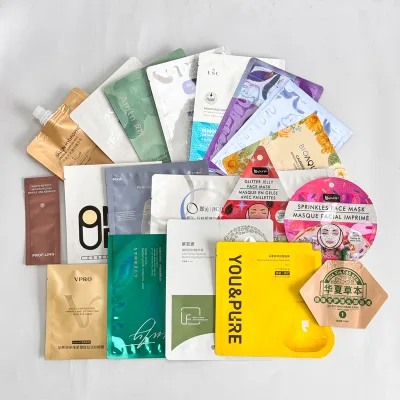
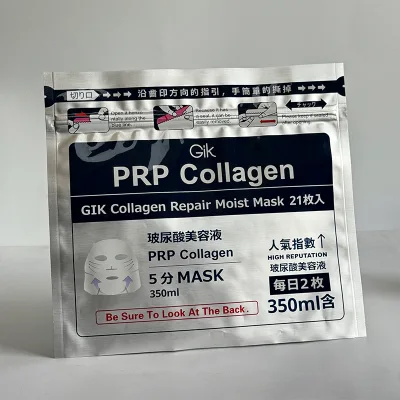
$0.06 - $0.28
MOQ: 5000 pieces

Guangdong Min Sun Environmental Protection Packaging Technology Co., Ltd.
- Verified by SGS
- Manufacturer
- China Guangdong
- Lead time15 days
- Avg. response≤ 2h
Main productsPlastic Packaging Products, Printed Plastic Products, Film Rolls, Laminated Plastic Packaging Products, Food Packaging Bag, Industry Packaging Bag, Medicine Use Packaging Bag, Shrink Label, Gravure Printing Products, Custom Packaging Service
Main marketsEurope,North America


High-Quality Aluminum Foil Cosmetic Packaging Bag for Secure Mask Storage
$0.02 - $0.025
MOQ: 1000 Pieces


Jiangxi Yixing Packaging Co., Ltd.
- Verified by BV
- Combined
- China Jiangxi
- Lead time23 days
- Avg. response≤ 10h
Main productsPackaging Bag, Packaging Film, Packaging Machine, Spout Pouch, Stand up Pouch, Coffee Bag, Paper Bag, Paper Box, Back Sealing Bag, Special-Shaped Bag
Main marketsSouth America,Africa,Southeast Asia/ Mideast,East Asia(Japan/ South Korea),Europe,Australia,North America

$0.02 - $0.06
MOQ: 20000 Pieces

Heyuan Boyue Color Printing Co., Ltd.
- Verified by SGS Group
- Manufacturer, Trading Company
- Lead time5 days
- Avg. response≤ 2h
Main productsAdhesive Label, Adhesive Stickers, Washi Tape, Paper Box, Stand Up Pouch
Main marketsNorth America(70%), Oceania(15%), Domestic Market(10%)

Dongguan Jiguan Technology Co., Ltd.
- Verified by TUVRHEINLAND
- Combined
- China Guangdong
- Lead time15 days
- Avg. response≤ 4h
Main productsLabels, Adhesive Labels, Roll Labes, Stickers
Main marketsNorth America
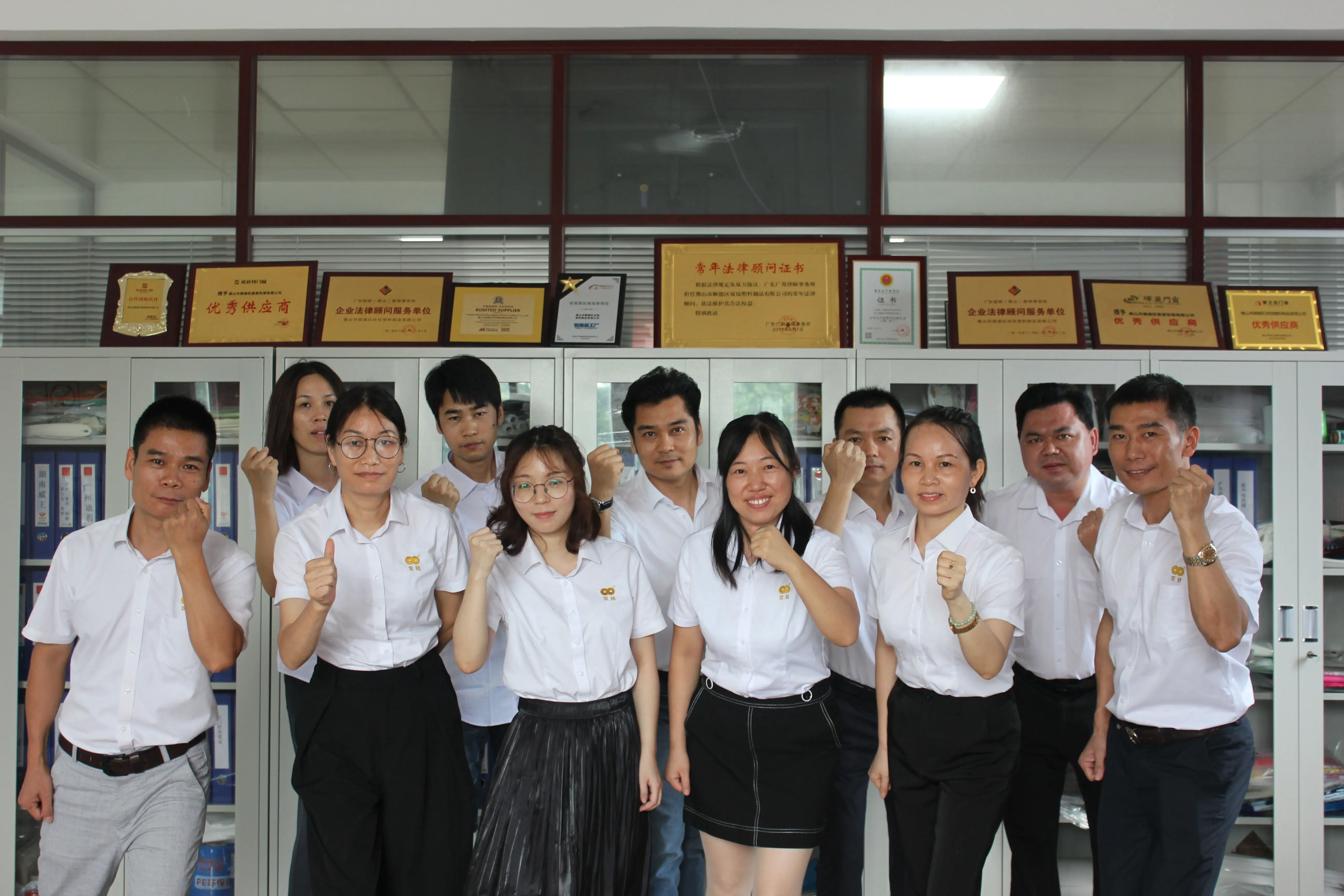
Foshan City Shunde District Shuangqian Plastic Products Co., Ltd.
- Manufacturer, Trading Company
- Guangdong, China
- Lead time15 days
- Avg. response≤ 3h
Main productsShrink Film,Aluminum Foil Bag,Laminating bags,Vacuum Bag,Food Bag
Main marketsSoutheast Asia(30.00%), Eastern Europe(20.00%), Africa(15.00%), South America(15.00%), Western Europe(10.00%), North America(10.00%)
Shanghai Cailyn Industrial Co., Ltd.
- Verified by TüVRheinland
- Manufacturer, Trading Company
- Lead time12 days
- Avg. response≤ 3h
Main productsCoffee Packaging, Food Packaging, Gift Packaging, Supplement Packaging, Coffee Filter
Main marketsNorth America(50%), Western Europe(20%), Oceania(10%)
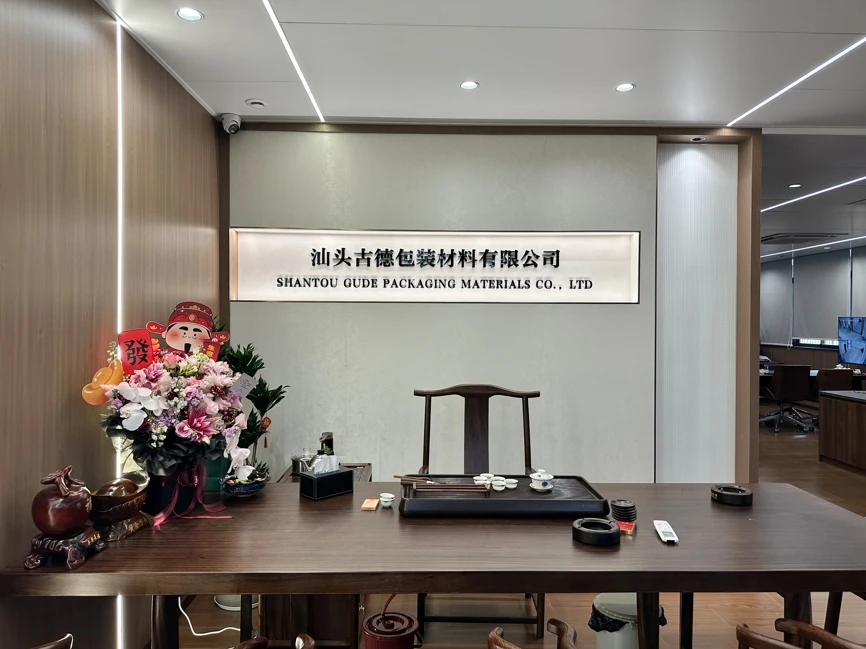
Shantou Gude Packaging Materials Co., Ltd.
- Trading Company
- Guangdong, China
- Lead time0 days
- Avg. response≤ 3h
Main productsRoll Film,Plastic Bag,Plastic Cup
Main marketsOceania(60.00%), Domestic Market(20.00%), South America(20.00%)

Qingdao Zhuocai Industry and Trading Co., Ltd.
- Verified by SGS
- Trading Company,Manufacturer/Factory
- China Shandong
- Lead time15 days
- Avg. response≤ 3h
Main productsStand up Pouch, Mylar Bag, Pet Food Bag, Coffee Packaging Bag, Spout Pouch, Retort Pouch, Food Packaging Bag, Flat Bottom Pouch, Recycle Bag, Zipper Bag
Main marketsSouth America,Eastern Europe,North America,Oceania,Western Europe
Dongguan Dingjin Packaging Co., Ltd.
- Verified by TüVRheinland
- Manufacturer, Trading Company
- Lead time25 days
- Avg. response≤ 2h
Main productsRolling Films, Aluminum Foil Bags, Spout Pouch, Stand Up Pouch, Recyclable Bag
Main marketsNorth America(75%), Central America(5%), South America(2%)
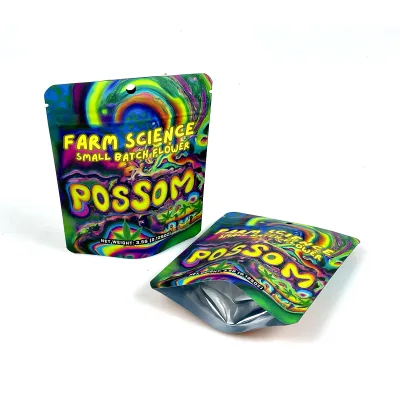
$0.0207 - $0.0932
MOQ: 5000 pieces
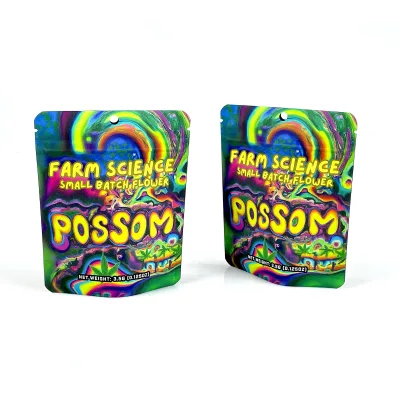
$0.021 - $0.0944
MOQ: 5000 pieces
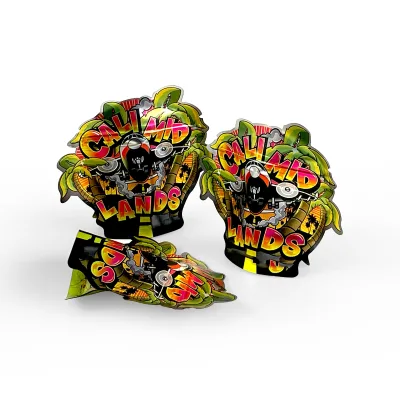
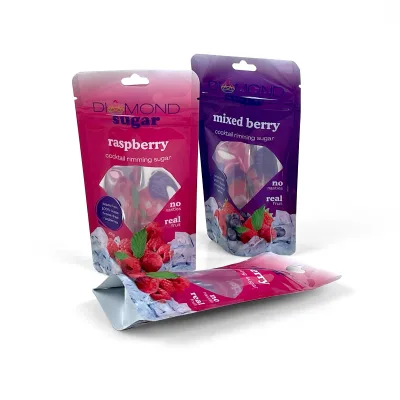
Shenzhen Huachuaf Technology Co., Ltd.
- Manufacturer, Trading Company
- Lead time旺季: "1 - 100000":15,"> 100000":"To be negotiated", 淡季: "1 - 100000":15,"> 100000":"To be negotiated"
- Avg. response≤ 3h
Main productsPlastic Packaging Bag, Mylar Bag, Die-cut Bag, Stand Up Pouch, Paper Box
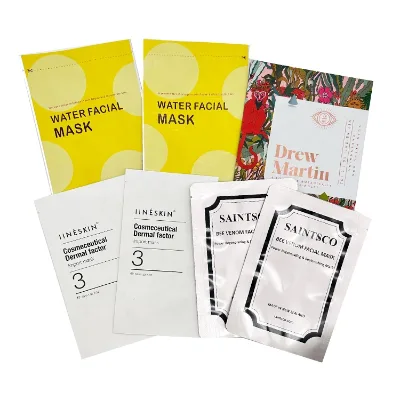
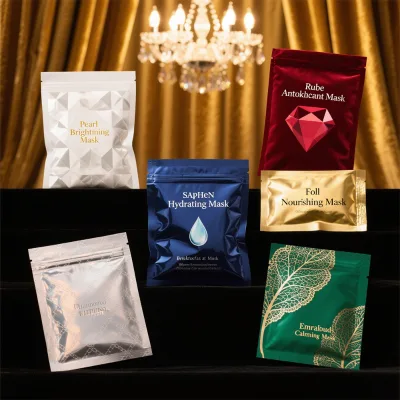
$0.0103 - $0.0923
MOQ: 500 Minimum


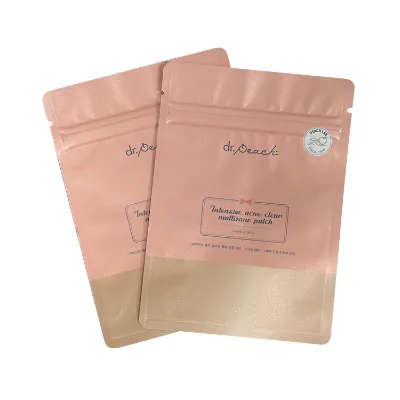






Comprehensive Sourcing Guide
Recyclable Cosmetic Aluminum Foil Bag Supplier Concentration and Factory Types
Current data indicates a concentration of suppliers in China, specifically within the Shandong province, alongside operations in Guangdong. These regions host a mix of company types, including Trading Companies and entities that function as both Manufacturers and Trading Companies. The presence of Trading Companies suggests a supply chain structure where intermediaries may aggregate products from various factories, while the dual-type entities imply direct manufacturing capabilities alongside sales operations. Buyers should note that the specific factory location is not always explicitly detailed in every product listing, requiring verification of the actual production site rather than relying solely on the registered address.
When evaluating the factory type, it is essential to distinguish between pure trading entities and those with direct production lines. Some suppliers list OEM capabilities, indicating they can customize the product structure, such as the BOPP+VMPET+PE or Pet+Al+PE laminates found in the results. However, the absence of a specific establishment year in the provided facts means buyers cannot confirm the longevity of these facilities based on current data alone. To identify true manufacturing clusters, buyers must request proof of the factory floor location and verify if the company type listed matches the physical production environment, ensuring the supplier can handle the specific material requirements for recyclable cosmetic packaging.
How to Verify Recyclable Cosmetic Aluminum Foil Bag Suppliers
Verification processes should prioritize checking for third-party validation badges, such as BV verification, which appears in the current supplier results. This badge serves as a baseline indicator that the company has undergone some level of external assessment, though it does not guarantee specific product quality or material recyclability. Buyers must treat this verification as a starting point and not a comprehensive quality seal. It is crucial to cross-reference the BV status with other independent audits or on-site inspection reports to confirm that the supplier's claims about their manufacturing capabilities and business legitimacy are accurate and current.
Beyond verification badges, buyers should scrutinize the specific product attributes and material structures listed in the supplier data. For instance, some listings specify materials like "Pet+Holographic+PE" or "PET, Mylar, VMPET, MOPP, BOPP, PE, Aluminum," which are critical for determining if the bag meets recyclability standards. Since the provided facts do not explicitly state a "recyclable" certification for all items, buyers must ask for specific test reports or compliance documents regarding the recyclability of the aluminum foil and plastic layers. Relying solely on the product name or keywords is insufficient; direct confirmation of the material composition and its end-of-life processing is necessary to ensure the product aligns with sustainability goals.
What to Compare Across Recyclable Cosmetic Aluminum Foil Bag Suppliers
When comparing suppliers, key dimensions include response time, lead time, and minimum order quantities (MOQ). The data shows response times ranging from 2 to 4.11 hours, indicating varying levels of customer service availability. Lead times also differ, with some suppliers offering 15 to 30 days depending on order volume, while others specify seasonal variations where larger orders exceeding 10,000 or 50,000 units require negotiation. Buyers should create a comparison matrix that weighs these logistical factors against the specific MOQ requirements, which can range significantly from 500 pieces to 50,000 pieces depending on the product model and customization level.
Another critical comparison point is the customization capability and material structure flexibility. Suppliers offer various options, such as "Customized" sizes, thicknesses, and logos, with some specifying "Gravure Printing" or "Heat-sealing" methods. The raw materials vary from simple BOPP+PE combinations to complex multi-layer structures involving VMPET and Aluminum. Buyers must evaluate which supplier offers the most suitable balance between material performance, customization options, and cost. Since prices in the data are listed as fixed values like 0.015 or 0.05 per unit for specific models, comparing the total cost of ownership requires factoring in the MOQ and the specific material structure needed for the cosmetic product, rather than just the unit price.
Common Recyclable Cosmetic Aluminum Foil Bag Sourcing Risks
One significant risk involves the ambiguity surrounding material recyclability claims. While the product names often include terms like "Aluminum Foil" or "Cosmetic Packaging," the provided facts do not universally confirm that the specific laminated structures are fully recyclable. Many bags combine aluminum with plastics like PE or PET, creating composite materials that are difficult to recycle in standard facilities. Buyers face the risk of sourcing bags that appear eco-friendly but fail to meet actual recycling infrastructure capabilities, potentially leading to compliance issues or greenwashing accusations. It is vital to demand explicit documentation on the separability of the aluminum layer from the plastic layers before finalizing any order.
Another risk relates to the variability in lead times and production capacity during peak seasons. The data indicates that lead times can extend or become "To be negotiated" for orders exceeding specific thresholds, such as 10,000 or 50,000 units. This variability poses a risk for supply chain planning, especially if a buyer has a fixed launch date for a cosmetic product. Without a confirmed production schedule or a guaranteed capacity reservation, delays can occur, disrupting the entire product launch. Buyers should mitigate this by securing written agreements on lead times that account for seasonal fluctuations and by maintaining a buffer stock to handle potential production bottlenecks.
Recyclable Cosmetic Aluminum Foil Bag Regional Sourcing and Logistics
Sourcing from China, particularly from Shandong and Guangdong, offers access to a dense network of packaging manufacturers, but it introduces specific logistical considerations. The data confirms that products originate from "China Mainland," and shipping methods listed include major carriers like DHL, FedEx, EMS, UPS, and TNT. Buyers must account for the transit time and customs clearance procedures associated with importing packaging materials from these regions. The distance and shipping costs can significantly impact the final landed cost, especially for smaller orders where the per-unit shipping expense is higher. Understanding the specific port of origin and the typical transit duration is essential for accurate cost modeling.
Logistics planning must also consider the packaging of the goods themselves. The supplier data notes that products are packed in "Cartons and Pallet" or simply "Cartons," which affects how they are loaded into containers and shipped. For large orders, palletized shipping is more efficient, while smaller orders might be consolidated in cartons. Buyers should verify the exact packing dimensions and weight to optimize container utilization and reduce freight costs. Additionally, since the lead time can vary based on order size, coordinating the shipping schedule with the production timeline is crucial to ensure that the goods arrive just in time for the cosmetic product launch, avoiding storage costs or stockouts.
Recyclable Cosmetic Aluminum Foil Bag Commercial Terms and Order Planning
Commercial terms regarding pricing and payment are critical, as the data shows specific price points like 0.015 and 0.05 per unit for certain models, but these may not apply to all customization levels. Buyers must clarify whether these prices include printing, logo customization, or specific material upgrades. The MOQs vary widely, from 500 pieces for sample or small-batch orders to 50,000 pieces for standard production runs. Understanding the price break structure and the cost implications of different MOQs is essential for budgeting. Buyers should negotiate terms that allow for flexibility in order quantities while maintaining cost efficiency, especially when dealing with custom designs that may require higher minimums.
Order planning should also account for the customization process and sample availability. Some suppliers indicate that samples are available, which is a valuable resource for verifying quality and material properties before committing to a large order. The data mentions "Custom Order: Accept" and "Logo: Customized," suggesting that the production process involves a design and approval phase. Buyers should allocate sufficient time for this phase, as it can impact the overall lead time. Establishing a clear timeline for sample approval, material confirmation, and production start is necessary to ensure the project stays on schedule. Additionally, buyers should verify the warranty or return policy for defective goods to protect against quality issues upon delivery.
FAQs
What is the typical MOQ for aluminum foil cosmetic bags?
Most suppliers require a minimum order quantity of 50,000 pieces for standard vacuum sealed or heat sealed aluminum foil packaging bags. Some manufacturers offer lower MOQs of 500 pieces for custom printed skincare sample sachets. Buyers should verify specific thresholds as customization options often influence the required volume.
How long does production take for these packaging bags?
Standard lead times are generally around 30 days for regular orders. During peak seasons, production may take 15 days for quantities up to 10,000 units, while larger orders require negotiation. Buyers should confirm current schedules with suppliers to ensure timely delivery for their specific packaging needs.
Are these bags suitable for food and cosmetic applications?
Yes, many aluminum foil bags are designed for both food packaging and cosmetic applications. They feature waterproof performance and moisture-proof properties to protect contents. Materials often include PET, aluminum, and PE layers, ensuring durability and safety for skincare creams, lotions, and various food products.
What customization options are available for logo and printing?
Suppliers typically offer customized logos and multicolor gravure printing on these bags. Buyers can choose from various sizes, thicknesses, and materials like BOPP or holographic finishes. Customization is widely available, allowing brands to tailor packaging aesthetics while maintaining functional integrity for retail and commercial distribution channels.
What is the price range for these packaging bags?
Prices for aluminum foil cosmetic bags can range from $0.015 to $0.05 per unit depending on specifications. Lower costs apply to standard flat bags, while holographic or complex zipper designs may cost more. Buyers should request quotes based on their specific material structure and order volume for accurate pricing.
Where are these suppliers located?
Manufacturers and trading companies supplying these bags are primarily located in China, including regions like Shandong and Guangdong. These areas are known for robust packaging industries. Buyers can verify specific factory locations and establishment years to ensure alignment with their sourcing requirements and logistical preferences.