Recycled HDPE Plastic Parts Box Suppliers and Manufacturers
Compare 25 verified suppliers offering recycled hdpe plastic parts boxes with dimensions, lead times, and certifications. Review OEM support and response times to select the right factory for your storage needs; review the available evidence before requesting comparable quotations from suitable candidates.
Updated
Suppliers List
Hangzhou Good Industry Co., Ltd.
- Verified by SGS Group
- Manufacturer, Trading Company
- Lead time30 days
- Avg. response≤ 12h
Main productsDIY Hand Tools, Household Tools, Hardware Tools, Automotive Tool, Hardware Storage Boxes
Main marketsWestern Europe(45%), North America(20%), Eastern Europe(5%)

Taizhou Shangyi Plastic Co., Ltd.
- Verified by TUVRHEINLAND
- Trading Company
- China Zhejiang
- Lead time23 days
- Avg. response≤ 19h
Main productsFood Container, Storage Container, Lunch Box, Bento Box, Plastic Laundry Basket, Plastic Storage Container, Plastic Cutting Board
Main marketsSouth America,Southeast Asia/ Mideast

Suzhou Huiyuan Plastic Products Co. Ltd.
- Verified by BV
- Manufacturer/Factory
- China Jiangsu
- Lead time23 days
- Avg. response≤ 4h
Main productsPick Bins, PP Layer Pad, Coroplast Sheet, PP Corrugated Sheet, Corrugated Plastic Sheet, Plastic Corrugated Sheet, Corflute Sheets, Corrugated Plastic Box, Pallet Sleeve Box, Delta Traps
Main marketsSouth America,Eastern Europe,Mid East,North America,Southeast Asia,Eastern Asia,Oceania,Western Europe,Africa

Qingdao Guanyu Plastic Co., Ltd.
- Verified by SGS
- Combined
- China Shandong
- Lead time15 days
- Avg. response≤ 4h
Main productsPlastic Container, Plastic Storage Bin, Plastic Storage Box, Plastic Crate, Plastic Pallet, Plastic Moving Crate, Plastic Pick Bins, Storage Rack, Plastic Shelf Bin, Louvered Panel Rack
Main marketsEurope,North America
Jiangsu Senteng Plastics Co., Ltd.
- Verified by SGS Group
- Manufacturer, Trading Company
- Lead time0 days
- Avg. response≤ 3h
Main productsPlastic Pallet, Waste Bin, Logistics Box, Turnover Box, Plastic Bucket
Main marketsDomestic Market(100%)
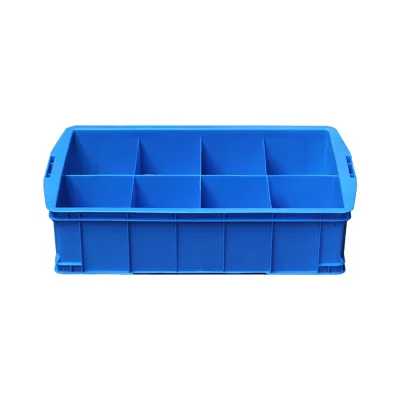
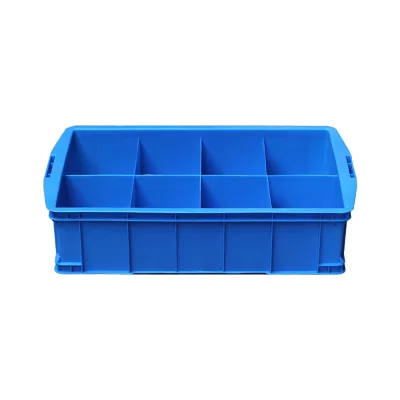
$4.50 - $5.30
MOQ: 2 pieces
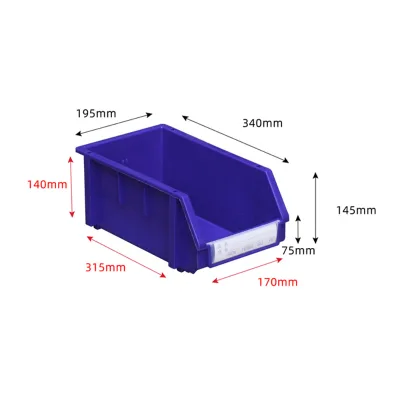
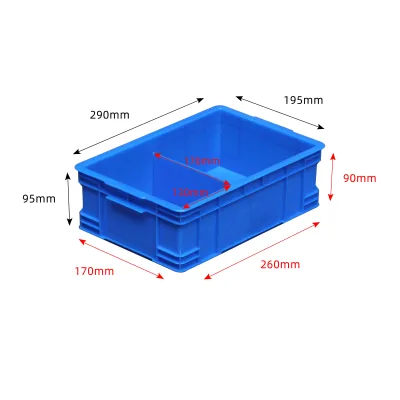
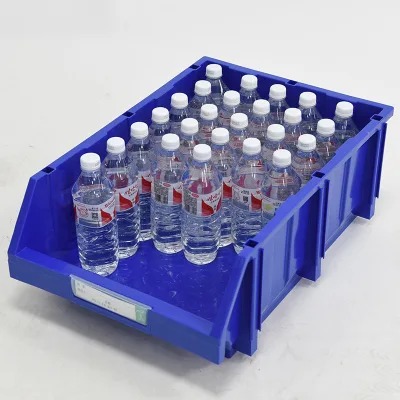
Qingdao Huading Industry Co., Ltd.
- Verified by SGS Group
- Trading Company
- Lead time10 days
- Avg. response≤ 2h
Main productsPlastic Pallets, Plastic Pallet Box, Plastic Sleeve Box, Plastic Containers, Plastic Crates
Main marketsSouth America(16%), Southeast Asia(16%), South Asia(12%)

ZHONGCHENG (QINGDAO) NEW MATERIAL CO., LTD.
- Verified by CTI
- Combined
- China Shandong
- Lead time15 days
- Avg. response≤ 3h
Main productsPP Honeycomb Board, Pallet Sleeve Box, Foldable Large Container, Corrugated Plastic Sheet, PP Honeycomb Panel, PP Bubble Guard Board, Coaming Box, Plastic Gaylord Box, Sleeve Pack, PP Corrugated Box
Main marketsSouth America,Africa,Southeast Asia/ Mideast,Domestic,Europe,Australia,North America

HDPE Pallet Sleeve Box Storage Coaming Turnover Box Container Box Plastic Storage
$50.00 - $79.00
MOQ: 2 Pieces


HEADYPHOON (SHANDONG)NEW MATERIAL TECHNOLOGY CO., LTD.
- Verified by Intertek
- Manufacturer, Trading Company
- Shandong, China
- Lead time10 days
- Avg. response≤ 2h
Main productsPP Corrugated Sheet, PP Corrugated Box
Main marketsNorth America(20%), South America(20%), Eastern Europe(10%)
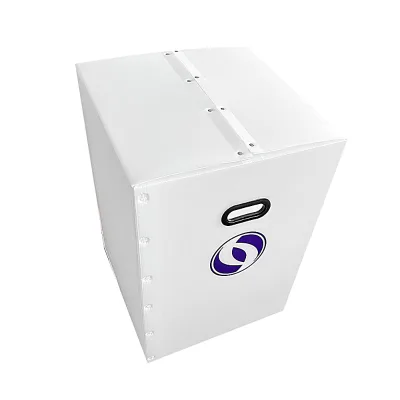
Plastic Shipping Box Turnover Box pp Storage Box
$0.30 - $0.60
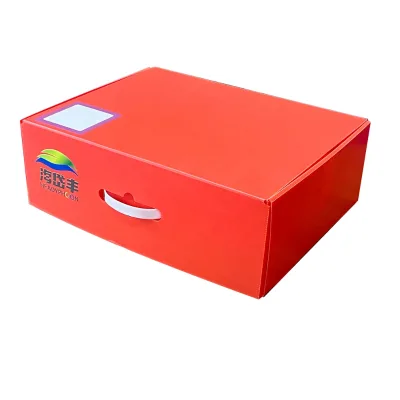
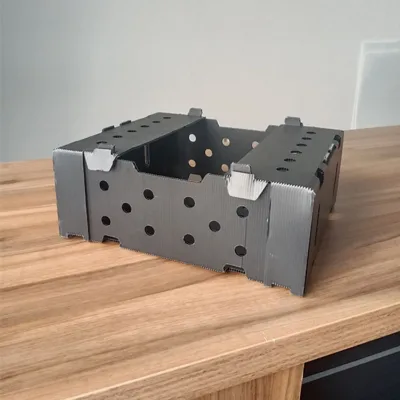
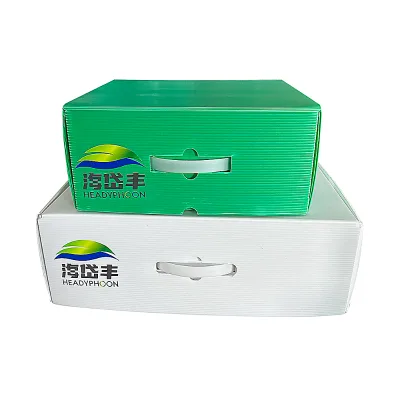
Factory Price Customized Plastic pp Hollow Storage Turnover Box Can Be Used in Multiple Scenes
$0.50 - $1.50
MOQ: 1000 Minimum
Shandong Corruone New Material Co., Ltd.
- Verified by SGS Group
- Manufacturer, Trading Company
- Lead time5 days
- Avg. response≤ 1h
Main productsCorrugated Plastic Sheets, Corrugated Plastic Box, Corrugated Plastic Bin, Floor Protection Sheet, Tree Guard
Main marketsWestern Europe(15%), South Asia(15%), North America(11%)
Xiamen Haosen Plastic Products Co., Ltd.
- Verified by SGS Group
- Manufacturer, Trading Company
- Lead time30 days
- Avg. response≤ 2h
Main productsPlastic Crate, Plastic Pallet, Plastic Bucket, Plastic Drainage Channel, Plastic Extrusion Profile
Main marketsDomestic Market(40%), North America(30%), Oceania(10%)

Chung Lam Blister Company Limited
- Verified by SGS
- Combined
- China Guangdong
- Lead time30 days
- Avg. response≤ 7h
Main productsBlister Packaging, Blister Folding Boxes, Packing Box, Plastic Packing, Blister Tray, Plastic Cylinder, Plastic Shoebox, Electronic Thermoforming Packaging Products, Food Blister Packaging
Main marketsDomestic
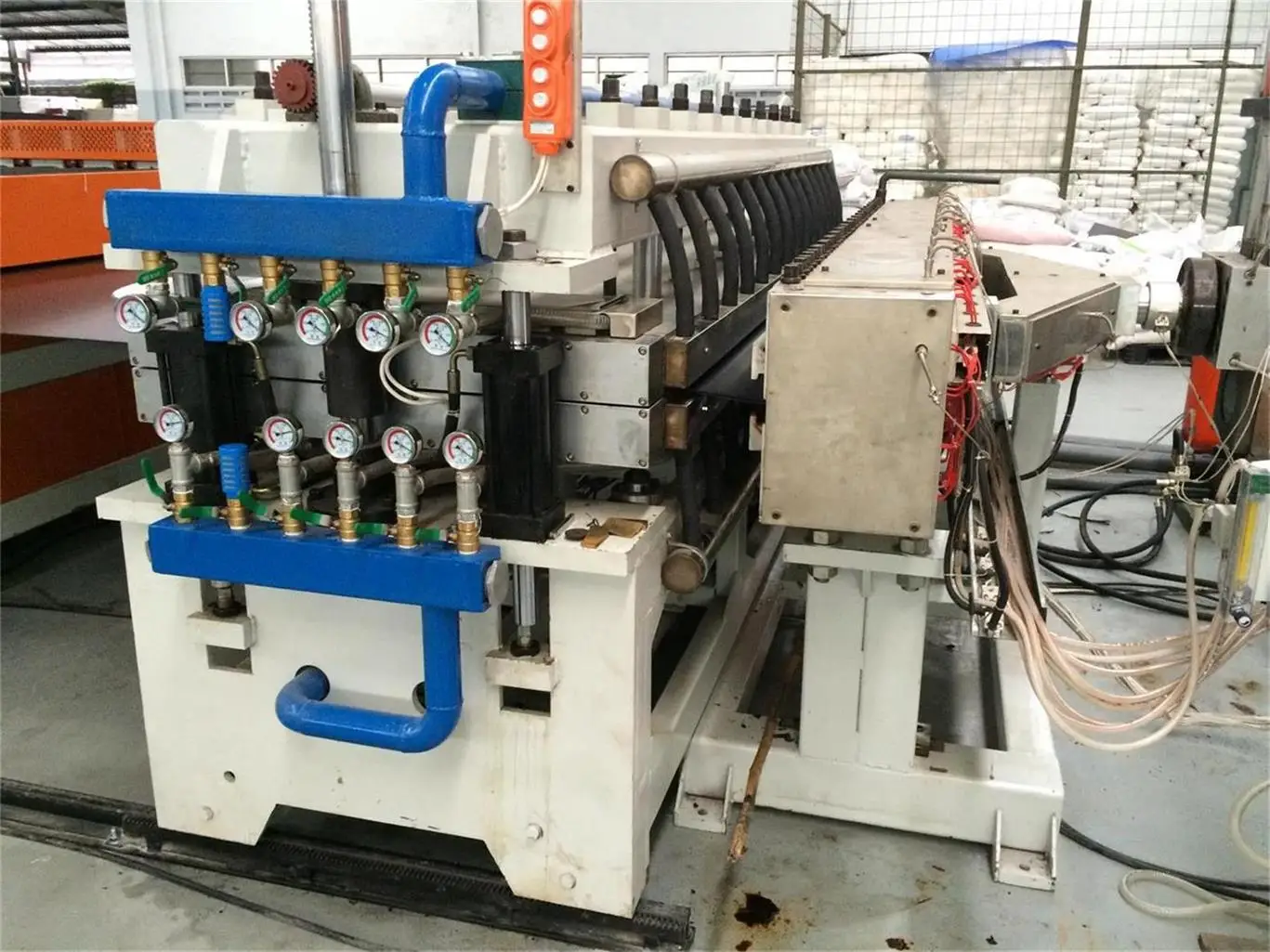
Qingdao Aistek Industry Co., Ltd
- Manufacturer, Trading Company
- Shandong, China
- Lead time30 days
- Avg. response≤ 4h
Main productsplastic pallet box,plastic sheets,PP honeycomb sheet
Main marketsSoutheast Asia(25.00%), Mid East(25.00%), South America(15.00%), Africa(15.00%), Eastern Europe(10.00%), Central America(5.00%), North America(5.00%)
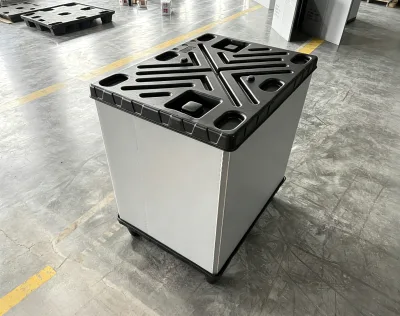
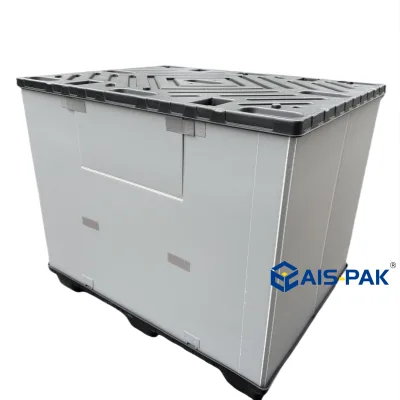
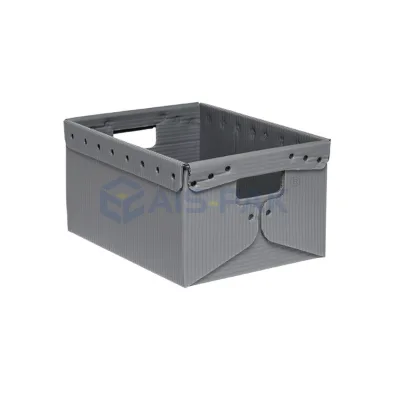
Customized Gray Plastic PP Corrugated Box Stackable and Space-Efficient for Recyclable Storage
$1.00 - $20.00
MOQ: 10 Minimum
Chinapack Jingli Supply Chain Management Jiangyin Co., Ltd.
- Manufacturer, Trading Company
- Jiangsu, China
- Lead time10 days
- Avg. response≤ 2h
Main productsCollapsible Pallet Box,Plastic Crate,Plastic Pallet,PP Plastic Sheet,Plastic Turnover Box
Main marketsAfrica(50.00%), Mid East(30.00%), Northern Europe(10.00%), South America(10.00%)

wuhan rigel import and export trading co.,ltd
- Verified by BV
- Trading Company,Manufacturer/Factory
- China Hubei
- Lead time0 days
- Avg. response≤ 20h
Main productsPlastic Product / Building Materials, Small Fishing Boat, EPS Cement Sandwich Wall Panel, Wall Panel Machine, Calcium Silicate Board, Calcium Silicate Board Production Line, WPC Wall Panel, WPC Wall Panel Production Line, Plastic Box, PE Wall Panel

Suzhou Highbright Enterprise Limited
- Combined
- China Jiangsu
- Lead time30 days
- Avg. response≤ 5h
Main productsShopping Trolley, Shopping Cart, Gondola Shelf, Display Shelf, Shop Fittings, Store Fixtures, Roll Container, Shopping Basket, Checkout Counter, Swing Gate
Main marketsSouth America,Africa,Southeast Asia/ Mideast,East Asia(Japan/ South Korea),Europe,Australia,North America
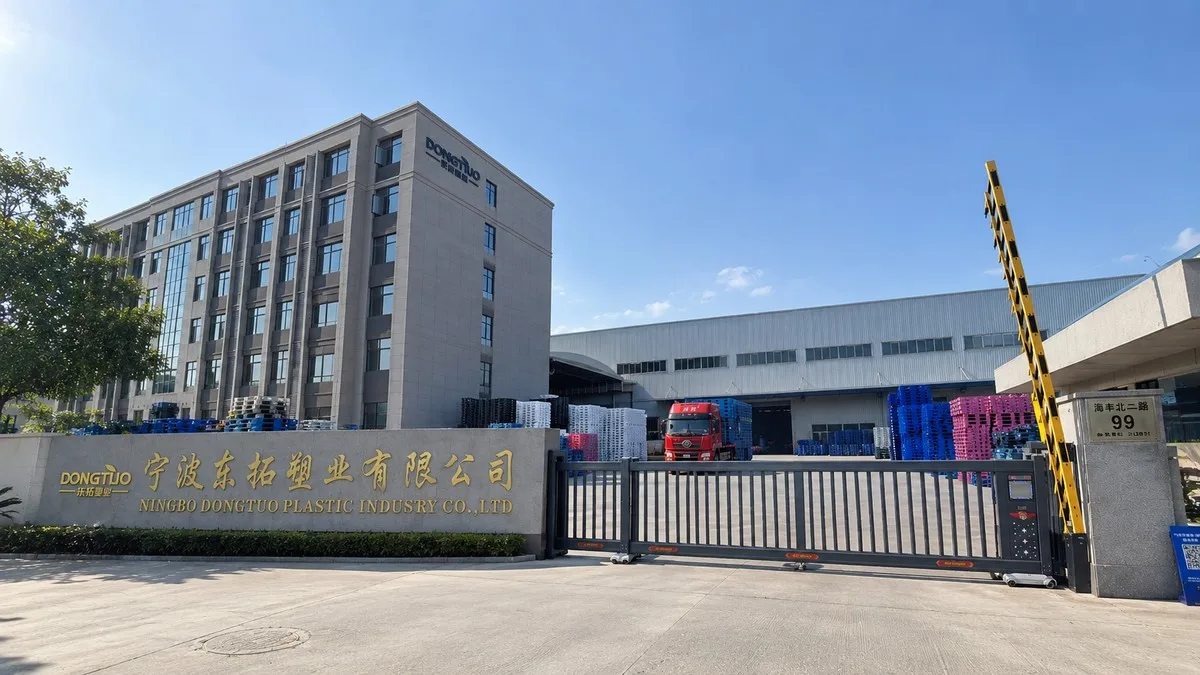
Ningbo Dongtuo Plastic Co., Ltd.
- Manufacturer, Trading Company
- Zhejiang, China
- Lead time20 days
- Avg. response≤ 4h
Main productsPlastic pallet,plastic box,plastic dustbin,plastic crate,plastic container
Main marketsWestern Europe(30.00%), Domestic Market(20.00%), North America(20.00%), Northern Europe(10.00%), Eastern Europe(10.00%), Southeast Asia(5.00%), Central America(5.00%)
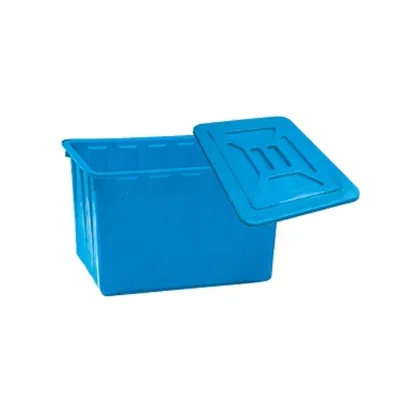
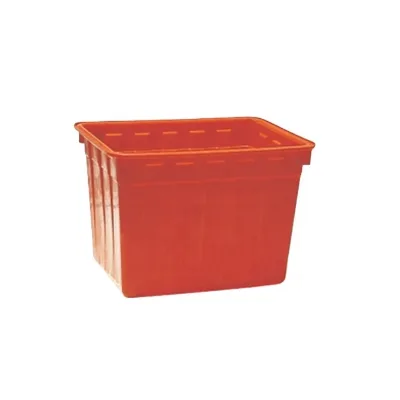
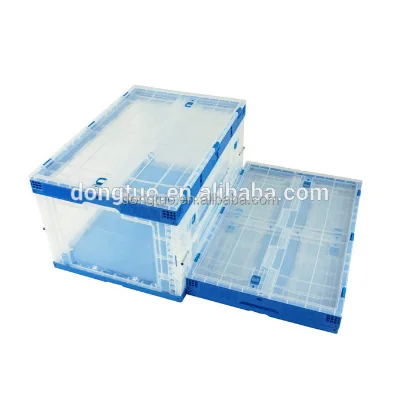
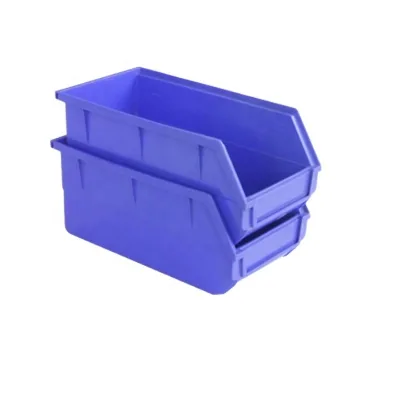
Small Plastic Boxes with Seal Cover, Best Price Plastic Transparent Box, Transparent Plastic Box
$2.072 - $20.7061
MOQ: 100 Minimum
Jiaxing Dacheng Import & Export Co., Ltd.
- Trading Company
- Zhejiang, China
- Lead time0 days
- Avg. response≤ 24h
Main productsStretch Blow Moulding Machines,Preform
Main marketsNorth America(30.00%), South Asia(30.00%), Domestic Market(20.00%), Mid East(10.00%), South America(10.00%)

Chinapack Jingli Supply Chain Management Jiangyin Co., Ltd.
- Verified by SGS
- Combined
- China Jiangsu
- Lead time15 days
- Avg. response≤ 1h
Main productsPlastic Pallet Box, Plastic Pallet, Plastic Crate, Spill Pallet, Paper Crate, PP Hollow Board, Pallet Box, Shopping Basket
Main marketsAfrica,Domestic,Australia

AISTEK(SUZHOU) NEW MATERIALS TECHNOLOGY CO., LTD
- Verified by SGS
- Trading Company
- China Jiangsu
- Lead time15 days
- Avg. response≤ 6h
Main productsPallet Sleev Box, Sleeve Packs, PP Bubble Guard Sheet, Plastic Honeycomb Sheet, Corrugated Plastic Sheet, PP Hollow Sheet, Plastic Pallet Box, Foldable Large Container
Main marketsDomestic,Europe
Zhongshan Jinting Plastic & Hardware Products Co., Ltd.
- Manufacturer
- Guangdong, China
- Lead time10 days
- Avg. response≤ 18h
Main productsPlastic Tool Case, Children Toys, Floating Dock, Outdoor Storage Box, Pet Supplies
Main marketsNorth America(92.00%), Western Europe(6.00%), Oceania(1.00%), Eastern Asia(1.00%)
Huidu Eco-Technologies (shanghai) Co., Ltd.
- Verified by TüVRheinland
- Manufacturer, Trading Company
- Lead time15 days
- Avg. response≤ 2h
Main productsPlastic Packaging Products, PP Logistics Folding Crate, PP Pallet, PP Hollow Board Box, PP Corrugated Sheet
Main marketsDomestic Market(90%), Mid East(4%), North America(3%)
Shenzhen Fairtech Electronics Co.,LTD
- Manufacturer
- Guangdong, China
- Lead time7 days
- Avg. response≤ 4h
Main productsESD garment,ESD Magazine Rack,ESD box,ESD Fabric,ESD Bag
Main marketsNorthern Europe(17.00%), Western Europe(15.00%), North America(15.00%), Central America(15.00%), Eastern Europe(14.00%), South America(14.00%), Southern Europe(10.00%)
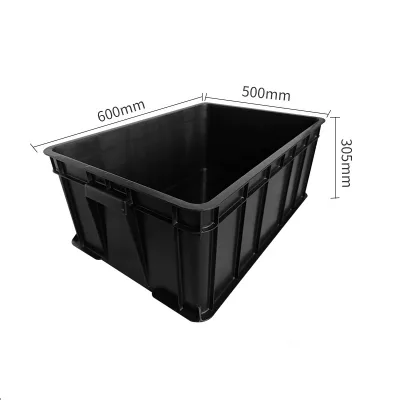
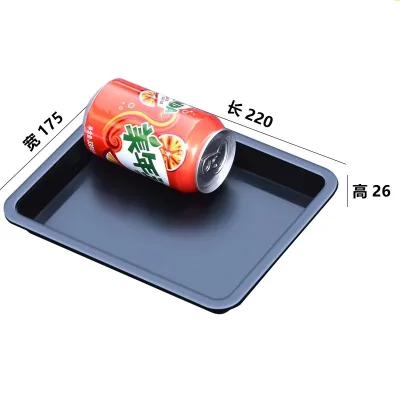
Promotion Recycling Hinged Boxes With Anti-static Parts Trays Storage Bin Esd Blister Tray
$0.50 - $21.42
MOQ: 1 Minimum
Ningbo Bafuluo International Trading Co., Ltd.
- Manufacturer, Trading Company
- Zhejiang, China
- Lead time45 days
- Avg. response≤ 9h
Main productsfoldable trolley,foldable crate,foldable basket,plastic crate,storage box
Main marketsSoutheast Asia(50.00%), South America(20.00%), Northern Europe(10.00%), Central America(10.00%), North America(10.00%)
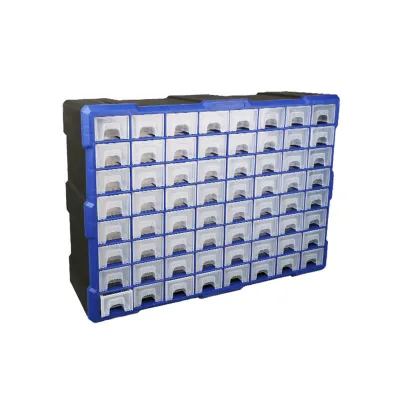
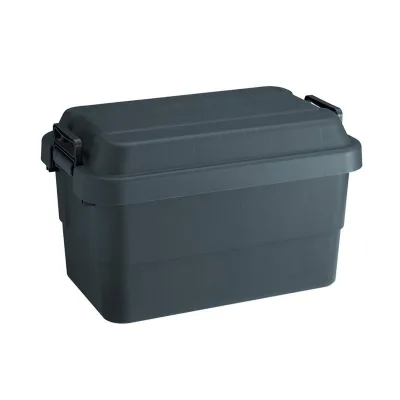
Hot-selling and Easy to Use Table Plastic Stacking Storage Box with Module Design
$9.00 - $15.00
MOQ: 1000 Minimum
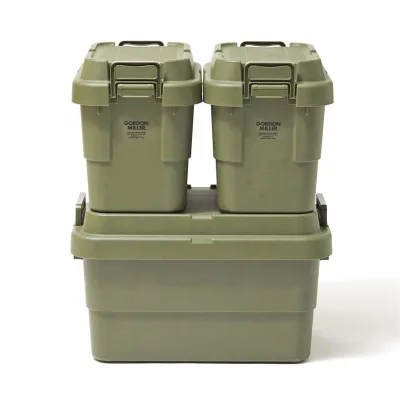

Shandong Brilliant Packaging Products Co., Ltd.
- Verified by TUVRHEINLAND
- Combined
- China Shandong
- Lead time15 days
- Avg. response≤ 5h
Main productsPlastic Pallet, Plastic Storage Box, Plastic Crates, Plastic Dustbins, Plastic Box, Collapsible Pallet Container, Plastic Foldable Container, Plastic Waste Bin, Garbage Bins, Plastic Pallet Container
Main marketsSoutheast Asia/ Mideast


Custom Plastic Container Box Foldable Plastic Box Custom Size Available Factory Processing
$4.00 - $5.50
MOQ: 200 Pieces

Anhui Hengda New Materials Co., Ltd.
- Manufacturer, Trading Company
- Anhui, China
- Lead time0 days
- Avg. response≤ 6h
Main productscorrugated plastic sheet,corrugated plastic board,pp corrugated sheet,pp hollow sheet,pp hollow board
Main marketsSouthern Europe(10.00%), Northern Europe(10.00%), Central America(10.00%), Western Europe(10.00%), Oceania(10.00%), Africa(10.00%), Southeast Asia(10.00%), Eastern Europe(10.00%), South America(10.00%), North America(10.00%)








Comprehensive Sourcing Guide
Recycled HDPE Plastic Parts Box Supplier Concentration and Factory Types
When evaluating the landscape for recycled HDPE plastic parts boxes, buyers must first distinguish between the primary types of entities available in the market. The current supplier results indicate a mix of manufacturers and trading companies, each offering distinct advantages for sourcing this specific category of storage solutions. Manufacturers typically possess the direct control over production lines, allowing for deeper customization of the recycled HDPE material composition and structural integrity of the parts boxes. This direct oversight is crucial for buyers who require specific mechanical properties, such as impact resistance or chemical stability, inherent to high-quality recycled polyethylene. On the other hand, trading companies often aggregate products from multiple factories, providing a broader catalog of existing stock and faster access to standard items. For buyers seeking immediate availability of off-the-shelf recycled HDPE containers, trading companies may offer a more streamlined procurement path, whereas those needing bespoke designs or large-scale production runs might find manufacturers more suitable for their long-term supply chain needs.
The concentration of these suppliers is not uniformly distributed, and identifying the right cluster requires careful verification of their operational base. While some results point to specific regions like Zhejiang and Jiangsu in China, buyers should not assume these are the only viable hubs for recycled HDPE production. The presence of both manufacturer and trading company types in these areas suggests a mature industrial ecosystem where raw material processing and finished goods assembly are closely linked. However, buyers must verify if the supplier is a genuine factory with injection molding capabilities for HDPE or merely a reseller. This distinction is vital because the quality of recycled HDPE depends heavily on the sourcing of post-consumer or post-industrial waste and the subsequent purification and extrusion processes. Buyers should inquire about the supplier’s direct involvement in the recycling chain to ensure the authenticity of the material claims. Understanding whether a supplier is a manufacturer or a trader helps in predicting their flexibility in handling custom orders and their ability to provide transparent pricing structures for the raw material costs associated with recycled plastics.
How to Verify Recycled HDPE Plastic Parts Box Suppliers
Verifying the credibility of suppliers for recycled HDPE plastic parts boxes requires a multi-layered approach that goes beyond simple profile reviews. Buyers should prioritize suppliers who have undergone third-party verification processes, as indicated by certifications from recognized bodies such as SGS Group or TÜV Rheinland. These verifications provide an additional layer of confidence regarding the supplier’s business legitimacy and operational capabilities. For instance, the presence of SGS Group verification suggests that the supplier has met specific standards for business operations, which is a positive indicator for reliability. Similarly, TÜV Rheinland verification often implies a focus on quality management and product safety, which is particularly important when dealing with recycled materials that must meet strict environmental and performance standards. Buyers should request copies of these verification reports to understand the scope of the audit and ensure it covers the specific manufacturing processes relevant to recycled HDPE production. This due diligence helps mitigate the risk of engaging with fraudulent entities or suppliers who lack the necessary infrastructure to produce high-quality recycled plastic components.
In addition to third-party verifications, buyers must scrutinize the supplier’s product evidence and technical specifications to ensure alignment with their quality requirements. The product data provided often includes details such as material composition, weight tolerance, and dimensional accuracy, which are critical for recycled HDPE parts boxes. For example, specifications indicating a weight tolerance of less than ±5% and dimensional tolerances of greater than or equal to ±2cm provide insight into the precision of the manufacturing process. Buyers should compare these technical attributes across different suppliers to identify those who demonstrate consistent quality control. Furthermore, examining the supplier’s response time and lead time can offer clues about their operational efficiency and customer service commitment. A supplier with a rapid response time, such as twelve hours, may indicate a well-staffed and responsive team capable of addressing queries and resolving issues promptly. By combining verification credentials with technical product analysis and operational metrics, buyers can build a comprehensive profile of each supplier’s reliability and suitability for their specific sourcing needs.
What to Compare Across Recycled HDPE Plastic Parts Box Suppliers
When comparing suppliers for recycled HDPE plastic parts boxes, buyers should focus on key operational metrics that directly impact cost, speed, and flexibility. One of the most critical factors is the minimum order quantity (MOQ), which varies significantly across different suppliers. For example, some suppliers may require an MOQ of 1000 units, while others might demand 2000 units or more. This variation can influence the buyer’s inventory management strategy and cash flow, especially for smaller orders or trial purchases. Buyers should also compare the price ranges offered for similar products, as costs can fluctuate based on material quality, customization options, and order volume. In the current results, price points for plastic storage boxes range from as low as $0.60 to over $12.70, reflecting differences in size, features, and material grade. Understanding these price disparities helps buyers identify suppliers who offer the best value for their specific requirements, whether they prioritize low cost or premium quality. Additionally, comparing the lead times is essential for planning production schedules and ensuring timely delivery. Suppliers with shorter lead times, such as twenty to thirty days, can provide greater agility in responding to market demands and reducing stockouts.
Another important aspect of comparison is the level of customization support offered by each supplier. Buyers seeking unique designs or specific branding for their recycled HDPE parts boxes should evaluate the supplier’s capabilities in OEM and ODM services. The product evidence indicates that some suppliers support both OEM and ODM customization, allowing for tailored solutions that meet specific functional or aesthetic needs. Buyers should also assess the supplier’s main product focus to ensure they have expertise in the relevant category. For instance, suppliers specializing in tool storage or household organization may have more refined processes for producing durable and functional plastic boxes compared to those with a broader, less focused product range. Furthermore, comparing the response times can provide insight into the supplier’s customer service quality. A supplier with a response time of twelve hours may be more accessible for negotiations and technical discussions than one with a longer response window. By systematically comparing these operational metrics, buyers can identify suppliers who align best with their strategic goals, balancing cost, speed, and customization needs to optimize their sourcing outcomes.
Common Recycled HDPE Plastic Parts Box Sourcing Risks
Sourcing recycled HDPE plastic parts boxes involves several inherent risks that buyers must proactively manage to ensure supply chain stability and product quality. One significant risk is the variability in material quality, which can arise from inconsistent sourcing of recycled feedstock. Unlike virgin plastics, recycled HDPE can contain impurities or variations in mechanical properties depending on the source of the post-consumer waste. Buyers must verify that suppliers have robust quality control measures in place to ensure consistency in the final product. This includes testing for tensile strength, impact resistance, and chemical resistance to guarantee that the parts boxes meet the required performance standards. Another risk is the potential for misrepresentation of material composition, where suppliers may claim a product is made from recycled HDPE when it contains a lower percentage of recycled content or is mixed with other plastics. To mitigate this risk, buyers should request material certifications and test reports from independent laboratories to verify the recycled content percentage and overall material integrity. This due diligence is crucial for maintaining brand reputation and ensuring compliance with environmental regulations and customer expectations.
Logistical and operational risks also pose challenges in the sourcing of recycled HDPE plastic parts boxes. Lead time variability can disrupt production schedules, especially if suppliers face delays due to raw material shortages or production bottlenecks. Buyers should establish clear communication channels and contingency plans to address potential delays. Additionally, the risk of damage during transit is higher for plastic products, particularly if they are not properly packaged. Buyers should review the supplier’s packaging methods, such as the use of stacked cartons or protective materials, to ensure the products arrive in good condition. Another operational risk is the lack of transparency in pricing, which can lead to unexpected costs due to hidden fees or fluctuations in raw material prices. Buyers should seek suppliers who offer transparent pricing structures and clear terms for price adjustments. Furthermore, the risk of intellectual property infringement is a concern for buyers seeking customized designs. Buyers should ensure that suppliers have appropriate agreements in place to protect their proprietary designs and specifications. By identifying and addressing these common risks, buyers can build a more resilient and reliable supply chain for their recycled HDPE plastic parts boxes.
Recycled HDPE Plastic Parts Box Regional Sourcing and Logistics
The regional concentration of suppliers for recycled HDPE plastic parts boxes significantly influences logistics strategies and cost structures. Based on the available data, suppliers are located in regions such as Zhejiang and Jiangsu in China, which are known for their robust manufacturing ecosystems and proximity to major ports. Sourcing from these regions can offer logistical advantages due to established infrastructure and efficient shipping routes. However, buyers must consider the implications of distance on lead times and transportation costs. For instance, suppliers in Zhejiang may have different shipping options compared to those in Jiangsu, affecting the overall delivery timeline. Buyers should evaluate the supplier’s location in the context of their own distribution network to optimize freight costs and minimize transit times. Additionally, regional sourcing can impact the availability of raw materials, as proximity to recycling facilities may reduce the cost and environmental footprint of the recycled HDPE used in production. Buyers should inquire about the supplier’s supply chain for recycled materials to understand the regional dynamics and potential sustainability benefits.
Logistics planning also involves understanding the packaging and handling requirements for recycled HDPE plastic parts boxes. The product evidence indicates that suppliers use various packaging methods, such as stacked cartons or color card packaging, which can affect the efficiency of loading and unloading. Buyers should coordinate with suppliers to ensure that packaging is optimized for container utilization, reducing shipping costs and environmental impact. Furthermore, buyers must consider the regulatory requirements for importing plastic products, including labeling and safety standards, which may vary by destination country. Sourcing from specific regions may also offer opportunities for collaboration with local logistics providers who specialize in handling plastic goods. By aligning regional sourcing decisions with logistical capabilities, buyers can enhance supply chain efficiency and reduce overall costs. It is also important to monitor regional trade policies and tariffs that may impact the cost of importing recycled HDPE products. Buyers should stay informed about any changes in trade regulations that could affect their sourcing strategy and adjust their plans accordingly to maintain competitiveness and compliance.
Recycled HDPE Plastic Parts Box Commercial Terms and Order Planning
Effective order planning for recycled HDPE plastic parts boxes requires a thorough understanding of commercial terms and payment structures. Buyers should negotiate clear terms regarding pricing, payment methods, and delivery schedules to avoid misunderstandings and financial risks. The price ranges observed in the supplier results, from $0.60 to $12.70, highlight the importance of specifying exact product specifications to obtain accurate quotes. Buyers should request detailed quotations that break down costs for materials, customization, and shipping to ensure transparency. Additionally, understanding the supplier’s payment terms, such as deposit requirements and balance payment conditions, is crucial for cash flow management. Buyers should also consider the use of secure payment methods, such as escrow services, to protect their interests until the goods are received and verified. This is particularly important for new suppliers or large orders where the risk of non-delivery or quality issues is higher. By establishing clear commercial terms, buyers can build trust and ensure a smooth transaction process.
Order planning also involves aligning production schedules with demand forecasts to minimize inventory holding costs and stockouts. Buyers should work closely with suppliers to establish realistic lead times and production capacities. The lead times observed, ranging from twenty to thirty days, should be factored into the overall supply chain planning. Buyers should also consider the supplier’s capacity for handling rush orders or volume fluctuations, which can be critical during peak seasons. Furthermore
FAQs
What is the price range for plastic parts storage boxes?
Plastic parts storage boxes are available within a broad price range depending on material and customization. Prices typically start from $0.60 for basic storage containers and can reach up to $12.70 for specialized tool boxes. Buyers should verify specific unit costs based on order volume and required features like lids or inserts.
What is the minimum order quantity for these boxes?
The minimum order quantity varies by supplier and product type. Some manufacturers require a minimum of 1000 units for customized plastic tool boxes, while others may set the threshold at 2000 units for general storage containers. Buyers must check the specific MOQ listed for each product to ensure their order meets the supplier's requirements.
How long does production take for these orders?
Production lead times generally range from 20 to 30 days depending on the supplier and order complexity. Some suppliers offer a standard lead time of 30 days, while others may complete orders in 23 days. Buyers should confirm the exact delivery schedule with the supplier before placing an order to avoid delays.
Are these boxes made from recycled HDPE plastic?
The supplied facts indicate that many boxes are made from PP or general plastic materials rather than specifically recycled HDPE. While some products are labeled as plastic storage boxes, buyers should verify the exact material composition with the supplier. Customization options like OEM are available, but material specifics must be confirmed directly.
What certifications do these plastic boxes have?
Selected suppliers offer products certified with RoHS and CE standards, ensuring compliance with safety and environmental regulations. These certifications are relevant for buyers requiring specific quality assurances. Buyers should request valid certification documents from the supplier to verify that the plastic parts boxes meet the required regulatory standards for their market.
Can I customize the design of these storage boxes?
Yes, many suppliers support OEM and ODM customization for plastic storage boxes. Buyers can request custom sizes, logos, and packaging options. Some manufacturers also offer graphic processing and sample processing services. Buyers should discuss their specific design requirements with the supplier to ensure the customization aligns with their branding and functional needs.
Where are these plastic boxes manufactured?
These plastic boxes are primarily manufactured in China, with specific origins in Zhejiang and Jiangsu provinces. Buyers can source products from verified suppliers located in these regions. The place of origin is a key factor for logistics planning, and buyers should confirm the exact manufacturing location with the supplier for accurate shipping estimates.